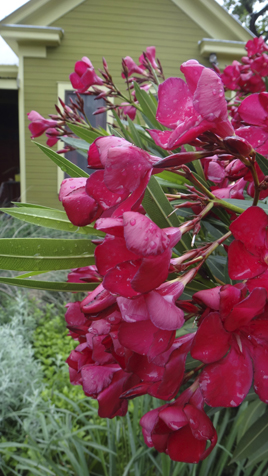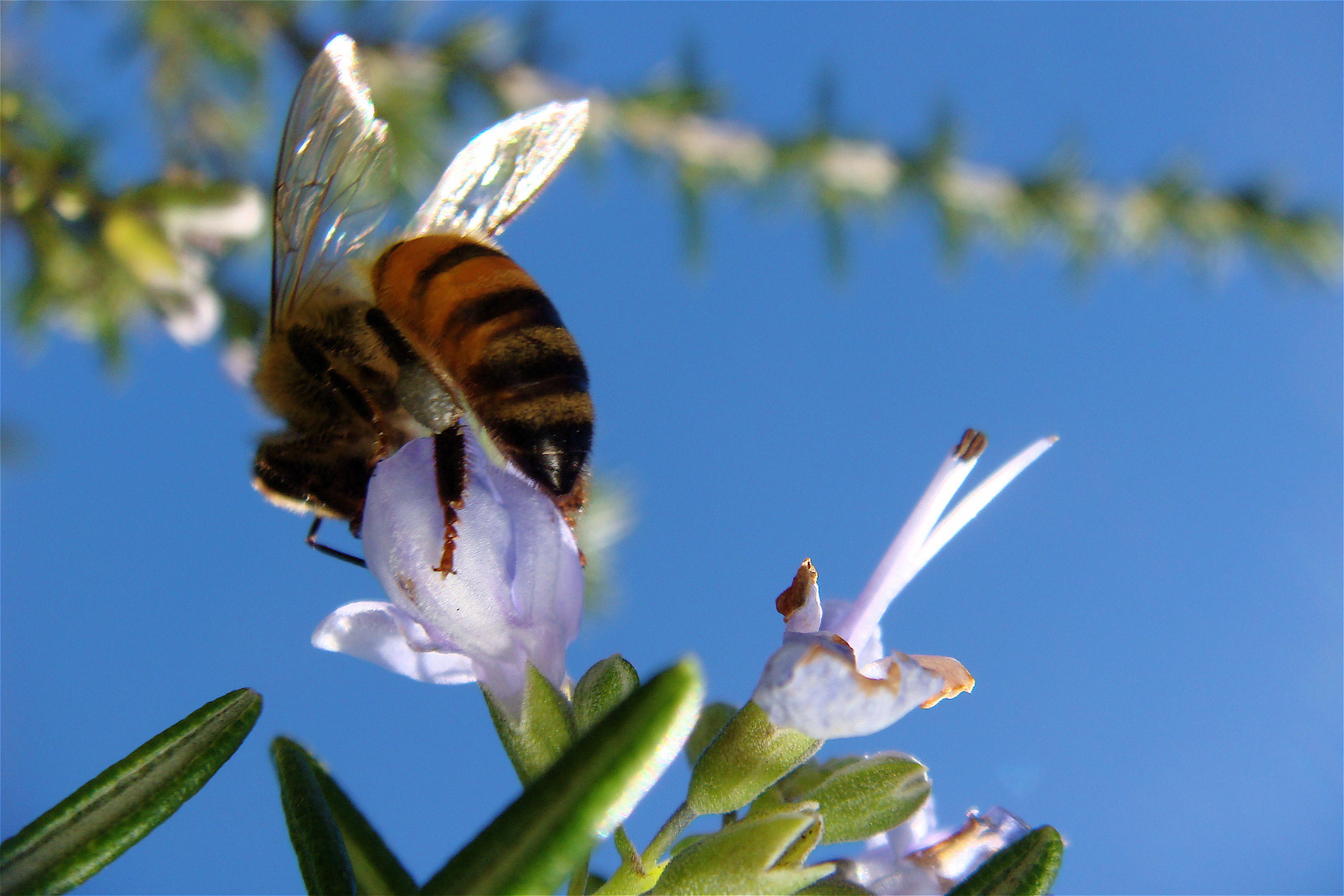
Clear warm winter days have this rosemary blooming once again, and it is covered in honey bees, naturally. It is almost the only thing blooming in the patch, apart from the occasional ice plant that I still cannot decide if I even like!

How sweet must the nectar taste to these bees in the depths of winter (shhh, it is 72 degrees right now) and imagine the flavor of the honey?
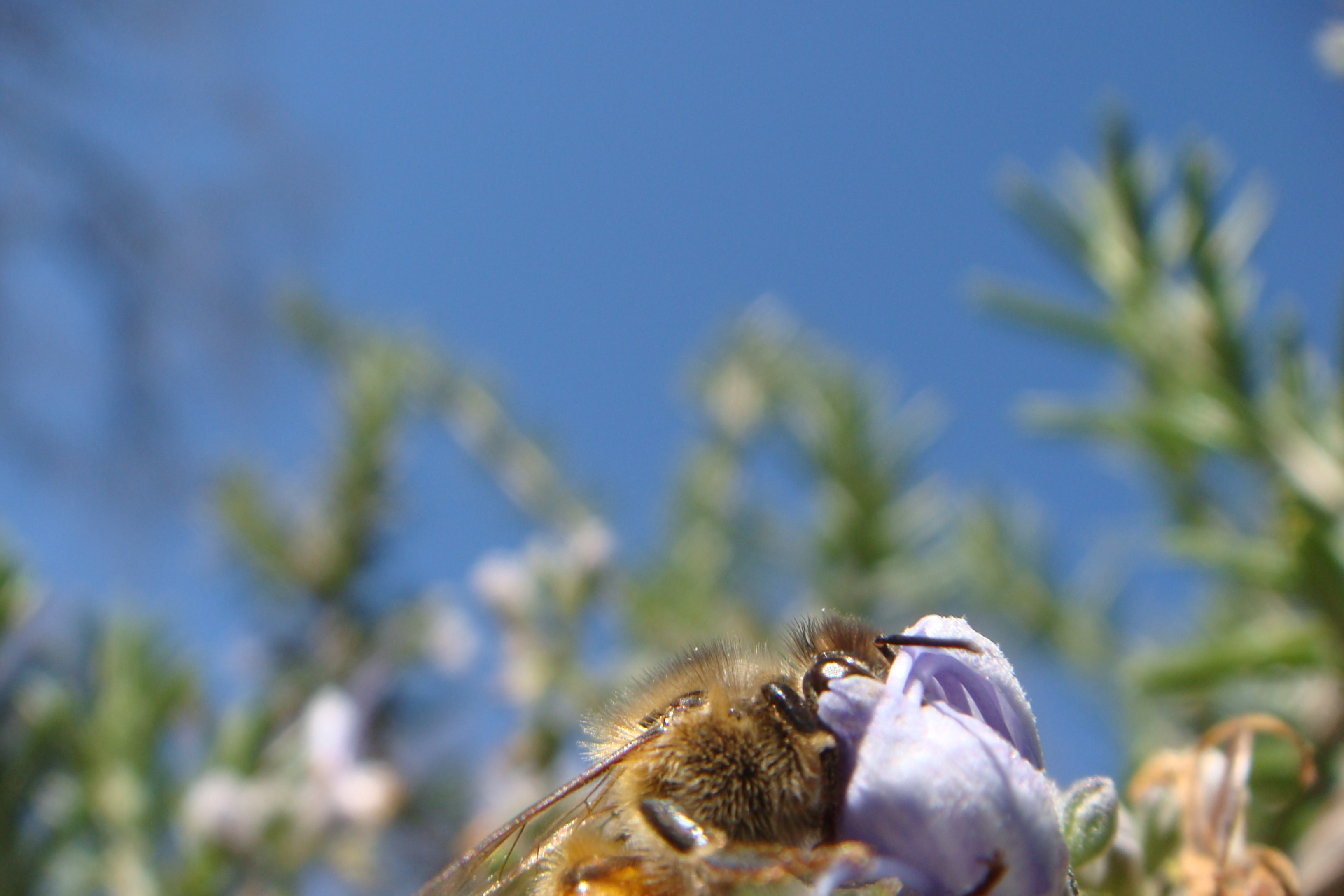 Our warm spell is about to end, (I think he senses it), hence the unusual timing and length of this post.
Up is down and down is up:
I confused myself with the next few shots…

The weather was perfect, not a breath of wind stirred the water’s surface in my stock tank, it was as reflective as a mirror.
Each time I see the Upside-Down Man
Standing in the water,
I look at him and start to laugh,
Although I shouldn’t oughtter.
For maybe in another world
Another time
Another town,
Maybe HE is right side up
And I am upside down.
Reflection
BY
Shel Silverstein
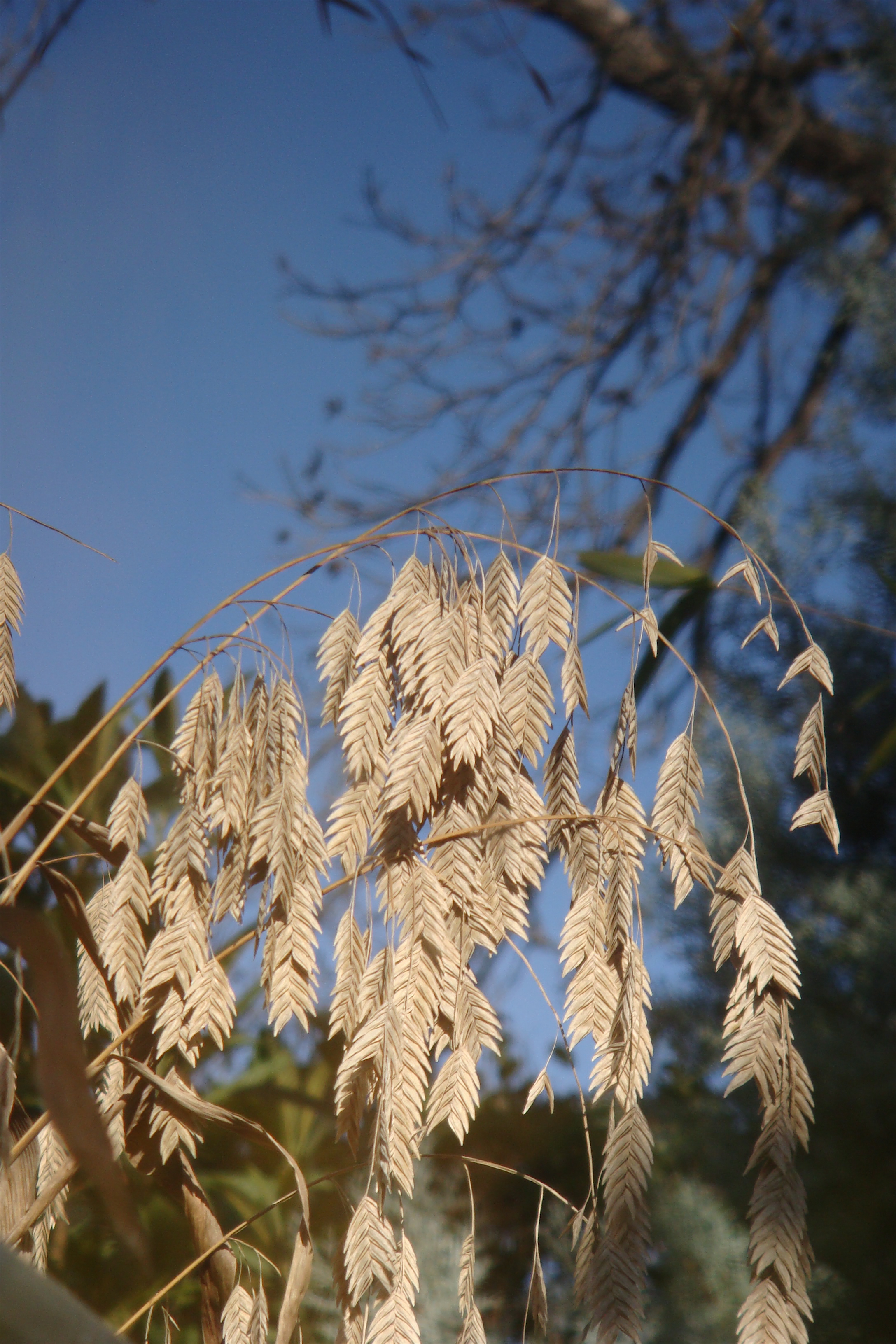
Looking down into the water sea oats.
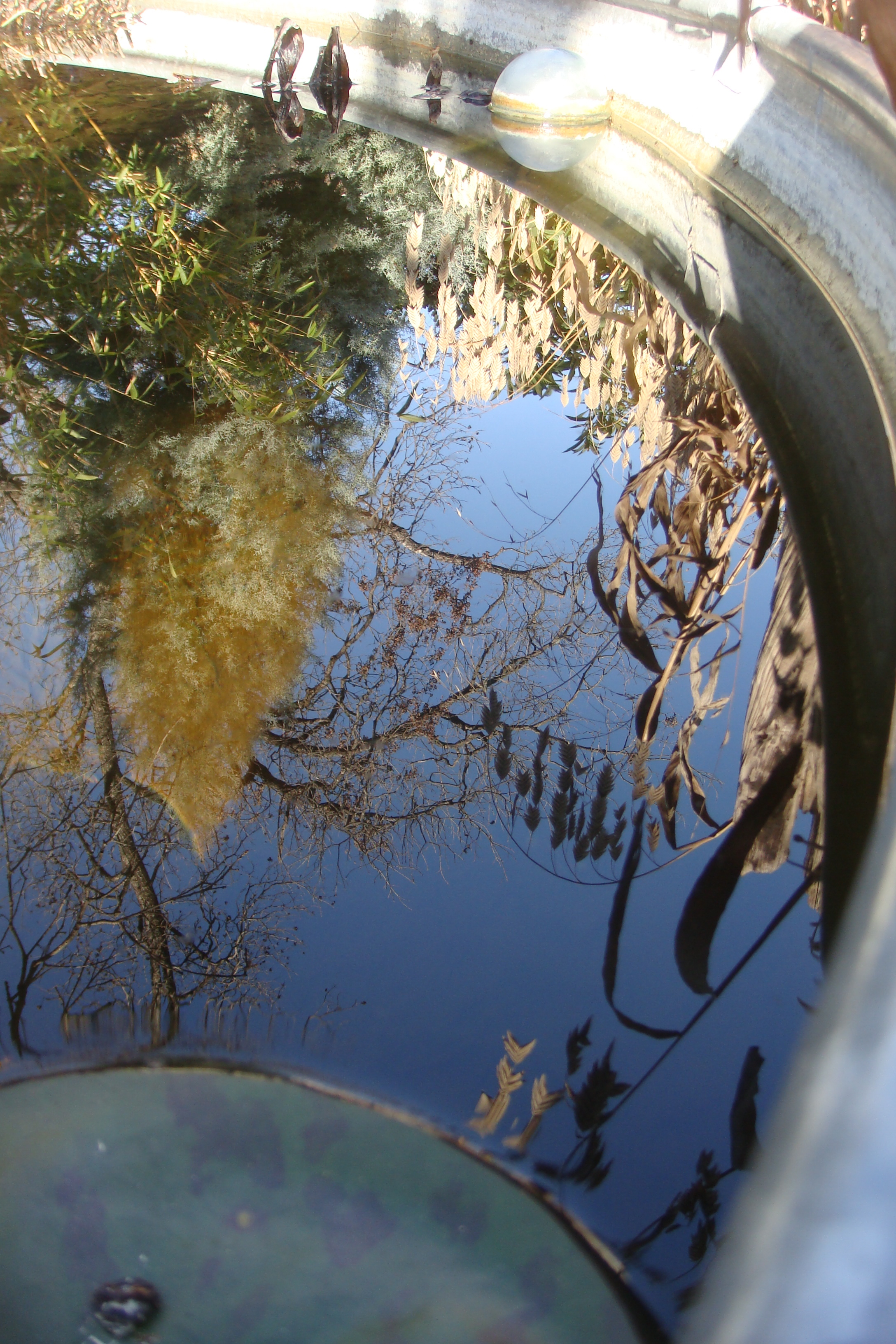
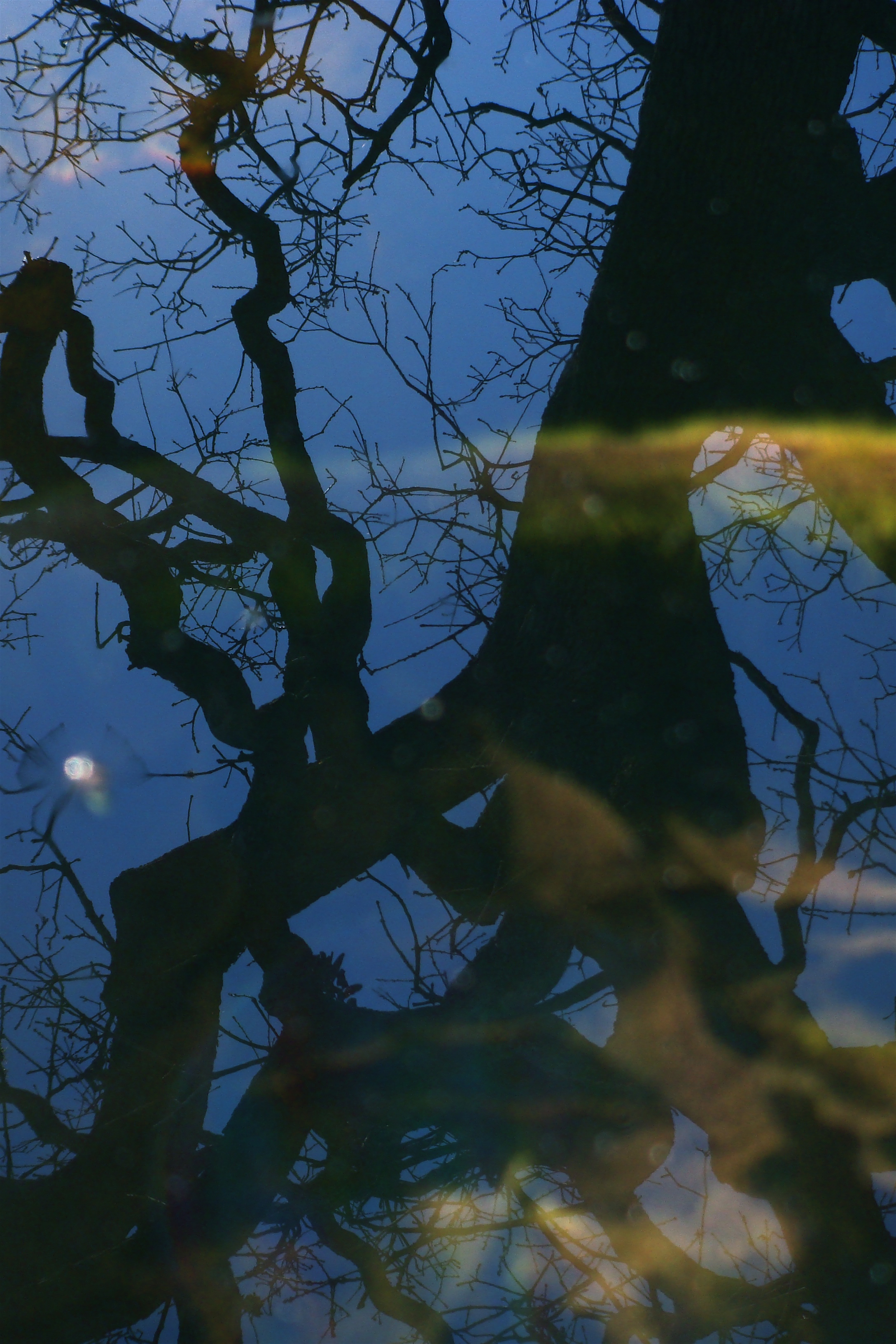 All the above shots were almost perfectly reflected in the water in my stock tank, even the post oak was reflecting sharply in the middle of the pond.
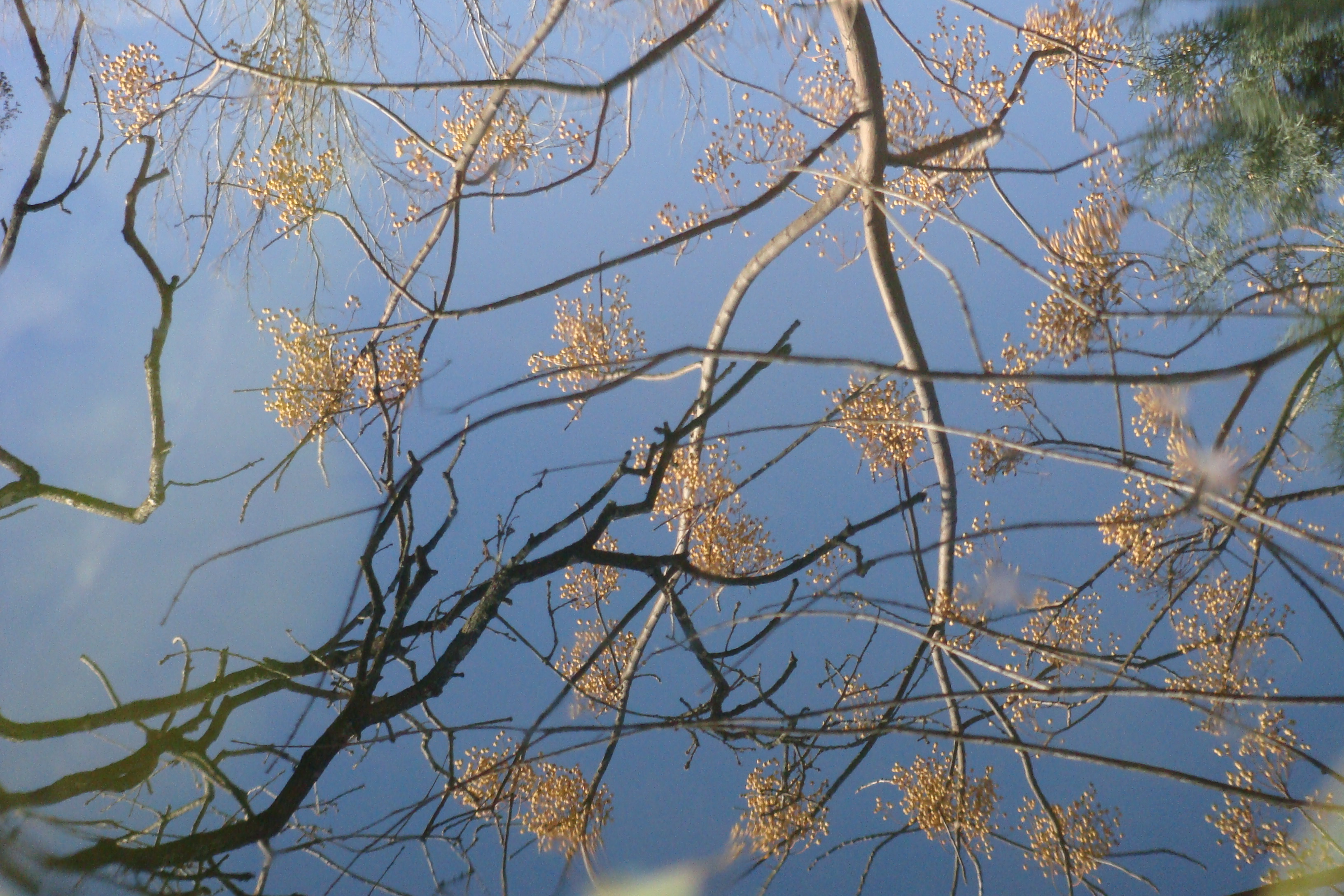
The neighbors China berry also put on a great display in the water.
Back on dry land…
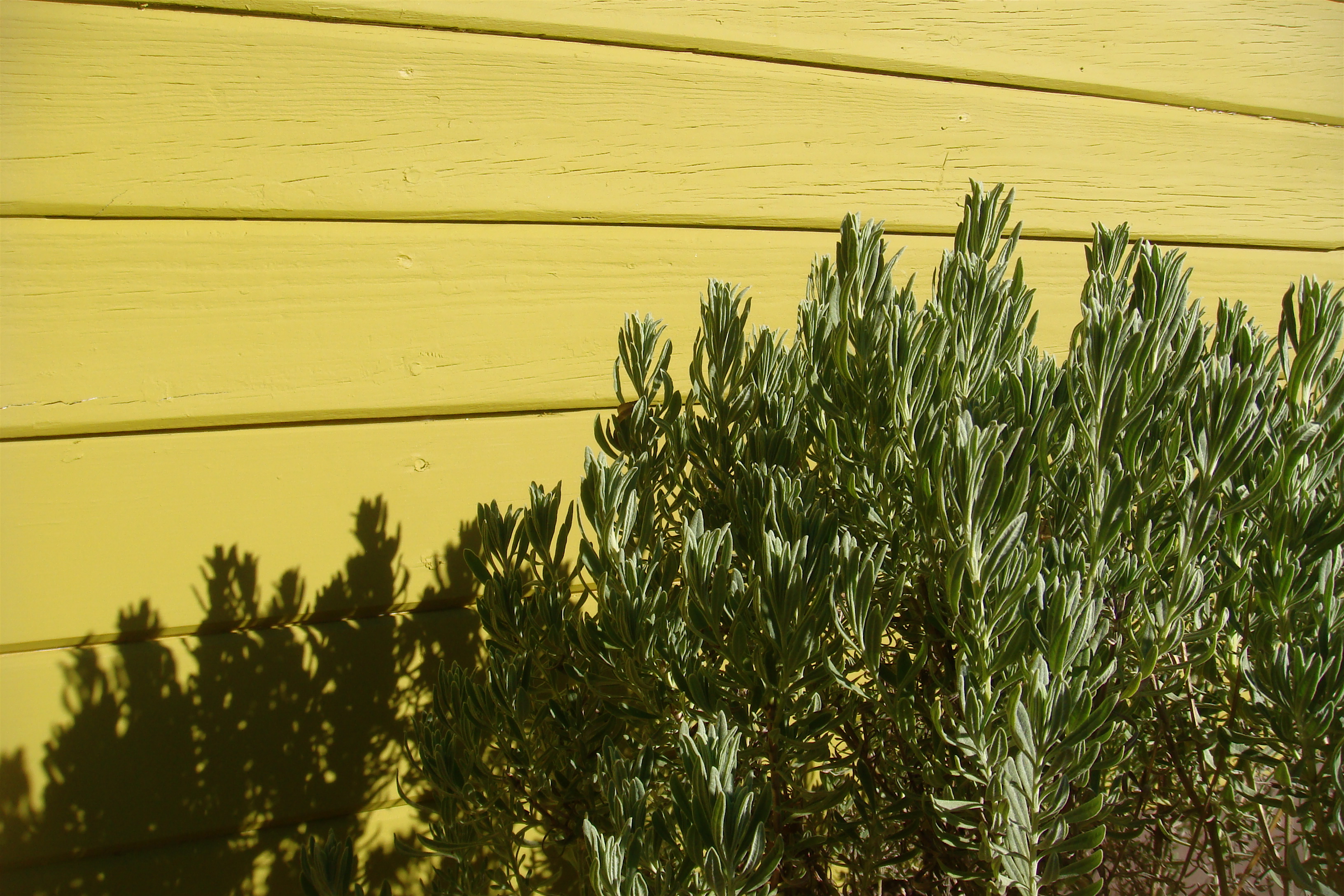
The unseasonably warm weather prompted me to move a lavender container up against the side of my house today which is where it apparently should have been all along.
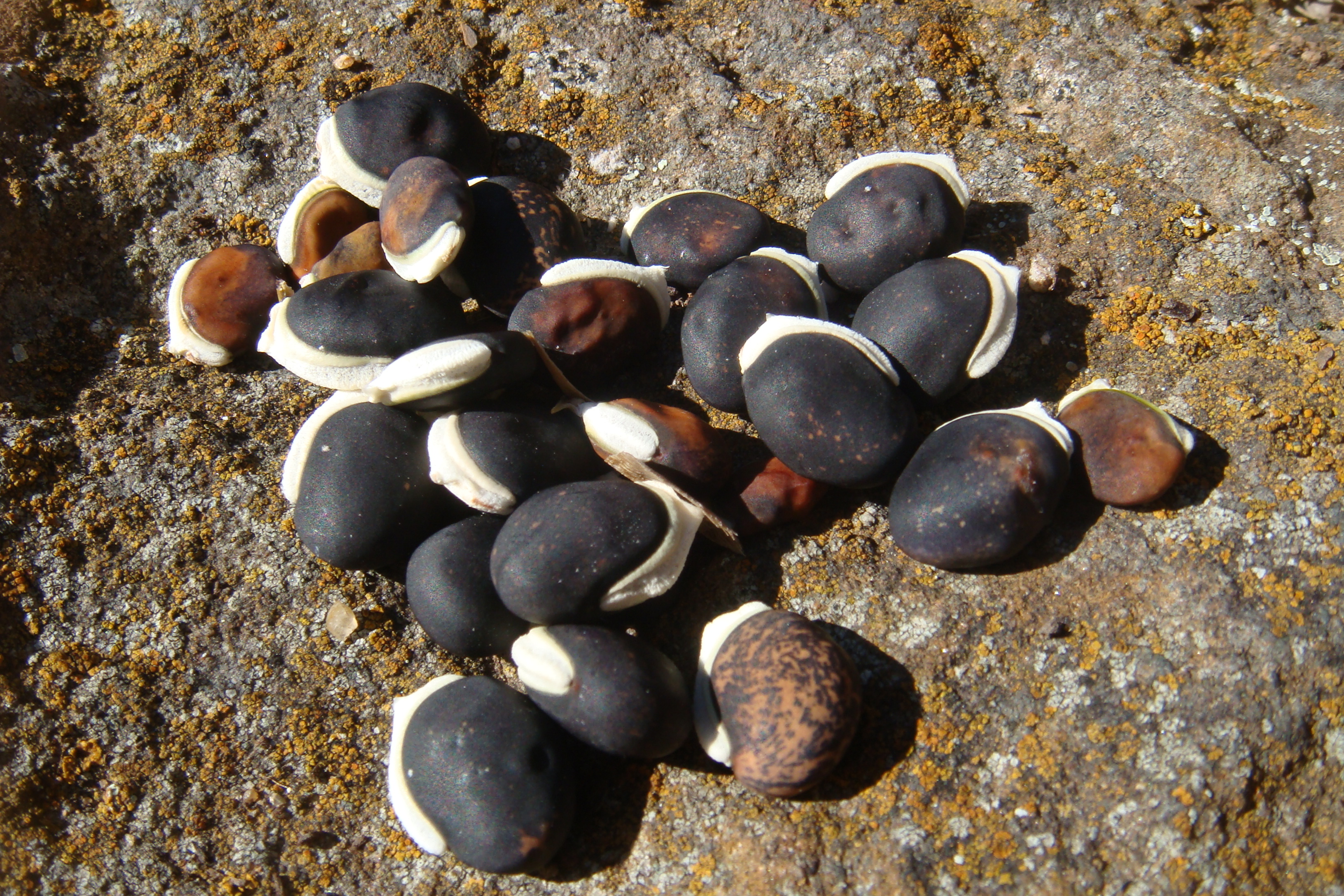
I was also compelled to plant some smiling purple hyacinth beans, (Thanks Marion) knowing that rain is about to descend once again on central Texas.

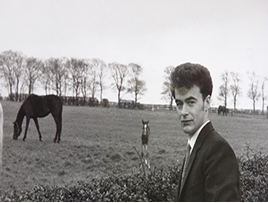
Anyone remember “The Black and White Minstrel Show”? I quote:
History of the Minstrel Shows 1843-1900
Before the Civil War minstrel shows gained world-wide popularity, with the American companies performing in Europe and Japan. All levels of society attended: Thackeray and Gladstone were two British fans of the minstrel shows, which also toured Australia. Visitors to the US left accounts of the performances. Joseph Gungl, a German traveler, saw early slapstick as the minstrels of one troupe began to “fight” on-stage. As immigrants worried the people who shared the American consensus, blackface Irishmen and even Chinese began to appear; these must have appeared a little strange. Door prizes and familiar songs were staples; the jokes changed from town to town, commenting on local issues.
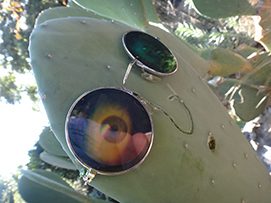
I always found the Minstrels disturbing and very odd even as a young child, but they do look like hyacinth beans.
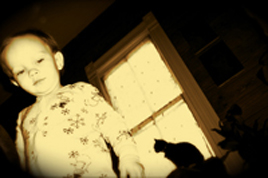
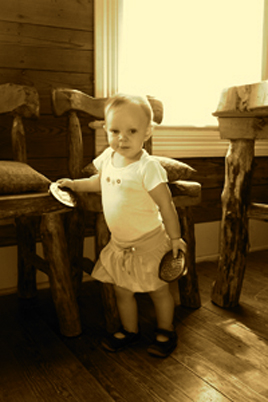
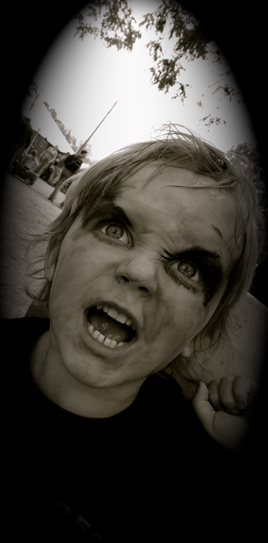
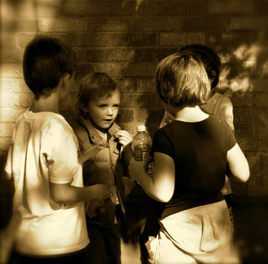
 My youngest was a “secret agent” the other day, along with his agent sister. His Bond escapades took him deep under my Cypress ‘blue ice’ where he proceeded to get “sapped”, don’t ask me how.
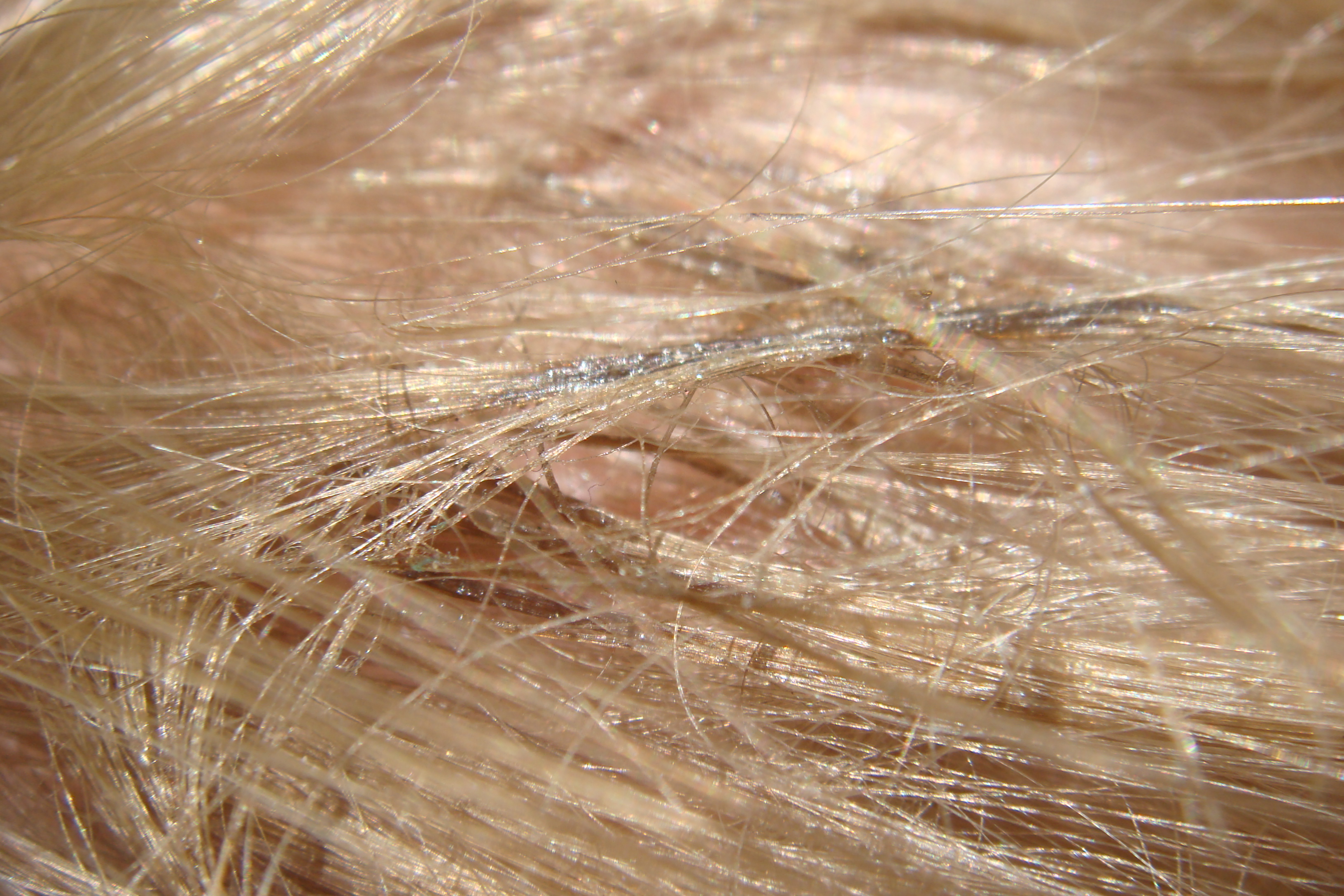 Oh yes, his hair now has chunks of sticky sap that is elevating his hairstyle (more then usual) in a rather haphazard way (more then usual), he keeps reaching for it and asks: “What IS dat”?
I answer: “Shhh Bond, it is secret agent gel”.
Now, where did I leave my pruners?
Stay Tuned (once again) for:
“Bedding Down”
All material © 2011 for eastsidepatch. Unauthorized
intergalactic reproduction strictly prohibited, and punishable by late (and extremely unpleasant) 14th century planet Earth techniques.