Some rather exuberant New Years firework antics succeeded in igniting the same sago palm as last year, (somewhat of a tradition at this point).
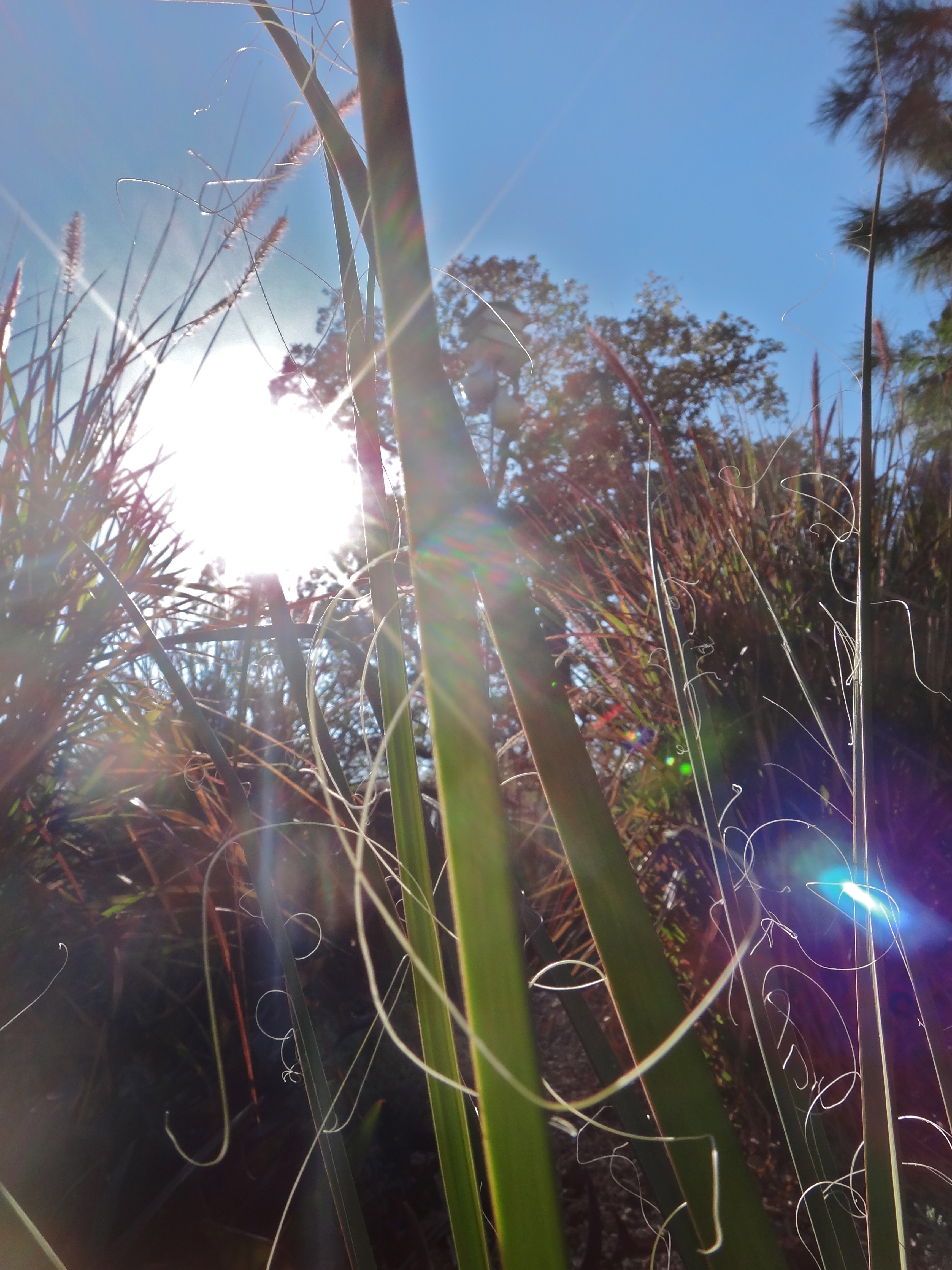
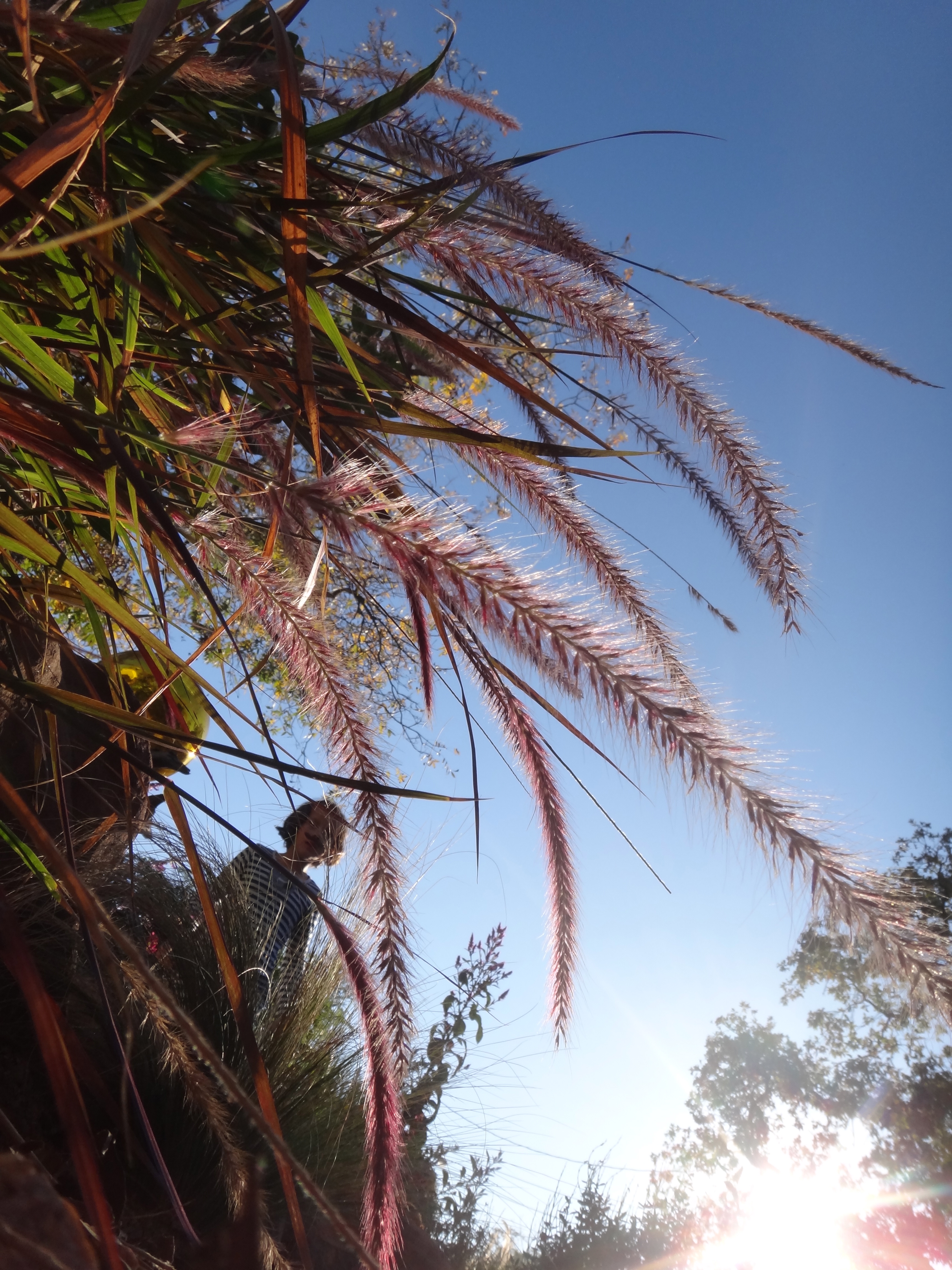
This year, the pyrotechnics also successfully singed a few of my ornamental grasses:
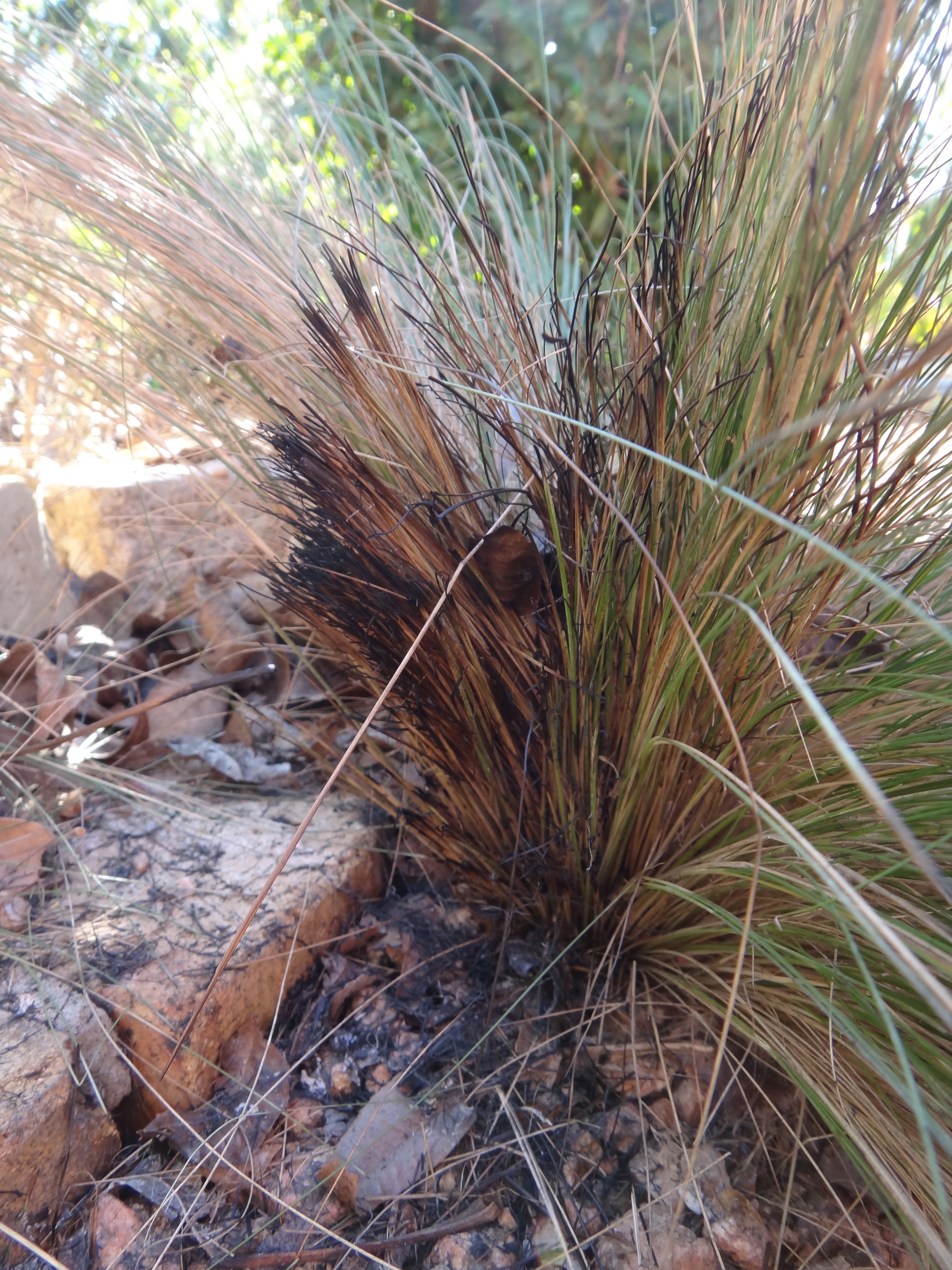
Our “Grand Finale” firework that was placed ceremoniously and somewhat precariously on top of a bucket on top of a trashcan provided quite the spectacle. I was intending to take some pictures of it but the firework simultaneously ignited four of my Mexican feather grasses and had us grabbing buckets from my “everything but the kitchen sink” water collection “system” to extinguish the fires before they reached the Barbados cherry and butterfly iris.
I will keep an eye on these blackened grasses, they may respond well to the singeing.

An exciting week this week in the Patch…
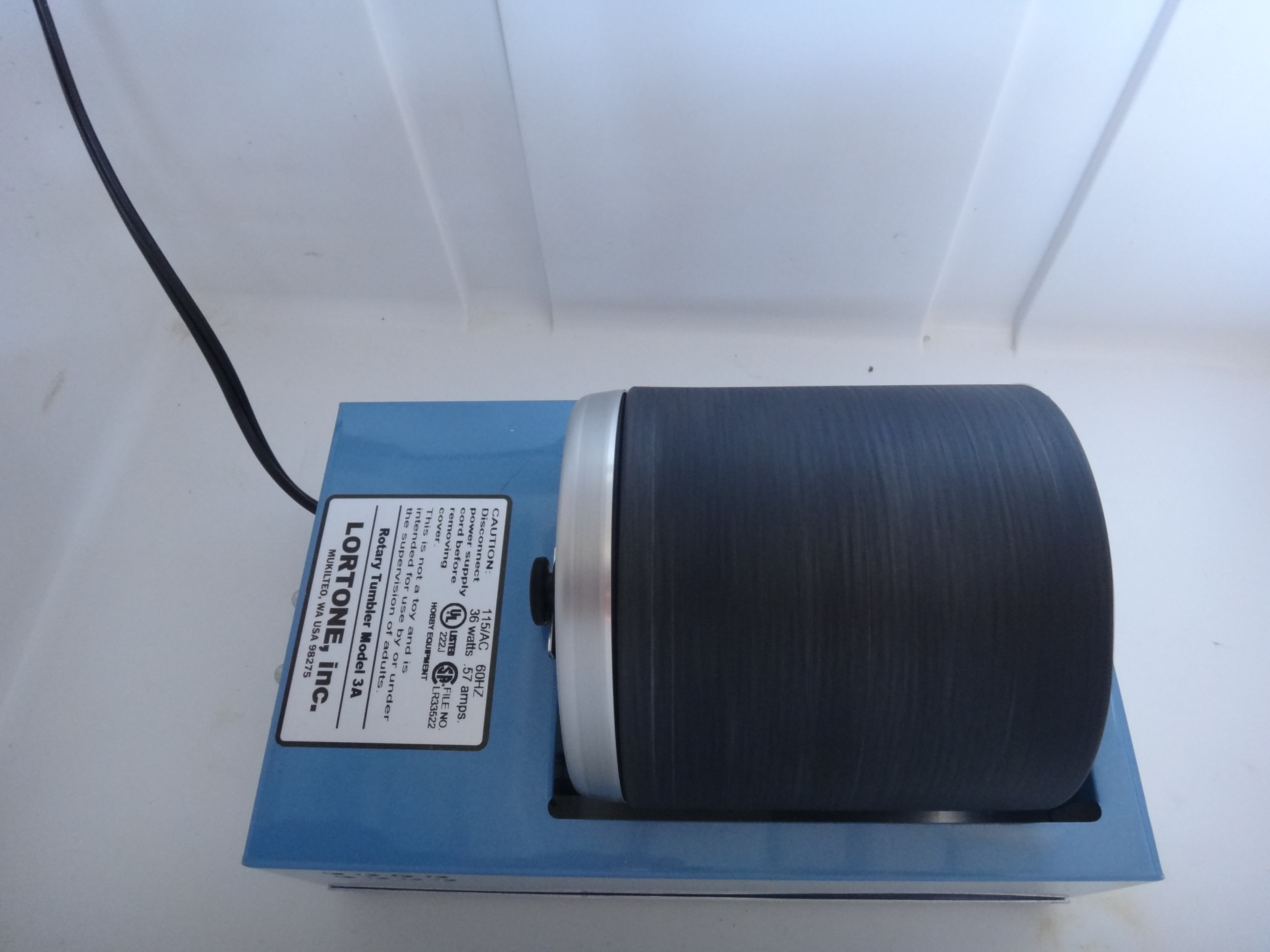
…yes folks, snort, I am proud to announce

that we have finally moved onto the “medium-fine” silicon carbide abrasive rock tumbling phase,
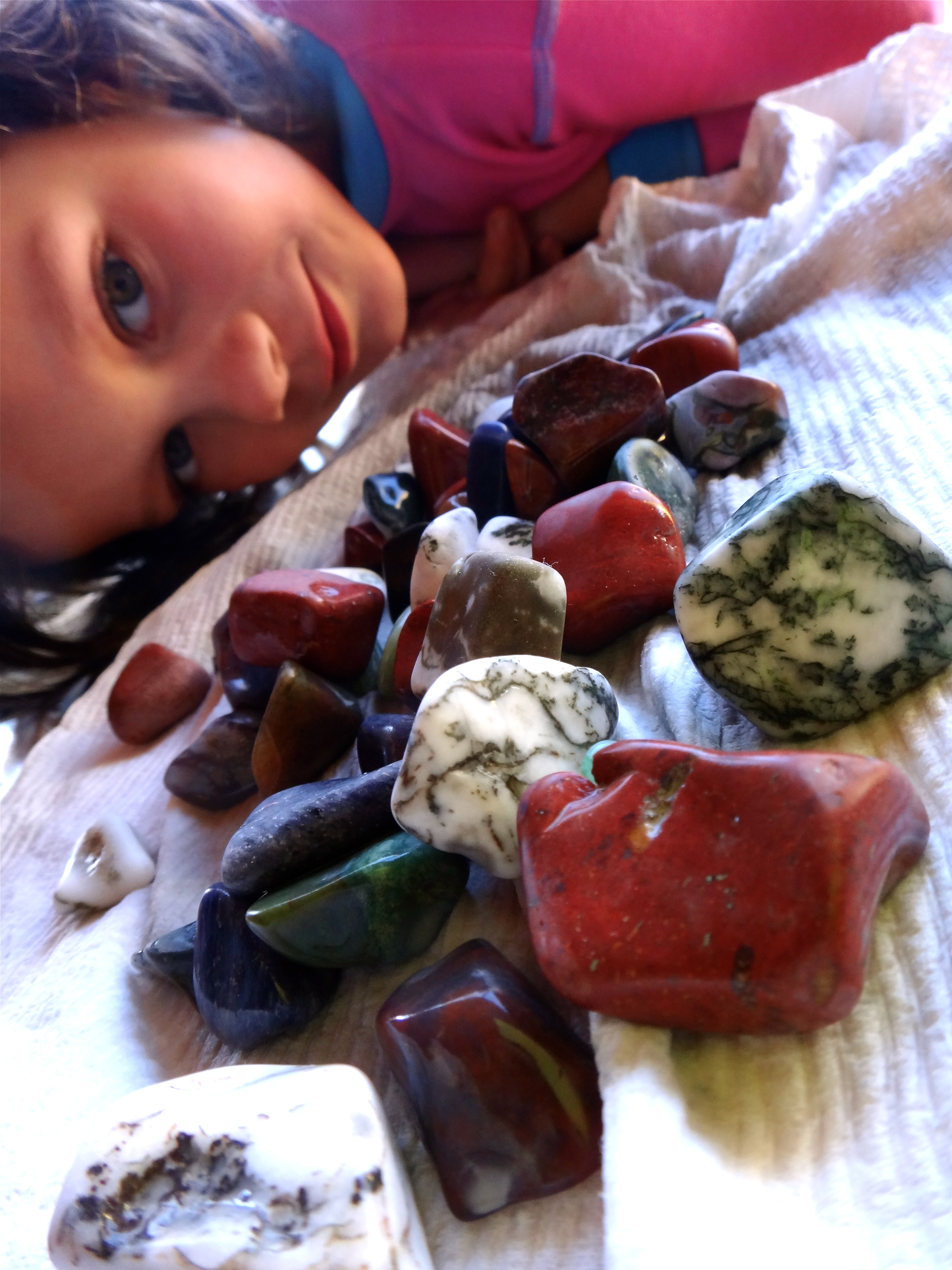
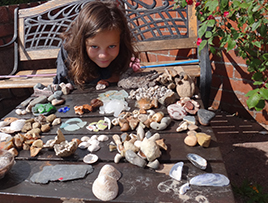
though not before she had another sneak-peek at the now shiny rocks.
Next week the polishing process begins,

I am already having difficulty sleeping in anticipation.
Moving more honestly on:
Now here is a strange thing:
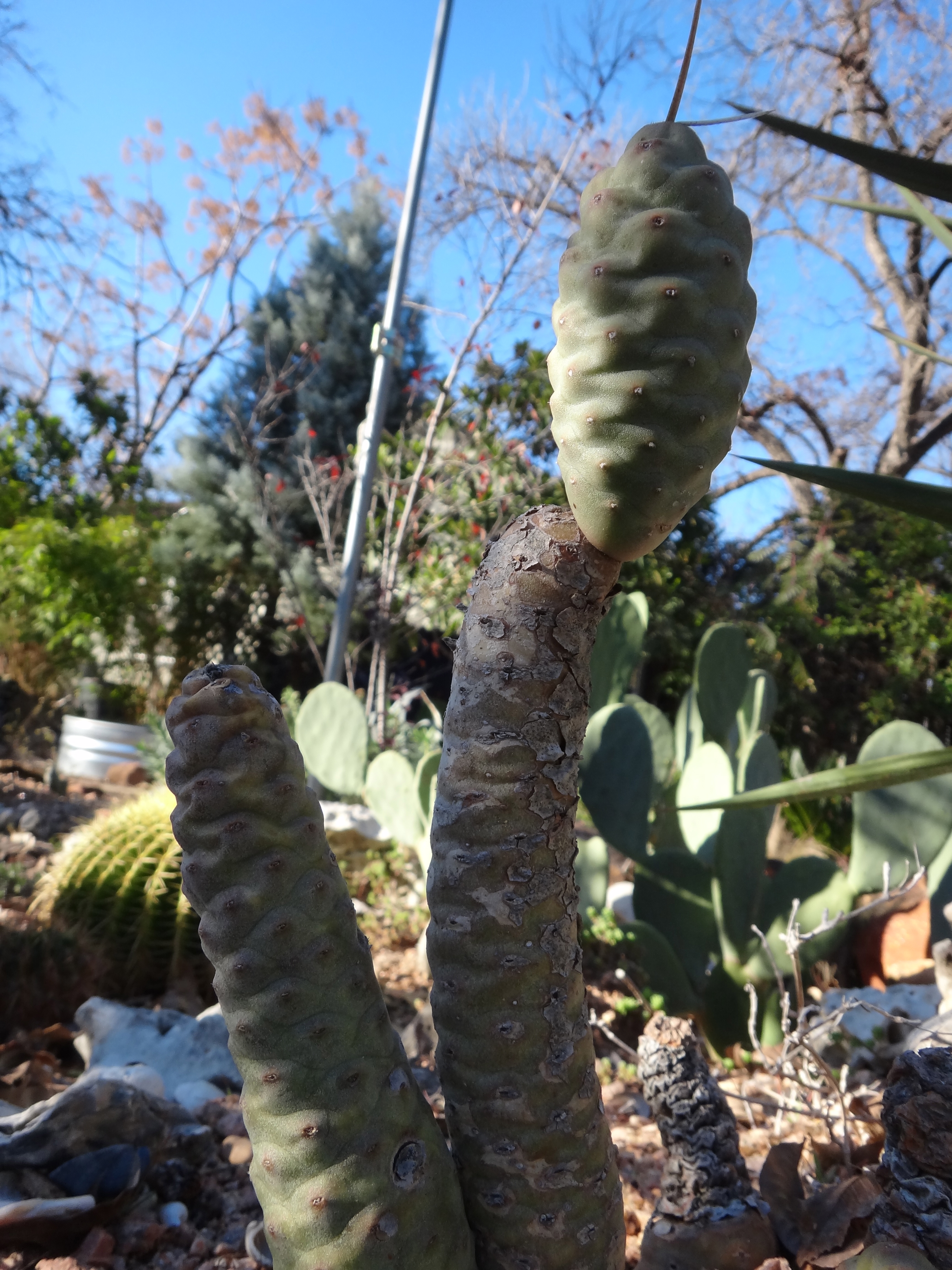
I have been trying to figure out what these pine-cone cacti reminded me of for a long time.
Tephrocatus articulatus var. diadematus
This week if finally dawned on me, and it was very obscure.
 It was the poor maintenance robot in the film AI that was destroyed in the Flesh Fair!…Phew, now I can sleep soundly once again,
Or can I?
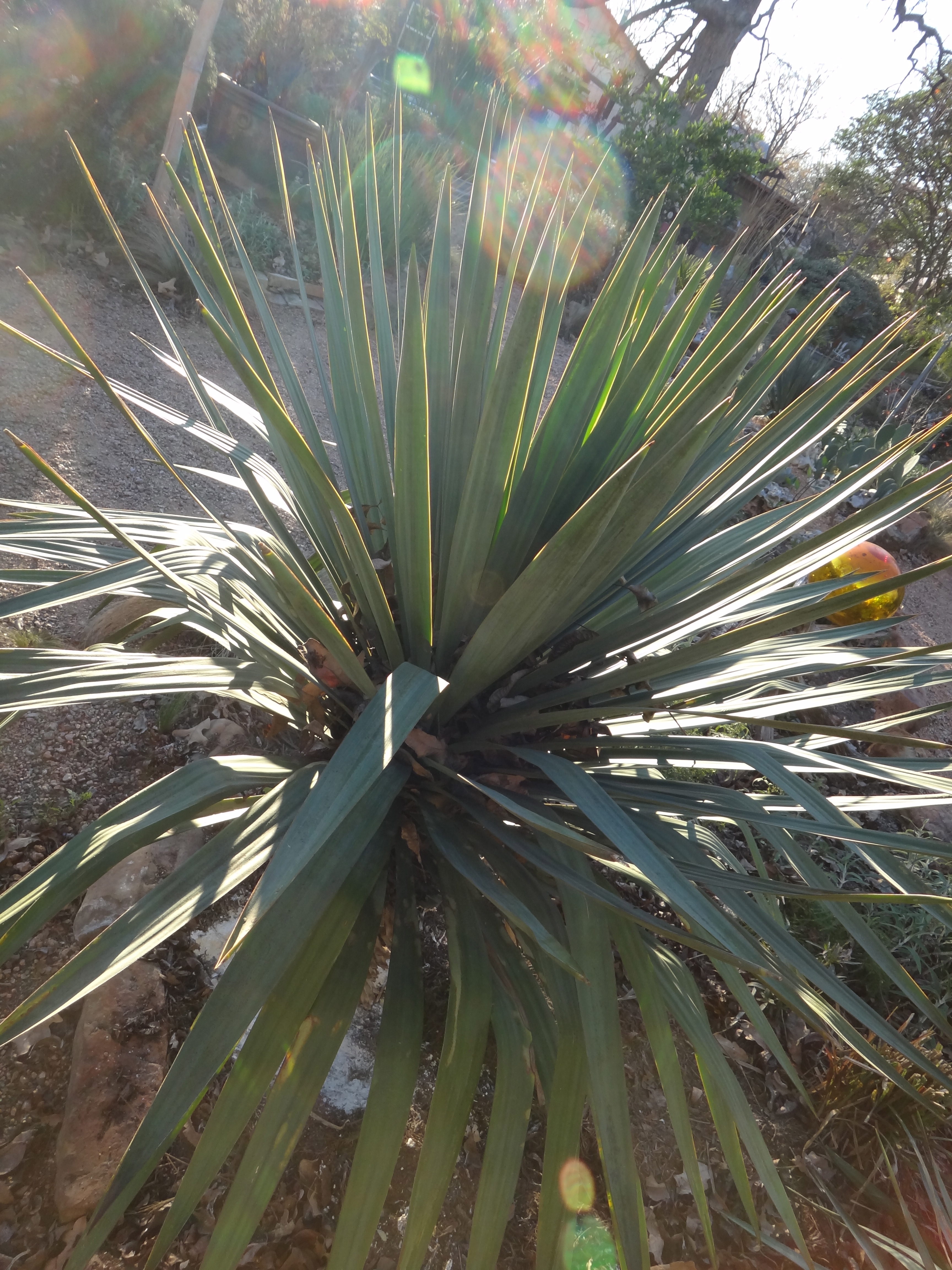
As you may know, I have been trying to protect my soft leaf yuccas from the horrors of the
 “evil weevil”
by administering copious amounts of diatomaceous earth sprinkled around the base of the plants, it appears to be working.
Unfortunately my yuccas have now developed another issue,
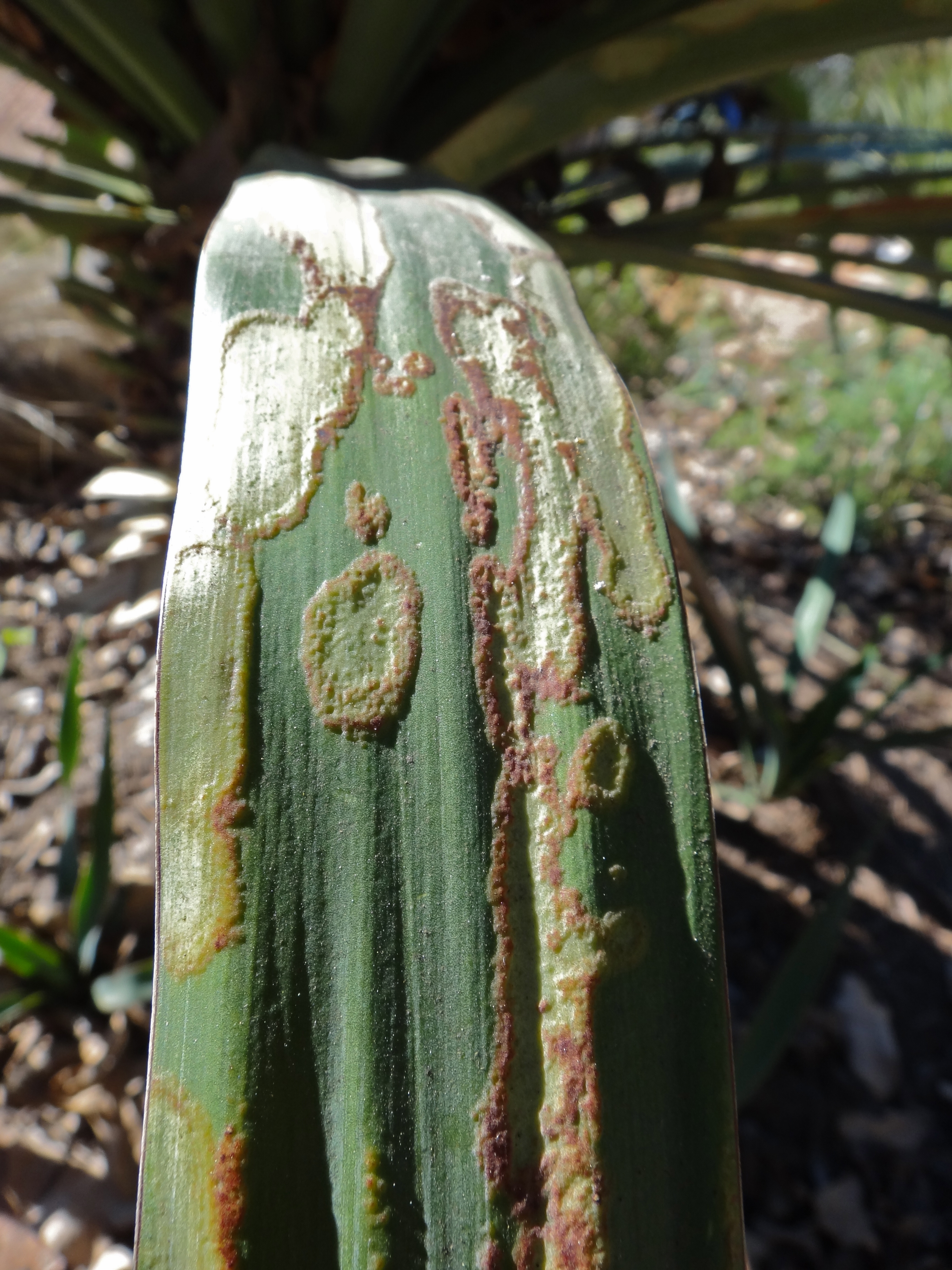
and it isn’t pretty. Several fungi, including Cercospora, Cylindrosporium, and Coniothyrium may cause leaf spotting like this in yuccas but thankfully they do not cause the widespread death of leaves.

I am sure this one contracted the yucca equivalent of the “Phage” in the summer months when it received some overhead watering…remove affected leaves and discard.
This week has had me and my (in-house) pajama crew cleaning up insane amounts of leaves.
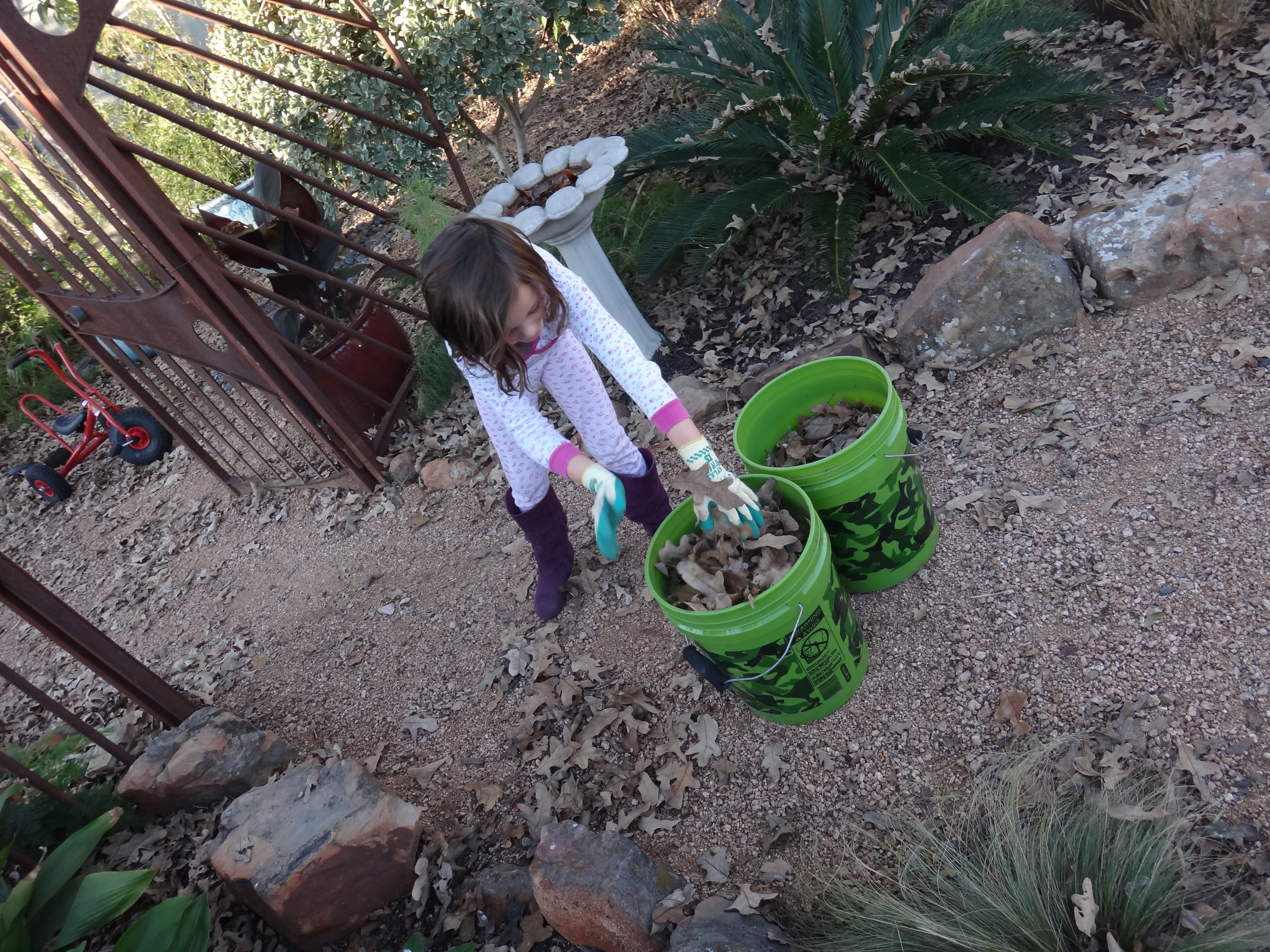
We gathered them up in buckets, transferred them to trashcans and piled them up wherever we could find space. I hate picking up leaves.

One personal pet peeve is cleaning out the hearts of the sagos,

this activity ranks on my irritation scale at a steady 9.5
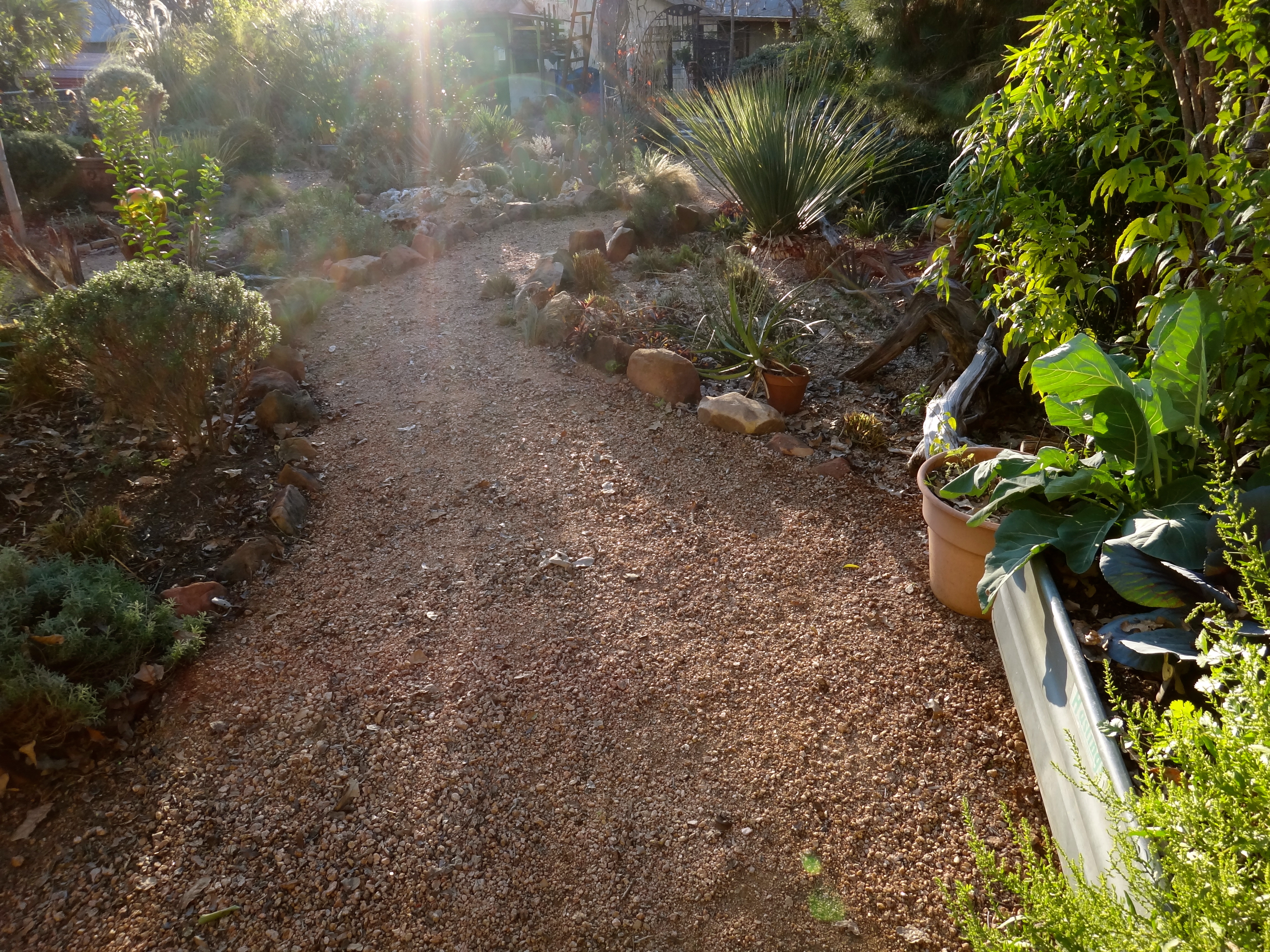
It is really nice to have my pathways clear once again though.
Finally:
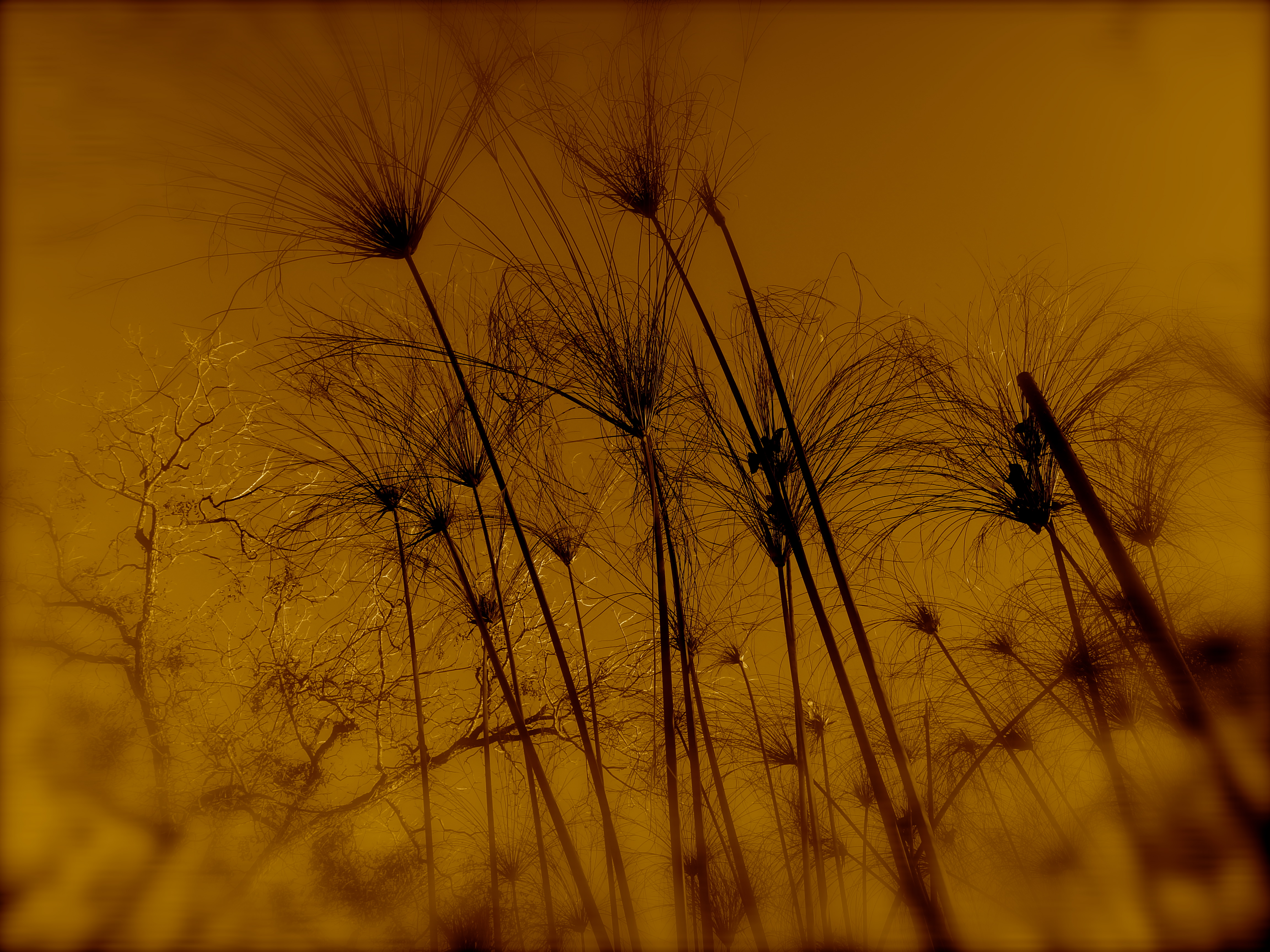
King Tut papyrus is still holding up well in one of my stock-tanks,
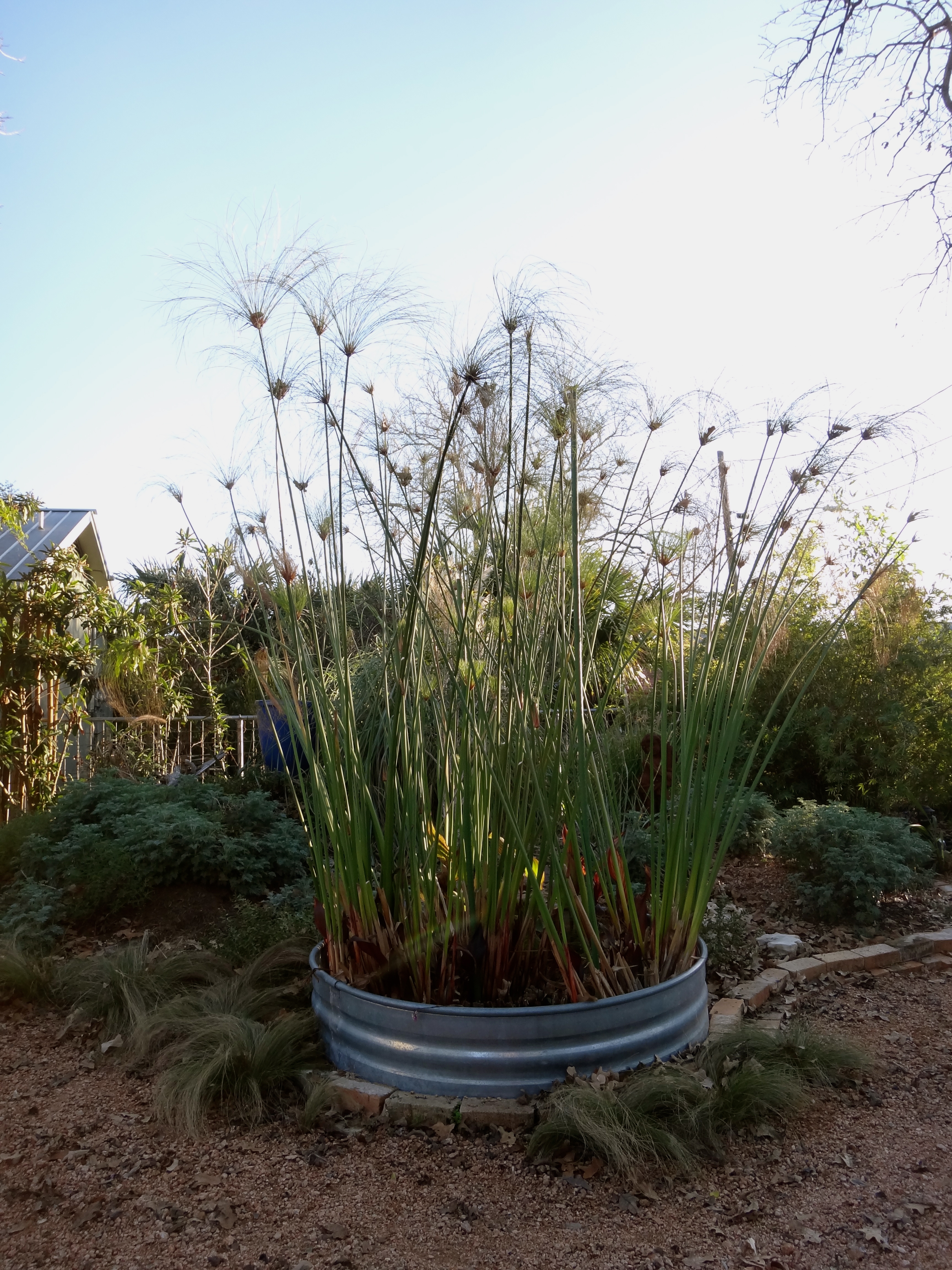
not bad form for January.
Rosemary is also doing a great winter job,

feeding the honey bees,
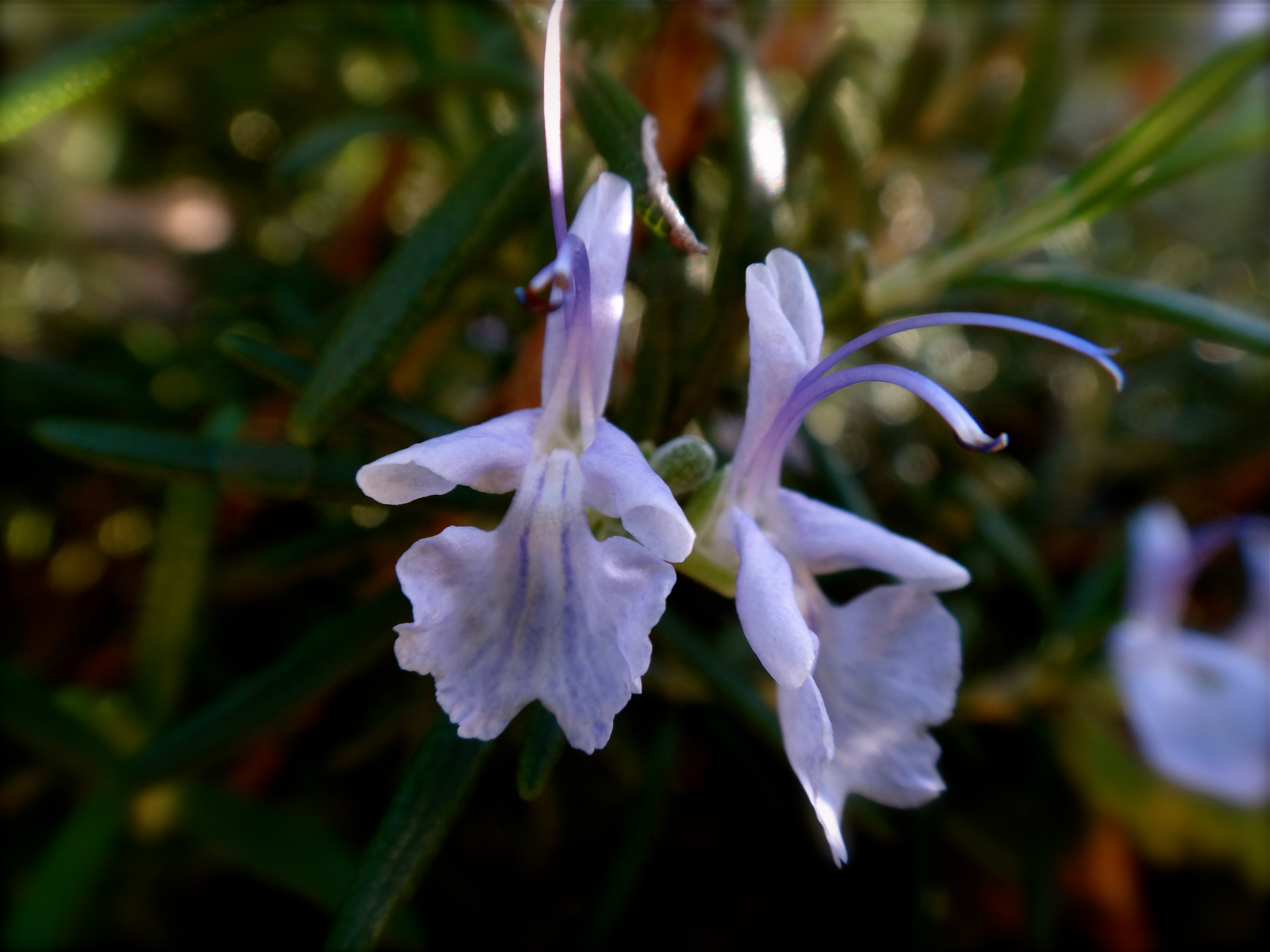
with it’s tiny flowers.
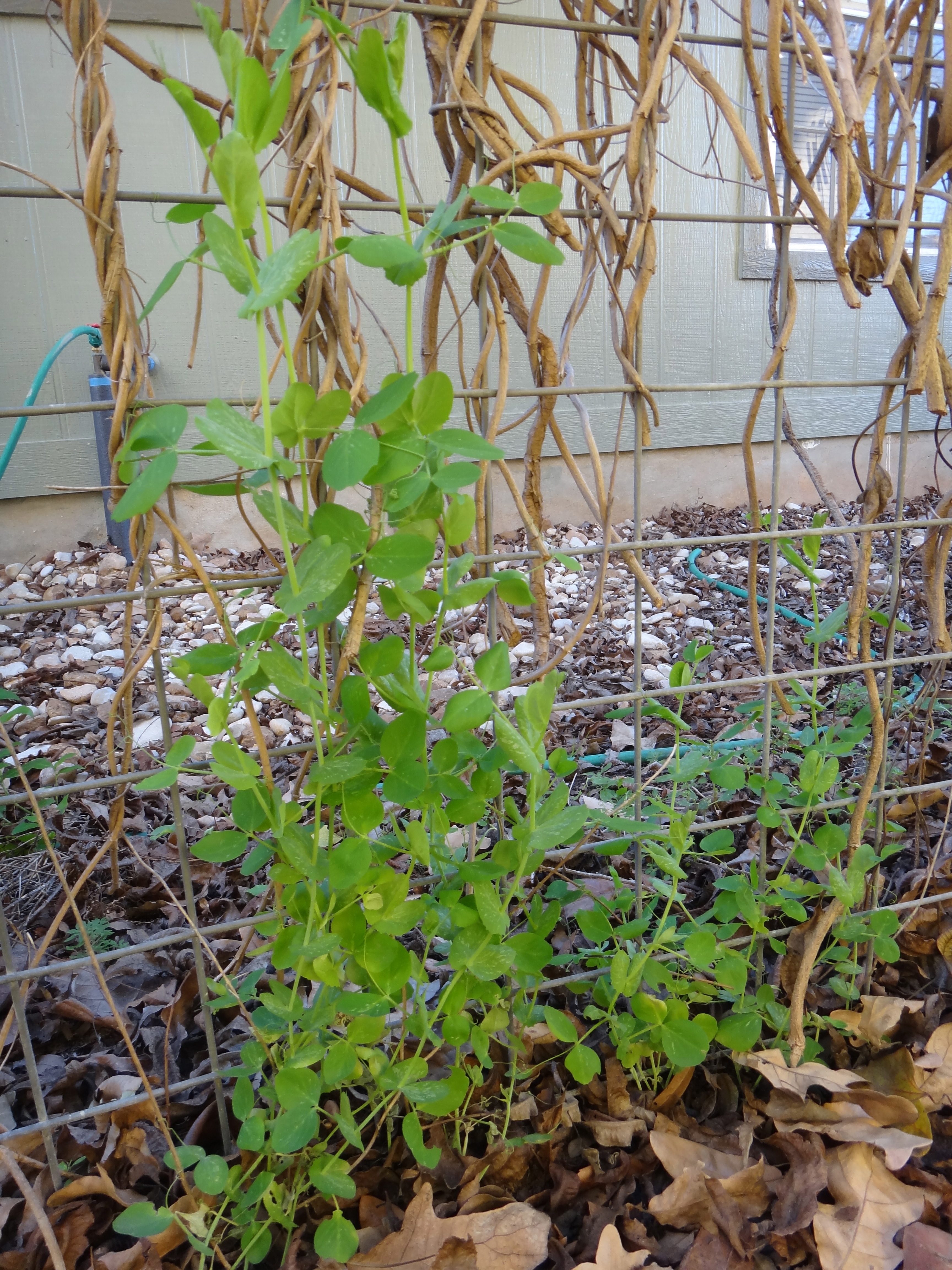
Sweet peas are on the boil,
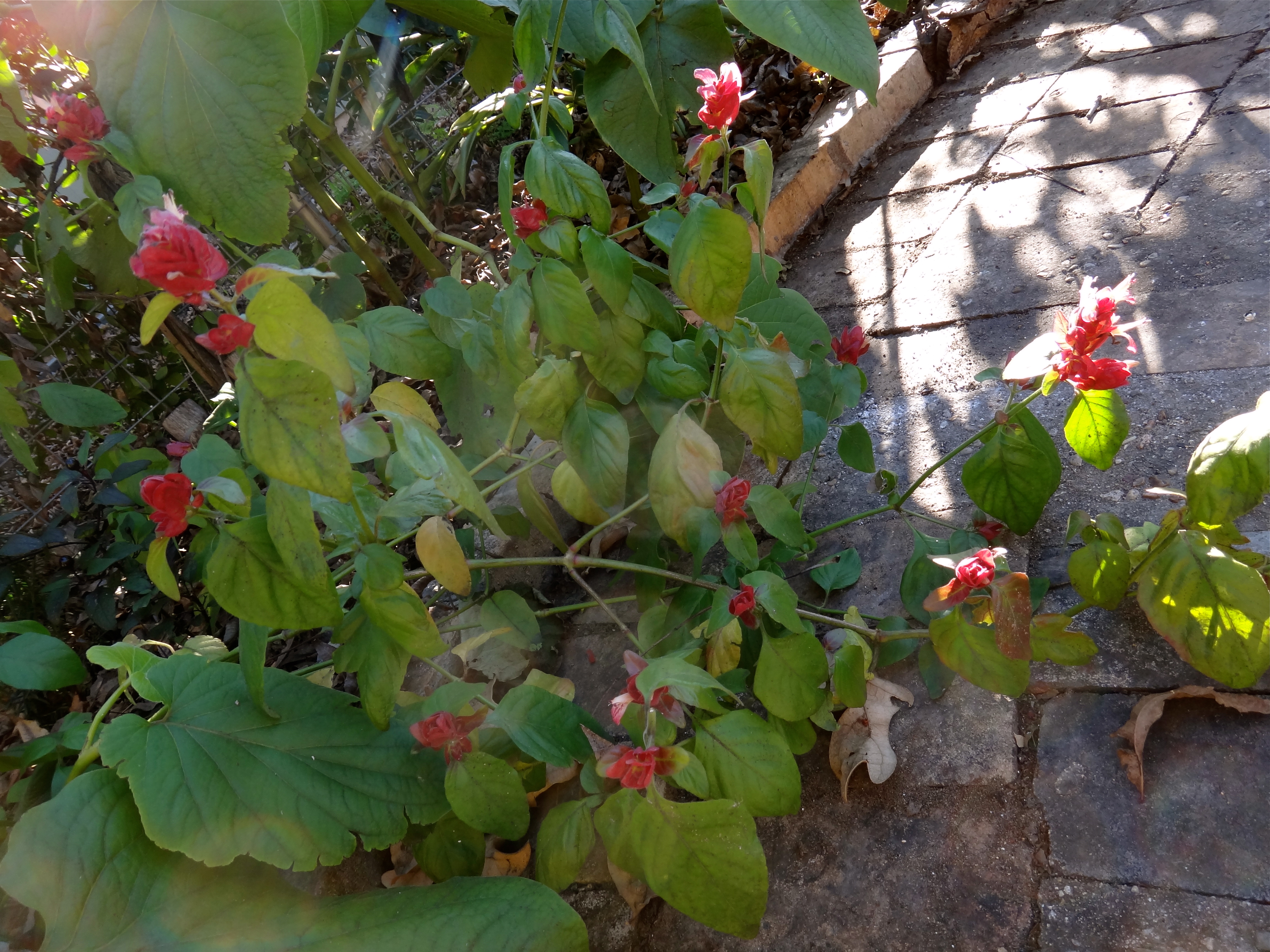
and pink shrimps are ready for the barbie,
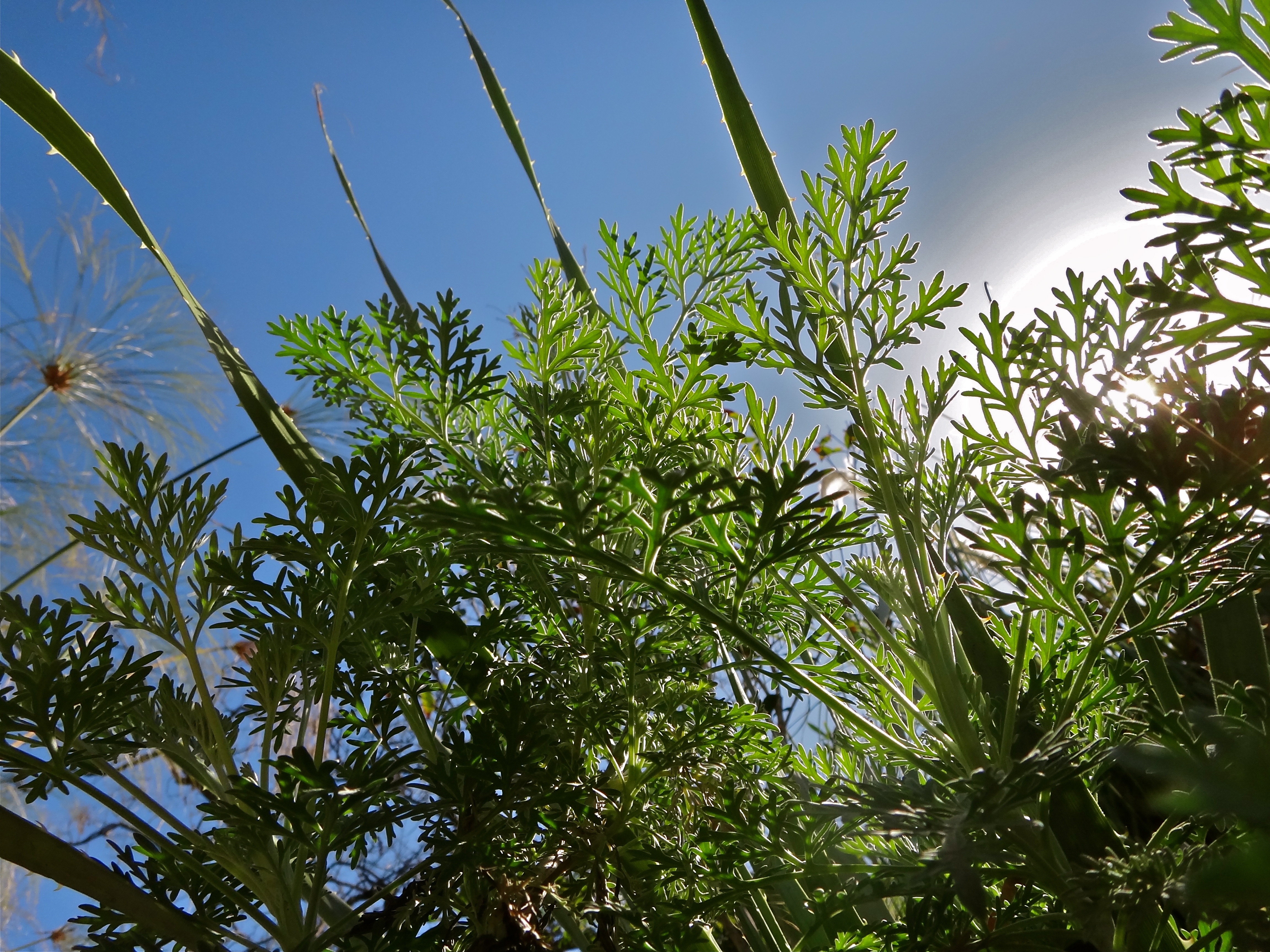
and my artemesia is once again looking healthy.
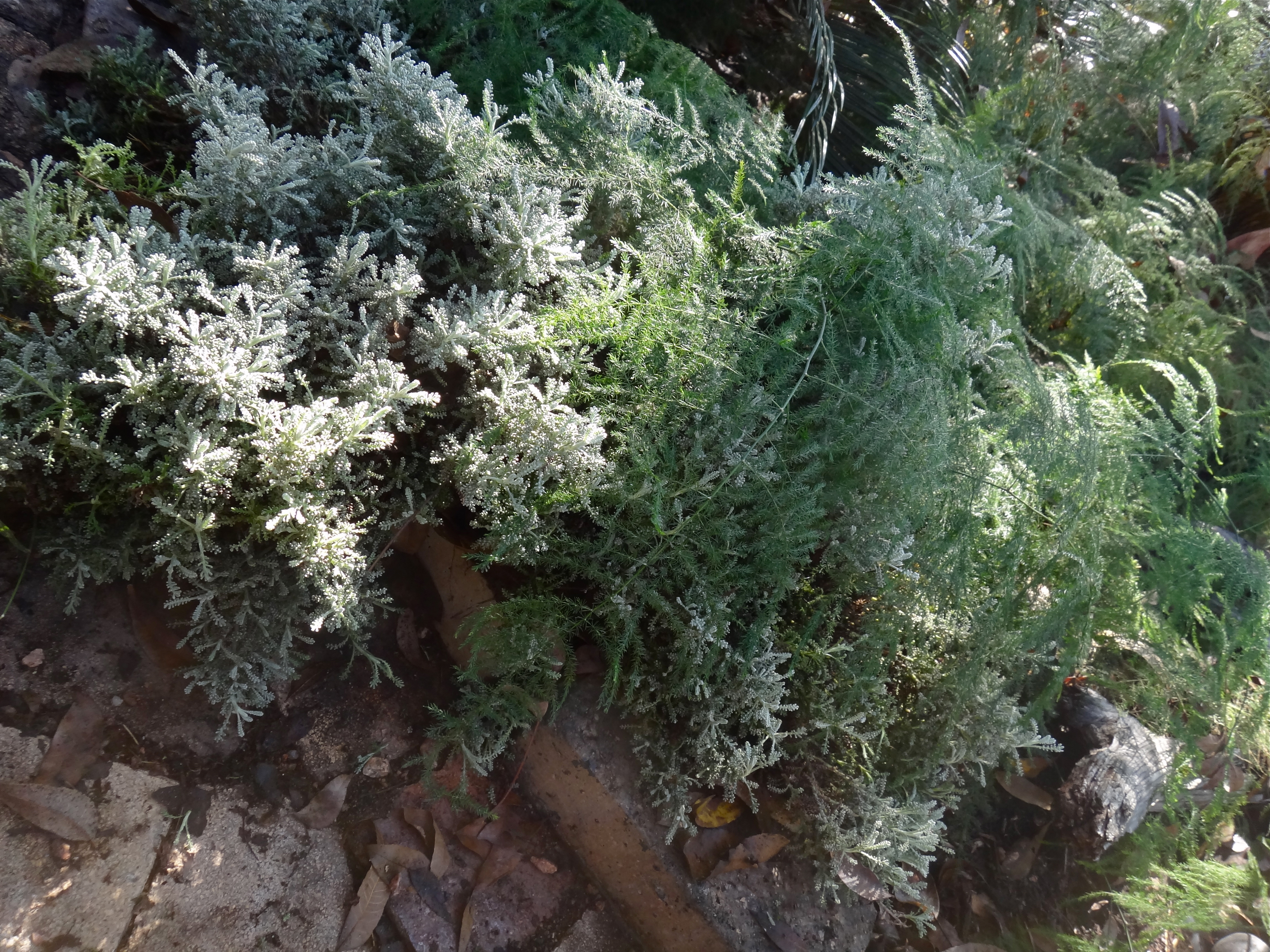
Driving around the Mueller area the other day, I saw this:
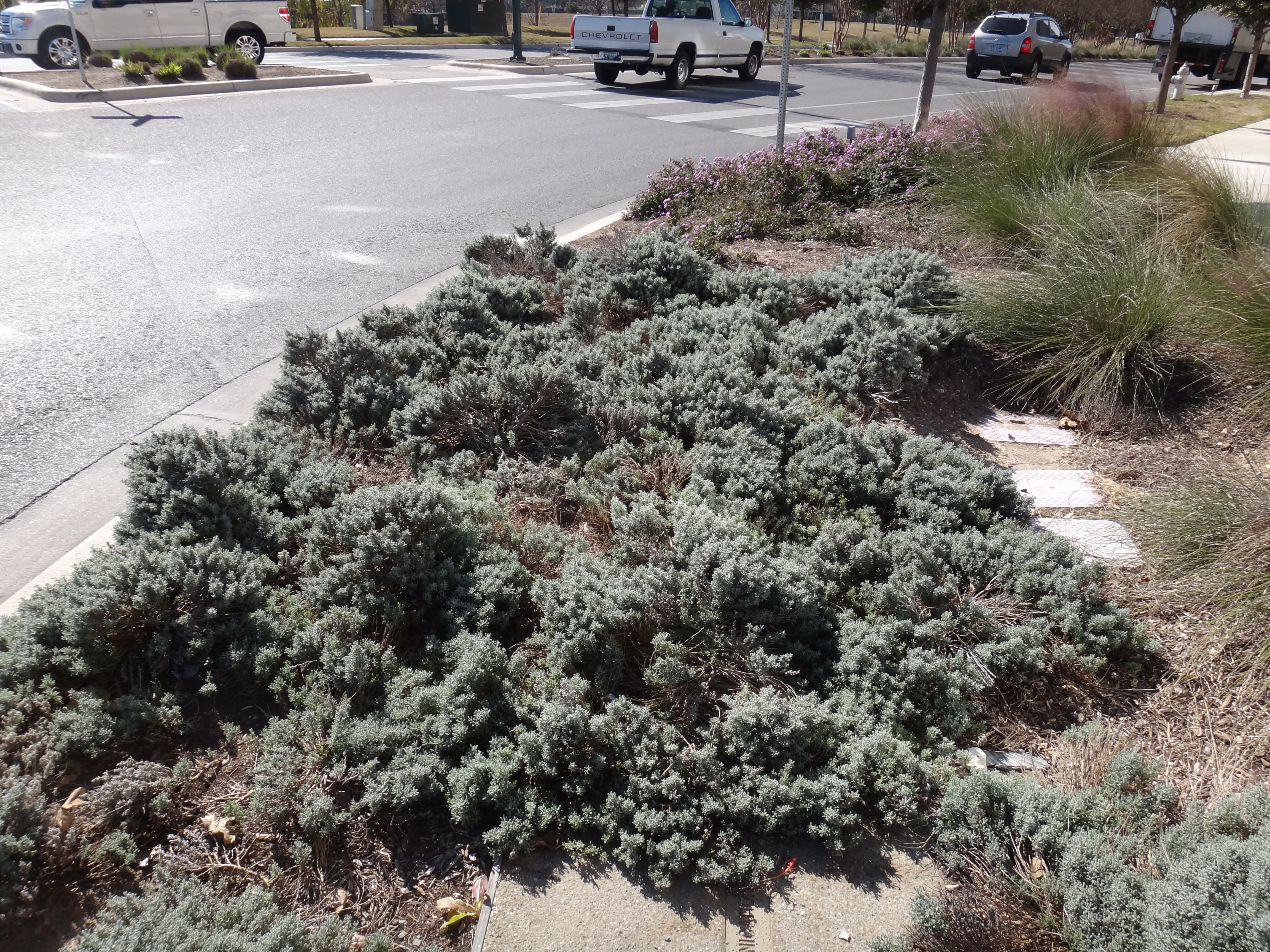
I initially thought these were dwarf conifers. When I realized it was in fact gray santolina or lavender cotton, I swung my steed around and snapped these shots.
Santolina chamaecyparissus
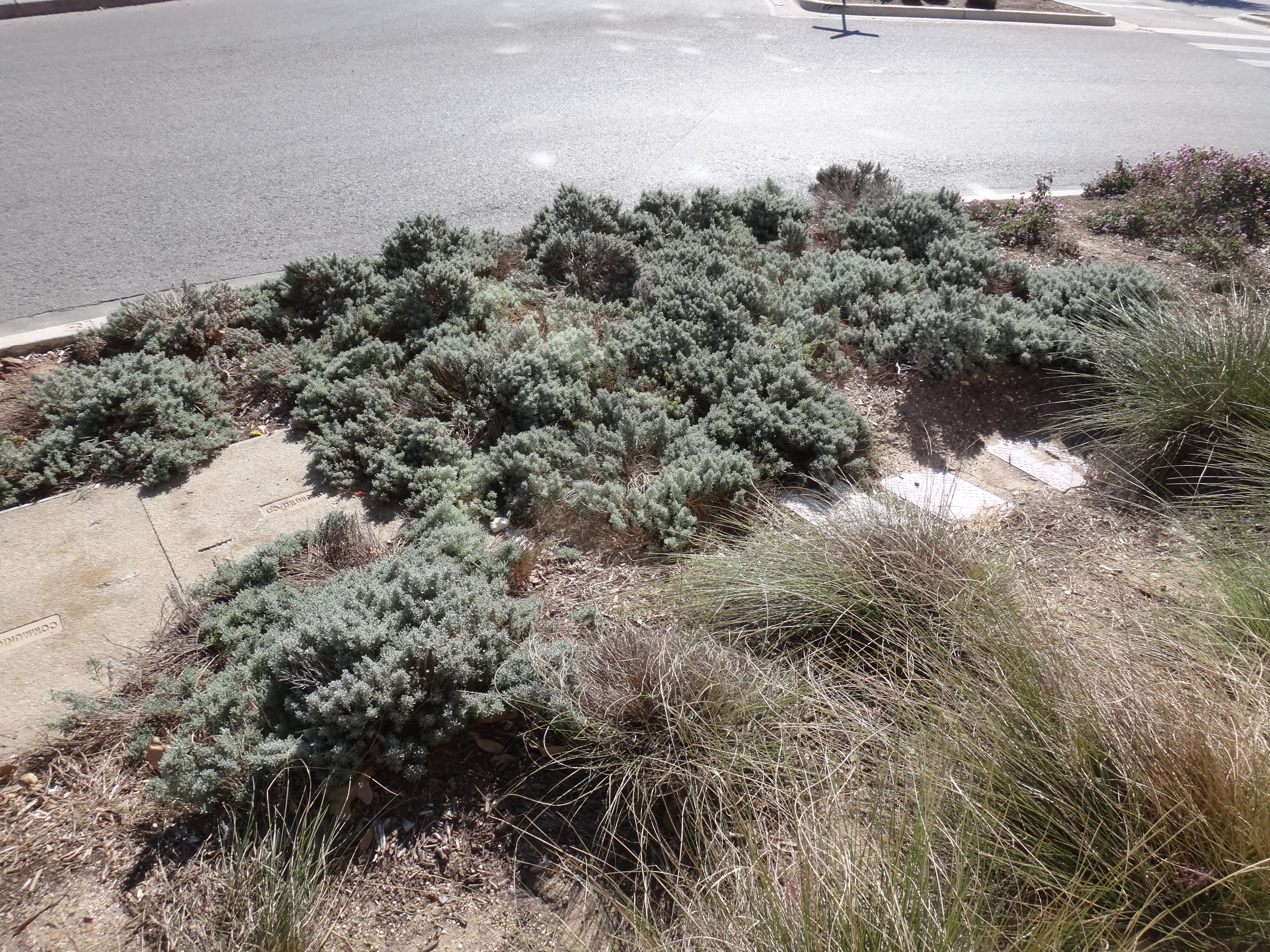
It reminds me of Scottish “heather” in a mass-planting like this. I will try and get some shots of it in bloom next summer…if I remember.


Photograph: Linda Engstrom
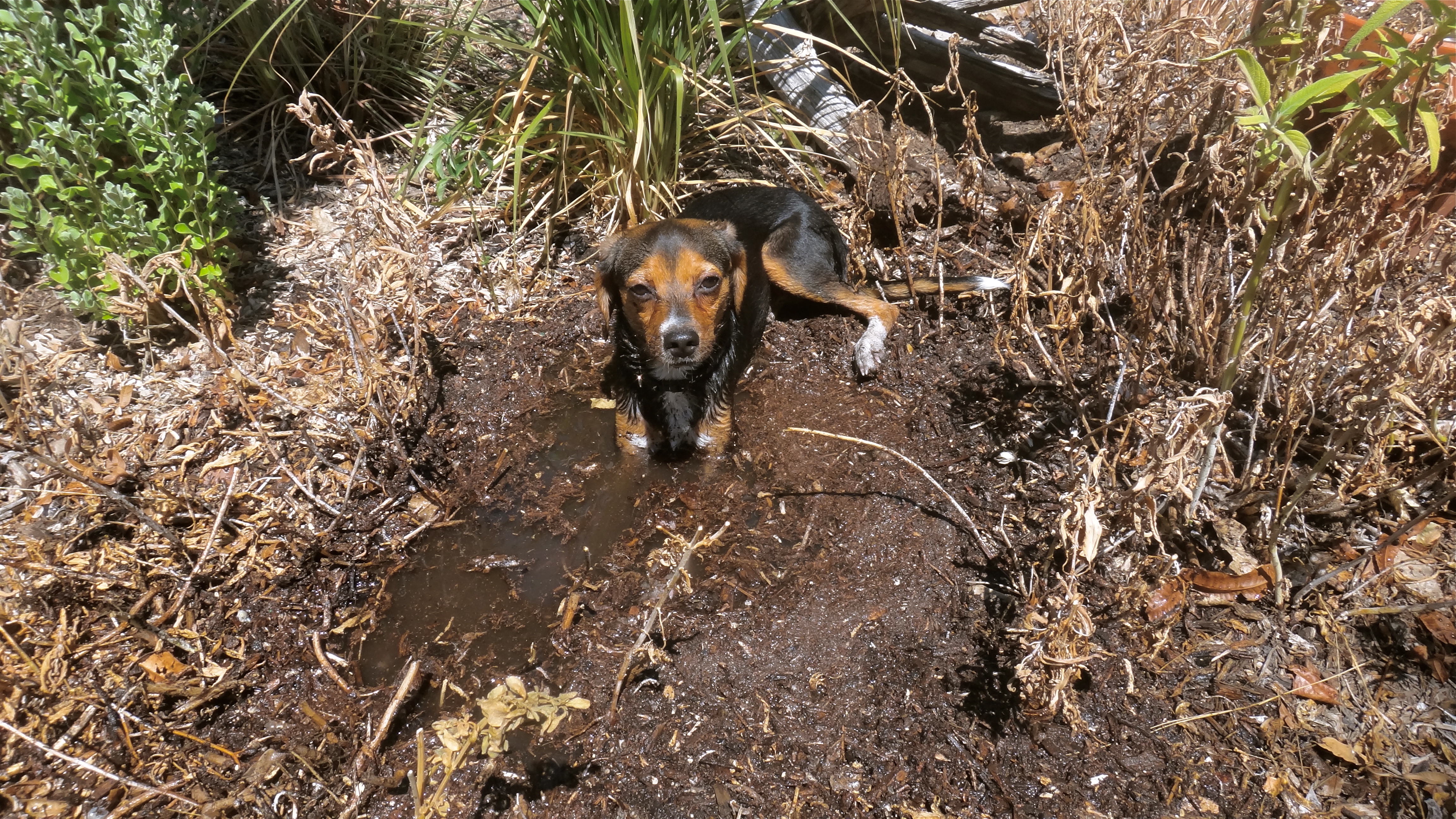
And to finish I am happy to report that Kumo is making a speedy recovery after his stomach surgery.

He is now stumbling and walking into things wearing his
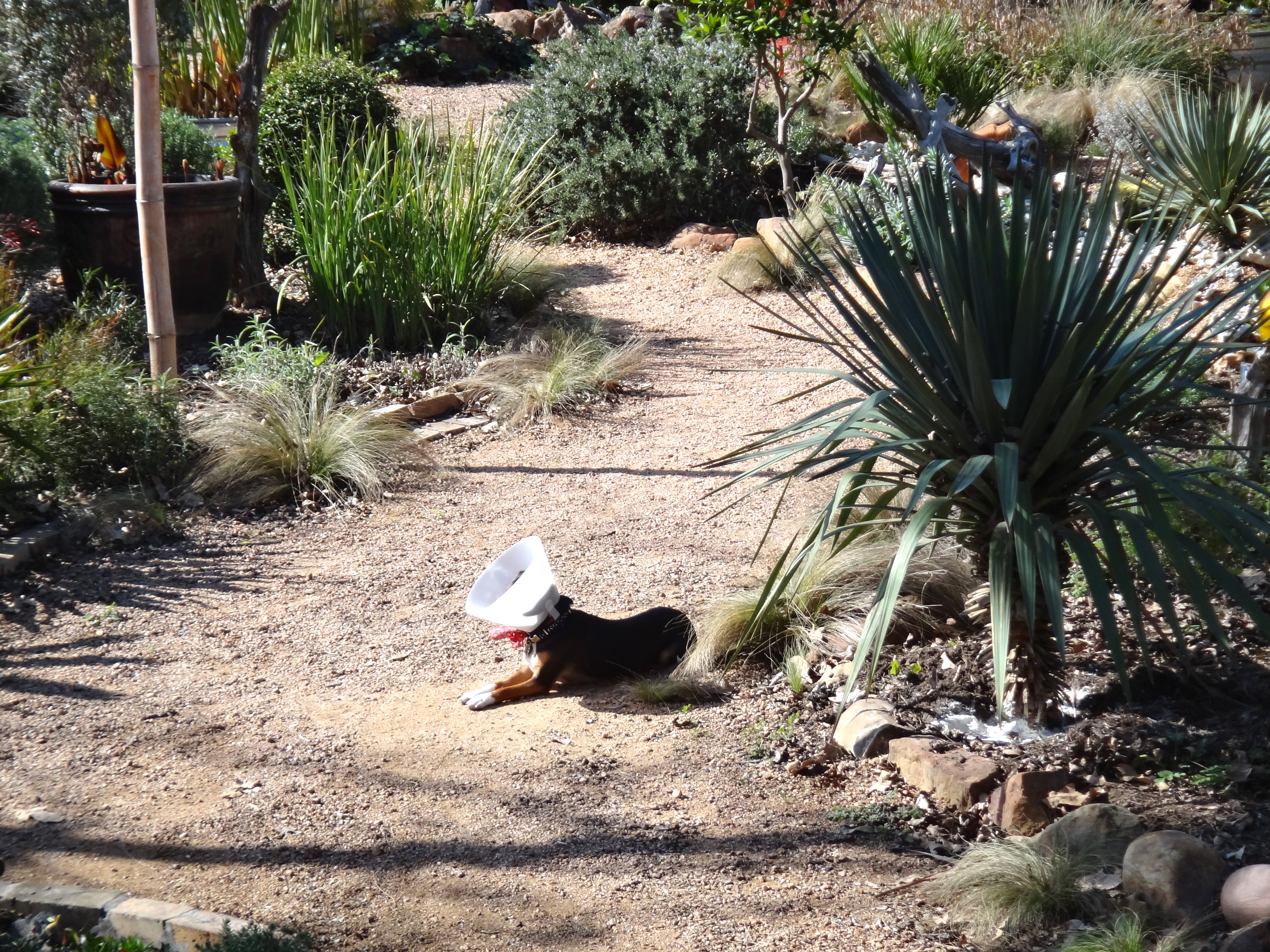
collar of shame.
Talking of dwarf conifers…
Inspirational image of the week:

Photograph from Foxhollow Garden, Dorset, England.
Stay Tuned for:
“Igniting the Cattails”
All material © 2012 for eastsidepatch. Unauthorized
intergalactic reproduction strictly prohibited, and
punishable by late (and extremely unpleasant)
14th century planet Earth techniques.