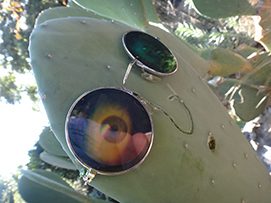
“Is there anything left alive in there”? “Look how brown everything is”. “Is that a frozen Naboo tribal member stuck on the Botox lady’s lip”? “This is serious”.
Central Texas is back once again in the grip of yet another cold spell, I knew we were not going to get away with just one killer freeze this year.

I am just really glad that I did not clear out all of the leaves from the top of the hundreds of agave pups that I planted when my agave stalked bloomed over a year ago. It seems this insulating thermal blanket is performing well, when you consider the mushy state of all the agaves in pots that were sitting out in the Patch unprotected…

It is not a pretty seaweedy sight! The ones under the leaves are actually looking pretty good, but I will keep an eye on them for any sign of them rotting under their brown blanket.

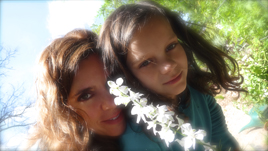
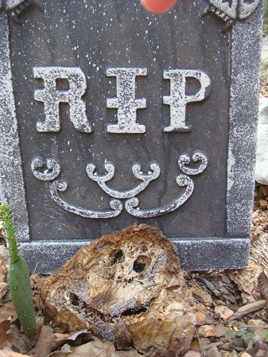
And the less said about the poor old browned sago palms the better. Even the poor Botox lady has had more cold temperatures than she can endure, she now resembles one of the survivors on the movie “Alive”, I won’t mention her frost bitten lip. She is also having a hard time getting her words out, something that right now I am appreciating. All my sago palms are still alive though so I should probably not complain. I have seen so many younger ones around Austin that are now corpses in their own container coffins. RIP.
So what is the best thing to do when the cold creeps into the ahem,…bones?

“Pull a ridiculous face like this ESP ? (strikes pose)… long-johns perhaps”?
No Dr McCoy…

some mindless moving of rocks from one place to another of course.
This area has been irritating me for longer than I care to remember. These sunken Home Depot stones, I have to say, I have come to hate. What started out as a “mmm, thats quite nice, look how they form a circle and frame the stock tank like that,” to… “those have to be the most ugly and badly laid bricks ever to grace humanity.” They also give me an unpleasant “commercial” taste in my mouth, oh no, this was going to have to change, and change it will today. I looked around the Patch and started to find a bunch of buried river rocks hidden under piles of leaves around my pond area, rocks that were about to disappear due to the natural passage of time and debris build-up. I had rediscovered them just in the nick of time.

I decided to leave the Home Depot rocks exactly where they were and just built up these rocks on top of them (shhhh), with a little help from my day laborer, naturally, it worked out a treat. This area is slowly starting to work, the silver color of the feeder tank and the blue river rocks reference the color of the agave and Arizona cypress ‘Blue Ice’ tree. The dark blue of the container and background piece of fencing adding depth to the scene.

And looking from the other side, a mirrored agave (a pup) and more dark blue from the “fish on the hill.”
Mmm, to remove this flagstone or not? What do you think?

Now… if I can only find a way to remove that label from the stock tank I will sleep well again, knowing that this area has been fully addressed, at least for now. I am a firm believer that the adhesive used on these “Callahan’s” tank labels actually was reversed engineered from…

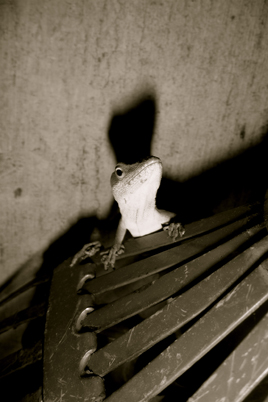
“Click, clack, chirp, chirp fuddy dunster” …or translated: “Look, He has discovered our rather stubborn adhesive George, our master plan is working. All he needs to do now is analyze it’s molecular structure, only then will he reveal the true secret of the…….!”
I cannot believe how many of these river rocks were hiding in the center of the Patch. I need quite a few more to cover this entire area, but you get the general idea, very Brighton Beach…anyway I feel better.
Feeling cold? I strongly suggest hauling a bunch of river rocks from one place to another, it really does work.

While I was in this ancient, moving rock, Egyptian mode, I did notice a bunch of these tiny grasses springing up down the edge of my moss boulders that line my pathways. Yes, my Mexican feather grasses have sown a new generation, and I cannot wait to transplant them all around the patch. I love this little grass. I will wait until these babies get larger in the granite before digging them up and reorganizing them into positions more appropriate.
A plant that has remained greener than green despite these harsh ungreening conditions has been this containerized horsetail reed.
Equisetum hyemale


Backlit from the low winter sun, it seems like it is in its prime right now, so green and irritatingly (to the rest of my plants,) healthy. The evergreen stems are particularly noticeable in winter, providing a welcome relief from all things brown. They also make the best Harry Potter wands available anywhere in the Diagon-Alley-Patch.

“Now you tell me”.


The blush on these small cacti seems to have intensified this winter.
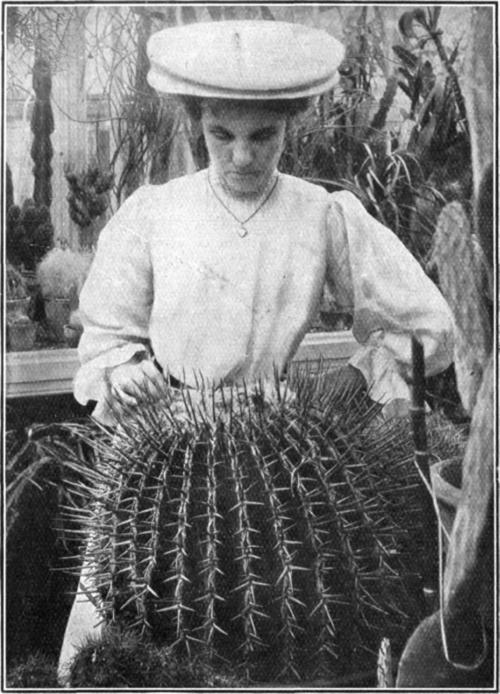 So-far-so-good on the barrel cactus front, these lethal anemones appear to be holding up to Jack “irritating” Frost pretty well. Got to love that hat, I bet she keeps tortillas under there!

Can you be anymore irritating!
I will finish up with another rather sharp character…


…and a crisp story in the Patch…

Inspirational image of the week:


Office garden pods. What a great place to compose a post!
Stay Tuned for:
“Bottom of ze Barrel”
All material © 2009 for eastsidepatch. Unauthorized
intergalactic reproduction strictly prohibited, and
punishable by late (and extremely unpleasant)
14th century planet Earth techniques.