Agaves

“Agavephobia”

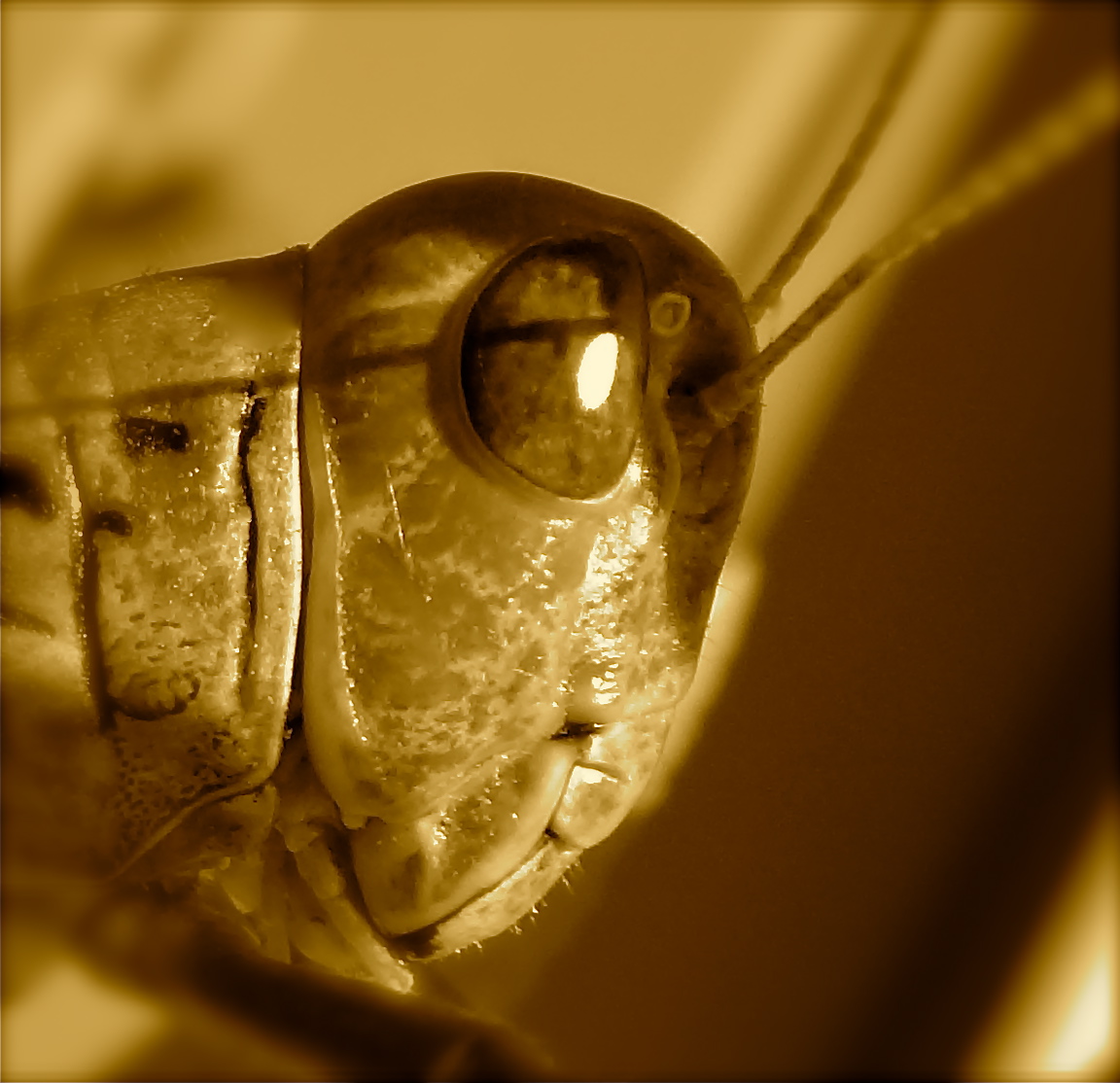
“Ahhh, Differential grasshopper.”

Oh come on, what was I going to do?
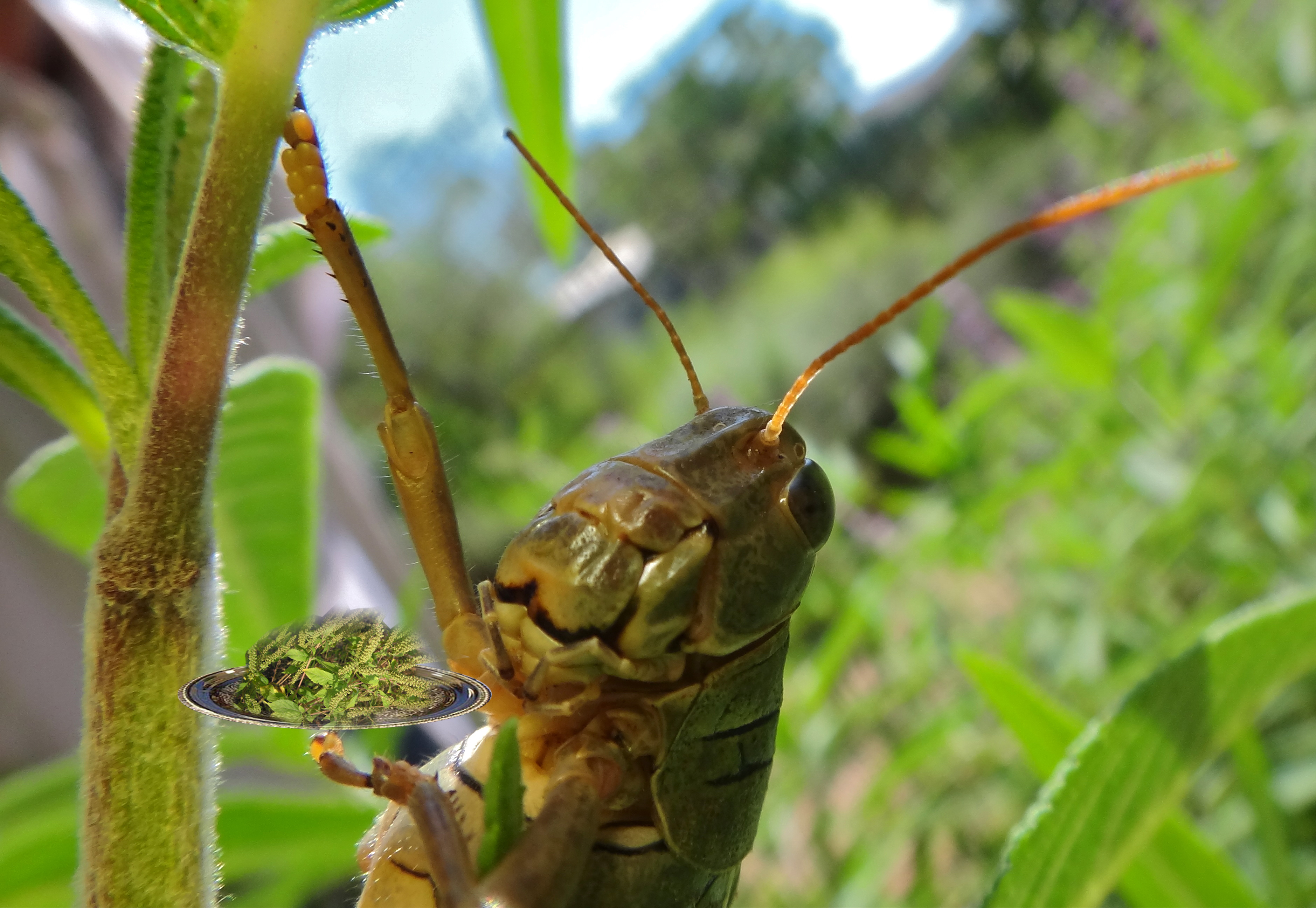
Melanoplus differentialis


Did you know that one of their favorite gourmet meals is Giant ragweed?
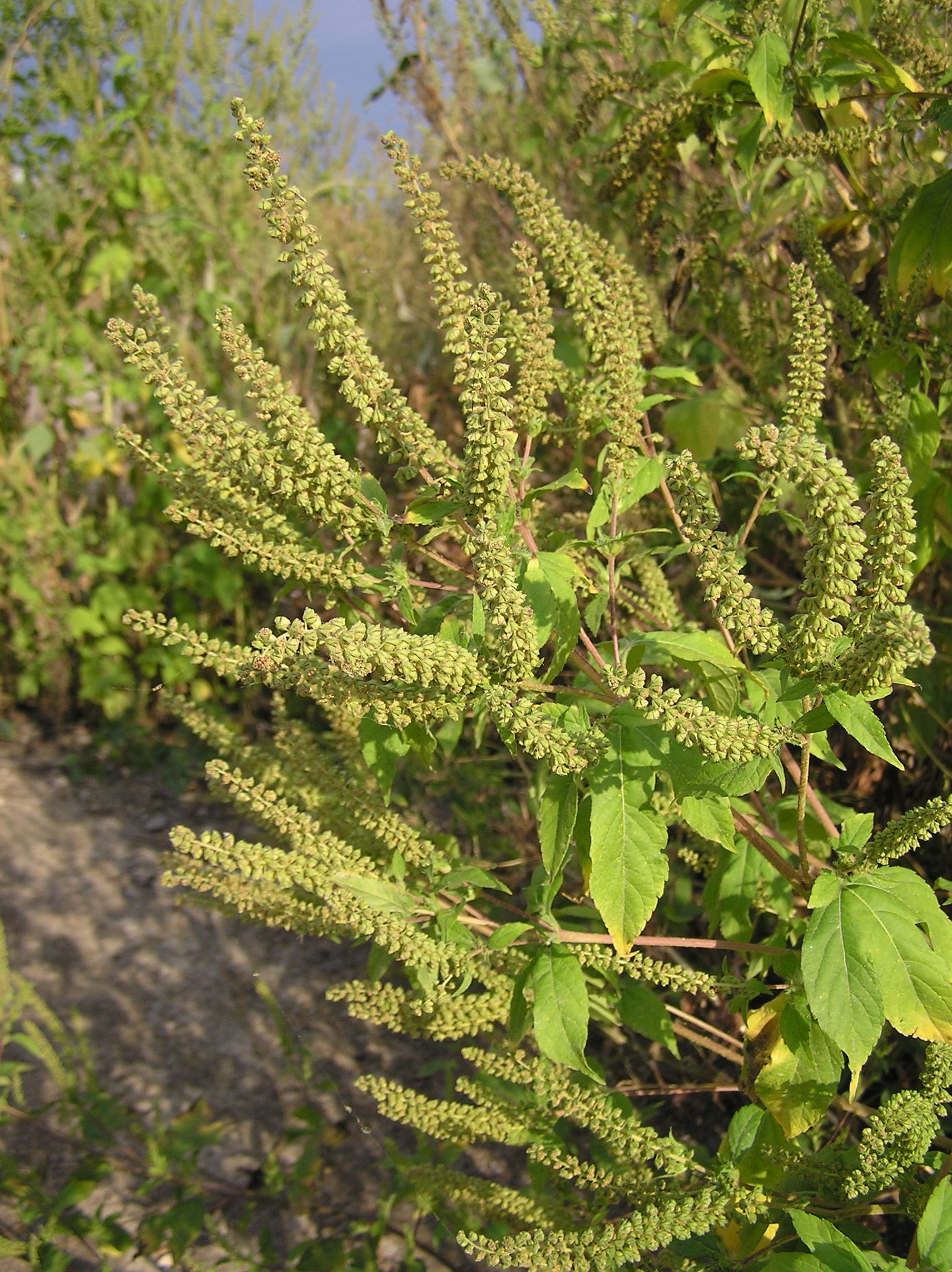
Ragweed is a plant synonymous with late summer hay fever, and one I struggle to clear my throat of every year. The plant is generally considered the greatest allergen of all pollens in North America.

Today, there is no area in the US that is free of ragweed pollen.
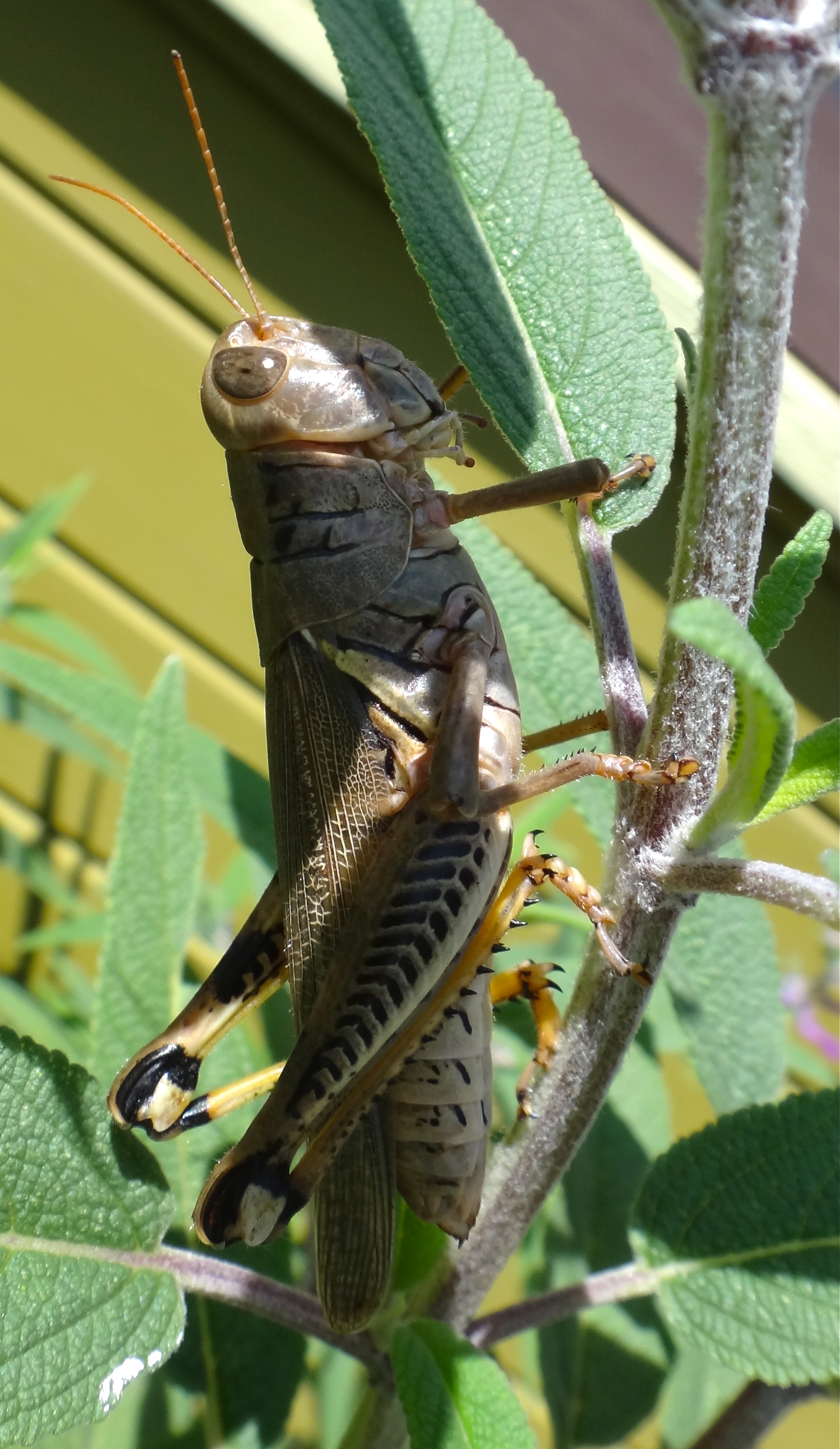
So chomp away my spiny-legged pest, but you better move immediately away from my Mex. Leucantha, if you know what is good for you.

The design on this insect is quite something, the armored plating, the militia graphics on its thighs, the hooks, spines and alien eyes.
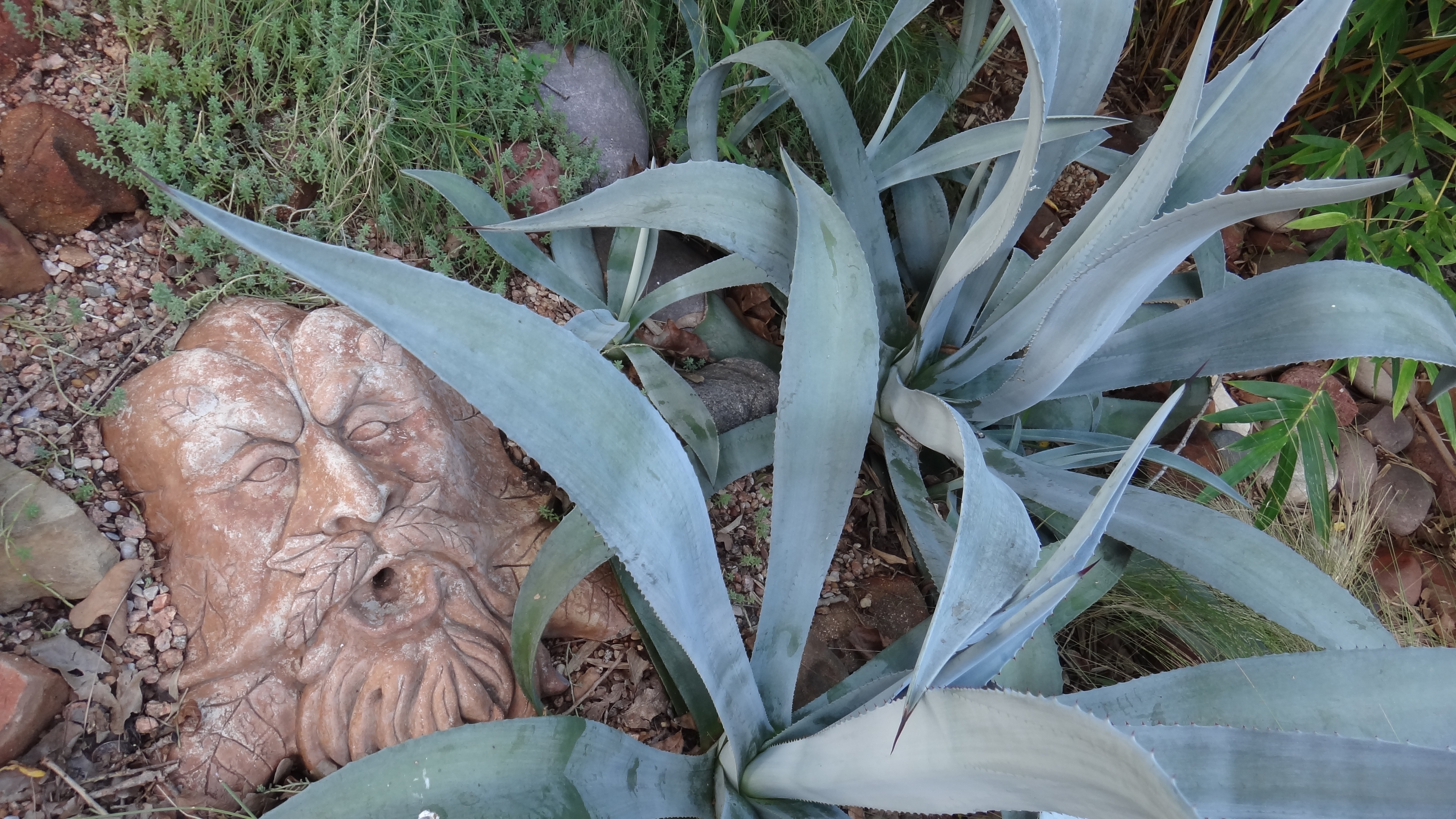
“Get them off me…I have agavephobia you know!”

Calm down Gandalf!

I will thin them out soon enough, and I had no idea.

Def.   Agavephobia is a condition where the sufferer becomes anxious in environments that heavily feature members of the agave family. Triggers for this anxiety may include serrated edges, unnecessary worry and concern for loved ones, and more rarely in subjects, a fear of sharp soil. Agavephobia is often, but not always, compounded by a fear of sharp points, weevils and drought tolerant, water wise planting schemes.

Changes are certainly in the Patch air.
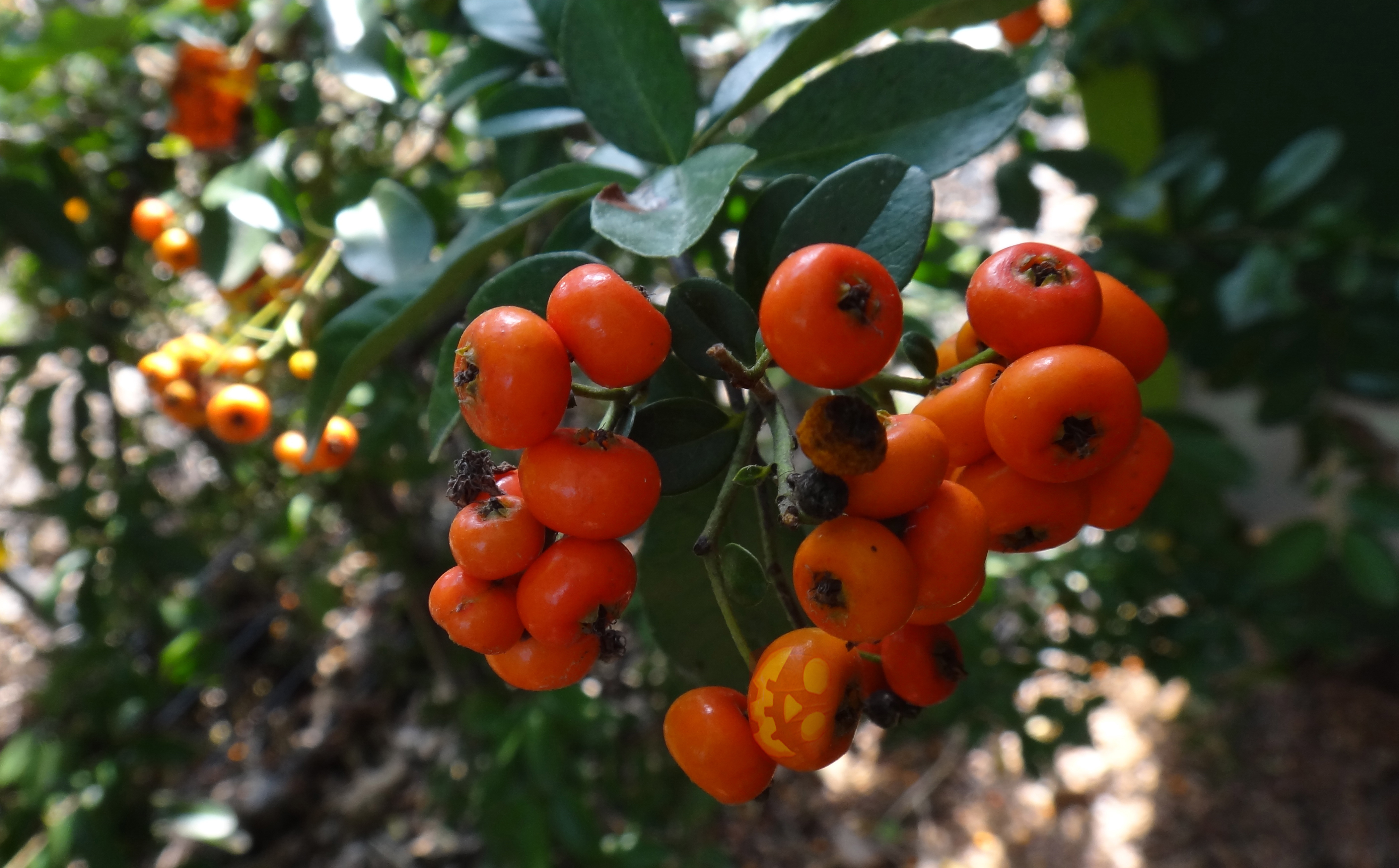
Pyracantha berries are a reminder that pumpkins are just around the corner.
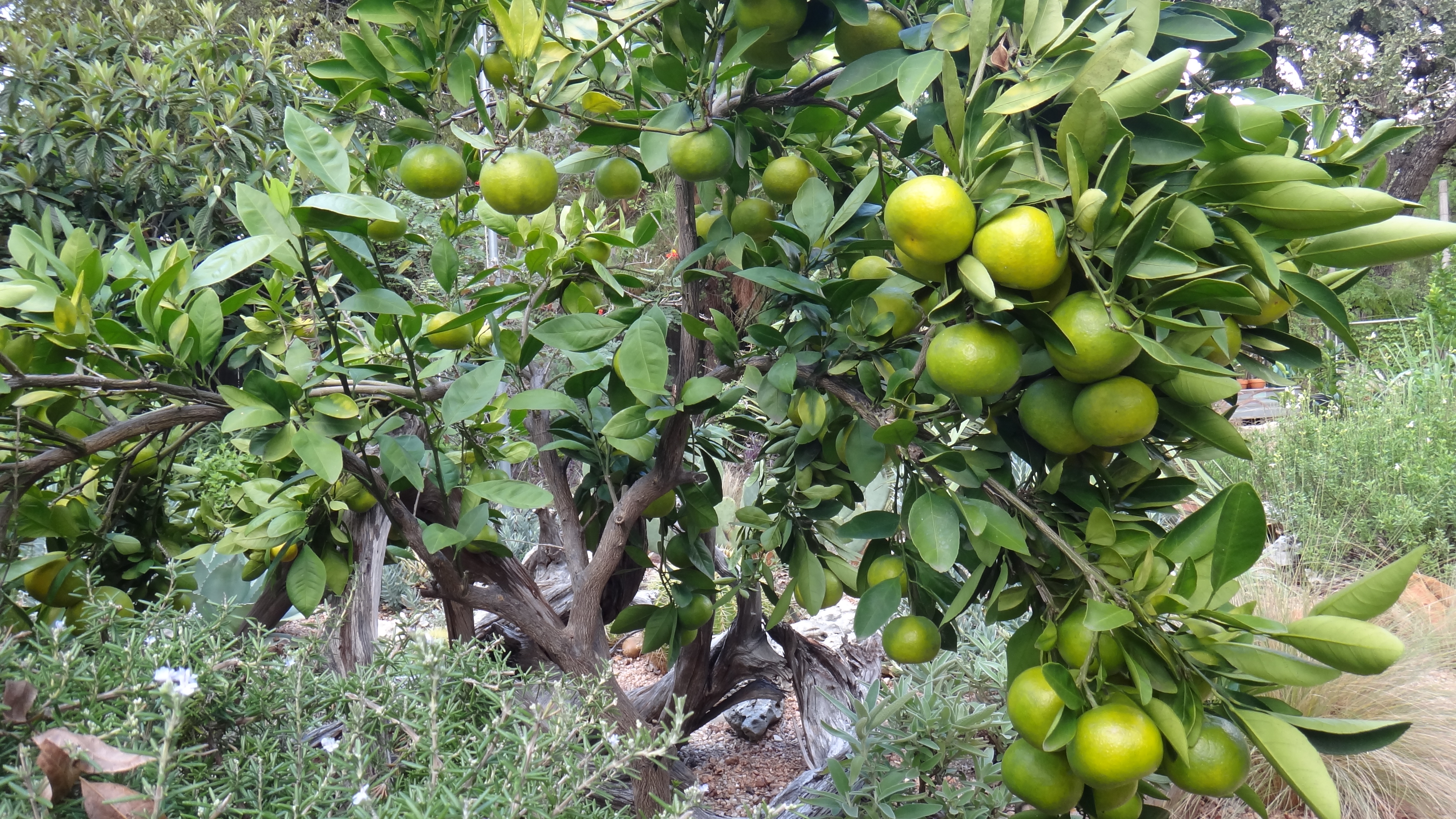
The rain and the sun has put this satsuma tree back on track for a great fall harvest.
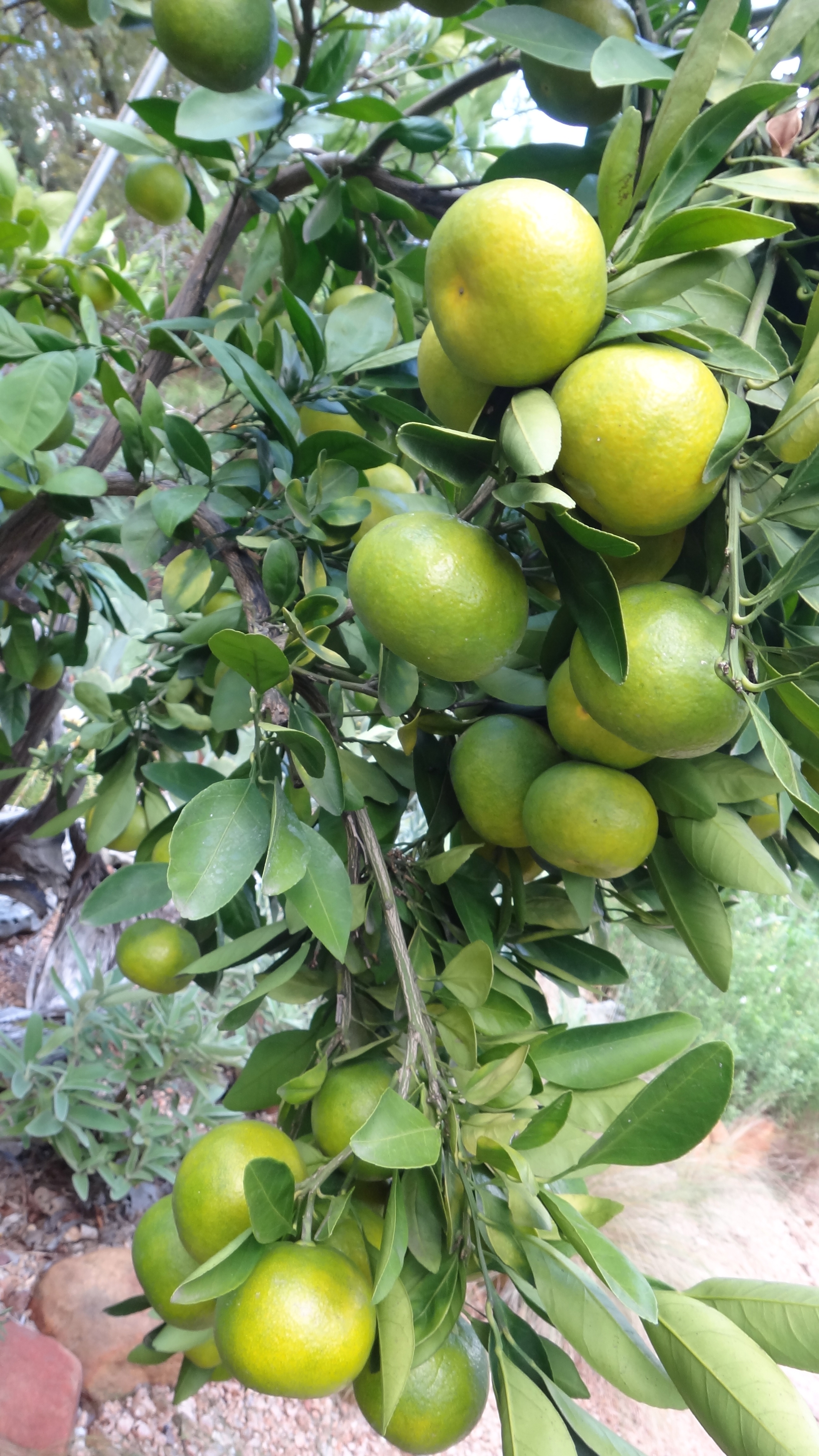
“Aye, she has a nice bunch of satsumas all right, but i’m tellin ye, anymere, n’ she’ll fall apart. Just-one-mere-satsu…”

No more Scotty!
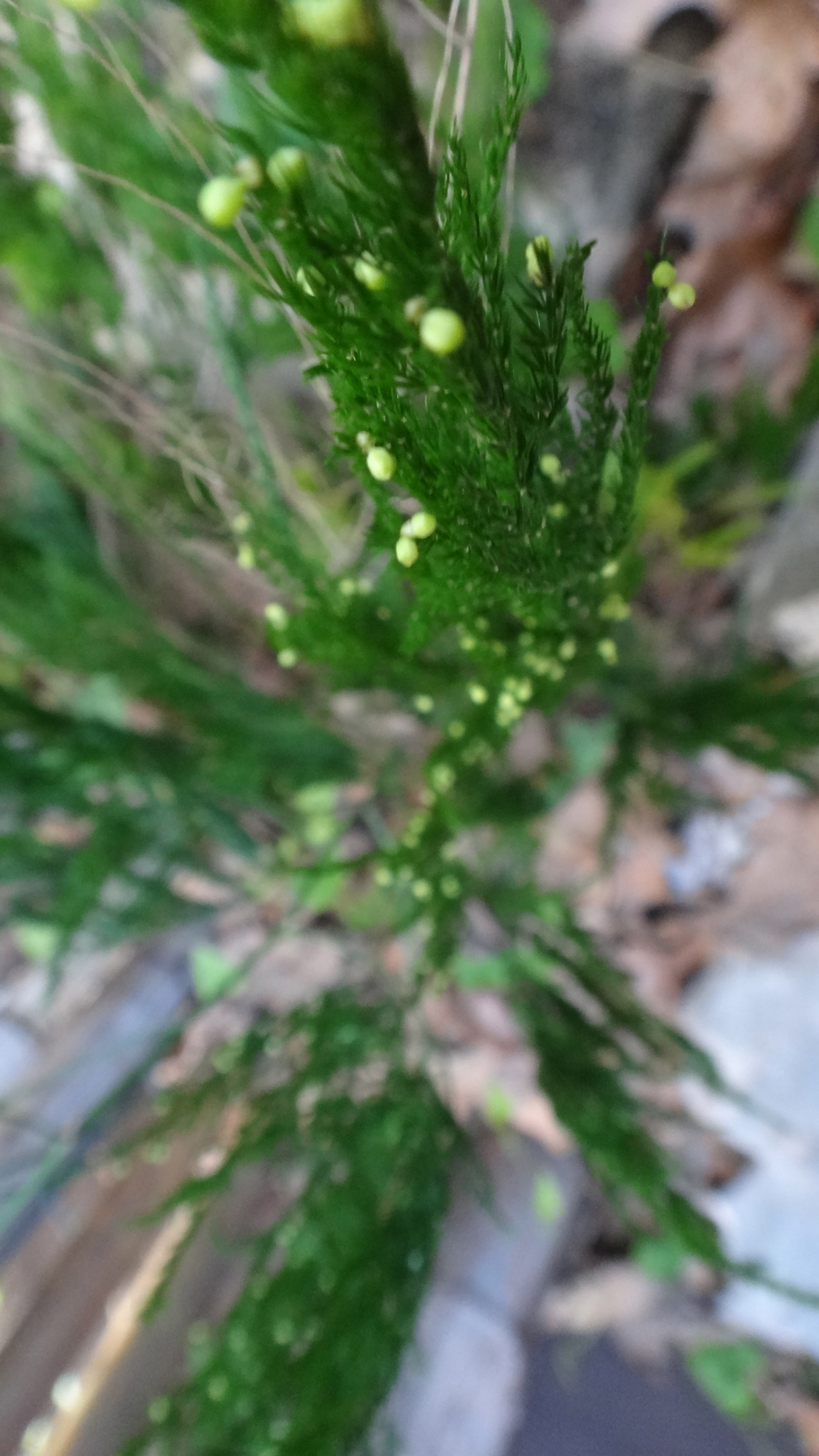
Asparagus Fern,

Asparagus pyramidalis


Asparagus pyramidalis is a hybrid between A. plumosa and tree fern, it adopts a more vertical, layered habit than other cultivars but it is equally as invasive.  Asparagus fern is somewhat deceiving as a name because it is not a fern at all, it merely looks like one, it is in fact a relative of edible asparagus. Pyramidalis is more dense and does not wrap round other plants or trees like plumosa.

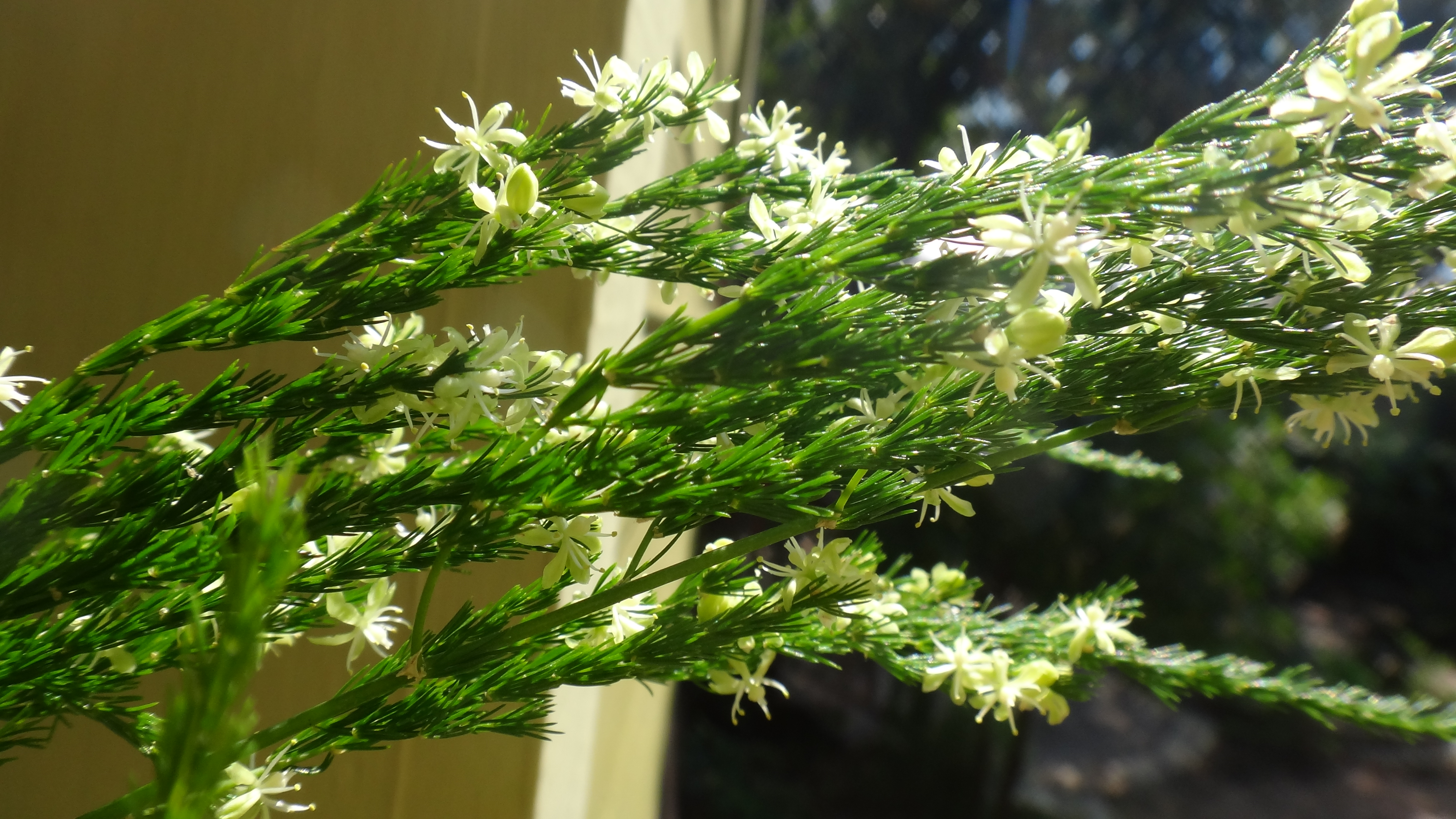
Both my pyramidalis (above),
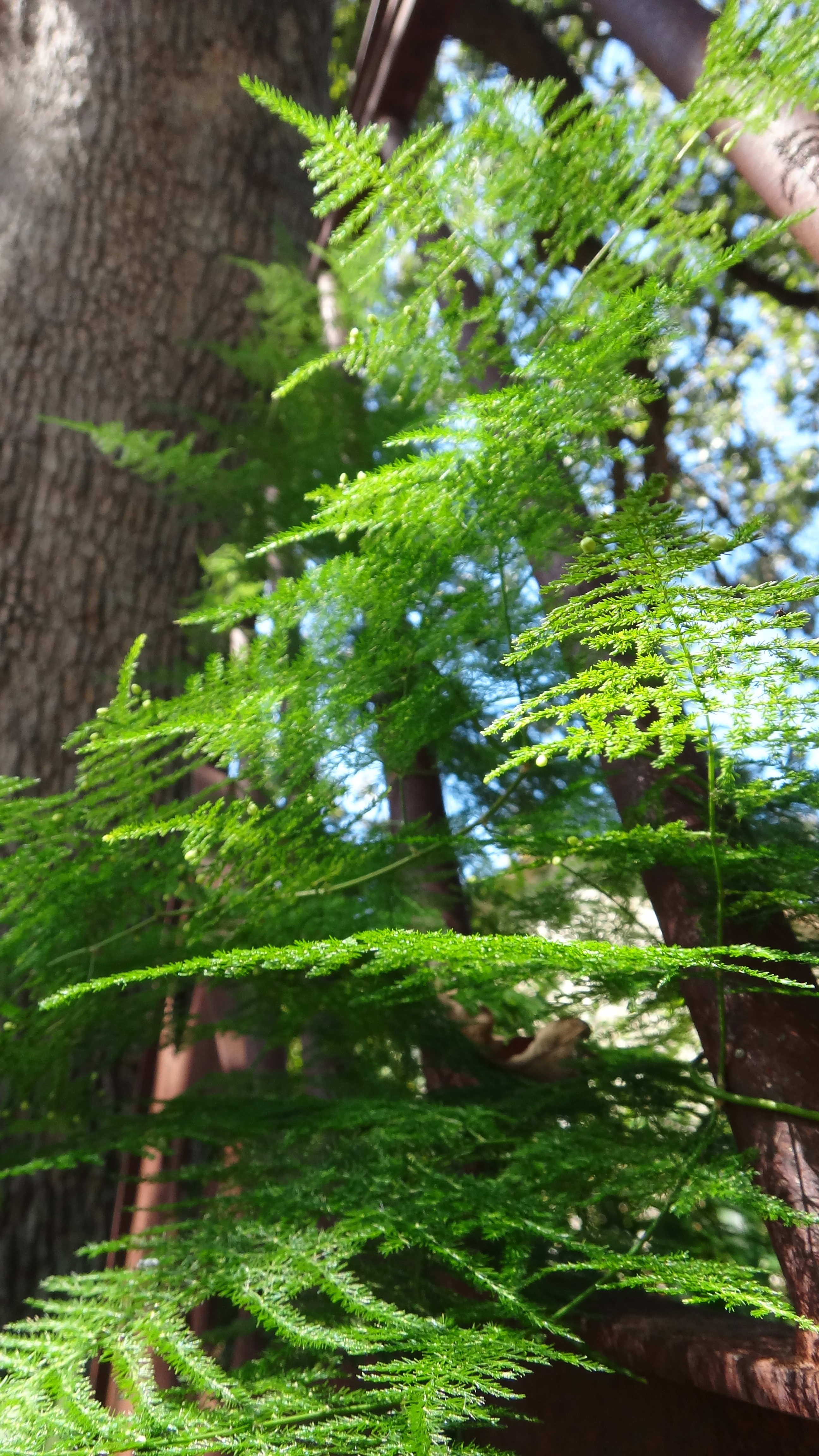
and my plumosa (above) ferns are currently displaying tiny off-white flowers.
Moving along…
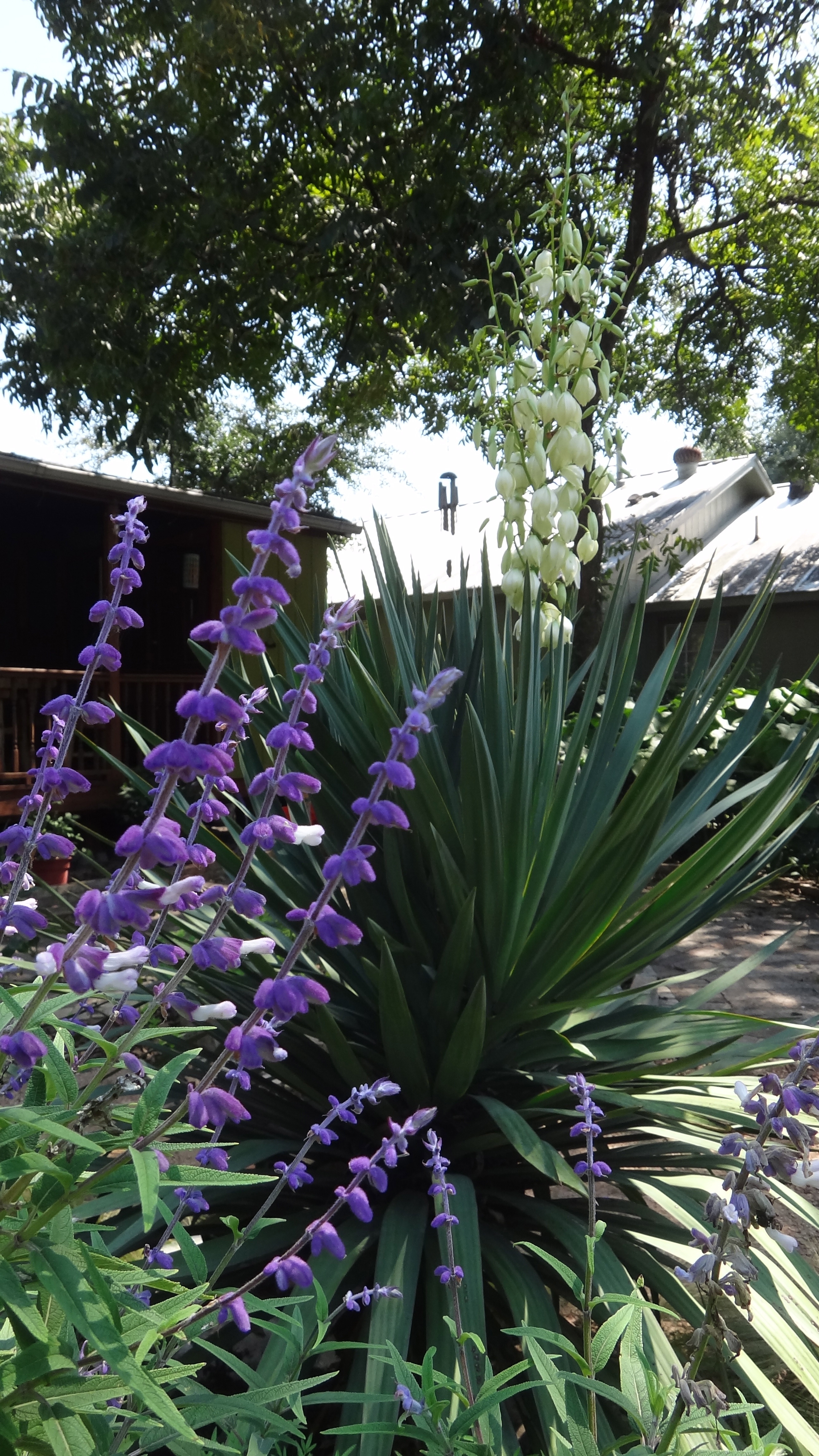
Soft Mexican bush sage contrasts well with soft leaf yucca.
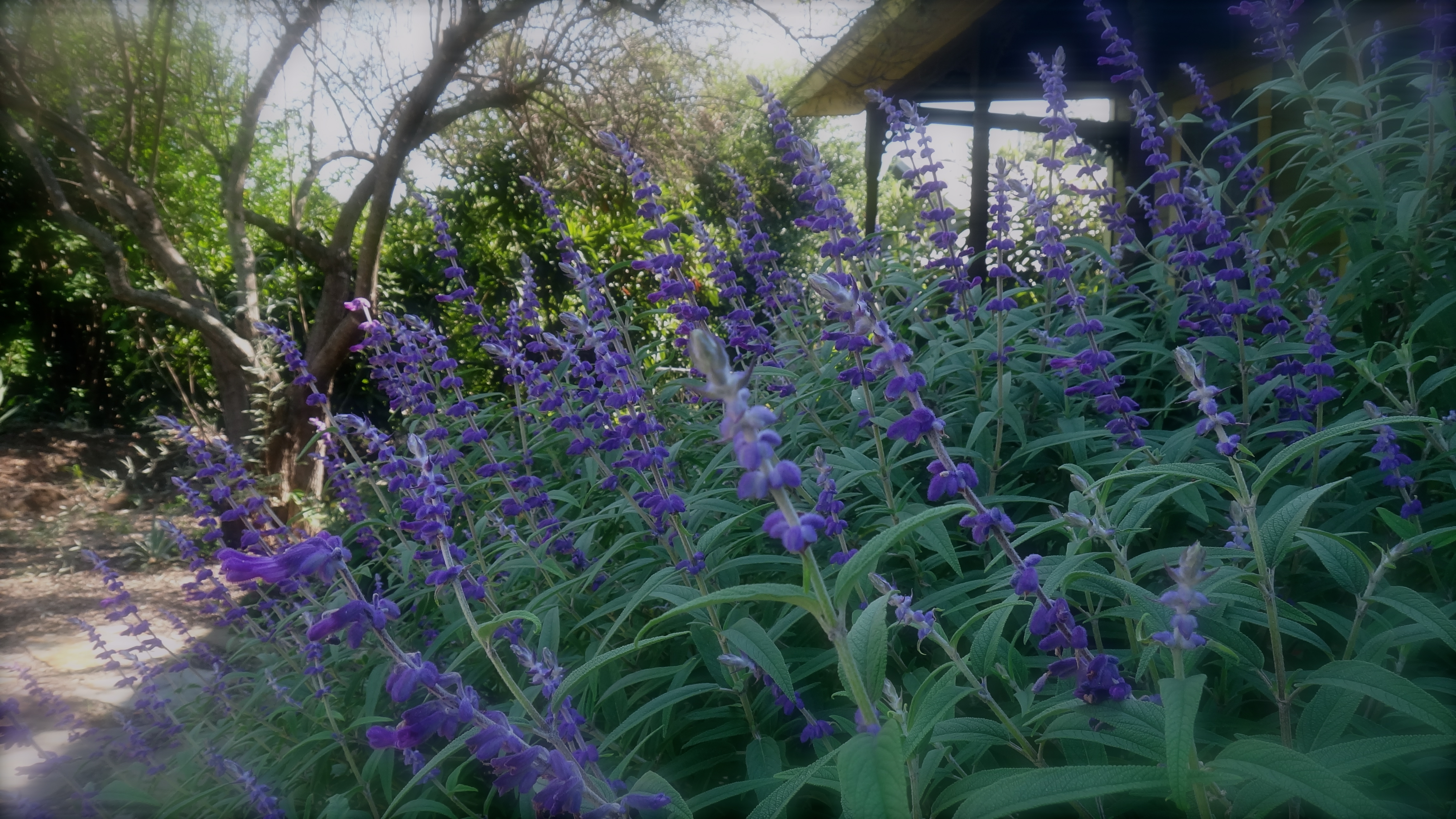
This stand in the front of the Patch is completely out of control and leggier that I would like it (pruning negligence on my part), though it does have more of a natural rambling look when left to its own devices like this…

…okay it is just leggy.
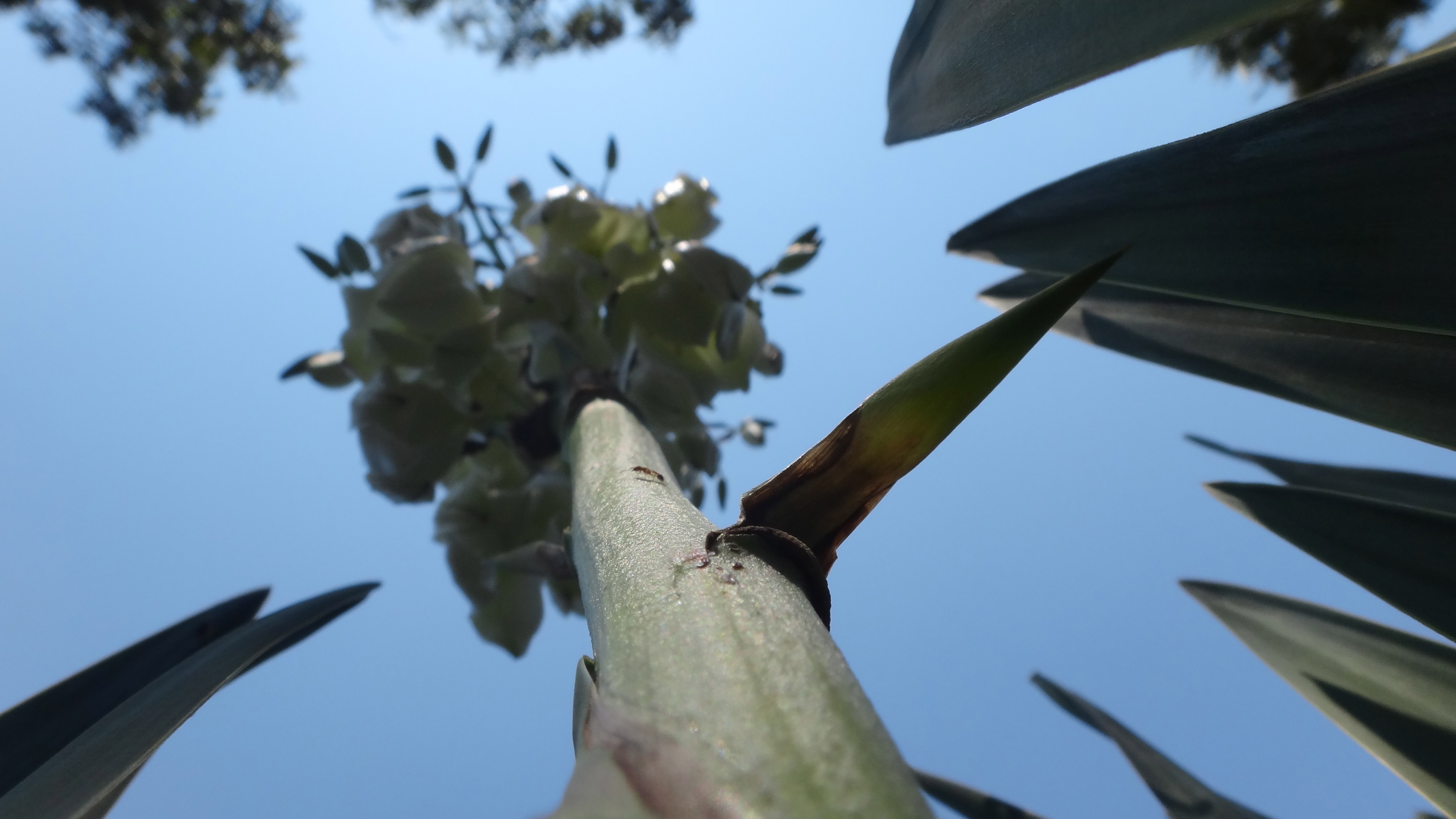
On sending up a flower spike yuccas
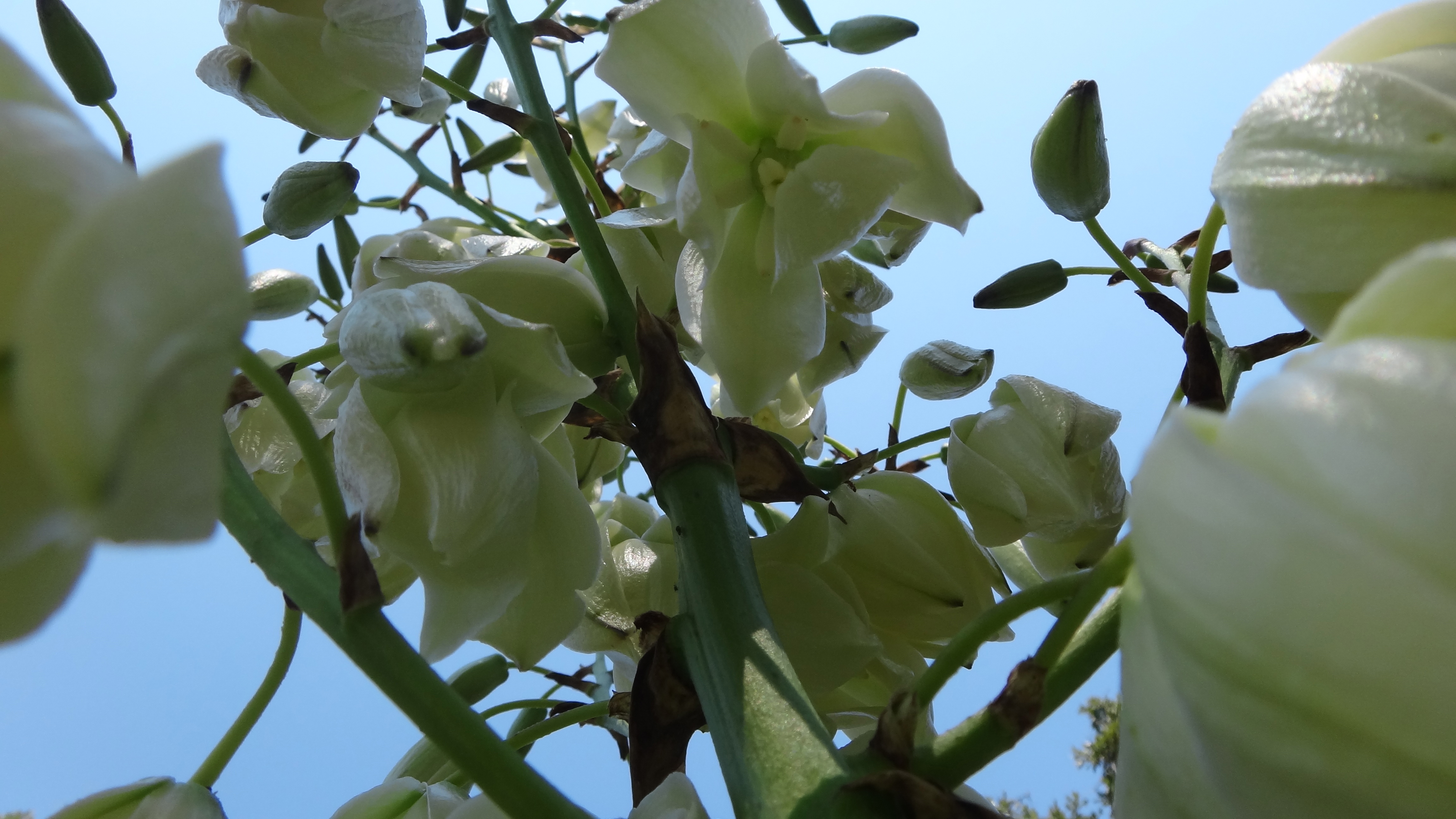
flower very quickly.

A great drought tolerant plant for our area and well worth getting a jab now and then, oh and if you are as obsessive as me,
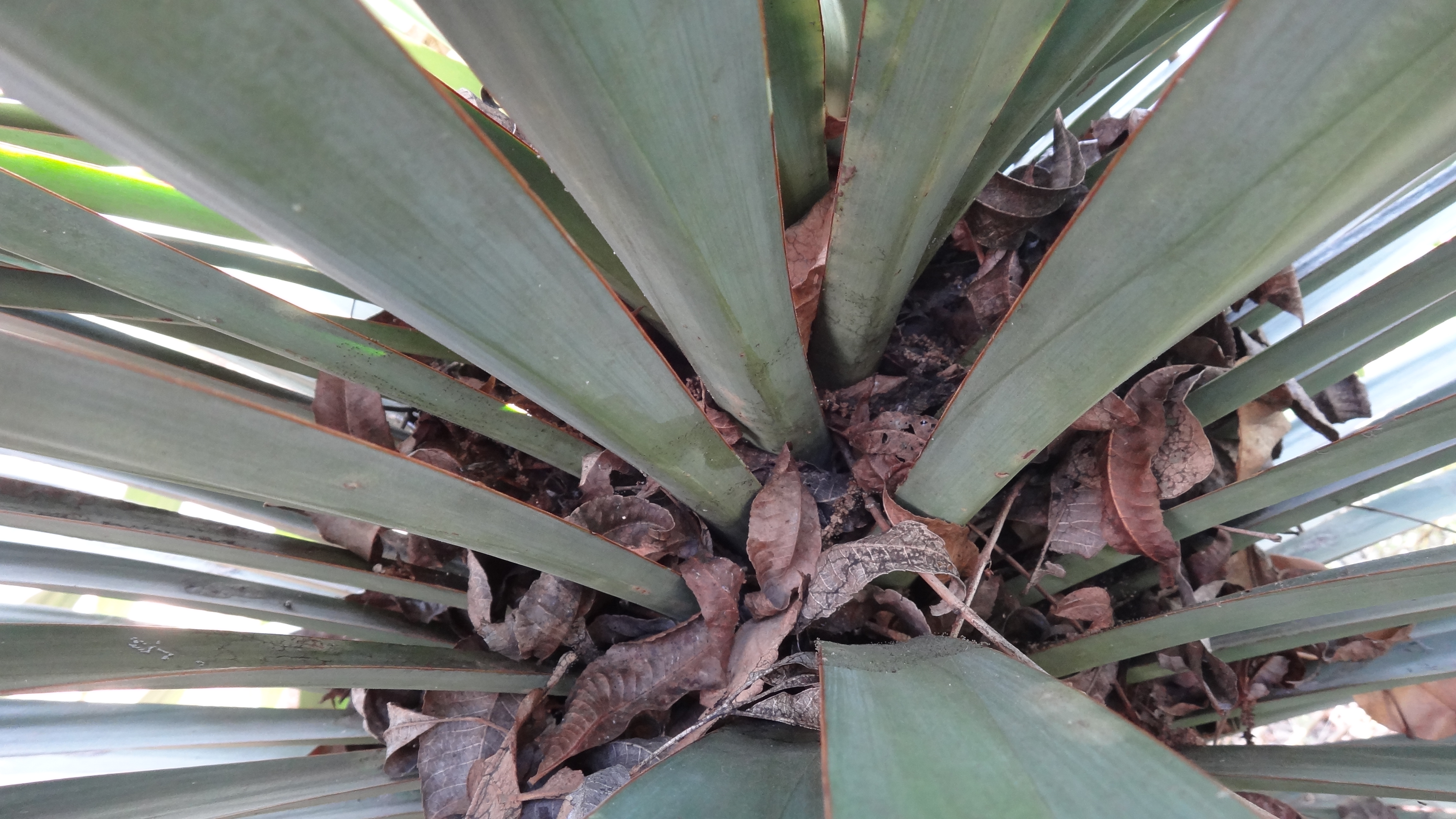
you may not want to get down low and look into the heart of the plant.

This is almost as annoying as…

I said almost.

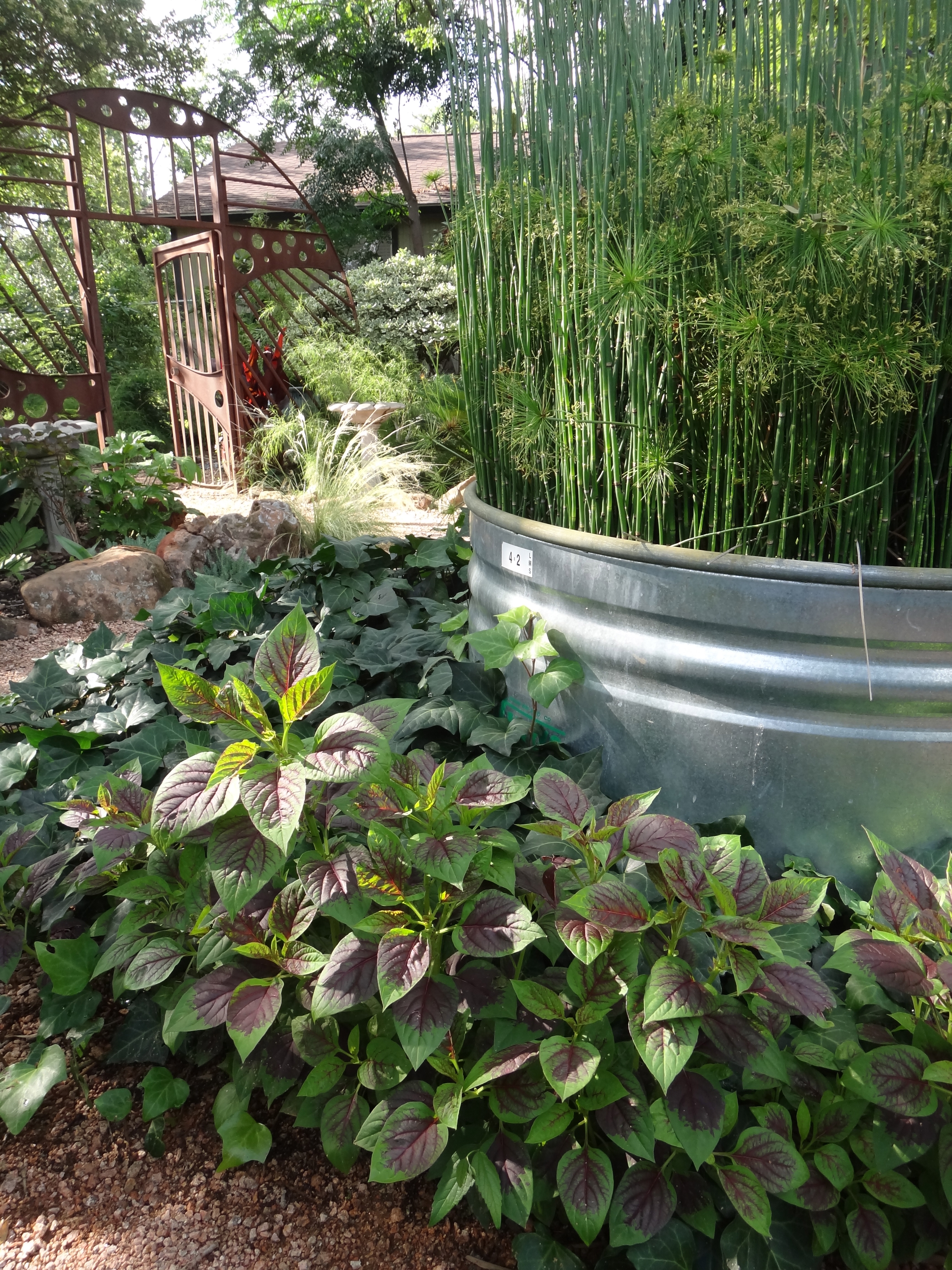
You can see where I started in on this stock tank sticker in the top left corner, and the massive progress that I made attempting to remove it.

Stupid stock tank stickers.

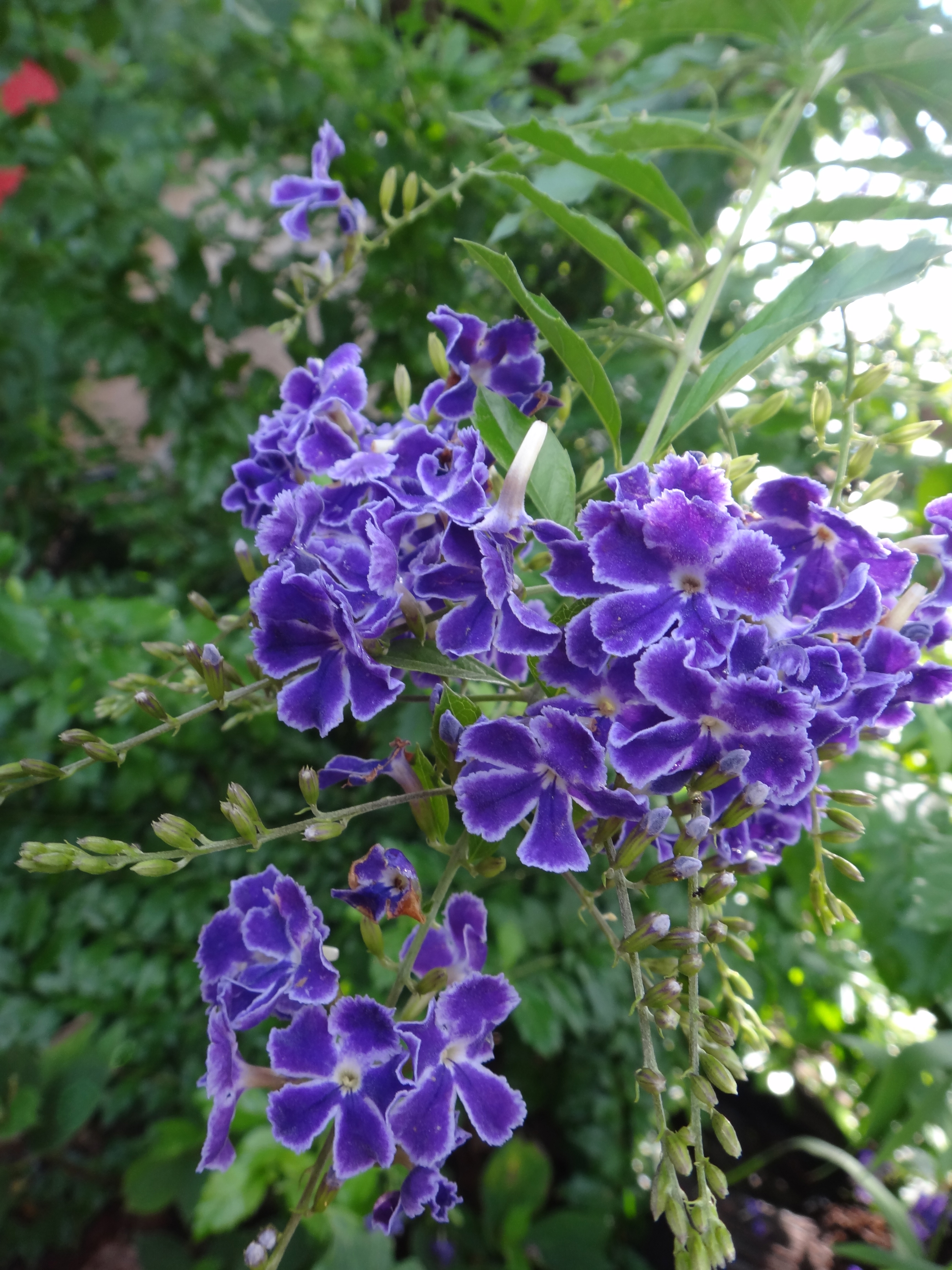
Duranta erecta ‘Sapphire Showers’ is very much living up to its name.
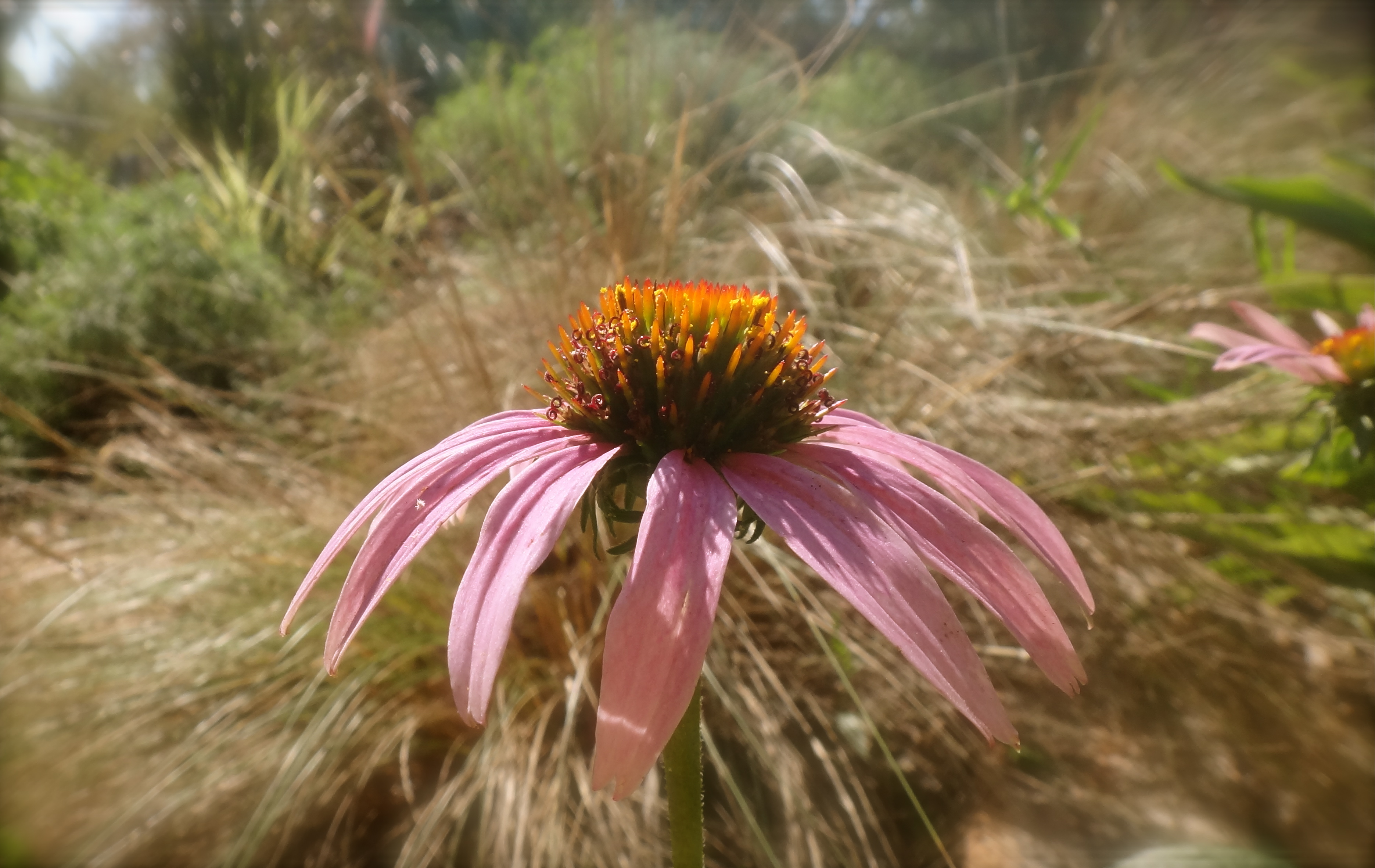
Stunted Cone flowers and browning feather grasses signal in the fall.

Inspirational Images of the Week:

Path at Powis Castle in Wales leads to dark trail winding through a stunning yew hedge.

Some beautiful Hipstamatic and filter work by:

http://tinktastichana.tumblr.com/

I will leave you with some serious landscape LED lighting. Forest of Light is a serene forest of 20,000 illuminated stems scattered along a forest walk.

Art Installation: Bruce Munro

Longwood Gardens, Pennsylvania

http://www.longwoodgardens.org/lwgHome.html

And here is a link to a free App that allows you to explore the Gardens and installations after hours:

http://itunes.apple.com/us/app/light-installations-by-bruce/id532235352?mt=8

Stay Tuned for:

“Thats Just Not Blight!”


All material © 2012 for eastsidepatch. Unauthorized
intergalactic reproduction strictly prohibited, and
punishable by late (and extremely unpleasant)
14th century planet Earth techniques.

Happy Birthday PP.
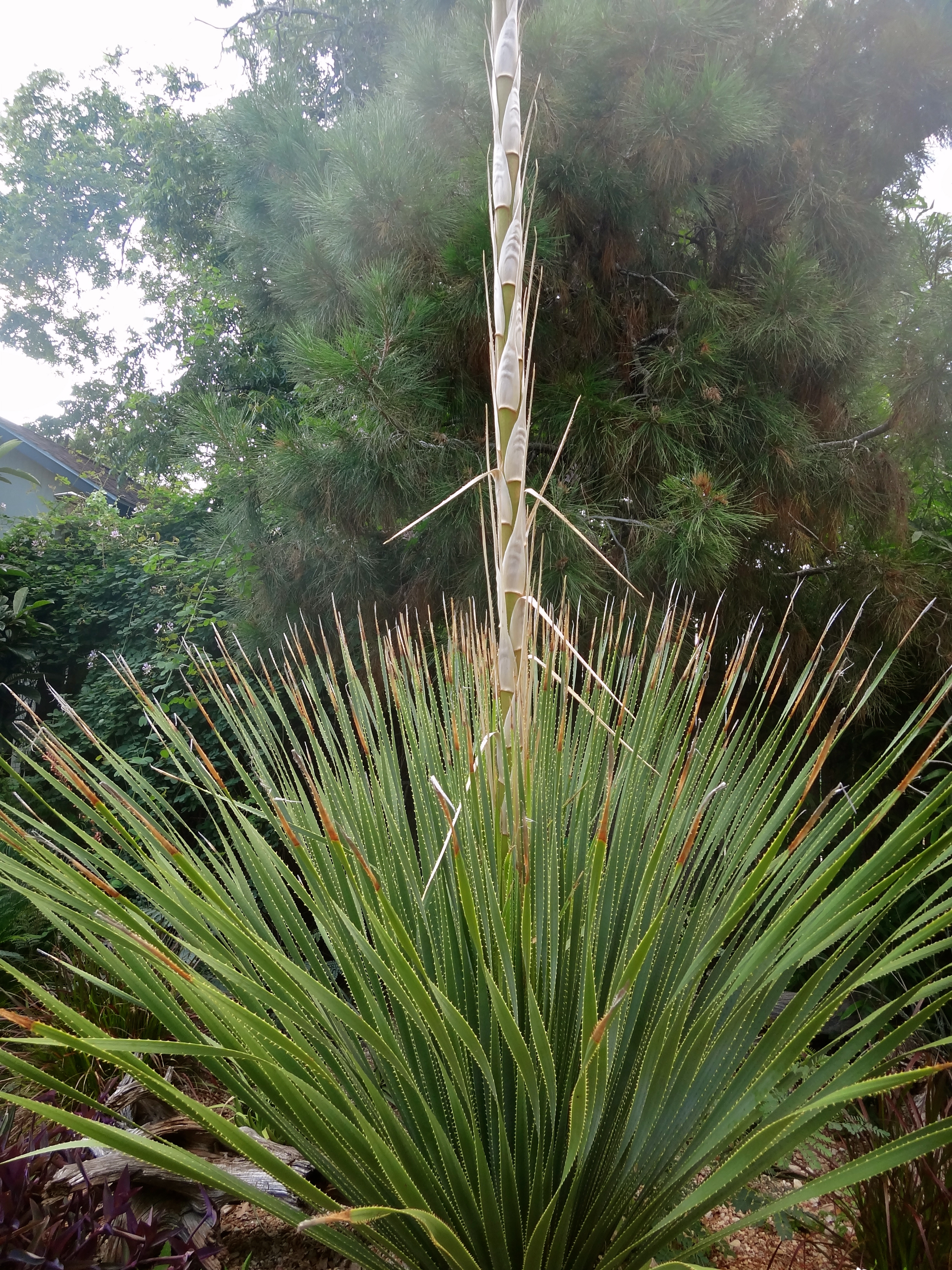
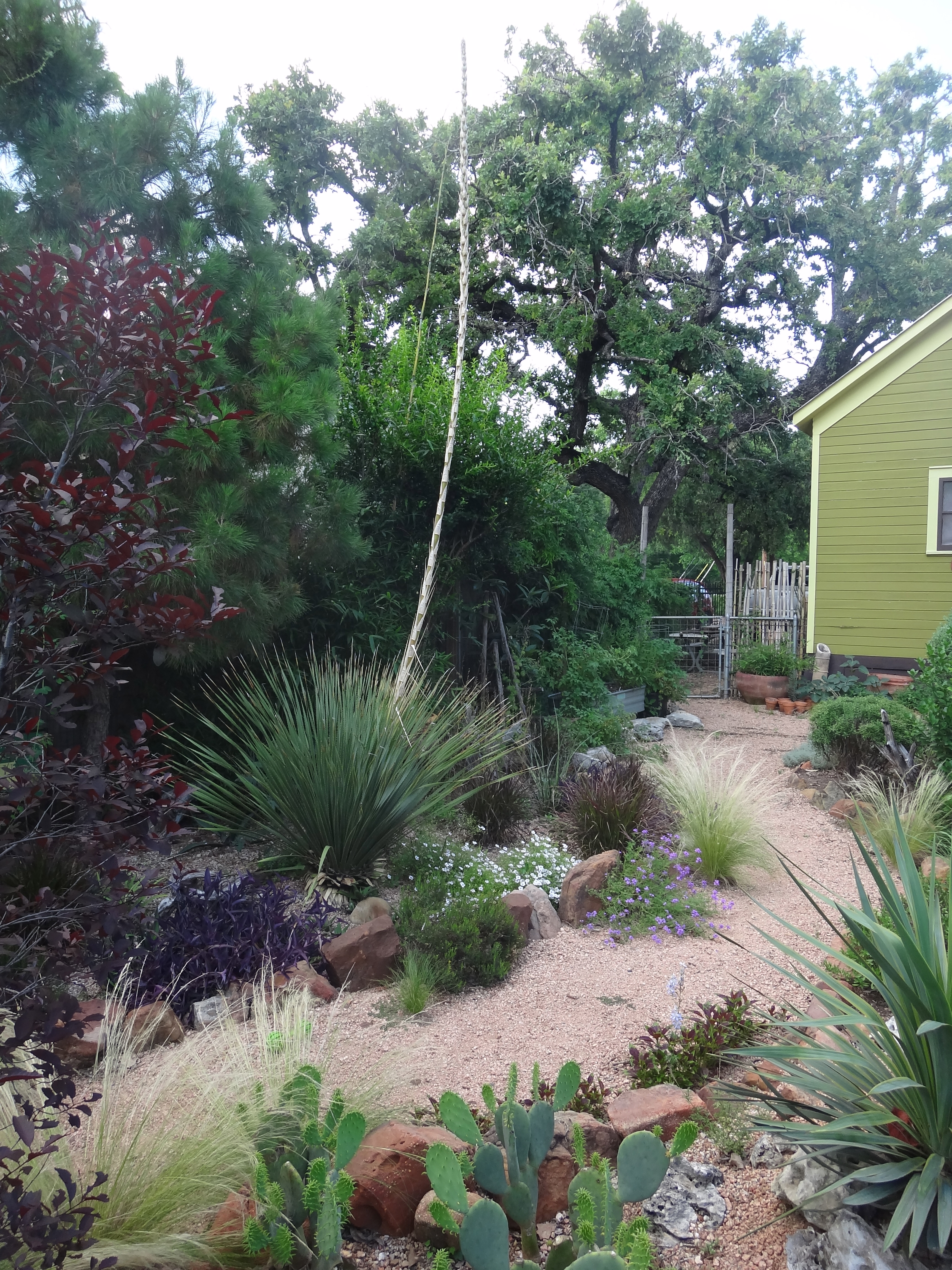
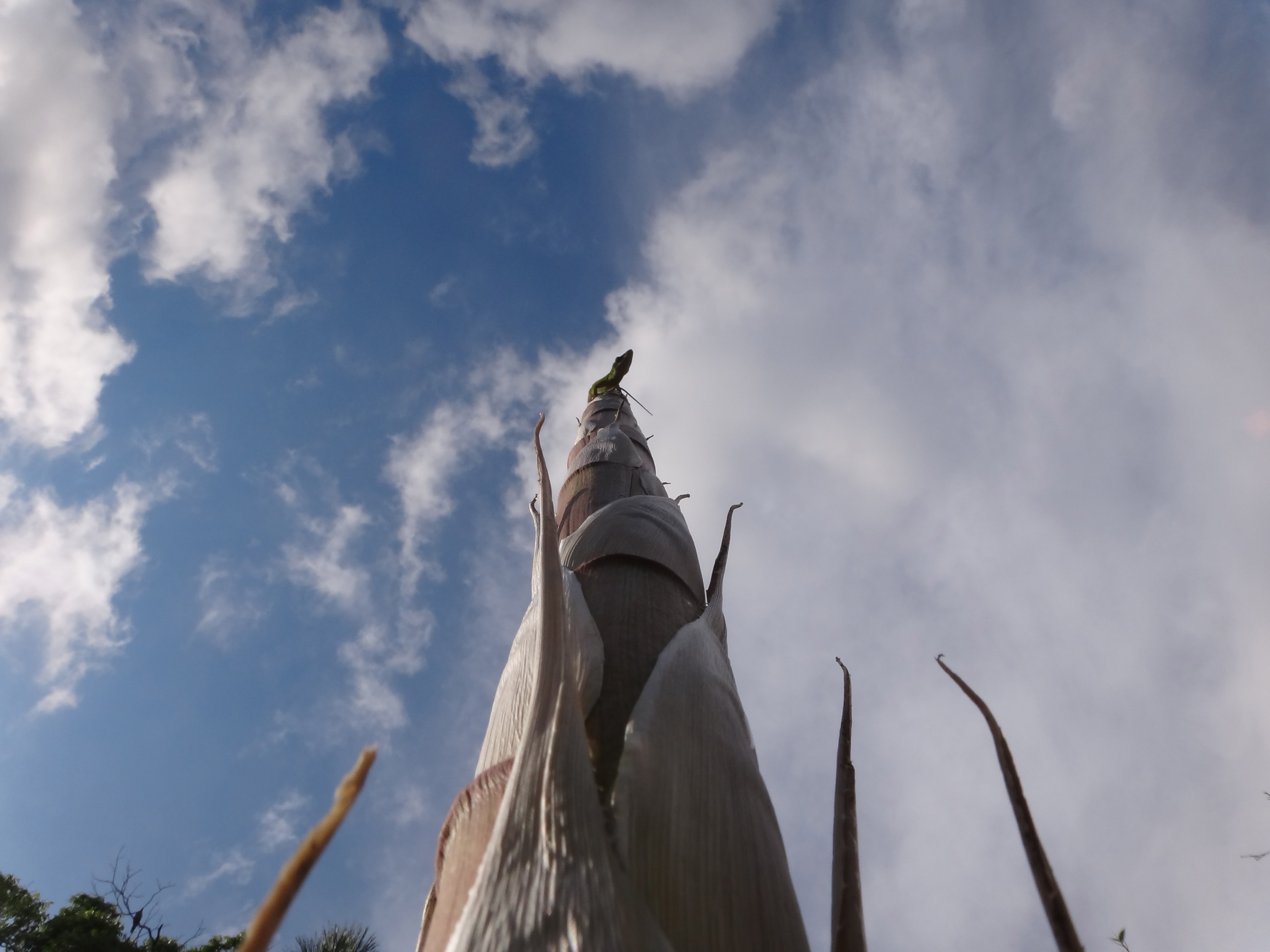
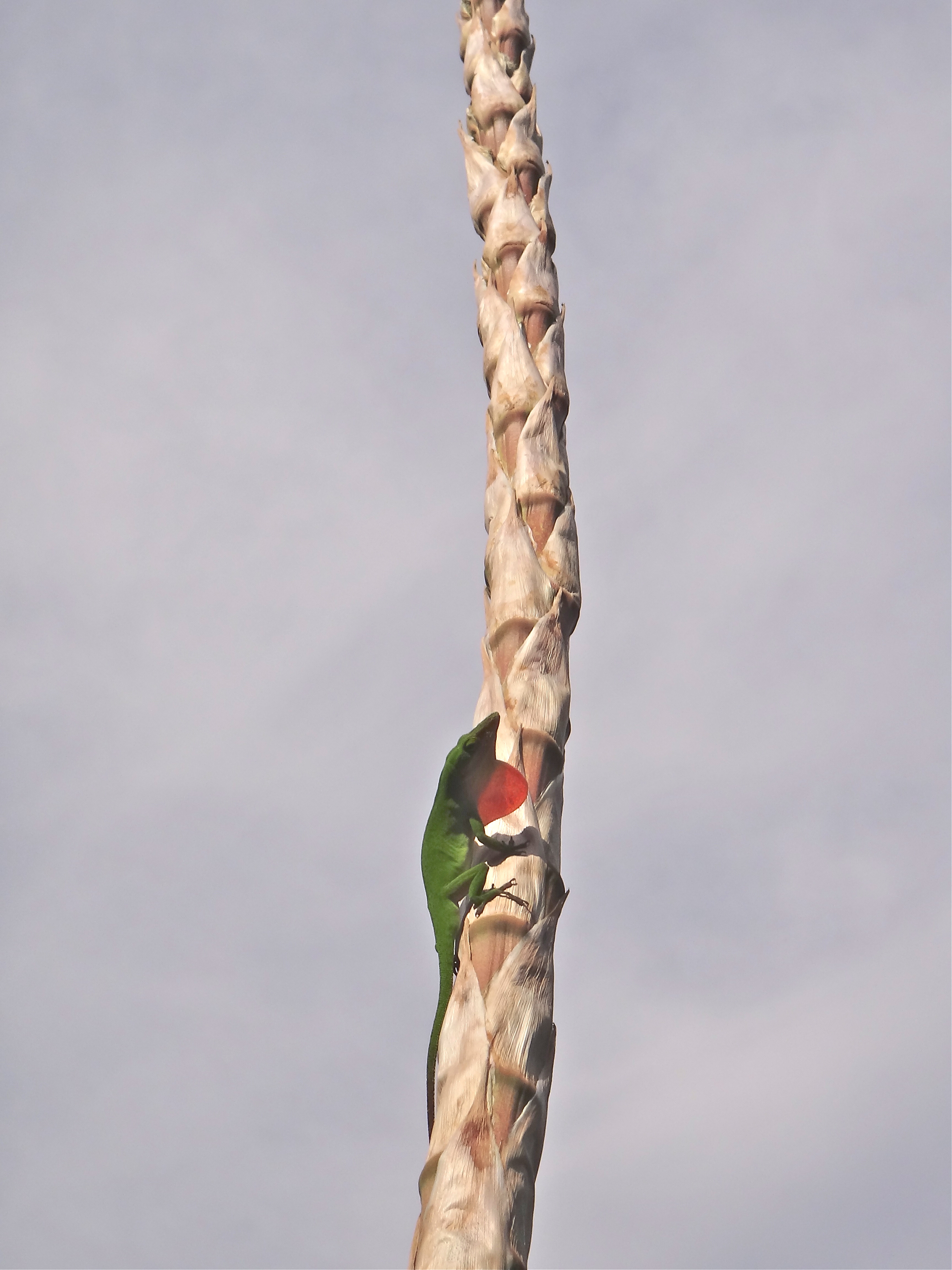
You would not want to loose your footing and slip off this particular beanstalk.

It is also very high, (as beanstalks have a tendency to be after all).

The line down into the adjacent Buddha’s belly bamboo I assume is Naboo in origin. I theorize that the spike is currently being adopted as a high look out / communications tower with neighboring tribes across the street.

“Ach, thats mere like it ESP…Like ah’ teld ye last week…twice the length of a mun, nuthin’ mere nuthin’ less, a spear has tae be twice the leng…

Haud yer Whisht William!

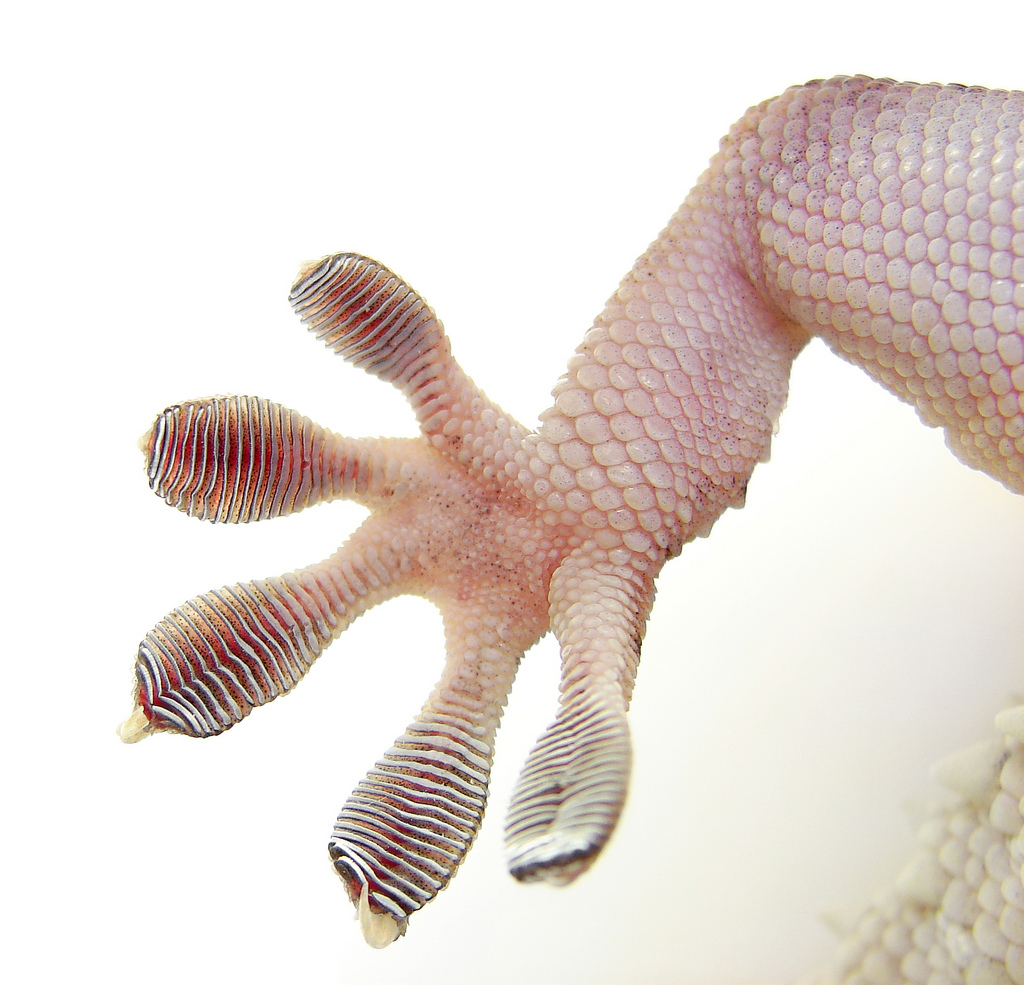
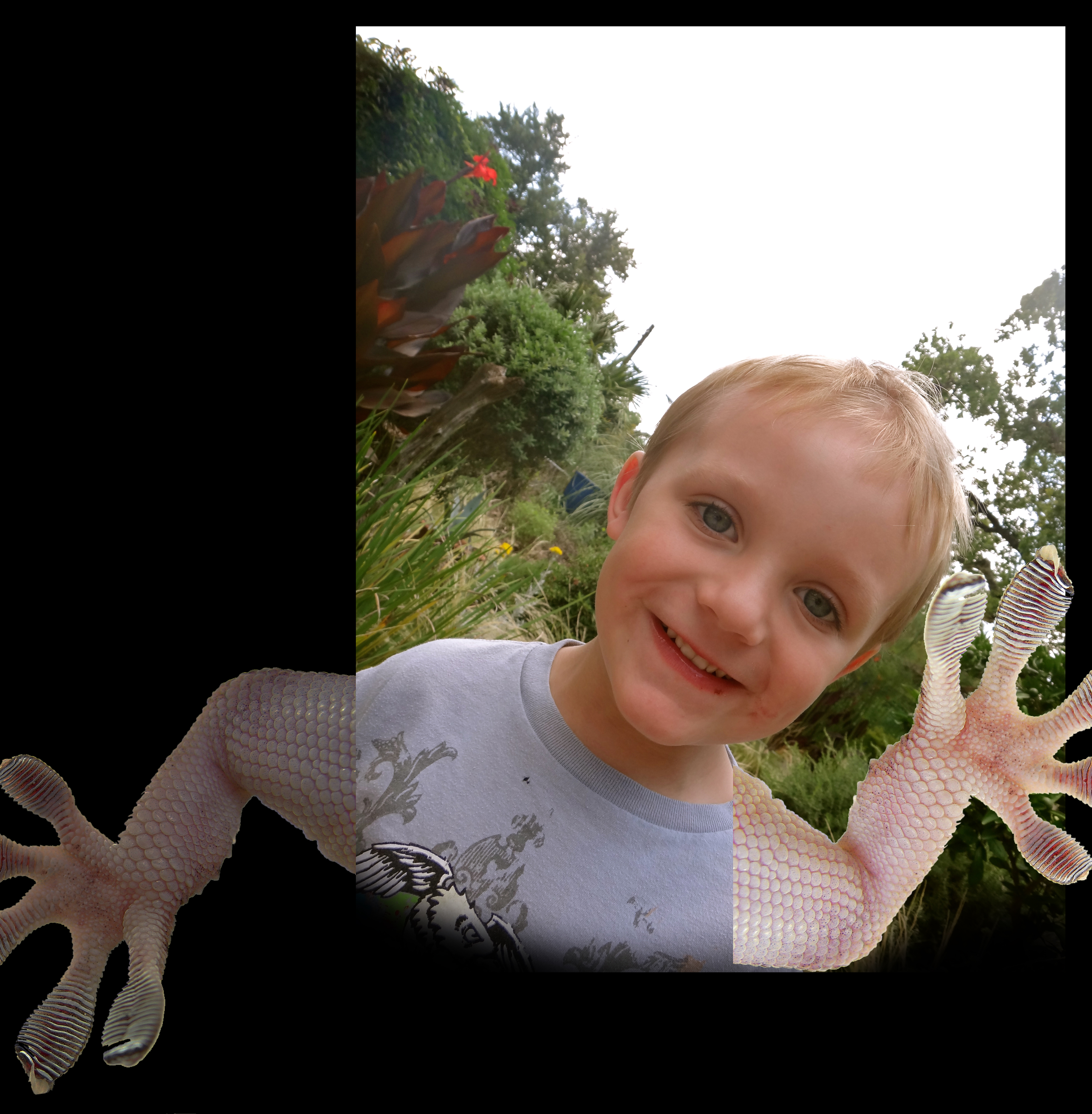
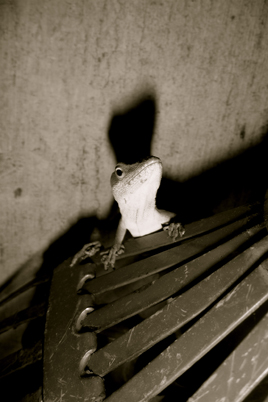
To climb up this beanstalk takes not only nerves of steel (and a hankering for insects) but also toes that have specially adapted adhesive pads, or…

‘lamellae’


…snort.

Ghecko Foot: Photo by Matt Reinbold

This “super grip” on anoles and geckos is created in the form of an attraction between the molecules of the lamellae and the climbing surface. (Pushes glasses excitedly up on nose bridge)

Stealing the golden egg and circumnavigating down the sotol stalk still proved to be a bit of a struggle for this anole though..

…don’t swallow it, DON’T SWA…

Moving sketchily along…

I said, MOVING ALONG!

Meet my new/old work steed (it has a rather menacing growl)…which will marry nicely with the wayward look of a poorly tied iced-turban along with a parched expression at a stop-light come the summer.

My steed’s menacing growl is apparently much better than its gum-lined bite, especially when trying to gain traction in mud. This is what happened to me on a recent country rock procurement trip.

Note to self: Even a 4-wheel drive is no match for a bog.

Oh don’t you even start!

I ended up getting pulled out of here with a tractor!

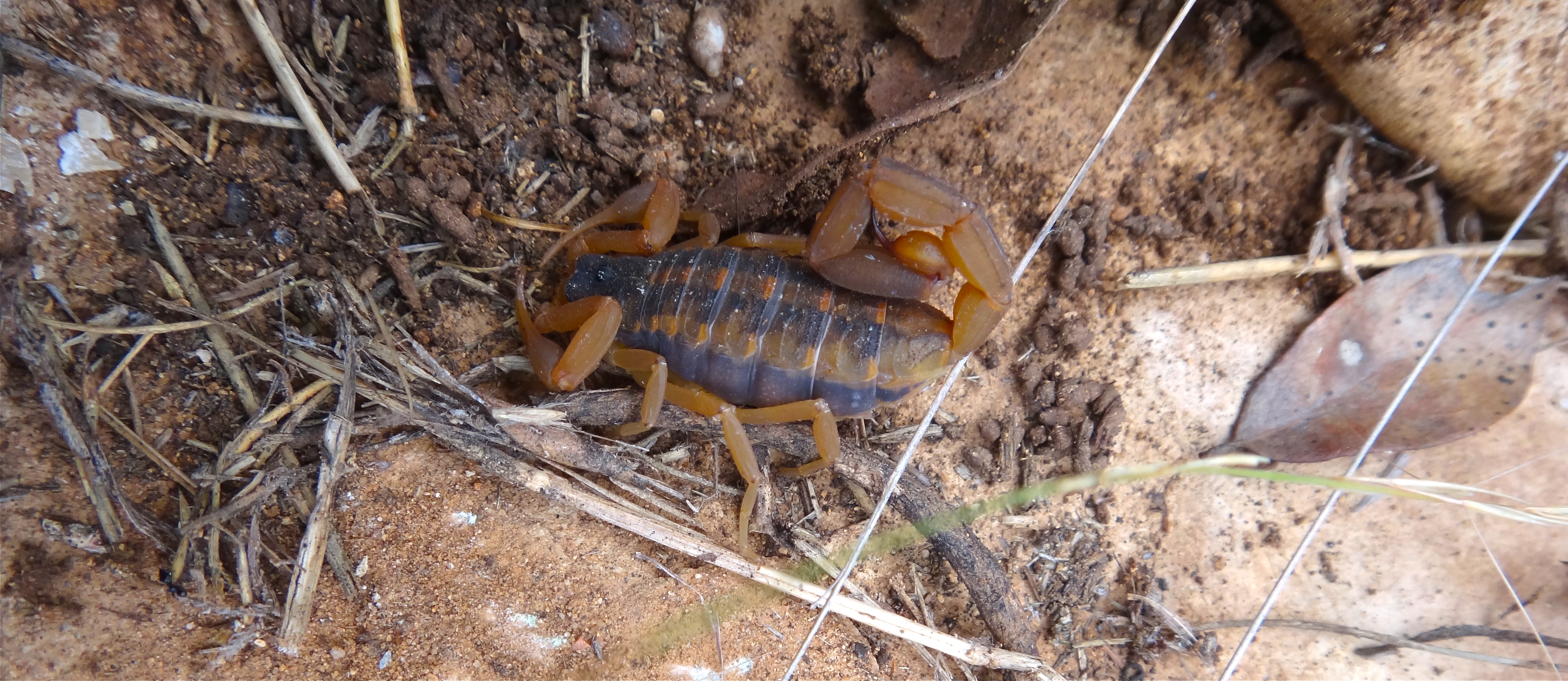
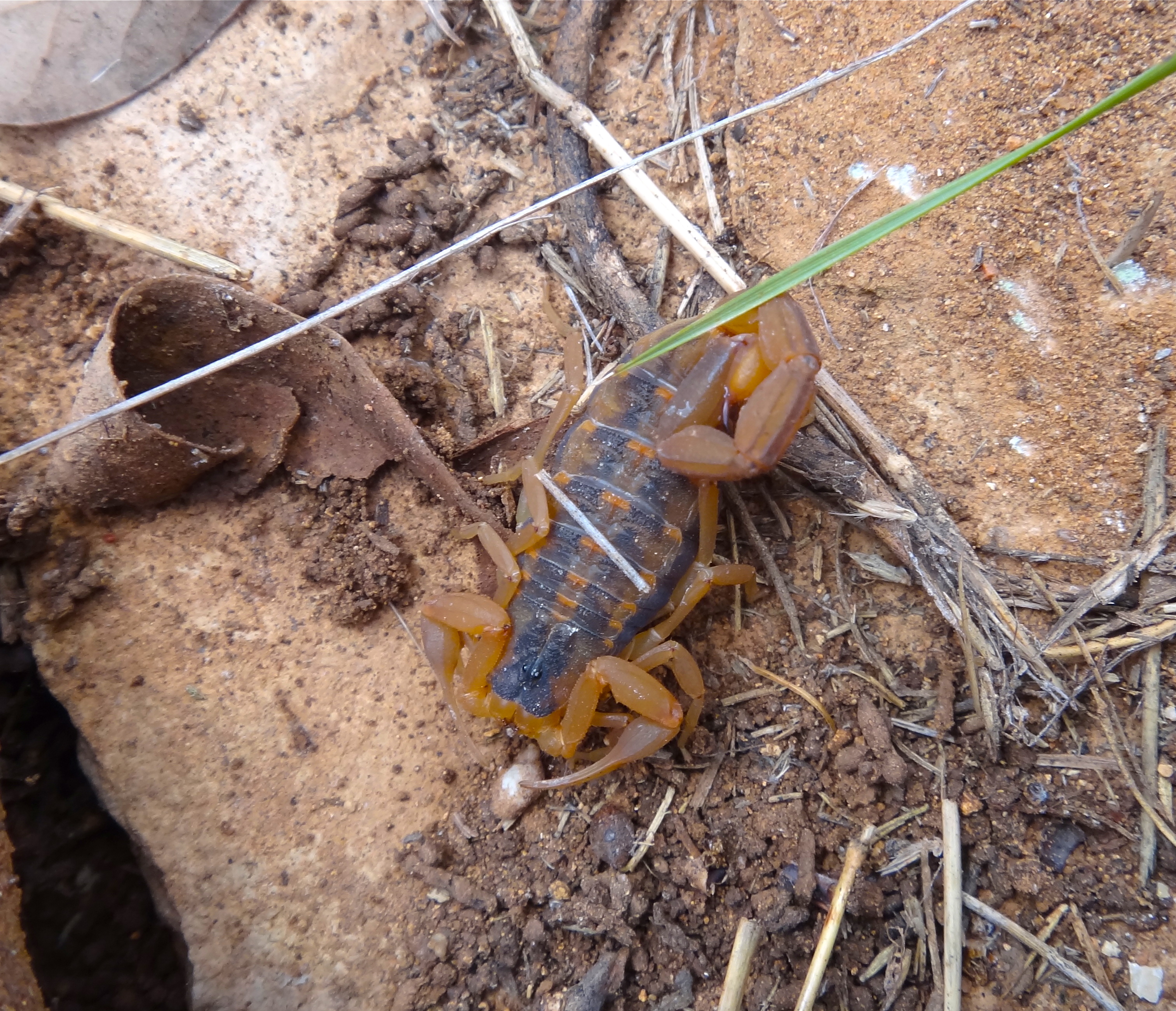
The same trip would have been a complete disaster if this chap, lurking under one of the limestone boulders had been a little more awake. This was one very plump ‘striped bark’ scorpion, and that looked like one serious stinger.

Centruroides vittatus


This is the most commonly seen scorpion and the only one found throughout the entire state of Texas.

Scorpions are arachnids but are a little special in that they are viviparous – they give birth to live young (usually about 30 or so) instead of laying eggs. This one groggily disappeared down this crack, I am sure I will come across it again, but it is the rattlers that I am really looking and listening out for.

Oh yes, I almost forgot to mention,

my new/old steed came with some rather classy aftermarket accessories.

If you catch my drift, ahem.

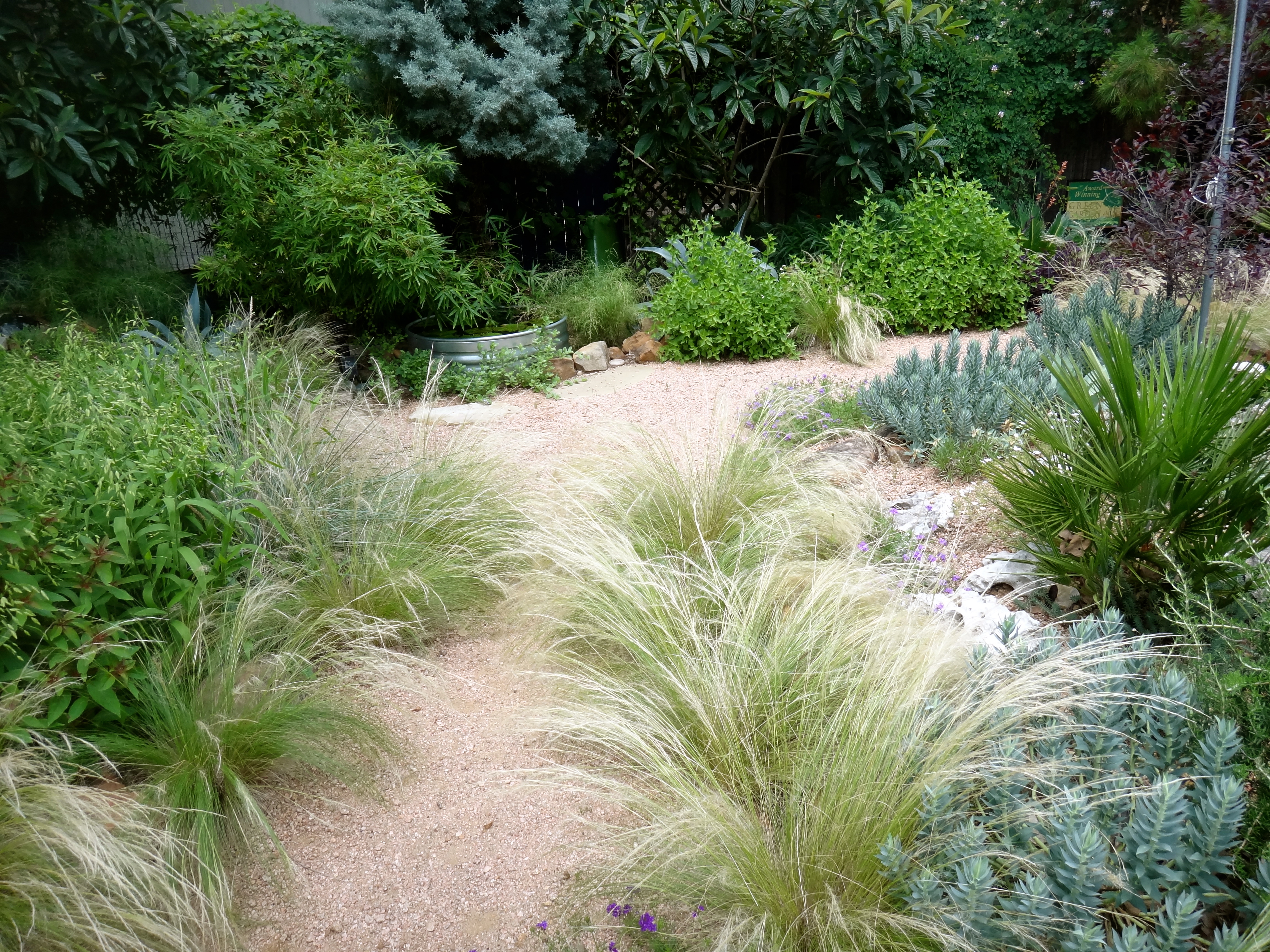
I pruned those two mist flowers (to the right of the stock tank) only a few weeks ago, they are already waist-high again. Feather grasses are almost ready for their bi-annual hair teasing, time to get out the cape once again:  http://www.eastsidepatch.com/2010/05/knotty-dreads/

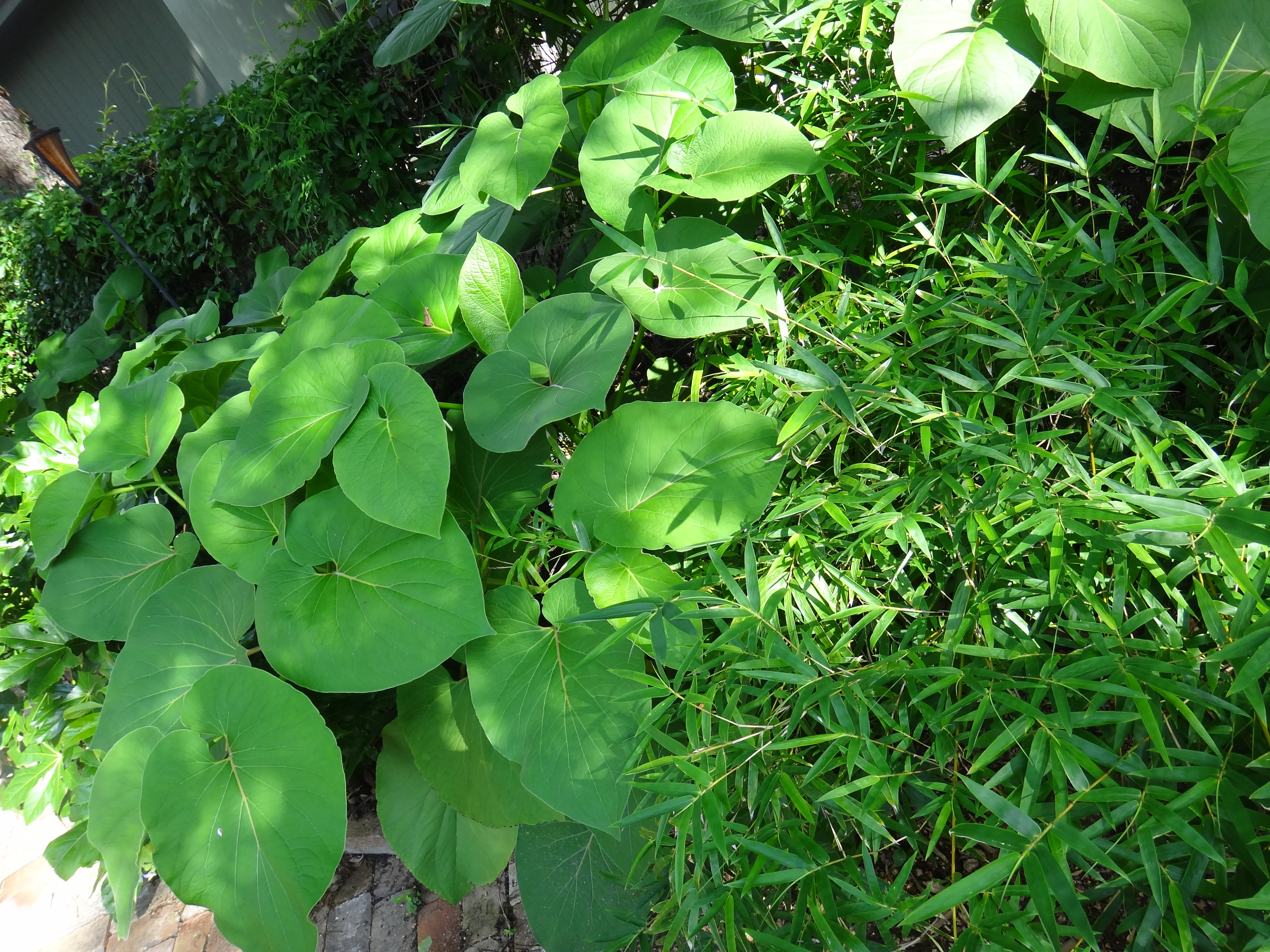
Hoja Santa is also on the rise, as are:

multiple stands of celosia, (there is no sticker, there is no sticker, there is n…aaargh!)

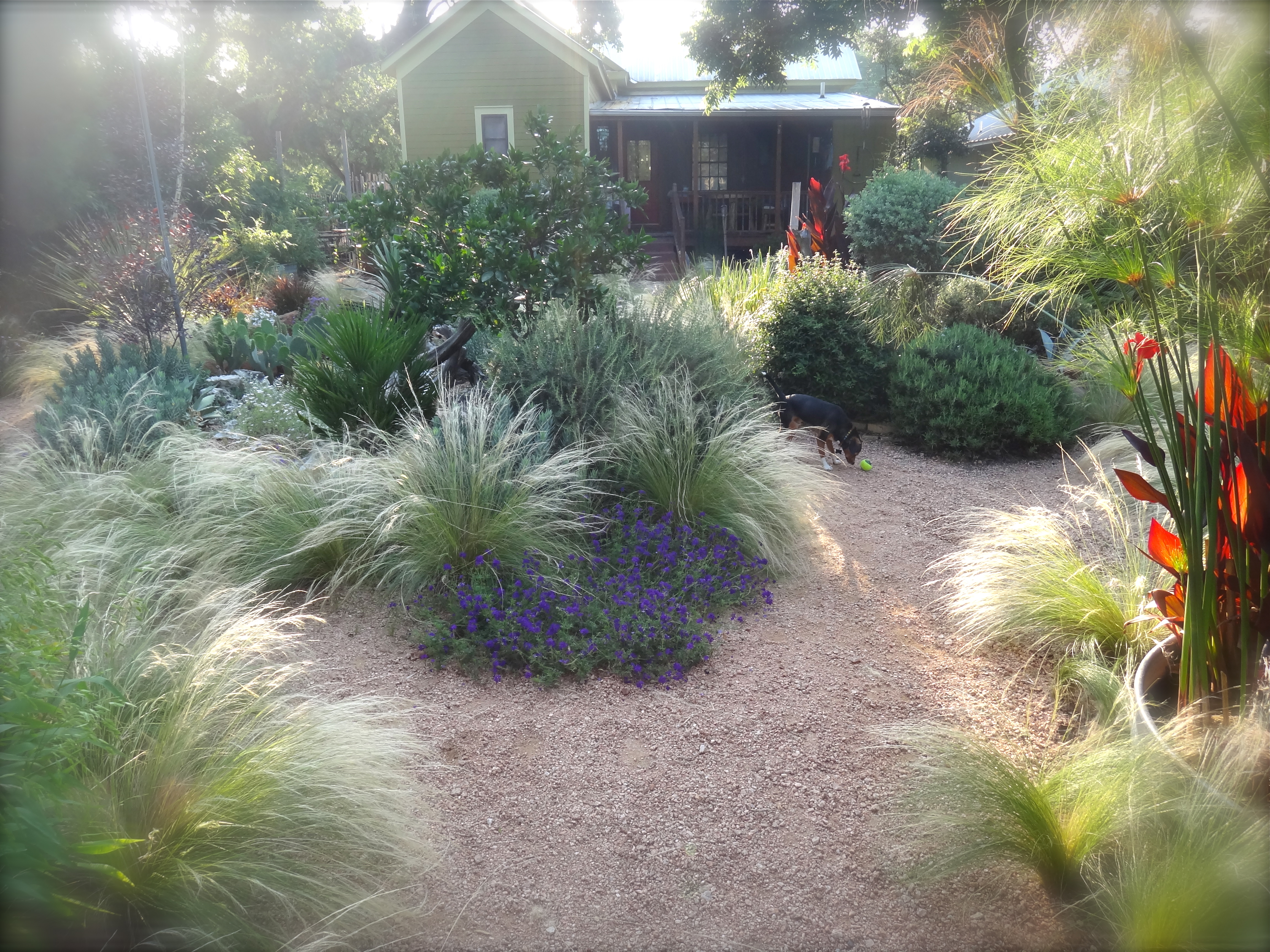
and verbena, which is currently popping up everywhere in my decomposed granite pathways…

…it is one of Lord Kumos favorite colored mattresses after he has had a few cocktails on the feather grasses.

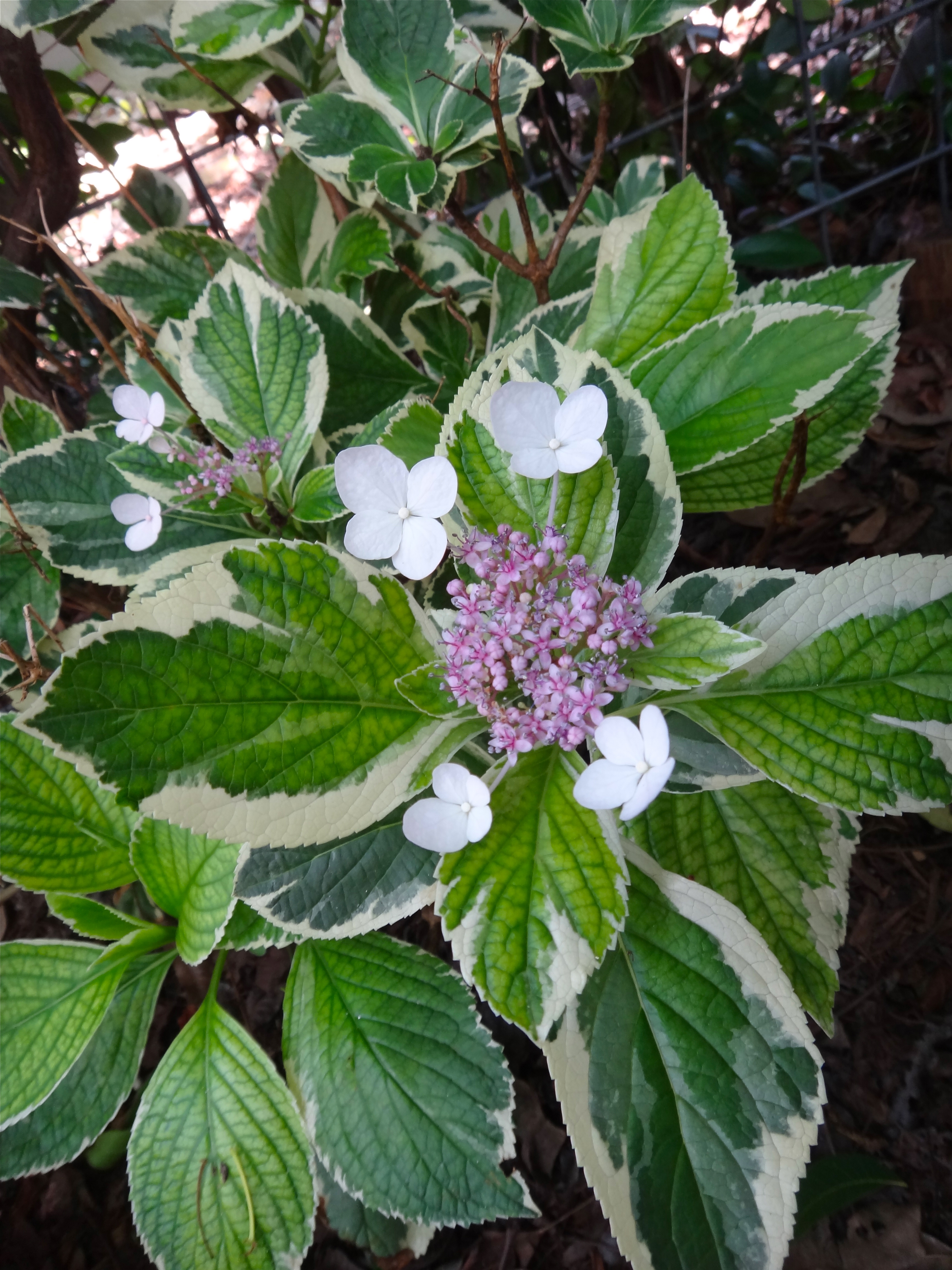
This ‘always thirsty’ hydrangea, (yes I said hydrangea), is doing very well after the rains,

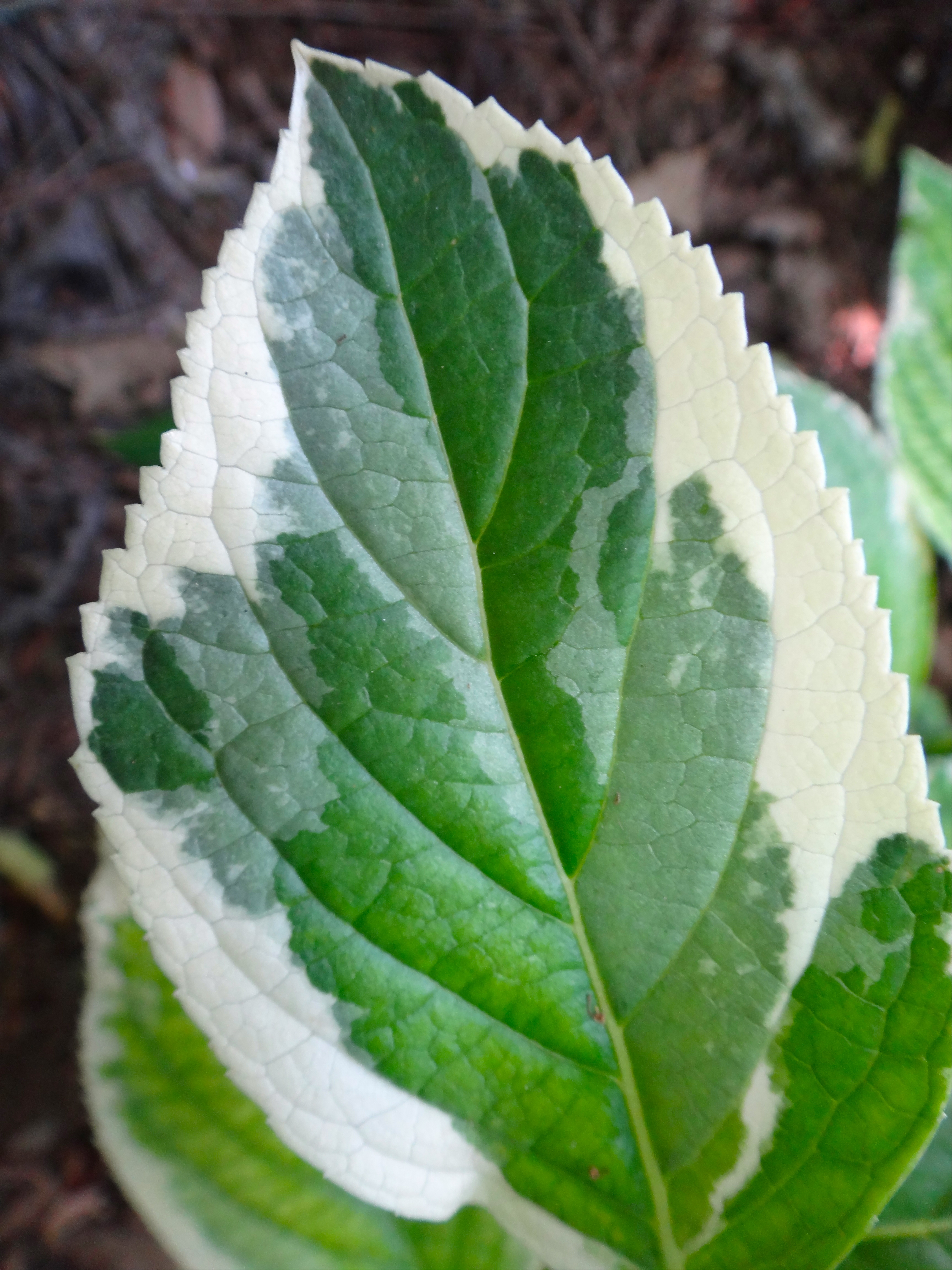
very interesting foliage and bloom structure.

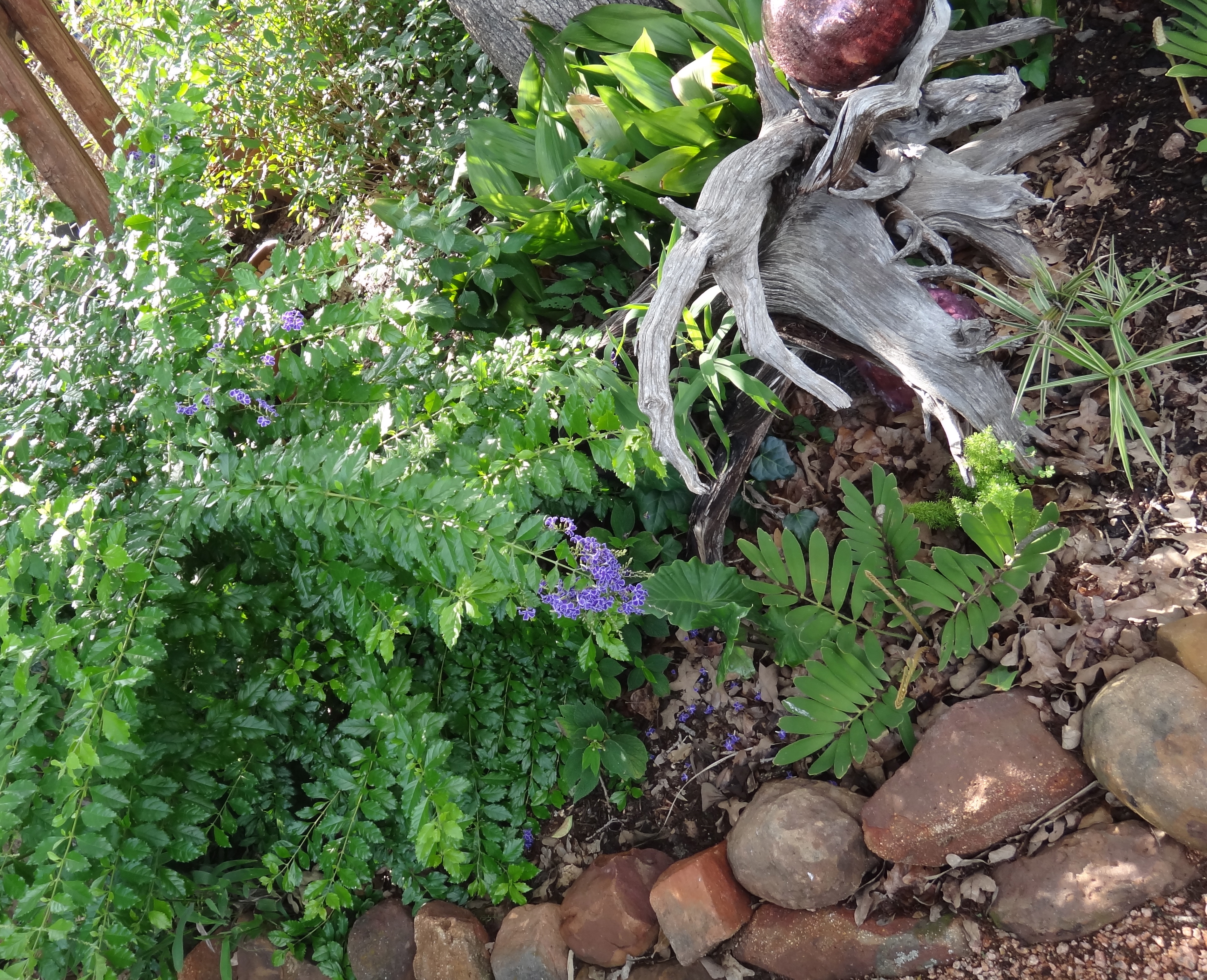
I have mixed feelings about Duranta ‘shappire showers’, the blooms, yes…

but the aggressive foliage requires constant, (vitex equivalent) pruning to keep it in check.I am considering stopping pruning this one just to see how huge it will get.

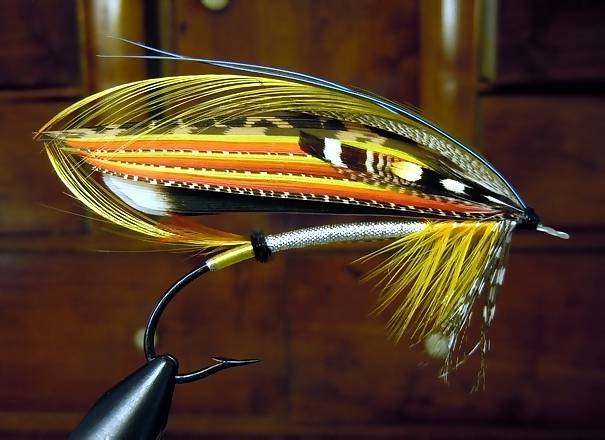
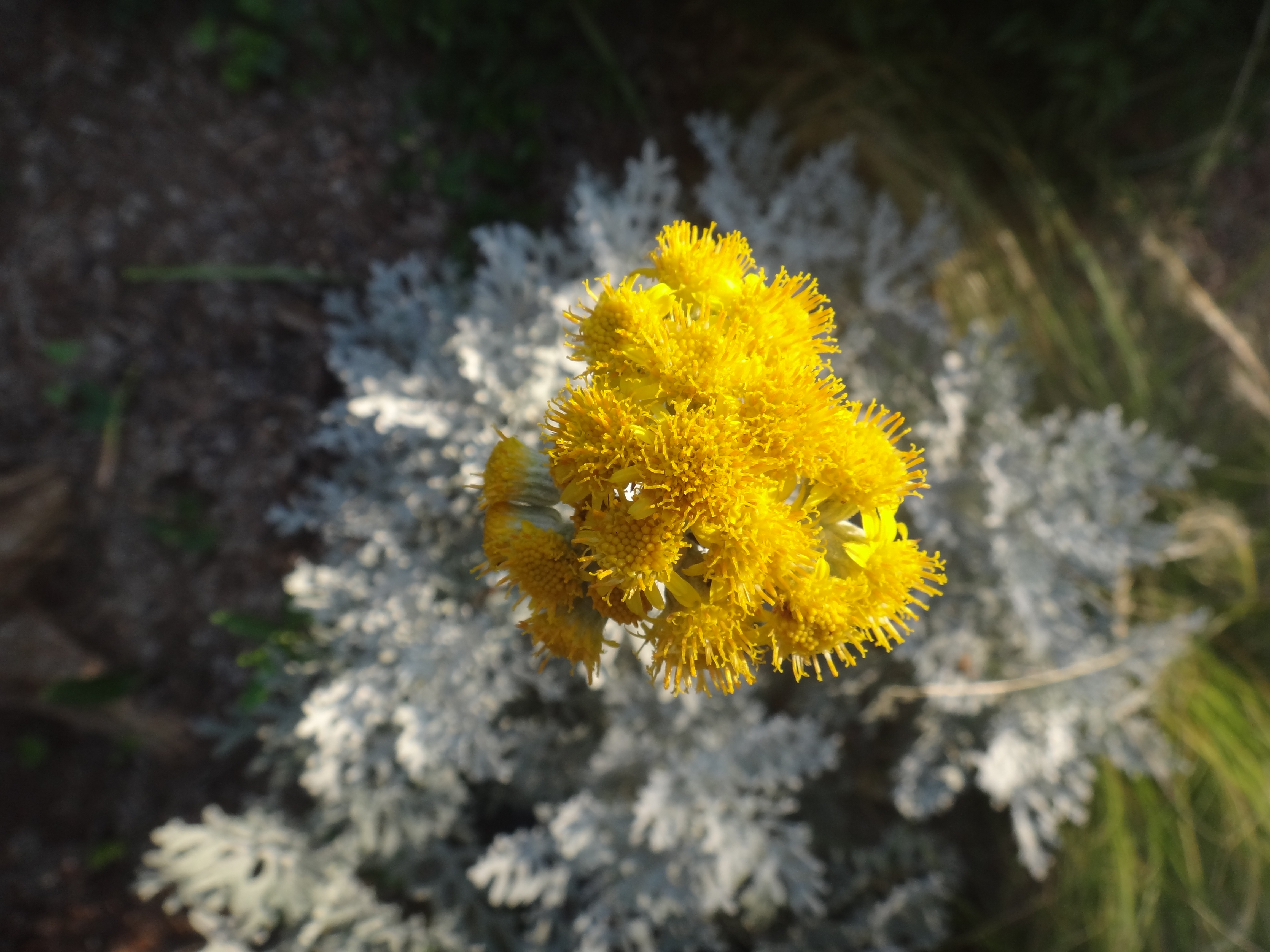
Like the classic salmon fly that bears the same name and coloration,

Dusty Miller provides a great contrast of silver and gold when it is blooming.

Another more prolific bloomer is

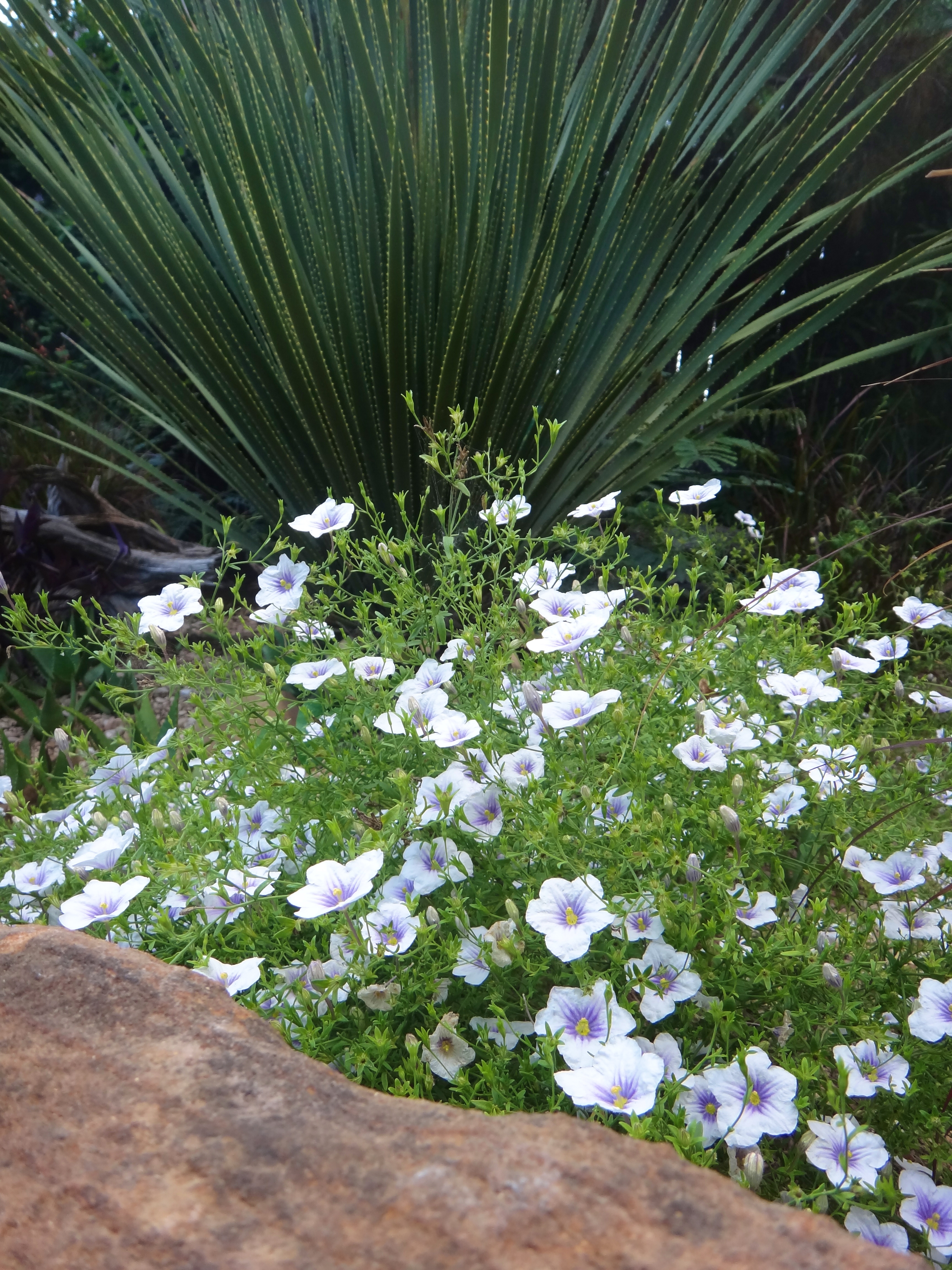
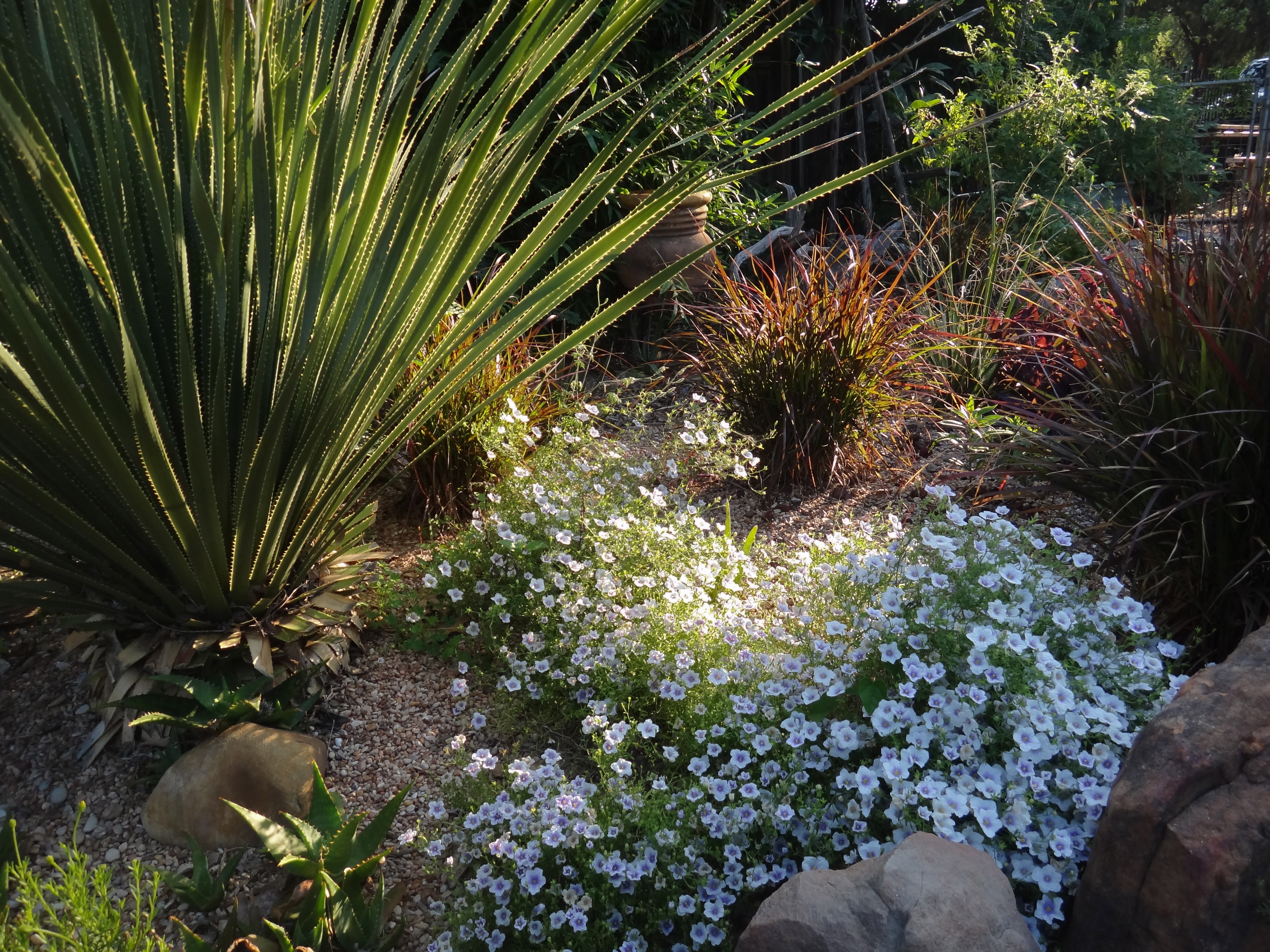
Nierembergia hippomanica violacea

.

or if that proves hard to remember, cupflower  (named for the cupped form of the blooms.)

It blooms like this sporadically through the summer and prolifically after a drop of the wet stuff.

Finally:

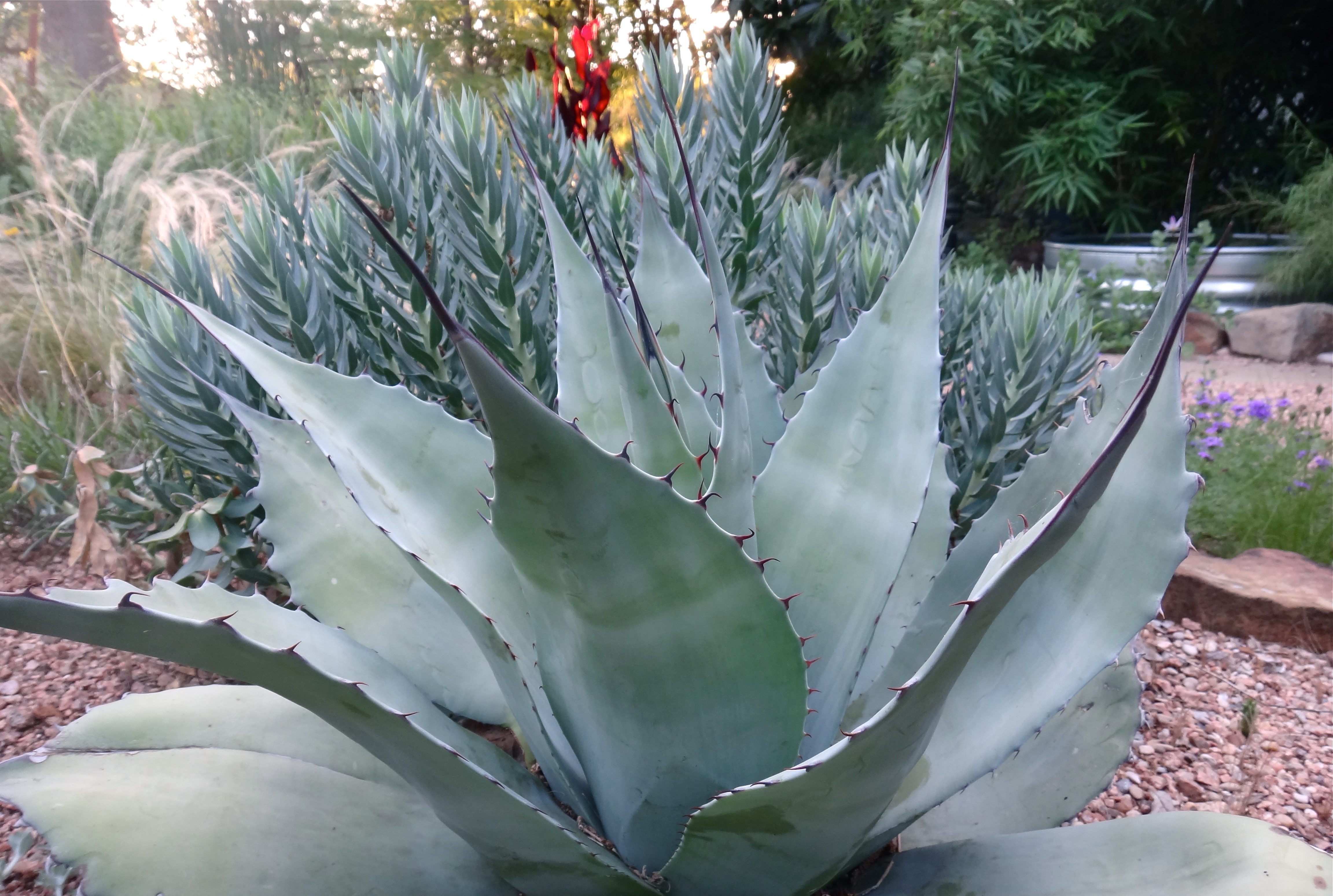
Burgundy canna lily, gopher plant and whales tongue agave.

Stay Tuned for:

“Between a Rock and a Hardscape”


All material © 2012 for eastsidepatch. Unauthorized
intergalactic reproduction strictly prohibited, and
punishable by late (and extremely unpleasant)
14th century planet Earth techniques.


Green Thumbs Up for Kids:

“In a world full of mesmerizing indoor toys like computers and video game consoles, it’s easy to lose sight of the bright sun and blue sky found in our own backyard… especially if you’re a kid! Inspired by this idea, these child-safe gardening tools were designed to help promote an active lifestyle, health-conscious attitude, and overall respect for nature. The parrot pruner, watermelon watering attachment, and snail shovel”:

Designer:  Chris Armstrong


1 2 10 11 12 13 14 27 28