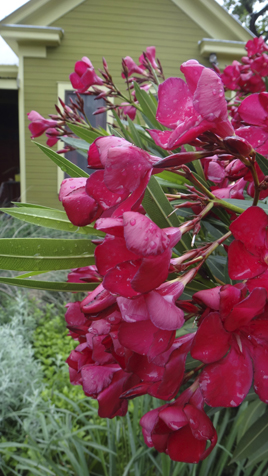
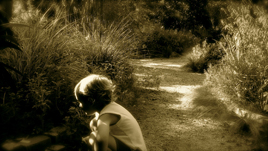
This is how I want to feel right now . . .ahhhhhh

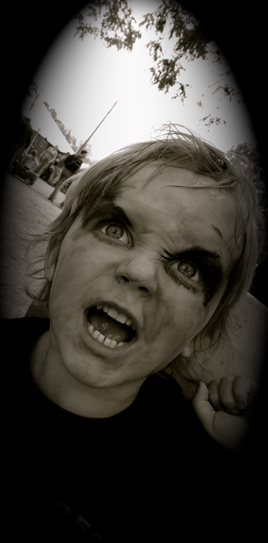
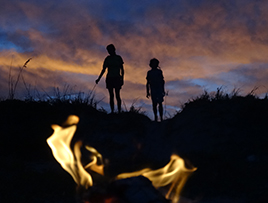
and this is how it actually feels outside right now . . .arrrrrrgh!

Imagine wearing all your jerseys and a small convection oven
on your head. Slowly dial up the heat whilst lying on a bed of
smouldering coals for 4 Months…then keep turning up the
heating…
that is what Summer is like in Texas.
Only the hardy survive.
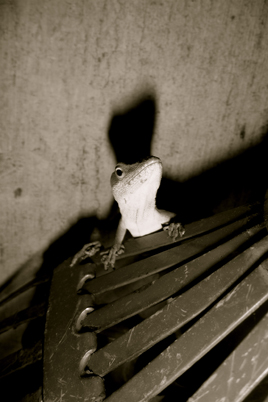
Needless to say, outside of watering, almost all outdoor activities in my yard have, for the time being, significantly diminished (the Mars effect). I did catch this guy cooling down under some containered lavender. He caught my attention as I dumped a rather large bucket of water on his head, he must have really liked it because I got the camera within millimeters of his face as he hung onto the edge of the container!
Is he smiling?

This picture reminds me of that incredibly irritating StarWars character Jar Jar Binks:


The Gulf Coast Toad is frequently seen in yards around the Austin area. Although they need some moisture, they are not as reliant on permanent water as frogs and do well in gardens, where they eat numerous insects.

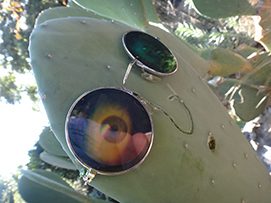
Oh no, It is the Eye of Sauron! Get the eye drops imediately Sam Gamgee!

“But Mr Frodo, his eyeball is so huge and Gollum has drank the eyedrops – lets just return to the Shire for some Brandywine”.


This was the closest I have ever got the lens into any toad’s face – If you
look really closely you can see my hand and camera reflected in the pupil!
These Prickly Pear cacti don’t even reach for sunscreen in 100 degree weather. I have been growing this bed for 3 years, not allowing off-shoots to develop, swells the individual pads. “Why do this”?, you may ask, well, to make the individual pads large enough to carve faces into them. The cacti will “heal” around the cuts, without any harm to the plant – at least that is the theory. You can see all the acne scars where I have cut or snapped the off-shoots over the years. I am looking forward to “Carving Day” (more obligatory Lecter noises).
Prickly pear cactus represent about a dozen species of the Opuntia genus (Family Cactaceae) in the North American deserts. All have flat, fleshy pads that look like large leaves. The pads are actually modified branches or stems that serve several functions — water storage, photosynthesis and flower production.

Medic! This Banana plant on the other hand forgot to apply the SPF 50 sunscreen.

The cool silver foliage of the Pride of Barbados gives a frosty impression even when it feels like your ears are melting. I use a lot of silvers in my landscape to at least help “visually” cool down the Texas Summer.


Artemisia – ‘Powis Castle’ is one of my favorites for cooling down a scene – I lost most of the plants on the left picture due to last years unusually wet conditions. Plants tend to open up in summer and are susceptible to root rot in moist soils, particularly poorly drained ones. The whole wormwood family is remarkable for the extreme bitterness of all parts of the plant: ‘as bitter as Wormwood’ is a very Ancient proverb.
The genus is named Artemisia from Artemis, the Greek name for Diana. Now you can sleep tonight.

A quick update on my dying Agave – it has now developed hundreds of “pups”
on the “beanstalk”. My plan tomorrow is to get a hundred tiny pots, fill them
with sharp cactus potting soil, and plant the pups as they fall from the beanstalk
to the ground. I found one today already self-rooting on the ground, amazing.


The host Agave in decay, the ants are already infesting this rotting carcass.
The life on an intergalactic cruise ship was simply too much for him.
He decided to quit his entertainment career for the simple country life.
(I bring him inside every night for some well earned AC and a hot meal).


Stay Tuned for:
“Web Worms are Insulating my House”
All material © 2009 for eastsidepatch. Unauthorized
intergalactic reproduction strictly prohibited, and
punishable by late (and extremely unpleasant)
14th century planet Earth techniques.