Animals

“Wings”

No…

butterfly wings. 

DSC09518

Some fine art courtesy of a dead Gulf Fritillary I uncovered.

I was happy to break up the monotony of the dreaded leaf pick up to take these pictures. 

DSC09516

If it hadn’t disintegrated a few minutes later, I may have still been taking them, anything is better than the dreaded leaf pick up.

DSC09524

Still a few more to go, but the Patch is almost back to its respectable self. A few more sunken limestone boulders to replace the small rocks on the right and I will sleep soundly once again…

Although…

DSC09494 woman-screaming-261010-large_newScreaming_Woman

There are always a few unmentionables to be found lurking inside the Patch, like this pinecone cactus which appears to have had it’s extremities nipped by the cold, and nobody wants that.


…just one more.

psycho-screaming-woman

Back to butterfly wings for a moment.

DSC09614

This is a Pipevine Swallowtail, freshly emerged.

Battus philanor


It has a pixelated,

amatrix1

Matrix coloration to it.

xlarge

“You can see the swallowtail, you can feel the air from its beating wings, but it too is only part of the construct. Ask yourself, did the butterfly fly to you or did yo…”

Okay, we get it Morpheus.

“You only think that you get it ESP, but your brain is really a prison, a trap, a..”

OKAY Morpheus!

colors eyes

My daughter rescued it from our rain gauge and made a new friend, well until she almost stepped on it.

DSC09623

I took this picture of the larva a few years back.

Pipevine Swallowtail

The males, like this one, have blue iridescent upper surfaces on their hind wings.

DSC09620

This crimson passion vine that is steadily engulfing my front porch was probably a host to this caterpillar.

DSC09484

I have also noticed some other bugs sucking juices from the plant.

DSC09490

These Largus bugs are showing up in large numbers in the Patch this year but they generally cause little injury to plants upon which they feed.

One final insect straight out of a science fiction movie is this soapberry bug:

DSC09329

Jadera haematoloma


Also known for obvious reasons as the red-shouldered bug and also the goldenrain-tree bug, I found this one in a hollow of a struggling redbud tree though, like Largus bugs, it does not cause any significant damage to plants (and trees) even with its somewhat menacing eyes.  

eyes red eyes selective coloring 1680x1050 wallpaper_www.wall321.com_31
On this rather melancholic note I will leave you to ponder the following when you next fill up your bird feeder:
 
Human Ash Bird Feeder by Nadine Jarvis:
death_feeder

While some designers aim to shock just for the sake of it, others are sensitively attempting to solve problems related to issues that were once considered taboo. “Death is taboo – in fact it is one of the last taboos in Western society,” says Nadine Jarvis, one of many designers exploring issues such as cremation and burial. “Death is something that everyone has to deal with, yet there aren’t many options for our treatment of the deceased, and certainly none are very challenging to our existing belief systems”

These bird feeders are made of bird food, beeswax and human ashes. As the birds peck away, the urn disintegrates, leaving behind a wooden perch inscribed with memorial details about the deceased. “The ash is mixed with the bird food, causing the bird to eat the person,” says Jarvis.

Designer: Nadine Jarvis

Stay Tuned for:

“Off the Beaten Track”


beatpath

All material © 2013 for eastsidepatch. Unauthorized
intergalactic reproduction strictly prohibited, and
punishable by late (and extremely unpleasant)
14th century planet Earth techniques.

“Hexing Herbs”

Jimson weed, jamestown-weed, Mad apple, devil’s apple, devil’s trumpet, devil’s weed, stink weed, apple of Peru, malpitte,

a lot of names for one plant.

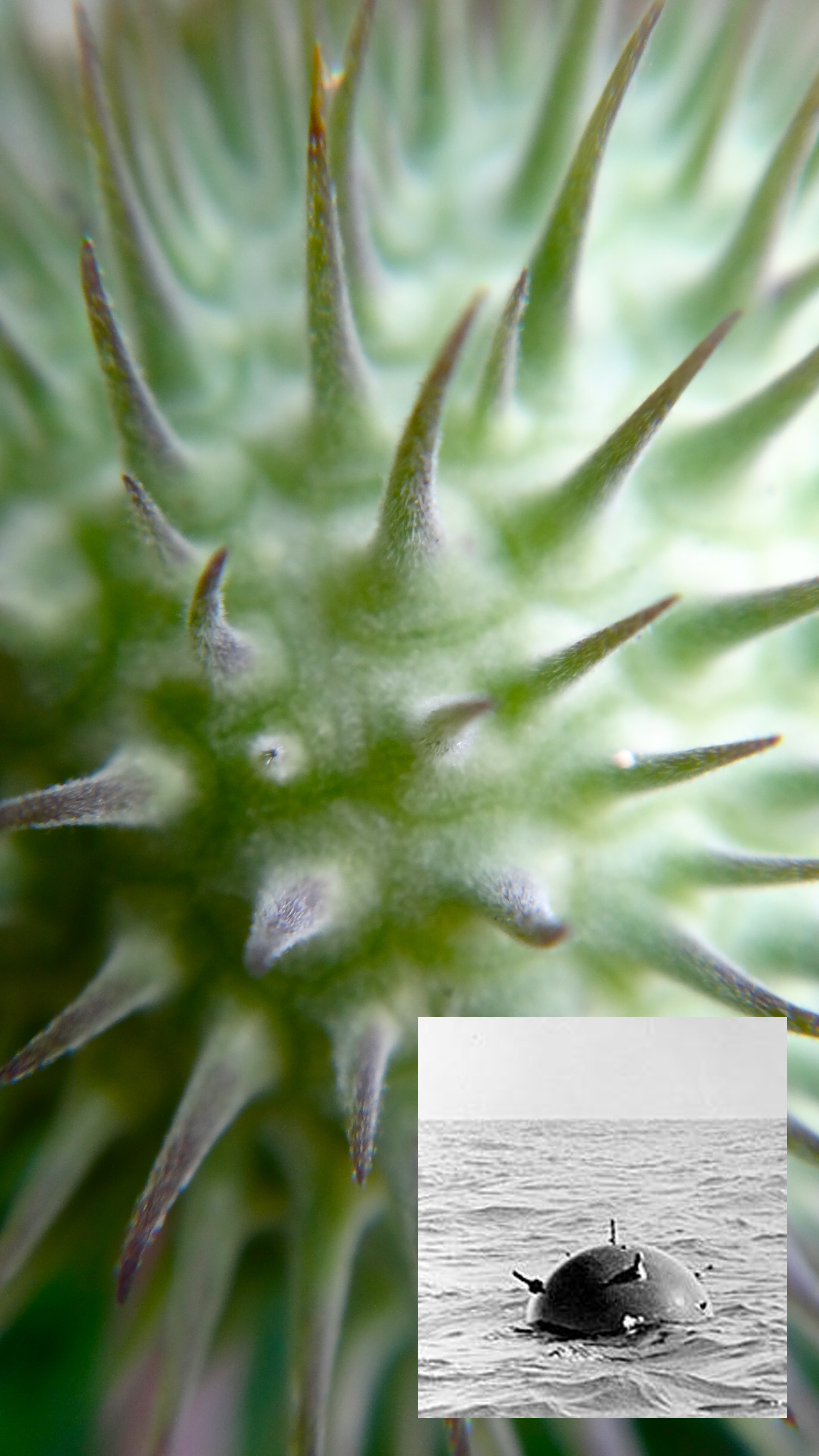
Commonly known as datura, these seedpods give an indication that you don’t want

to mess with this plant. It just looks dangerous.

The word Datura comes from Hindi dhatura (thorn apple),

though this is one apple you don’t want to be biting into, an apple a day keeps the doctor away?  Probably not in this case.

Datura was considered particularly sacred in Ancient India as it was believed to be a favorite of the Hindu god Shiva Nataraja, the Lord of Dance.

According to Hindu mythology, Shiva’s cosmic dance represents the fundamental energy of the universe.

Sphingid moth on datura trumpet.

European usage of Datura can be traced back to pagan rituals. The Church suppressed knowledge of the plant during the medieval witch-burning period and associated Datura and other similar plants with the


The plant belongs to the classic “witches’ weeds,”along with deadly nightshade, henbane, wolfsbane and

mandrake, among others.

Witches, like the shamans of the Americas, often used psychoactive plants to search for inner wisdom, to divine the future or to find answers to life’s deeper questions.

One of the hallucinogenic potions used by these “witches” was a concoction called the flying ointment, (I am sure for a very good reason). It was a rather lethal brew made from the so-called “hexing herbs,” one of which is datura.

The ingredients were rendered down in fat – requiring some sort of large pot (cauldron),  a long implement would have been required to stir the bubbling mixture (like a broomstick handle).

Datura contains chemicals that are extremely toxic and dangerous. In non-lethal doses however, these chemicals cause delirium, amnesia, delusions and hallucinations vivid enough that the witch ingesting the potion would genuinely believe that she was flying, coming back to earth a few days later, no doubt with a bump.

Today the image of the witch cackling and “flying” around under the moonlight on her broomstick still remains a cultural iconic image…

…thank goodness.

 ***Disclaimer: To anyone reading this, please do not experiment with this plant, witches and shamans knew exactly what they were doing.

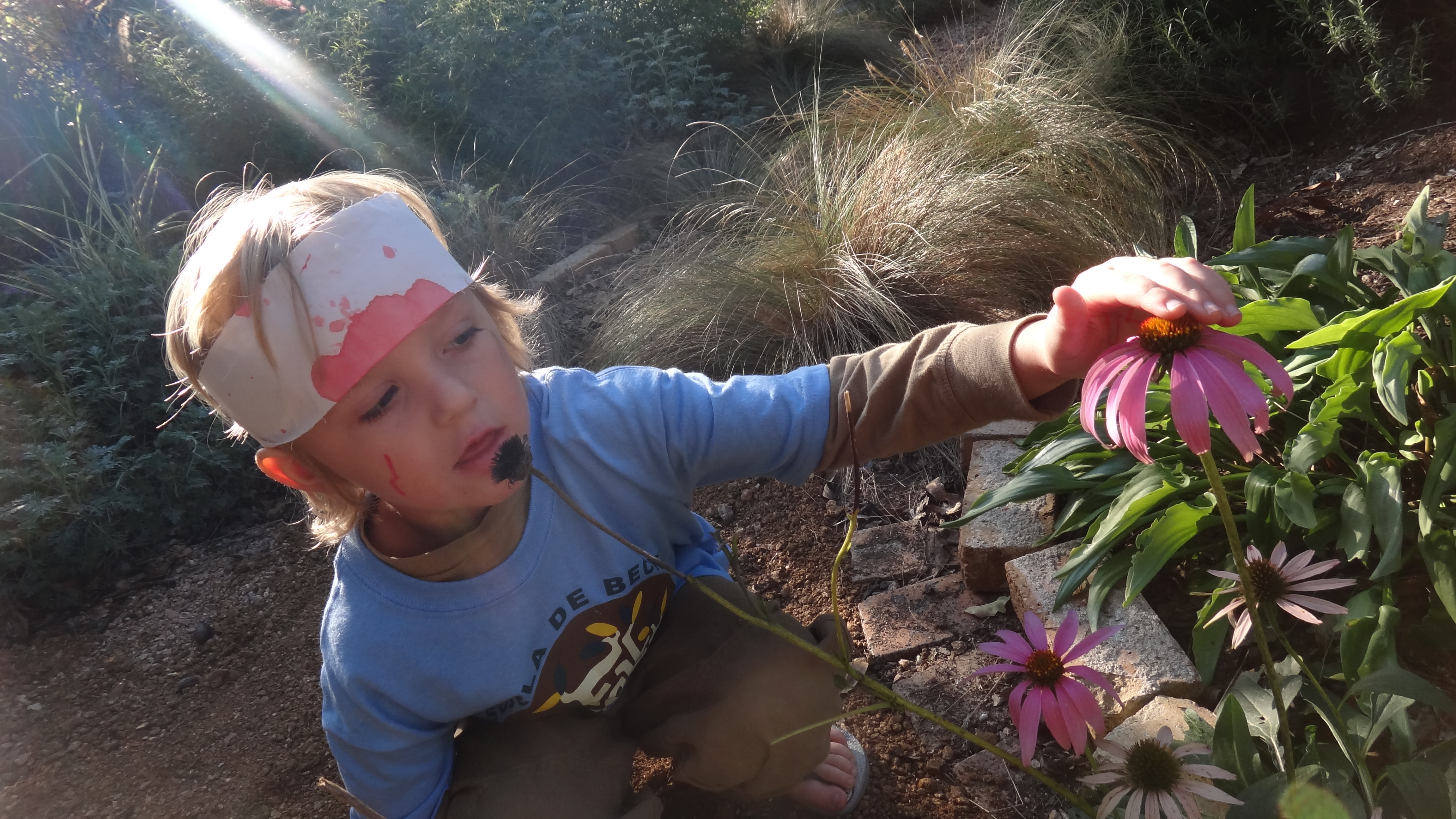
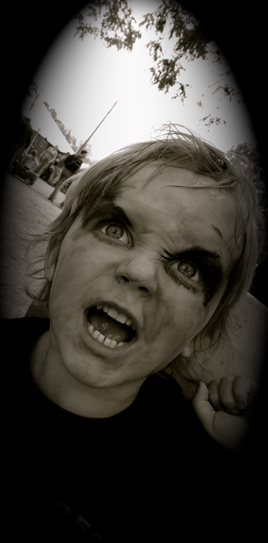
Halloween excitement has been brewing all this week in the Patch, this bleeding zombie appeared more interested in the texture of these coneflowers rather than the procurement

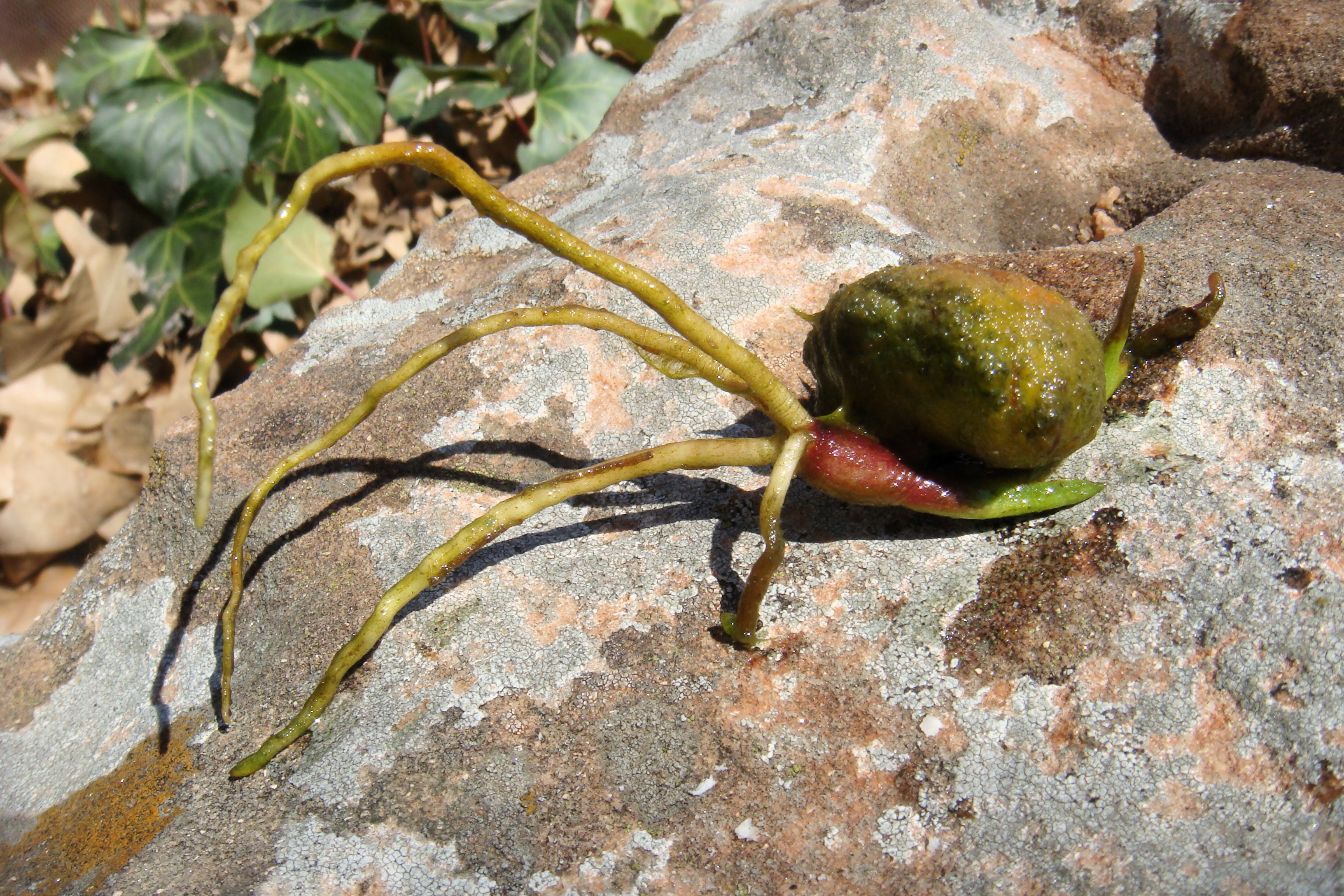
of more brains. I have no shortage of these unidentified little brains that are found floating in my pond.

Moving along:

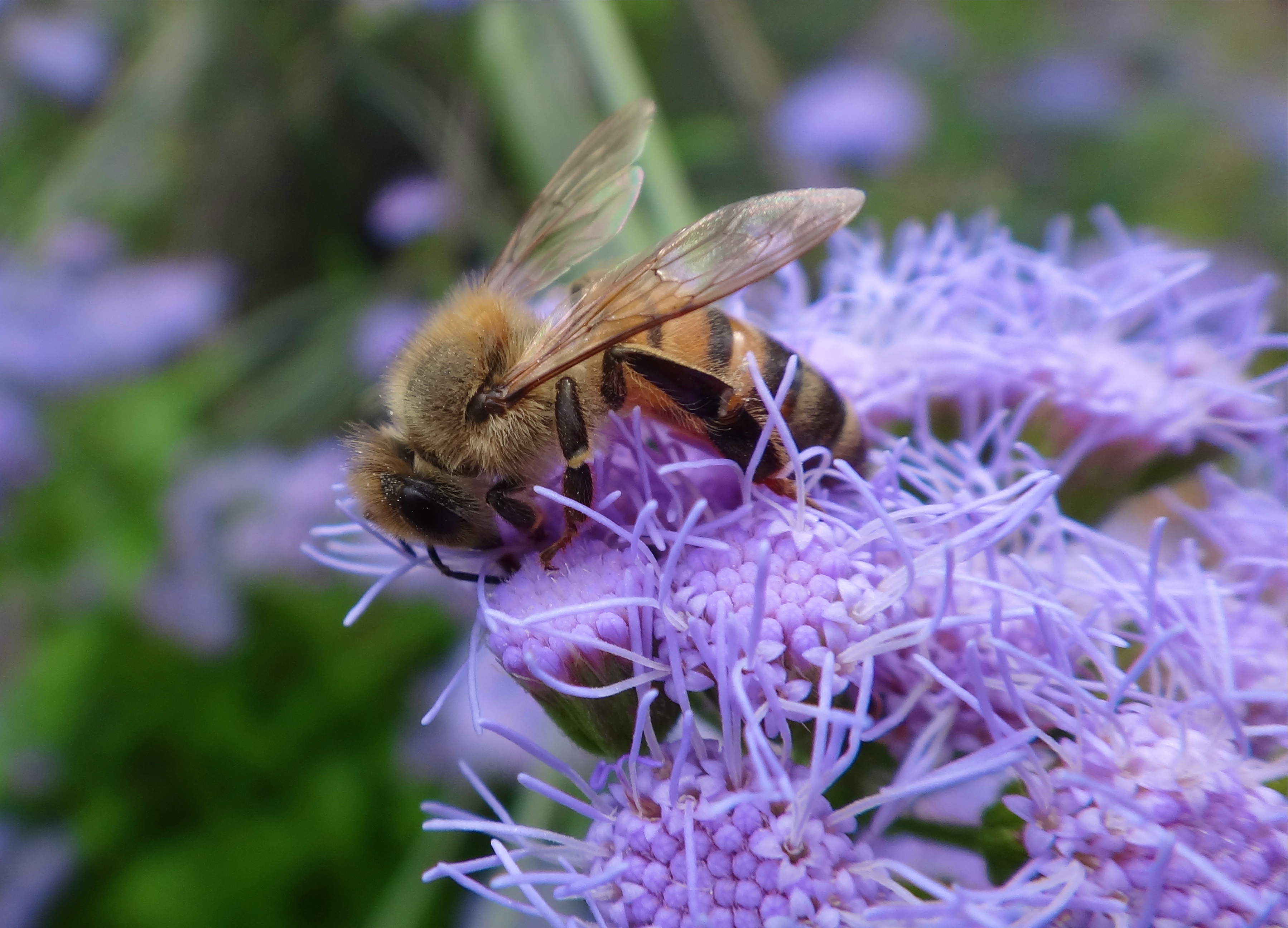
Bees,

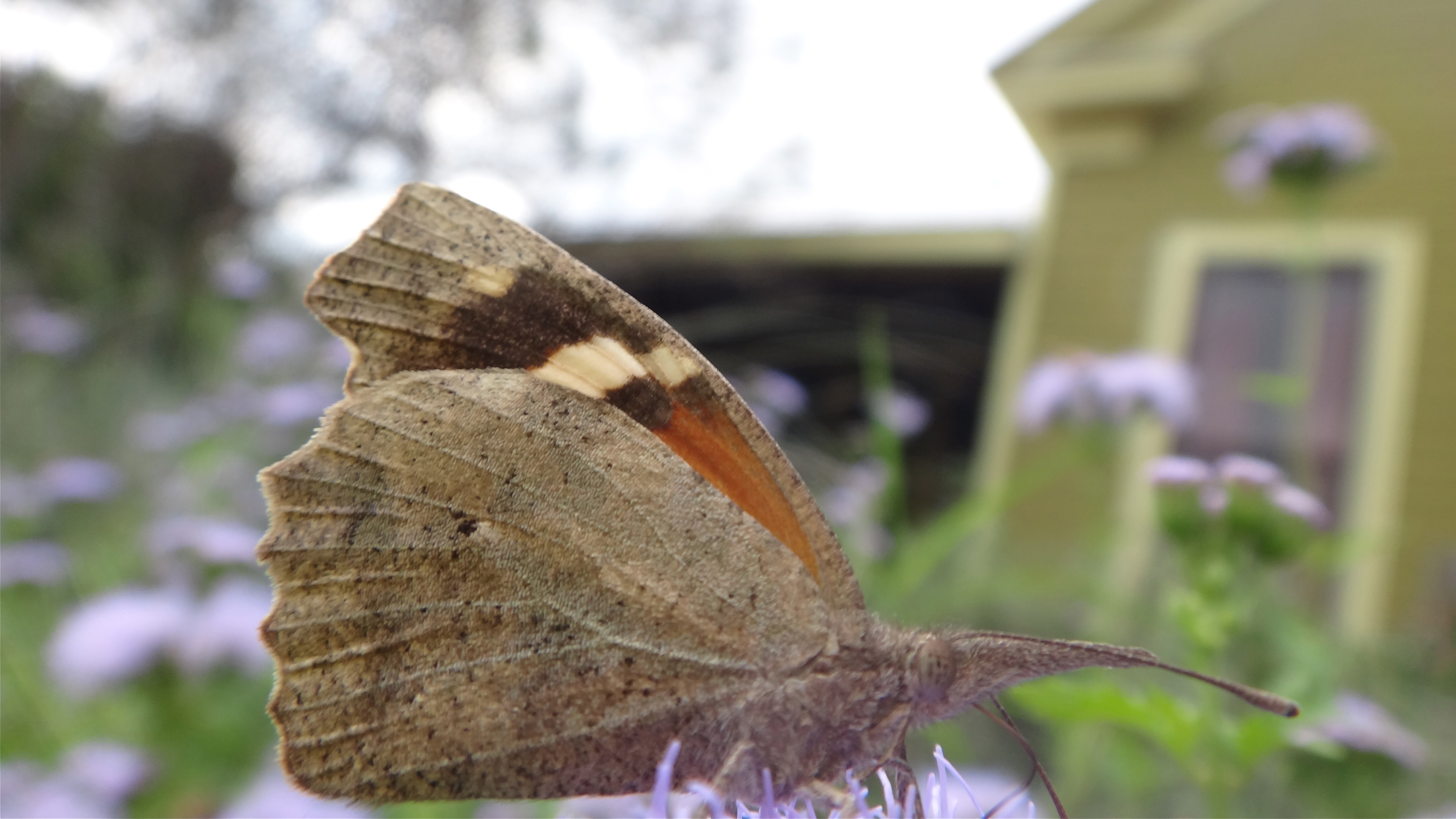
Snout Nose Butterflies,

Libytheana carinenta


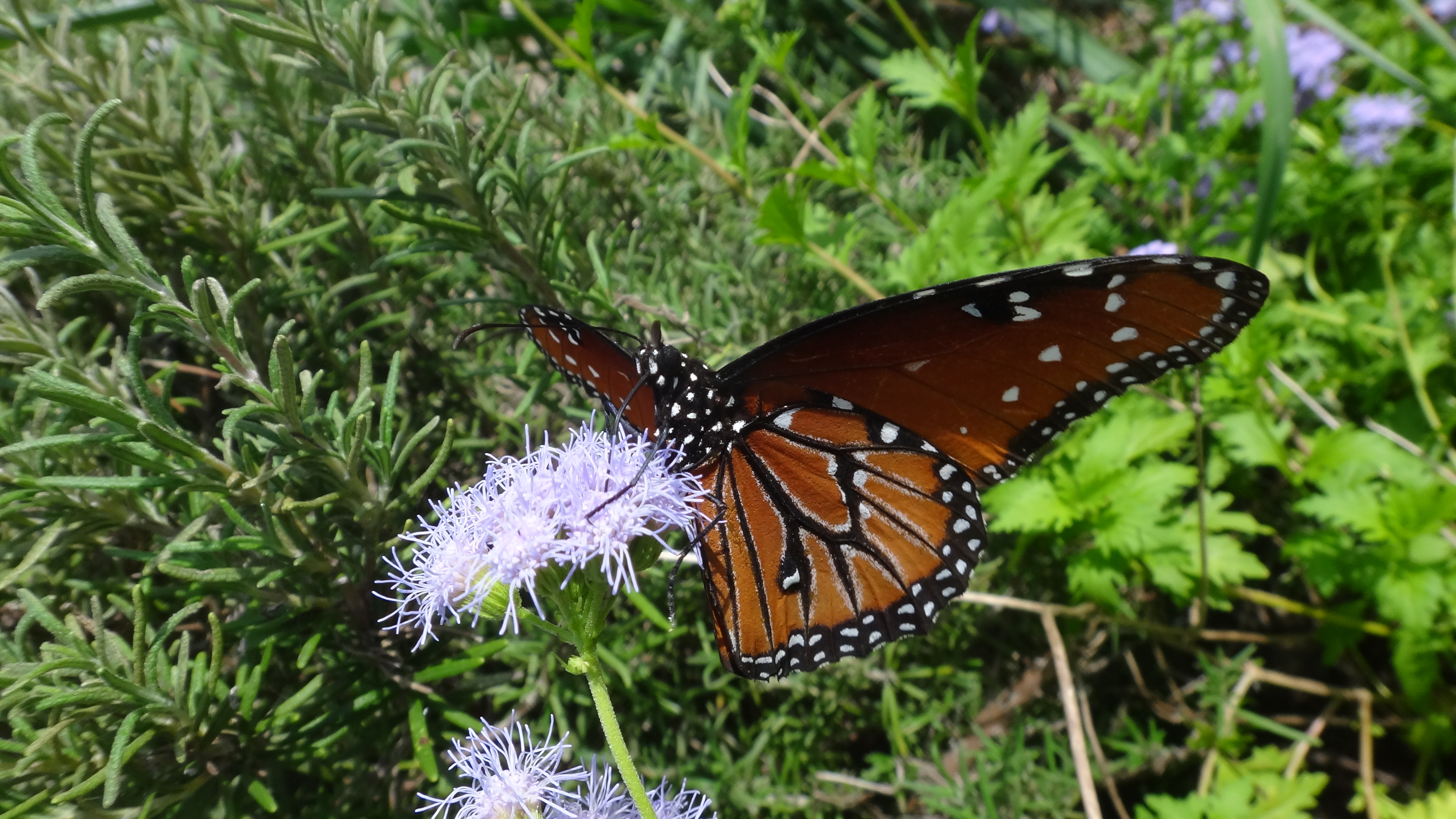
queen butterflies,

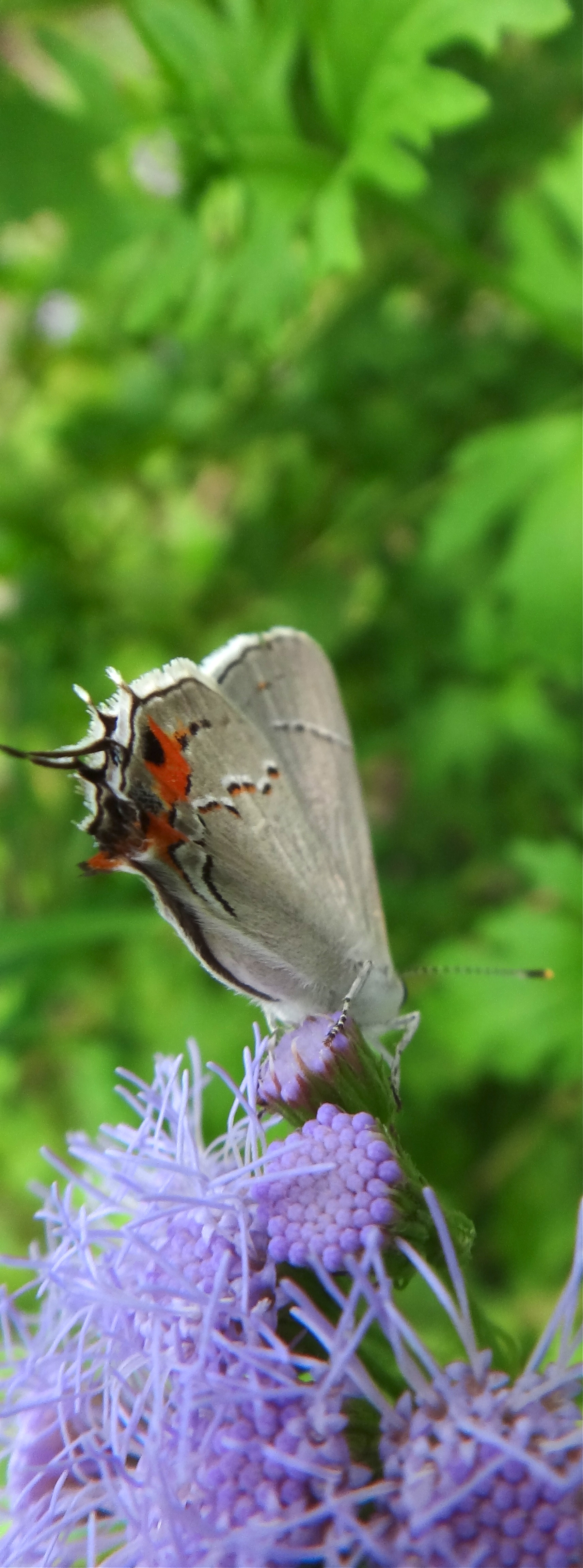
gray hair streaks and a bunch of these

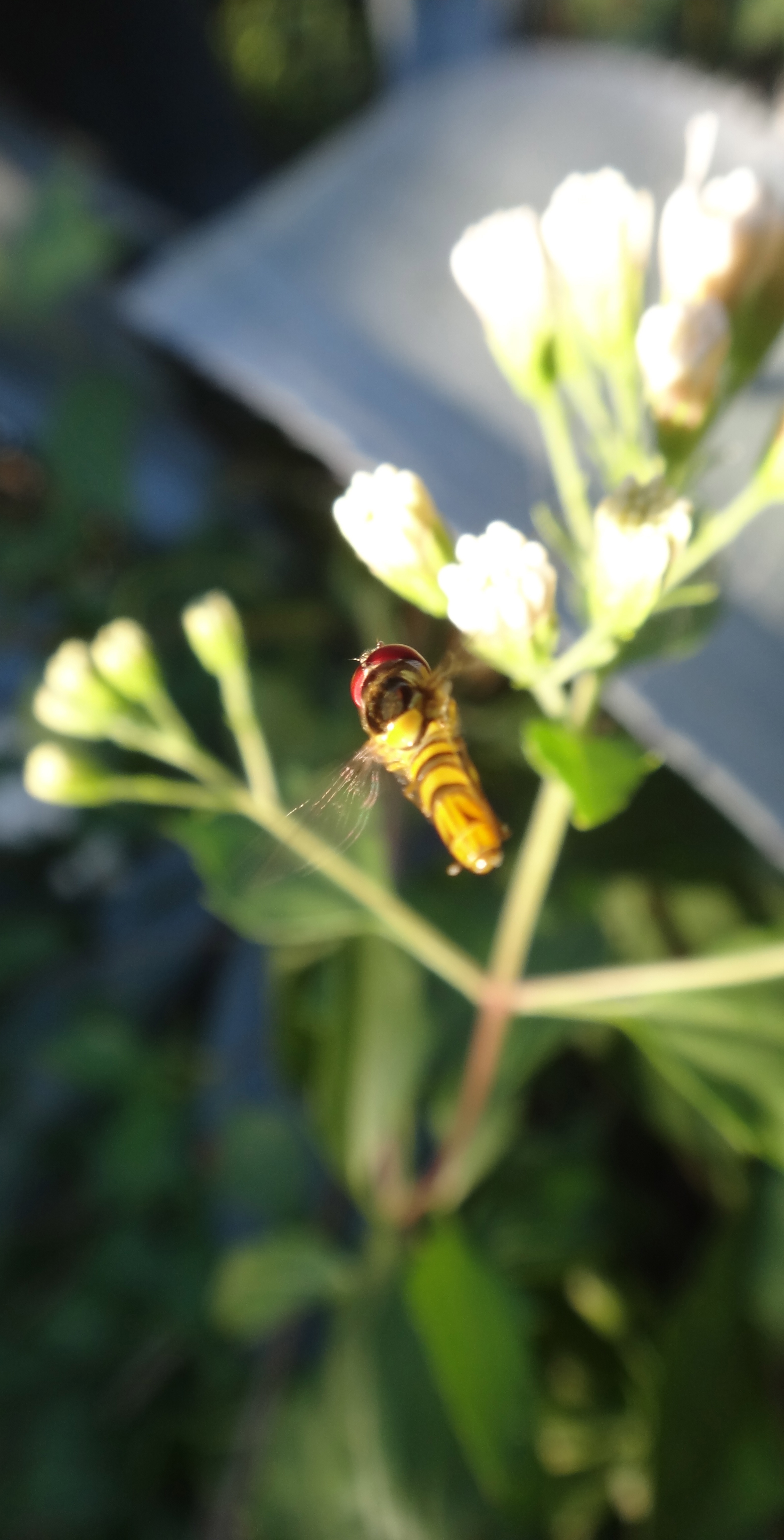
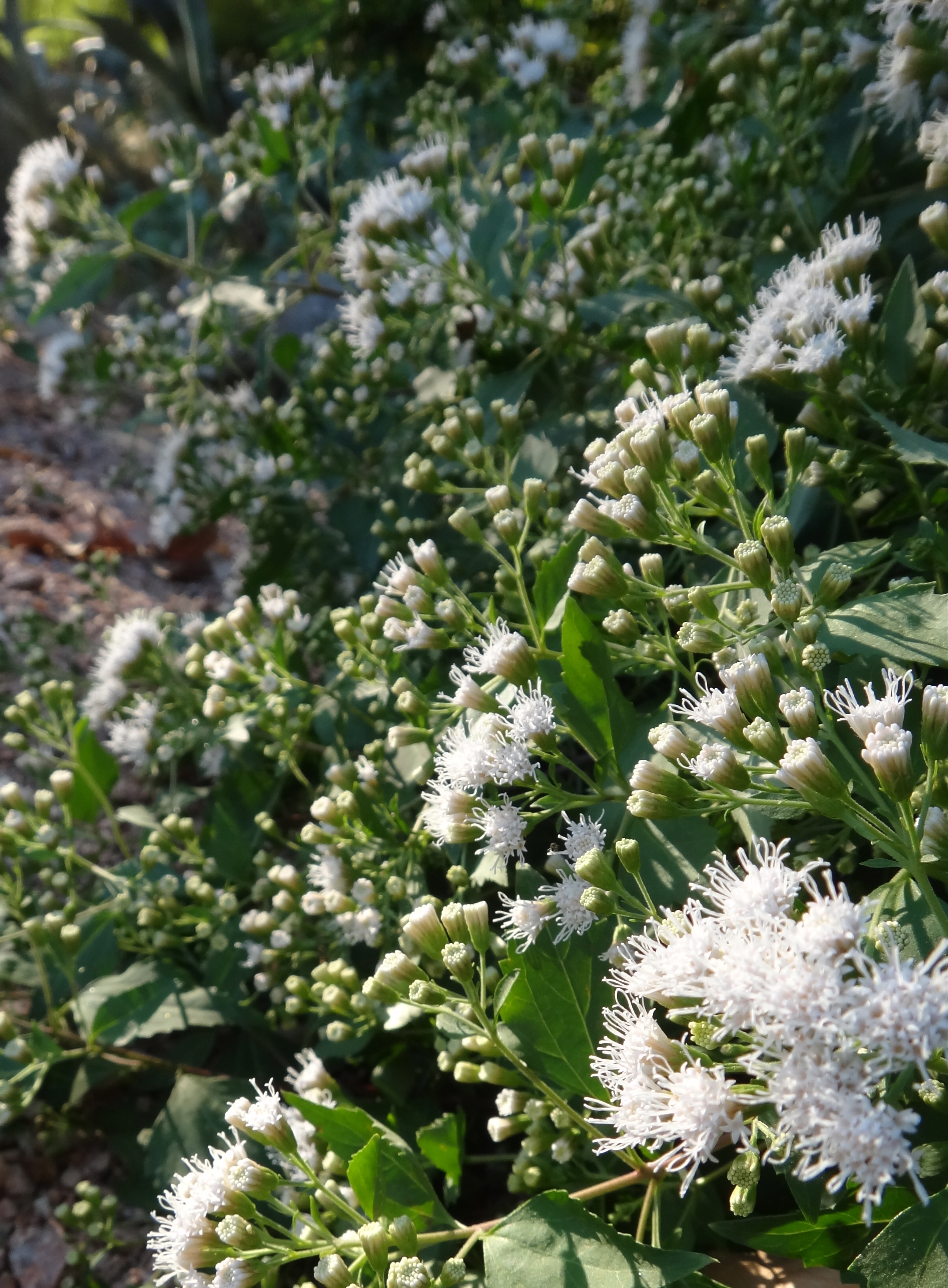
tiny Syrphid hoverflies have all been feeding all week on nectar produced by my purple and fragrant mist flowers.

I have three fragrant mist flowers planted together for maximum punch, when these fully open it is insect mayhem.

The moths on these flowers appear to have consumed too much nectar and are now not adverse to being “handled”.

Happy Halloween from the pumpkin Patch.

Stay Tuned for:

“Bugs and Ducks”


All material © 2012 for eastsidepatch. Unauthorized
intergalactic reproduction strictly prohibited, and
punishable by late (and extremely unpleasant)
14th century planet Earth techniques.

1 2 13 14 15 16 17 27 28