Ach!
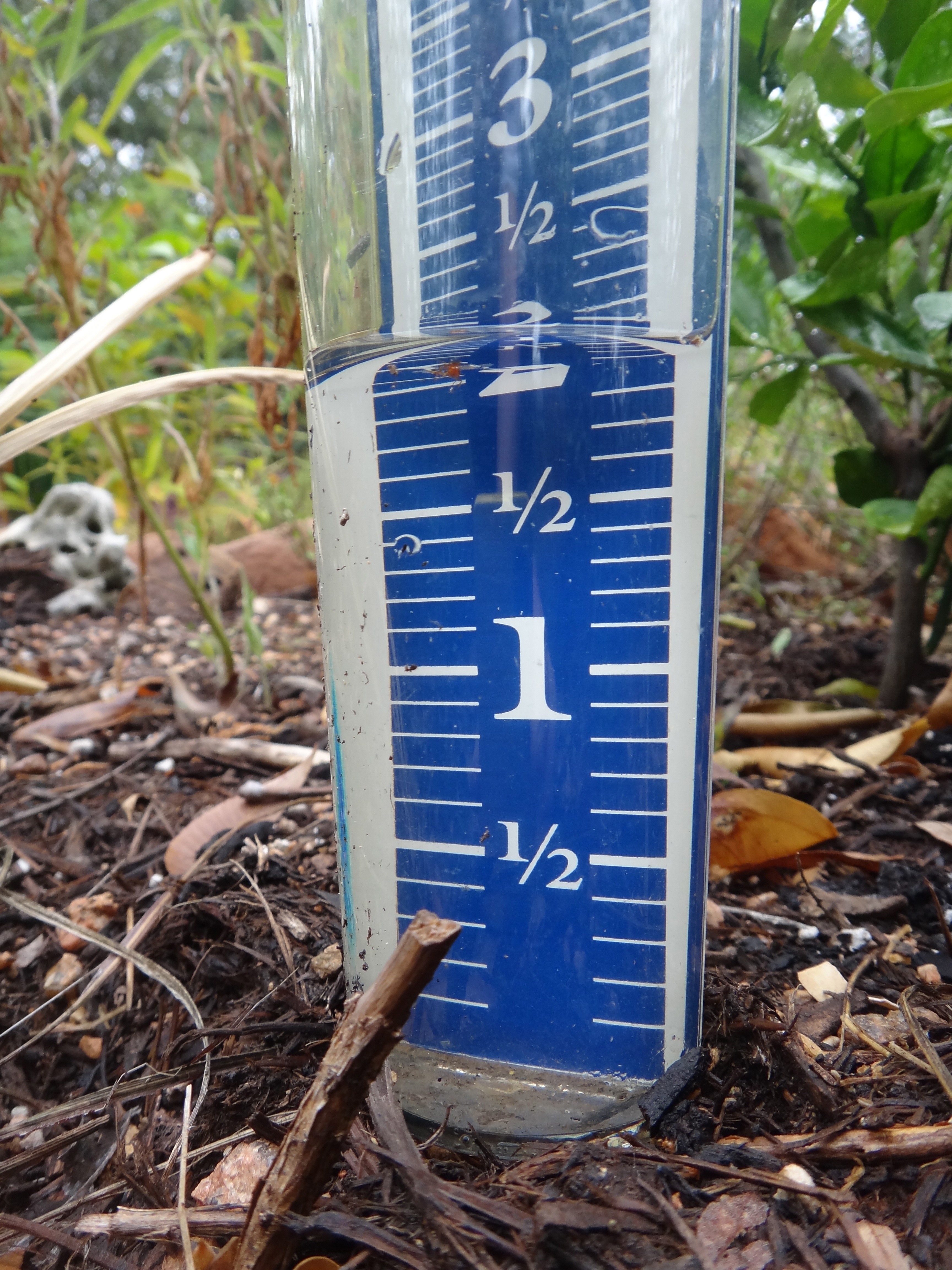
Scotty, as it turned-out was correct…she couldnae take nae mere.
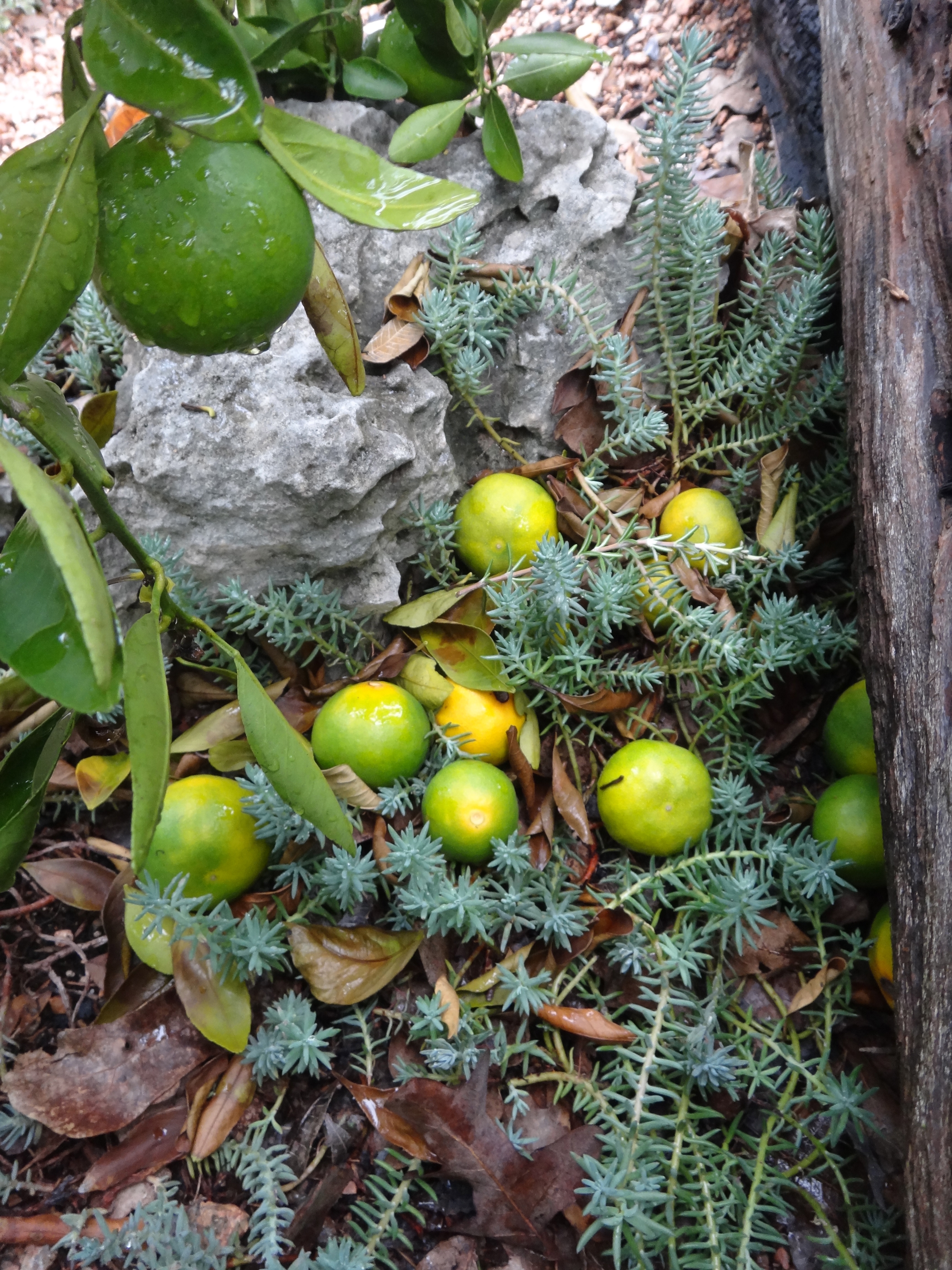
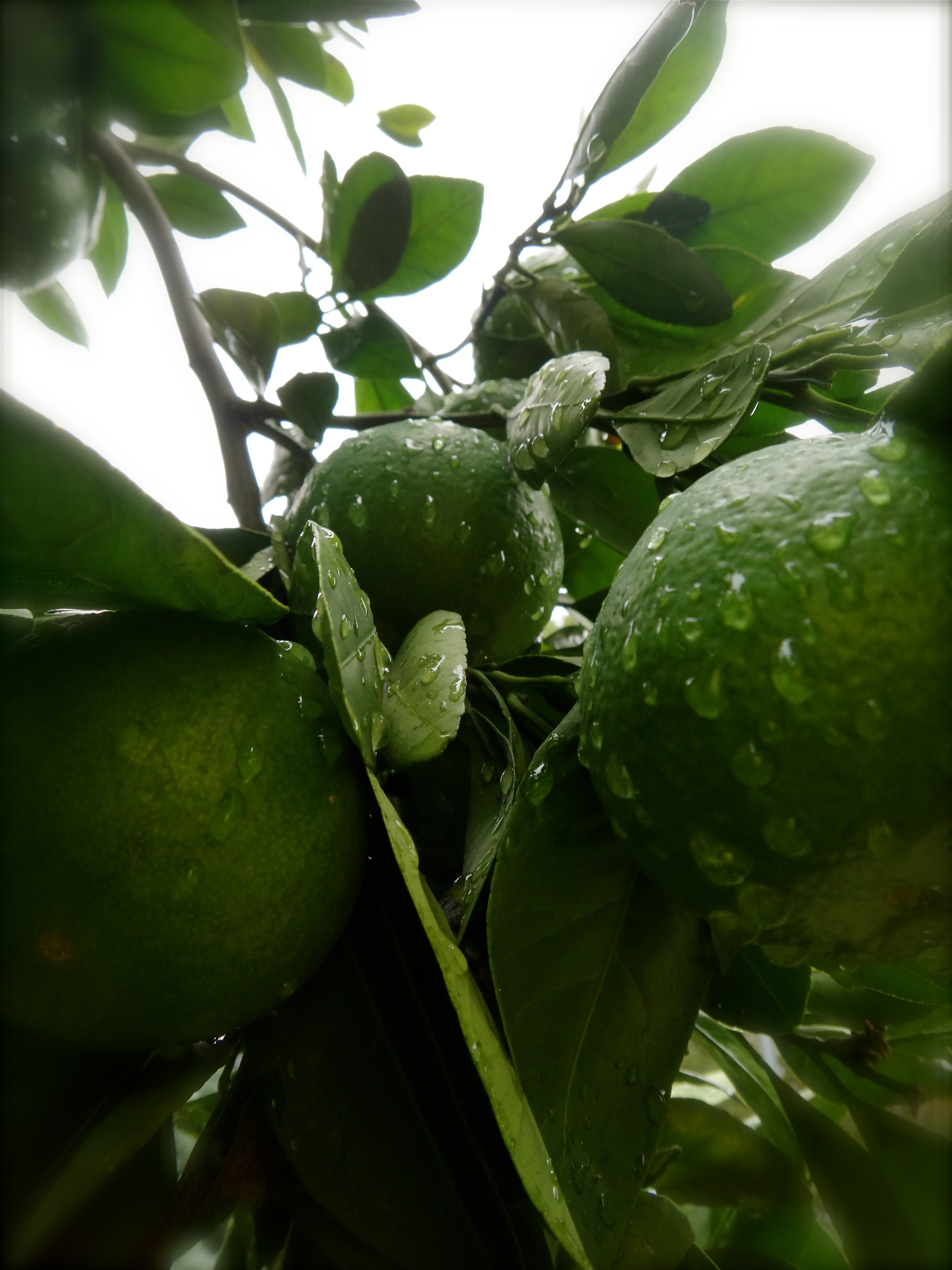
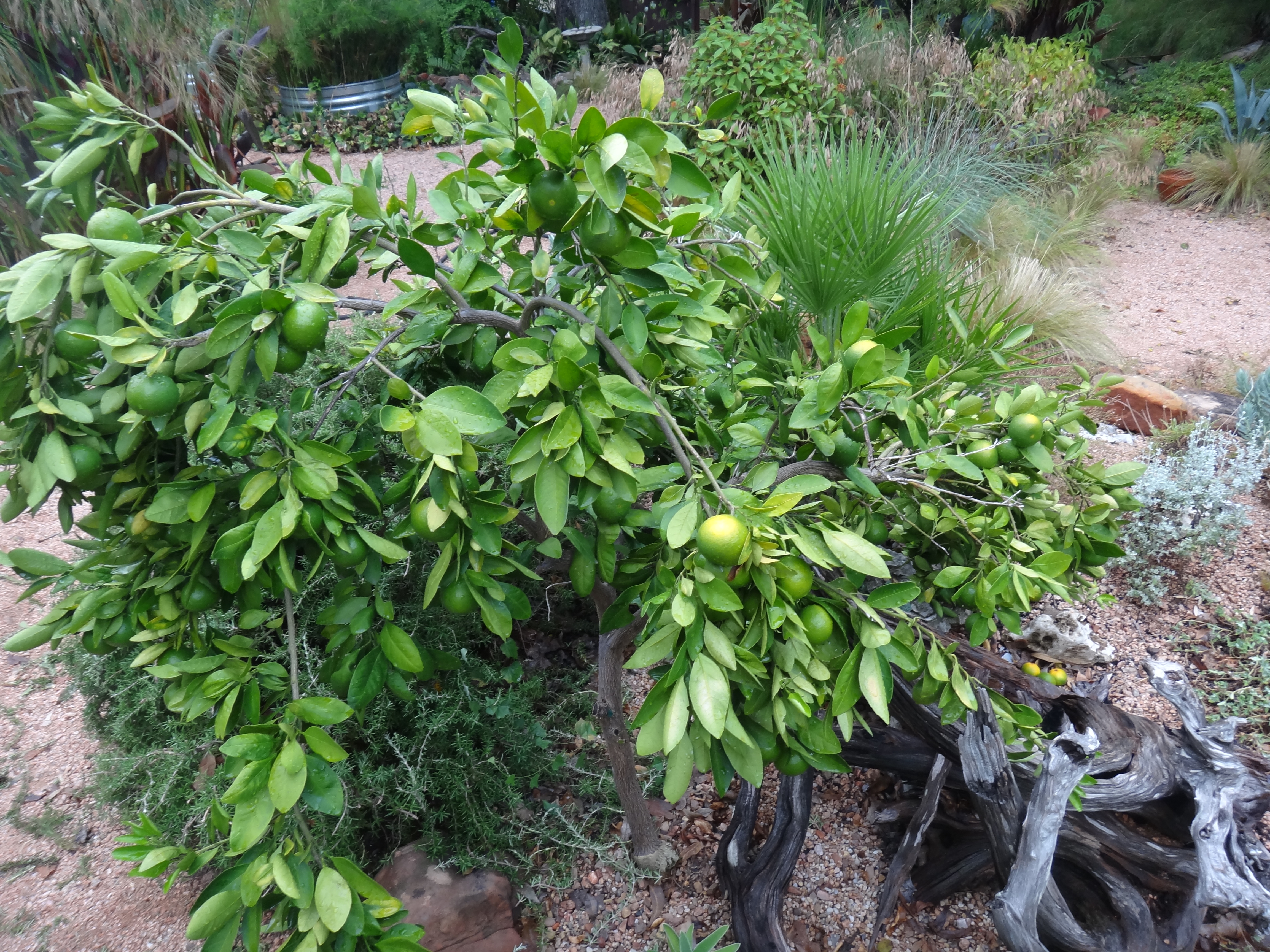
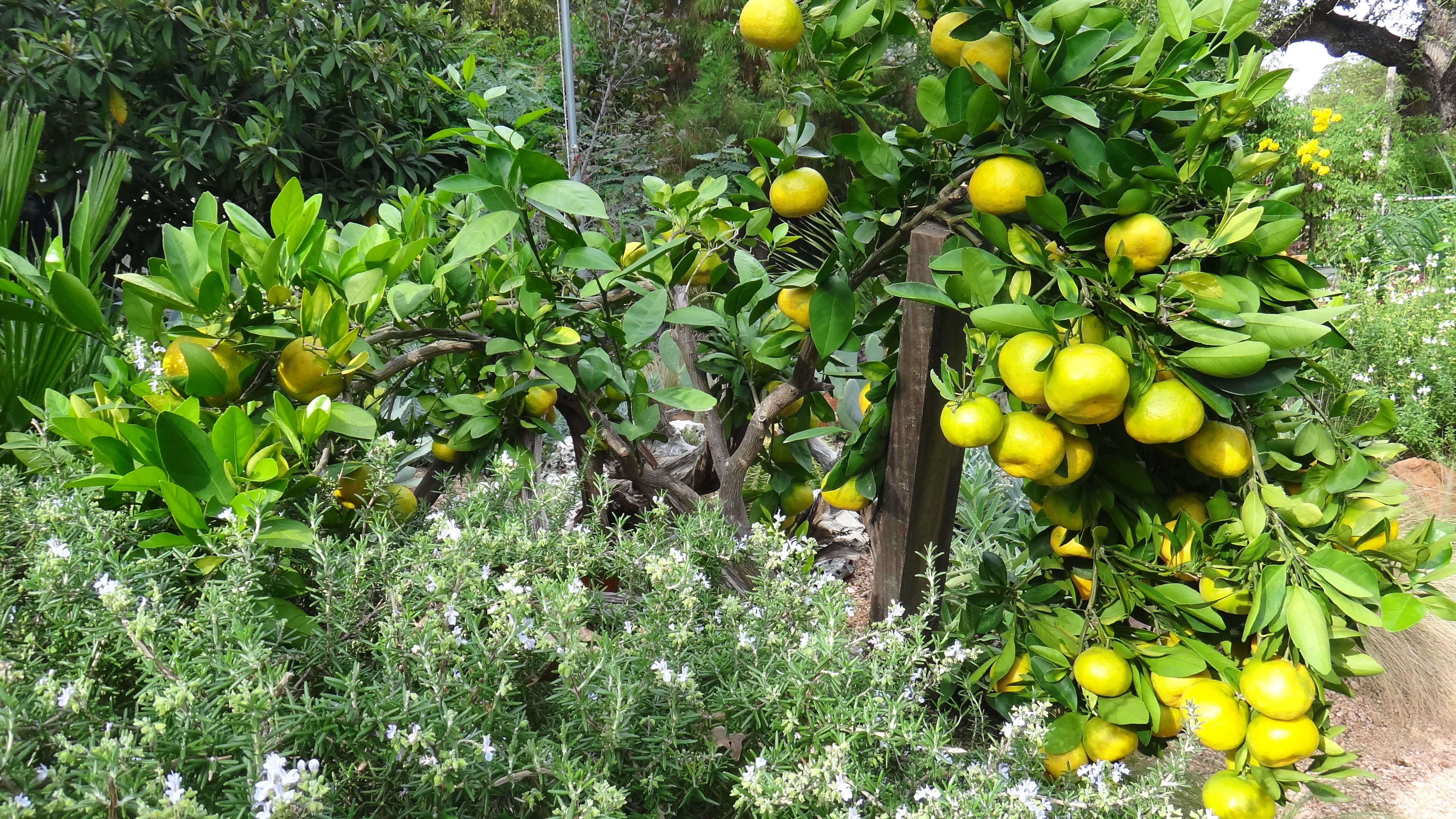 I found this fruit-laden limb resting on the ground the other day and swiftly went in with a plank of wood as a support before any of the fruit spoiled. Messing around under the tree, trying to lodge the plank into position,
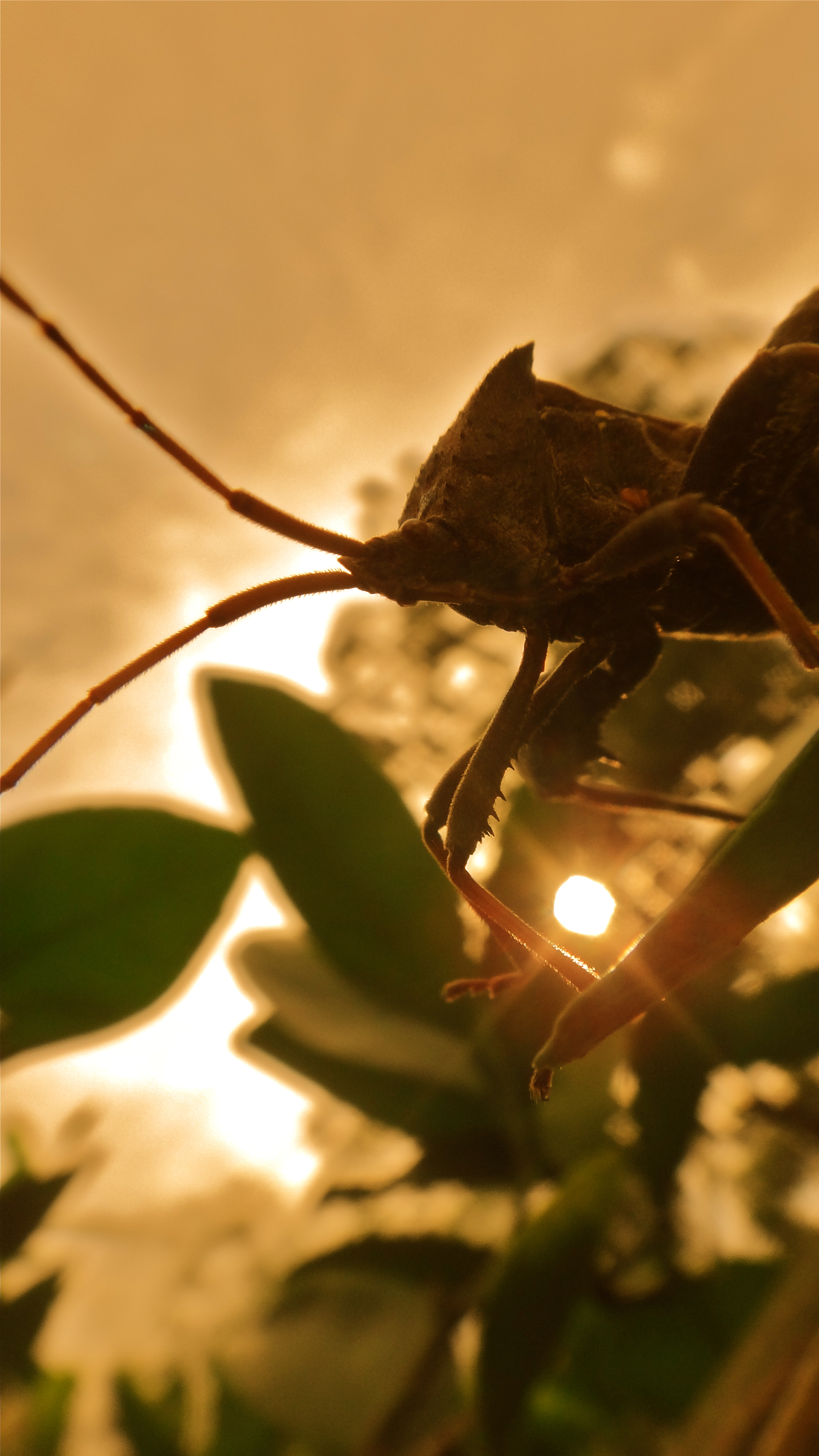
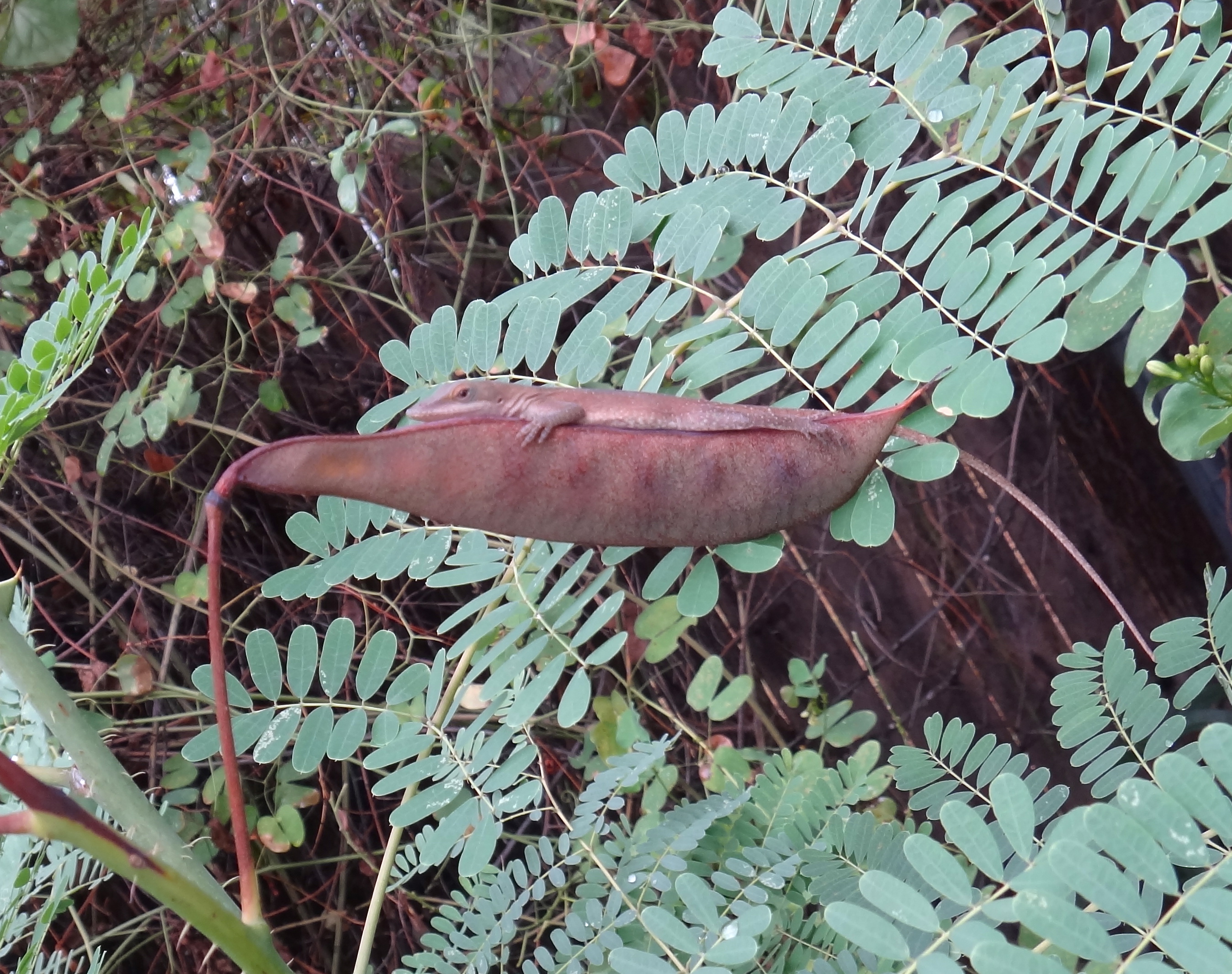
I looked up and saw this monster (picture taken post event) staring down at me over the side of a leaf, looking like it was about to fall.
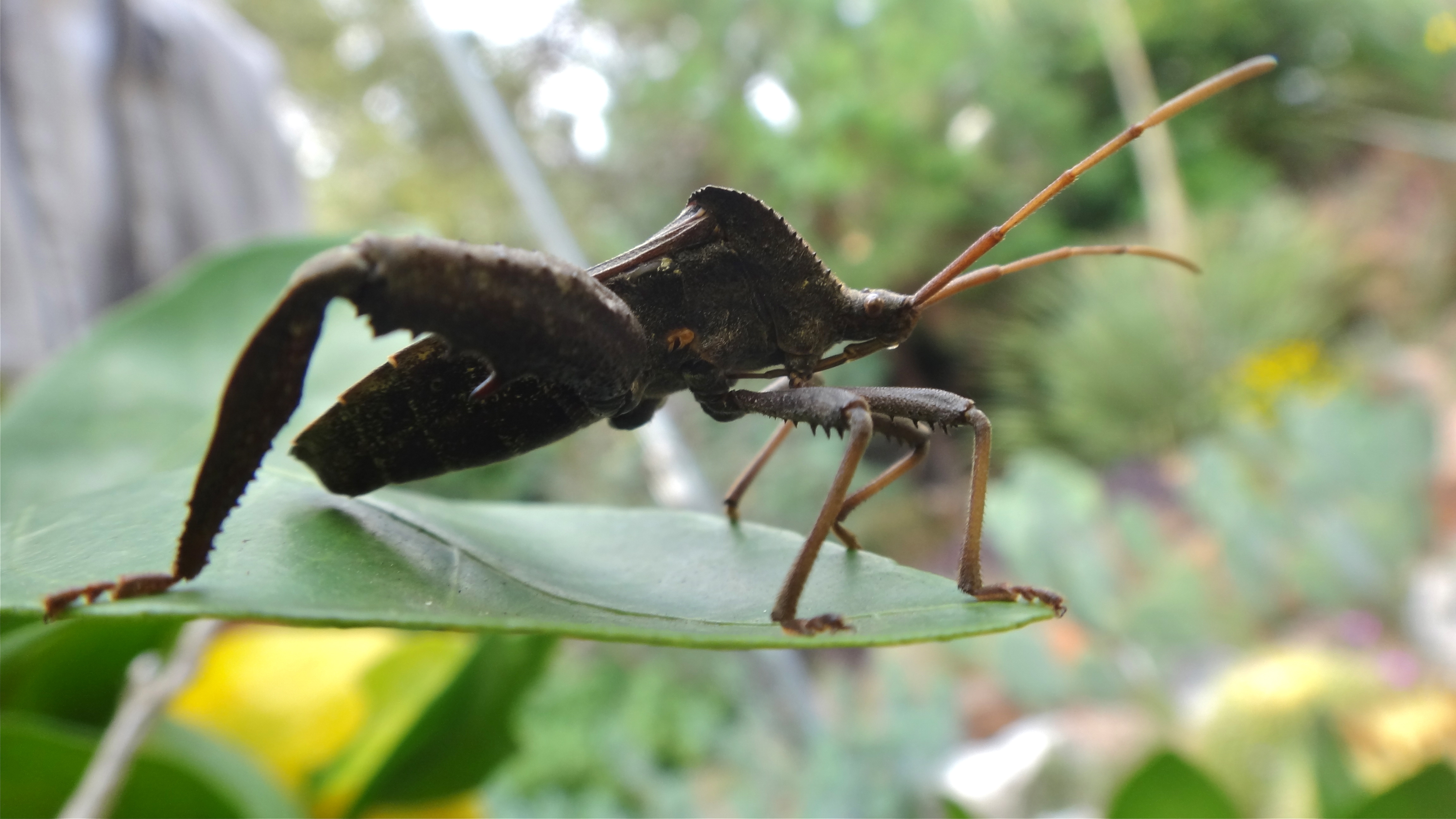
Acanthocephala femorata
or Leaf-footed Bug.
As irrational panic grabbed me, pushing me vertical, I found myself entangled in a rolling world of satsumas that had now engulfed my entire head.


Was it on me? Was it on me?
The proboscis, the proboscis!
I let out my customary muffled groan usually reserved for nightmares and
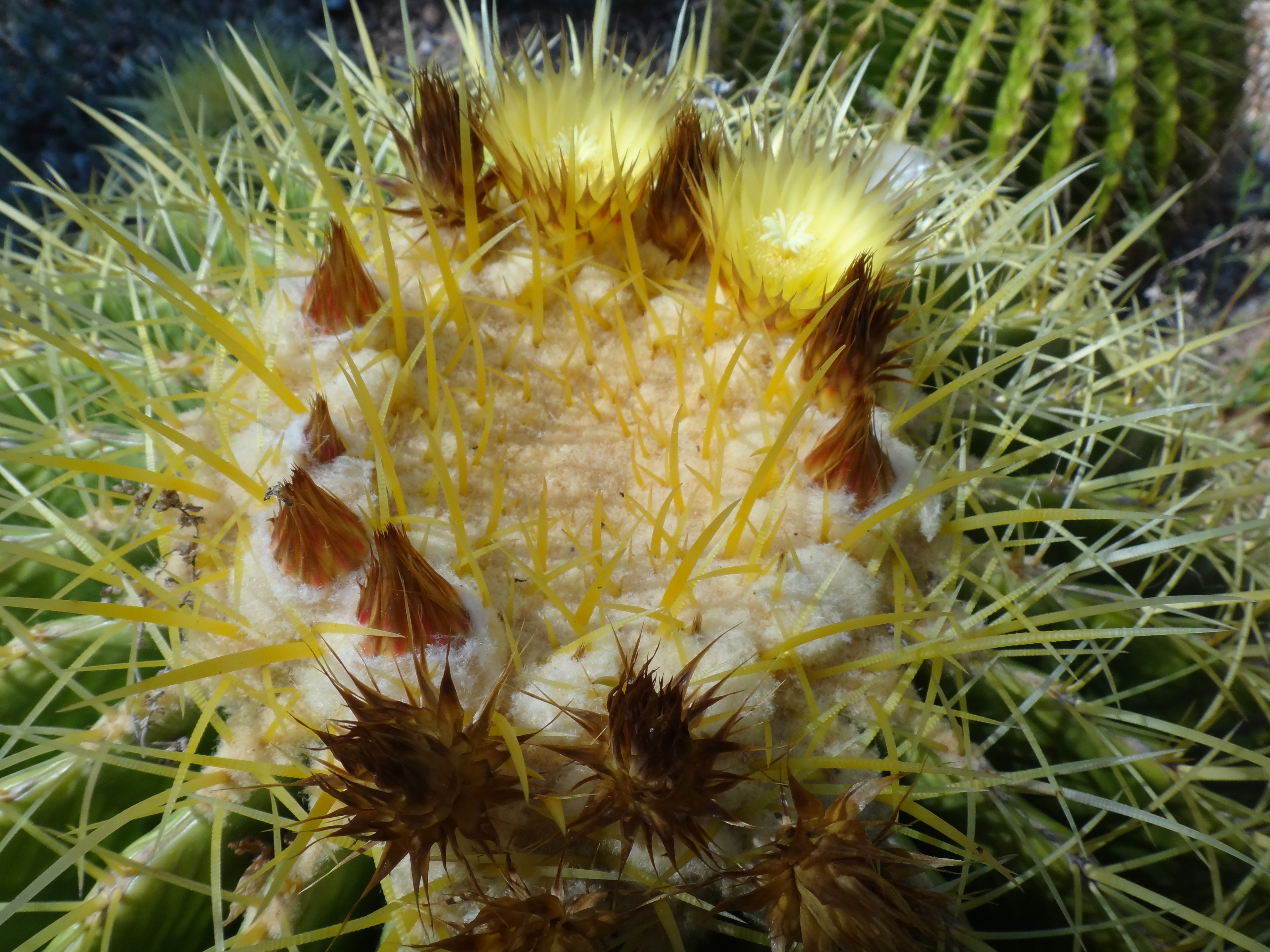
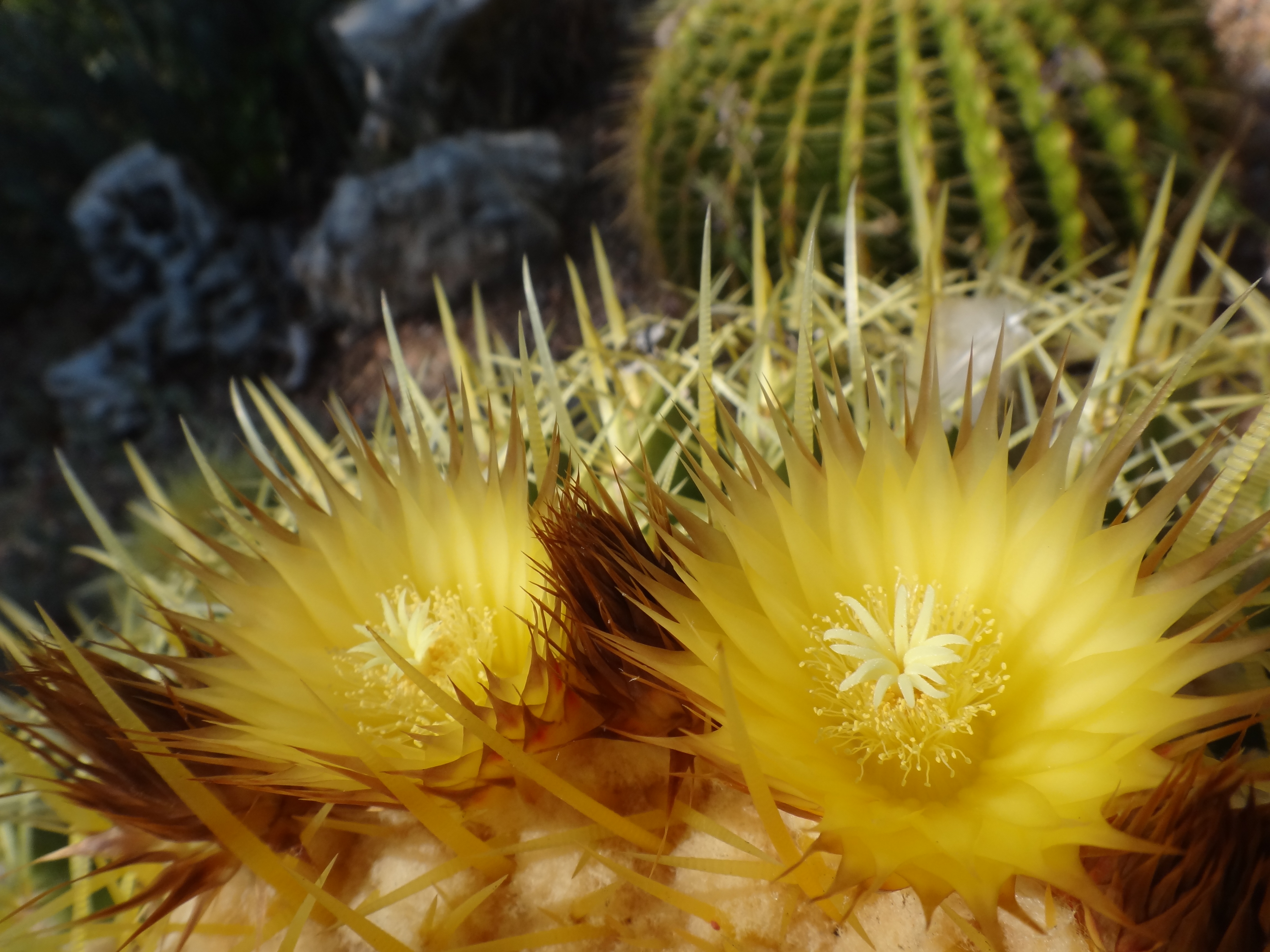
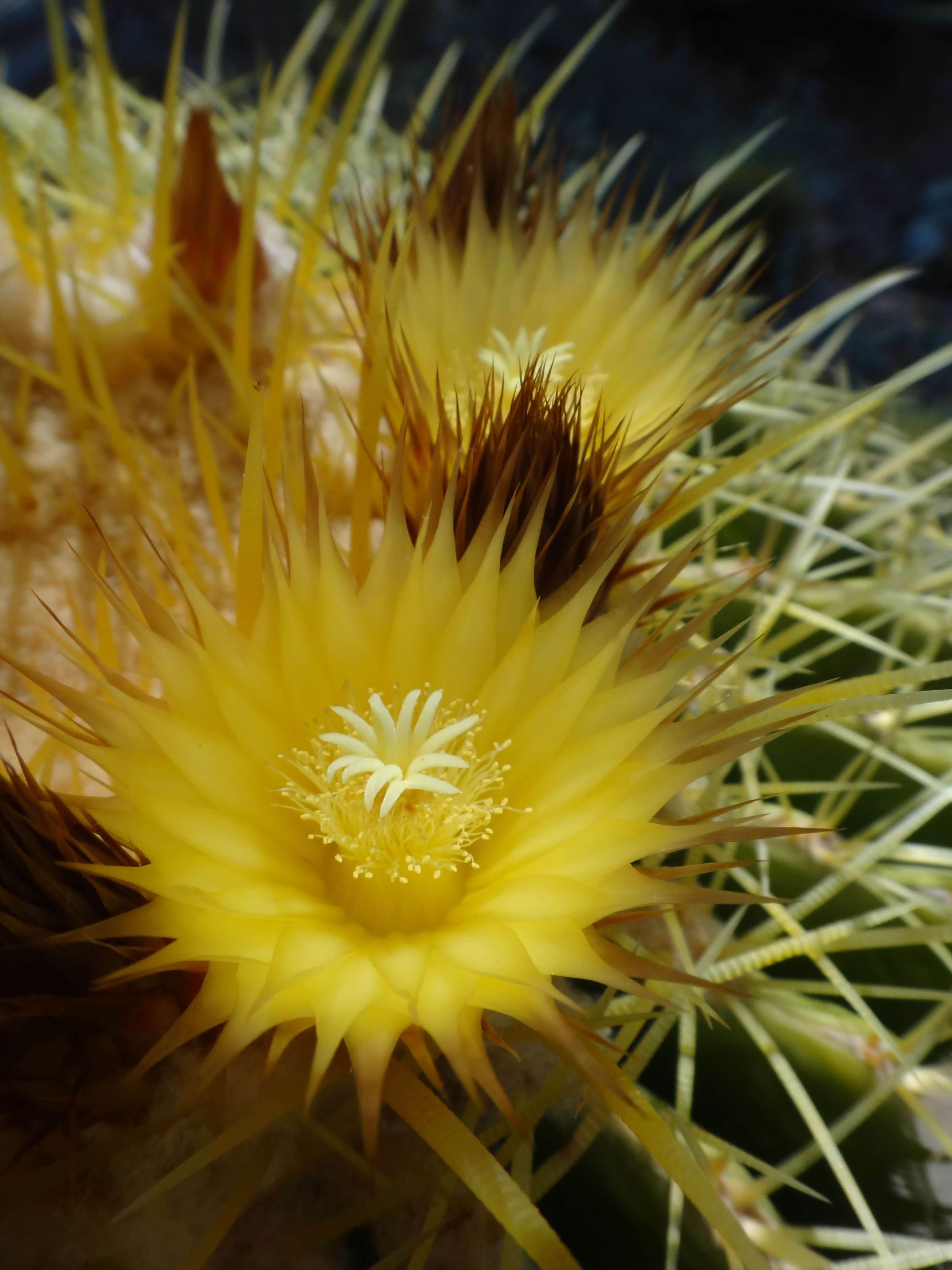
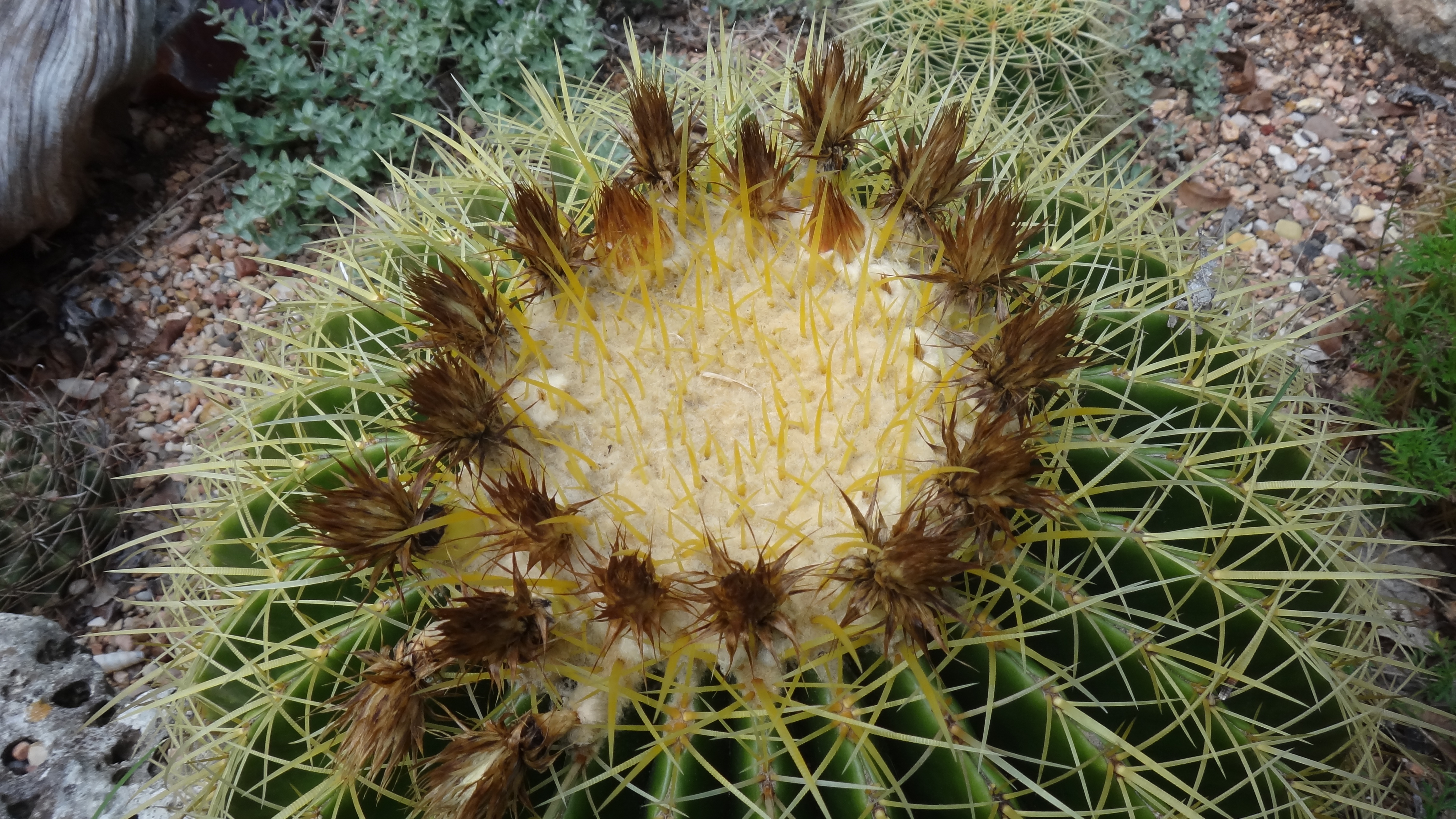 only narrowly avoiding the adjacent barrel cactus (which incidentally is still developing more blooms), scrambled out sideways and up to my feet, all the while frantically shaking and slapping at my clothes.

I looked around for the massed crowd that surely had come out to witness my ridiculous spectacle, but as usual there wasn’t one.
Talking of massing crowds, this is one you certainly want to avoid.
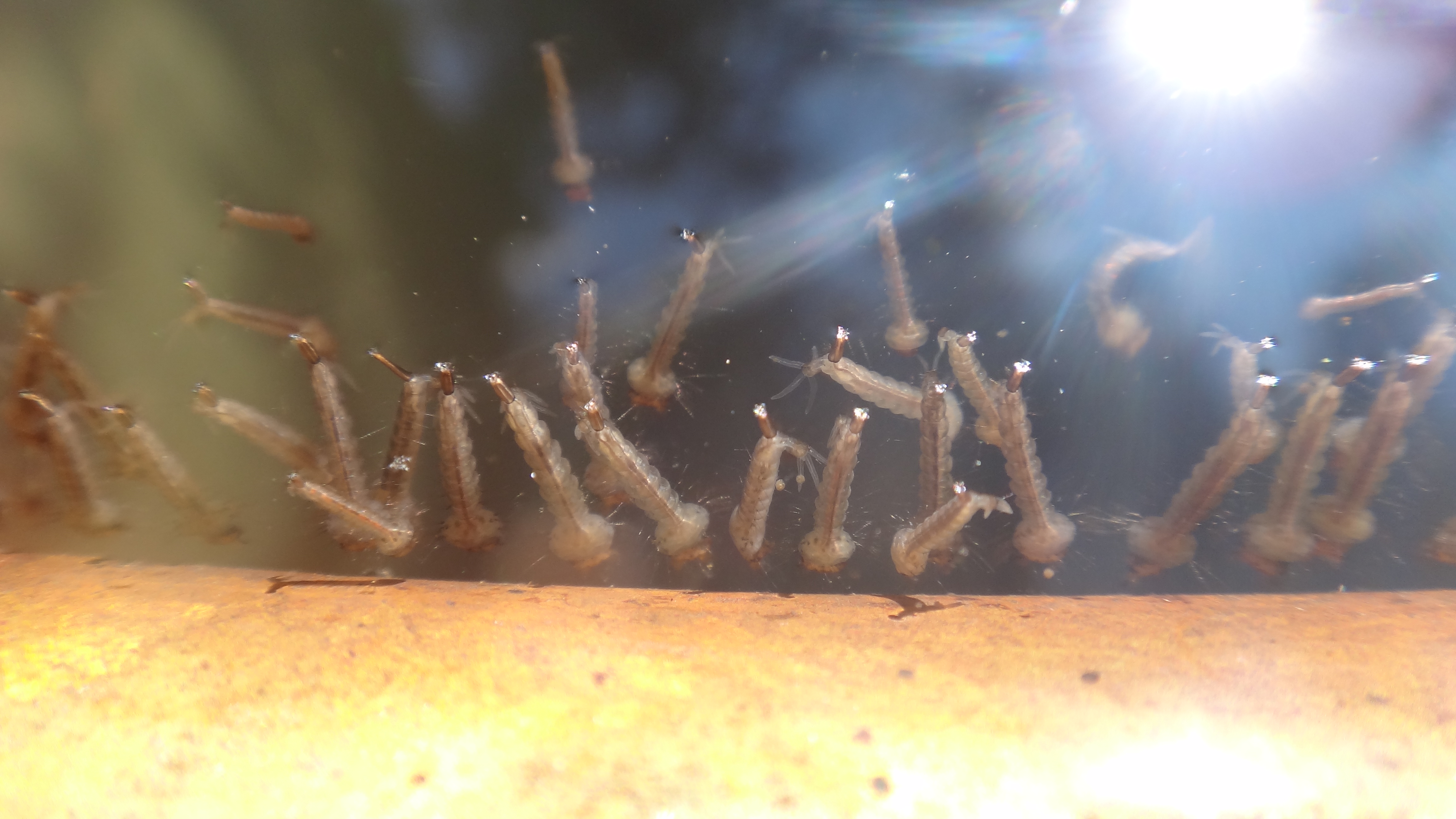 Your days are numbered my writhing foes.

“What is wrong with siphon tubes ESP?”
Mosquito larva live in the water between 7-14 days and wriggle to the surface to breathe through their siphon tubes, yes I said siphon tubes…brrr. The larvae will shed their skin four times growing larger after each molting, on the fourth molt the larva changes into a pupa.
I hate mosquitoes and their tubes.
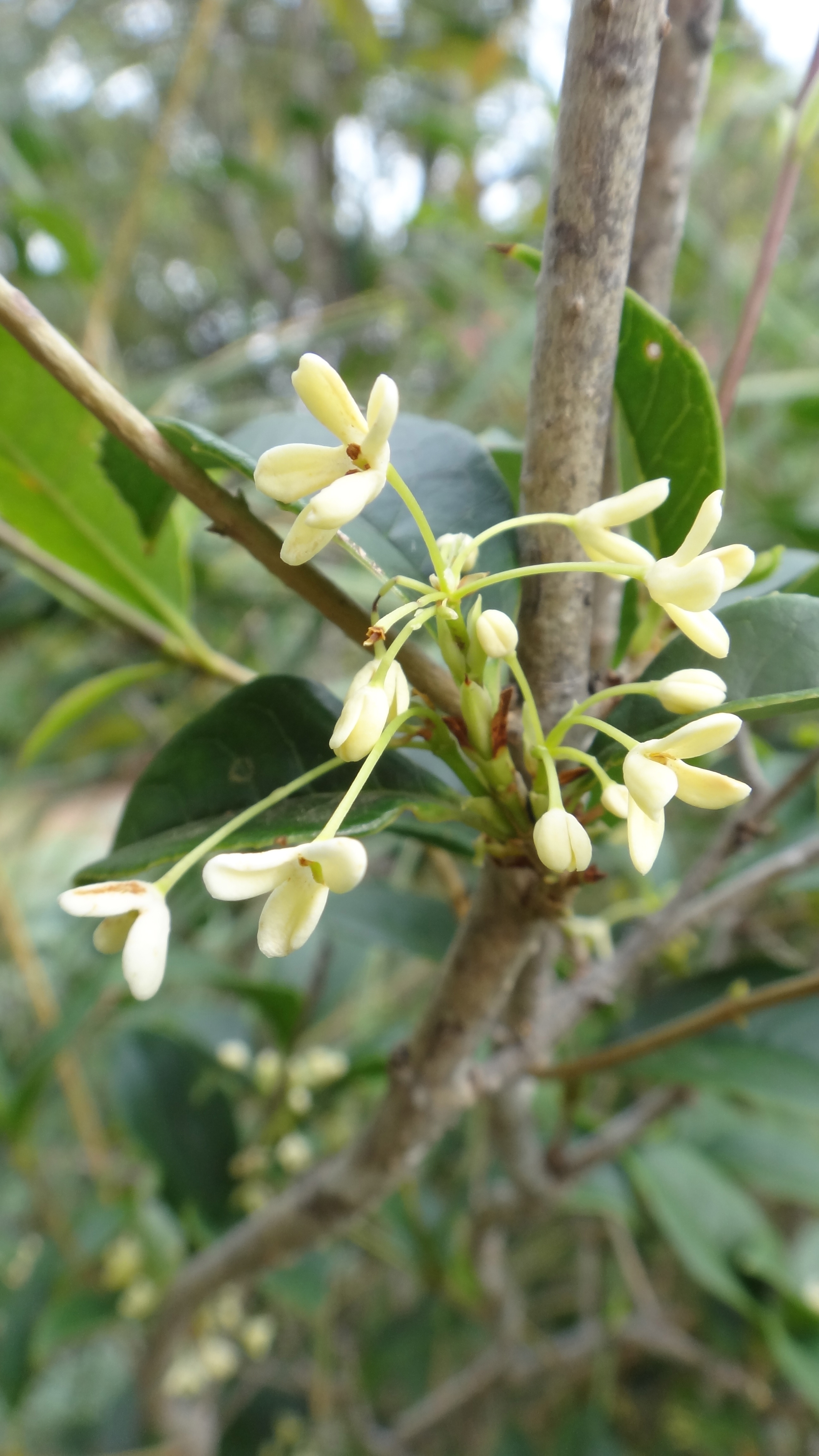
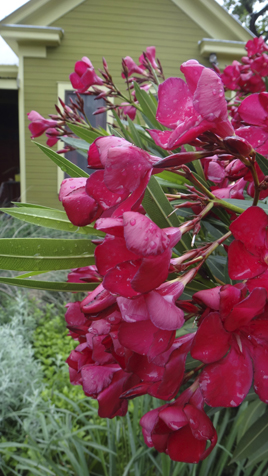
Sweet olives are filling up the Patch with their fragrance this week.
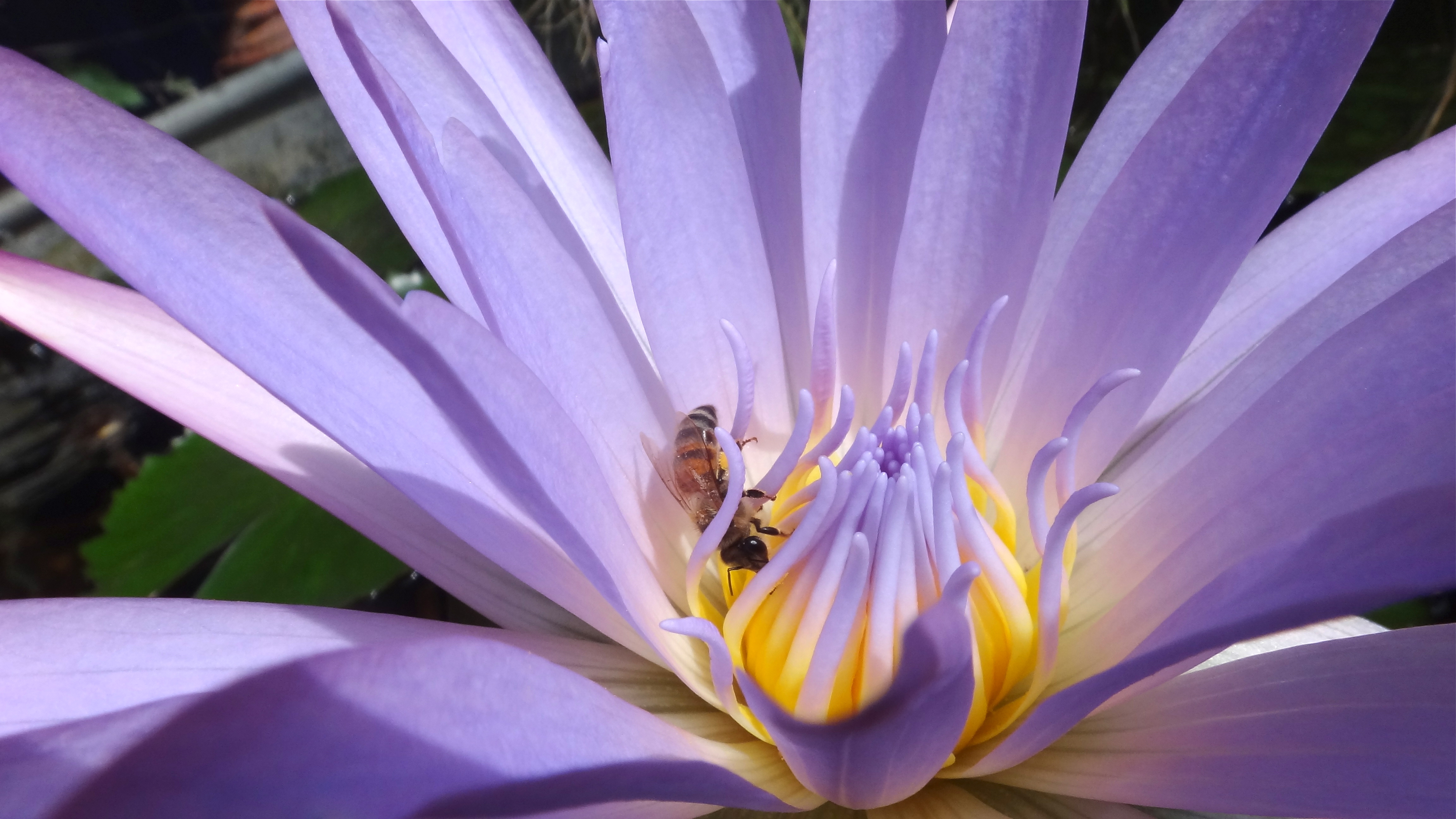
Bees are hard at work in the golden hearts of the Walska, and
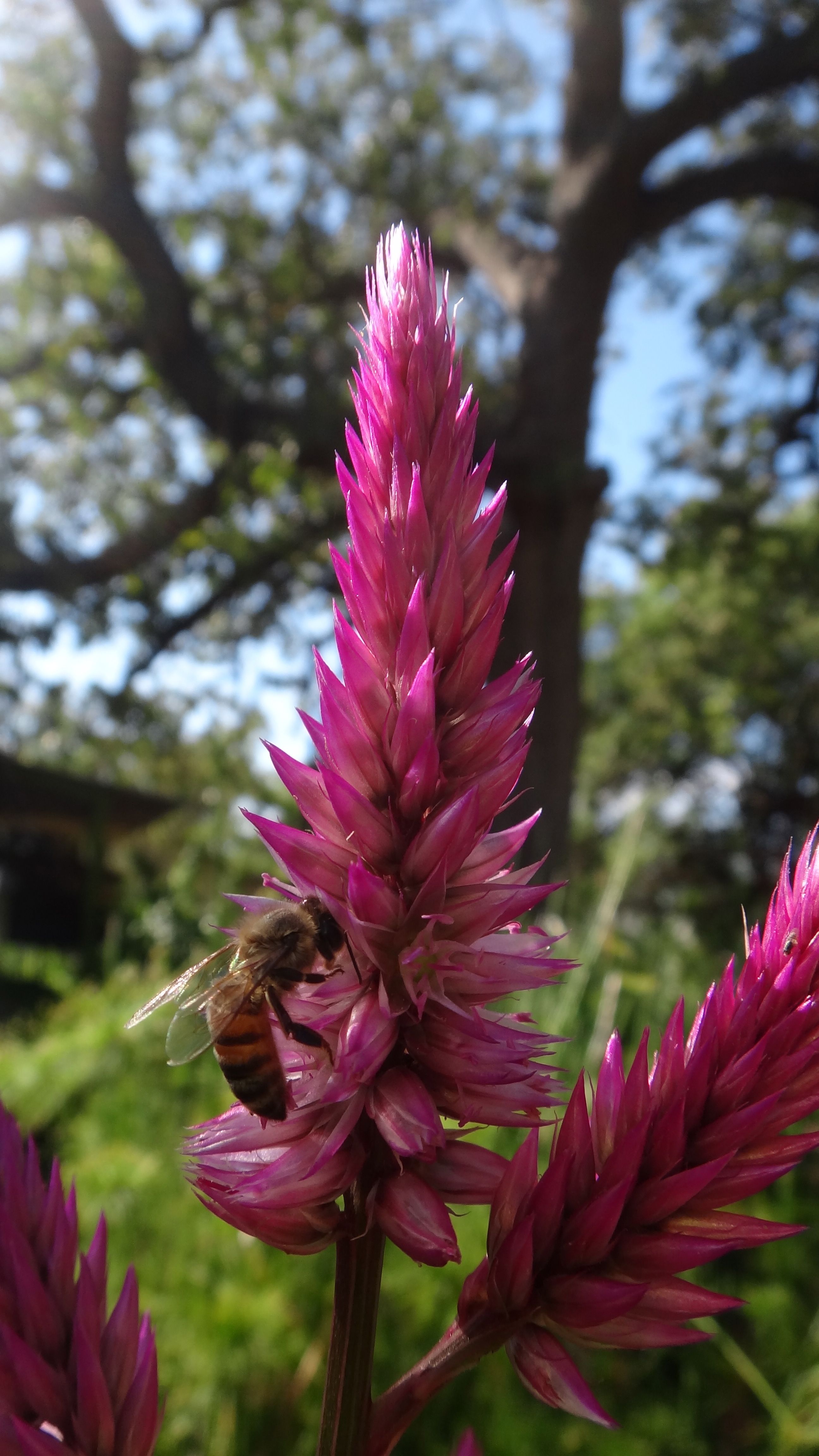
in the celosia that has turned a deep shade of fuchsia.
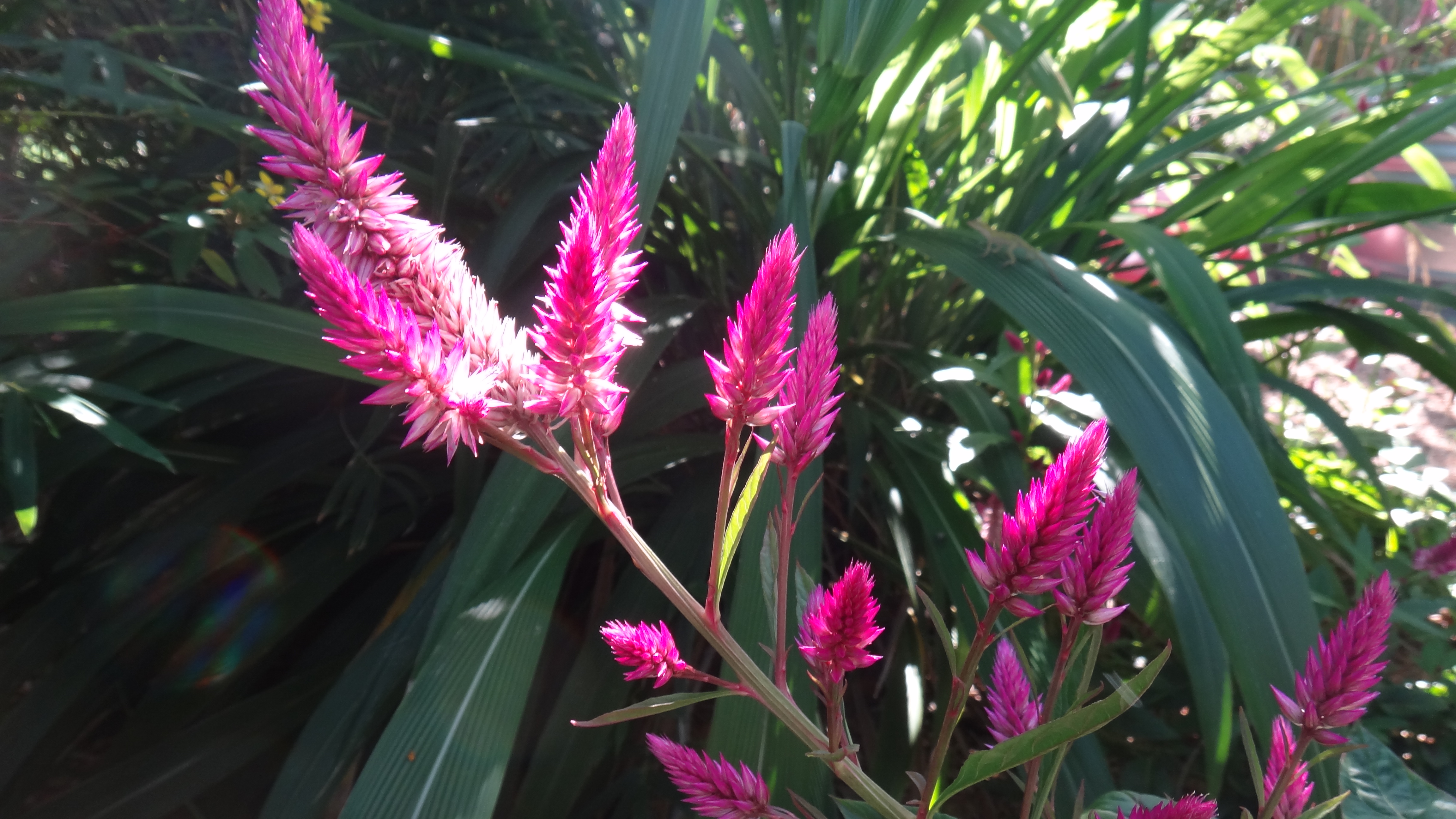
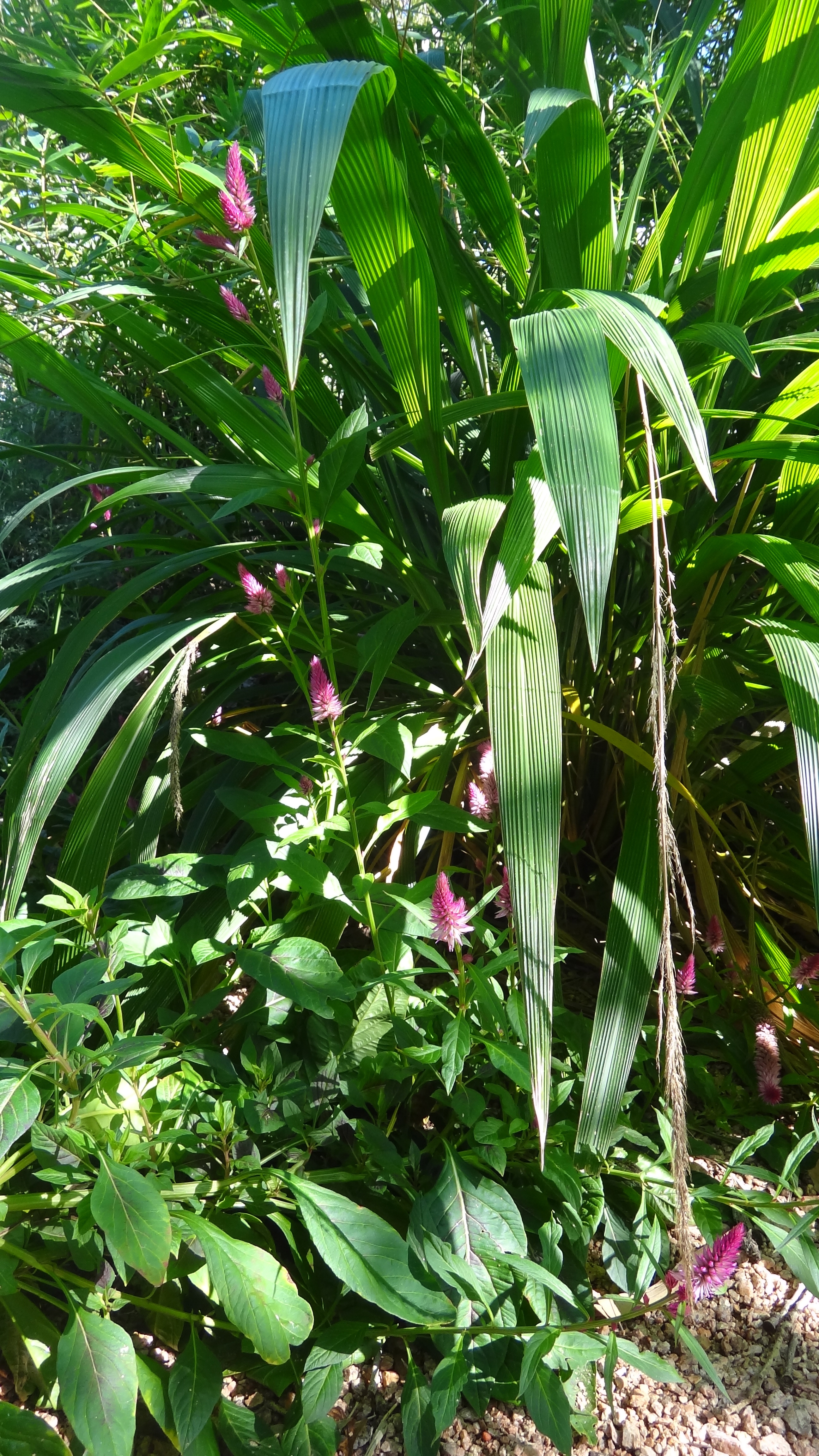
I have a number that are laying flat on the ground turning up at the end. Celosia as a ground cover!
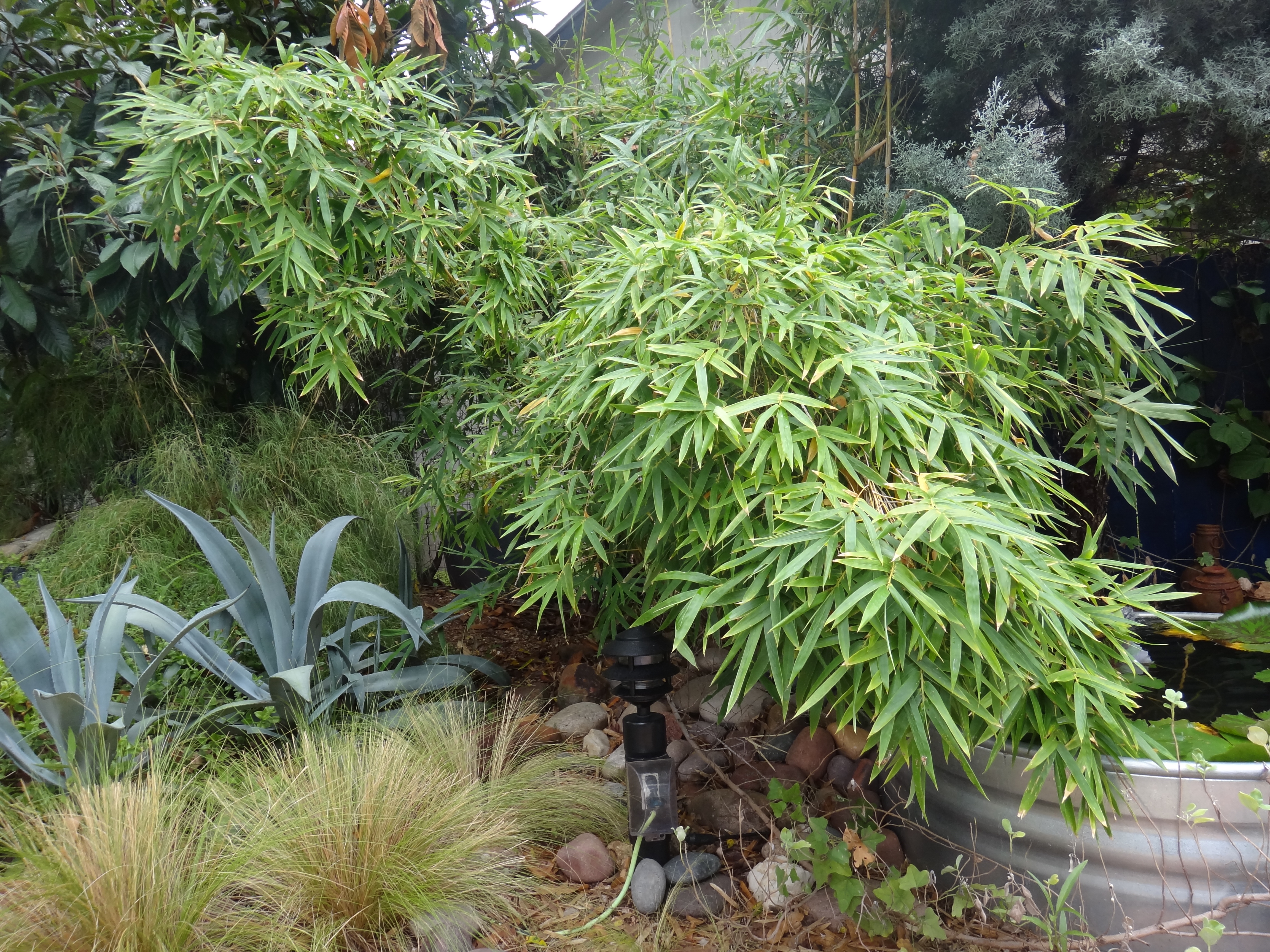
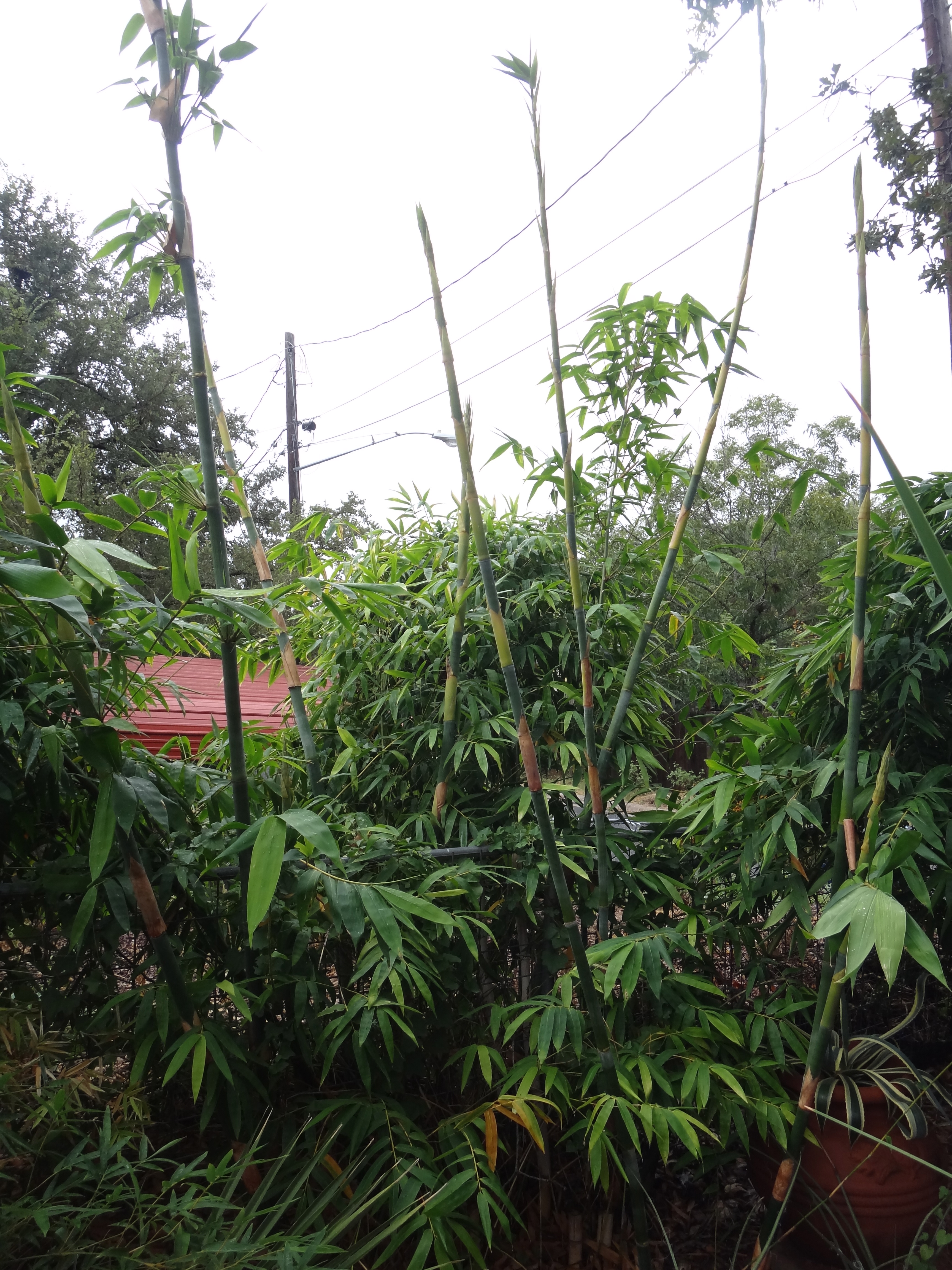
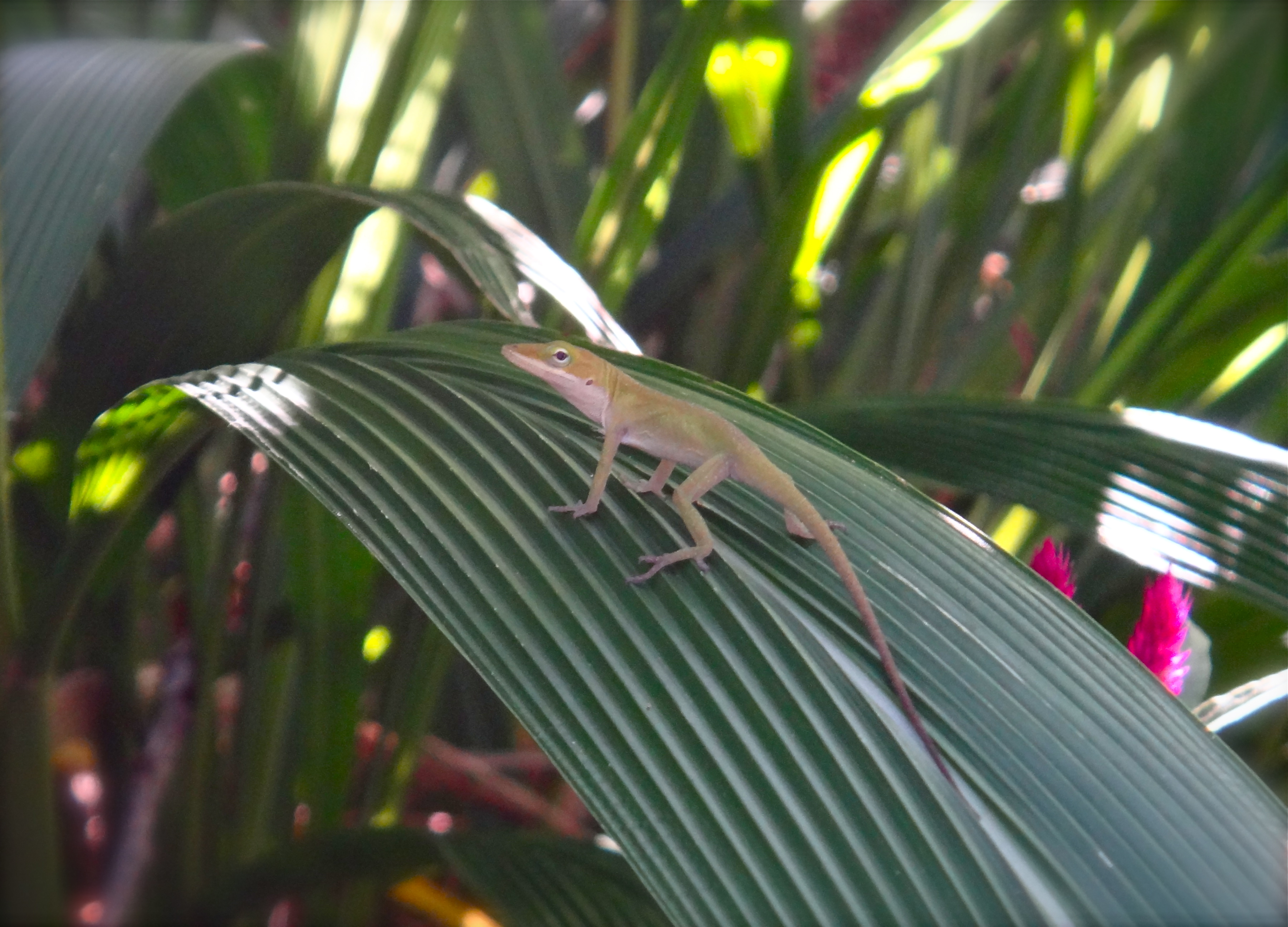
My palm grasses have got very large after our recent rains,
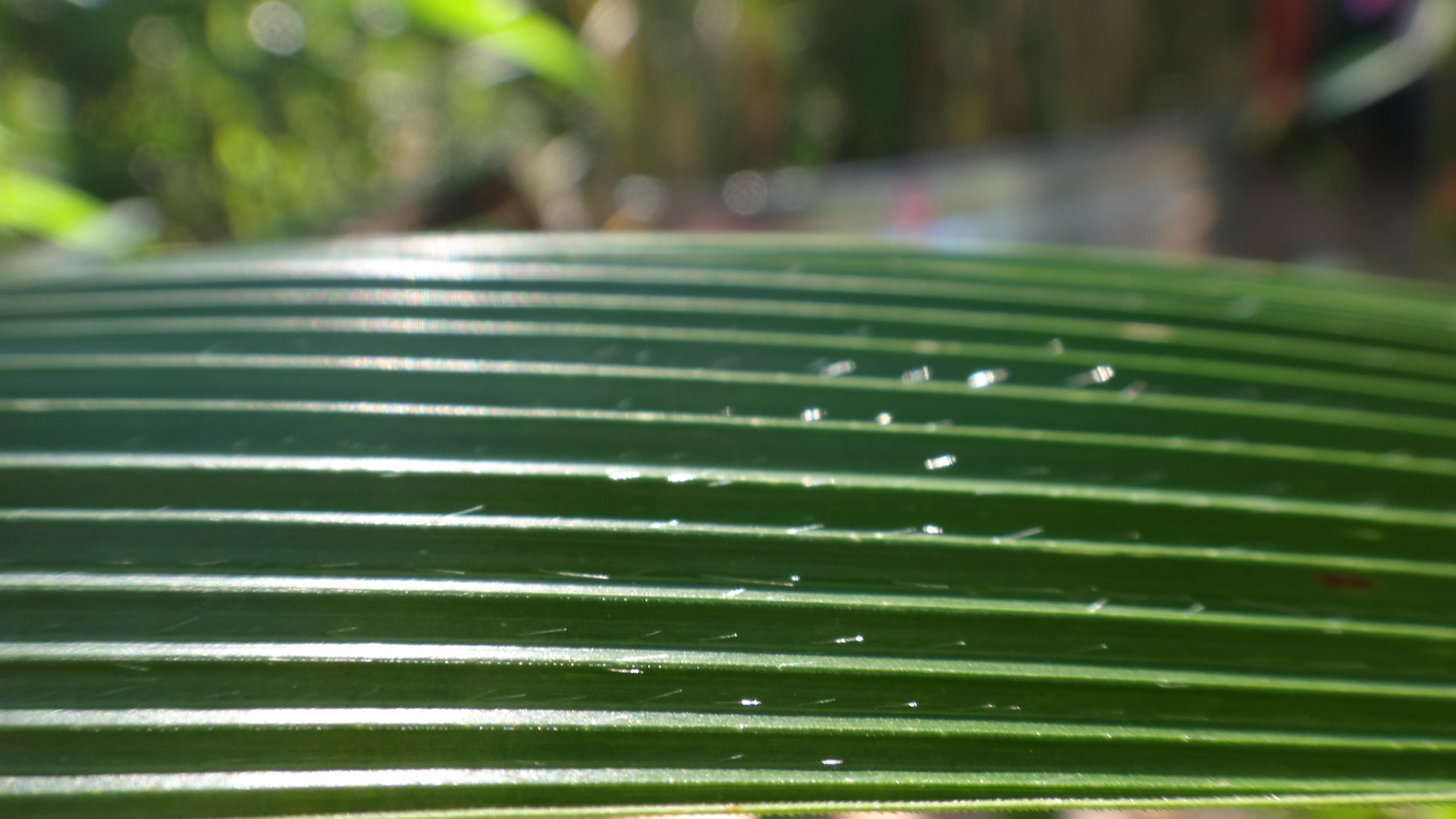
providing great ribbed foliage. Here you can see the tiny sharp hairs that make these leaves very sharp in one direction.
Moving along:
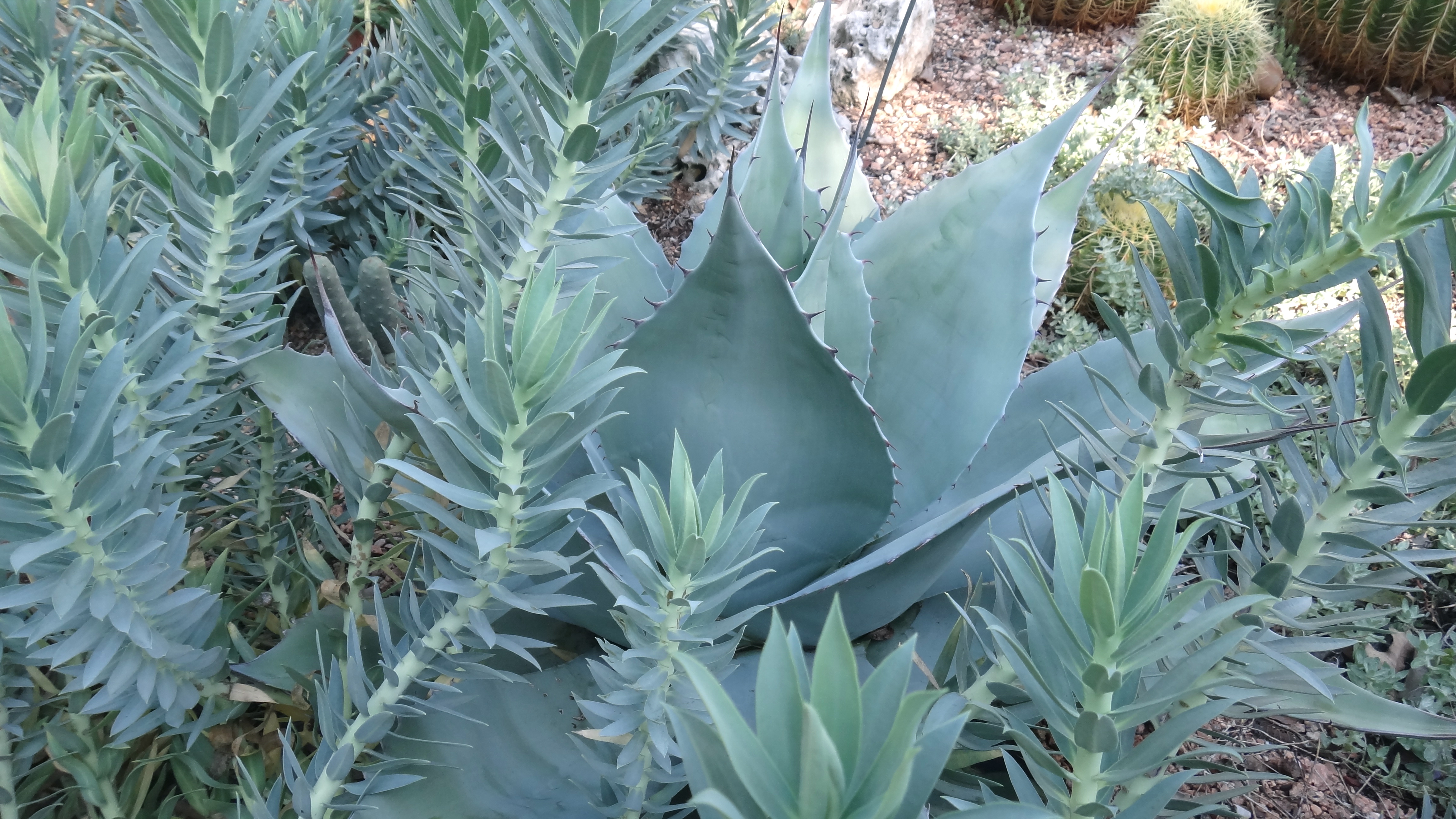
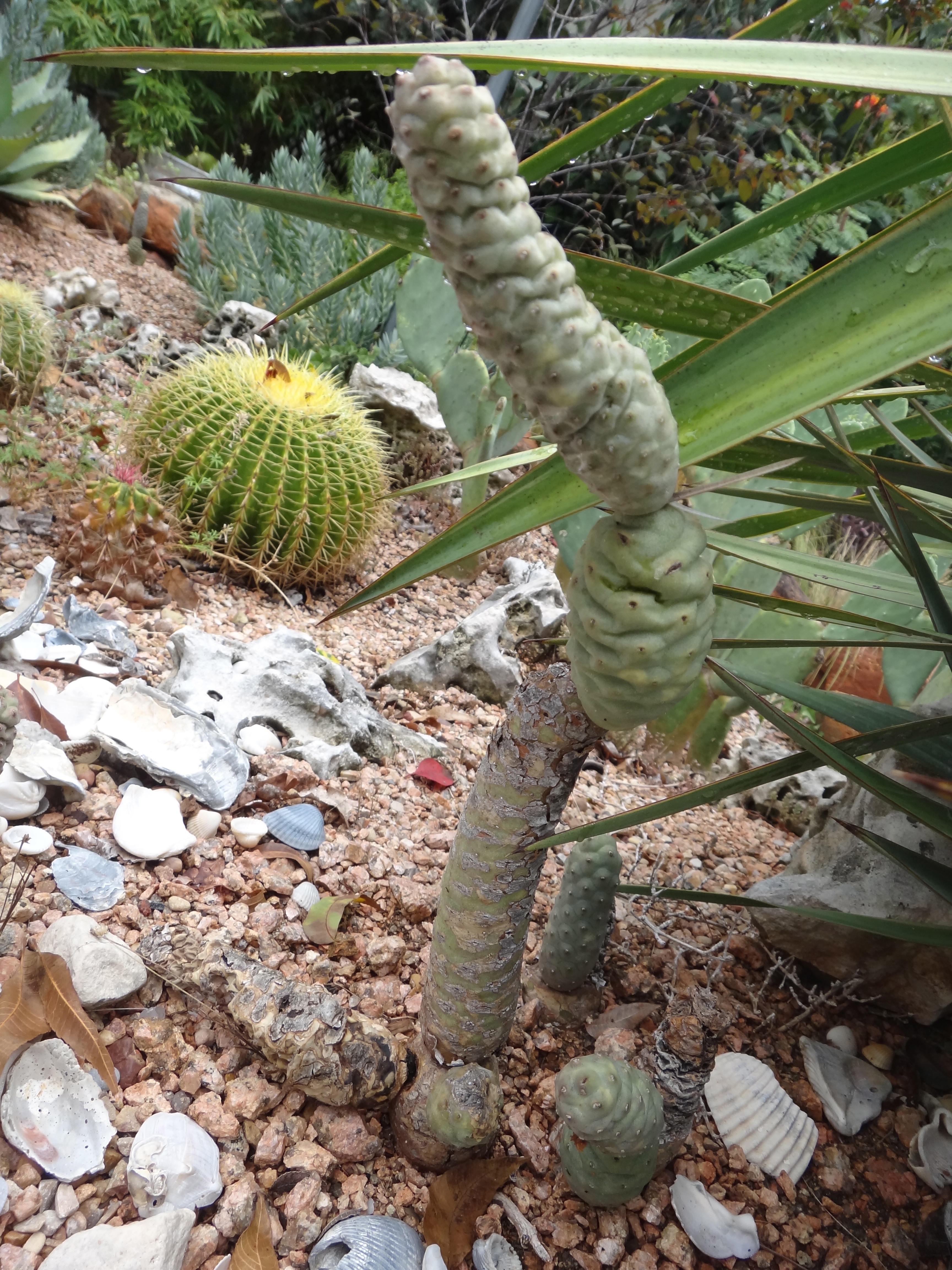
Whale’s tongue, snaking gopher and a few disturbing pine cone cactus fingers offer a very unusual look in the same hue.
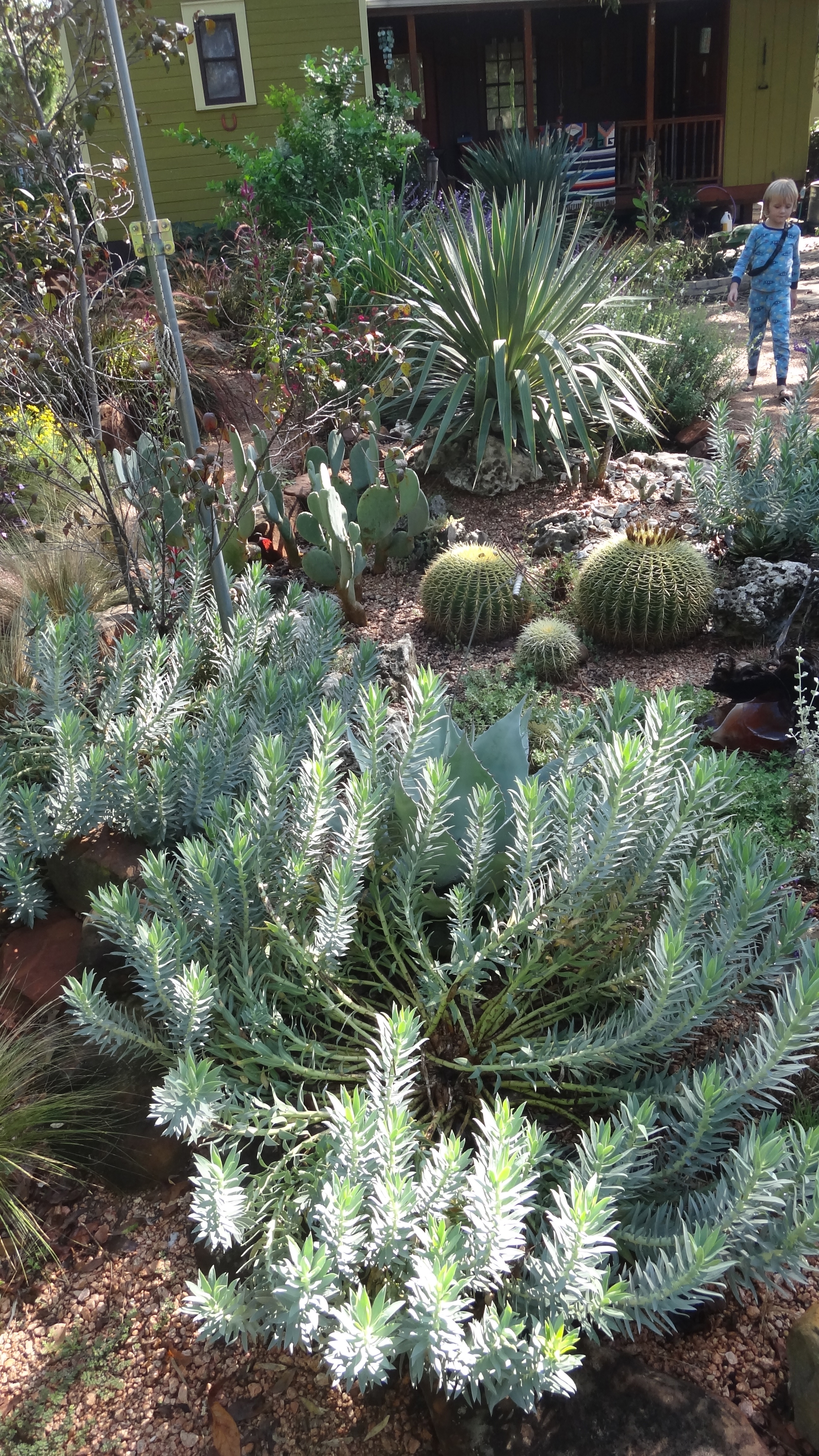
These gophers are soon to have their heads cut off, new growth is already visible at the base.
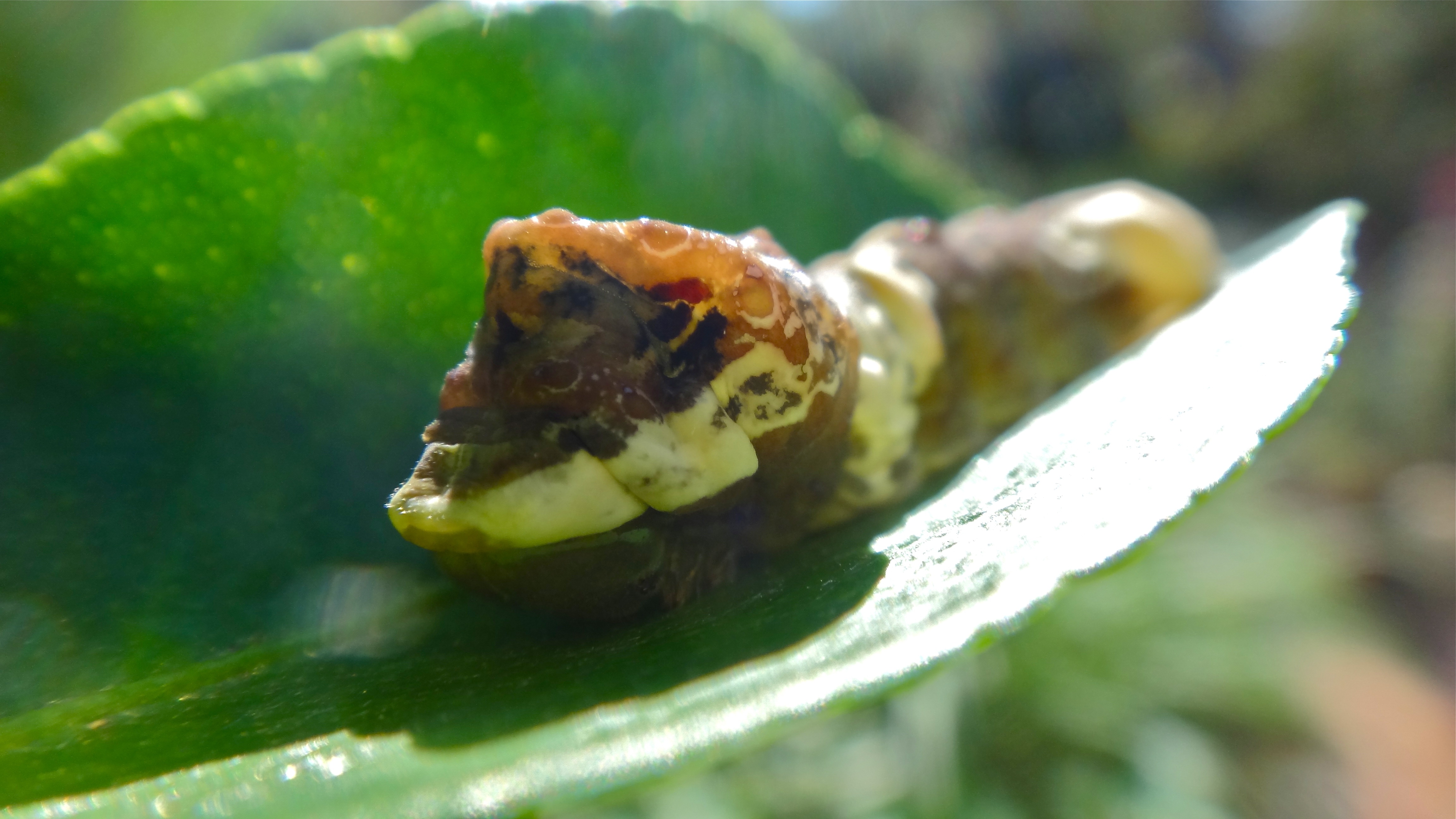 The tribal war-paint on this head should be sufficient to deter any predators attacking this giant swallowtail caterpillar.

Well, perhaps all except one.

I have a bunch of these cleverly disguised bird droppings currently chomping away on my Mexican lime tree. The caterpillars will grow to about 2 inches before changing into a chrysalis. As these are fall caterpillars they may stay in the chrysalis stage over winter and emerge in the spring.
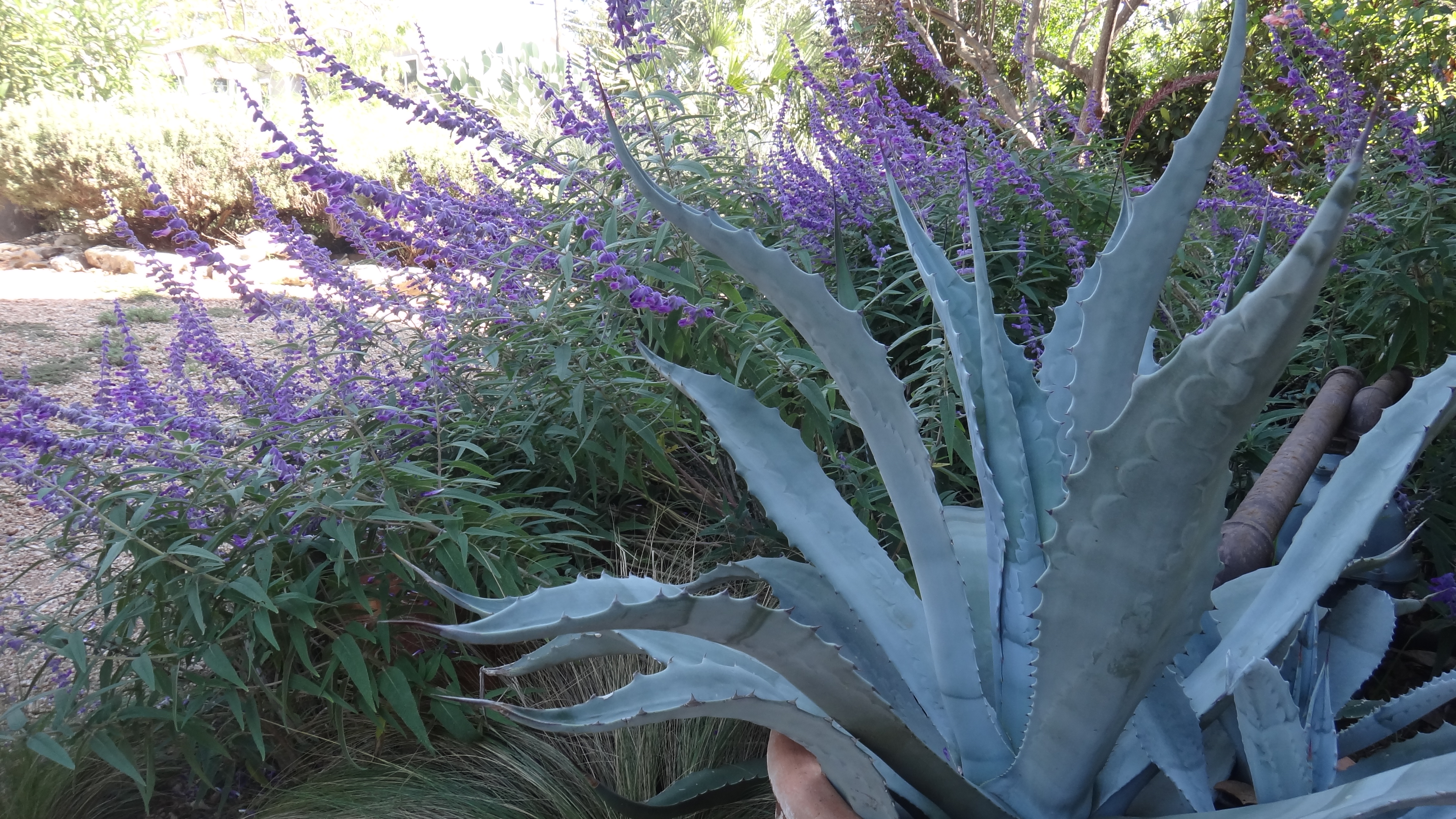
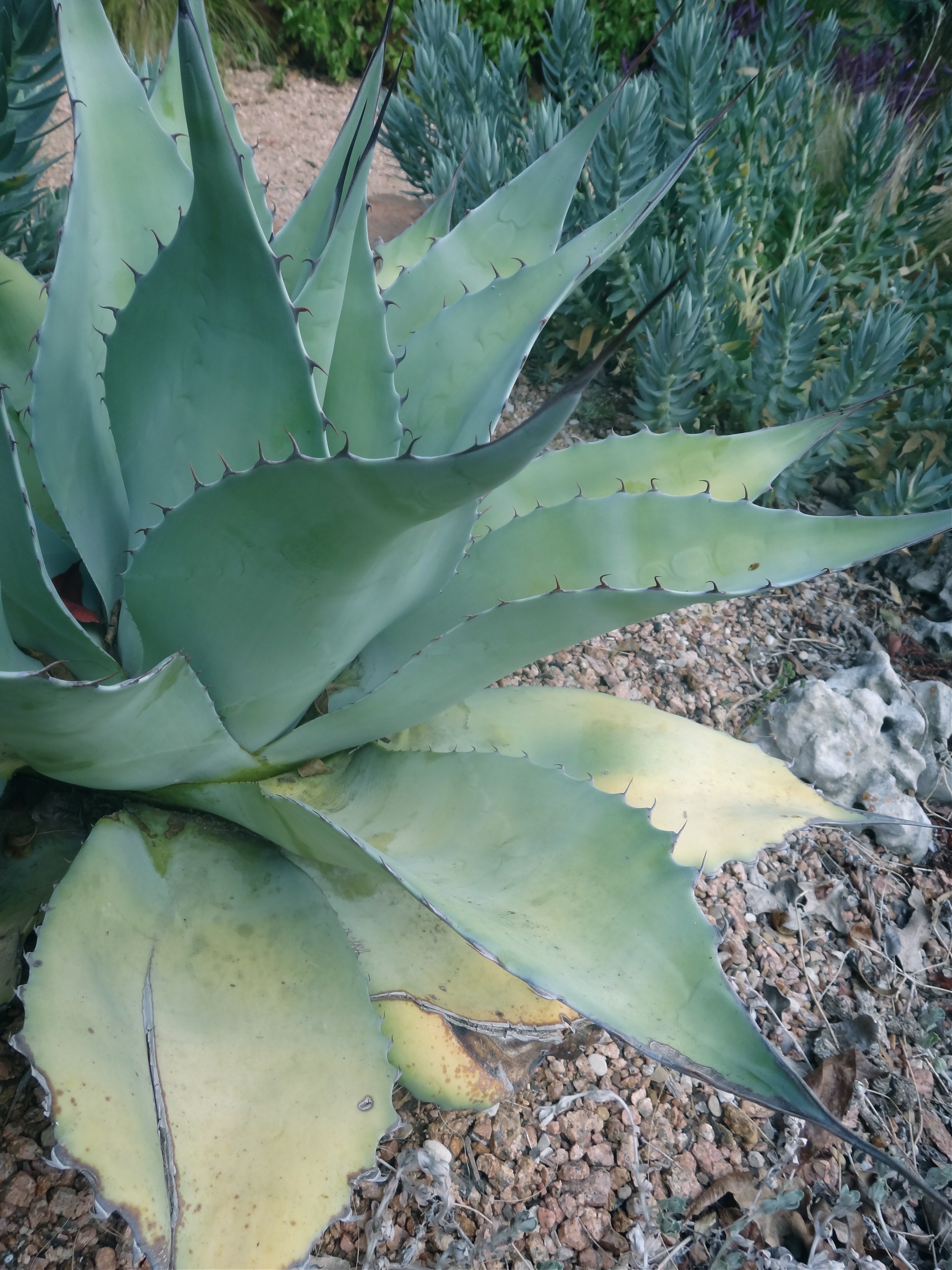
This agave somehow works with the industrial hardware around my gas meter.
In front of it my somewhat lanky Salvia leucantha keeps on blooming, it is currently
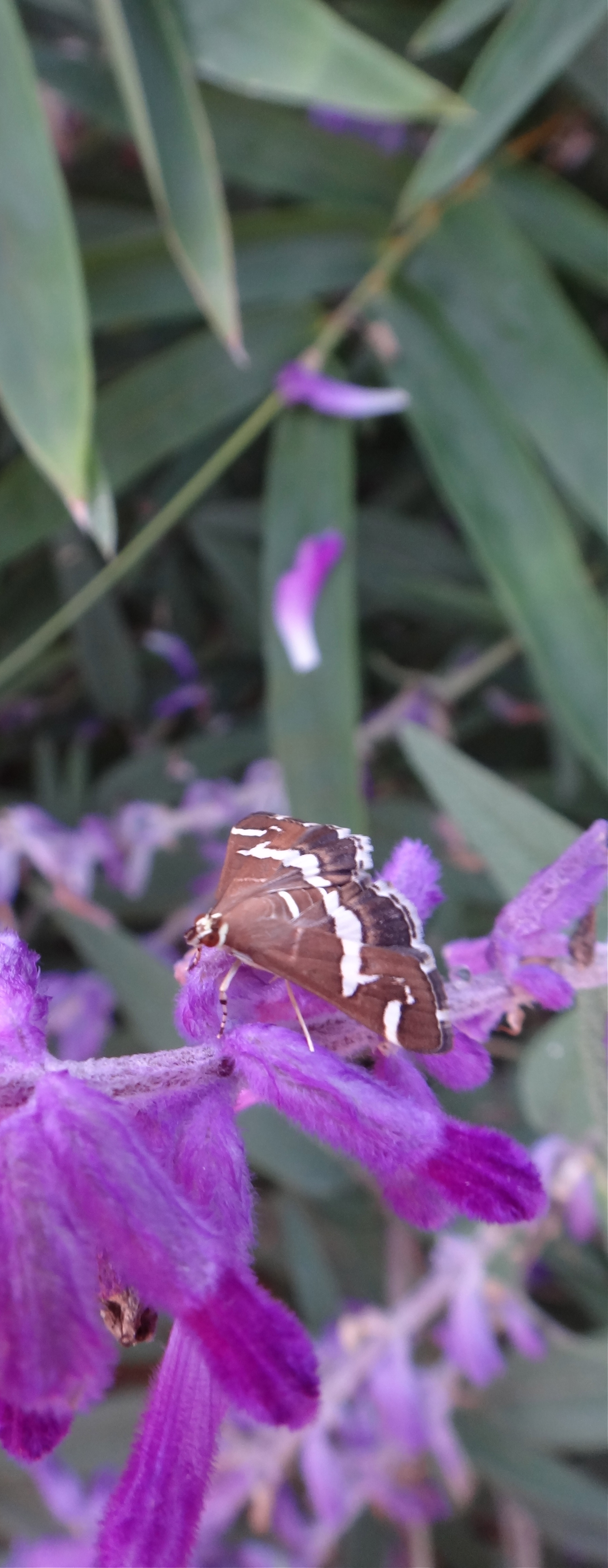
full of these little Beet Webworm
Spoladea recurvalis
moths, whose larvae most likely hosted on my celosia or wormwood.
Inspirational image of the week:

Lots of wine bottle corks lying around?
Studio 1am http://www.studio1am.com/ has come up with an innovative use of recycled cork…jewelry. Discarded corks are ground up and formed into blocks using environmentally-friendly adhesives. Designer Donna Piacenza then cuts each cuff from a single block of cork, which can then be used to store the jewelry, or simply as a display piece, with a beautiful ‘C’ shape hollowed out where the cuff fits.

Stay Tuned for:
“Hexing Herbs”
All material © 2012 for eastsidepatch. Unauthorized
intergalactic reproduction strictly prohibited, and
punishable by late (and extremely unpleasant)
14th century planet Earth techniques.