(Minority Report spider robot swarm)
“I confirm 28 warm bodies… What do you think – four spiders, one per floor?”
“Let’s do eight – I gotta eat!”

Futuristic daddy long legs or harvestmen.
In the good old days it was believed if you killed a daddy long legs it would rain the next day (unless you live in central Texas, naturally). Another rather implausible myth was that if this creature were picked up by seven of its eight legs, the free leg would point in the direction of lost cattle.
 “But it really works m’ lord.”
 “Baldrick, your brain is like the four headed, man-eating haddock fish beast of Aberdeen”
“In what way?”
“It doesn’t exist “
Harvestmen are fascinating creatures, the name Harvestmen comes from their being seen in late summer and fall at harvest time. Although seen during the day they are primarily night prowlers and solitary in habit. I disturbed three or four in a brick pile, all of them took off for dark cover, but this one paused on a wood plank where I got a quick photo-shoot. The common name, daddy long legs, is also used (and often confused) with crane flies. This creature is not even a spider but belongs to a large group of jointed animals with eight legs, known as the Opiliones, they do not spin webs or build nests and they also only have only two eyes like a human.
 You can just make out an eye protruding from a small pedestal above its torso in this picture. Obviously the most striking feature of these creatures are its long legs which they also employ as a defense mechanism. Their legs detach easily from the body and will continue to twitch for quite some time after amputation, confusing and distracting a would-be predator.
 This twitching continues because there is a pacemaker-like organ located in the ends of the first long segment of their legs. This “pacemaker” send signals via the nerves to the muscles to extend the leg and then the leg relaxes between signals…an ingenious mechanism. Harvestmen are beneficial insects and have a wide ranging diet which includes, aphids, beetles, caterpillars, earthworms, flies, mites, small slugs, snails and spiders, and extends to fecal matter and fungi, (subtle knee rumblings). After each meal it cleans each leg, drawing them, one at a time through its jaws. Brrr.
Quickly changing the topic…

Burgundy canna and rusted steelwork makes a great combination. The Variegated Japanese pittosporum (left) is one of my favorite shrubs for shade / part shade.

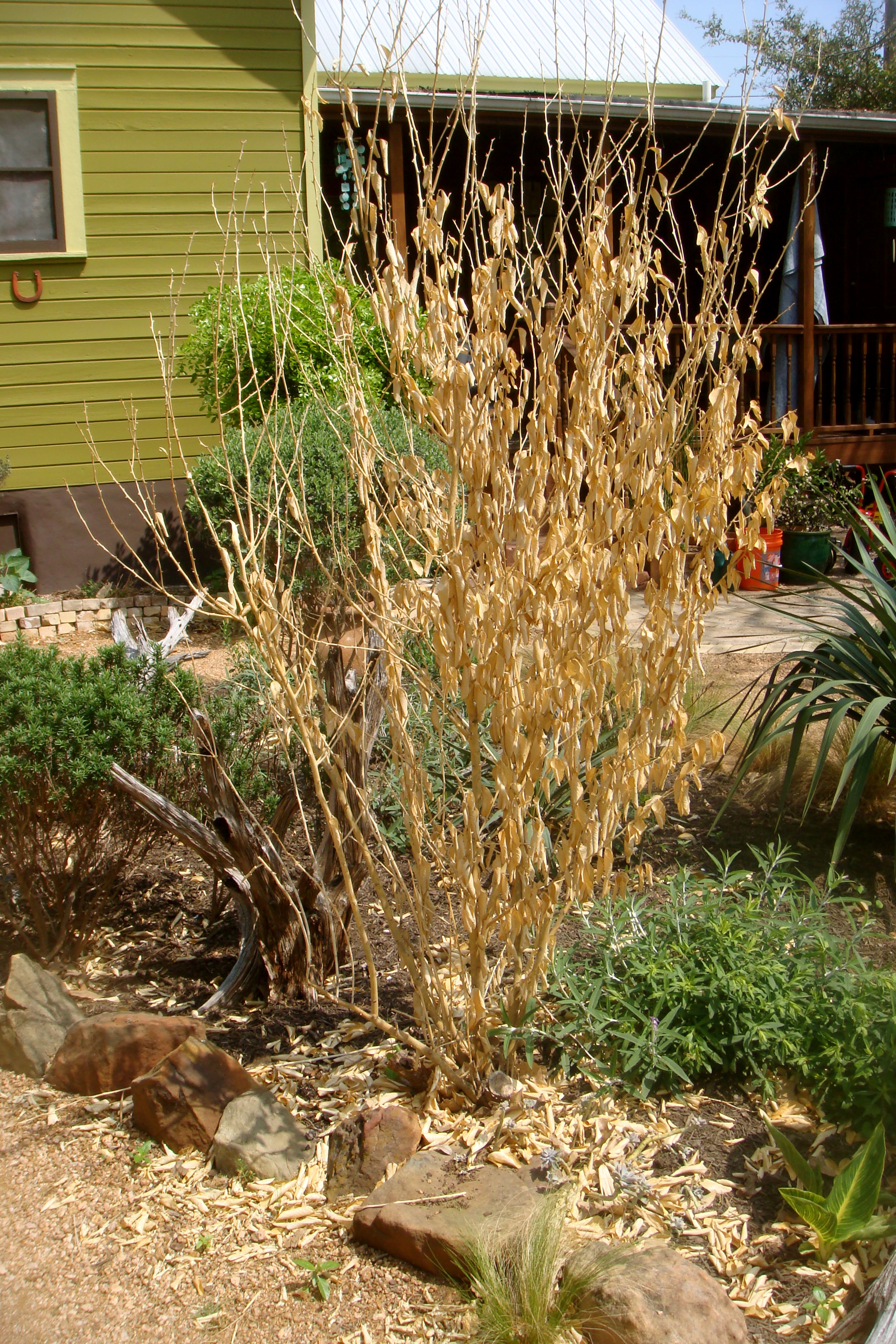
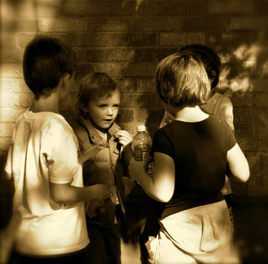
Here it is getting hit with a sprinkler (mainly for the benefit of the loquats that are beginning to droop and brown with our lack of precipitation). I kept seeing these two little people darting here and there, in fact everywhere I moved the sprinkler.

Here they are, off the trail checking their maps under my Afghan Pine, a dangerous thing in the Patch.

The glass monocled cactus-man looked on with his most worried of expressions (with a hint of annoyance), his new crowning top paddles making him look more deranged then ever.

We had a carrot harvest this week and although they looked pretty good, I am sure an
 would have been sweeter and much less bitter on the taste buds. What were they lacking? Did I leave them in the ground too long?

Another oddity this week courtesy of these datura seedpods: what are the function of these hanging strands?

This bi-colored oxalis or commonly called shamrock plant is throwing out pink blooms right now.


The real Irish shamrock plant:

Trifolium dubium
is a clover relative and is tradititionally worn on the lapel on St Patrick’s Day. There is an old practice of dunking the plant into the final drink of the night, and throwing the leaves over the left shoulder before knocking back the dregs of ‘Patrick’s Pot’.
Observed this week:
 Pride of Barbados is once again on the rise and this

veiled butterfly iris is producing lots of blooms at the moment.

A broken gourd makes for an interesting impromptu headdress,

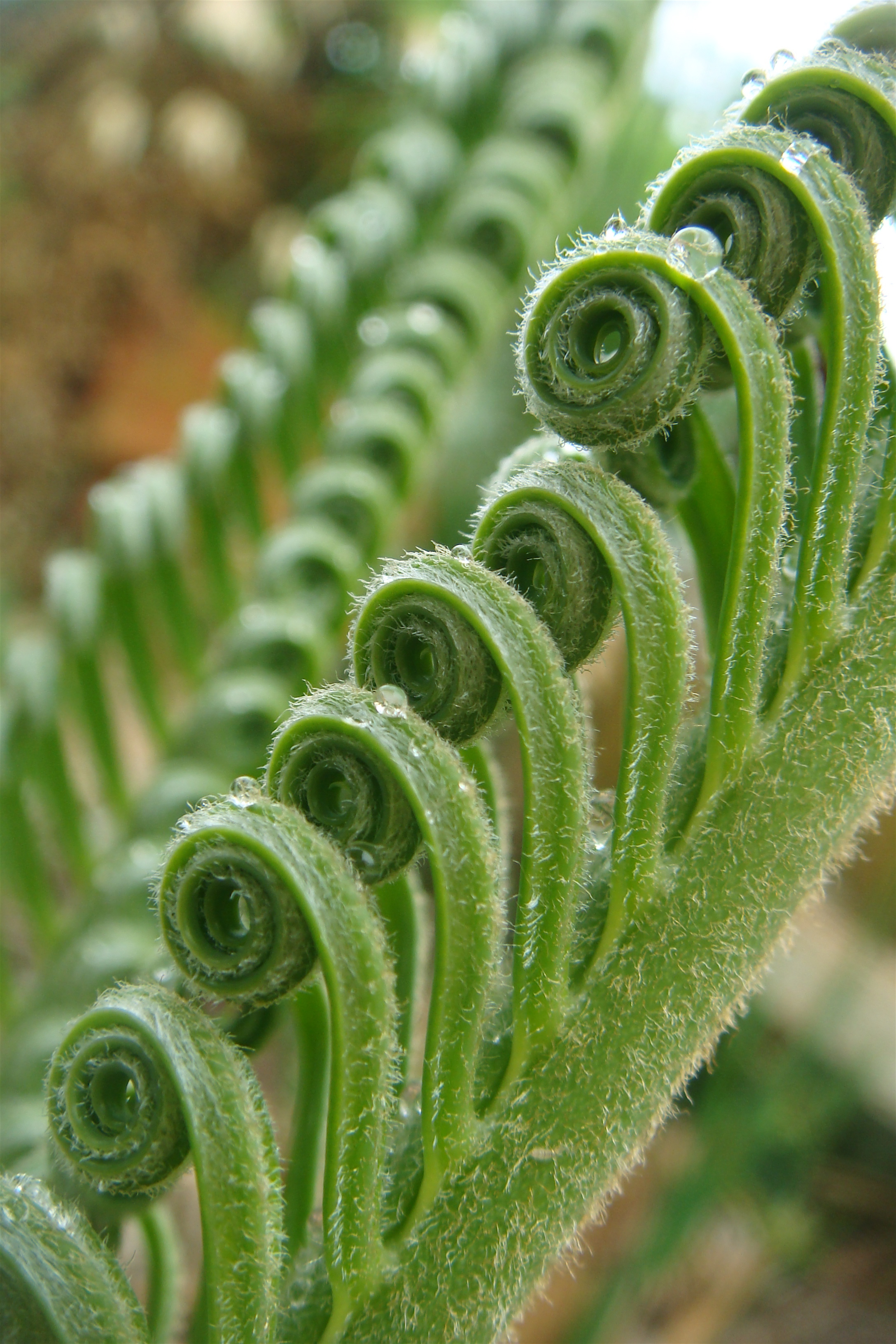
and the tiniest glimmer of life emerges from this potted sago.
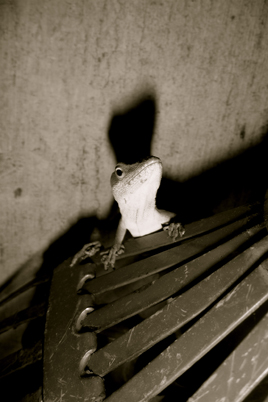
 Anole getting ready to plunge onto some prey.
And finally:
 The royal Patch trumpets have been waking us up in full cry every morning this week before dawn.

Stay Tuned for:
“Spores”

All material © 2011 for eastsidepatch. Unauthorized
intergalactic reproduction strictly prohibited, and
punishable by late (and extremely unpleasant)
14th century planet Earth techniques.