With the rains have come a bumper bloom and a pronounced artificial grape aroma all around my back porch…

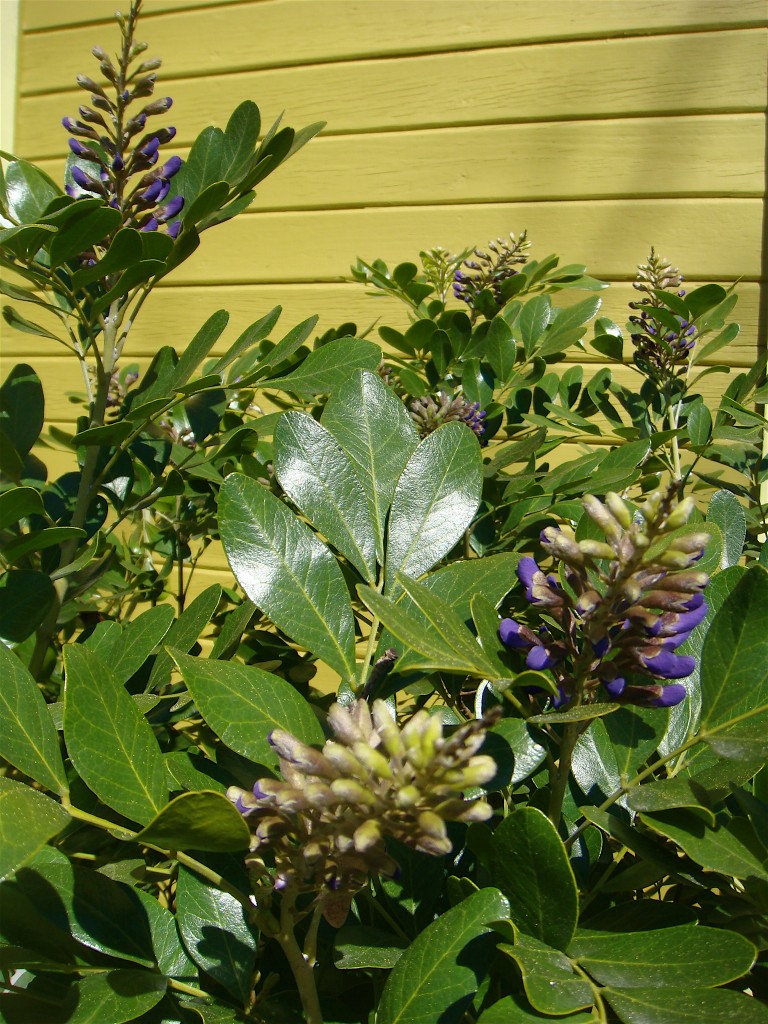
…this week is the week of the Mountain Laurel in Central Texas.
Sophora secundiflora
I keep this one pruned up as high as I can, I think they look better when the trunk is partially exposed.

The bees have been swarming the short-lived blooms on the tree.
Talking of small trees / shrubs…

…All the loquats
Eriobotrya japonica
around the Patch have also responded to the rains and sun, sending out an explosion of new growth. The name loquat derives from lou gwat, the Cantonese pronunciation of its old classical Chinese name. In modern Chinese, it is more commonly known as pipa from the resemblance of its shape to that of the Chinese musical instrument pipa.


This is the first year that these shrub / small trees have reached a height that has really started to change the perimeter aesthetic of the Patch. Surprisingly they were not effected by the cold snap, it seems they do not mind dry cold but have a deep hatred of wet freezes like we have had in previous years. Even when they do get nipped, with a quick cutting of the frozen parts, they bounce back extremely fast.

Even with all of the new growth happening right now, I am still discovering frost killed plants. This wizened agave reminds me of Nero’s ship emerging from the “singularity event”.

“Stop being ridiculous ESP, or I will send some red matter into the core of your home-world.”

Not so much red matter as green! New growth on the Inland sea oats, the feather grasses…

and the Fatsia Japonica, this one was warming it’s glossy alien looking fingers to the sun.
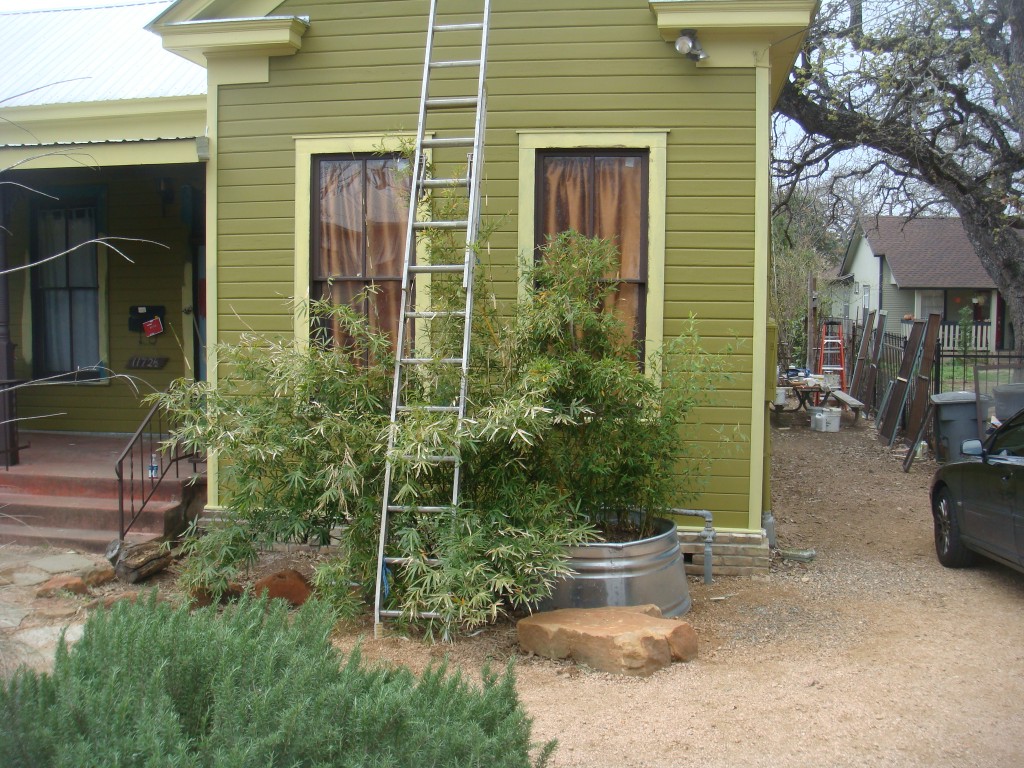
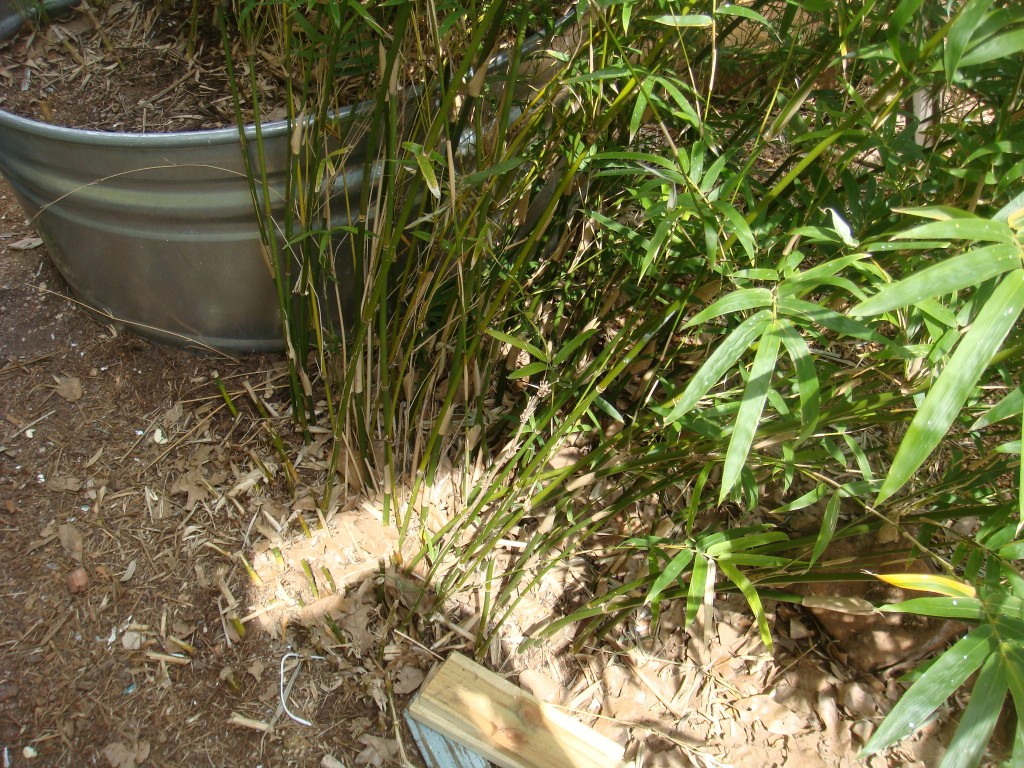
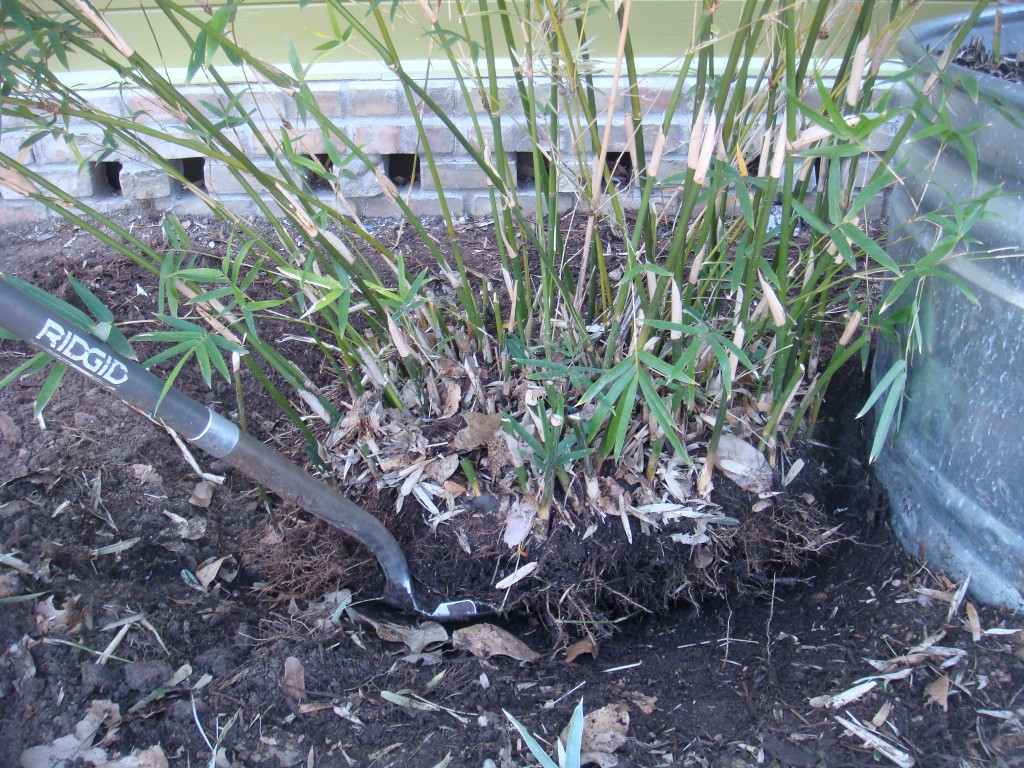
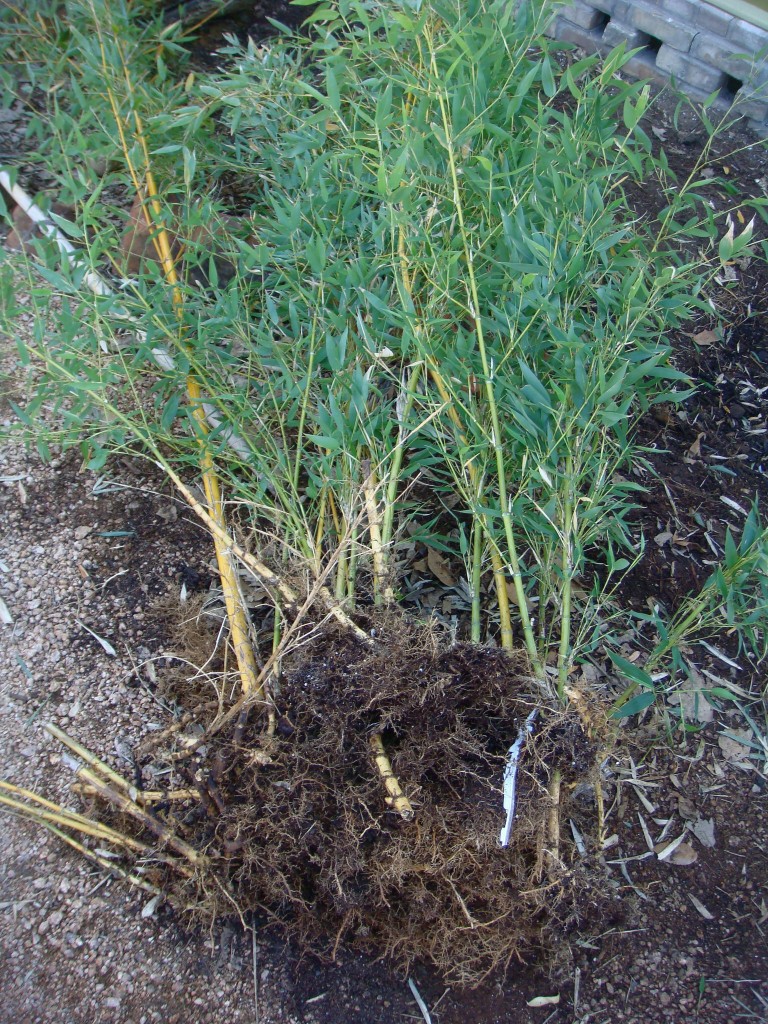
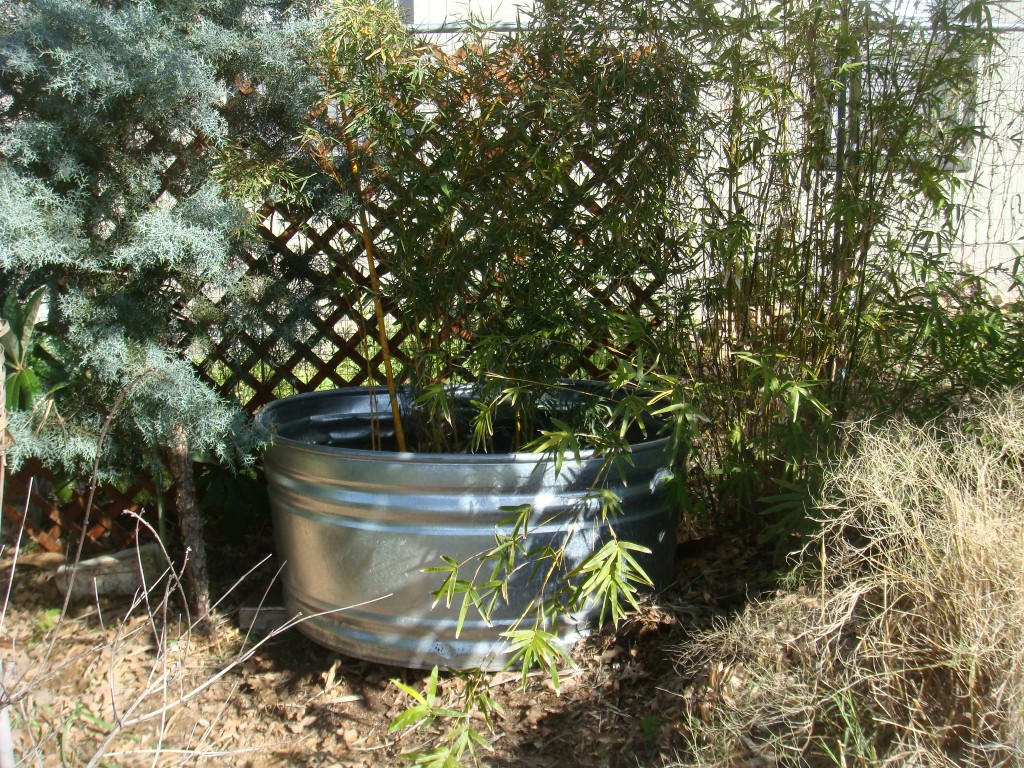
 Giant Timber Bamboo also looking glossy after a recent shower.

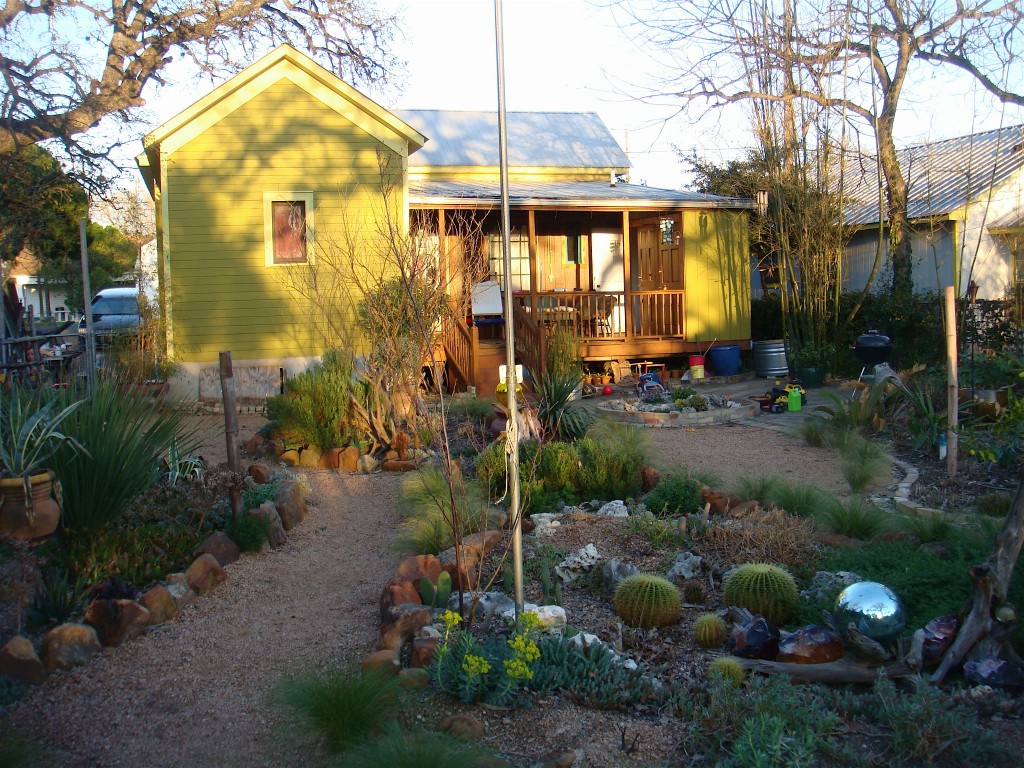
Yes the Patch is finally breaking dormancy.
With the resurgence of all this life in the Patch there sadly was life’s cold counterpart.

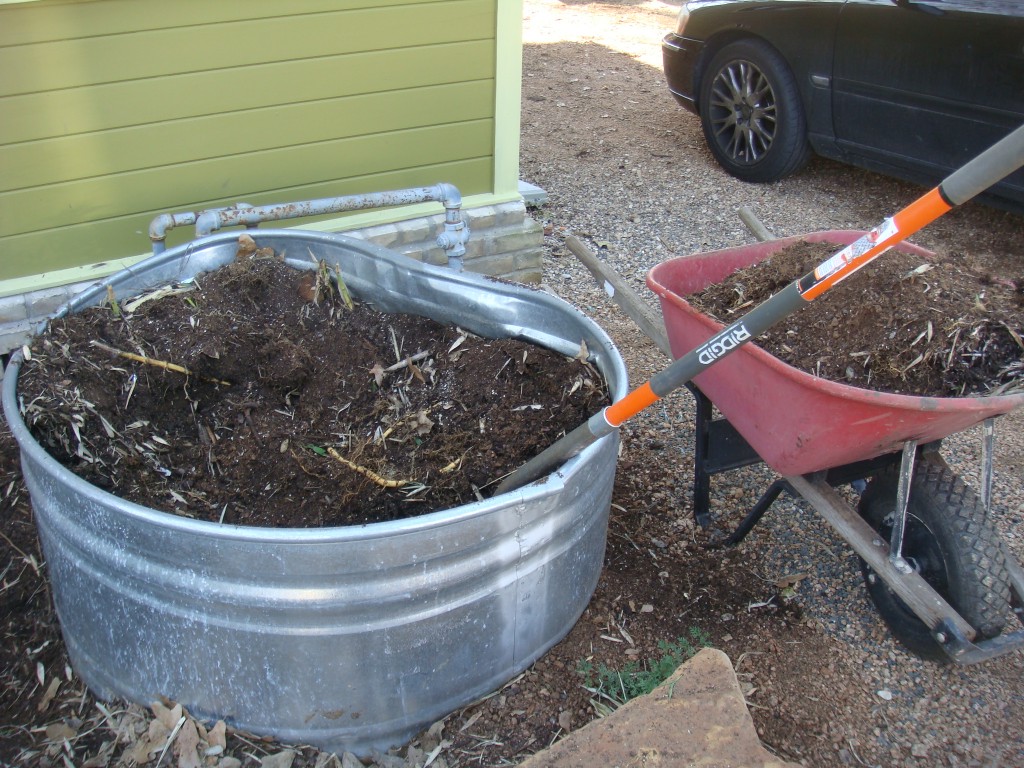
The first thing very odd, like a harbinger of death from the sky, was a Grackle…a male grackle, that I see all the time as the sun sets, talking a final drink from my stock-tank before nightfall. This grackle is in it’s prime adorning regal robes of purple and black, but today this dark knight had fallen to an enemy, slain, I surmise, by a warrior of the feline variety.
 The ESP witches swooped out of my Post Oak in some sadistic anticipation of a final breath, their breaths foul. http://www.eastsidepatch.com/about-the-esp-witches/

The grackle landed on the side of my stock-tank, with one of it’s legs in tatters. The poor bird drank, bled like a bad actor, delivered it’s sleepy hollow omen, then flew up to a nearby ligustrum. About an hour later, the last remaining fish of my original trio, the great Grandfather of all my remaining fish, appeared to have beached itself like a whale up onto a submerged marginal plant in the same pond. A coincidence? Thinking the fish had accidentally grounded itself, I cupped it in my hands and released it back into deeper water, but something was still terribly wrong.

No, not that!

No sooner as I released the fish, it found it’s way back to the same spot, almost like it was deliberately trying to end it’s life. The fish with the red spot on it’s back desperately wanted to help it, it seemed seriously concerned and would not leave the old dying fish alone. It kept nuzzling it, pushing it as if to say no, you can’t be done yet. It even managed to dislodge it once again into deeper water. It kept on nudging it and swimming right up against it, I had never seen anything like it. The old fish once again mustered up some energy and drove itself up onto the same plant, this time I did not interfere. The red-spotted fish never once strayed from it’s side.

It was like a really sad episode of flipper! Do they exist?

I have never witnessed such social behavior from these aquatic creatures. As the sun set in the Patch, I left them both in peace. I believe the morning will bring a new addition to my compost pile, I just wonder if the spotted fish will still be by it’s side. Goodnight old fish friend.
On a lighter note:

Ivy going completely crazy with the almost perfect growing conditions.

My stone crop waterfall has finally started to take shape, streaming down the rocky escarpment that never made it as a water feature.

And this variegated pittosporum has made the perfect camp-out area for the Patch hobbits. The sweet orange blossoms that are just about to bloom will perfume this part of the garden for the next few weeks, this plant is not called “mock orange” for nothing. For shady areas, like under my post-oak, the light colored leaves add interest and a spot of brightness in the shade, it is one of the best small trees for deep shade. The plant makes an excellent specimen plant and a beautiful tree form can be achieved when it is trimmed correctly. Like my Texas mountain Laurels, I like mine to be trimmed up high – one tough durable plant, that can withstand drought, this one is about five years old.

Purple leaf Sand Cherry,
Prunus X Cistena
is also in full bloom right now…

Again, a great drought resistant small shrub, and a great specimen to provide splashes of purple in the garden. Mine is still quite small in width, but this shrub will get to 7-10′ tall and wide over time. The shrub is relatively short lived though at 10-15 years…we will see!

This Agave americana var.marginata ‘Aurea’ looks like it is stretching is arms out and yawning after a long and harsh winter… (well harsh for Texas anyway!)
And finally…

Cherry tomatoes in! Fingers crossed we are done with the cold.
Inspirational Image of the week:

This is an early-afternoon infrared view over Tresco Abbey Garden in Isles of Scilly, England, looking south. A tiny, four-day-old crescent moon is just visible. (Though I challenge you to spot it!) This photo was taken by Jonathan Berman, who won the title of International Garden Photographer of the Year, last year…how did I miss this picture!
 And here is the island of Tresco…not a bad looking place! The island is renowned for its plants and its collection of shipwrecked figureheads of all things. The gardens shrug off salt spray and Atlantic gales to remarkably host 20,000 exotic plants in sub-tropical beauty. The tropical garden is home to species from 80 countries, ranging from Brazil to New Zealand and Burma to South Africa. How can this be possible twenty miles south of the English Cornish coast? Well by building tall windbreaks of Monterey Pine and by building high walls, that’s how.
 The garden was built by the merchant banker and avid plant collector Augustus Smith who took over the residence in 1838, he successfully designed and channeled the weather up and over the network of walled enclosures. He also created a series of terraces, drier terraces at the top suit South African and Australian plants, those at the bottom provide the humidity that favors flora from New Zealand and South America.
Statues symbolic of natural forces punctuate this sub-tropical garden.
 Happy St Patrick’s Day from the ESP!
Stay Tuned for:
“Jurassic Patch”
All material © 2010 for eastsidepatch. Unauthorized
intergalactic reproduction strictly prohibited, and
punishable by late (and extremely unpleasant)
14th century planet Earth techniques.