Bamboo

Finally School is back in session.

My wife and I had made it through another summer with only a few permanent psychological scars,

and a couple of new minor facial twitches.

One of which I involuntarily tried out as my cranium passed dangerously close to this rather large colony of harvestmen.
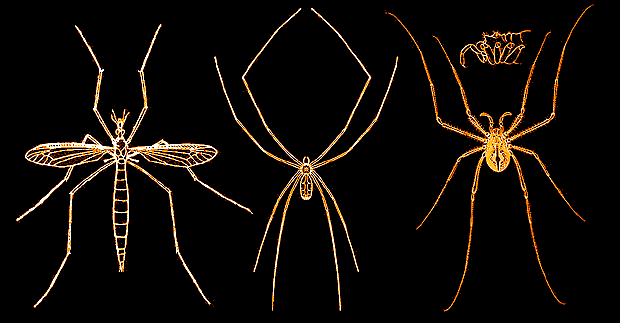
Left is a crane fly (and no it is not a giant mosquito and no, they do not consume mosquitoes); center is a house spider and right is our main-man, the harvestman. All of these insects are commonly and confusingly referred to as “Daddy Long Legs”.

The true daddy long legs here is the harvestman which is an arachnid, but not a spider, and now my head is hurting.

Another new insect for me this week is this:

White-striped Longtail Skipper Butterfly

Chioides catillus
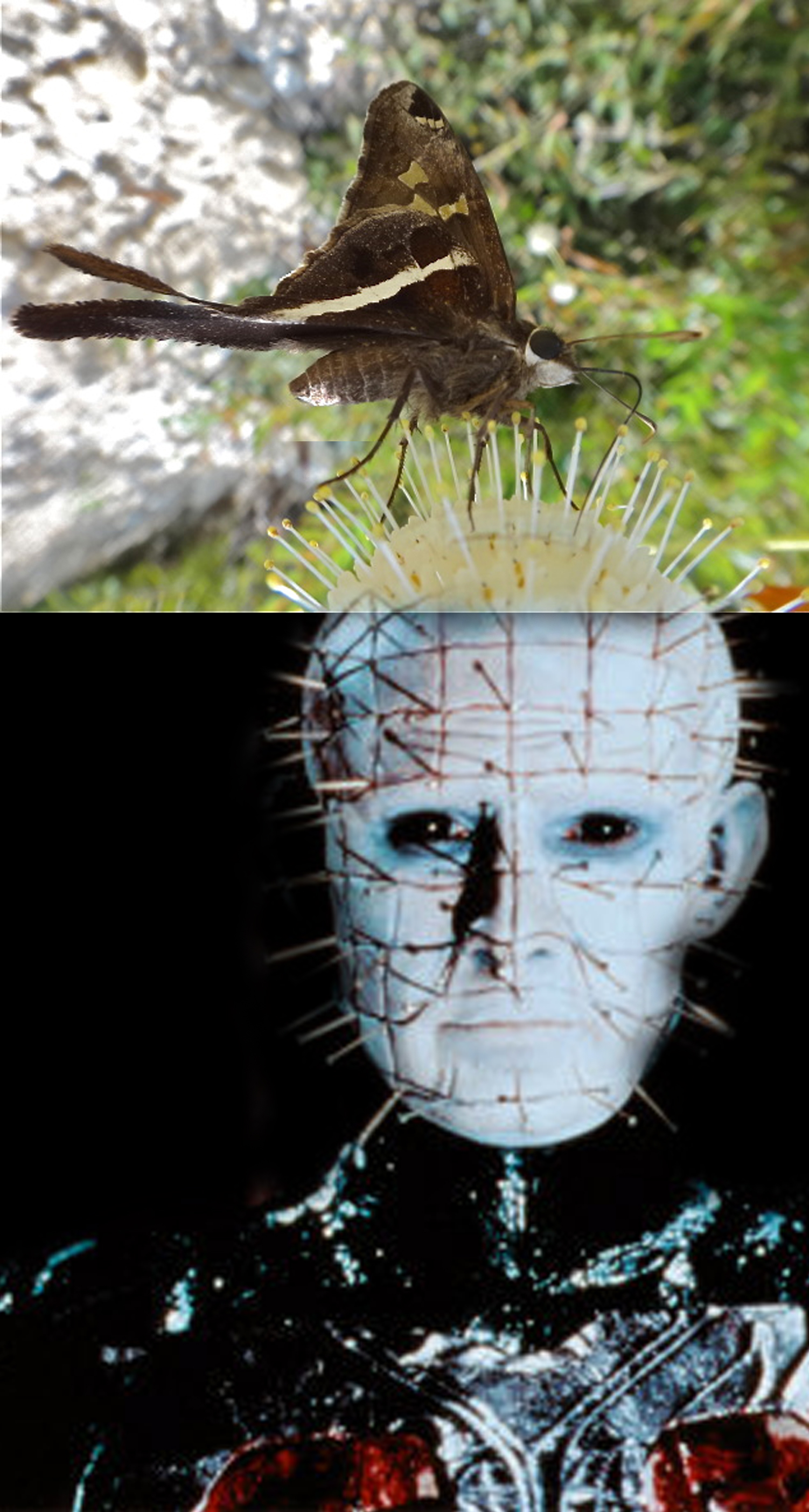
 

“Your suffering will be legendary for this ESP.”

These common and wild (pinhead) Buttonbushes

Cephalanthus occidentalis


are magnets for a host of insects, particularly skippers, sphinxes and butterflies.

Moving Along:

Everything looks good against the softening backdrop of the hardy bamboo muhly grass.


Muhlenbergia dumosa
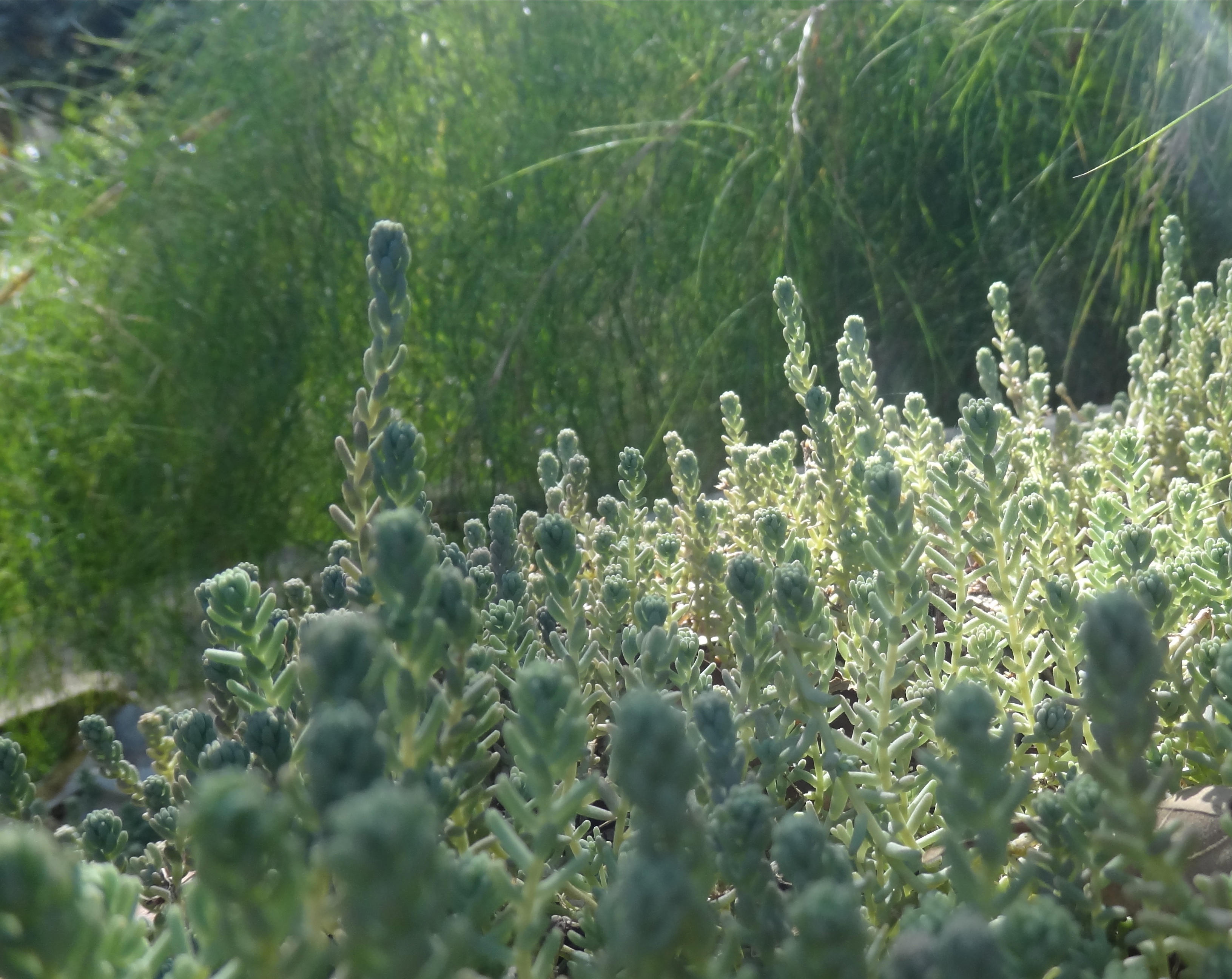

Like this crowd of tiny stone crop looking very ethereal in the late afternoon light.
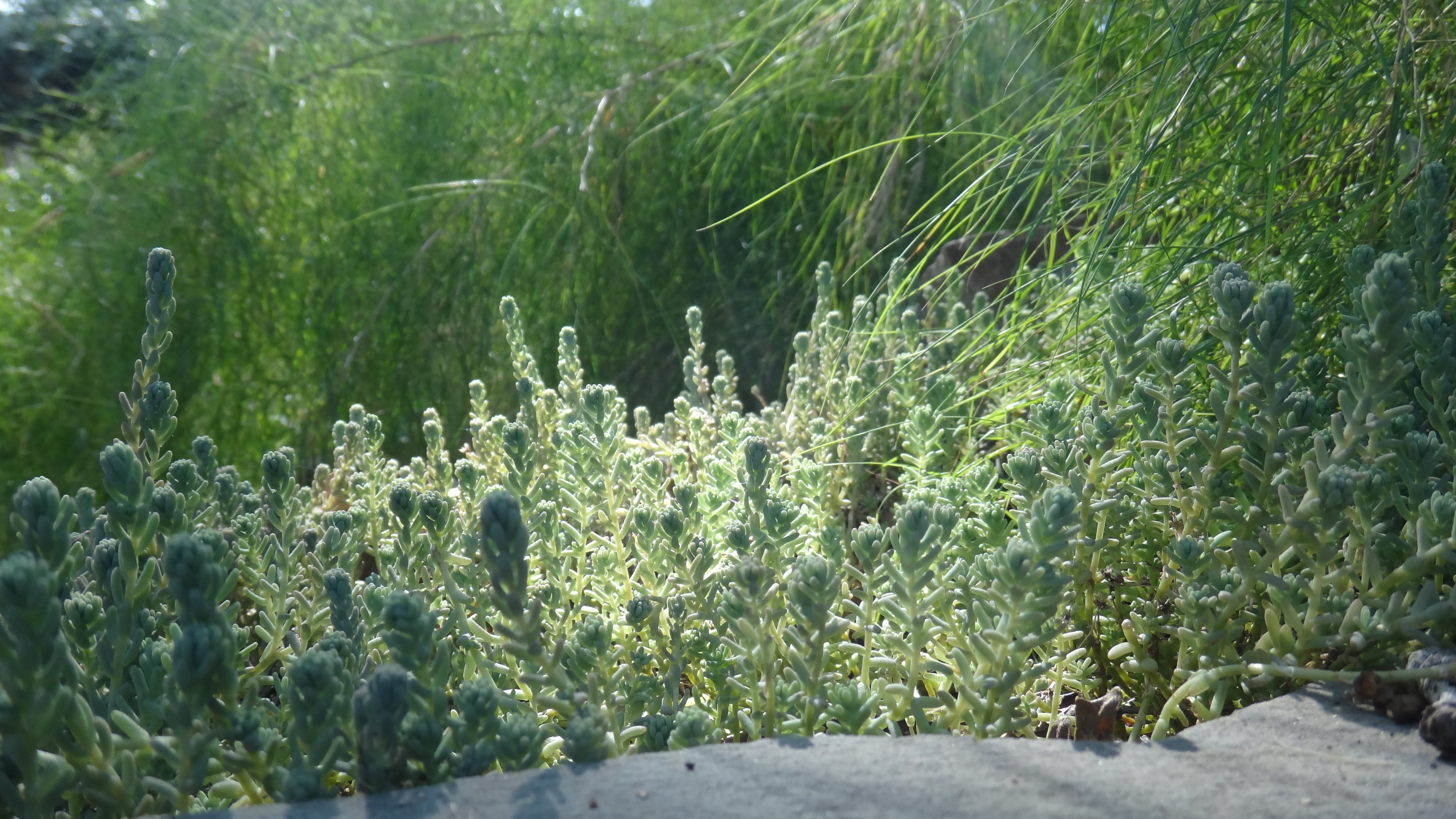
Or perhaps it is a marauding army of tiny skeletons? Ahhh…

I digress.

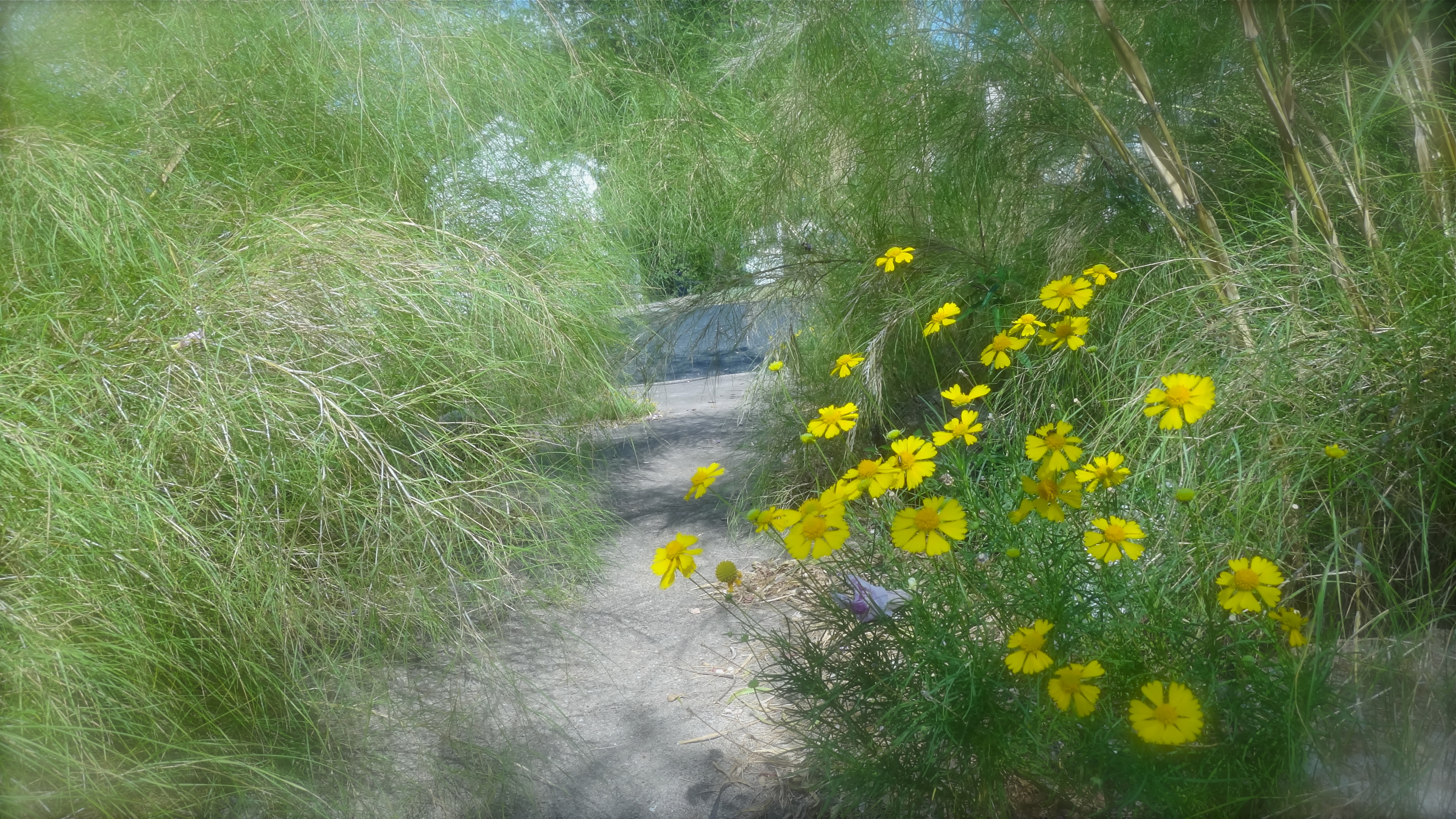
These yellow bitterweeds are creating a nice splash of color among the muhly in my hell strip,
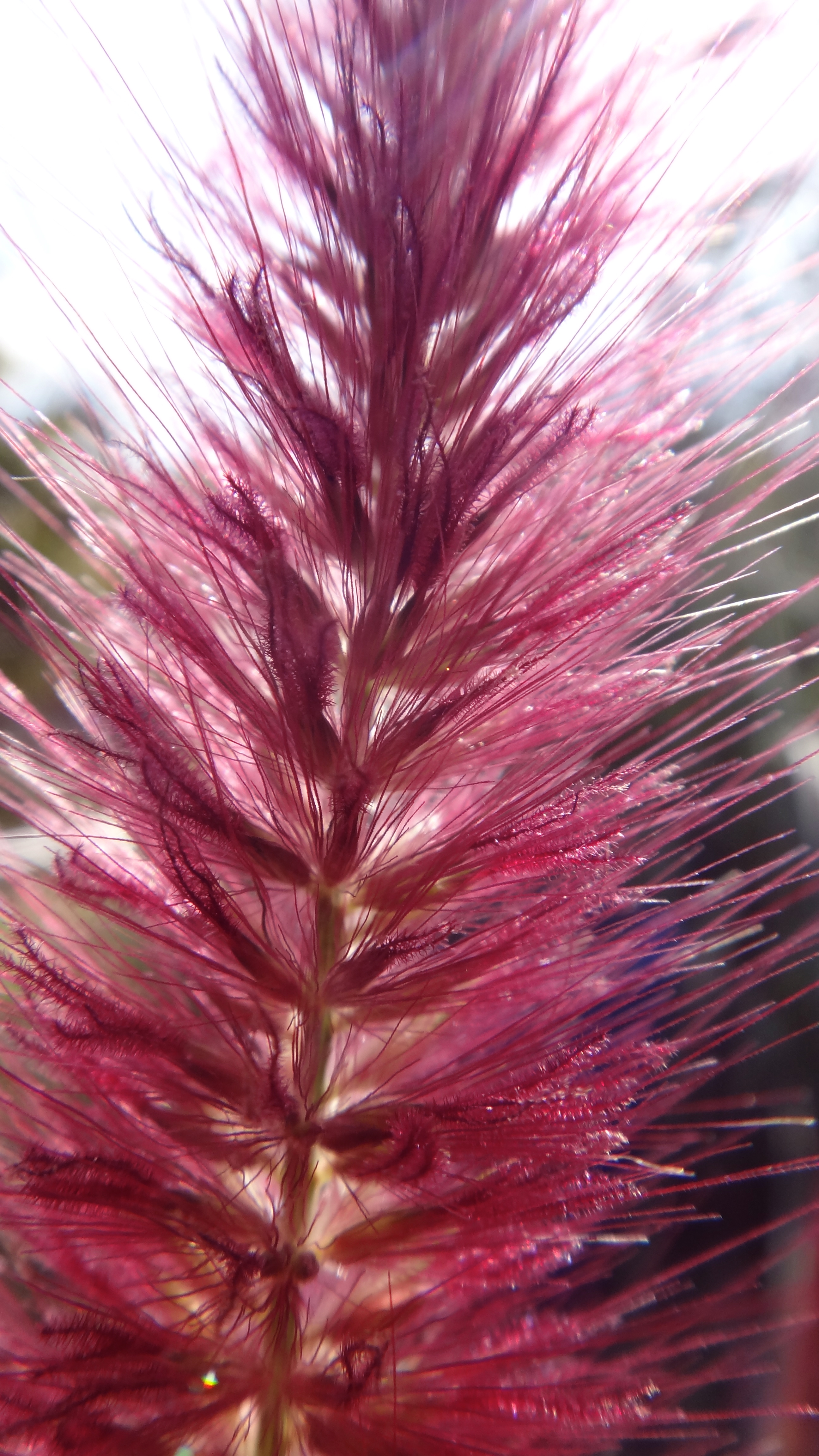
as are purple fountain grasses that are starting to prime.

It is the time of the psychedelic beautyberry,

Callicarpa americana
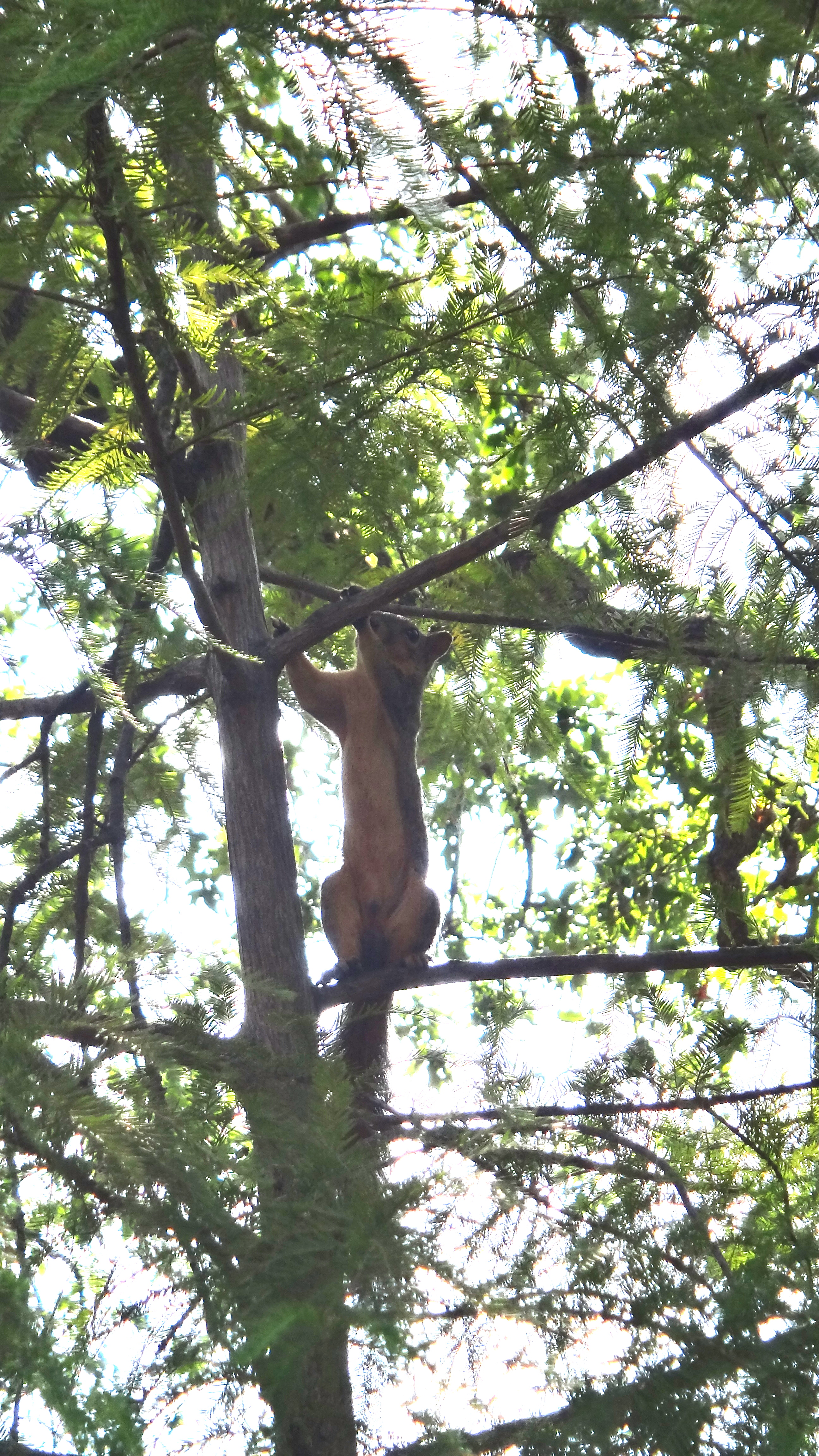
 

a time to get into shape for the winter?

“Give me five more irritating rodent!”

Other eventful events this week:
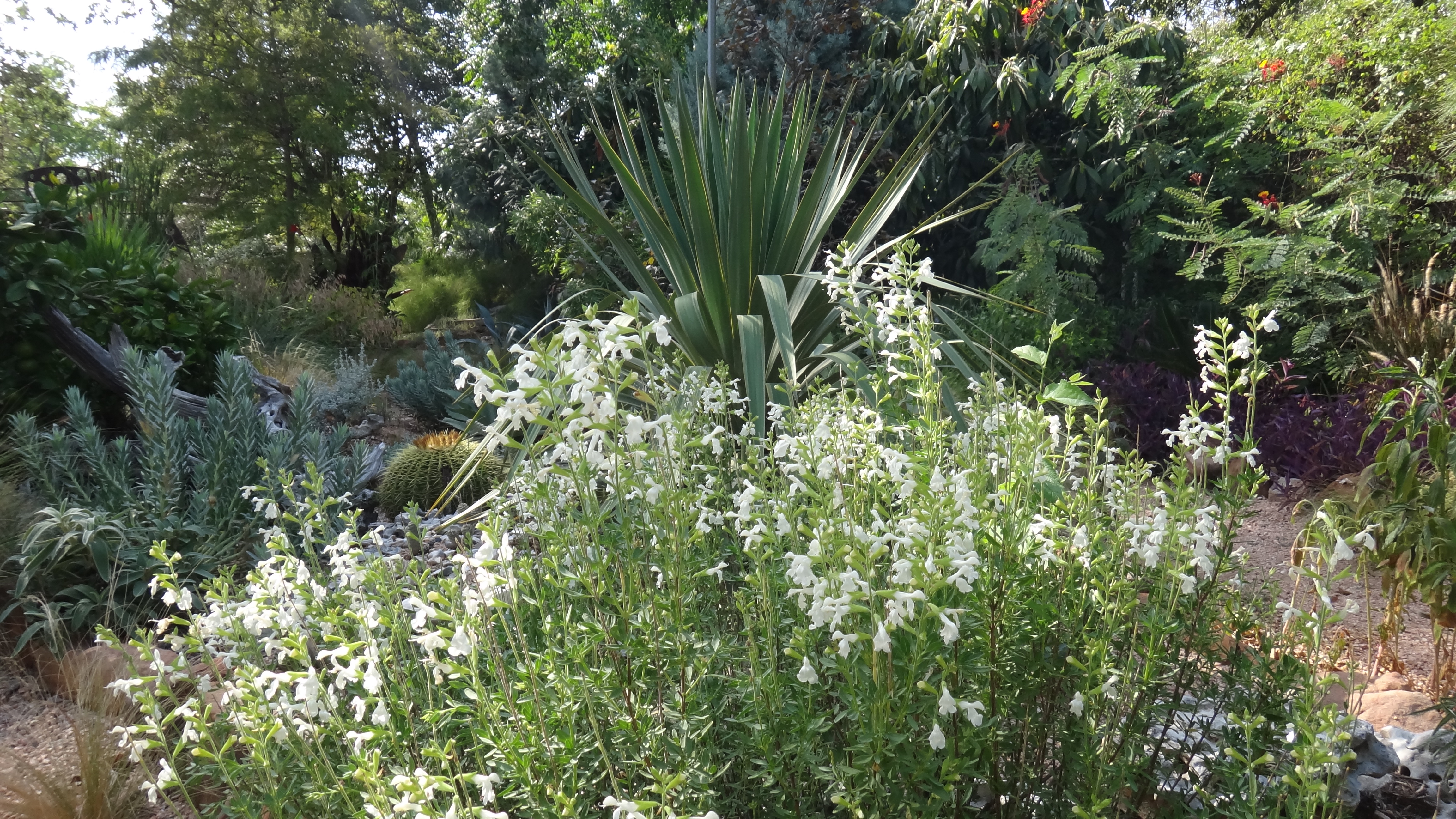
The crowning of Princess Salvia,

and the ripening of some red-hot tom-tom drums, (the Naboo percussion instrument of choice).

There was an event equally as hot this week…
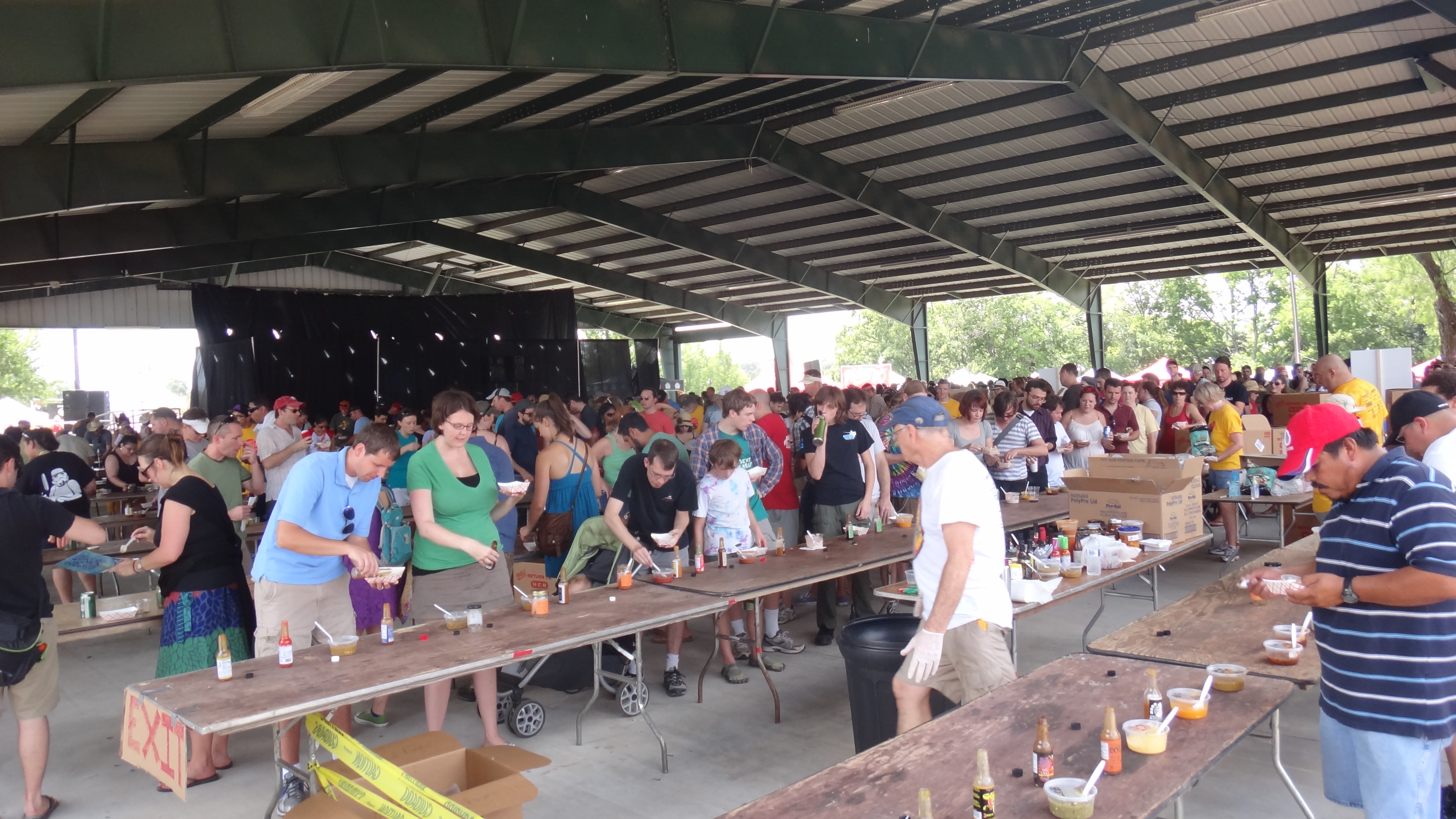
The 22nd annual Austin hot-sauce festival.  This is where Texans eat some of the hottest hot sauce imaginable in some of the hottest temperatures imaginable, oh and was it hot this year.

One step outside of the above breezy structure after dipping a tortilla chip into some “Ass-Burn” hot sauce and trust me, you were…

I really do need to stop embedding this image.

The hot-sauce winners this year:  http://www.austinchronicle.com/Market/HotSauce/

Ever wondered what happens to a stock tank full of King Tut papyrus if it is allowed to dry up and bake for a day in a large tin, under the Texas sun?
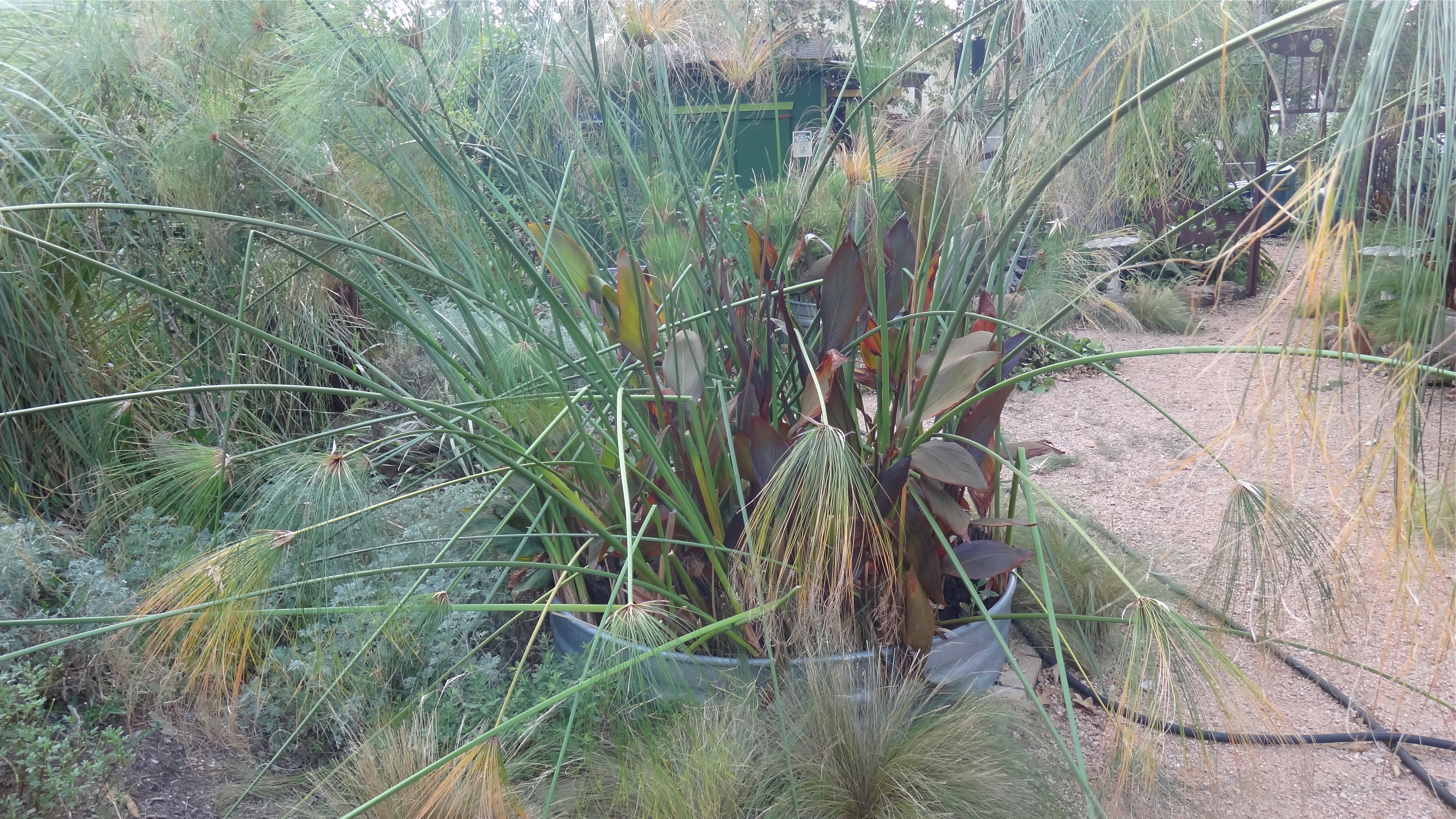
Not a pretty sight.

Some of these will recover when I soak the roots but a lot of these will need to be clipped back to the base.
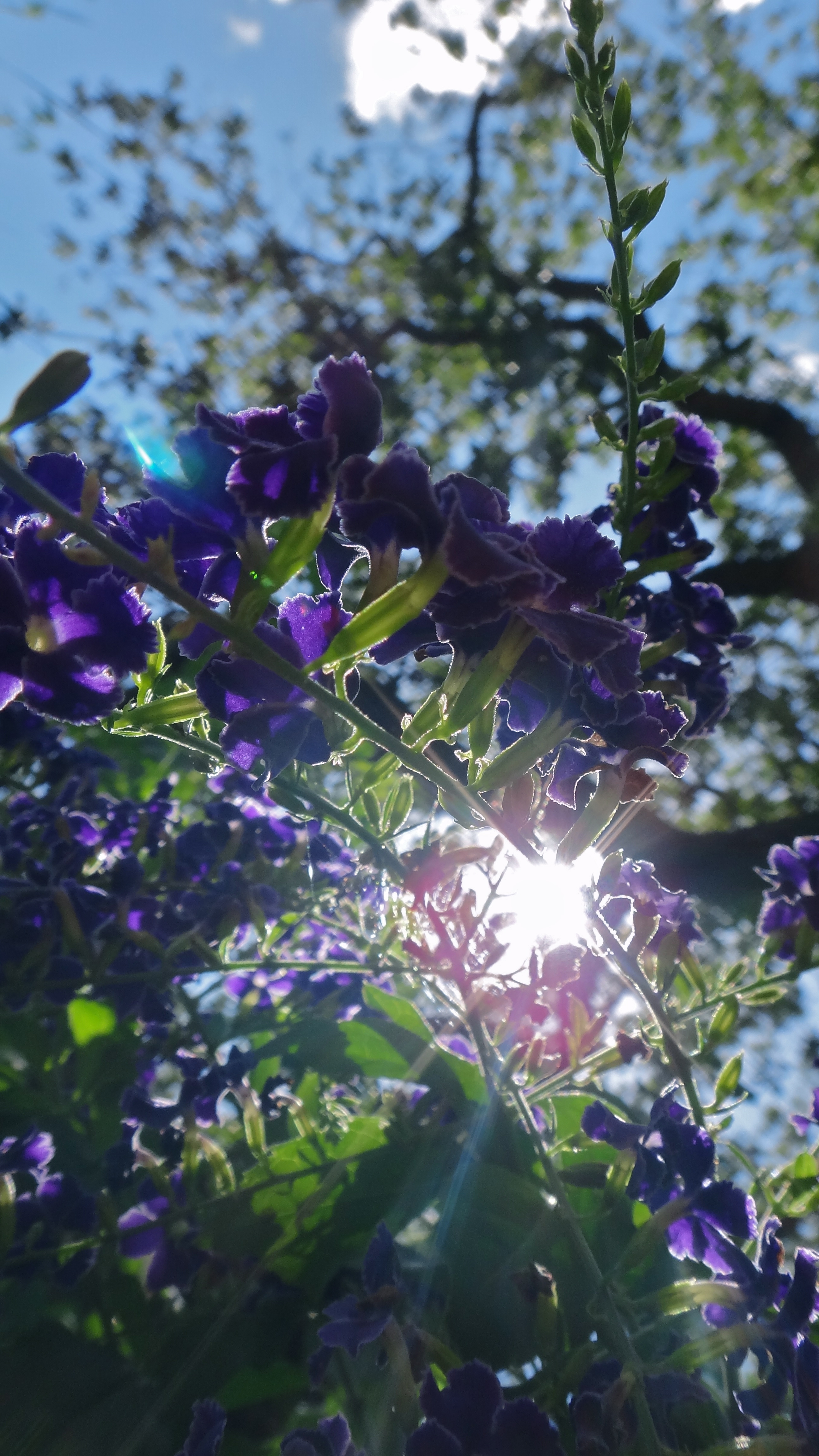
Duranta erecta ‘Sapphire Showers’ (Picotee Sky Flower)
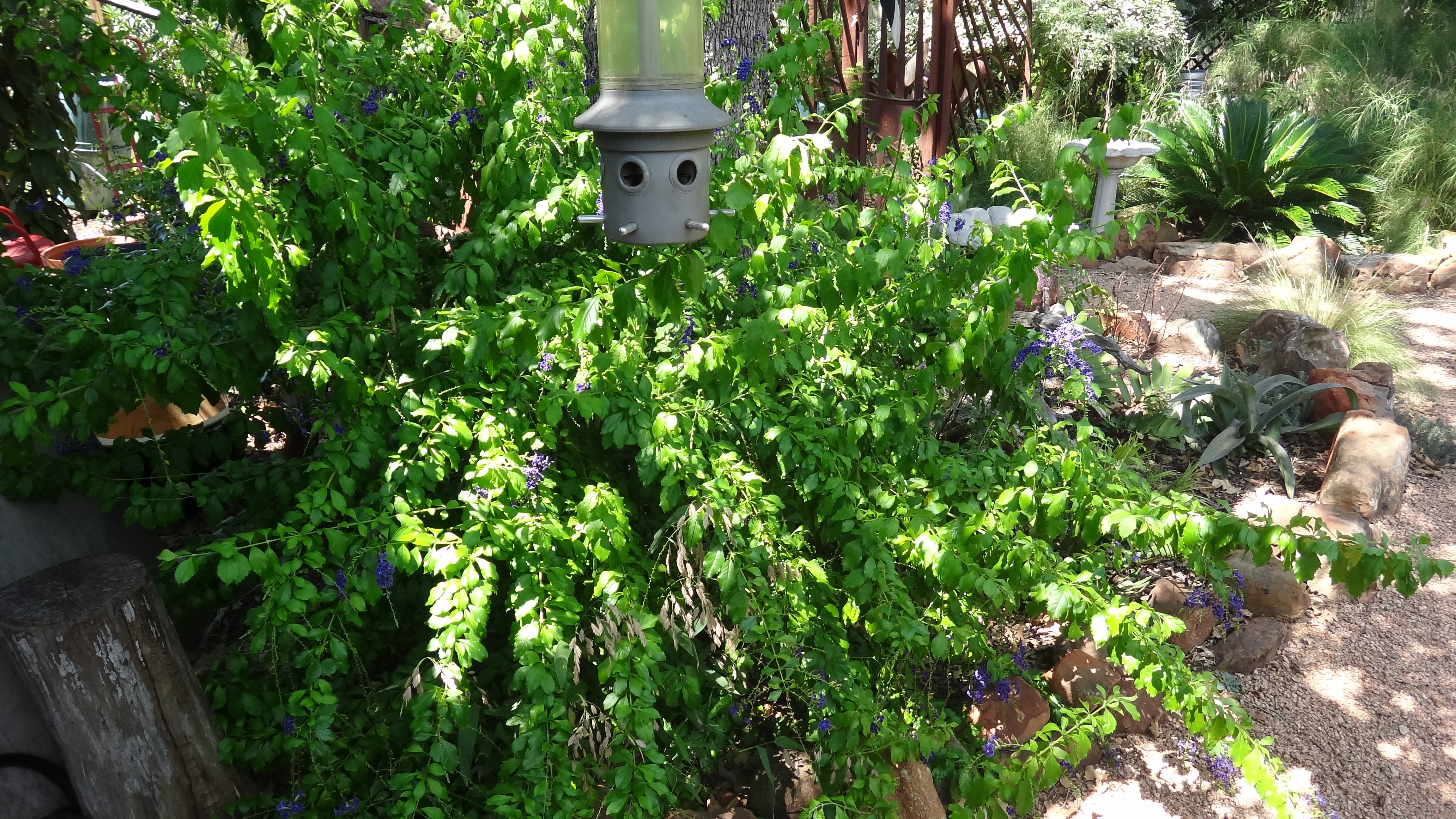
A die-back perennial here in central Texas, this shrub blooms sporadically all summer, give it plenty of room though, it is a sprawler. Supposedly it requires full sun, but this one performs admirably under the heavy shade canopy of my post oak.

Inspirational Images of the Week:

Yes folks it is another tiny cabin in the forest, what is my obsession with these structures?


Stay Tuned for:

“Distracting Vampires”


All material © 2012 for eastsidepatch. Unauthorized
intergalactic reproduction strictly prohibited, and
punishable by late (and extremely unpleasant)
14th century planet Earth techniques.
“Arch Nemesis”

I thought I would start on somewhat of a bright note before embarking on my traditionally drawn-out epic moan about August in Texas.

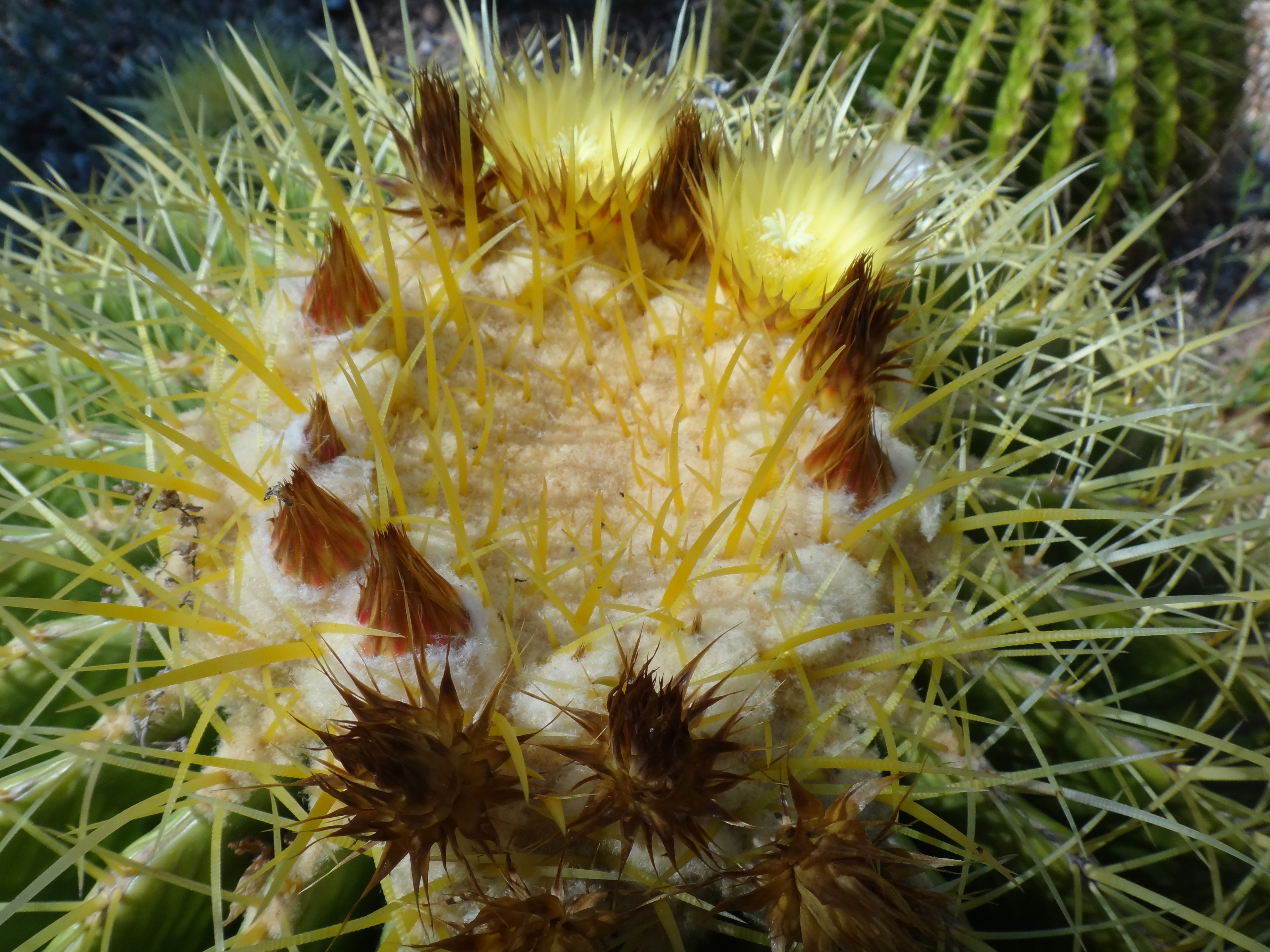
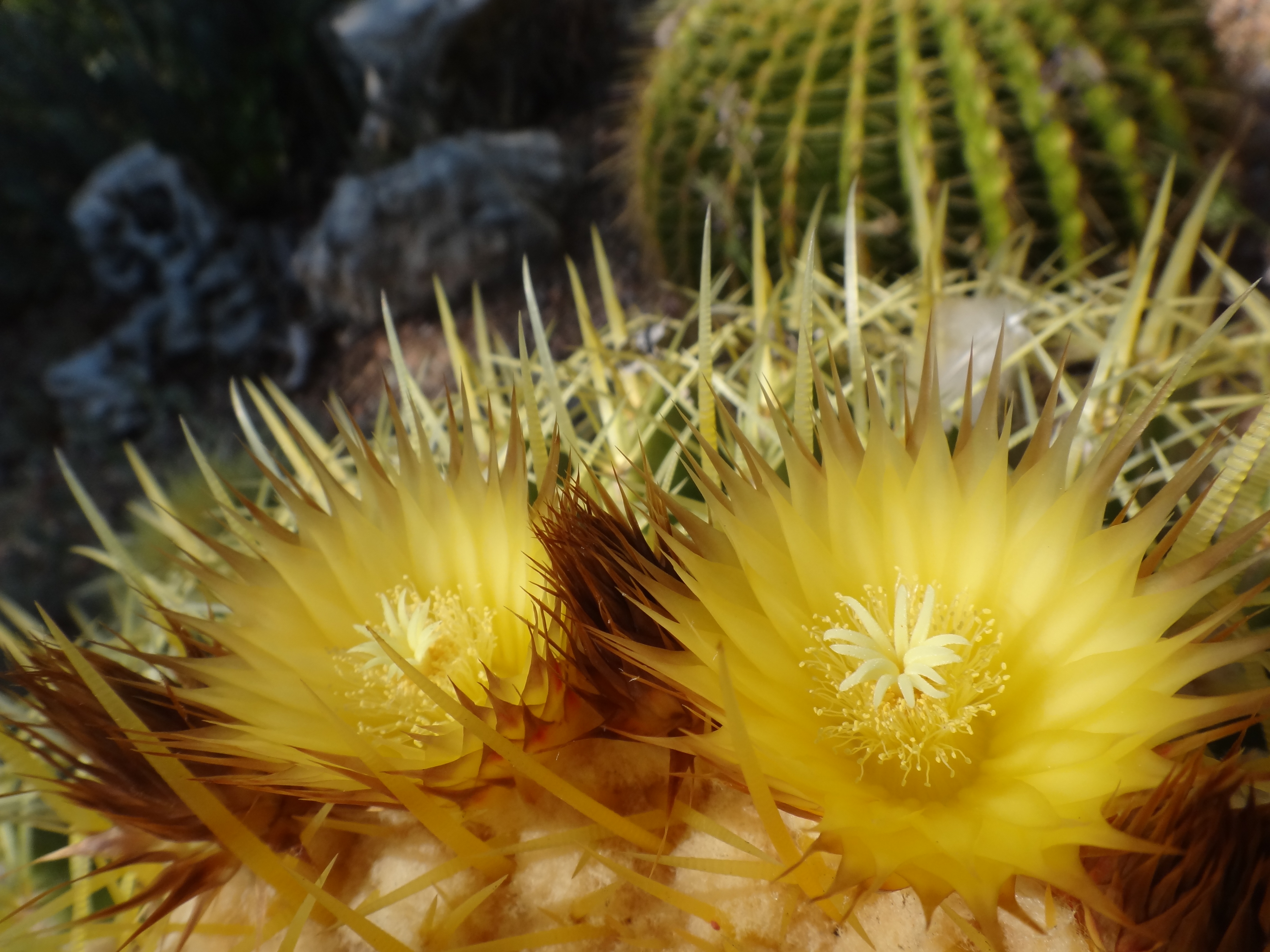
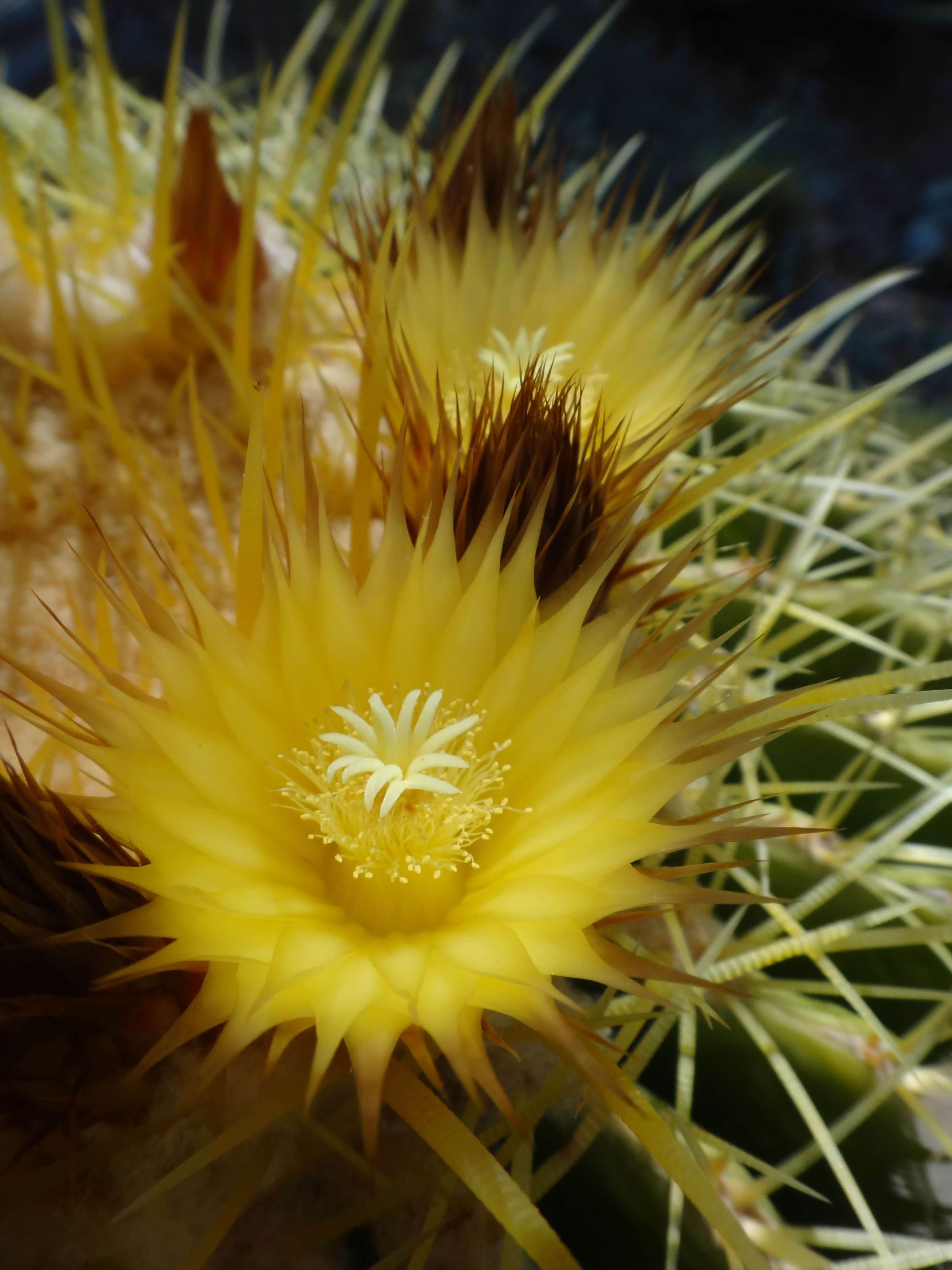
Finally I managed to catch my

Echinocactus grusonii


with a couple of open blooms.

More commonly known as the golden barrel cactus or more humorously the Mother-in-Law’s cushion.  Native to Central Mexico this cactus is a popular cacti in cultivation but strangely rare and critically endangered in the wild.

These animated blooms are very short lived and turn a scorched brown the next day.

Barrels on the top of the Getty Museum, LA.

As I said, I was all ready for a good old moan along the lines of blah blah, so hot, blah, no rain in sight…tongue stuck to outside of face, Mars blah, when would you believe it…

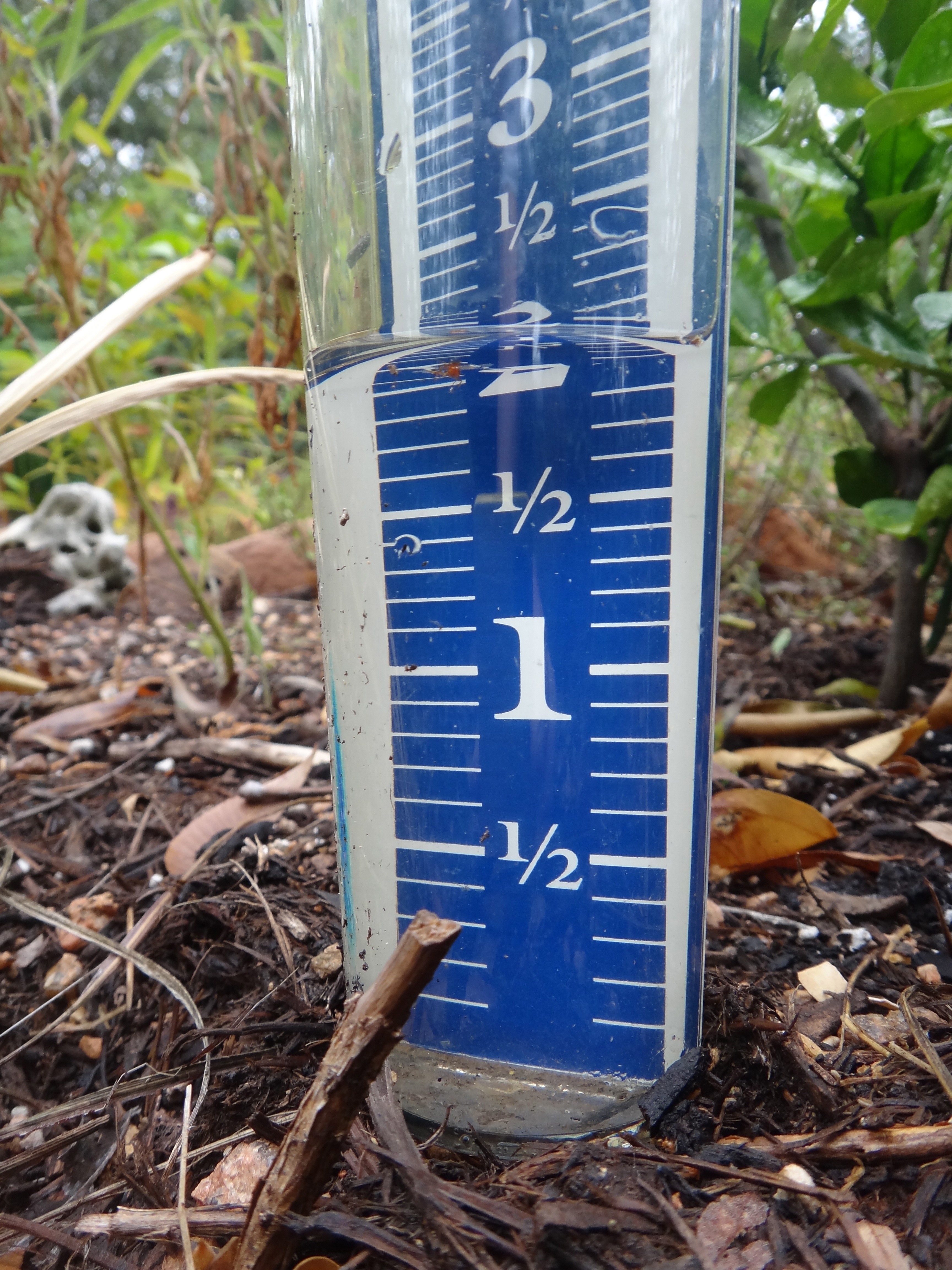
We got some August rain!

A very rare and much needed event.

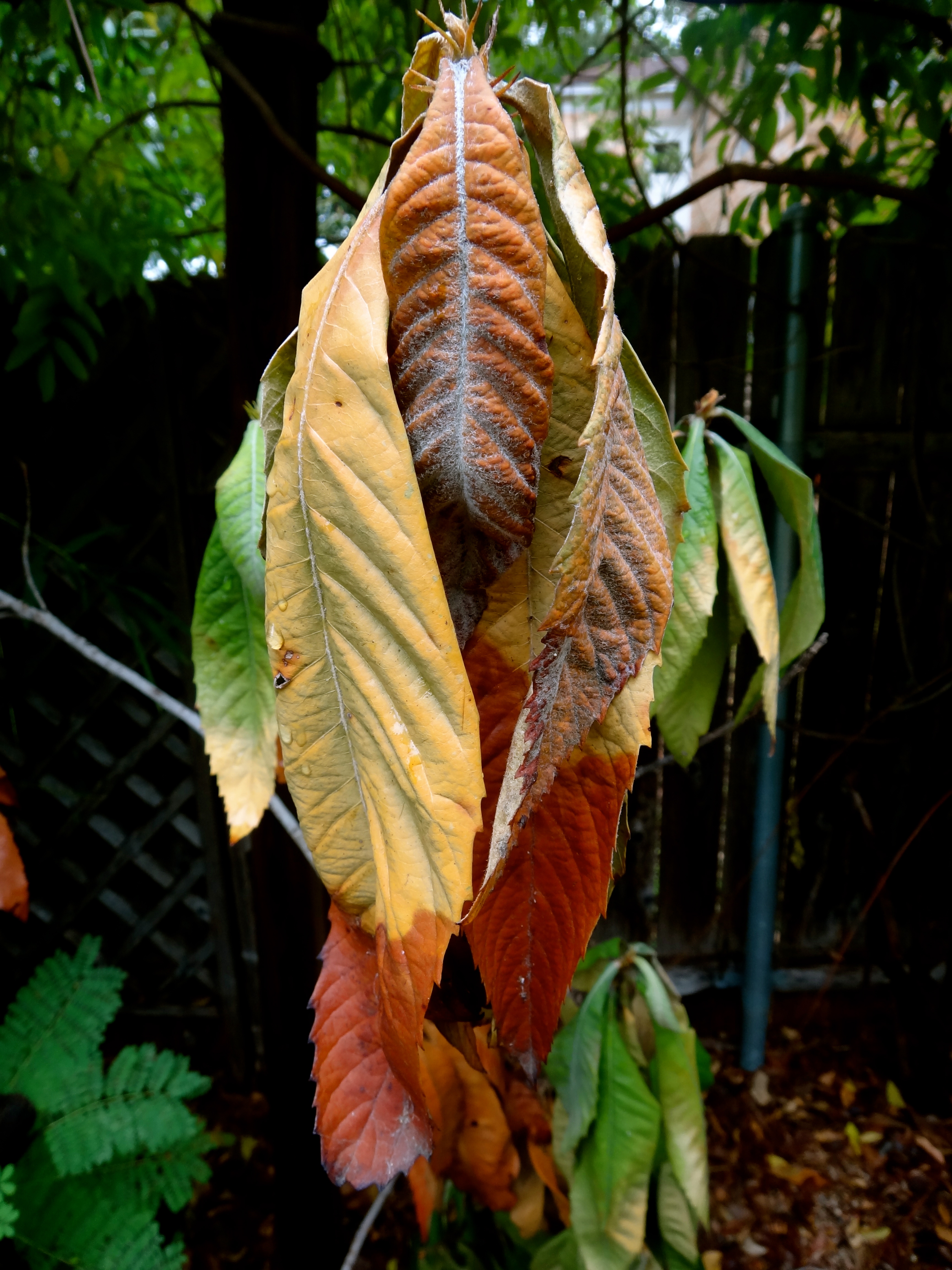
I think I can safely say that this loquat was ready for a dram or two of the wet stuff,

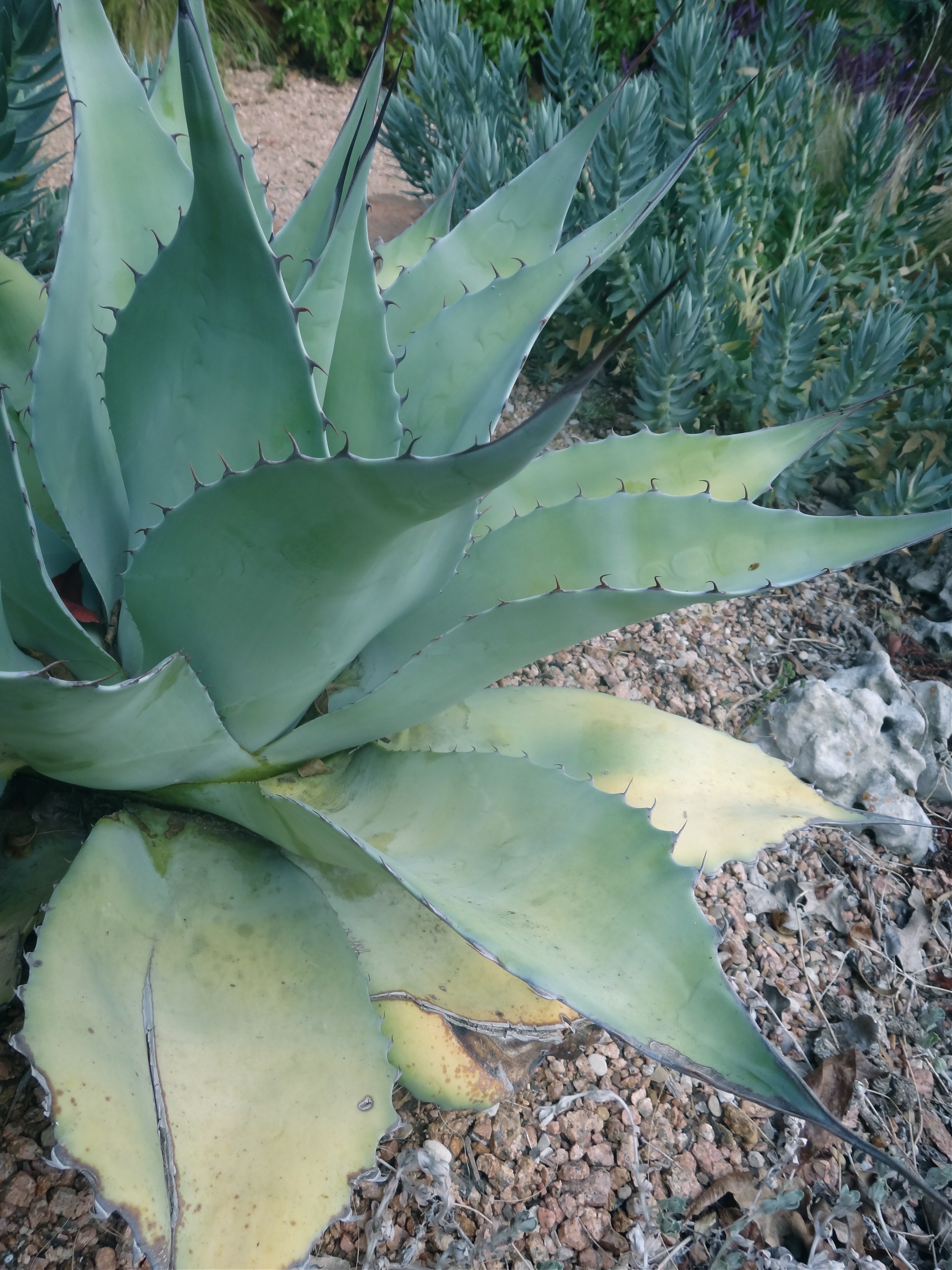
and a yellowing whale’s tongue can never be a healthy sign.

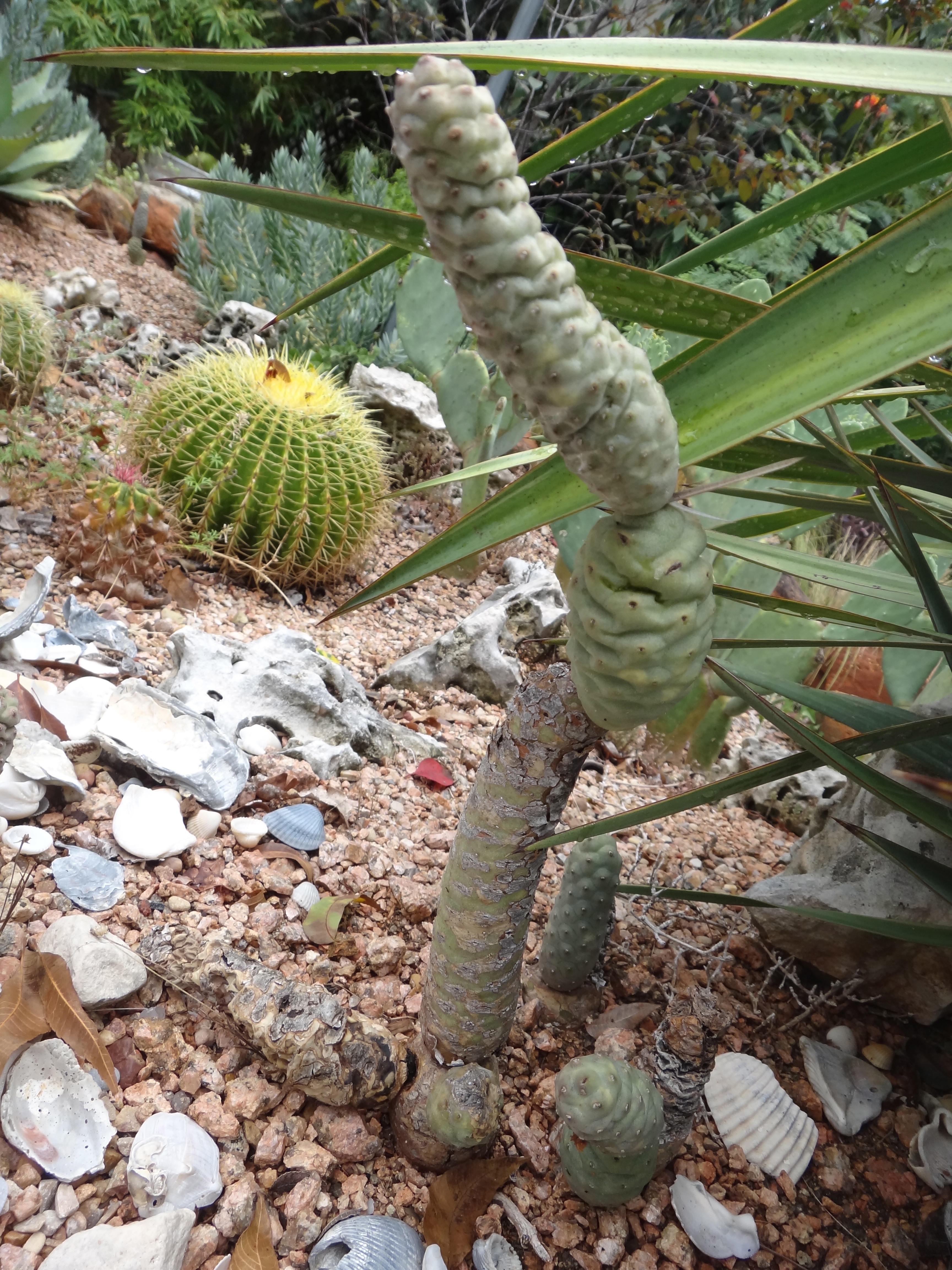
The least said about this pine cone cactus the better,

a very peculiar cactus indeed.

I have pushed the garden really hard this year, offering up a bucket full of additional water only when a plant was clearly on the brink of death.

There have been casualties, especially with some younger plants, but on the whole most plants have bucked the heat and dry conditions very well. Heavy seaweed and fish emulsions late spring and a more aggressive then usual pruning regimen also helped.

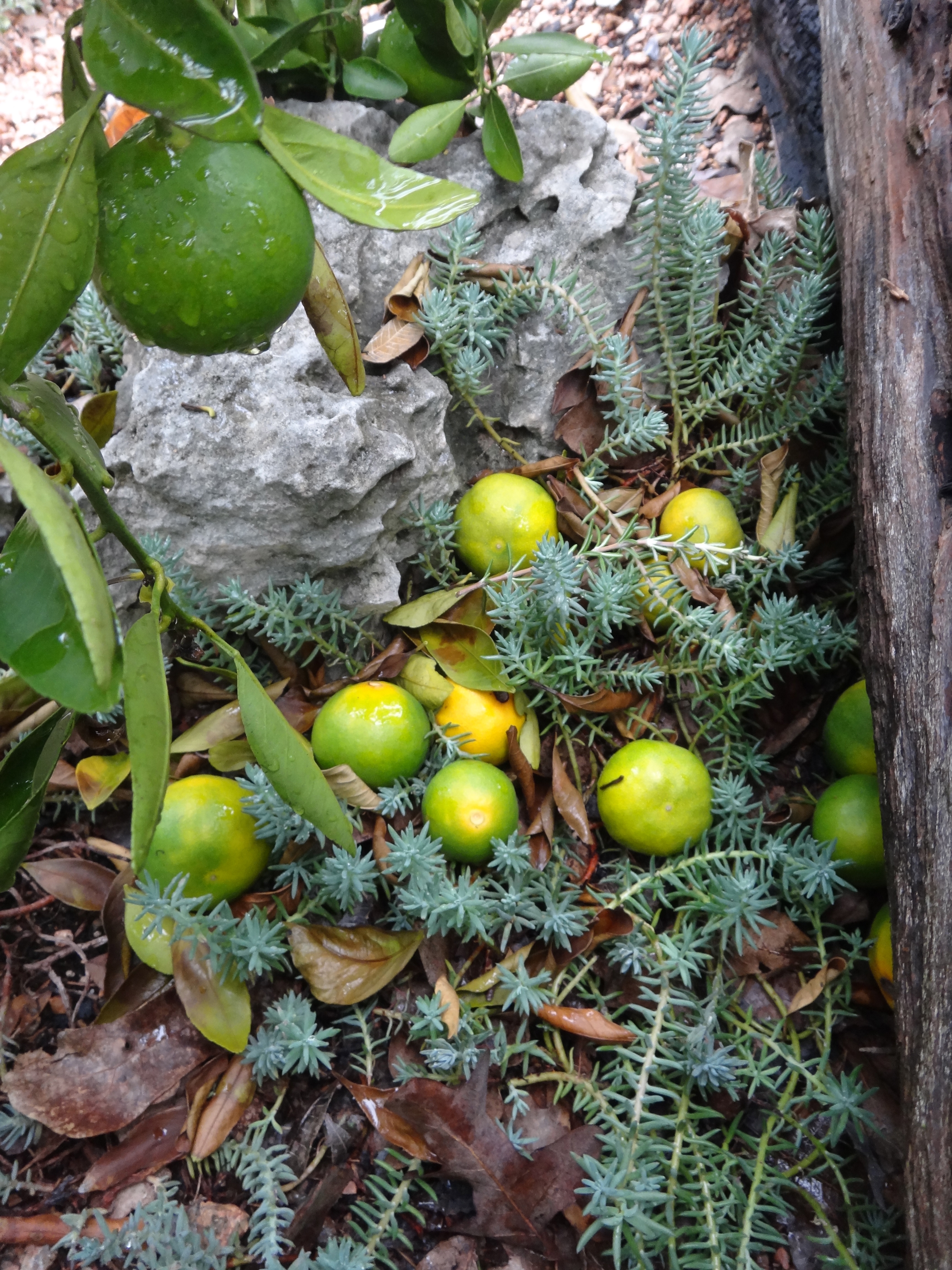
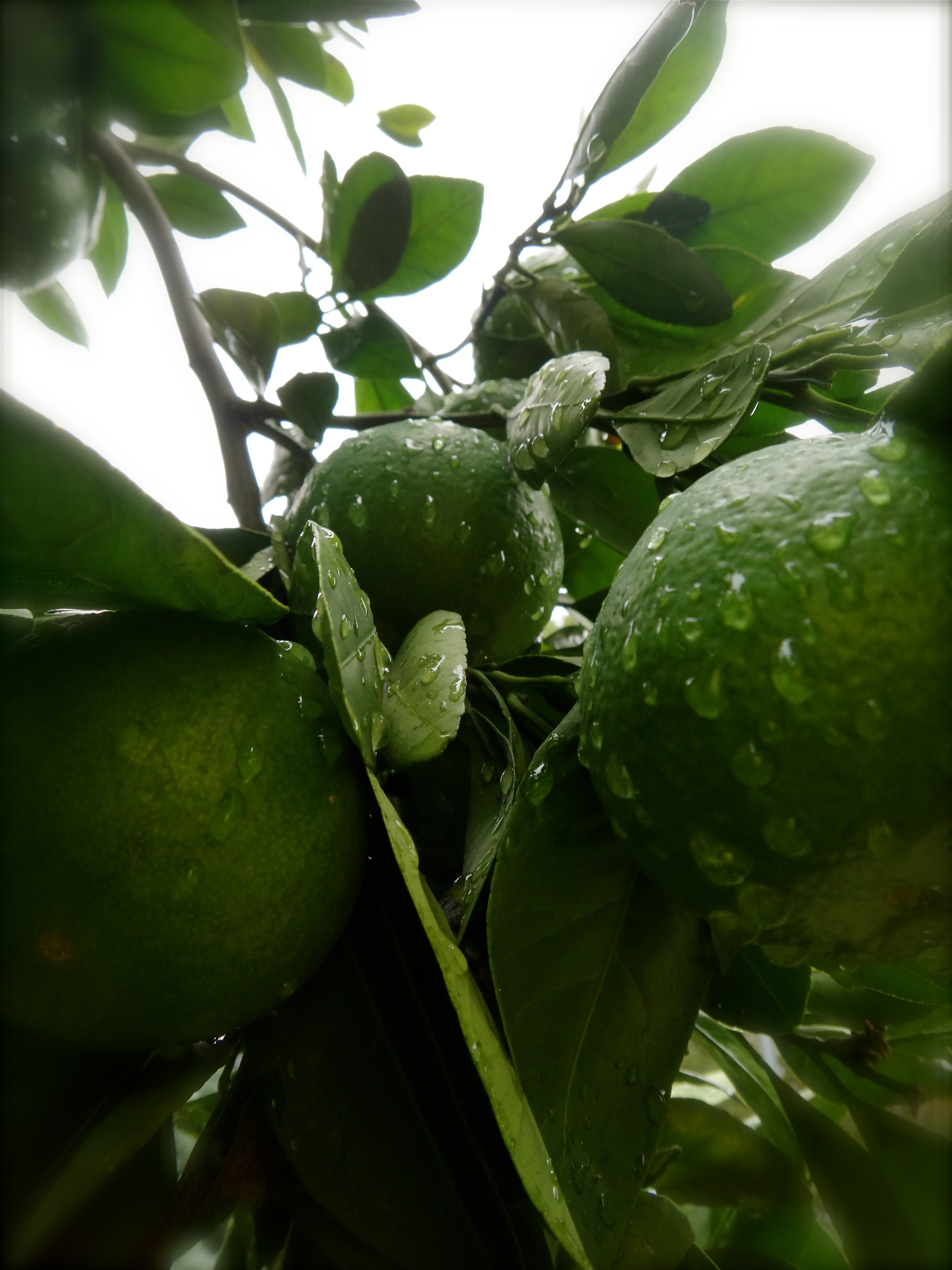
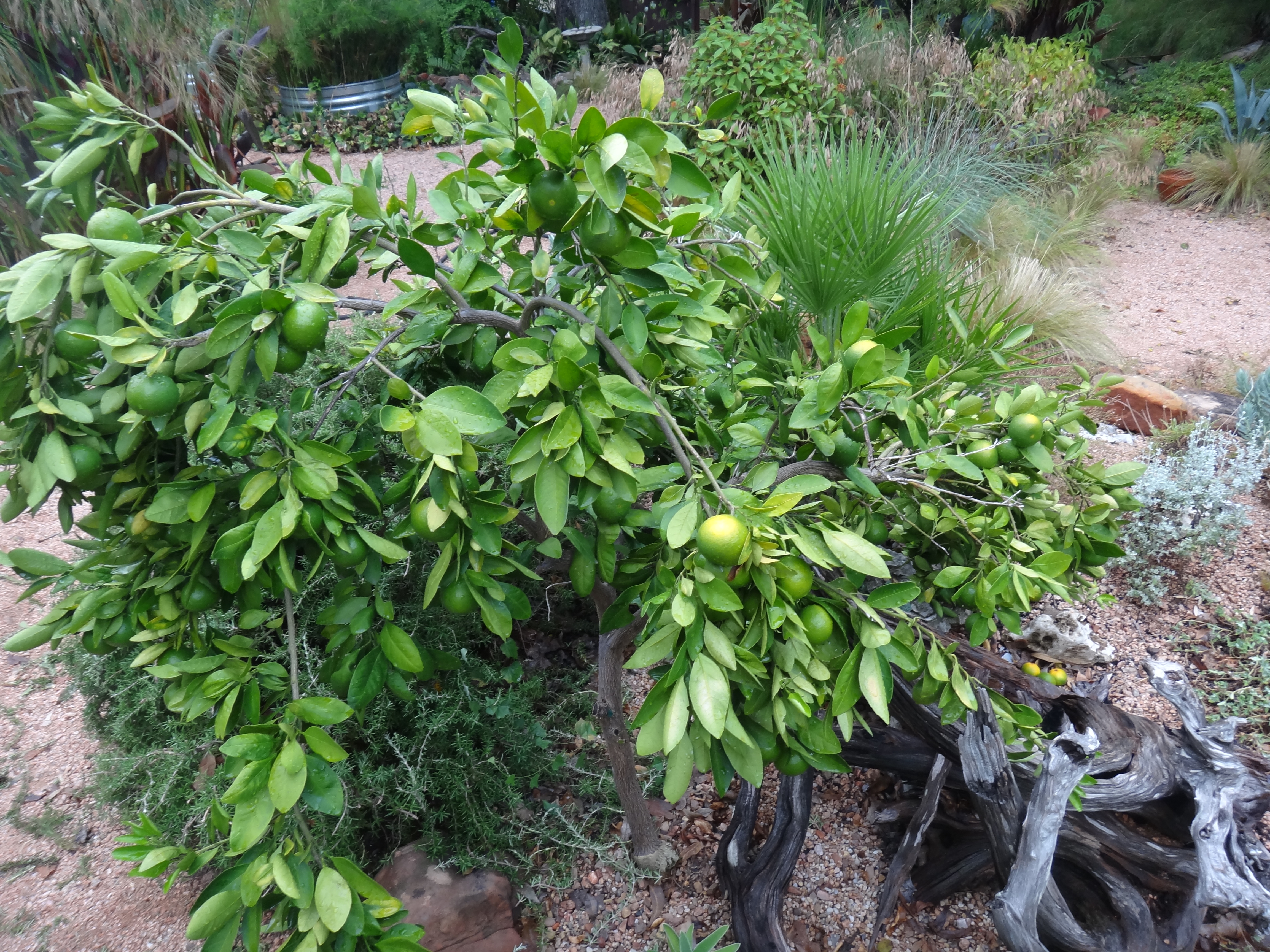
As a last ditch attempt to stay alive this satsuma has started to prematurely drop fruit, hopefully the rain will turn this process around.

Although it can probably do to lose a few satsumas here and there to alleviate some of the burden on its limbs.

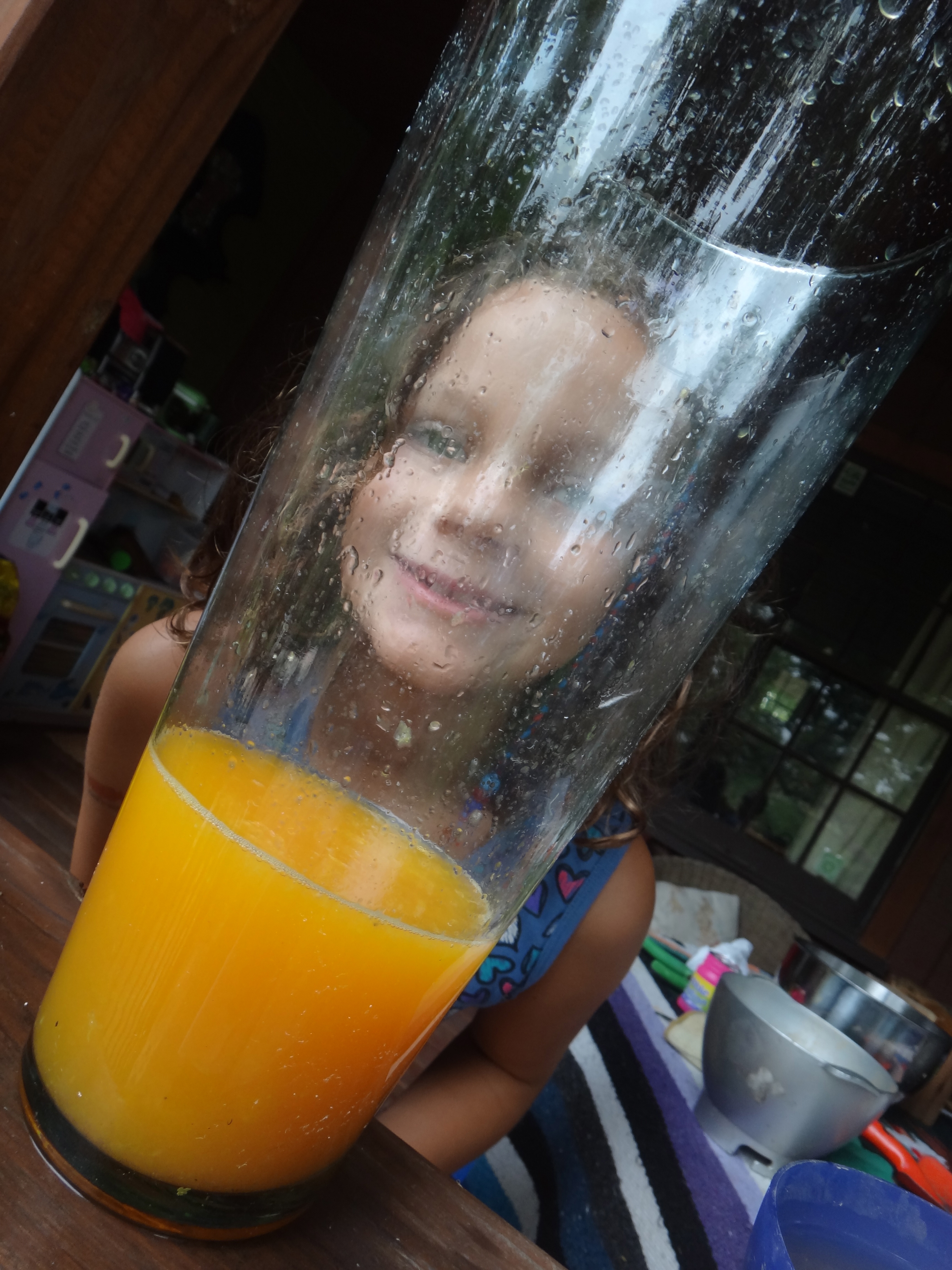
The fallen fruit was quickly scooped up,

 and juiced in an extremely unhygienic kitchen.

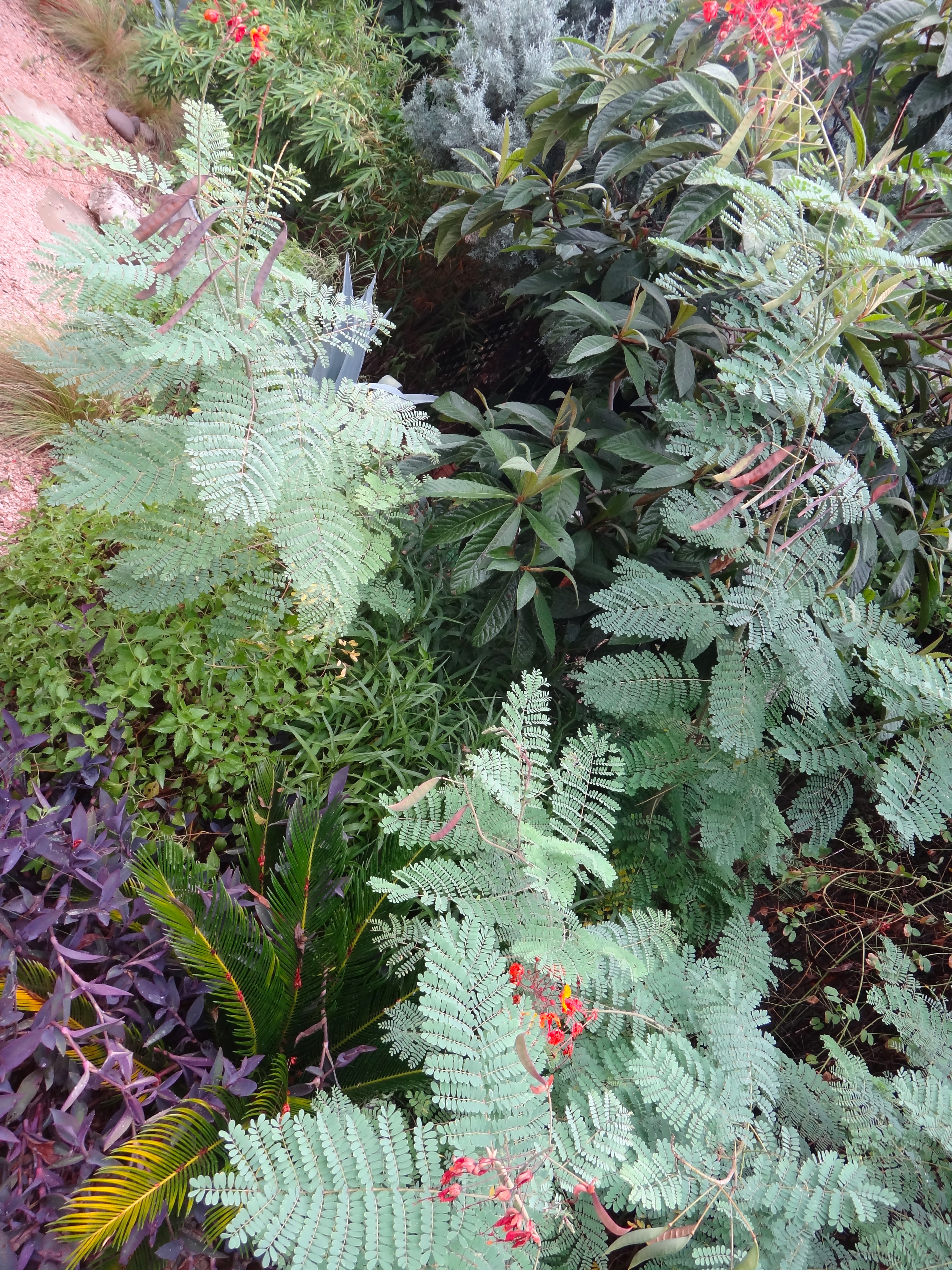
The unanticipated rain replenished stock tanks,

and revived foliage.

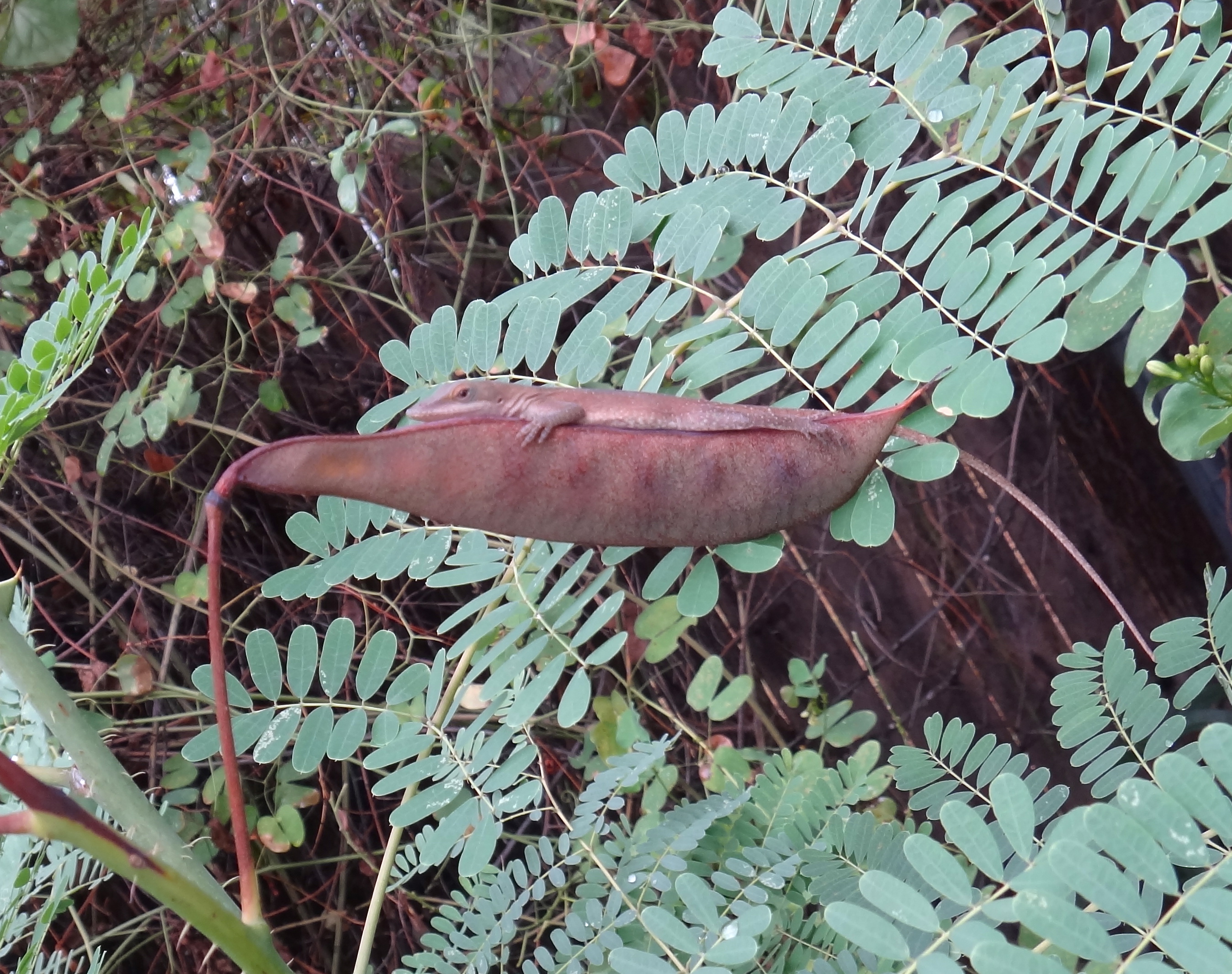
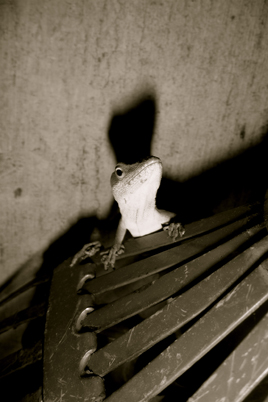
I caught this little camouflaged anole drying himself on a pride of Barbados seedpod.

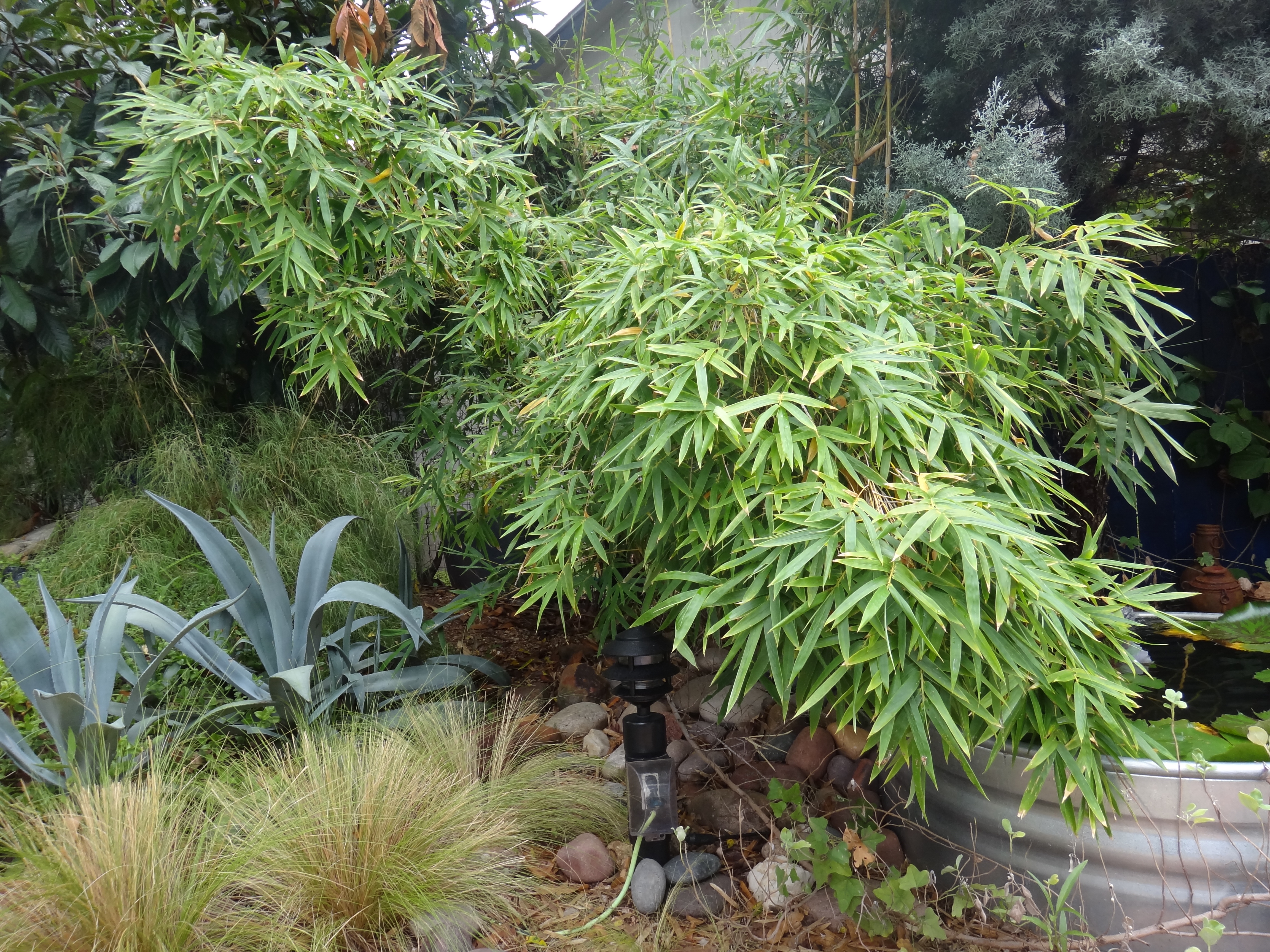
Rain always causes this Alphonse Karr bamboo to lean and roll, a great clumping privacy bamboo.

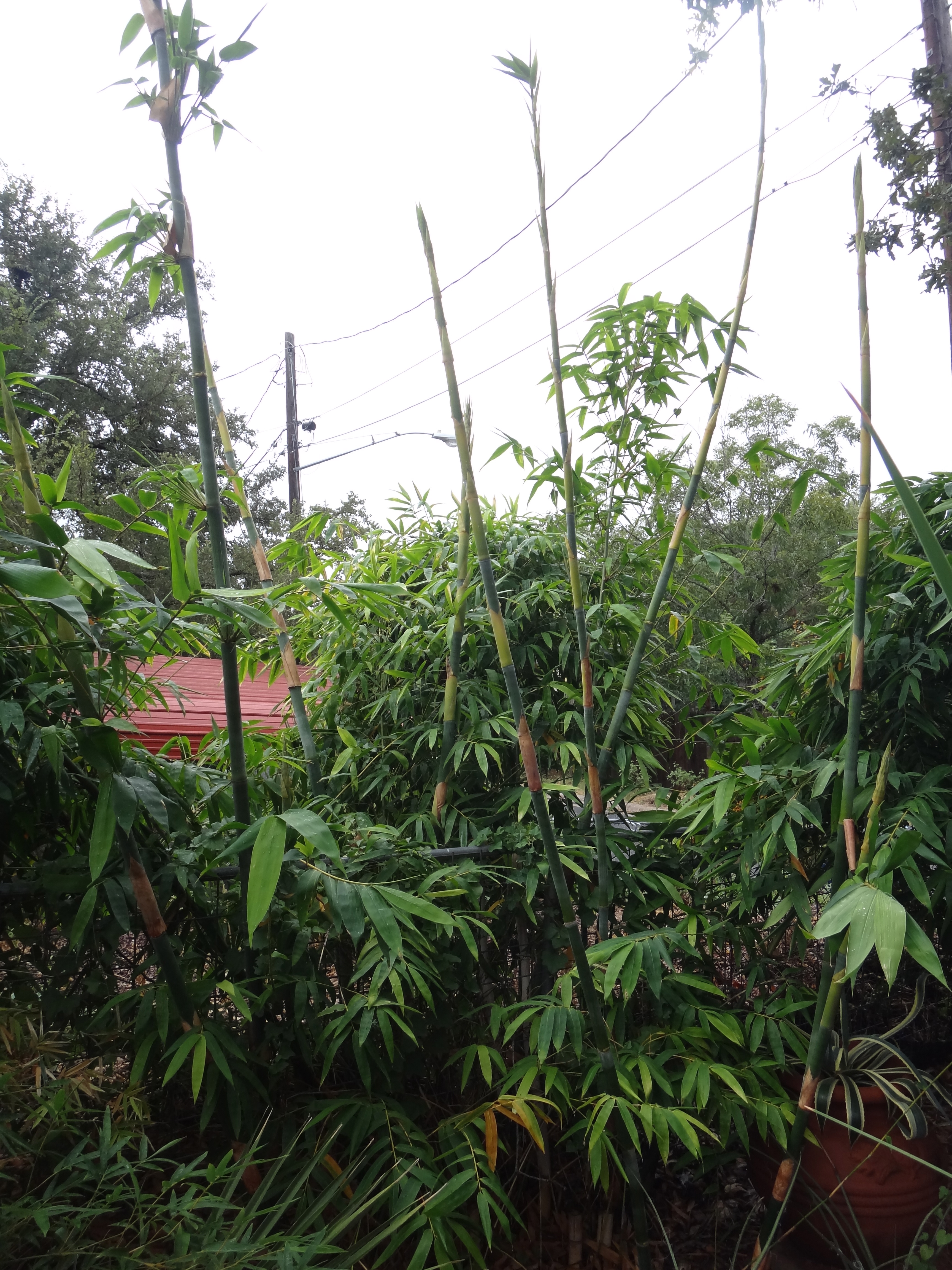
This giant timber bamboo (my arch nemesis) has returned with vigor after being cut completely back to the ground.

I no longer recommend planting this bamboo as it is prone to freezing if we have a harsh winter. I have systematically removed five of these massive plants from the Patch breaking numerous pick axes, shovels and tendons.

http://www.eastsidepatch.com/2010/09/lolloping-loquats/

Note: A rock bar is the best tool for extraction and the general chipping away at the massive tap root.

Talking of arch nemesis,


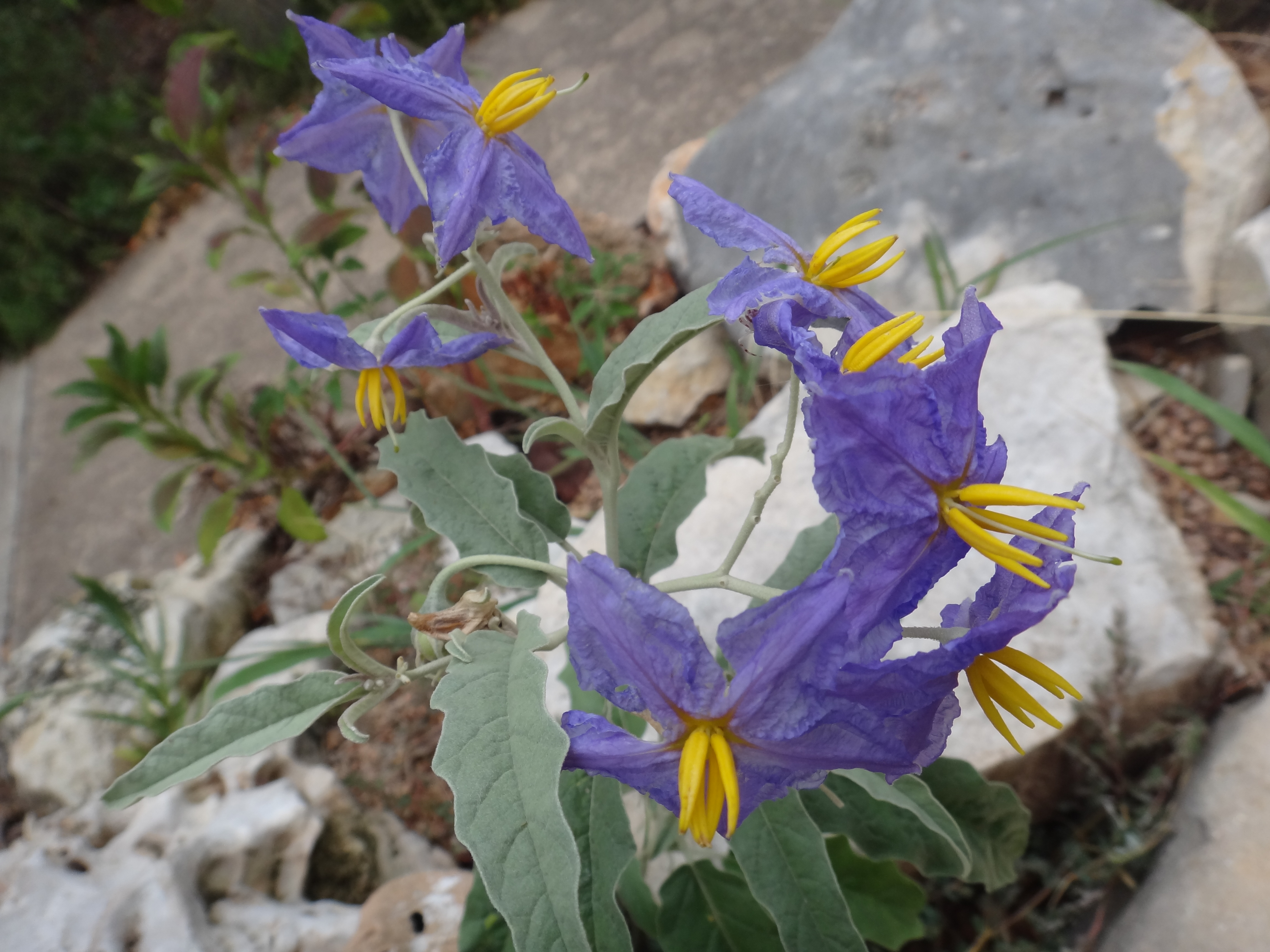
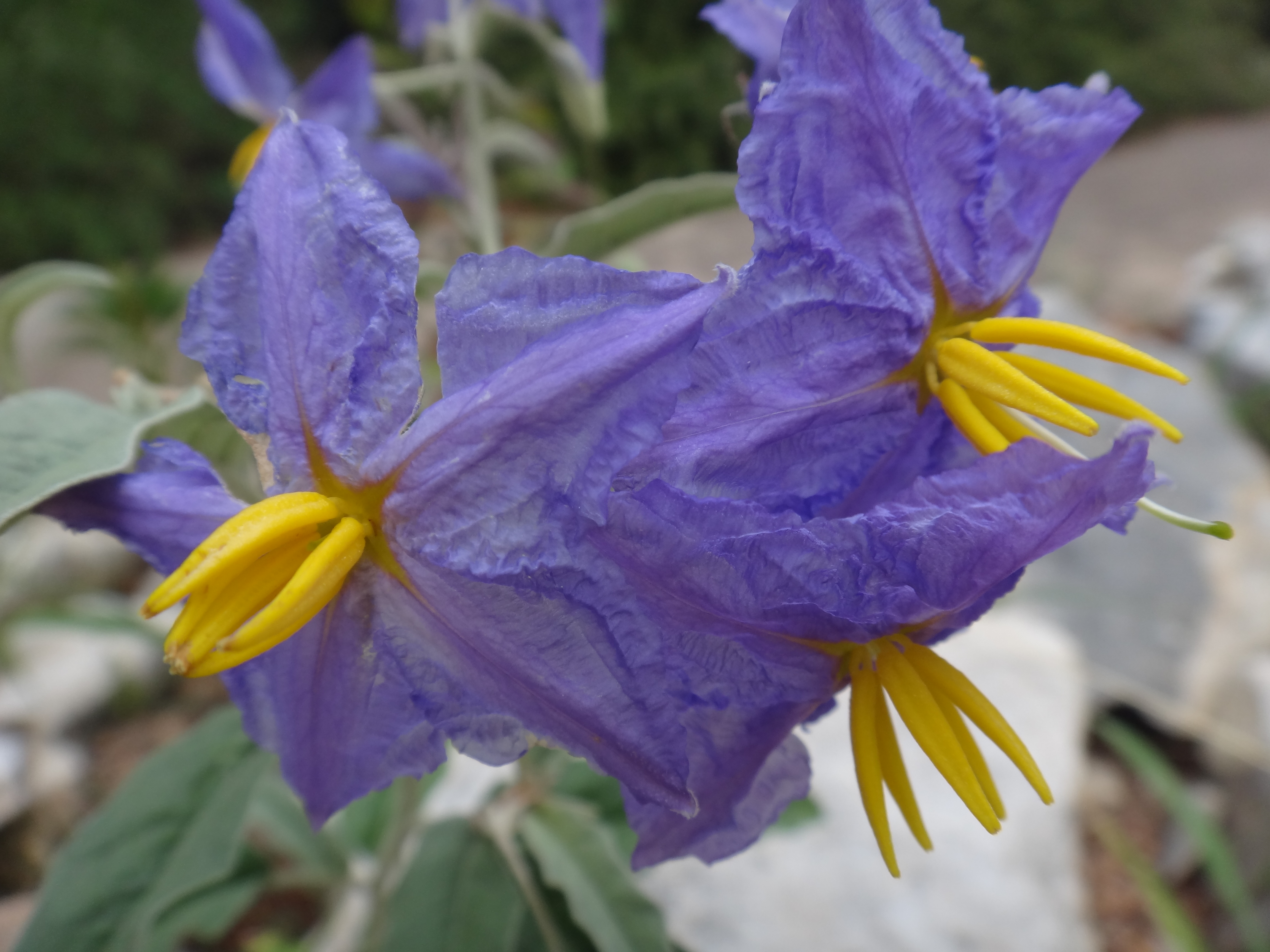
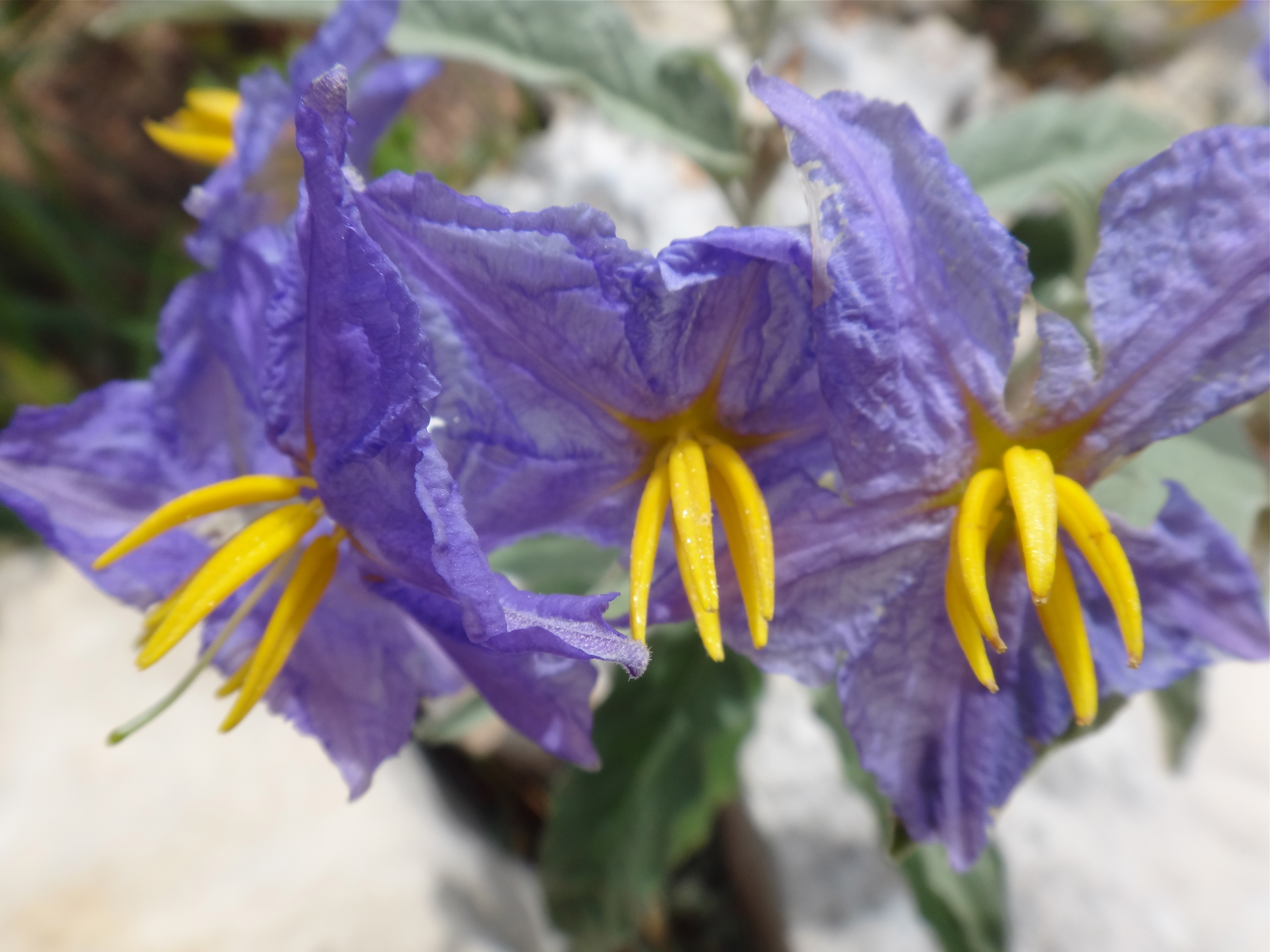
Silverleaf nightshade

Solanum elaeagnifolium


Some people like the blooms on this tap-rooted perennial herb, not me, in fact I think that I can honestly state that I have yet to find one redeeming attribute to make me think twice before dabbing some double concentrate glyphosate all over this plant’s sharp stem, furry leaves and obnoxious flowers.

So what if the root of the plant was chewed and applied as a poultice to snake bites by the medicine men of old.

And so what if the Zuni chewed the tap root of the plant and placed the maceration into a tooth cavity to ease the pain (Stevenson 1915). In Sonora, Mexican folk healers used the plant, calling it buena mujer, to treat fits of sneezing (Martinez 1969).

The tomato-like fruits were also utilized to treat constipation, (imagine that), by either eating them or boiling them and then drinking a thick concoction (Jones 1931).

Hmm, perhaps I have been a little harsh on this plant, after all it does put out endless amounts of blooms and requires not a solitary drop of water. I have heard that the plant can look very attractive when planted (or allowed to spread en mass) in xericscape designs…

…Oh who am I kidding, there is a reason that in South Africa it is known as satansbos or

“Satan’s Bush” in Afrikaans

Warning: Berries and all parts of this plant are poisonous, naturally.

Stay Tuned for:

“Orion’s belt”


All material © 2012 for eastsidepatch. Unauthorized
intergalactic reproduction strictly prohibited, and
punishable by late (and extremely unpleasant)
14th century planet Earth techniques.
1 2 5 6 7 8 9 23 24