Beetles

“A Day at the Races”

(lets out a barely audible snort)

Remember these tiny light bulb bugs devouring this paper wasp’s wing that I posted about some time ago?
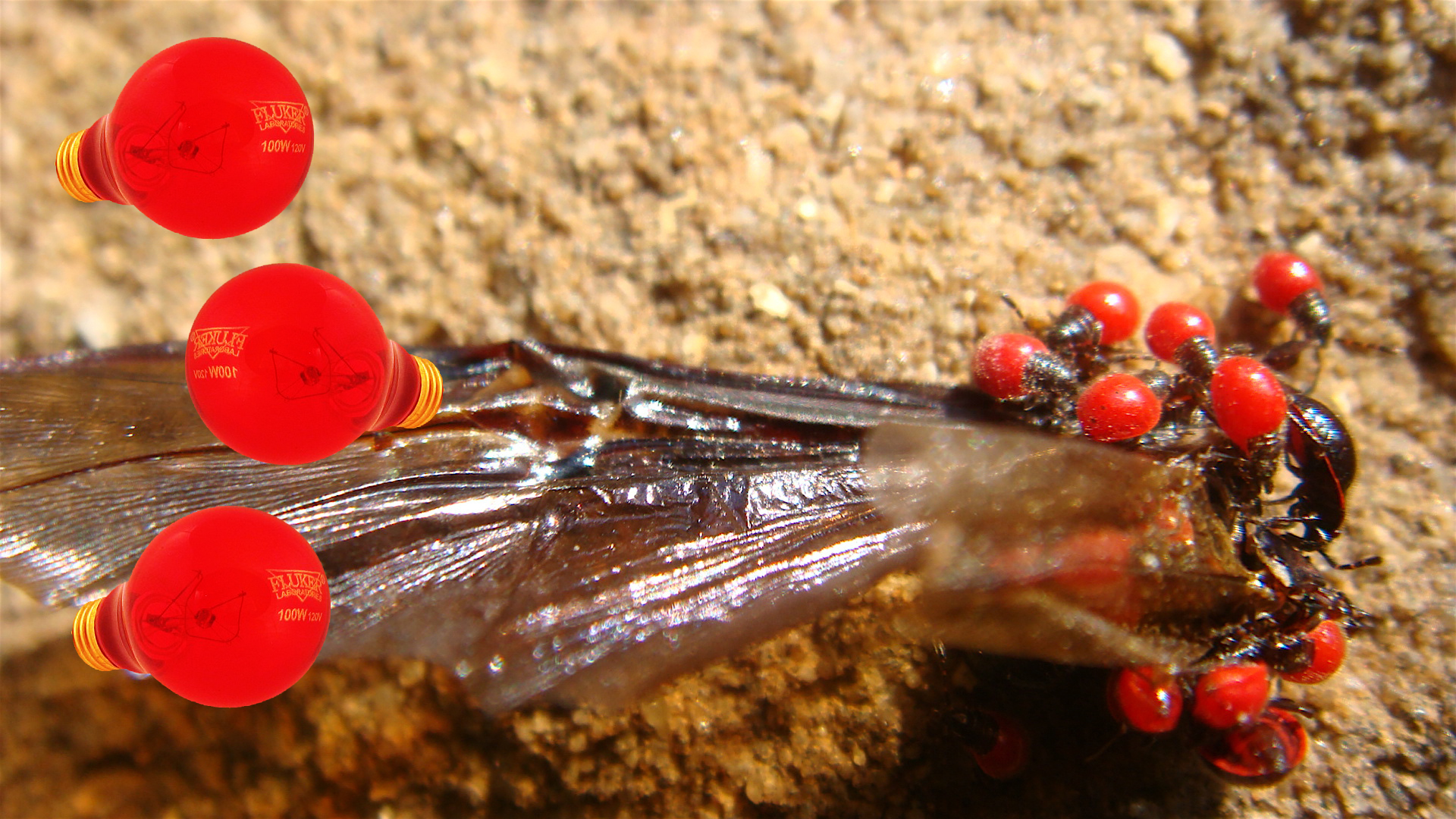
Well I came across some more of these shy insects at the base of my cut back Mexican fire bush of all places and courtesy of http://www.whatsthatbug.com/2011/02/08/heteropteran-nymphs-resemble-red-light-bulbs/

who successfully identified them, I can now safely say they are:

Heteropteran Nymphs


(full-on snort) Largus species or Bordered Plant Bug.
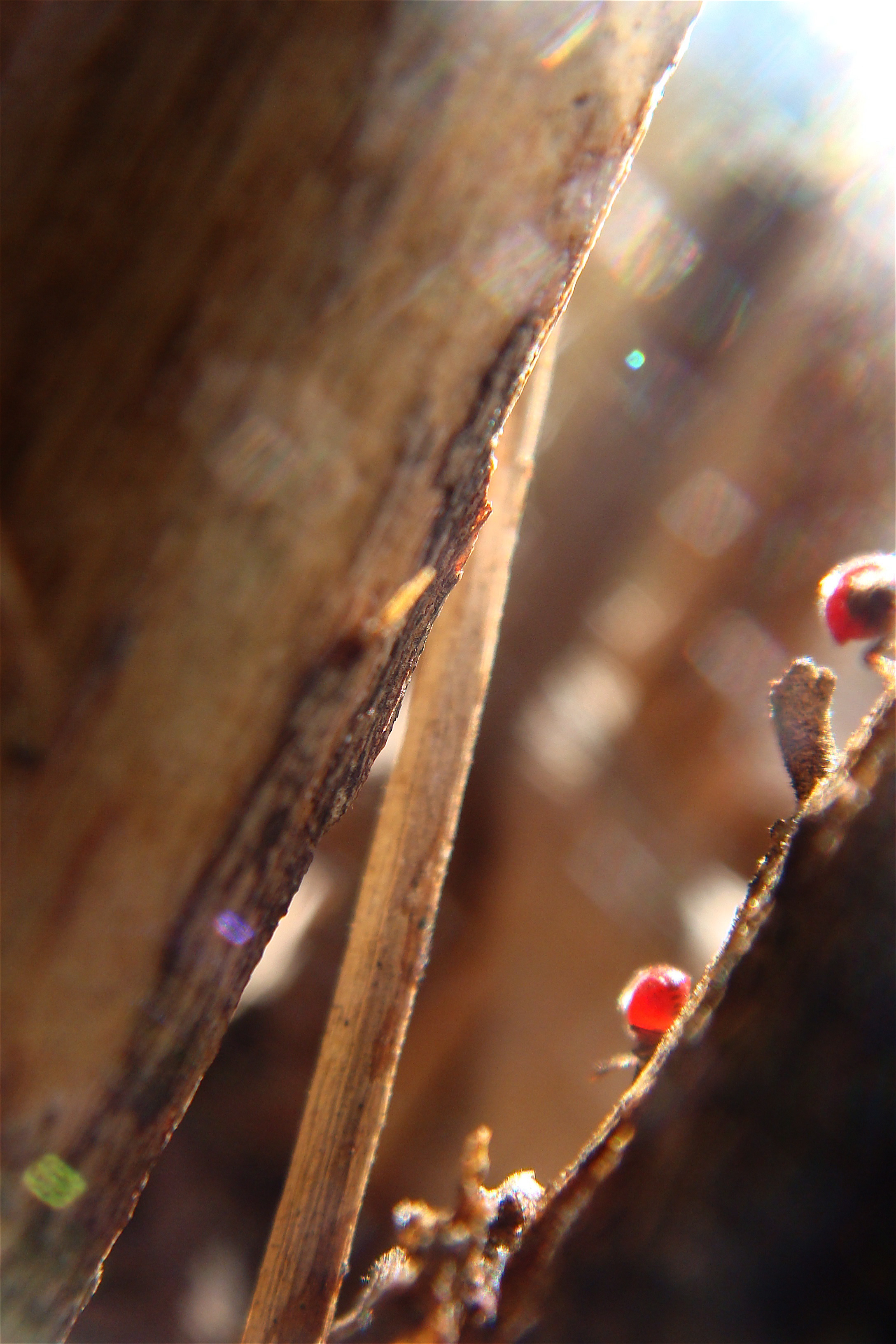
Many phyophagous Heteropterans or “True Bugs” apparently scavenge dead insects in their immature stages. I struggled to get a good shot of them as you can see…very shy creatures!

Here is what the adult versions of them look like:
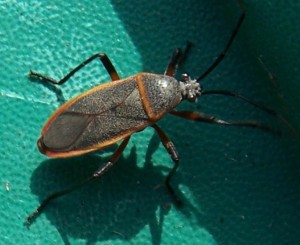
These bugs are the only ones I regularly see in my garden at this time of year, they are everywhere!

Moving on…

This week the ice melted and some intermittent warmer weather returned.
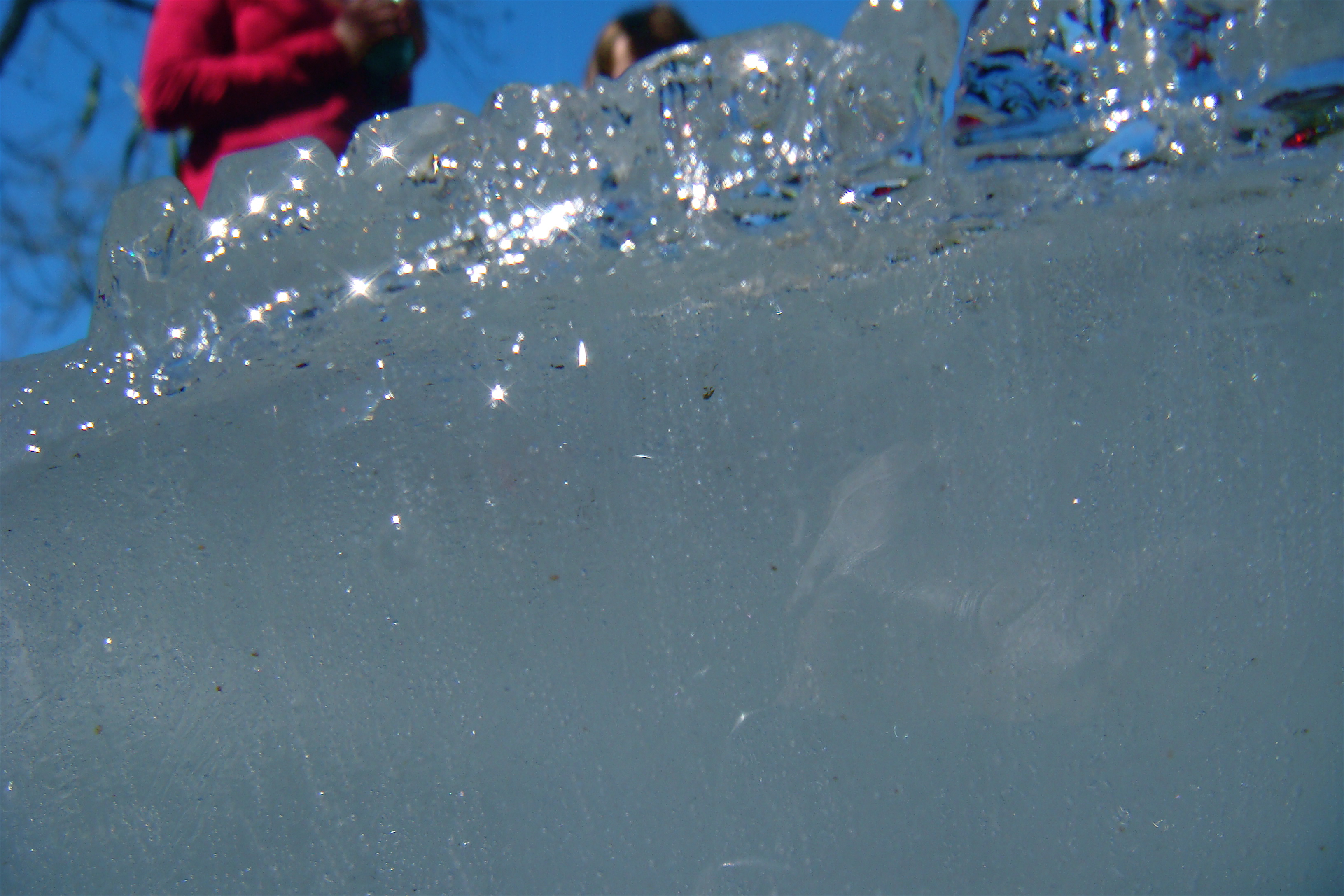
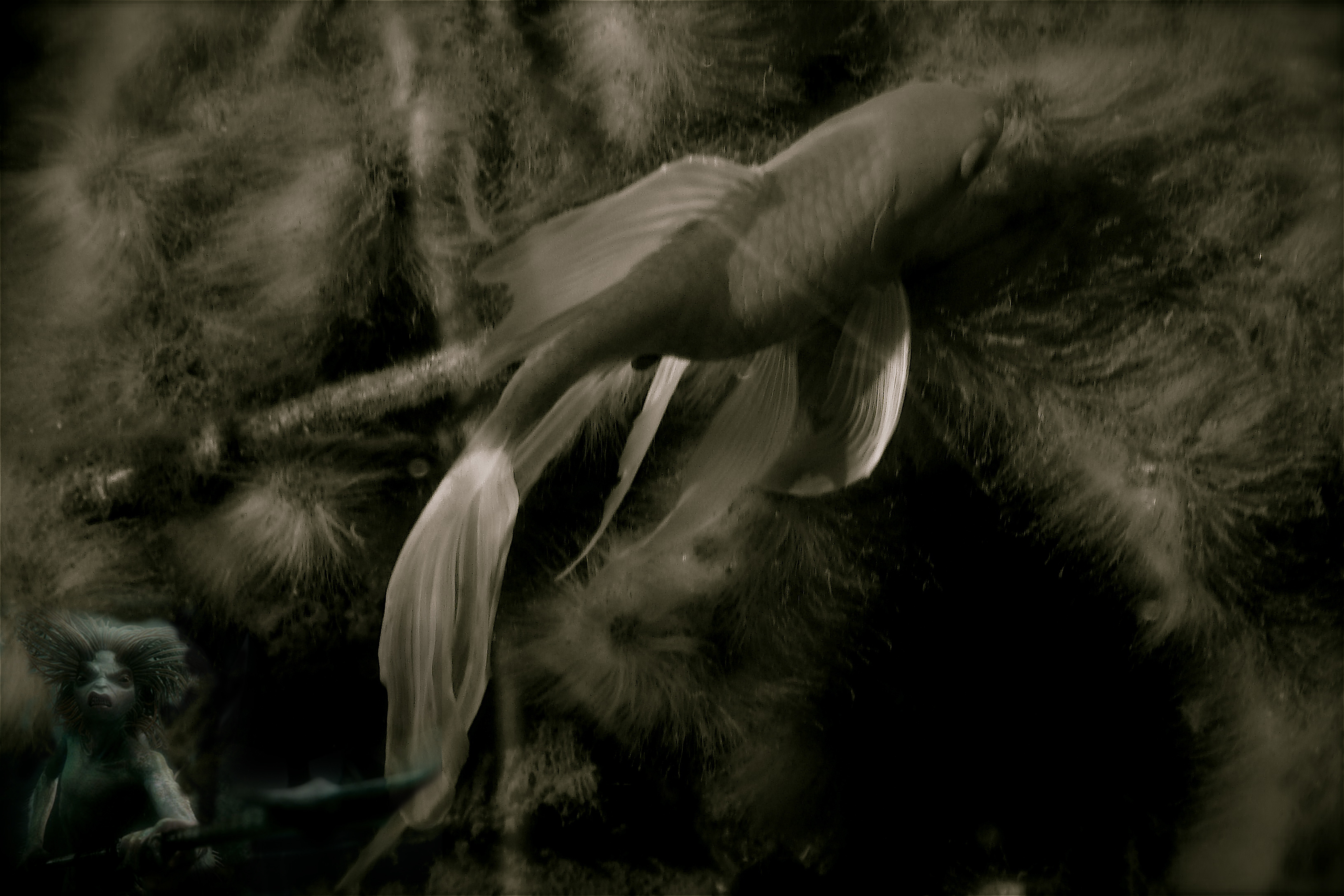
My fish remained very still in the deep dark icy waters of my stock tank, seemingly skeptical of the temporary warm reprieve.
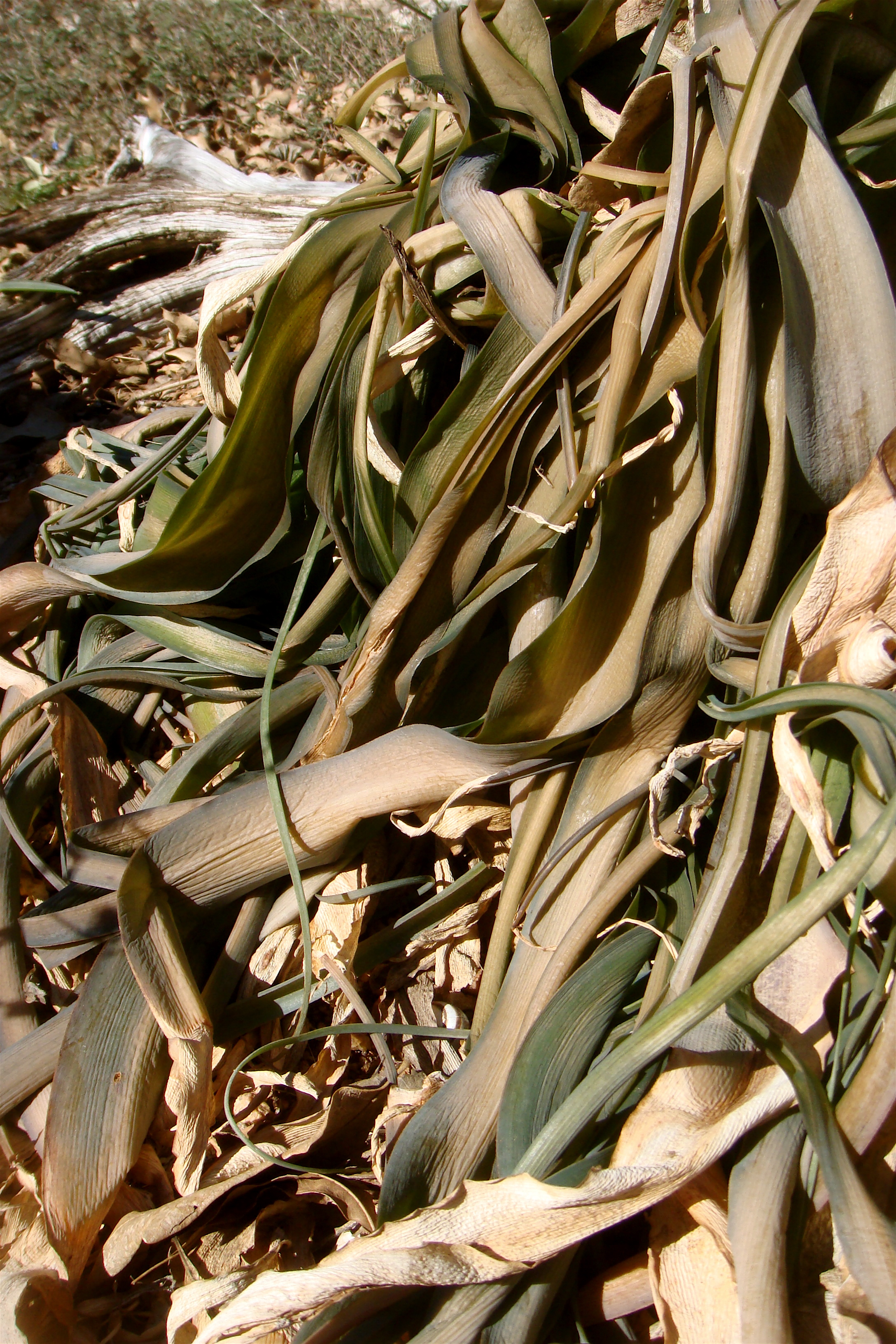
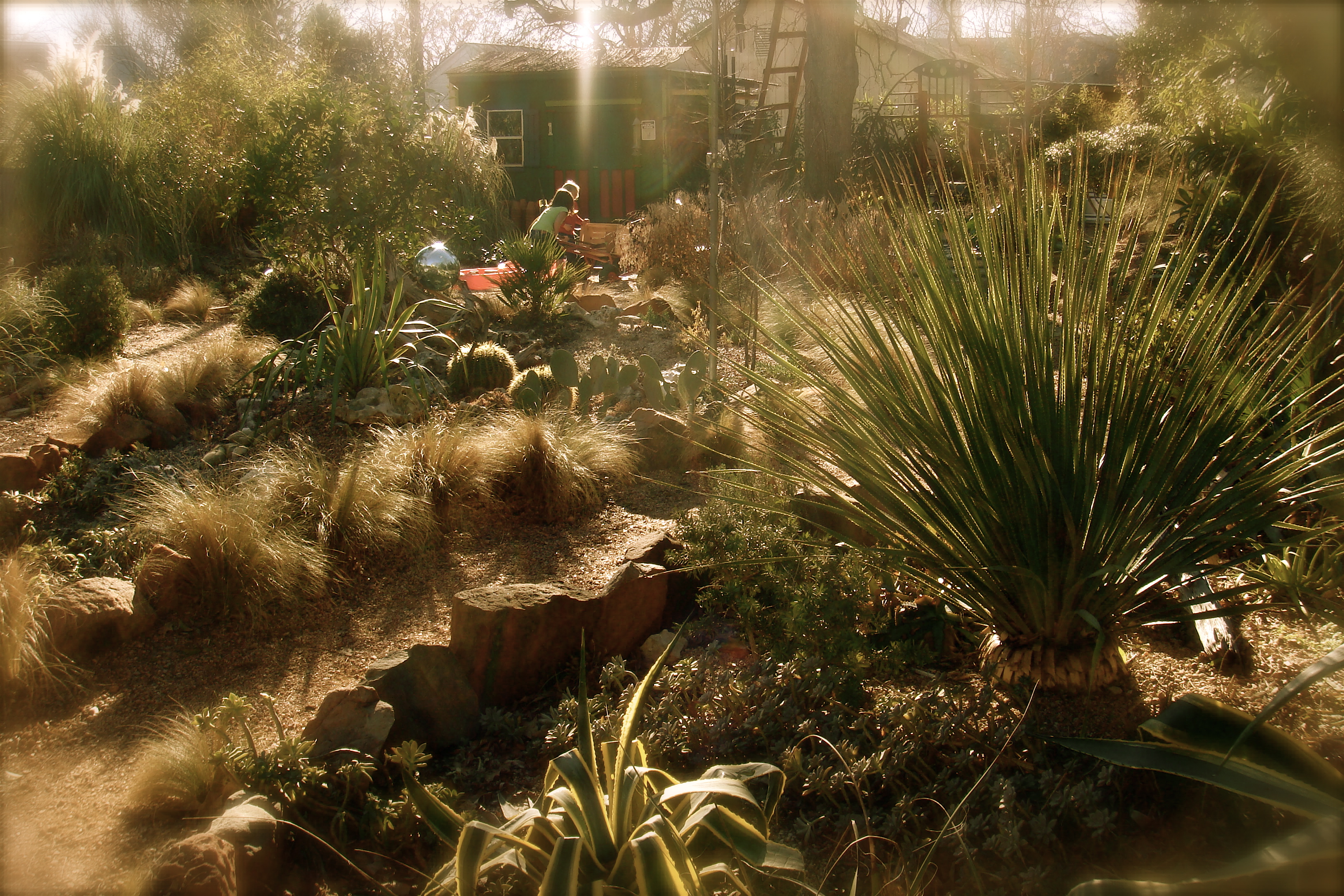
Its warm, its freezing, its warm, its freezing…the three consecutive days of freezing temperatures this past week has taken it’s toll in the ESPatch :
Casualties have collapsed everywhere…aloes, agaves, (particularly agave americana),  and star gazer lilies, all look decidedly ill , some plants have even ruptured!

“Ach ESP Ye had tae say it, didn’t ye”?

Err, sorry William?
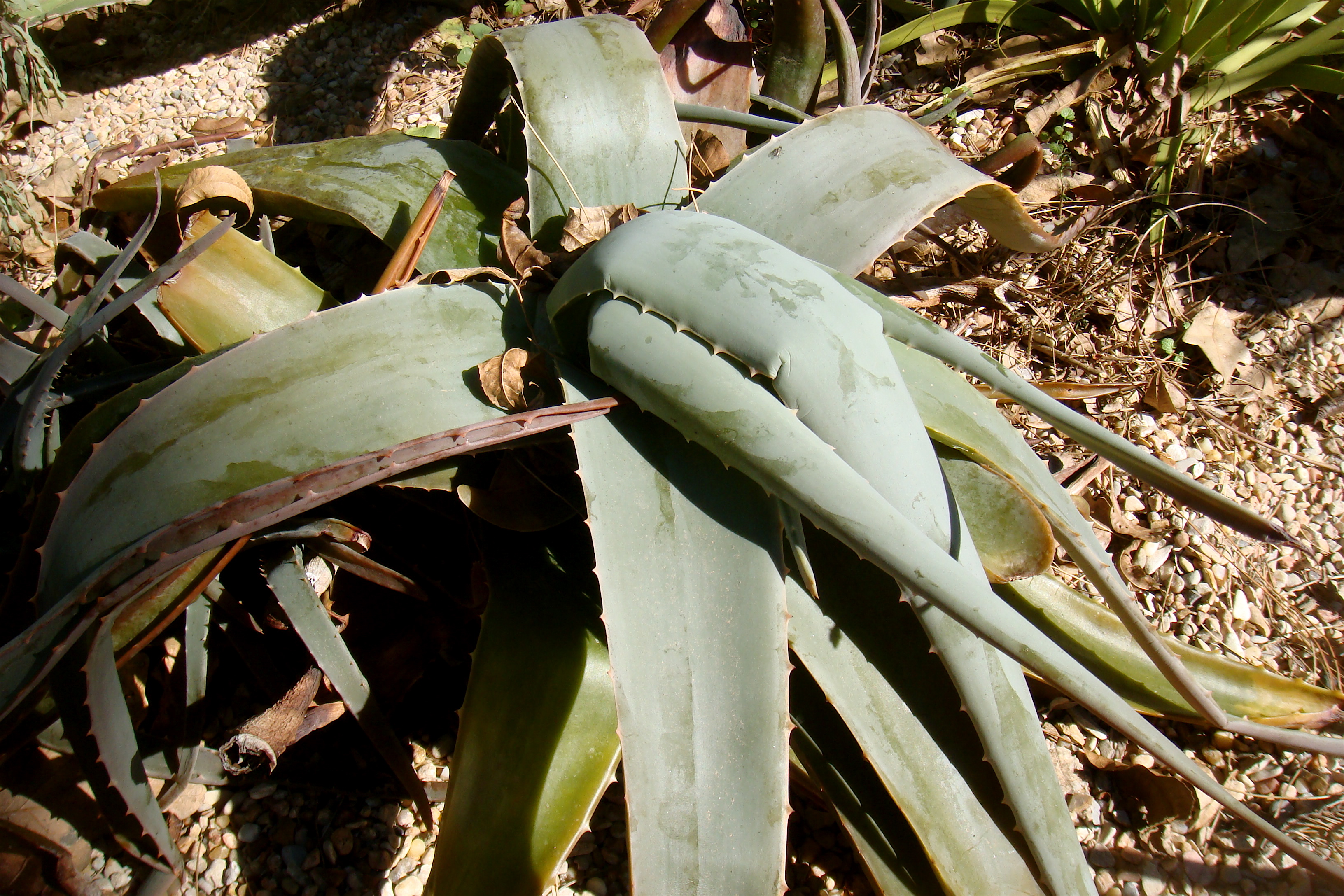


Yes I said ruptured.
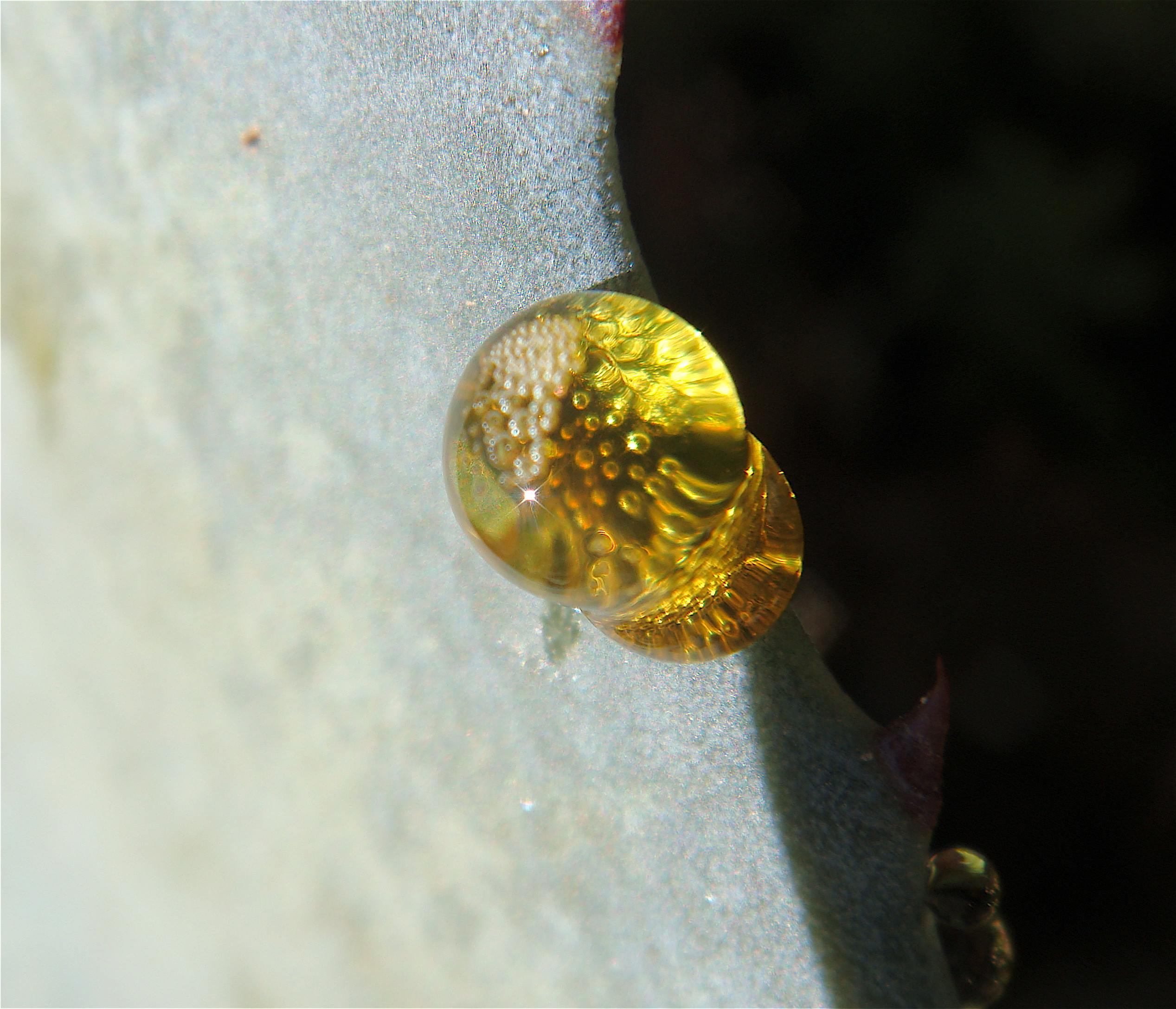
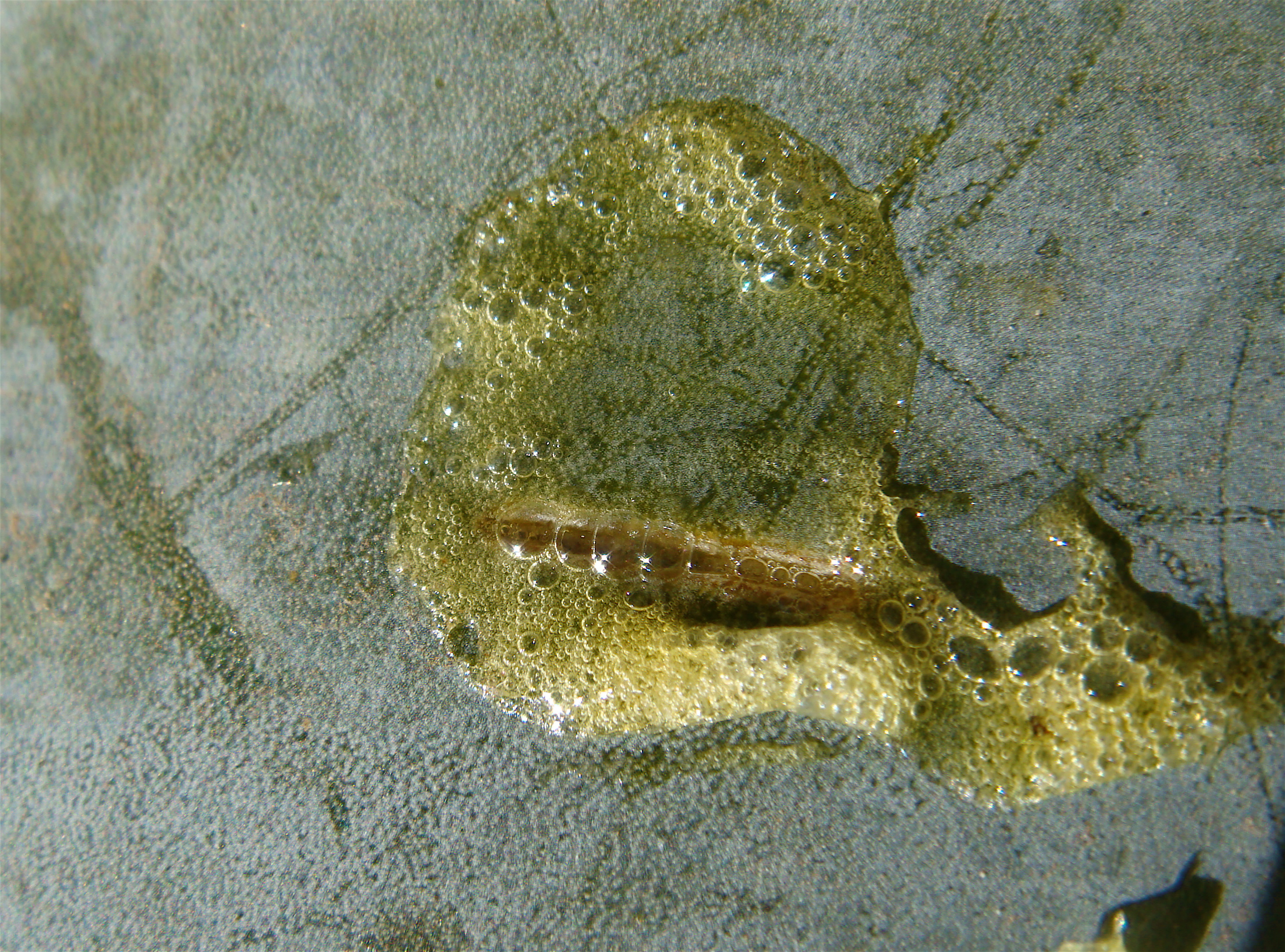
This wounded agave was apparently trying to heal itself with the most amazing amber sap.
MEDIC!

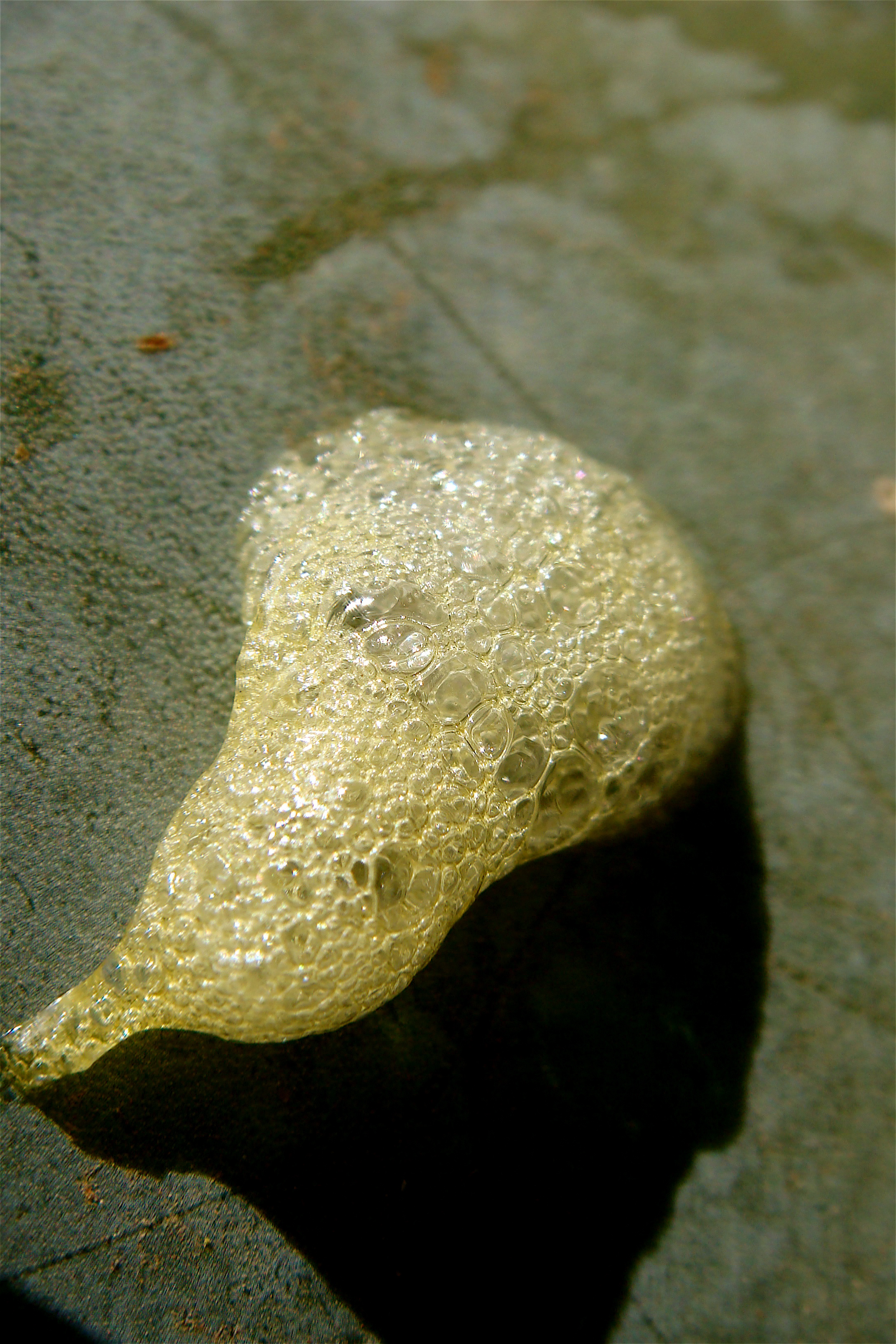
The same agave (different leaf) had buckled so far over a split had developed in it’s flesh,

leaving it bleeding and bubbling from an open wound.

CLEAR!

I swabbed,  sprinkled on sulfa powder and swabbed some more but could not stop the bubbles.
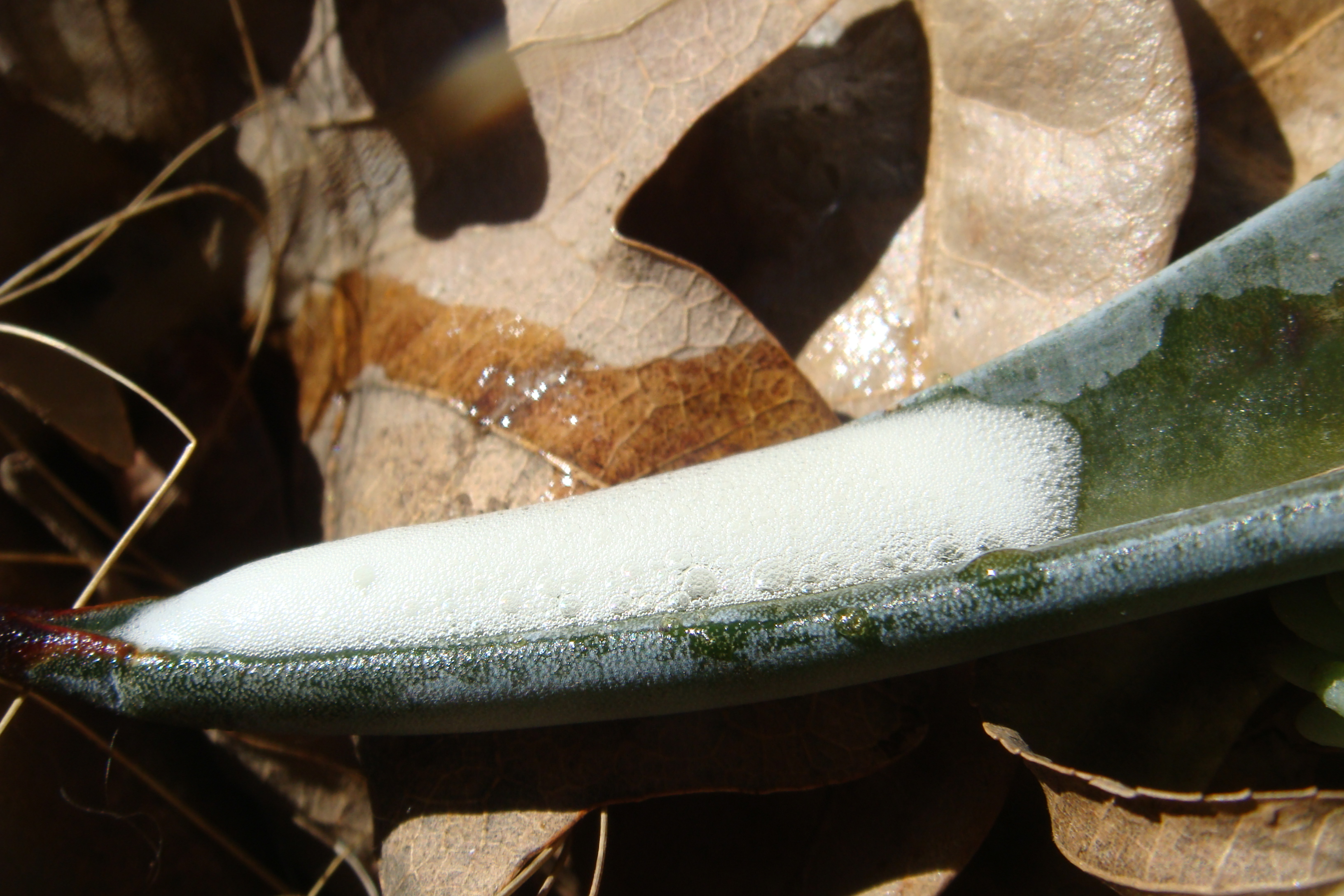
In the end I had to give up, leaving the dying agave bleeding in the leaves that I should have picked up already, ruthless I know.

The prize for the most remarkable sight from the frost though, has to go once again to…
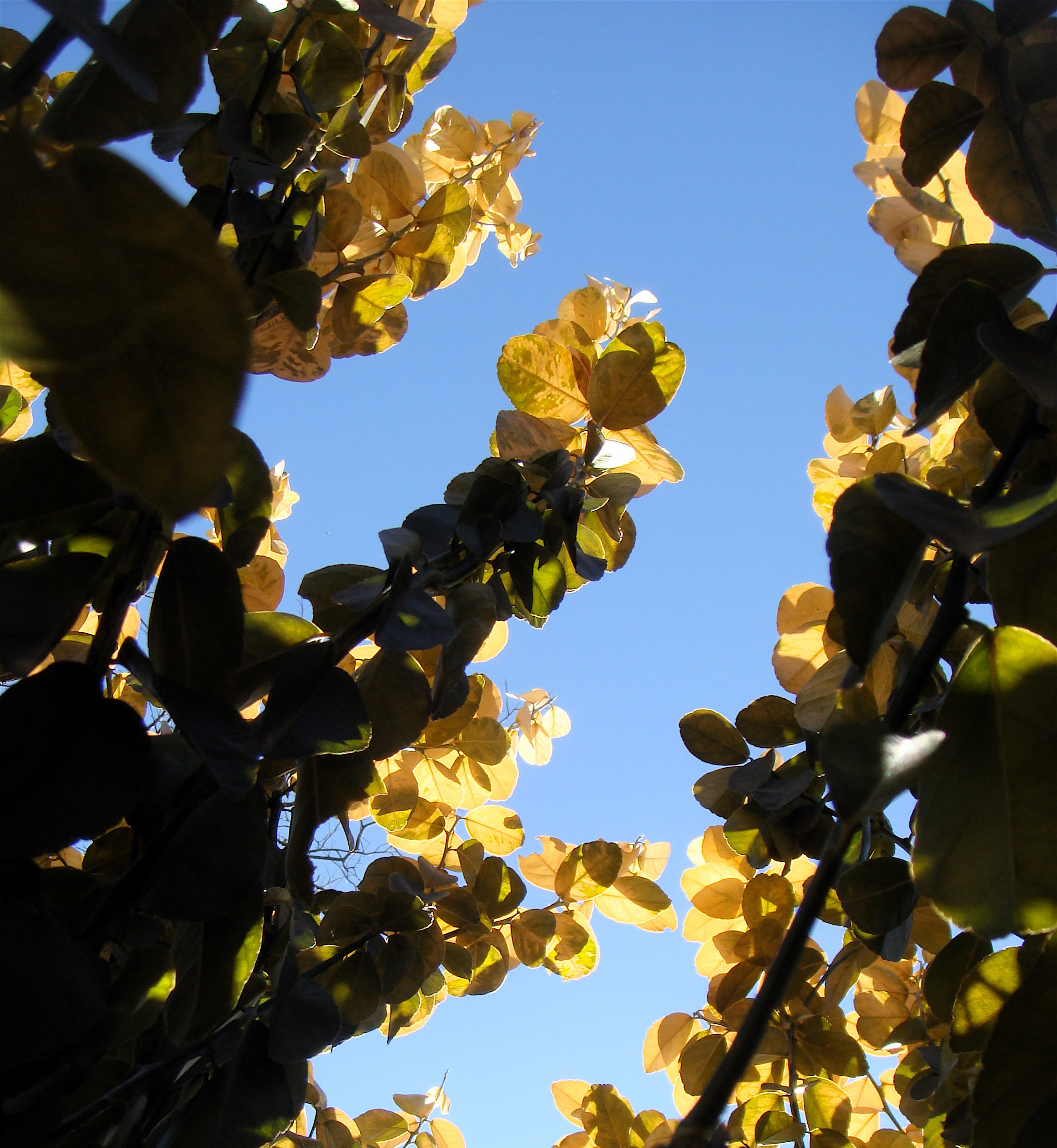
my Mexican lime tree.

The frost bitten foliage of this tree now shimmers like dragon scales.
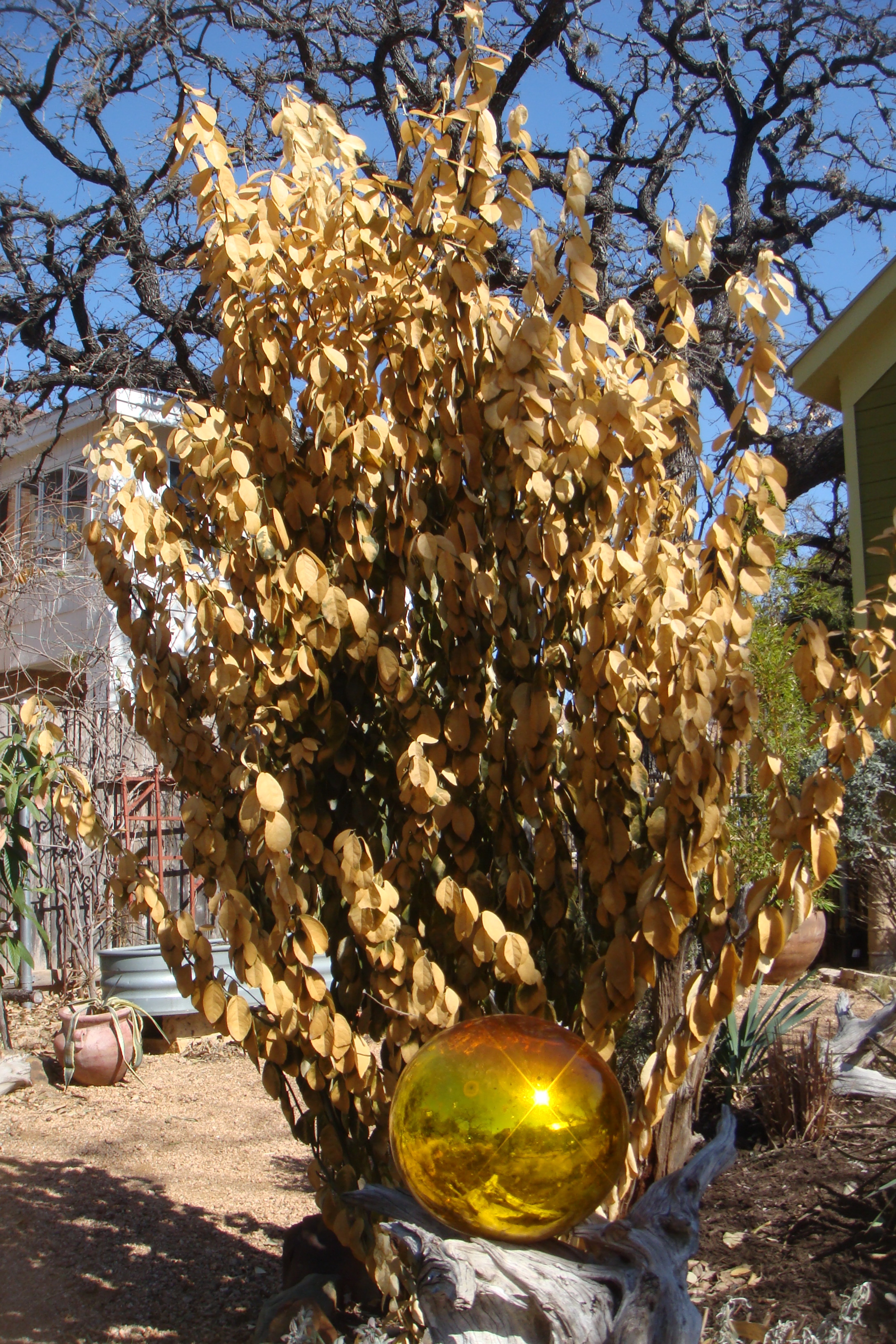
A mammoth leaf drop is pending, a pity, as I rather like the way it currently looks.

Finally:

The fireworks exploding on this China berry,

and the massing plastic crowd, signified that today was

an impromptu race day.

“They’re under starter’s orders…

and they are off”…watch out for that notch in the plank, I mean hole in the road!

Co-pilots plotted their course,
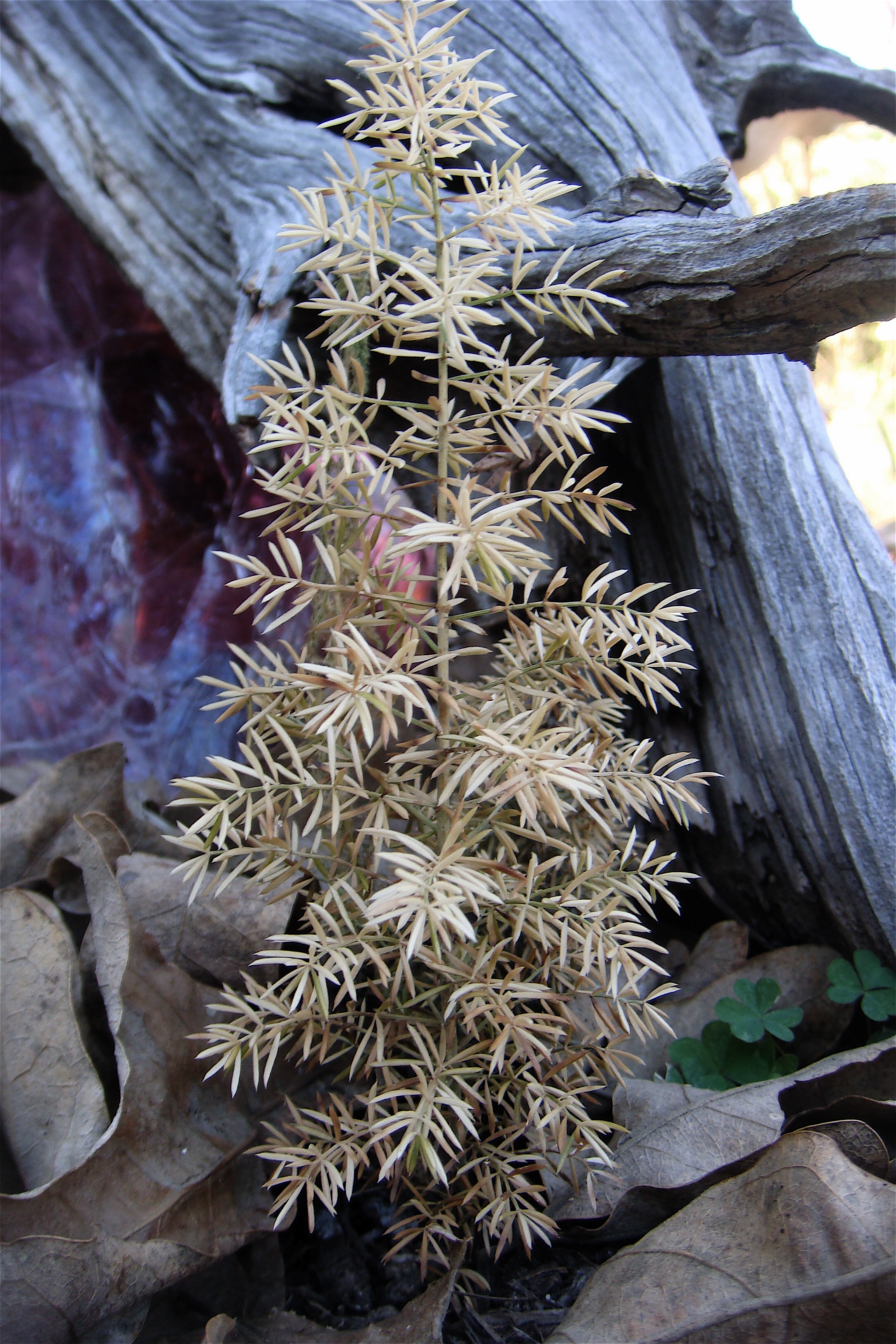
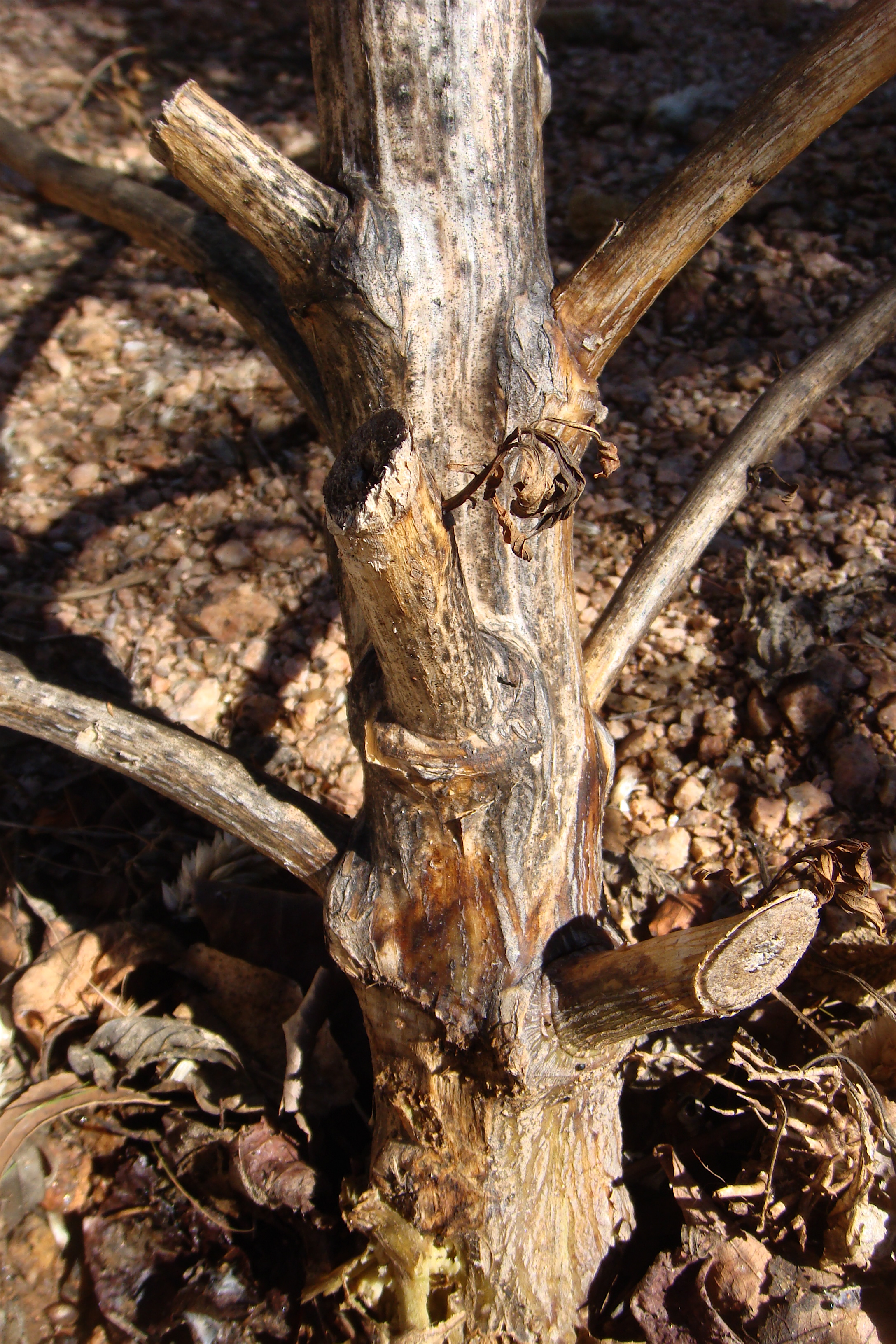


the cars sped past some sad foxtail ferns and screamed around a massive celosia trunk.

The winner of the race was reportedly a local gal…

who celebrated her victory in her favorite Austin Tex-Mex restaurant with a lemonade and a cheese quesadilla.


Stay Tuned for:

Tickling Leopards”


All material © 2010 for eastsidepatch. Unauthorized
intergalactic reproduction strictly prohibited, and
punishable by late  (and extremely unpleasant)
14th century planet Earth techniques.


“Android Assassins”

“Golden brown texture like sun
Lays me down with my mind she runs
Throughout the night
No need to fight
Never a frown with golden brown”

Japanese maple, cattail, inland sea oats and Mexican fire bush.

The song holds up a lot better than the 80’s video, naturally, though part of it does make me reminisce about summer iced turbans.

Never a frown from me either!

The golden browns emitted from these inland sea oats at this time of the year is quite something, this plant just keeps on going, it looks fresh in the spring and just keeps looking better into it’s autumn and winter years.

Chasmanthium latifolium


Chasmanthium latifolium or Uniola latifolia has many names including Nothern Sea Oats, Inland Sea Oats, River Oats, Creek Oats, Wild Oats, Indian Woodoats, Broadleaf uniola, Broadleaf sea-oats and broadleaf spike grass.  This showy perennial is one of the first native grasses used for landscaping purposes.  This great ornamental grass grows in shade or sun, though it prefers partial to full shade, hence the name Woodoats.  It is tolerant of all soil types, mine grow well under the fringe cover of my large post oak.

I have a small dedicated bed for this plant but I have never found it difficult to control, if it pops up somewhere it shouldn’t, it is quite easy to pop the offspring out of the ground.  If you have a west facing garden this plant will supply plenty of light smoldering and movement throughout the winter months…a must have ornamental grass.

The seeds of this grass, when mixed with pond water “stock”, a little rosemary for flavor, and some datura seeds have also been made into countless winter “stews” that should it be devoured,

imparts a profound effect on the diner.

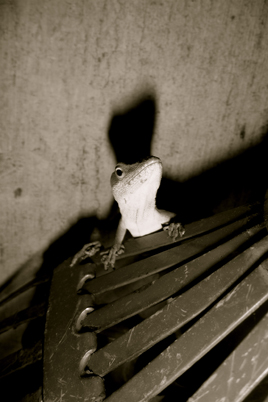
This poor little anole ingested a little too much of the lethal stew.

Yet another Pompeii victim found Patch petrified.

Moving on…

I followed this butterfly around way longer than a rational person probably should, but I was determined to get a shot in.  This butterfly was extremely small as you can see from the size of the decomposed granite it alighted on.

Dainty Sulphur (Nathalis iole)


or Dwarf Yellow.  It finally landed on this rosemary where it stayed still long enough to get a couple of shots in. These butterflies are present year round in peninsular Florida and South Texas.  After overwintering as adults in the South, some migrate north in spring and summer, every summer they re-colonizes through the Great Plains to southeast Washington, southeast Idaho, Wyoming, and Minnesota.

Intruder Alert…Intruder Aler…

I had a mechanical looking assassin perpetrate the perimeter defenses of the Patch this week…

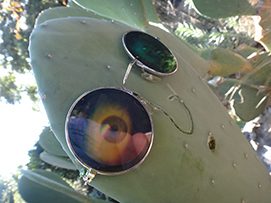
I naturally called on the services of my resident private eye to investigate the breach further…Like Dr. Watson, he was right on the case with his discerning right eye!

“He needs the abrasive silica qualities of horsetail reed to improve the optical resolution of that lens!”

There are some mighty strange insects in Texas, and this mechanical looking cannibalistic bug has to rank high up on the list.  This is off course an assassin bug, or to be more precise, a wheel bug. Its name derives from the prominent crest, which resembles a cog or gear. This is the only insect species in the United States with such a crest.


Arilus cristatus


It is the largest species of assassin bug in Texas, and this one was a monster.  Okay granted, it was lying dead on my back porch steps casting a long film noir shadow, but it was still a large and very formidable bug. The assassin bug slowly prowls with slow, and almost robotic movements across leaves looking for a victim to drain, and I have no shortage of leaves as you know…

I really don’t want to talk about it.

When it finds a suitable meal, it spears it with its long and very sharp hypodermic beak, whilst pinning down its victim with its long front legs. It then injects enzymes through this beak, paralyzing it, within 30 seconds its preys internal body parts essentially turn into runny porridge, it then proceeds to drain all of the victim’s bodily fluids through the same straw beak.  Brrr.

“Yes…yes…draining…beak”

Oh stop it Jeff!

The wheel bug can be more than 3.5 centimeters (1.4 inches) long, and its perfectly capable of taking on a bigger grasshopper.

There are nearly 3,000 species of assassin bugs. While they come in a wide variety of colors and sizes, they all are recognizable by their geometrically shaped abdomen, their tiny head and the long beak folded under their thorax. Because assassin bugs consume so many insects, they are widely viewed as beneficial insects and can keep your garden and your shrubs free of pests.

The bite of a wheel bug is painful and may take months to heal (sometimes leaving a small scar), so caution is advised when handling them…after all, who wants a mechanical looking bug sucking out your internals through a straw-beak, oh no, not me.

Back into the garden:

This has to be the largest Fatsia Japonica bloom I have ever had, and the flies have already found it even though it has not yet fully opened up.  This will be a mass of insects when the flowers fully open.

Although it is attracting them quite well already.

Celosia continues to perform, appropriately adding some fire and brimstone to my extremely parched Hell-Strip.

Finally:

These agave parryi kept me on my toes as I attempted to extract yet more leaves that always insist on burying themselves deep into this plants lethally protected heart. I am not sure why I think I will never get flesh punctured performing this sort of picking activity without gloves.


Kindergarten’s out for Christmas!

Stay Tuned  for:

“I Caught a Live One!”


All material © 2010 for eastsidepatch. Unauthorized
intergalactic reproduction strictly prohibited, and
punishable by late  (and extremely unpleasant)
14th century planet Earth techniques.


1 2 8 9 10 11 12