Butterflies

Just when I thought this Nierembergia had as many flowers on it possible, it produced even more,
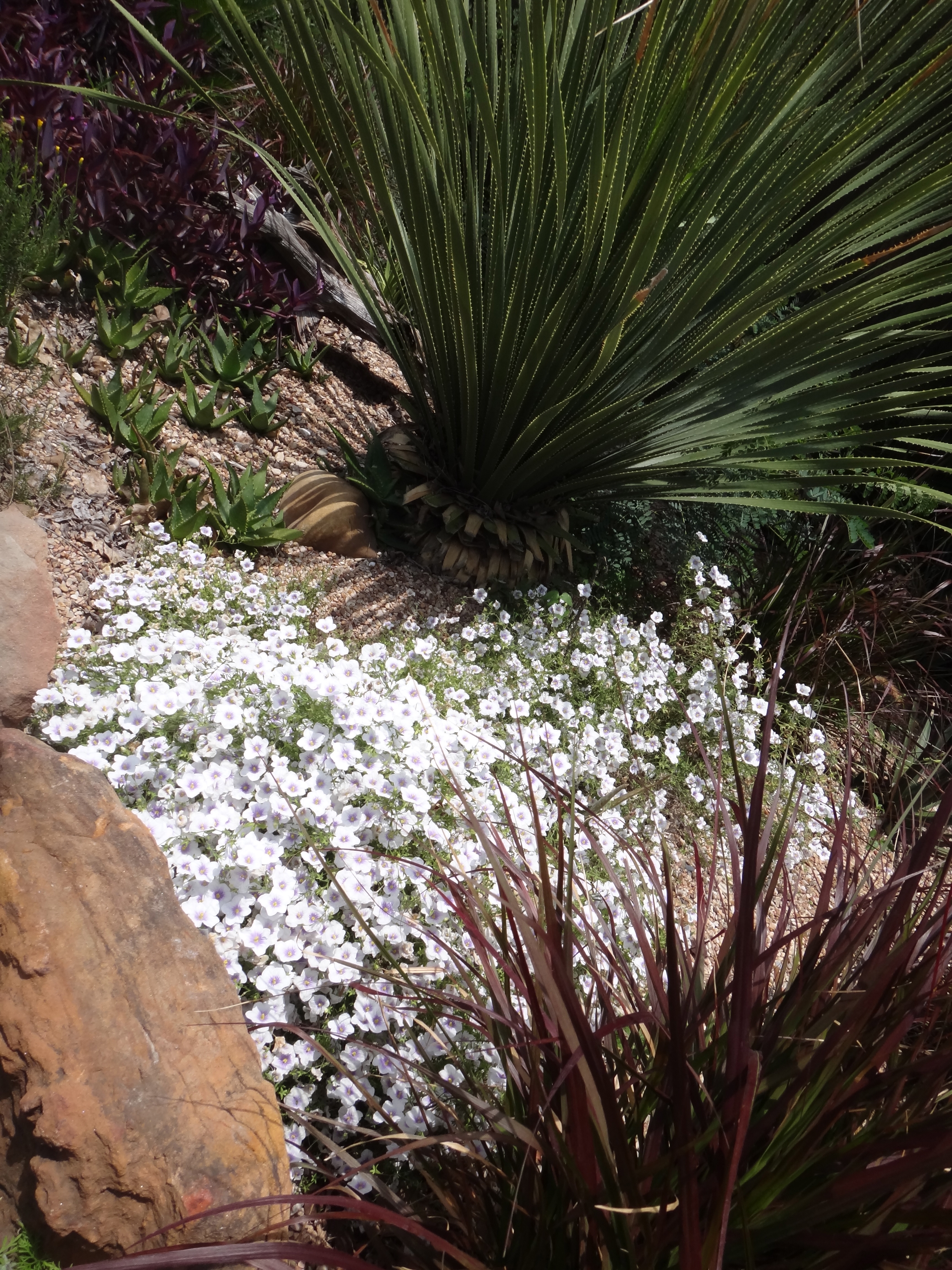
at the base of my sotol beanstalk.

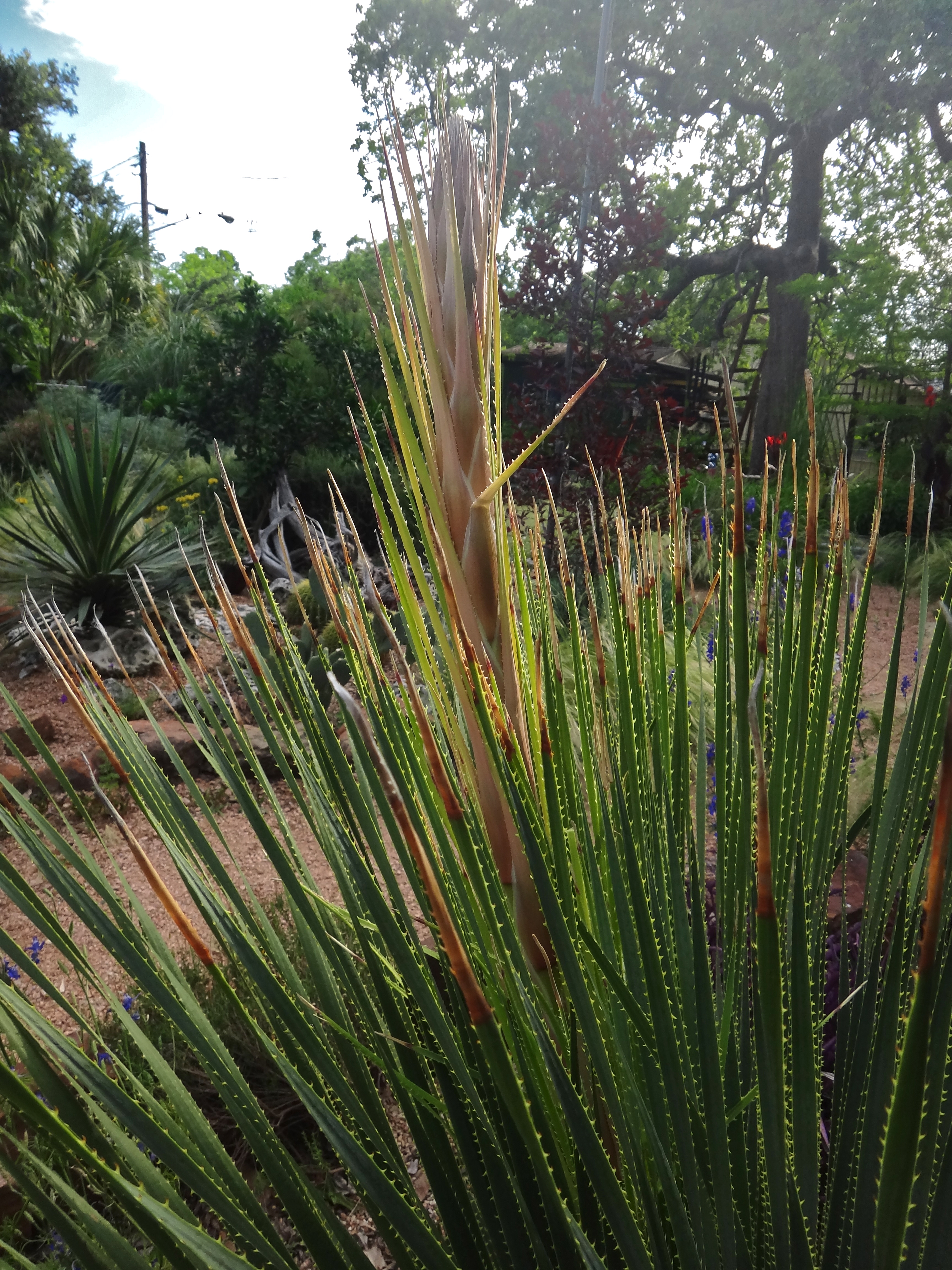
A quick update on that beanstalk:
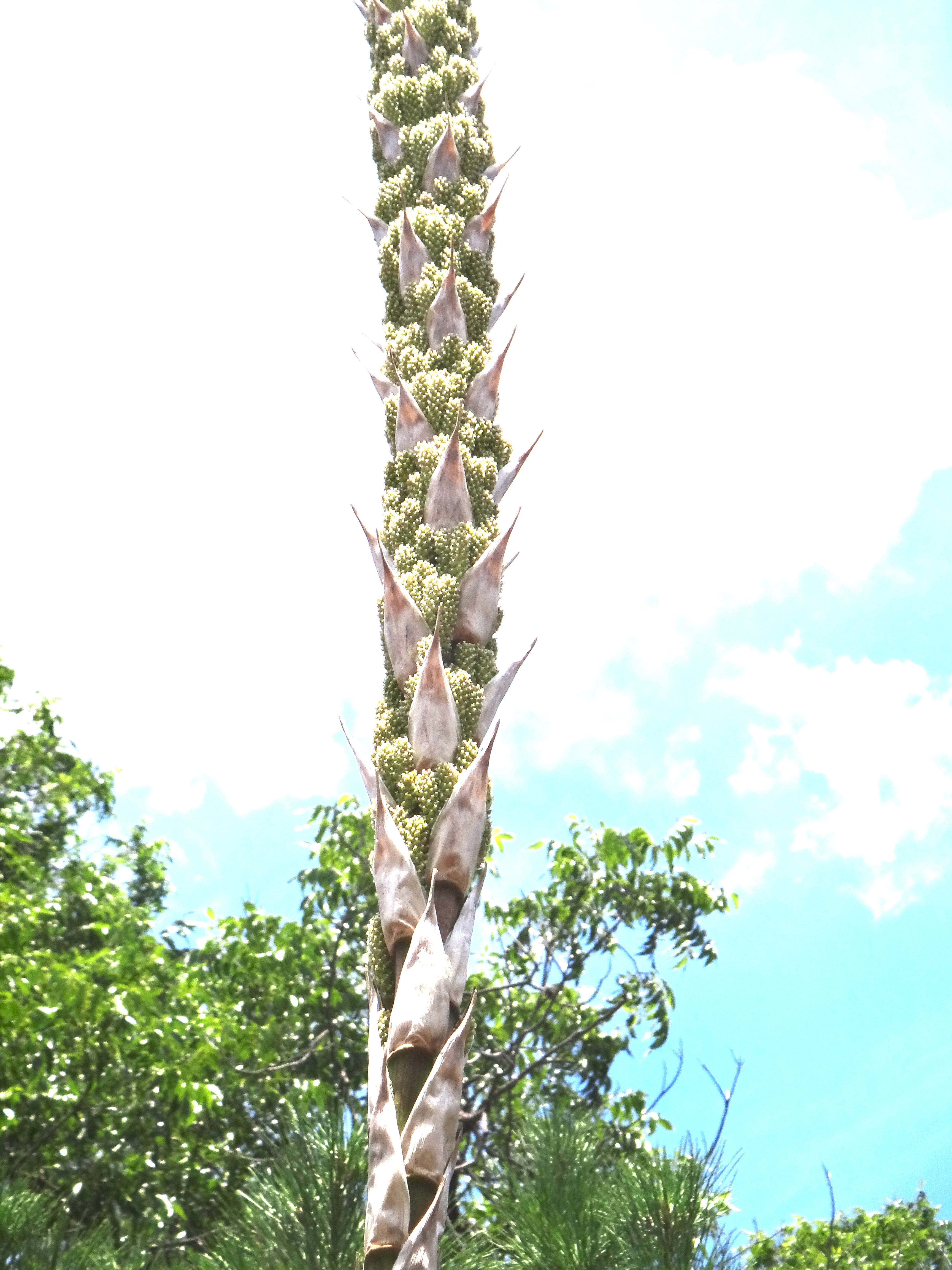
The top of it is now filling up with small flowers to be, and it is packed in there.

Sotols bloom once every few years and can do so multiple times during its lifespan. (Unlike Agaves it does not die after it has bloomed).  Also in contrast to Agaves and yuccas, lots of different insects pollinate sotol flowers, yucca are pollinated only by a moth

Tegeticula maculata
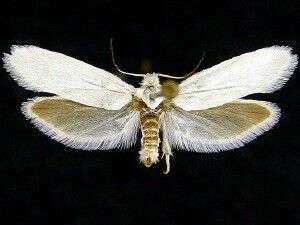

and agaves mostly by bats:
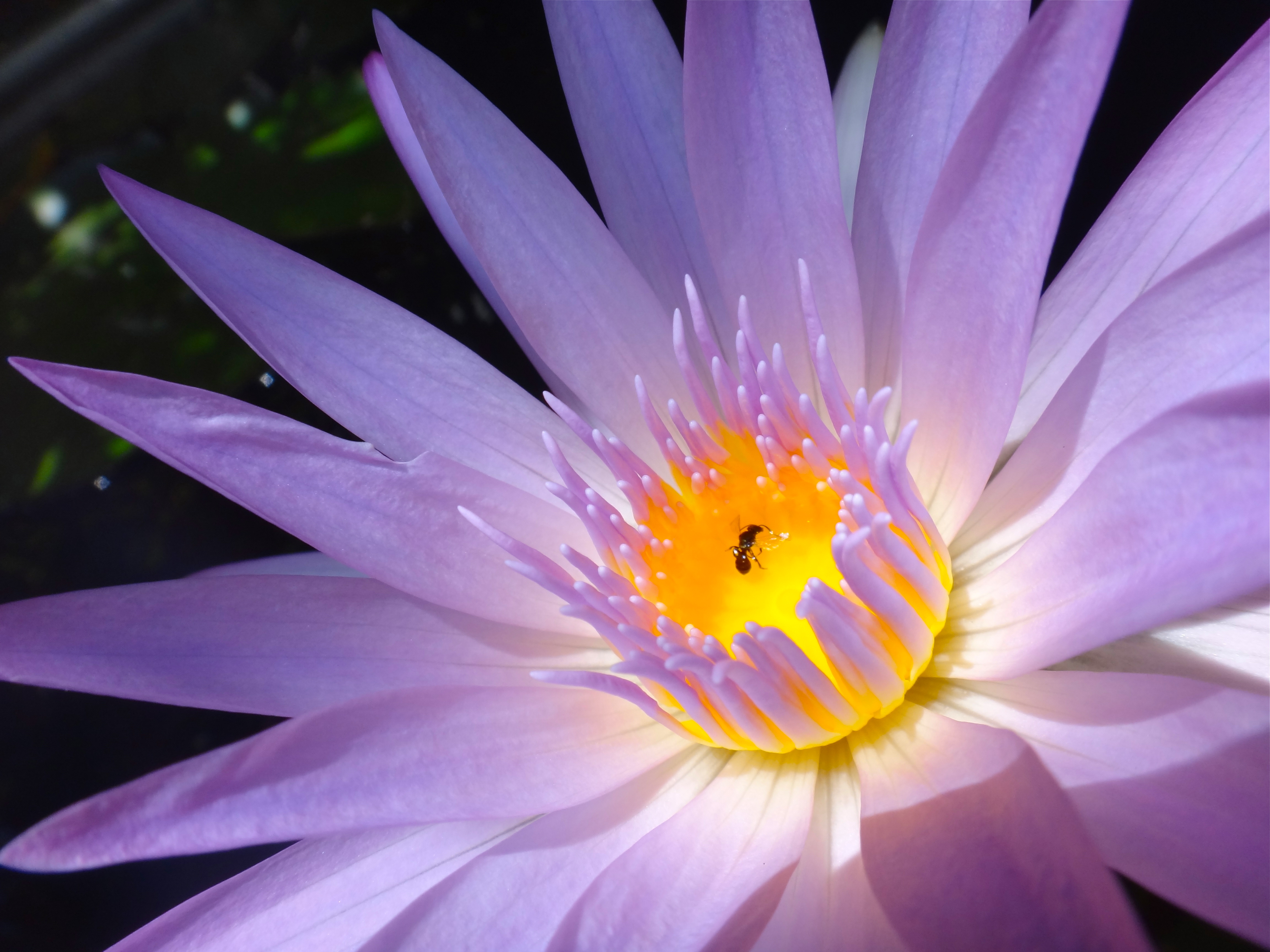
http://www.jointheevolution.ca/blog/2010/04/19/sharing-agave-nectar-with-those-who-really-need-it-why-you-wouldn%E2%80%99t-have-agaves-without-bats/

One lone bug,

on one lone Madam Ganna Walska flower in my feeder tank.

Staying with bugs for a moment, a couple of new ones were caught on camera this week in the Patch:
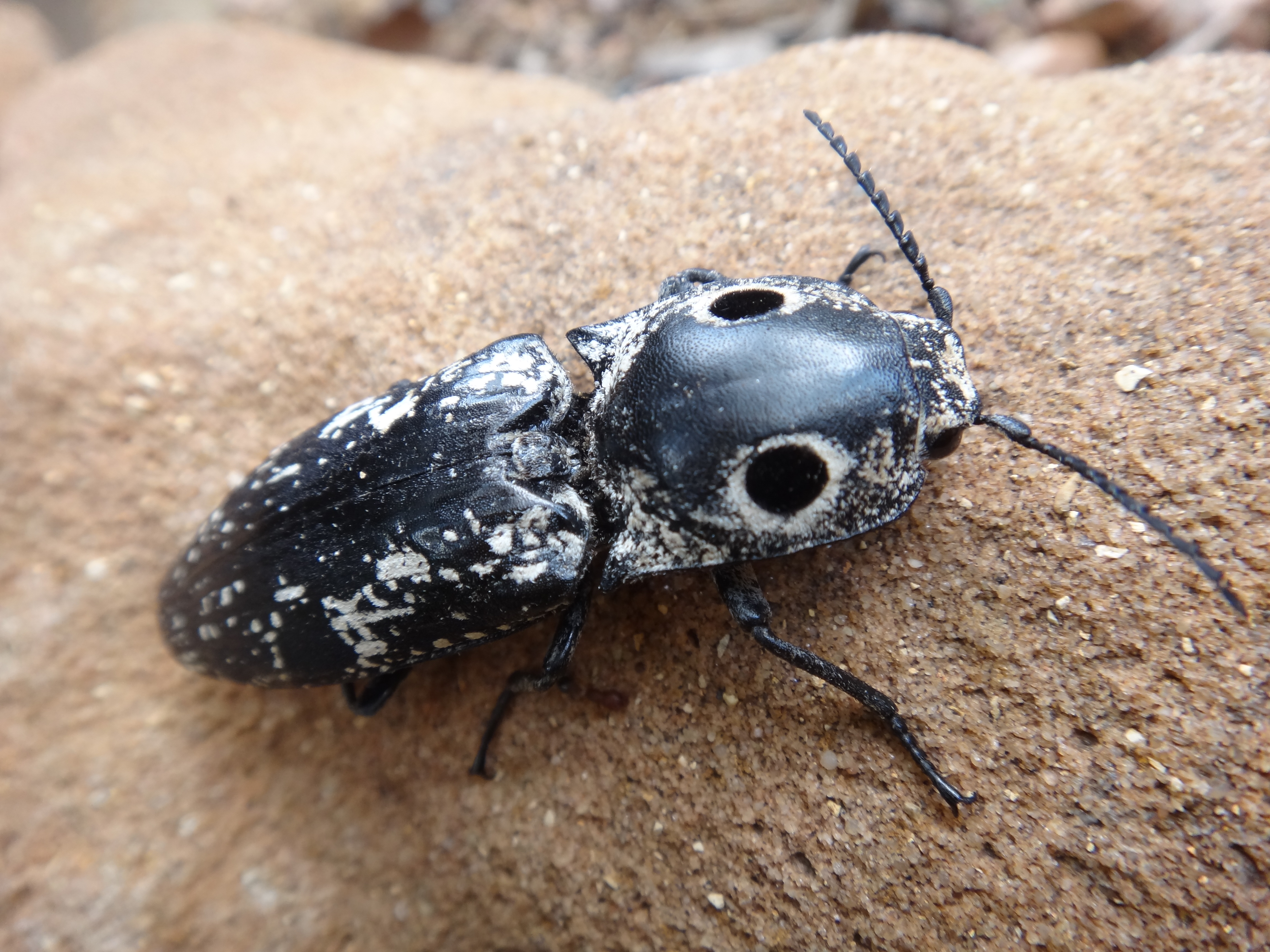
Coming in at the two inch mark and sporting a fine pair of fake eyes and some spray-painted coloration I give you the Click Beetle,

Alaus oculatus


As the name suggests these beetles “click” as a defensive mechanism. When threatened the beetle bends its head and prothorax backward then quickly straightens out with an audible click, launching the creature several inches into the air, though as you see, mine did not get very high at all. I won’t go into exactly how it does this for fear of boring you all to death but I will say this; it does involve prosternums and mesosternums…snort.

The next bug was very shy,
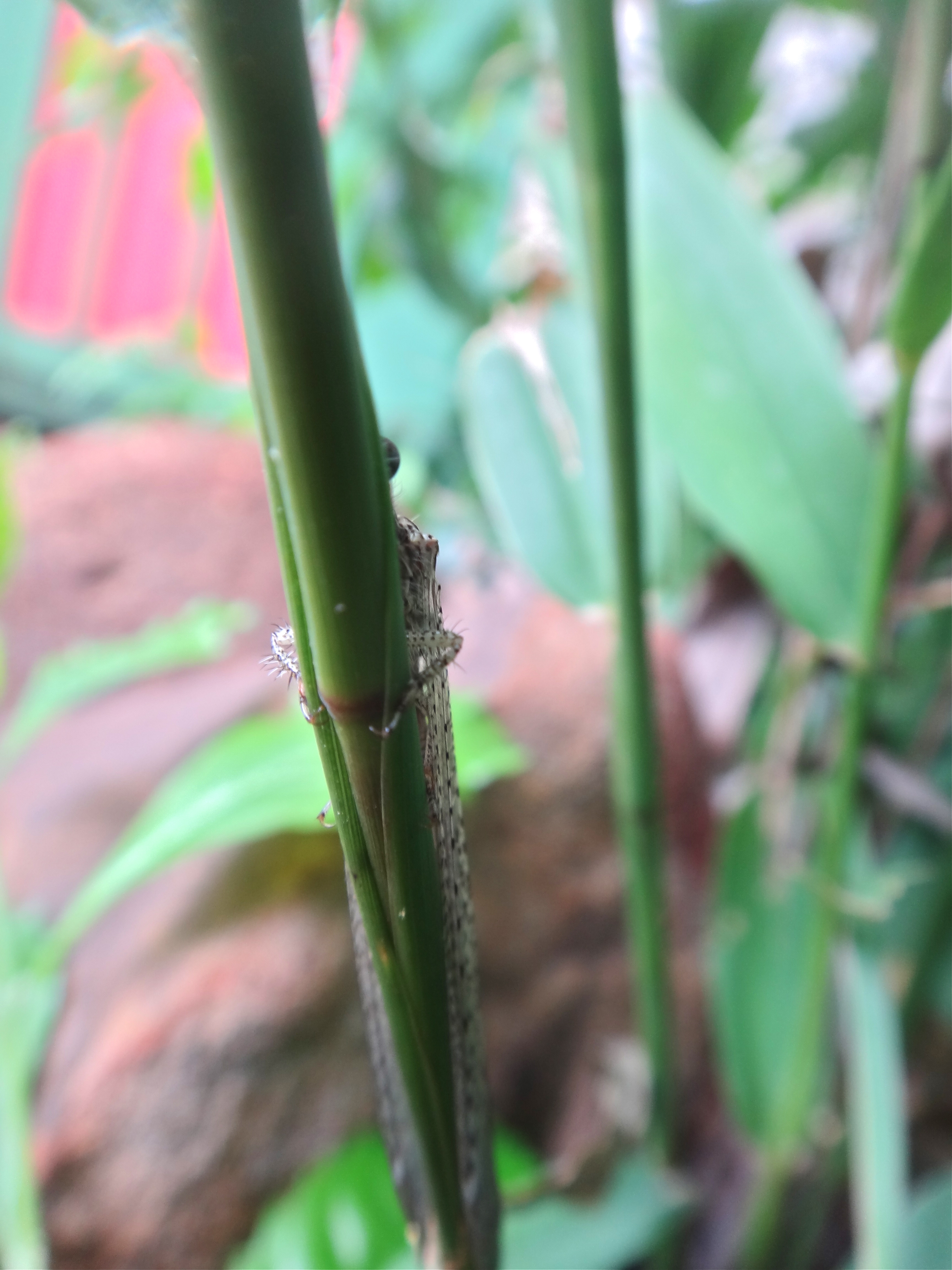
always maneuvering itself to the opposite side of the stem from the camera. I finally tricked it by coming at it with a stick from the opposite side with my camera lying in wait. 
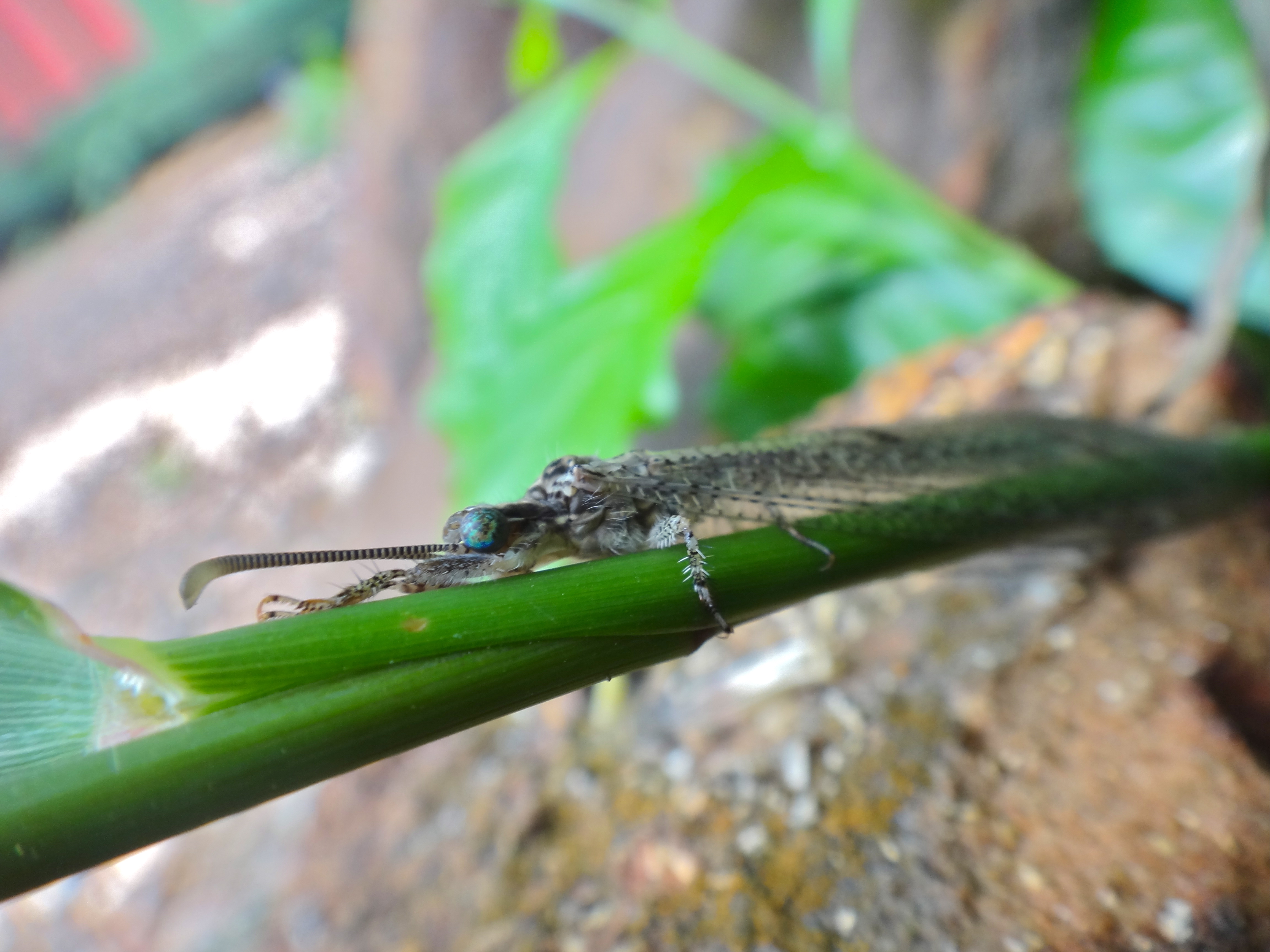
Even then, it did not venture all the way around after seeing through my rouse with the most amazing planetoid eyes. This is a Fishfly which belongs to the Alderfly and Dobsonfly group of winged insects. It has most likely been feeding on the tadpoles and baby fish in my pond. Fishfly adults are a challenge to find because they are only around for a few weeks each year.
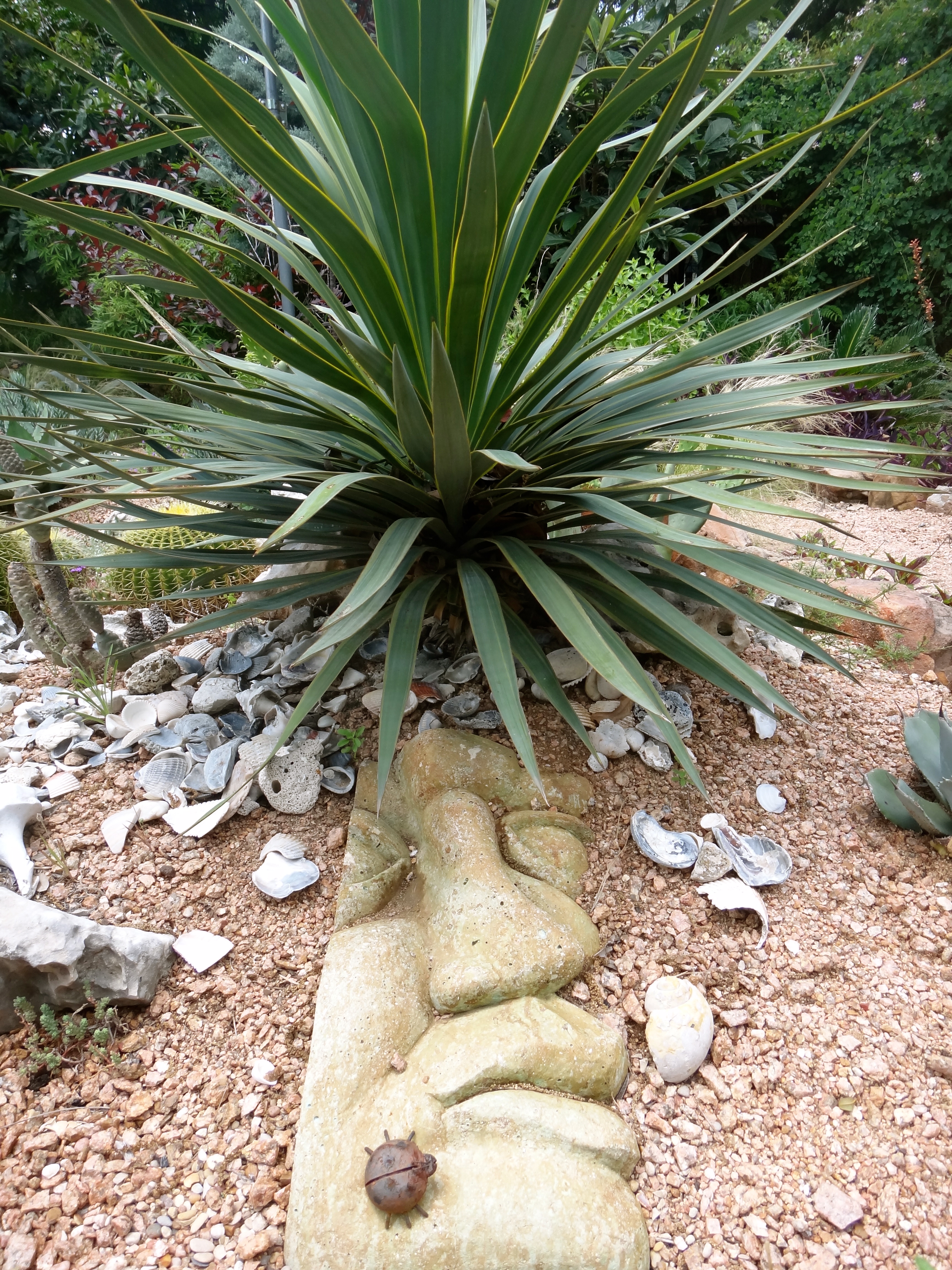
 The rather flamboyant B/Lady has recently started adopting a bug of her own…as a Bob “beauty-spot”.

 Moving along:

I have had a few more rock procurement trips this week with no further bog-encounters.
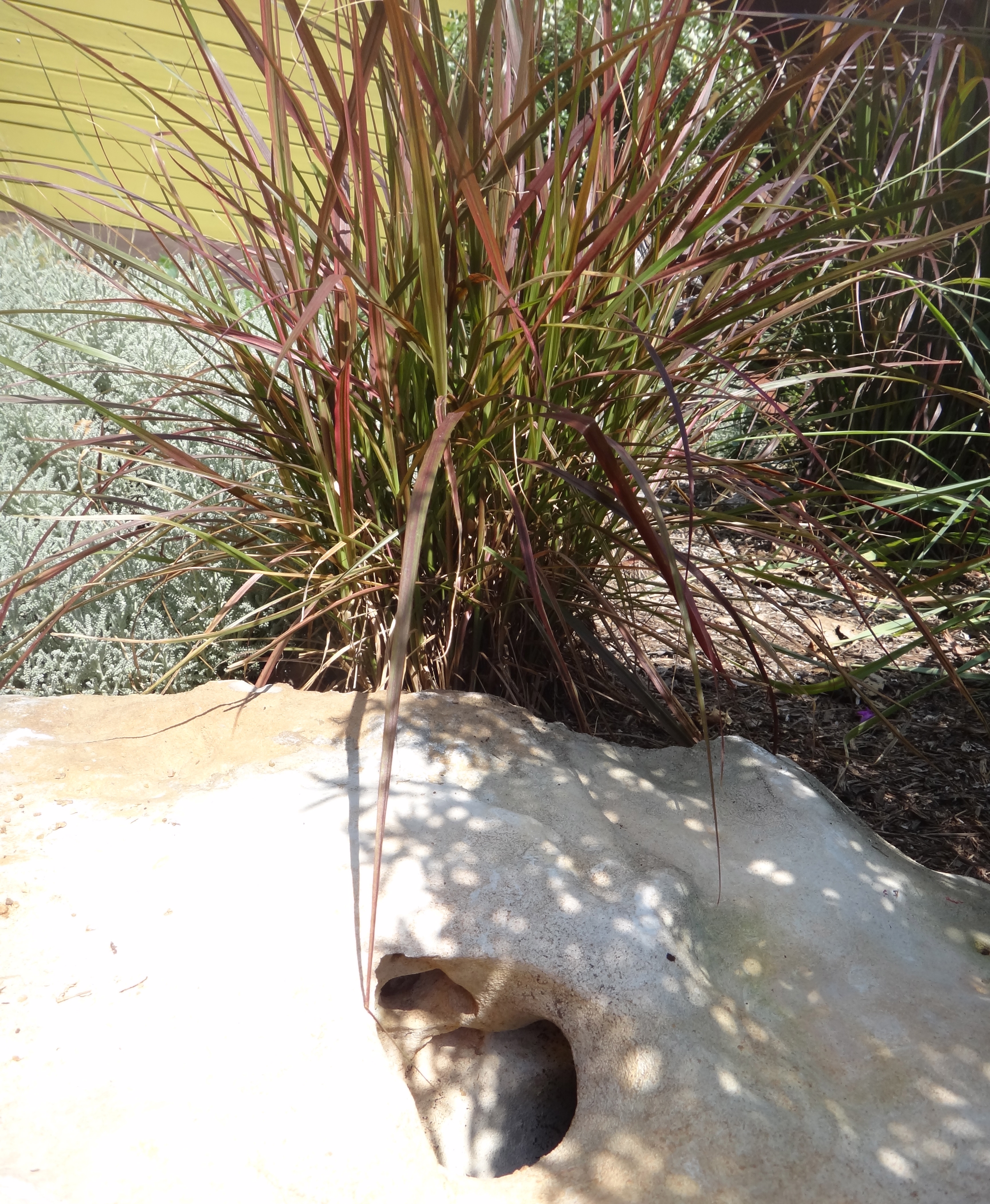
Some of these rocks have interesting features, this one may have a future life as a bubble-fountain.
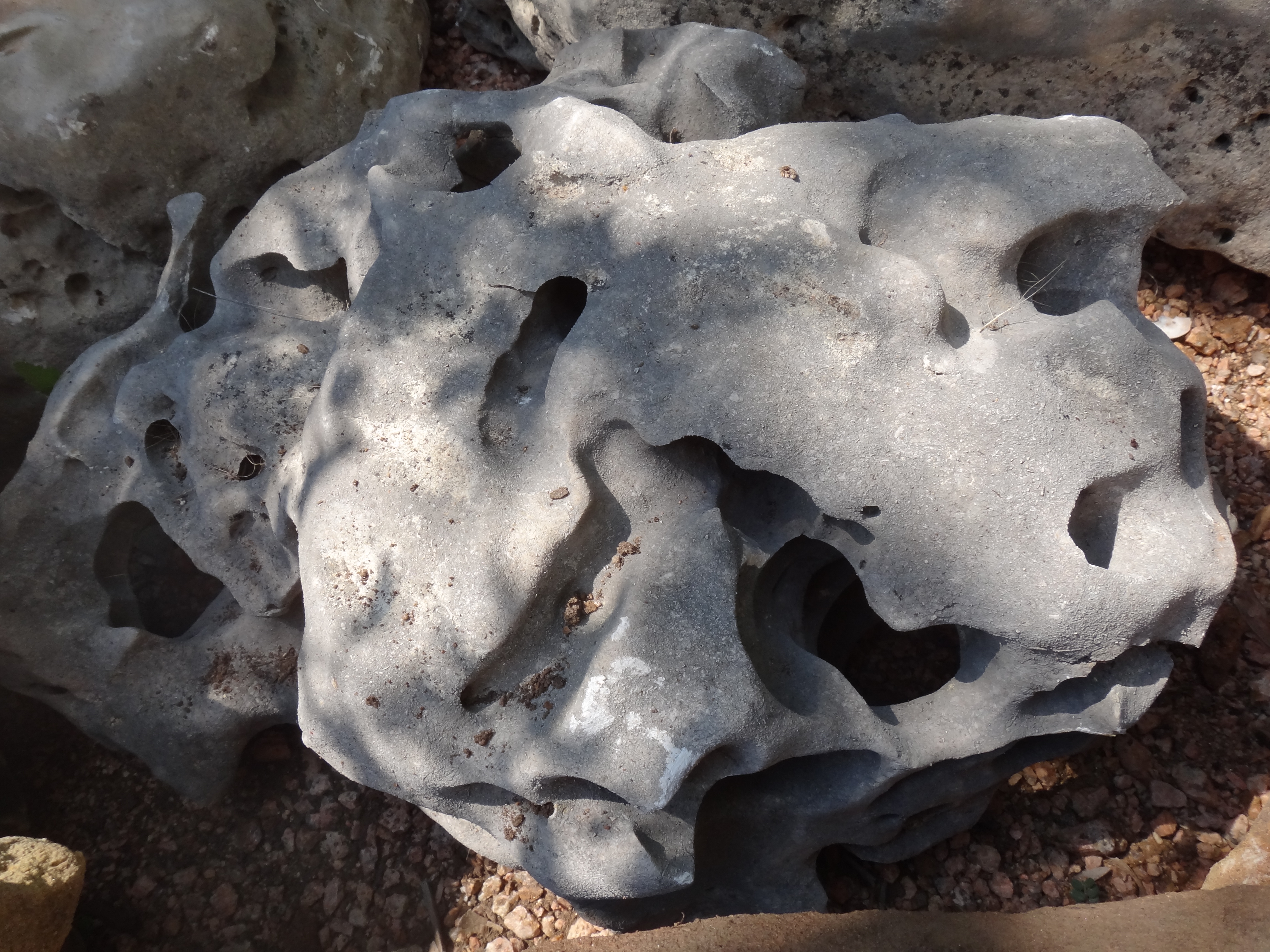
as may this asteroid.

“There is absolutely no reason for public concern

Remember this:

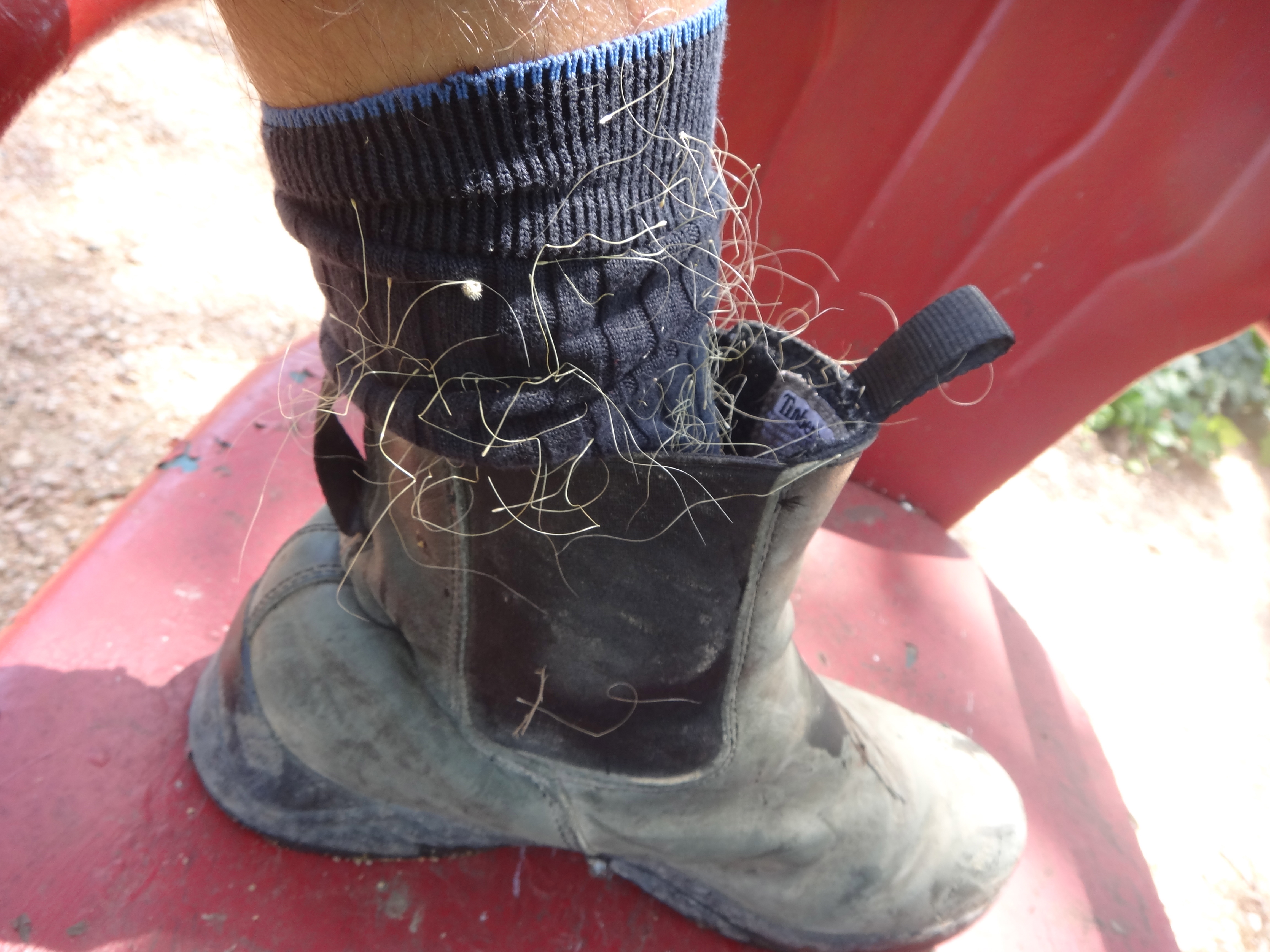
Now Kumo…it appears we are all slowly turning into Mexican feather grasses.

“Mulder, Scully – you may want to take a look at this”.

Finally:
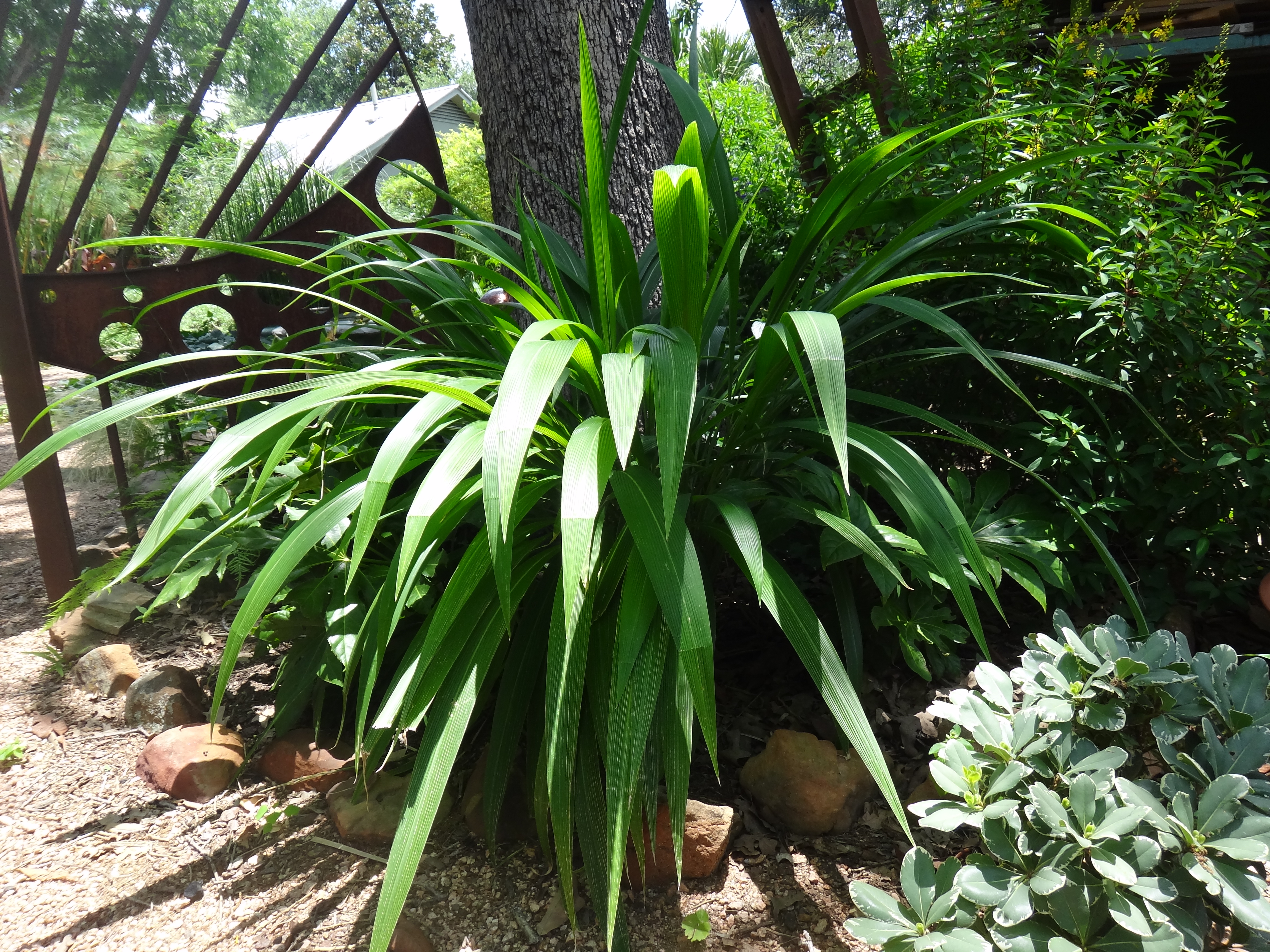
Palm grasses are getting ever larger.

Evergreen wisteria is developing the first blooms of the year, you can see where I am going with the brickwork, it will continue under the bench and it will be sunken flush with the DG.
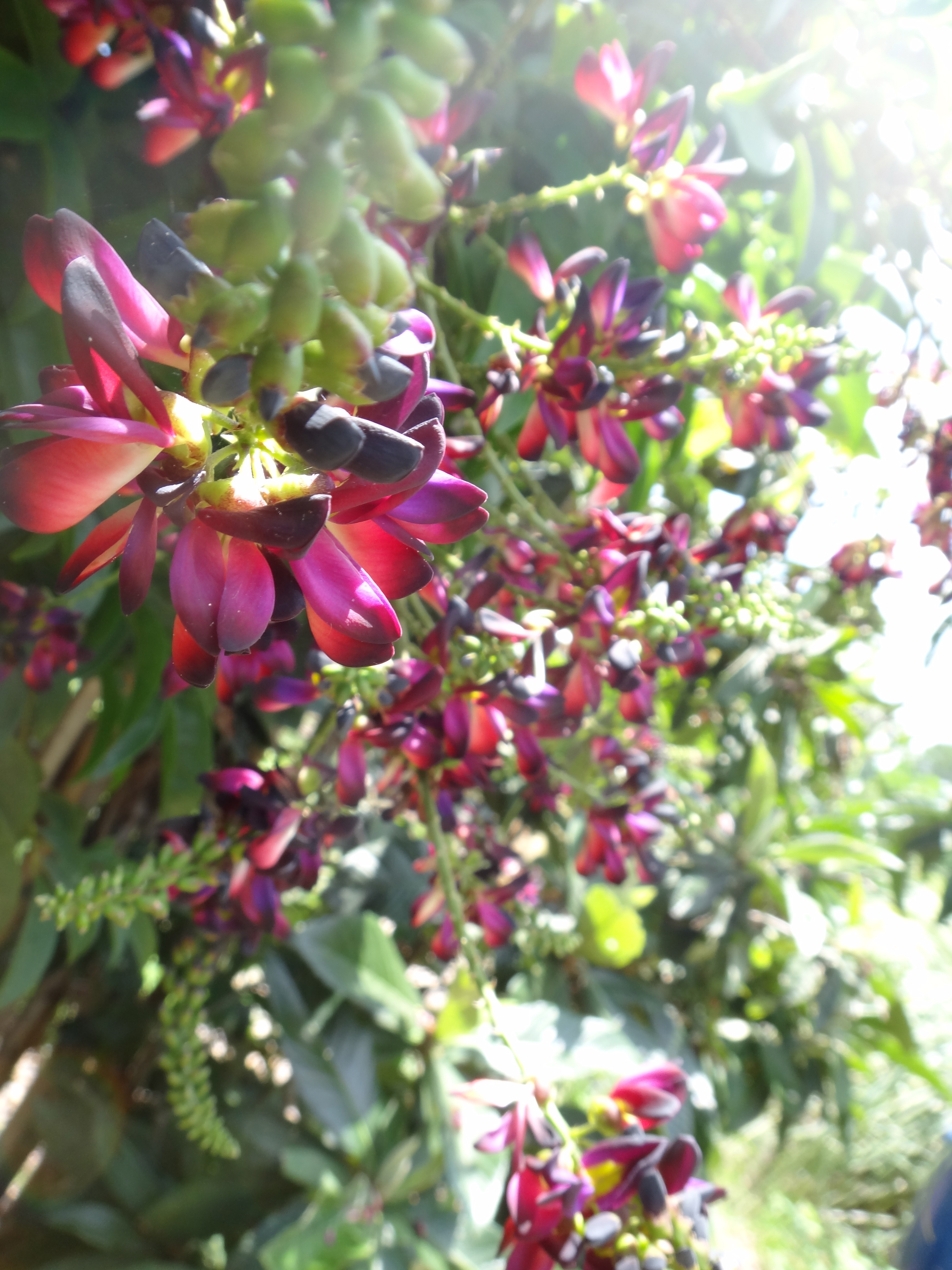
Mmm…smells like Grandmas old cashmere scarf…and I like it.
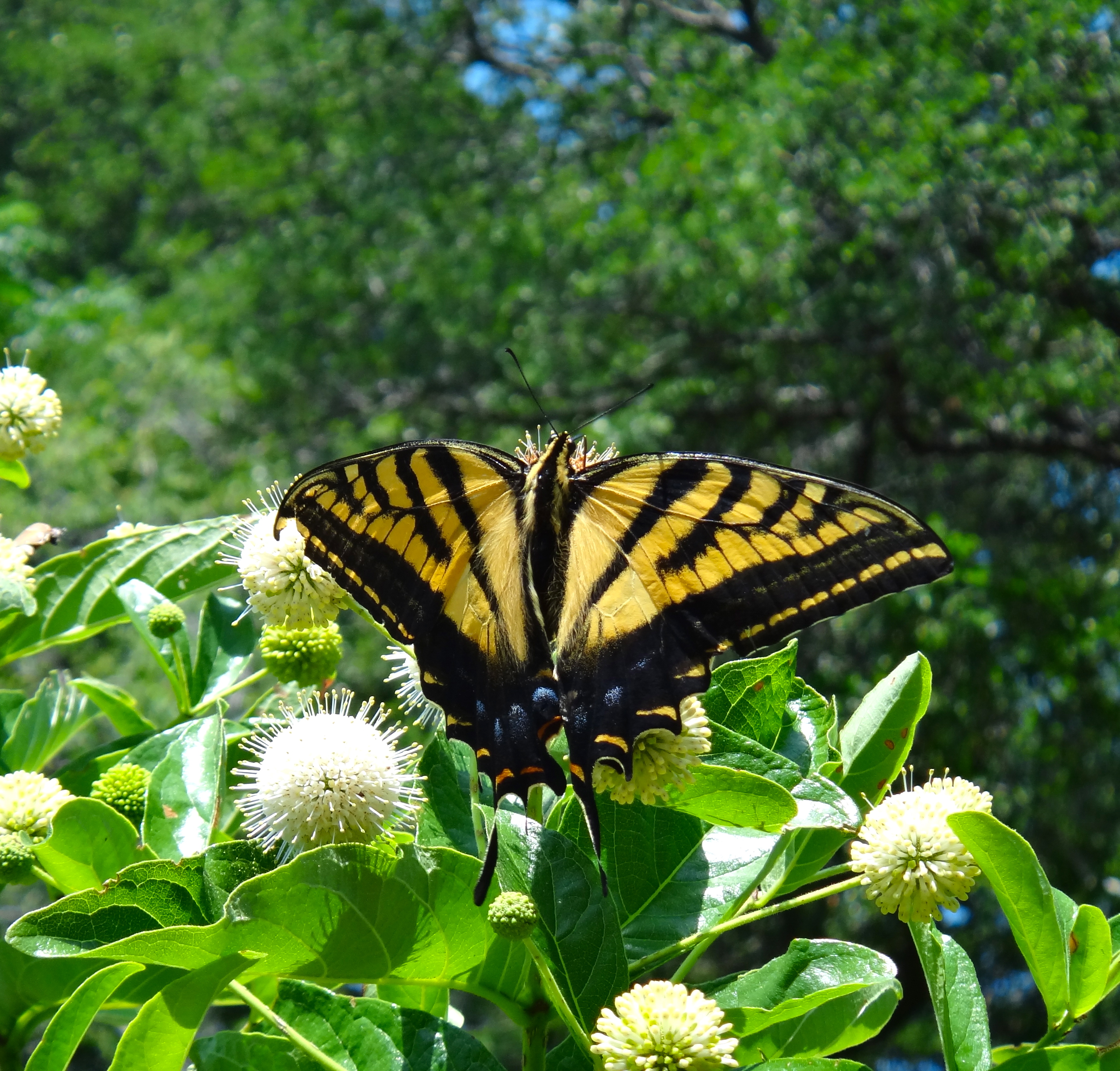
The appropriately named (size and markings) Tiger Swallowtail,

Papilio glaucas


this is a male on a stand of Buttonbush.
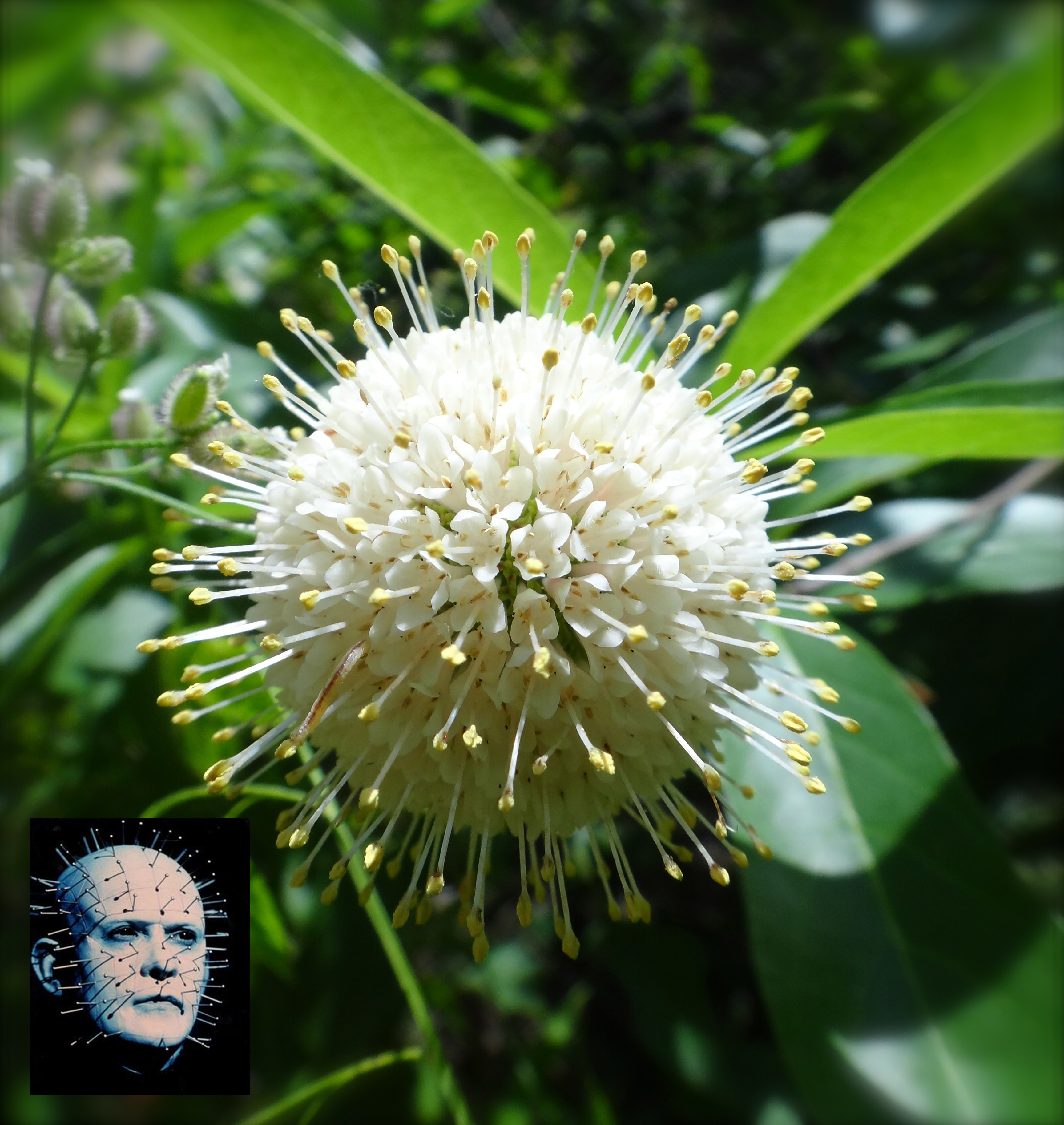
Cephalanthus occidentalis


This is one Hell-Raisingly unusual plant that is actually in the coffee family.

Stay Tuned for:

“Oops! I did it again”

 

All material © 2012 for eastsidepatch. Unauthorized
intergalactic reproduction strictly prohibited, and
punishable by late (and extremely unpleasant)
14th century planet Earth techniques.

Bizarre image of the week:

Brrr…(wakes up screaming in a cold sweat).
“Exploding Goldfish!”

I will go ahead and get the “nasty bit” out of the way right off the bat. Actually there may be a couple more in this post, depending on your disposition.

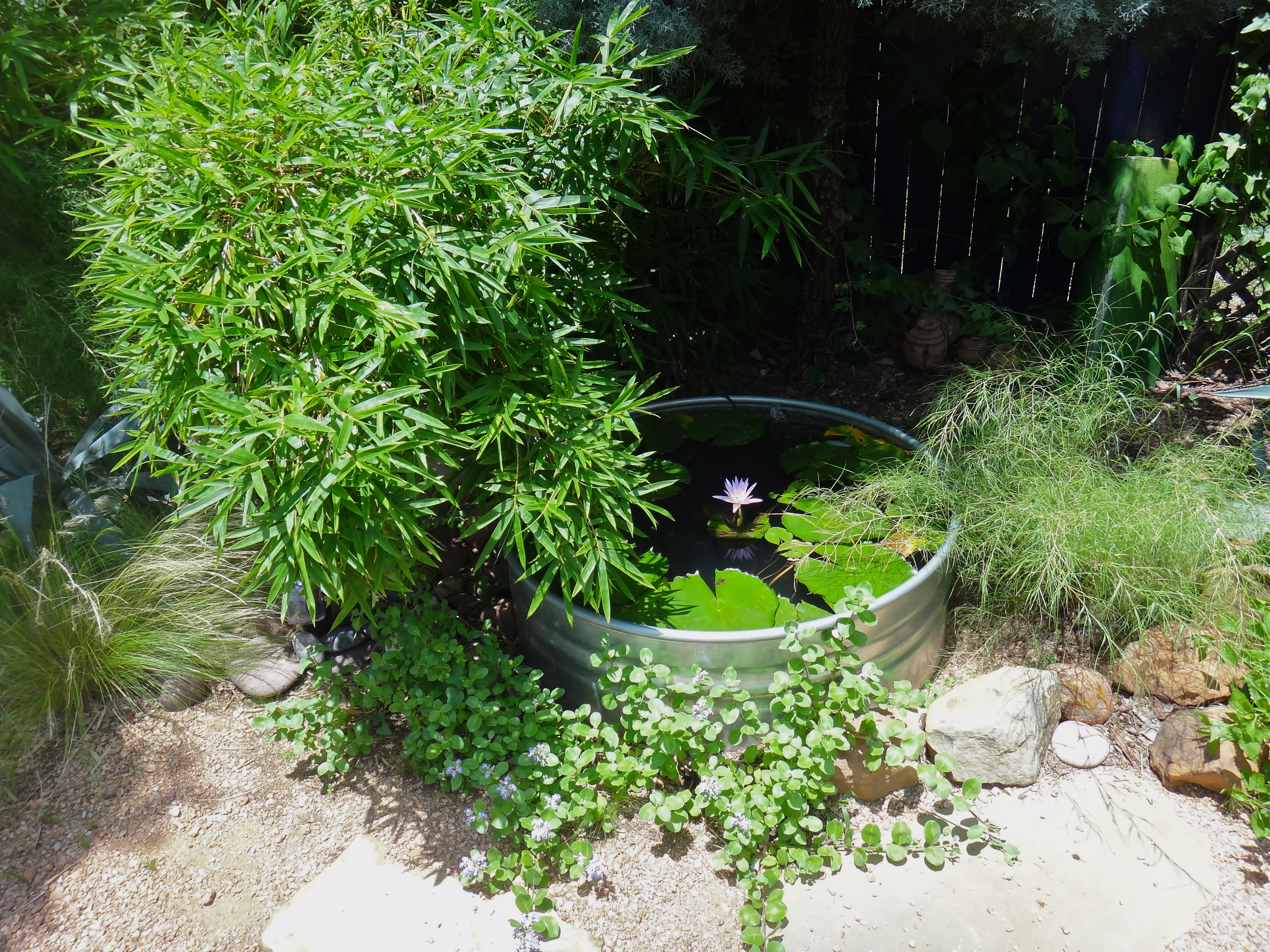
This first “eww” came to my attention some months back when one of my now extremely “in-bred” goldfish in my stock tank started to “put on weight”. I remember thinking that this was rather odd as it was not the right time of the year for them to be having babies. Then the rapid weight gain became more concentrated on one side of it’s body…I knew something had to be wrong with it.

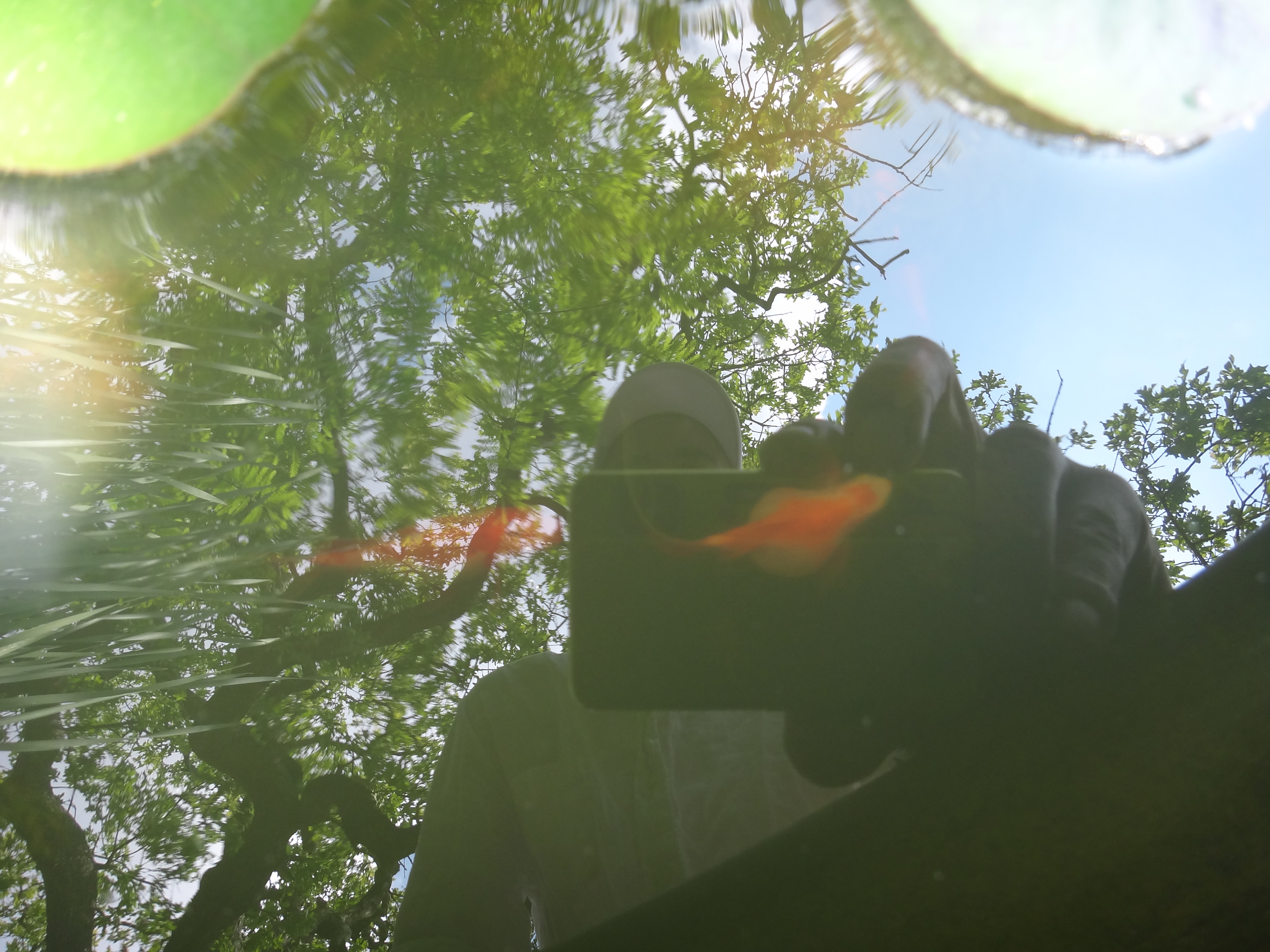
I saw it again recently and well…

…I knew it wasn’t long for this world. A week or two later I was clearing out some water lilies that had enveloped the entire pond as they do this time of year, and I happened to have a flash thought about the little bloated fish, how he was doing, if he had somehow managed to deflate himself.

As if on cue, lurking under the lily pad that I was currently pulling on, out rolled Mr Creosote with impeccable timing in, I swear, slow motion right over the back of my hand, very inconsiderate.

At this point I made my customary freaked out noise, which is somewhat a cross between the strained sound you make in a dream when you cannot seem to escape whatever it is chasing you, and strangely a giggling five year-old girl.

This particular incident also included a notable cross-legging side-stepping swagger away from the direction of the tank and the offending fish.

After my heart rate slowed, I decided that Mr Creosote should receive a decent burial.

I walked to the shed for my shovel, and caught myself thinking about where in the Patch the soil quality required some improvement…his final resting place to be, or so I thought.

I quickly dug him a shallow grave and went about my business albeit a little more cautiously in and around the pond.

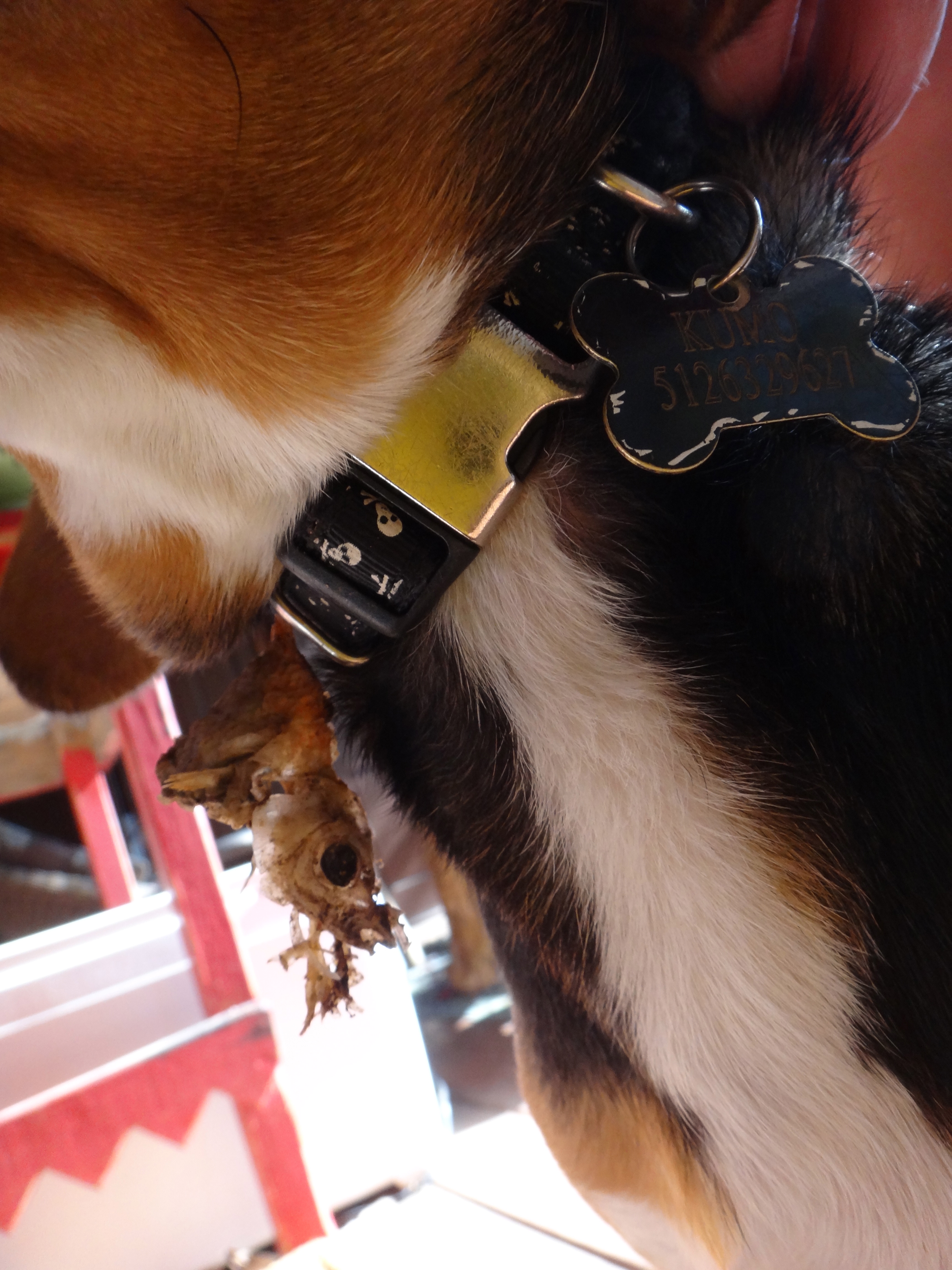
The following day we were all hanging out on our back porch when the air got thick with the most ungodly smell (oh yes), it was the sort of smell that had us all instantly looking at each other, wide eyed, in a sort of desperate – you have to figure out where this is coming from and take care of it immediately sensibility.

We did not have to look far…

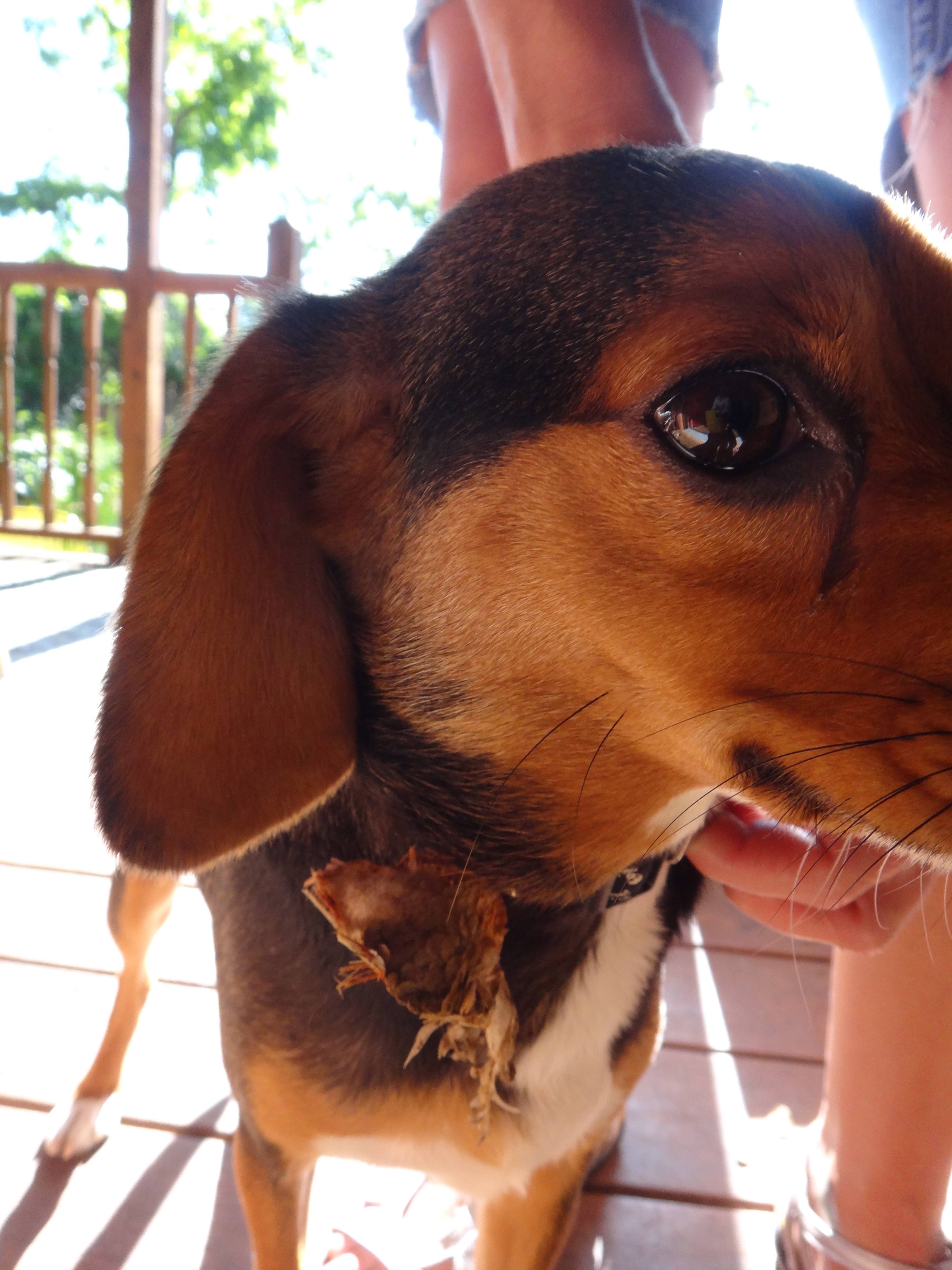
He had resurrected Mr Creosote and must have been rolling around on him, lodging him up into his collar.

Bad, stinky Kumo! 

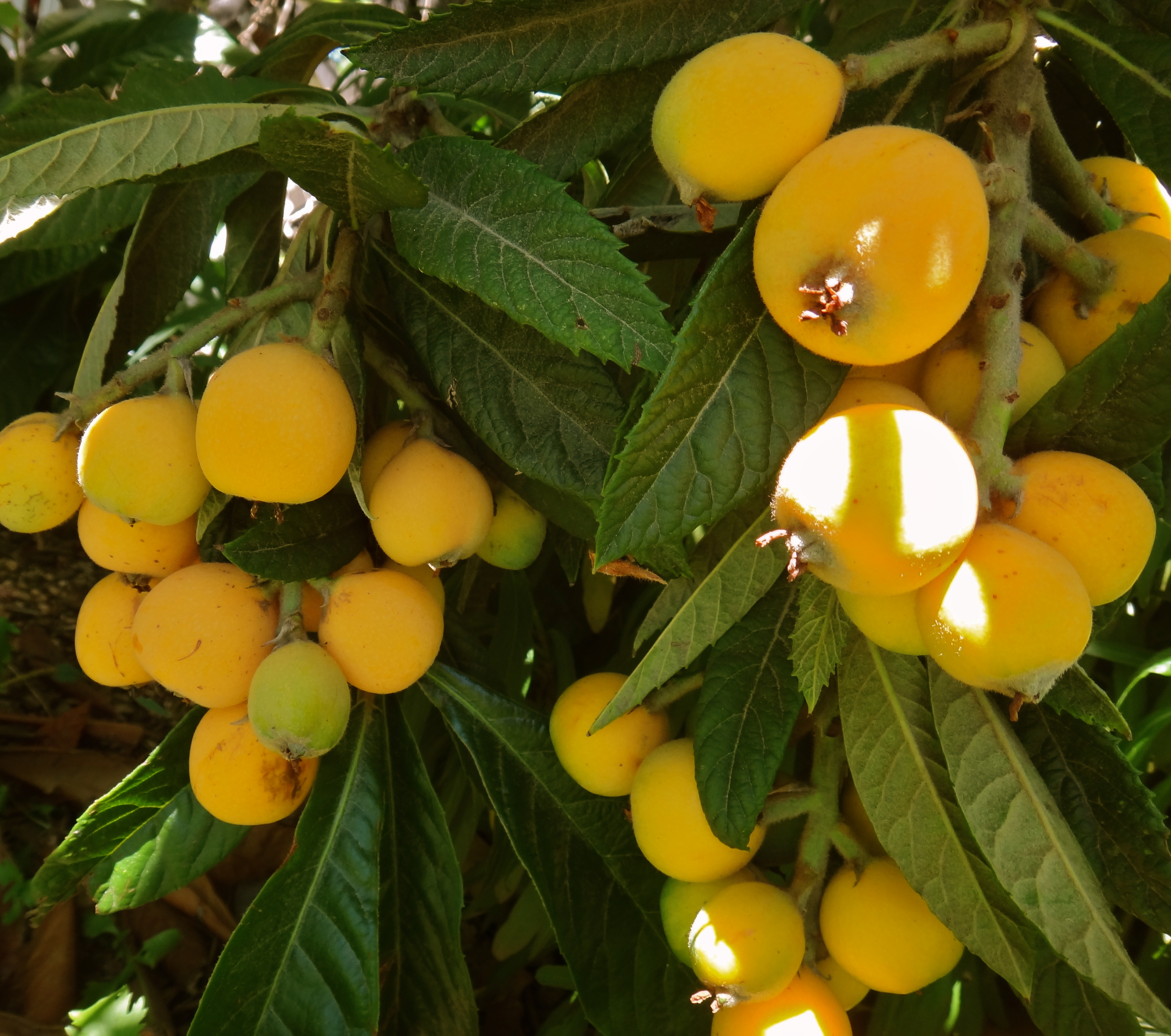
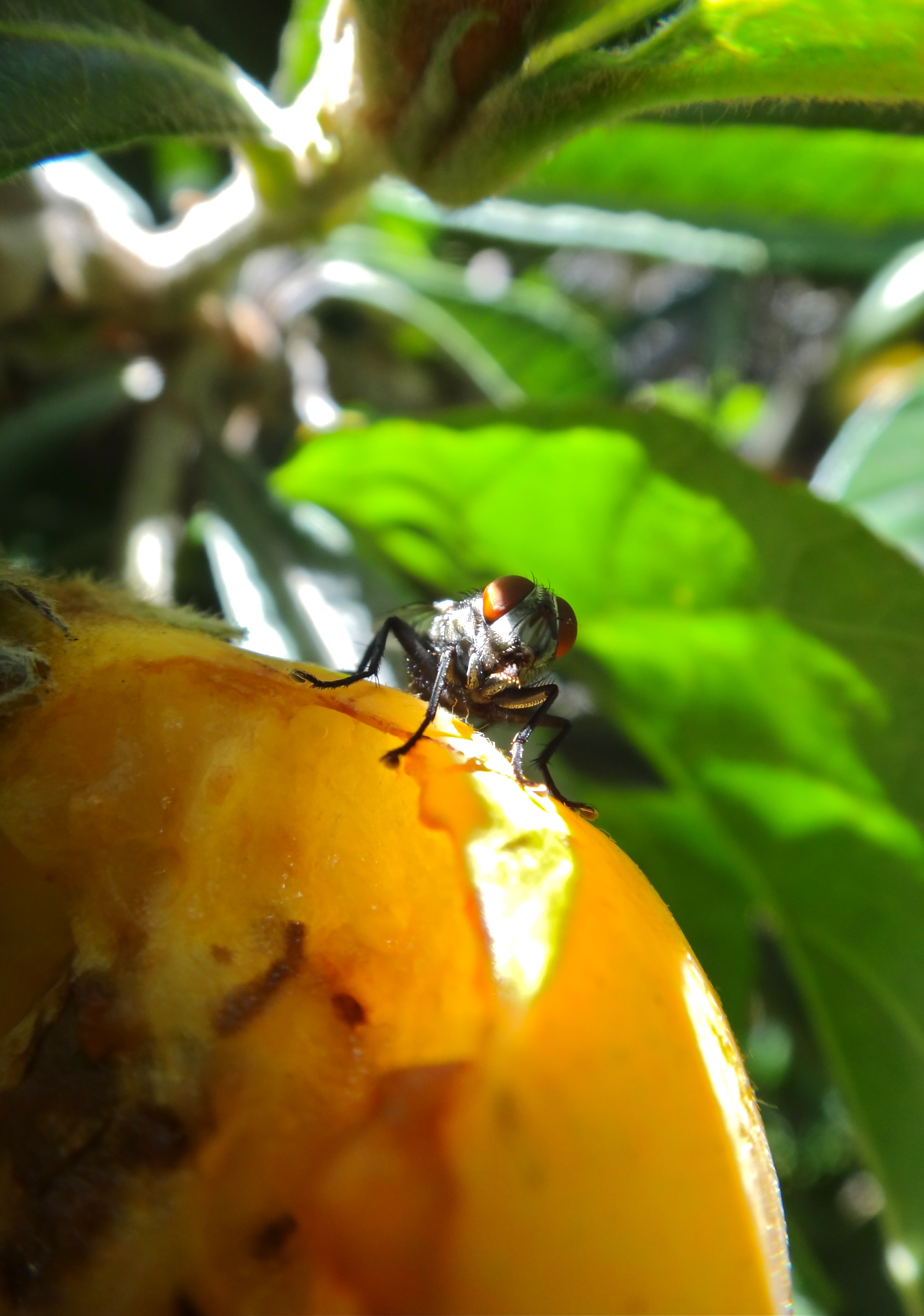
Kumo, among many other creatures and birds, has also been tucking into the now very ripe / rotting loquats. I keep finding the seeds that he has carefully nibbled and discarded in neat piles everywhere. And here was me thinking they were a Naboo god-offering.

Jeff, your eyes are bigger then your belly!

“Yes, yes…they are ESP! I just can’t stop myself”

“Shomeone…shave him from himshelf.”

Lots happening this week in the ESPatch.

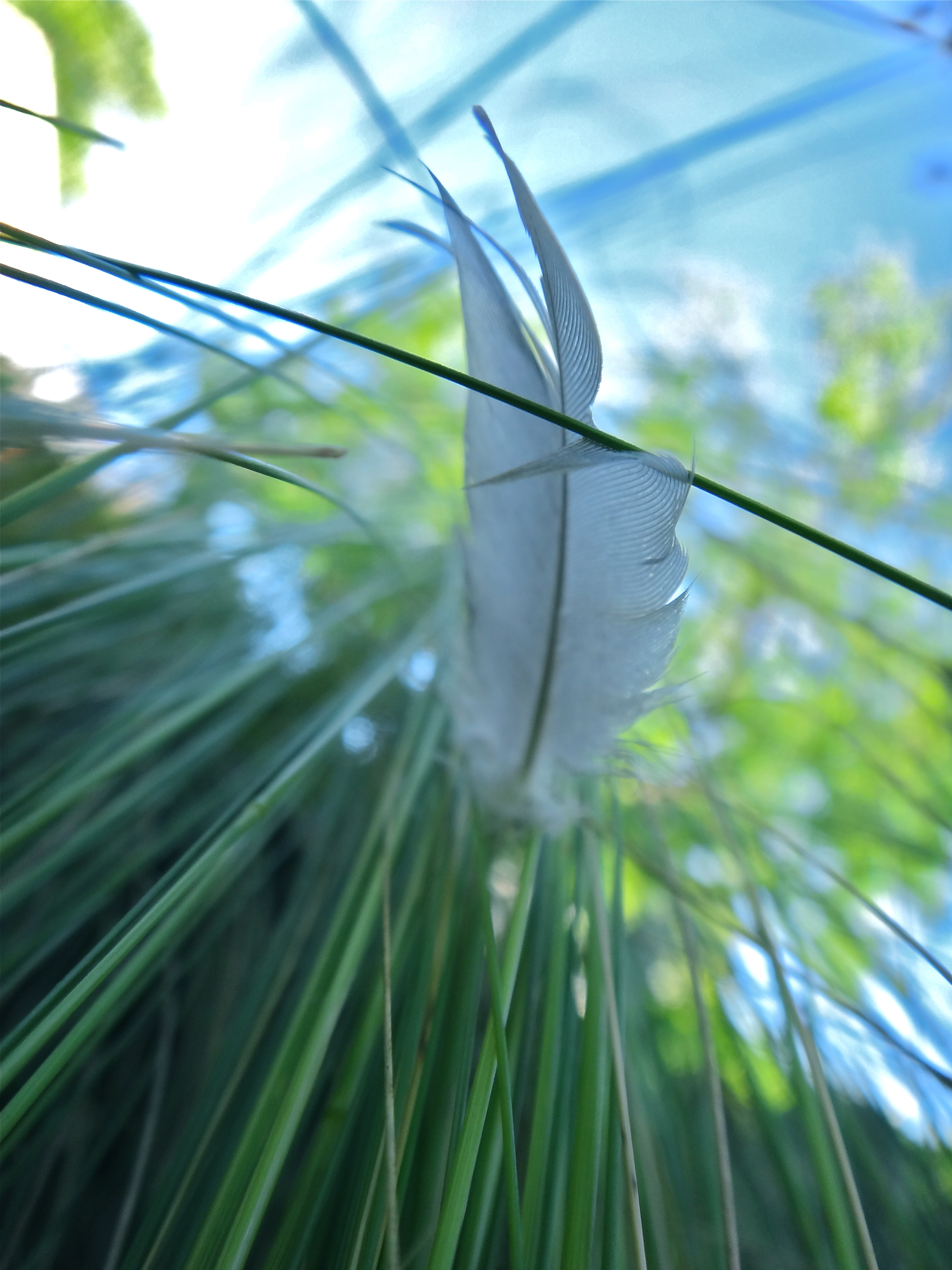
I have witnessed fights in the feather grasses, even

feathers in the feather grasses.

My mature sotol is growing a spear…

“Ach, is that what yer callin’ it ESP, look at it mun, its no even twice the length of a mun!”

Enough William.

Must not look at the sticker…must not look at the sticker…you are looking at the sticker aren’t you?

The Battle continues:

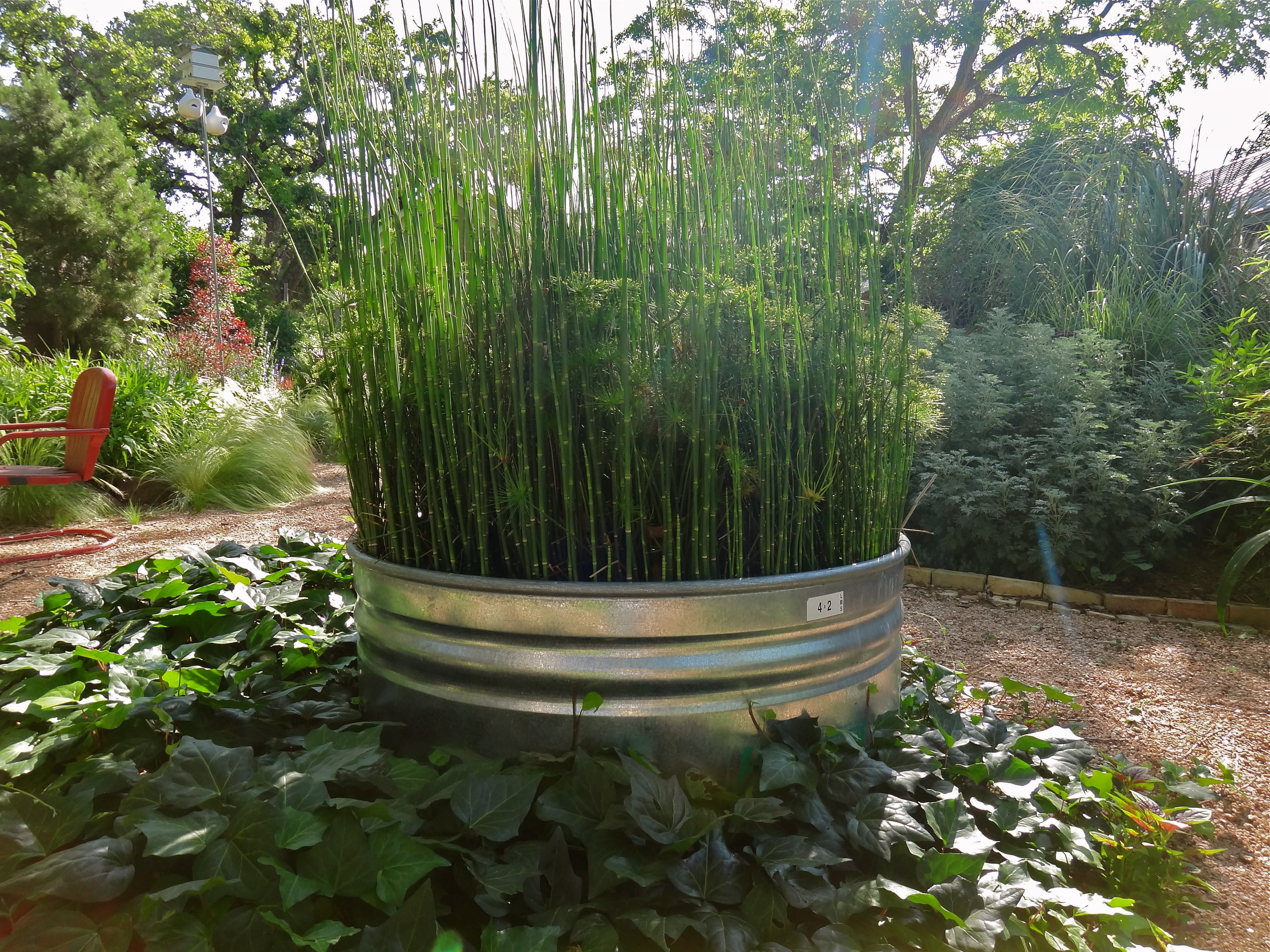
“On this day the 25th of April, 2012, I report that the battle between the dwarf papyrus and the horsetail reed is holding fast. The pairing appears to be at a stalemate, at least for the time being. I fear for our safety with the ever increasing threat from the Persian ivy front, it is now constantly threatening our borders and appears to be deeply dug in, no doubt lying in wait to flank the opposing artemesia.”

This area is going to be redesigned as a Patch Tikki bar in the not too distant future and this stock tank may very well have to be moved, an event that I am not by any means looking forward to. More on this potential Darwin award later.

Moving on, and away from the Patch to a client’s house for a moment.

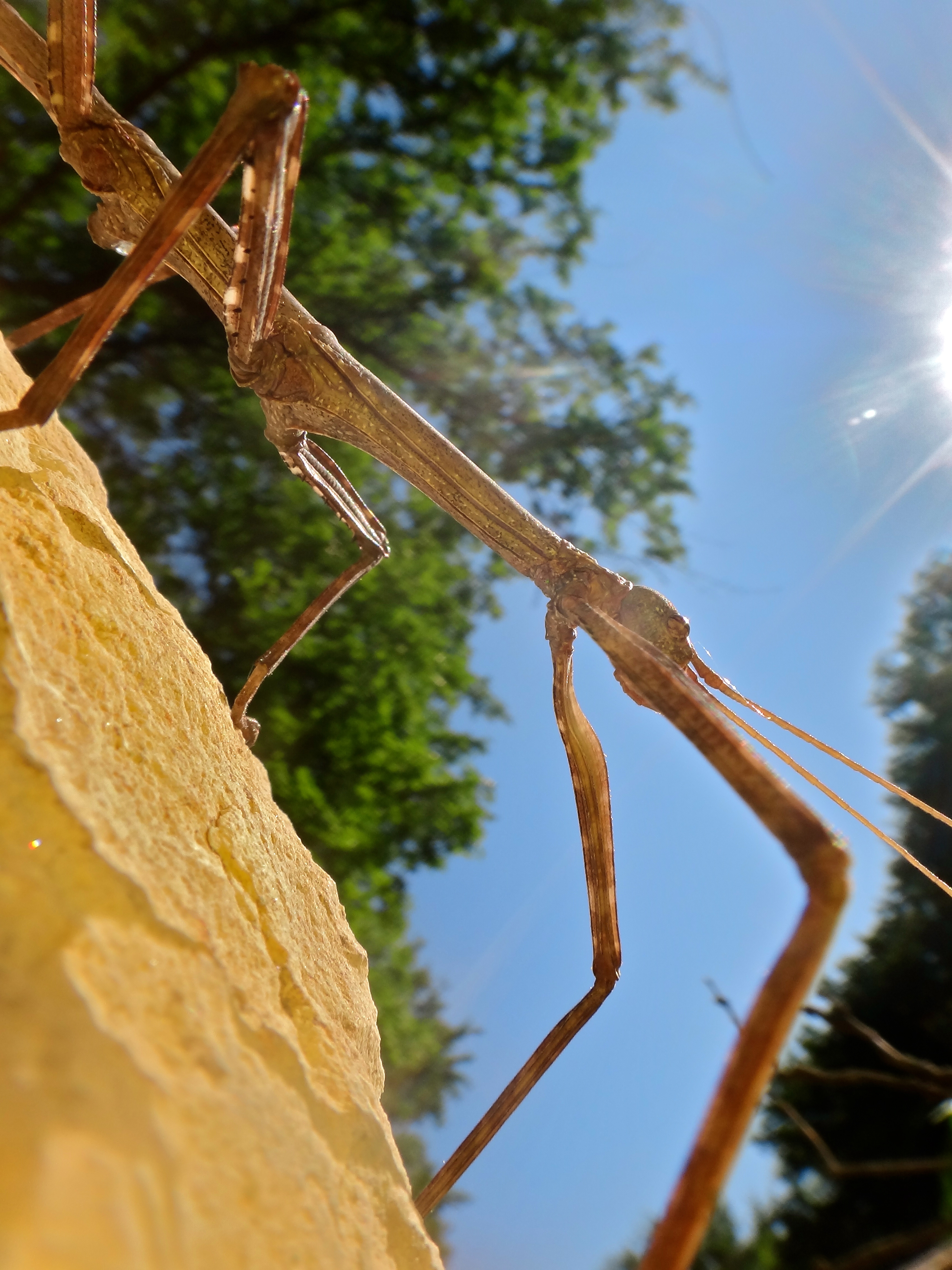
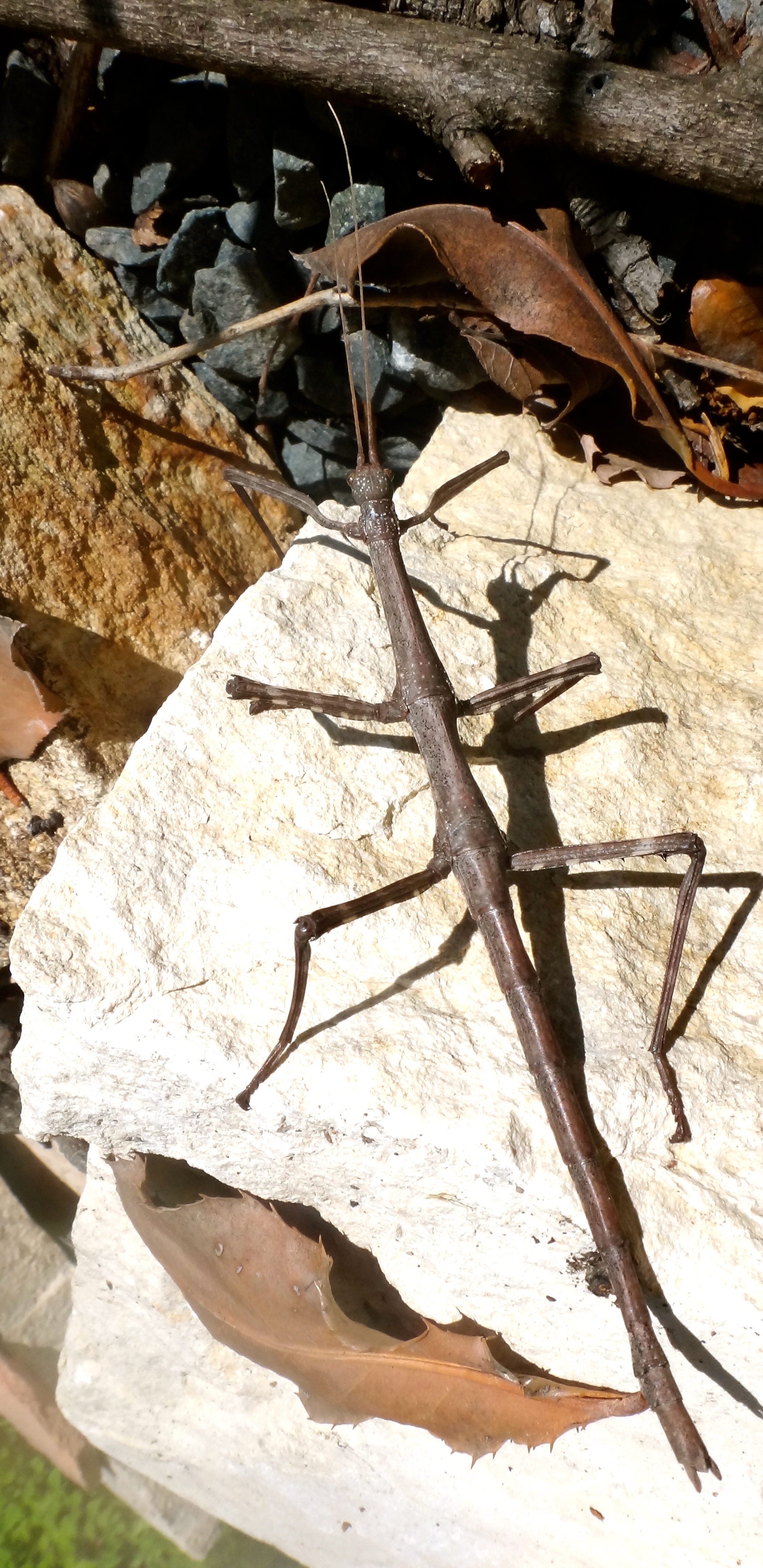
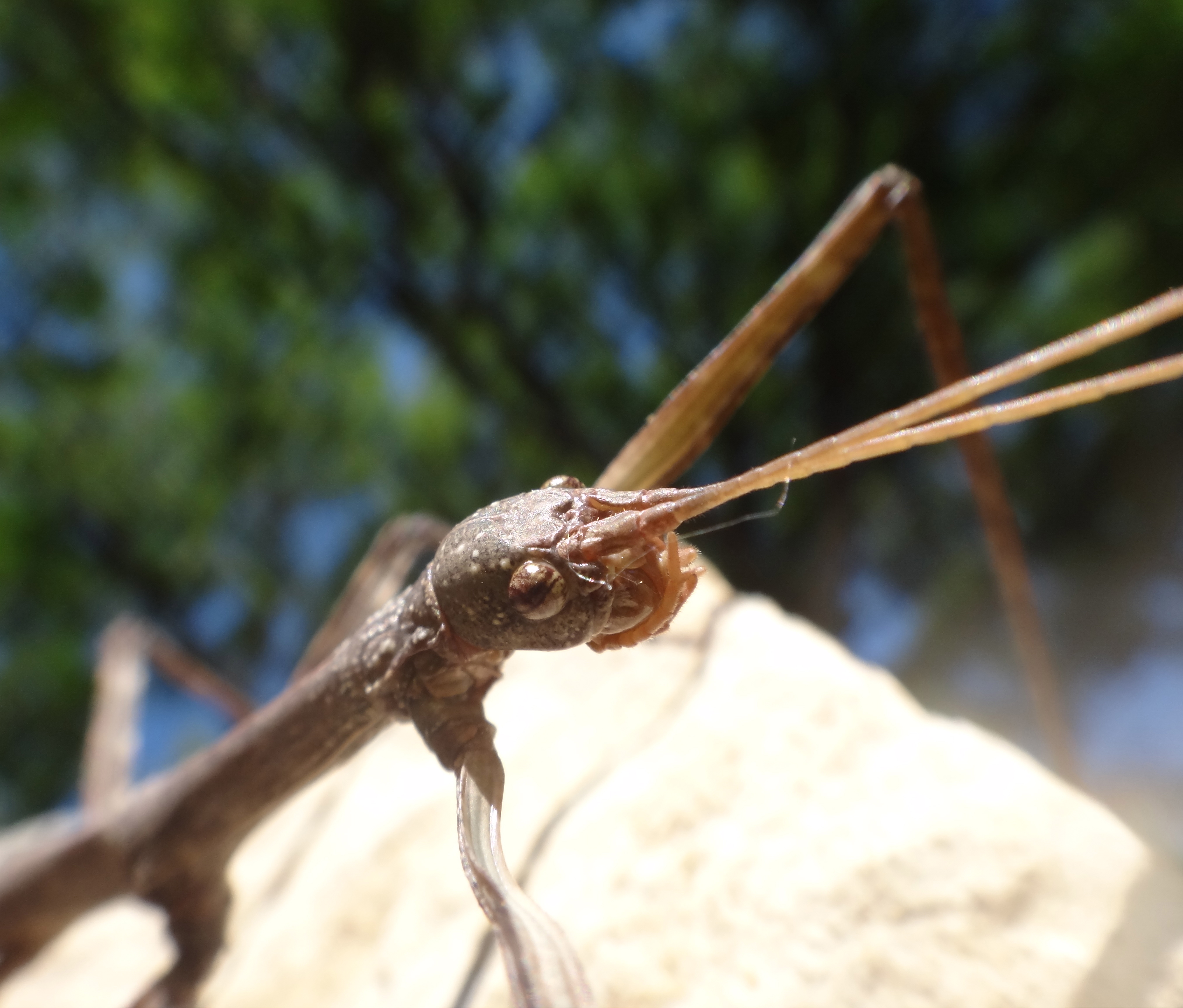
I was in the process of taking out a dead tree (as you do), when I saw a rather “unnatural” stick clinging onto the side of a limestone boulder.

This is

Megaphasma dentricus


or as it is more commonly known, the walking stick, it is one of the largest insects in our area. Female giant walking sticks can be as long as 6 inches and this one was all of that. Walking sticks spend their lives up in oak trees eating leaves and are generally only seen on the ground if they have fallen out of one.

It is the longest insect in the United States and, taking the above shot, my hand was positioned directly below it.

If it had dropped, I would have required some serious counseling for a very long time. 

Slow-moving and defenseless creatures, they rely on their incredible camouflage to avoid predators.

Brrr. 

I coaxed her onto another (real stick) and placed the creature into the safety of some nearby shrubs.

Some other notable insects in the Patch of late:

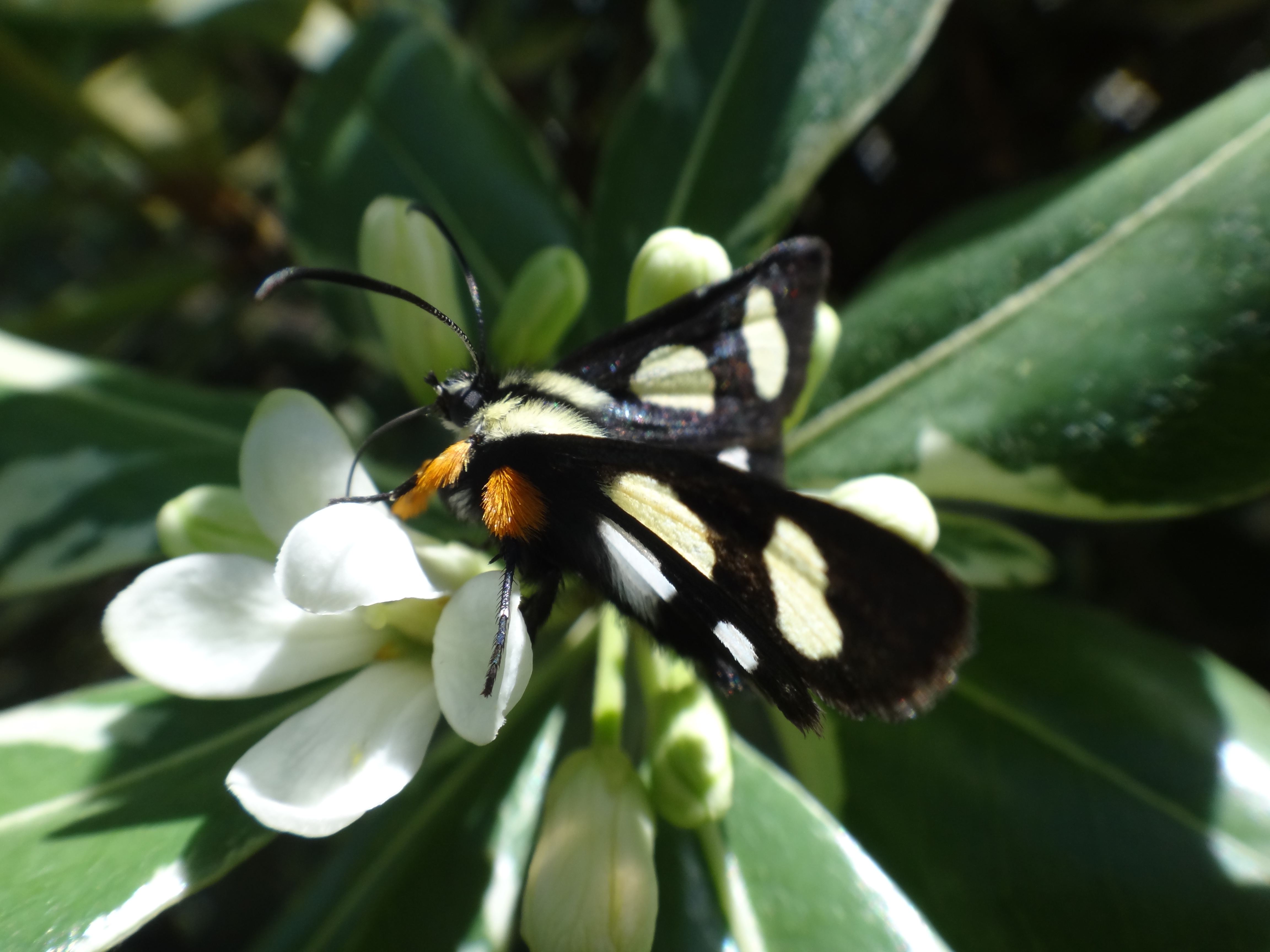
An eight spotted forester moth in a variegated pittosporum,

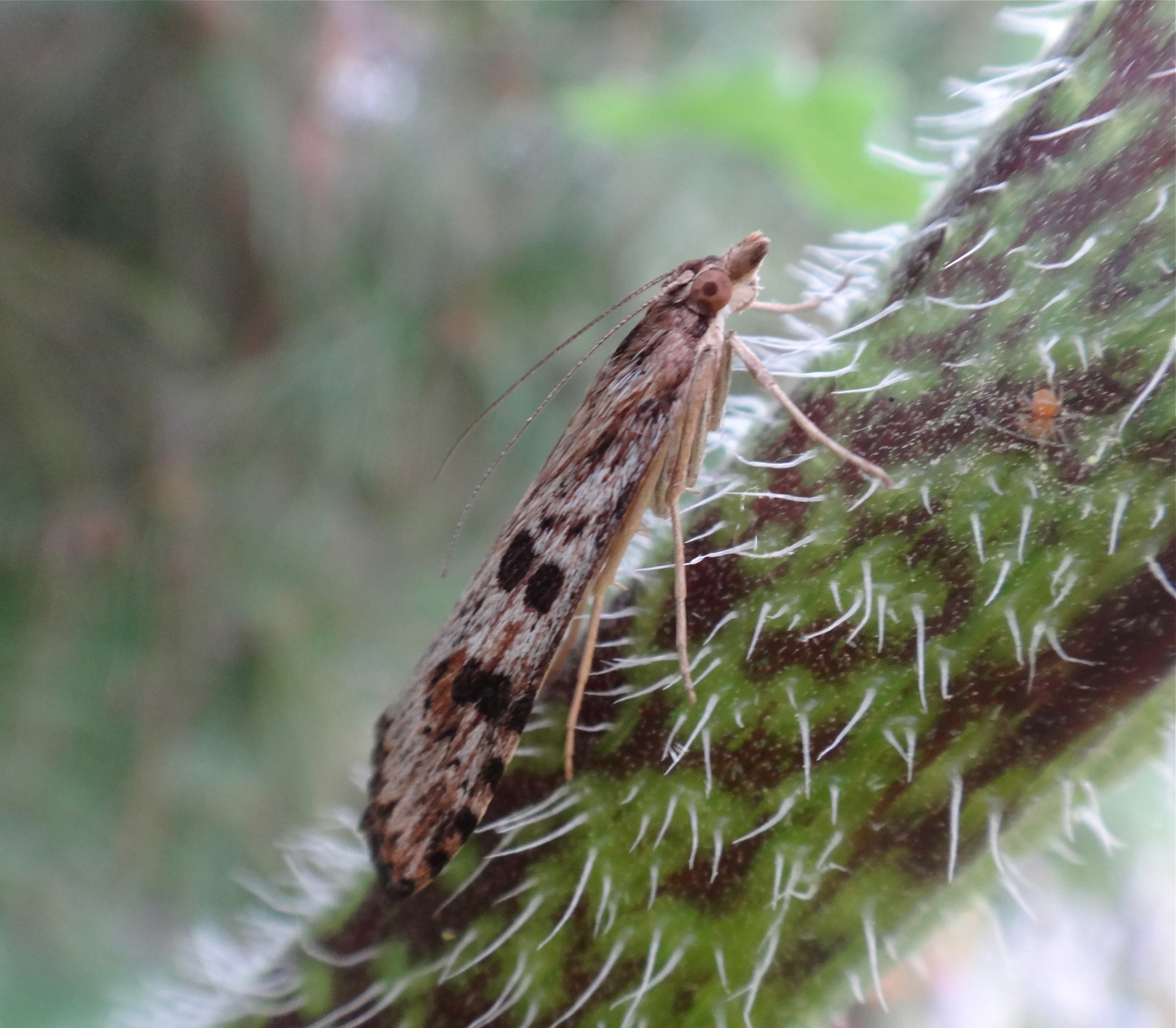
and this rather Wile E. Coyote looking villain skulking on the stem of this sunflower.  This is a Lucerne moth.

Nomophila nearctica


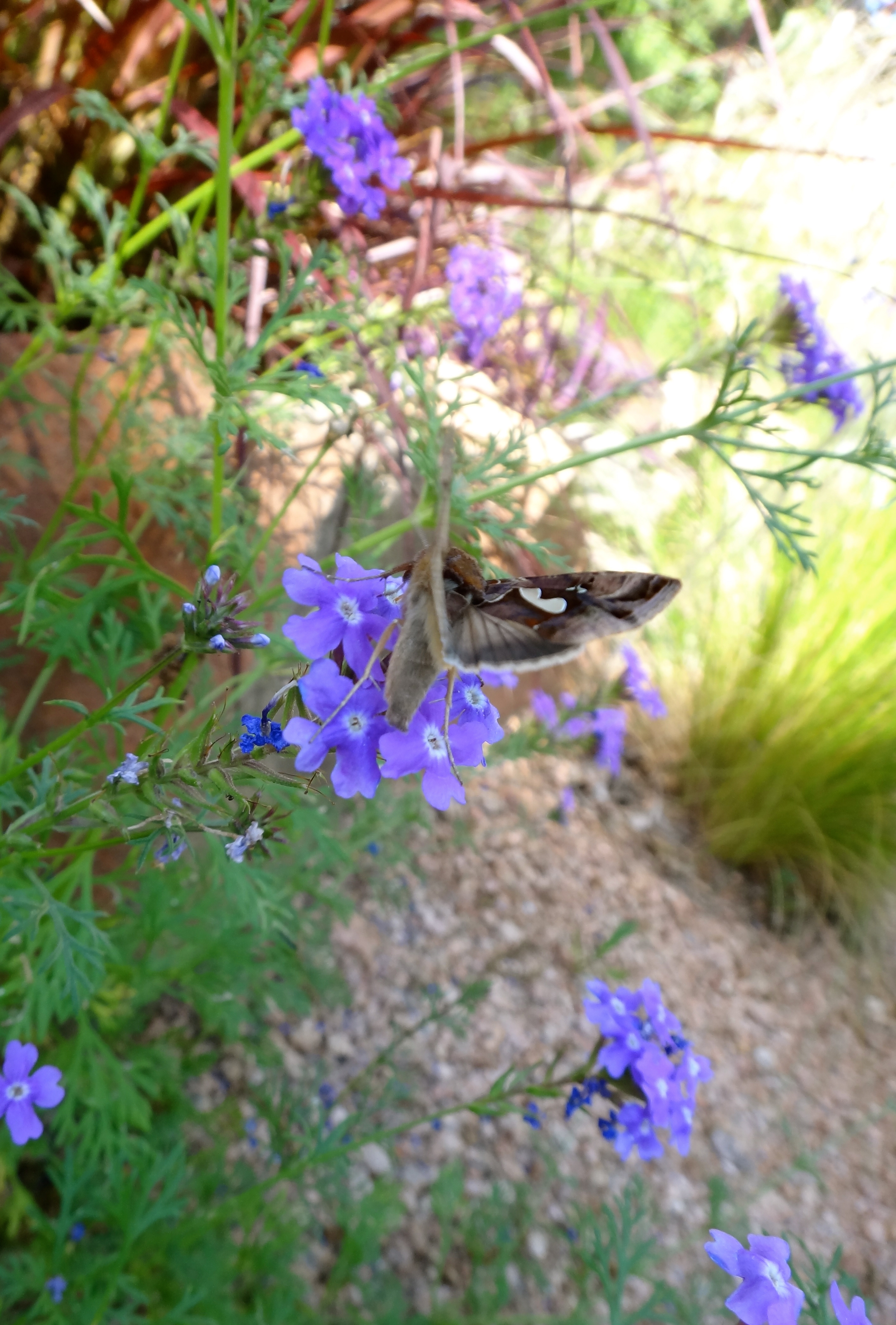
Lots and lots of these Bilobed Loopers, they have been very common across Texas this Spring but really hard to photograph…they hardly ever keep still.

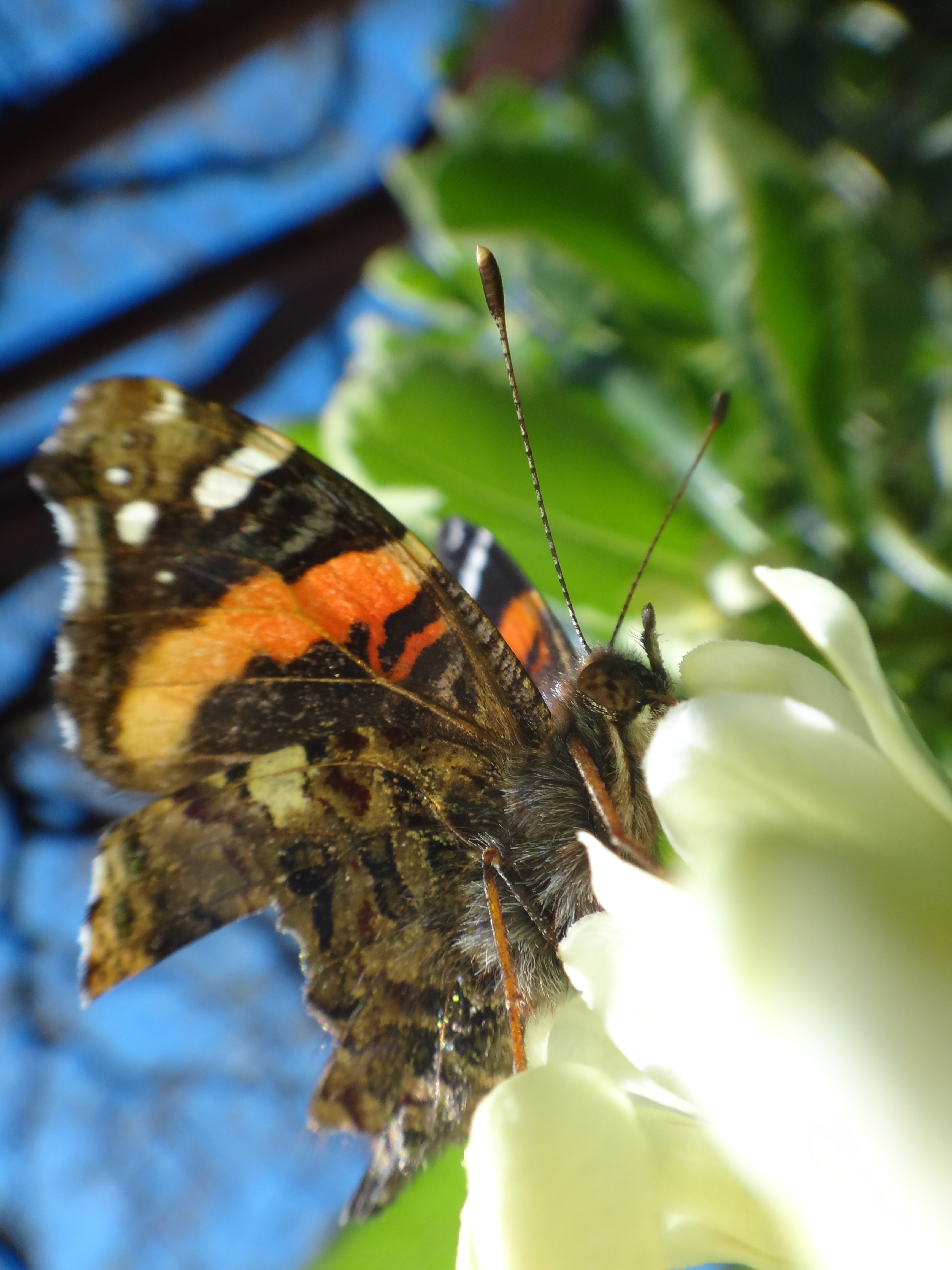
Red Admirals also are showing up in large numbers.

Vanessa atalanta


And to wrap things up on the insect front: a Little Yellow (Pyrisitia lisa) on milkweed.

Larkspur has put on a mighty fine display this year,

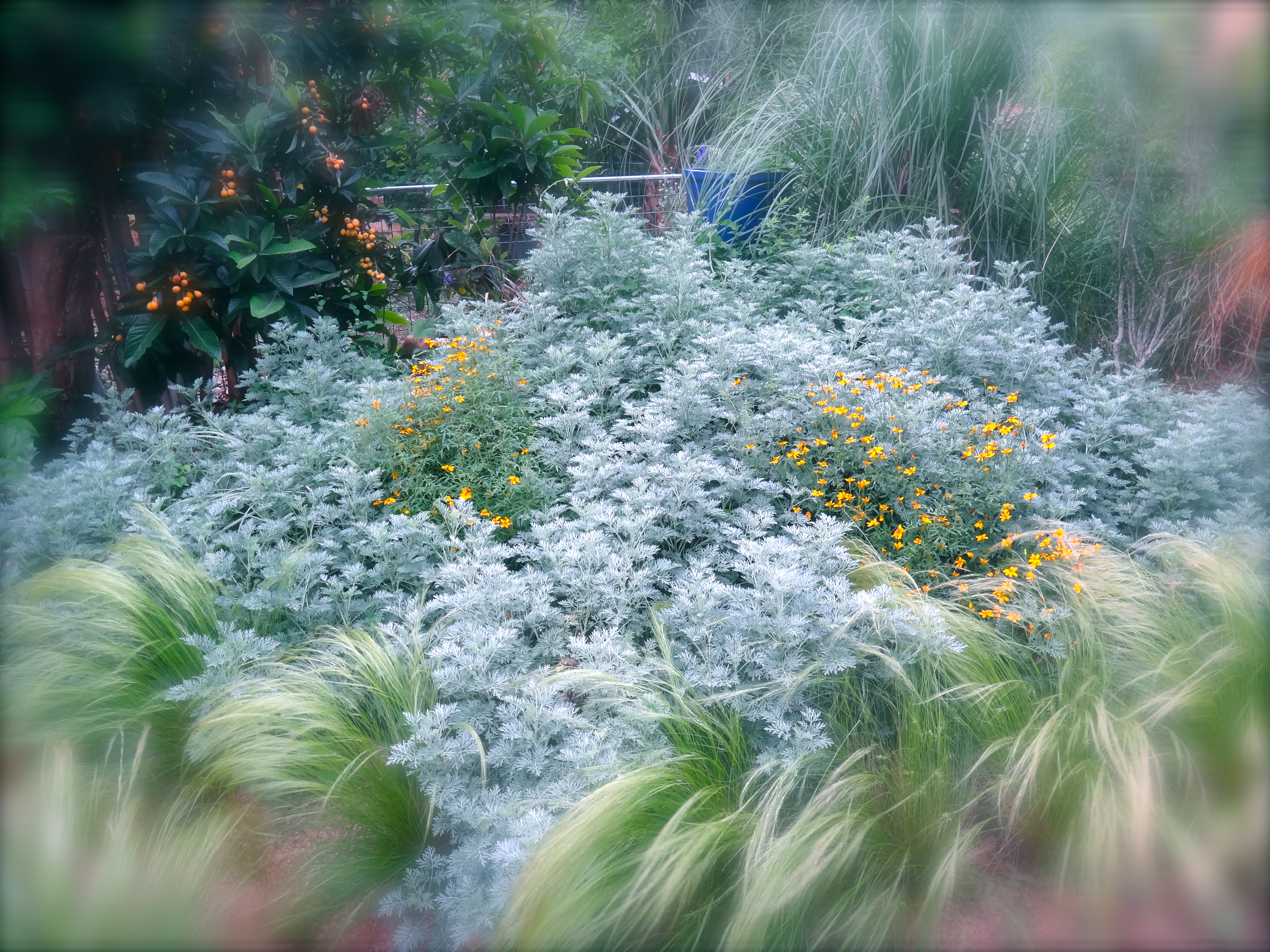
along with the white-water rapids of artemesia,

here it is flowing past a couple of copper canyon daisies to heat up the scene and some Mexican feather grass for movement.

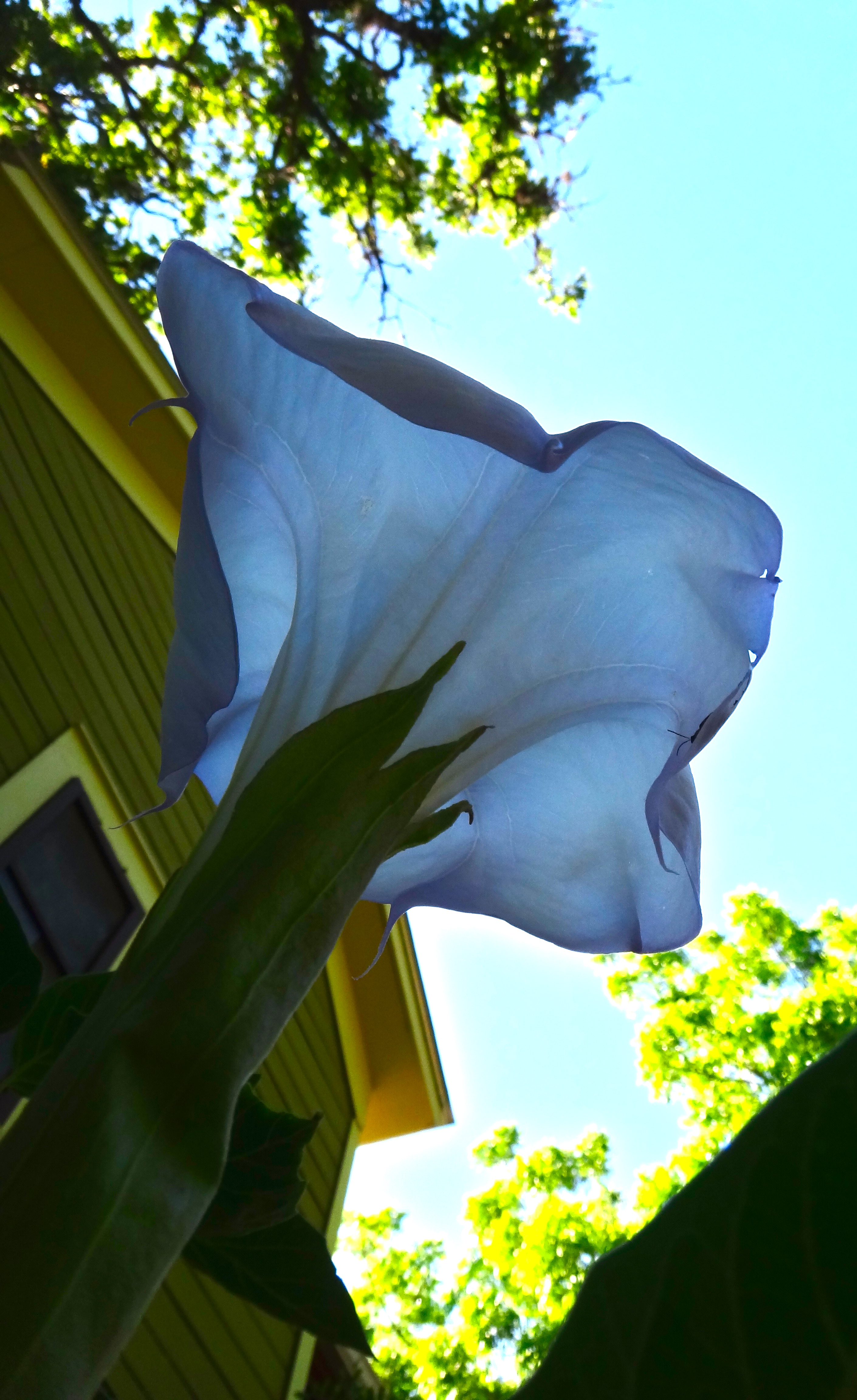
The blowing of the datura trumpet signaled that it was once again time for our annual school Daddy – Daughter dance

 I had fun miss p. and I promise I will try the limbo dancing next year.

pinocchio urban art by OakOak

Stay Tuned for:


“They’re under Starters Orders…”


All material © 2012 for eastsidepatch. Unauthorized
intergalactic reproduction strictly prohibited, and
punishable by late (and extremely unpleasant)
14th century planet Earth techniques.


Coming soon to a theater near you:


1 2 5 6 7 8 9 12 13