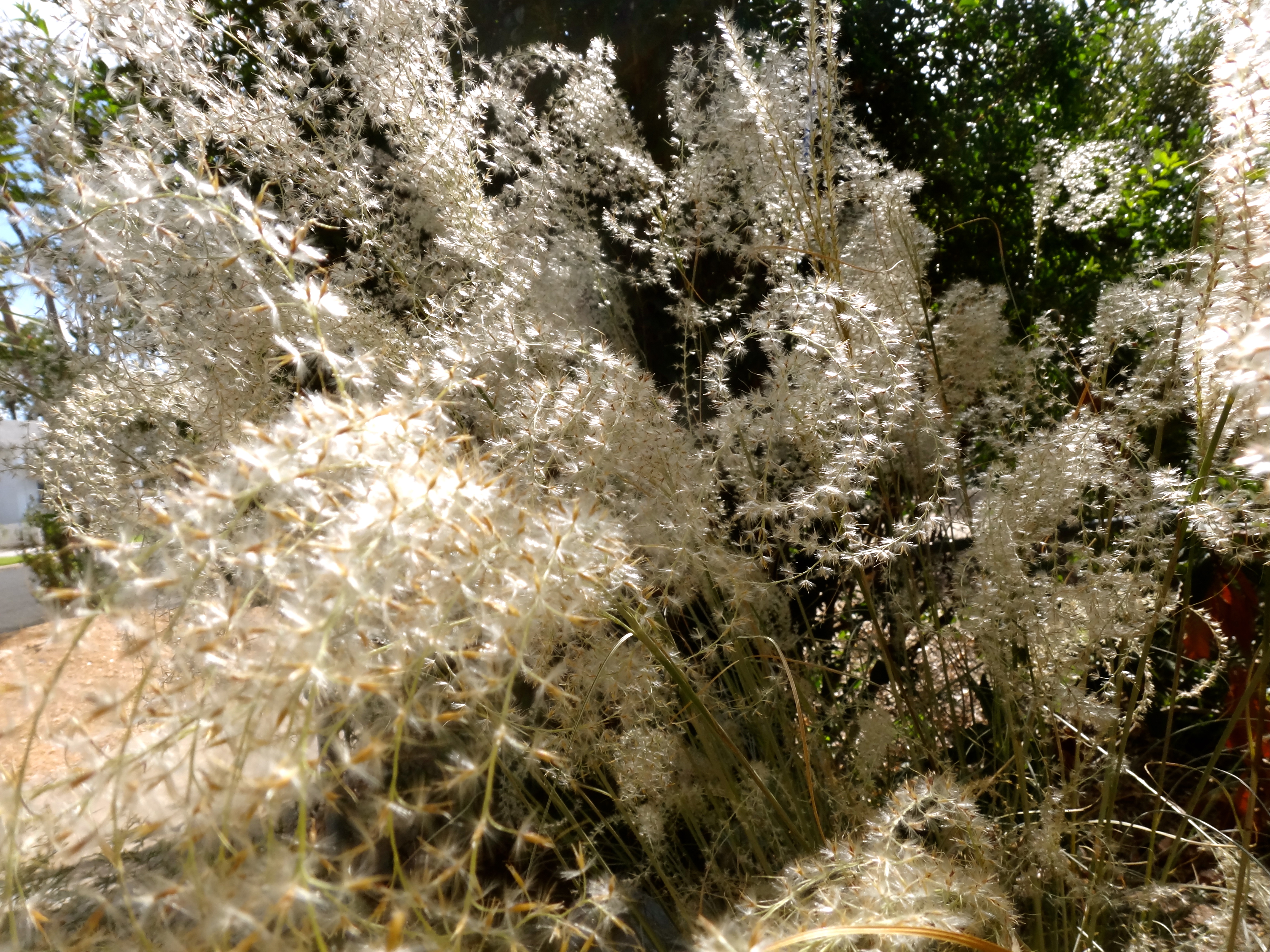
The spiraling seed heads on this miscanthus do look electrifying,
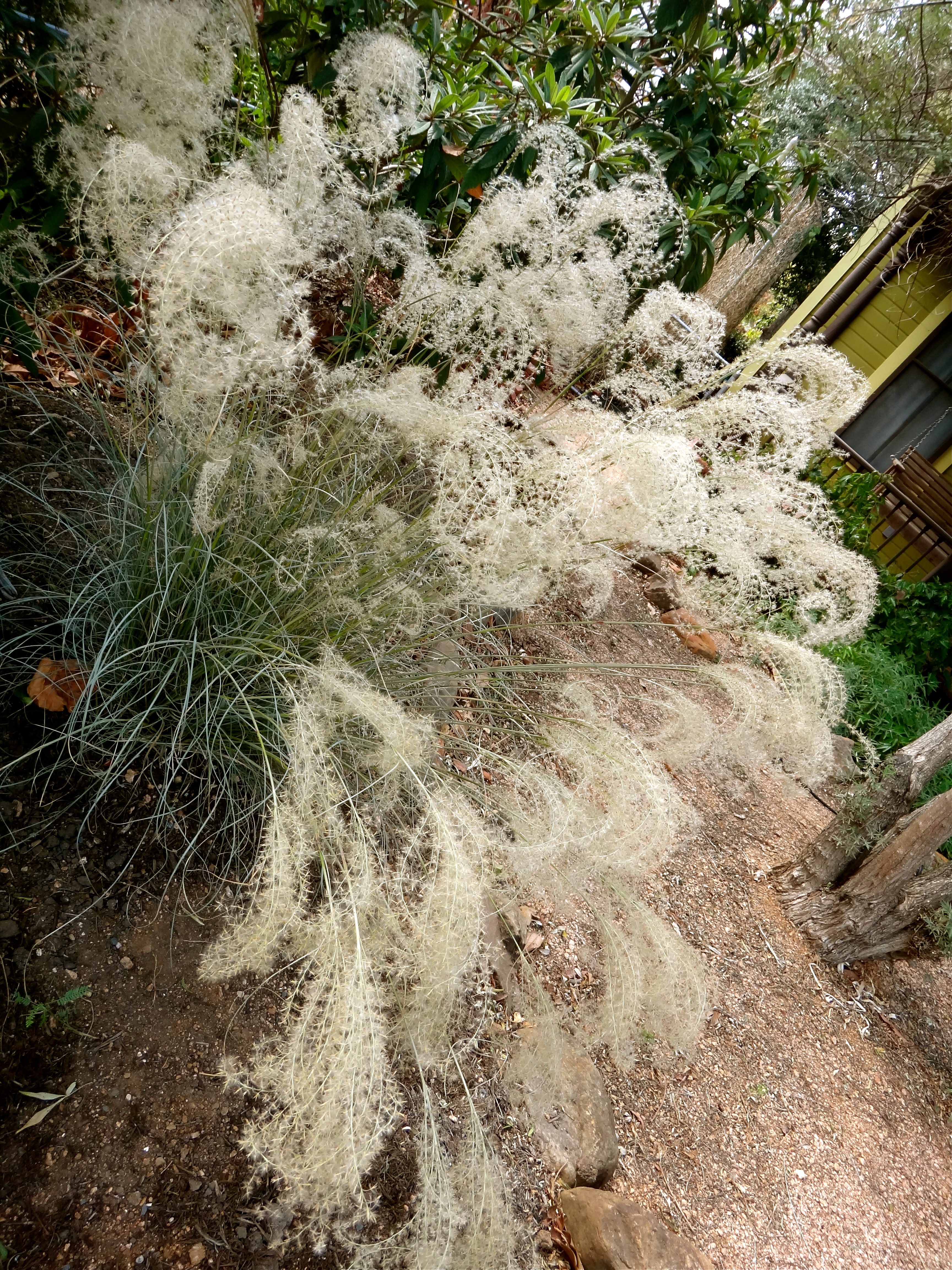
but the title of this post is in celebration of finally losing these:
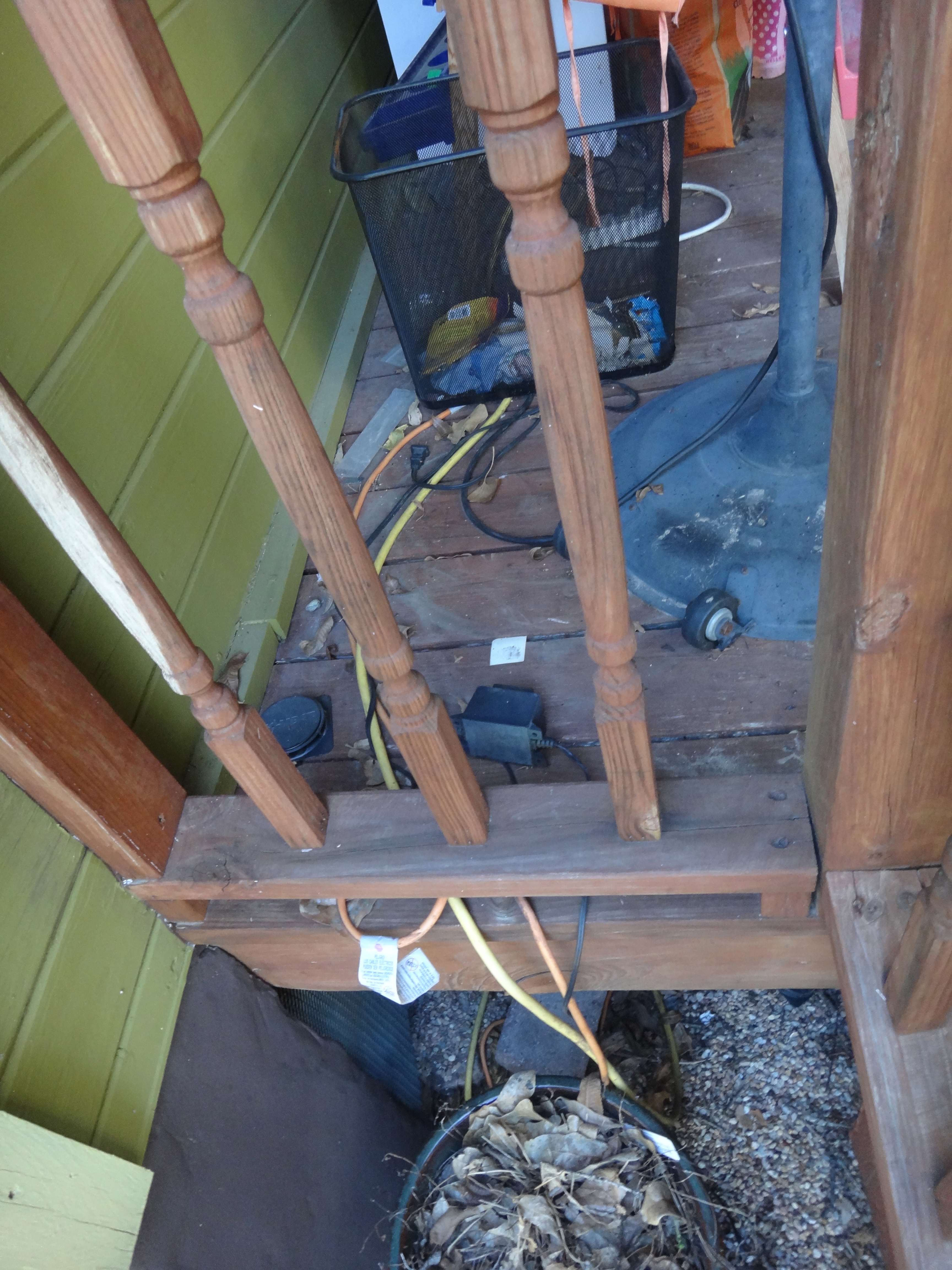
For years now I have had two heavy gauge and extremely annoying extension cords running from a GFCI circuit on my back deck all the way down the side of my property to my ponds. Today this was all going to change,

Today I have the electricians coming!
Luckily for me when I first started to carve into the Patch to create planting beds, I laid conduit in preparation for this historic day. Here is the trench way back when:

Is that some grass I see?
A secondary trench was dug inside this one to take the pvc pipe down toward the end of the garden.
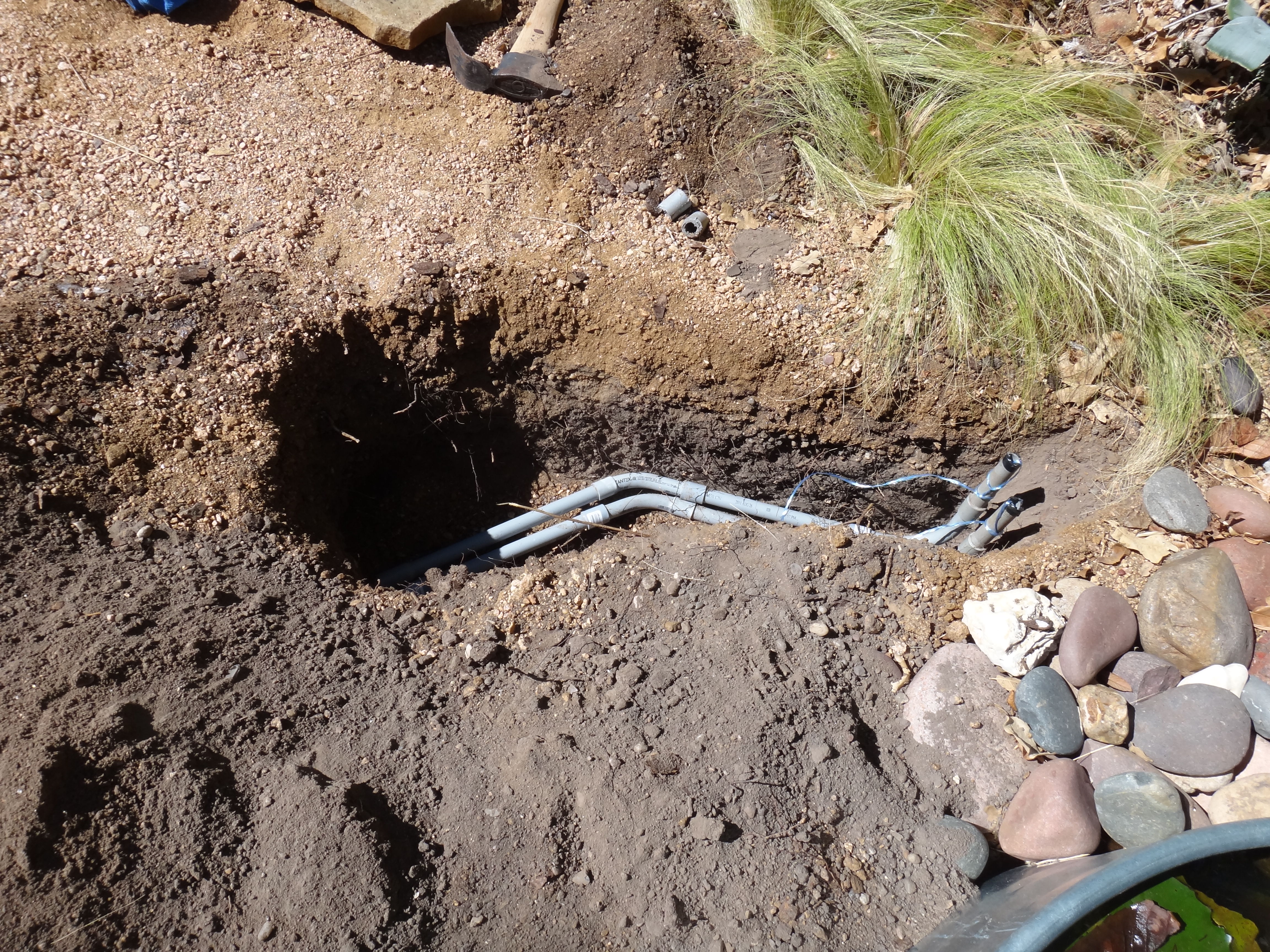
and here it is today all prepped and ready for the fixtures. 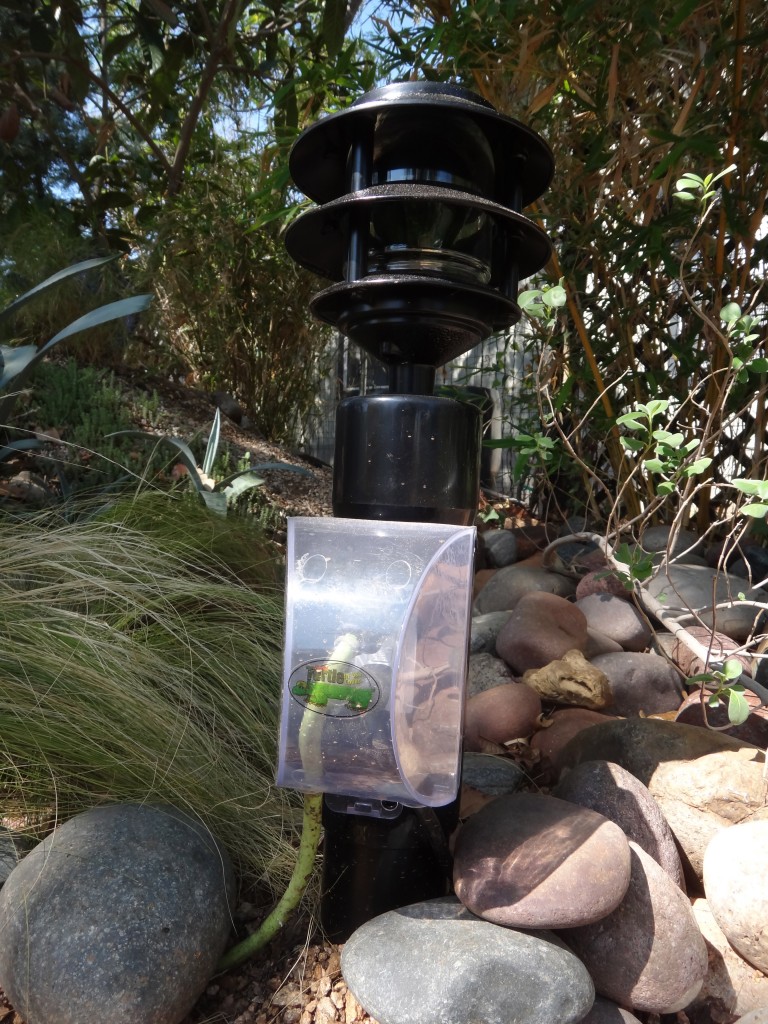
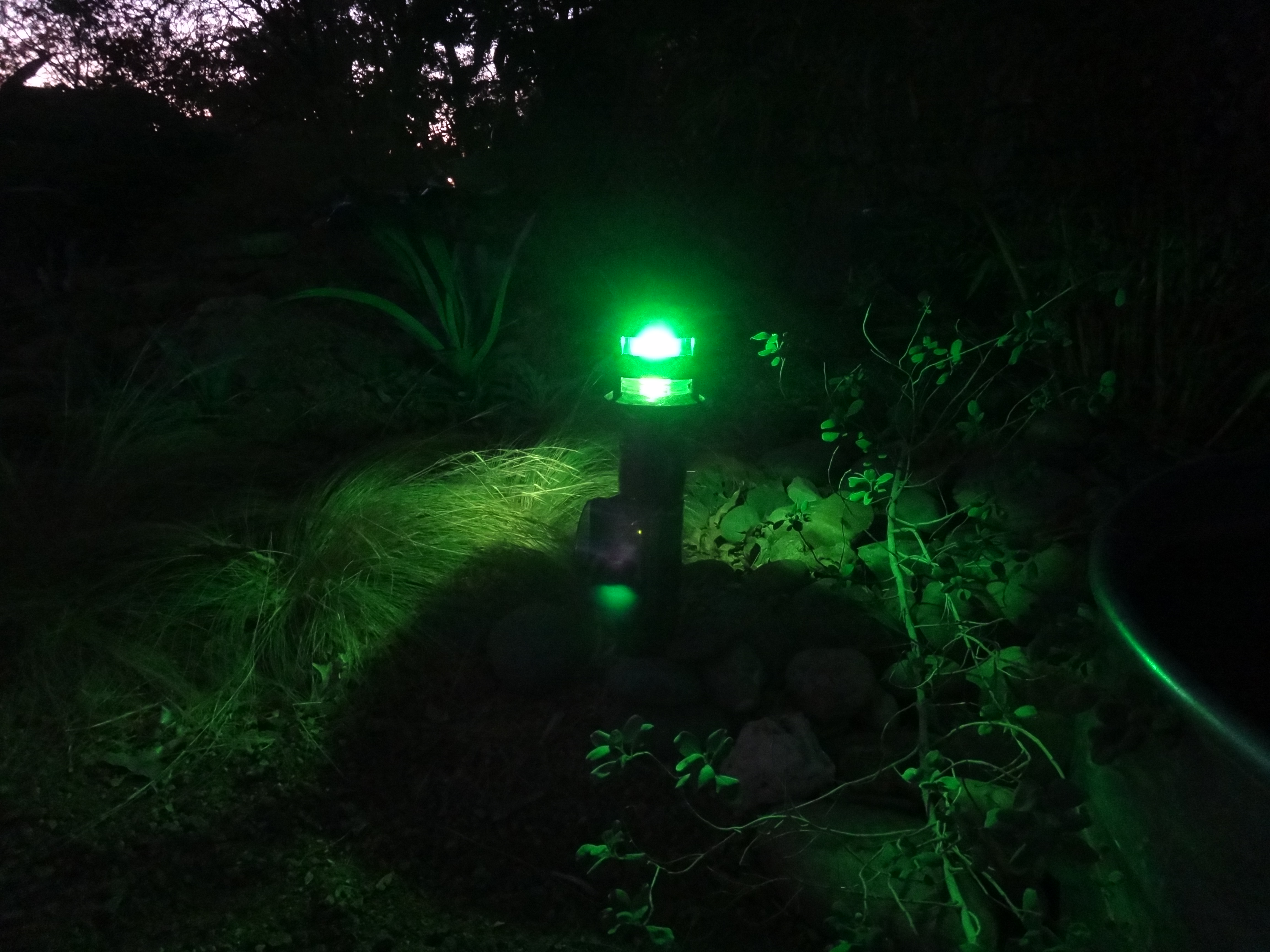 These GFCI outlets come with a light fixture already attached to the top of them so I wasted no time in getting some eerie colors working in the Patch. Next step is to illuminate my post oak tree, more on this later.
Talking of eerie, the “brains” (as we commonly refer to them) have returned to the pond, 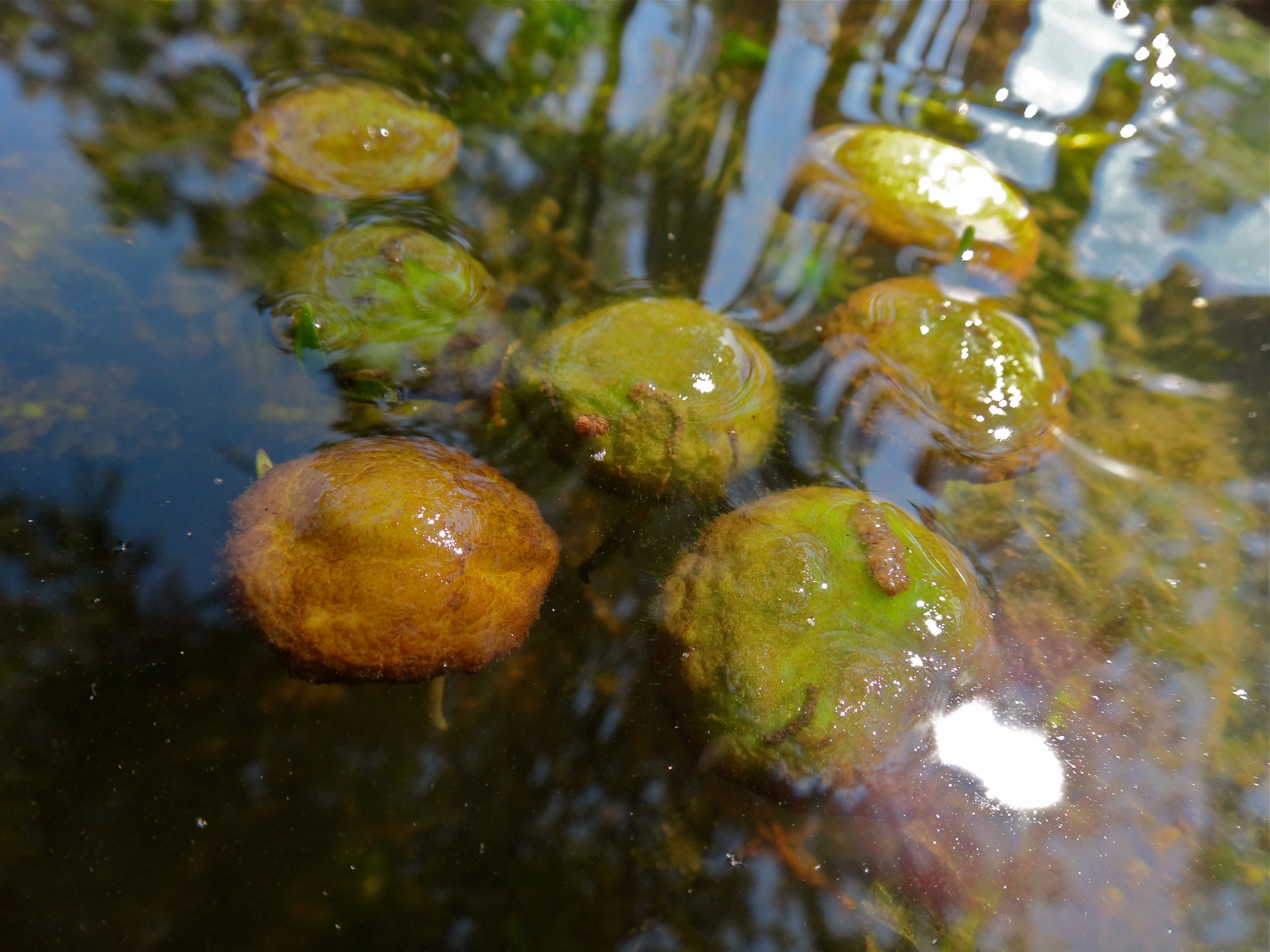 This year in larger numbers than ever.
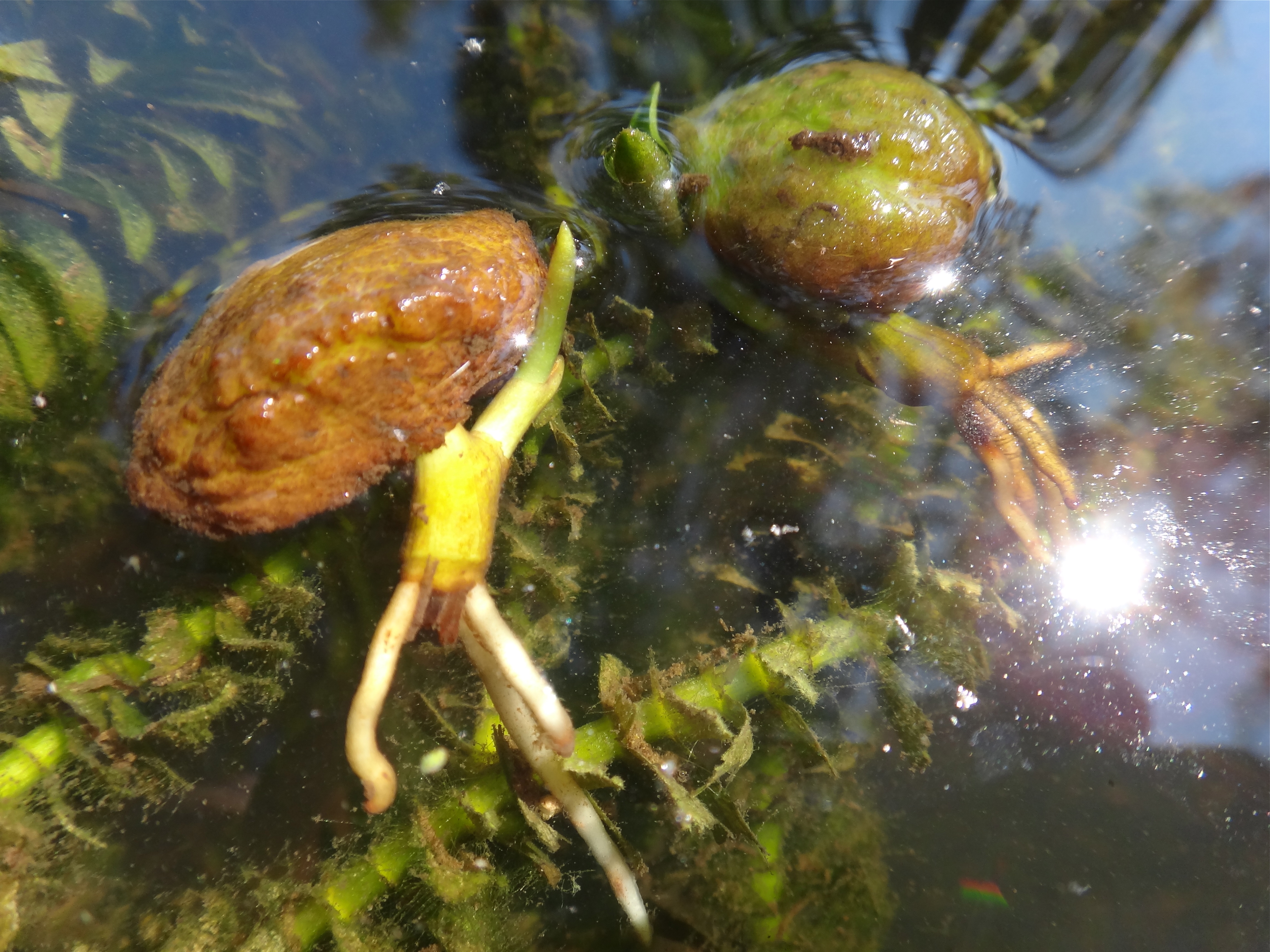
 They really have an effective design…the “brain” provides flotation whilst assuring the the “brain-stem” roots always hover vertically allowing them to catch onto something and root. Ingenious.
Could this be a baby Walska?
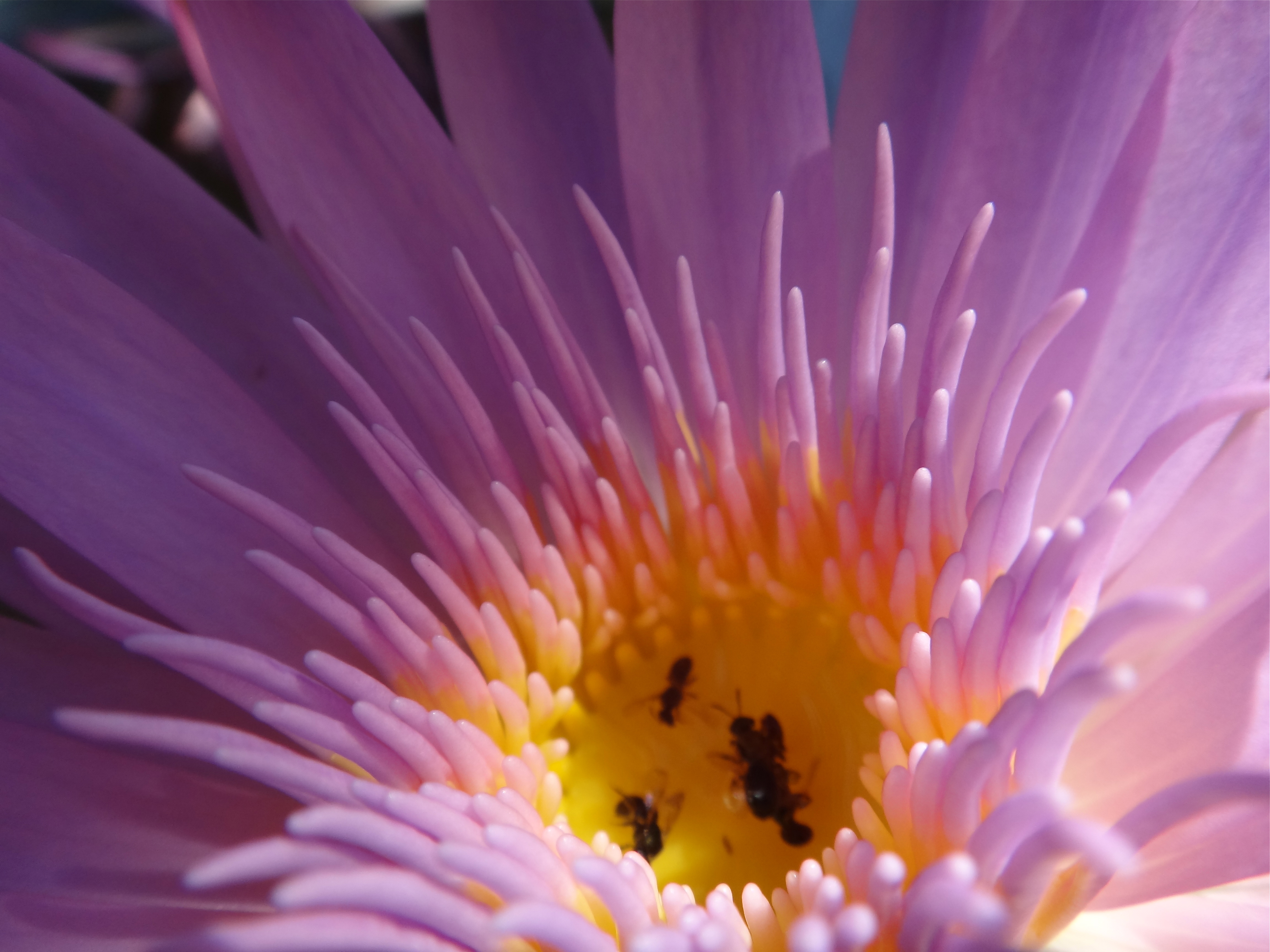 Something even more disturbing:
While I was laying some mulch down I caught the unmistakable, unhealthy aroma of a stink horn…and judging from the intensity of the stench it was a bruised one…which is never a good thing at any time.
Eyes darted here and there, scouring the earth for the evil monstrosity…where was it…where was it?

Had I knelt on it? Tell me I hadn’t knelt on it. I knew it must be close to me. I looked behind me to see Kumo proudly holding it in the corner of his mouth like a rotting cigar. Before I could even get out of the planting bed [LEAVE IT] he had scampered over and dropped it in the middle of his favorite flattened feather grass. [LEAVE IT!] He paused, looked at me, then got on his back and started to roll around on it. [Oh for heavens sake].

Bad, stinky Kumo!
 Moving On:
 Temperatures are now very pleasant in Central Texas, just right for dangling your toes in the pond. My goldfish seem to think they are Garra rufa, exfoliating feet and toes to the delight and squeals of the halflings.
 Brrr!
Brrr!
There is a hazard to dangling one’s toes in a fishpond though…
 rogue strands of oxygen weed.
This week has seen a steady flow of migrating Monarch Butterflies filtering through the Patch,
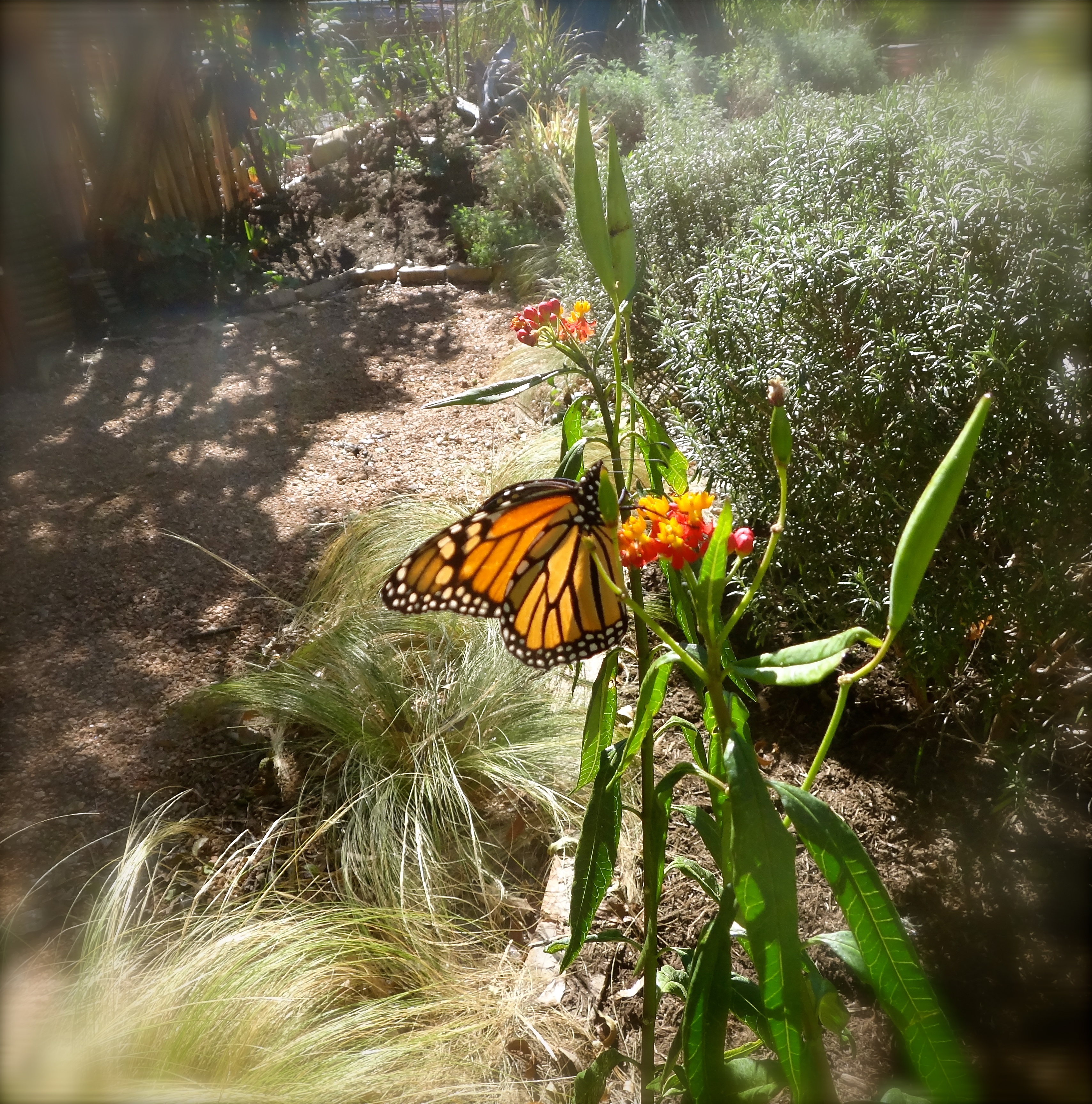
their favorite ports of call are butterfly weed Asclepias tuberosa (naturally) and some blue mist flowers I have in my front garden.

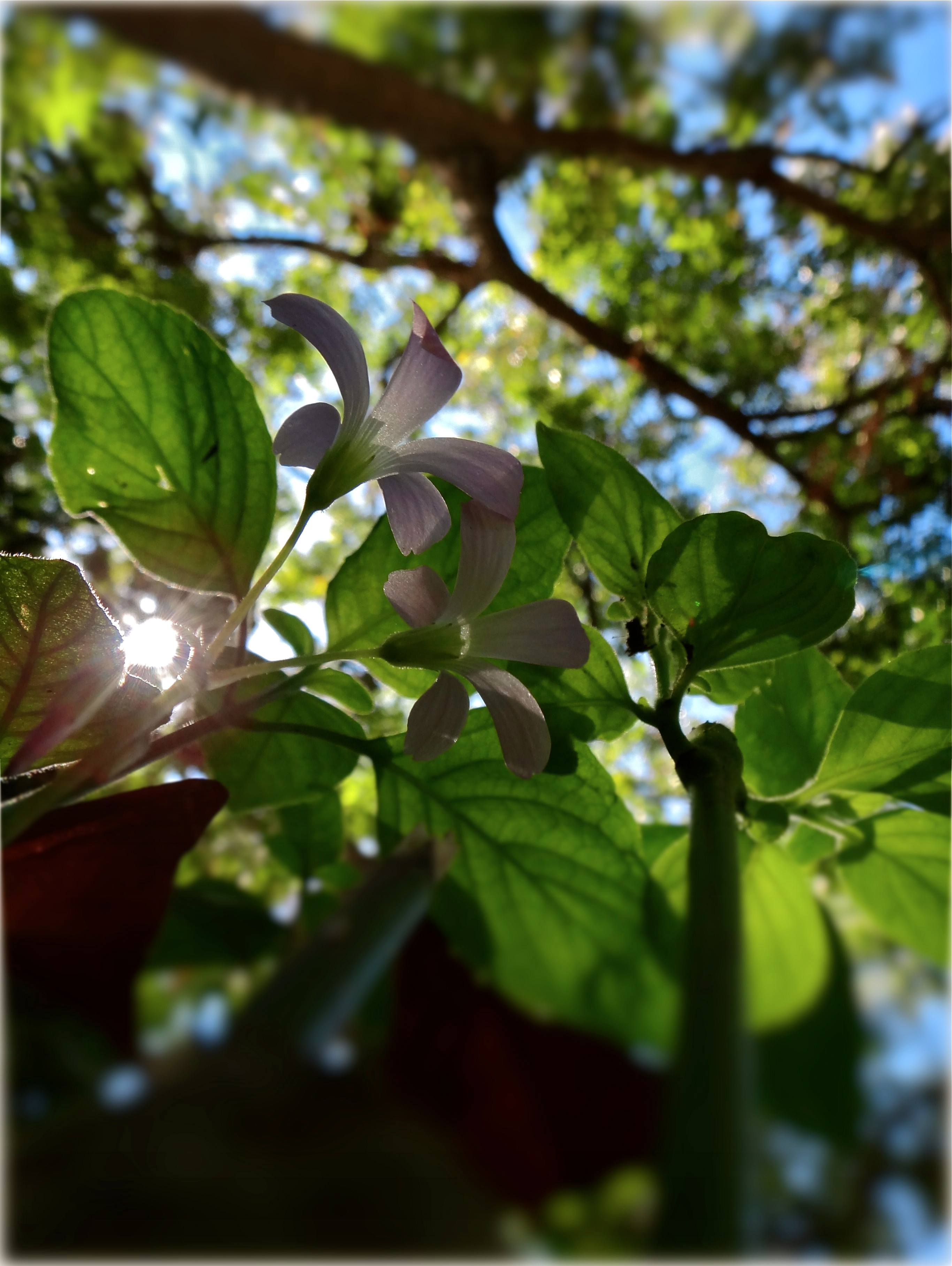 Oxalis has reemerged in the cooler weather and is flowering once again.
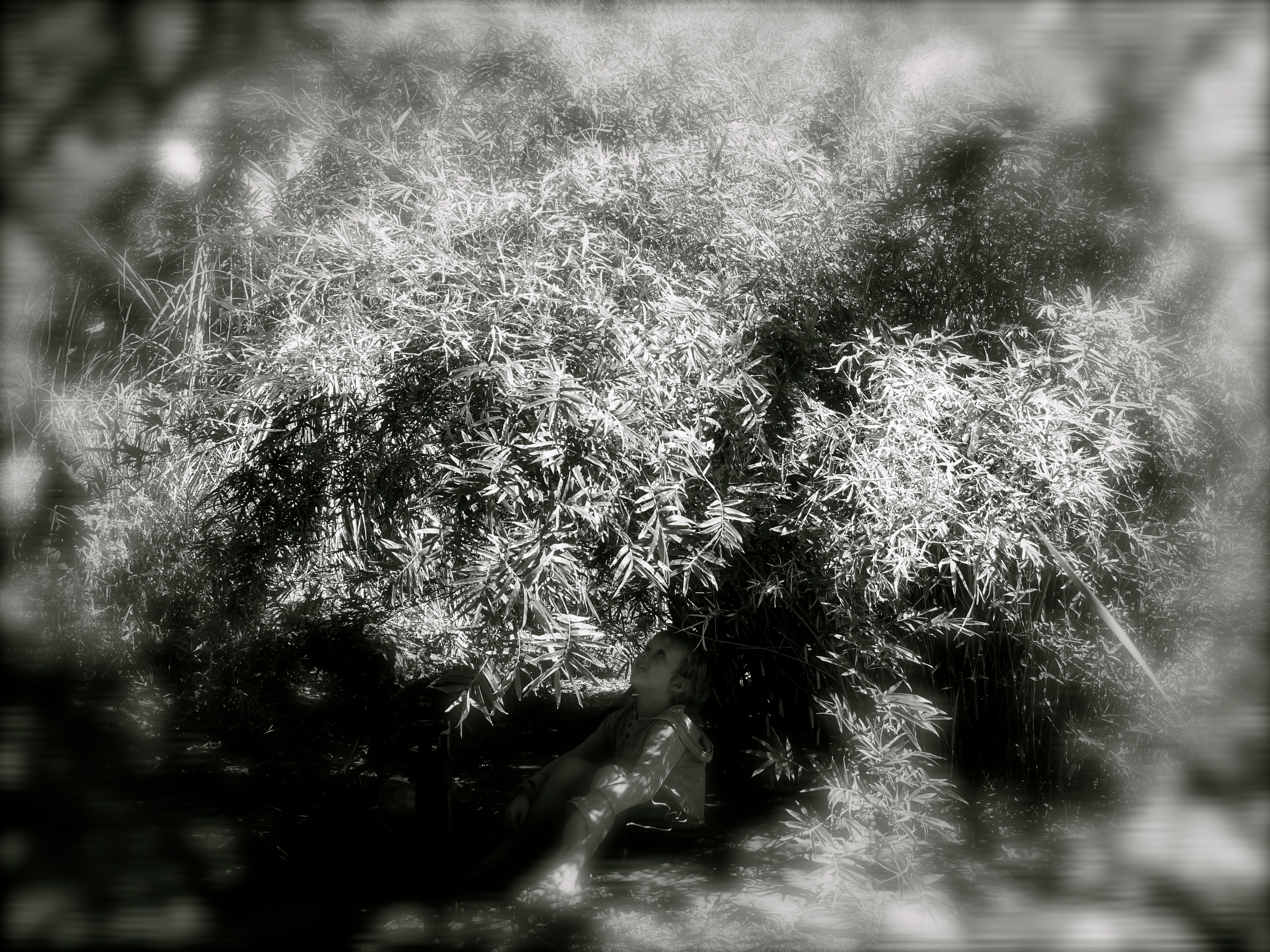 A moment of zen under the Mexican weeping bamboo.
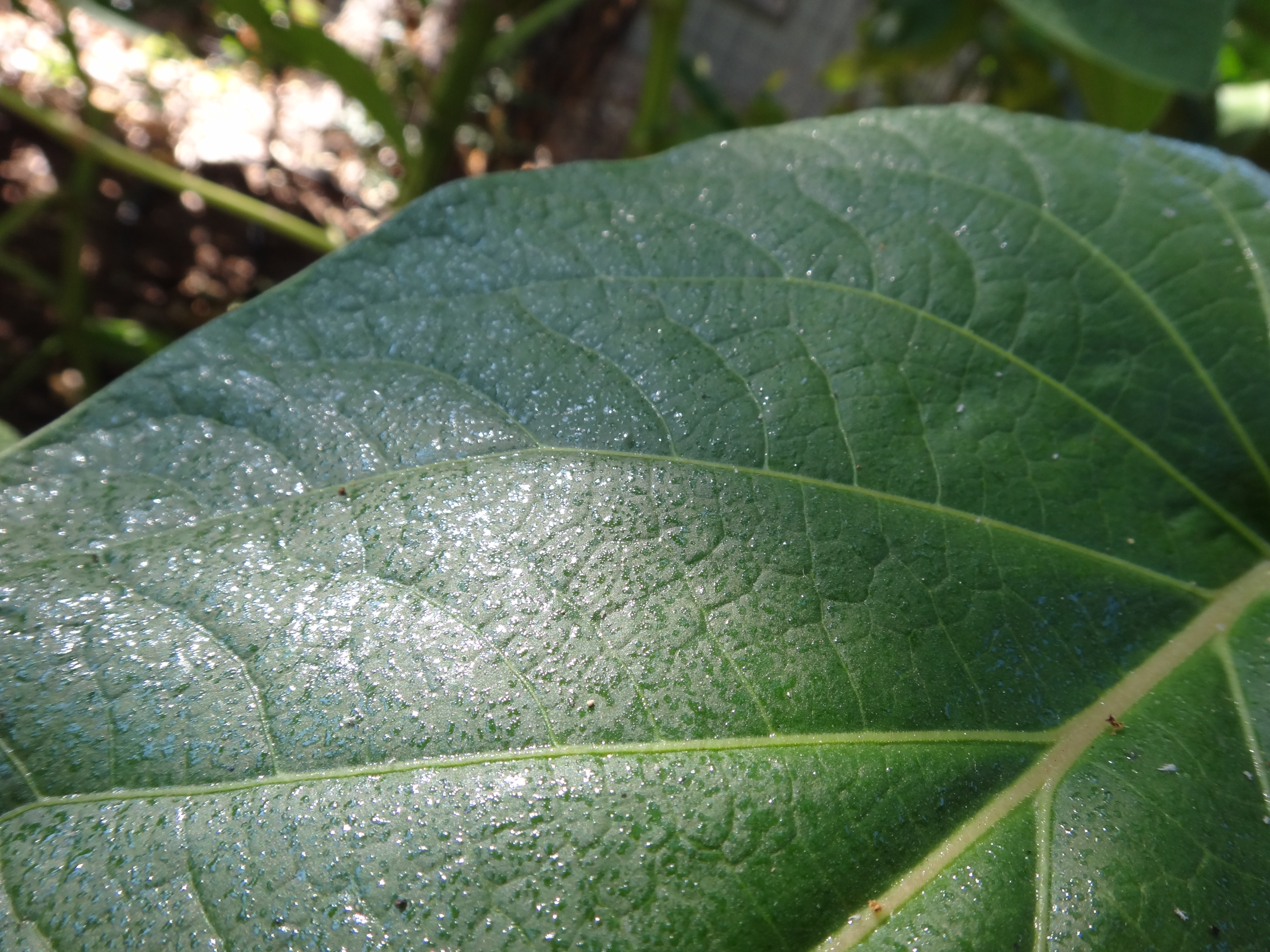
Talking of weeping, my pecan trees are currently engaged in yet another rather annoying activity…this time dropping sweet sugar-water all over the place.
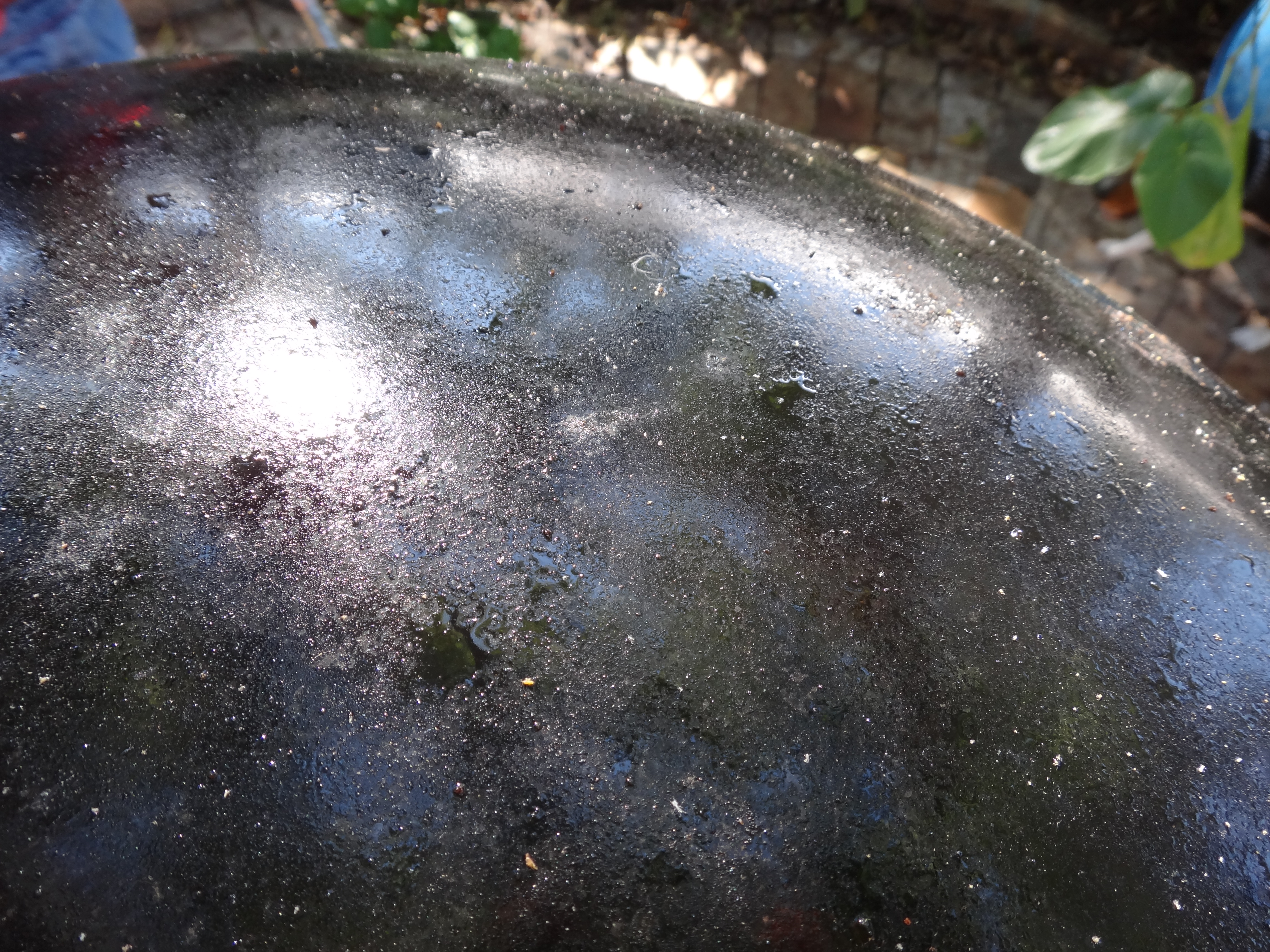
 My new barbeque pit!
In the late afternoon sun you can actually see the sticky rain falling.
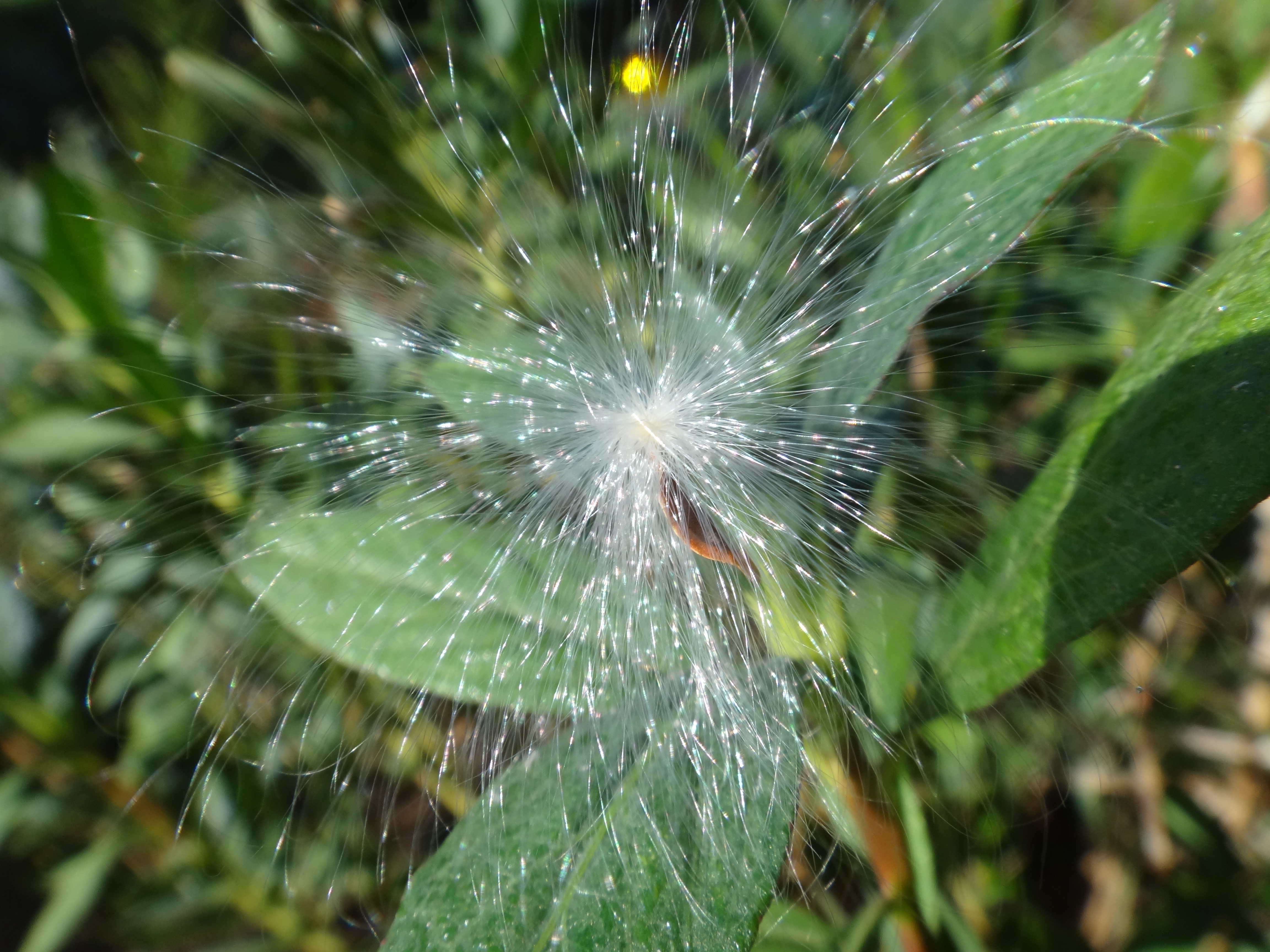 This sparkling dandelion seed head was adhered to these leaves by the sugary substance.
Finally:
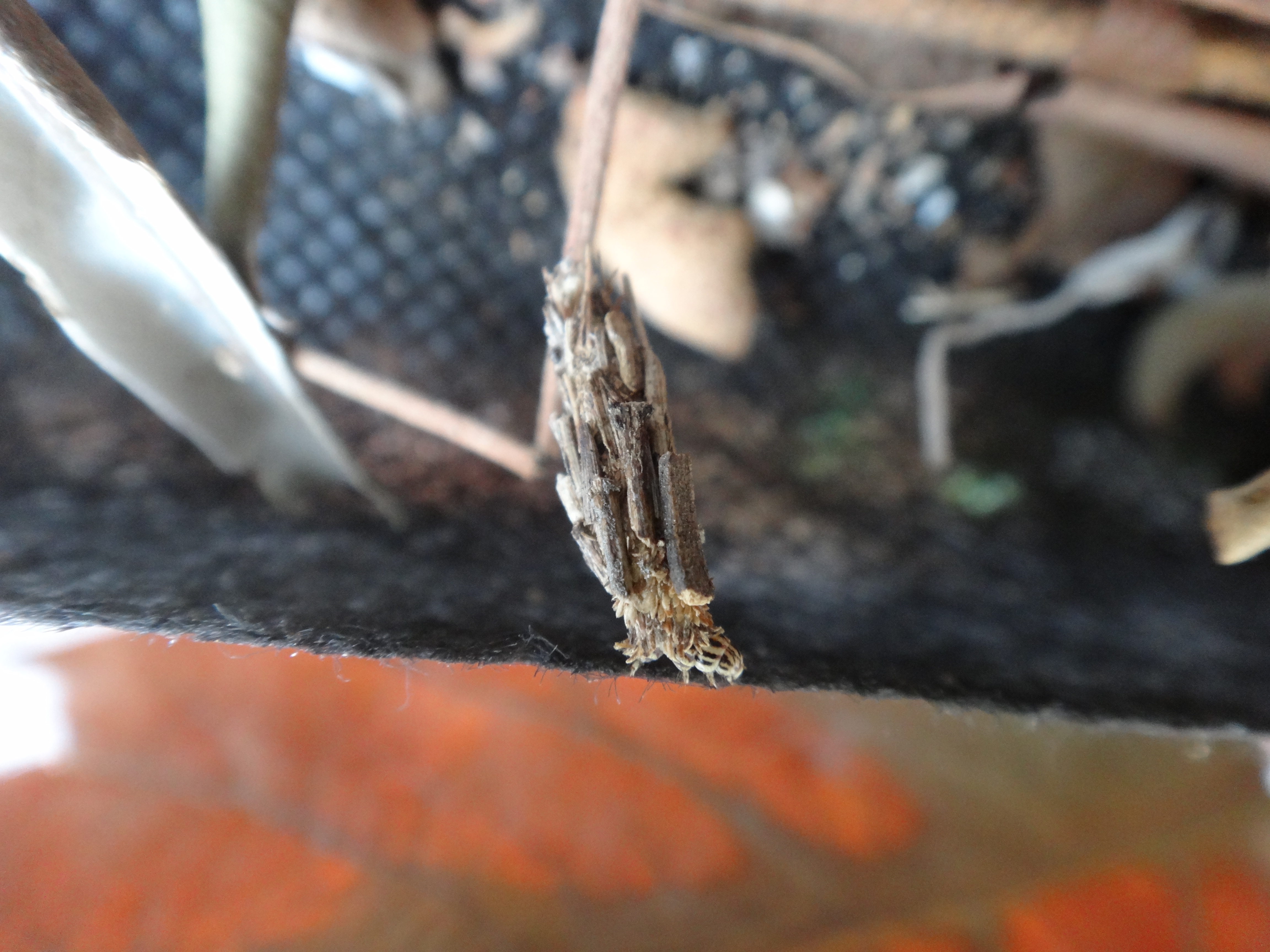 You didn’t think you could escape without seeing at least one very odd bug did you?
Common Bagworm
Psyche casta
 Bagworm moths build houses from all kinds of materials. Each species designs and builds its own particular type of architecture, it is these structures that allow them to be identified. The Common Bagworm climbs on to plants and trees, but harvests wood from houses and sheds as well.
Inspirational sketch of the week:

http://www.morstudio.co/projects/entries/?id=5
Stay Tuned for:
“Little Monsters”
All material © 2011 for eastsidepatch. Unauthorized
intergalactic reproduction strictly prohibited, and
punishable by late (and extremely unpleasant)
14th century planet Earth techniques.