Diseases

Some rather exuberant New Years firework antics succeeded in igniting the same sago palm as last year, (somewhat of a tradition at this point).

This year, the pyrotechnics also successfully singed a few of my ornamental grasses:
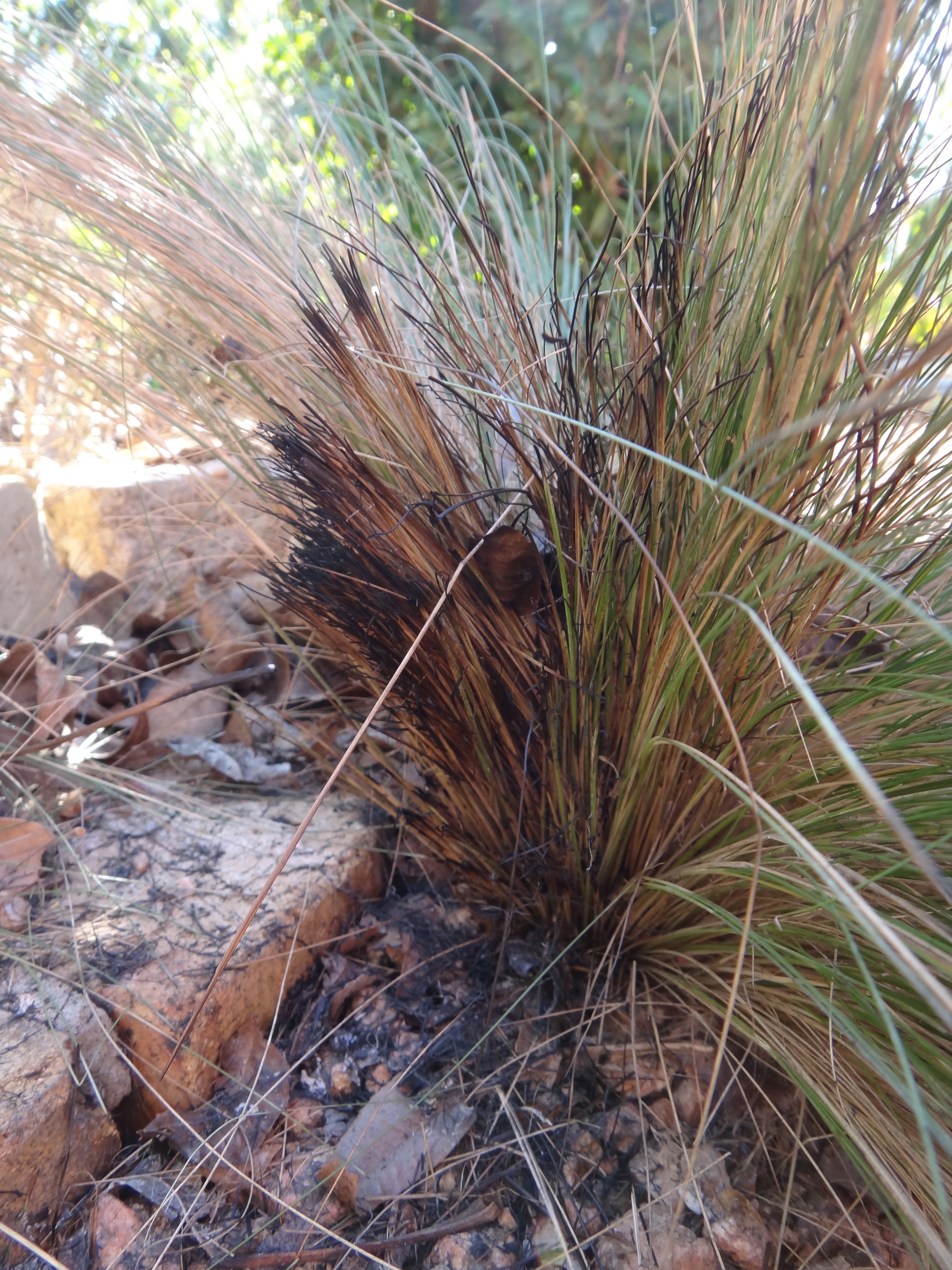
Our “Grand Finale” firework that was placed ceremoniously and somewhat precariously on top of a bucket on top of a trashcan provided quite the spectacle. I was intending to take some pictures of it but the firework simultaneously ignited four of my Mexican feather grasses and had us grabbing buckets from my “everything but the kitchen sink” water collection “system” to extinguish the fires before they reached the Barbados cherry and butterfly iris.

I will keep an eye on these blackened grasses, they may respond well to the singeing.

An exciting week this week in the Patch…
…yes folks, snort, I am proud to announce 

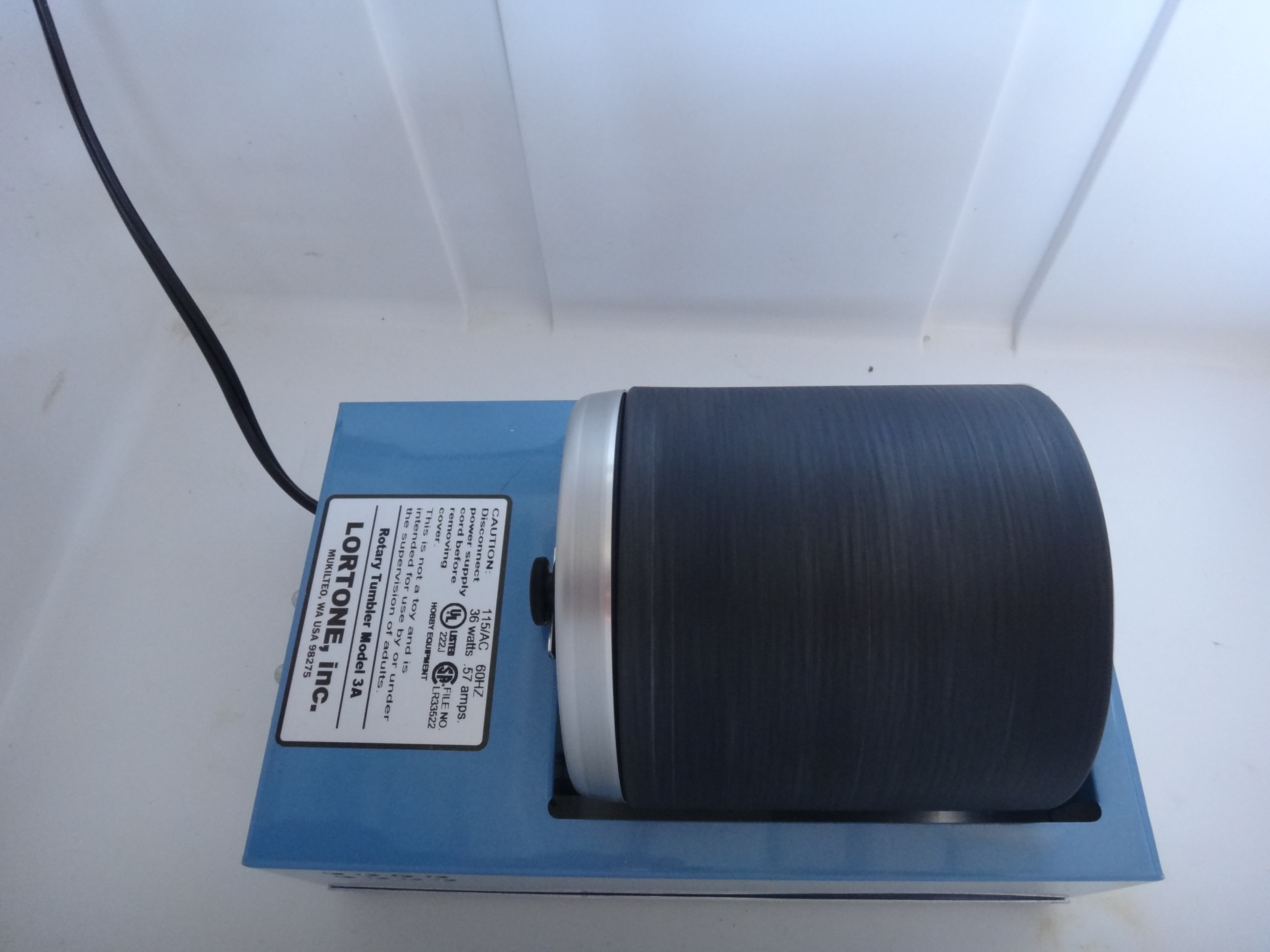
that we have finally moved onto the “medium-fine” silicon carbide abrasive rock tumbling phase,

though not before she had another sneak-peek at the now shiny rocks.

Next week the polishing process begins,

I am already having difficulty sleeping in anticipation.

Moving more honestly on:

Now here is a strange thing:
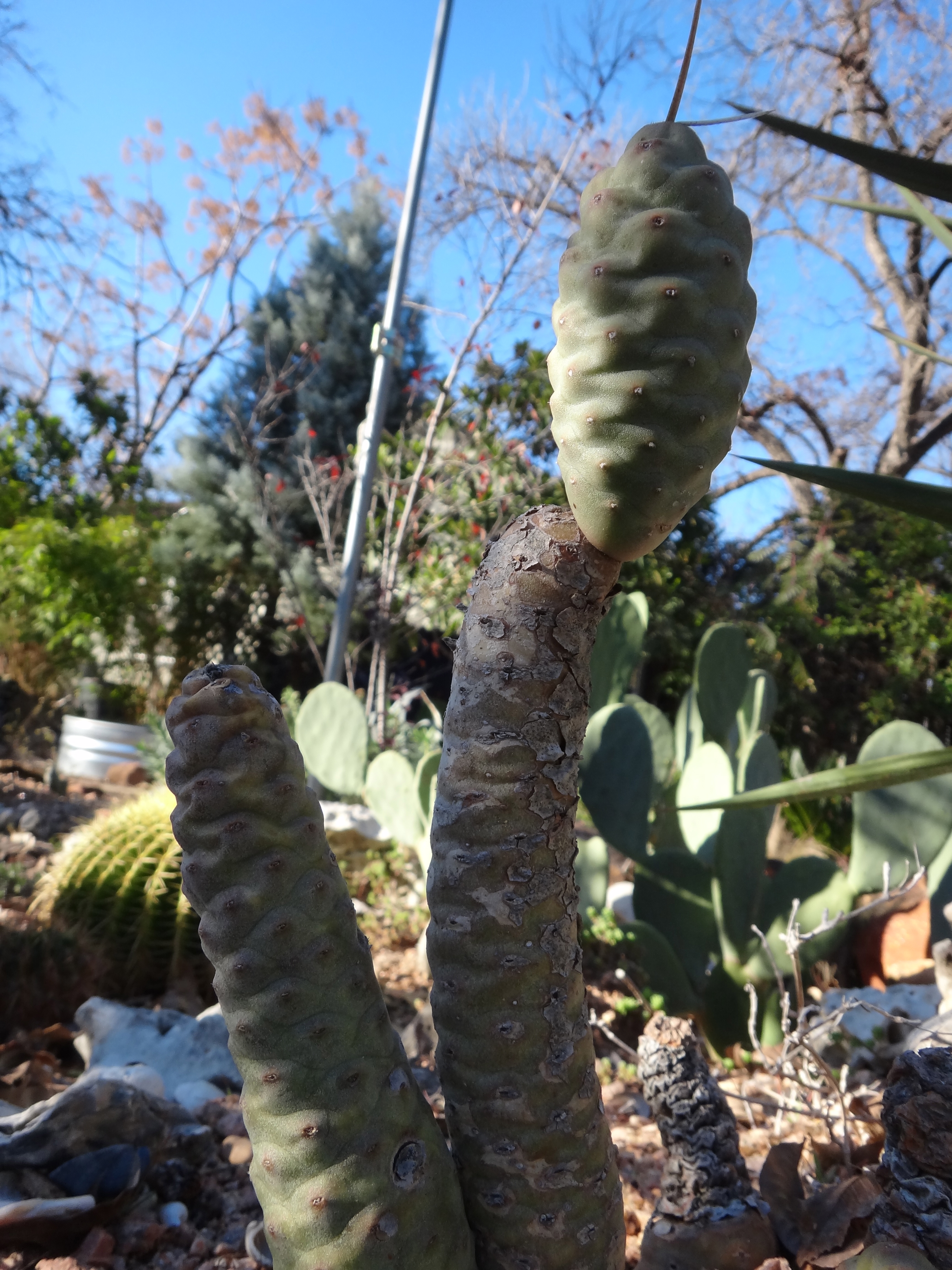
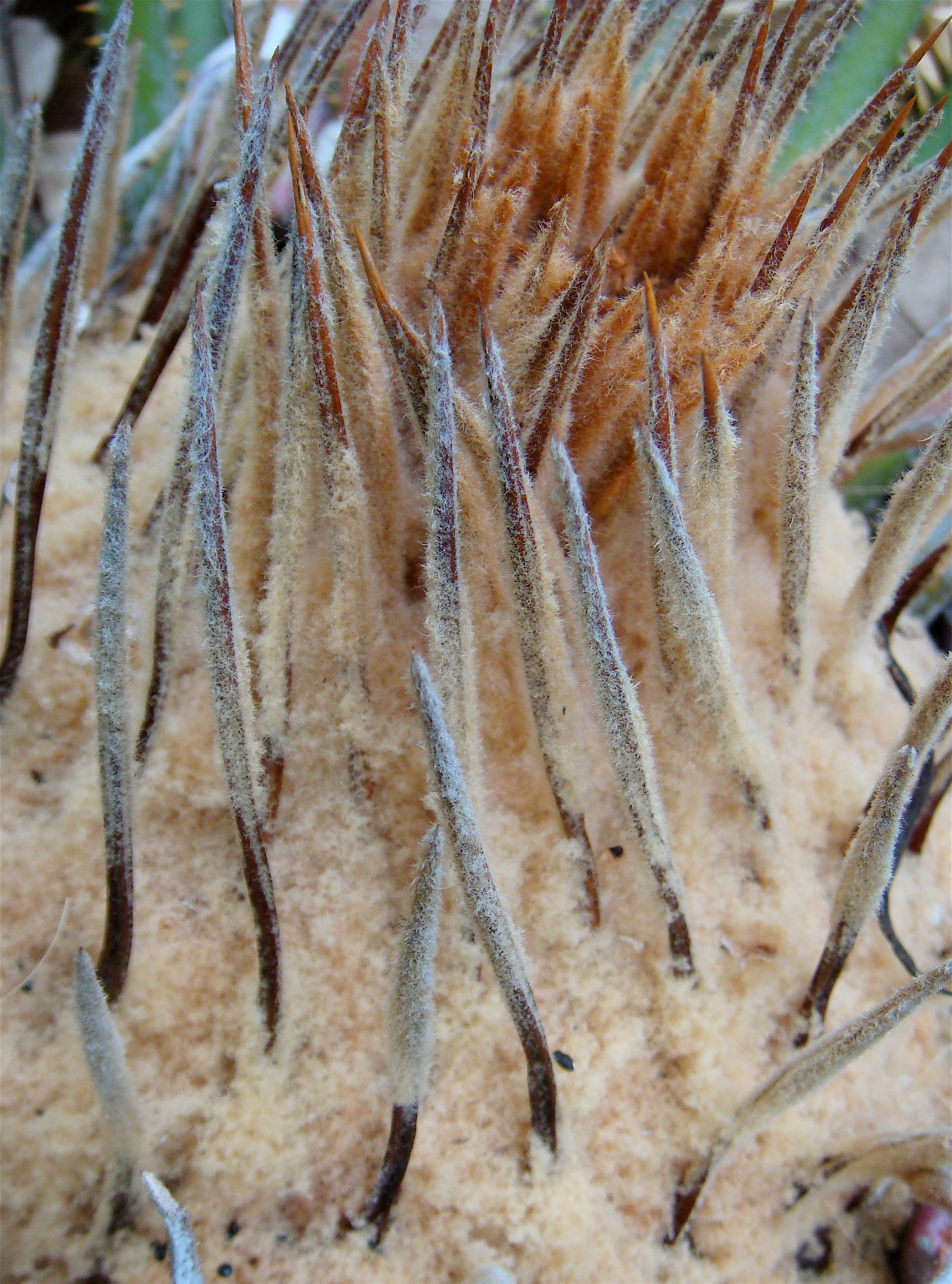
I have been trying to figure out what these pine-cone cacti reminded me of for a long time.

Tephrocatus articulatus var. diadematus


This week if finally dawned on me, and it was very obscure.

It was the poor maintenance robot in the film AI that was destroyed in the Flesh Fair!…Phew, now I can sleep soundly once again,

Or can I?
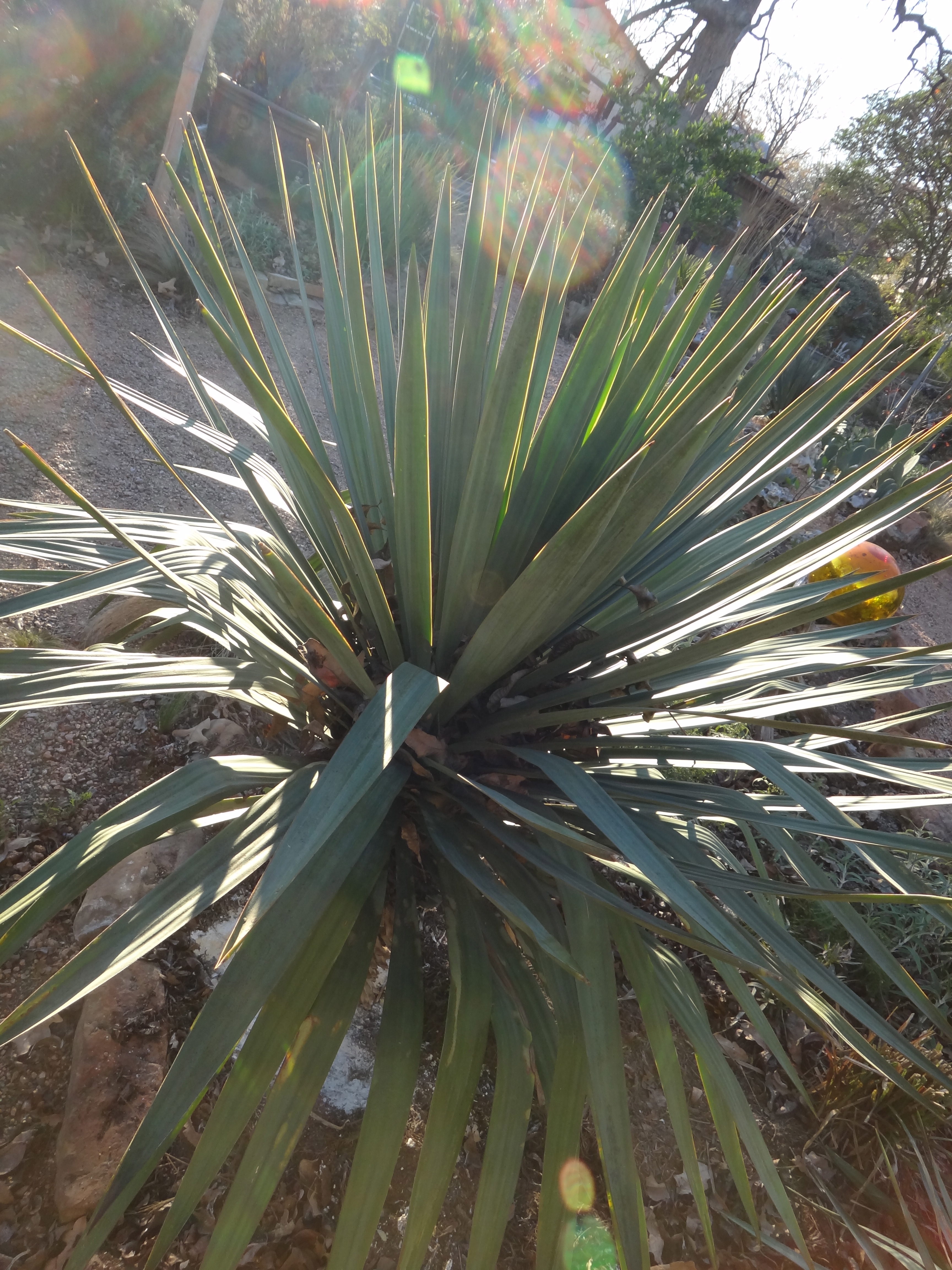
As you may know, I have been trying to protect my soft leaf yuccas from the horrors of the

“evil weevil”

by administering copious amounts of diatomaceous earth sprinkled around the base of the plants, it appears to be working.

Unfortunately my yuccas have now developed another issue,
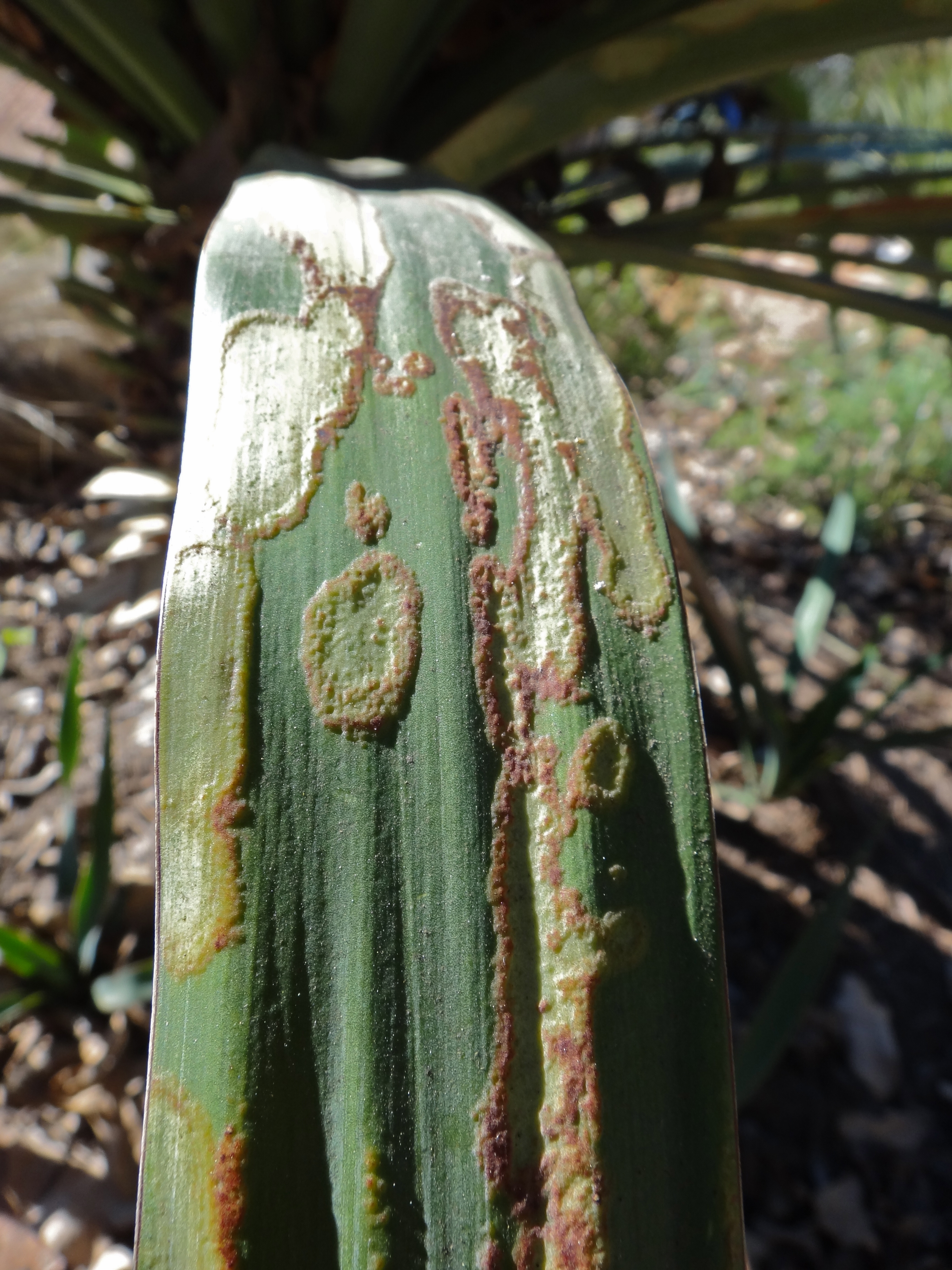
and it isn’t pretty. Several fungi, including Cercospora, Cylindrosporium, and Coniothyrium may cause leaf spotting like this in yuccas but thankfully they do not cause the widespread death of leaves.

I am sure this one contracted the yucca equivalent of the “Phage”  in the summer months when it received some overhead watering…remove affected leaves and discard.

This week has had me and my (in-house) pajama crew cleaning up insane amounts of leaves.
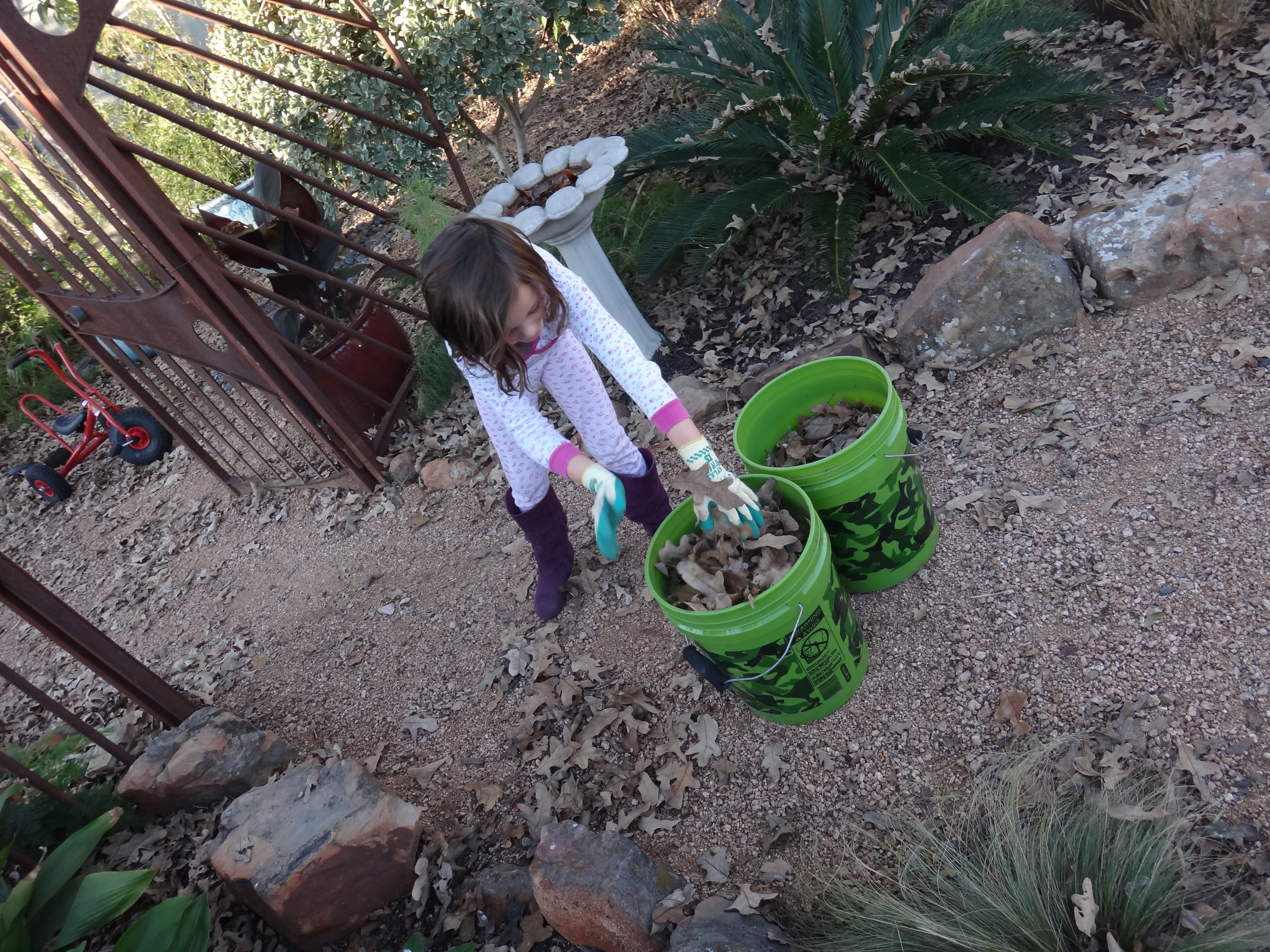
We gathered them up in buckets, transferred them to trashcans and piled them up wherever we could find space. I hate picking up leaves.

One personal pet peeve is cleaning out the hearts of the sagos,

this activity ranks on my irritation scale at a steady 9.5
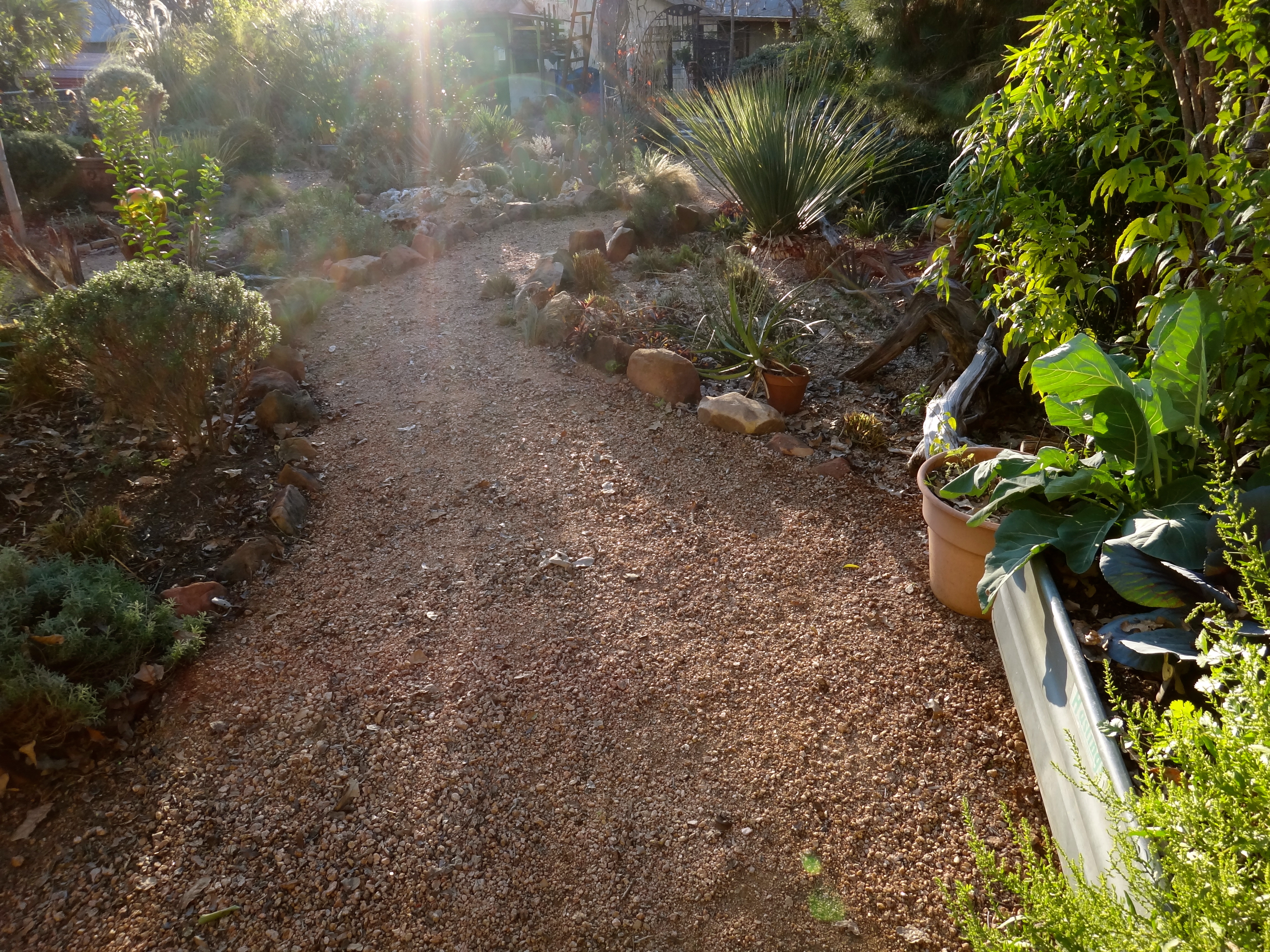
It is really nice to have my pathways clear once again though.

Finally:

King Tut papyrus is still holding up well in one of my stock-tanks,
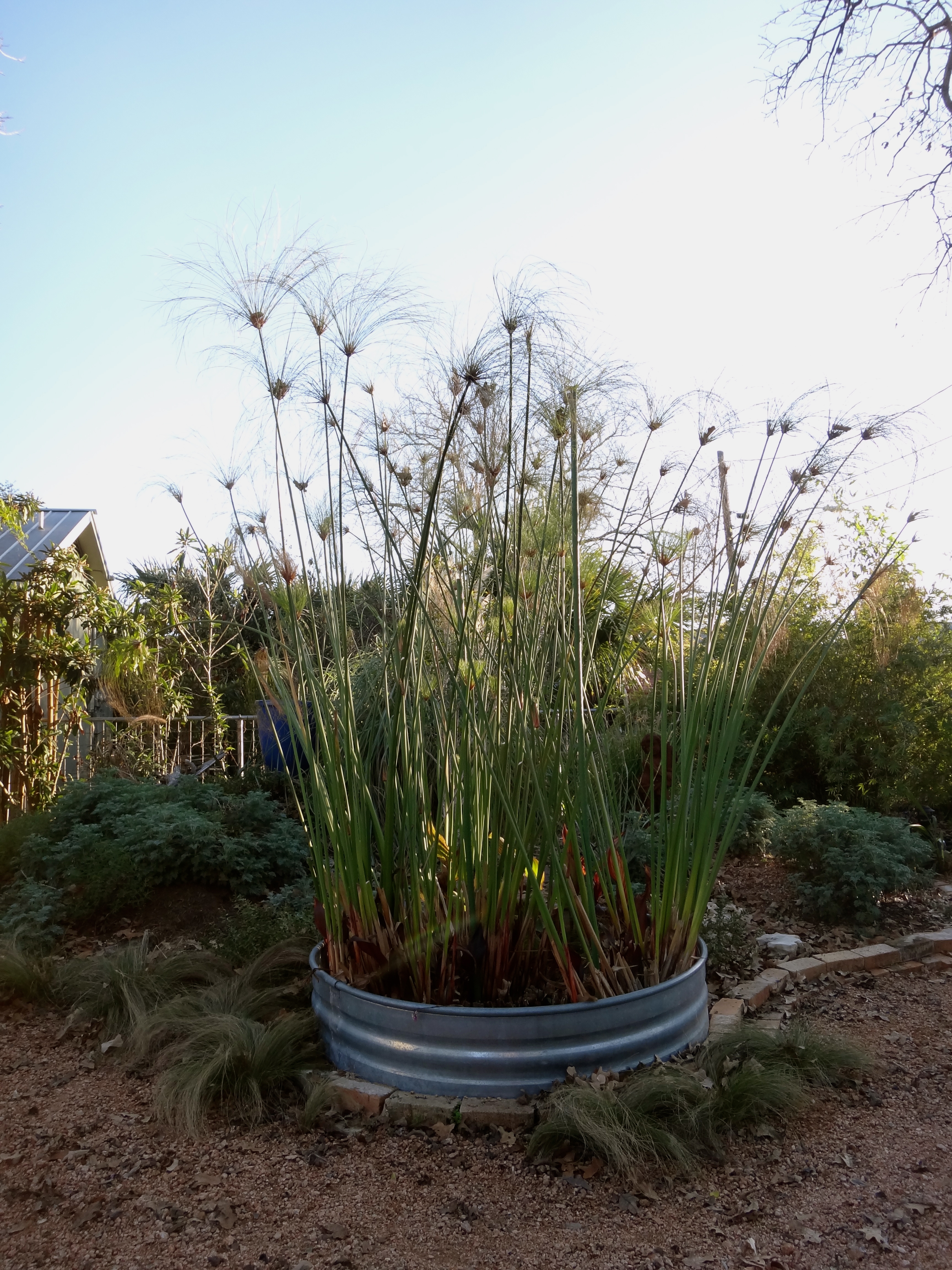
not bad form for January.

Rosemary is also doing a great winter job,

feeding the honey bees,
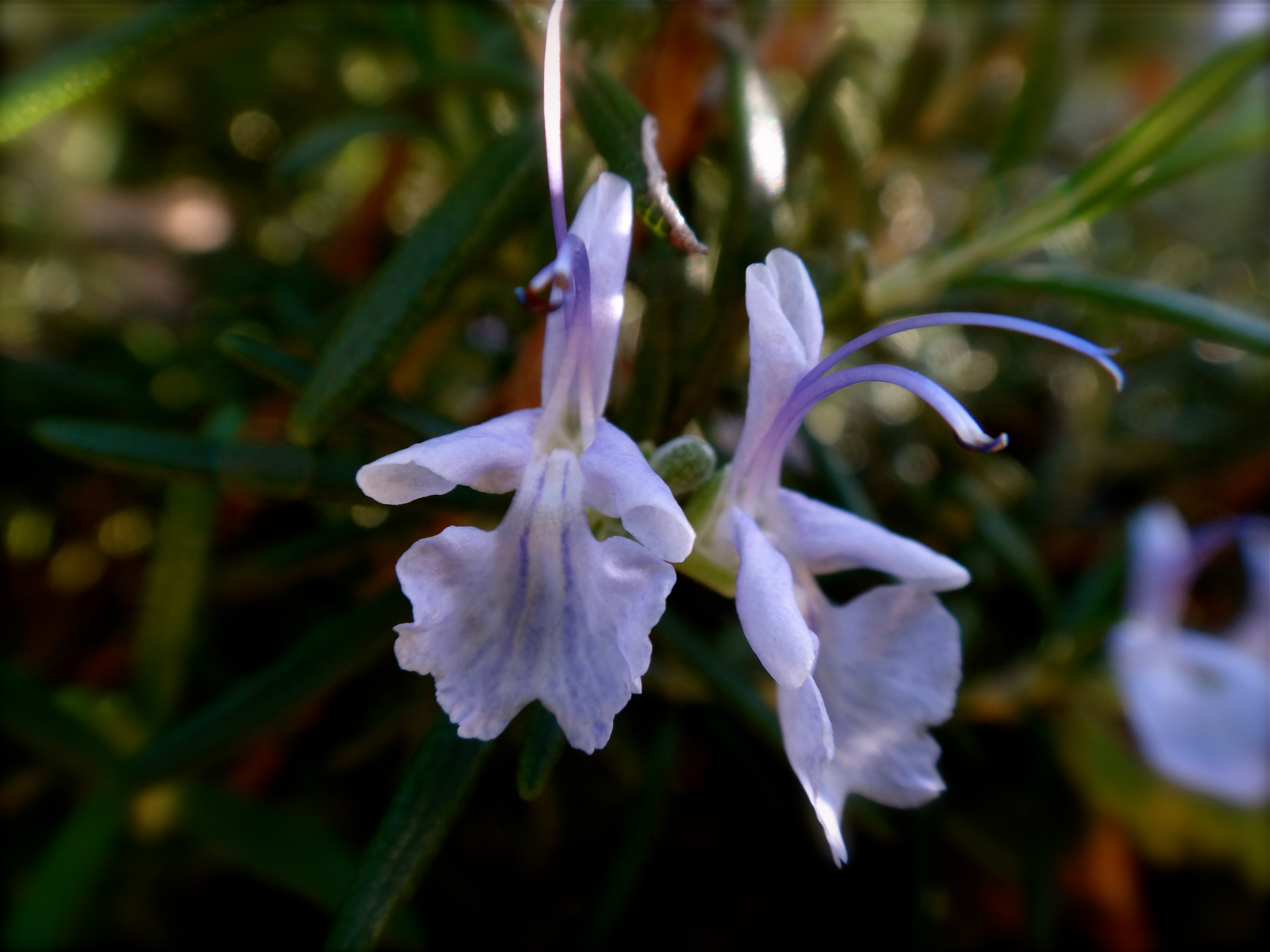
with it’s tiny flowers.
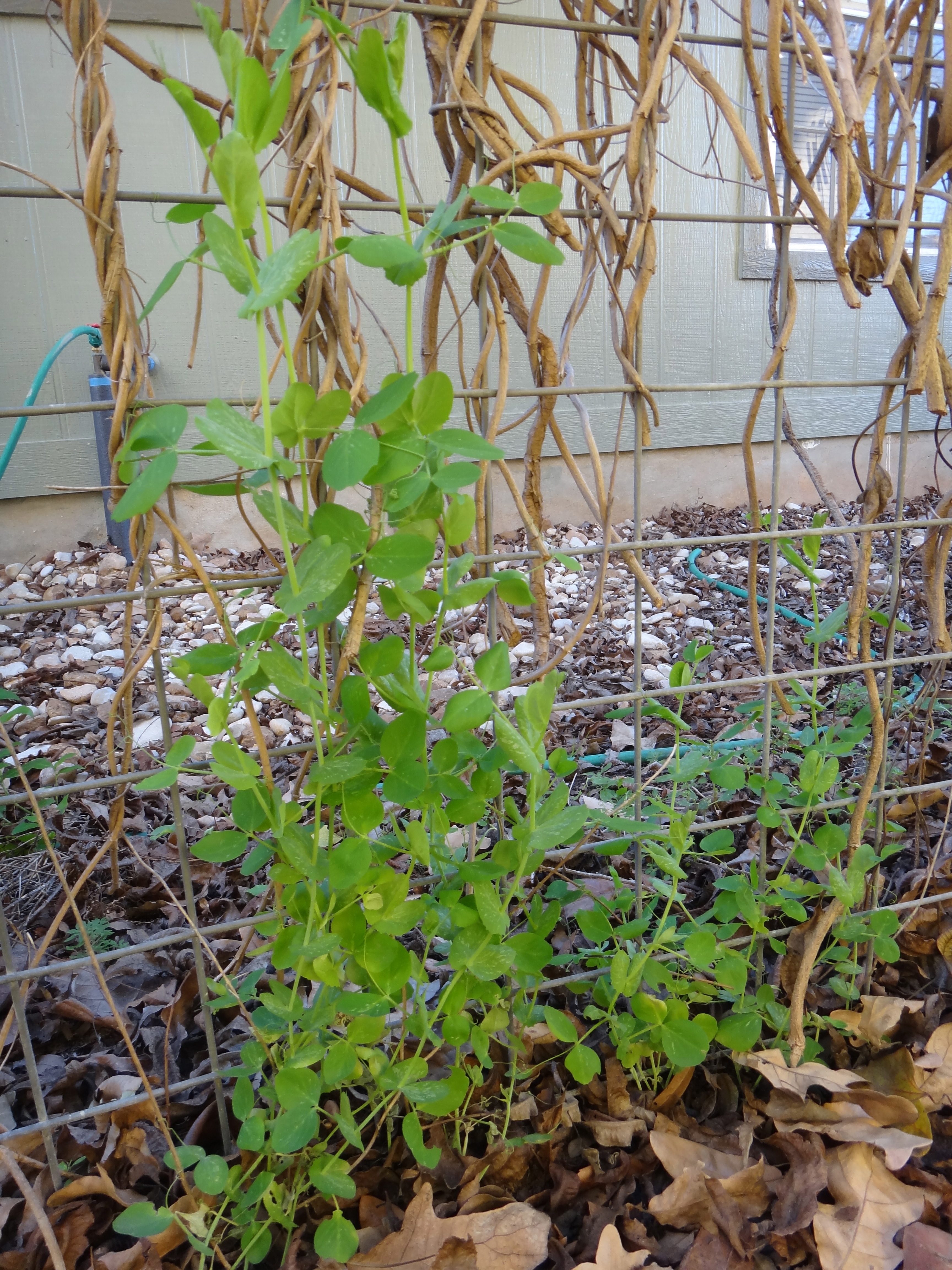
Sweet peas are on the boil,
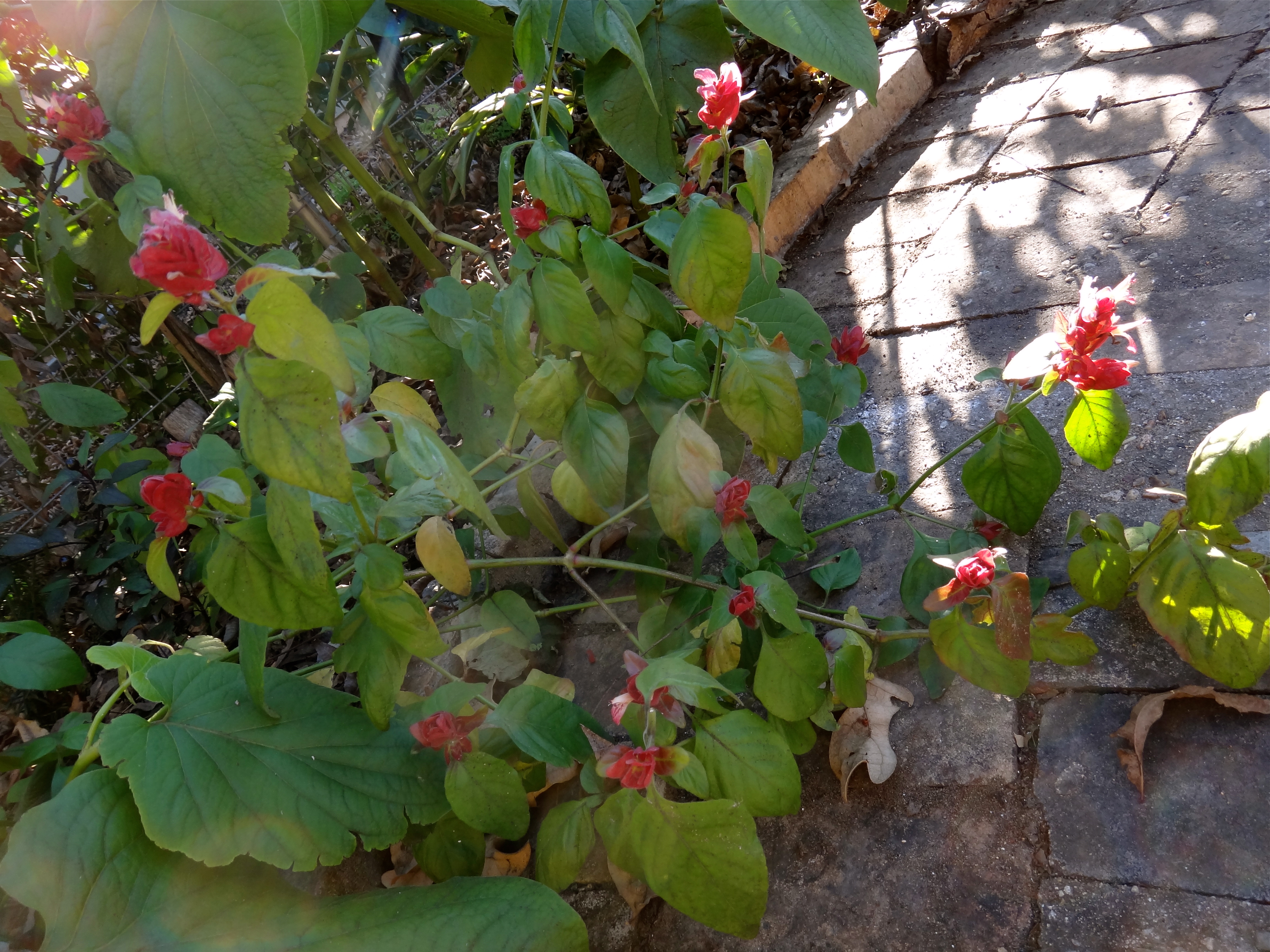
and pink shrimps are ready for the barbie,
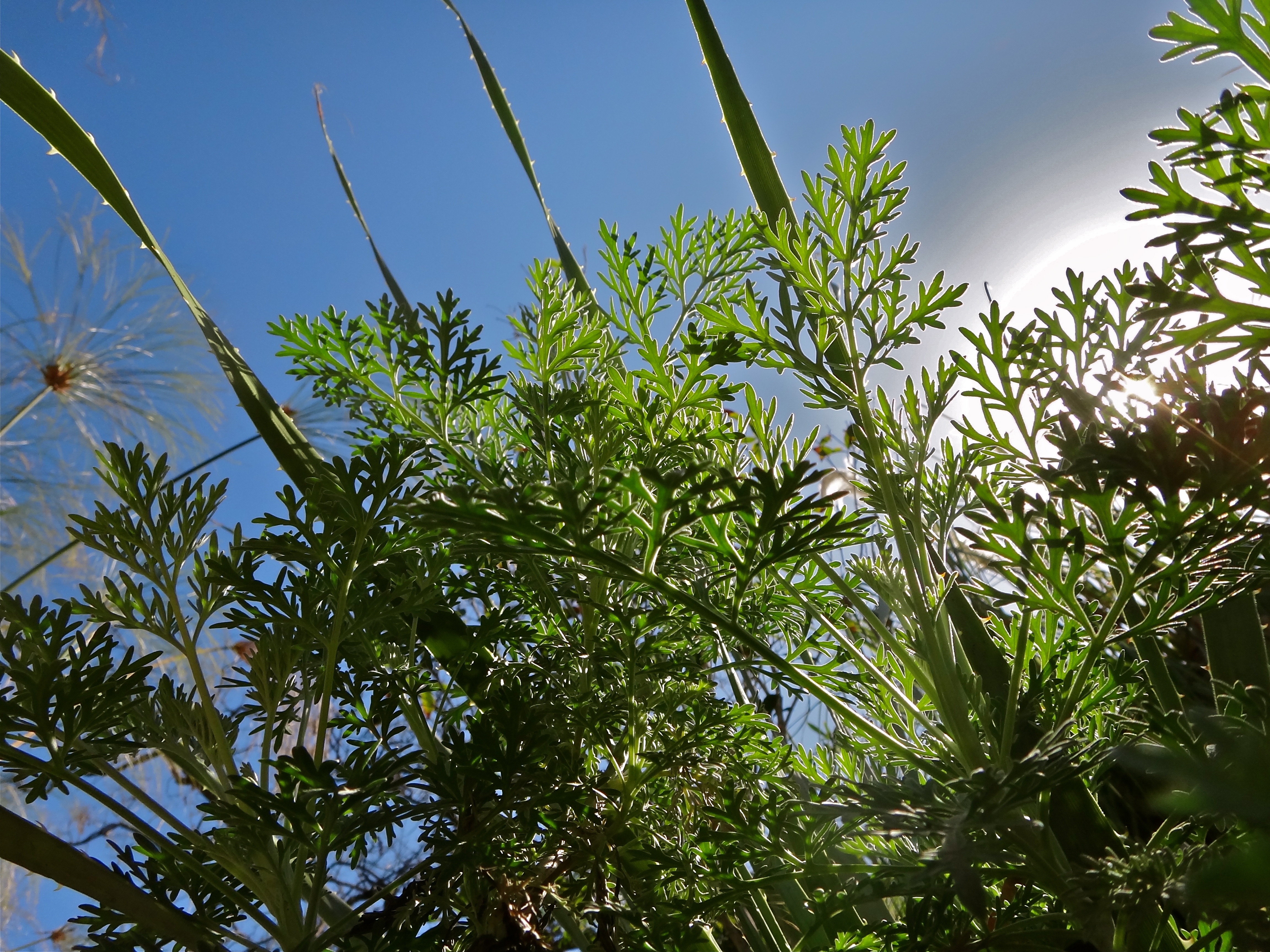
and my artemesia is once again looking healthy.

Driving around the Mueller area the other day, I saw this:
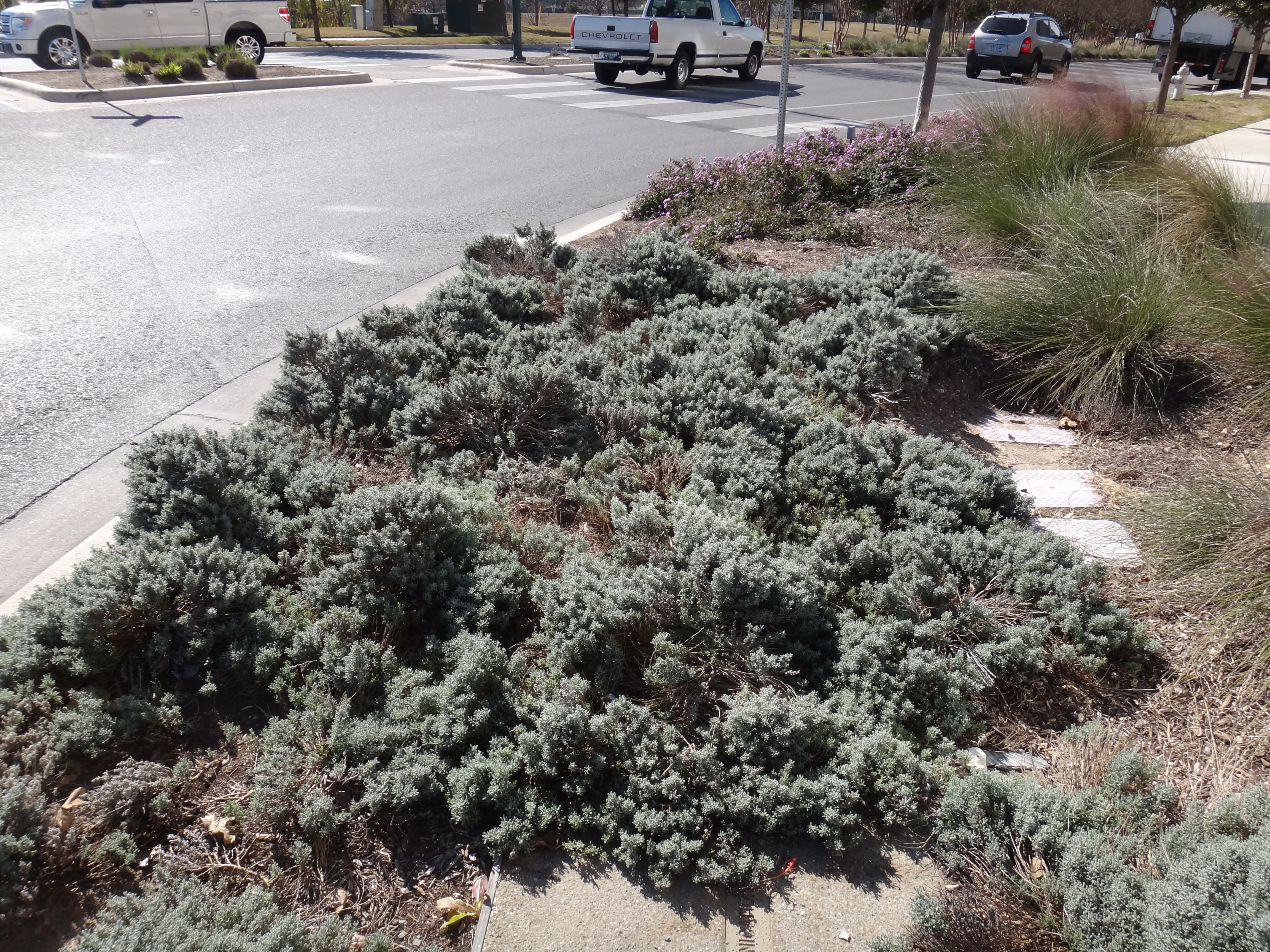
I initially thought these were dwarf conifers. When I realized it was in fact gray santolina or lavender cotton, I swung my steed around and snapped these shots.

Santolina chamaecyparissus
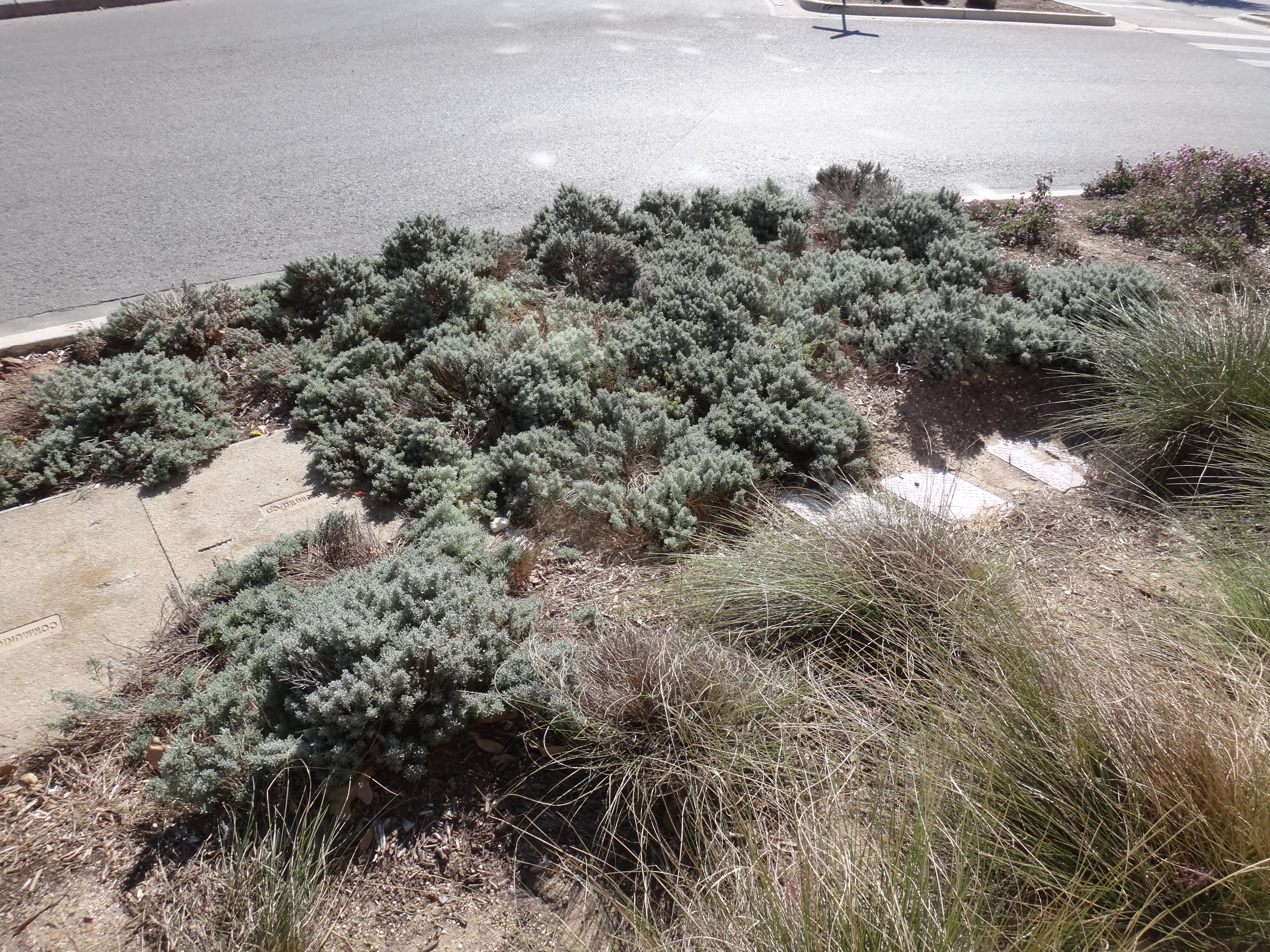

It reminds me of Scottish “heather” in a mass-planting like this. I will try and get some shots of it in bloom next summer…if I remember.

Photograph: Linda Engstrom

And to finish I am happy to report that Kumo is making a speedy recovery after his stomach surgery.

He is now stumbling and walking into things wearing his
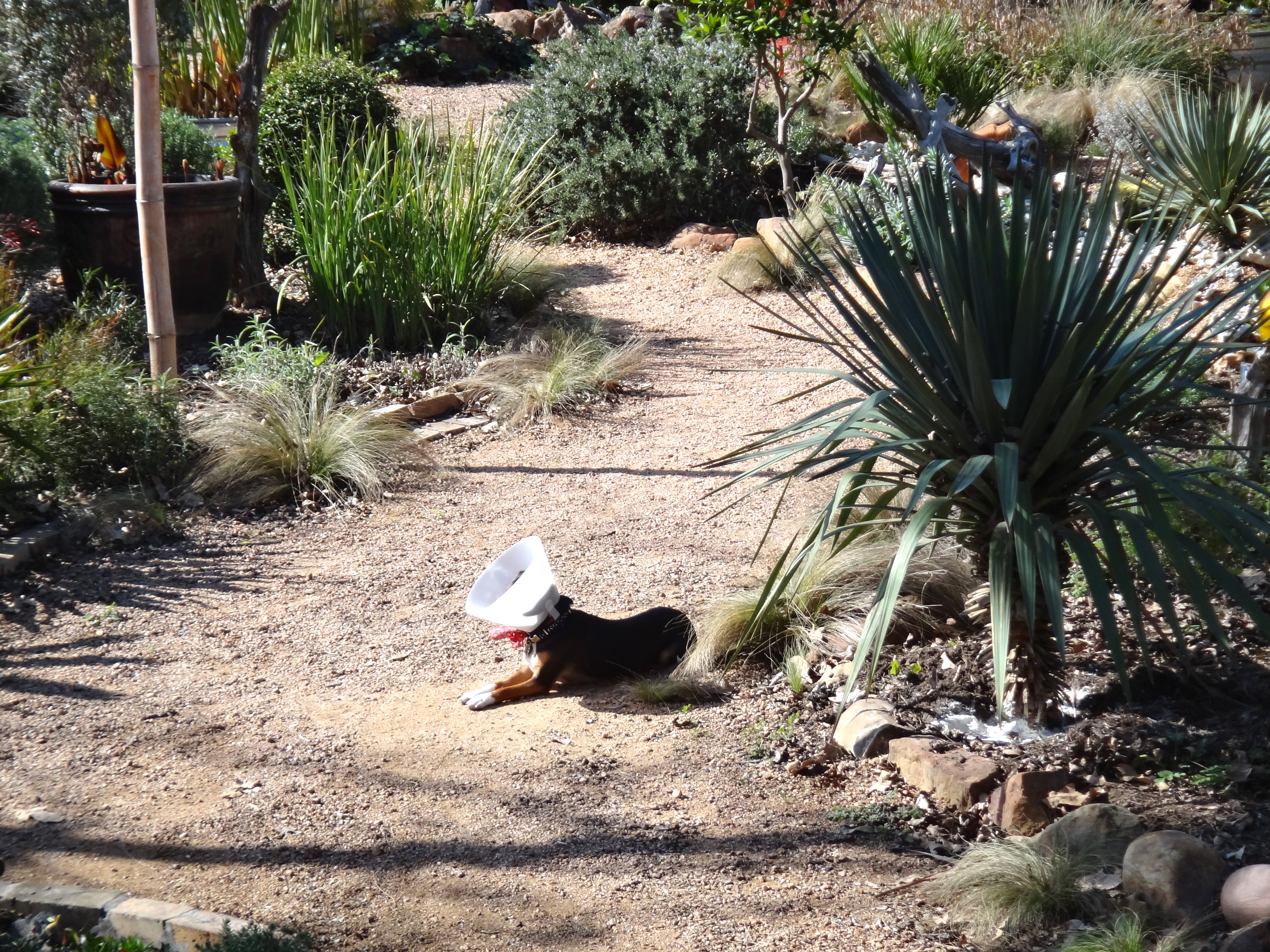
collar of shame. 

Talking of dwarf conifers…

Inspirational image of the week:

Photograph from Foxhollow Garden, Dorset, England.

Stay Tuned for:

“Igniting the Cattails”


All material © 2012 for eastsidepatch. Unauthorized
intergalactic reproduction strictly prohibited, and
punishable by late (and extremely unpleasant)
14th century planet Earth techniques.
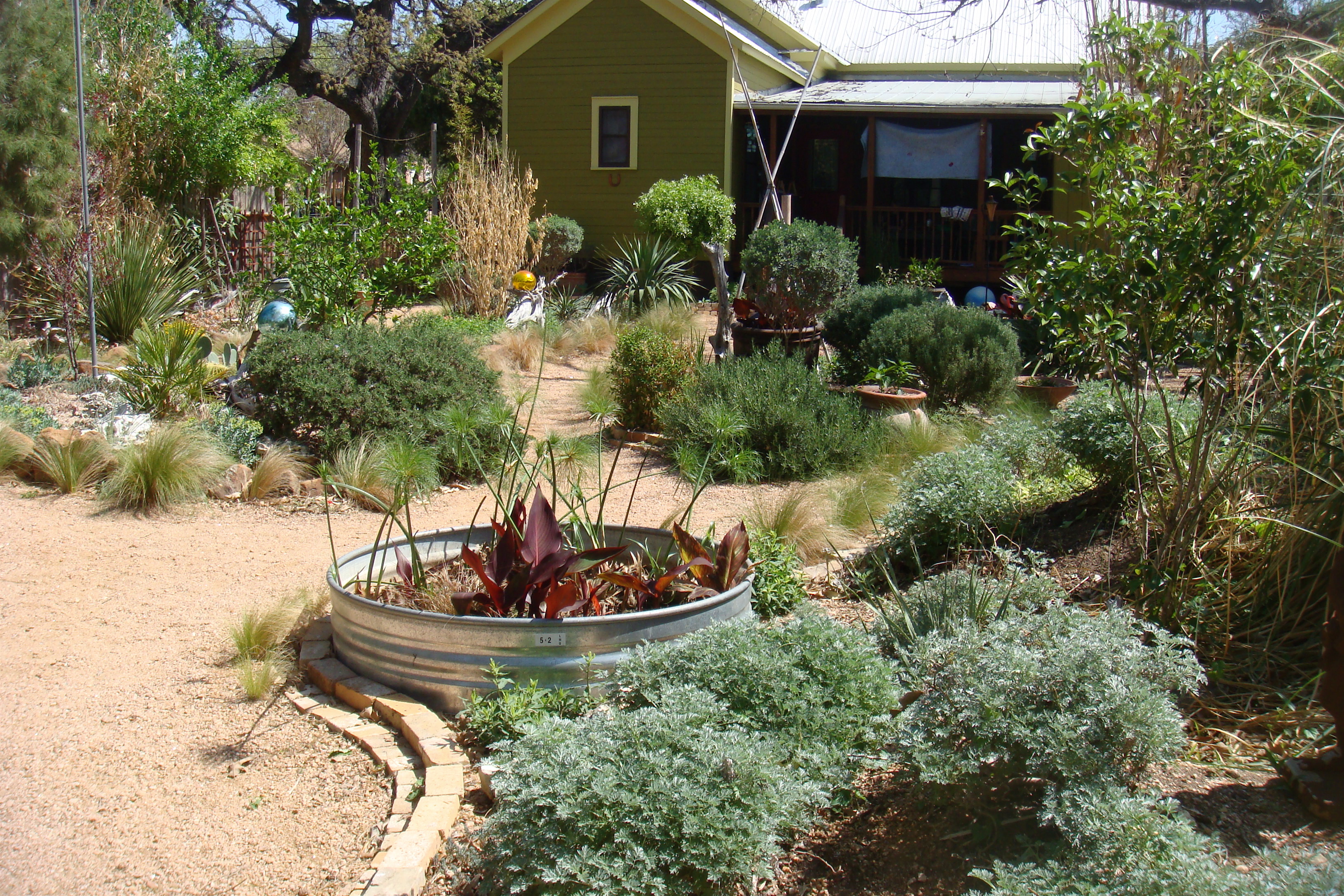


Hot temperatures and humid conditions combined once again with dusty, dry conditions almost had me reaching into my freezer for a ready-made iced-turban this past week as I continued to perform late clean up chores and a few on-the-spot area reorganizations.  This warm spell has broken the winter dormancy of many plants in the Patch, filling out the artemesia, greening up the feather grasses and re-emerging the canna lilies…almost everything has greened up with the exception of my Mexican lime tree (you cannot miss it in the distance, I hate walking past it), but it is always last to show signs of life. I am considering removing this tree and replacing it with another sabal major palm, I have the space and sun here.

My Japanese maple has fresh spring foliage next to my pond, it always looks its best at this time of year, before it gets sun roasted,

and this pyracantha

Pyracantha coccinea


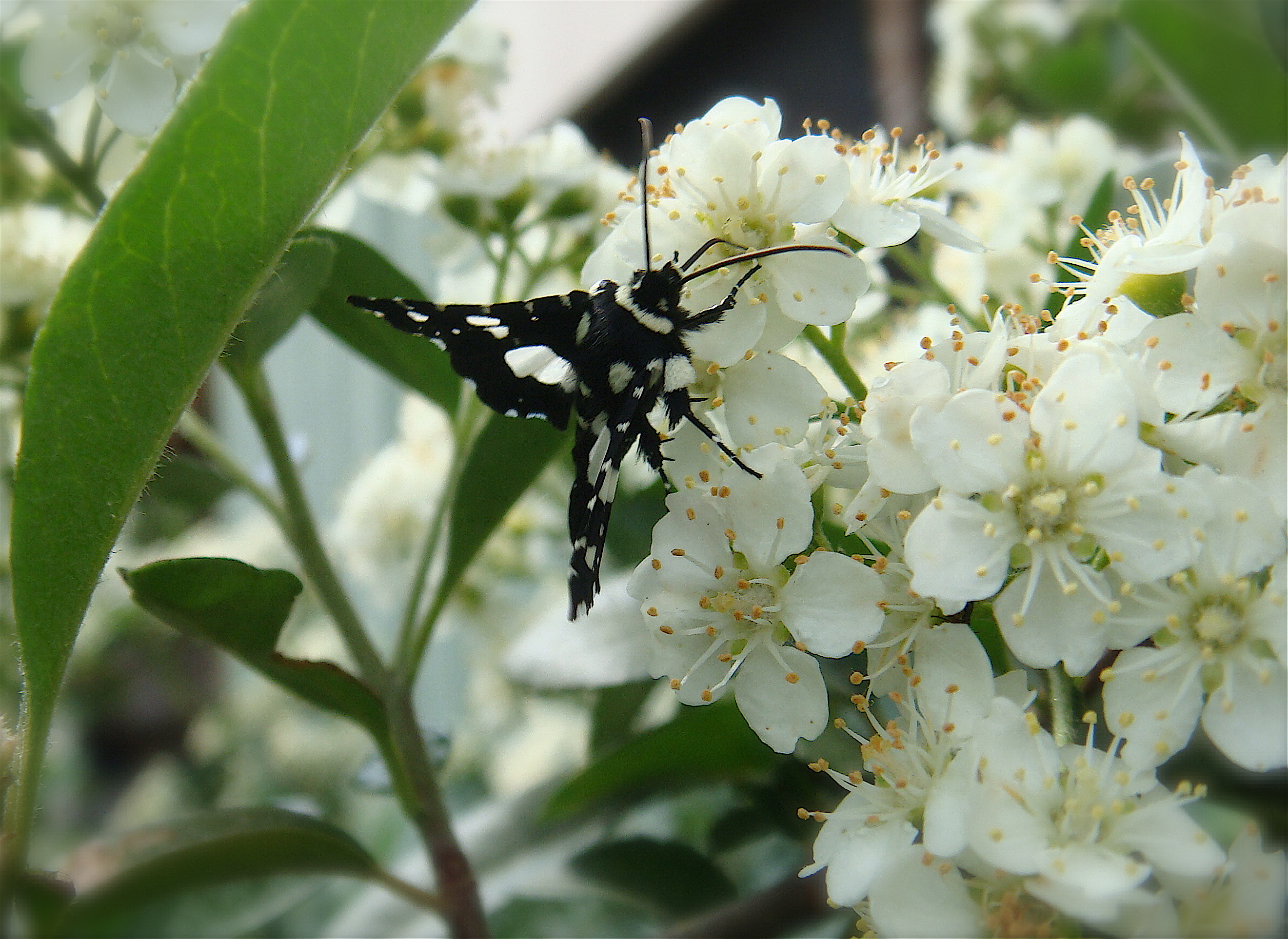
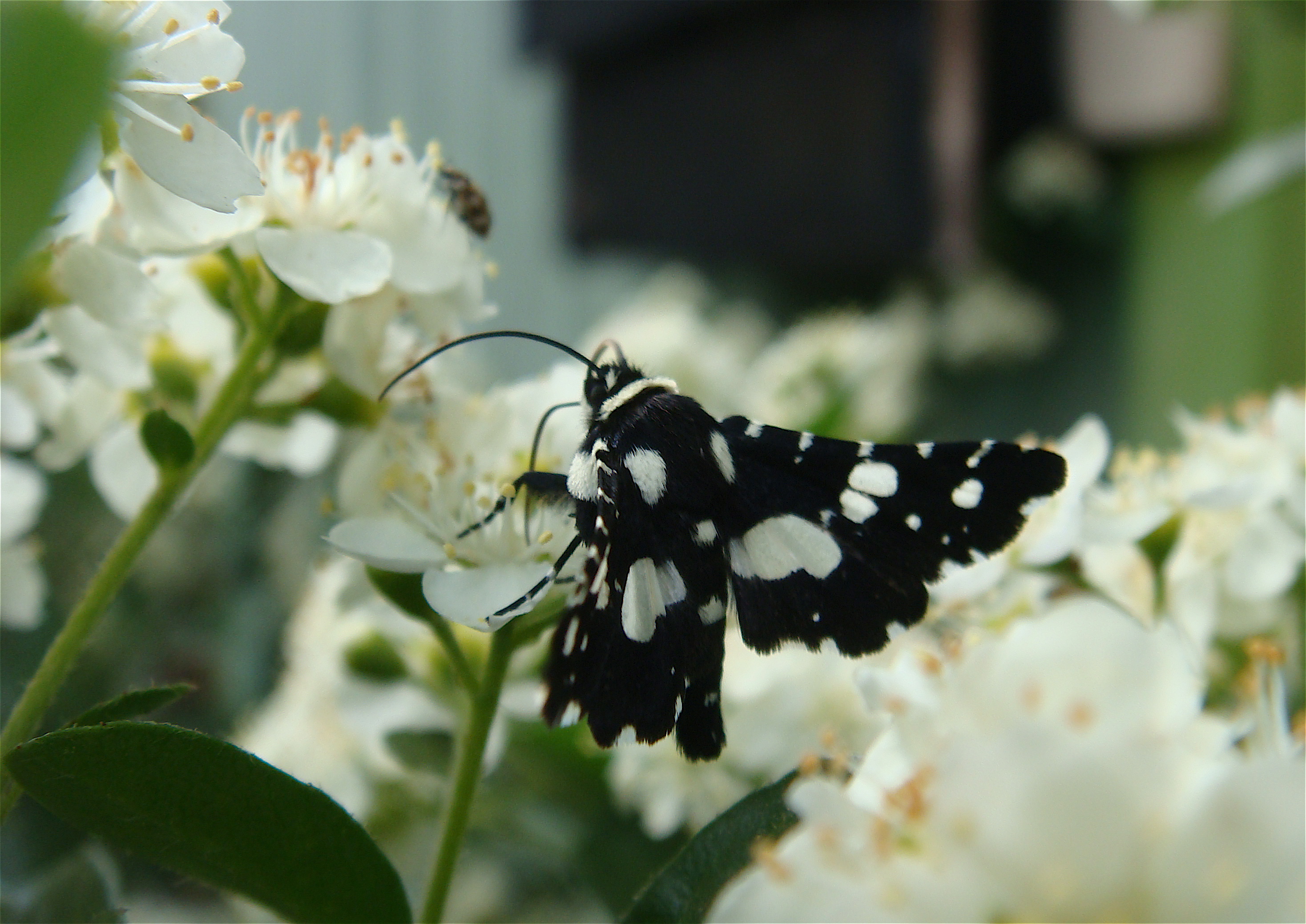
is currently filling the back third of my yard with its distinctive pungent aroma, an aroma that is pulling in all manner of insects like this:

Mournful thyris,

Thyris sepulchralis


It appears that this genus has been changed from Thyris to genus Pseudothyris?  Entomologists help here please?

Another apt name for these stout moths is:  picture-winged leaf moths. This one was way too busy on these pyracantha blooms to even care about the camera.

Another insect-first in the Patch.

I have my pyracantha tucked well away, squeezed between my garden shed and my neighbor’s fence.  This plant is dangerous, and it ranks right up there with bougainvillea and pampas as a shrub wielding an attitude of malicious, flesh-slashing intent to the unacquainted. This plant needs a really quiet place, an out of the way nook, a never-to-be-entered area to flex its gangly and gnarly thorny sprawl. The aptly named firethorn, if appropriately positioned, does provide an impenetrable barrier from any uninvited guests, its defenses also provide protected cover for birds. Check out some amazing pruned pyracantha hedges, berries and more general information here:

http://www.pyracantha.co.uk/

I personally prefer the more natural habit this plant exhibits if left to its own vicious meanderings.

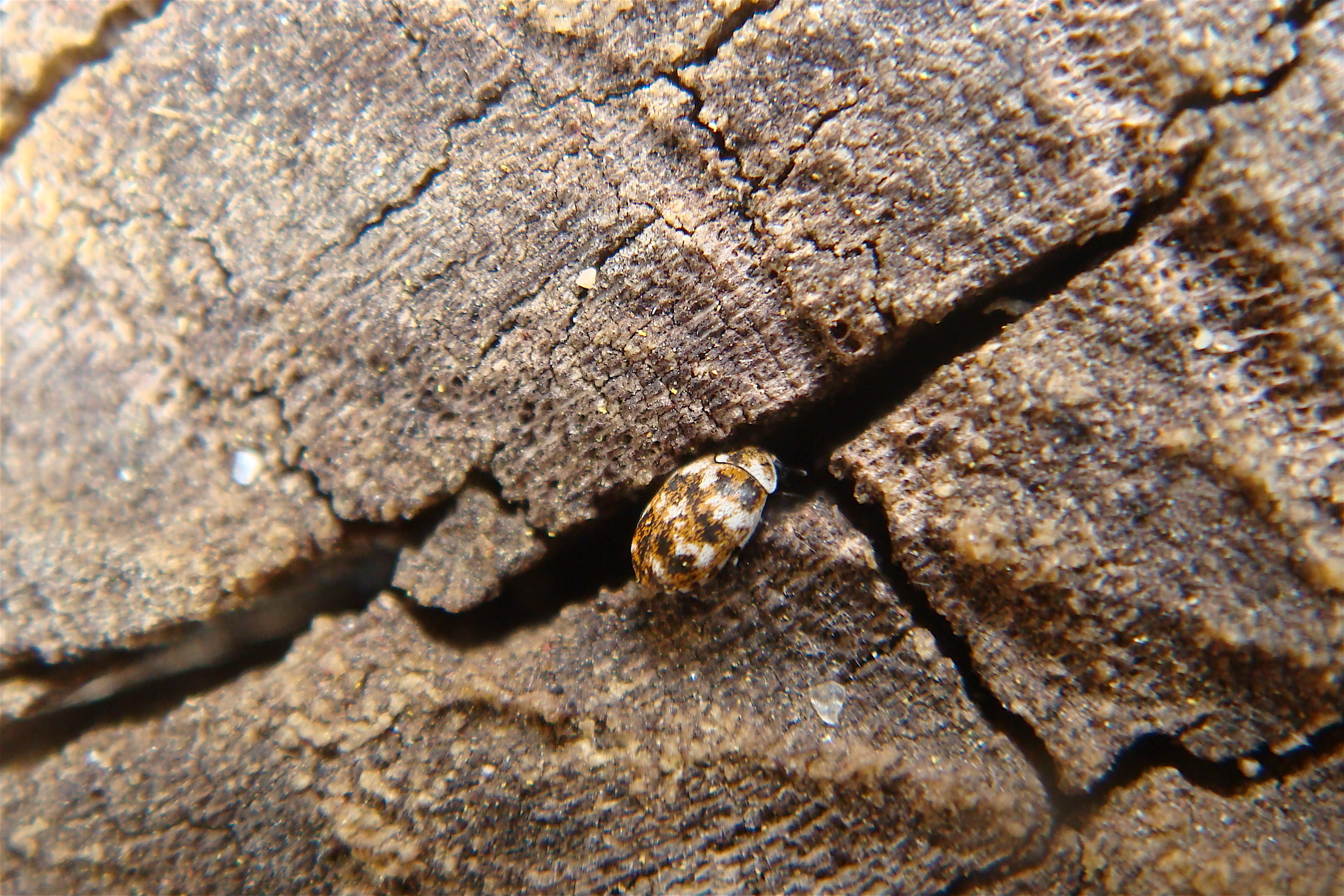
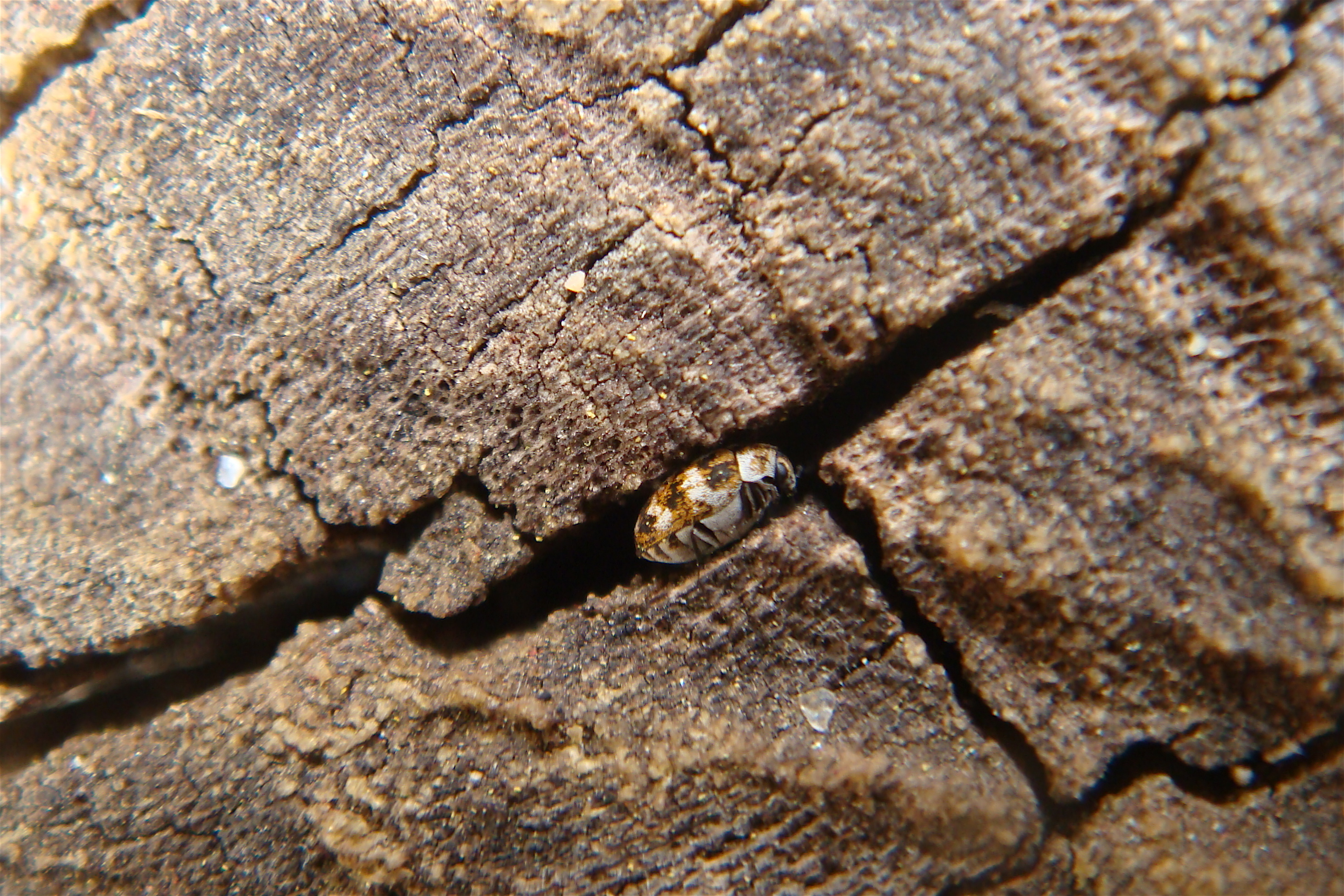
These tiny bugs were all over the blooms of this pyracantha, I pulled a flower cluster from the plant and placed it on a tree stump…this one quickly found a hiding place. Anybody have any ideas what these are?

Thanks for the ID meredee (see comments section)

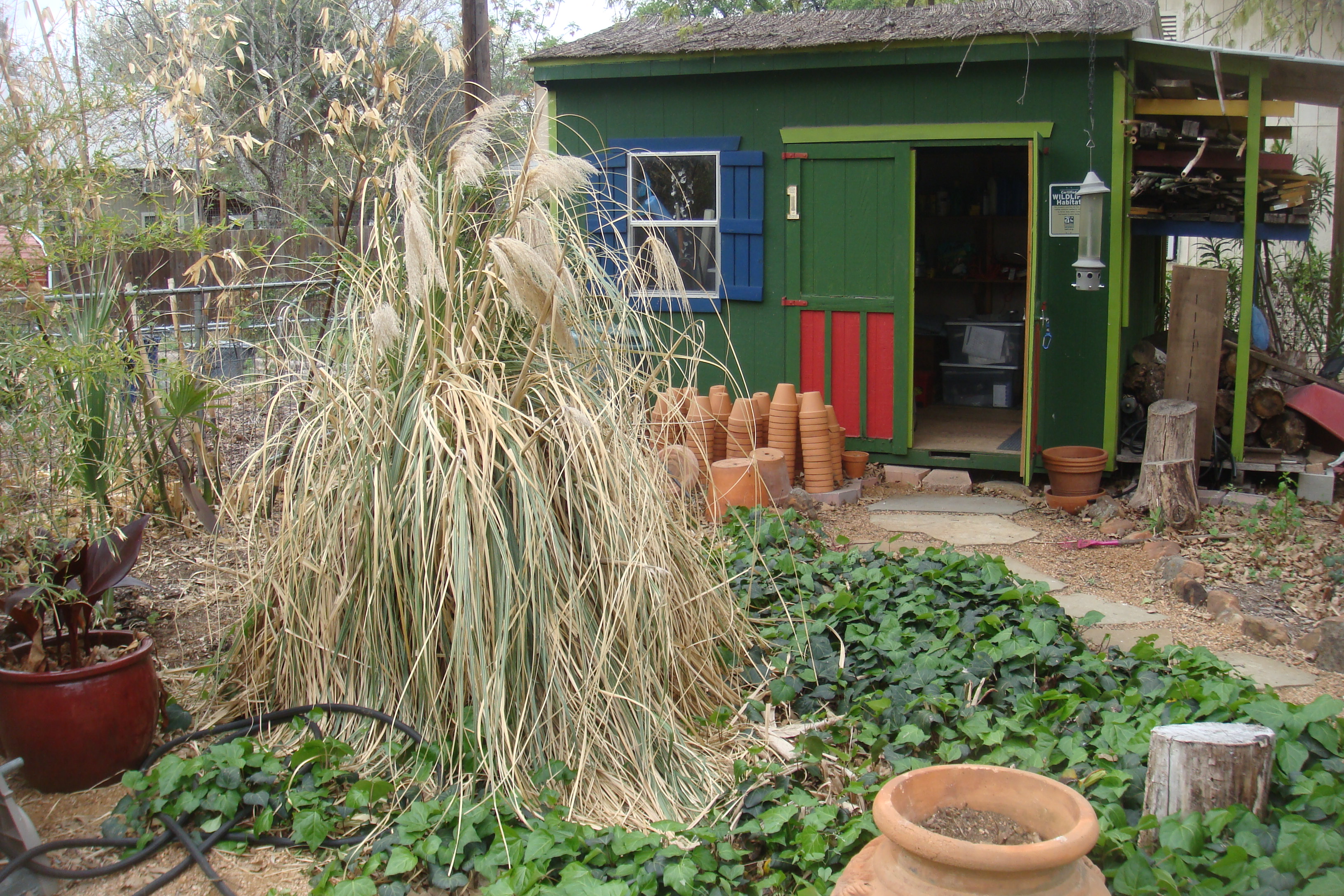
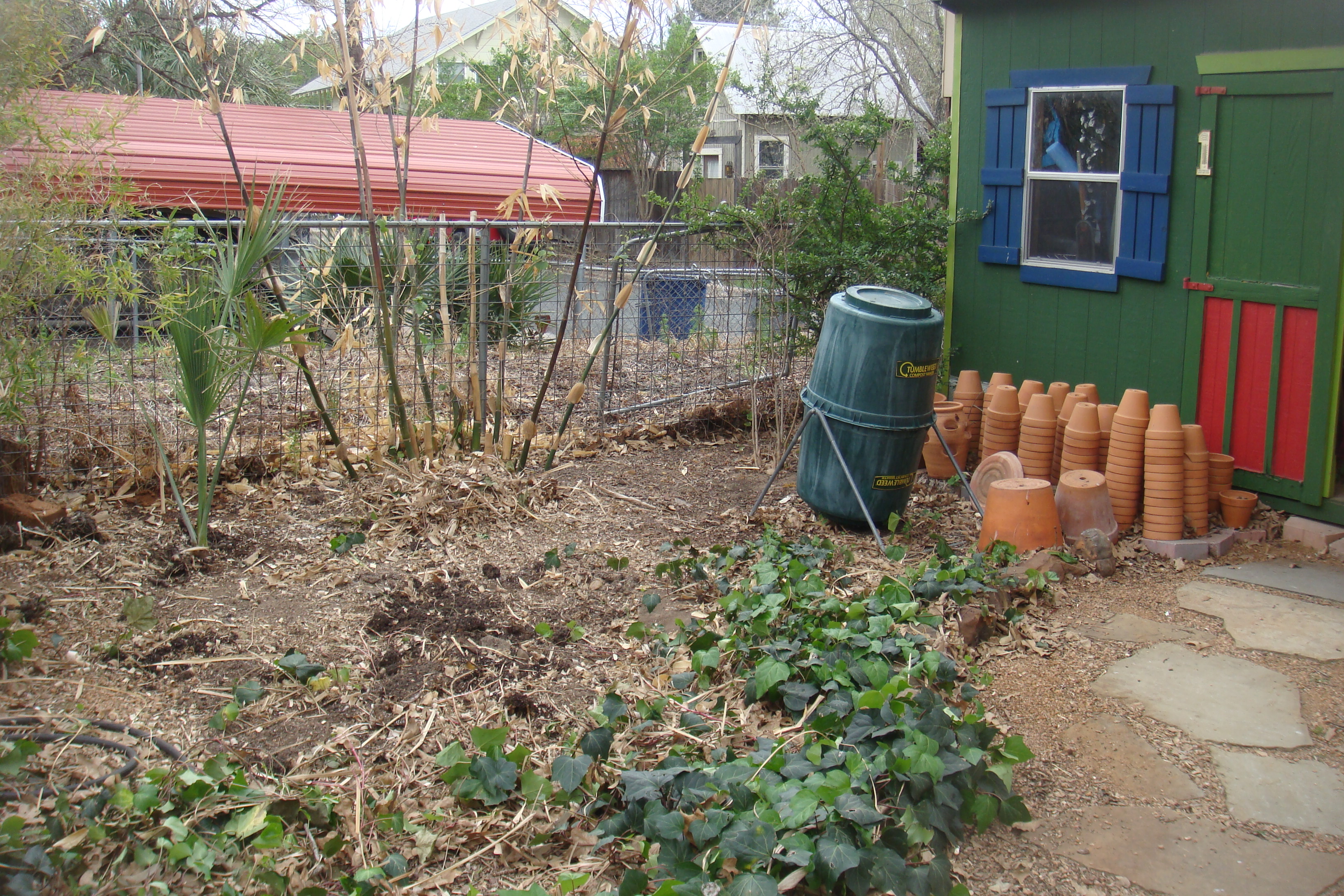
You can see my pyracantha safely positioned to the left of my shed (right picture).

While I was nosing around in this rather gnarly corner area of the Patch, I unconsciously walked into my shed, grabbed a thin shovel (my now preferred implement of choice for this activity), and took out yet another old pampas grass. This grass has served me well but it was getting rather long in the tooth as you can see, and besides, after taking out its partner-in-arm-slashing-crime a few weeks back, it has sort of been floating in space in all its straggly glory…it simply had to go, I mean look at it!  A couple of rugby tackles and some ridiculous jujitsu kicks and lots of root cutting later, it was out and hoisted high onto my already ridiculously high compost pile,

…note to self: I must get some Milorganiteimmediately! (Thanks for this volume reducing tip Andrew)

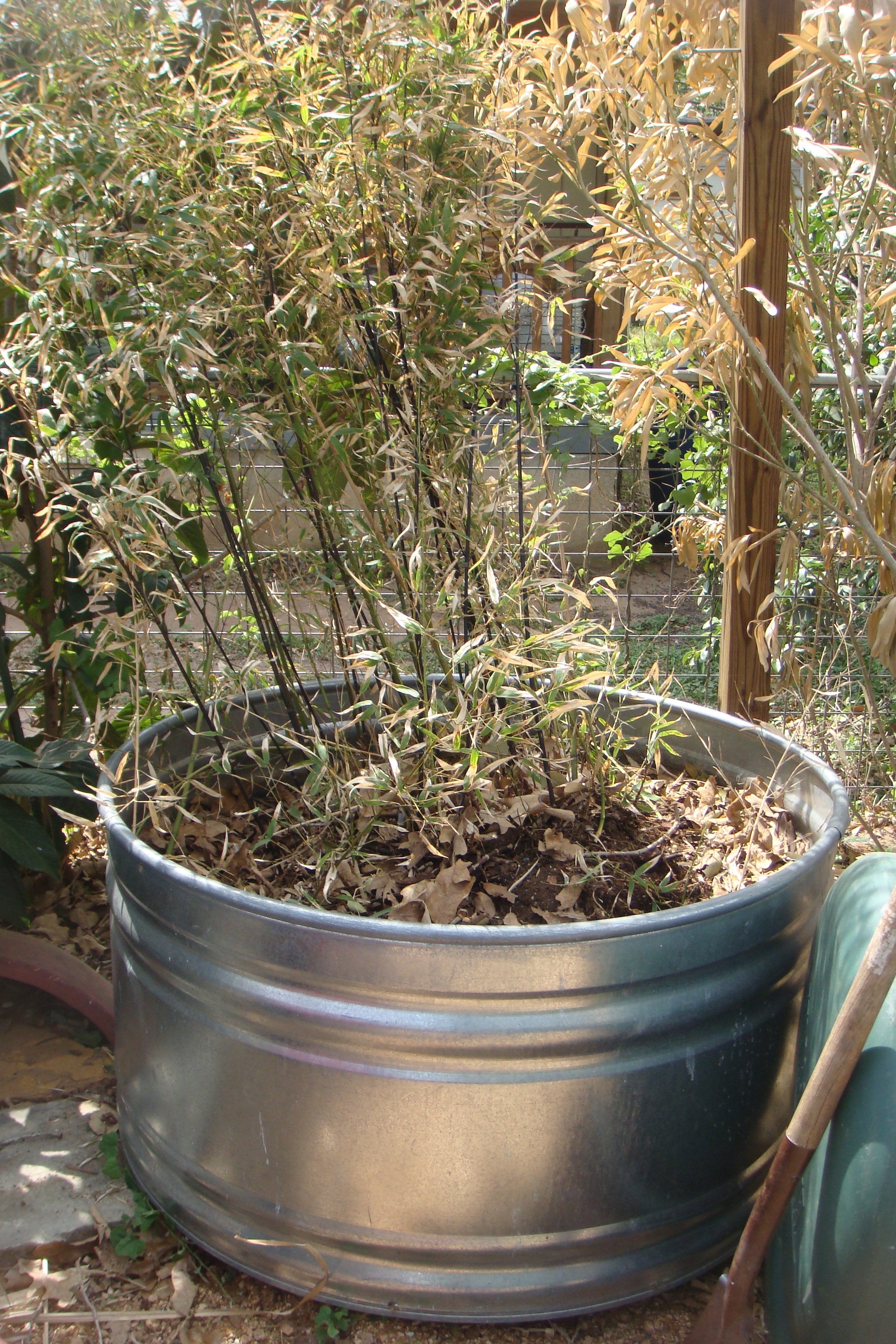
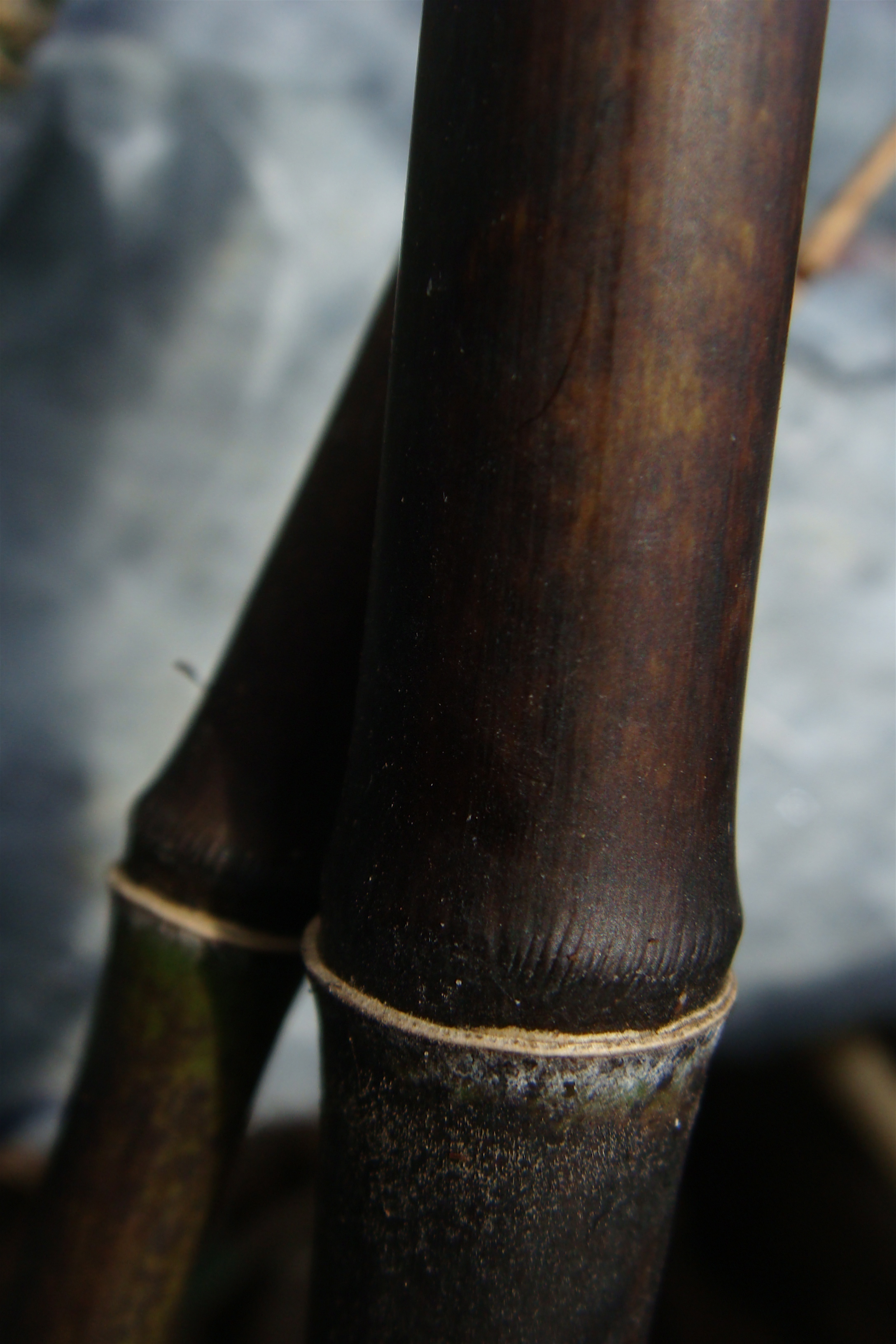
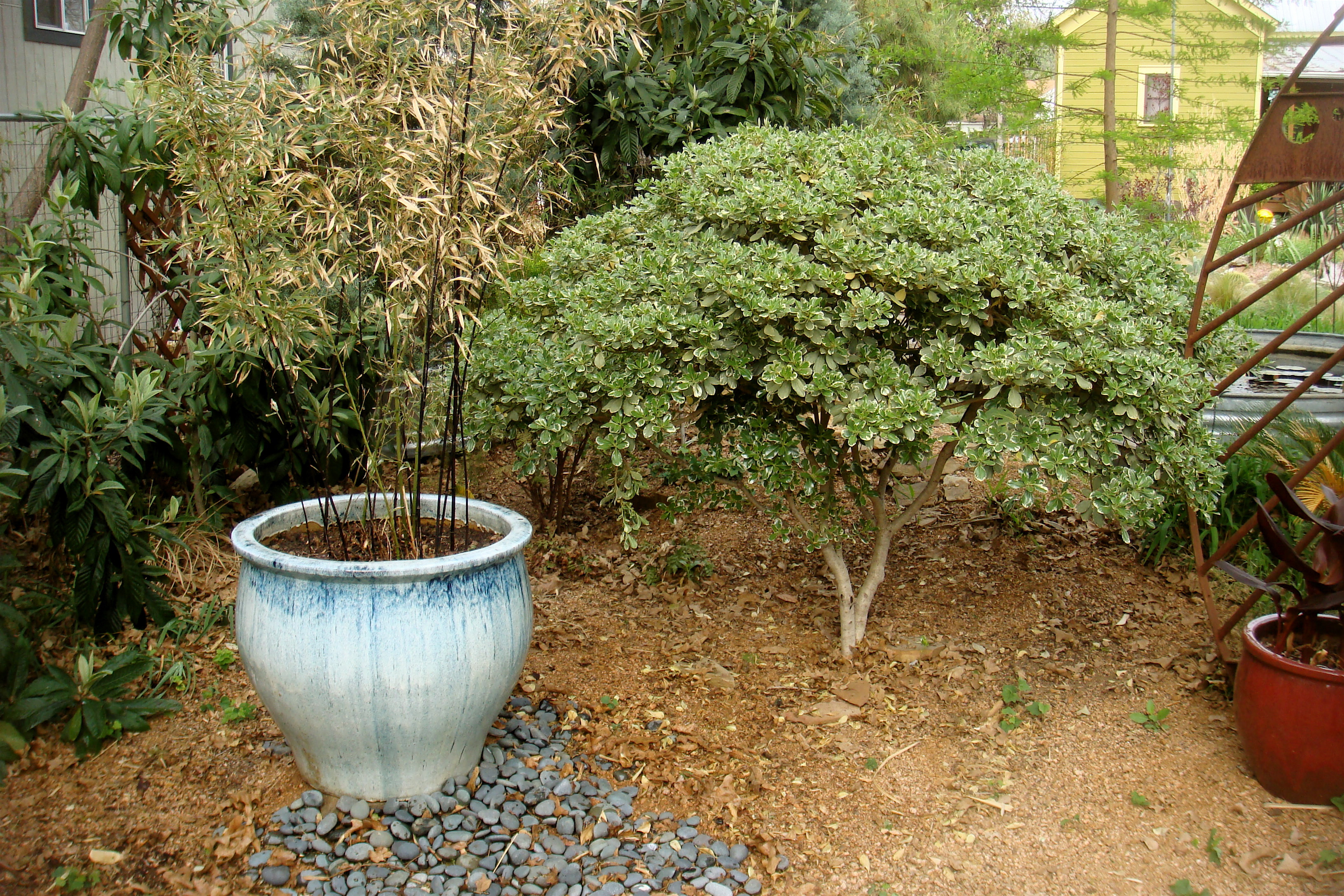
I decided to remove this black bamboo out of this stock tank, (an activity that actually turned out harder than extracting the pampas grass!) I had new plans for this stock tank.

Phyllostachys nigra

I trimmed the root ball significantly and placed the bamboo in its new container:

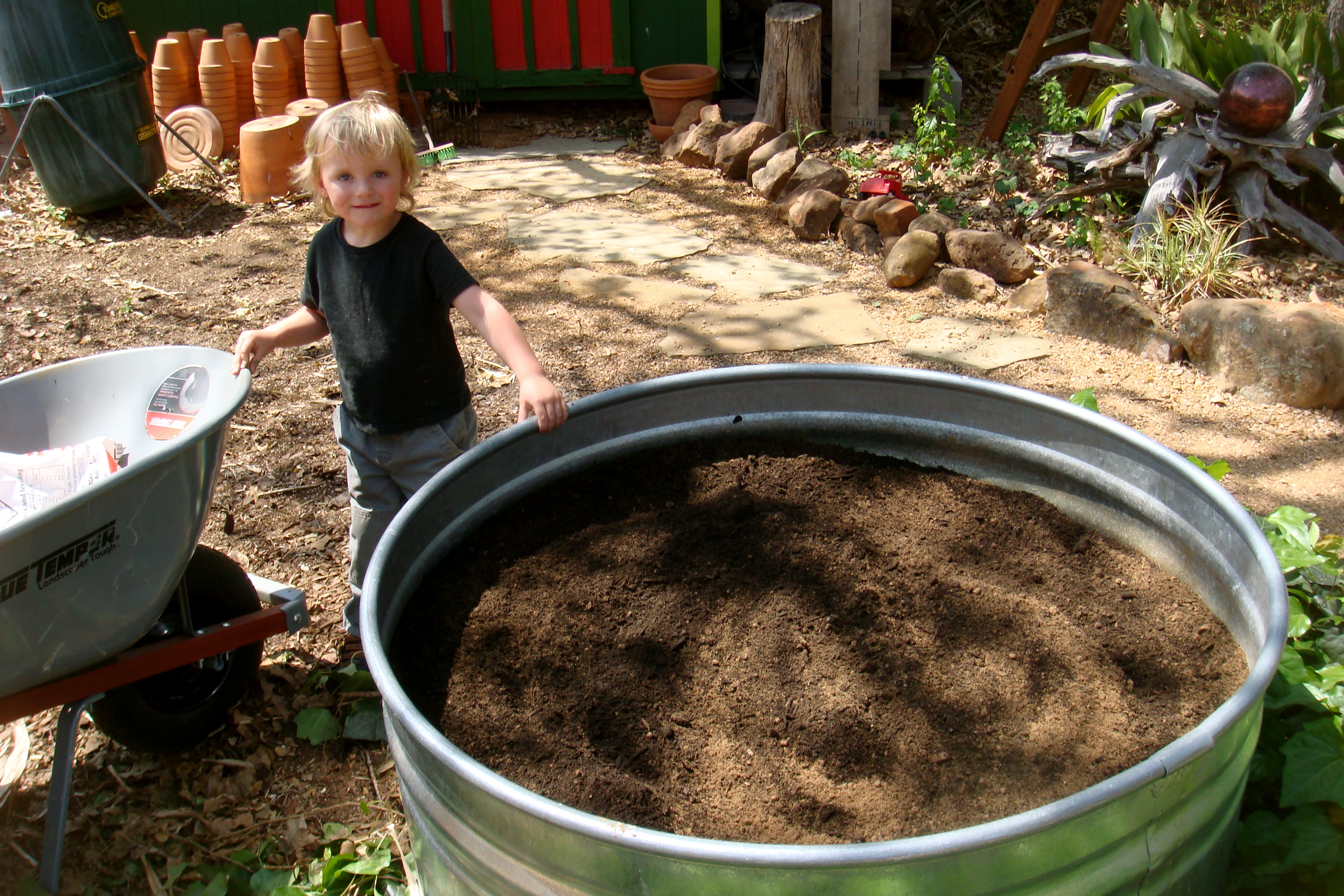
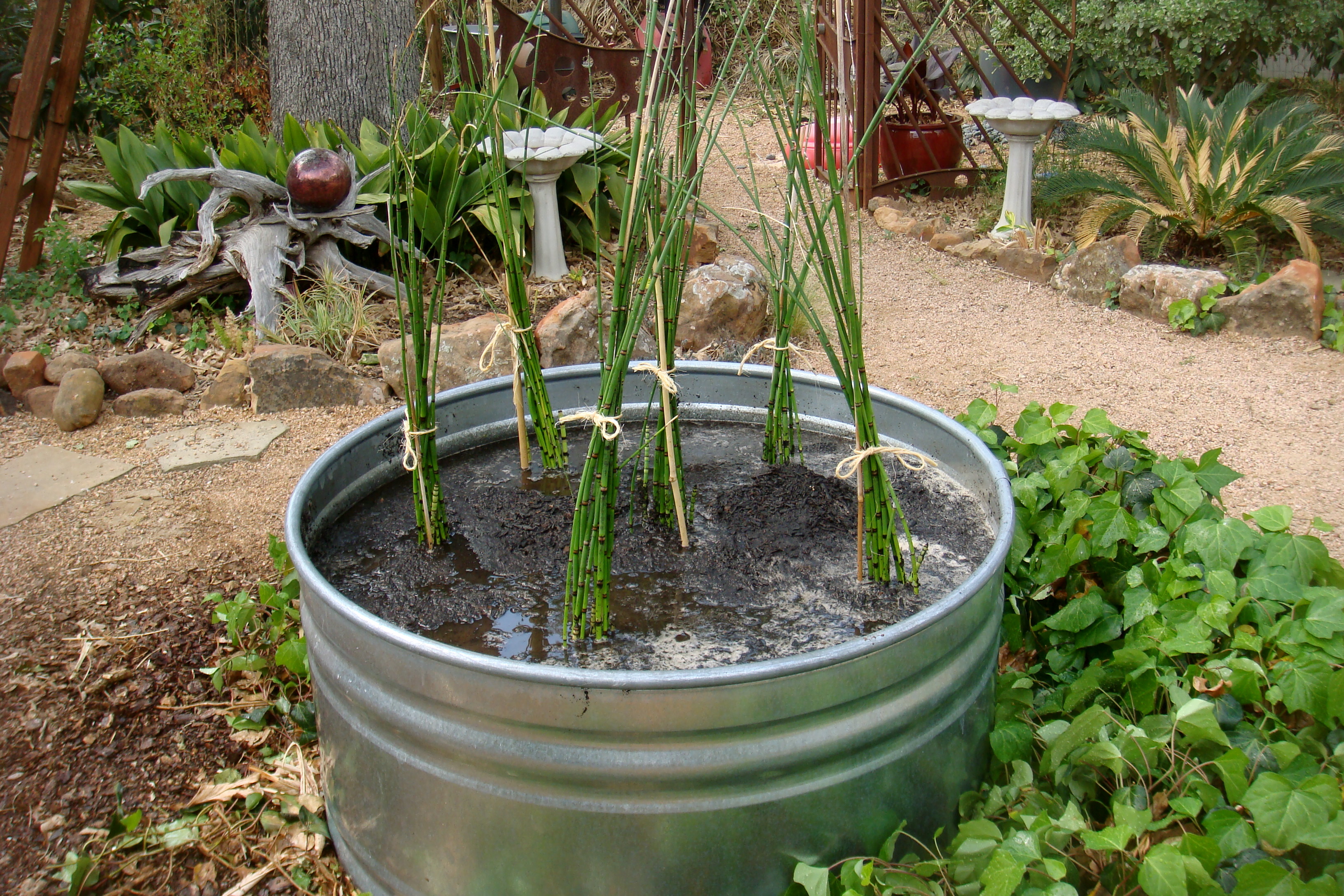
With the stock tank now empty, I rolled it through my gate into its new position among the Persian ivy.

After back-filling it with scrap aggregate to take up some of the volume,

I filled it up with dirt, then water, and transplanted bunches of horsetail reed for future vertical evergreen structure. A word of warning, when you first fill with water the tank has a tendency to aggressively “burp”, mine actually made a very realistic flatulent noise before proceeding to “throw up” a small amount of dillo dirt onto my shoulder…nice. I will eventually train the Persian ivy into a circle around the tank, now to finish the surrounding hardscaping.


Moving on:

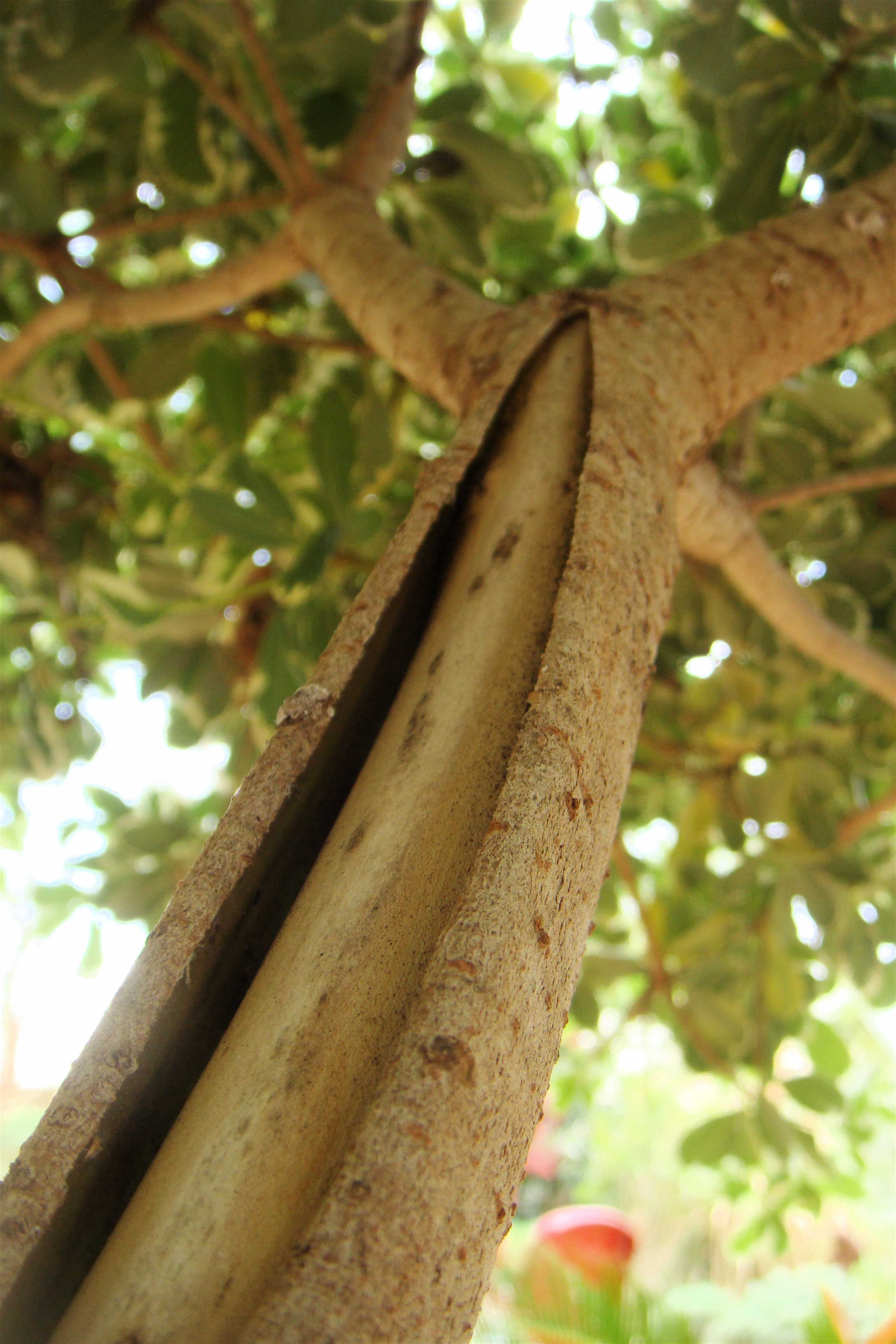
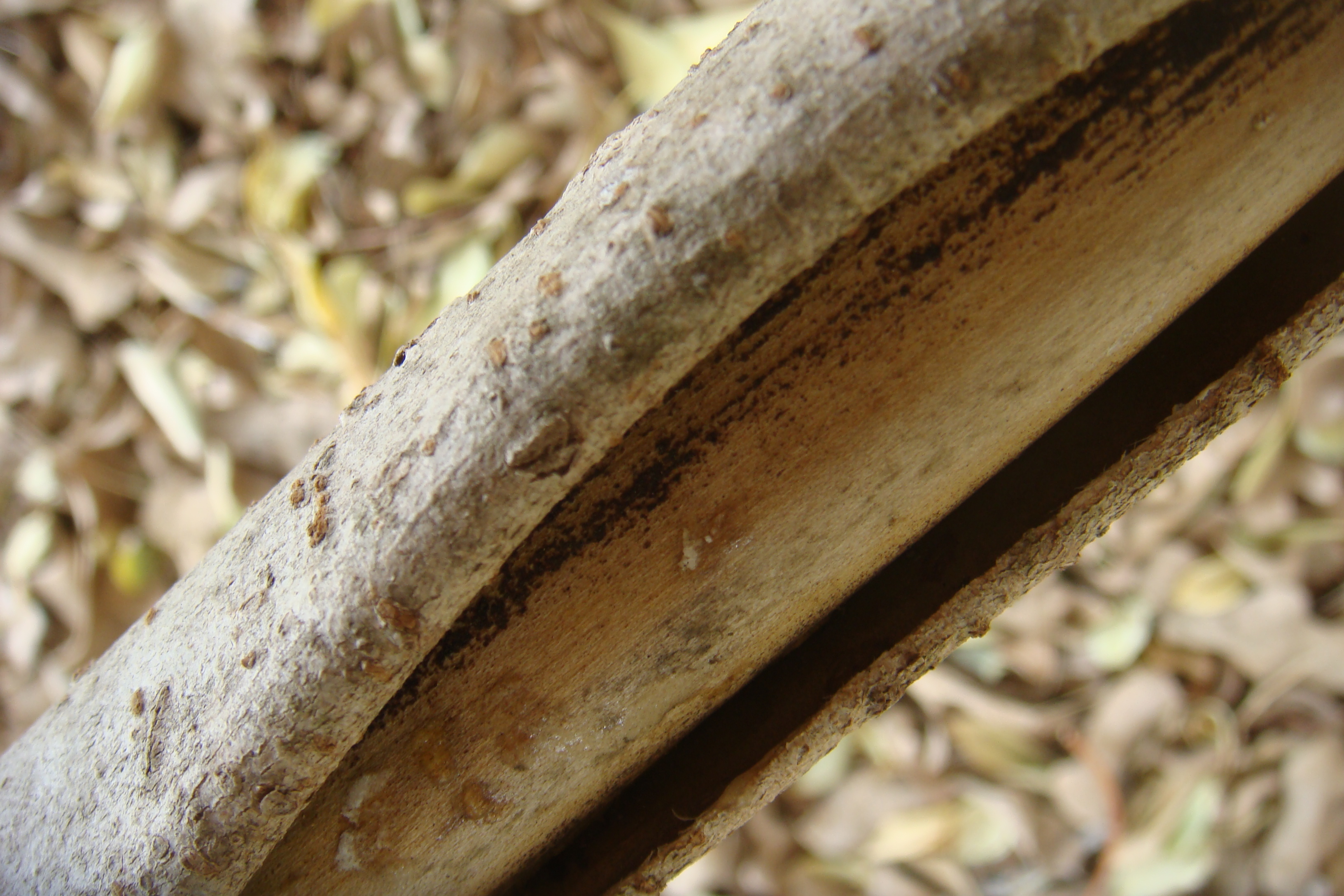
While I was planting the black bamboo I noticed that all of the main branches on my adjacent mock orange had developed cracks, splits and fissures in them.

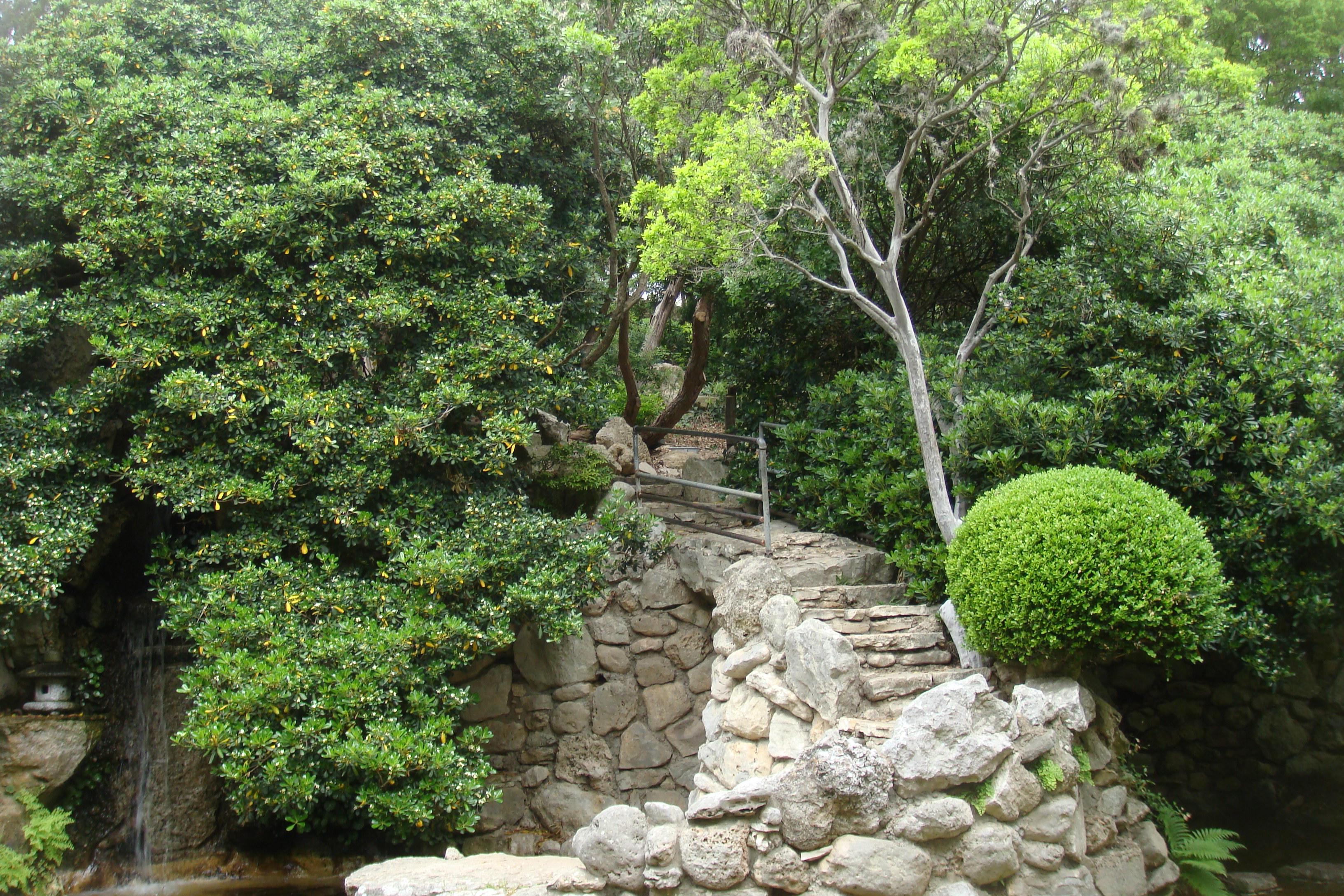
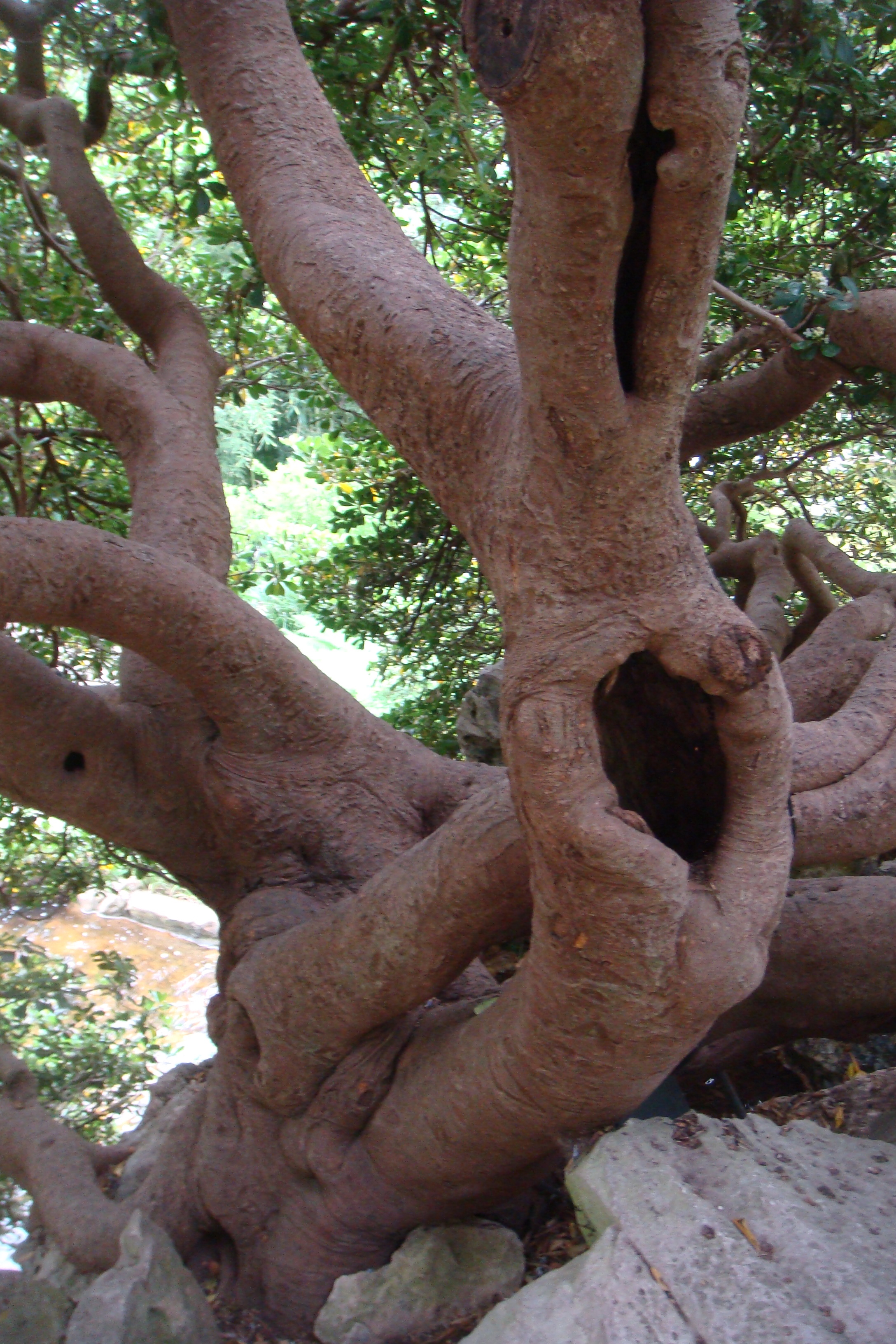
This shrubs inner bones were exposed as the outer bark was peeling away, surely this had to be a natural growth habit?  Just to be sure I made a detour to visit one of my favorite trees at the Zilker Japanese Garden at last weekend’s garden festival, a monster pittosporum, about the same age as me:

There it is on the left.

I was happy to find the same fissures and splits albeit on a much grander scale.  These shrubs / trees have an insane trunk structure.

The Hinckley’s columbine, azaleas and sago palms were also putting on a great display…


Back in the Patch I snooped into the hearts of my own sago palms and was happy to find, although now pruned completely bald, new spring growth was slowly unfurling.

On a darker note:  (insert…

labored breathing just about now)…Sheee…Cuff

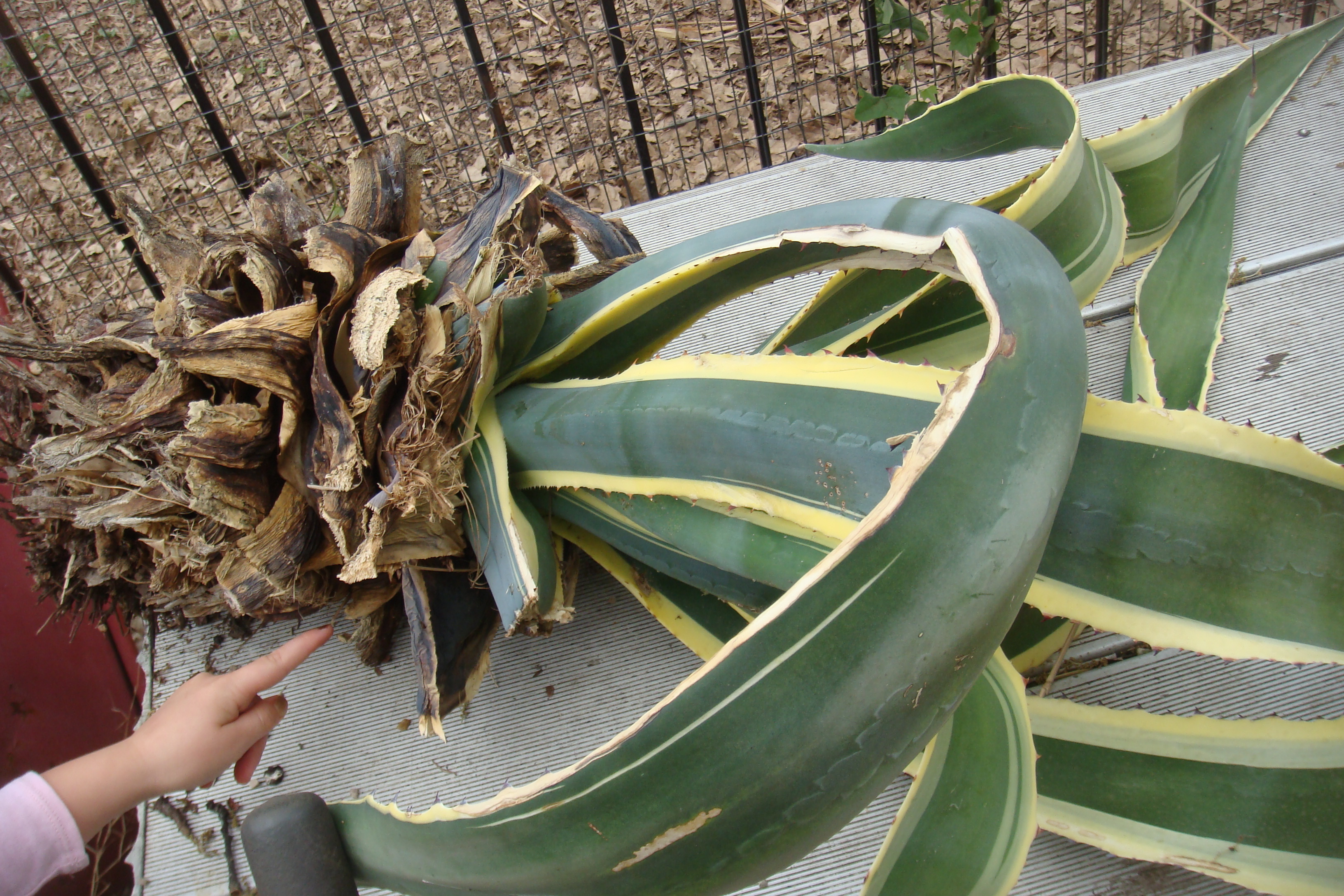
I pried out my final agave americana from the ground after discovering once again a weevil hole in one of it’s sharp blades.  I lifted it up onto my operating picnic table, (I thought it a more appropriate extraction setting for yet another patch postmortem).

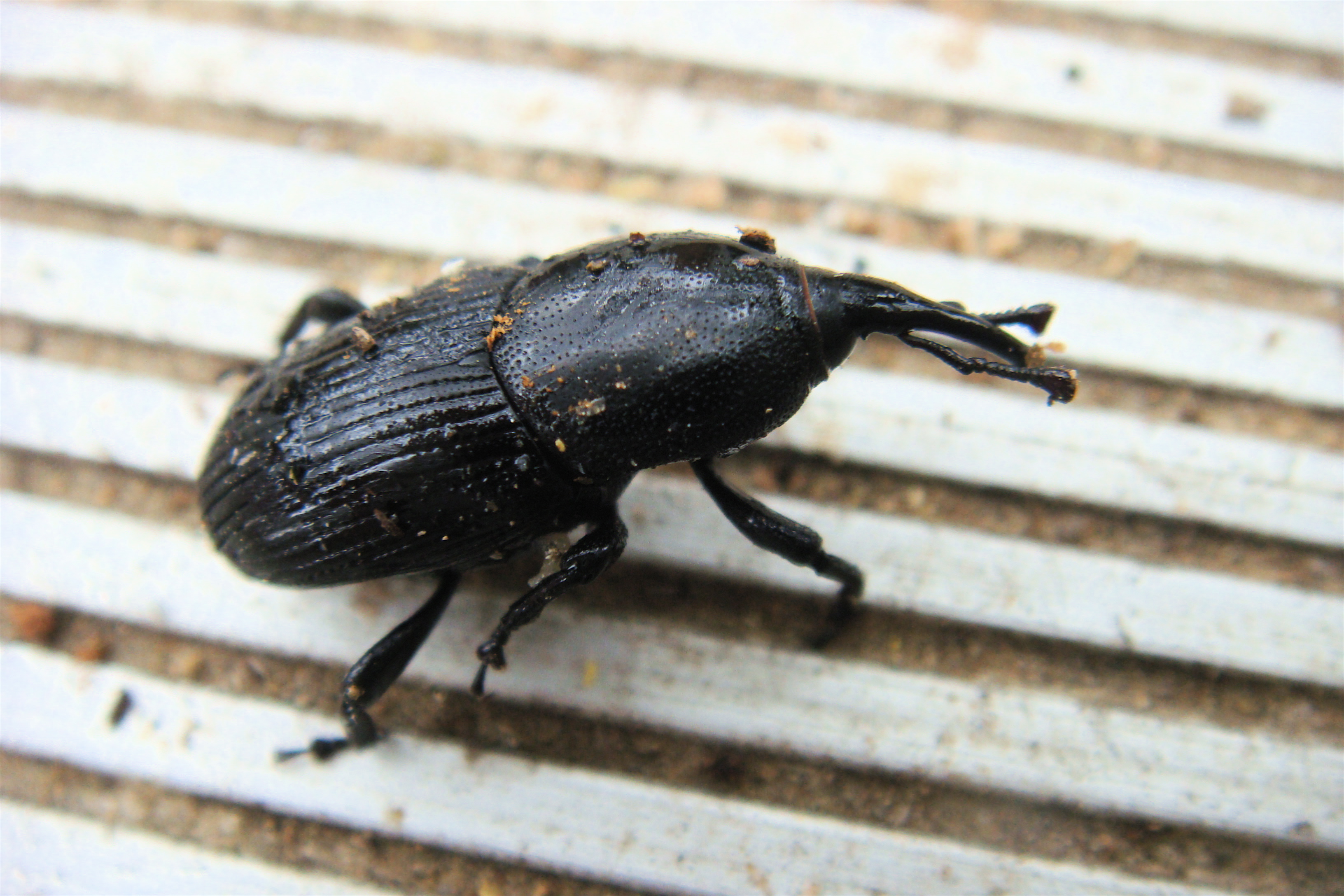
While I was whistling the theme tune from “Dexter”,  my daughter excitedly pointed out yet another Darth Evil Weevil running for safety toward the edge of the operating table. It is funny how these long-snouts seem to emerge after the agave is out of the ground, it is like they are “inconvenienced” and already grumpily looking for another “undisturbed” agave to move into and destroy, but not this one…no chance.

She spotted it, and in a true Rock-Rose fashion http://wwwrockrose.blogspot.com/, she squished it and immediately made me a proud parent.

“I promise I will not mention the weevil ever again…Jenny” :-)

Between the weevil and the frosts of last winter, my agave population has been substantially diminished.  I thought this would bother me, but it has not. The process, like my recent purging of four pampas grasses, has opened up new areas to fresh evaluation and potential new plantings and hardscaping opportunities.  Also my planting tastes have changed significantly since these beasts were placed in the ground.

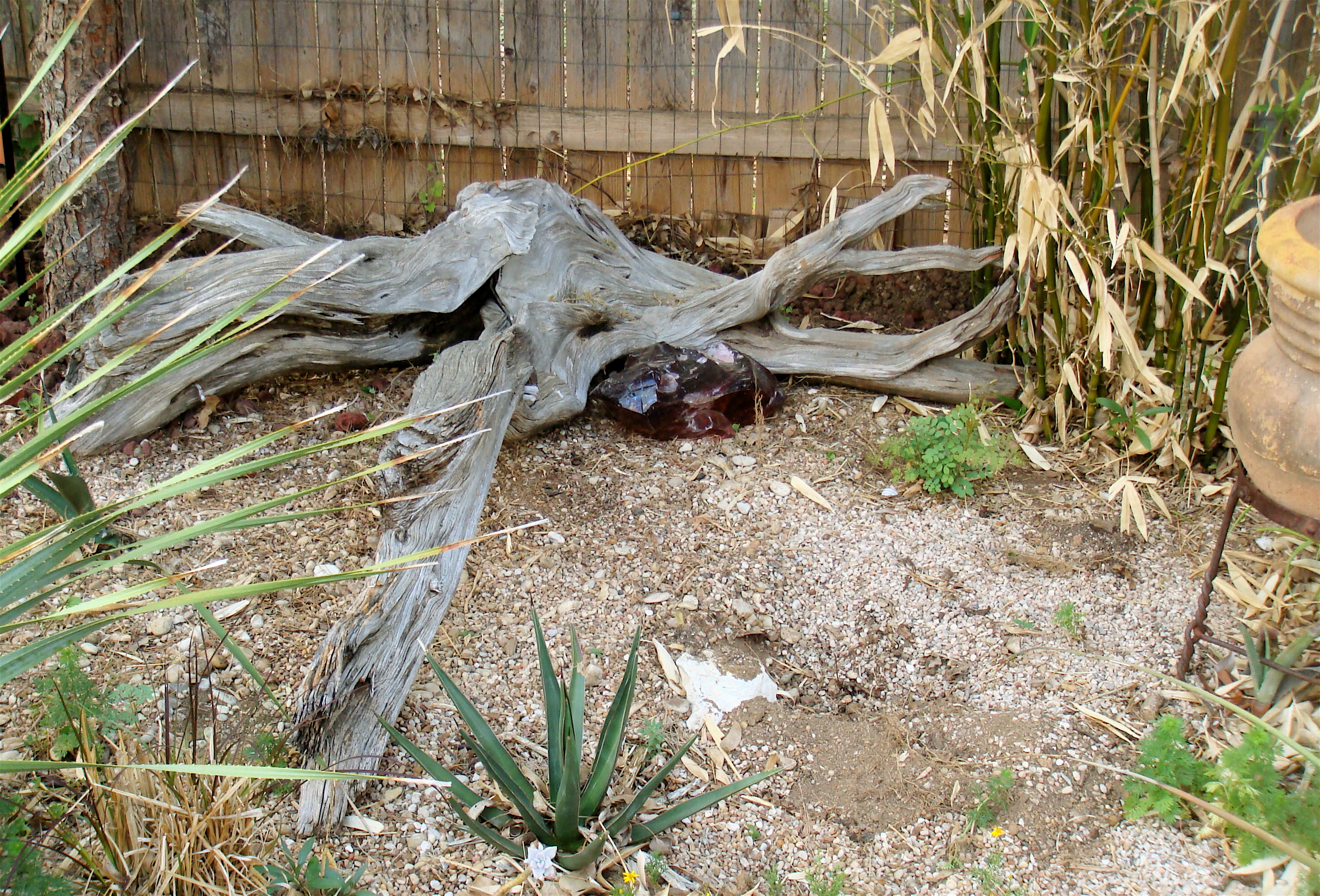
For now, the new gaps in my cactus and succulent bed will be taken up with this mammoth ceder carcass courtesy of Bob at Draco Gardens, http://dracogardens.blogspot.com/

it fits in Patch perfectly.

Finally:

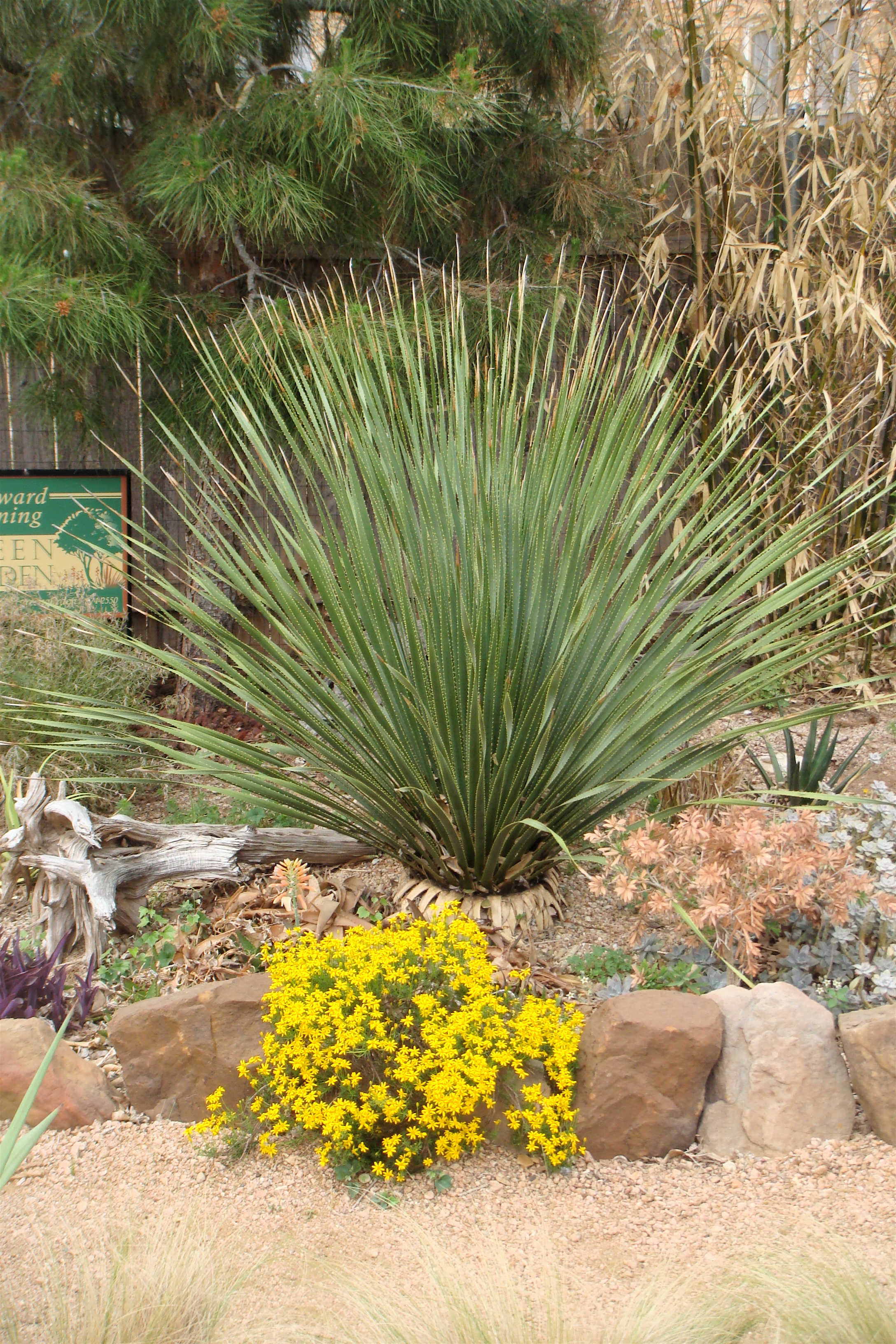
A sotol wearing a bright ragwort tie…

…and more new mountain laurel growth then I have seen in a number of years.

The best things this week: an Austin bloggers get together at Pam Penick’s garden http://www.penick.net/digging/ and afterwards a daddy-daughter dance / date…dinner at Guero’s, then onto the dance to trip the light fantastic.


Okay so we finished at 9:30pm, but it felt like midnight to us both.  I had a great date Miss P, and I am eternally sorry that I broke out into a habitual rock / goth dance as soon as Joan Jet: “I Love Rock ‘n’ Roll” came on, I could not help myself…still, better get used to it now, it will be even more humiliating when I perform it with my customized satin black walking frame…it is only a matter of time.

Thanks for my birthday dinner, cake and Wii fun G&T.

Stay Tuned for:

“Plants vs Zombies”

All material © 2011 for eastsidepatch. Unauthorized
intergalactic reproduction strictly prohibited, and
punishable by late (and extremely unpleasant)
14th century planet Earth techniques.

1 2 3 4