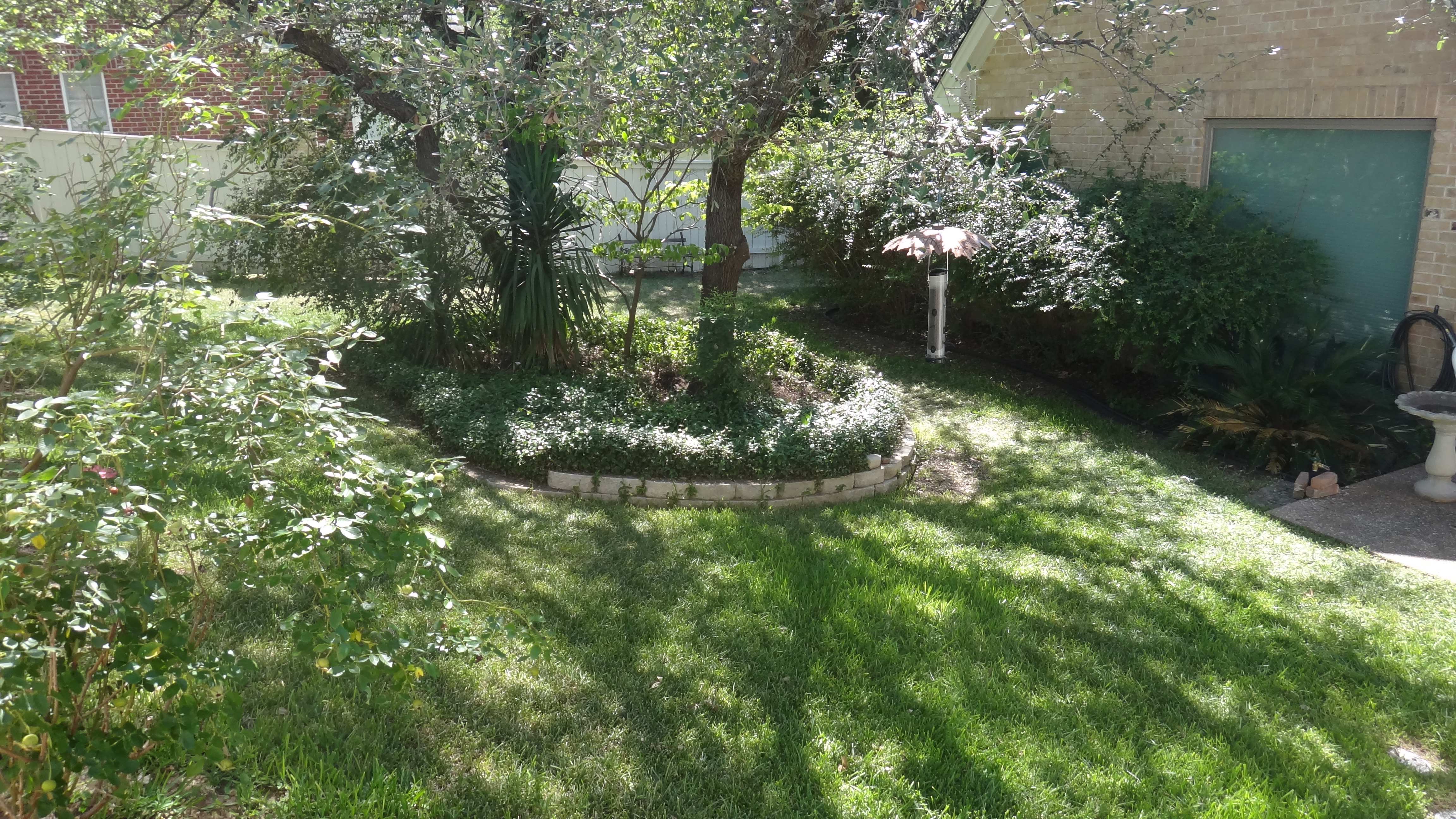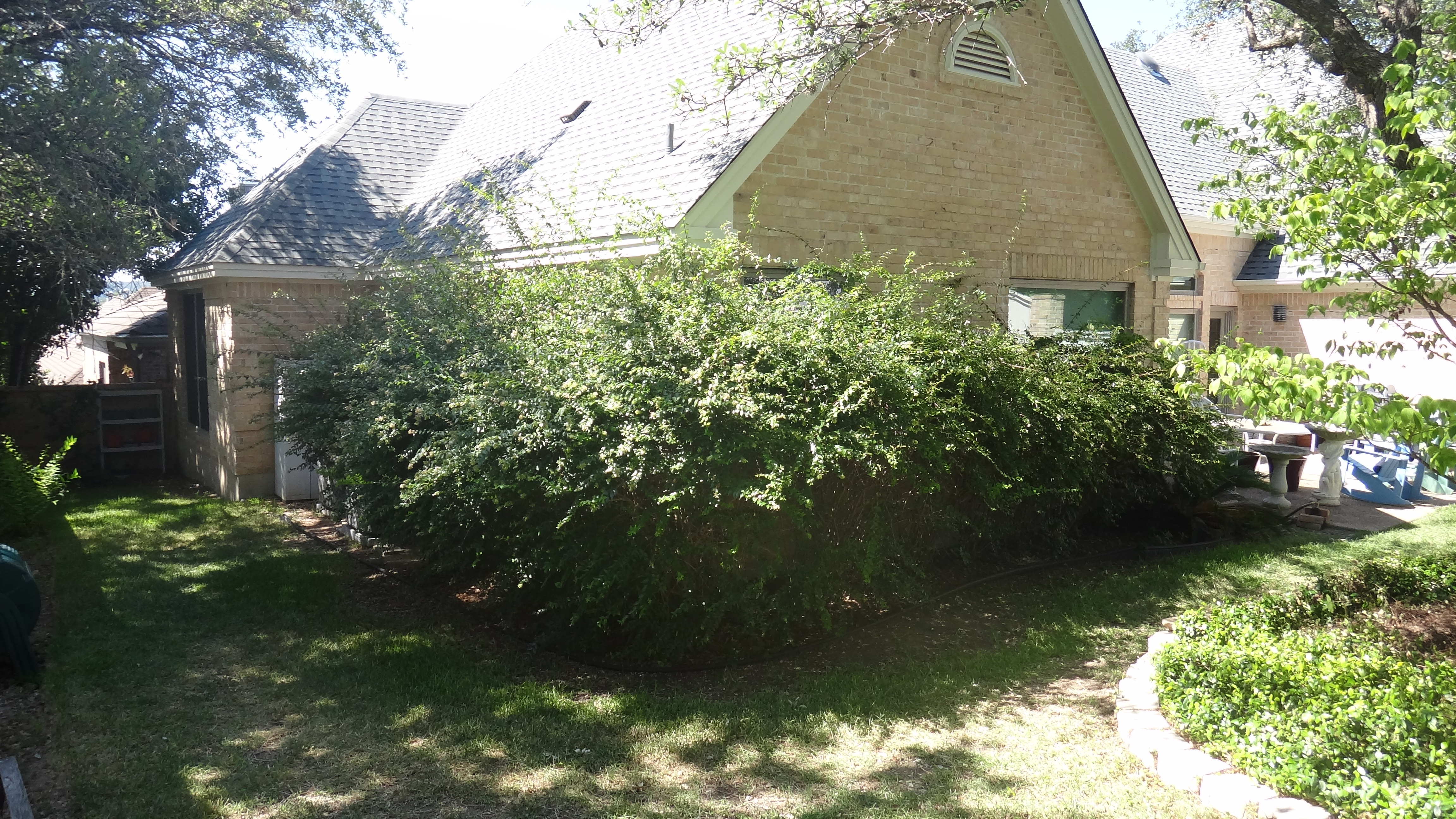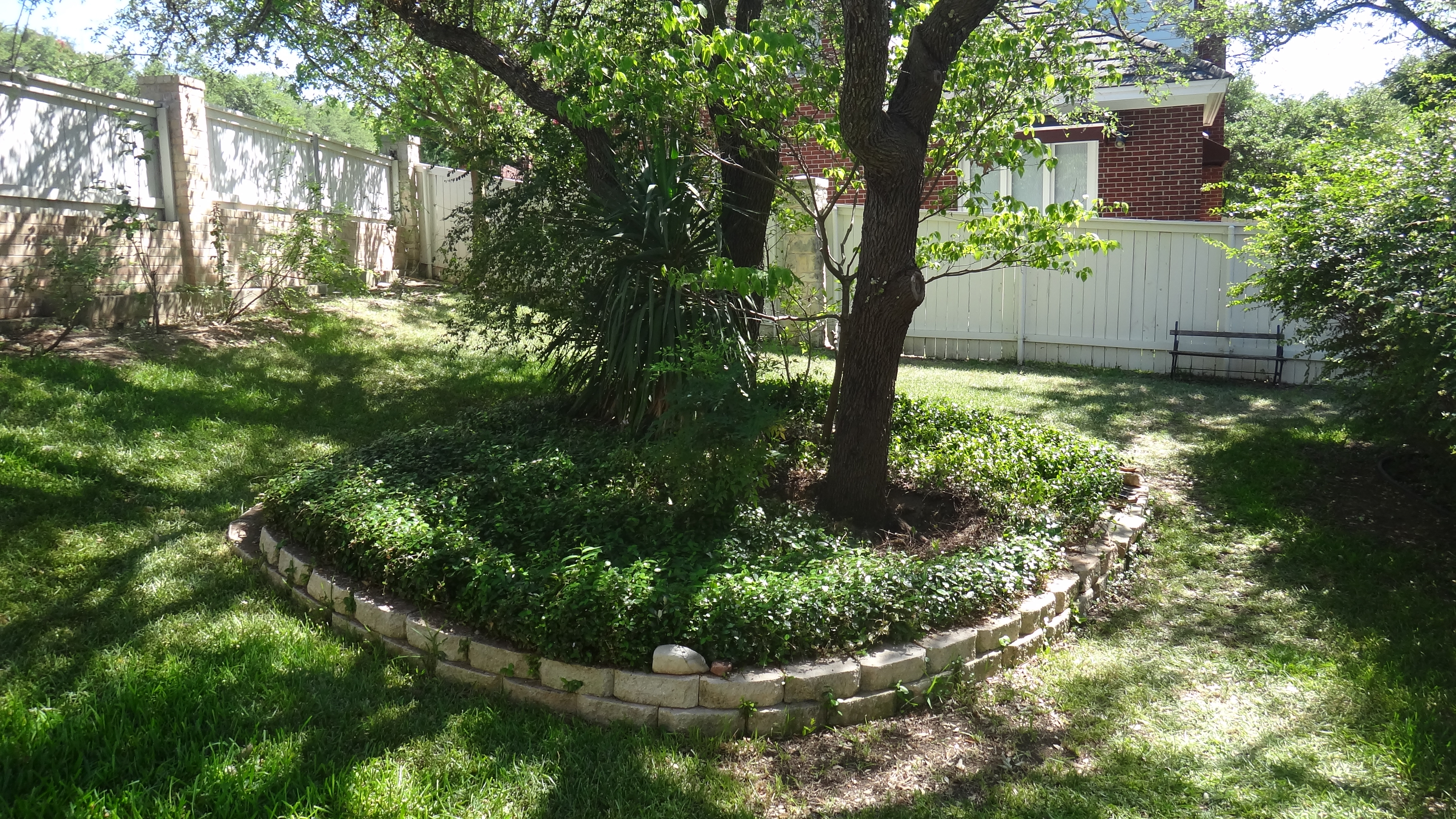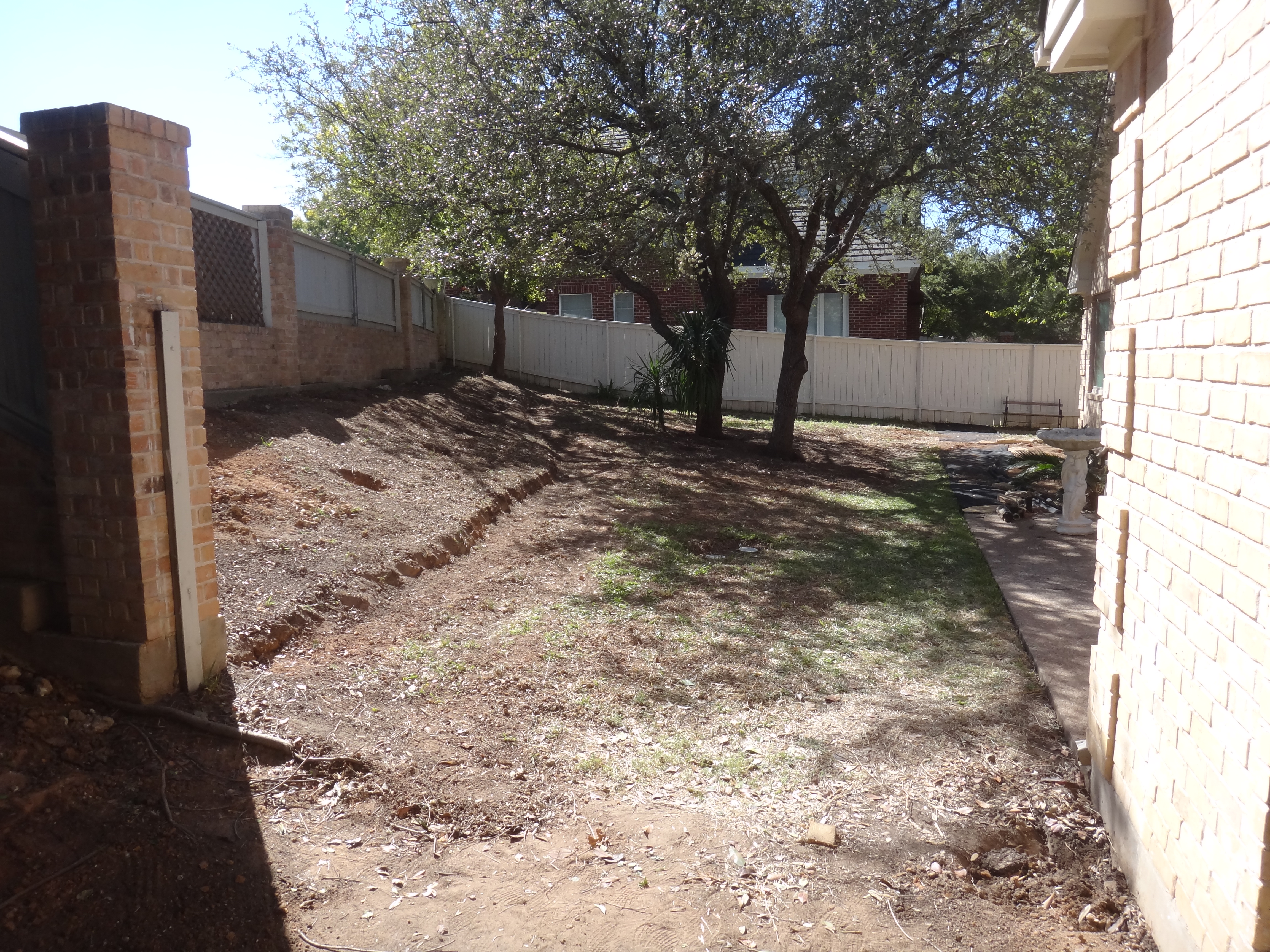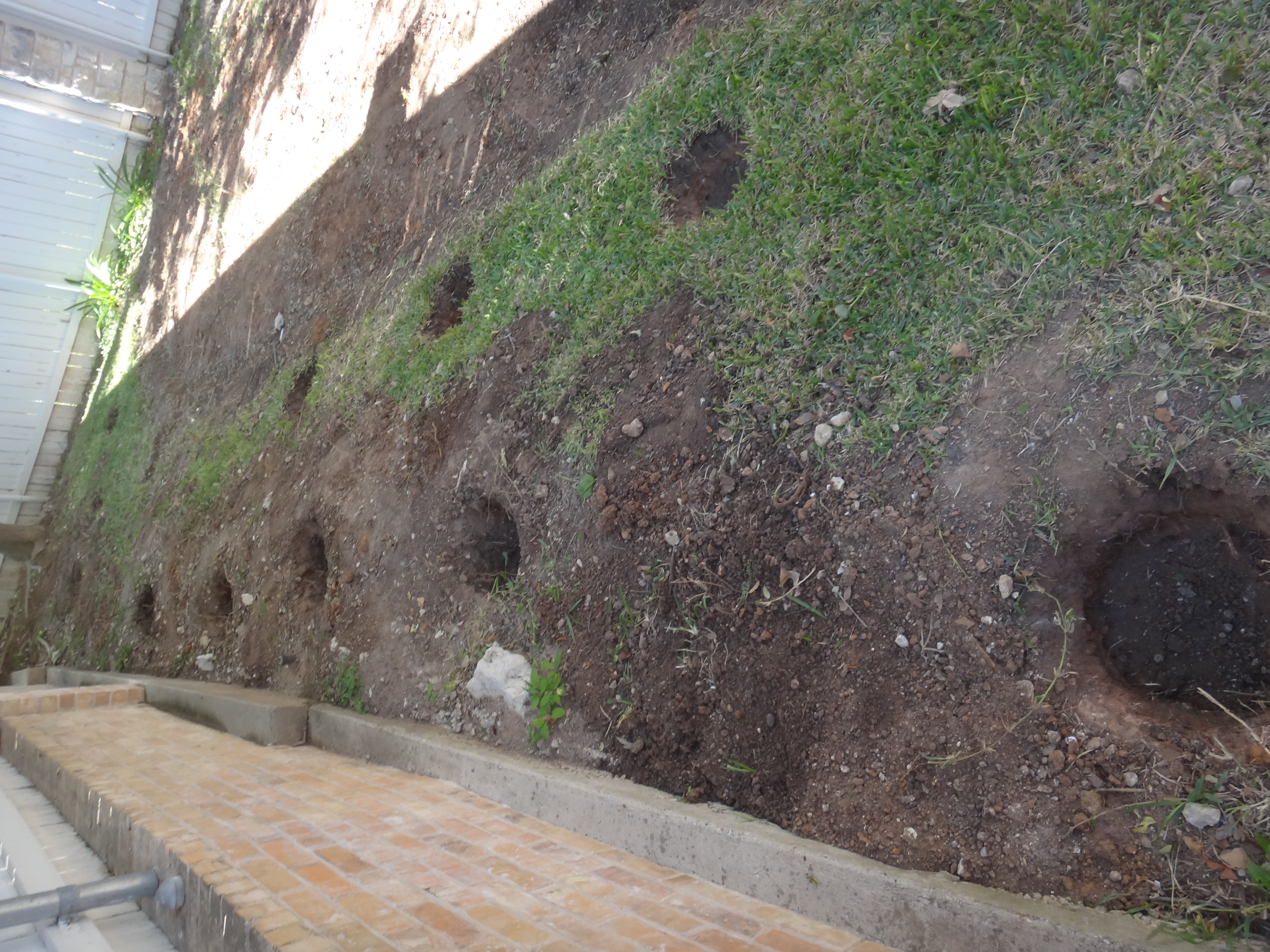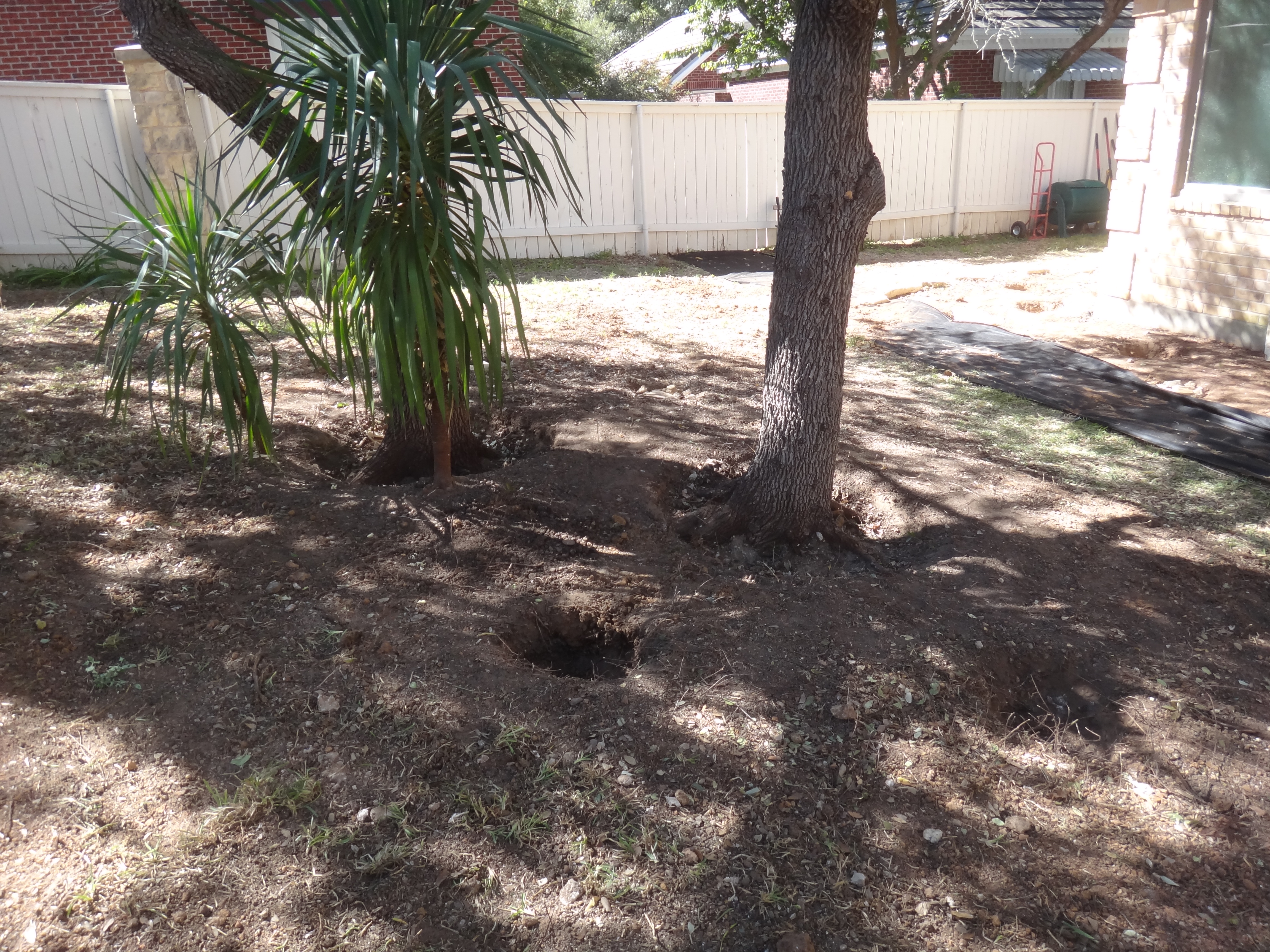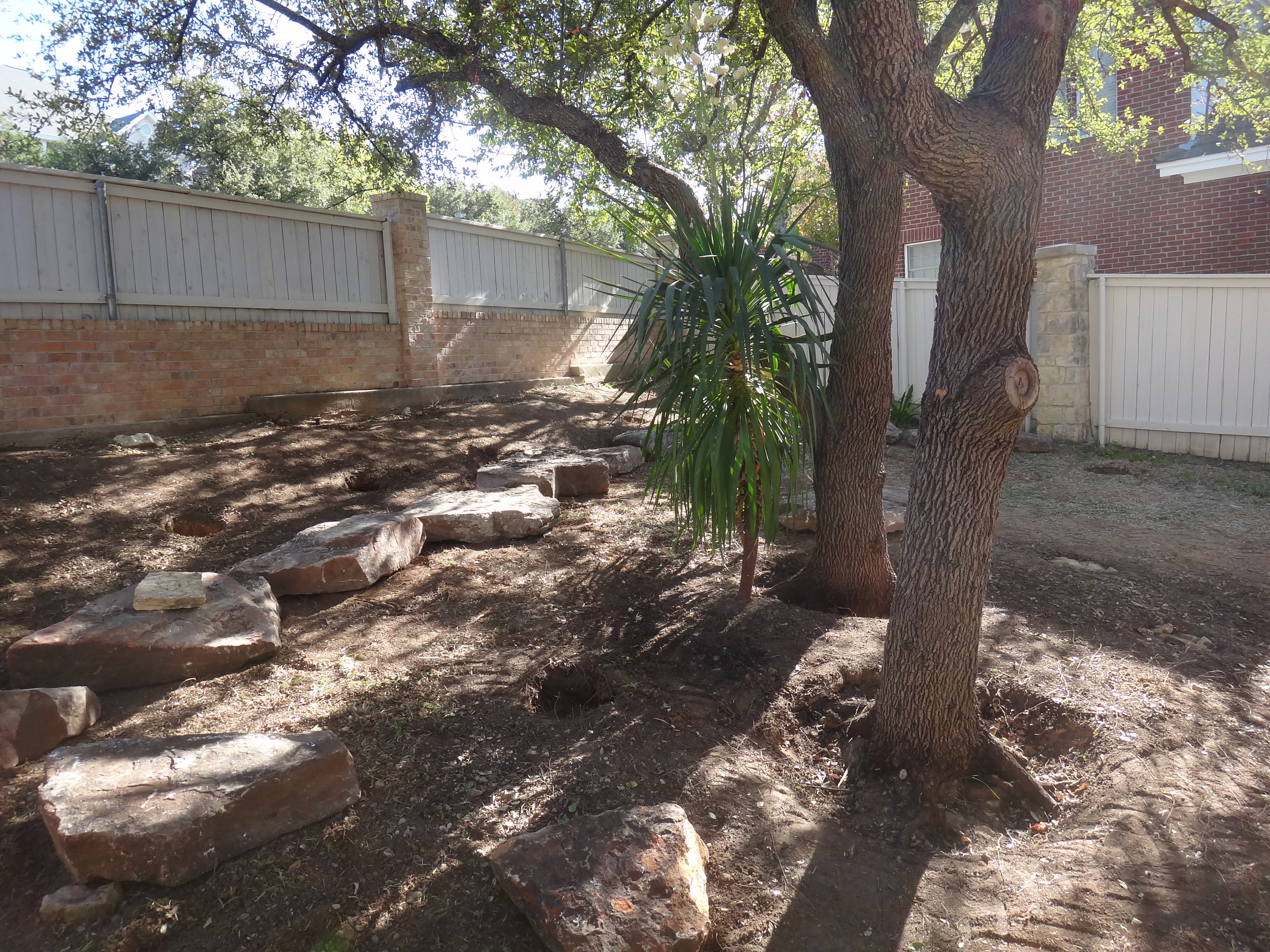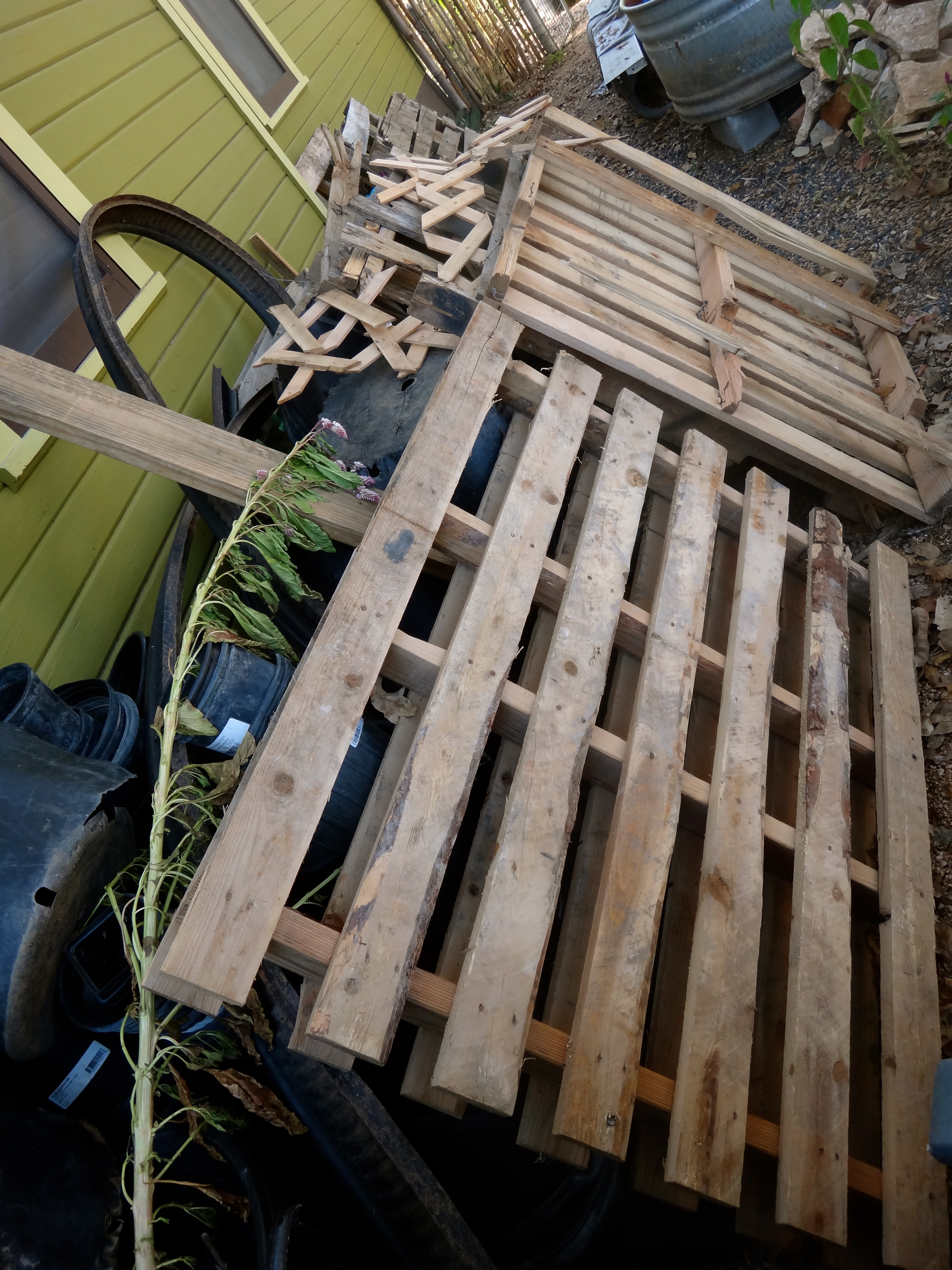
Oh yes, I think I can officially say that I am ready for our bulk pick up to happen, as I am sure my neighbors are who have had to unfortunately look down on this rather hillbilly scene for the last few weeks.

“Dang, squirrel! And darn.”
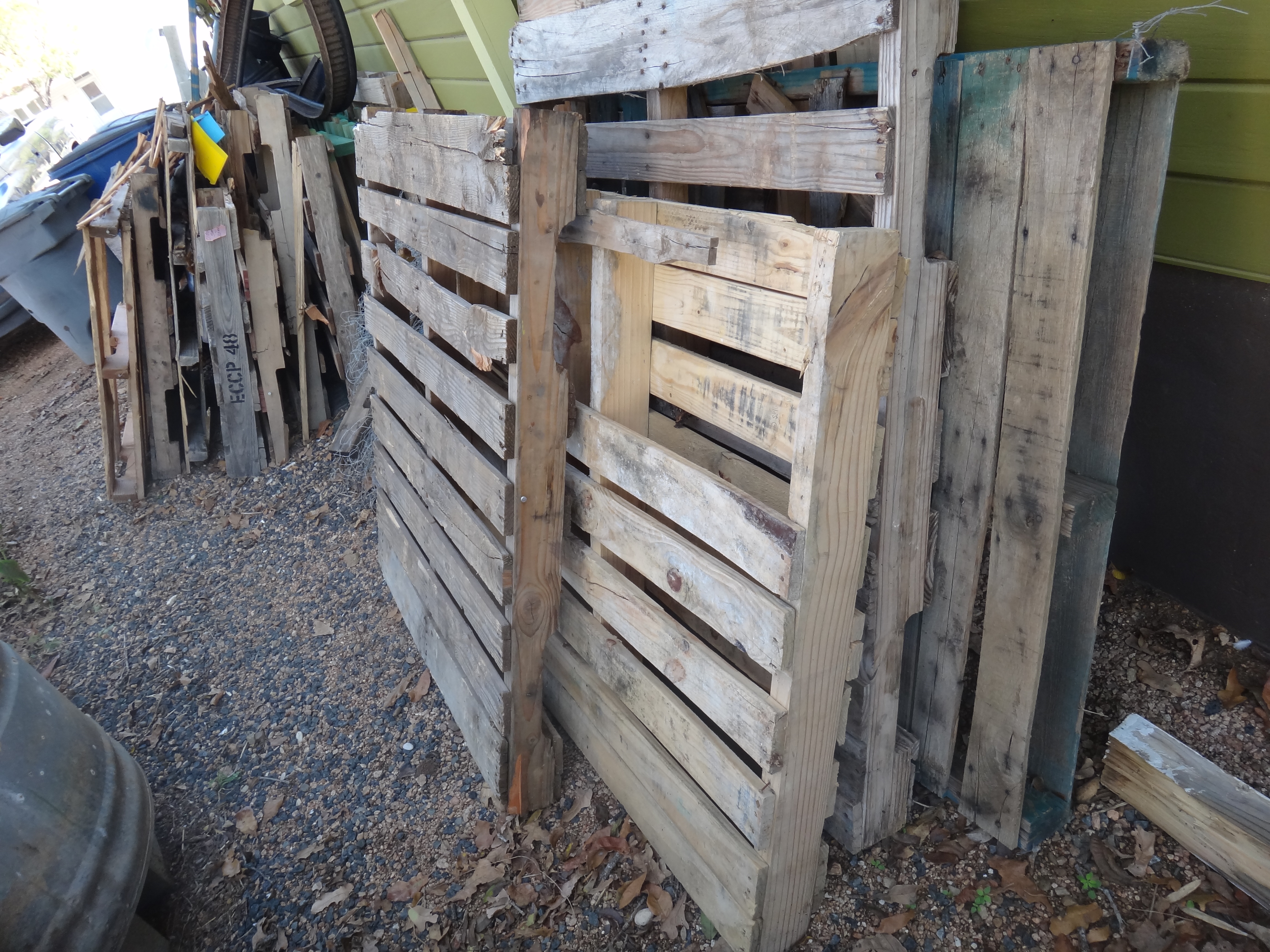
I am convinced that these pallets are procreating, they have to be. There are definitely more stacked up with every passing day.
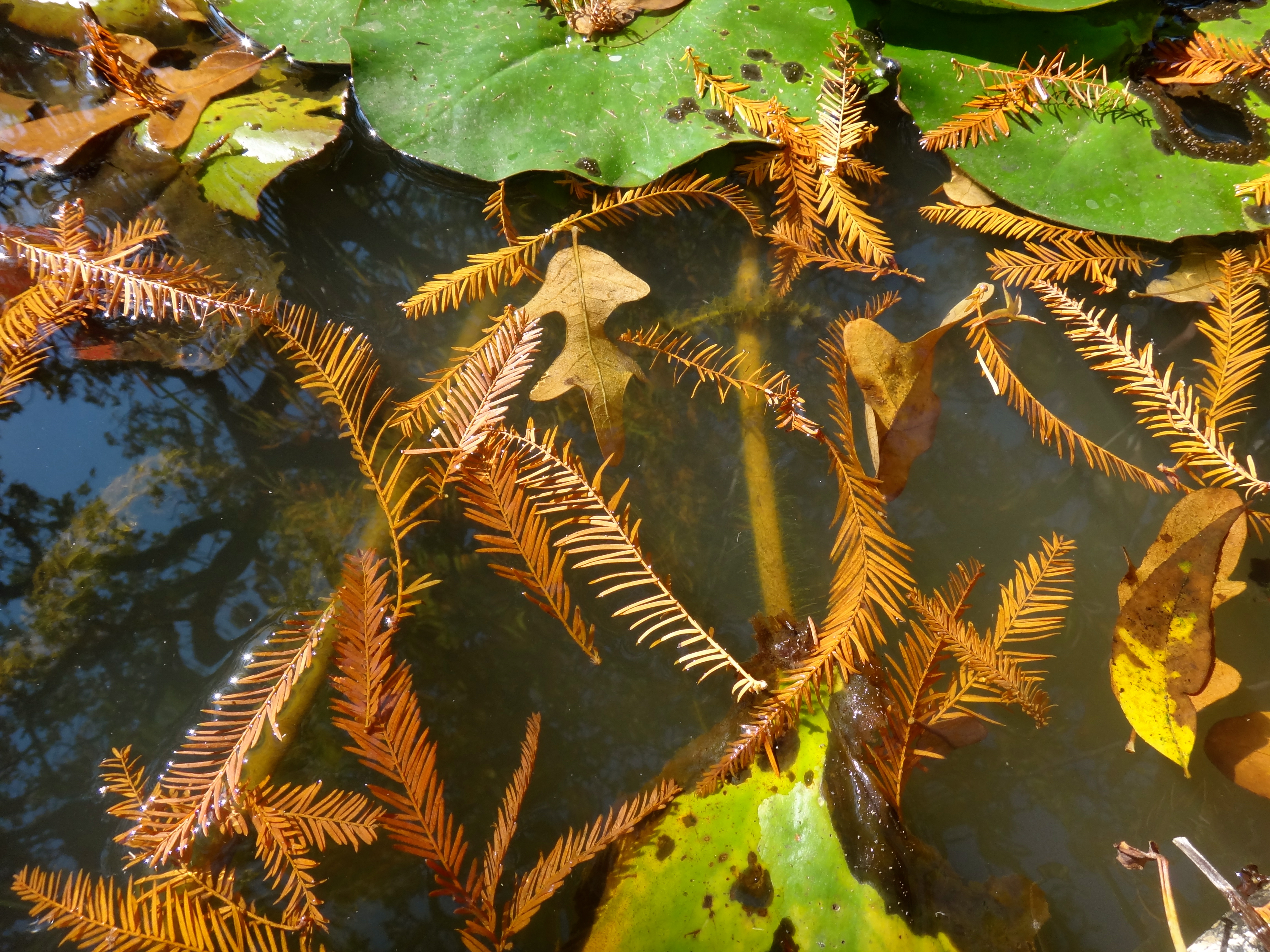
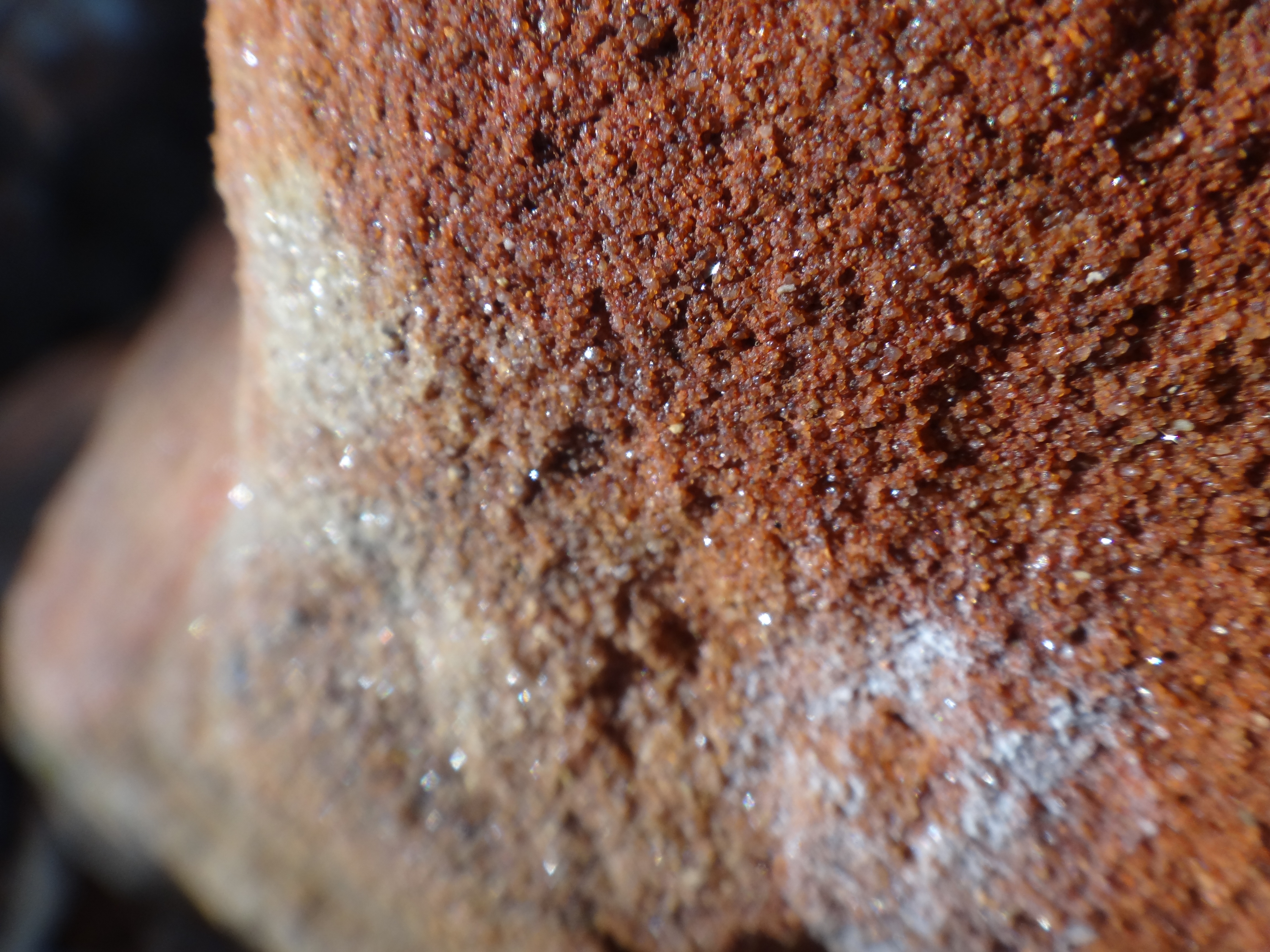
There are also more of these bog cypress leaves in my pond every day along with those strange unidentified “brains” I keep reporting and wittering on about. Today we all banded together to get to the bottom of the mysterious brains…today the experiment started:
 I went into my shed and grabbed my white lab coat and notepad while my halflings got busy picking some of the larger specimen brains out of the pond.
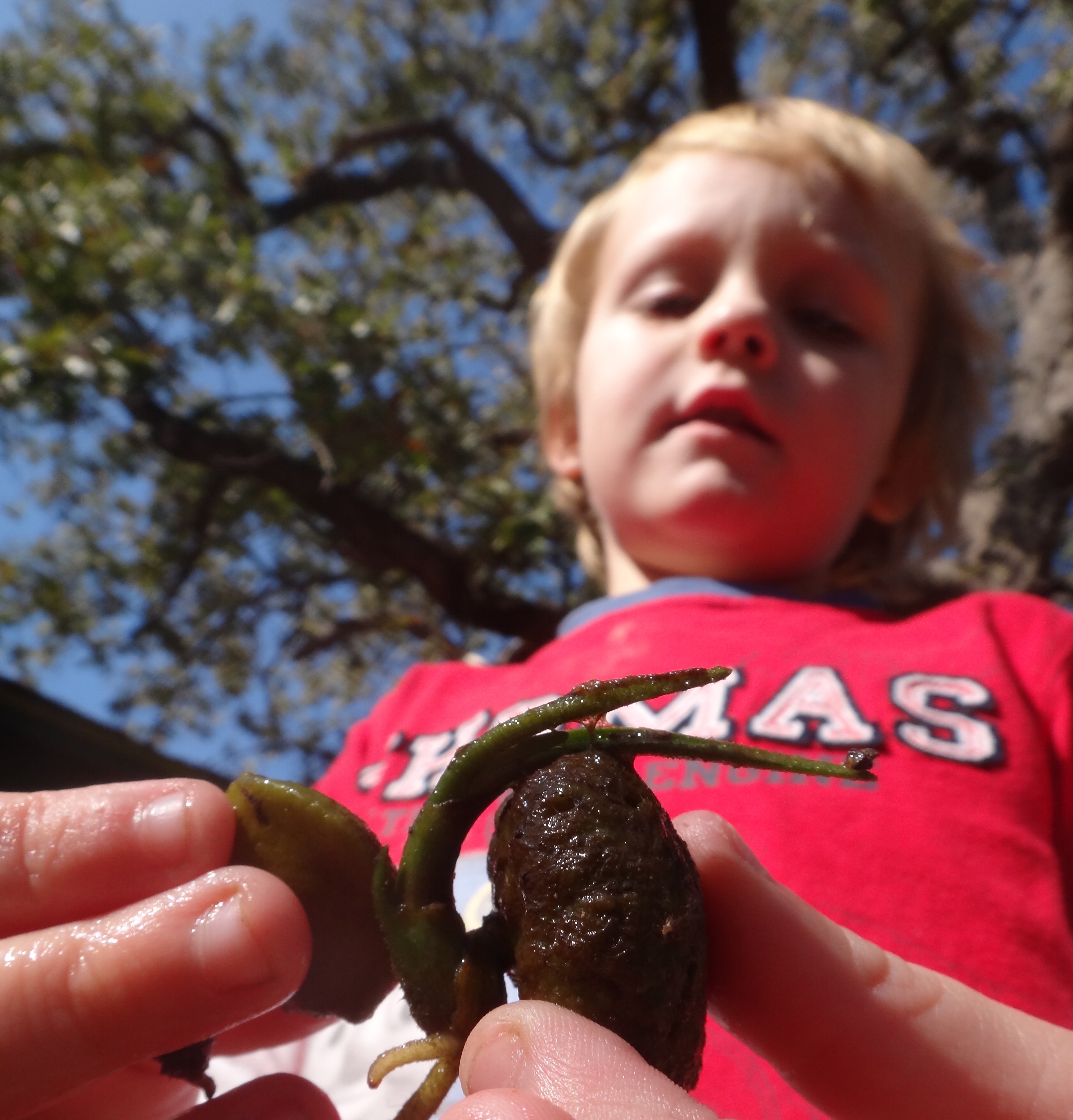
There were some beauties…

…”Ack ack ack ack-ack”!
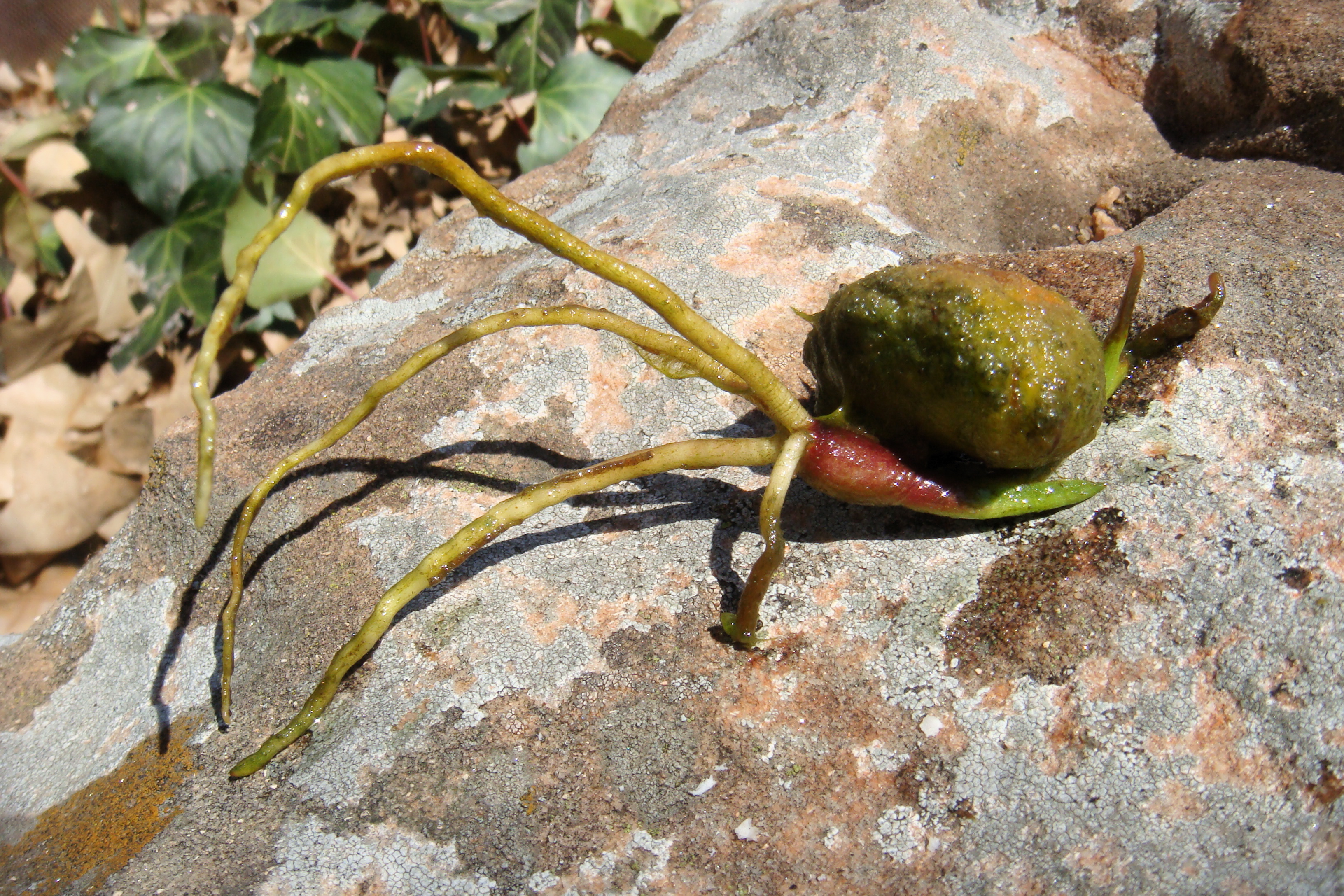
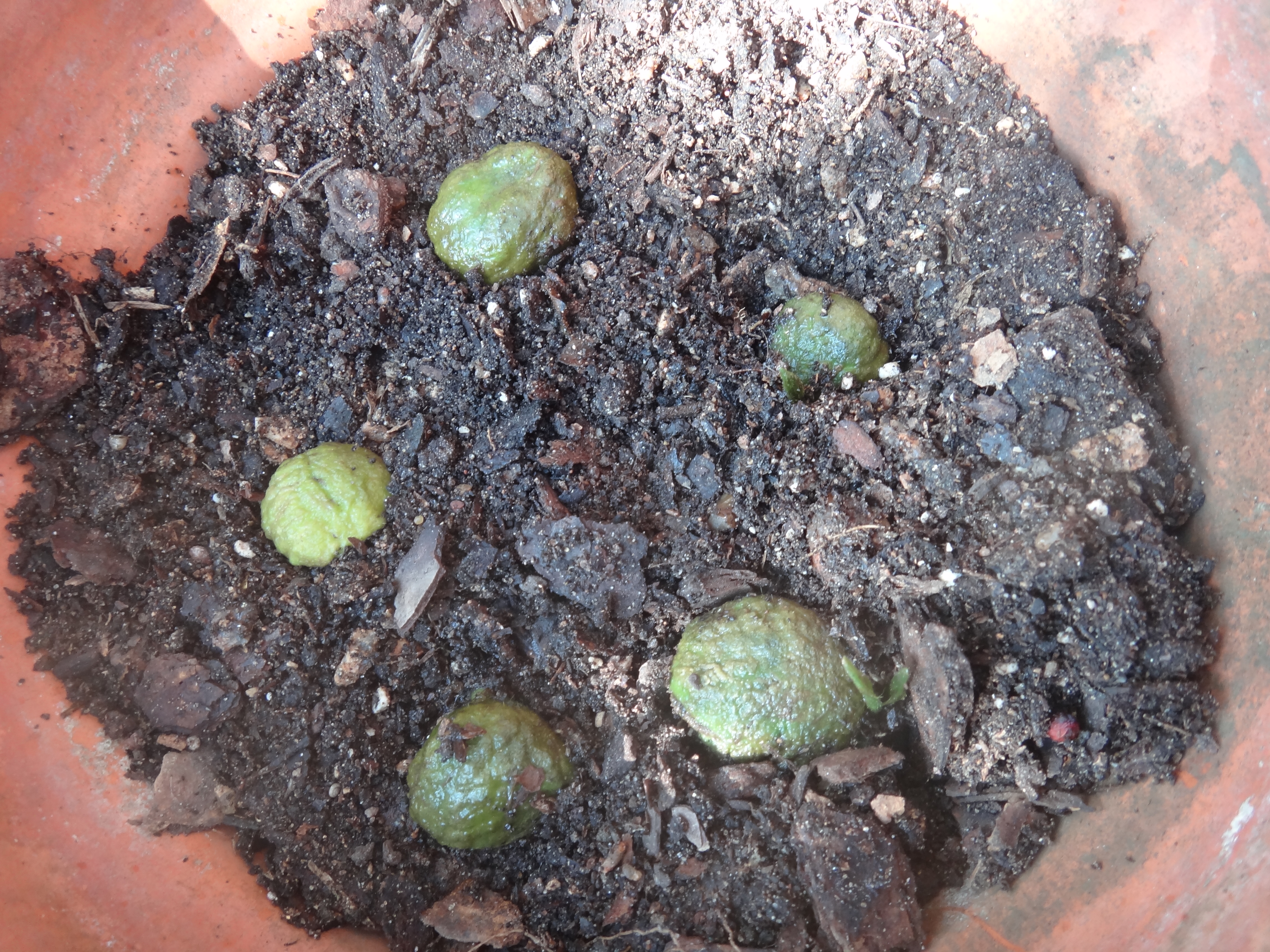
We placed the brains with their brain-stems facing down in a pot (it seemed logical), filled it with soil and returned the pot to the pond.

I will report next year, or as soon as something emerges from the damp soil.

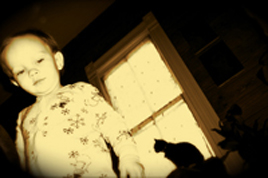
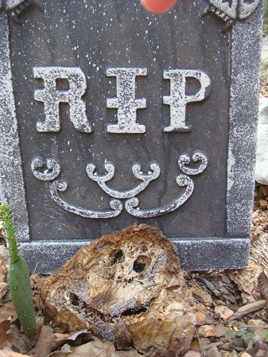
All this talk of brains quickly turned to zombies,
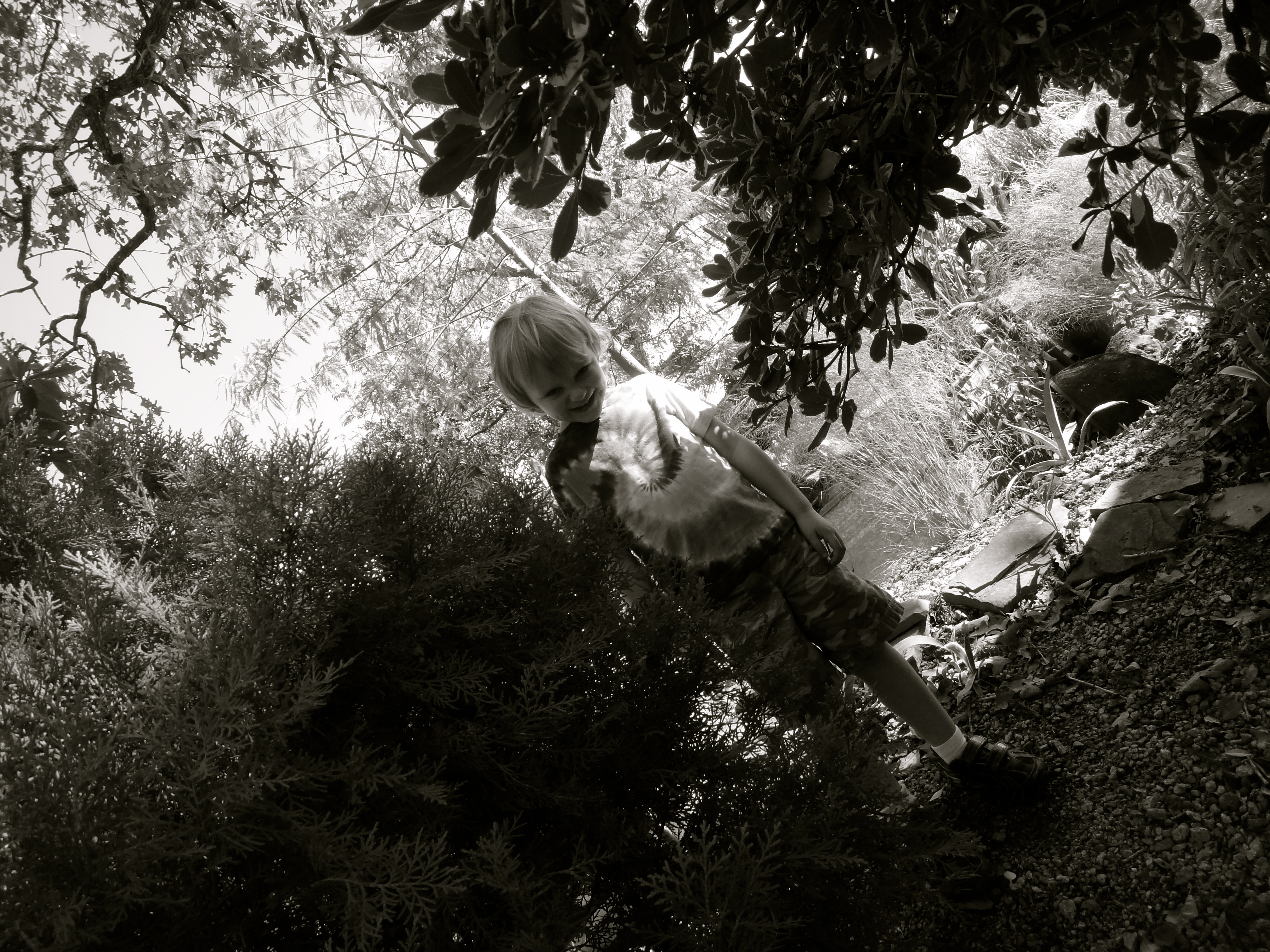
Though to me he looked a lot more…

“Village of the Damned” than zombie.
Brrr…Moving On:
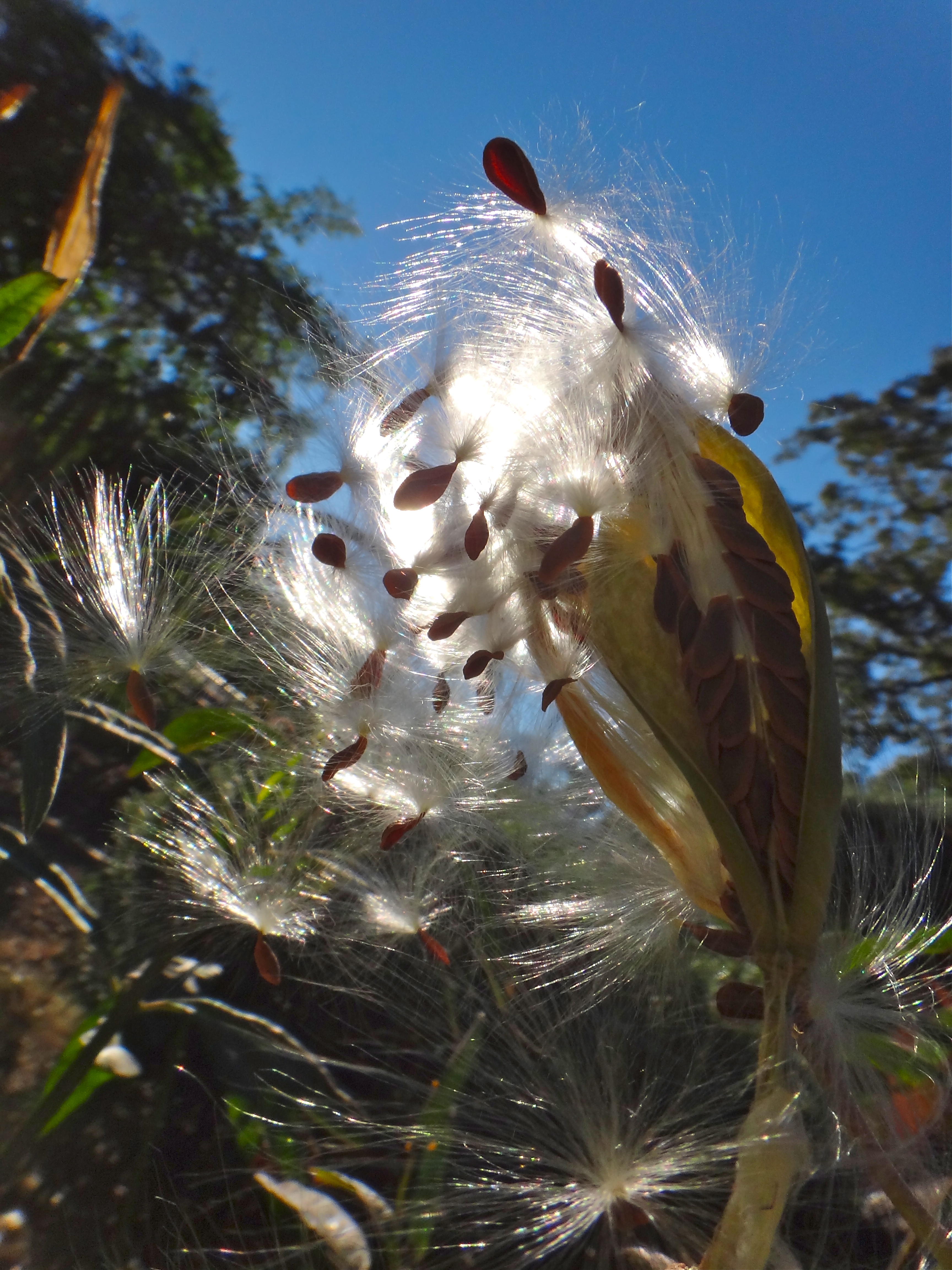 These suspended milkweed seeds were launching themselves in all directions the other day with our recent freshening breezes.
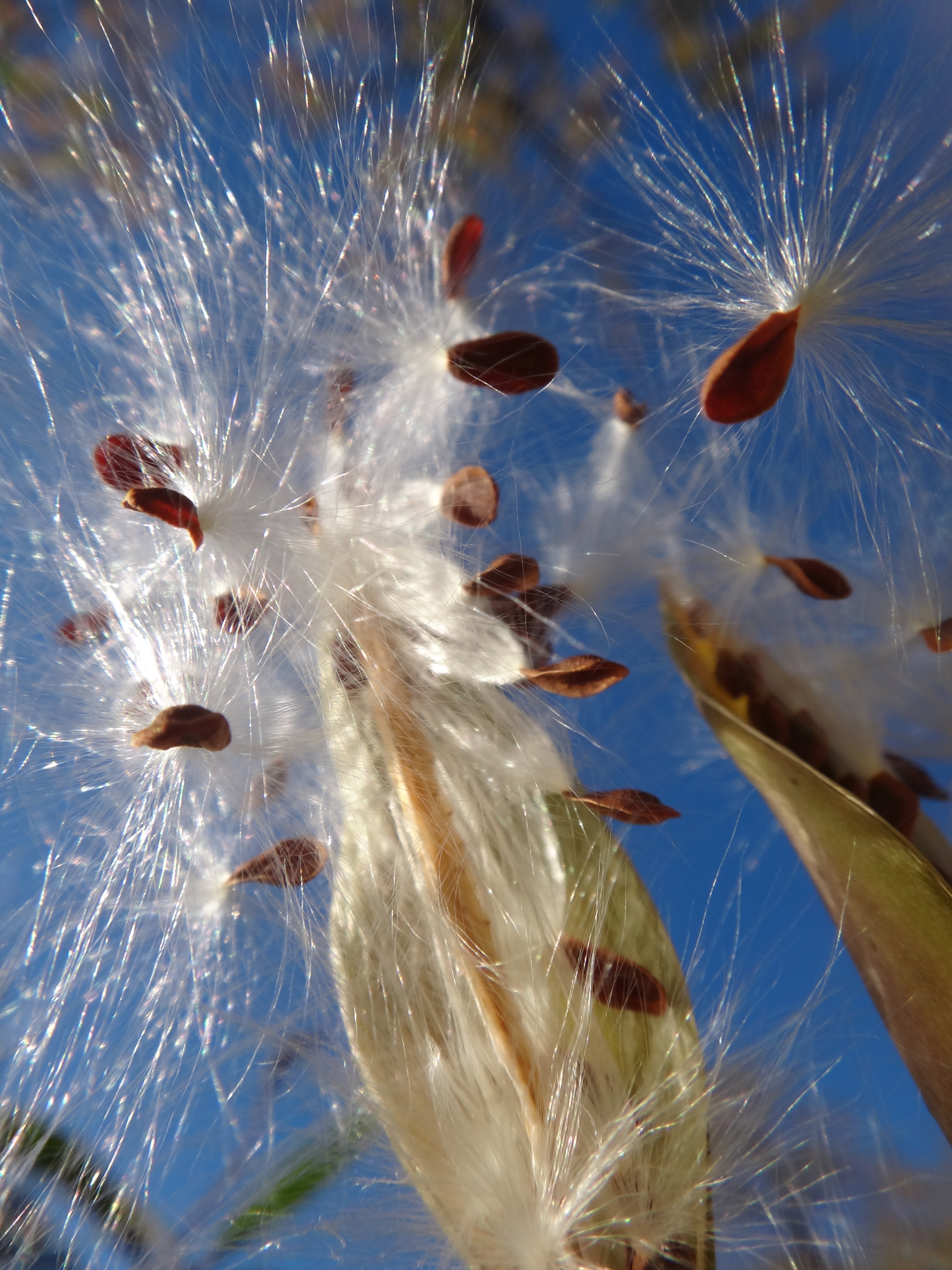 I snagged some and planted them in the ground in an attempt to increase their chances of germination.(snort)
Other notable events in the Patch this week…
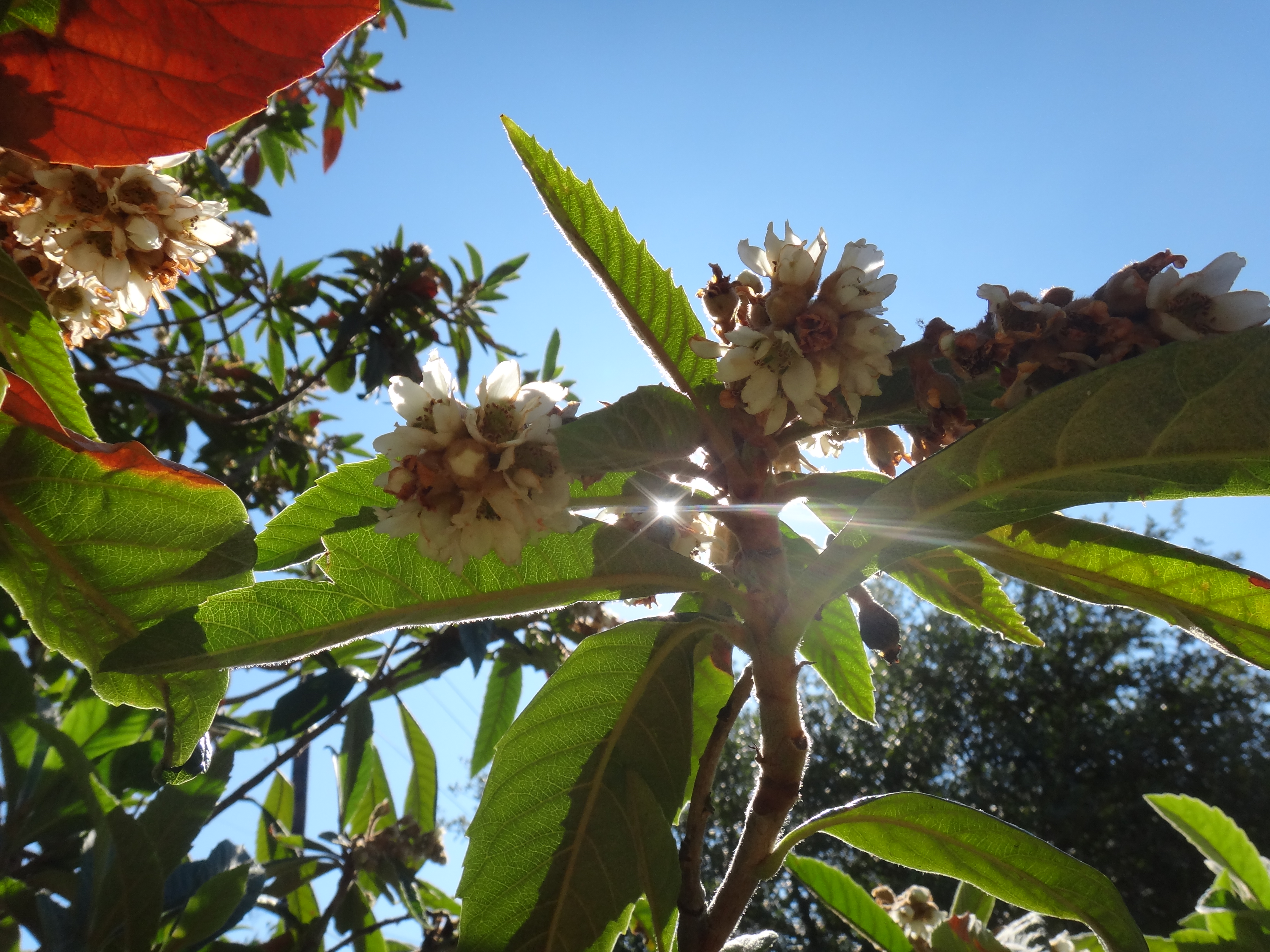 Flowering loquats are covered in honey bees and my satsumas are the size of grapefruits.

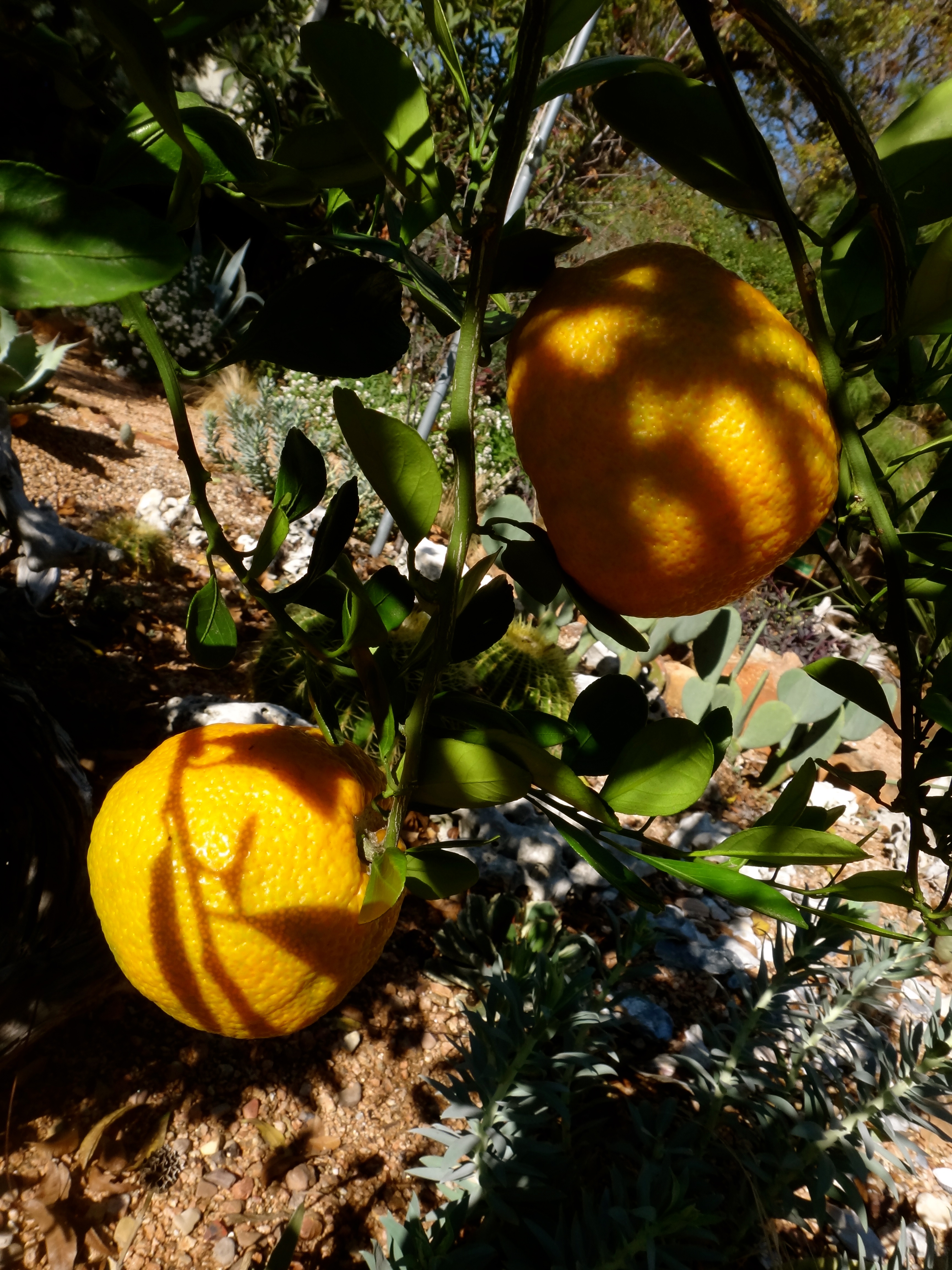 This little tree only produced two satsumas this year as it focused all of its energy on staying alive during this summer’s drought.
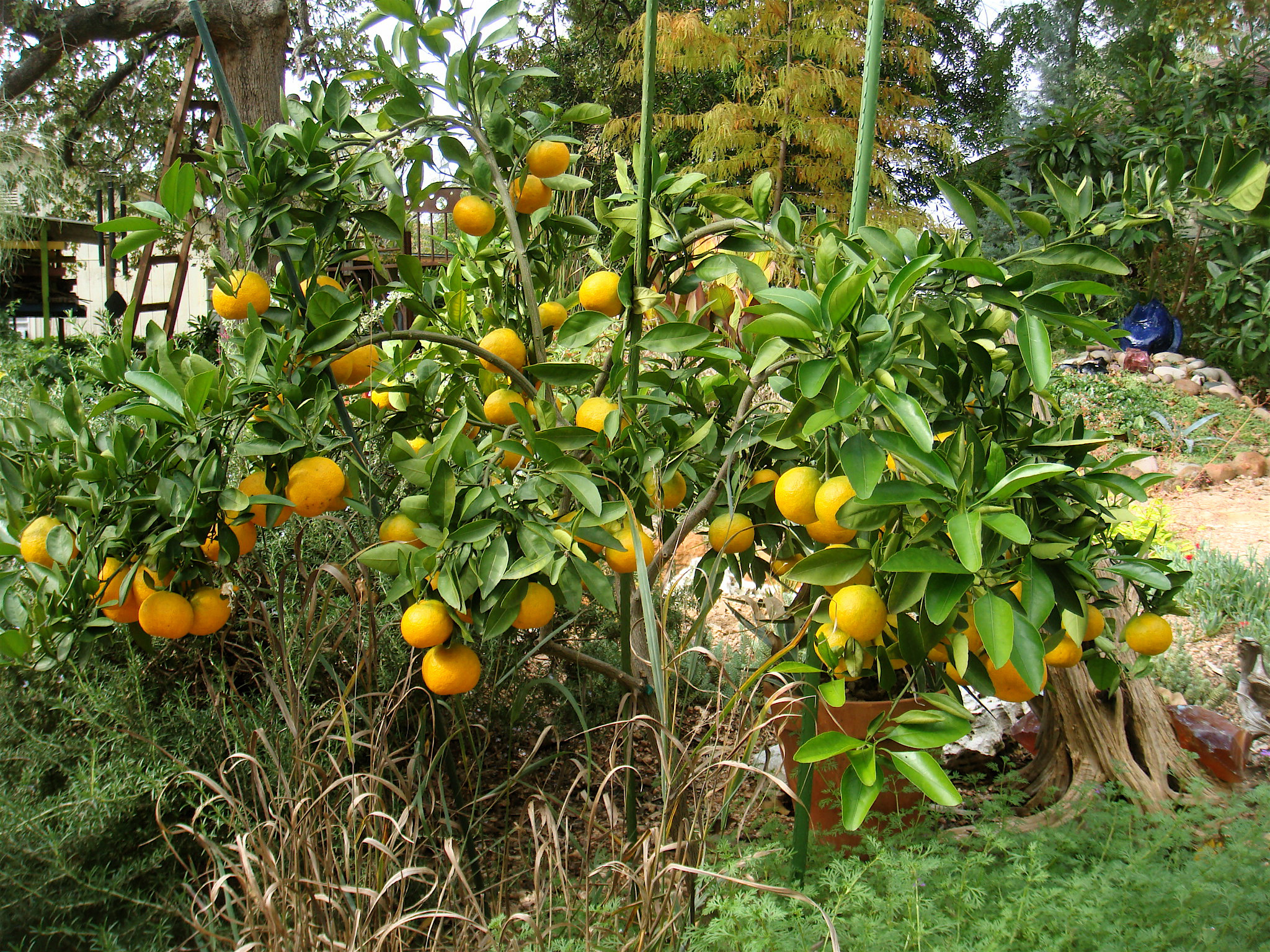 Here is the same tree two years ago with over a 100 satsumas on it (and a lot more rain).

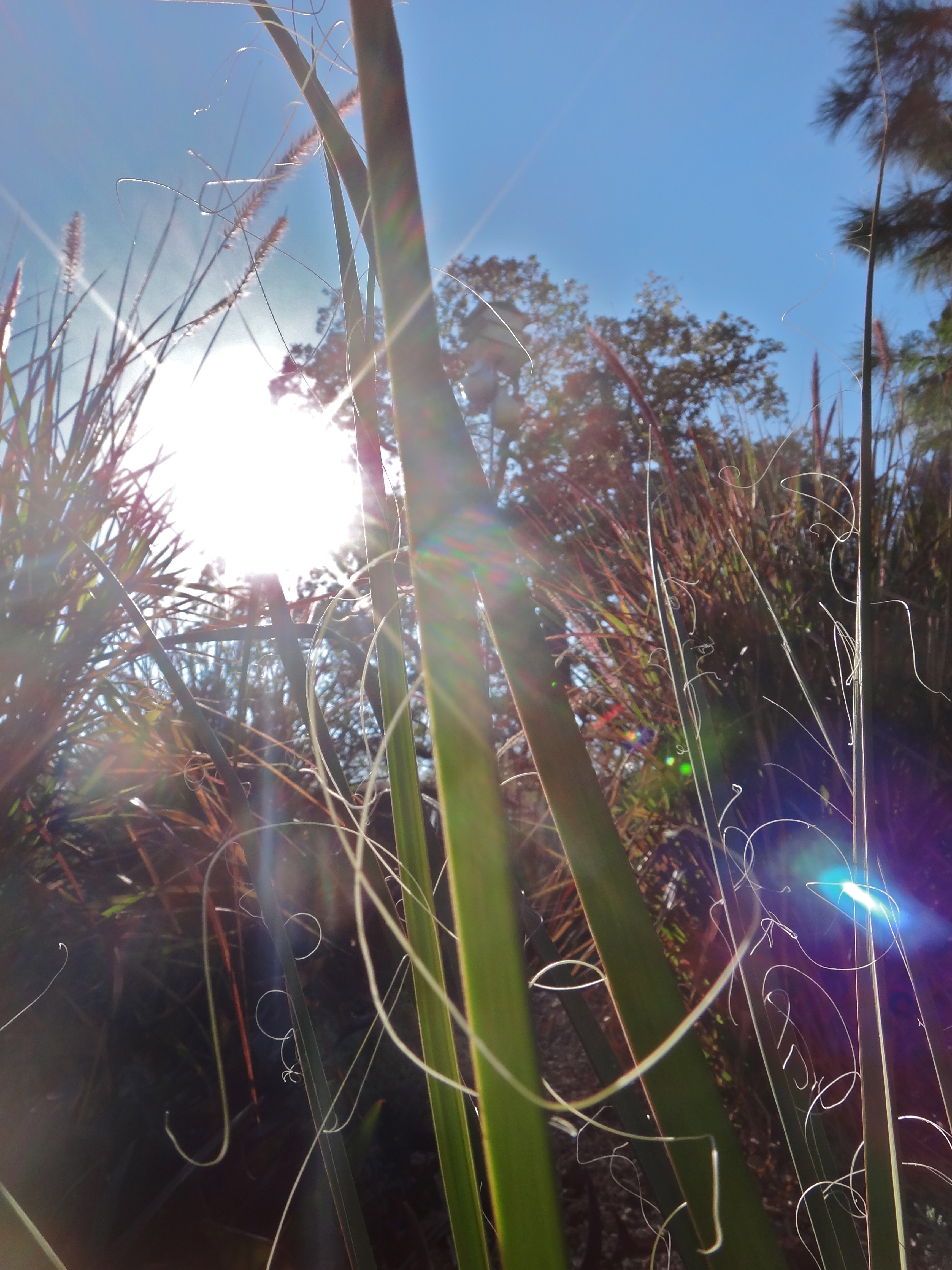 Yucca filamentosa looks like the morning after a serious party, especially when backlit from a wintery sun. The leaf margins carry numerous white curled filaments which catch the light, hence filamentosa.

Also should you find yourself out in the wild and cold, the flowering stalk of this plant is an excellent wood to use to make a friction fire because the wood of this yucca has one of the lowest temperatures for catching a flame. And, should you also be getting a bit funky in the odor department, the root of the plant can be shaved and used as a rudimentary soap to wash yourself, your clothing and hair.
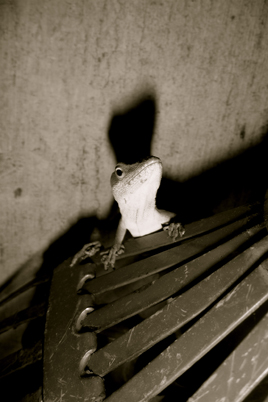
“Kuuumooo”!
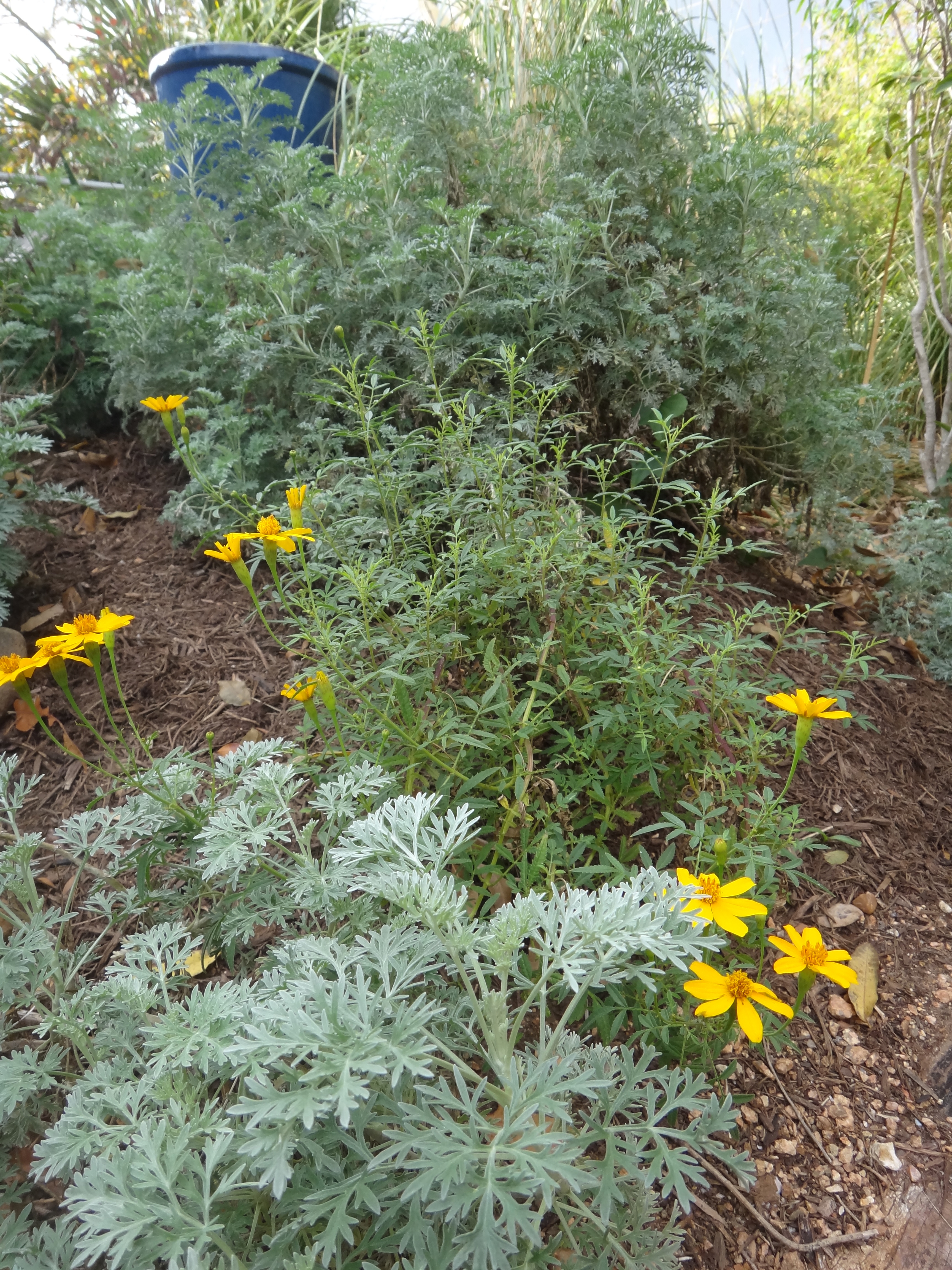
Here is a festive winter ground-hugging planting combination:
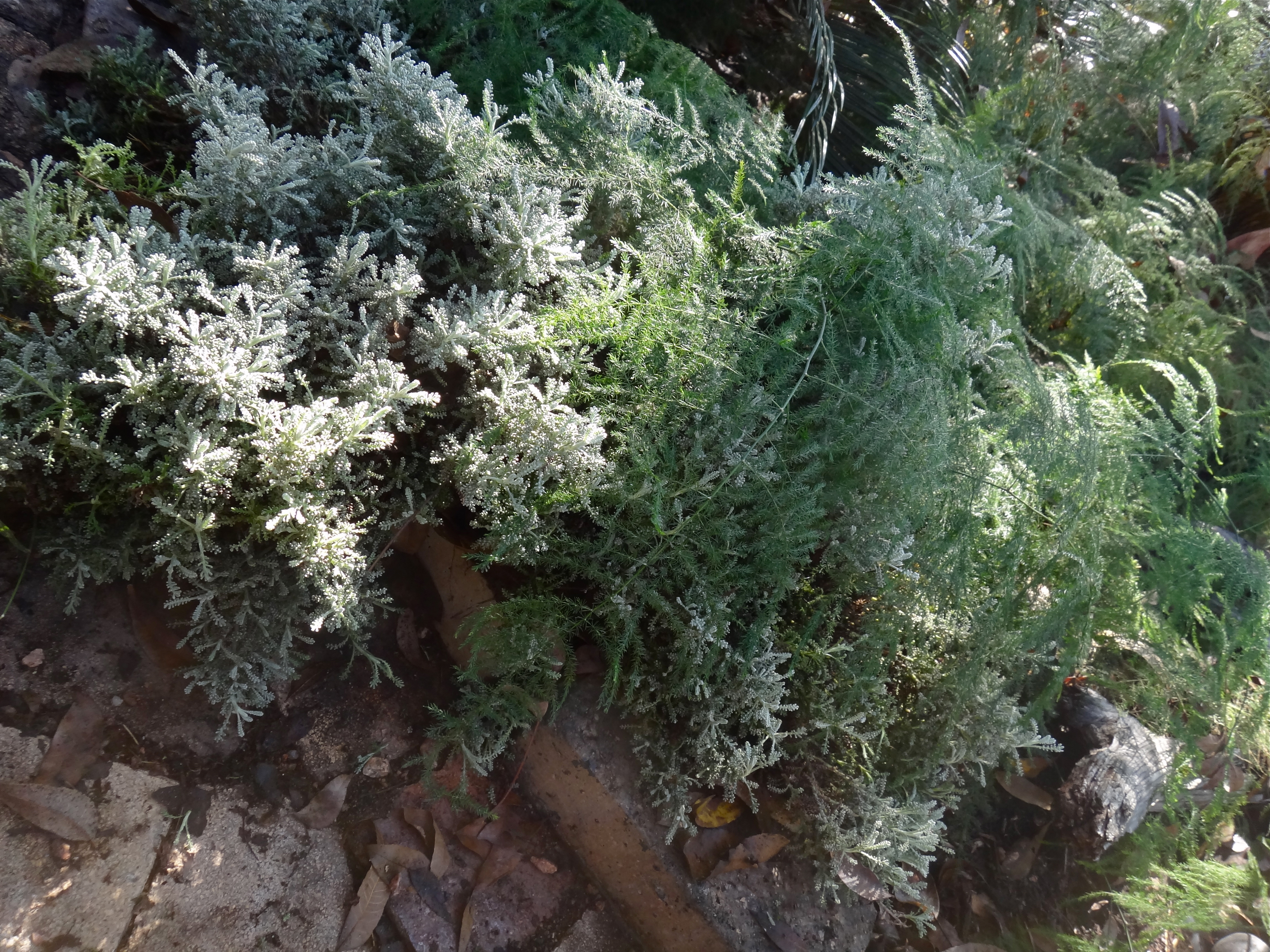
Santolina and plumosa fern.
And here is the latest addition to the Patch:
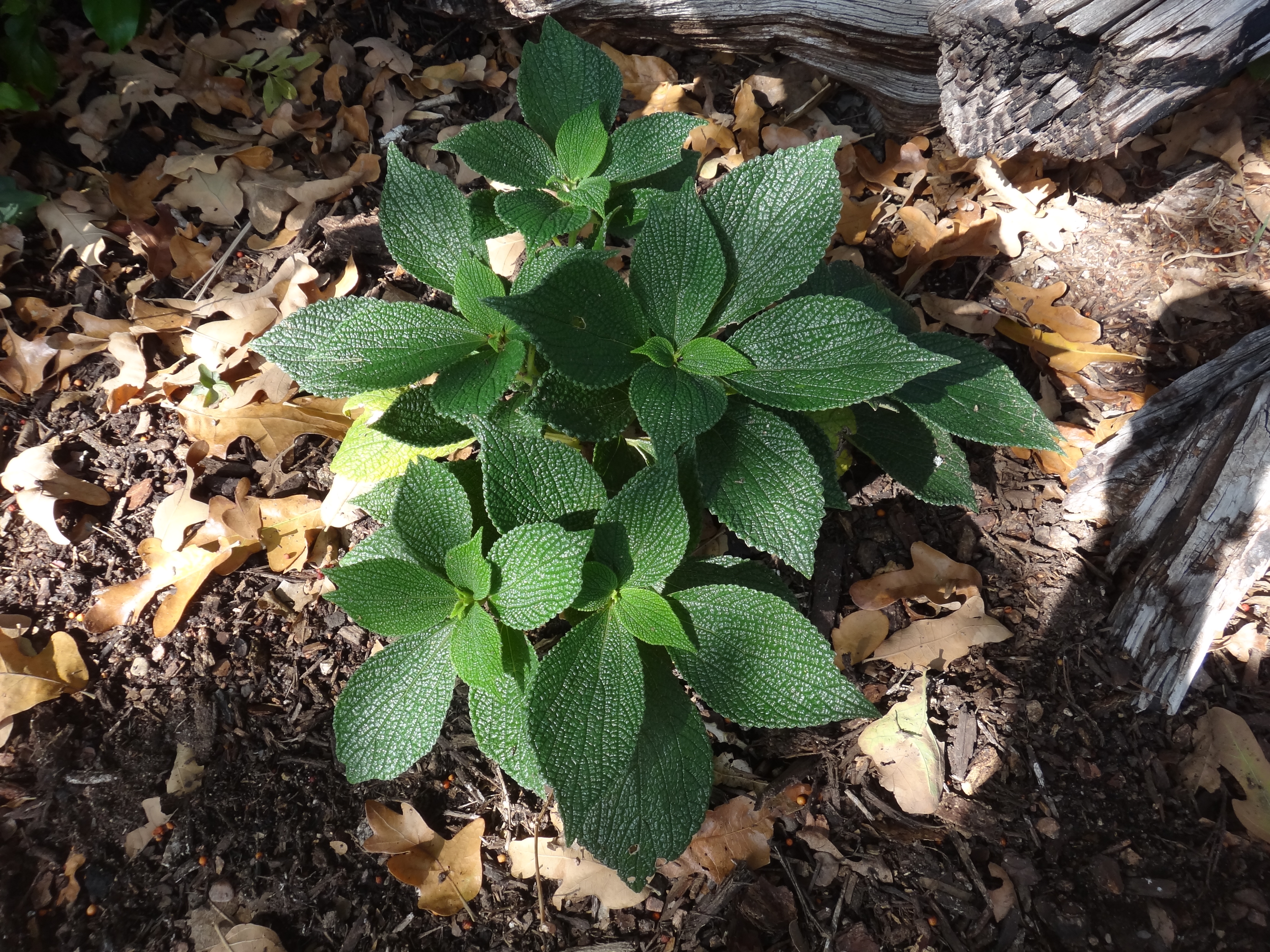
Ramie is one of the oldest vegetable fibers and has been used for thousands of years. It was used in mummy cloths in Egypt during the period 5000 – 3000 BC, and has been grown in China for many centuries. Ramie
Boehmeria nivea
is commonly known as China grass, white ramie, green ramie and rhea, it is one of the group referred to as the bast fiber crops. The ramie plant is a hardy perennial belonging to the Urticaceae or Nettle family (leaves are a give away), which can be harvested up to 6 times a year.
I have no experience with this plant in central Texas…do you?
Finally:
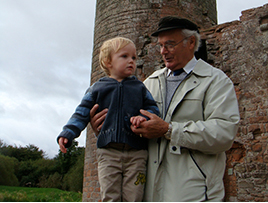
I never really know what to expect when I look in my rear view mirror, in fact most of the time I try to ignore what is going on back there in an attempt to keep my blood-pressure from elevating. But these distinguished “gentlemen” were sufficiently ridiculous, it warranted a reverse in-car shot.
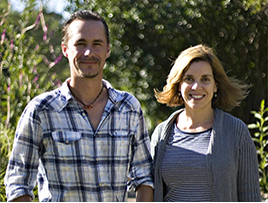
 He was to be appropriately known as professor “Mad-Pants” and she, for whatever reason, became professor “Toddy”.
 “Carpe diem”
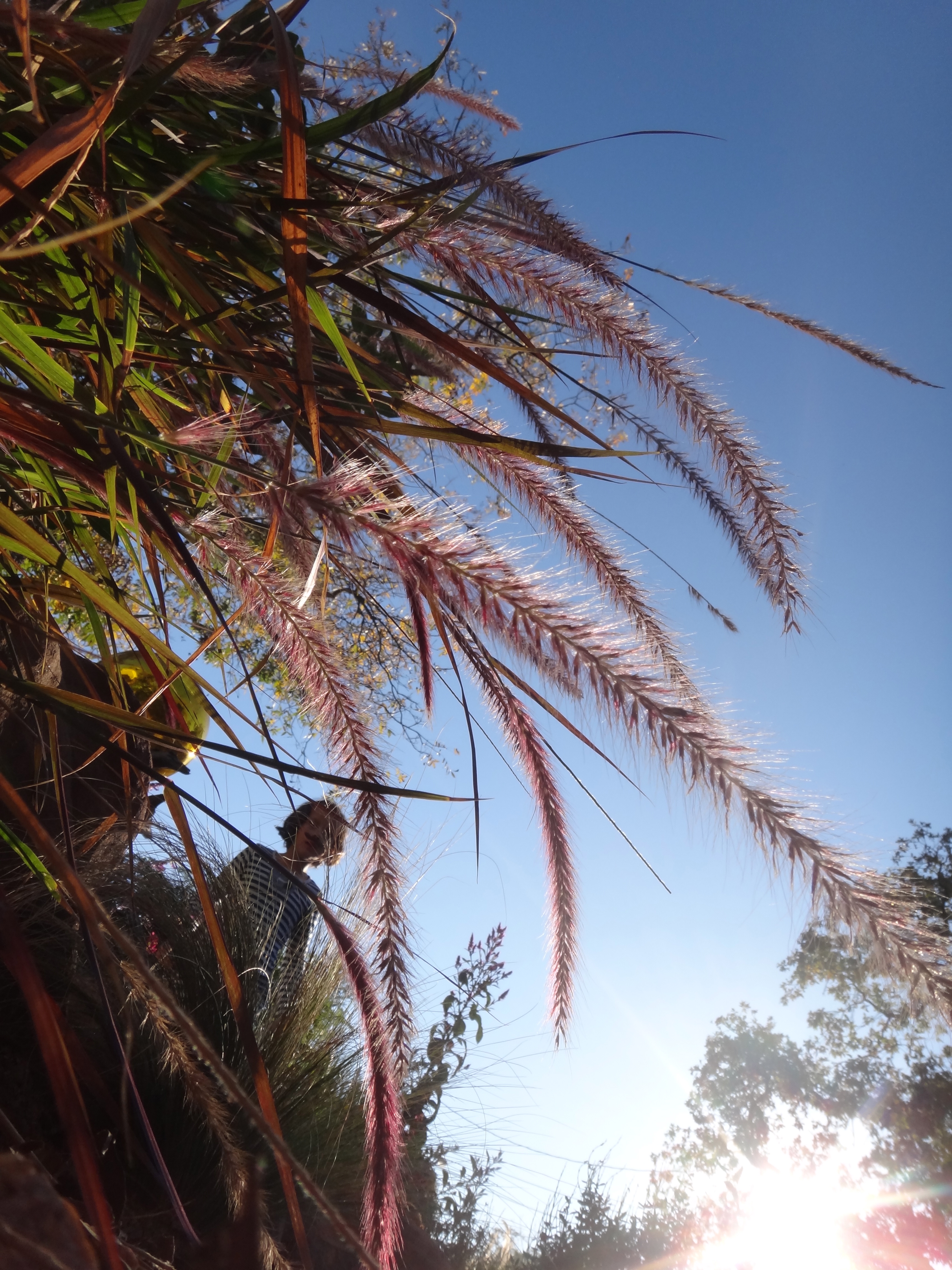
Professor Toddy taking a leisurely and reflective fall stroll through the campus grounds and some waning purple fountain grasses.
Stay Tuned for:
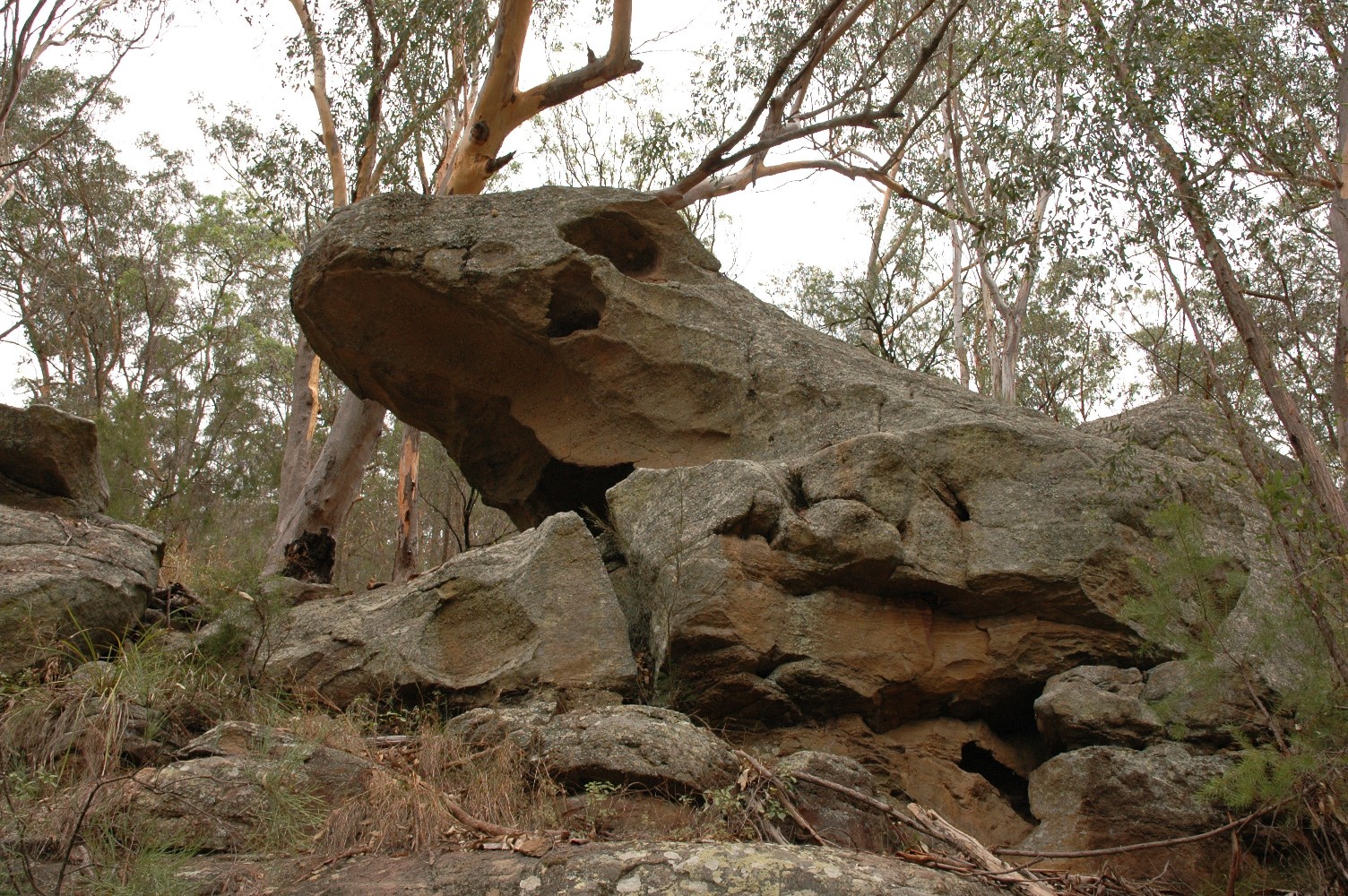
“Tiddalik”
All material © 2011 for eastsidepatch. Unauthorized
intergalactic reproduction strictly prohibited, and
punishable by late (and extremely unpleasant)
14th century planet Earth techniques.