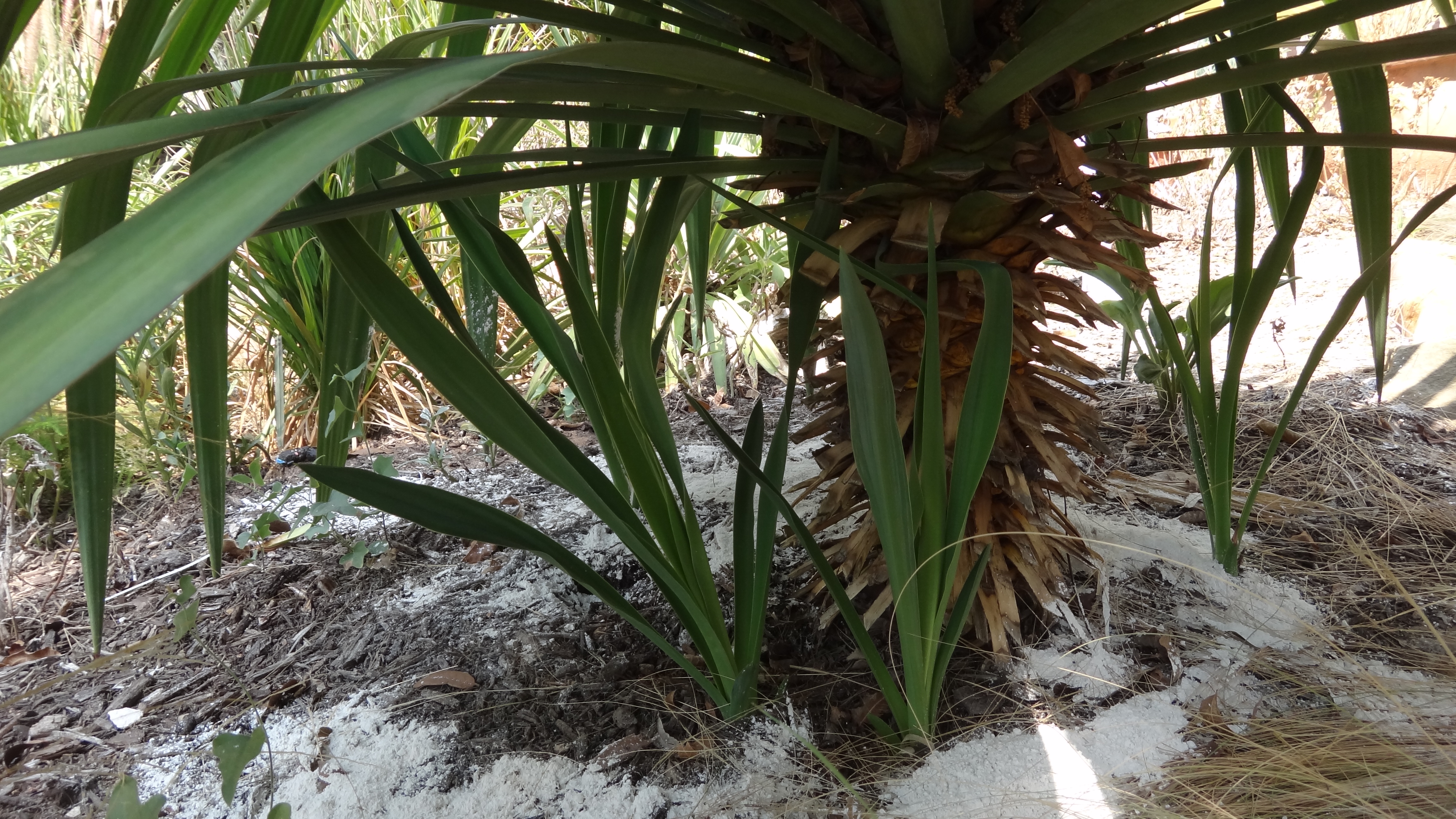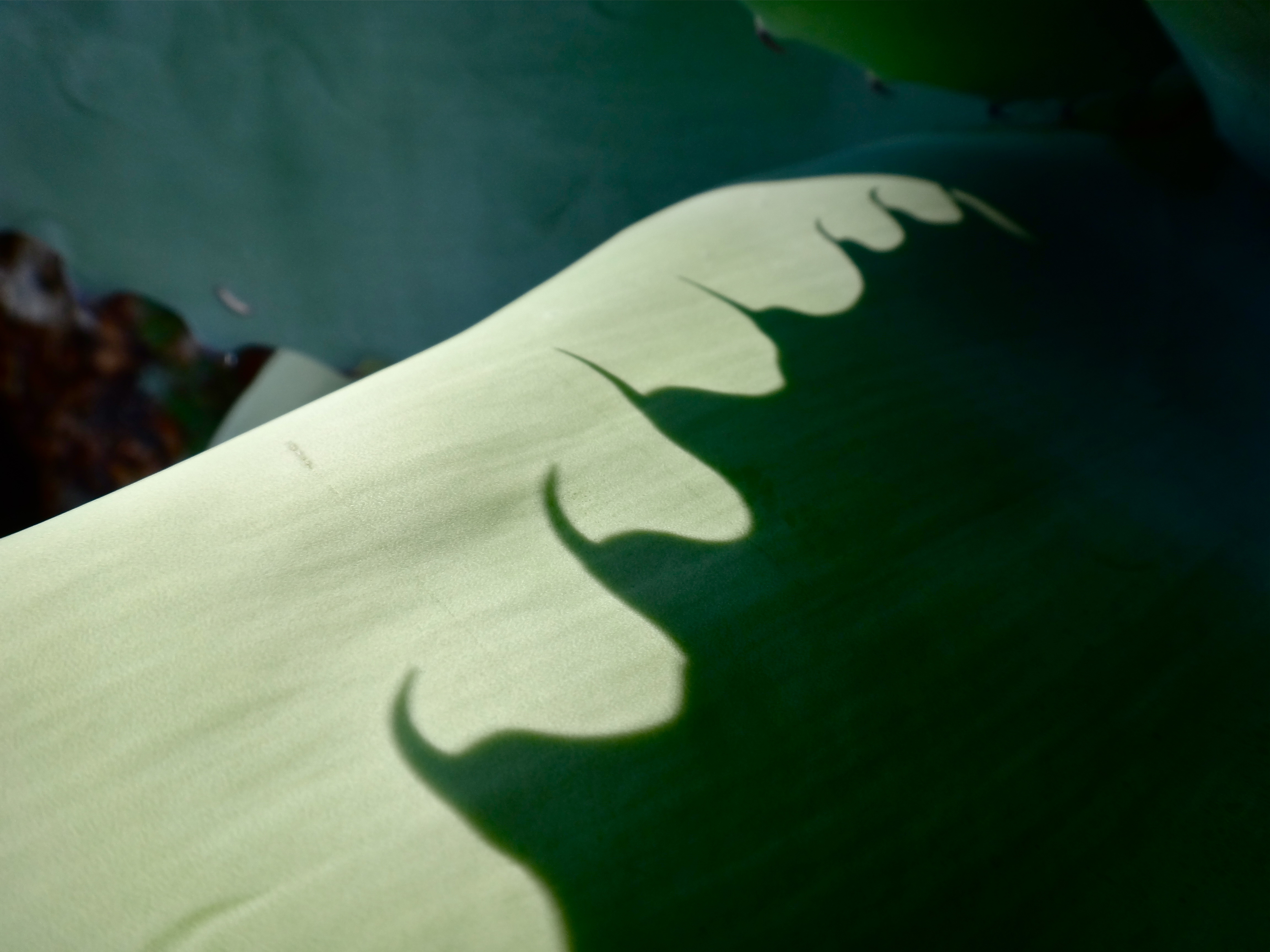

 Scary things agaves.
 “OVATIFOLIA!”
Talking of being scared…
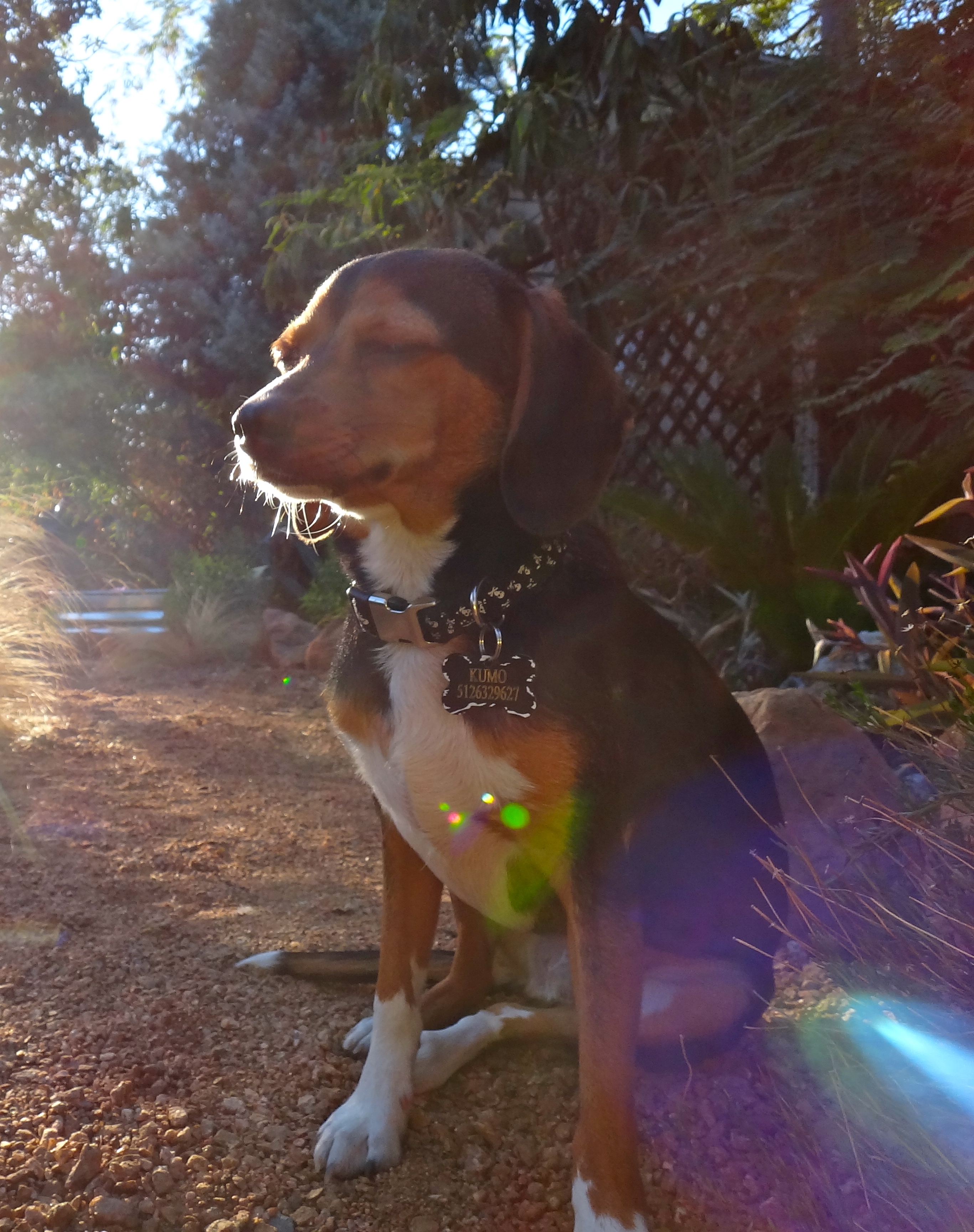
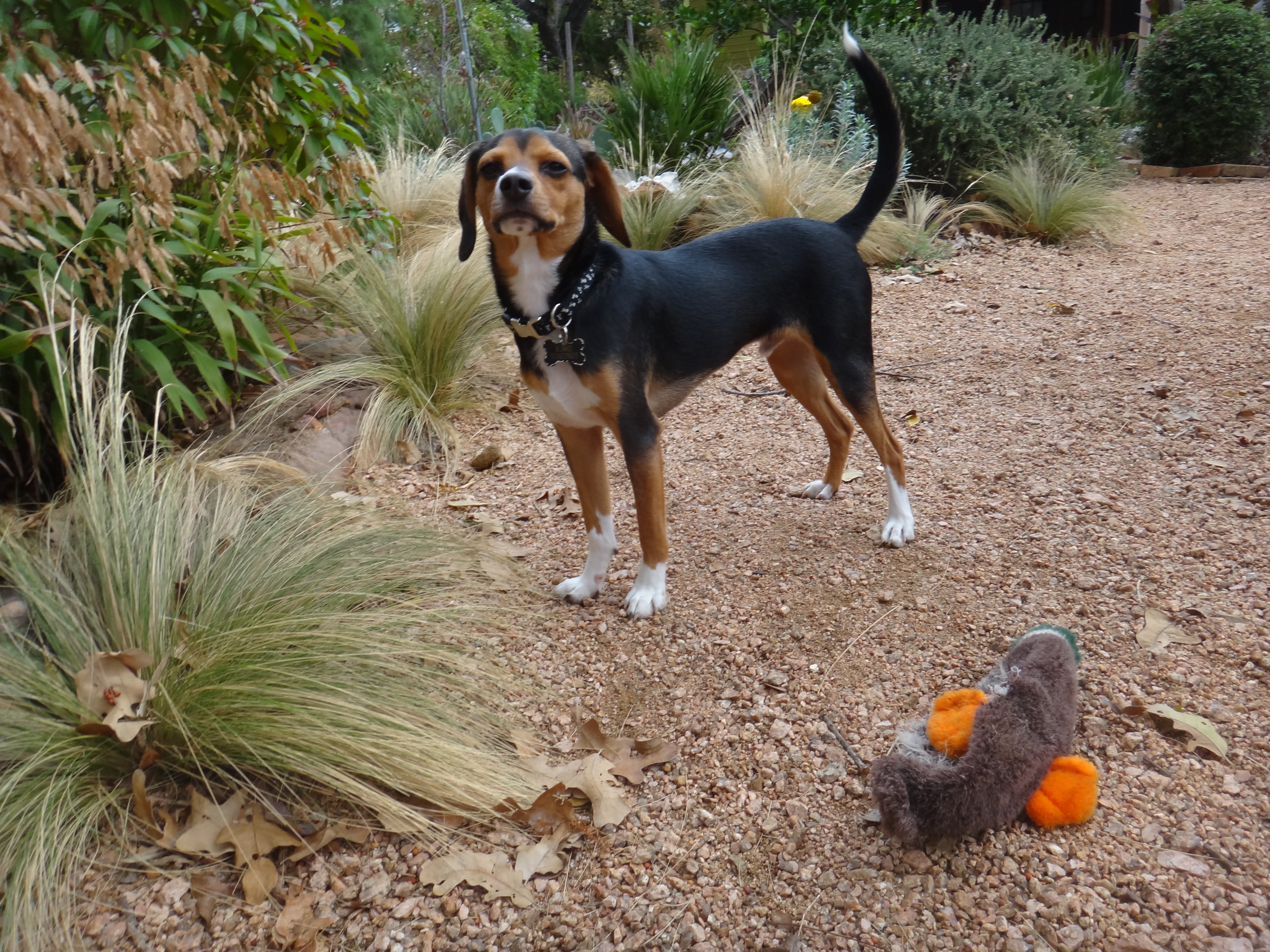
 This was the scene shortly after Kumo had managed to rip the beak off his second mallard to get access to the stuffing. This is his:
 “schave me from my-shelf” face. He is especially partial to the plastic quacking part.
After our recent rain, (yes we finally got a little), the moss and lichen on these moss boulders quickly reanimated.
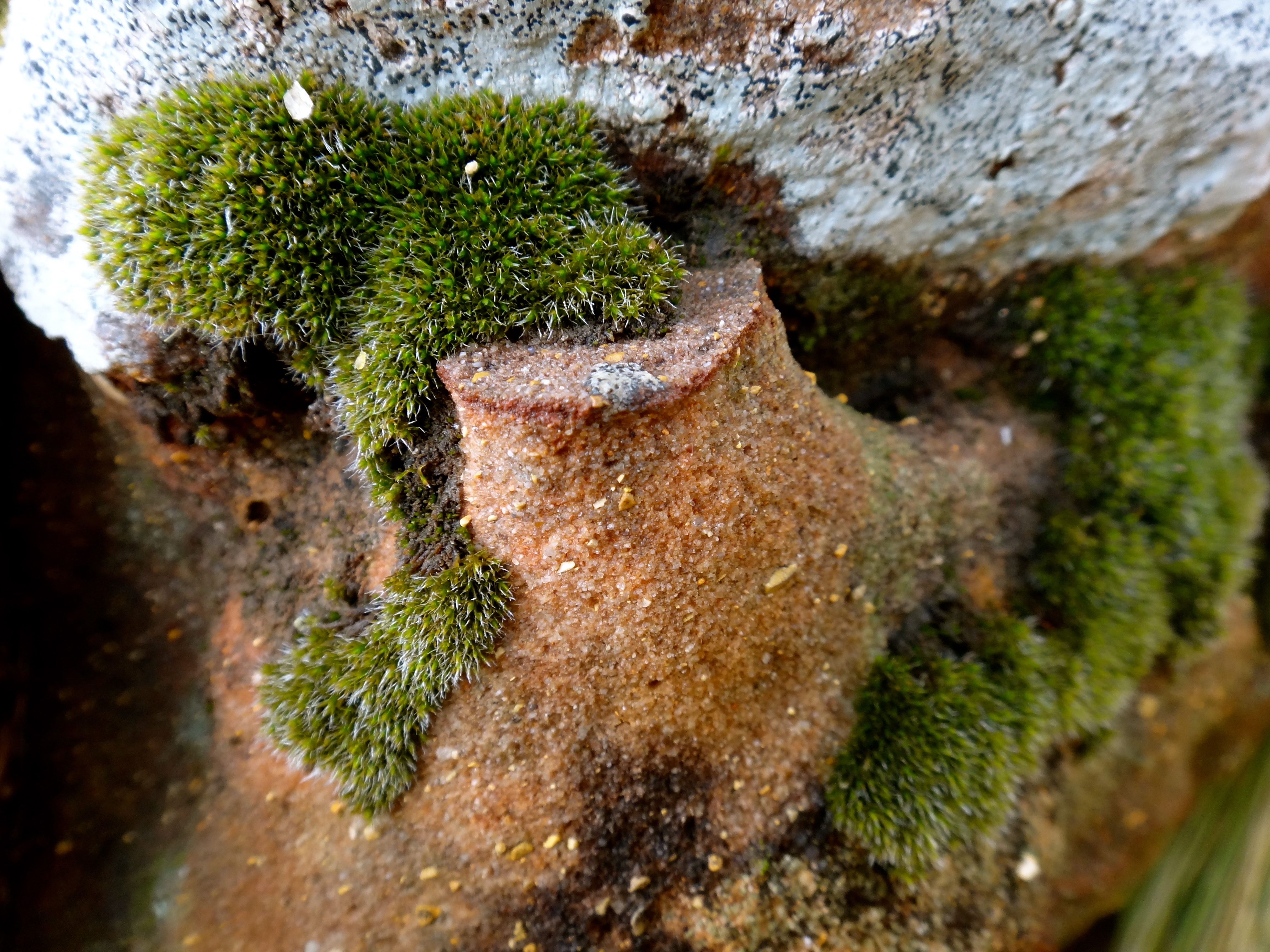 This is my favorite type of rock to use in a landscape for a number of reasons;

the life,
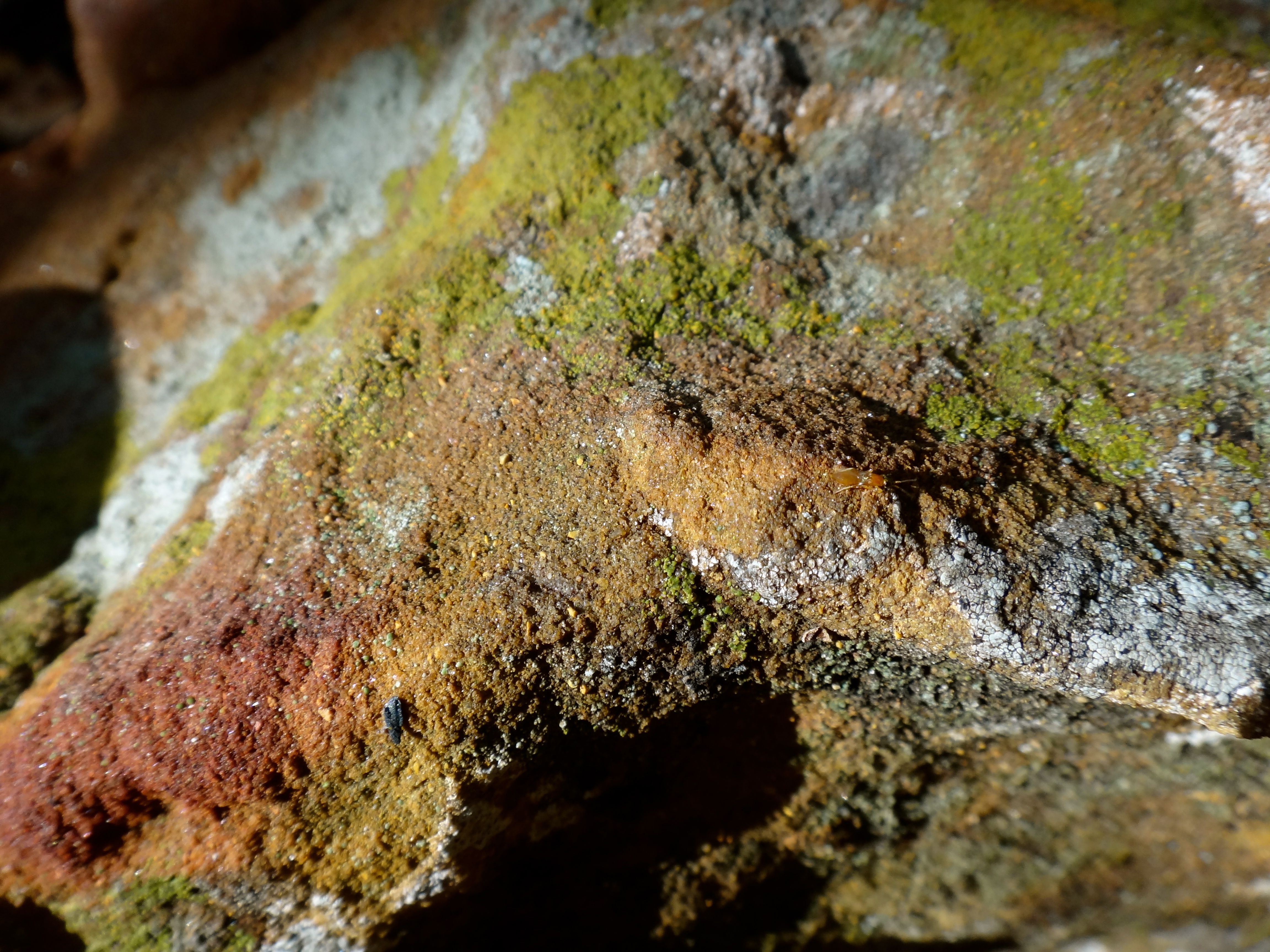
The color,
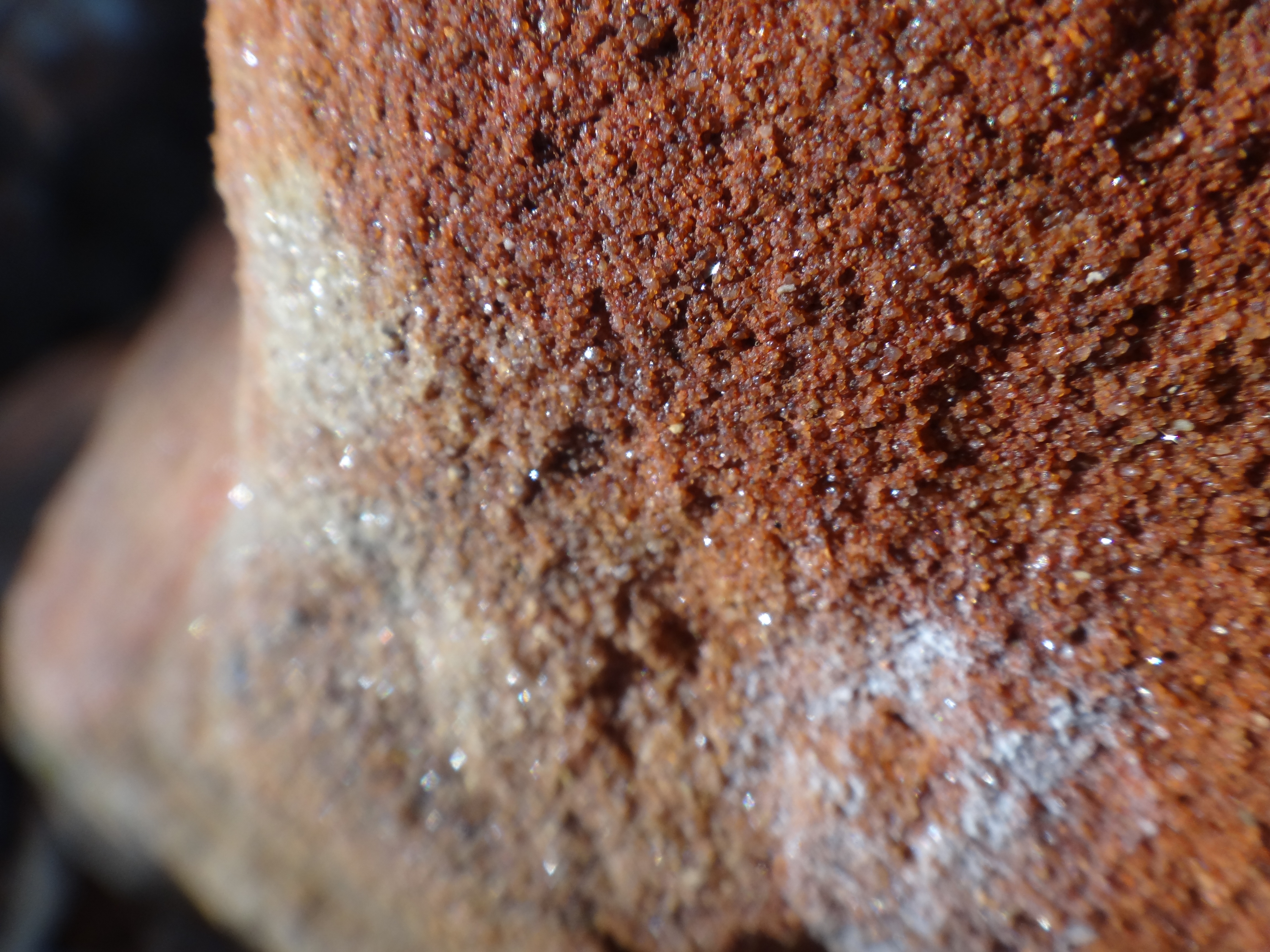 and the shine.
 I have recently moved quite a few tons of moss boulders into this back garden that I have just finished installing.
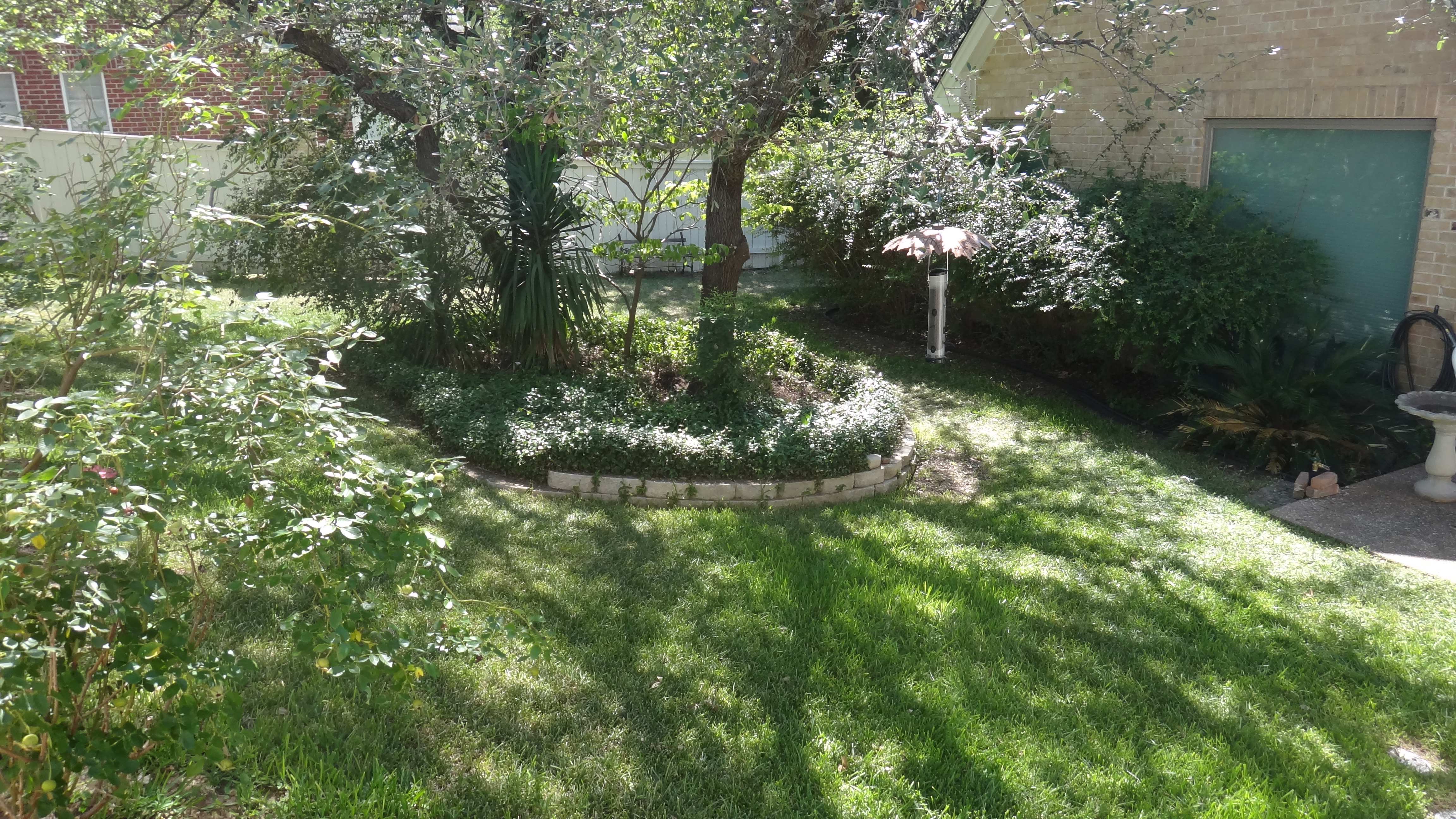 The homeowner was tired of trying to keep the turf grass alive and desired a more native and drought tolerant planting scheme to reduce water usage…perfect.
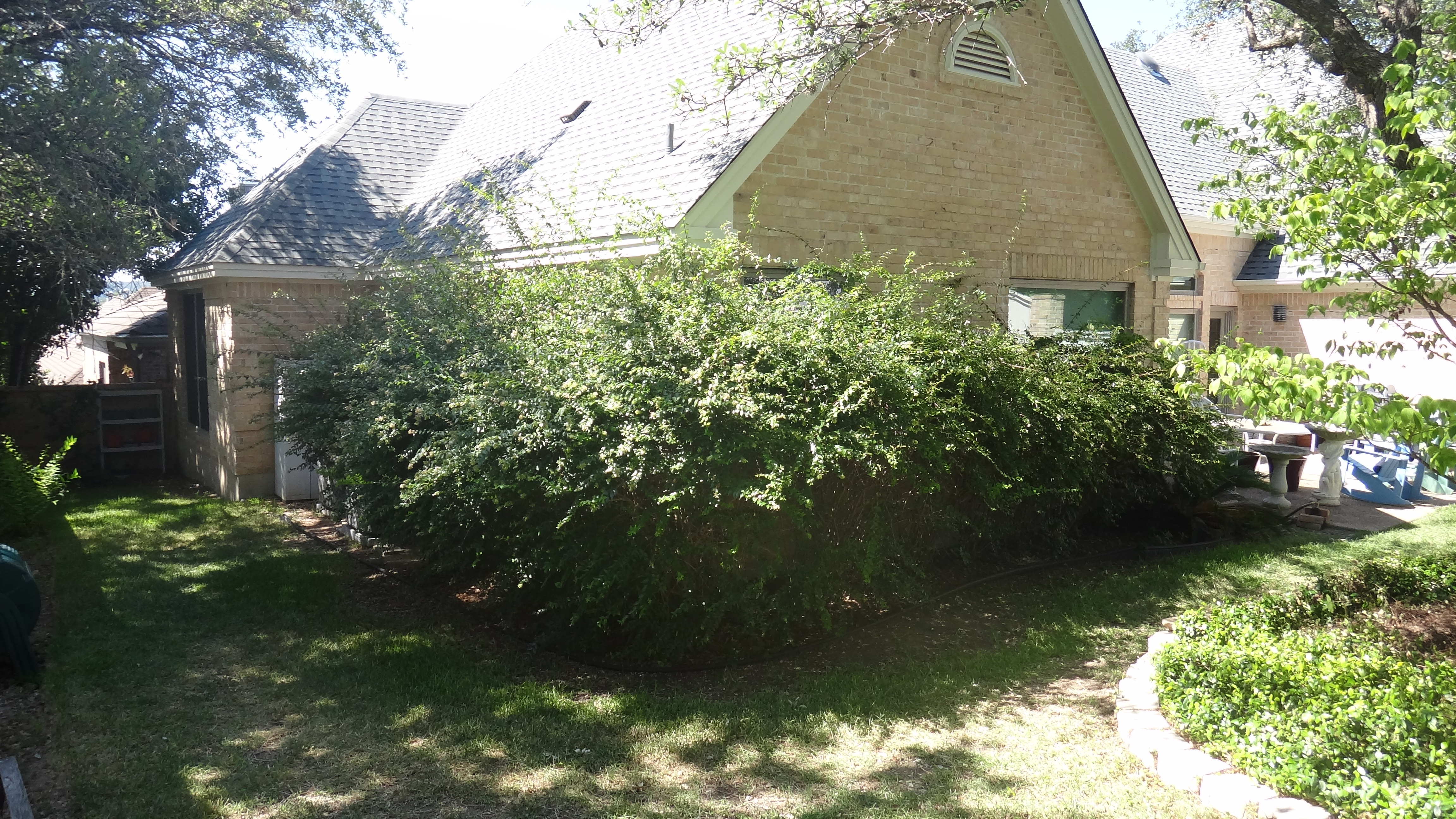
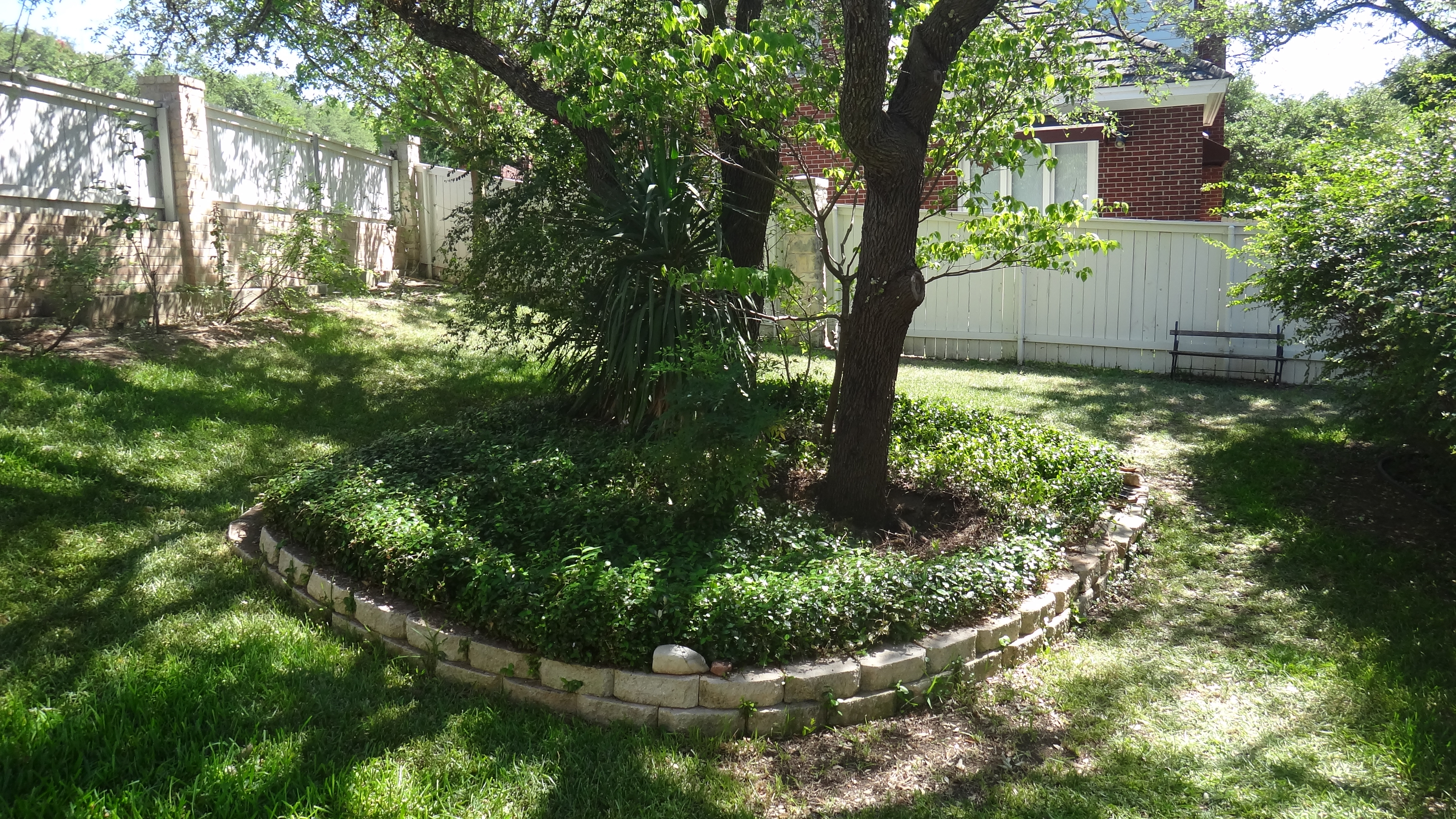
There was a lot of scale-inappropriate shrubbery and a rather random island that was filled with my favorite Asiatic ground cover,
 of course this had to go…immediately.
 This was the proposed design scheme. The grade rises toward the back wall so I opted for a natural retainer wall of…you guessed it, moss boulders. I initially considered limestone, but I required more height.
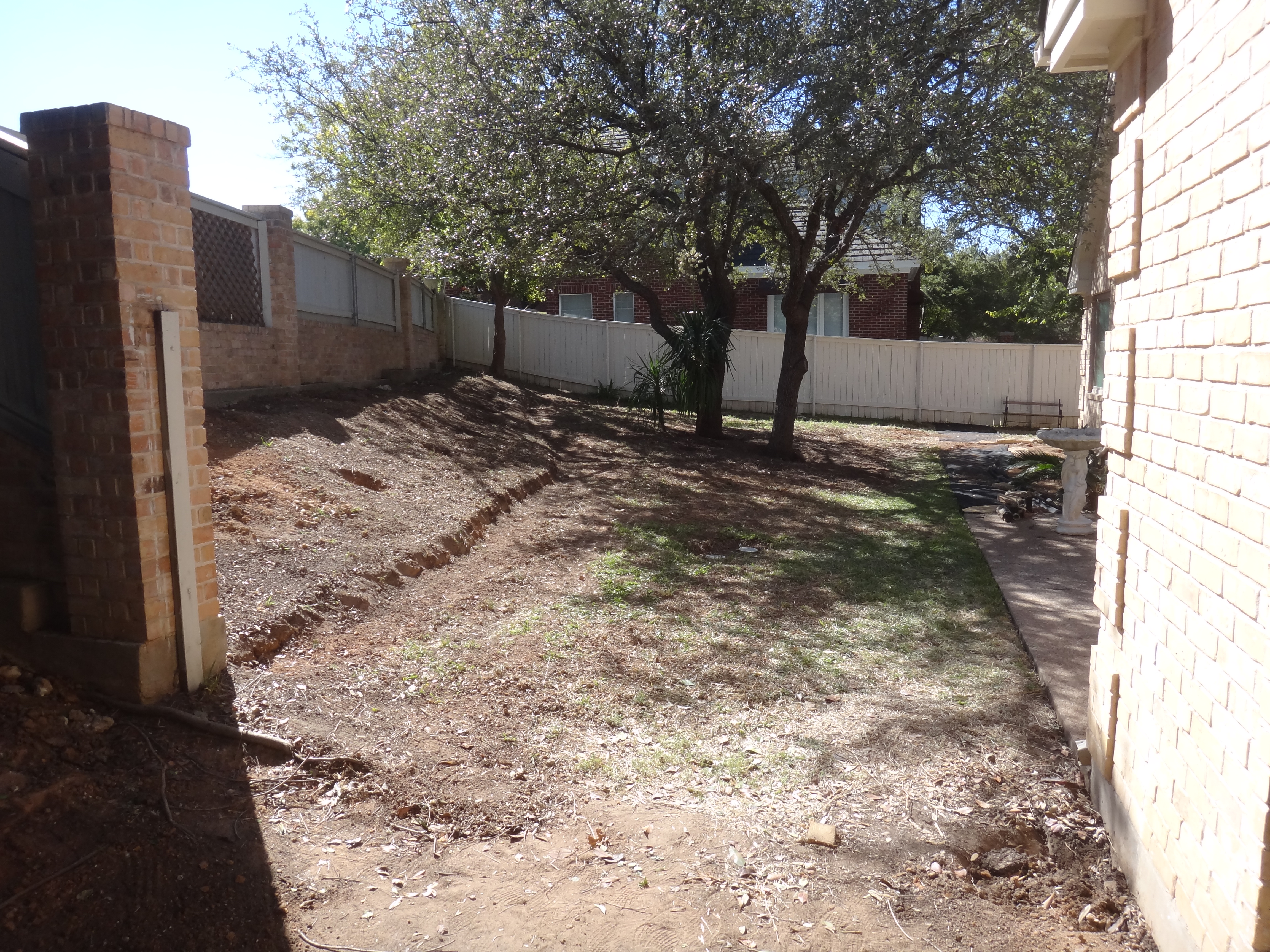
But first it has to look worse before it looks better, a rather disturbing phase if you are not accustomed to it.

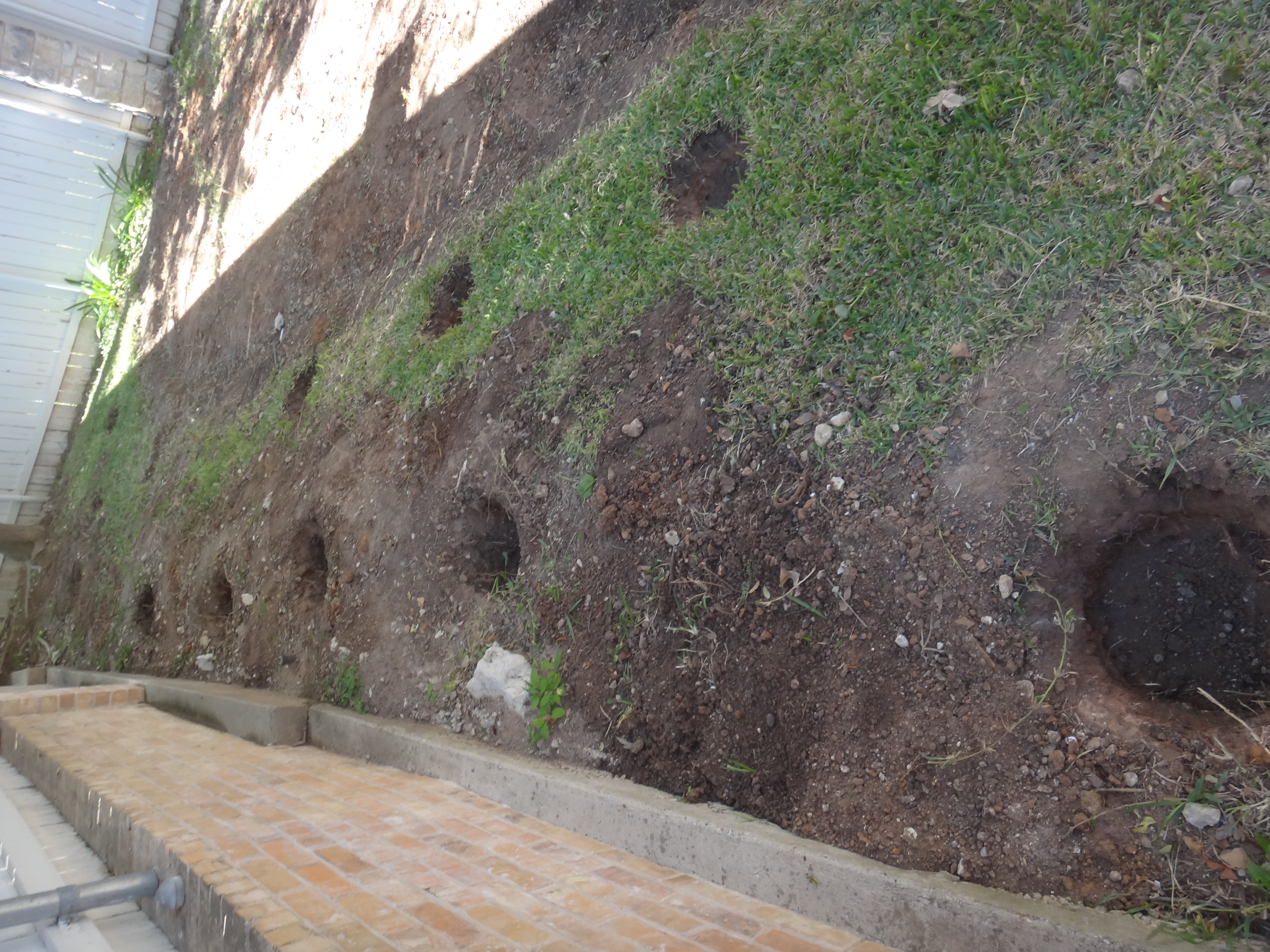
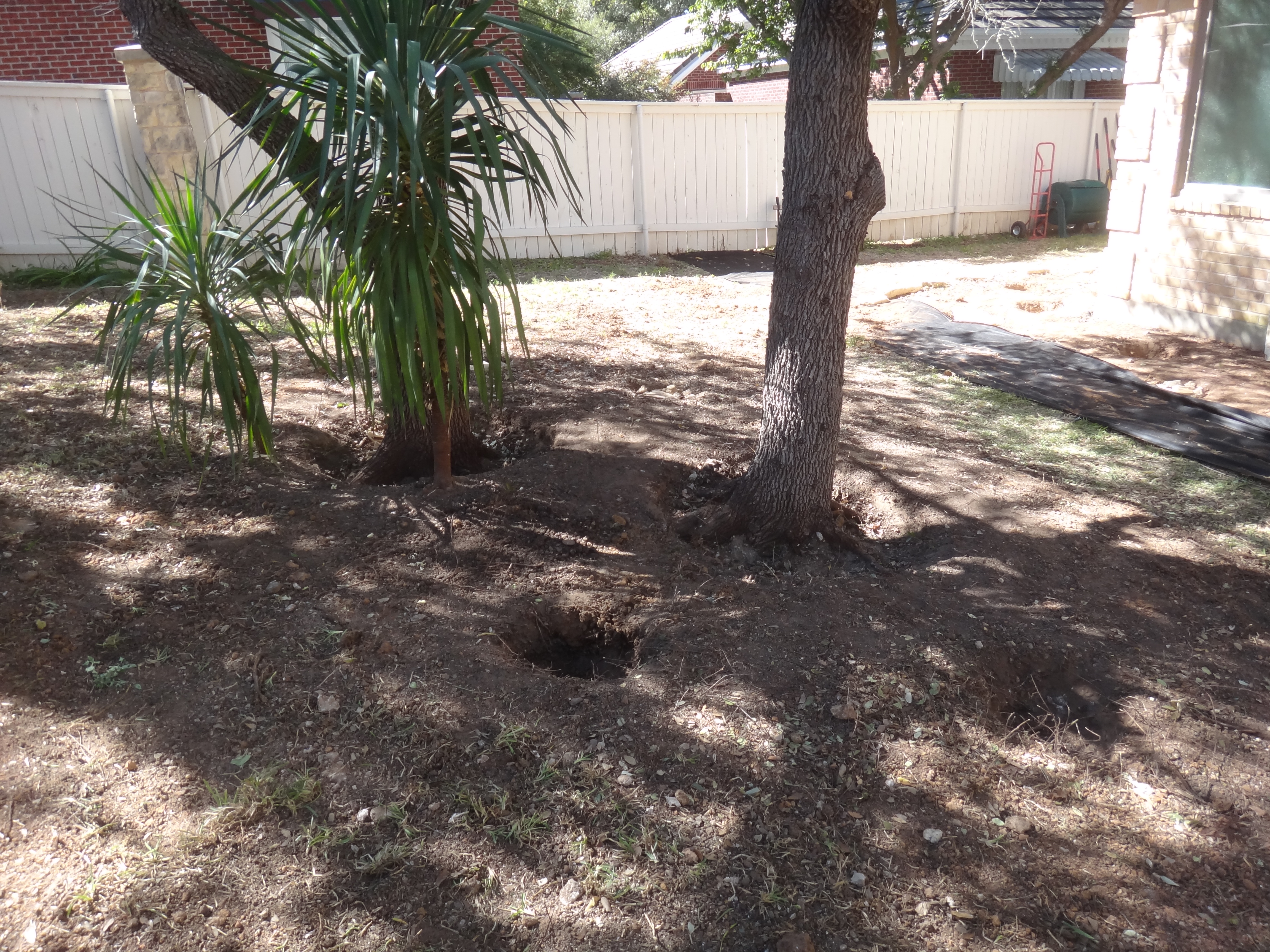
At this stage there is a certain “Battle of the Bulge” or perhaps “Operation Market Garden”aesthetic going on, but thankfully it does not last long.

It was time to bring in the heavy artillery to lay a rather large array of moss boulders.
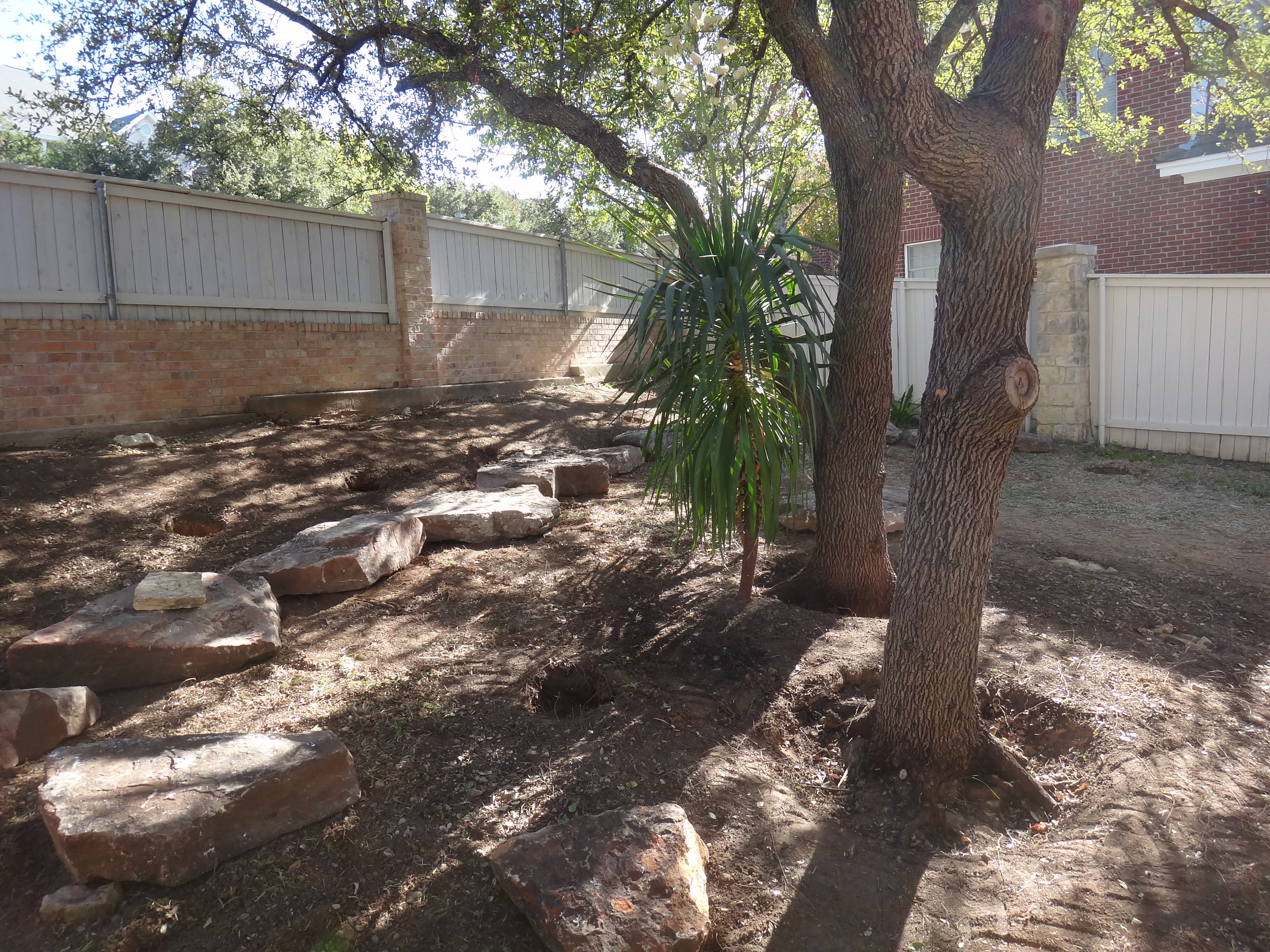
Here they are before they are leveled and orientated. After the tear out, the existing yucca now really stand out
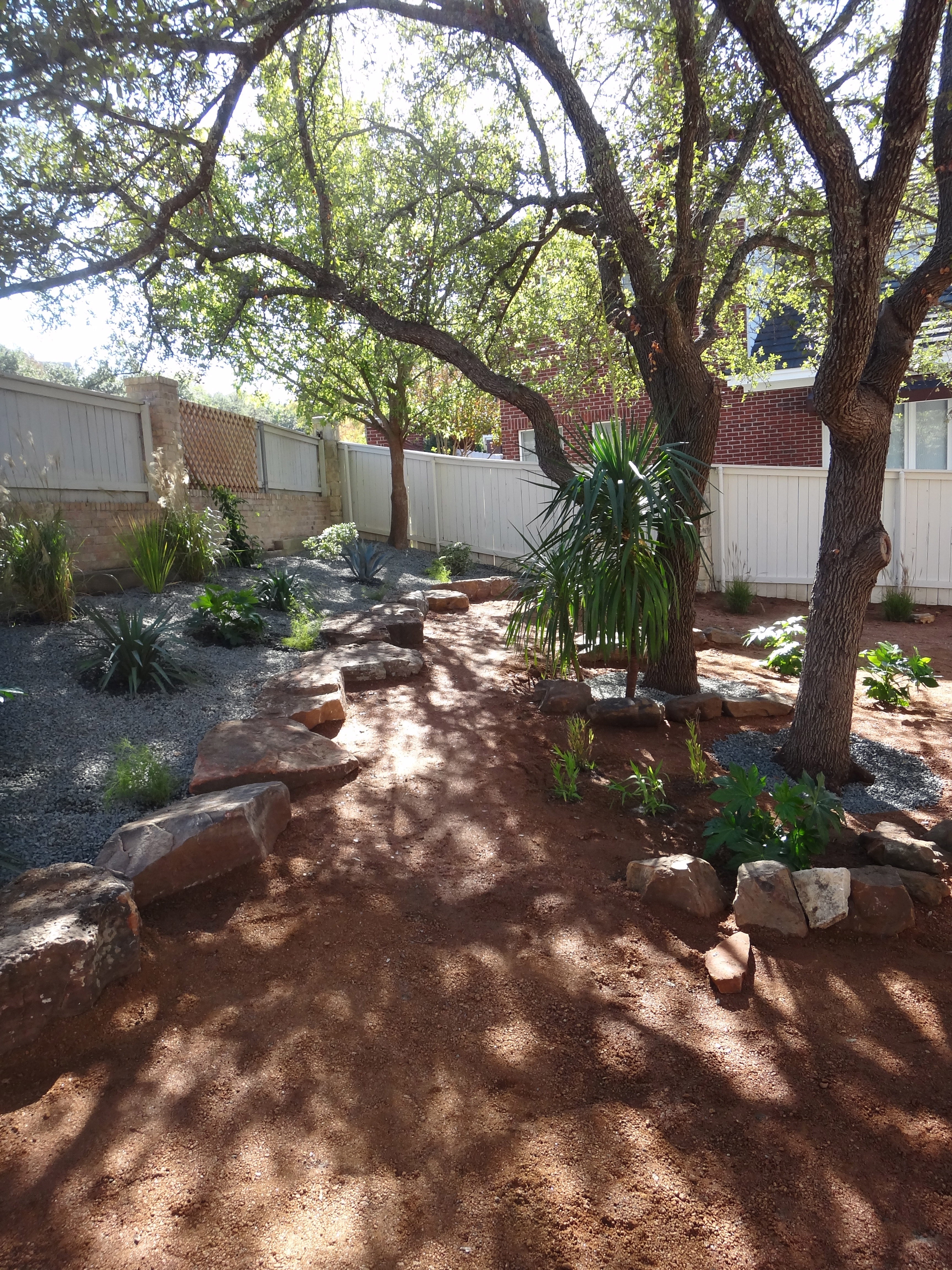 And here is the final garden with decomposed granite and Tejas black gravel, back-filling the boulders and reducing erosion.
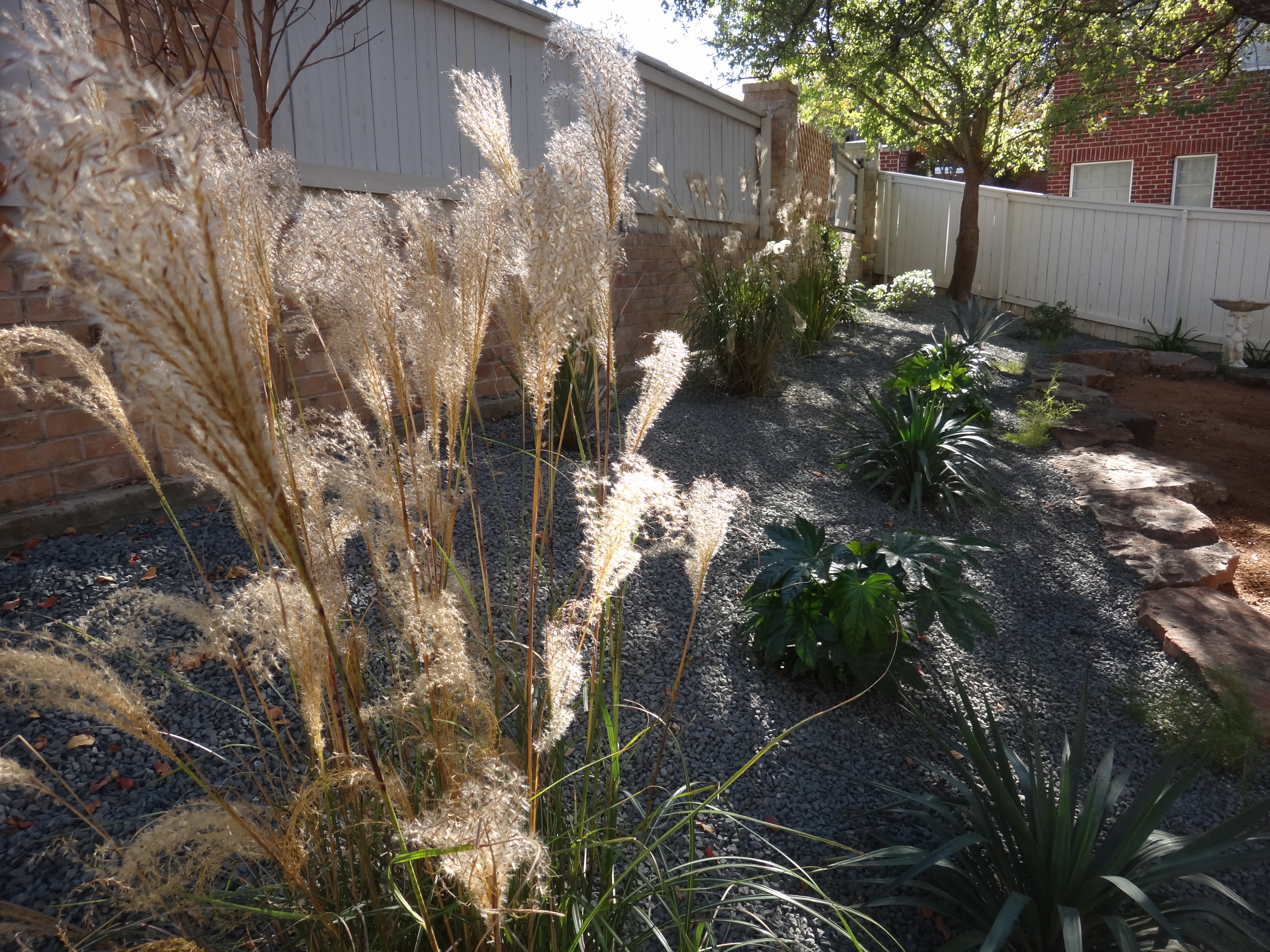
These miscanthus grasses worked out really well, catching the late afternoon dappled light.
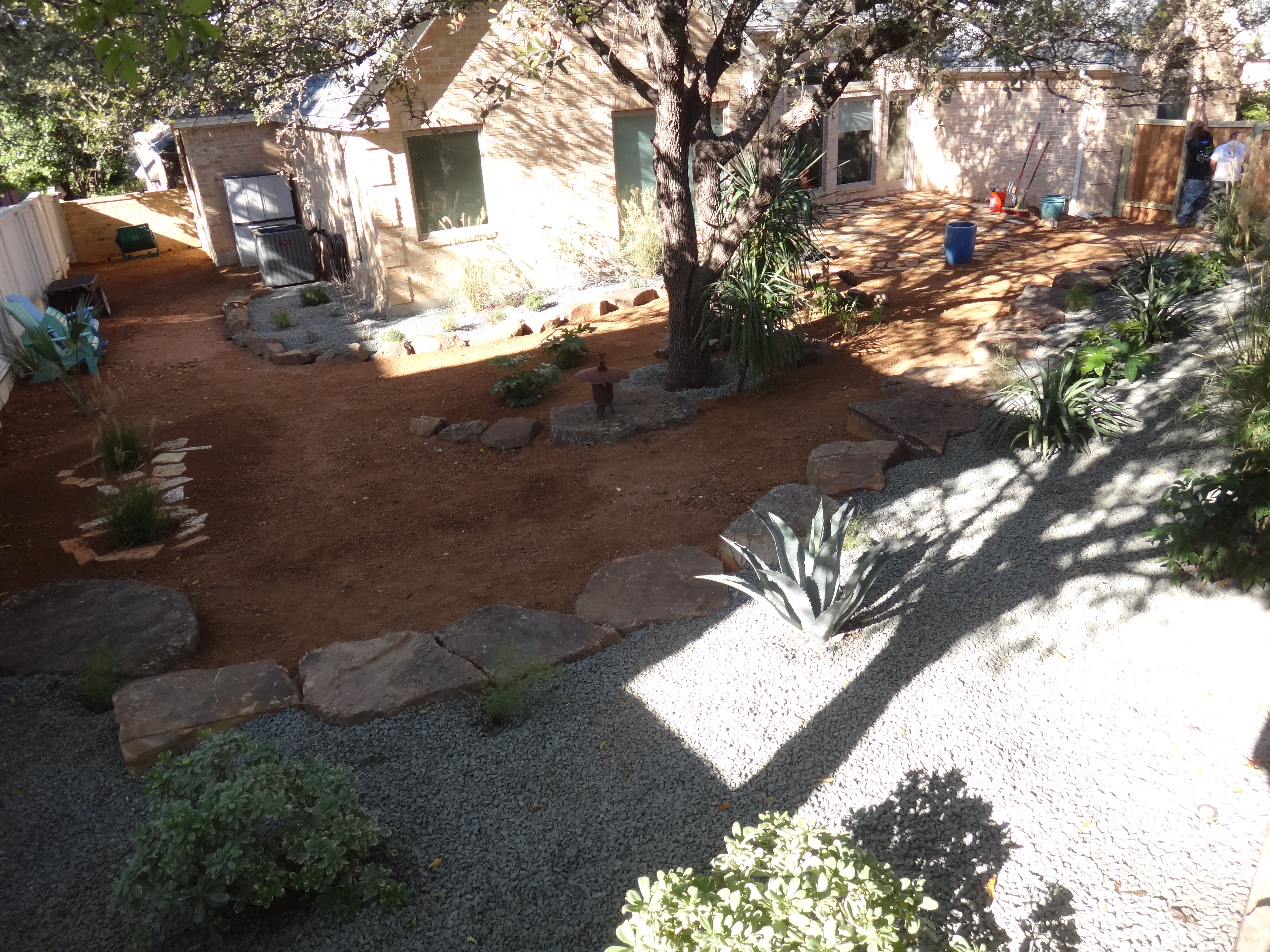
Here is a panoramic view of the area. Taking out those overgrown shrubs against the house (the over-exposed area) really made the space feel so much larger and less claustrophobic.
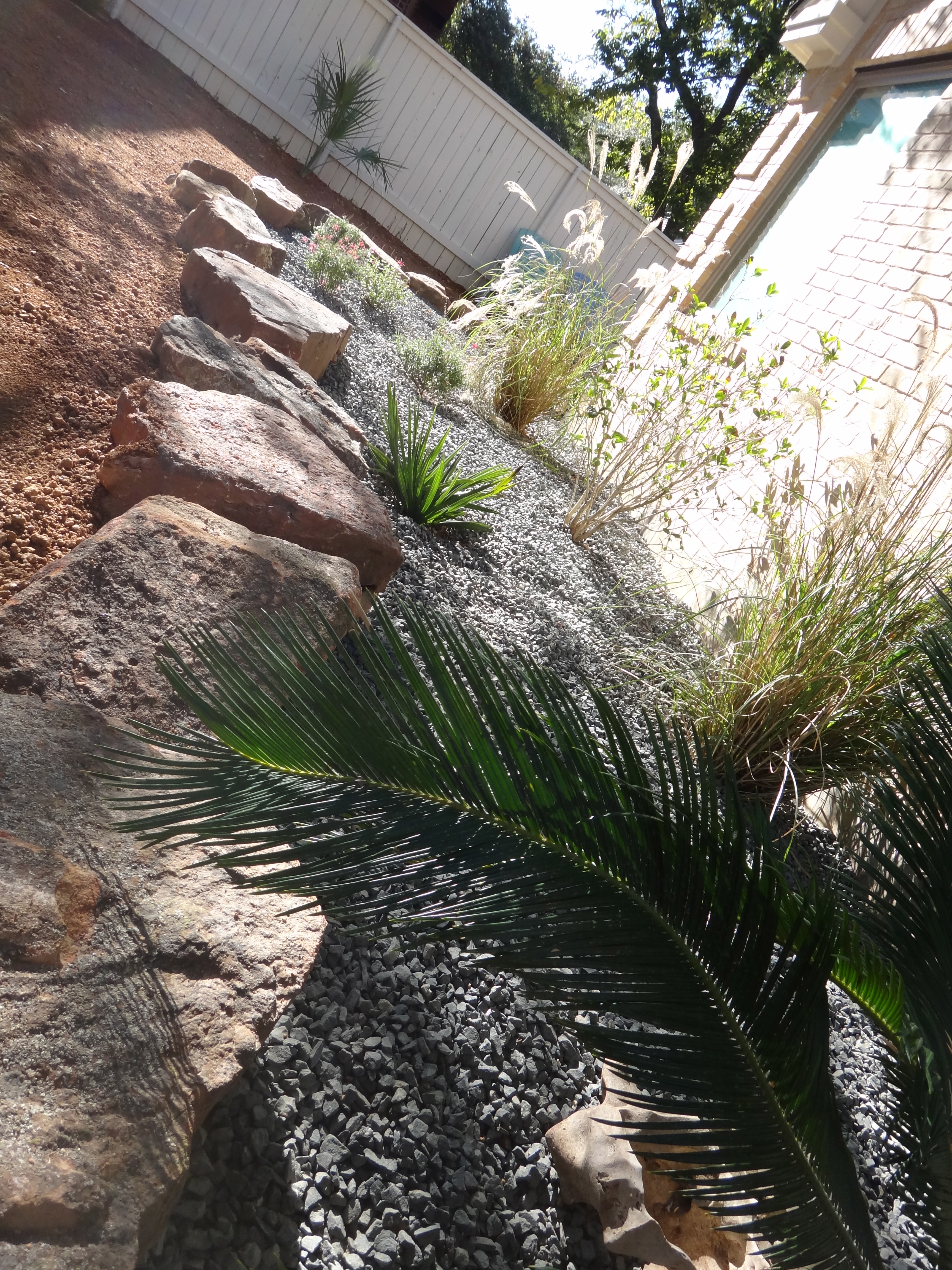
Here is the newly planted replacement bed for those overgrown shrubs, that is a sabal major against the far fence and a sweet olive in-between more dwarf miscanthus for fragrance.
 Back in the Patch:
 One more shot of these fragrant mist flowers.
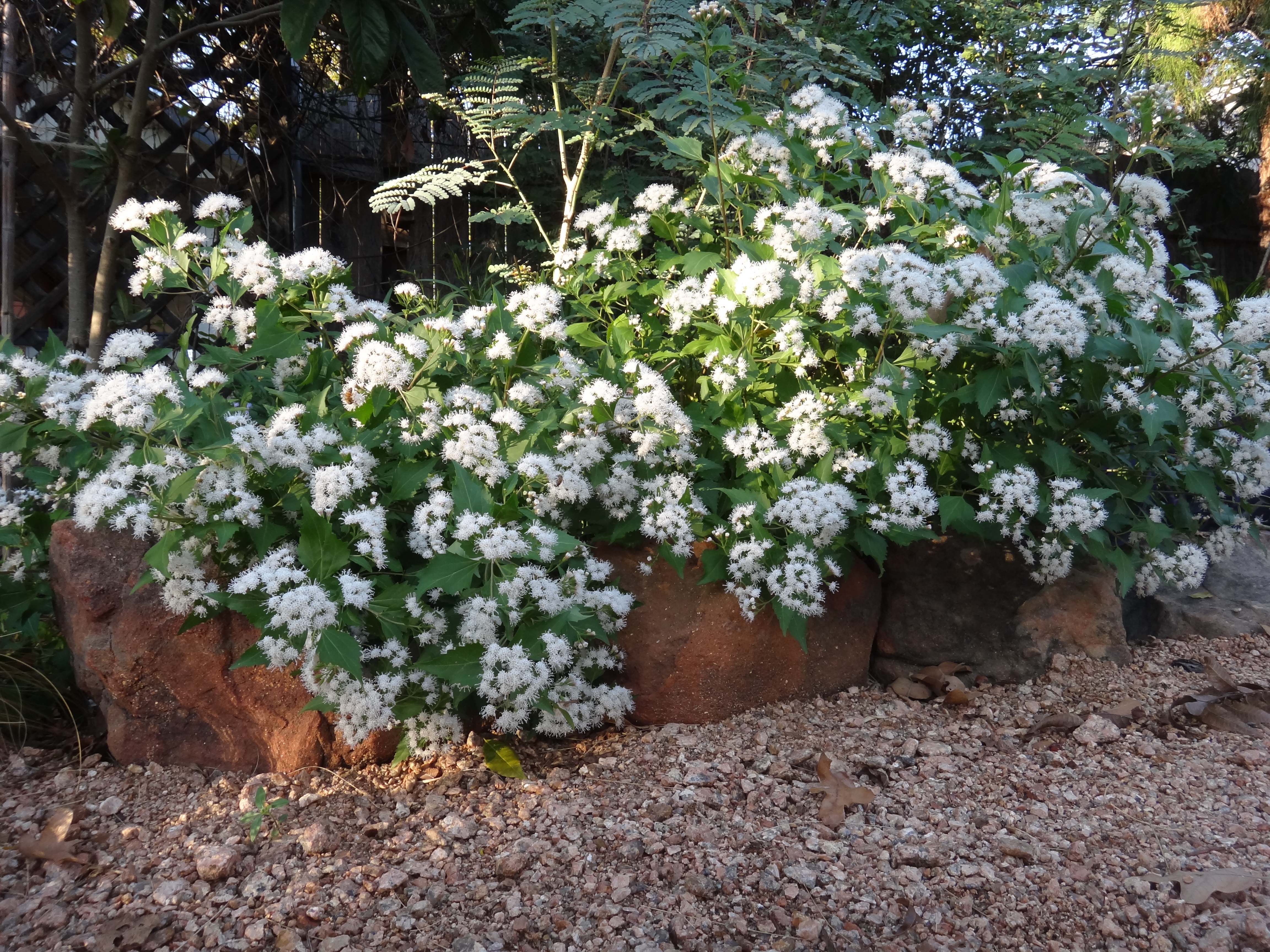 I just recently found out that these plants can tolerate shade…I had no idea.
One of my favorite plants at this time of year is the copper canyon daisy.
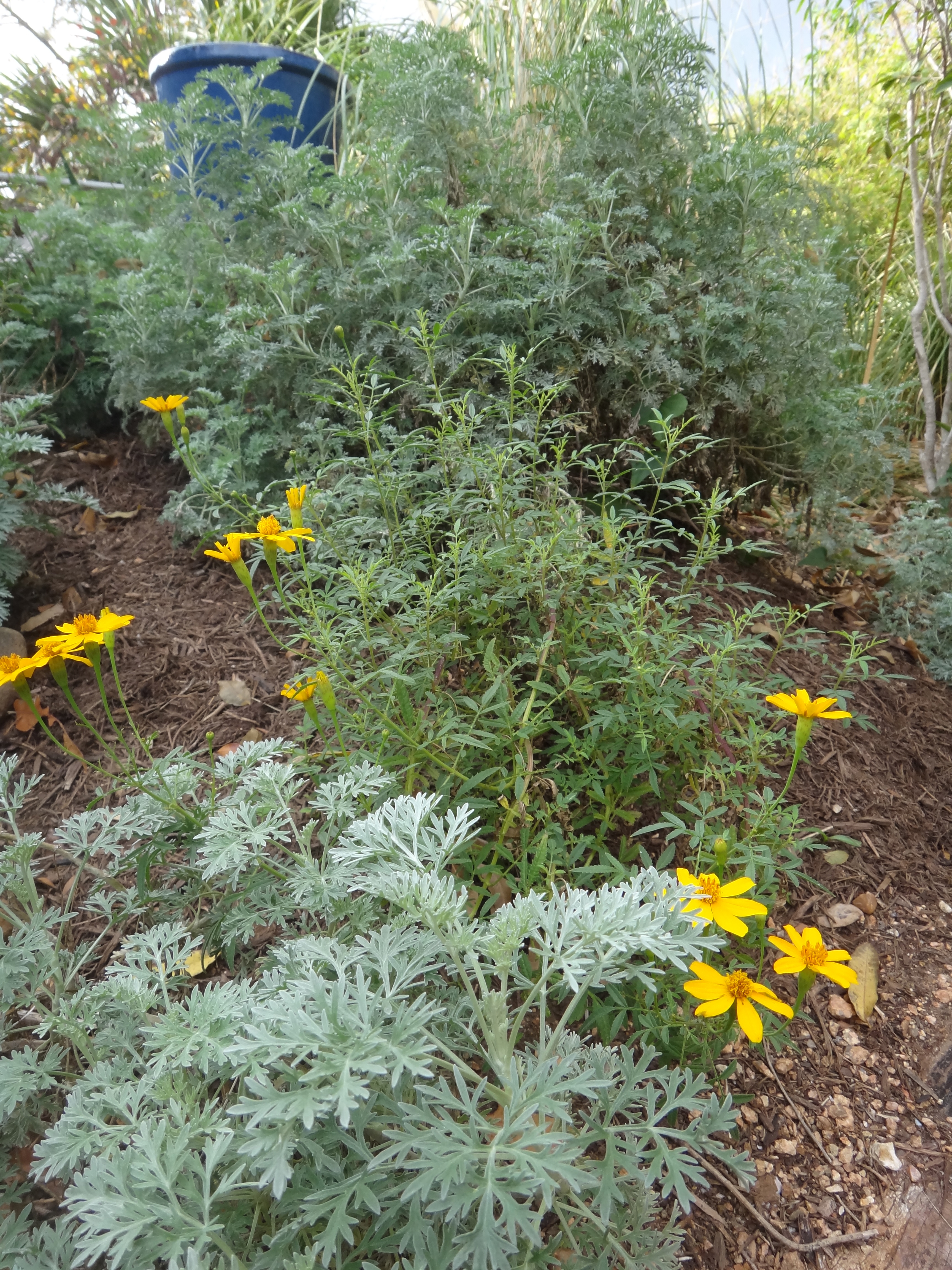
I lost all but one of my mature plants in this summers furnace, their replacements are providing some sporadic blooms.
 Flowers are not a problem for the blackfoot daisies in my hell-strip.
Finally:
I have never seen so many tiny sryphid flies as this year:
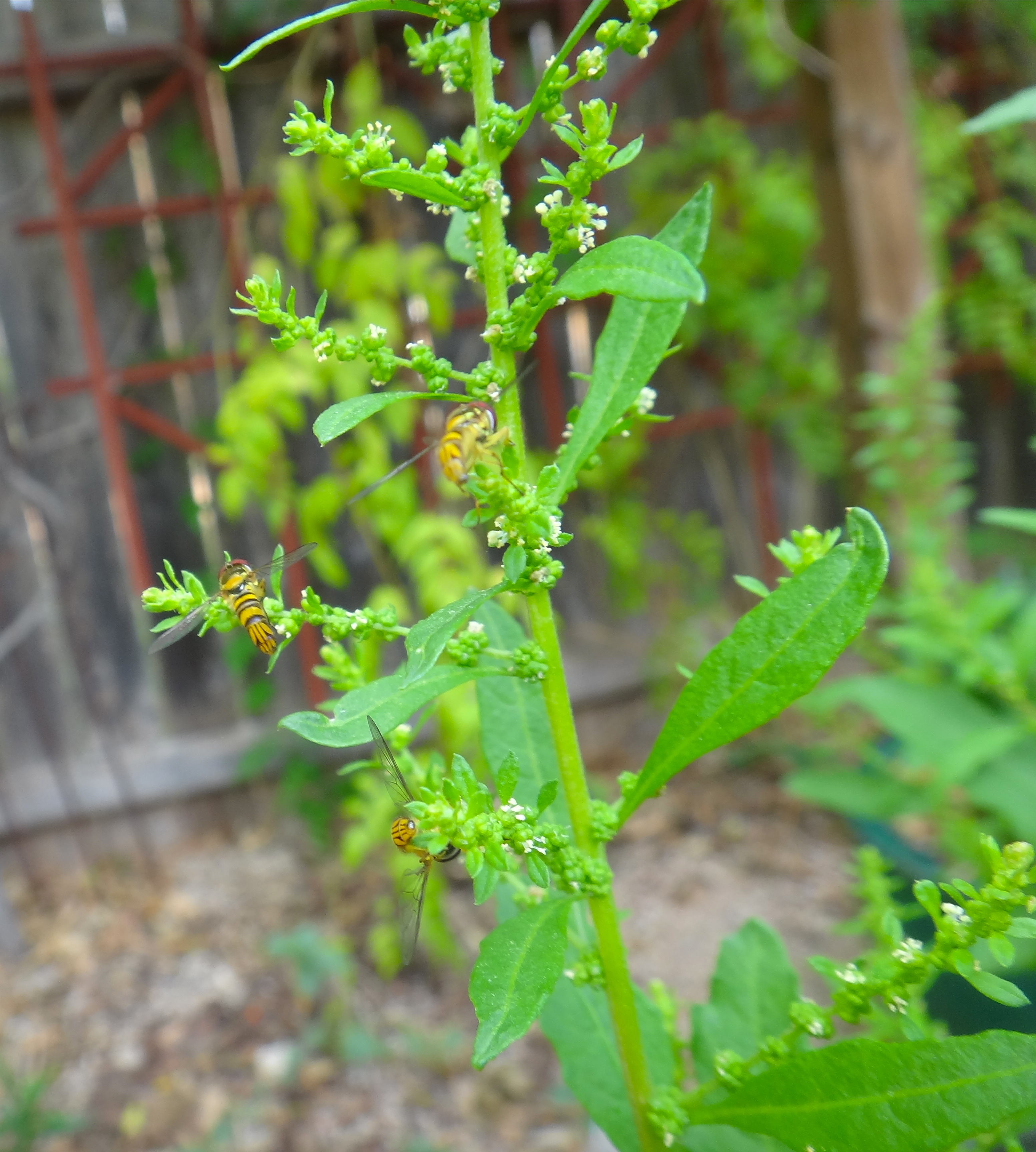
They apparently like the strange gasoline odor of this epazote which was given to me from Cheryl over there at: http://consciousgardening.blogspot.com/
This Mexican herb is really good if you eat a lot of beans,
 and develop some of this. (I decided to spare you the video clip).
It has been used in Mexican cuisine for thousands of years dating back to the Aztecs who used it for cooking as well as for medicinal purposes. The herb is poisonous in large doses.
On that (ahem) “note”:
Stay Tuned for:
“The Incredible Bulk”
All material © 2011 for eastsidepatch. Unauthorized
intergalactic reproduction strictly prohibited, and
punishable by late (and extremely unpleasant)
14th century planet Earth techniques.
 “Was that you”?
“No, that was not me, that was you”
“I assure you it most certainly was not”…Wait, aren’t we the same person?…
…Kumo! Kumo!