Artemesia and copper canyon daisy,
Tagetes lemmonii
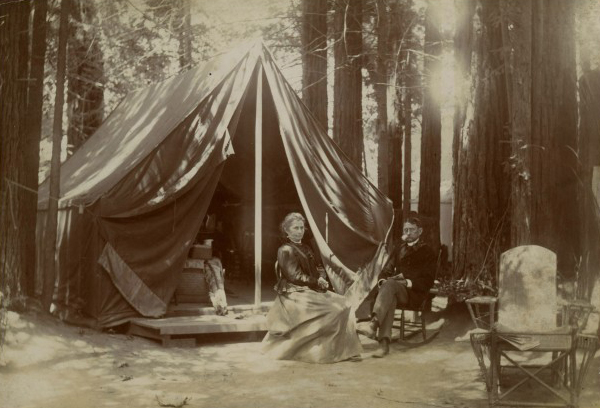 Sara and John Lemmon-camping on Mt Lemmon
John Gill Lemmon, a self-educated botanist, respectfully called the “professor” and his wife Sara collected Copper Canyon Daisy in southeastern Arizona sometime in the early 1880s. The descendants of these plants were then introduced into the nursery trade.
 Sara and John met in 1876 at a lecture he gave in Santa Barbara, California. A keen botanist herself they were married four years later and, as you do, embarked on a “botanical wedding trip” to Arizona in 1881, a part of the world at that time very few botanists had visited.

Photo: Wikipedia
If running around collecting and cataloging plants was not enough, they also climbed to the peak of the mountain they christened Mount Lemmon, after Sara, the first European-descended woman to make the ascent.

Sarah was also responsible for the designation of the California Poppy as the state flower (1903), (another plant that pairs well with artemesia).
Both the Lemmon and Plummer surnames are used in the scientific names of many Arizona plants discovered by this prolific husband-and-wife team.

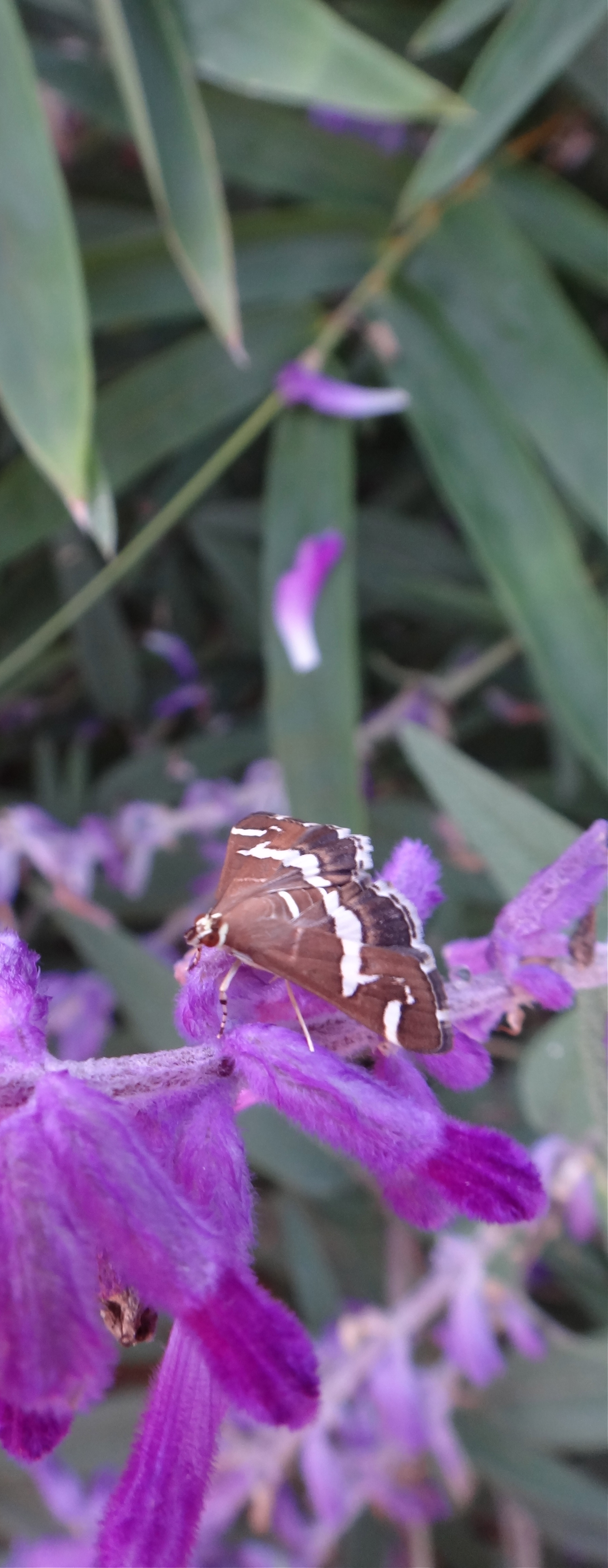
Red Admiral
Vanessa atalanta
 These butterflies seem particularly fond of the copper canyon daisies. This species over-winters in southern Texas. They have descended in large numbers this week in the Patch, on the final stretch of their migration.
http://www.nj.com/news/index.ssf/2012/05/the_great_butterfly_migration.html

The pungent foliage of the copper canyon daisy is either liked (citrus-like, anise – licorice tones etc) or disliked

by humans, but it sure does a good job of deterring foraging deer from eating it…

…Jenny.
Moving along:

Short-lived mist flower blooms are now turning brown,

creating their unique “fluffy-cloud” aesthetic as they float through this basket grass in my front garden.

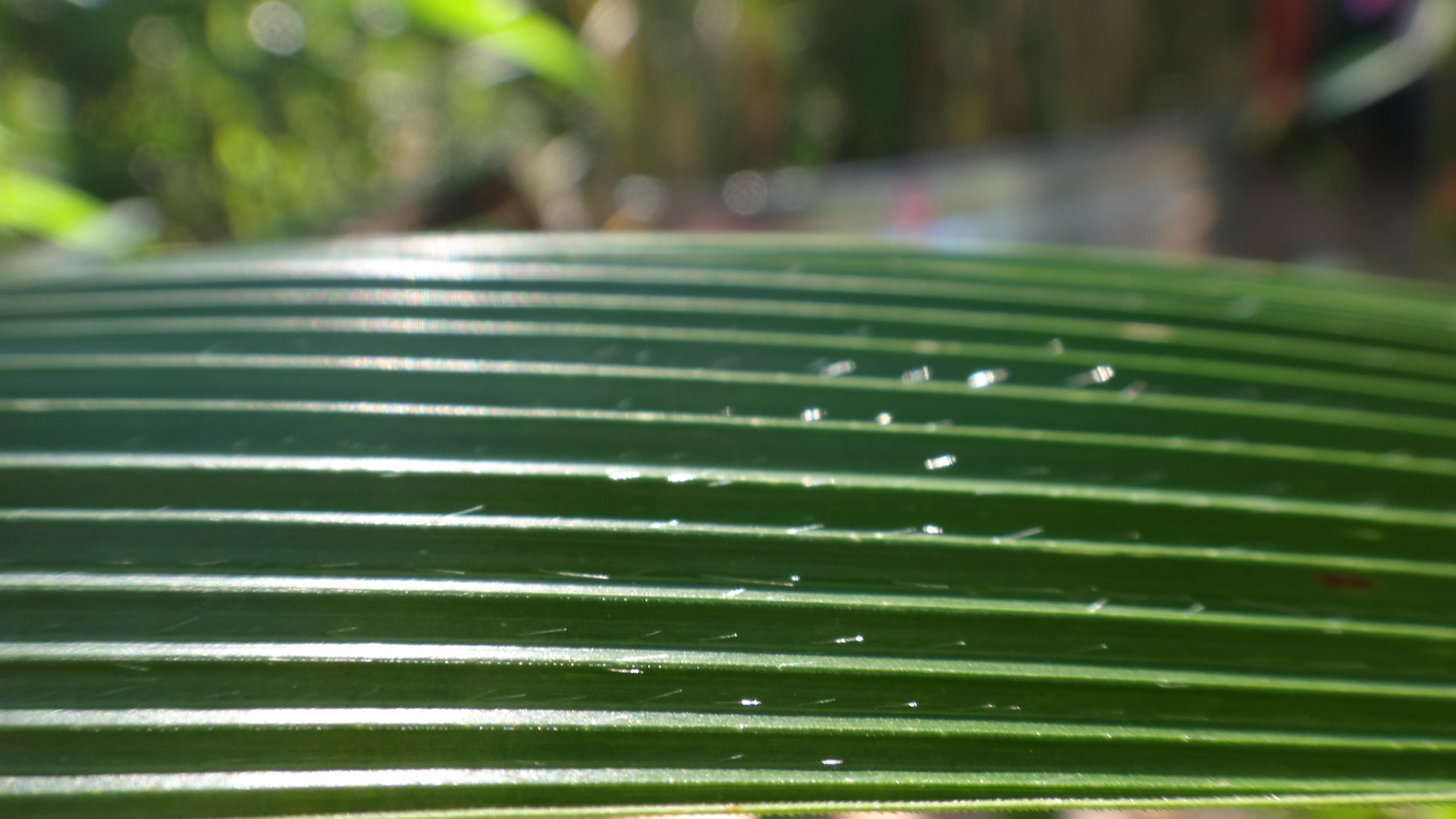
Basket grass takes a while to mature but when established it requires nothing, and I mean nothing, no water, no cutting back in the winter – it just looks steel-blue-good all year round. The only maintenance required is to cut back the occasional cream-colored bloom stalk at the base when they brown.

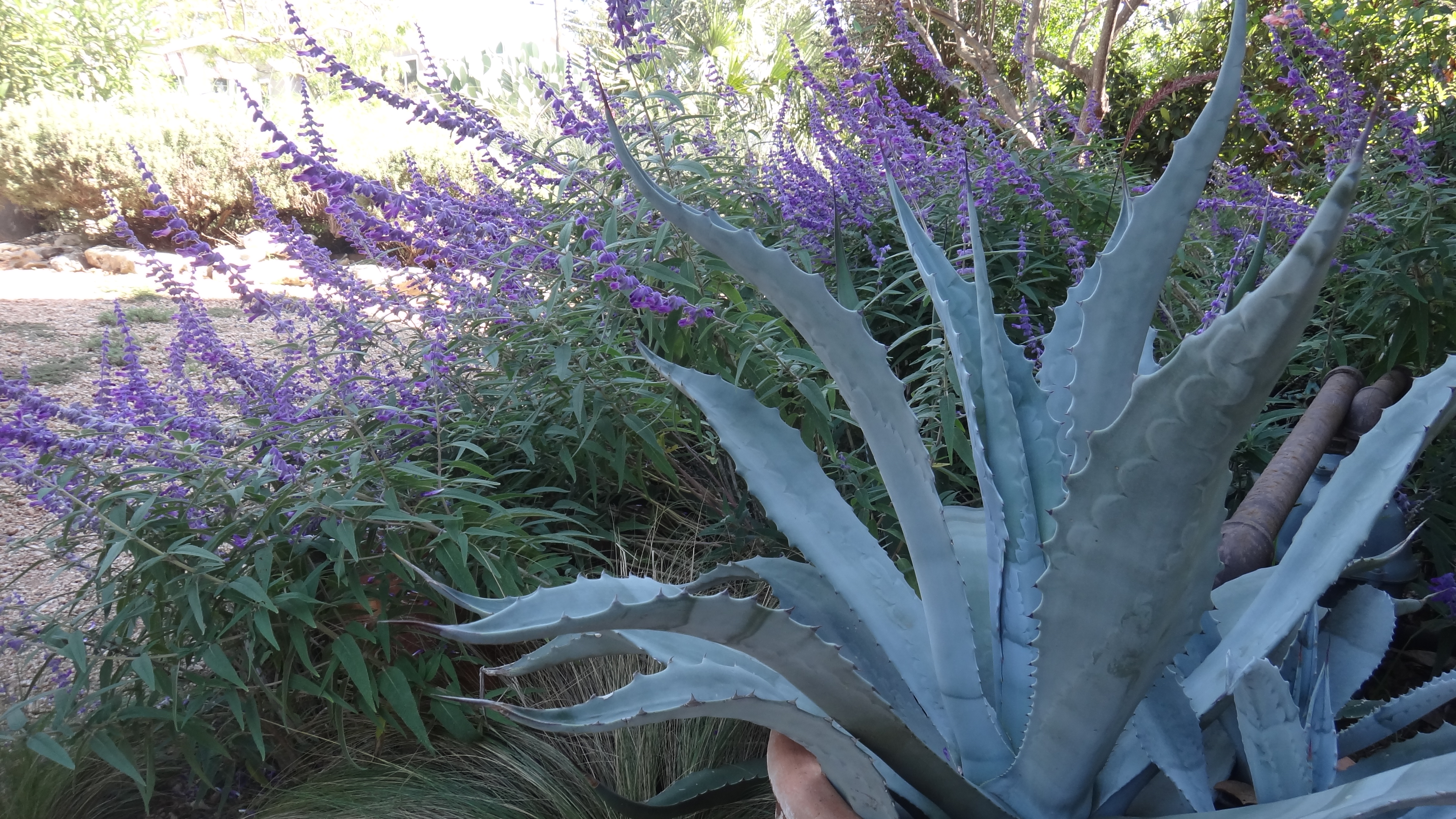
Mexican bush sage keeps on going with its

purple fuzzy flower spikes. Mine are now so leggy I have almost got two separate plants courtesy of the new central growth.

I cannot bring myself to cut it back quite yet as the bees are still swarming the old growth / flowers.
I think I can safely say that this red passion vine is doing quite well on my front porch:


Finally:

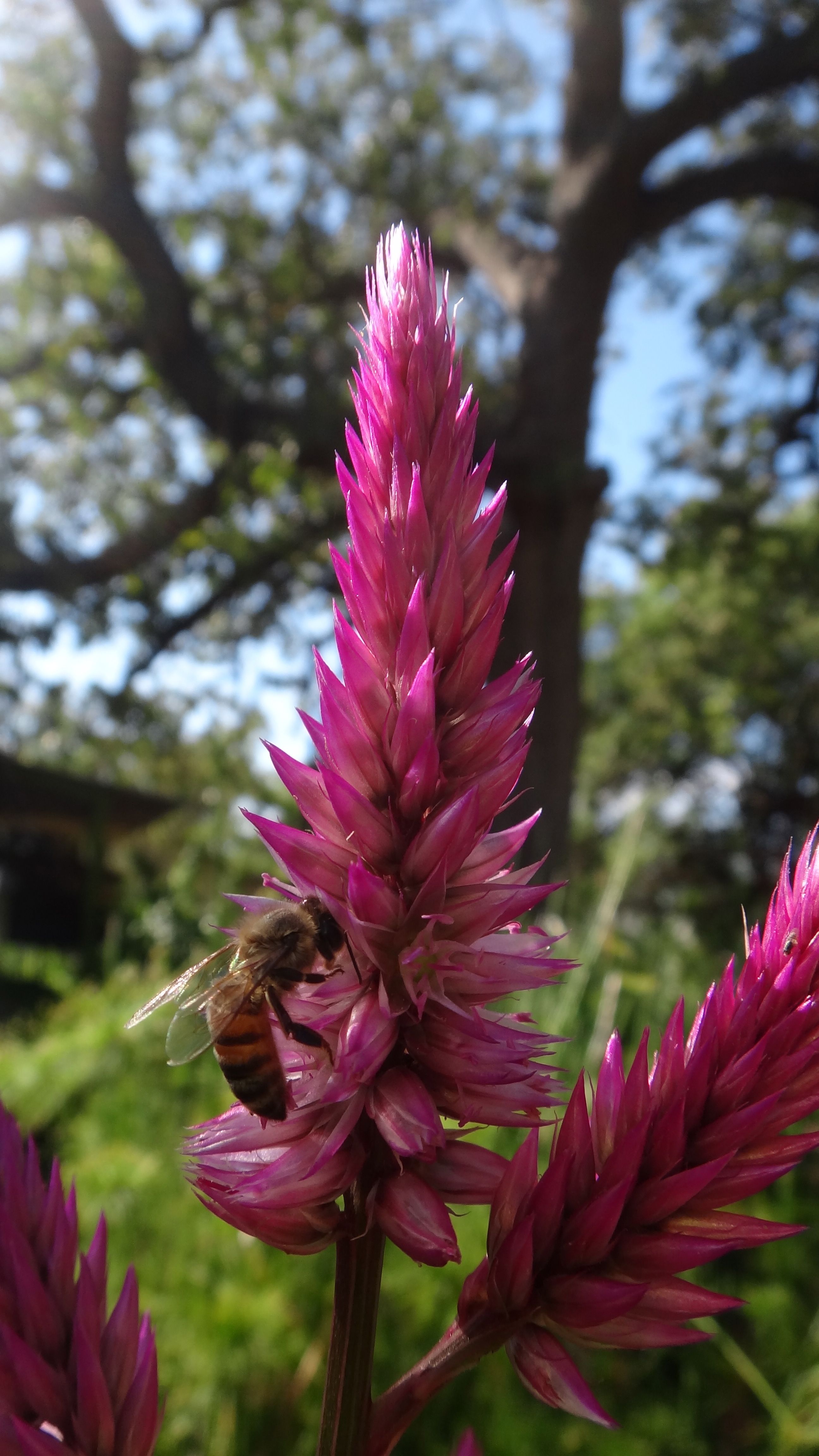
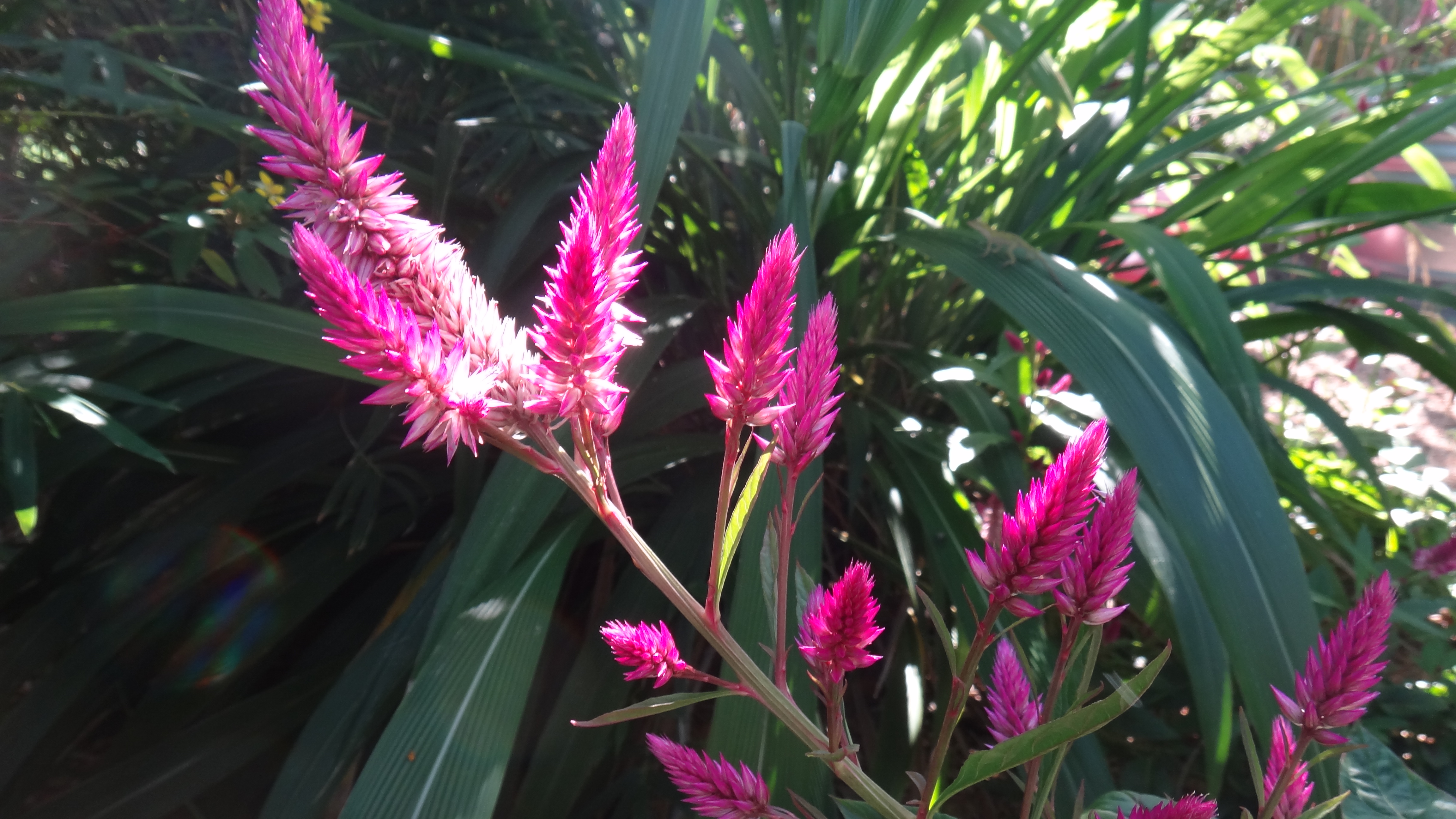
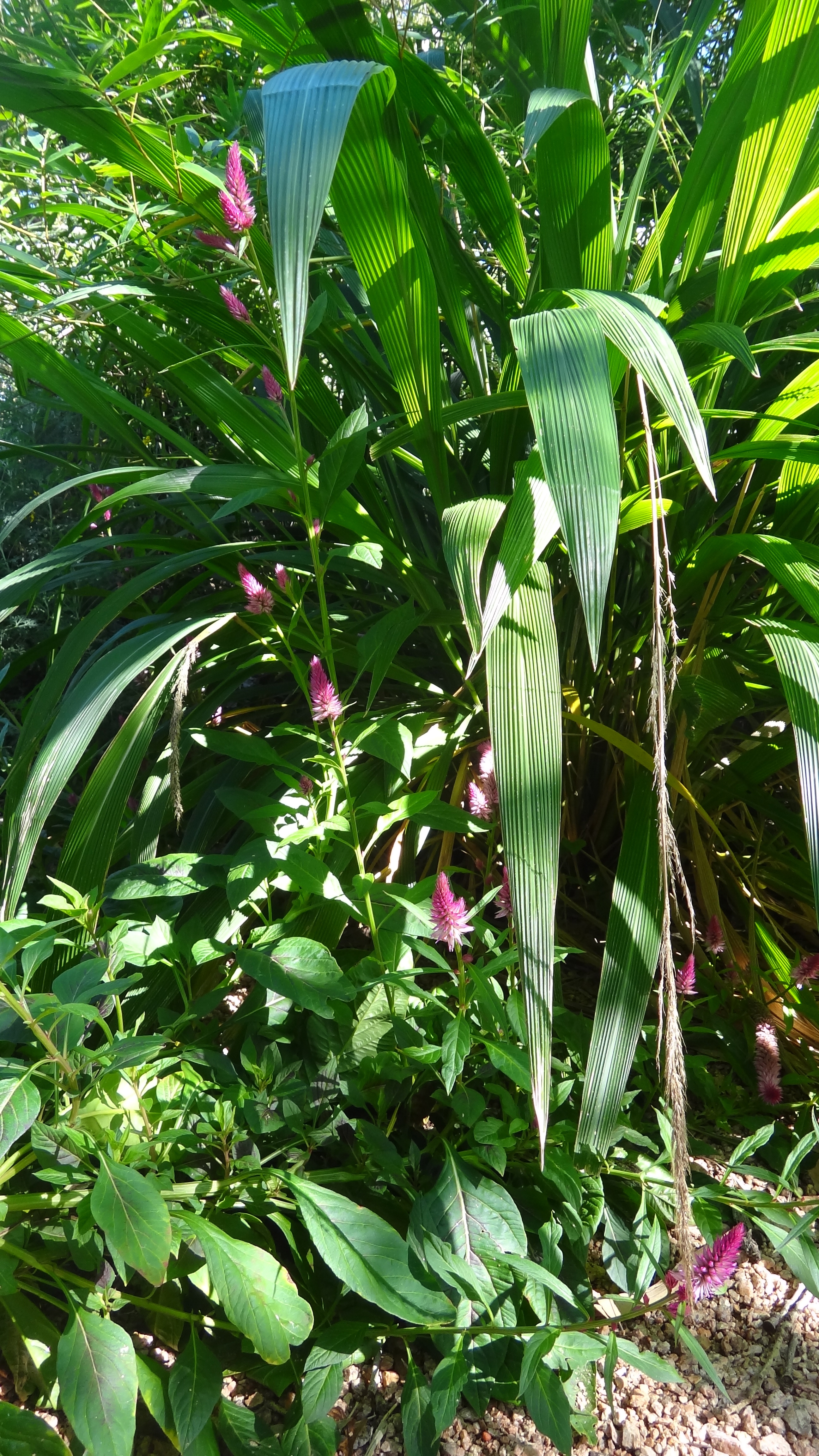
Celosia ranks up there with the mist flowers for attracting a wide variety of insects.

It will soon be time to bribe and set small pink stained fingers to work gathering seeds. The price unfortunately goes up with each passing year.

Inspirational image of the week:

Stay Tuned for:
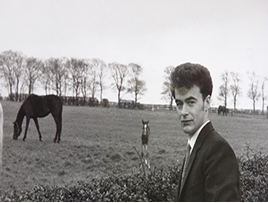
“Biddy from Sligo”
All material © 2012 for eastsidepatch. Unauthorized
intergalactic reproduction strictly prohibited, and
punishable by late (and extremely unpleasant)
14th century planet Earth techniques.