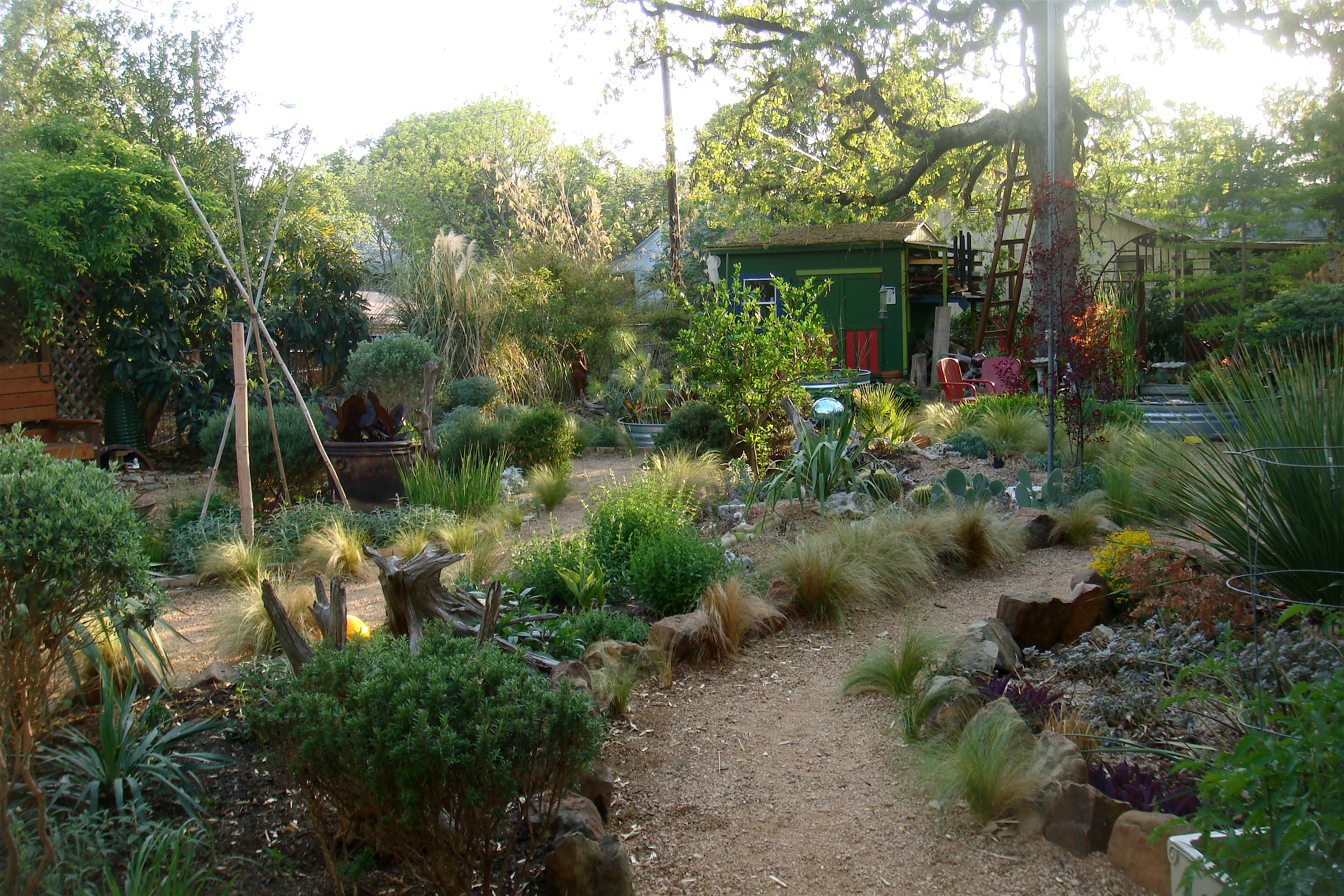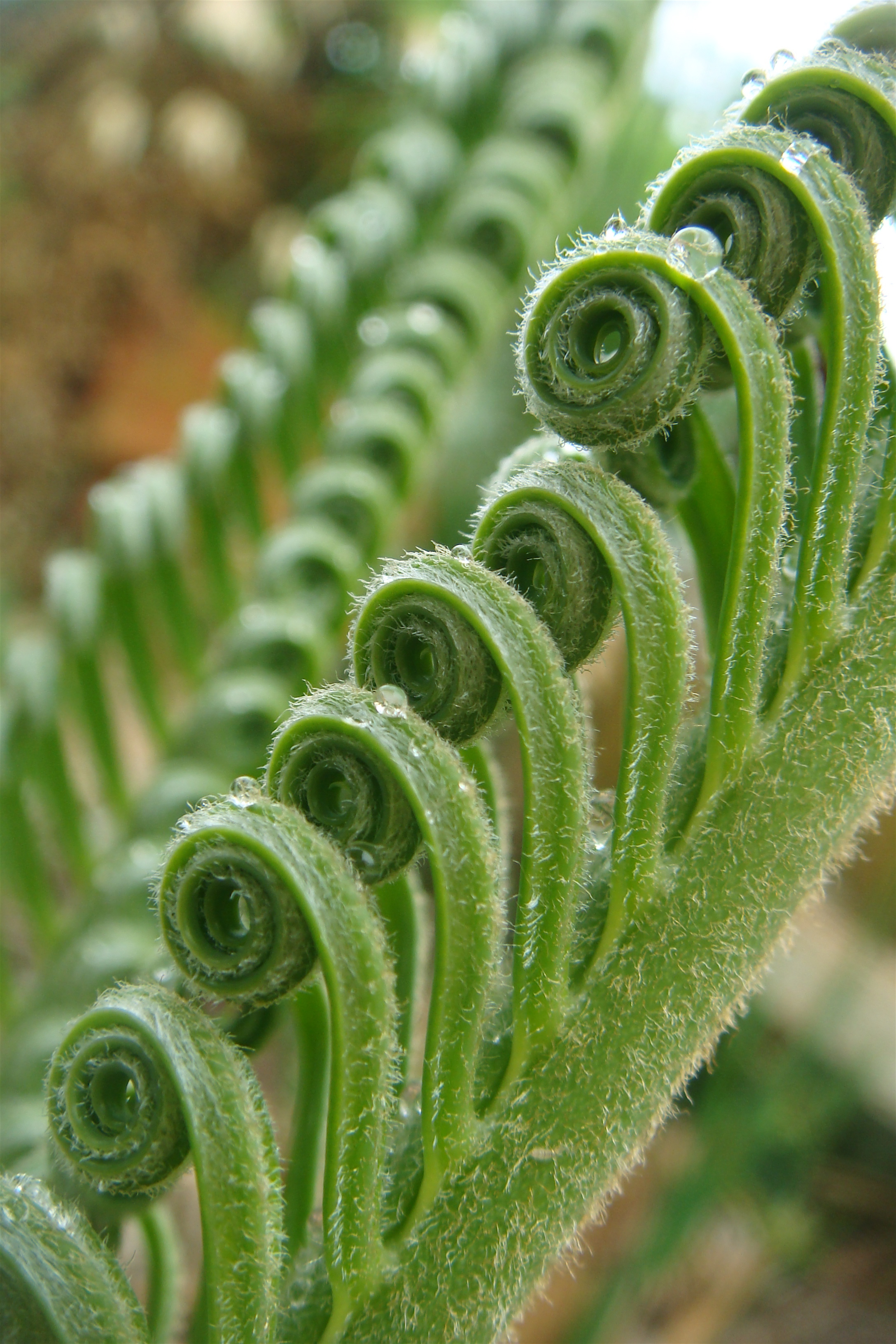
Sago fronds are unfurling,

feather grass panicles are forming,

swaying in the spring breezes.
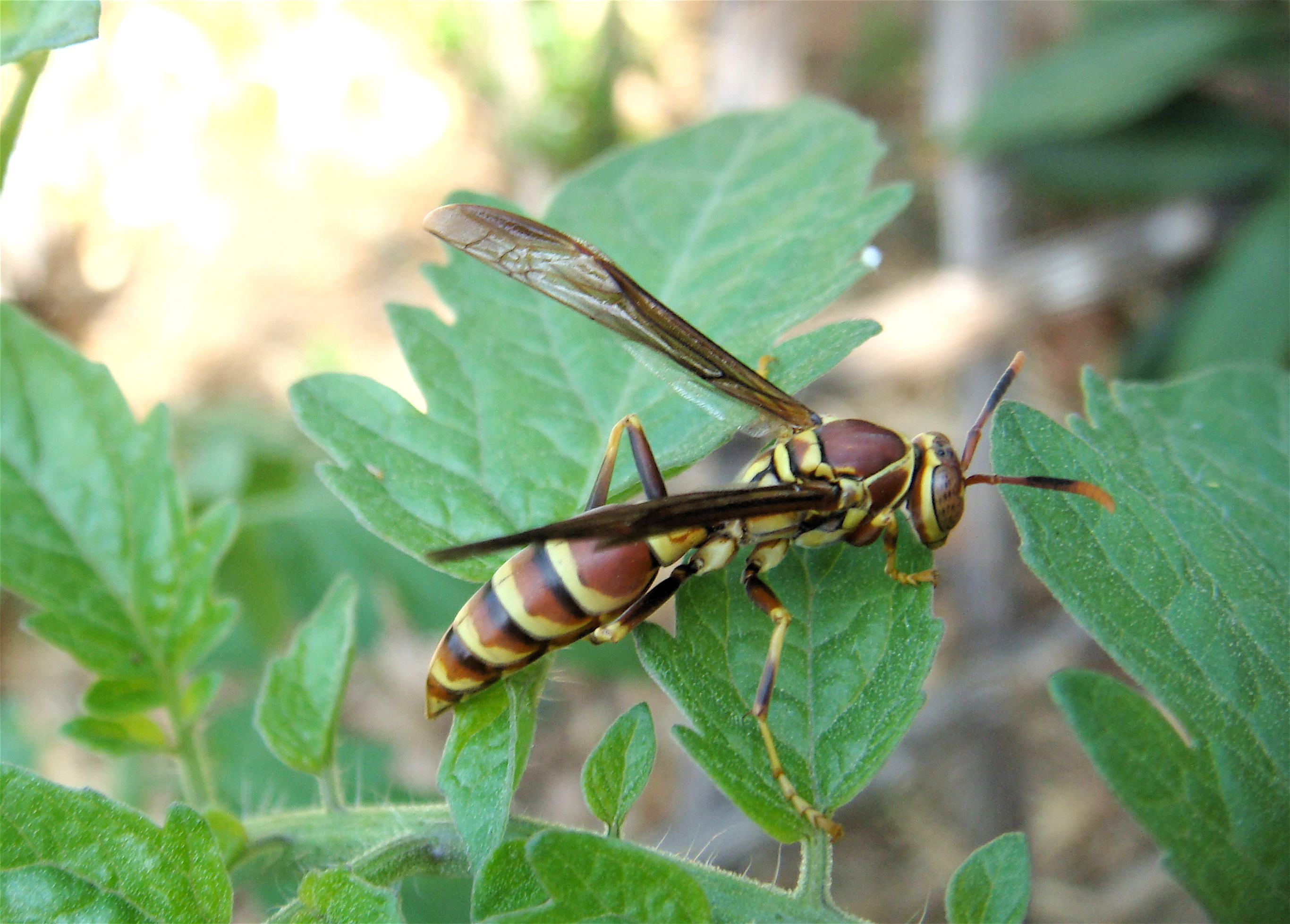 Colorful paper wasps
Polistes exclamans,
are going about their business,
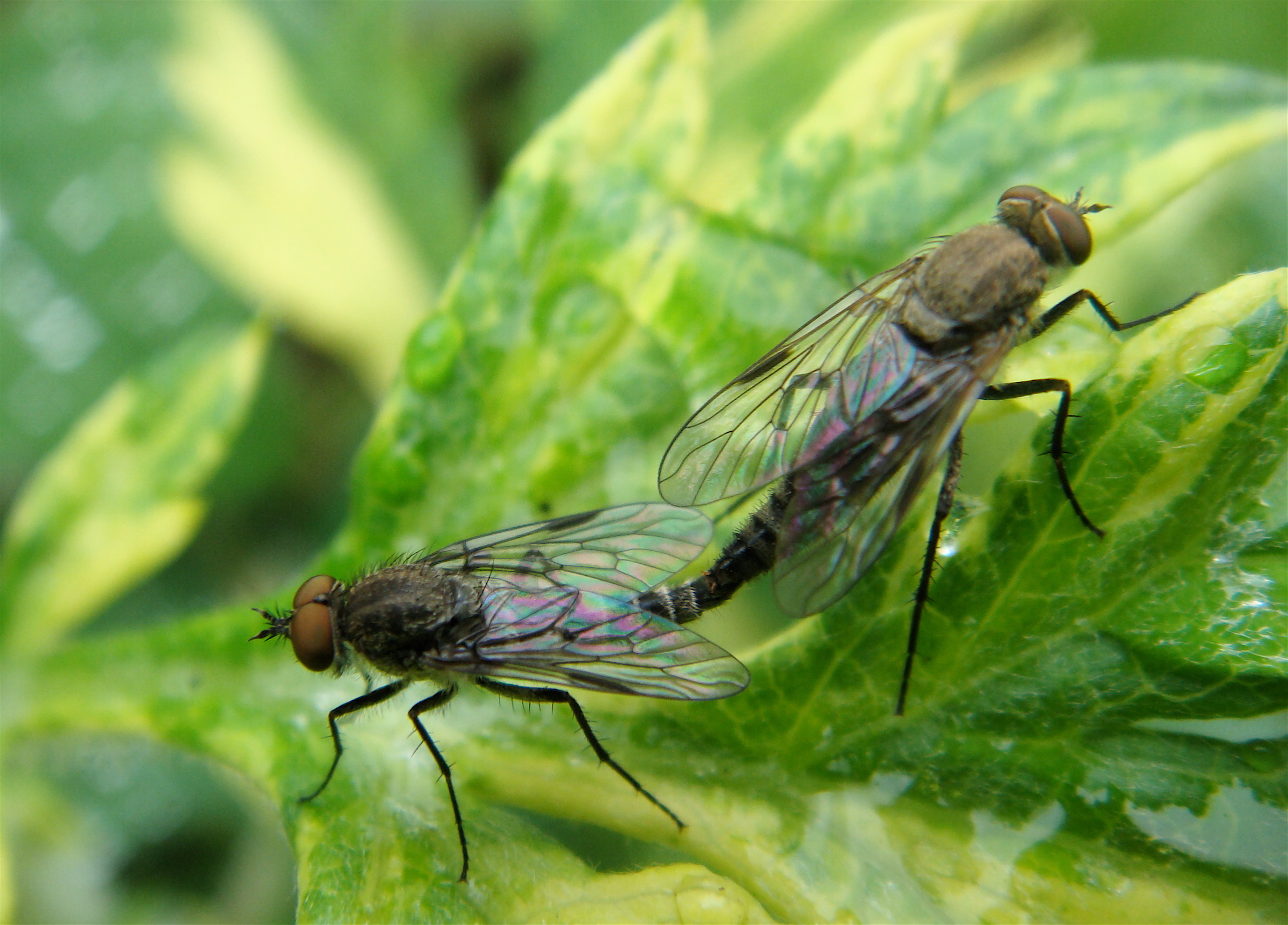
as are the flies (ahem), ensuring no shortage of numbers for the summer.
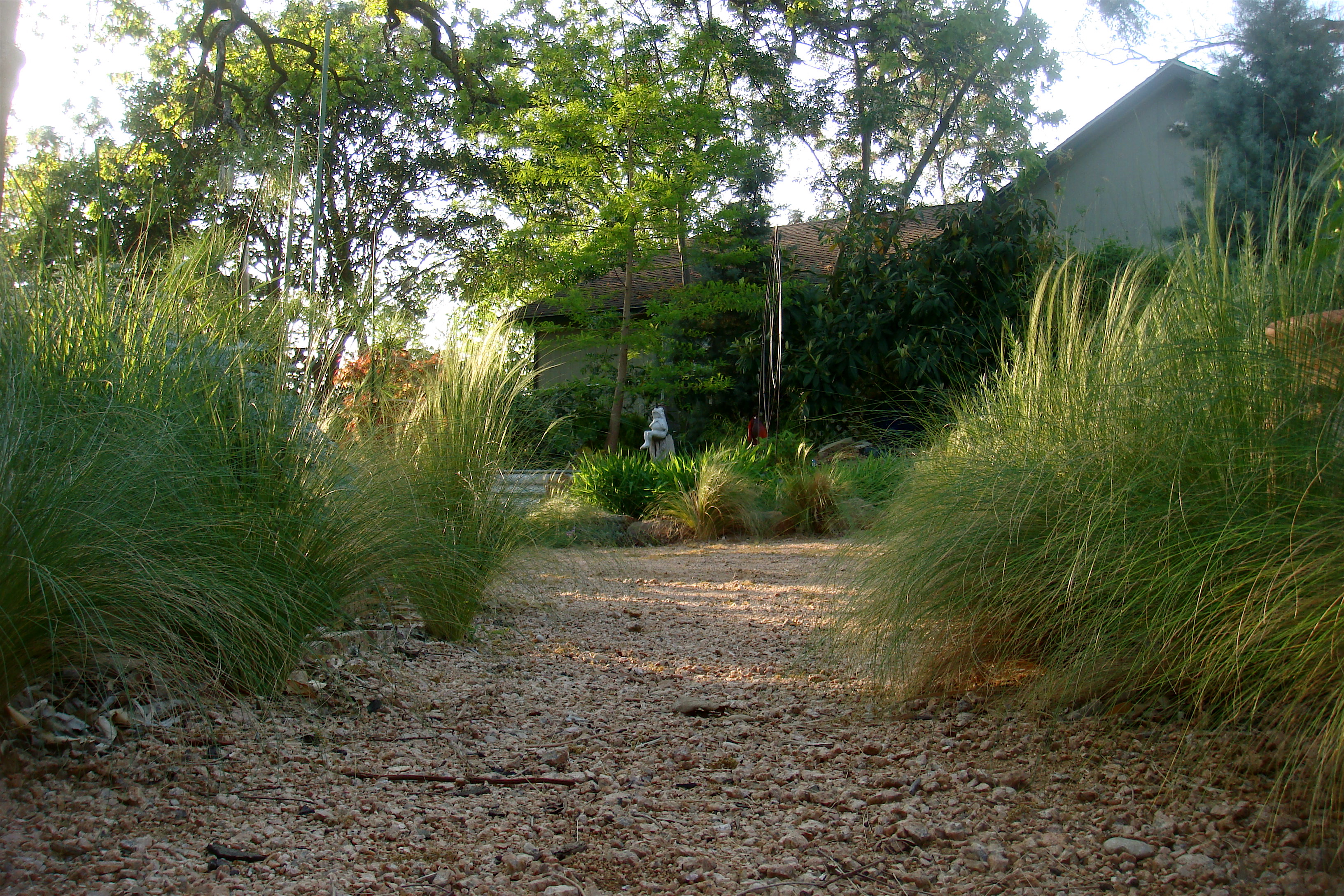
The “Frog Prince” is sitting proudly once again atop his sea of green inland sea oats.
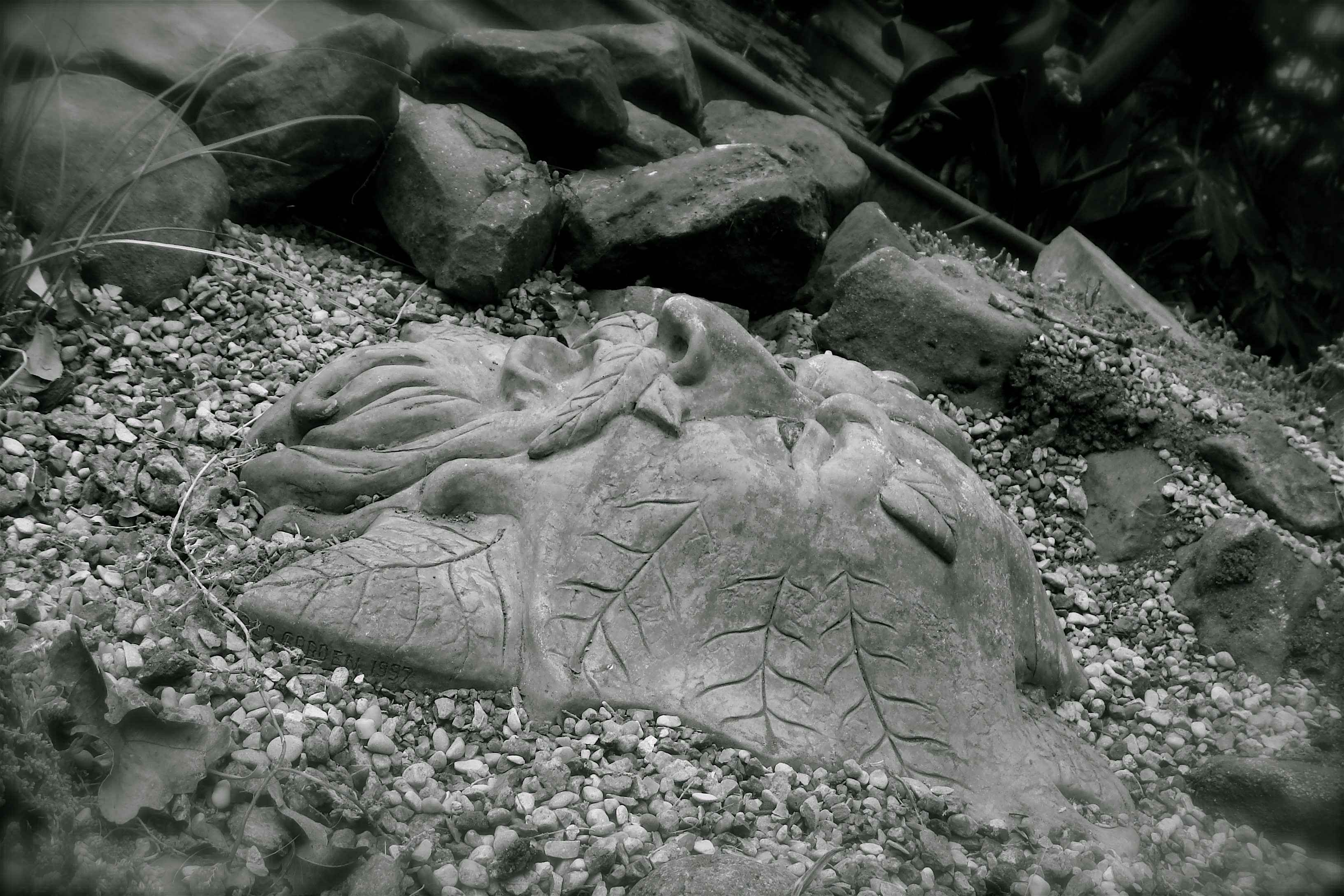 Yes it is now certainly spring – and it sure is turning out to be a warm one.
 It seems I am always performing the most hideous of activities in the most hideous of hot humid weather, and 90+ temperatures this week definitely made extracting three giant timber bamboos and a Mexican lime tree a slightly moist activity to say the least!
Still, I shouldn’t complain, it would have been much worse if the mosquitoes were out, sucking blood from the vein. I knew I only had a short window after receiving my fist hit on the ankle a few days back.
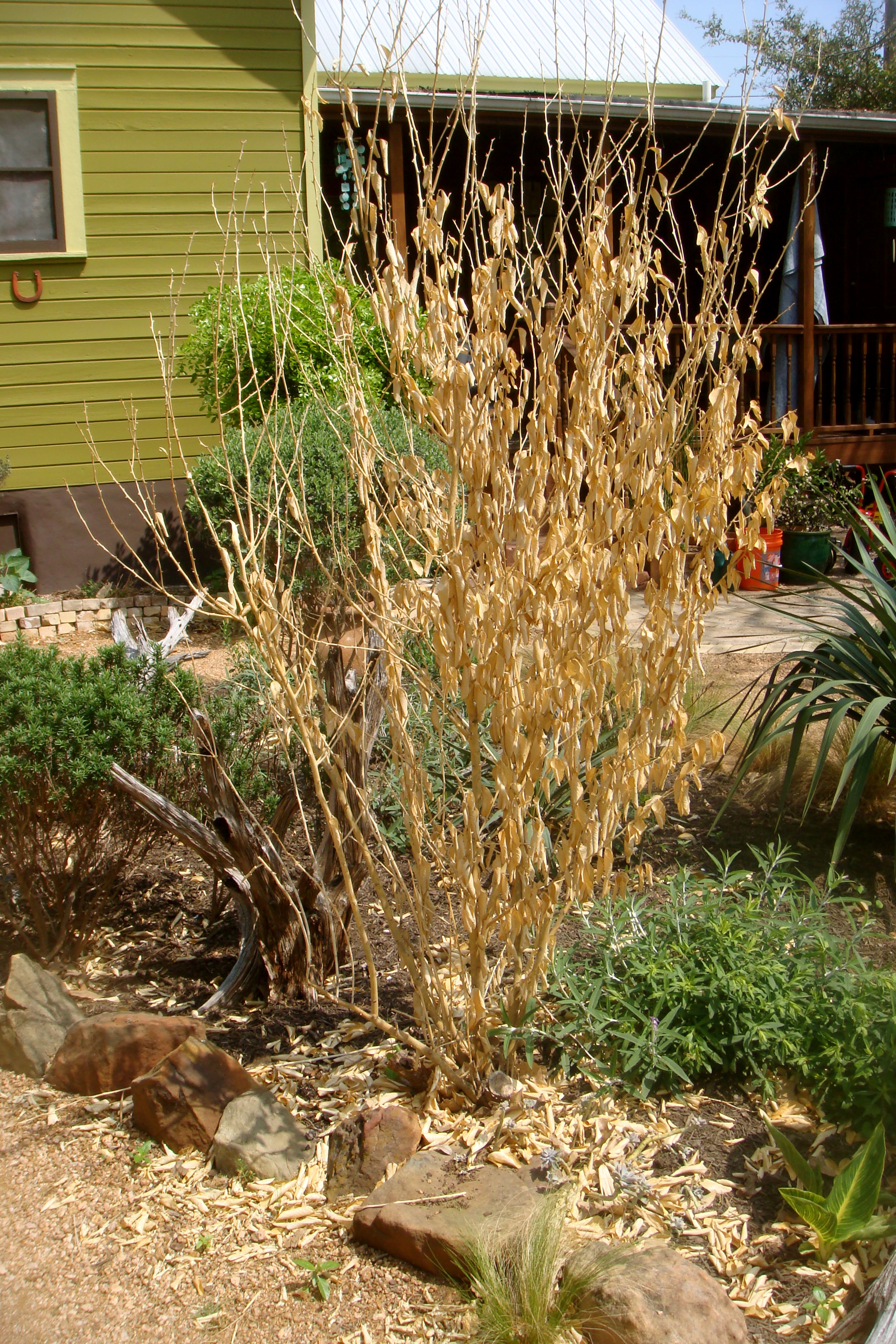
 First I tackled my Mexican lime tree. I have had a good run with this citrus tree and some bumper fruit crops, but after being cut back to the ground last year (and requiring the same treatment this), it would have developed into a gnarly looking – more cut back limbs than actual tree aesthetic…so out she had to come. I could see new growth emerging at the base – I quickly averted my gaze and began humming my happy tune as I hacked at the base, killing it.
My stomach sank as I moved onto the giant timbers, remembering how I snapped two wooden shovels and a pick axe a few years ago only trying to divide one (which was a total success but I would never recommend or repeat the activity).
Here is a blast from the posting past in the Patch:
http://www.eastsidepatch.com/2008/05/there-is-a-monkey-in-my-giant-timber/
In fact this was the reason I now only use metal shovels, and even now, the forces required to extract one of these root-balls puts a considerable strain and a potential Darwin Award bend on the metal implement. Two plants came out with the normal amount of sweat and swearing but the third was a bigger specimen, and it was not coming out without a fight…

…”Aye noo yer talkin, ESP. I could make spears out of those culms, twice the length…”,
Enough William.
 Strange formations, tap roots and lateral culm shoots make sure the extraction will test you and your shovel. Working around in a circular fashion around these formations is the only way to get under the plant to start snapping the roots or lower back tendons, depending which go first.
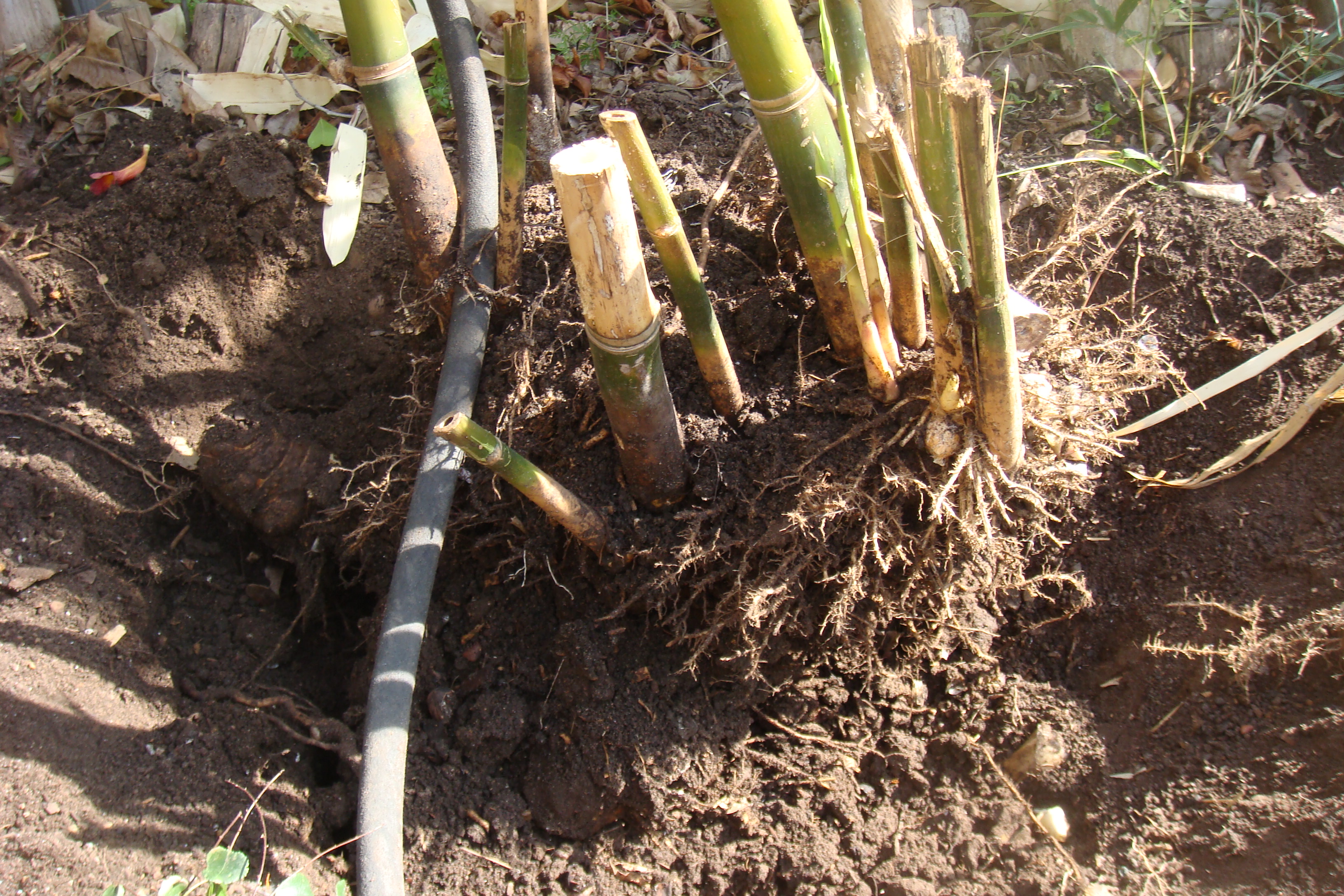
Having a really annoying soaker hose to deal with also does not help matters any. This one took me half an hour before I beat it into submission, or was it the other way round? And just why was I removing these giant timber bamboos?
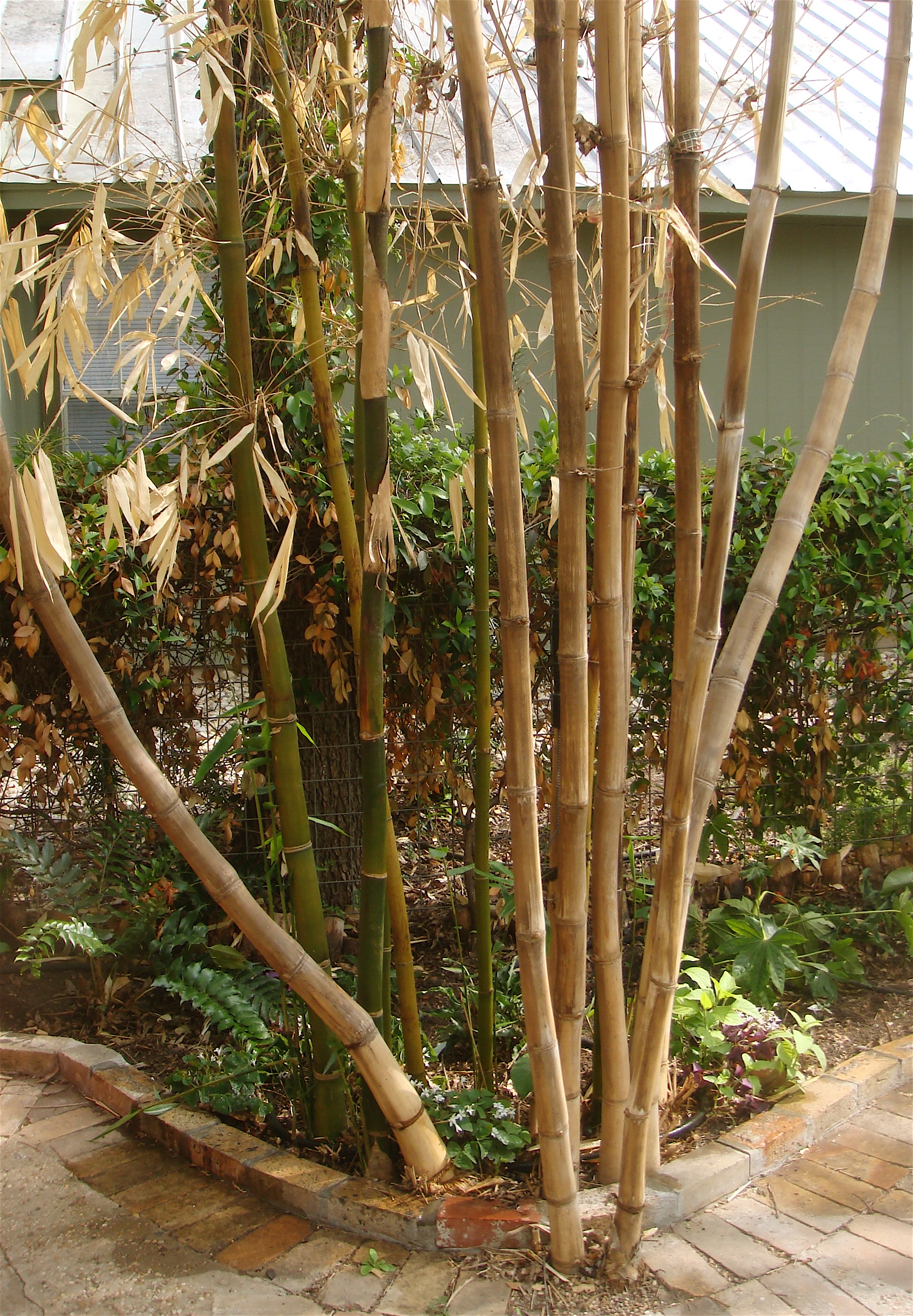
Well they get huge, do not do well in the hard freezes, and are generally a huge mess to cut down and clean up. I have reduced my population now to three in the Patch.
While I was hacking away in this bed I did happen to disturb some squirming creatures and took a welcome break to try and shoot them, with my camera that is – (almost any distraction is most welcome when digging out bamboo).
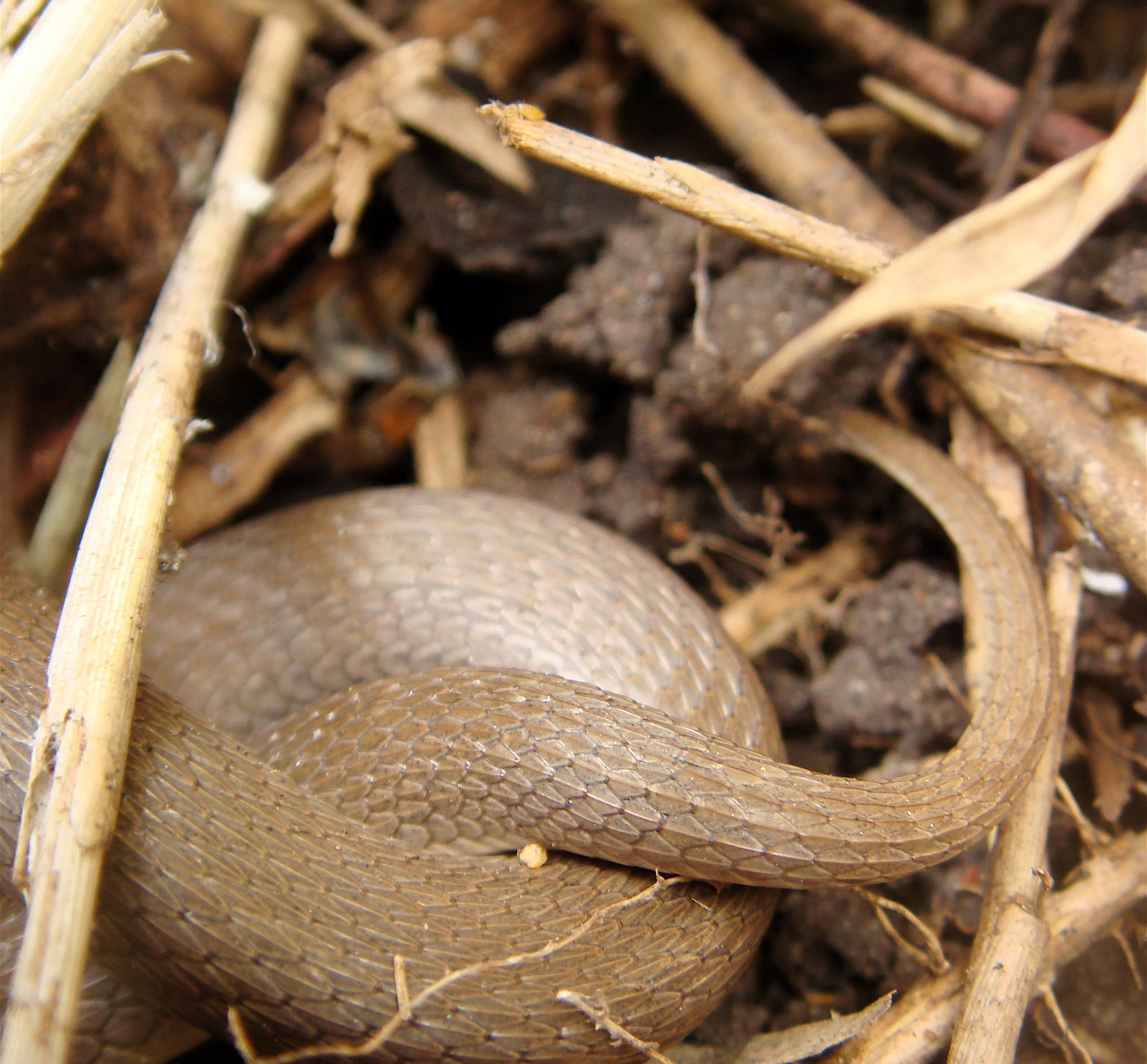
Texas Brown Snake
Storeria dekayi texana
Hatchlings are the size of an earthworm, and even adults are no more than 13 inches long and can be found just about anywhere there is a cool dark moist bit of soil like nicely mulched landscaping, which is where they are commonly seen.
Texas Brown Snakes eat a wide variety of suitably sized insects and other invertebrates, including snails and slugs, making them our gardening friends.
Other creatures observed this week include:
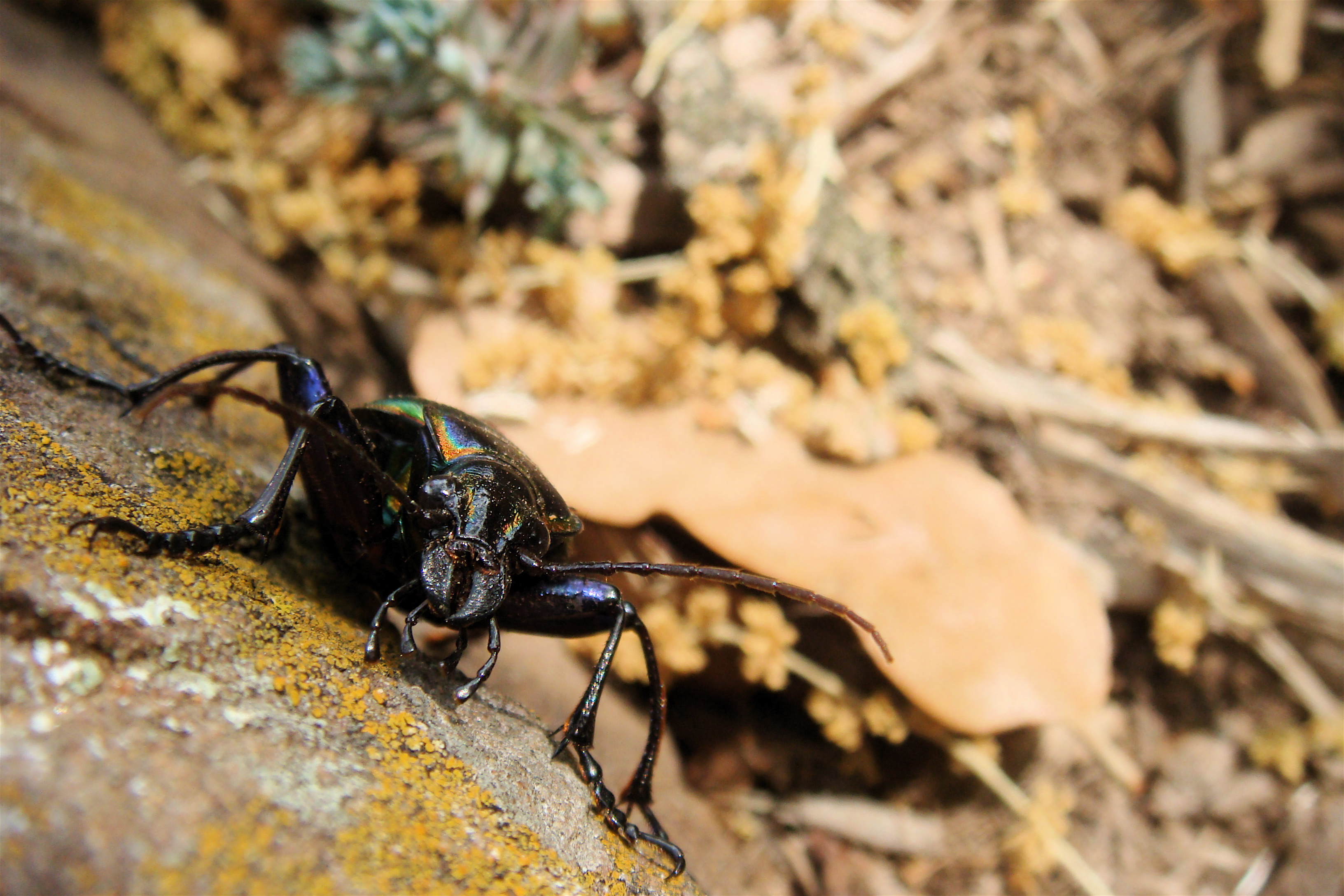
Fiery Searcher Beetle – Yikes!
Calosoma scrutator (Fabricius)
or more commonly known as the “caterpillar hunter.”

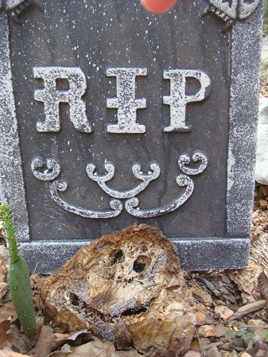
I said caterpillar! (RIP Steve).
This has to be one of the most incredibly bright beetles I have witnessed to date in the Patch, they are also large and fast (think roach like movements) brrr. Ground Beetles (Carabidae) are mostly shiny black, but some, including this fiery searcher, are brightly metallic in color. Their most common prey include tent caterpillars, gypsy moth caterpillars, and other forest caterpillars.
The caterpillar hunter spends the day searching for insects and their pupae, a single beetle may consume 7-10 caterpillars each day. Adults may live up to two or three years.
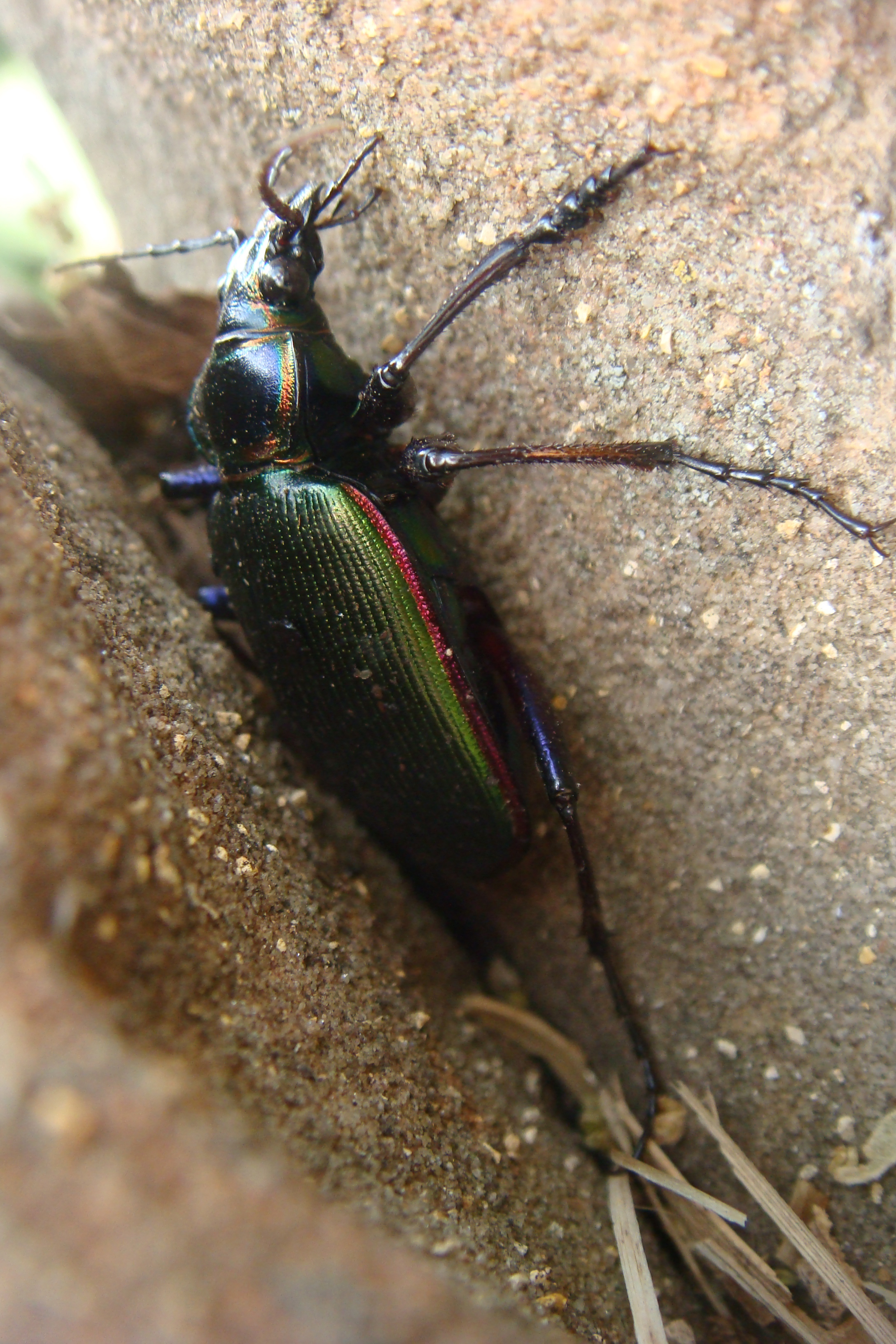
I followed this one around for some time hoping it would rest for a second…it finally did, settling in this crevice between two of my moss boulders.
 “I can totally relate”.

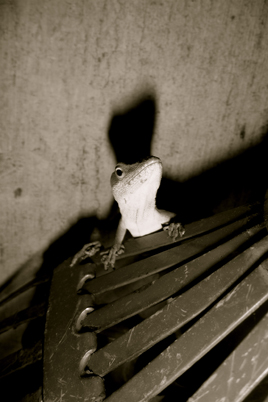
While venturing into my shed to get my shovel to take out my bamboo I caught this little anole in the middle of a movie shoot, apparently it was a remake of the 1922 film Noir movie: “Nosferatu”. As I exited the shed I was screamed at by the director to stop making clanking shovel sounds and to : “CLOSE THE ********SHED DOOR”!
Naturally I obliged. I cannot bring myself to venture back in there until they wrap.
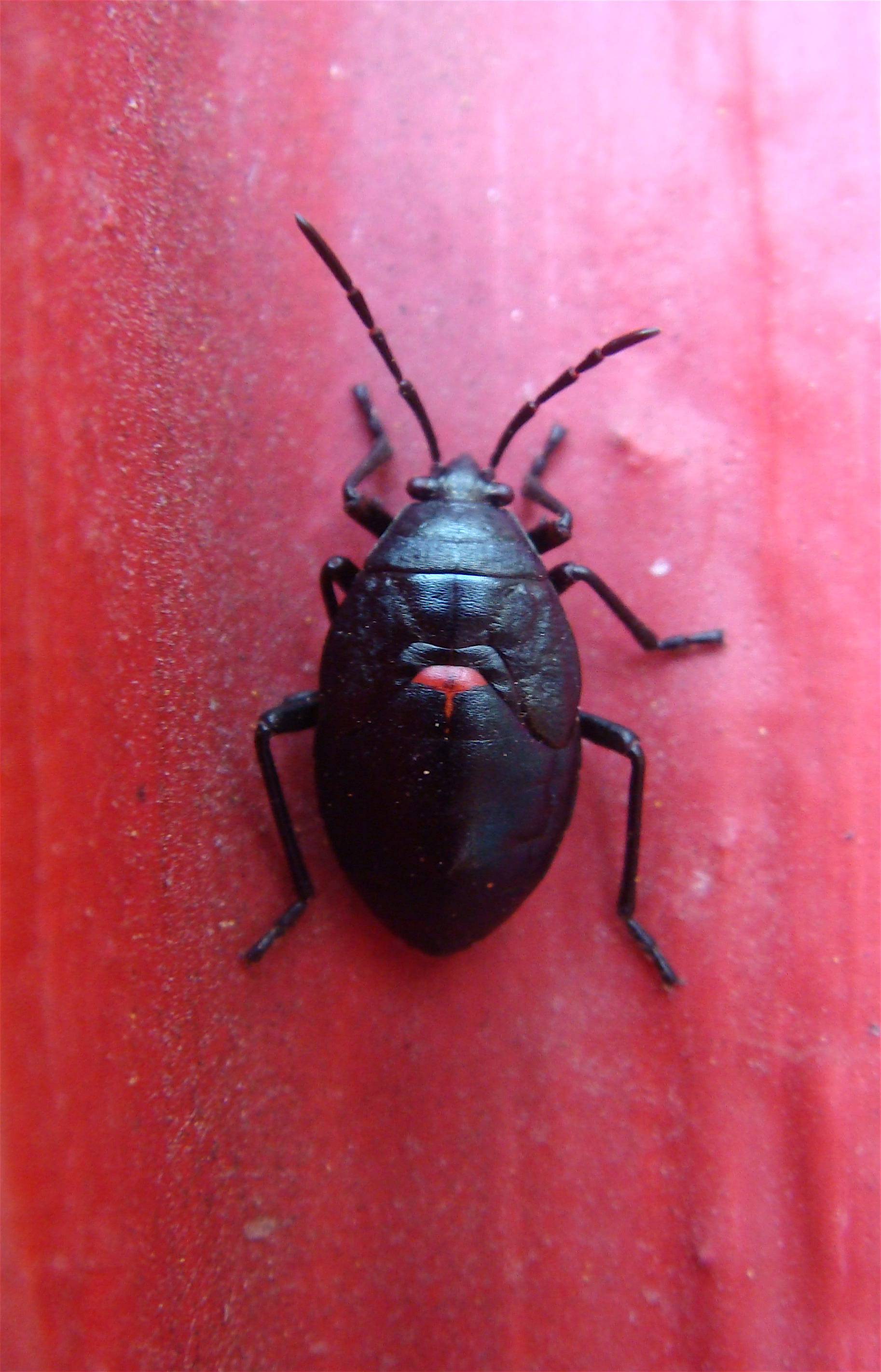
I understand that this Largus californicus was the director with his “all-seeing” eye strategically positioned on his back,
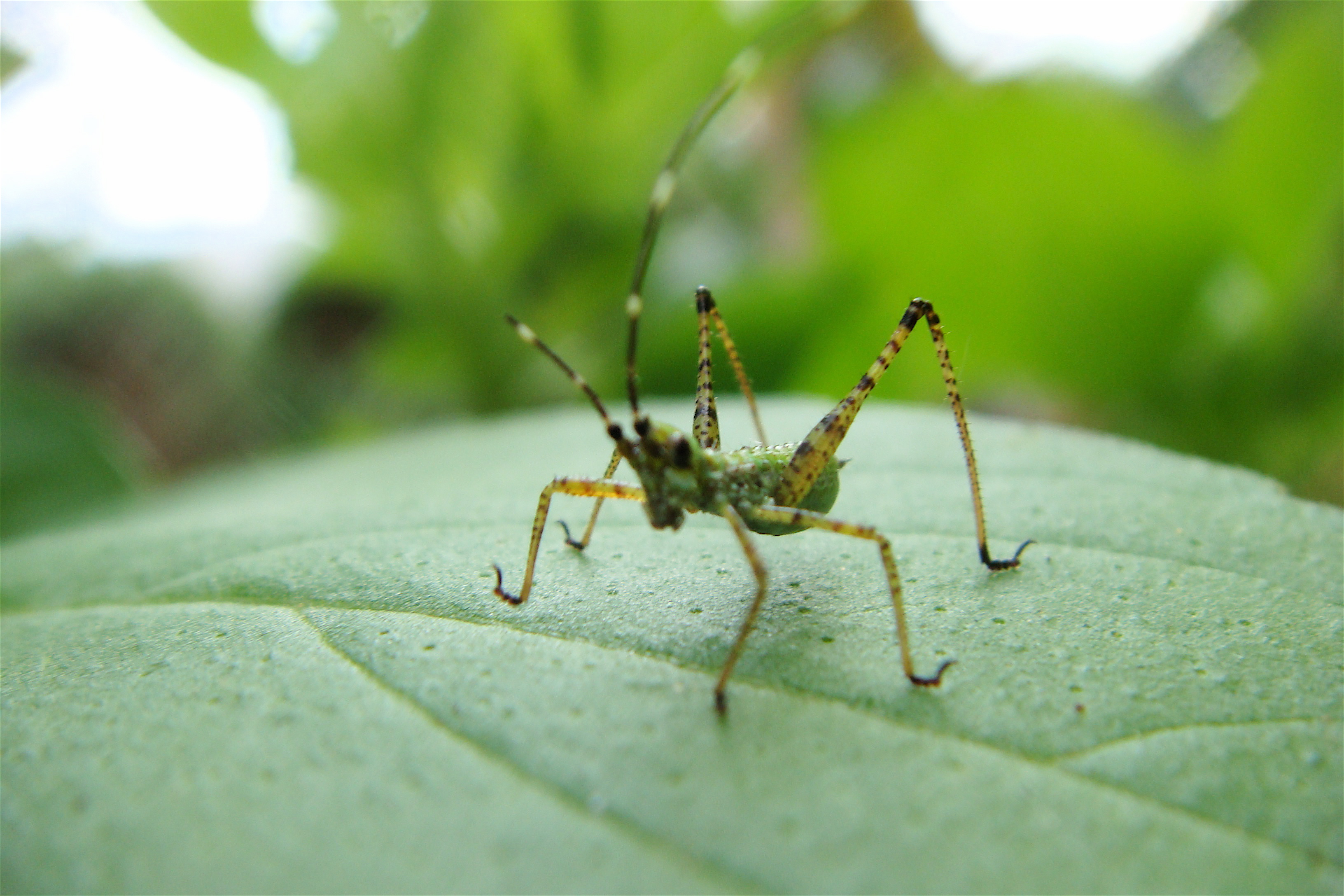
 and this baby grasshopper was apparently an extra.
Finally…

The first butterfly iris blooms have emerged…
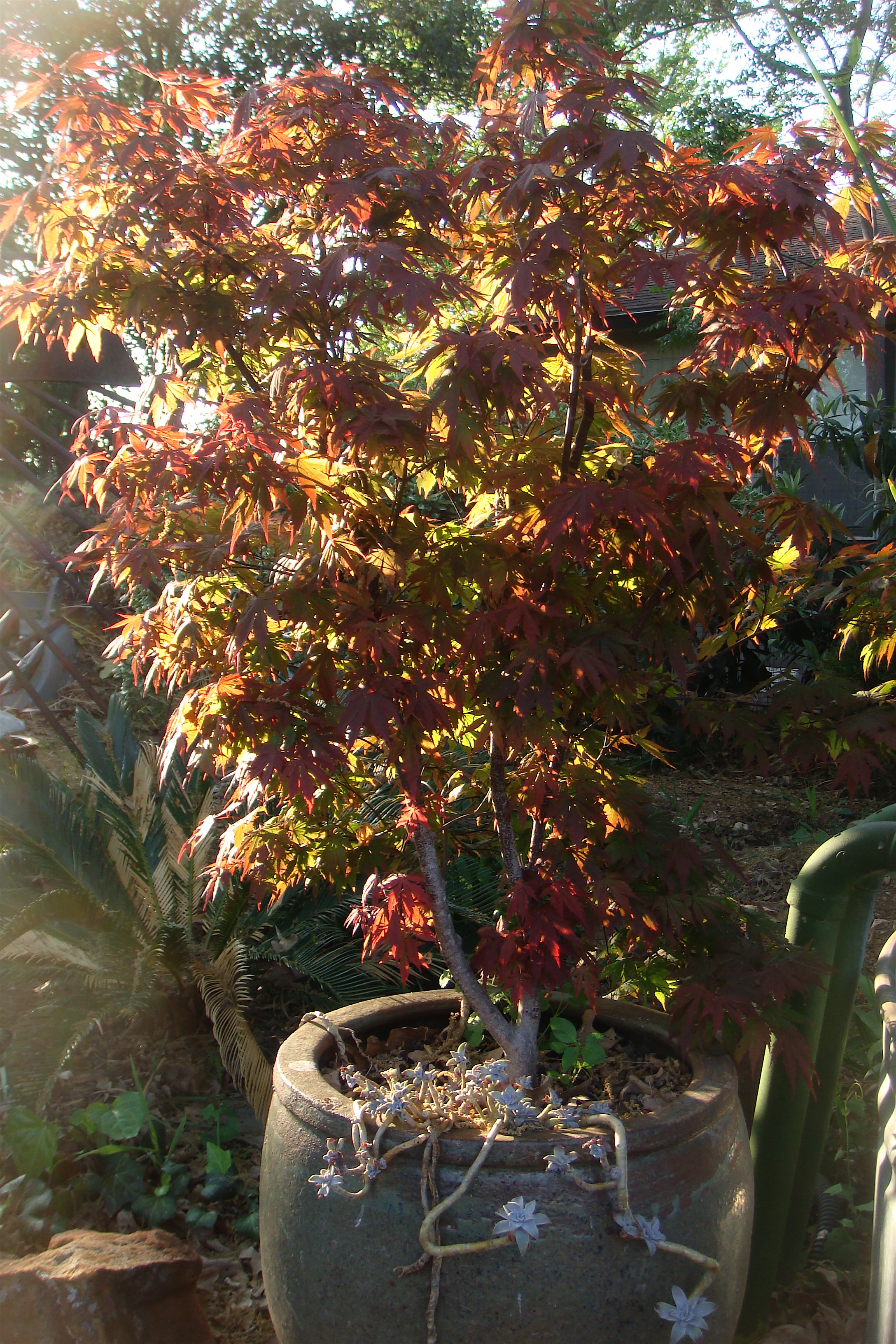
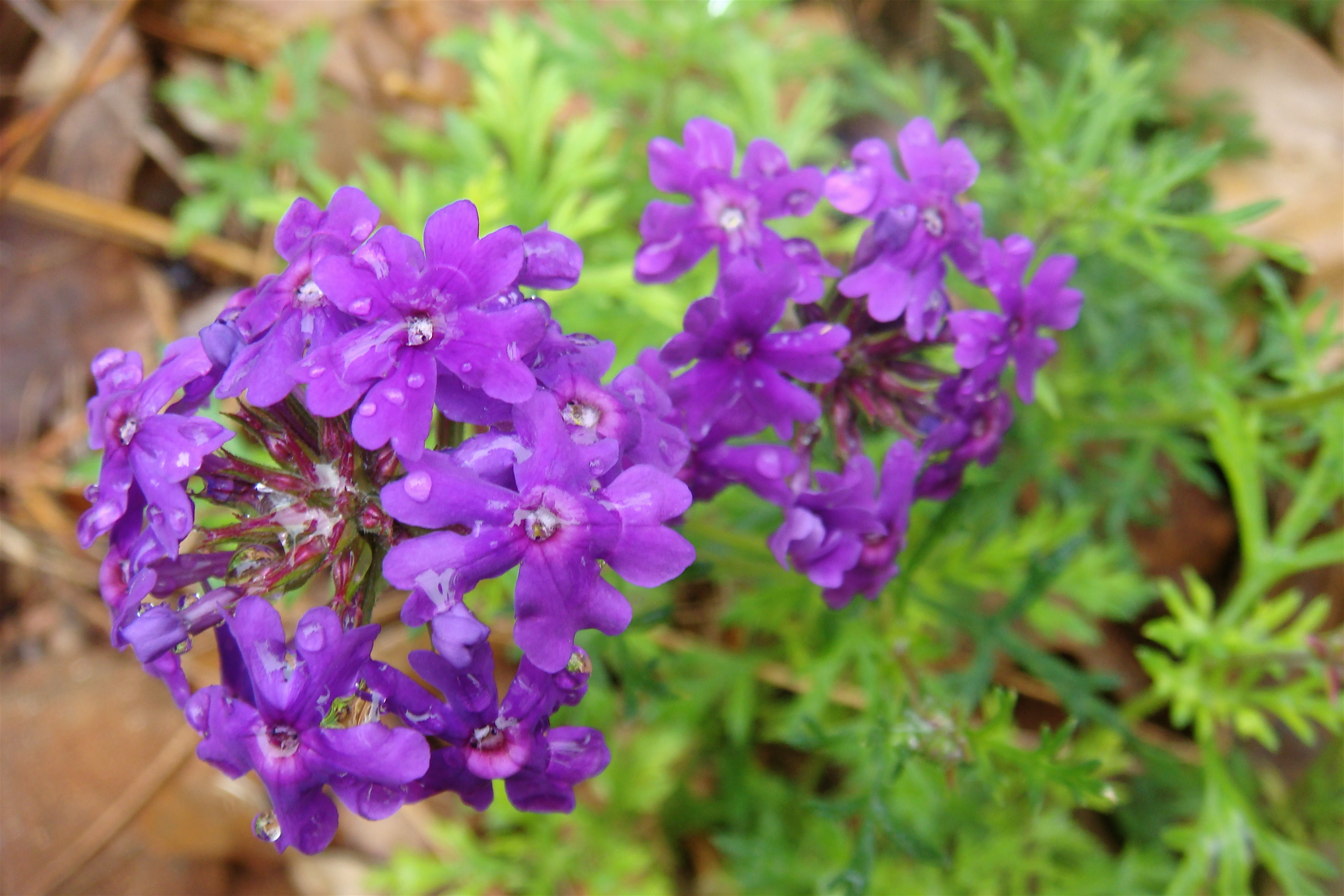
my Japanese maple is putting on an amazing show, as are all the colors of verbena:
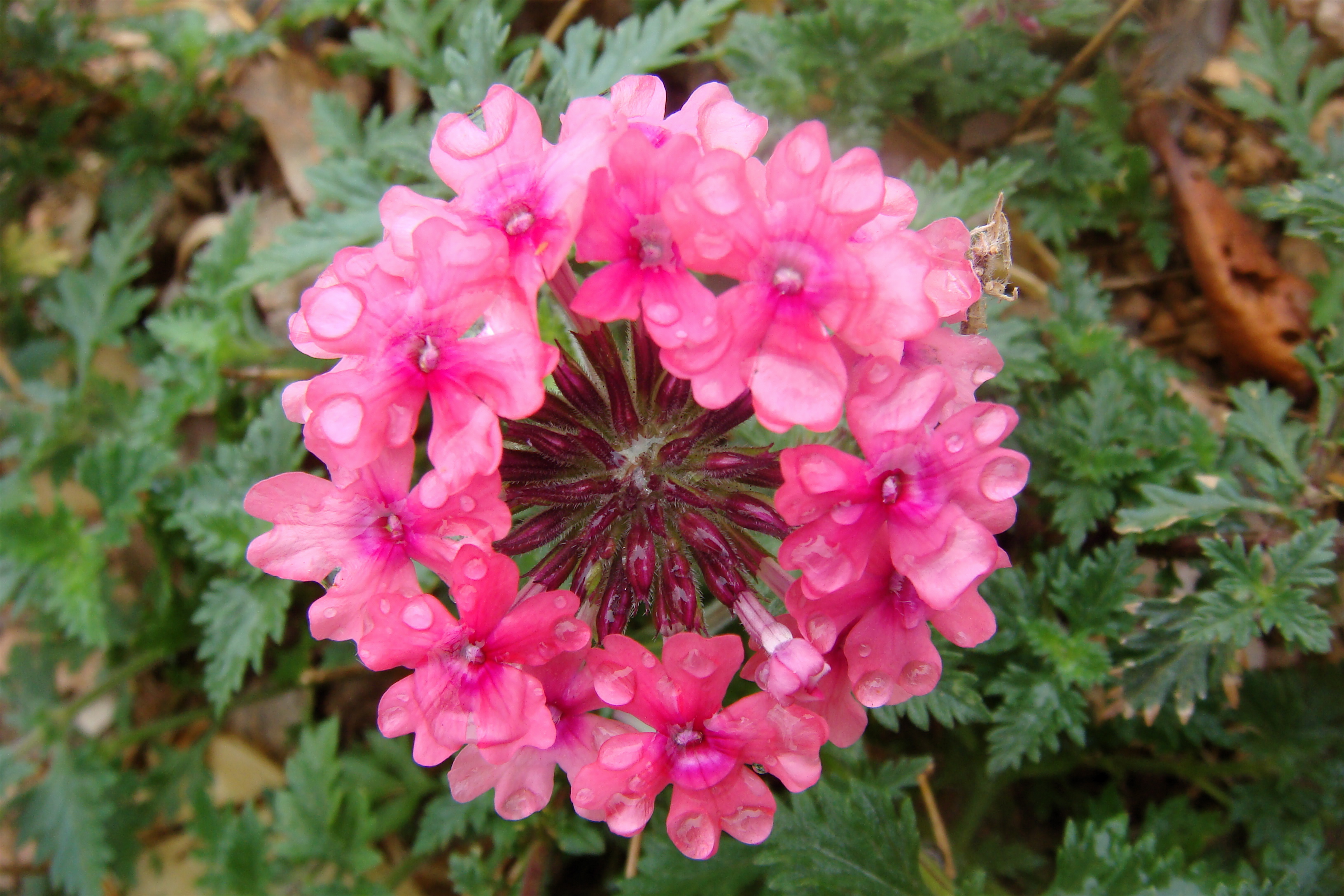
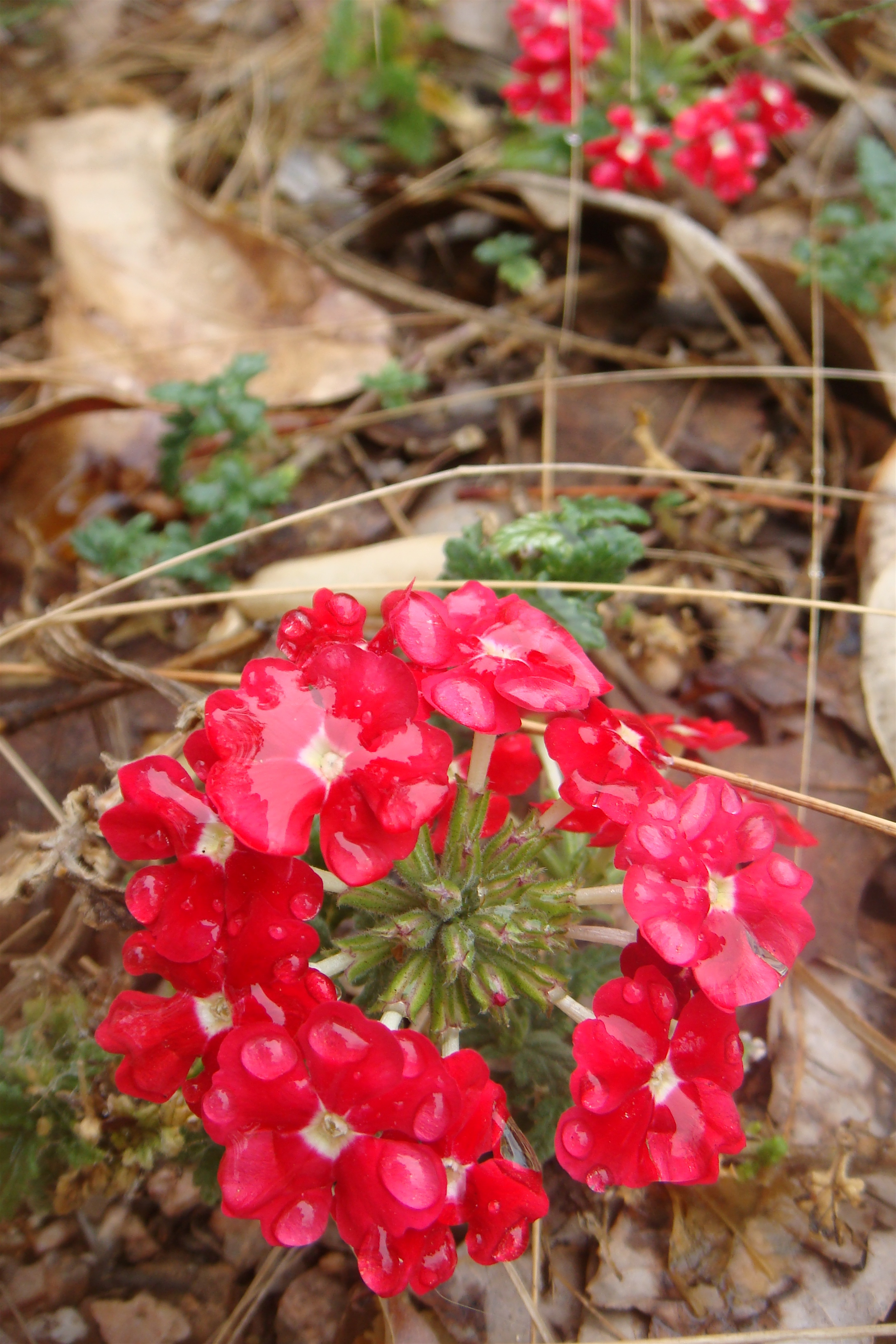 Pink, reds and purples to name a few.
The gulf coast toads have also made their croaking presence felt in these recent warmer days, taking orders from their frog-prince,
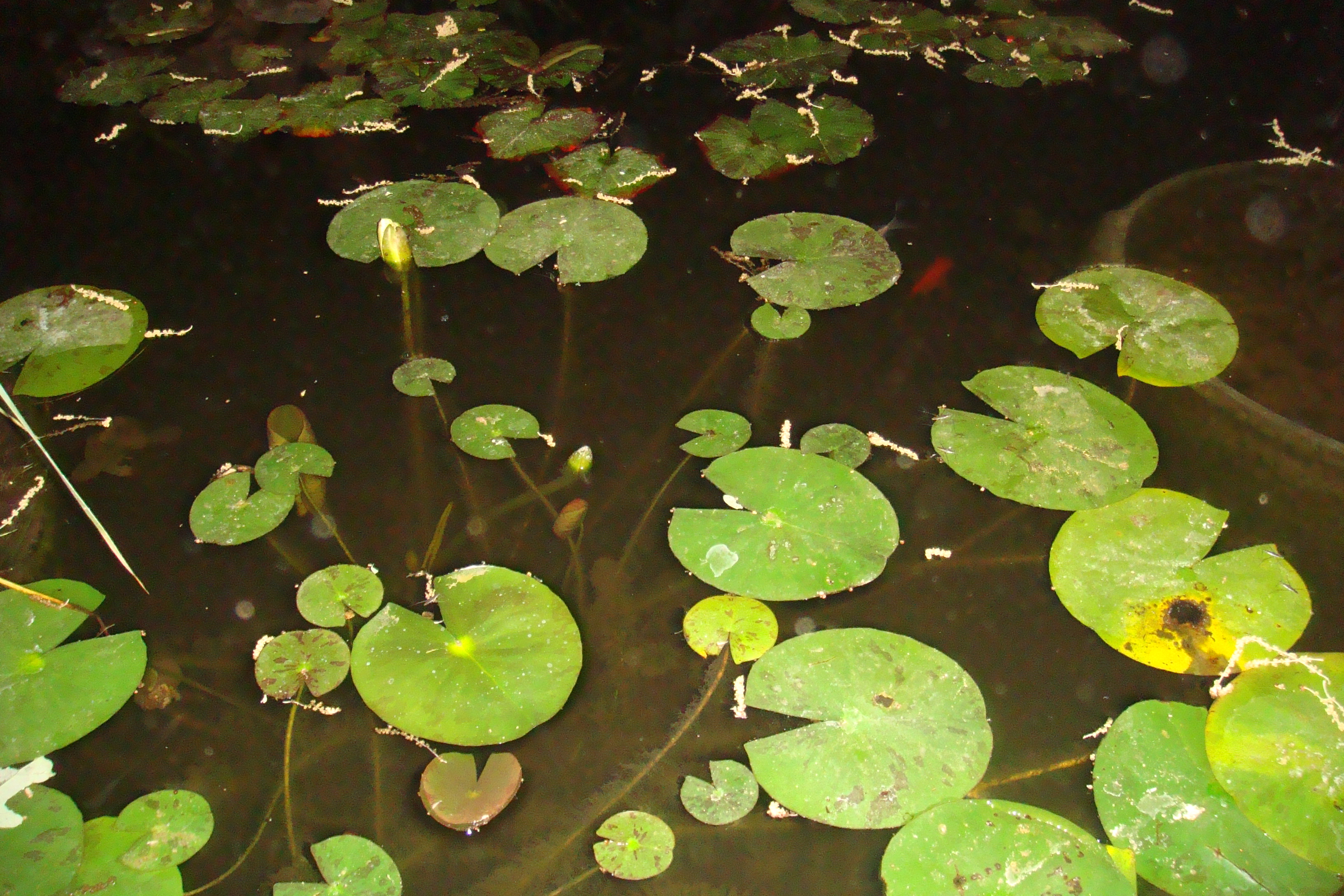

and filling the Patch and surrounding area with their extremely loud vocal shrills.
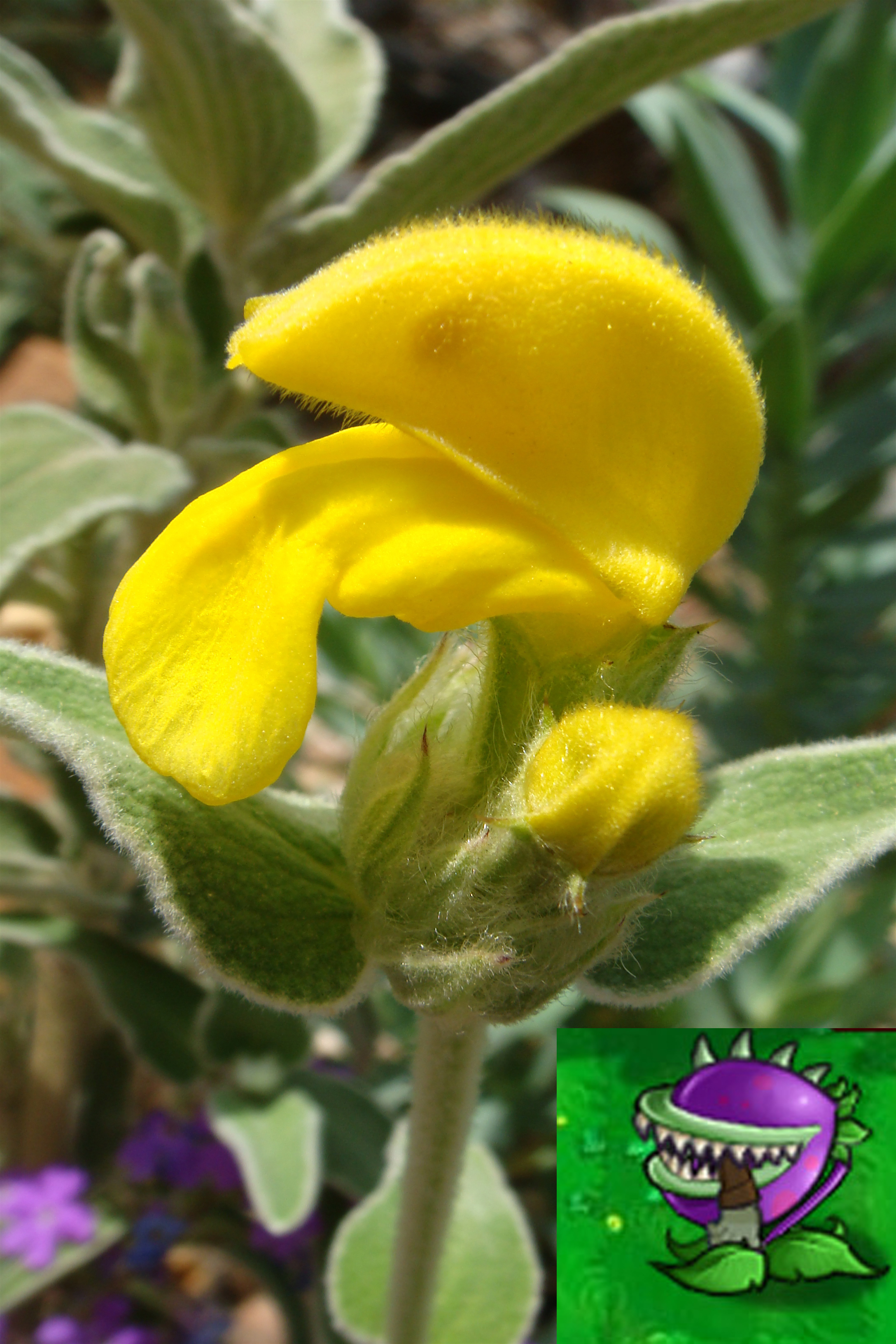 I think we really need to stop playing this infernal “Plants vs Zombies” – phone app, immediately, starting tomorrow, or next week, okay, perhaps next month?
Finally:

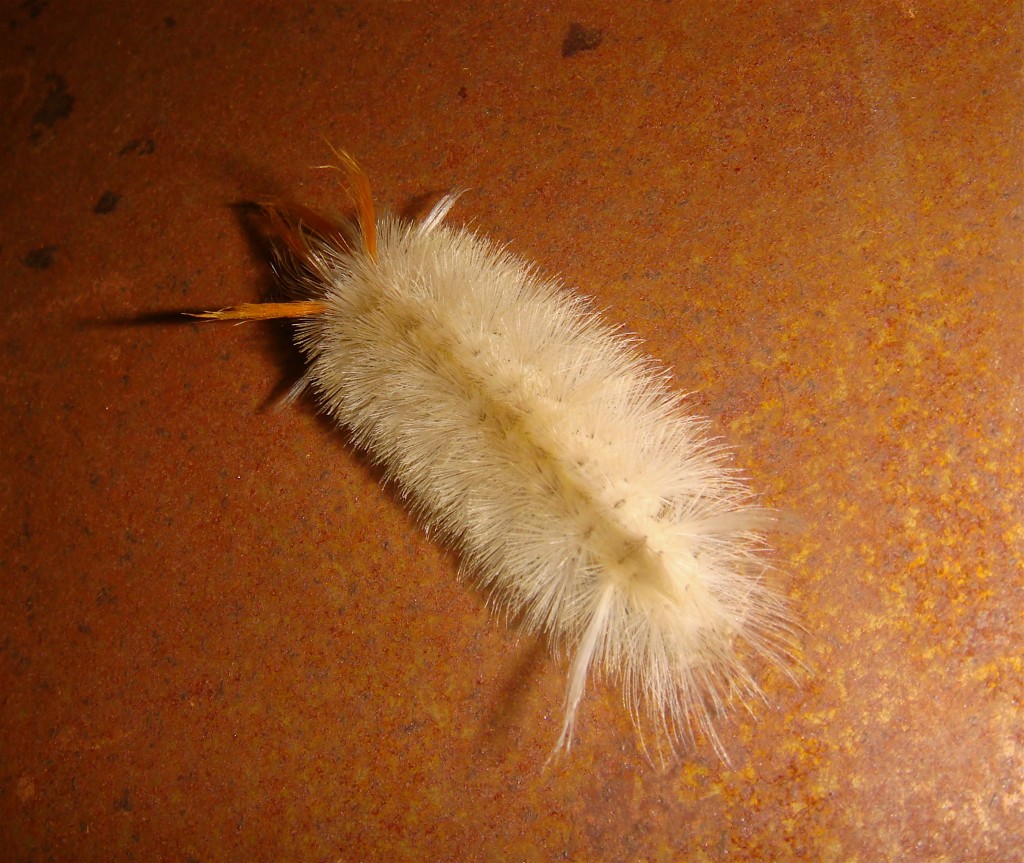
I know what he wants when he grows up.
 Stay Tuned for:
“The Good Life”
All material © 2011 for eastsidepatch. Unauthorized
intergalactic reproduction strictly prohibited, and
punishable by late (and extremely unpleasant)
14th century planet Earth techniques.