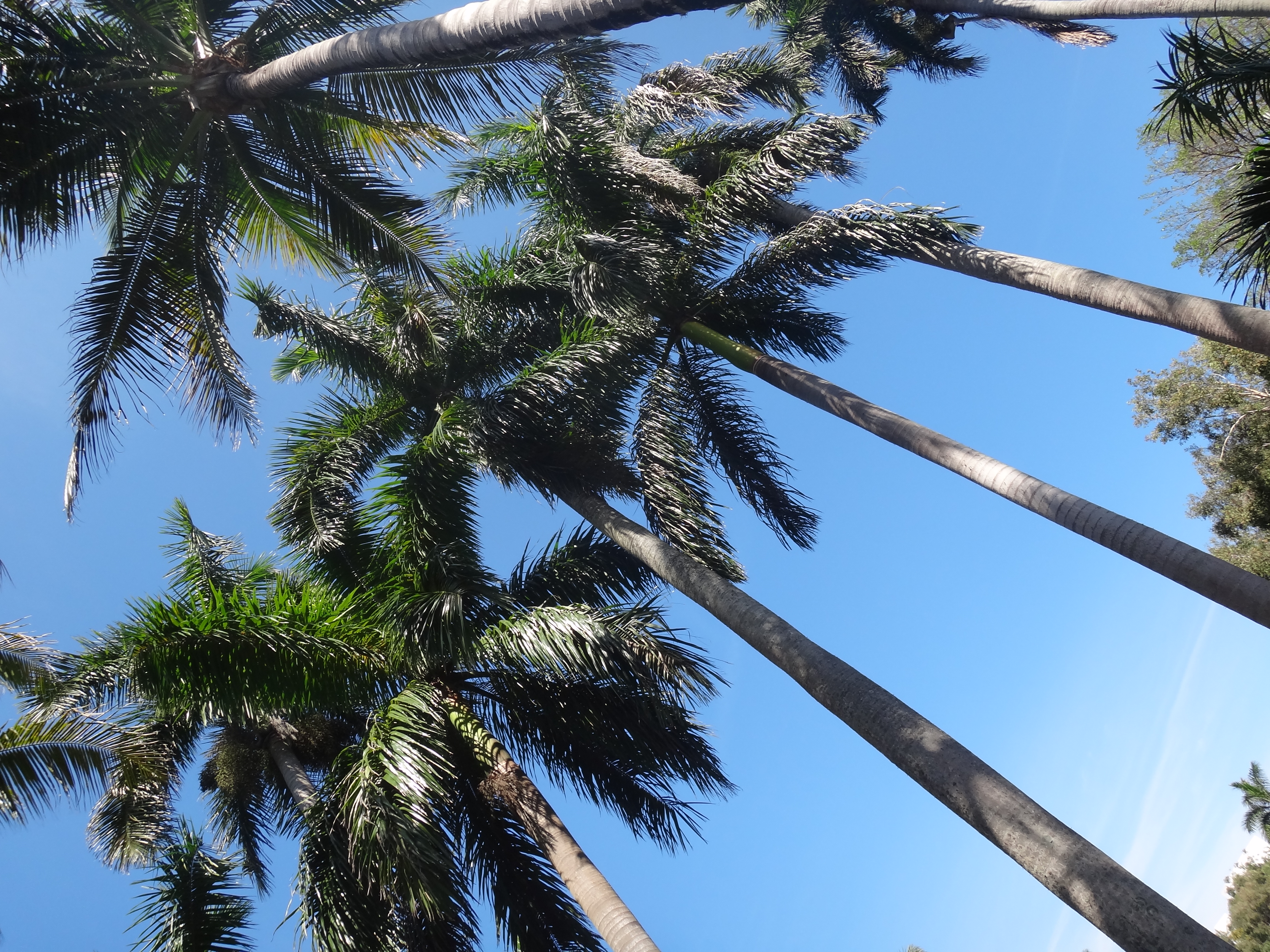
I have recently been traveling back and forth to Florida on business,
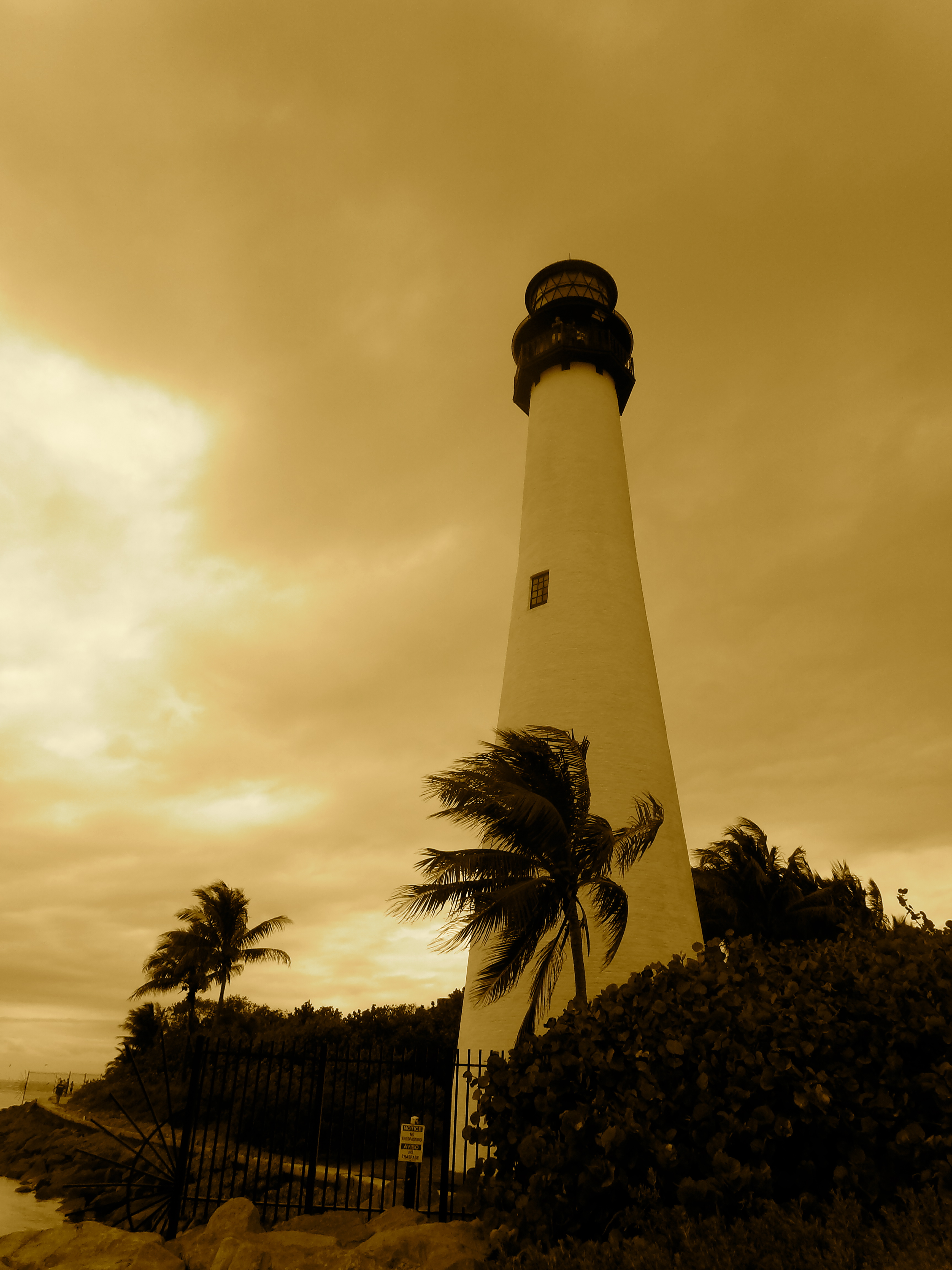
soaking up the sights,
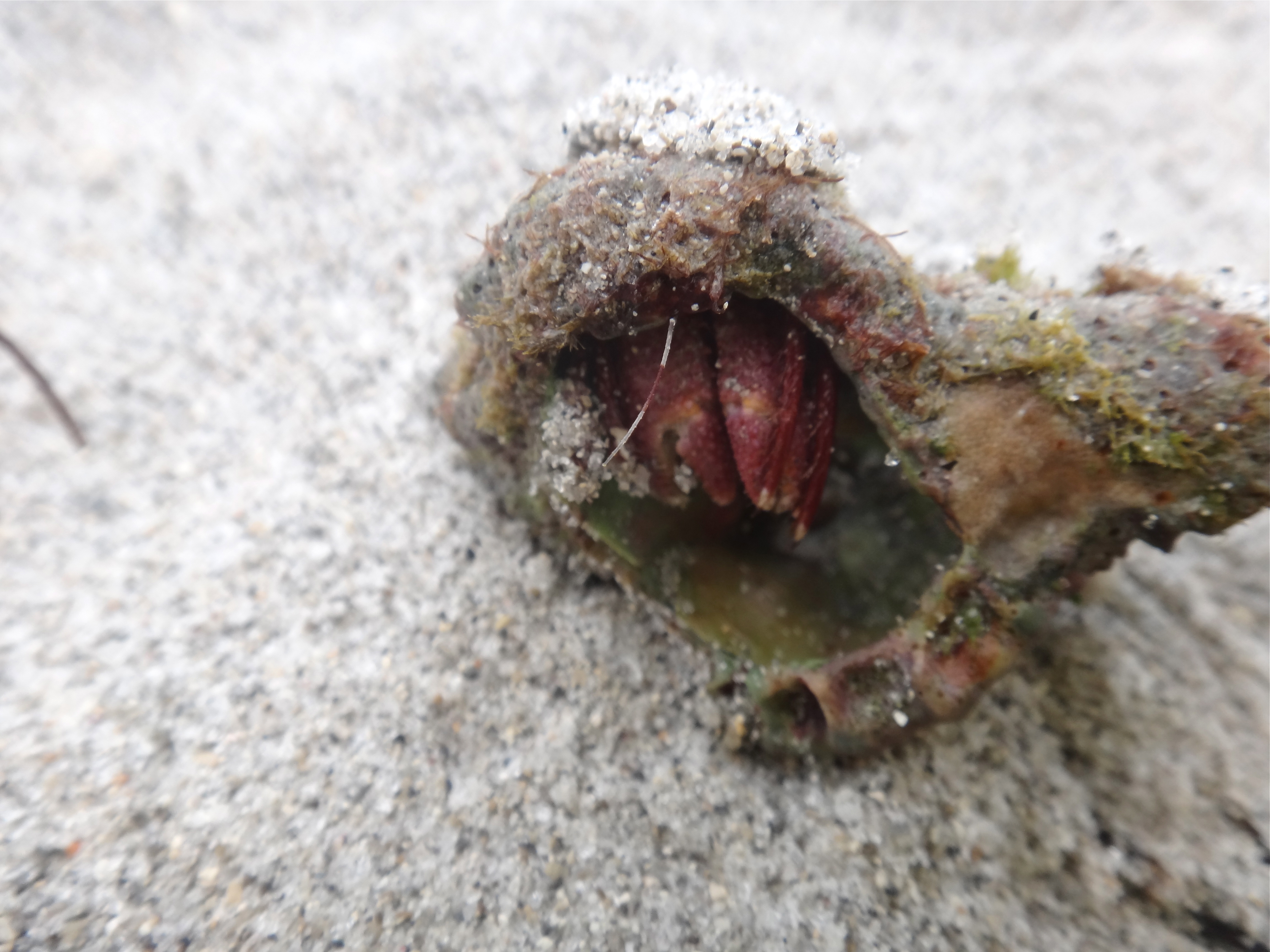
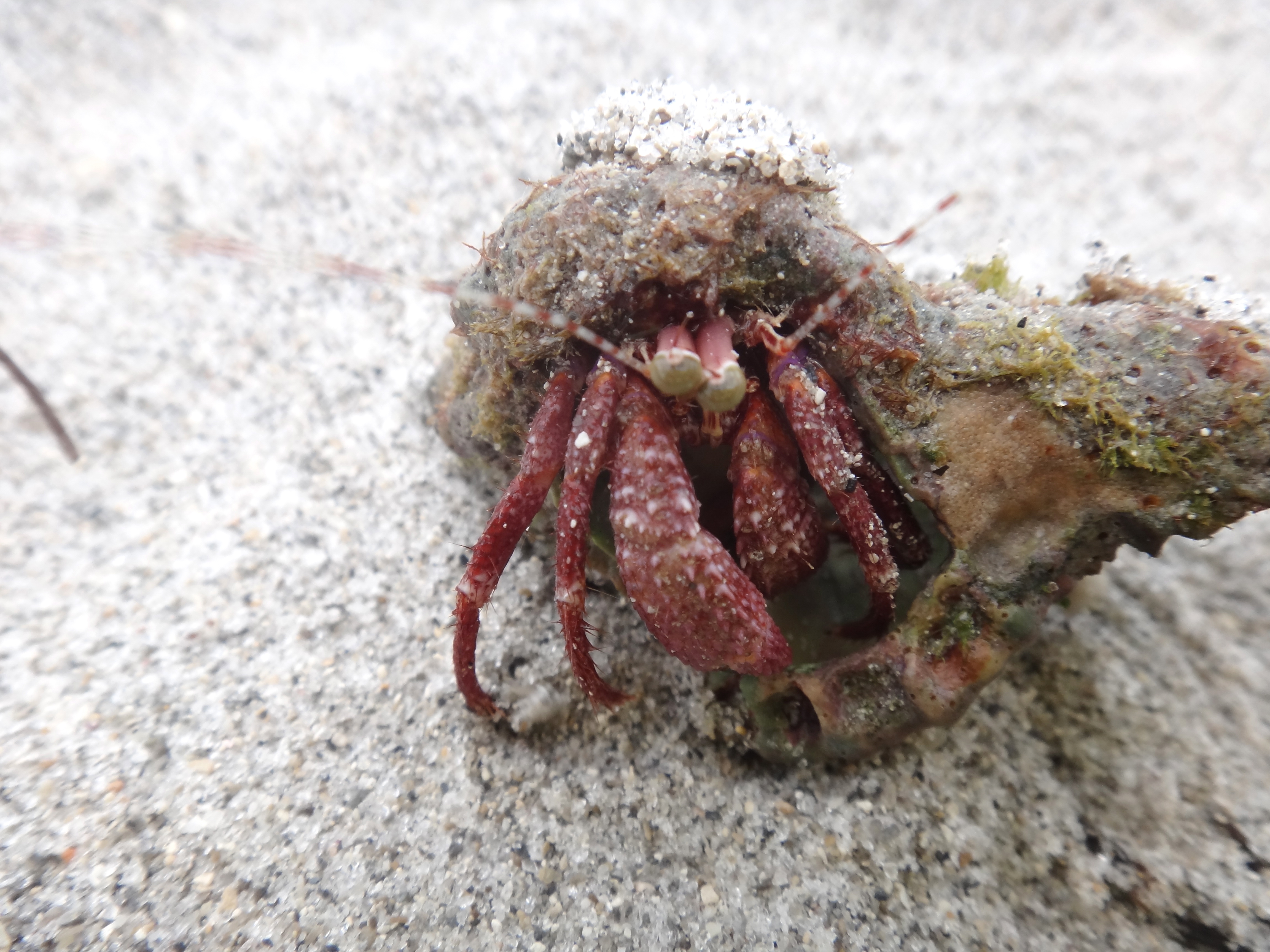 and making new friends.
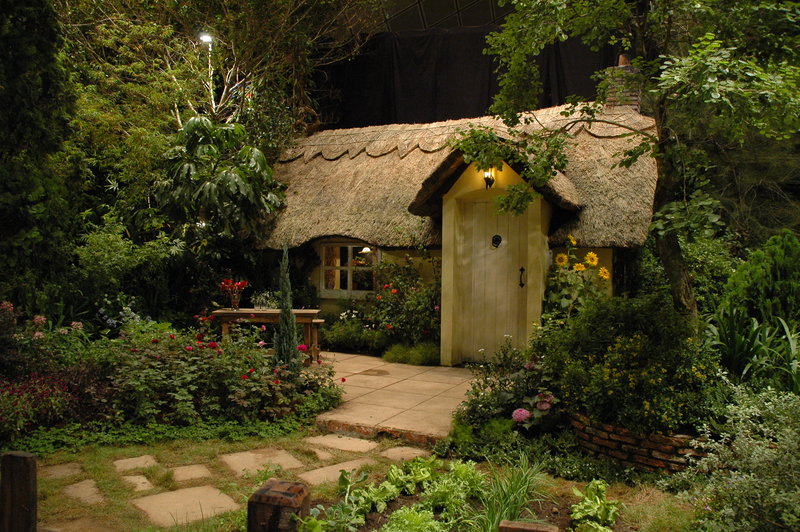
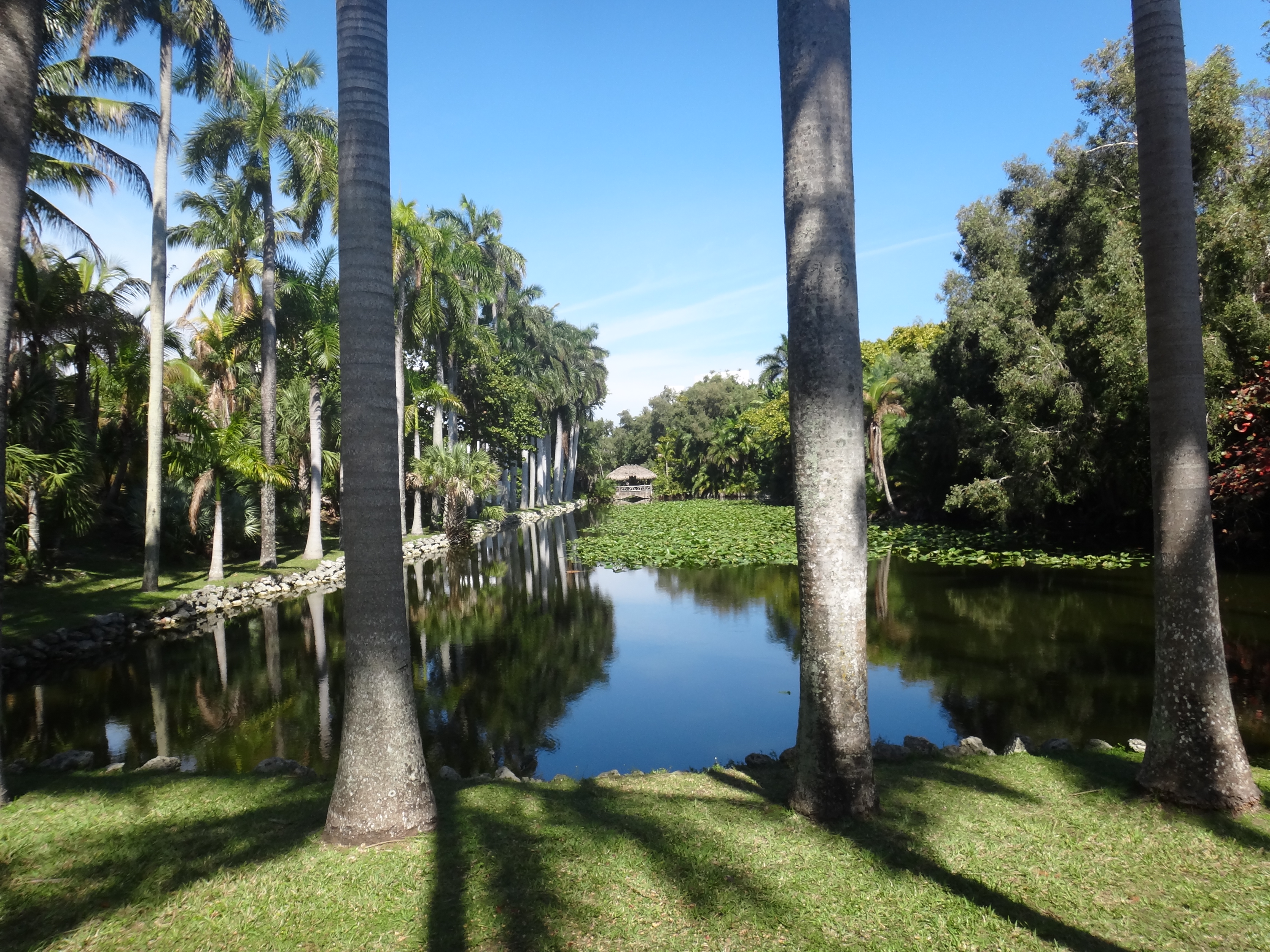
I recently took some time to tour around a rather remarkable place called Bonnet House, slap bang in the middle of the coastal hi-rise hotels of Ft Lauderdale by-the-sea.


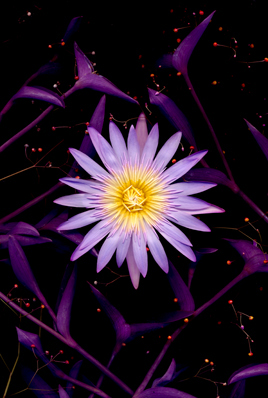
Construction on Bonnet house (named for the bonnet lily,
Nymphaea odorata
that grows here) began in 1920 and continued for 20 years. Alligators that resided in the ponds on the property would purportedly surface with lilies on the top of their heads that resembled, you guessed it, bonnets.
The land was given to Frederic Clay Bartlett, an American artist and his wife Helen by her father, Hugh Taylor Birch as a wedding gift. When work began on the house this part of the Florida coastline was a natural wilderness.

Frederic and Helen traveled extensively and were avid art collectors. Helen passed away in 1925 of cancer before the construction ended. Six years after Helen’s death in 1925 Frederic married Evelyn Fortune Lilly. Frederic passed away in 1953 but Evelyn continued to winter at Bonnet house and in 1983 she deeded the house to the Florida Trust for Preservation.

It is the last protected and undeveloped area of the Florida coastline for miles.
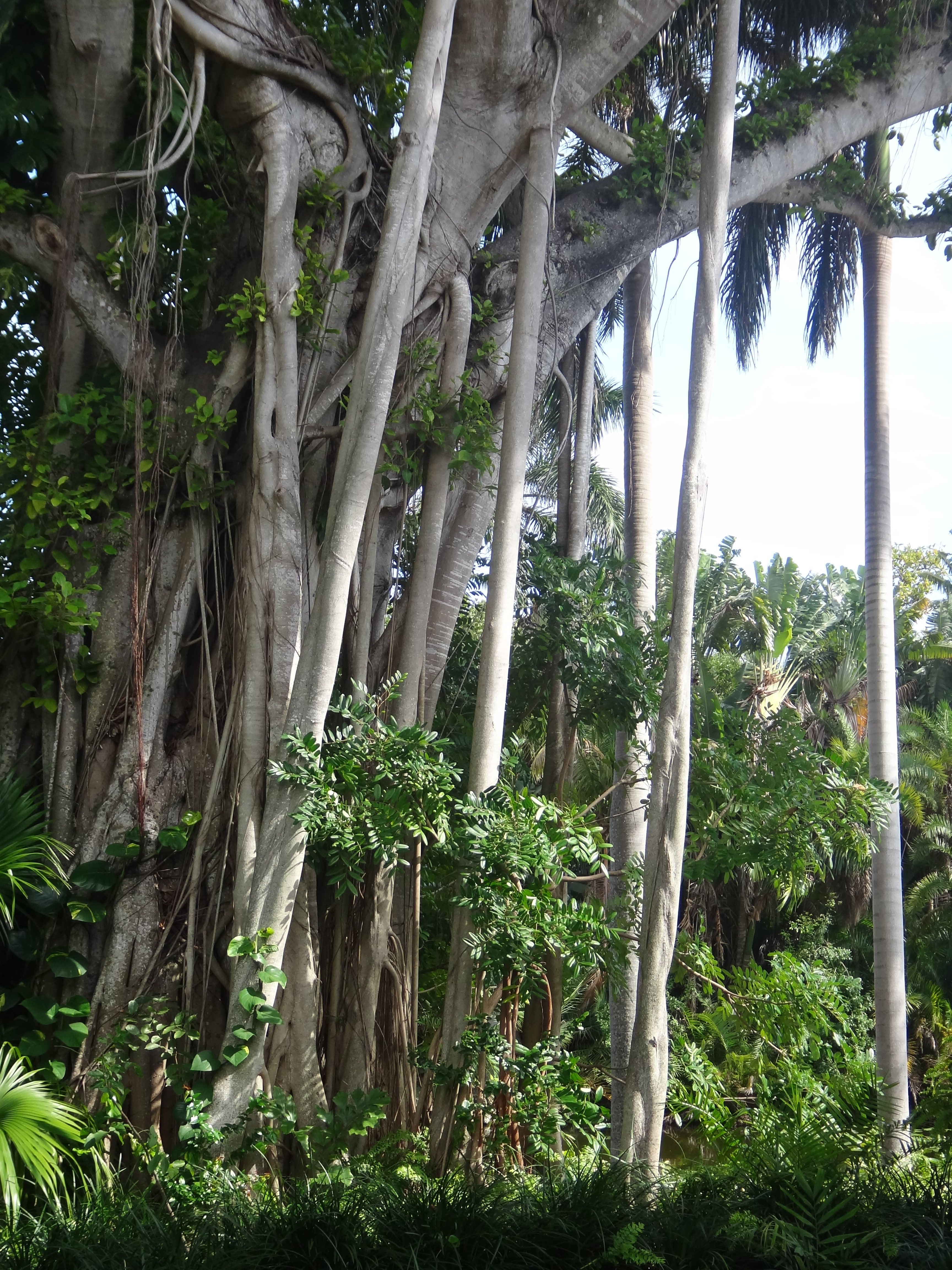
The grounds of the property contain some amazing Ficus ‘banyan’ trees. This is actually a single tree with secondary trunks arising from its branches, these futuristic trunks are known as aerial roots, and they are huge.

Aerial roots allow these trees to survive on inhospitable terrain such as rocks and even other trees.
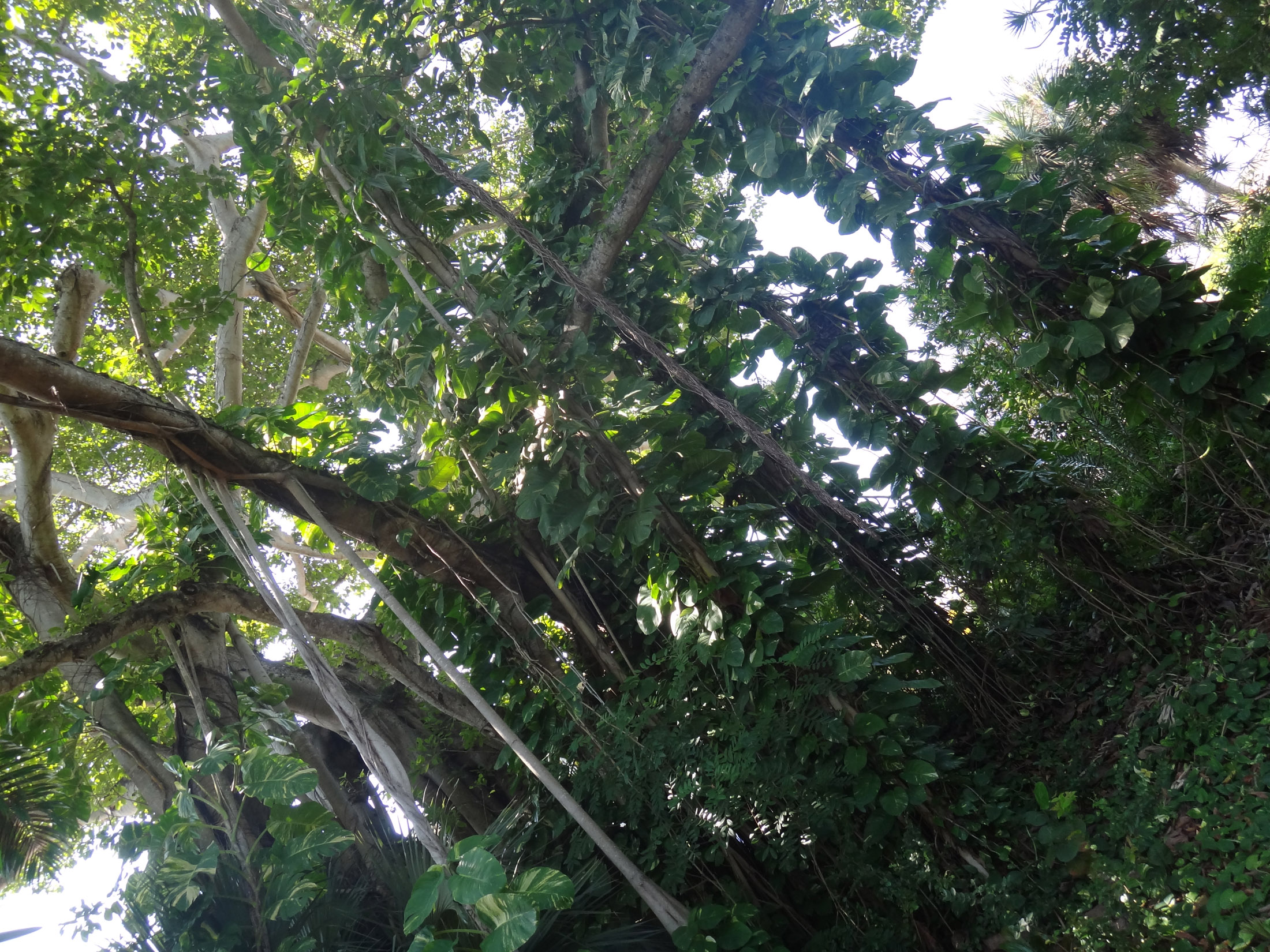
Many types of figs start their lives on other trees, these are called strangler or epiphytic figs and can be a problem in tropical and humid areas. Named after the Asian Indian traders who used the trees as shade to conduct their business, banyan refers to the style of these trees which is not specific to Ficus, other banyan trees include Schefflera, Pandanus and mangrove. I am not sure what the climbing variegated ginger-looking plant is in the above shot but it had spread to a ridiculous height in the upper canopy.

Michelangelo Merisi da Caravaggio (1571 – 1610)
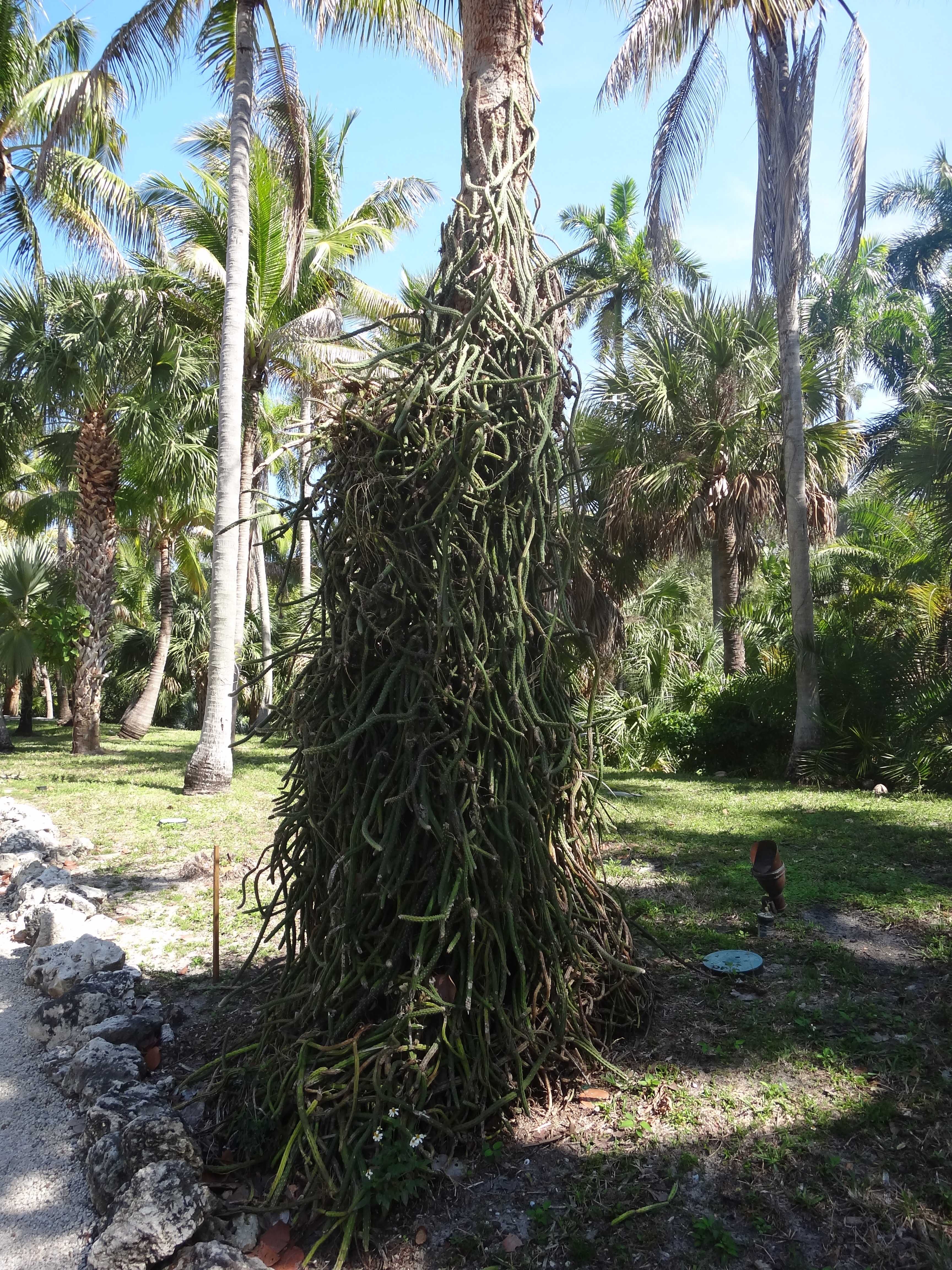
Talking of climbing, this climbing cactus on the property was clawing and snaking its way up the trunk of this unfortunate palm tree.
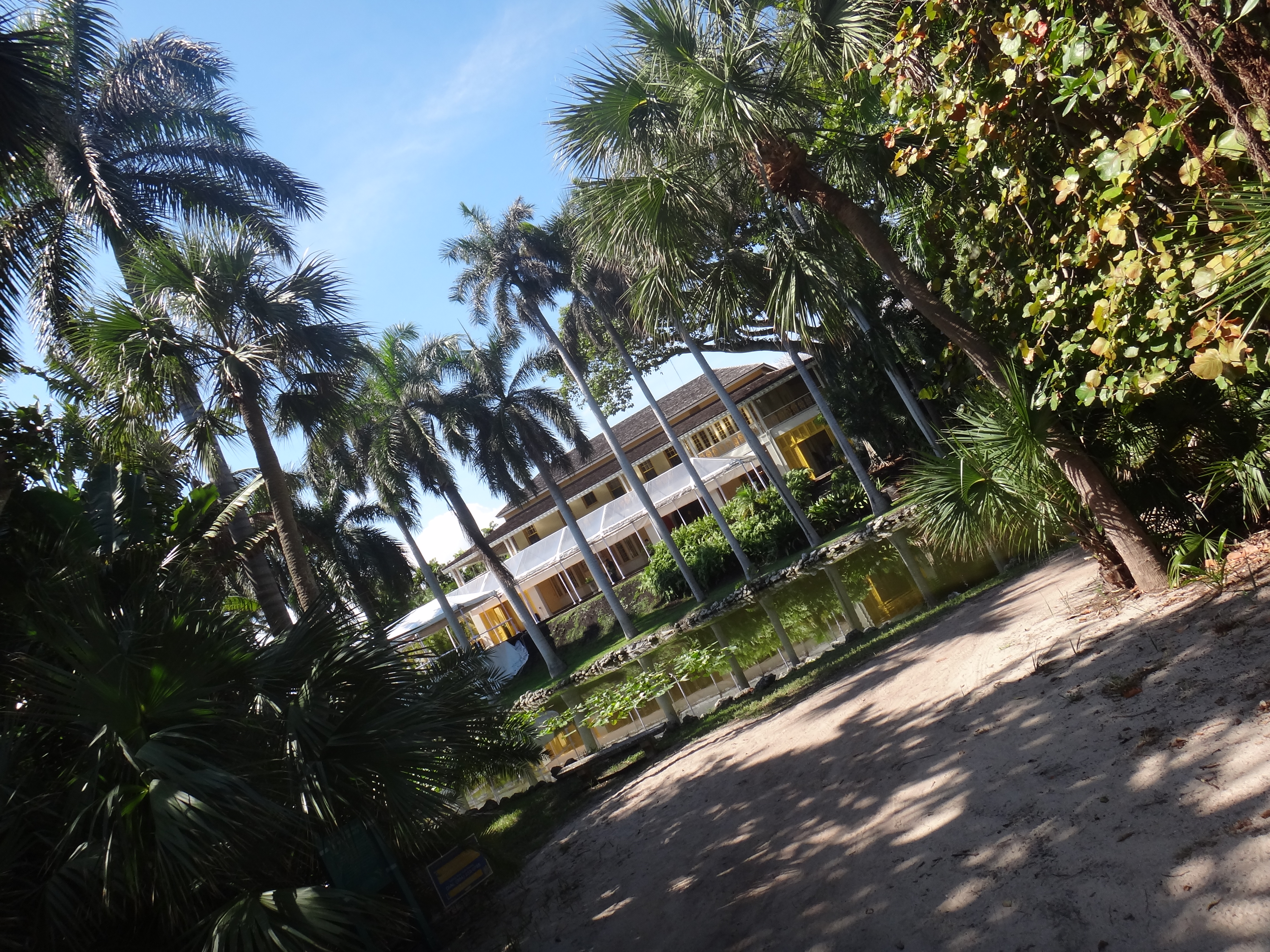
Bonnet House.

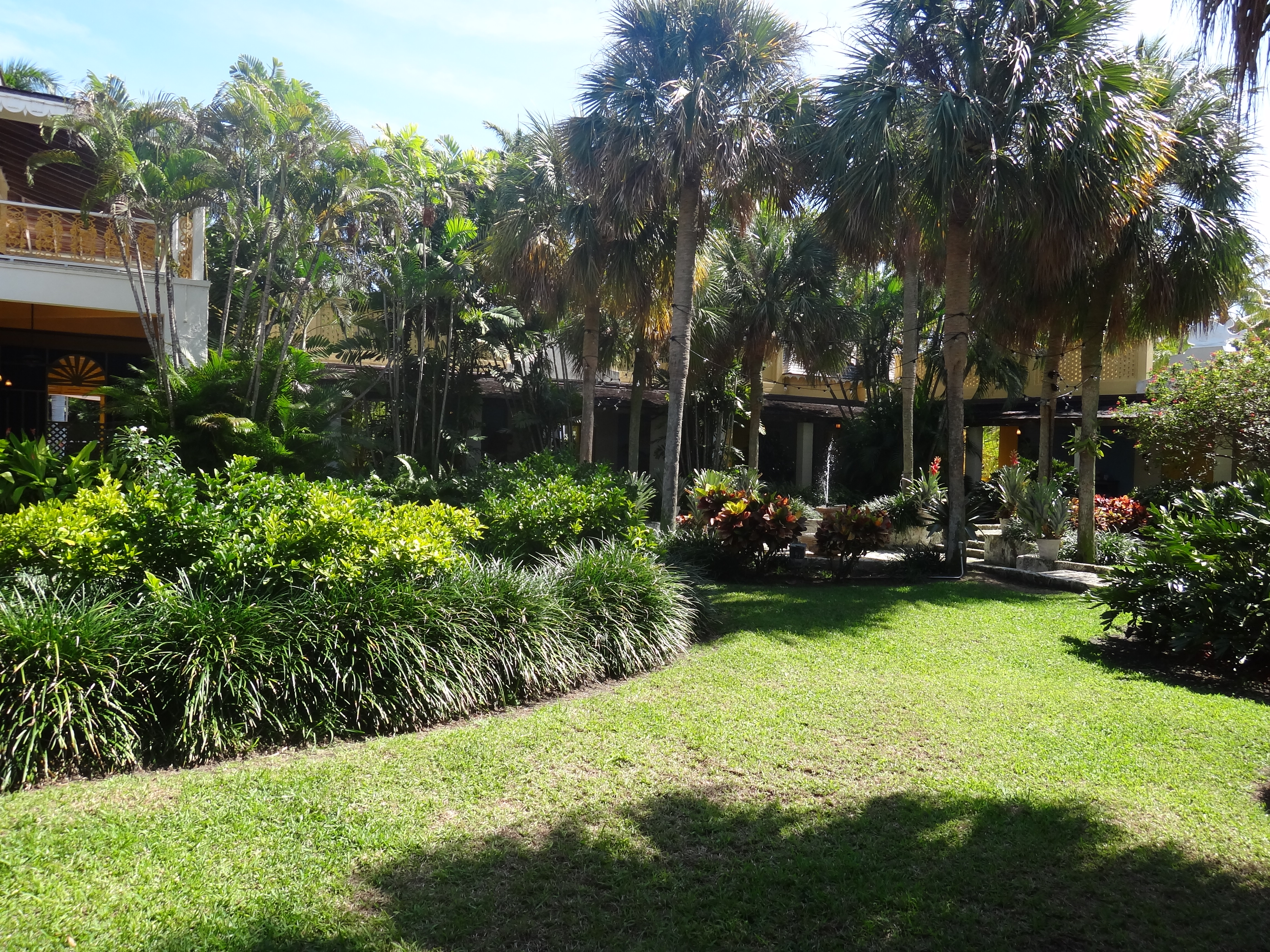 Most of the house has been hand painted by Frederic, unfortunately pictures were not allowed on the inside of the house.
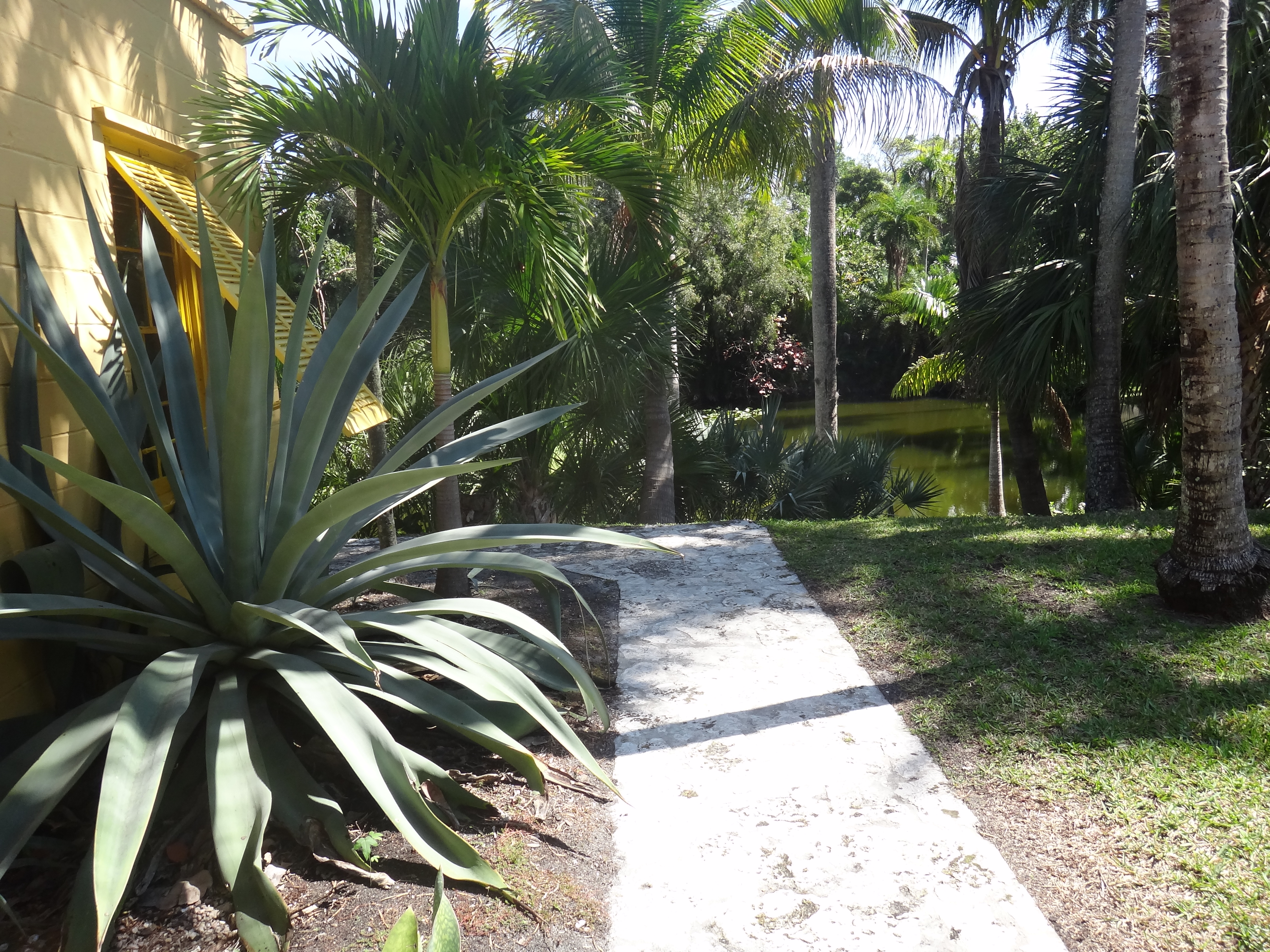
Impressive agaves line the pathways.
I will finish this Florida segment with a hop to the beach, where else?
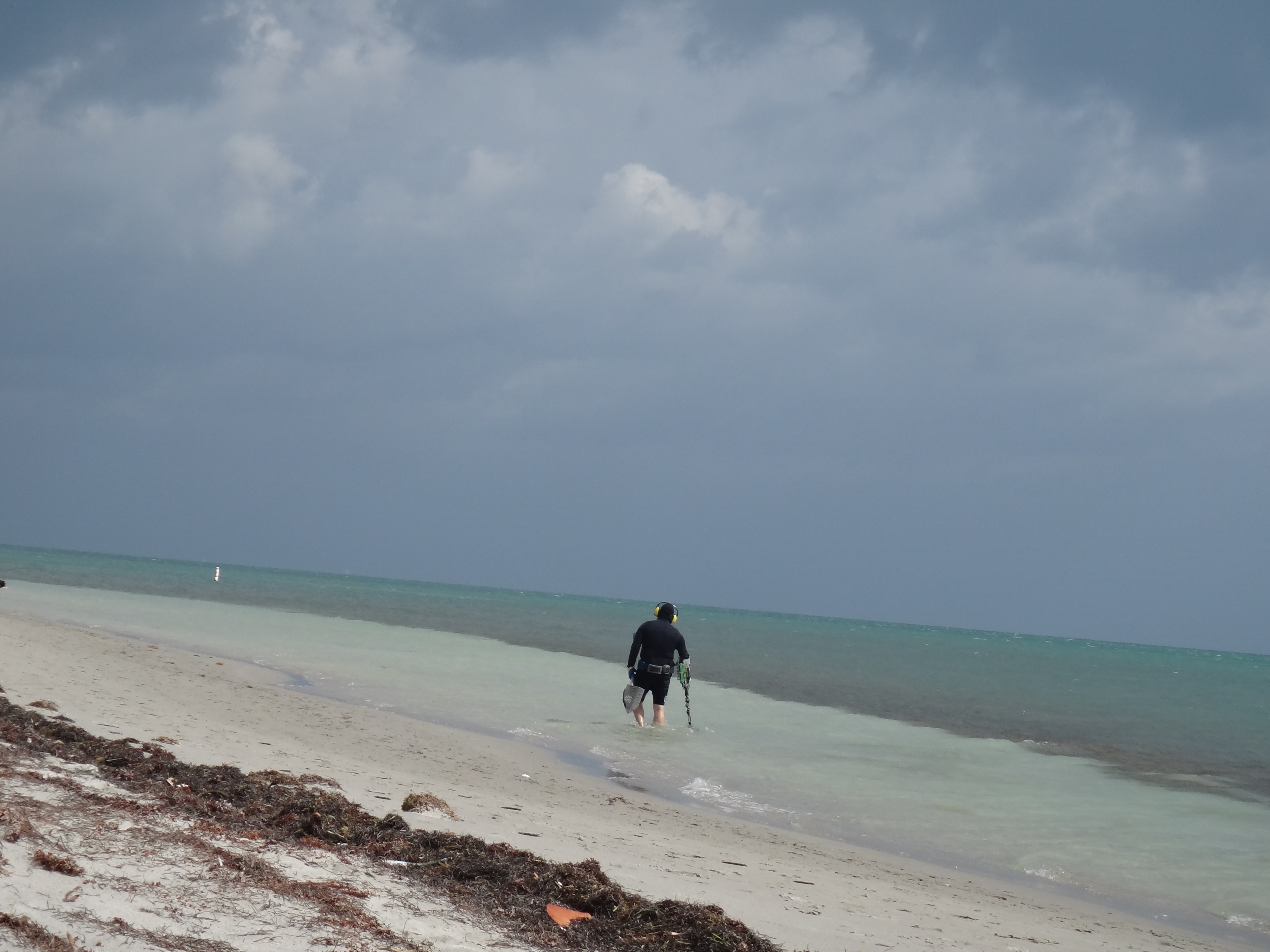
This sea-weedy coastline is Biscayne National Park just south of Miami. The snorkeling chap was actually metal detecting underwater. I had a brief conversation with him as he exited the water and found out that he finds jewelry that drops from sea-shrunken digits, some of it quite nice jewelry.

His best find to date was a Cartier ring.

Metal detecting, underwater?
I know someone who is already extremely interested in this activity…

She is, as I type, figuring out what chores command the highest allowance value to cover the purchase cost of a waterproof metal detector.
Paddling around in the warm waters I reached blindly under the waves and pulled out what I thought was just a rock.

to my surprise it turned out to be a live sand dollar, (the dead bleached ones are thought to be the standard currency of mermaids that have washed-up from the deep ocean).

John William Waterhouse: A Mermaid – 1901
Sand dollars are from the class of marine animals known as Echinoids, spiny skinned creatures. Their relations include the sea lily, the sea cucumber, the star fish and the sea urchin. When alive,
Echinarachnius parma
is outfitted in a maroon-colored suit of moveable spines that encompass the entire shell. Like its close relative the sea urchin, the sand dollar has five sets of pores arranged in a petal pattern, the creatures mouth opening is located in the center of the star on the underside of the animal.
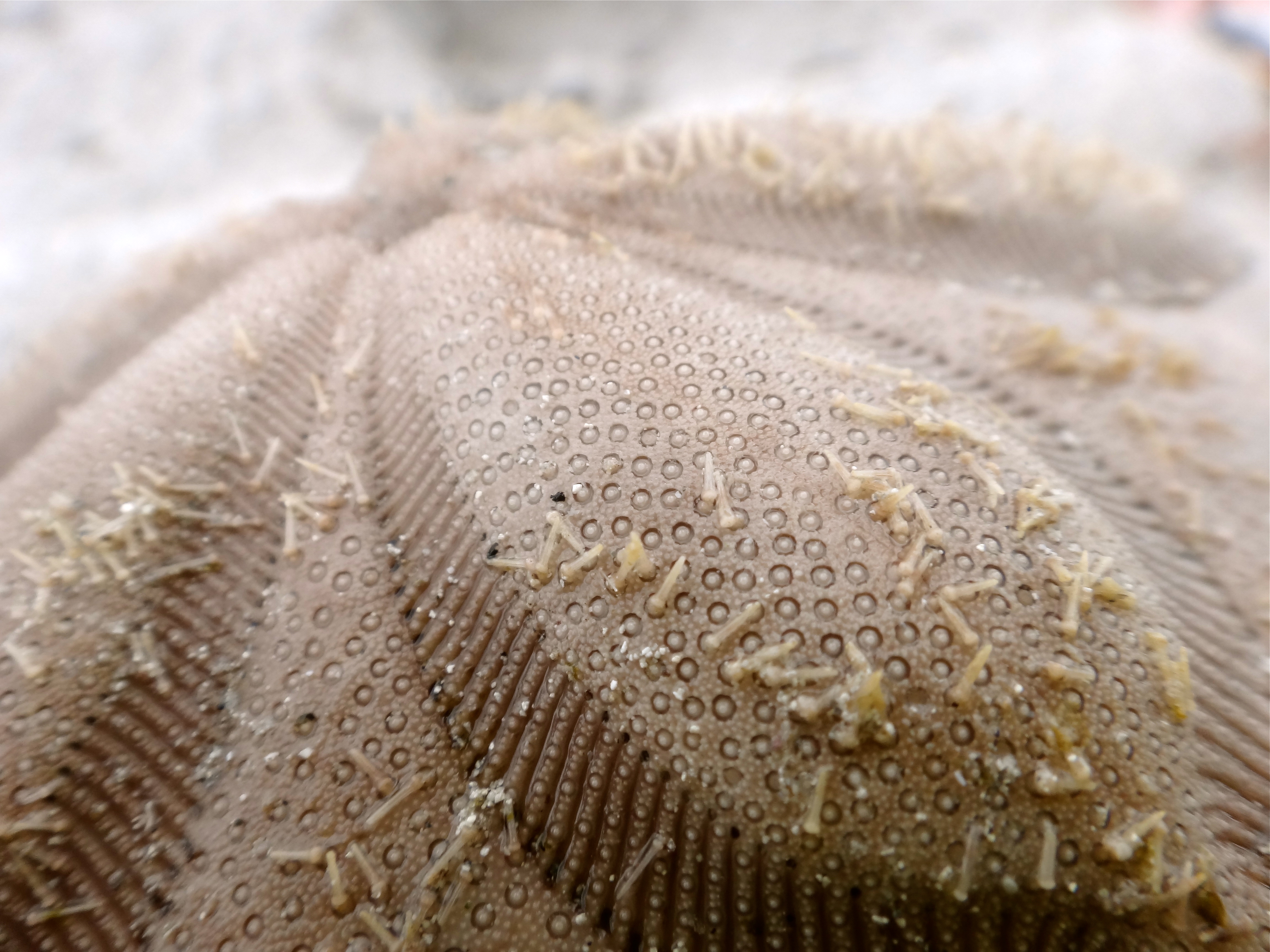 Due to the lack of edible parts and its relatively hard skeleton, sand dollars have very few predators. According to the “Legend of the Sand Dollar,” the Sand Dollar (or Holy Ghost Shell) symbolizes the birth, crucifixion, and resurrection of Christ. The flower on the side of the Sand Dollar resembles an Easter lily, with a five-pointed Star of Bethlehem as its center. On the underside of the shell is the outline of a Christmas poinsettia. The five narrow openings, or “lunules,” represent the five crucifixion wounds inflicted by Roman soldiers. When a sand dollar is broken open, there are five tiny white objects (the jaw apparatus) which resemble white doves in flight. These birds are called the Doves of Peace and Good Will.

Here is one of the jaws/doves (lower right)…amazing.
Back in the Patch:
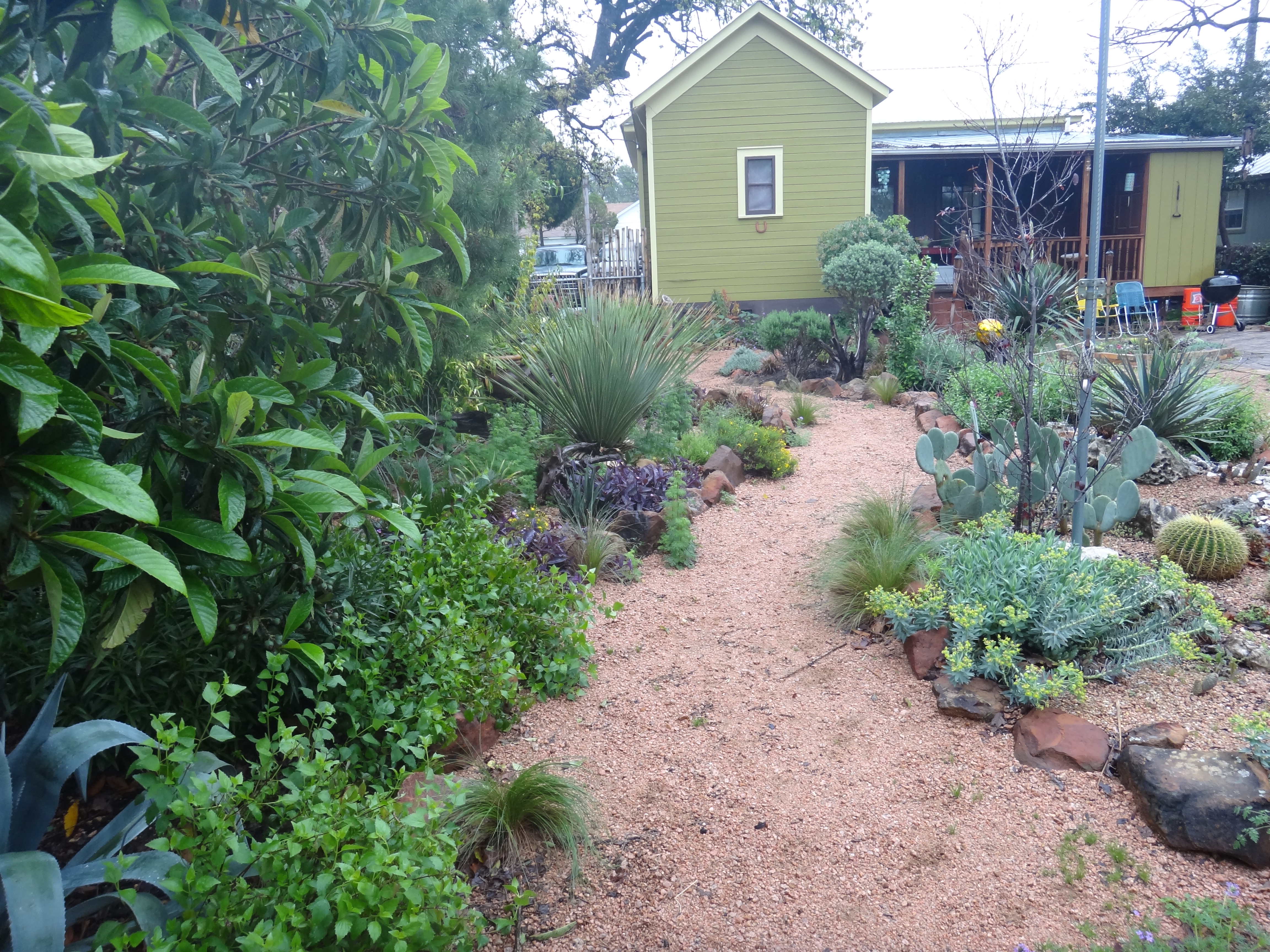
Rain, rain and some more rain has given everything a really good soaking.
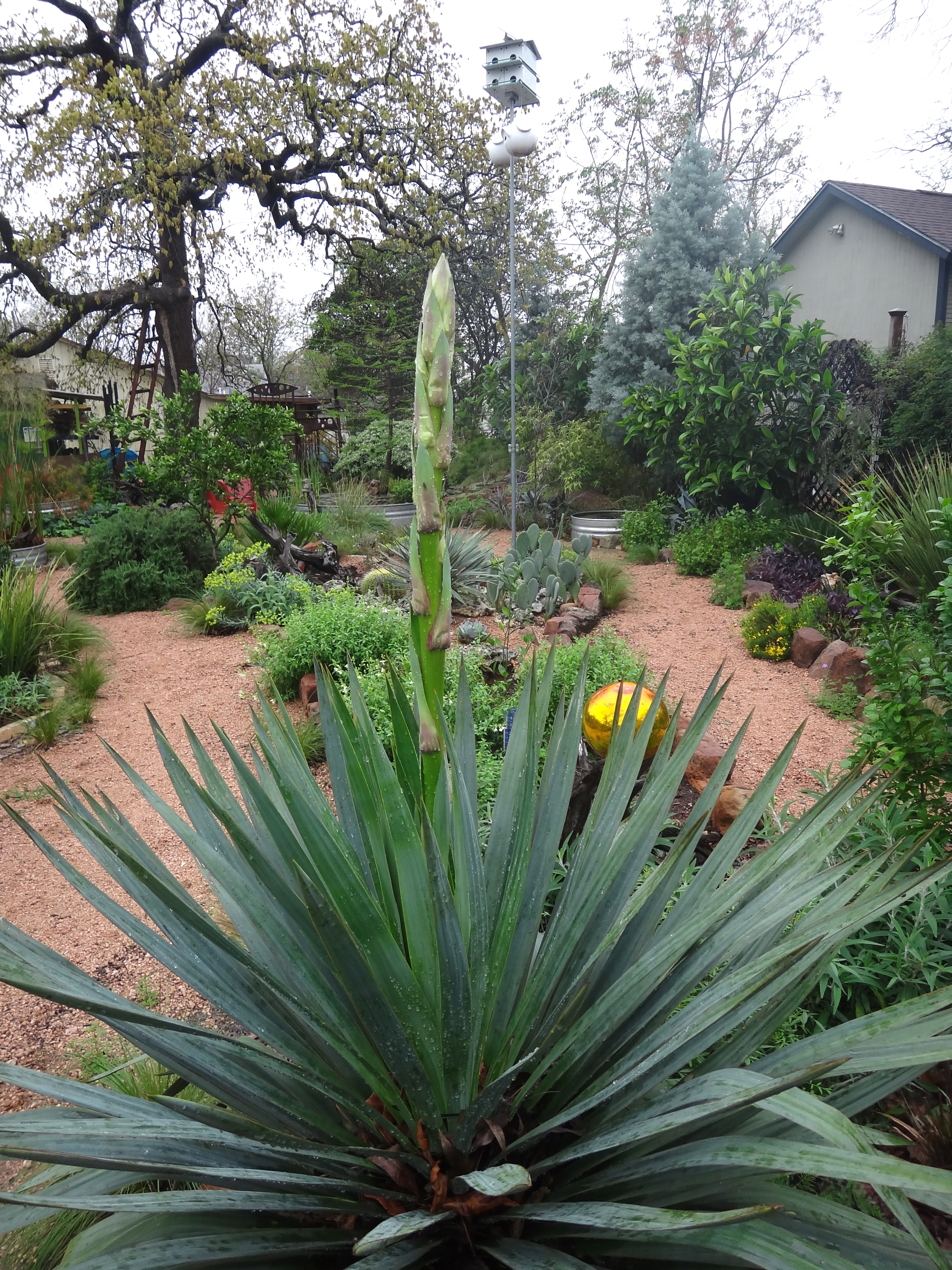
A large asparagus looking flower-spike is now shooting north above my soft leaf yucca, this is a first for this plant.
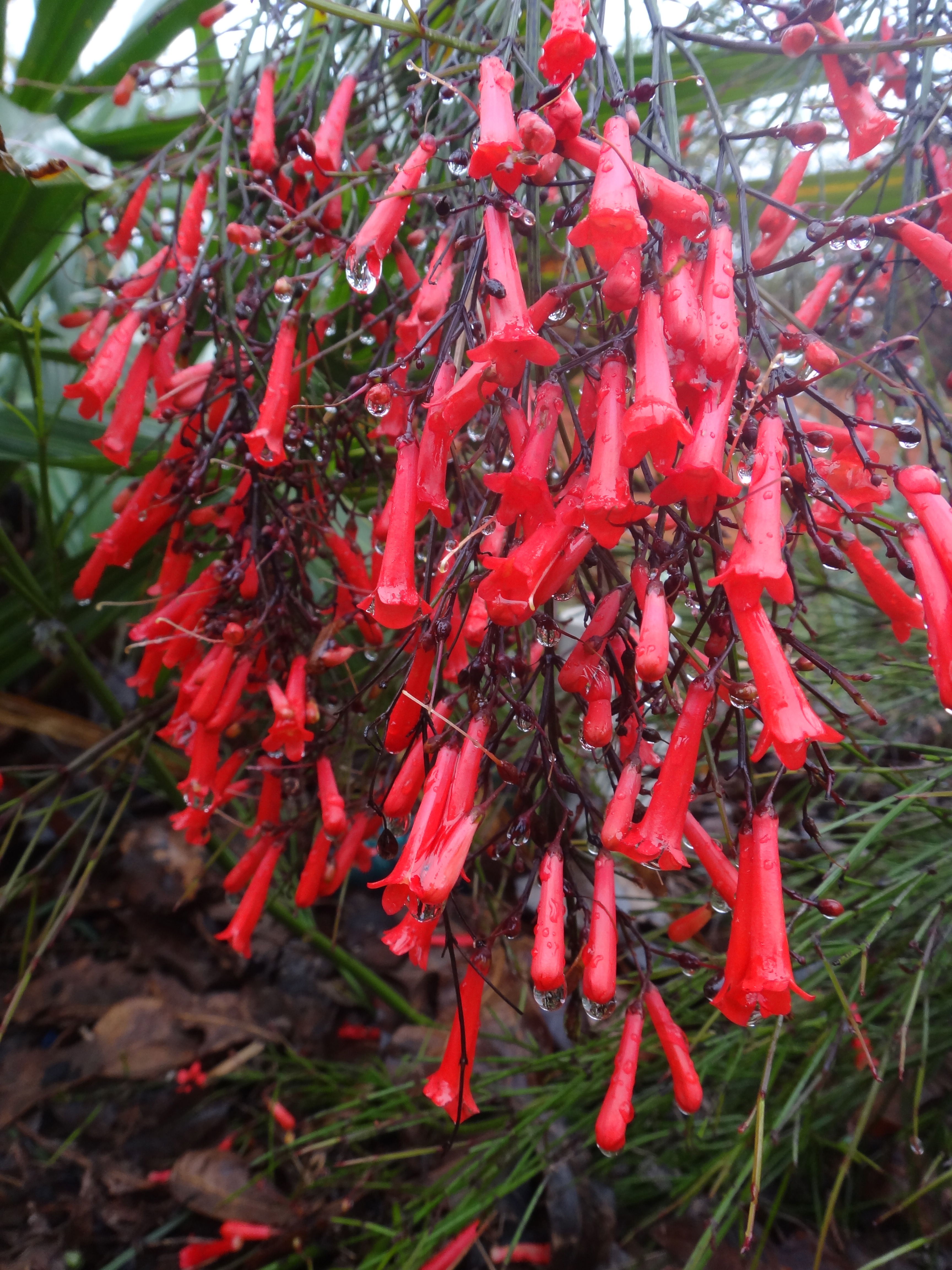
The flames of this Fire cracker have been dowsed by the rain.
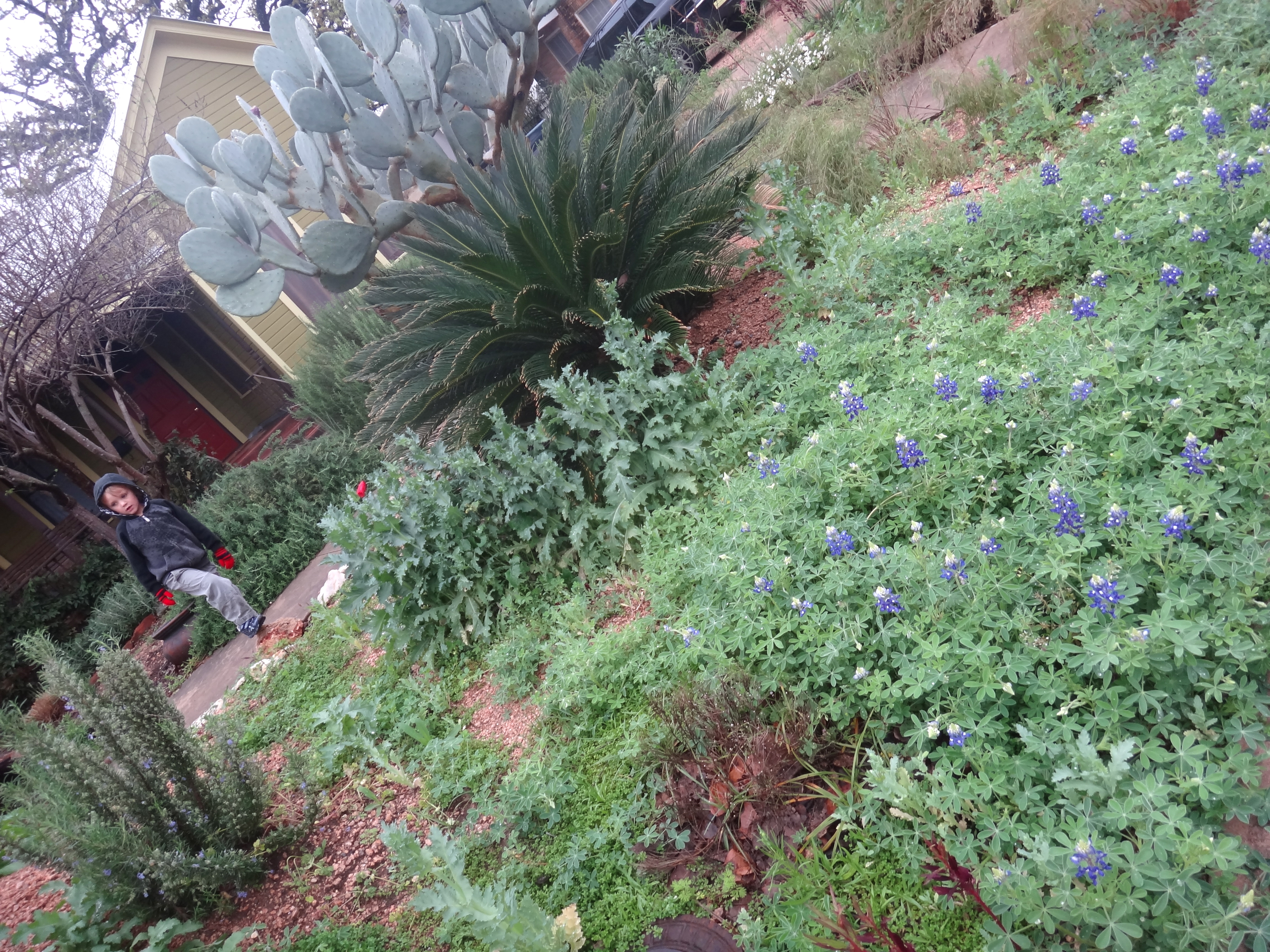
I have never had so many poppies and blue bonnets growing in the Hell-strip.
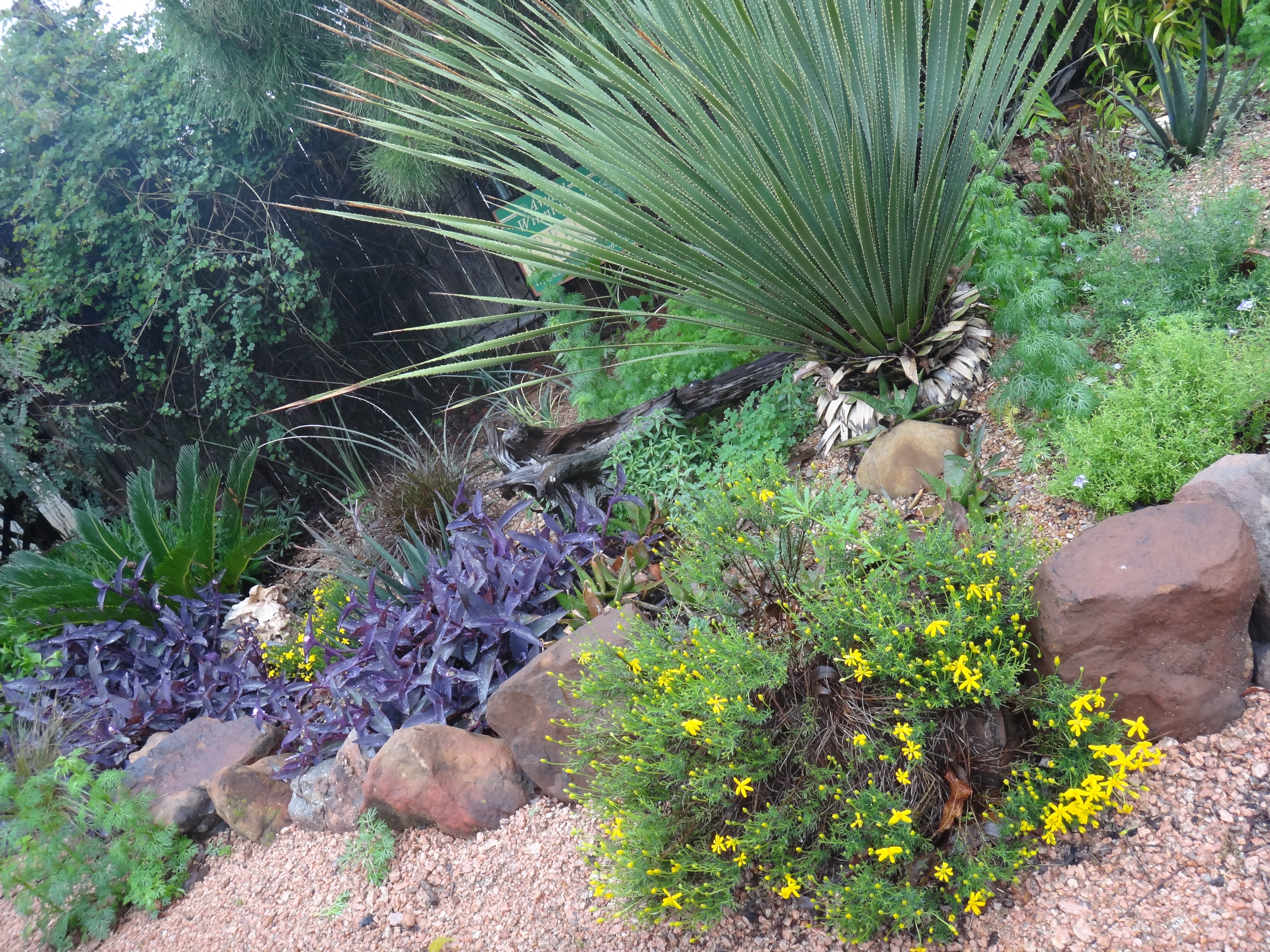
This sotol is reaching new heights, and as for my Artemesia ‘Powis Castle’?
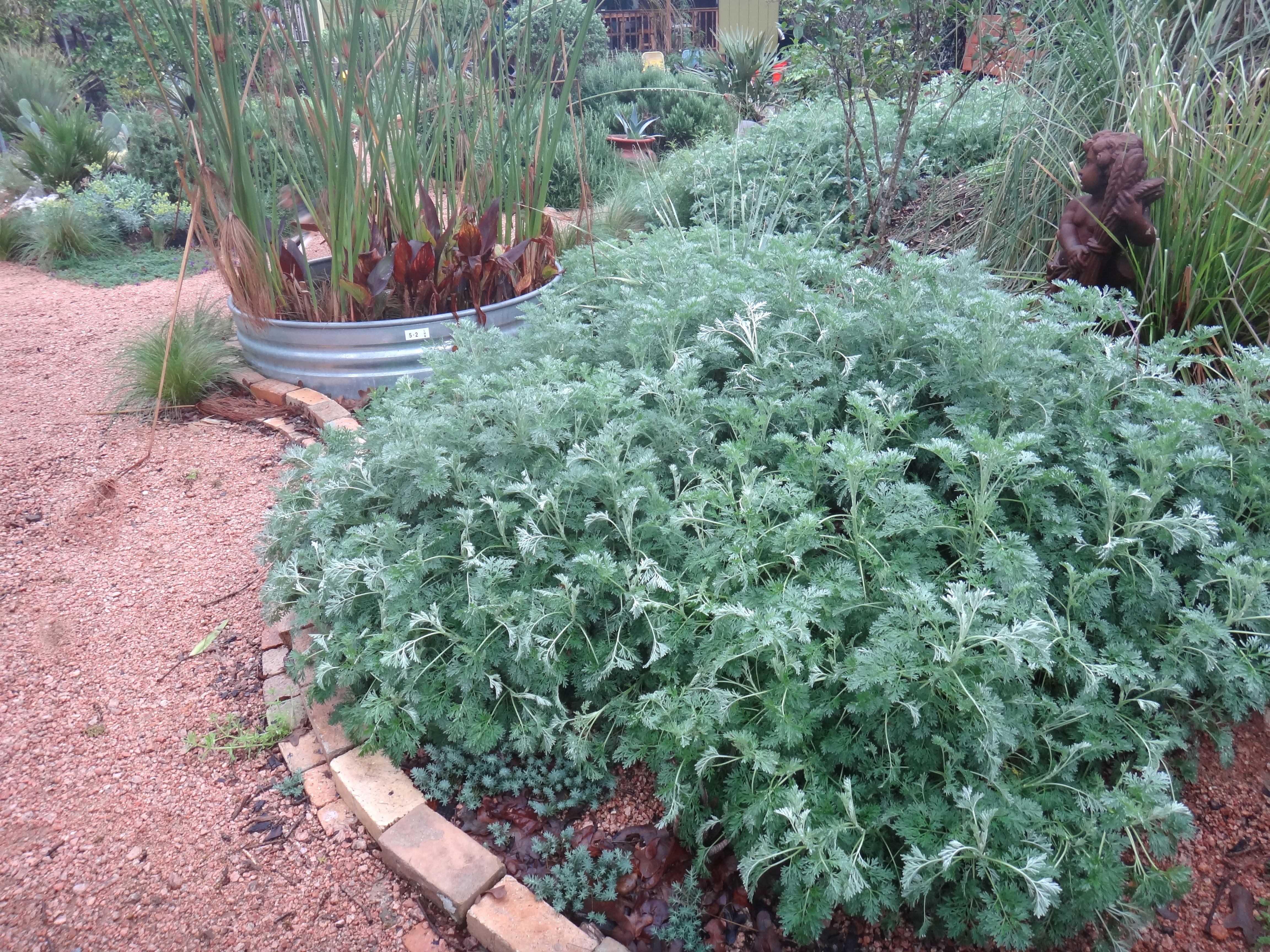
well they have formed large silvery clouds all over these mounded areas of the Patch.

More silvers courtesy of this ever-spreading Sedum reflexum ‘Blue Spruce’.
Peas were harvested this week,
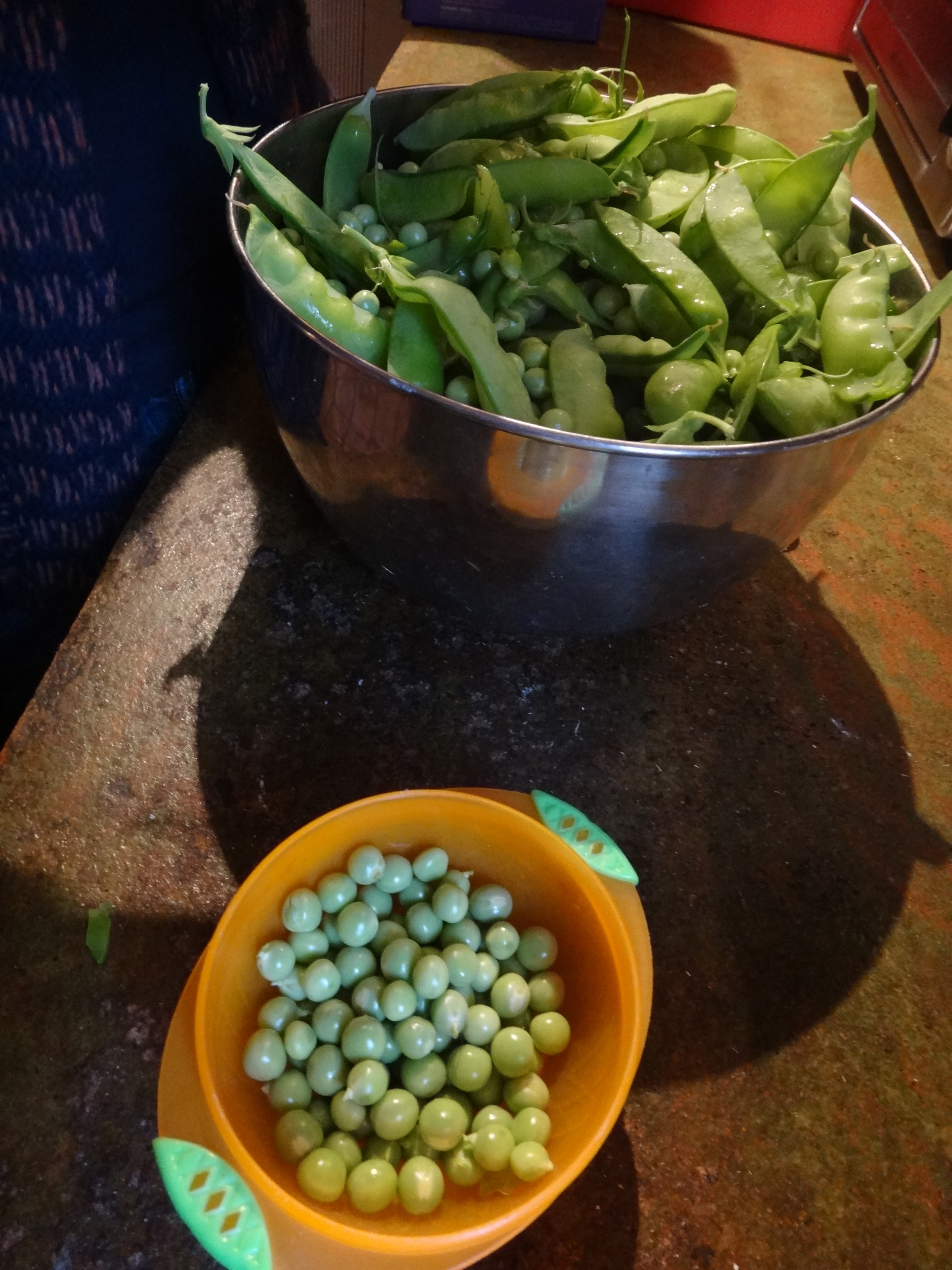
to the delight of Kumo who took great delight in hoovering them up as they bounced out of pods during the shelling process.
Finally:
We have now officially ascended the nerdom staircase to new snorting heights…

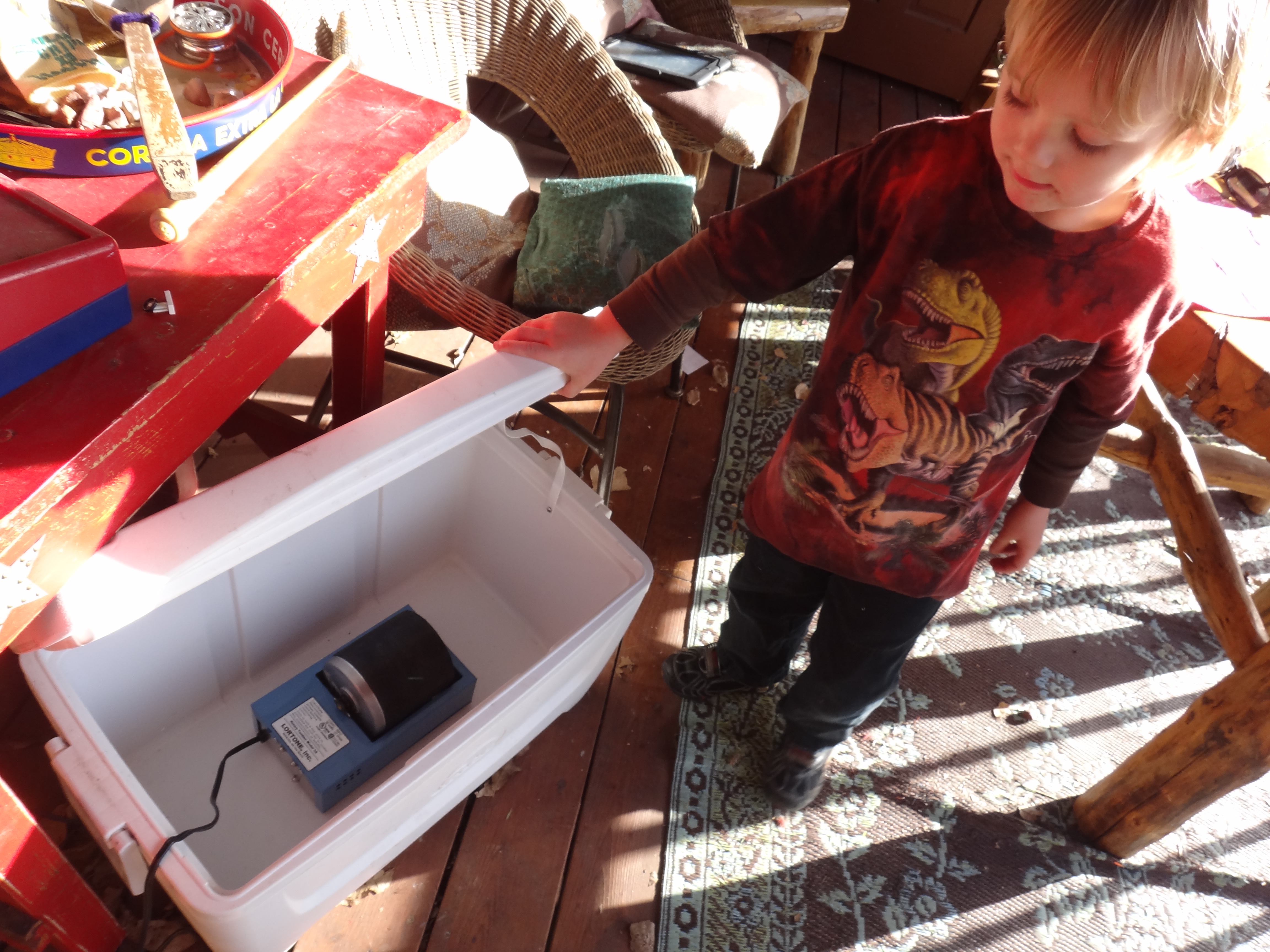
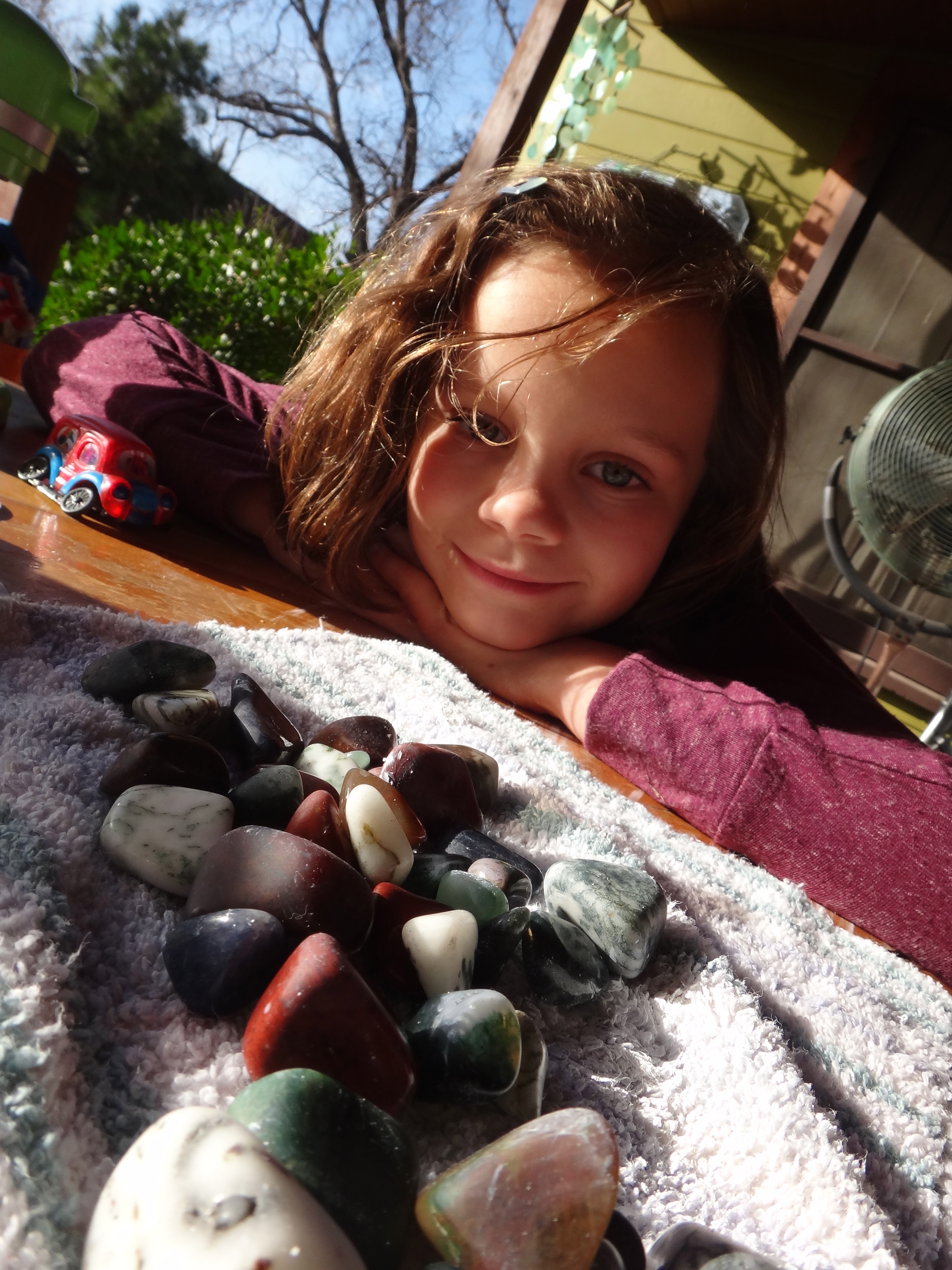
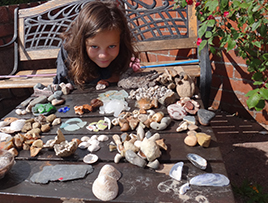
We have degenerated from rock tumbling, metal detecting and aircraft modelling kits (if this is possible) only to arrive at the riveting and rather startling juncture of stamp collecting and those irritating fiddly stamp hinges…Snort.
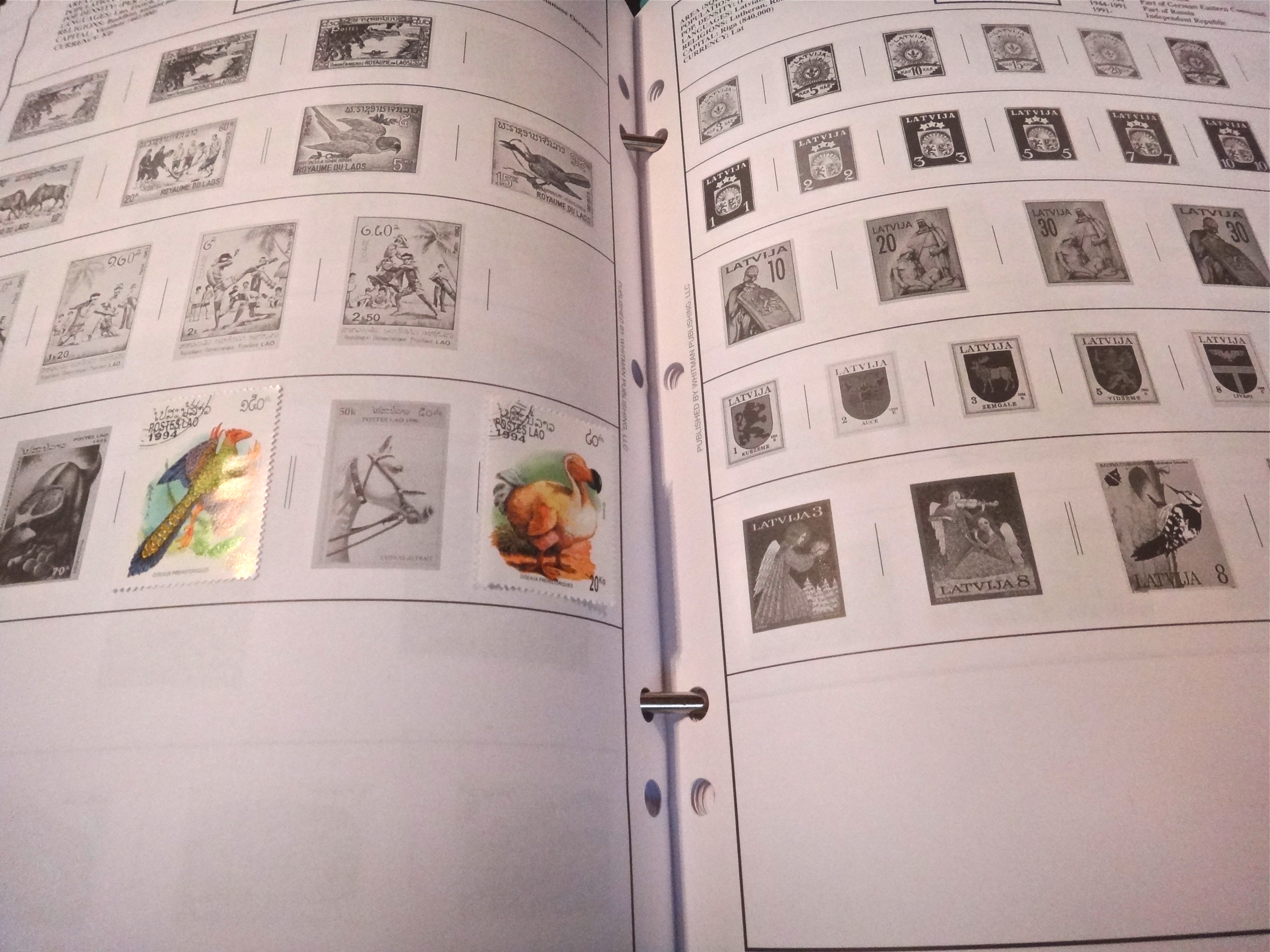
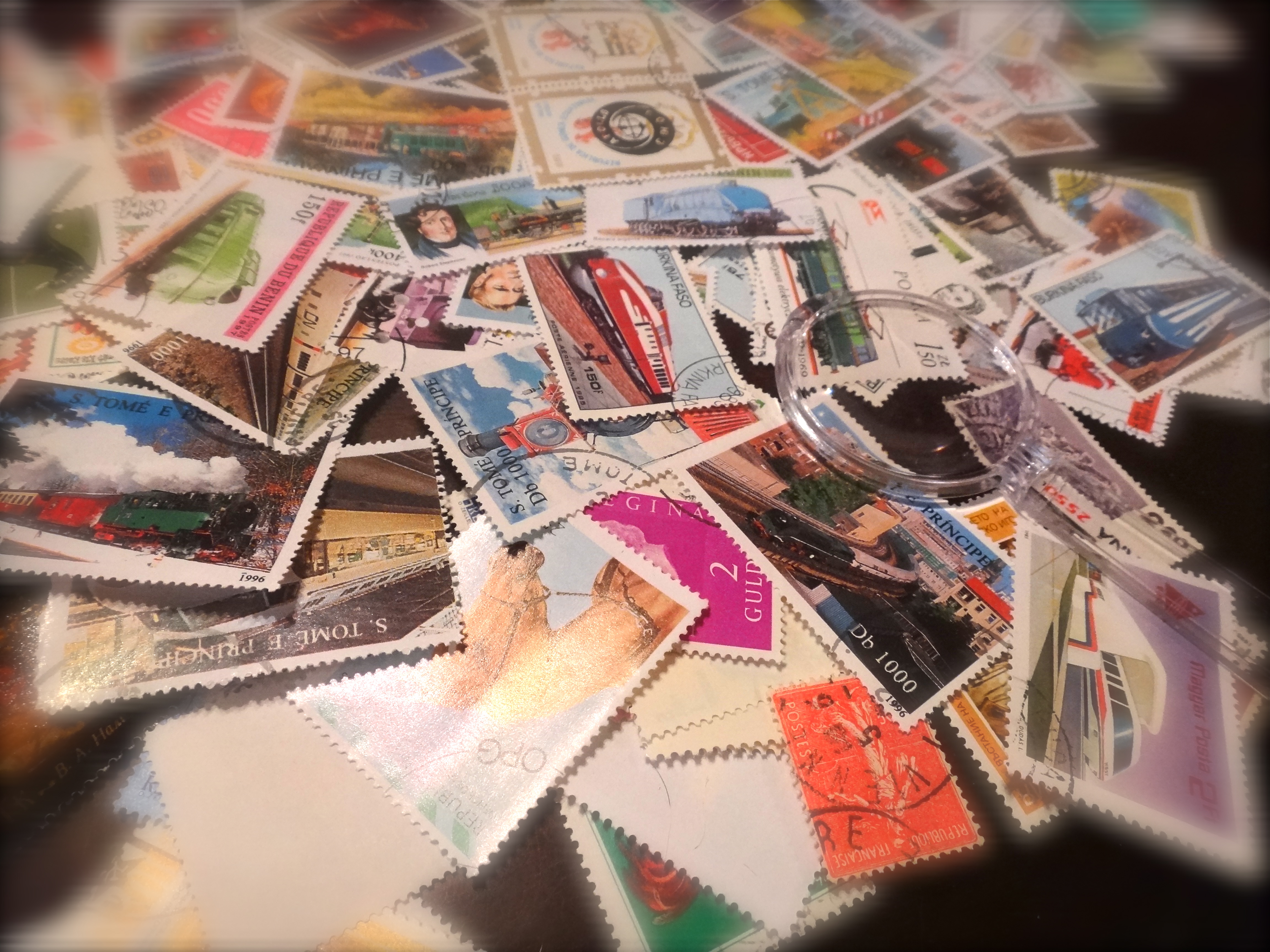 Is there a better activity to occupy us until SXSW and spring break is over?
I think not…
Now, can you pass me a stamp hinge and where is the Republic of where-ever?
Stay Tuned for:
“Sweet Fairchild of Mine”
All material © 2012 for eastsidepatch. Unauthorized
intergalactic reproduction strictly prohibited, and
punishable by late (and extremely unpleasant)
14th century planet Earth techniques.