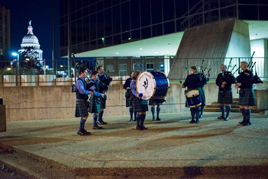
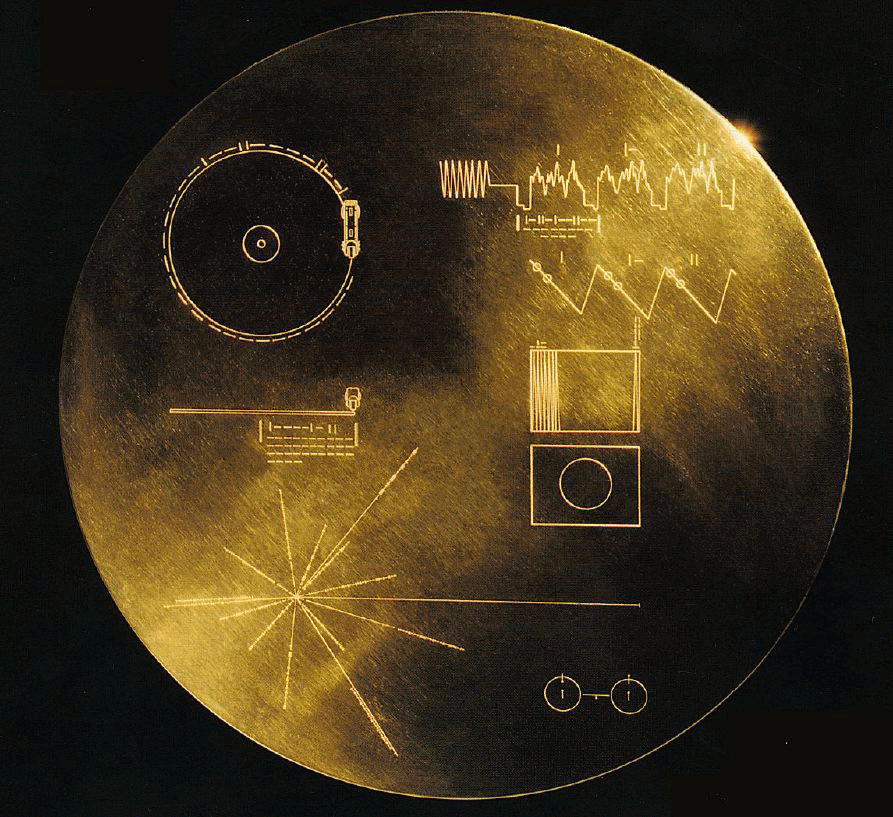
 In 1977 NASA’s Voyager 1 and 2 spacecraft launched into space carrying phonographs called the Golden Records containing pictures and sounds meant to show extraterrestrials a glimpse of life on Earth and where we are located in space. Credit: NASA
“This is a present from a small, distant world, a token of our sounds, our science, our music, our thoughts and our feelings. We are attempting to survive our time so we may live into yours”.
President Jimmy Carter
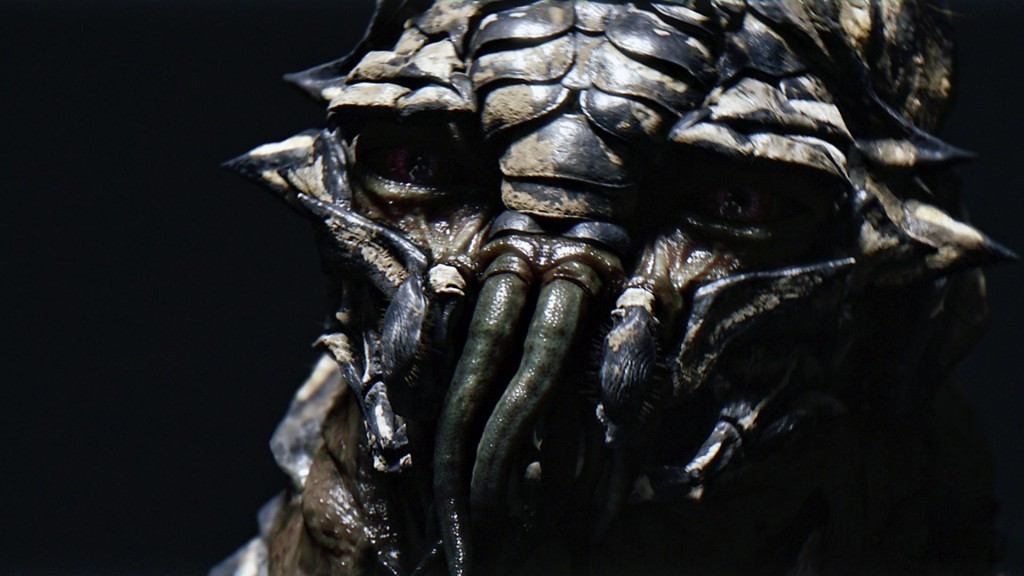 clack…click, click..etc.etc.
(“So that’s where they live! Buckle up lads, “beaks” at the ready, these humans are almost all liquid already so save your enzymes!”)
 What are the chances?…Last week I found a dead wheel bug on the Patch steps, then, who did I see slowly (and I mean slowly) walking across a new pathway I was laying at a client’s house?
No wonder that “beak” is so painful if it spikes an unsuspecting hand, look at that thing, lethal…a fact I was very conscious of, as my camera hand almost touched this very “Alien” looking assassin bug.


“Game over, man, game over!…”
 It was also using it’s beak to probe the ground as it walked. If you look really carefully you can see the 2nd set of eyes behind the main ones, oh yes, with a creature as bizarre as this, two eyes would just be way too normal? I was happy though, to finally get to see one of these insects in motion…slow motion.
 “And that’s all I gotta to say about them wheel bugs Jenny”.
 “That’s a good thing Forrest…we were all kinda tired of hearing about them assassins anyways.”
“Jeennny”!
Moving On:
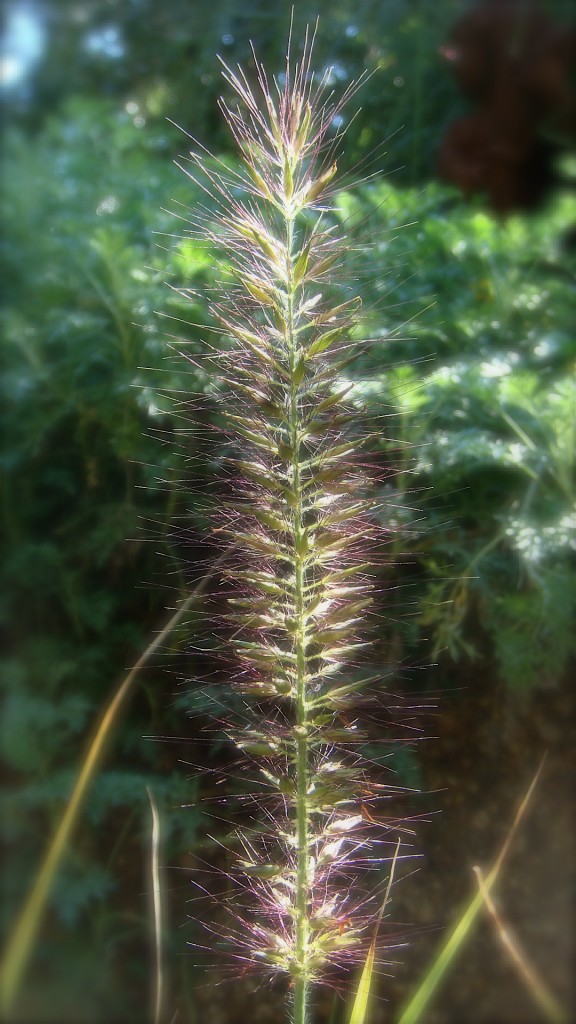
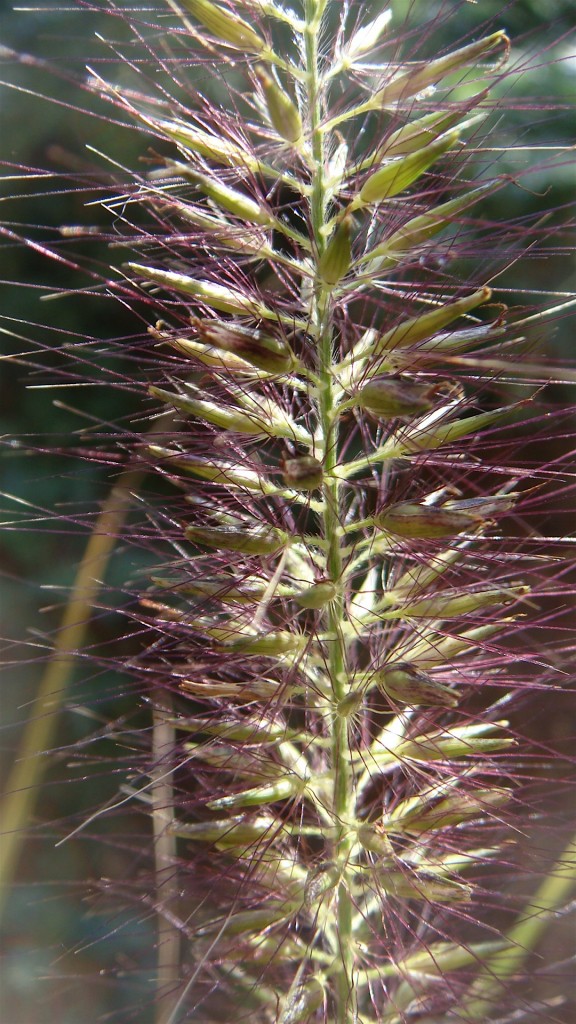
Ornamental grasses have their brown and purple winter clothes on, even though we touched the mid-eighties this week in the Patch. (Sorry all my UK readers).

The brown and purple colors in this dwarf miscanthus contrast well with the silver of artemesia.

The seed heads form many different shapes,

and look great set against shady areas, in areas they can catch the sun…Texas snow.

With the warmer temperatures this week, my Madame Ganna Walska decided to throw out what has to be the final water lily of the year (I keep saying this, I know I do). The purple on the lily is much more pronounced at this time of year as it is on this…

…oh, I don’t need to tell you by now! I really should put these fallen celosia on the compost pile, but there are seeds in there, seeds I tell you…

“Hey, get off that swing seat…there is shelling to be done”!
We have all gathered so much celosia seed this year I now use the prospect of more shelling as a threat, that and the ever vigilant Santa, naturally! …“Clean up your toys NOW, or do you want to shell a tray’s worth”?
 …Works every time.

This festive was a pass-along from Bob at Draco Gardens, it has grown into quite the snow drift. Behind it is…

…one of three basket grasses I have planted in the Patch, this is the oldest one. I like the way this plant looks flanked with prostate rosemary, the rosemary looks great in bloom set against this succulent, it’s pale blue flowers are almost the same color.
Nolina microcarpa
Nolinas are actually members of the Agave family and they are native to the Southwestern U.S.
They easy to grow, heat & drought tolerant, evergreen, deer proof, not fussy about soil & hardy down to 10 degrees F, what more can we ask for? It is amazing how underutilized these succulents are in our landscapes, they look excellent when planted in raised beds and allowed to “spill” over the edge like this one. Nolina microcarpa requires absolutely no Summer water once established. The leaves were used by Native Americans for weaving baskets & mats, hence the common name.

 After last years prolonged freezes I was sure these unprotected barrel cacti would be for the compost pile, but I was wrong. They had a little discoloration on their marginal edges but other than that, they were surprisingly just fine, even the little ones. These leaves are going to be a joy to pick up.
Finally:
“Winter” in the Patch:

Stay Tuned for:
“Ho Ho Ho-ja Santa!”
 All material © 2010 for eastsidepatch. Unauthorized
intergalactic reproduction strictly prohibited, and
punishable by late (and extremely unpleasant) 14th century planet Earth techniques.