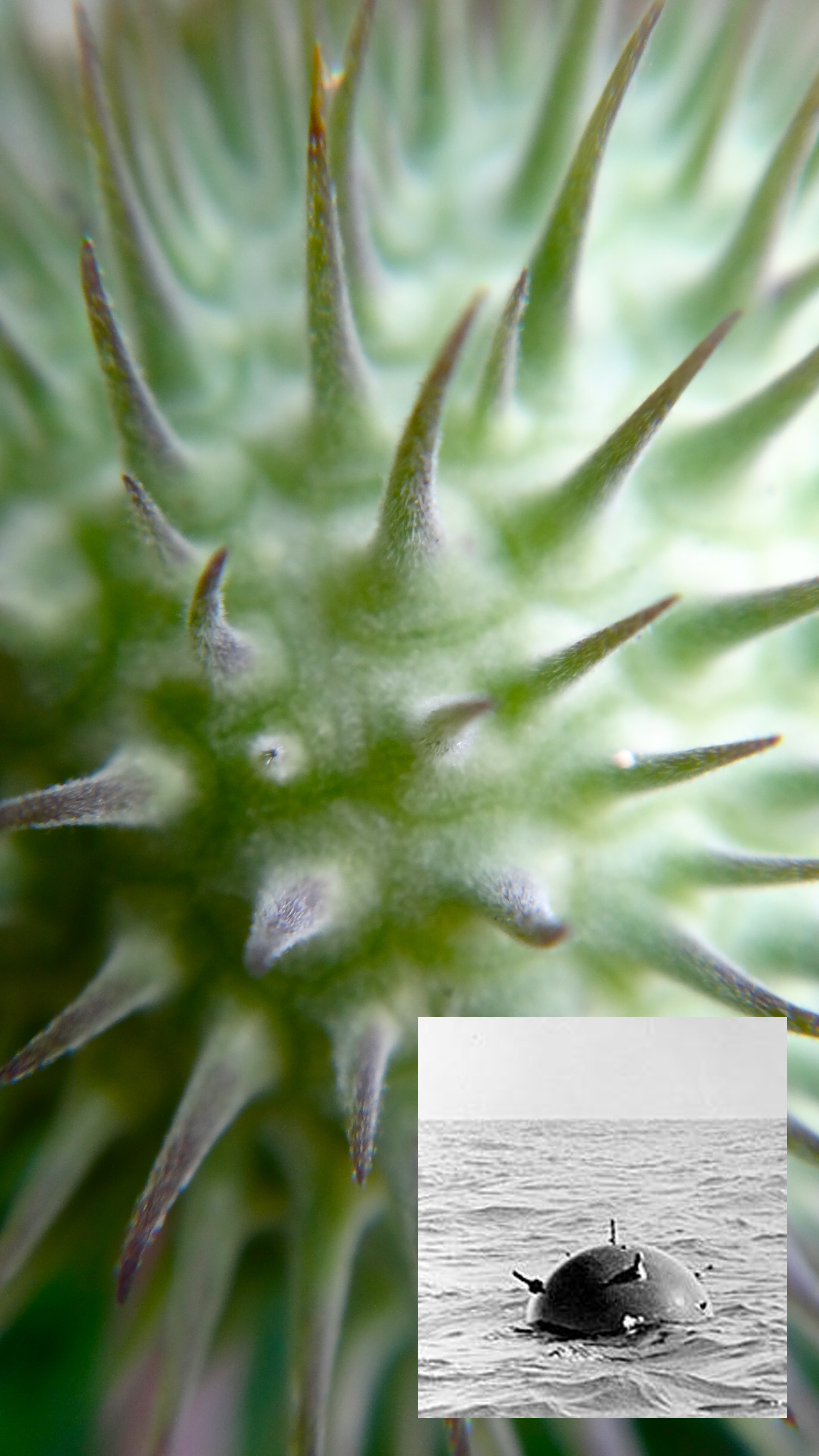
Jimson weed, jamestown-weed, Mad apple, devil’s apple, devil’s trumpet, devil’s weed, stink weed, apple of Peru, malpitte,
a lot of names for one plant.

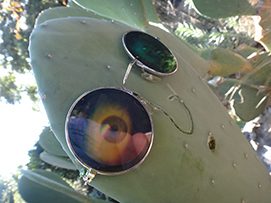
Commonly known as datura, these seedpods give an indication that you don’t want
to mess with this plant. It just looks dangerous.
The word Datura comes from Hindi dhatura (thorn apple),

though this is one apple you don’t want to be biting into, an apple a day keeps the doctor away? Probably not in this case.
Datura was considered particularly sacred in Ancient India as it was believed to be a favorite of the Hindu god Shiva Nataraja, the Lord of Dance.

According to Hindu mythology, Shiva’s cosmic dance represents the fundamental energy of the universe.

Sphingid moth on datura trumpet.
European usage of Datura can be traced back to pagan rituals. The Church suppressed knowledge of the plant during the medieval witch-burning period and associated Datura and other similar plants with the



The plant belongs to the classic “witches’ weeds,”along with deadly nightshade, henbane, wolfsbane and

mandrake, among others.
 Witches, like the shamans of the Americas, often used psychoactive plants to search for inner wisdom, to divine the future or to find answers to life’s deeper questions.

One of the hallucinogenic potions used by these “witches” was a concoction called the flying ointment, (I am sure for a very good reason). It was a rather lethal brew made from the so-called “hexing herbs,” one of which is datura.
The ingredients were rendered down in fat – requiring some sort of large pot (cauldron), a long implement would have been required to stir the bubbling mixture (like a broomstick handle).

Datura contains chemicals that are extremely toxic and dangerous. In non-lethal doses however, these chemicals cause delirium, amnesia, delusions and hallucinations vivid enough that the witch ingesting the potion would genuinely believe that she was flying, coming back to earth a few days later, no doubt with a bump.
Today the image of the witch cackling and “flying” around under the moonlight on her broomstick still remains a cultural iconic image…
…thank goodness.
***Disclaimer: To anyone reading this, please do not experiment with this plant, witches and shamans knew exactly what they were doing.
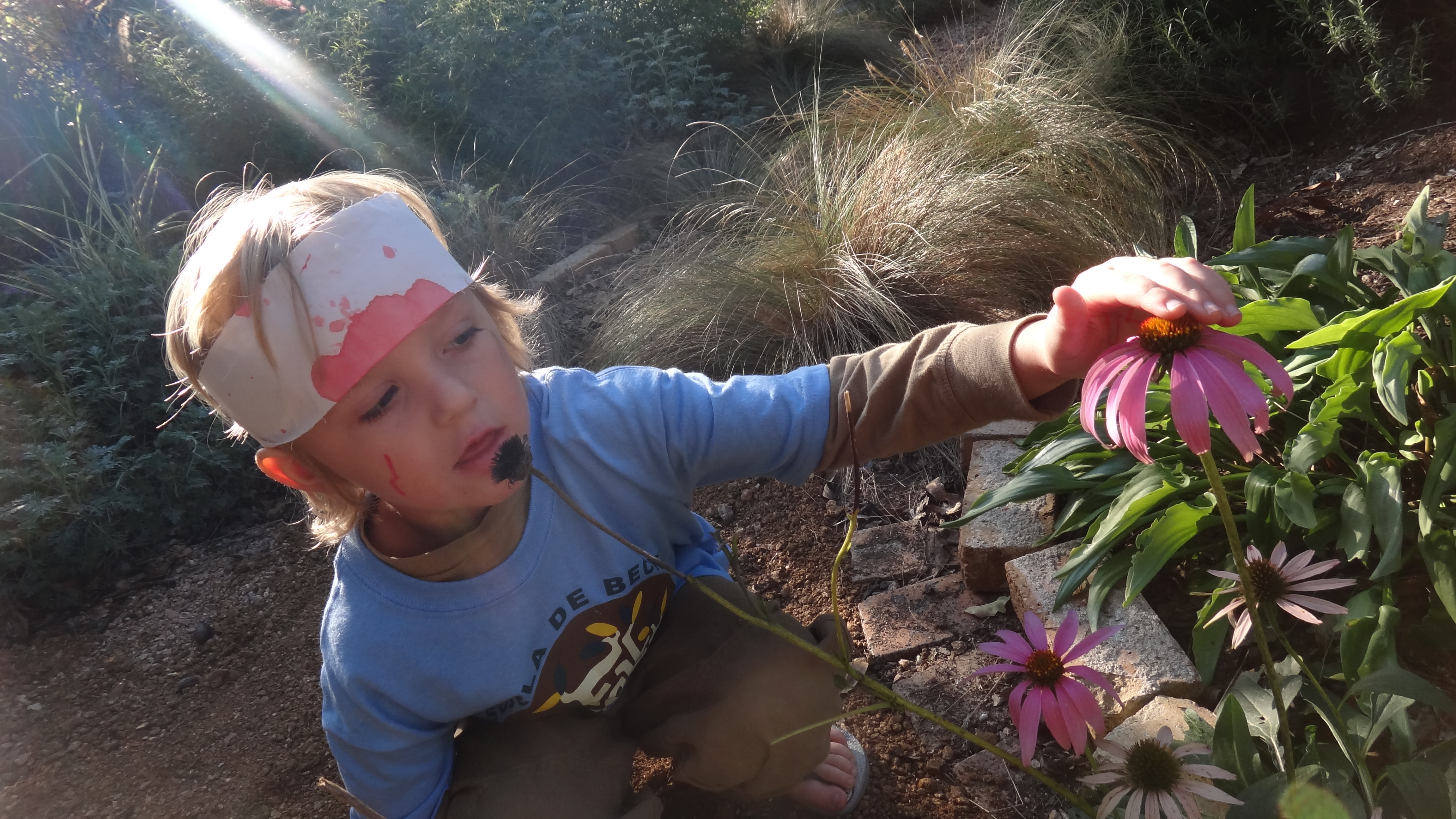
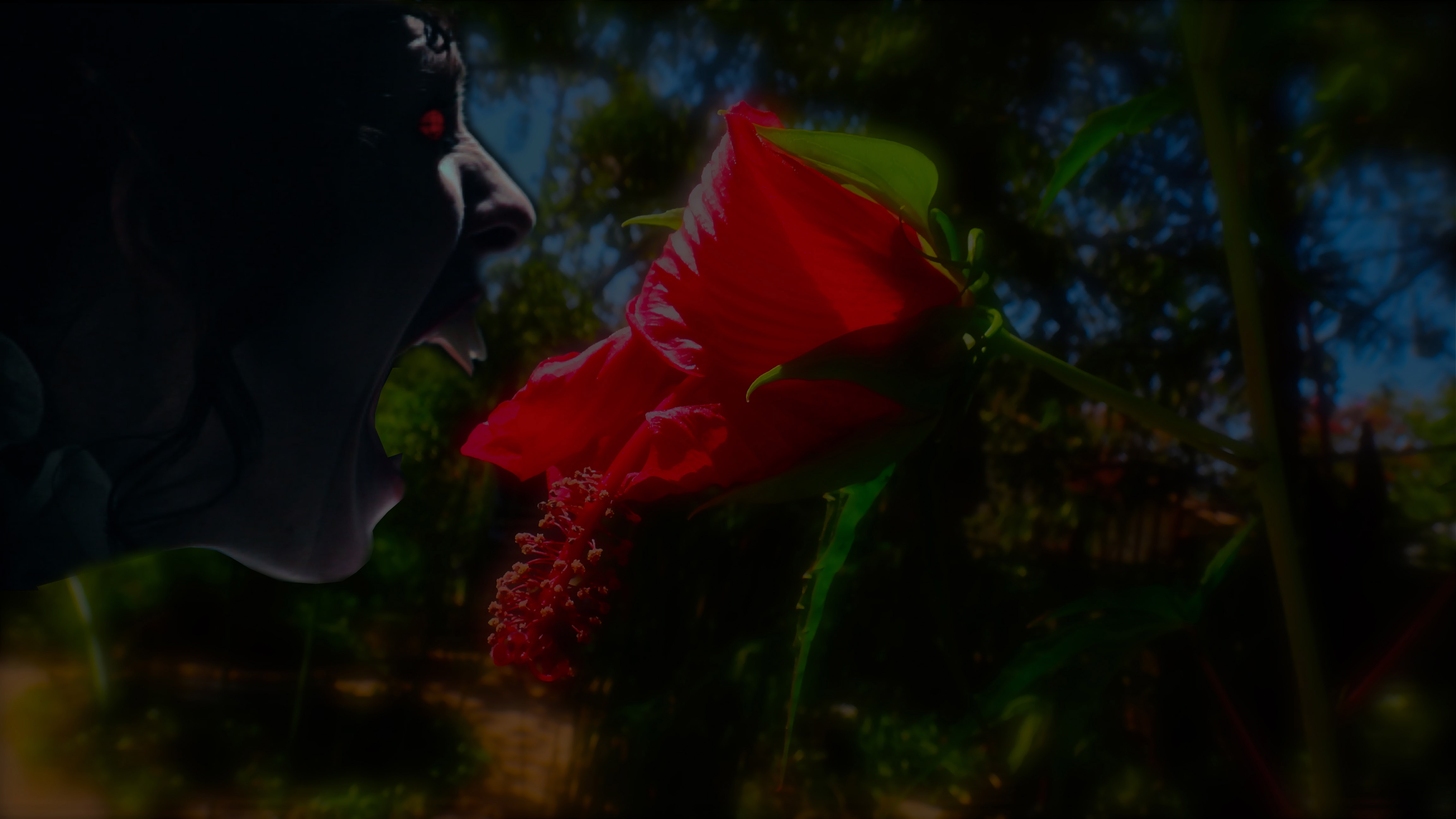
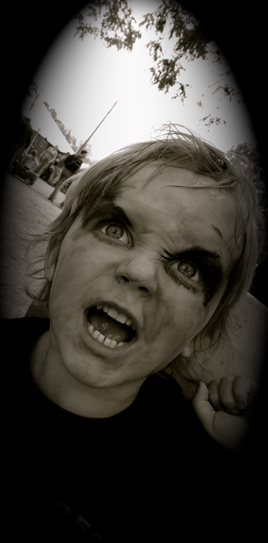
Halloween excitement has been brewing all this week in the Patch, this bleeding zombie appeared more interested in the texture of these coneflowers rather than the procurement
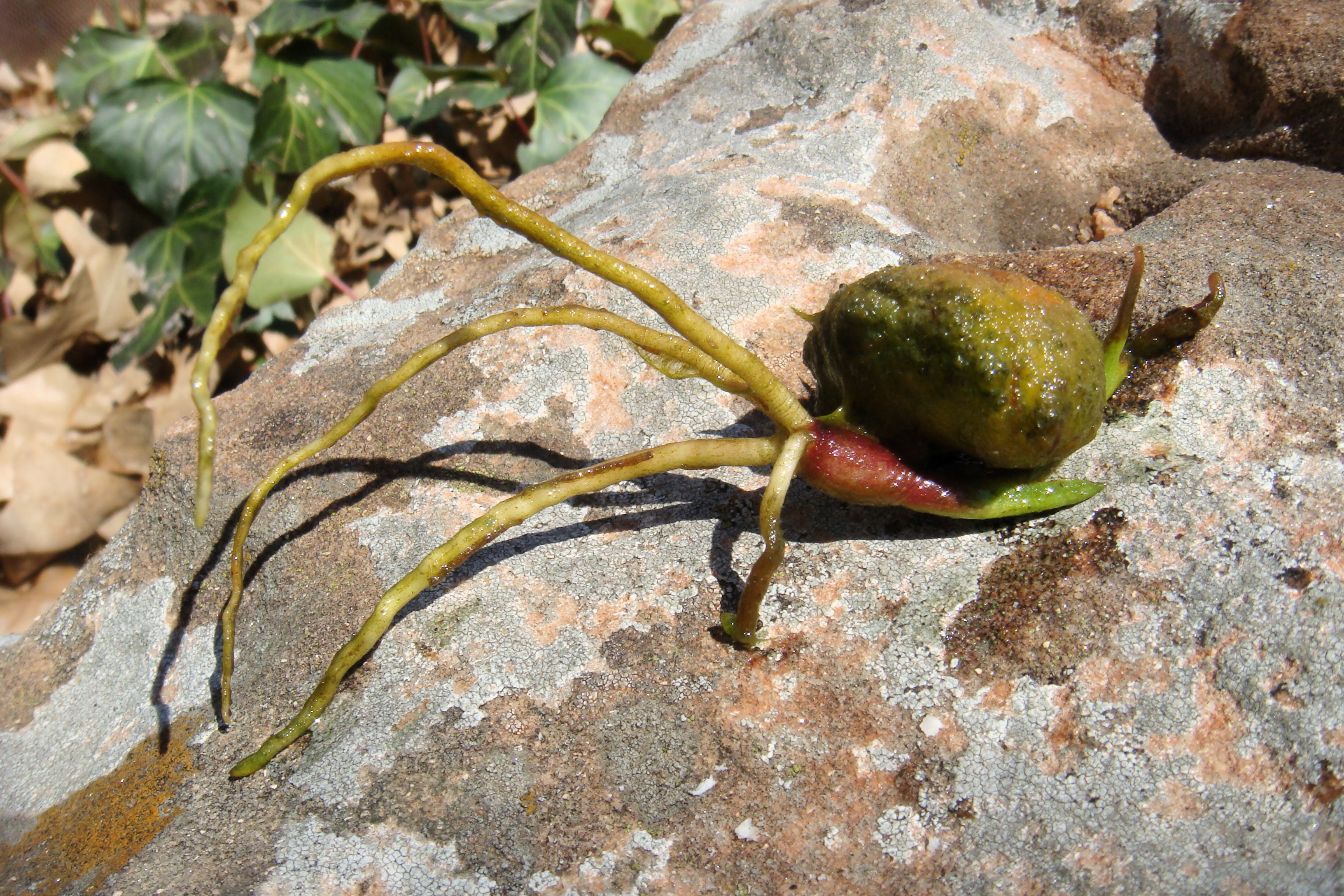
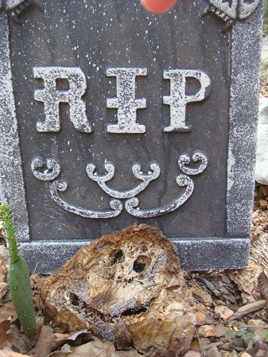
of more brains. I have no shortage of these unidentified little brains that are found floating in my pond.

Moving along:
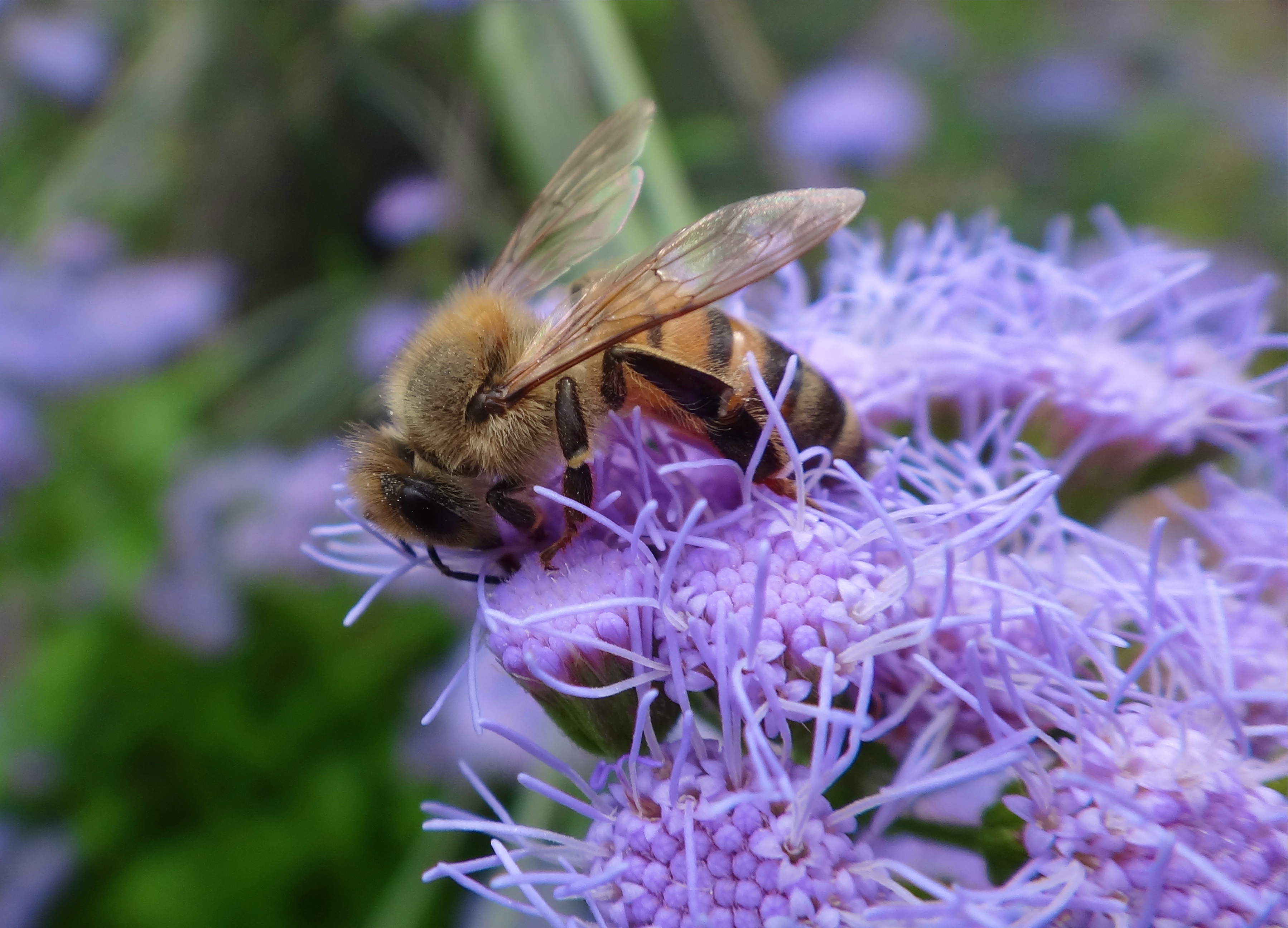
Bees,
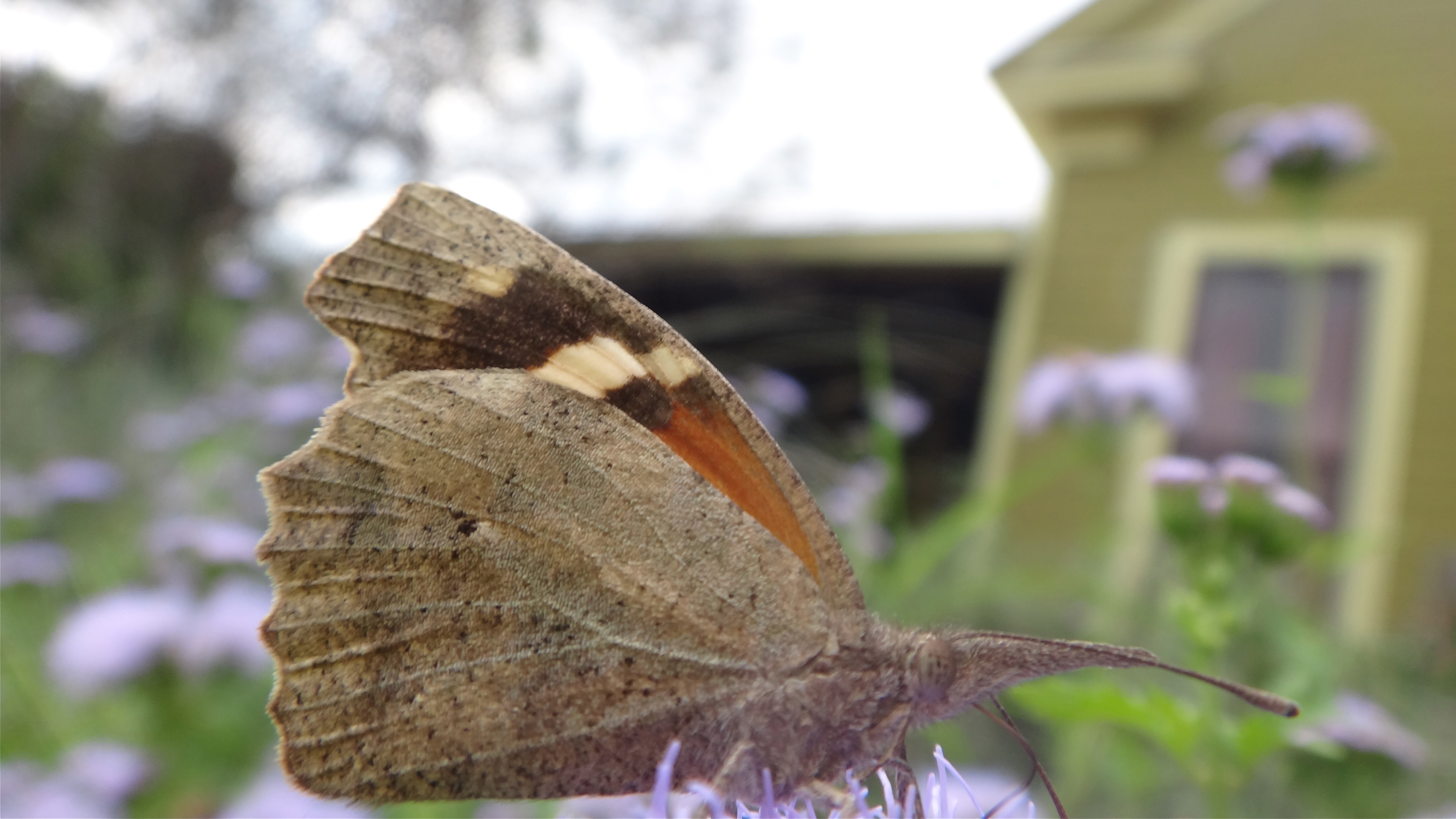
Snout Nose Butterflies,
Libytheana carinenta
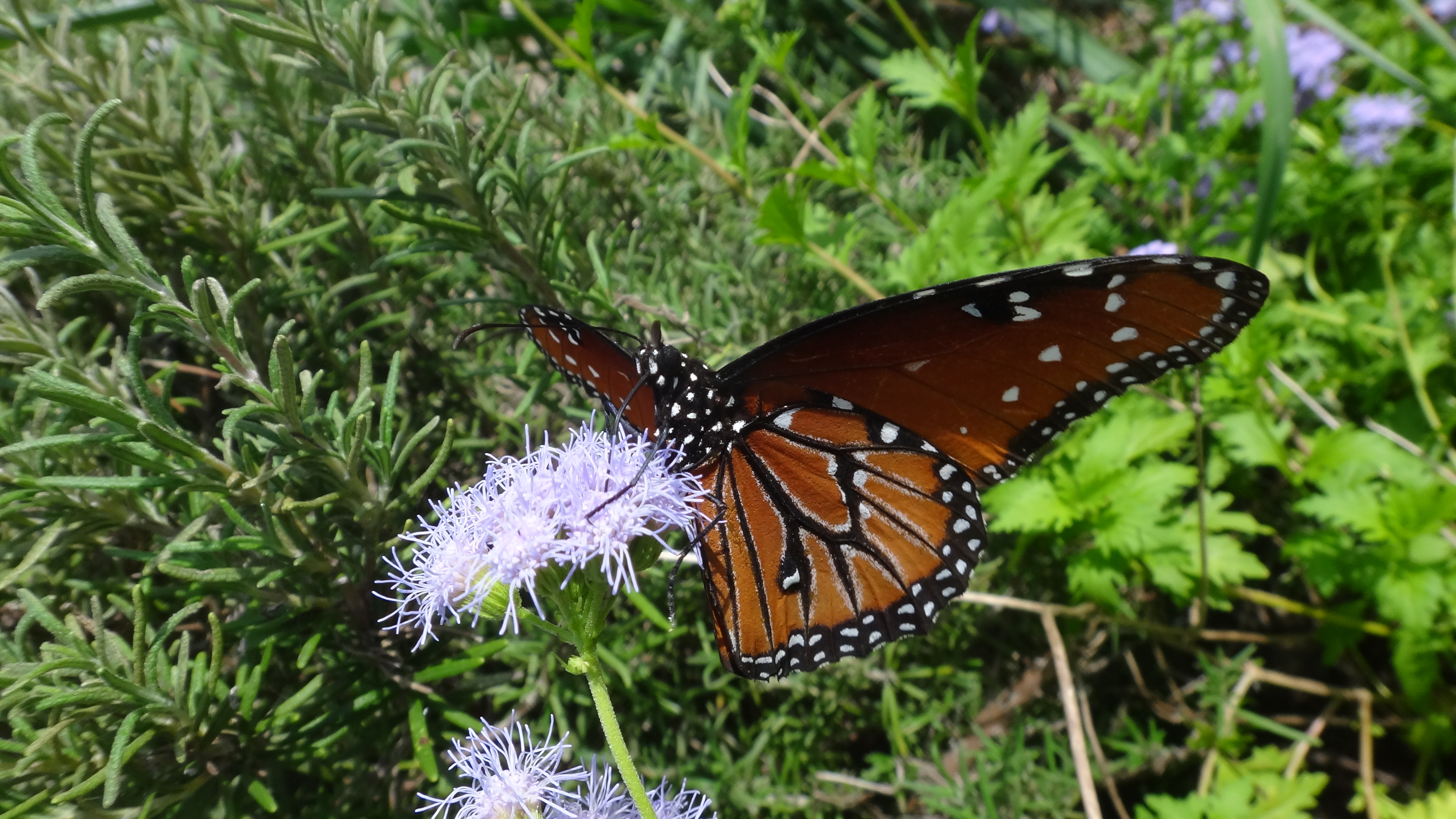
queen butterflies,
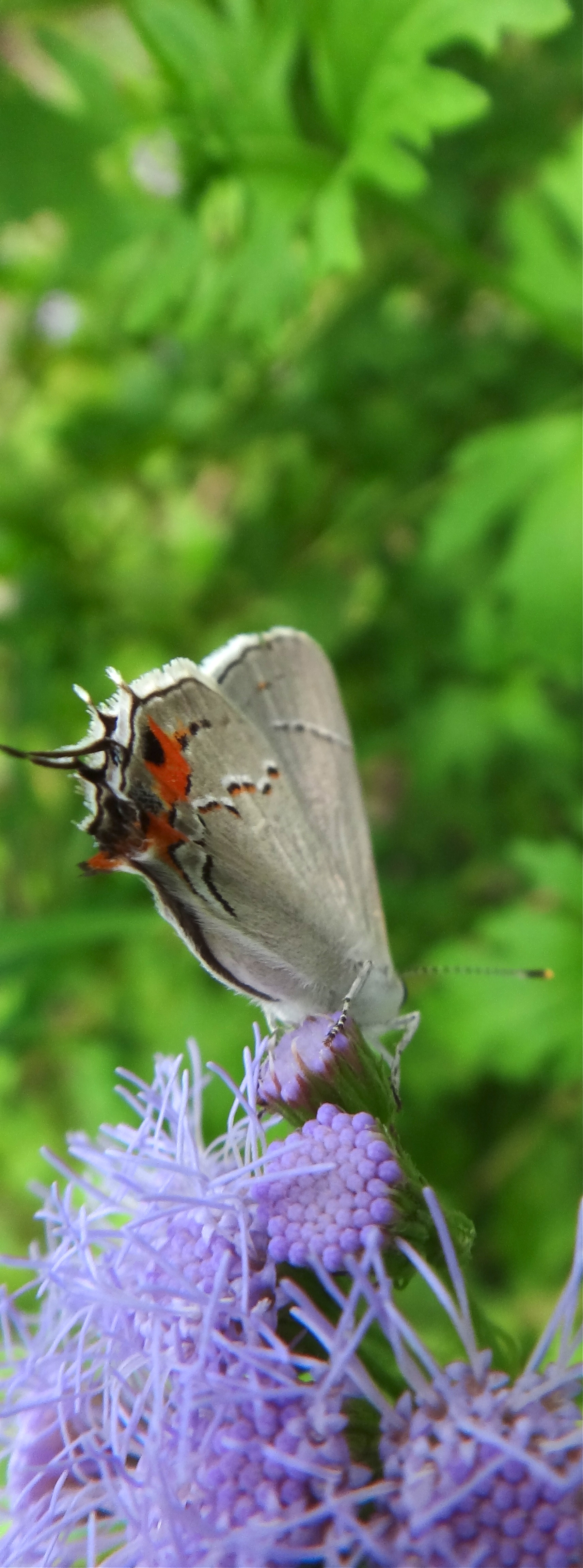
gray hair streaks and a bunch of these
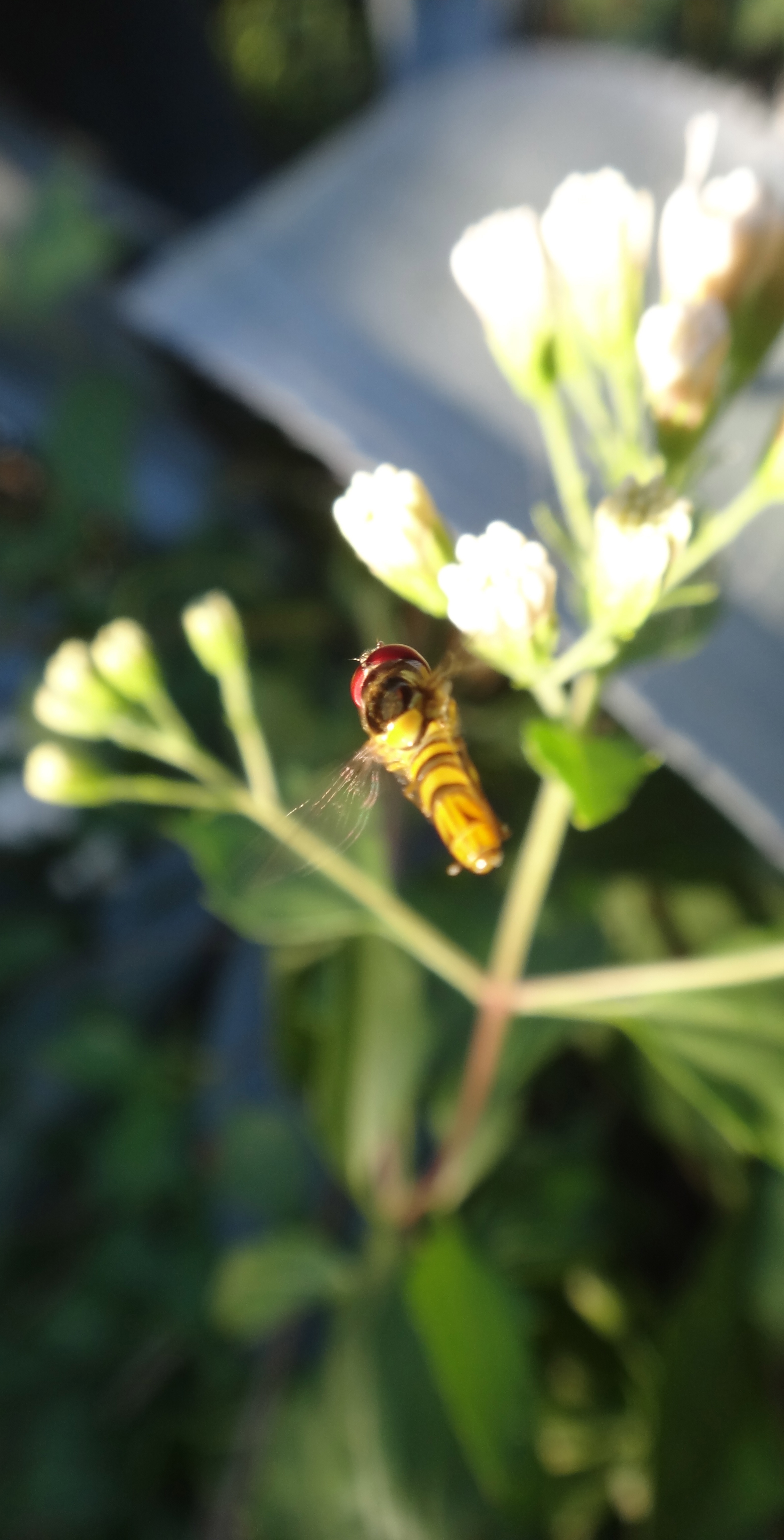
tiny Syrphid hoverflies have all been feeding all week on nectar produced by my purple and fragrant mist flowers.
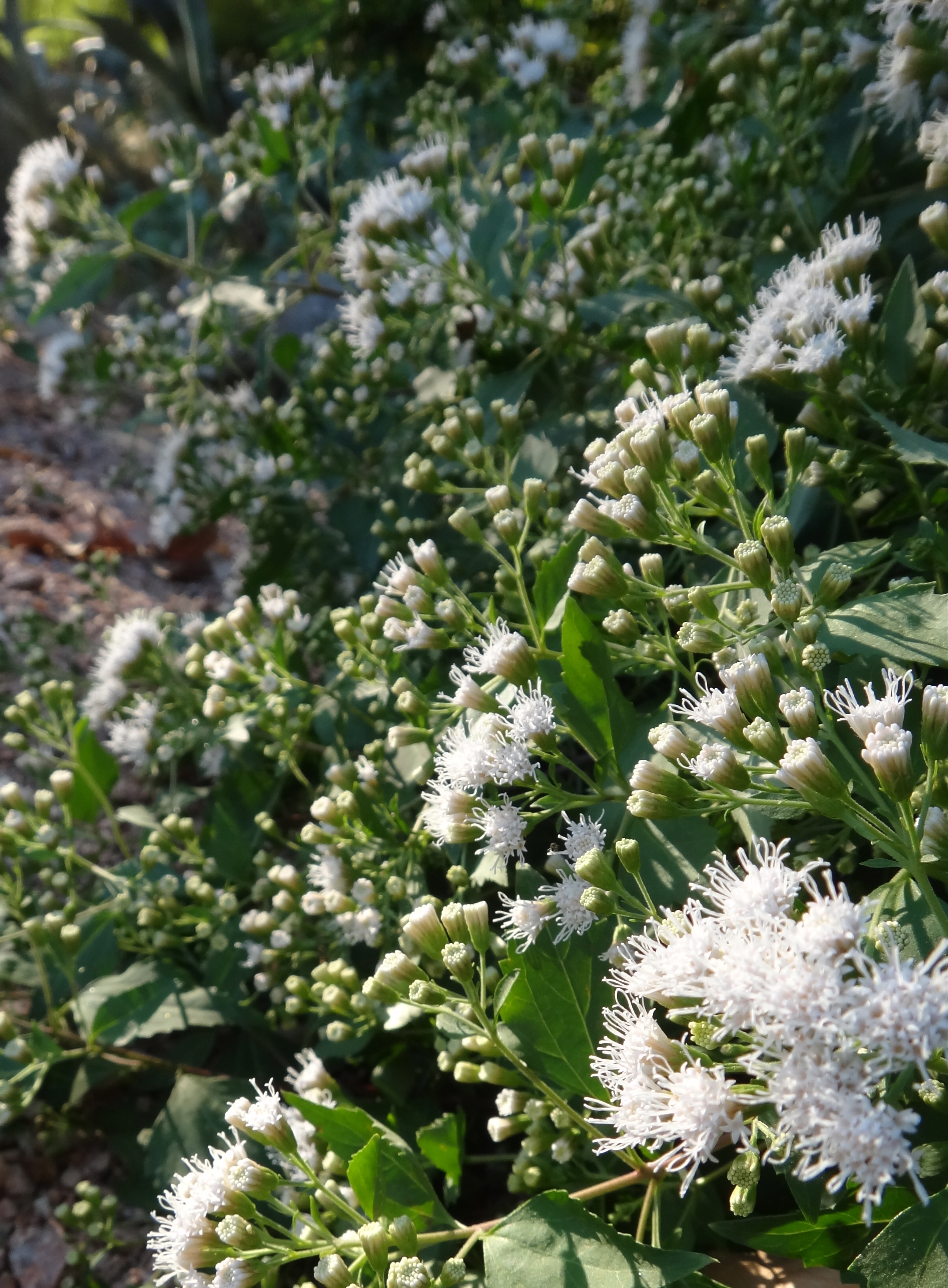
I have three fragrant mist flowers planted together for maximum punch, when these fully open it is insect mayhem.

The moths on these flowers appear to have consumed too much nectar and are now not adverse to being “handled”.

Happy Halloween from the pumpkin Patch.

Stay Tuned for:
“Bugs and Ducks”
All material © 2012 for eastsidepatch. Unauthorized
intergalactic reproduction strictly prohibited, and
punishable by late (and extremely unpleasant)
14th century planet Earth techniques.