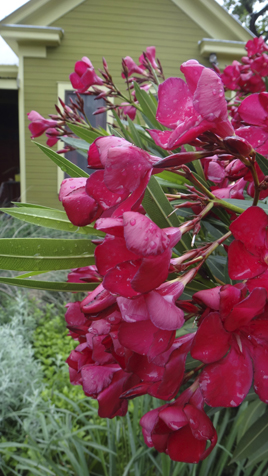
I went on my rounds the other day in the front of the Patch. Pulling on the the occasional 6ft strands of Bermuda grass that insist on growing through my rosemary urgh and admiring just how fast oleander grows and how prolifically it blooms when something caught my attention curbside.

Below my opuntia tree,


which is covered in buds and a few blooms. I noticed something bright, something orange.
I moved in closer.
Ignoring the weeds and the seeding Mexican oregano (I do very little maintenance in my front garden), there it was, shining brightly in the heart of my King sago palm.
Cycas revoluta

How could I have missed this golden egg?

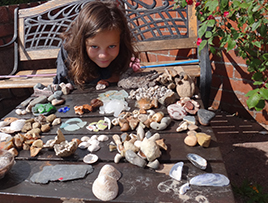
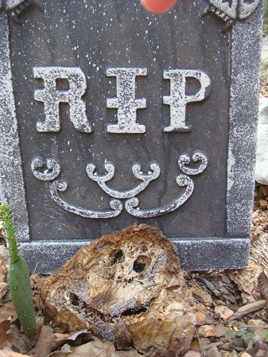
There were numerous other artifacts lying around the pollen coated base, I assume tribal offerings from the little folk who must now be worshiping the new Megalithic Structure on this plant that dates back at least 200 million years.
Sagos are cycads rather than actual palms as the name suggests, and they are dioecious, which means there are male plants and female plants and, like humans, to reproduce it takes both sexes.

Male sago palm flowers like this one produce a long (occasionally multiple), golden pollen cone-like structure called a strobilus. Most Sagos must be at least 15-20 years old before they are mature enough to bloom and reproduce.
Here is the female plant seedpod, about the size of a basketball,

Photo credit: brewbooks
and here it is opening up, revealing the internal seeds:

In their native habitat of southern Japan Cycads are pollinated by wind or insects, but to ensure pollination here in Central Texas you can dust some of the male pollen into the seed basket.
This can be done by crudely cutting off the male appendage and shaking it over the female

to disperse the pollen…aw come on!
A single male strobilus has plenty of pollen and can be used on several females at a time, or on one several days in a row.

Enough Austin!
Researching this post I did come across some hilarious documentation that stated some home owners have been so ’embarrassed’ with their neighborhood-shocking male strobili that they actually threw towels over them to hide them.

Imagine that scene?

I also found out that sago palm seeds contain two carcinogens, macrozamin and cycasin, which can apparently be absorbed through the skin – so use impermeable gloves when working with these seeds.
Now…to find a female plant!
Does anyone in Austin know of one / seen one / have one and are willing to get these plants together?

Finally:
More welcome spring rains are hitting us…at about an inch an hour!

When this happens,

this happens to my Buddha’s belly bamboo…

she’s a 40ft leaner.

This Alphonse Karr bamboo also lowers its much smaller culms when saturated.

Fragrant mist flowers are out of control with the surprise moisture, as is this evergreen wisteria that threatens to consume anyone who lingers too long on my garden bench.


Spent poppy heads have buckled in the rain, dispensing their royal seeds through their crowns and into the damp granite.
And we all know the next devious scene…

They know what to do when it rains…
 Stay Tuned for:
“Megasporophylls!”
All material © 2013 for eastsidepatch. Unauthorized
intergalactic reproduction strictly prohibited, and
punishable by late (and extremely unpleasant)
14th century planet Earth techniques.