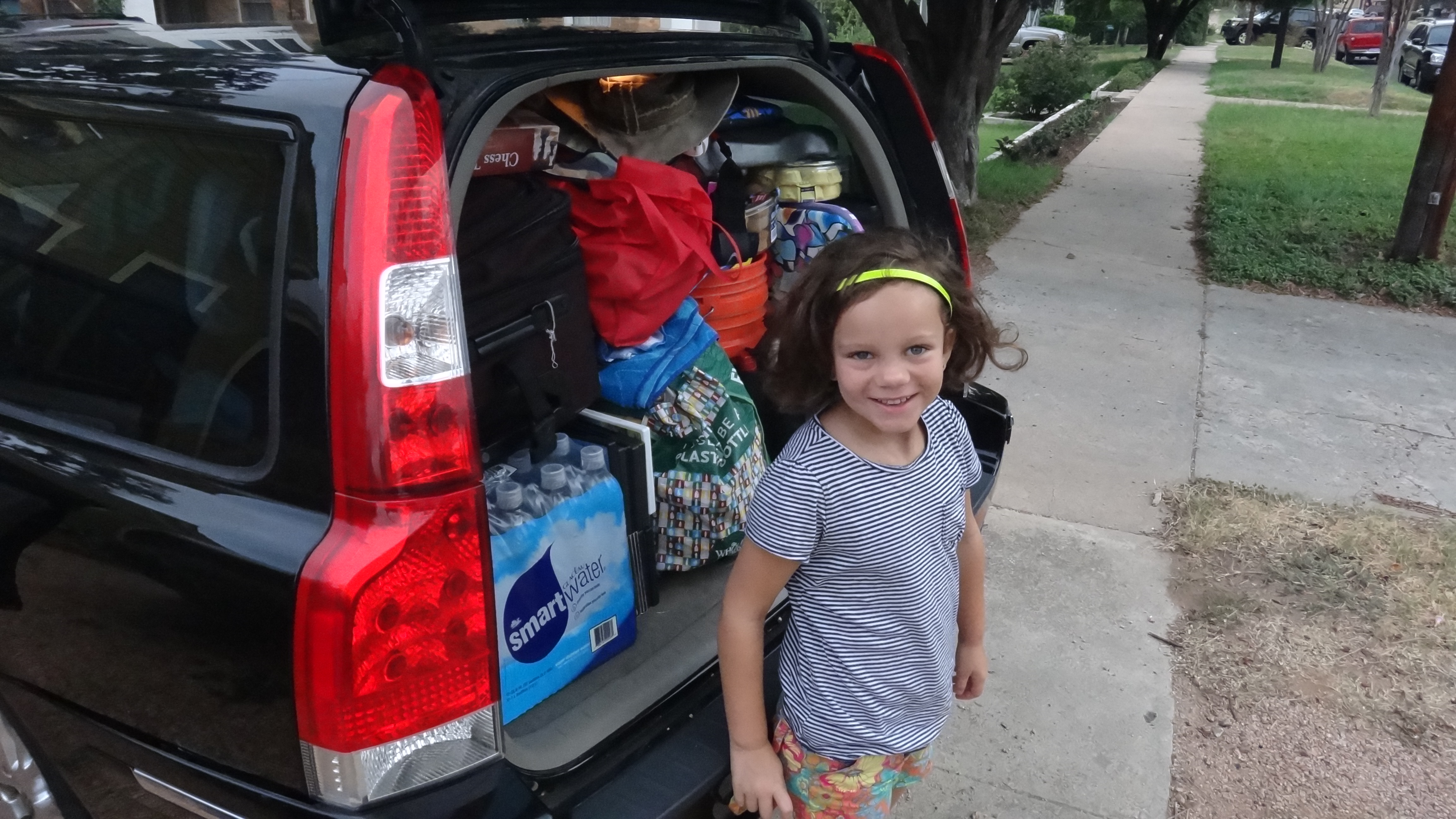
Our car bulged at the seams…
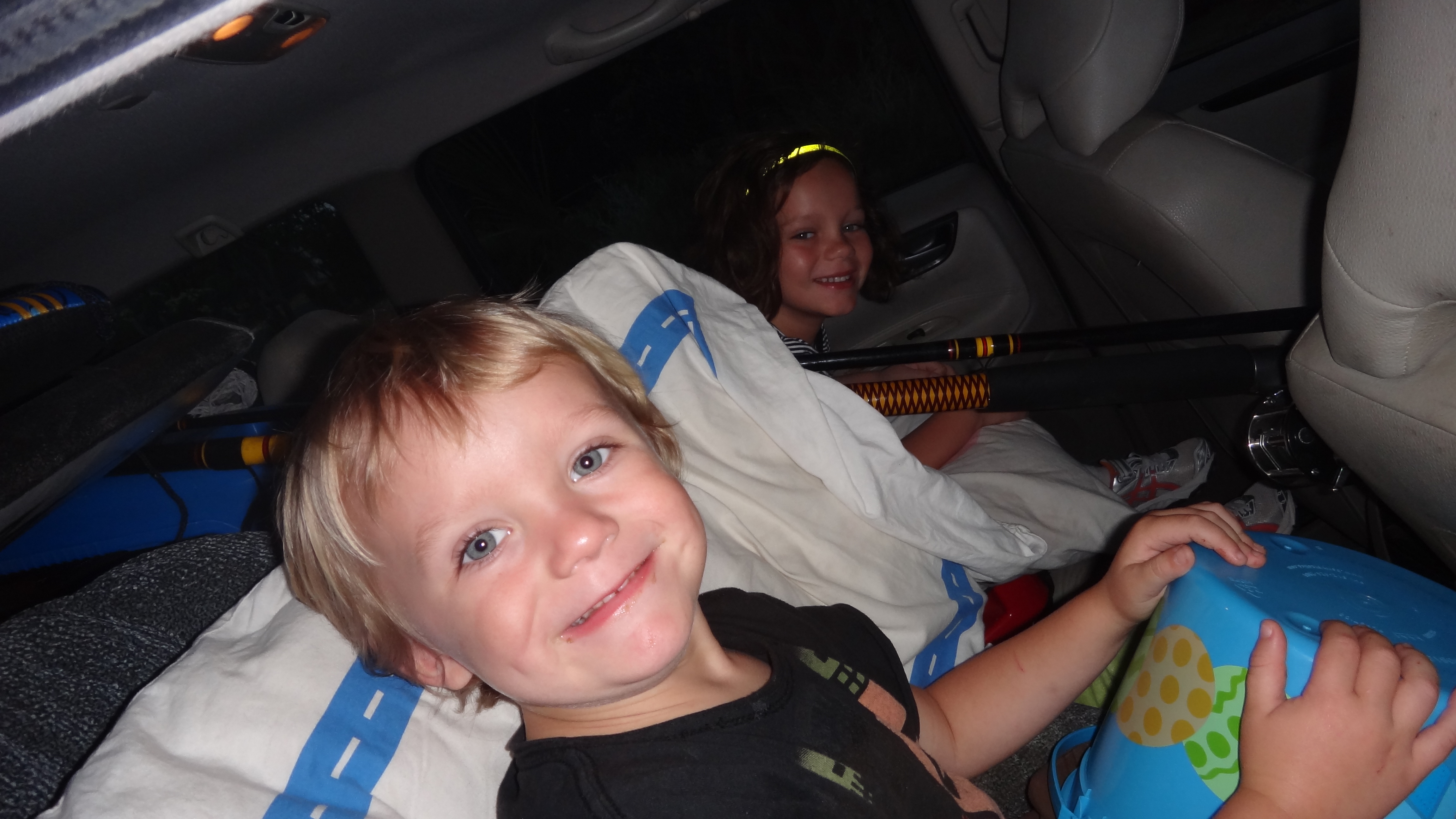 buckets and rods were at the ready, and so were we.
I was very excited at the prospect of replacing the mist from my misters
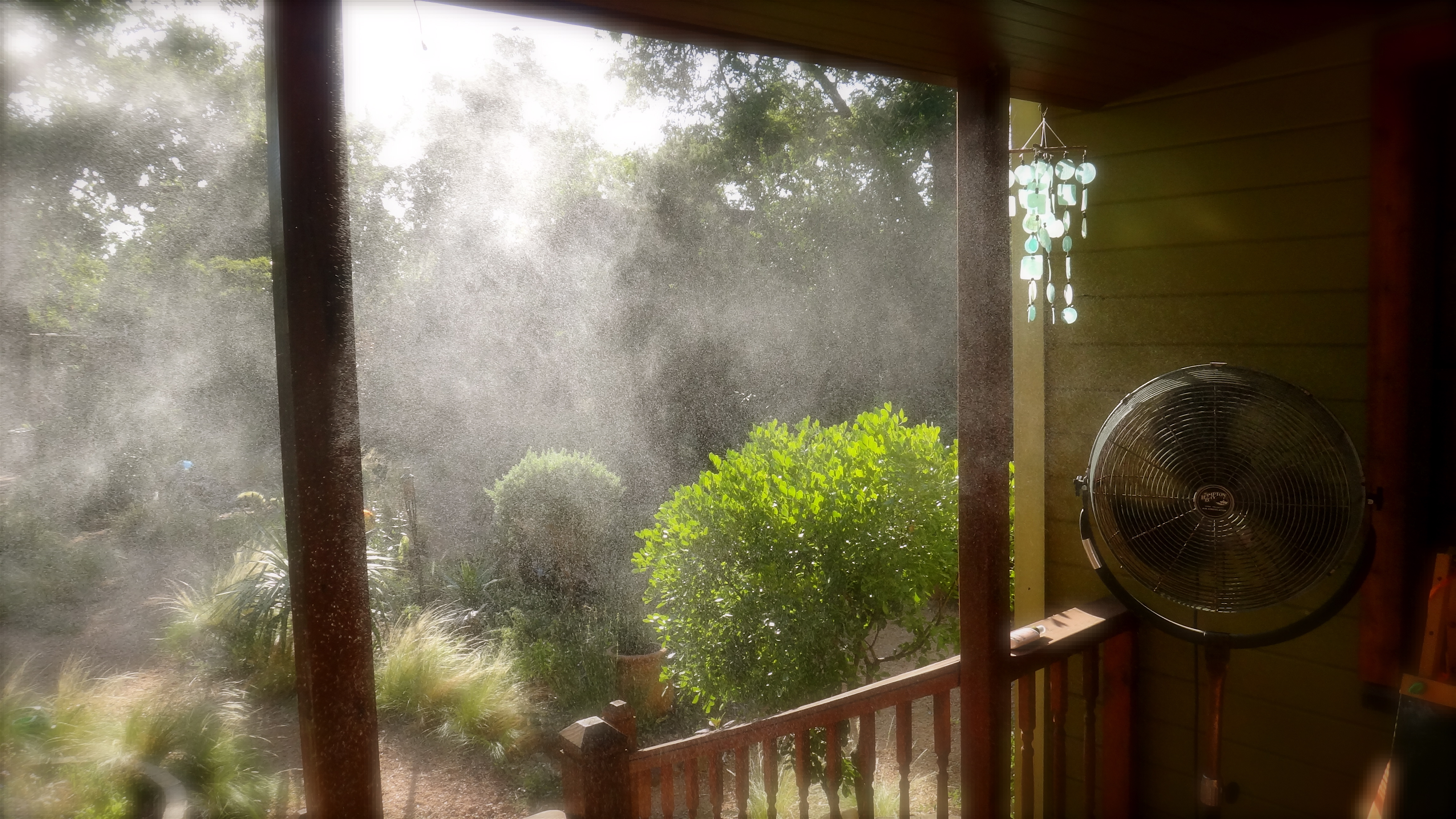
with real surf spray,
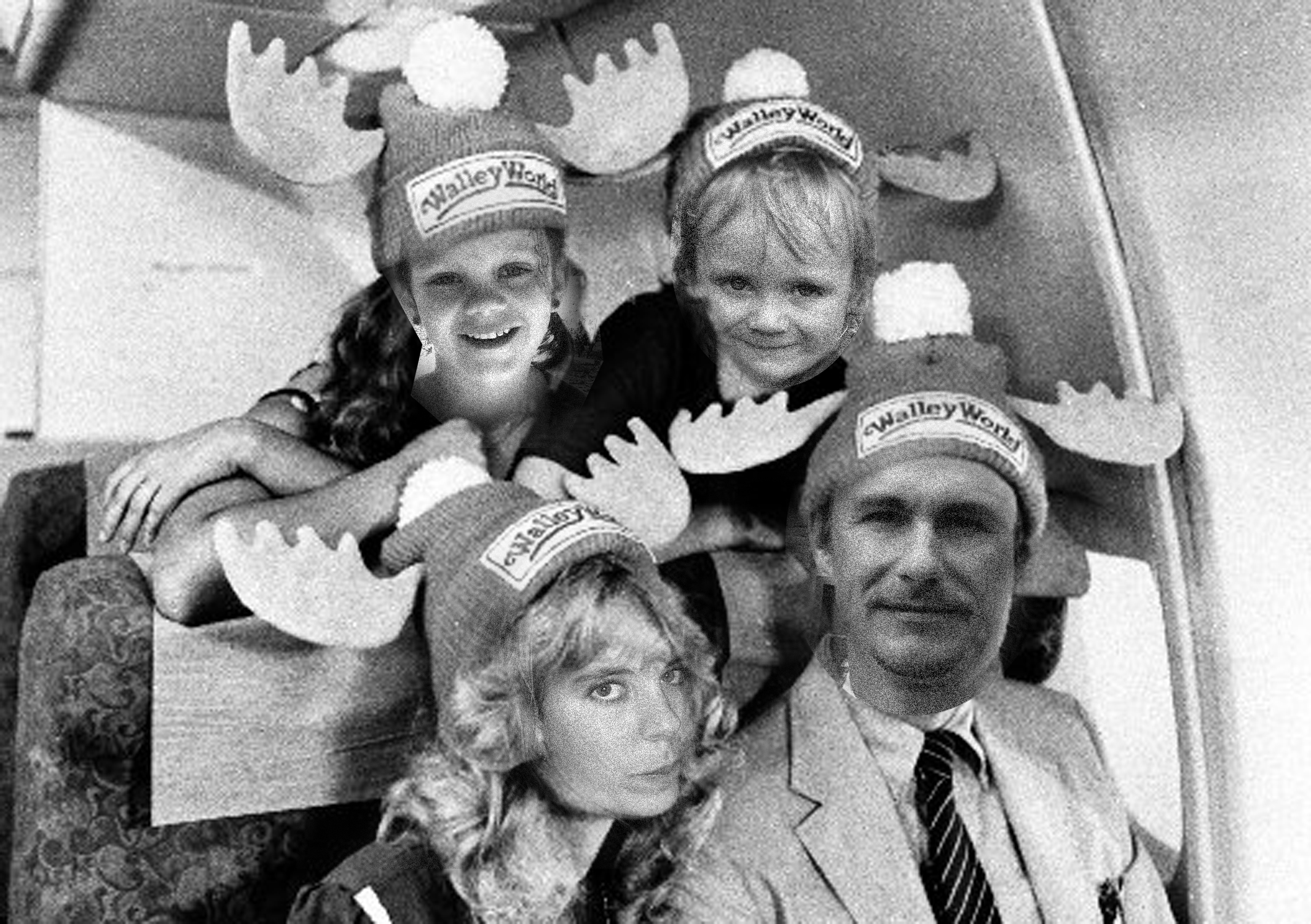
yes, the Levwold’s were finally going on a vacation which was a really good thing,
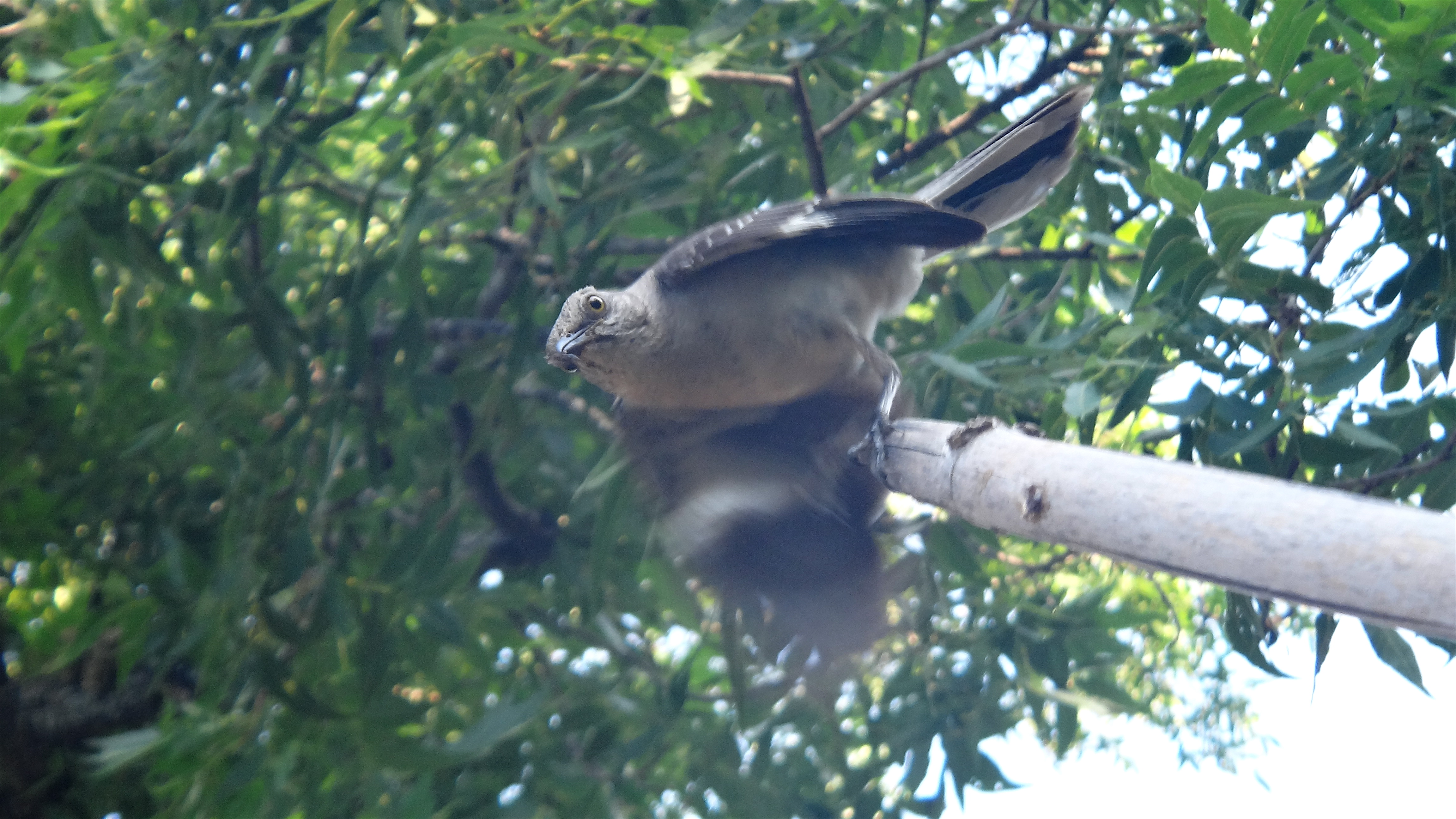
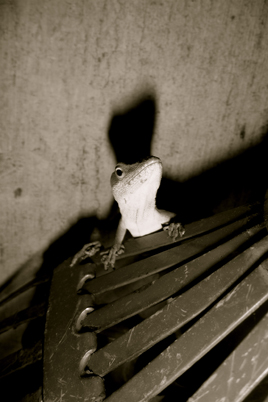
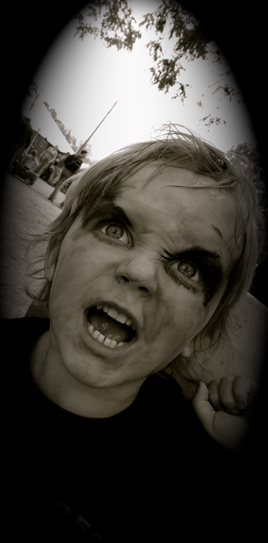
as I believe if we had not left when we did this angry mocking bird would have pecked us to death – look at that face. This bird was a menace, swooping at me and Kumo causing him to continuously throw nervous glances over his shoulder to the sky, and me to flail my arms frantically above my “tucked-in” head every time it dive bombed me. This bird was ruining our outdoor activities, no more paddling pool, no more sitting out looking at the fish for fear of the terror that would reign down on us from the sky.
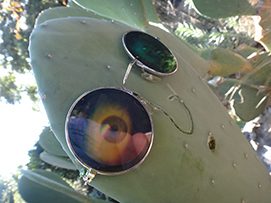
Yes, it was definitely time for a holiday. I informed the Naboo of our travel dates, polished the cactus man’s monocle, and left a fresh box of napkins next to the Botox Lady.
We were finally off.
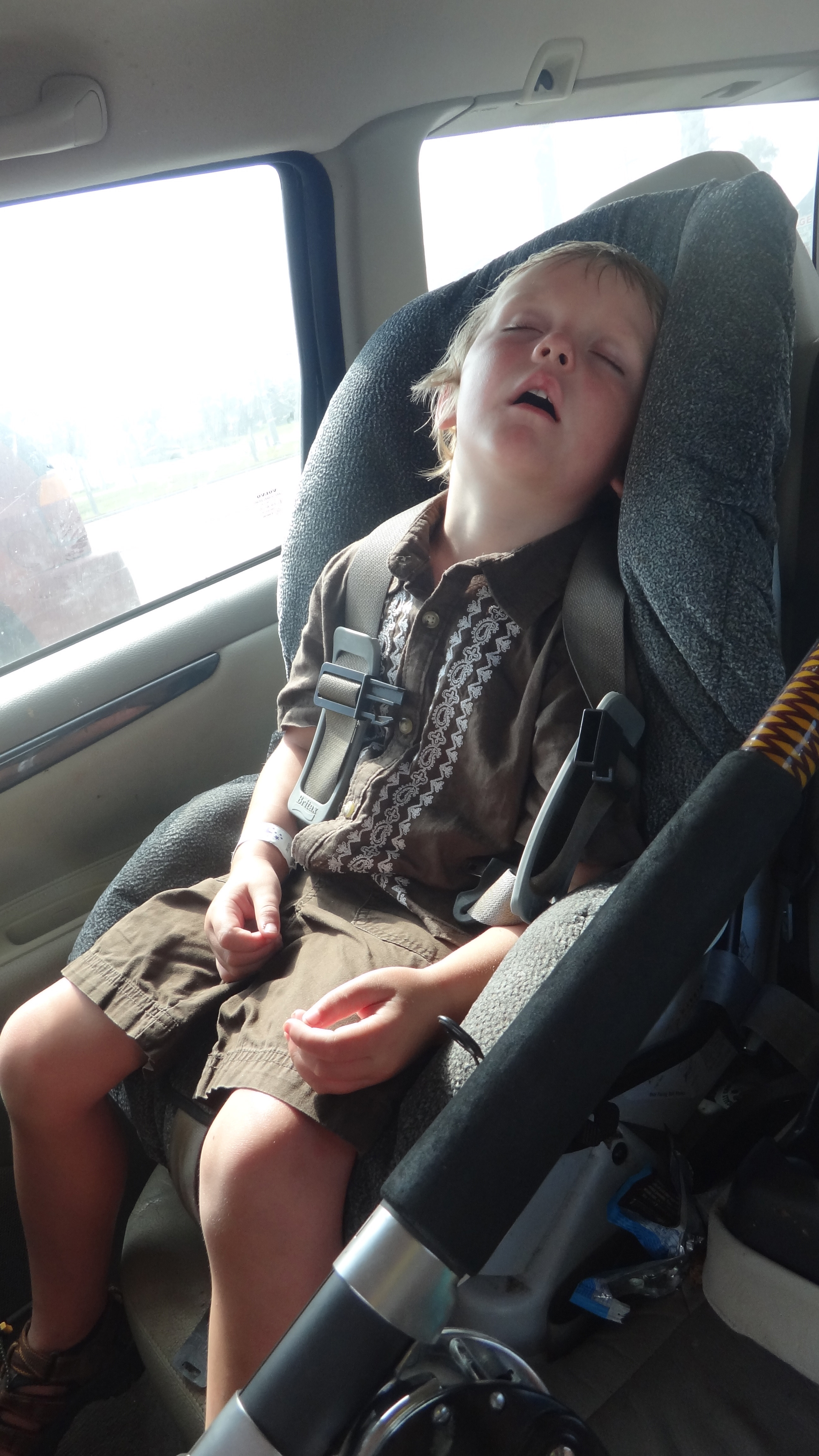
In apparently more ways then one…it was a very early start after all.
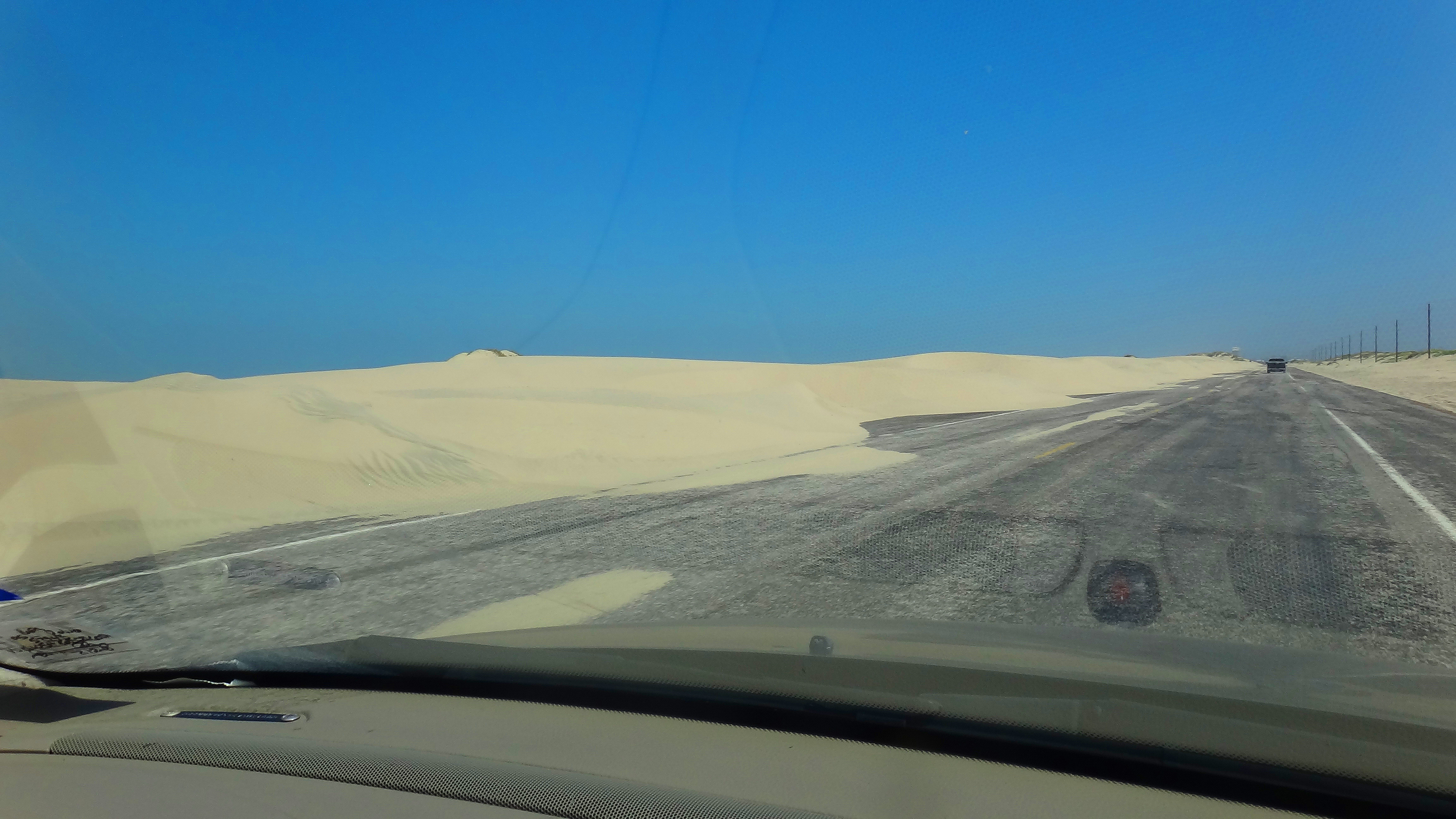
Some hours later we were driving through the very martian looking environment of South Padre Island on the Texas gulf coast. Time during the journey was measured in “Harry Potters”…“Stop asking! We have been traveling one and a half Potters, we have two more Harry’s to go…now stop asking!” 15 minutes later: “Has it been two Harry Potters yet?” ….oh for Slytherins sake!.
A chunk of this pristine coastline a little north of south Padre is currently all for sale for future development, a little depressing.
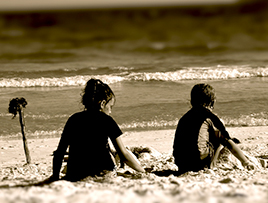
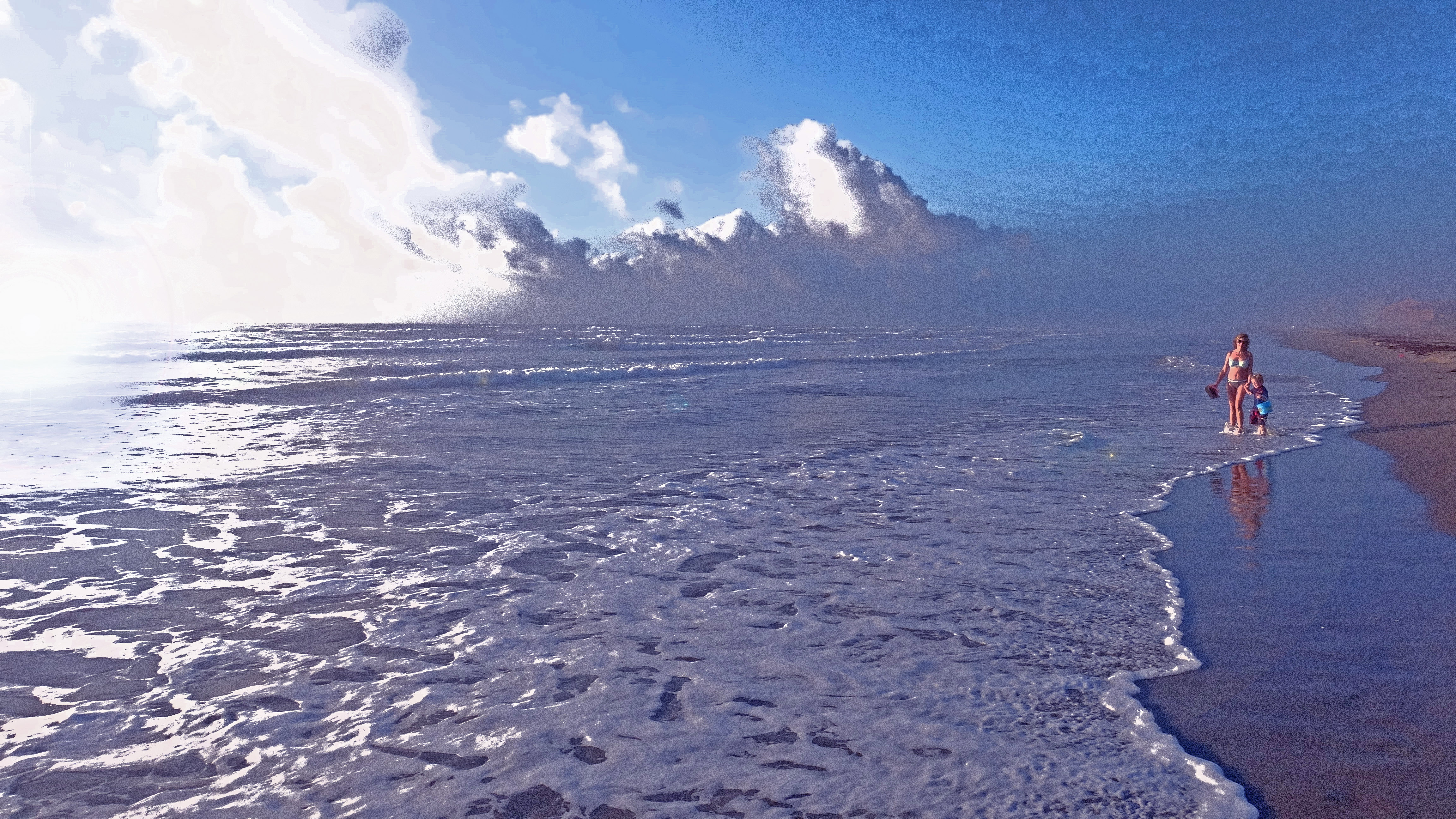 On arrival, the moisture filled winds and warm sea waters washed the journey behind us in no time at all. It was the first time our halflings have ever witnessed the ocean so there was a lot of excitement (and high pitched squeals) filling the salty air.
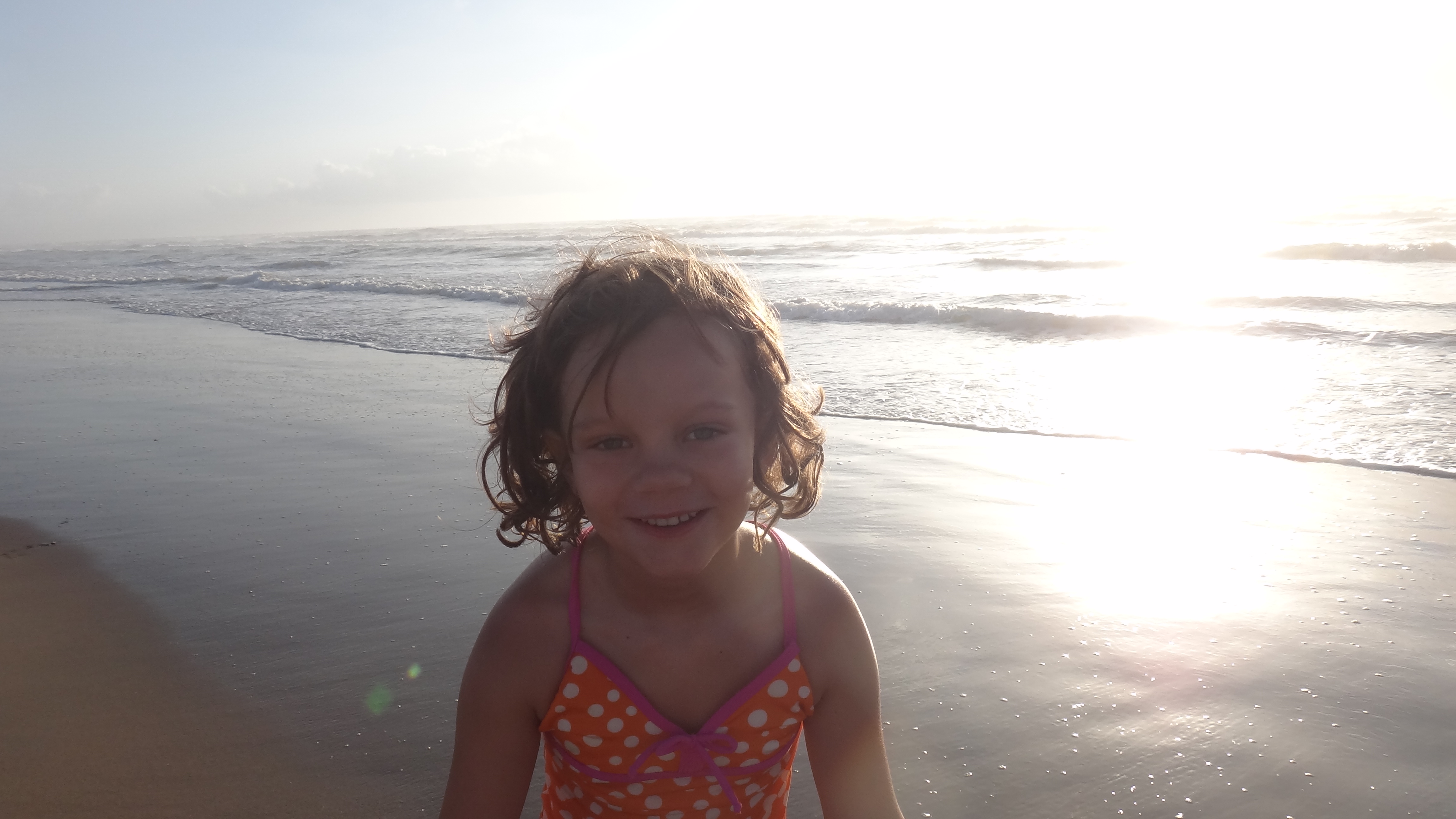 I thought she would be obsessed with finding sea-shells, but she found something much better in addition, something alive and shimmering with all the colors of the spectrum, creatures that would bury themselves in the sand seconds after a wave sucked back out into the ocean. Oh yes, this quickly became a high-intensity hunting activity,
 and she loved it. She had discovered these colorful jewels of the ocean, and became thoroughly obsessed collecting them with eager fingers. These Coquina Clams are small members of the clam species who live in the tidal zone of many of our beaches. The southern Atlantic Coquina lives from Virginia south into the Caribbean and the Gulf of Mexico. In good habitats of clean water and sand, these clams will multiply and become plentiful indicating a healthy beach. The tiny clams move up and down the beach with the movement of the tide. The water gives them a lift, first up the beach and then back down. When they find the spot they are looking for, they quickly bury themselves in the sand.
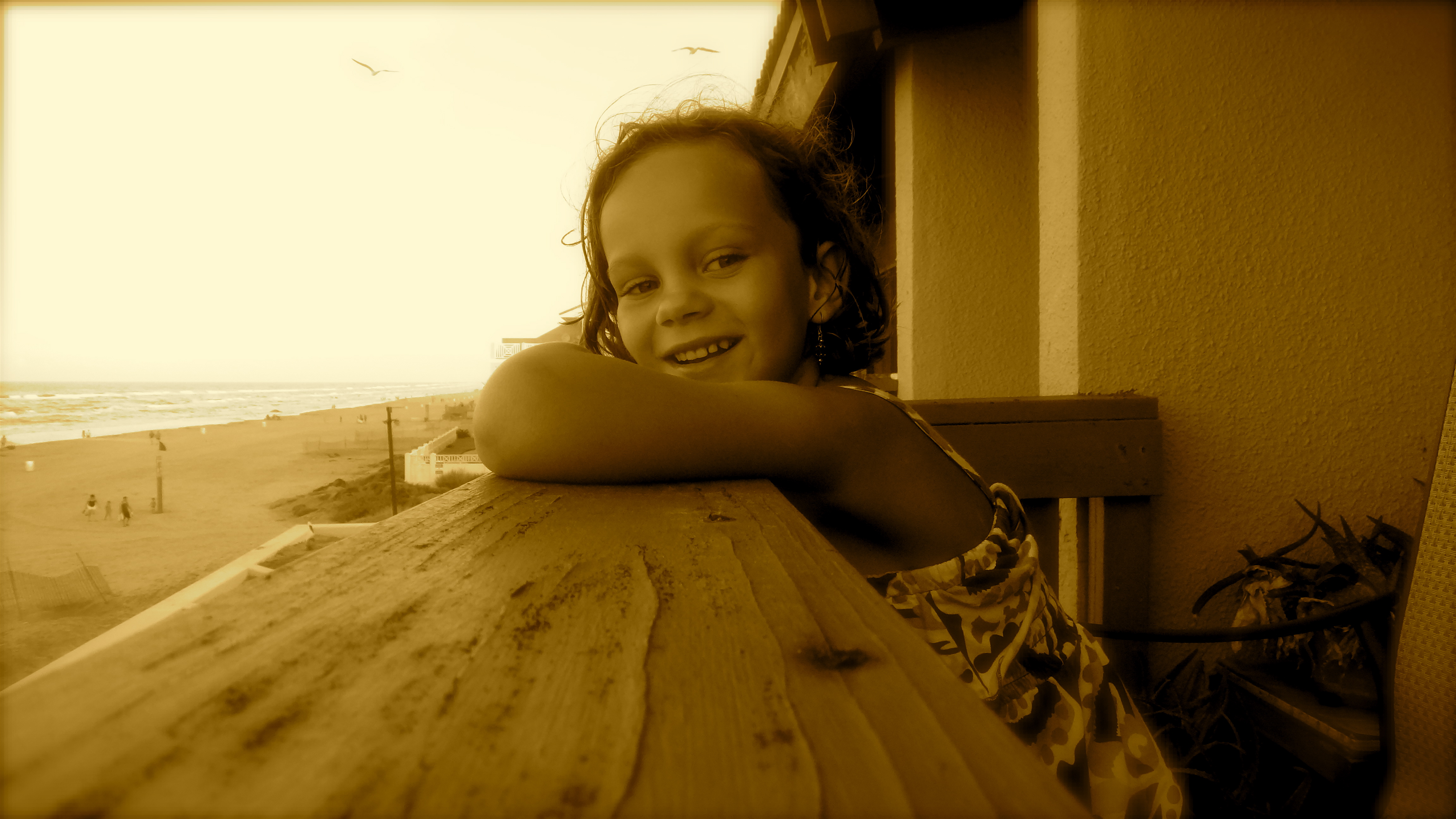
Every evening our third floor apartment became a laughing gull feeding frenzy.
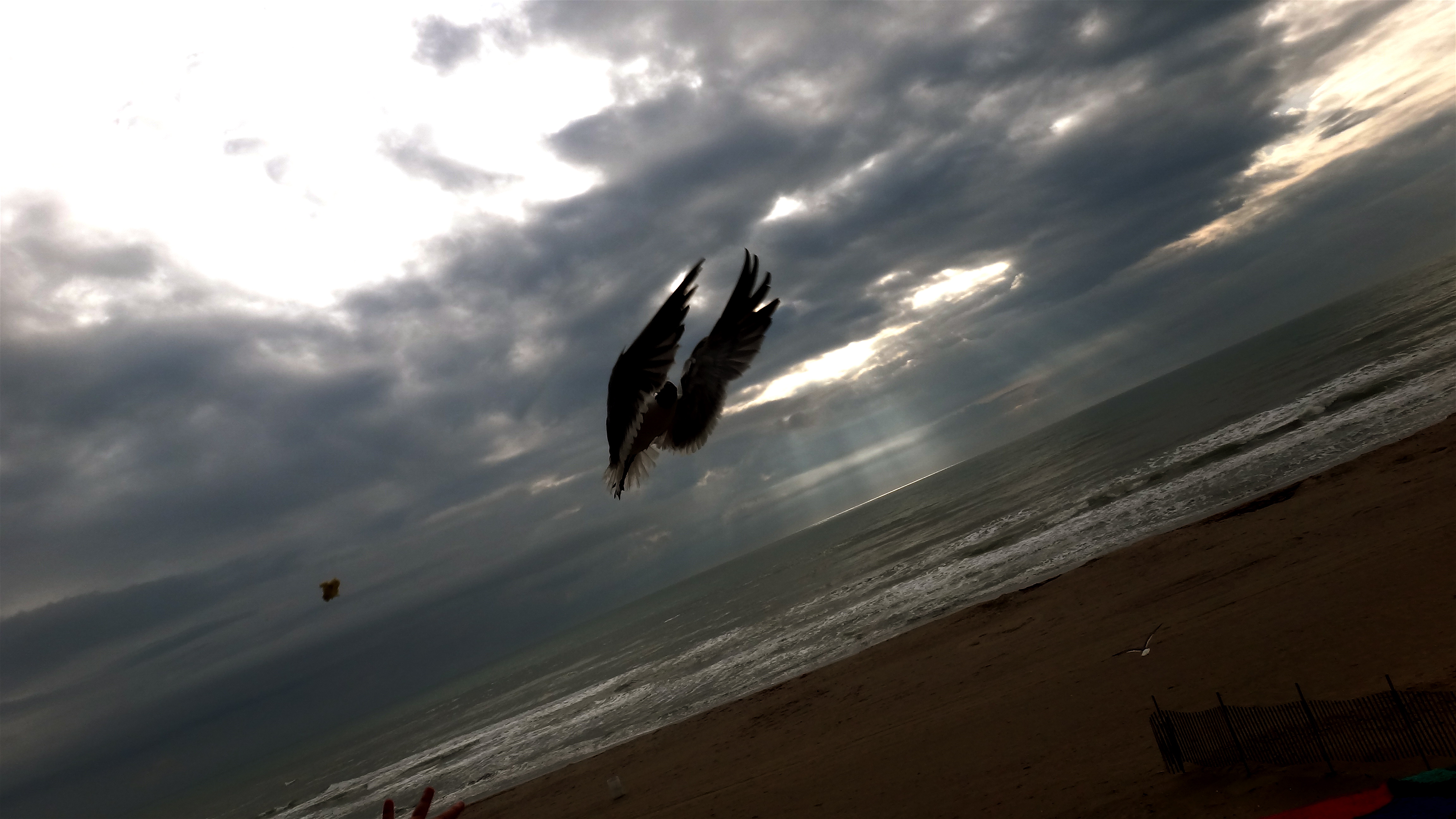 As bread and crackers were thrown high into the heavens.
 This was all well and good until the droppings began, driving us once again cowering indoors.
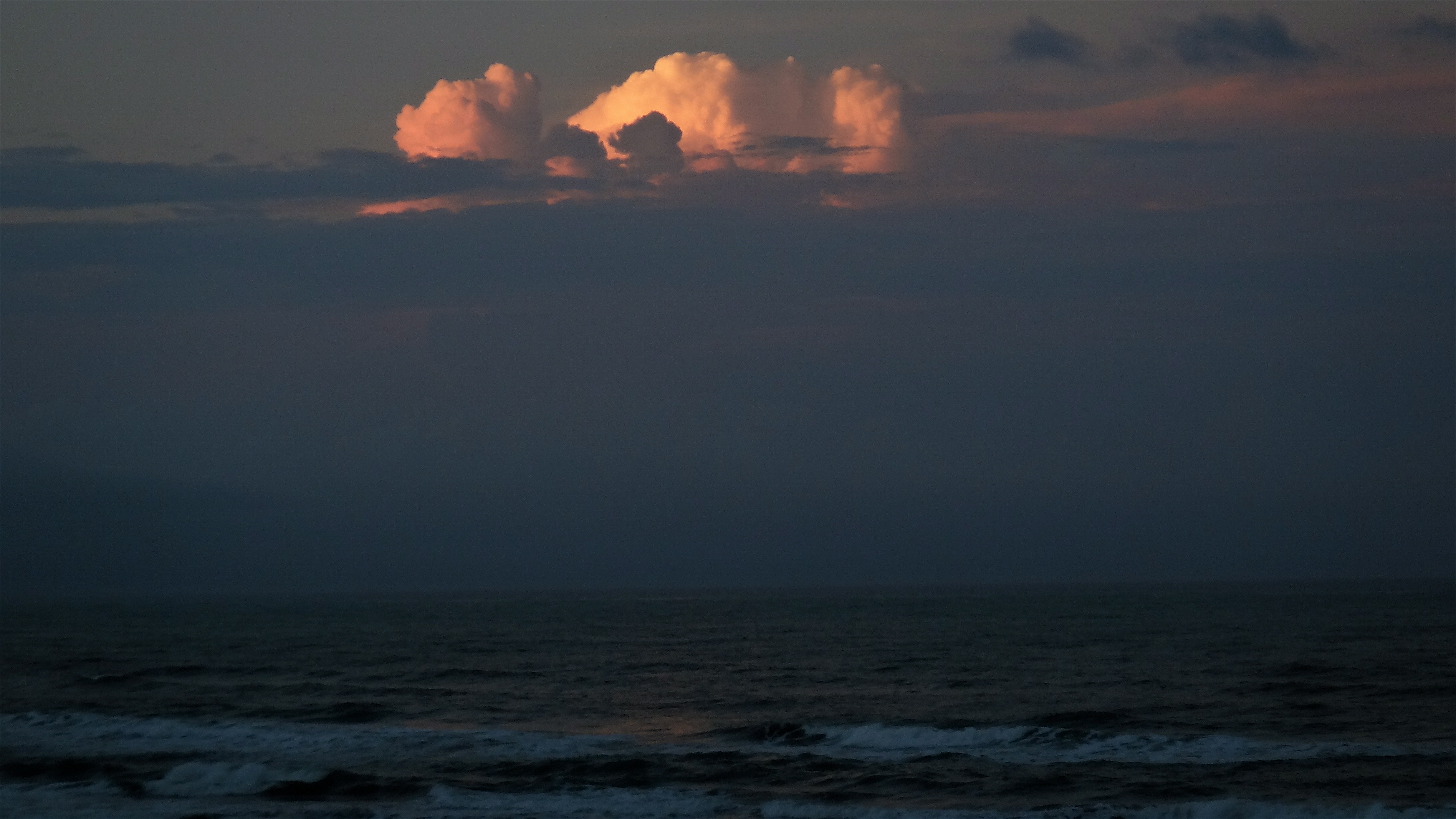
We spent a lot of time up there on our balcony observing cloud formations,
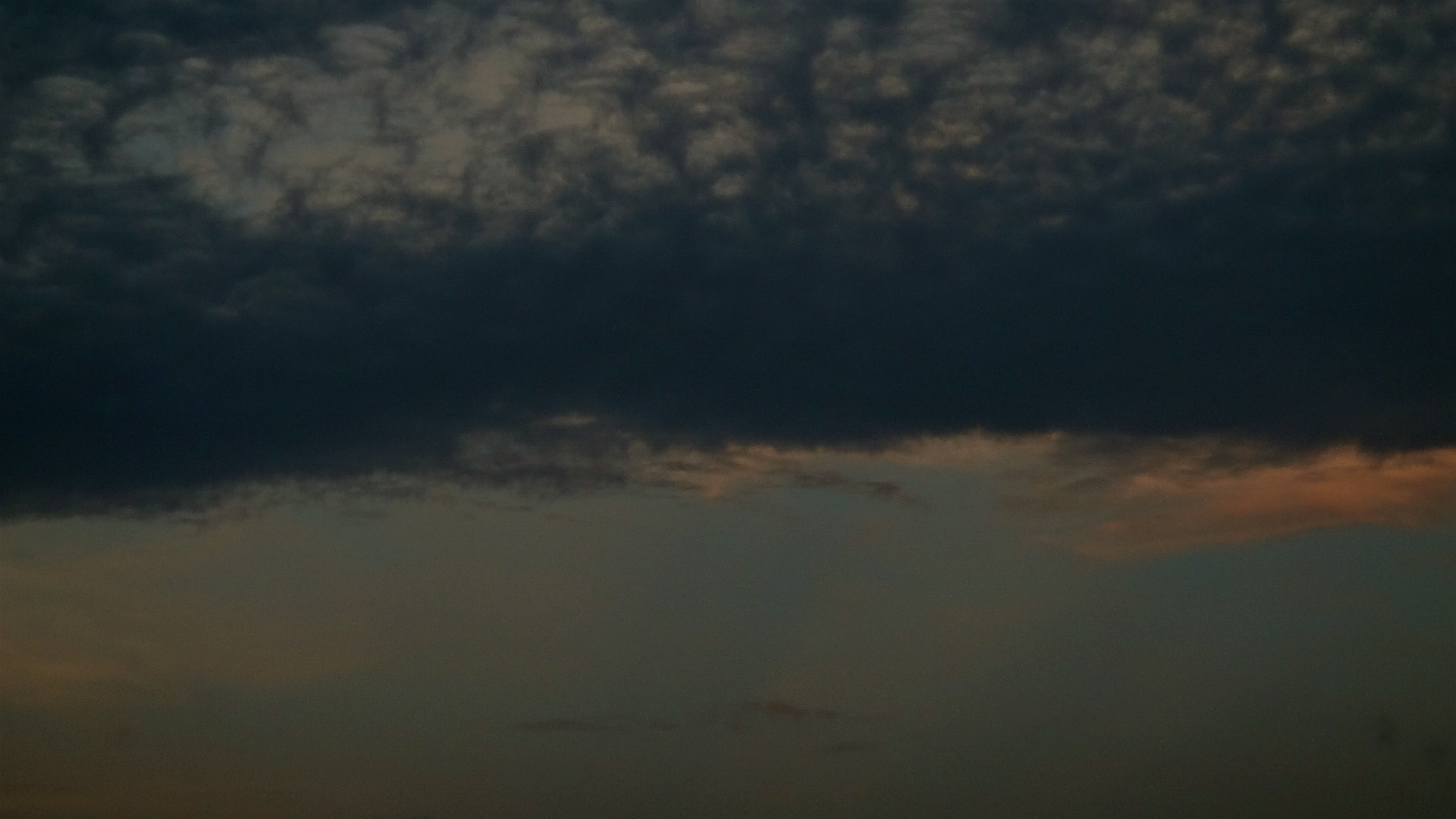
orbiting satellites,
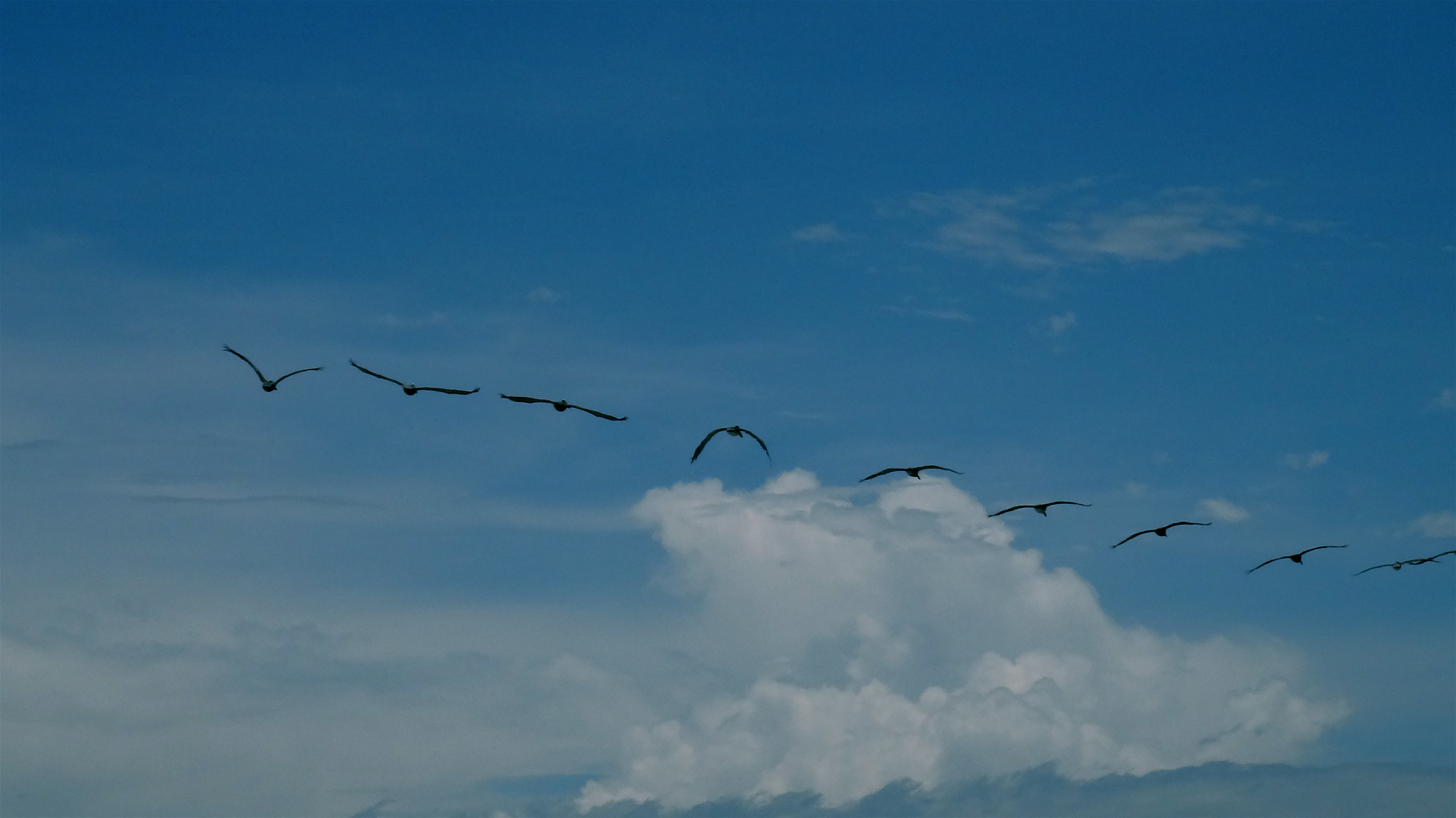
and lines of pelicans that flew by every day. The island is home to nearly half of all bird species documented in North America.
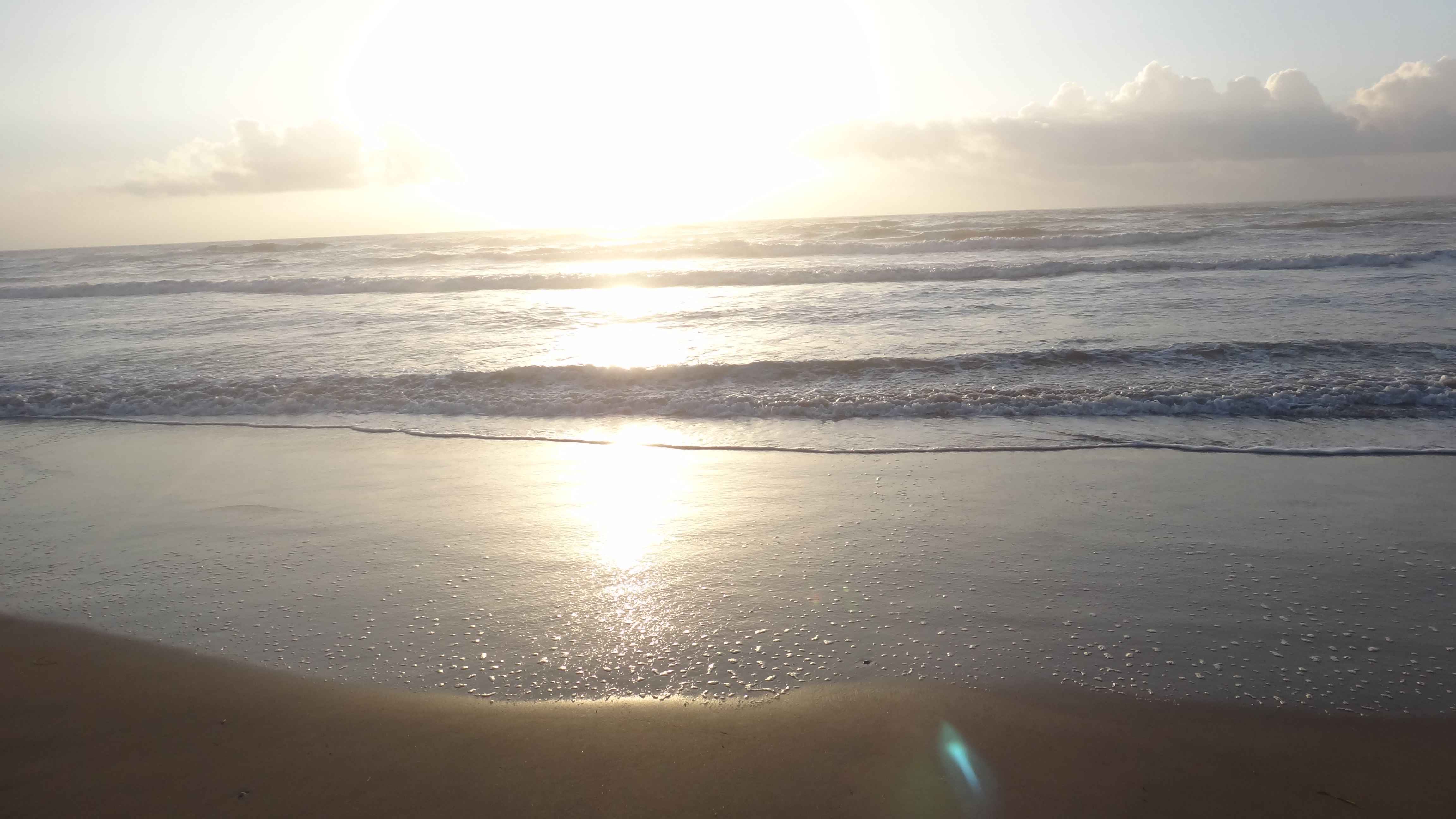
Padre Island is the second largest island by area in the US after Long Island, and it is basically a sand bar that over the years got very large. The island has been known by several names, with Padre Island being only the most recent. It has also been known as “la Isla Blanca” (White Island)
 and “Isla de los Malaguitas” (Karankawa).
The first permanent settlement on the island was located on the island’s southern tip. This area was established around 1804 by a Spanish priest, Padre Nicolas Balli, after whom the island is named. Prior to then, the only people known to have inhabited or visited the island were nomadic hunter-gatherers, Native Americans, Spanish troops, and the survivors of three shipwrecks on the island’s shore in 1554.
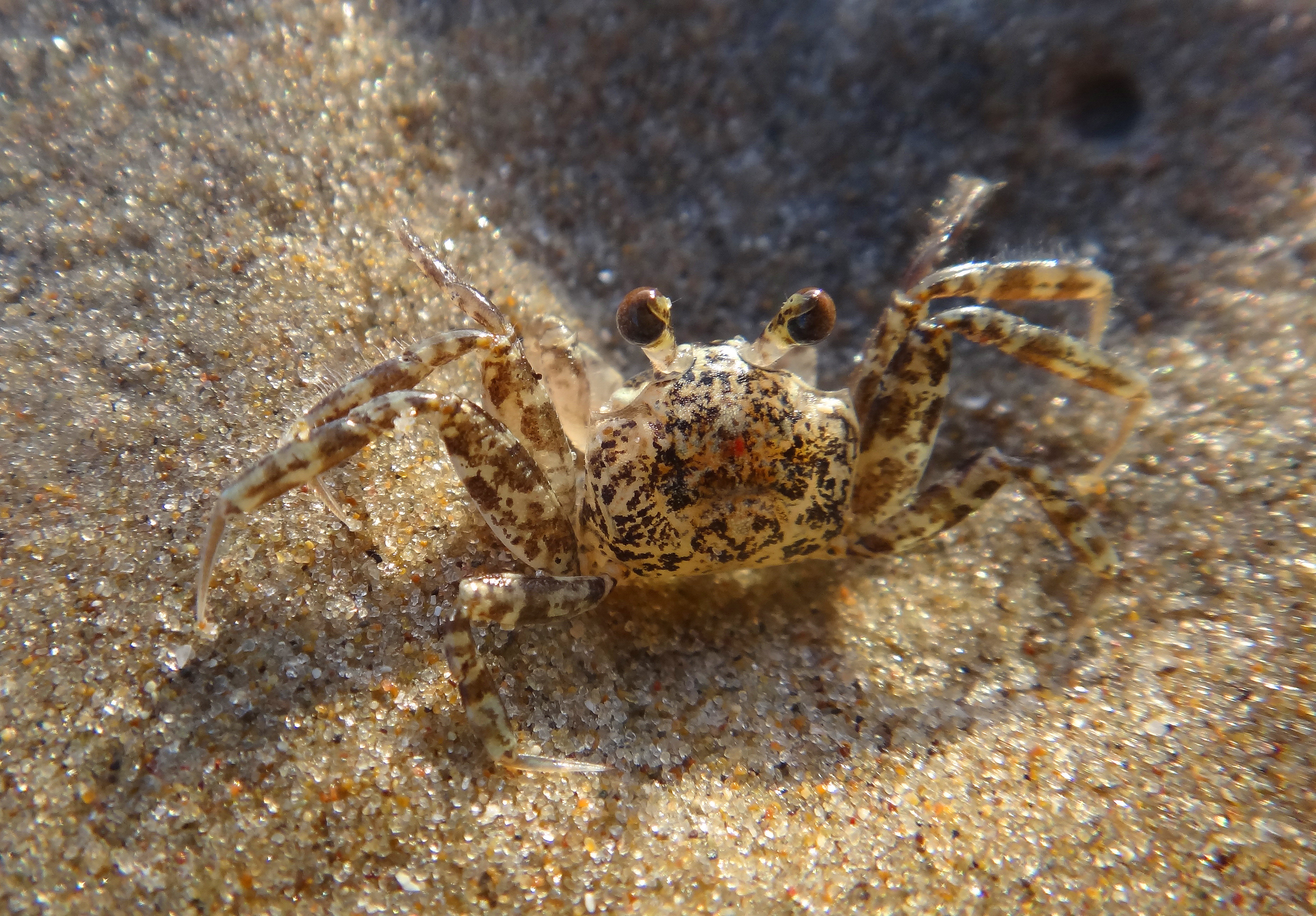
The Island is also home to the Kemp’s ridley sea turtle, the most endangered sea turtle species in the world, which nests on the beach from late April through mid-July. I did not get a shot of a turtle so you will have to settle for this comical crab,
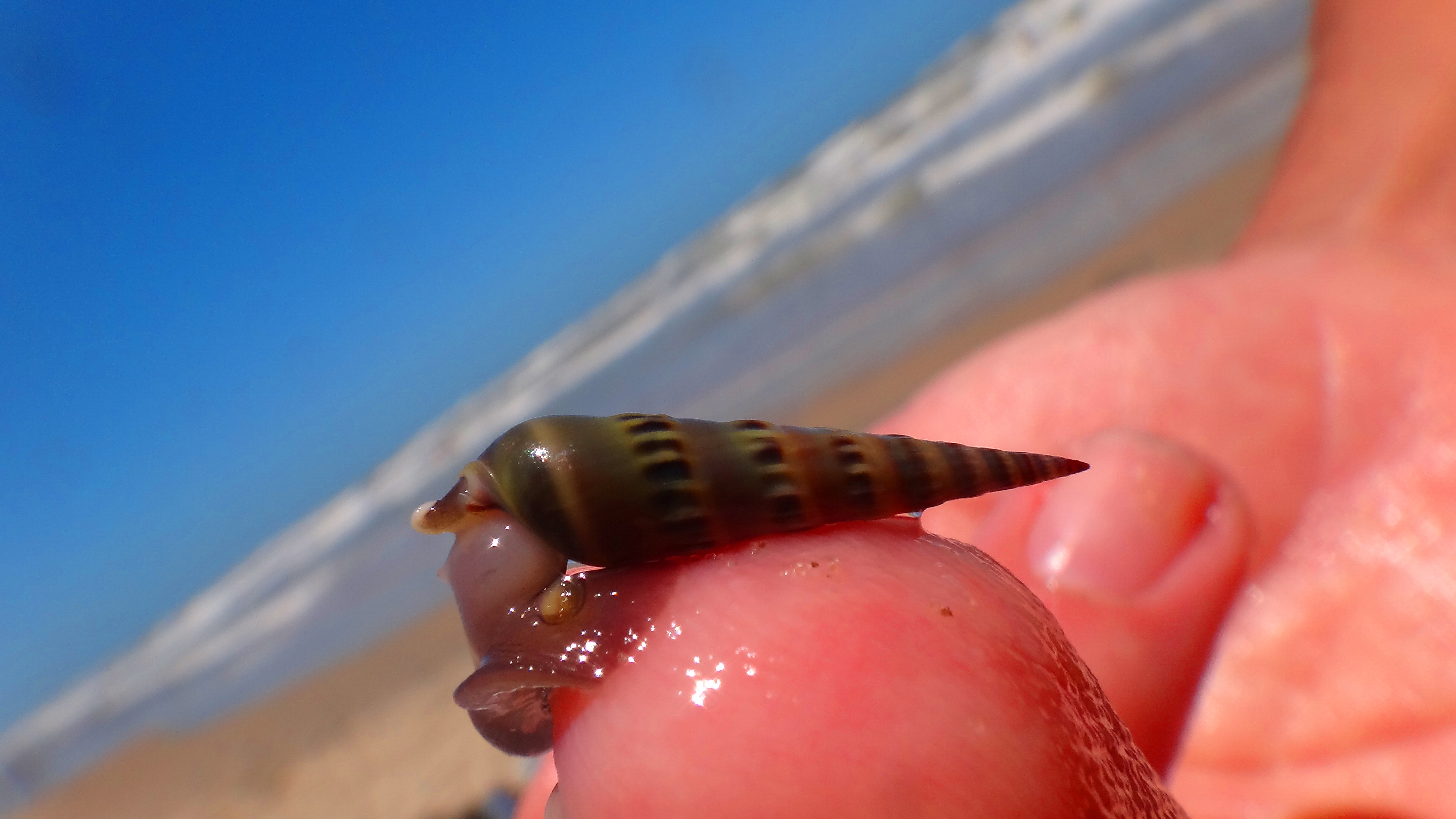
this Auger,
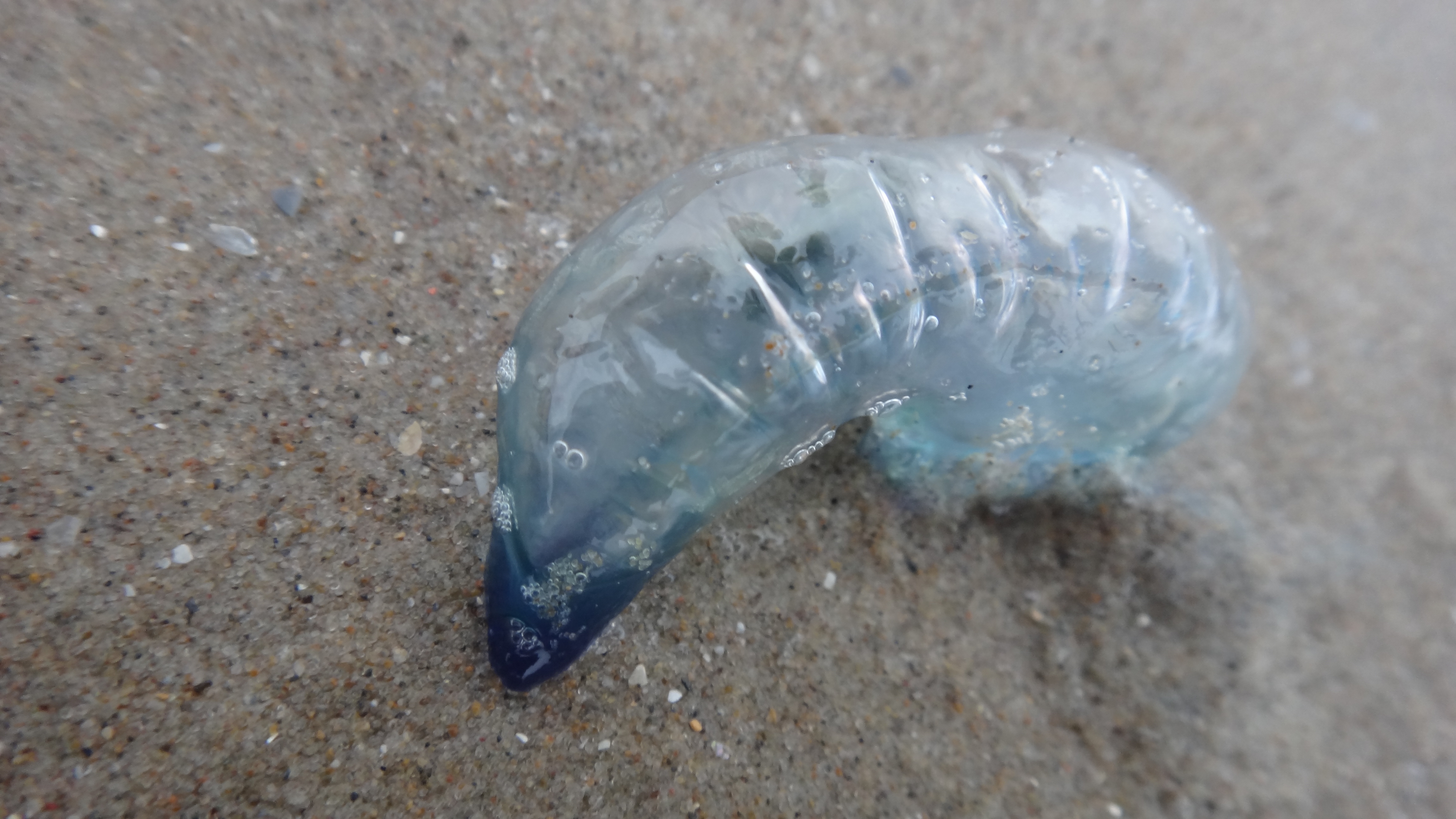
and this baby Portuguese Man o’ war jelly fish that washed up on the beach. This creature is actually not a jellyfish but a siphonophore which differ from jellyfish in that they are not actually a single creature, but a colonial organism made up of many minute individuals called zooids.
 Each of these zooids is highly-specialized and, although structurally similar to other solitary animals, are attached to each other and physiologically integrated to the extent that they are incapable of independent survival. Sound familiar?
Moving zooidingly along:
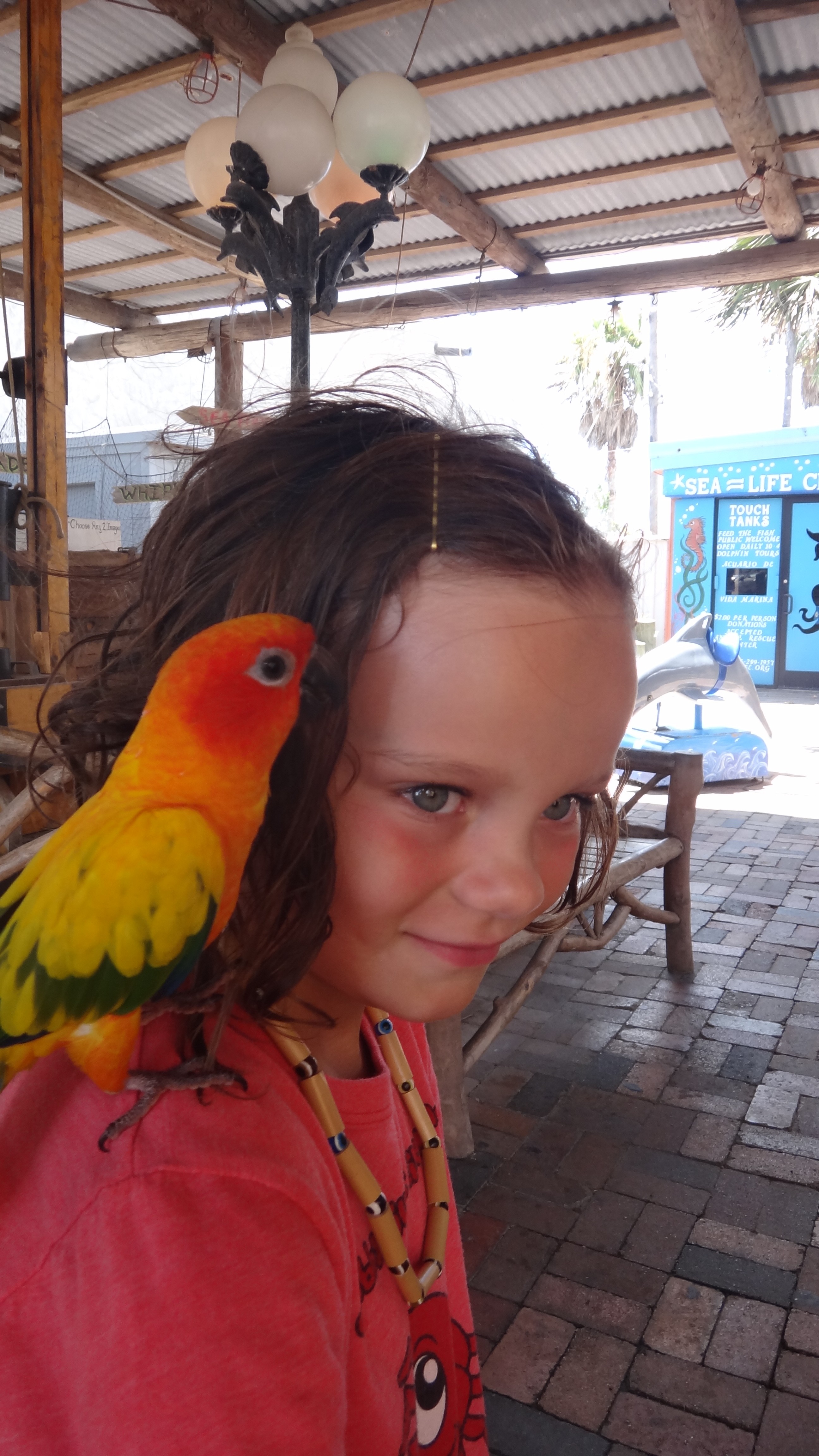
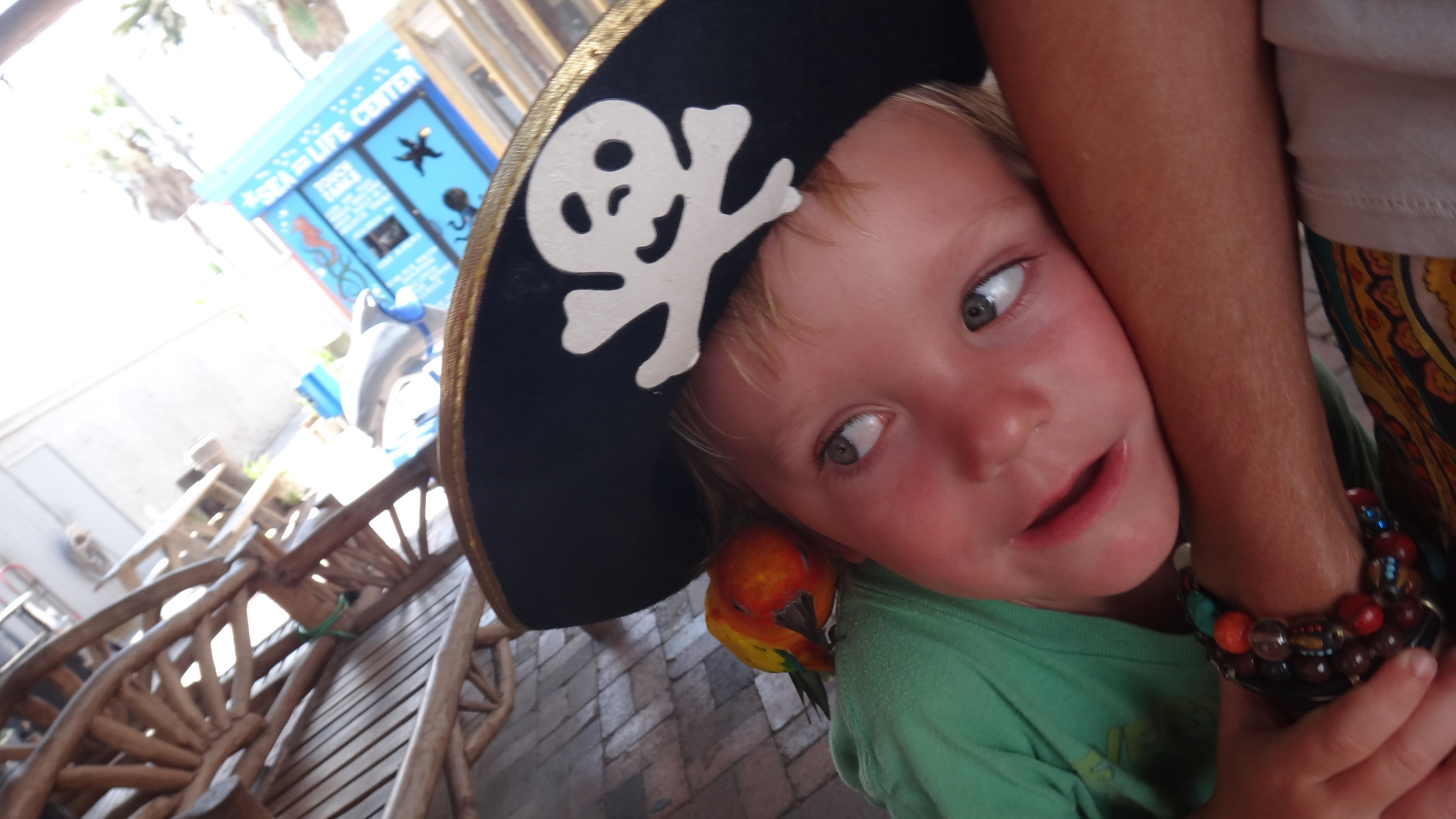 After a rather nervous escapade with a man and his parrots we popped into the Sea = Life Center in the background where I came face to face with a creature I had no idea even existed.
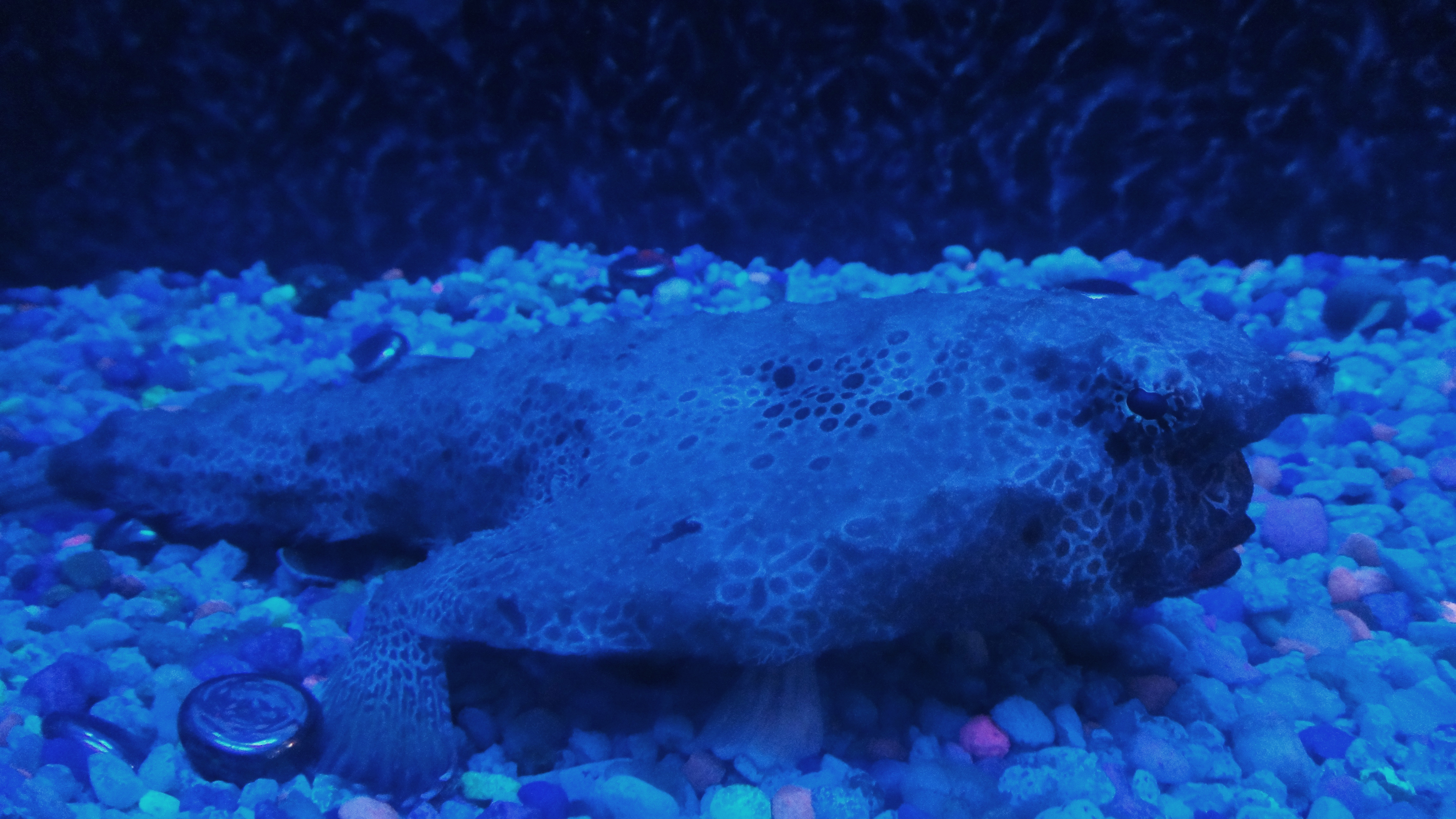 A “walking” batfish. These fish are found in the gulf and are so named because they are flat and can use their stout, arm-like fins to shamble along the seafloor with a stilted gait, reminiscent of a walking bat. Brrr, brrr and more brrr, (right leg immediately starts some imitating involuntary bat-like walking gestures). The gills are just visible behind its “legs”.
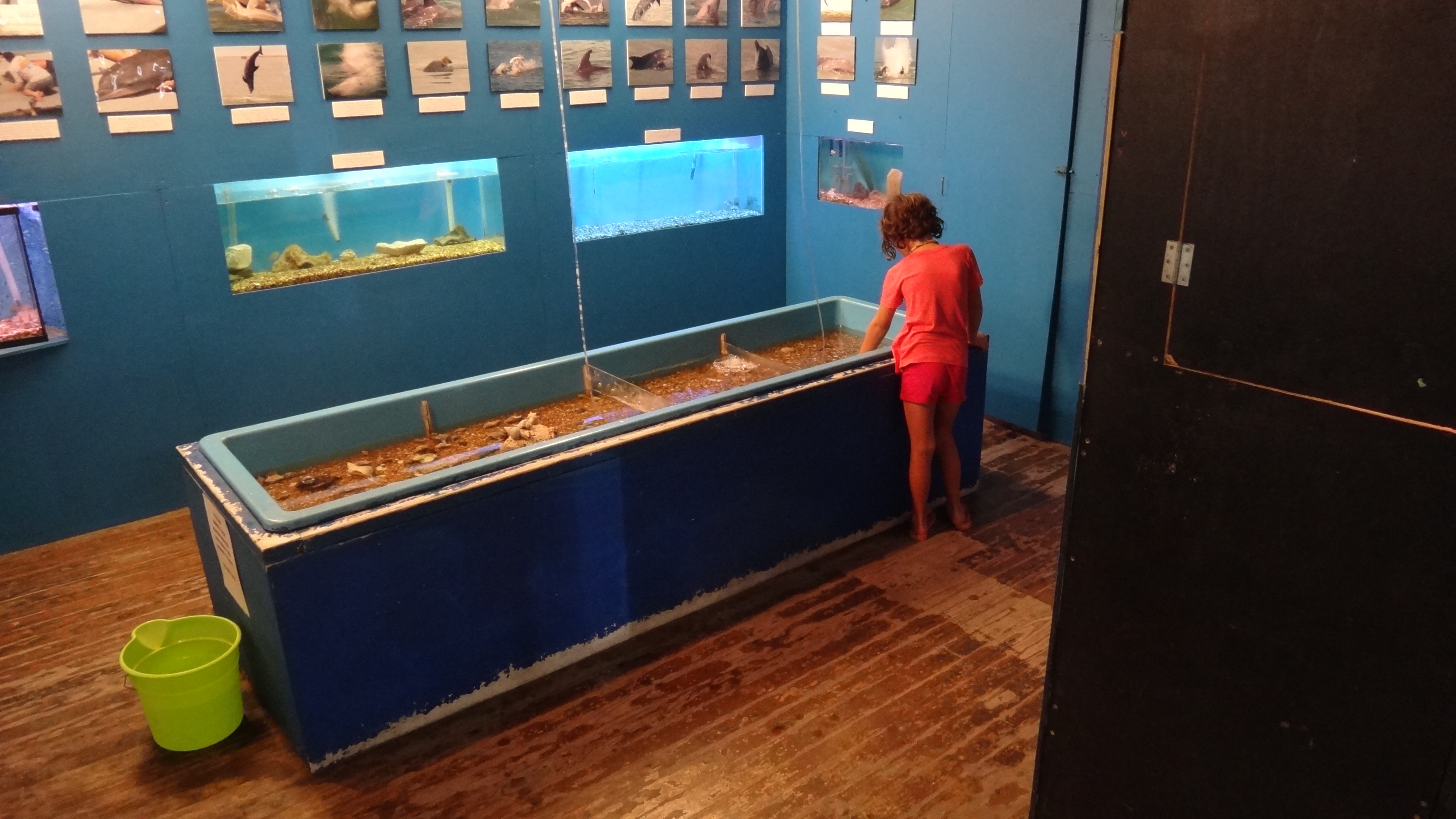 The touch tanks filled with starfish, hermit crabs and many other creatures were an instant hit.
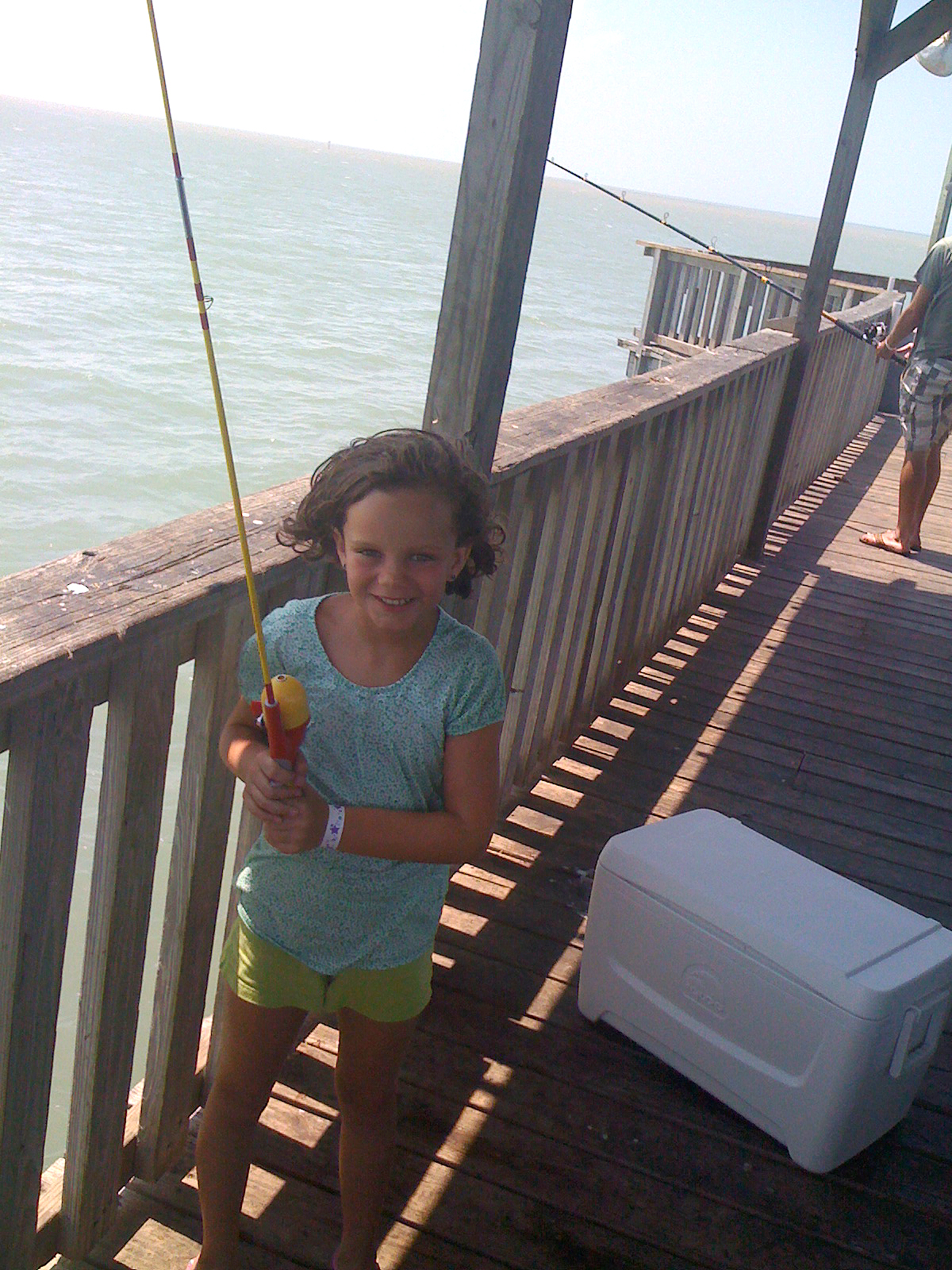
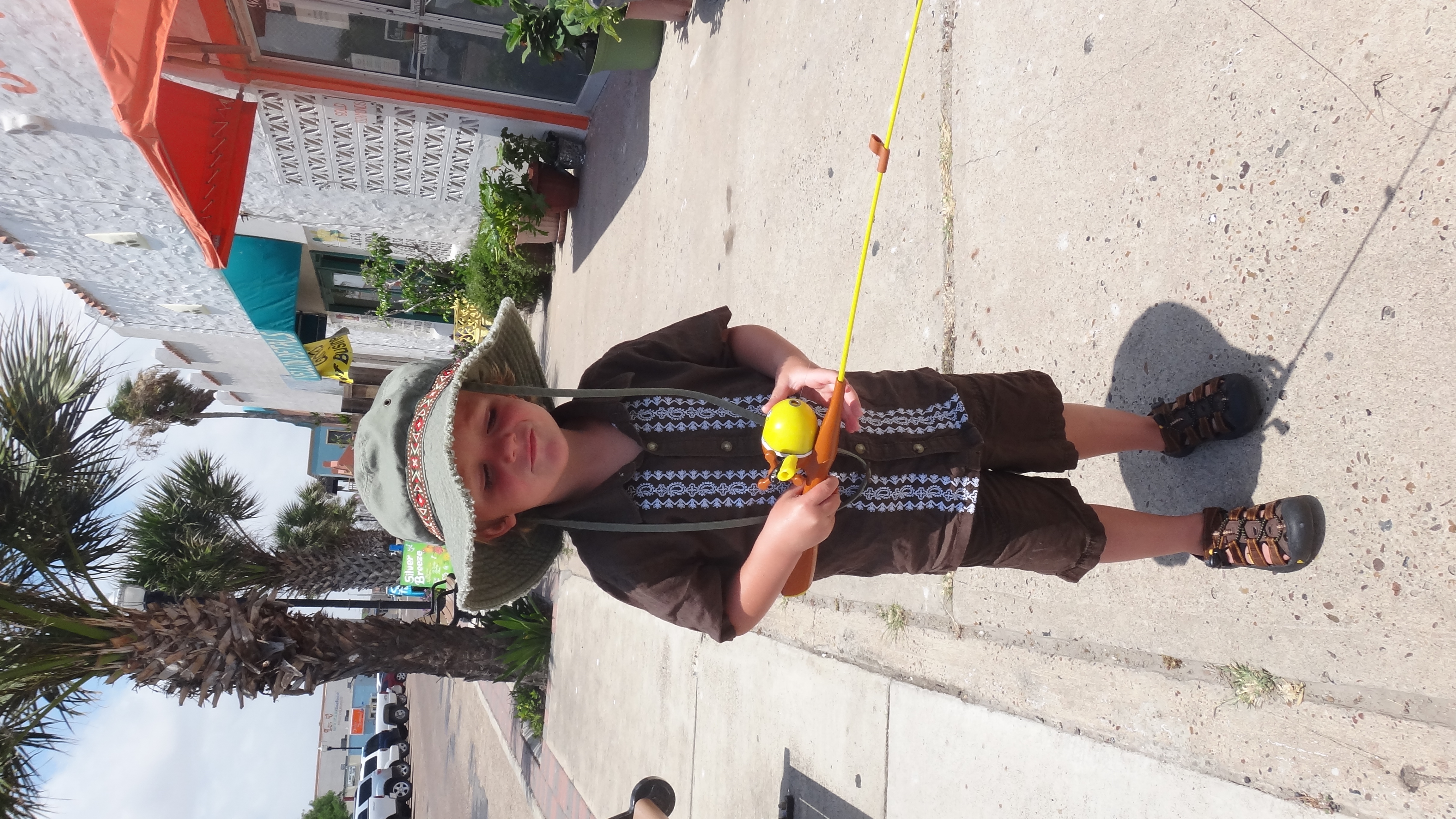 Staying on the subject of fish for a moment, we naturally had to try our luck down on one of the piers at nearby Port Isabel. We had an unorthodox set of fishing equipment that ranged from Sponge Bob and Tinkerbell fishing rods and me wielding a large and unruly surf casting rod, oh yes, how the locals looked at the Levwolds with “interest”.
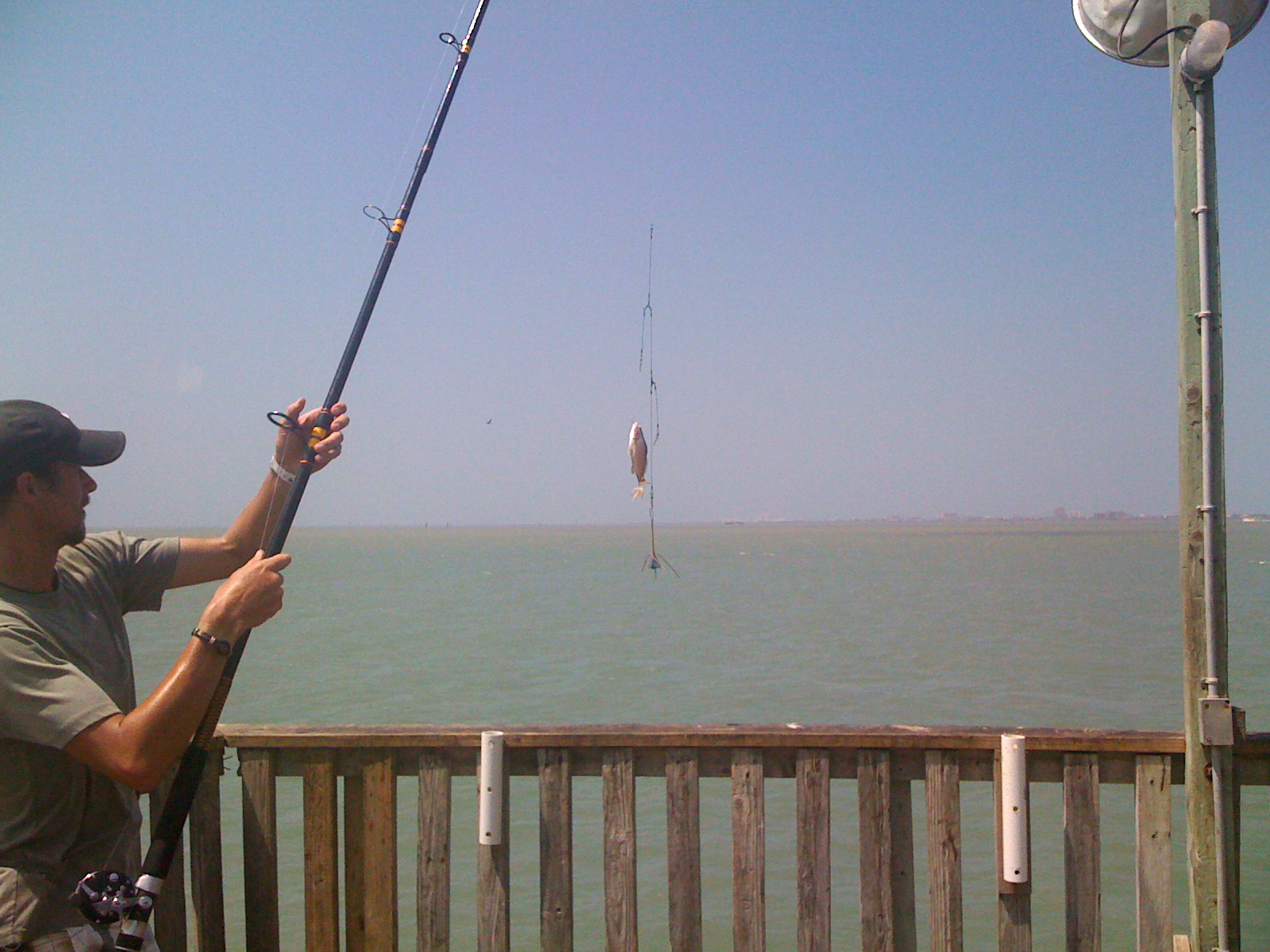 I baited up Sponge Bob first, fitting a float to the line that weighed about as much as this tiny rod could handle. I dropped it over the edge and pulled some line out. Ten unbelievable seconds later my youngest pulled out a spotted sea trout (with just a little help).
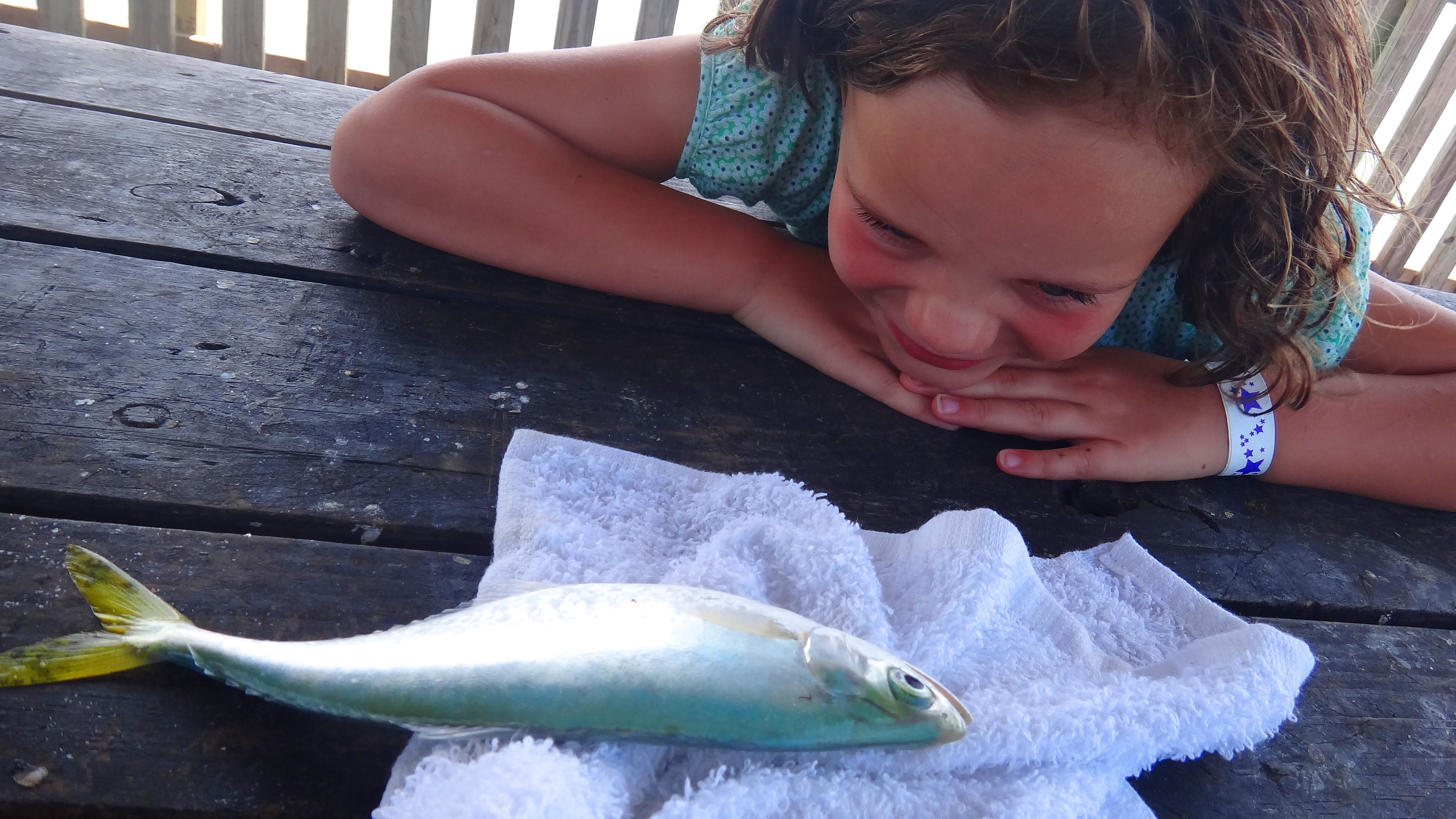
And as fast as Tinkerbell’s bait was lowered into the water she also was into a fish, this time a young yellowfin tuna,
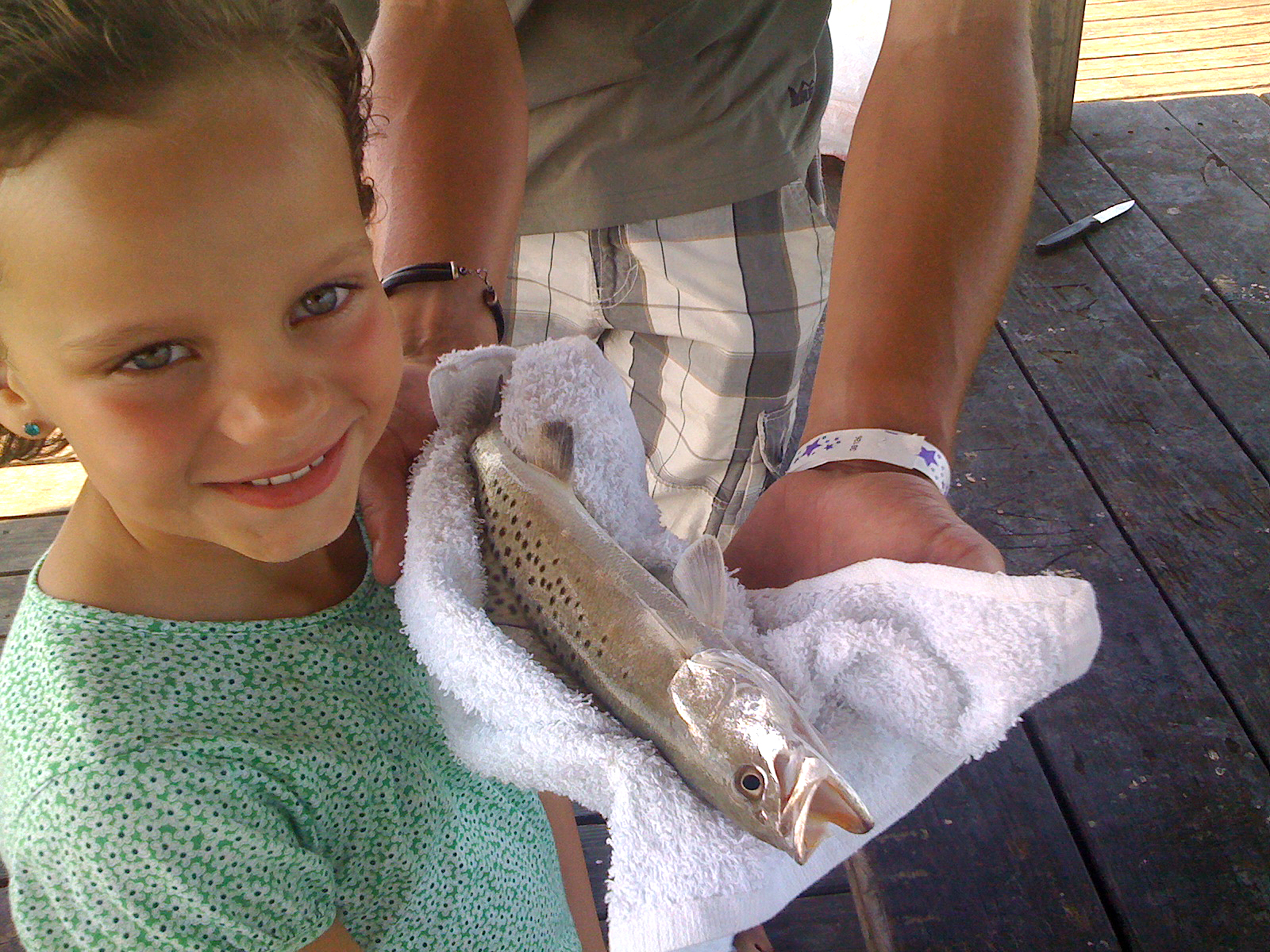
and then another spotted trout.
I caught one more trout, a porcupine fish (that I had no idea what to do with) and a hardhead catfish, all in a couple of hours. All fish were safely released and all grins were wide as we strutted proudly down the pier past the other fishermen with the more “conventional” equipment.
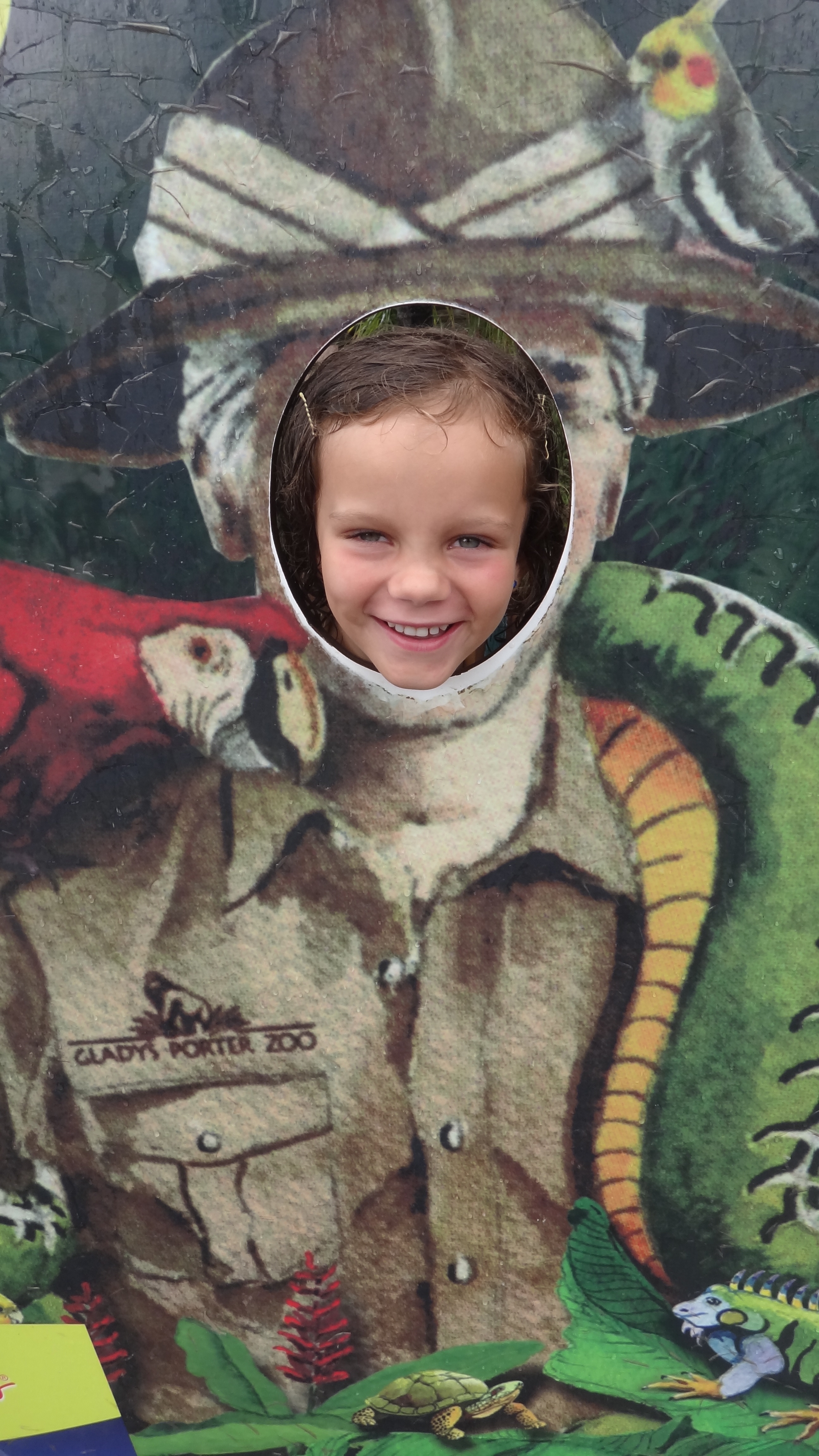
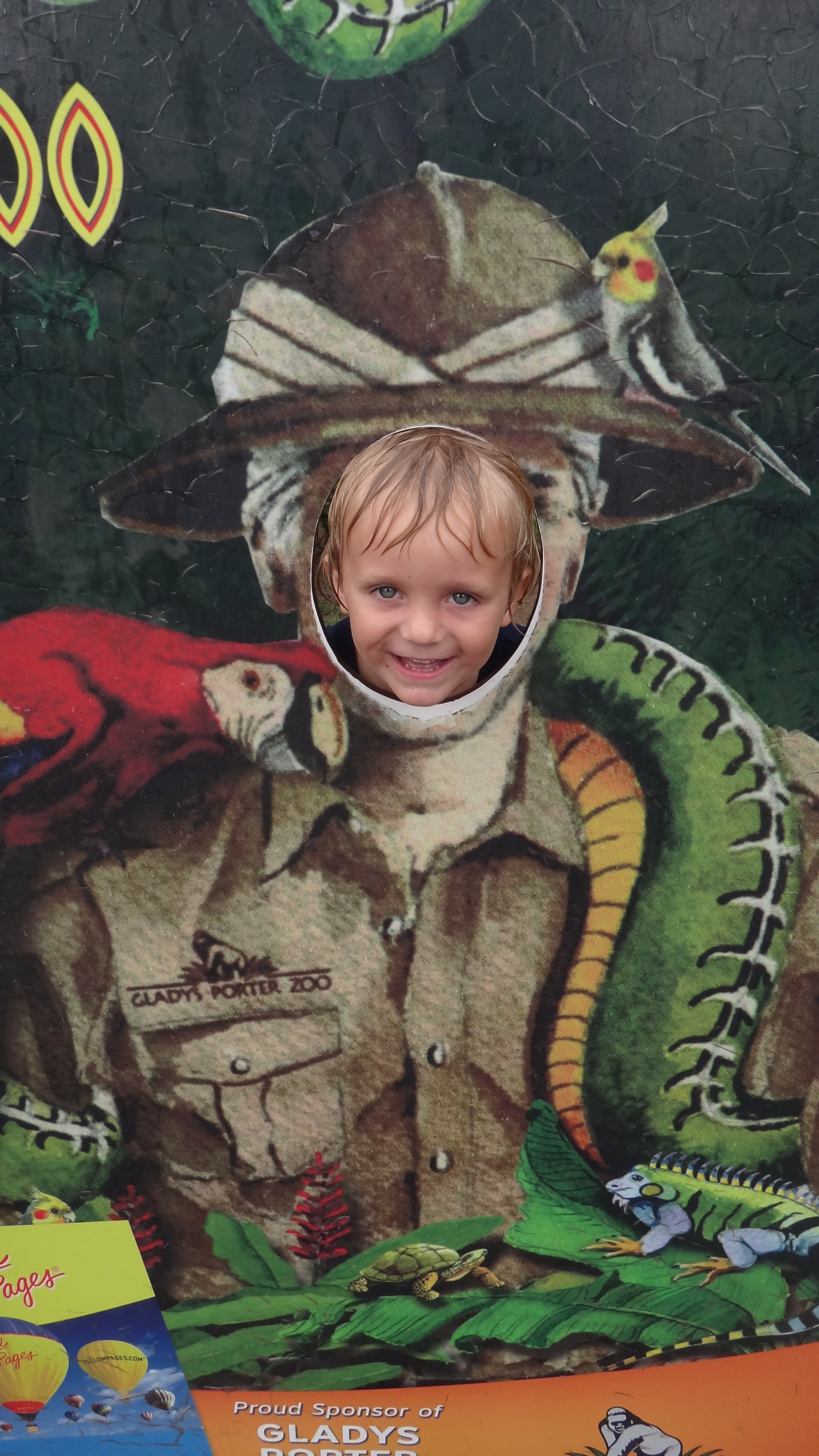
As a weather disturbance moved into the Gulf, we decided to make the trip to Brownsville, home to the Gladys Porter Zoo http://gpz.org/, and what a great zoo this is, well worth the visit should you be in the area. We got our maps, the sky thickened,
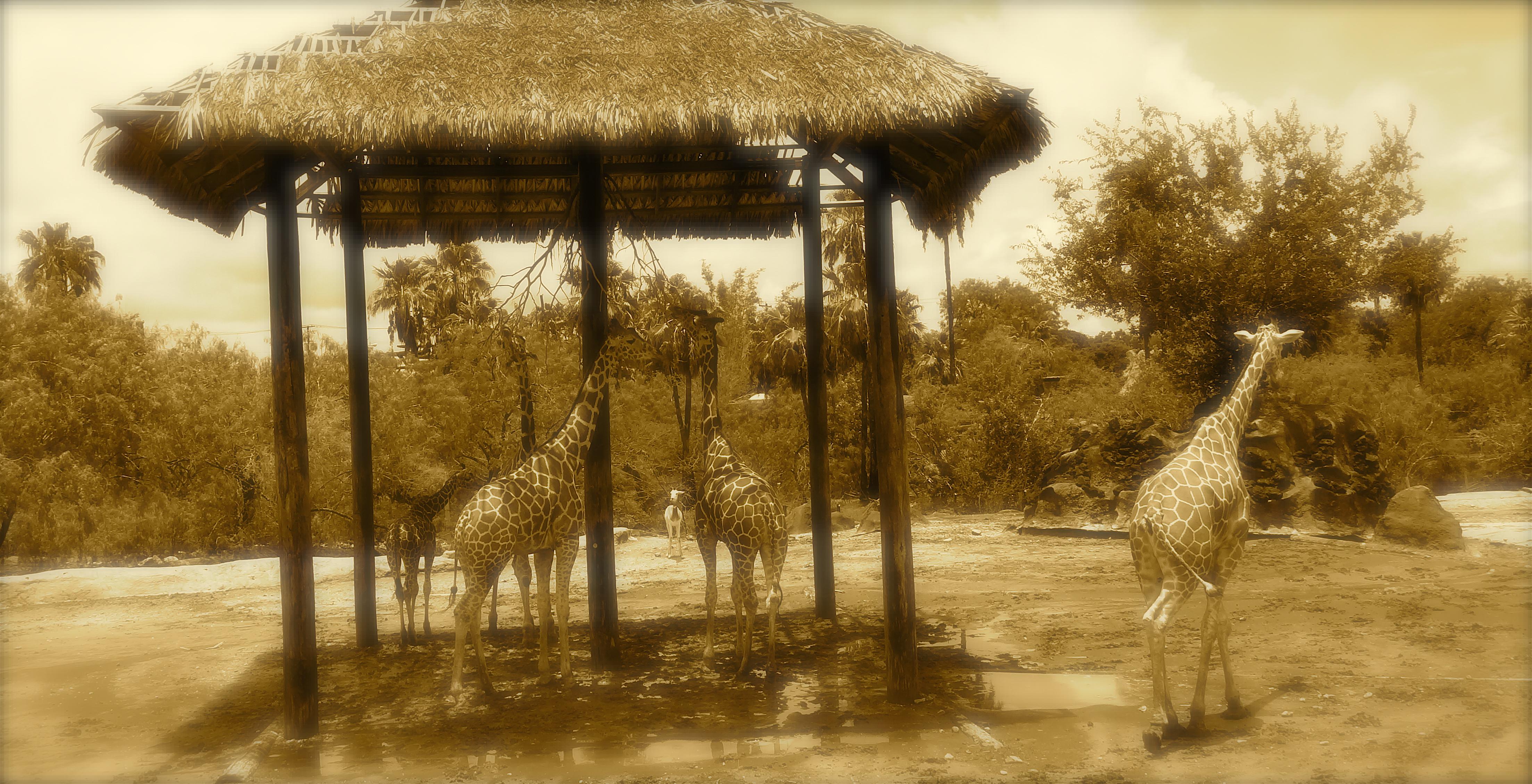
we saw giraffes and it started to grow dark,
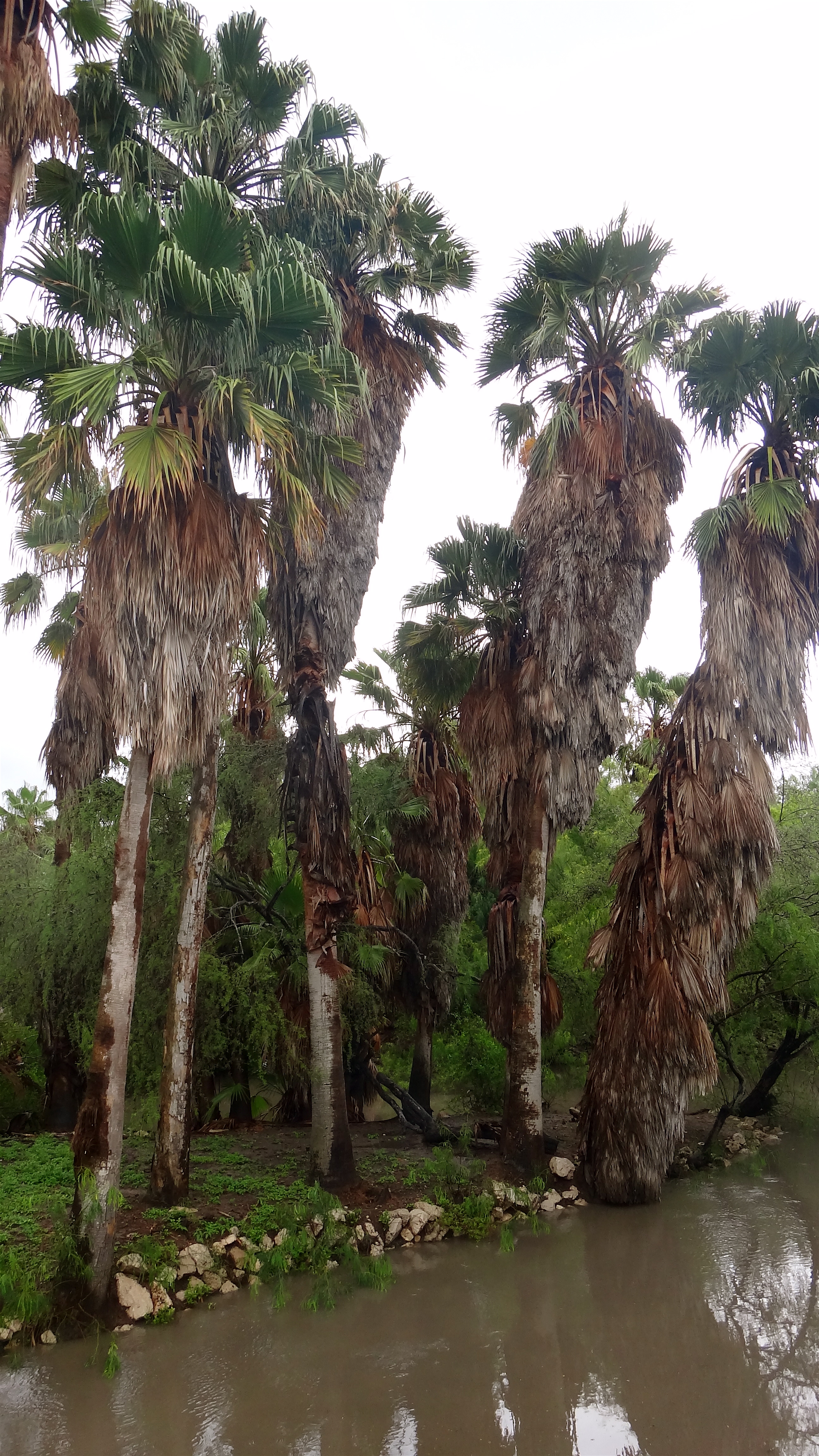 we saw Jurassic palms and it started to drizzle.
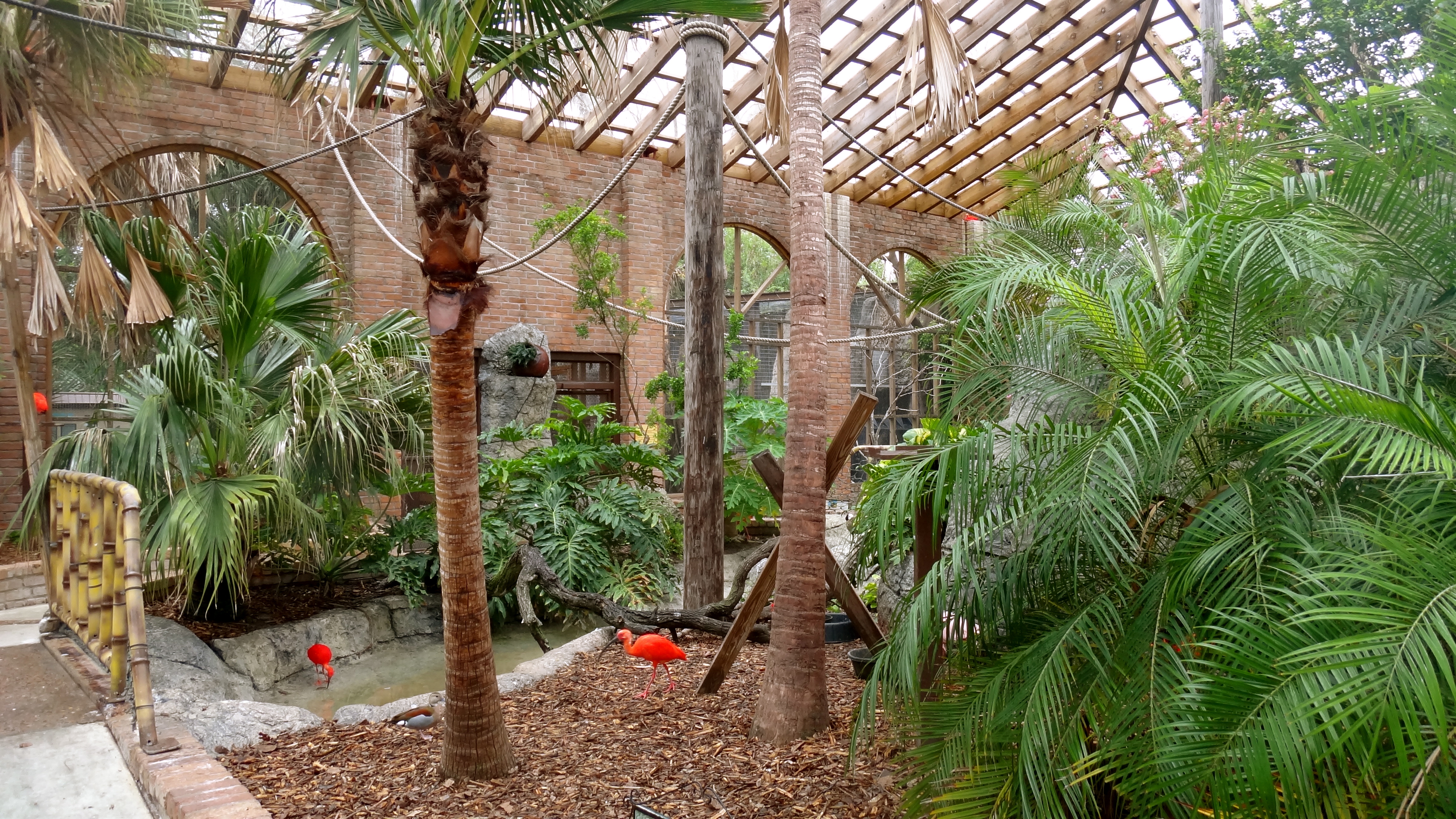 By the time we exited this enclosed exotic wild foul exhibit…
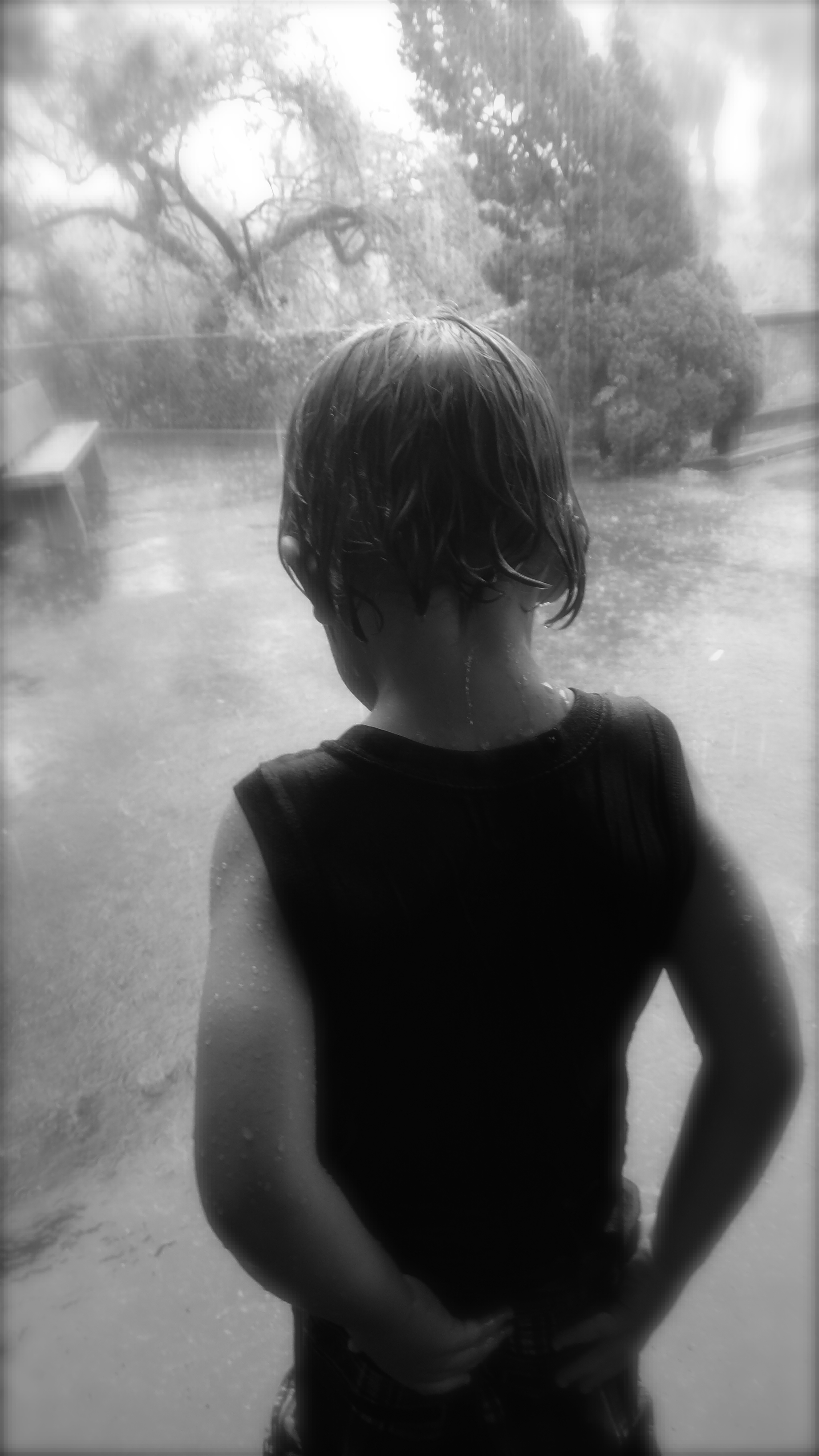
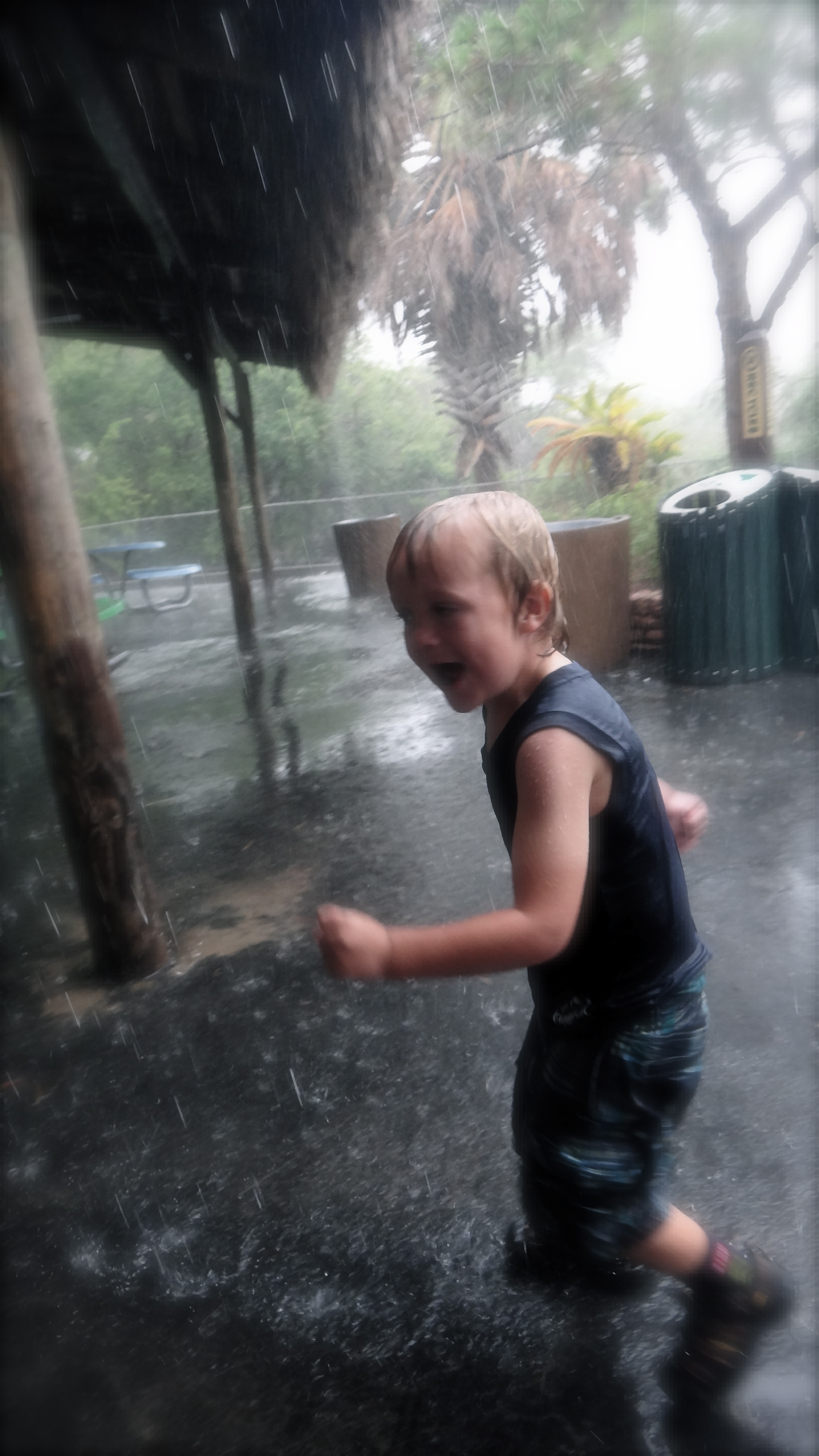 Well, need I say more.
The upside to these downpours was that we almost had the entire zoo to ourselves, it was like our own private tour around the park…just like the Griswolds at Walley World.
One final sandcastle,
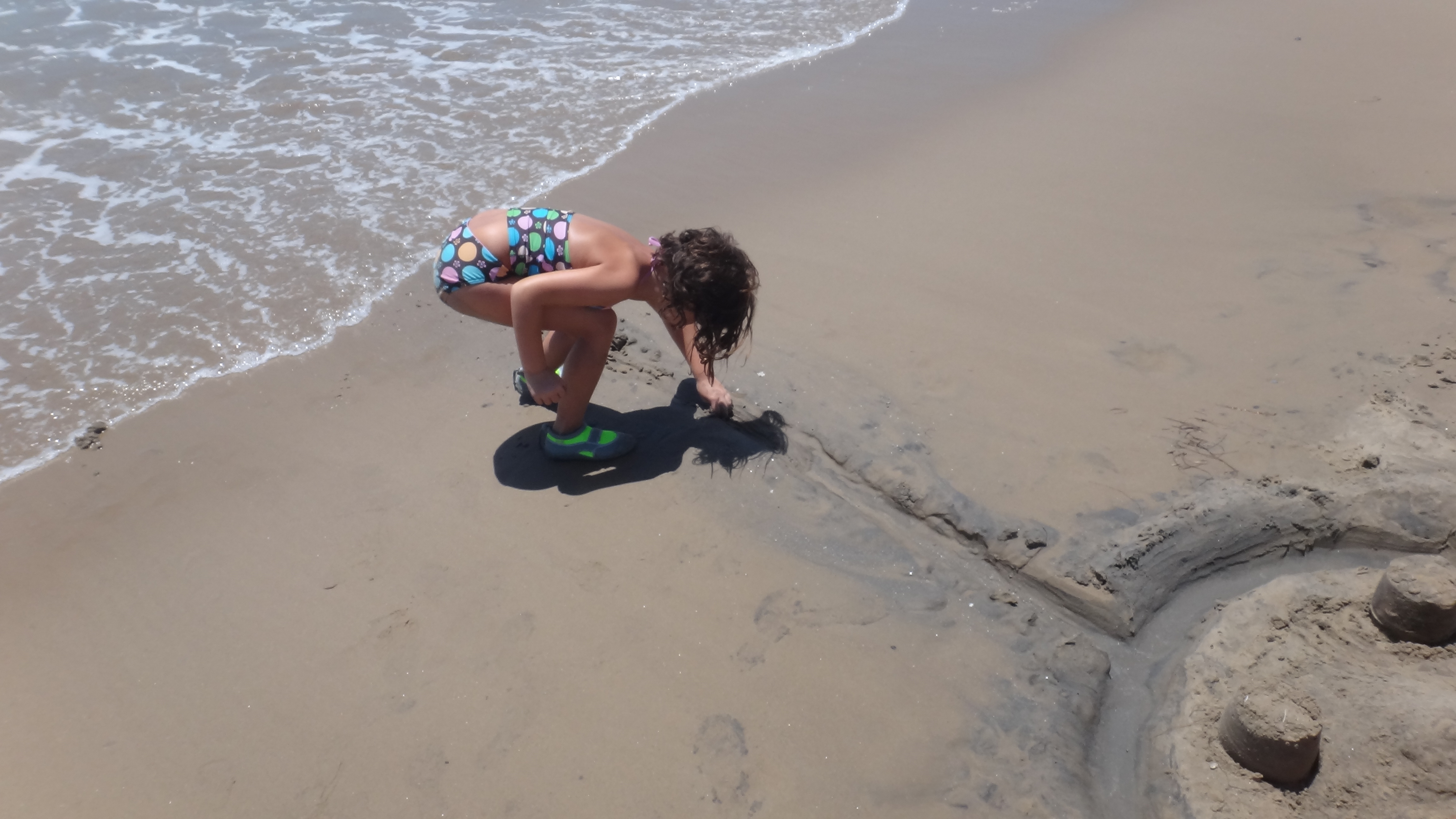
and it was time to try and jam our belongings, buckets of shells and ridiculous surf shop souvenirs back into our car.
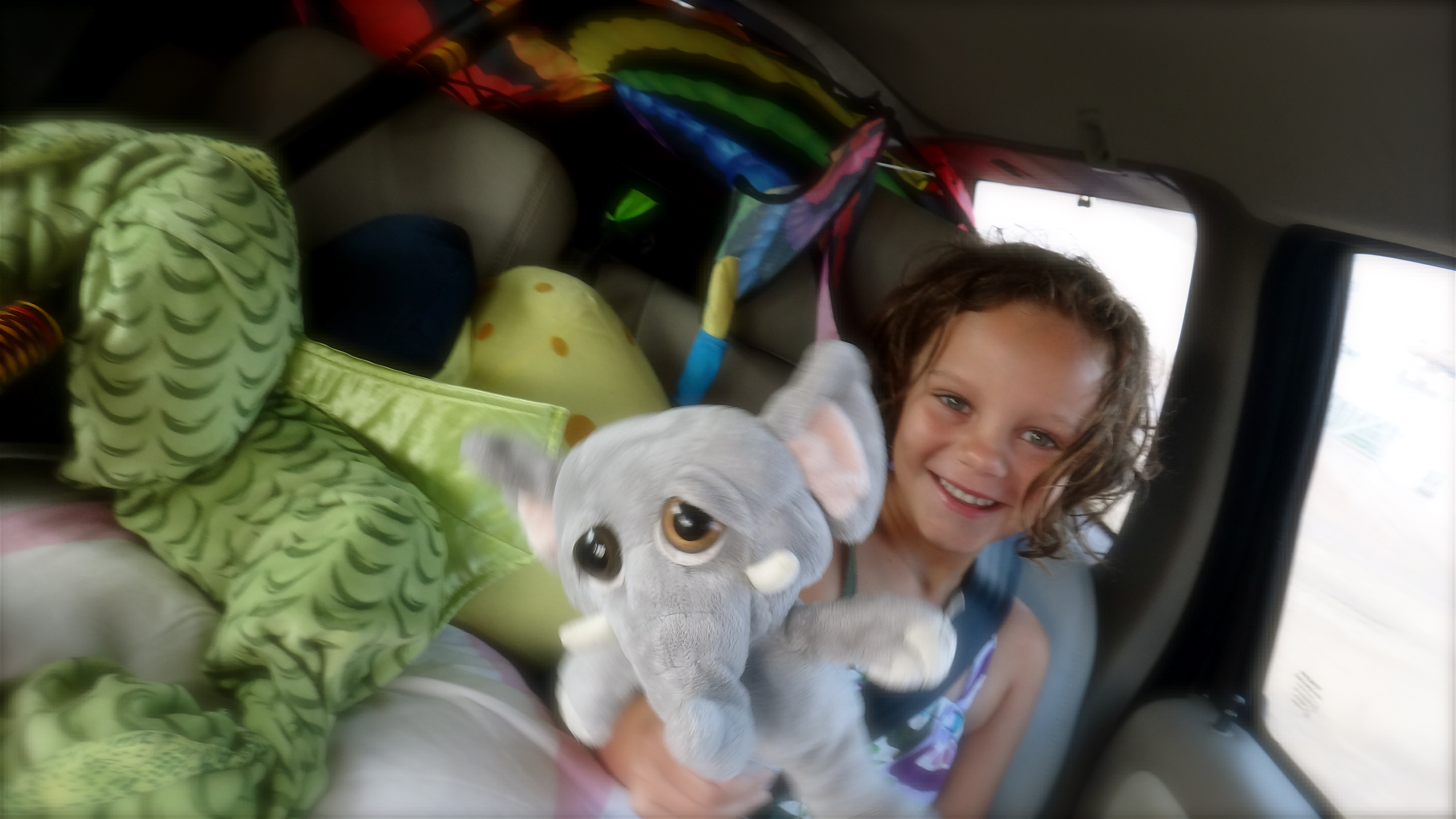
Three Harry Potters later and a substantial amount of sunburn scratching and we were home,
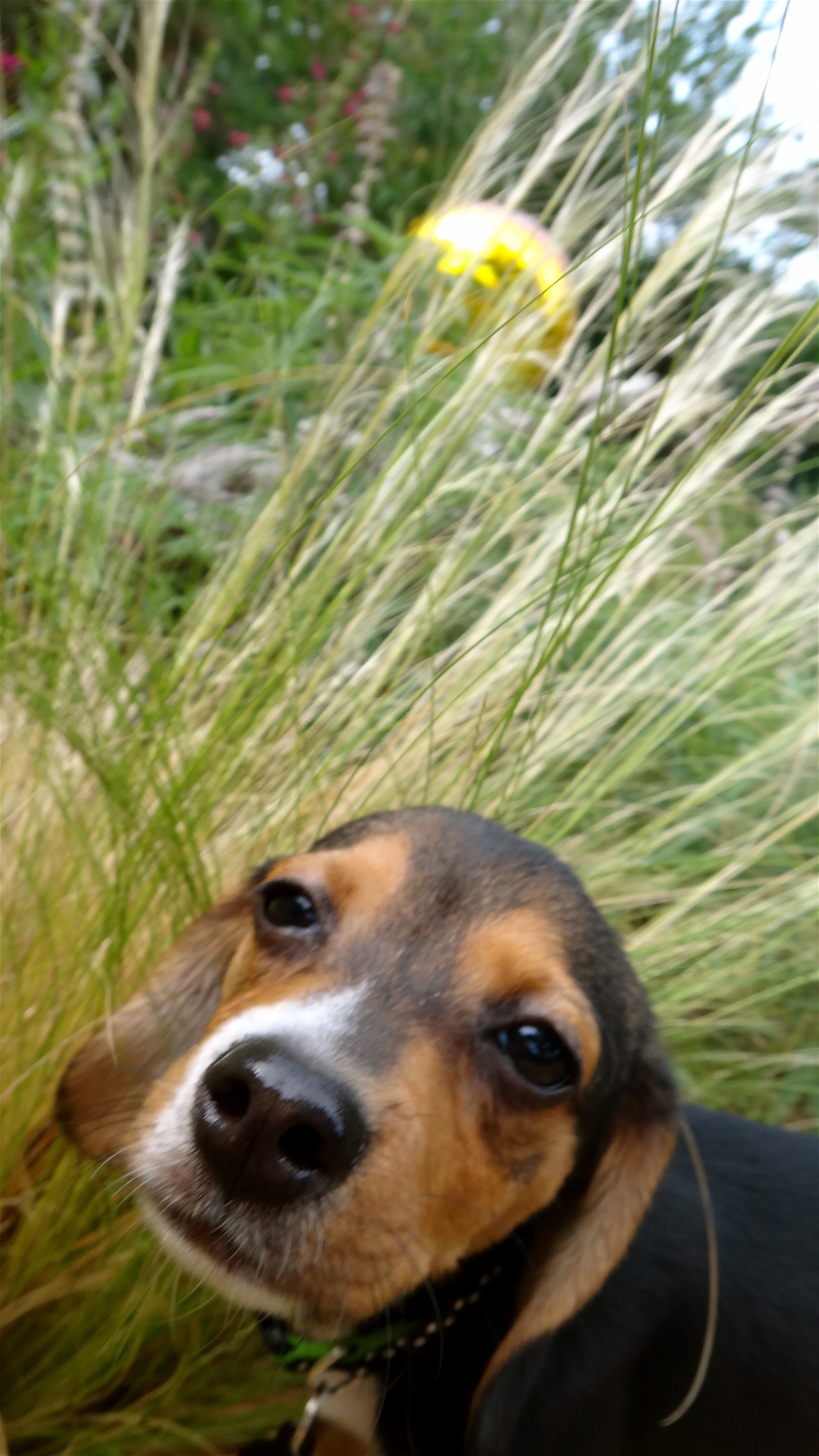
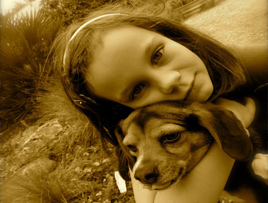
back to the puppy that they were both missing terribly.
Me?
I exited the car with a few groans then immediately looked around frantically for the mocking bird.
I know how to relax.
 Stay Tuned for:
“Not So Fun in the Sun”
All material © 2011 for eastsidepatch. Unauthorized
intergalactic reproduction strictly prohibited, and
punishable by late (and extremely unpleasant)
14th century planet Earth techniques.