Scotland

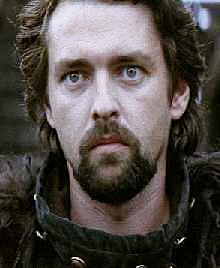
CunninghamGreen braveheart5

No trip to Scotland would be really complete without a trip to a castle or ten, would it?
castle Gates

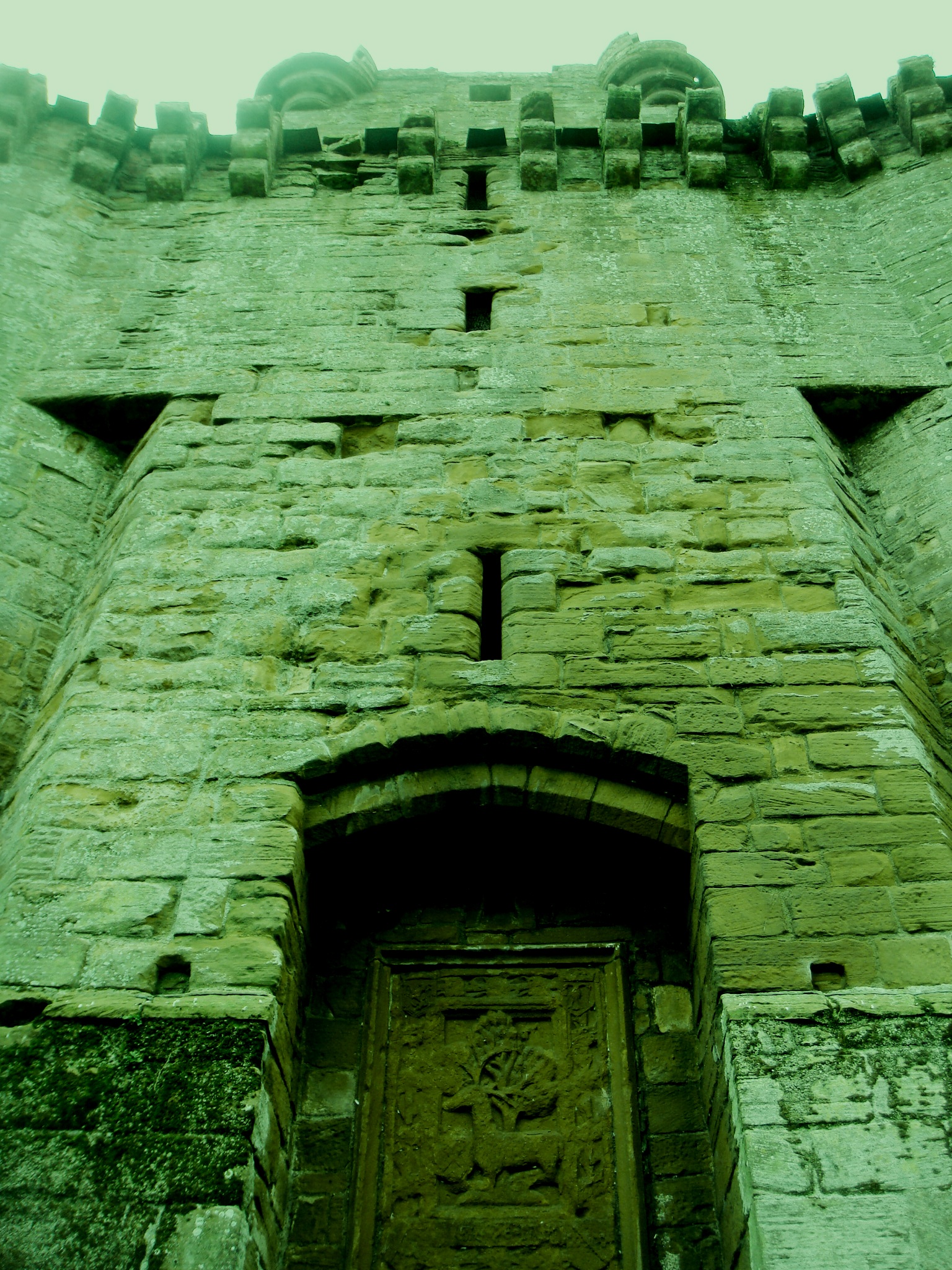
Whatever you do, do not look up there!

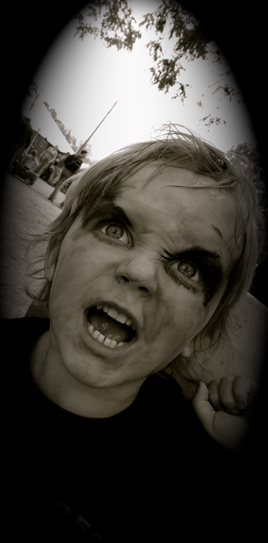
Condemned-2-Bloodshot-1

I did warn you!… Getting tarred, a common inconvenience of the medieval day.
DSC09447a

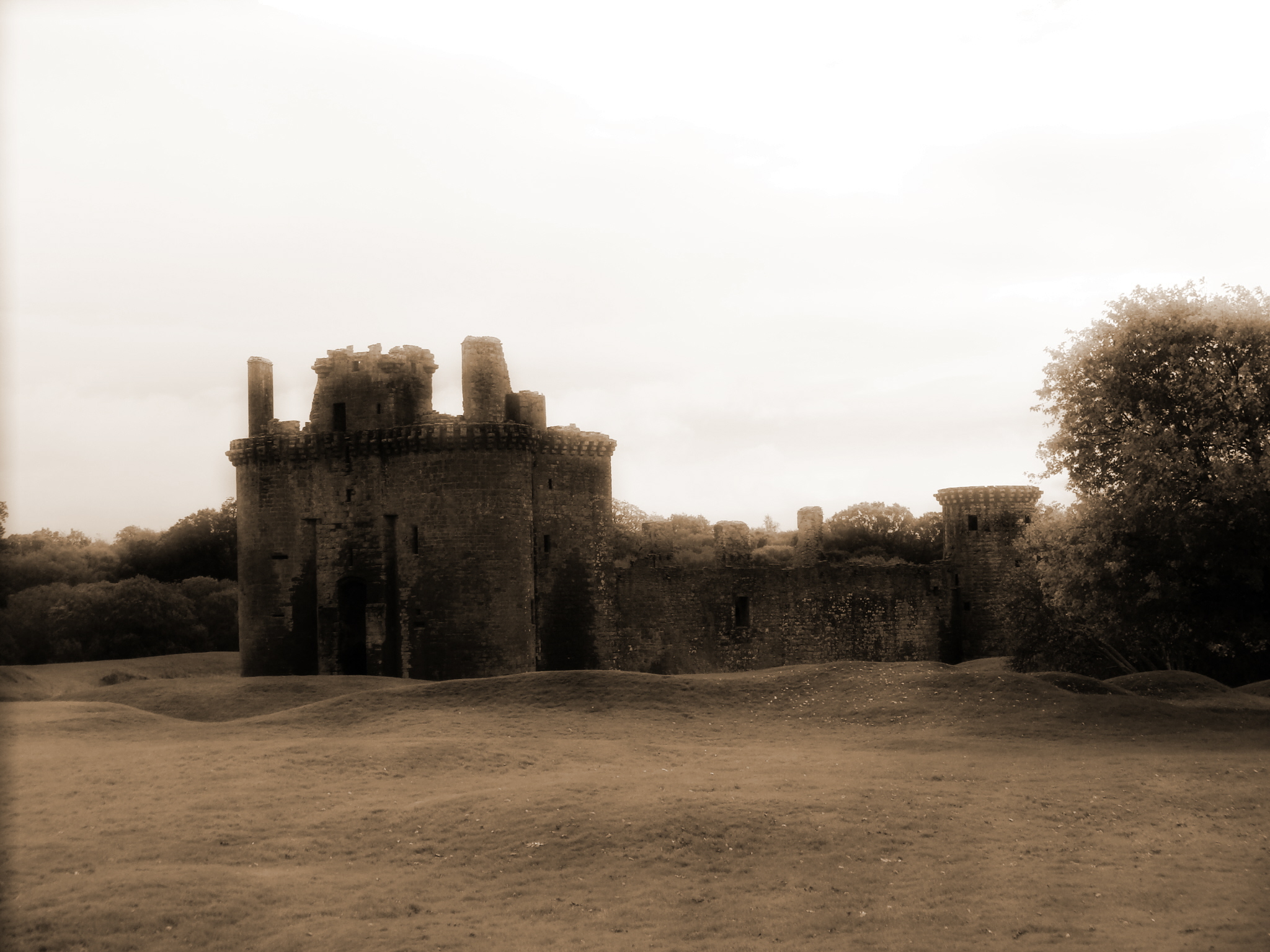
This stronghold is called

Caerlaverock Castle


I have been to this castle many times, the first time on a school outing! With its moat, twin towered gatehouse and imposing formidable red sandstone battlements, Caerlaverock Castle is the epitome of the medieval stronghold.  The castle’s turbulent history owes much to its proximity to England which brought it into border conflicts.

275px-Caerlaverock_Castle_from_the_air

The first castle on the site was built around the 1220s, an earthwork fortification surrounded by a moat in the marshes to the south of the present building. I visited this site, but there was not much to see. That very basic defensive structure was replaced by this substantial castle, built by Sir Herbert de Maxwell around 1277.  It was this structure which was besieged in 1300, the castle’s most famous event.

800px-CaerlaverockCastle1900

Here is Caerlaverock Castle in 1900.

Being very close to the border with England, Caerlaverock had to be defended several times against English forces.

Braveheart-movie-1

“Ach, I’m in love with this castle already, I see a strength in yer robust castle walls.”
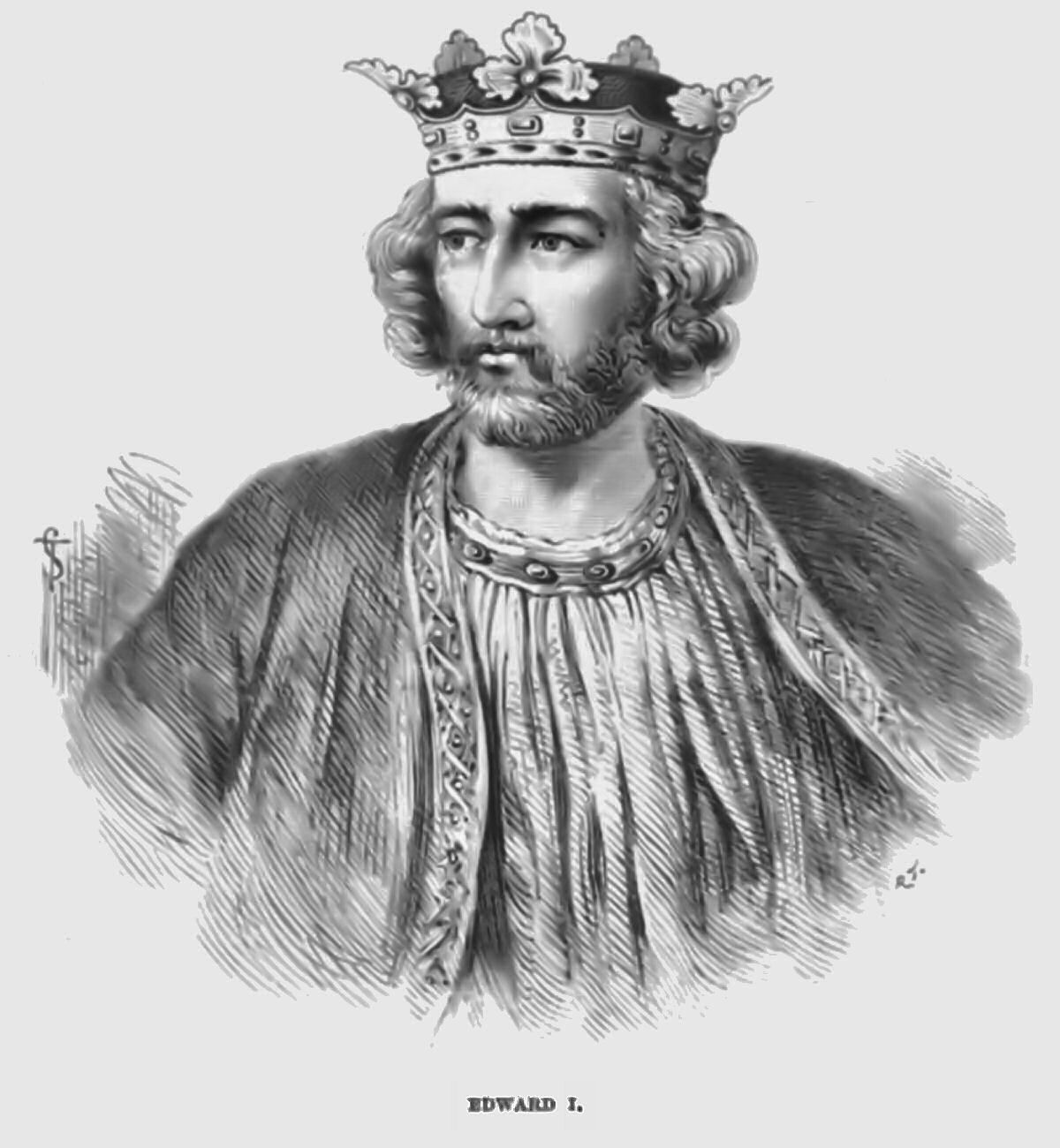
edwardi-cassell2

Edward I of England

The Siege of Caerlaverock was conducted by Edward I of England who had at his side eighty seven of the most illustrious Barons of England.

dune-baron

“And just why wasn’t I invited”?

The Maxwells, under their gallant chief, made a vigorous defense, but in the end the garrison were compelled to surrender. It was only then that the English found out that there were only about sixty men inside the castle, these men had defied the whole English army for a considerable period of time. Some of the captured were hanged from the castle walls and the rest were allowed to walk free.  The castle remained in English hands until 1312.
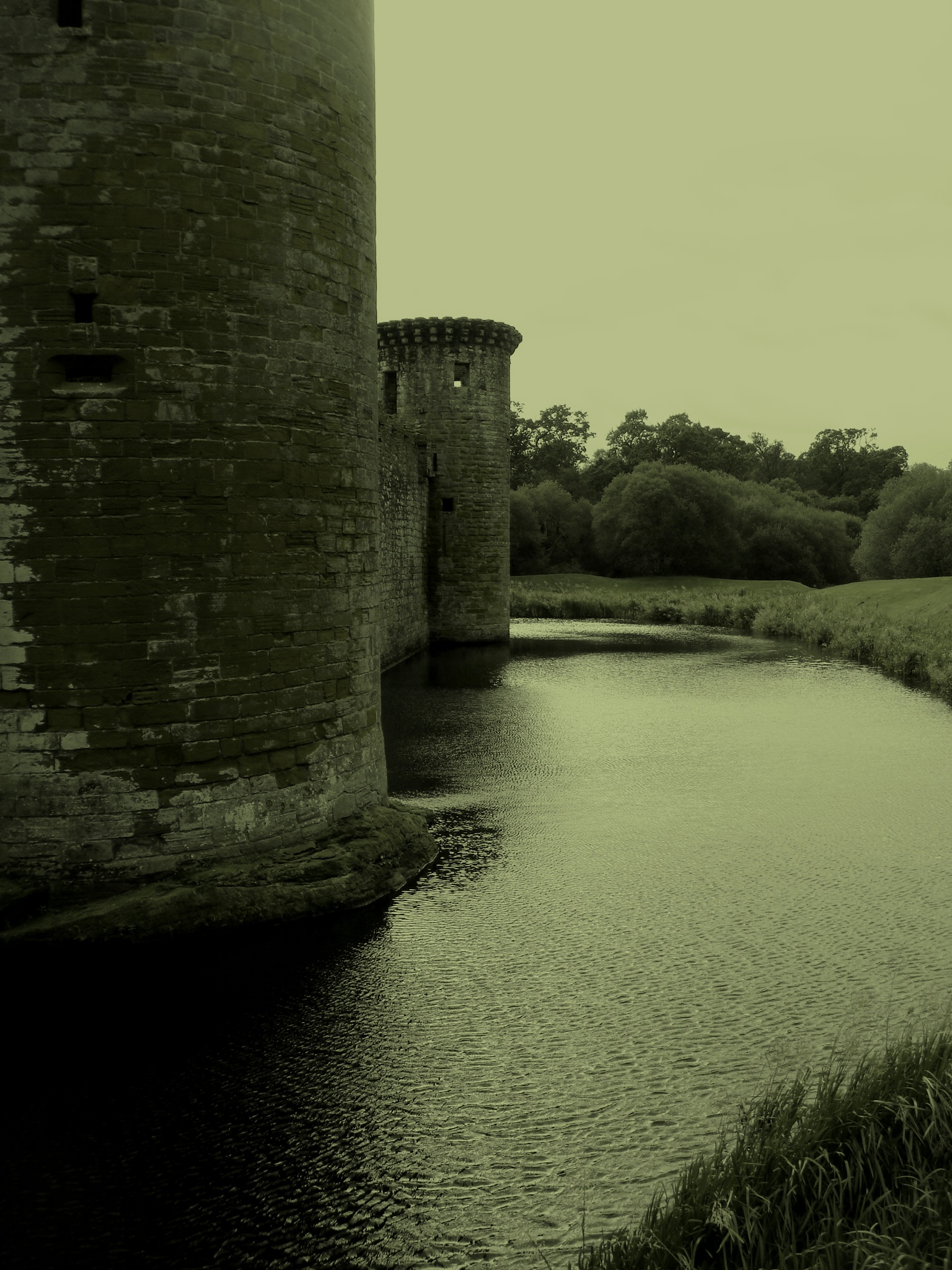
Caerlaverock Castle, moat

These old castles are great places to visit, especially out of season when they are very quiet. Being out of season also eliminates the potential for any screaming,  reenactment shenanigans, that seem to happen more frequently in the summer months. No, this is the time of year for me, a freshening breeze, very few tourists,  just the lonely call of curlew or the chatter of a group of oyster-catchers is really all I want to hear walking the grounds of this gloomy castle.
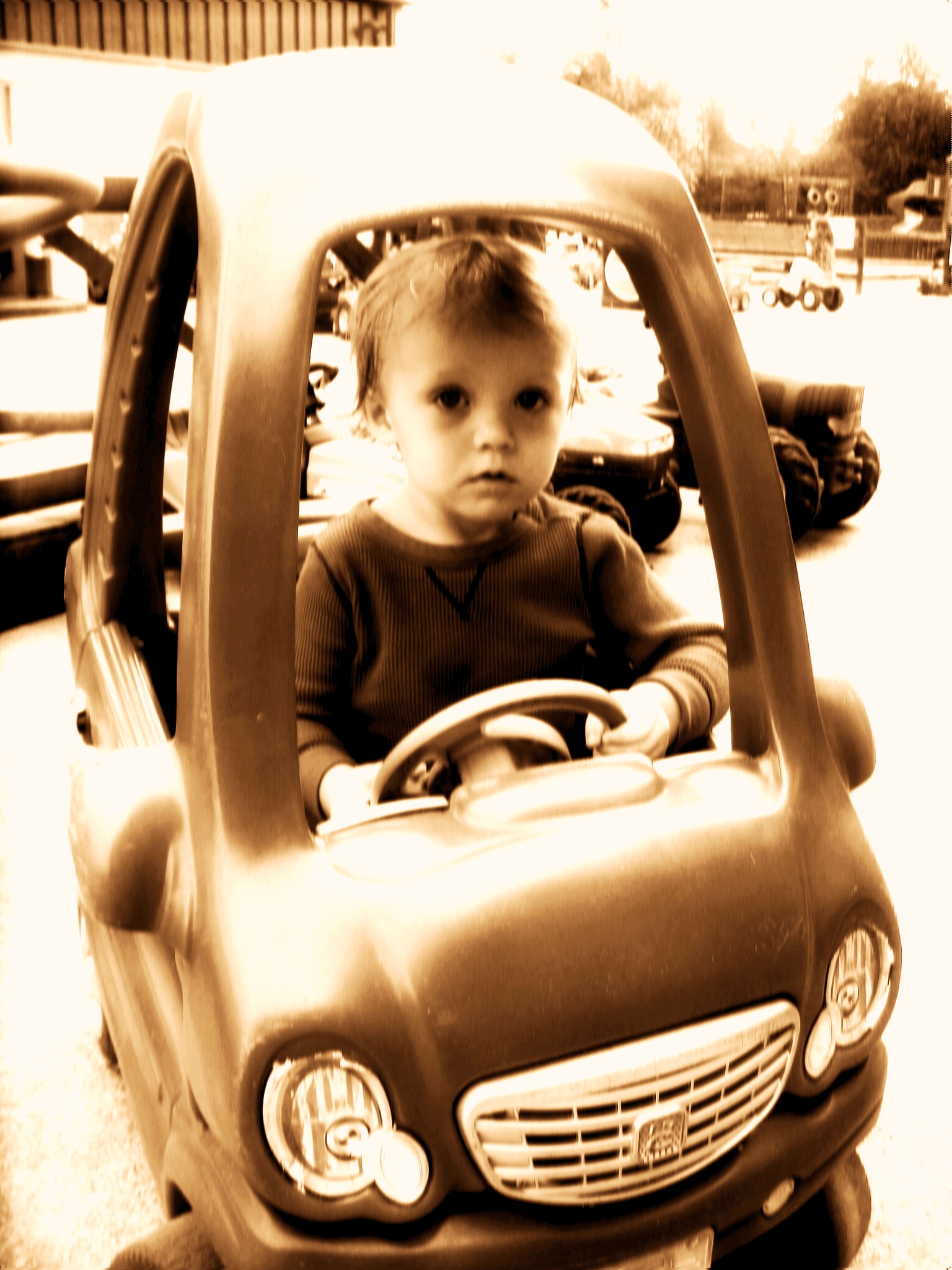
The Driver

Back at the parking lot, our driver was patiently waiting for us in his small European car ready to take us back to our cottage. Although one of our clan decided to ride her bike home at break-neck speed…
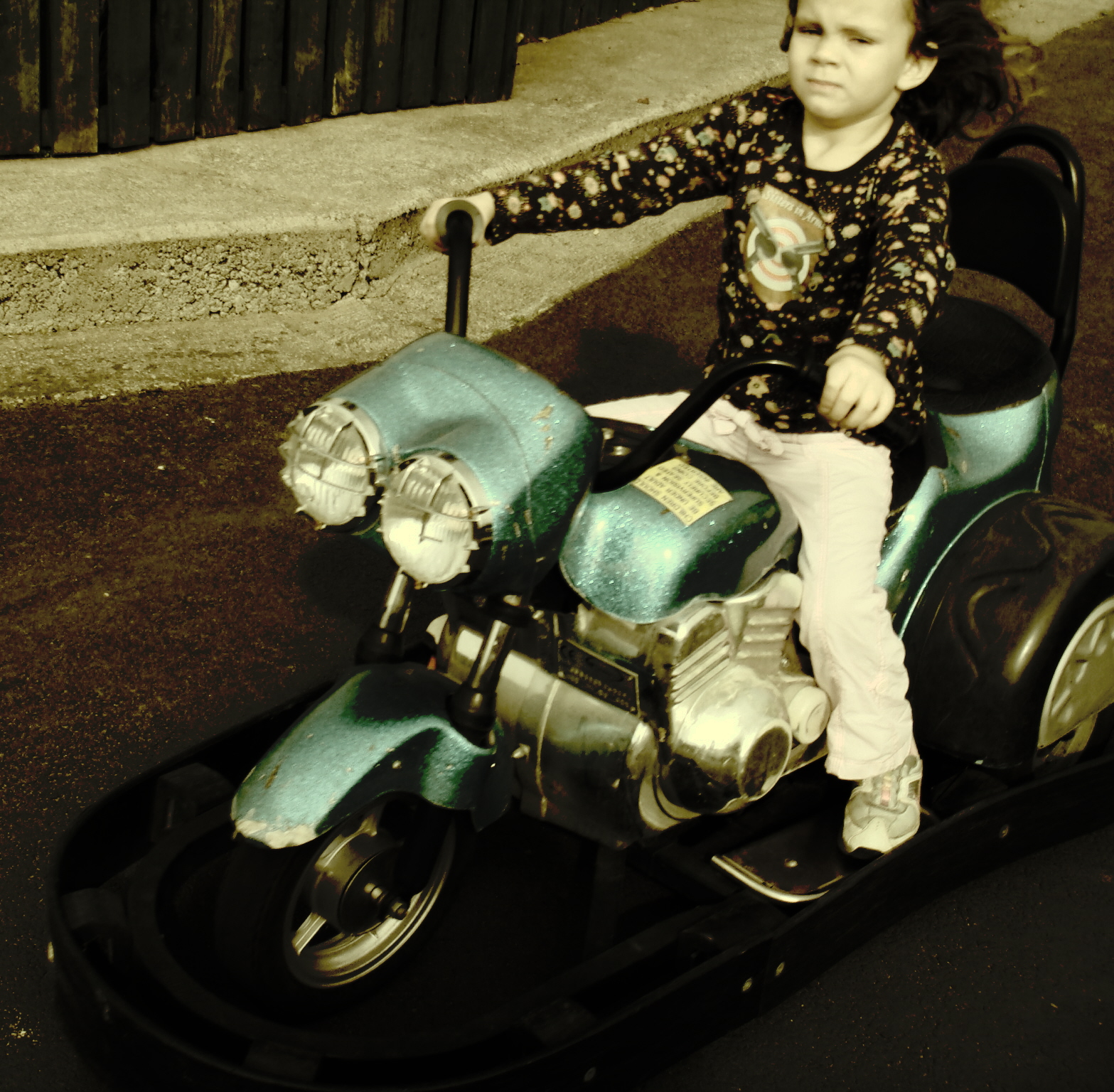
DSC09547

It was all going well until she became more interested in the dials than the road, I quote “to see if they were turning”!

Easy Rider.mpg

On the way home we had to pull the little car over to the side of the road to allow this herd of sheep safe passage into an adjacent field.
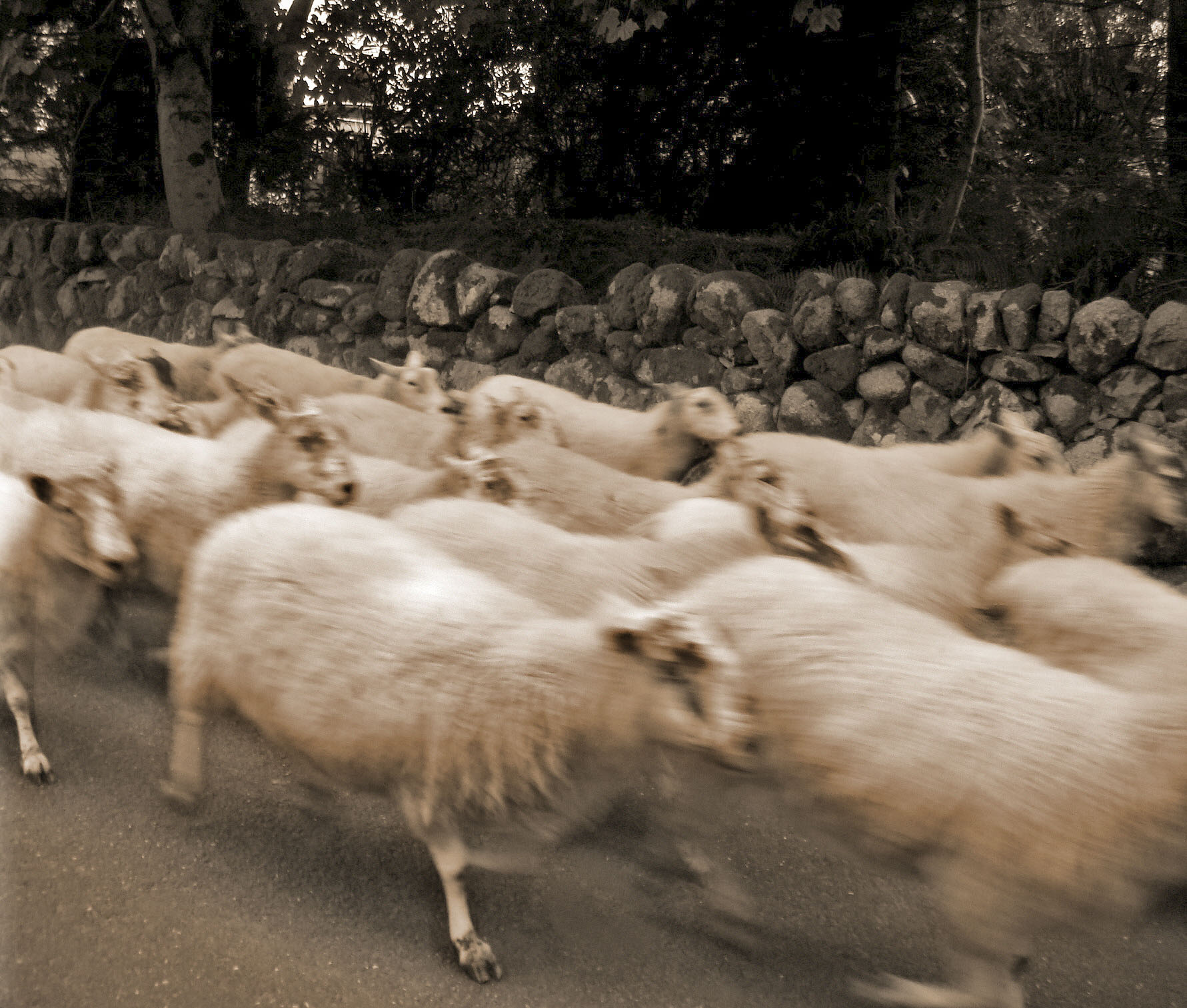
Stampede

I snapped this through the vehicle’s tiny window.

coalburning_Full

Back at our cottage, zzzz

morning

full_english_breakfast1

Morning…another breakfast of champions, another mild cardiac twinge…then it was onto a local estate for a spot of conker hunting (or ‘Buckeye’ hunting here in the states). When we were kids, armed with polythene bags, we would do our rounds around some of the older horse chestnut trees in our area (we knew exactly where they were), they were the trees that would deliver some of the largest, and most prized conkers, and there were some monsters. When they are lying half open like the one below, they remind me of storybook dragons eyes.

3982293529_aa897da69e_b

Conker Photo courtesy of  Matt Osborne see some more of his great shots :

http://www.flickr.com/photos/32681588@N03/


Horse chestnuts nuts from the horse chestnut tree

Aesculus hippocastanum


are rich in starch and not suitable for human food due to the presence of saponins, which are soap-like chemicals. They have been made into a food for horses and cattle in the past, by soaking them first in lime-water so reduce their bitterness,  hence the horse in horse chestnut. The Common Horse Chestnut is native to the Balkans.
DSC09636 According to a letter which appeared in the Daily Telegraph, conkers are an effective way to keep spiders out of the house: conkers, placed in the corners of a room and behind pieces of furniture, reduce the number of spiders venturing into the room. Well nobody told me that, I would have filled the bathroom up with them at the cottage!  Brrrrrrr.

conkersPA0512_468x301

After poking holes through the conkers and threading them onto boot-laces, we would take them into school the next day to wage knuckle rapping battles on the playground. Players take turns to strike each others conker until one breaks. Today playing conkers in schools is banned due to the legal consequences if children are injured from shards while playing the game. A few schools still allow the practice if protective goggles are worn! I guess I have never thought playing conkers as a dangerous sport.

The name comes from the dialect word conker, meaning hard (related to French conque meaning a conch), as the game was originally played using snail shells. The name may also be influenced by the verb conquer, as the game was also called conquerorsThere is even a conker world championship held every year, in fact, if you get a last minute flight over the pond you could watch it live this Sunday:

http://www.worldconkerchampionships.com/
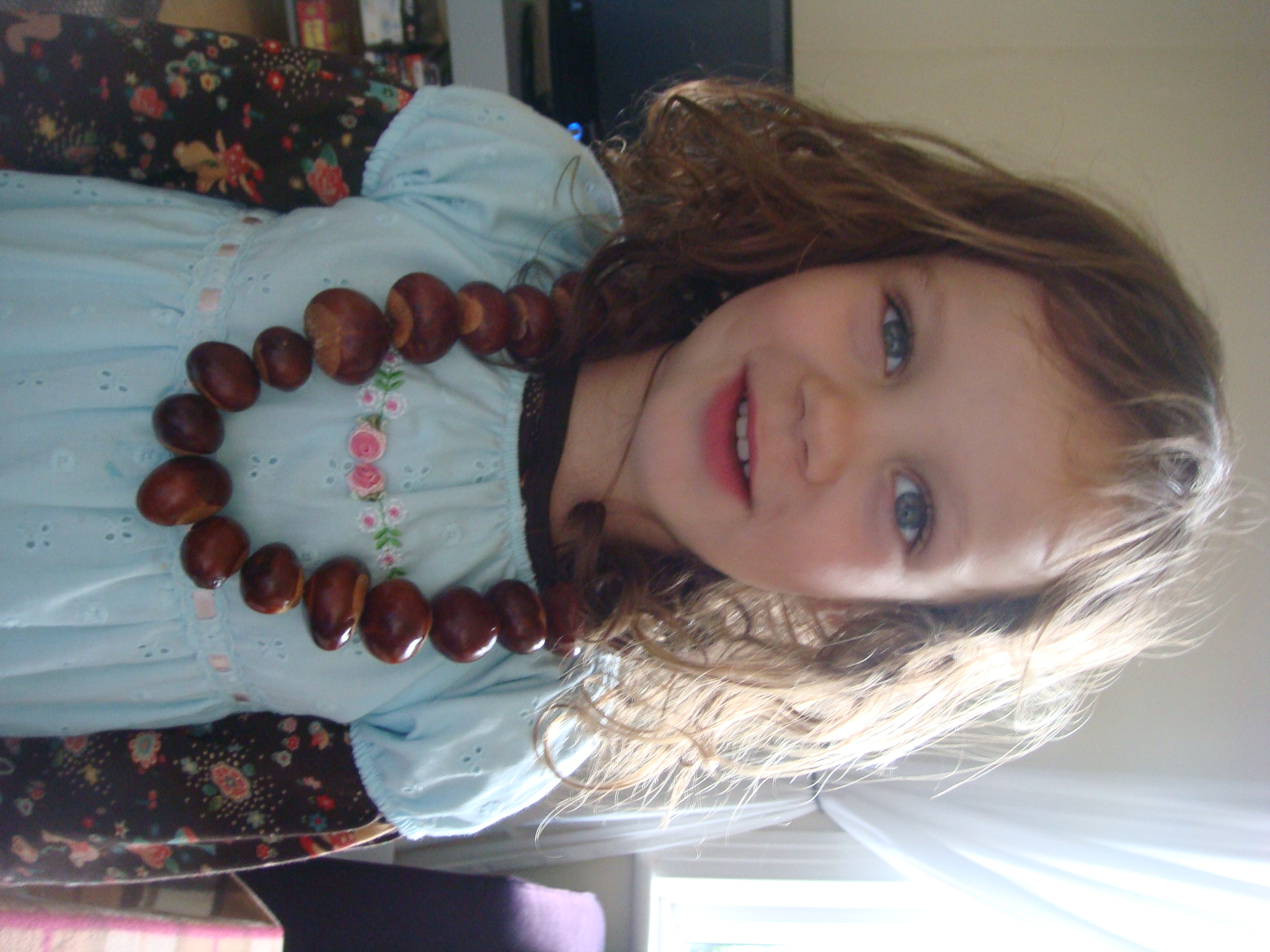
Horse Chesnut Necklace

Although we did have a few traditional games of conkers most of the ones we collected went into the creation of this chunky necklace…a great “hit”.
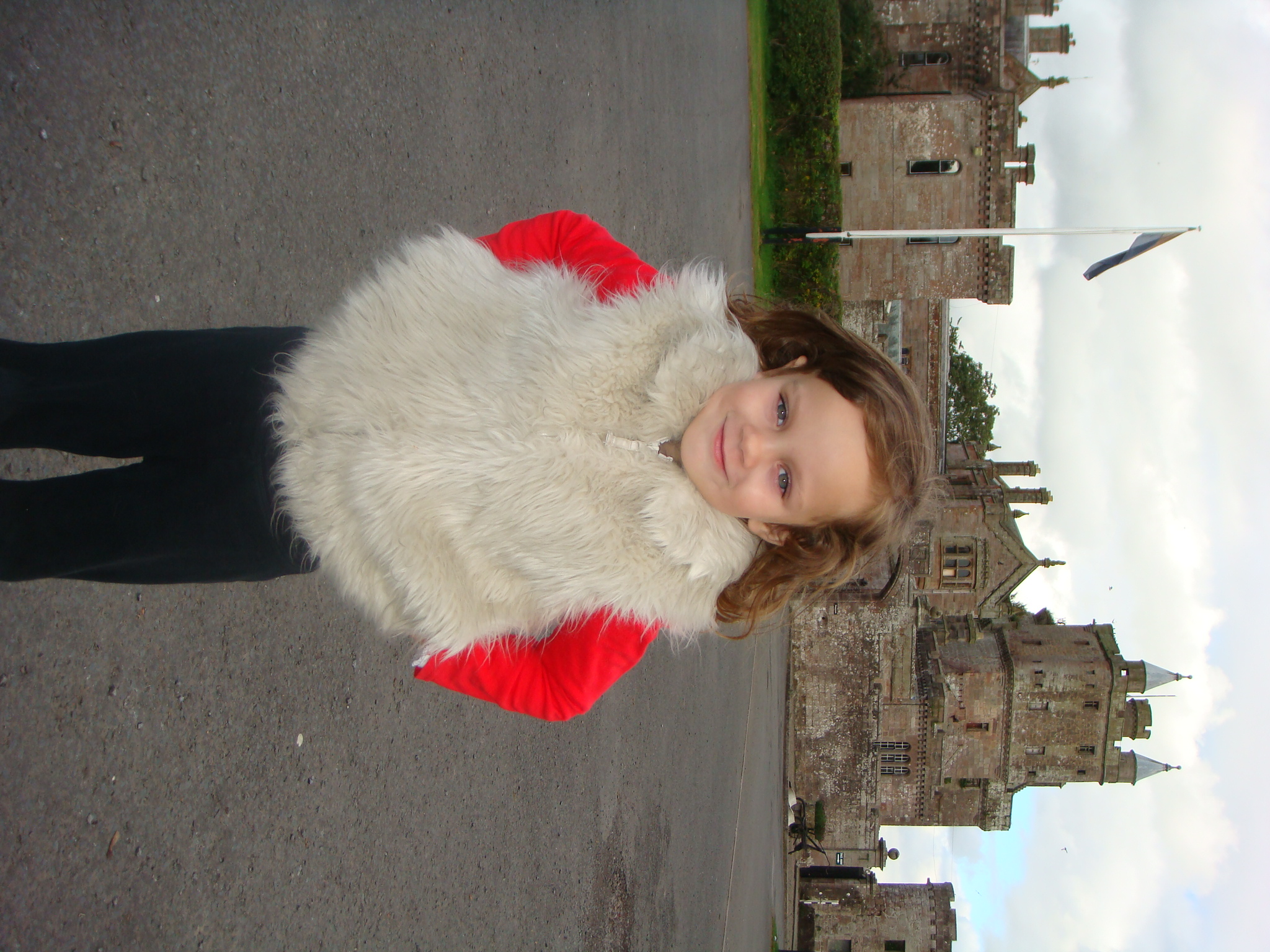
Hoddom Castle

The estate where we picked the conkers is Called Hoddom, and guess what, yes it also has a castle on it, you cannot swing a conker in Scotland without hitting a castle you know. It is a popular stop for fishermen and houses some spectacular views. A fair amount of Hoddom castle is now derelict, it’s only occupants being a large number of crows and jackdaws that swoop and scream around the castle’s towers in a very Hammer House of Horror fashion.

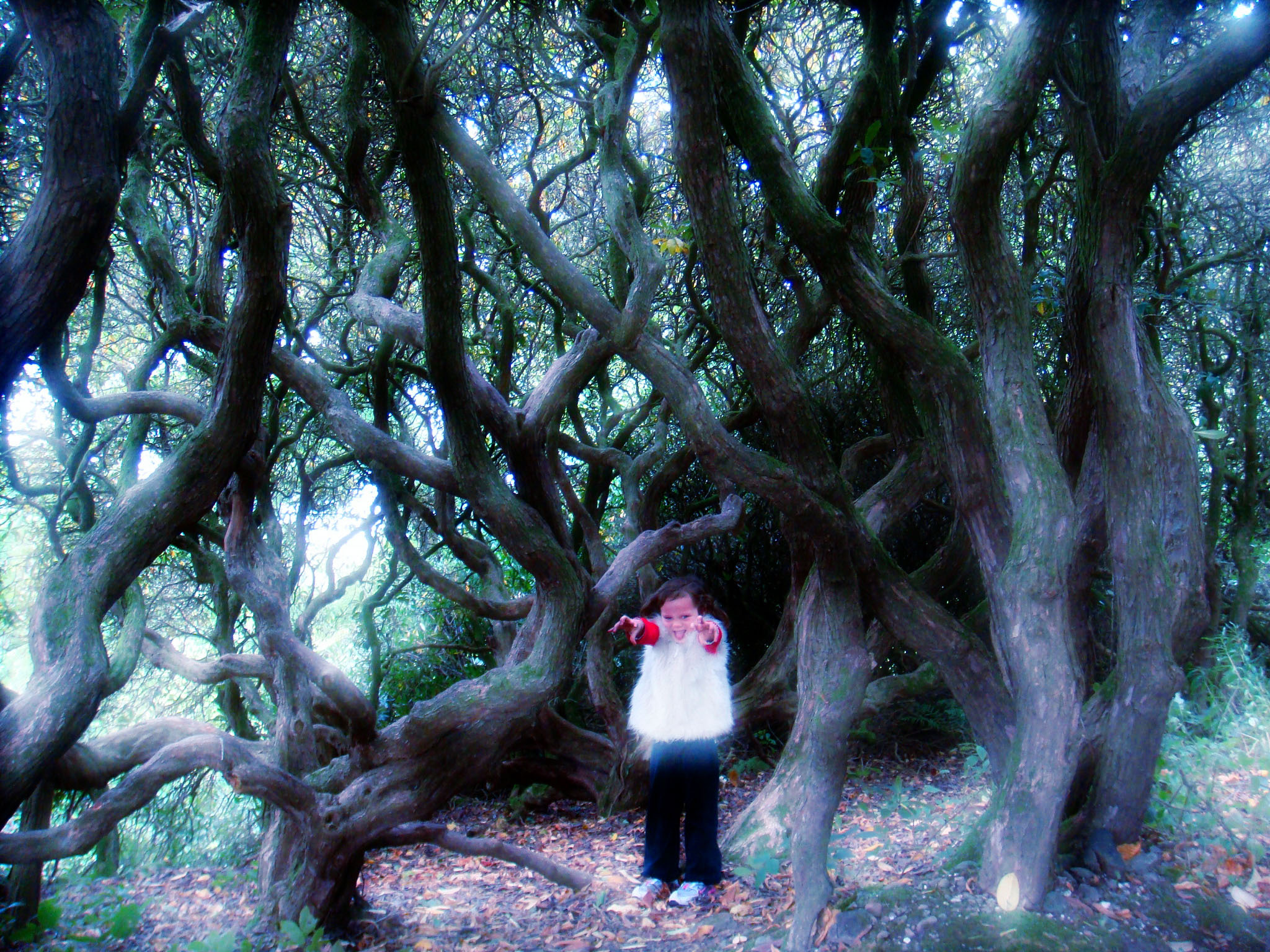
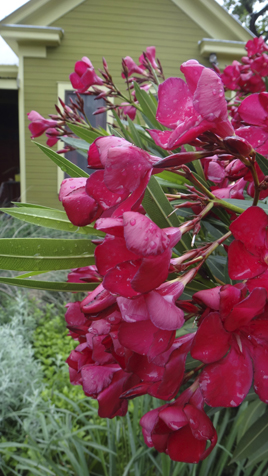
normal_ScoobyDooShaggyRunningScared.png Witch in the rhododendron

The grounds are host to masses of  rhododendron bushes, and the occasional witch.

Few people who visit Britain’s countryside when

Rhododendron ponticum


is in flower can comprehend the damage that has been caused to the native flora and fauna by this exotic Victorian introduction. It is a staggering sight when it is in full bloom. The large shrub is not native to Britain, but was first introduced from the Mediterranean countries in the late 18th Century. It became especially popular on country estates in Victorian times, providing ornamental value, as well as cover for game birds. The problem with it is that the plant has such a dense canopy nothing can grow under it. This effectively eliminates other competing native plant species which are unable to grow due to insufficient light. This in turn leads to the consequent loss of the associated native animals.
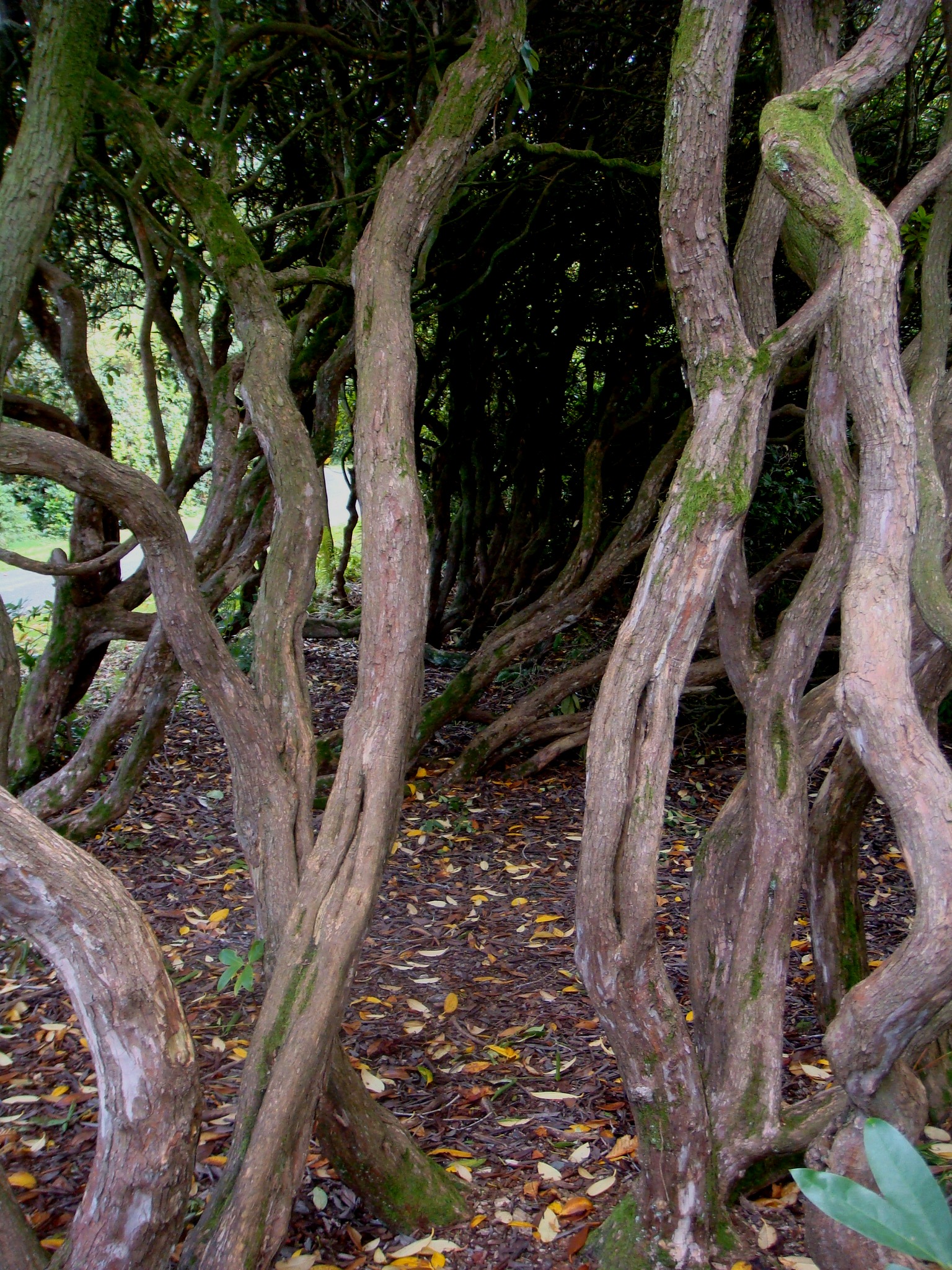
Rhododendron Bushes

You can see the lack of vegetation underneath these spooky twisted limbs.

Once established it is as hard to eradicate as Bermuda grass, spreading by seed and lateral horizontal growth of the branches.  A single plant may eventually end up covering many meters of ground, and if the branches touch the ground, they will root, continually extending the area of Rhododendron cover. Now that would be enough to make you…

Emu

…scream like a emu?  I think this bird had some sort of emu “tick” because it kept doing this, perhaps it had some grass caught in it’s throat? Or perhaps it was in practice for the “Scotland’s got talent” show? If there is such a show?
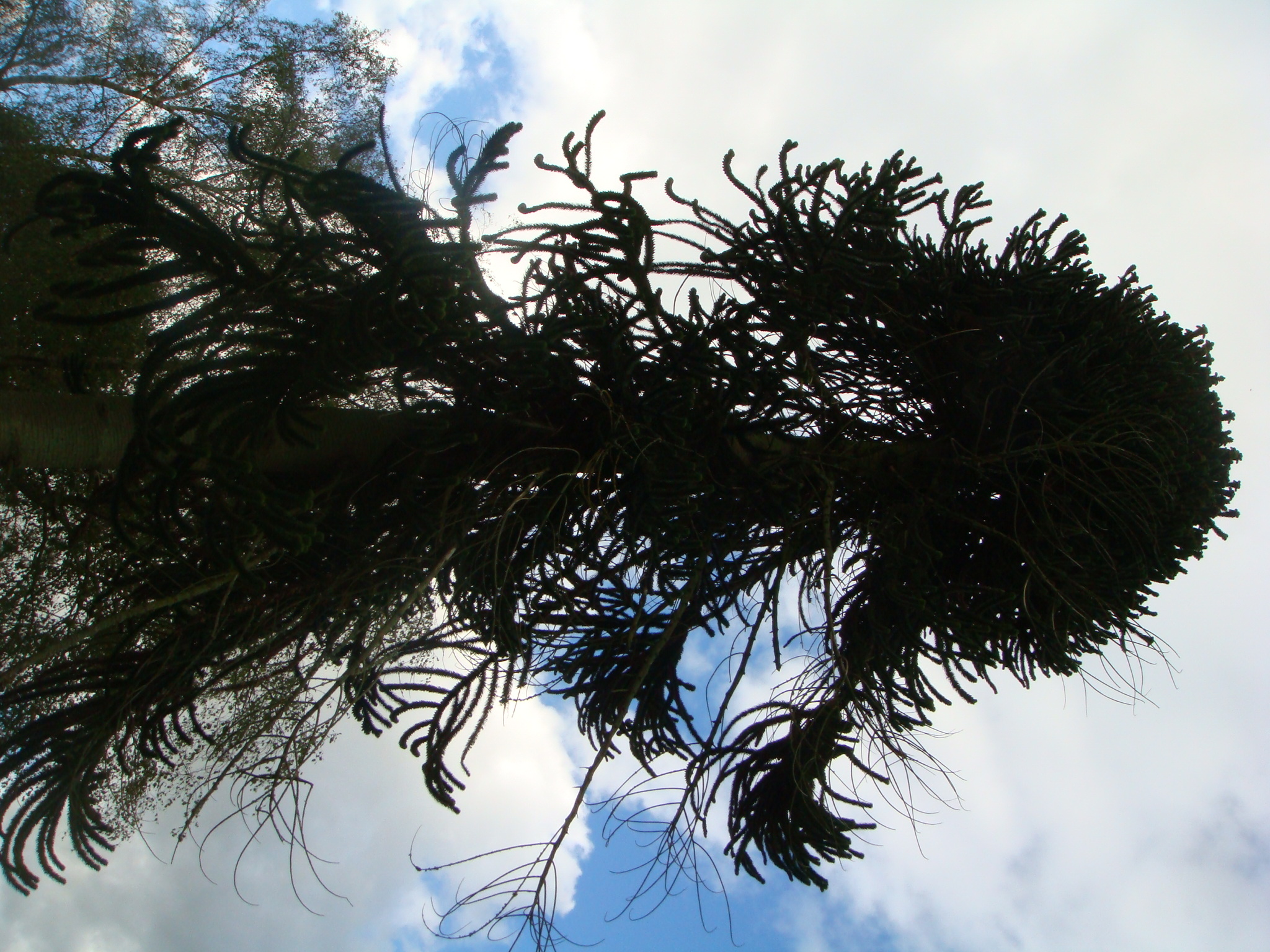
Monkey Tree

Hoddom also houses some massive cheeky-monkey puzzle trees.

3000-austin-powers

“Yeah baby”!

The origin of the popular English name Monkey-puzzle derives from its early cultivation in Britain in about 1850, when the species was still very rare in gardens and not widely known. The owner of a young specimen in Cornwall was showing it to a group of friends, and one made the remark “It would puzzle a monkey to climb that”; as the species had no existing popular name, first ‘monkey-puzzler’, then ‘monkey-puzzle’ stuck.
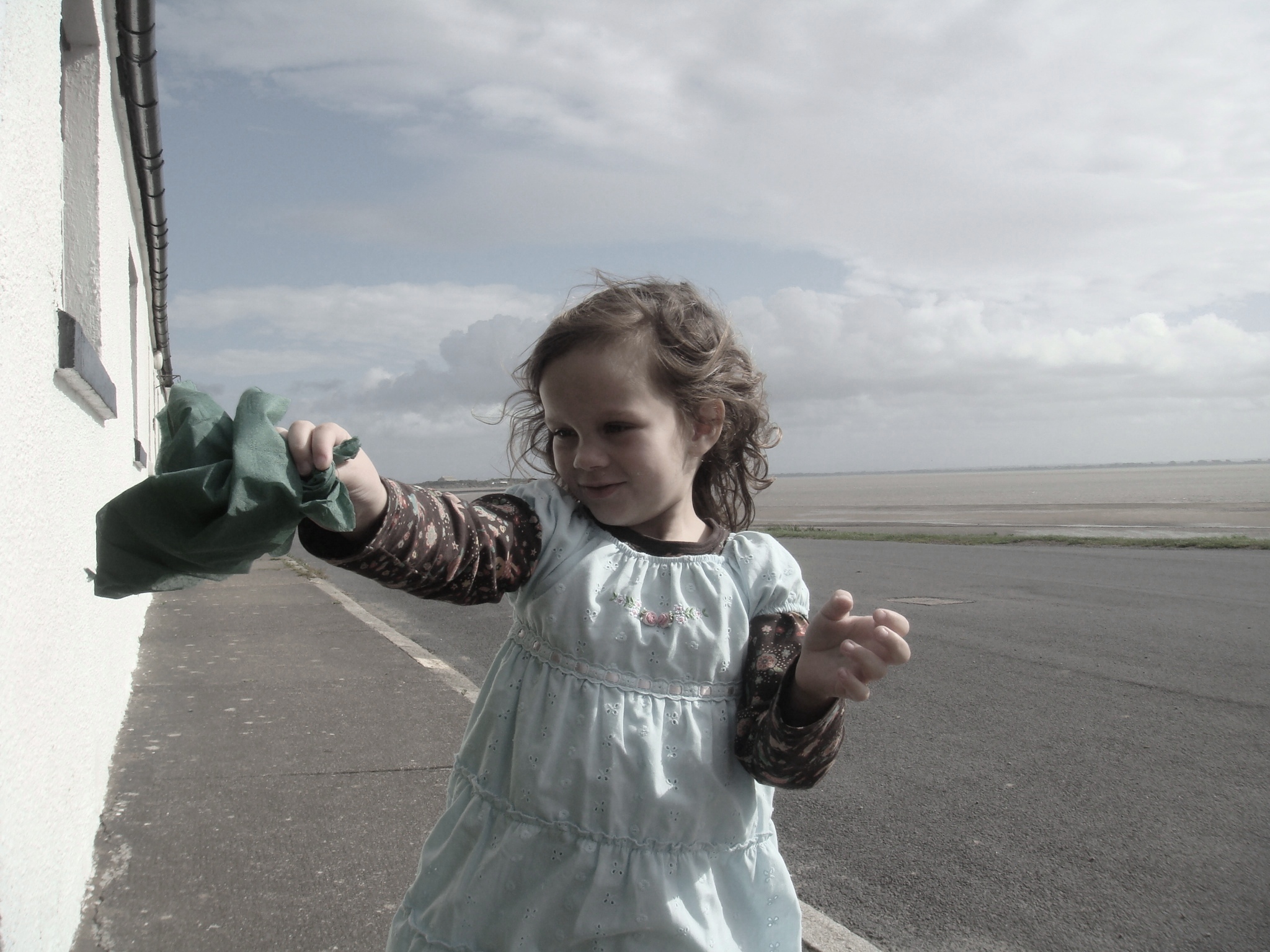
DSC09327a

Another brisk walk after eating dinner at the local pub. Then it was…

coalburning_Full

zzzzzzzz

morning

What?

Farmer Giles

Another egg delivery from the farmer,

full_english_breakfast1

another breakfast of champions,

flatline

a minor cardiac event, a few aspirin, then it was time to check out a couple of local gardens…
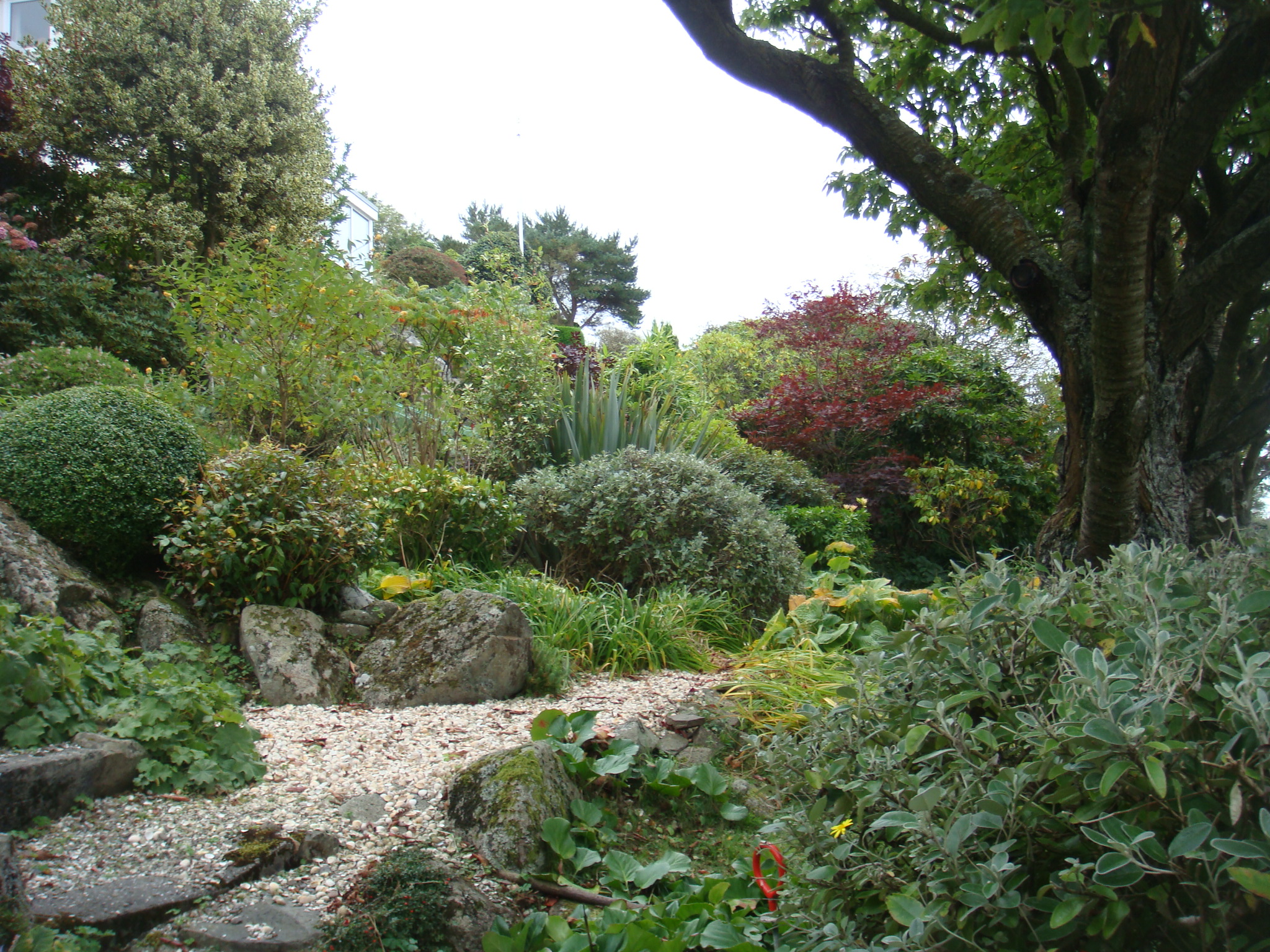
Gardens Seen

This hillside garden caught my attention with its seashell lined pathways and packed landscaping.
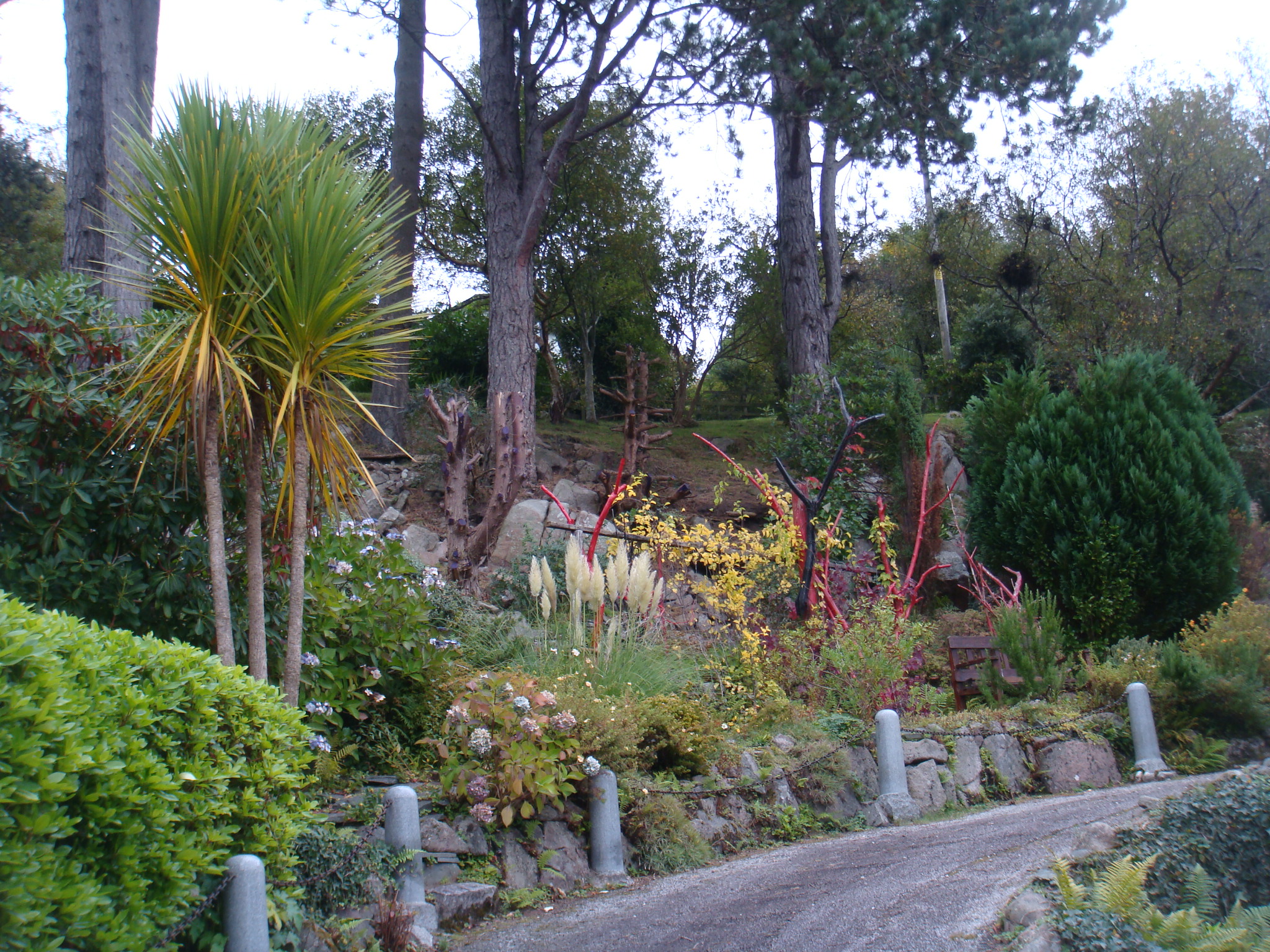
Gardens Seen

This one was also interesting with its brightly painted red branches and large boulders.
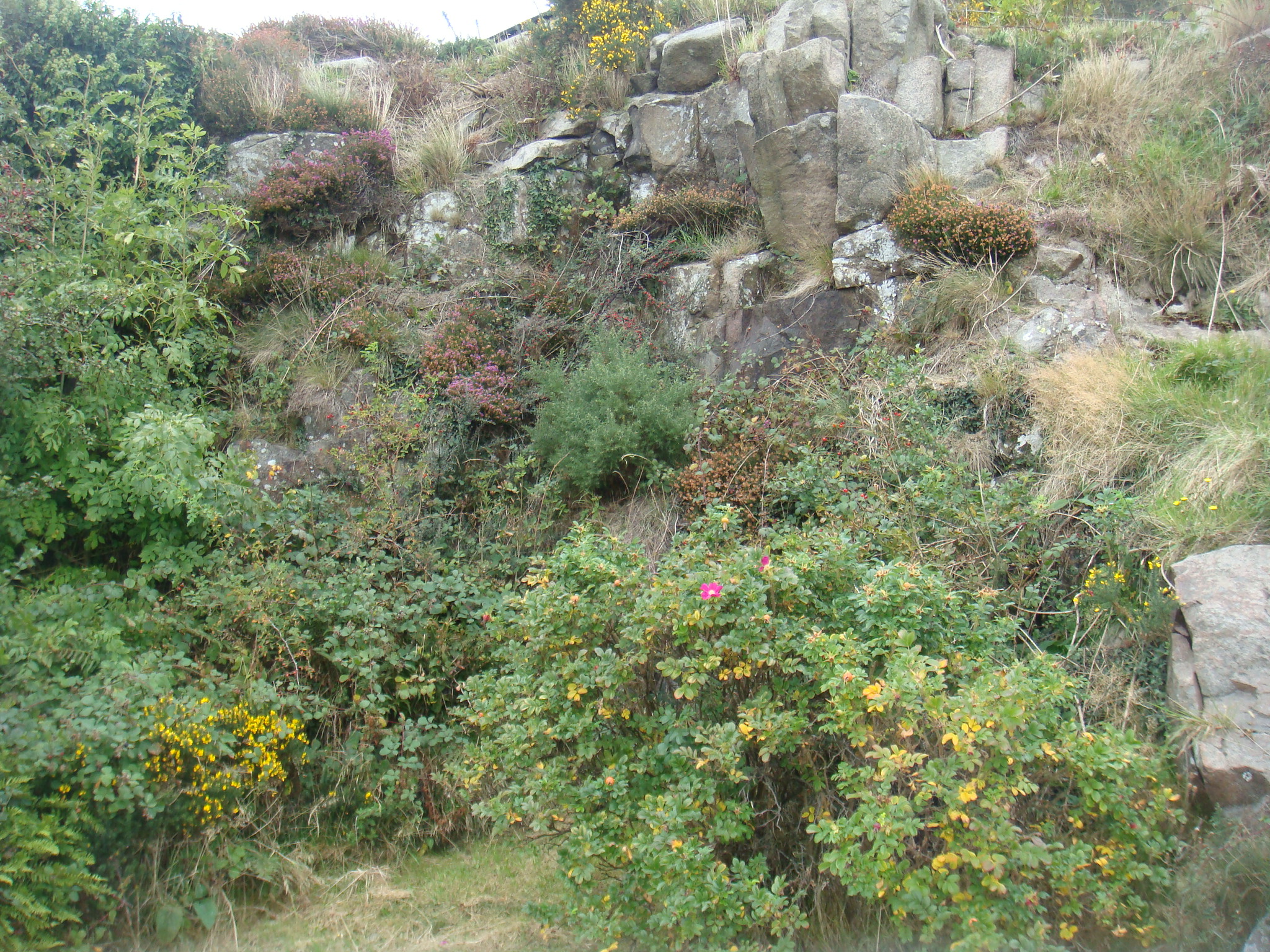
Gorse Bushes

A little way down the road and sort of between houses, someone had obviously planted up this hillside here and there, to create a scene reminiscent of something from the movie Brigadoon.  All this scene needs is Gene Kelly and Van Johnson hopping around the rocks singing some highly questionable Scottish songs.
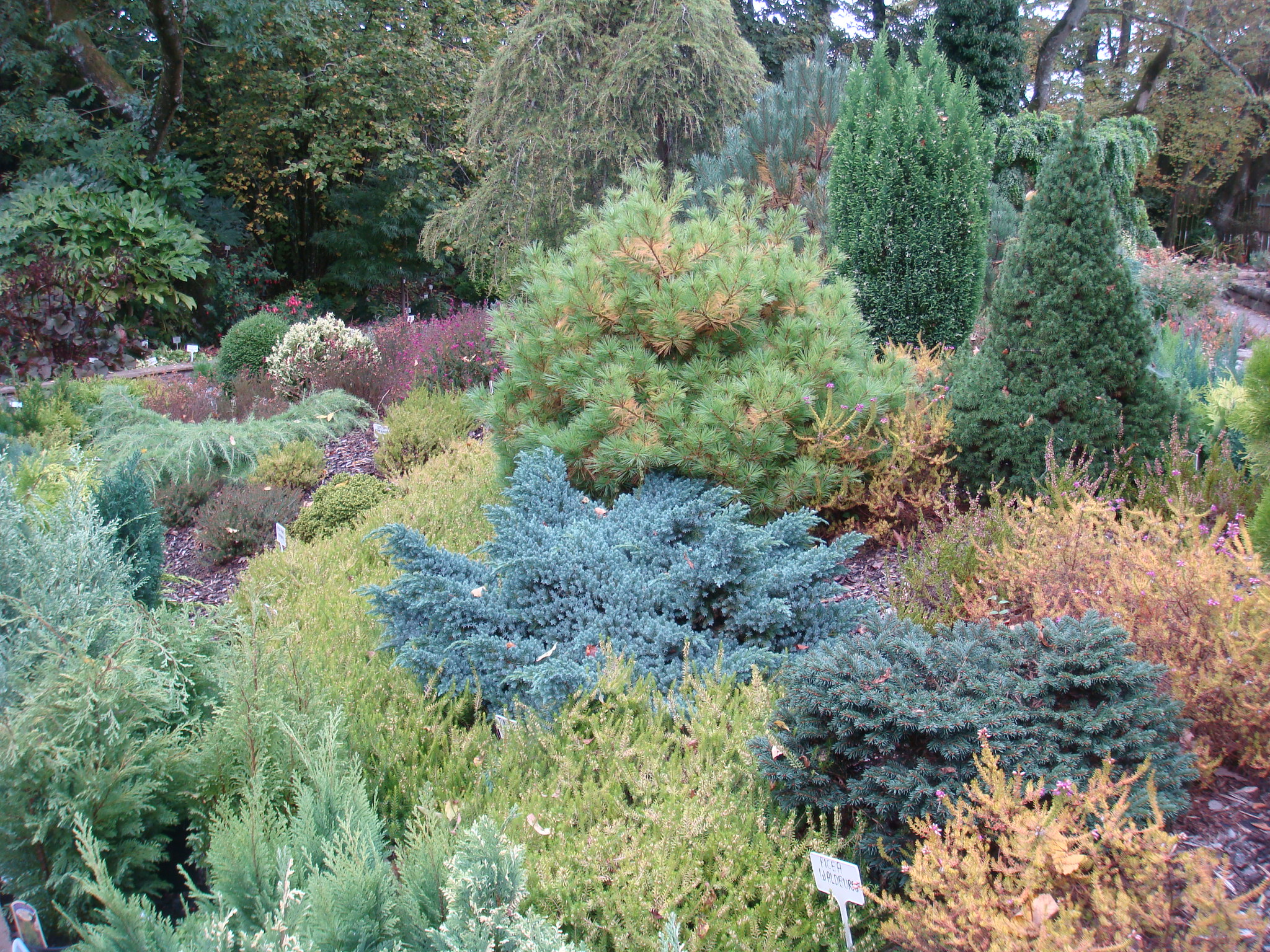
Conifers

This shot was taken at a local garden center, evergreens feature heavily in gardens in the Solway area.
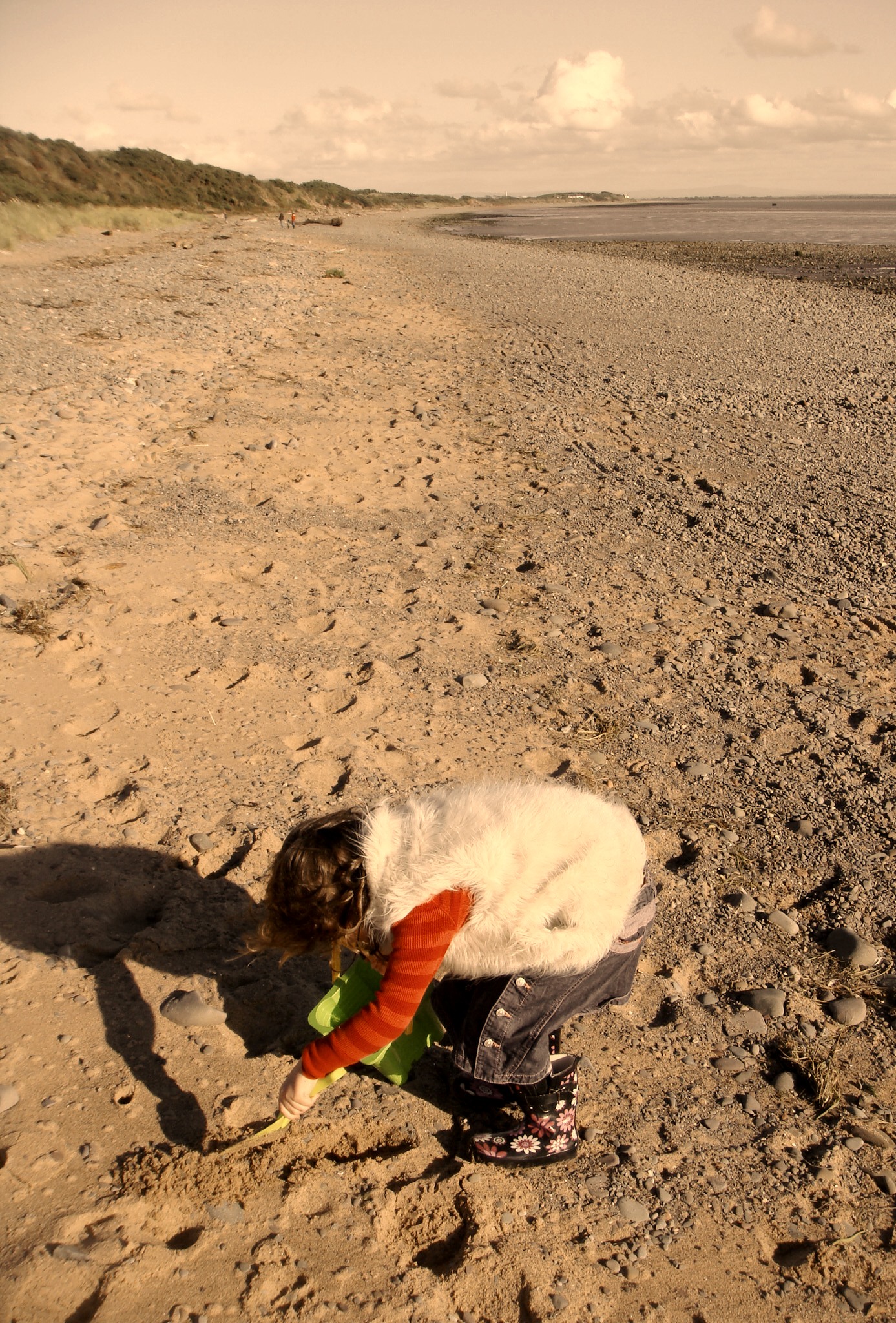
Beach Combing

With our trip drawing to a sad close we had time for one final beach combing jaunt before It was time to put my…

sellers-strangelove

Dr Strangelove glove back on in preparation for the long flight back home.
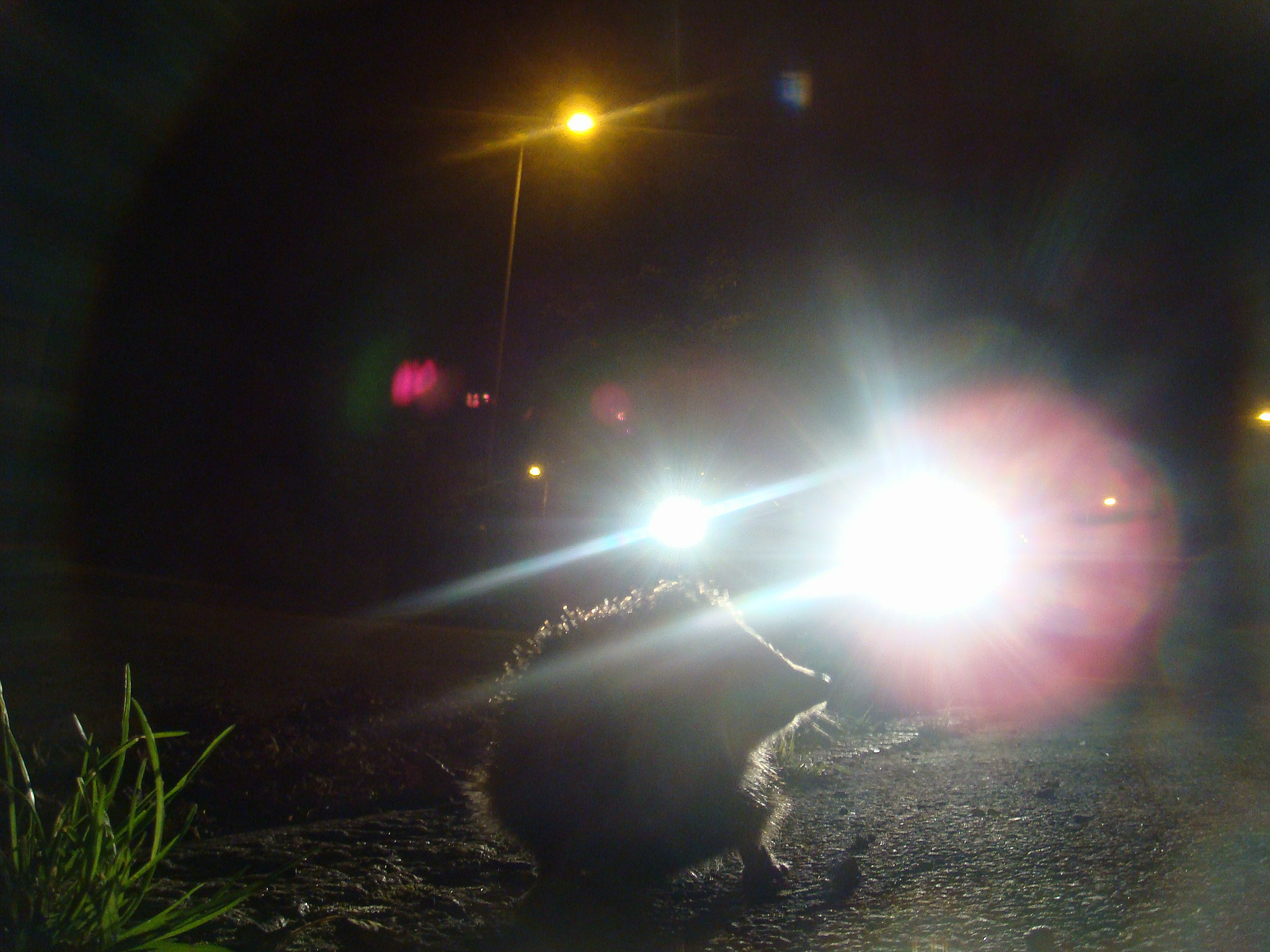
Hedgehog

As we drew up to the cottage one final time this little hedgehog froze in the headlights, strangely reminding me of our recent “Dude where’s my Tahoe” experience.  Our two weeks in Scotland were sadly over, as this little chaps life will be if he continues to hang around on the road-side.
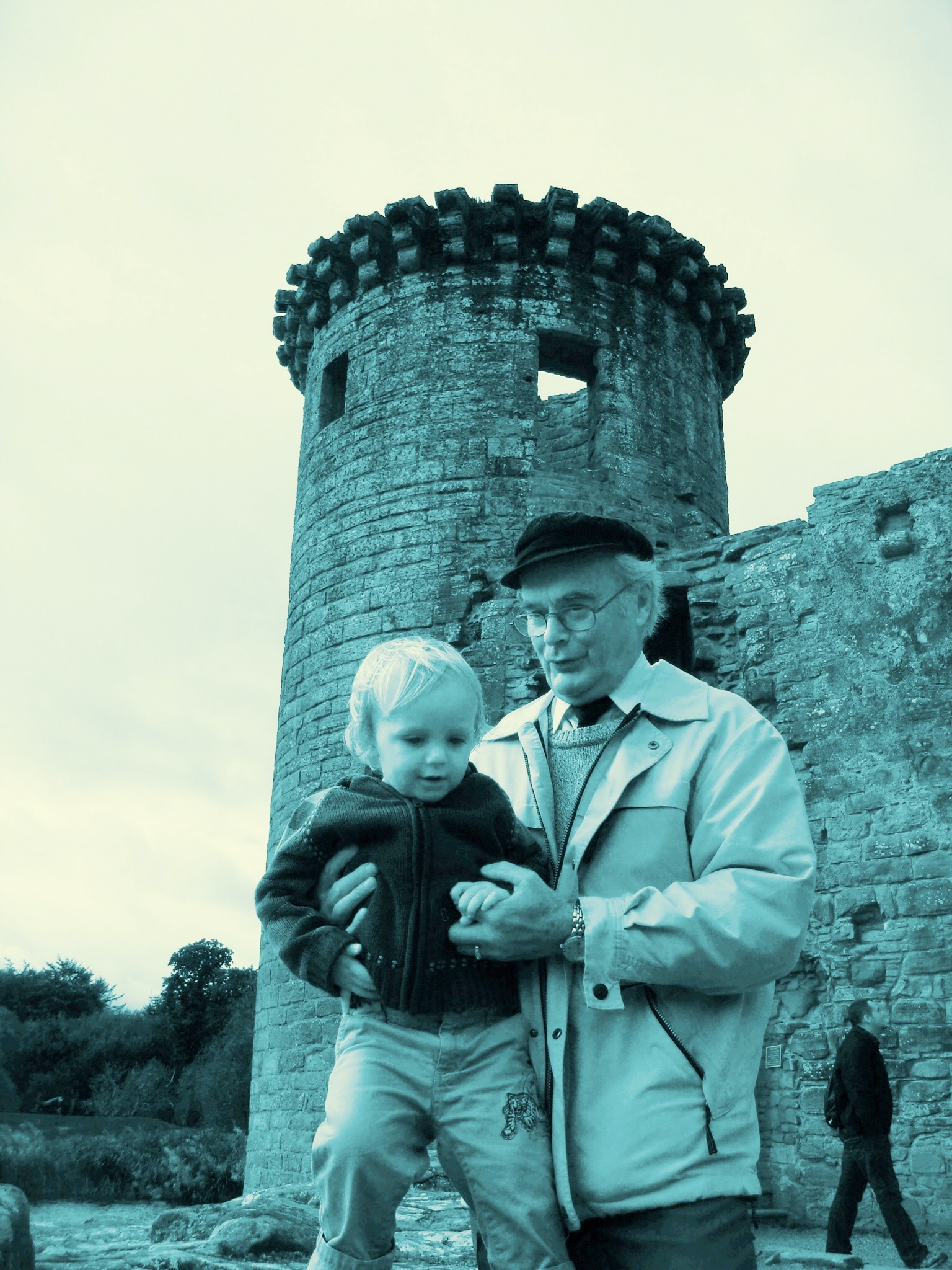
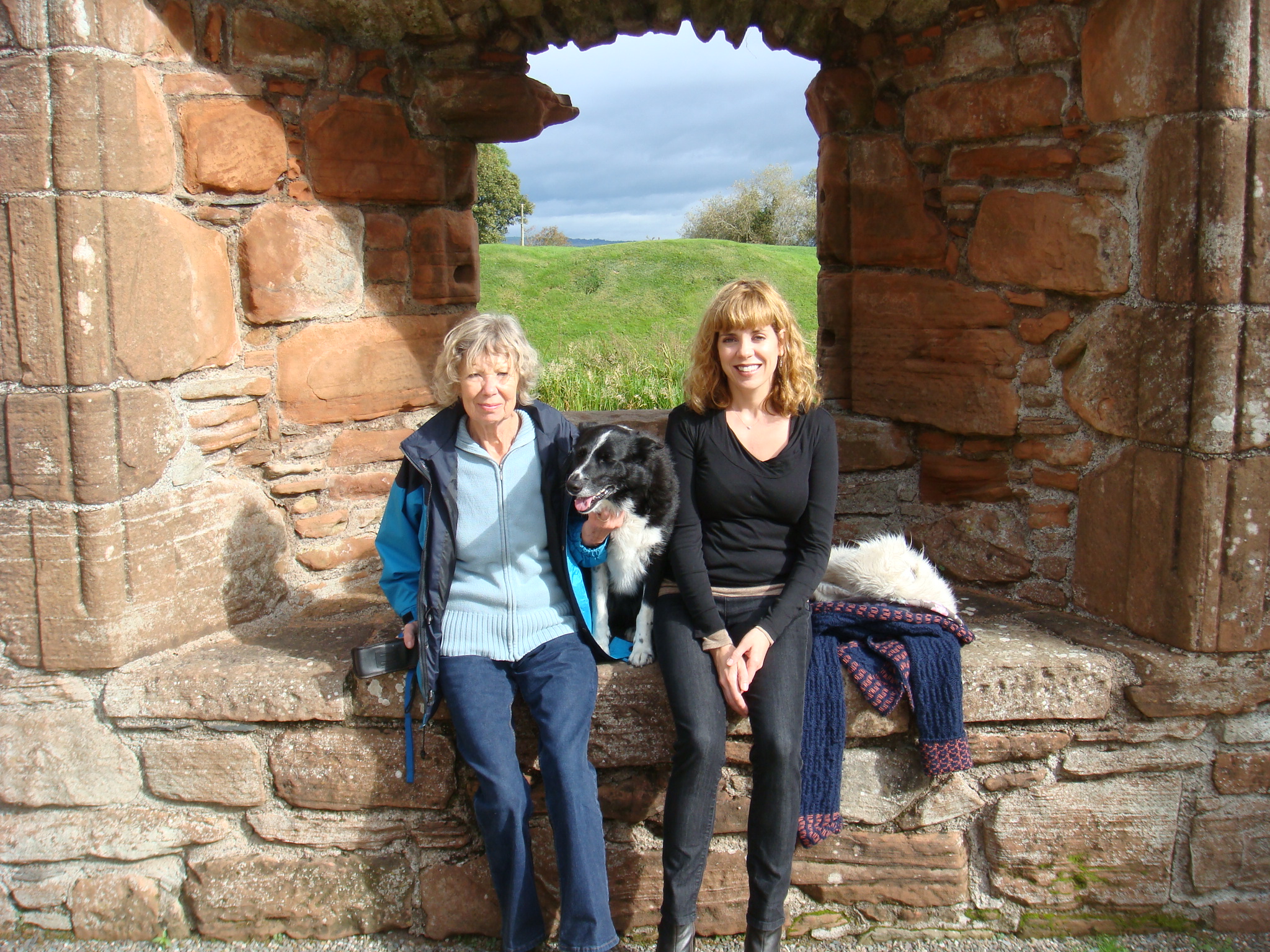
DSC09476aDSC09472a

Thank you parental units for a fabulous and memorable trip, we all really enjoyed seeing everyone again. Glad you got to meet the smallest hobbit. Hope to see you next year. Much love from all in the patch.

Airplane packageAs a side note… it appears that a faction of the Nabooboo tribe has made it across the pond. These European Naboos are a lot taller than their American cousins it seems…

Warning: C ol orful” language alert.


Stay Tuned for:

“Purple Rain”


All material © 2009 for eastsidepatch. Unauthorized
intergalactic reproduction strictly prohibited, and
punishable by  late  (and extremely unpleasant)
14th century planet Earth techniques.

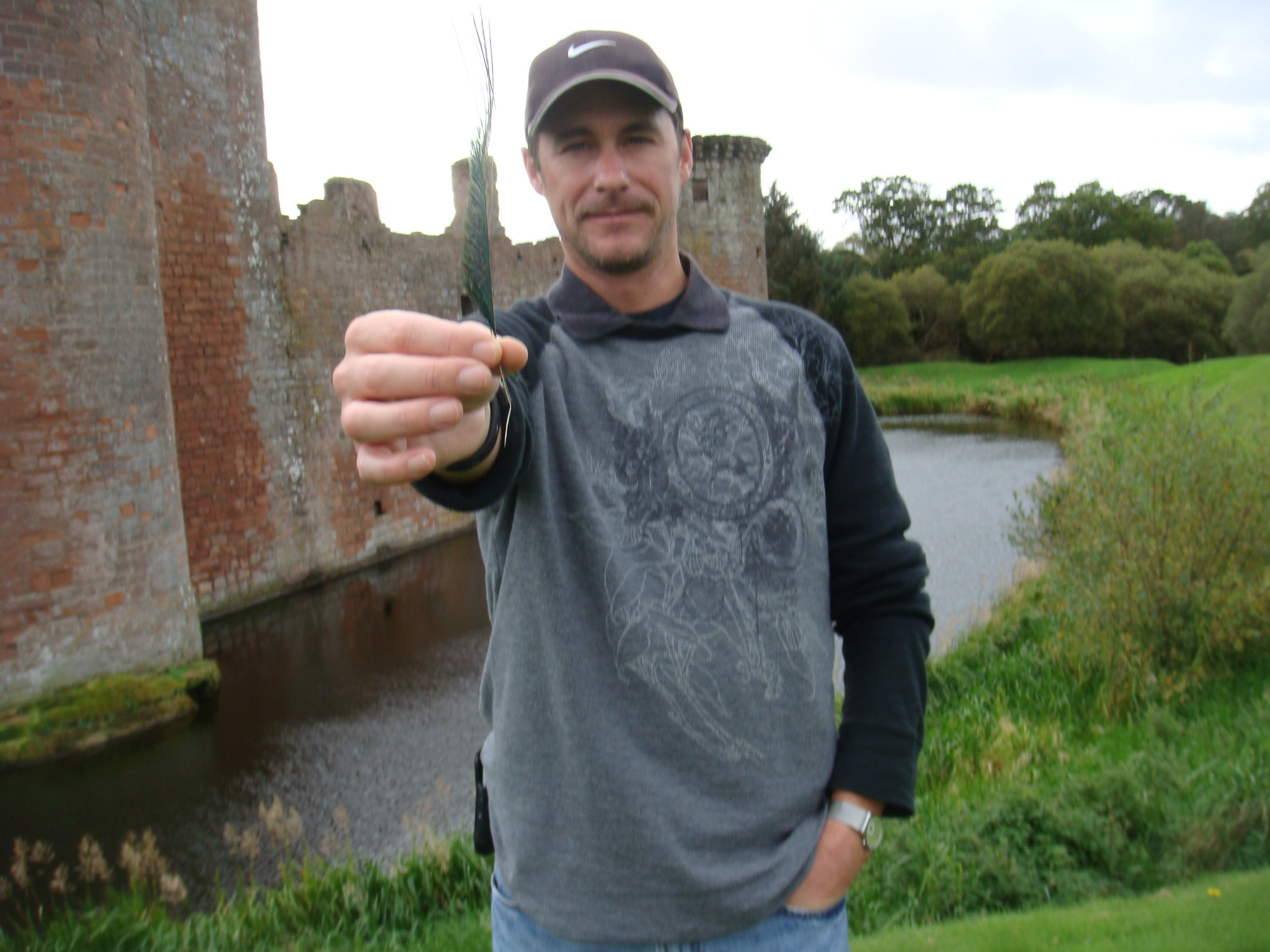
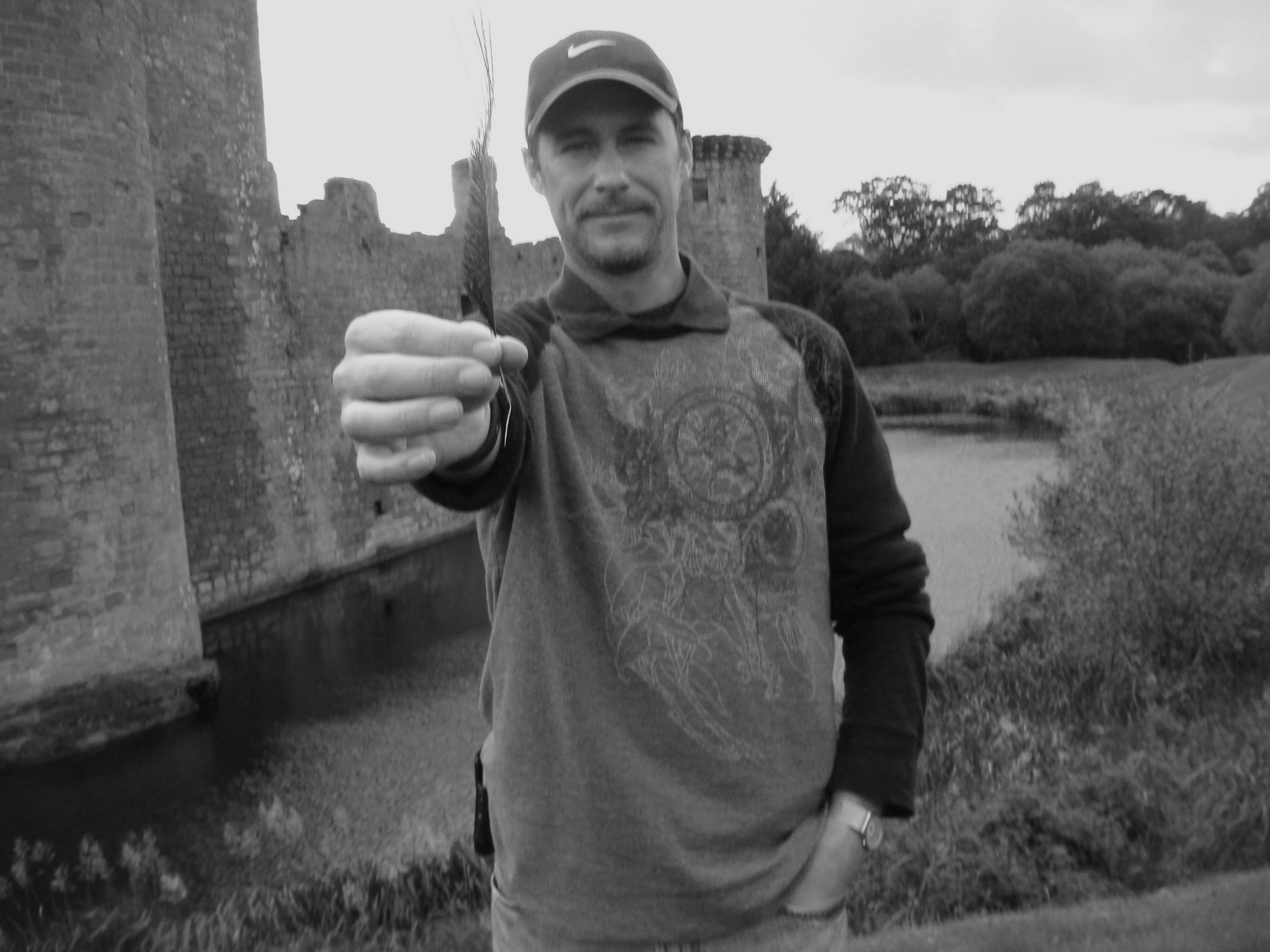
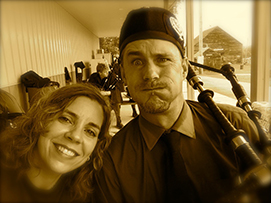
I knew there was one picture Bob, and only the one there was, taken by my eldest at Caerlaverock, she insisted that I held up the feather, this is my “anything for a quiet life” face.
DSC09484b

anderson_tartan_3 braveheart

“ESP has made it back from the lowlands, did ye do battle on the English oer, on yer trip ESP?  Tell me ye built spears twice the length of a man? Did ye unite the clans? Did ye…

Shhh!  Relax William, I will tell you all about it, if you give me a minute, okay perhaps more than a minute, this is rather a muckle-long post!  I suggest you grab a glass of your favorite beverage and if you have a slow connection, my apologies.

The Sleeper

Ahh the long and arduous journey to Mordor, I mean the borders of Scotland.

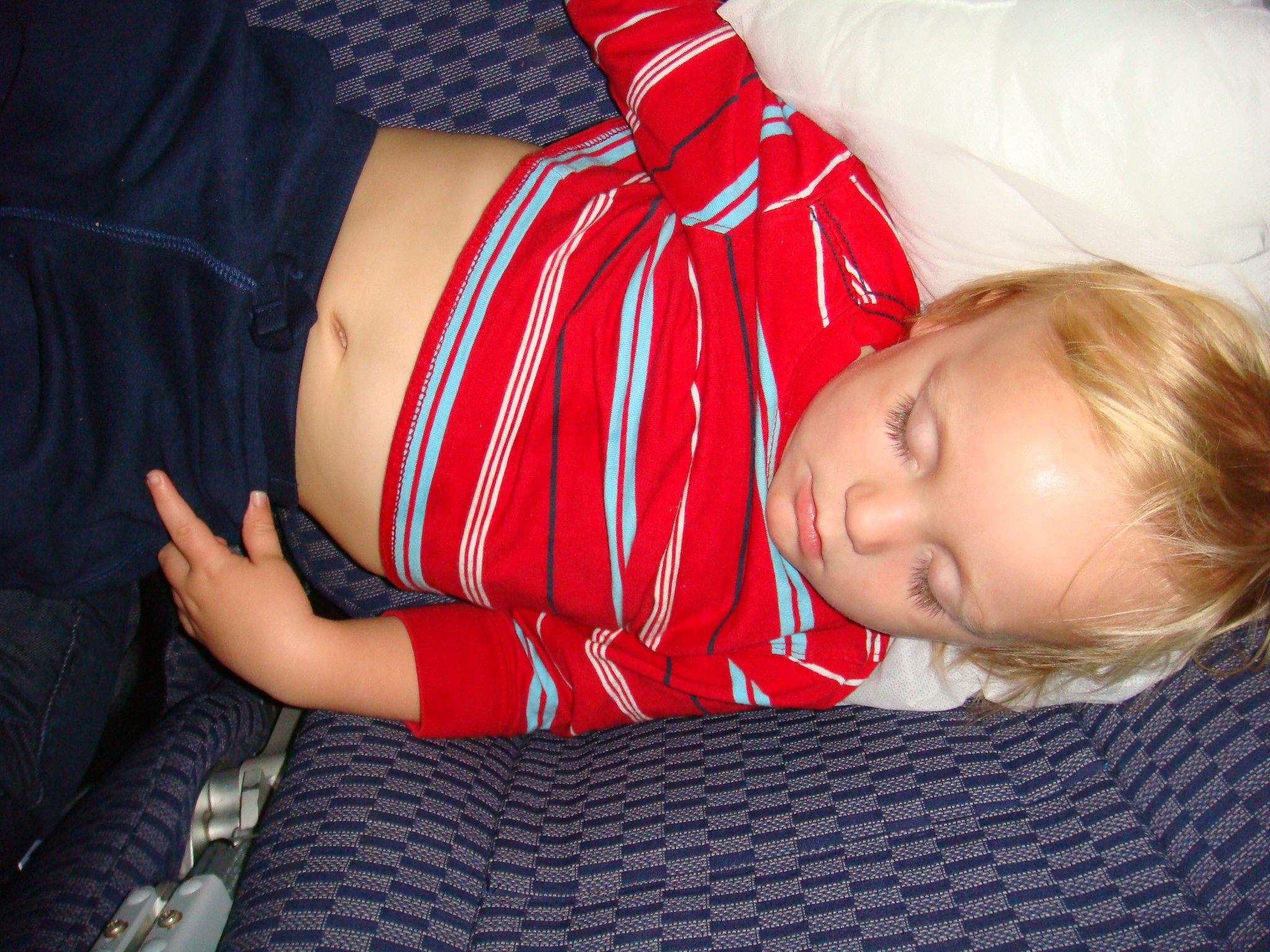
Being a hobbit does have some distinct and obvious 757 ergonomic advantages, and sleep appears to come easily to these little creatures after the fourth Brandy Wine!

gollum

“Tricksy Jet-Setting Hobbities”

I also noticed that hobbits never eat airline food, preferring to consume their own Lembas Bread.

lembassmall

Insane on a Plane

Elves also seem to have an advantage on transatlantic crossings. This one must have climbed into my hand luggage before we left the Patch and carefully evaded security…well it is an elf after all.

robert-wadlow-6Myself, on the other hand, was forced into an unnatural bolt-upright position on the plane, with my neck and head pushed down into my chest in the vane attempt to see some of the in-flight entertainment being played on the LCD on the back of the now reclined seat in front of me. Three-quarters into the journey and my legs apparently hatched a cunning plan against my well-being. While I drifted in and out of flight-consciousness they started to slowly wrap themselves in a constrictor fashion around my neck in a futile attempt to regain circulation and get selfishly comfortable. I awoke just in time for “breakfast” with one leg over my right shoulder, and my foot propping up the back of my head like an ill-conceived pillow, how this could have happened, I had absolutely no idea. I have never done yoga in my life.

dr.strangelove

By the end of the flight, and judging from the reactions of the flight attendants, I think I was beginning to resemble a crazed Dr Strangelove character, smacking my legs with a gloved fist to see if I could feel anything. It is no fun being tall on a plane, no fun at all.  After a blurry, high-speed taxi ride from Glasgow airport we all finally emerged into some traditional bracing Scottish air. We dragged out our multitude of oddly sized cases that ironically mimicked my “everything but the kitchen sink” rainwater collection “system”, and clambered wearily toward our holiday cottage.

Moon over Solway FirthThe brisk wind as we exited the cab came as a shock to the system, my blood must have thinned significantly from this summer’s scorching temperatures in Central Texas, or was it from my red-wine consumption?  Whichever, it felt cold.

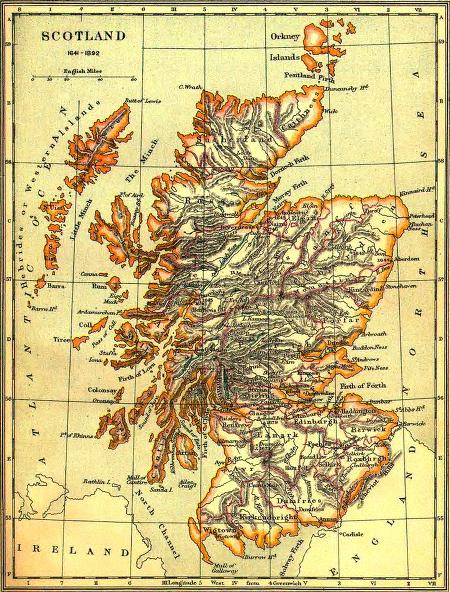
The ESP tribe (non Naboo) had finally made it to Powfoot, a tiny coastal village on the Solway Firth, in South-West Scotland.

Map of Scotland 1641-1892You can see the Solway Firth written at an angle at the bottom of this map above and to the left of the “E” in England.

The Land of Nod

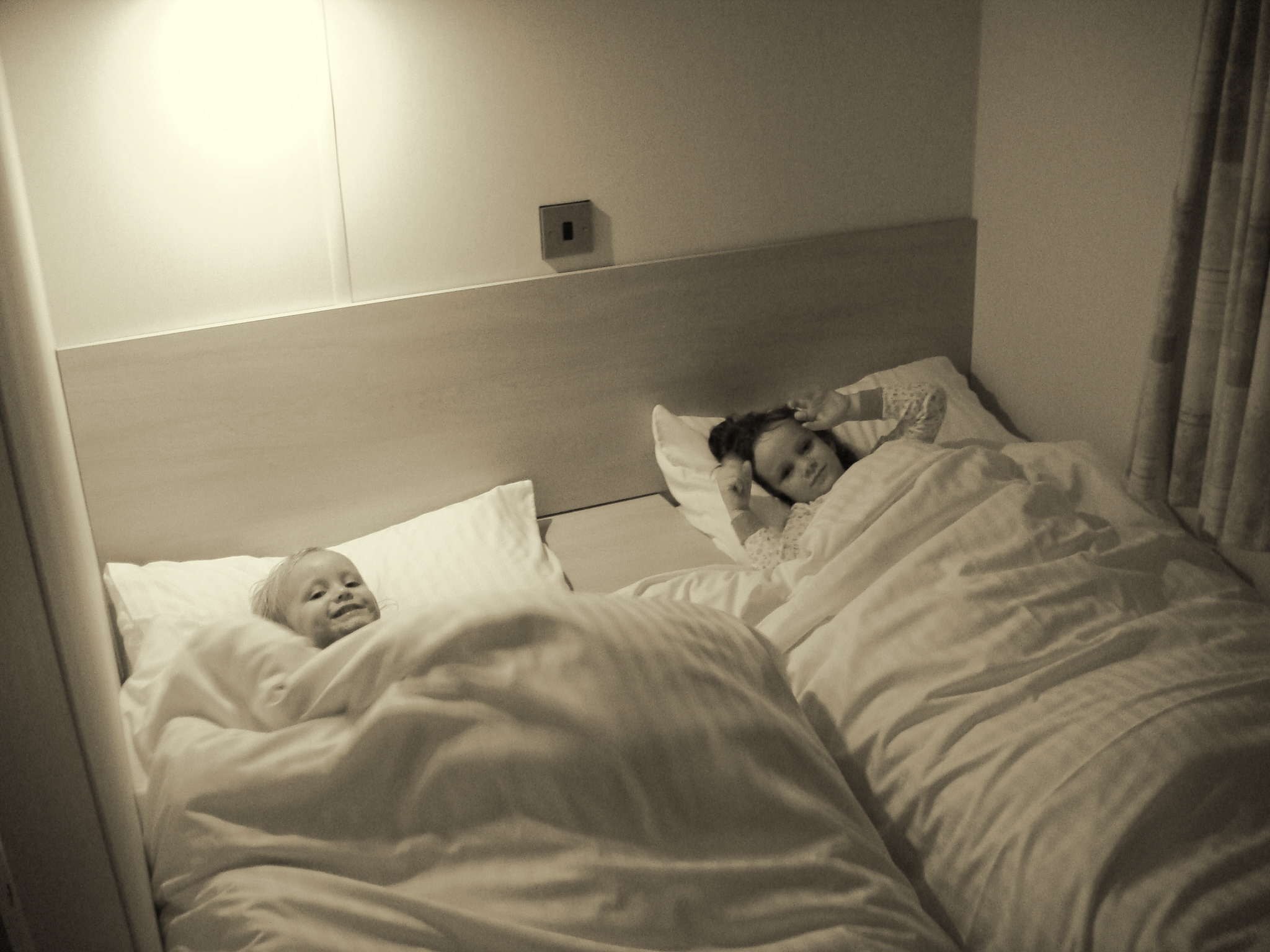
After the long, and I have to say, well behaved flight, the airborne unit hunkered down under some warm quilts in their barracks to recharge their batteries, and reset their tiny internal body clocks. Ahh, home sweet new home.

Farmer Giles

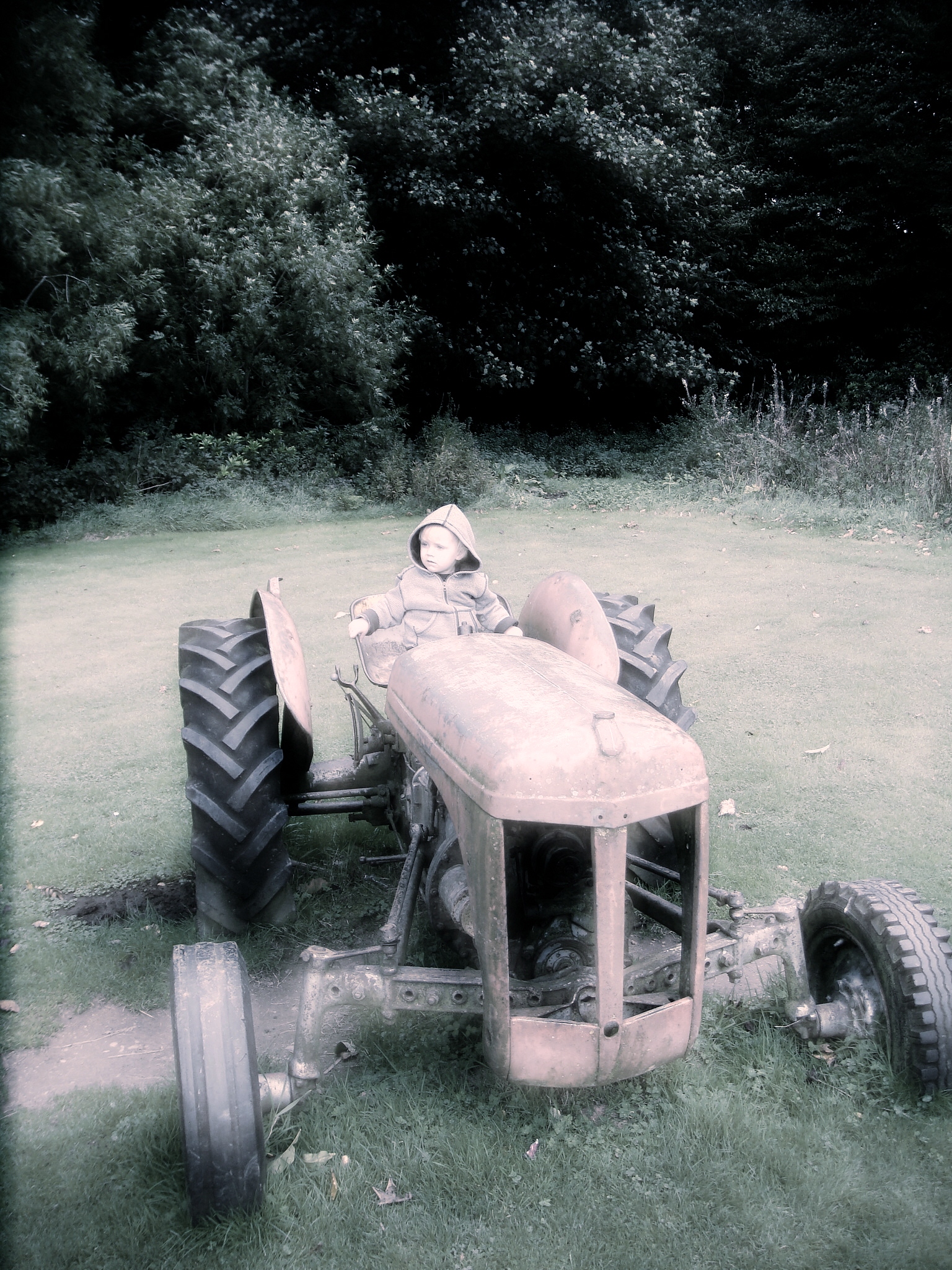
We were awoken the next morning by the distinctive smell of silage and a local farmer, on a rather ramshackle tractor.   He left us with a dozen of the most amazing fresh eggs which were used to prepare one of my all time favorite heart-attack-on-a-plate dishes…

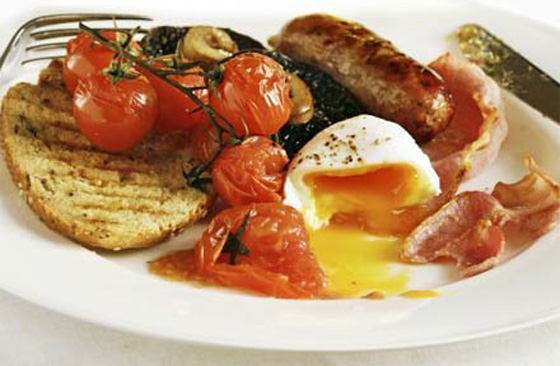
full_english_breakfast1The traditional English Breakfast,  (promise me not to tell William). Fueled up and ready to go out, our first port of call was a visit to a car-boot sale. Basically for any non-British readers this is a large field that people drive onto and then sell stuff they no longer want out of the back of their cars, a portable flea-market.

Soft Grass

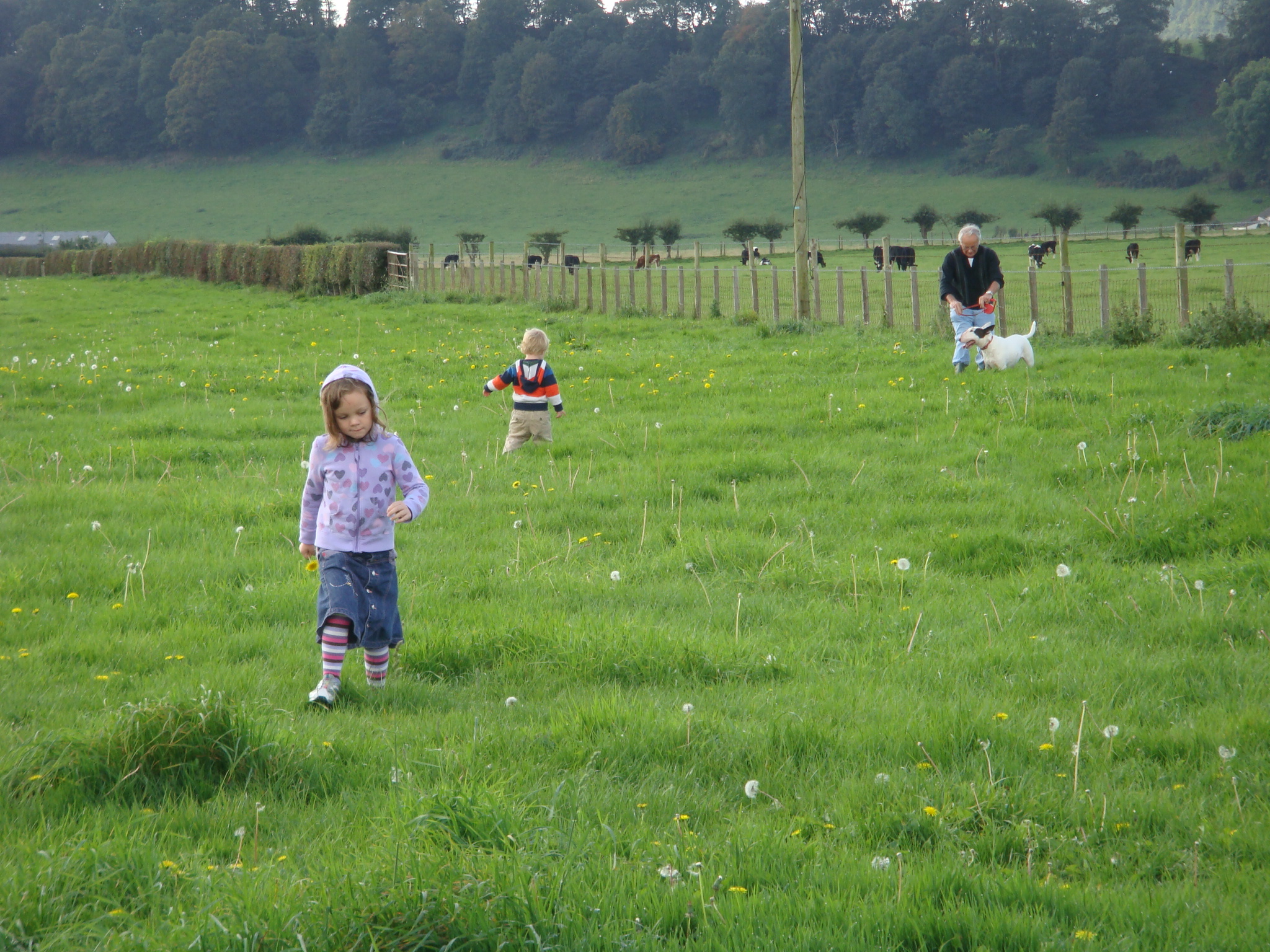
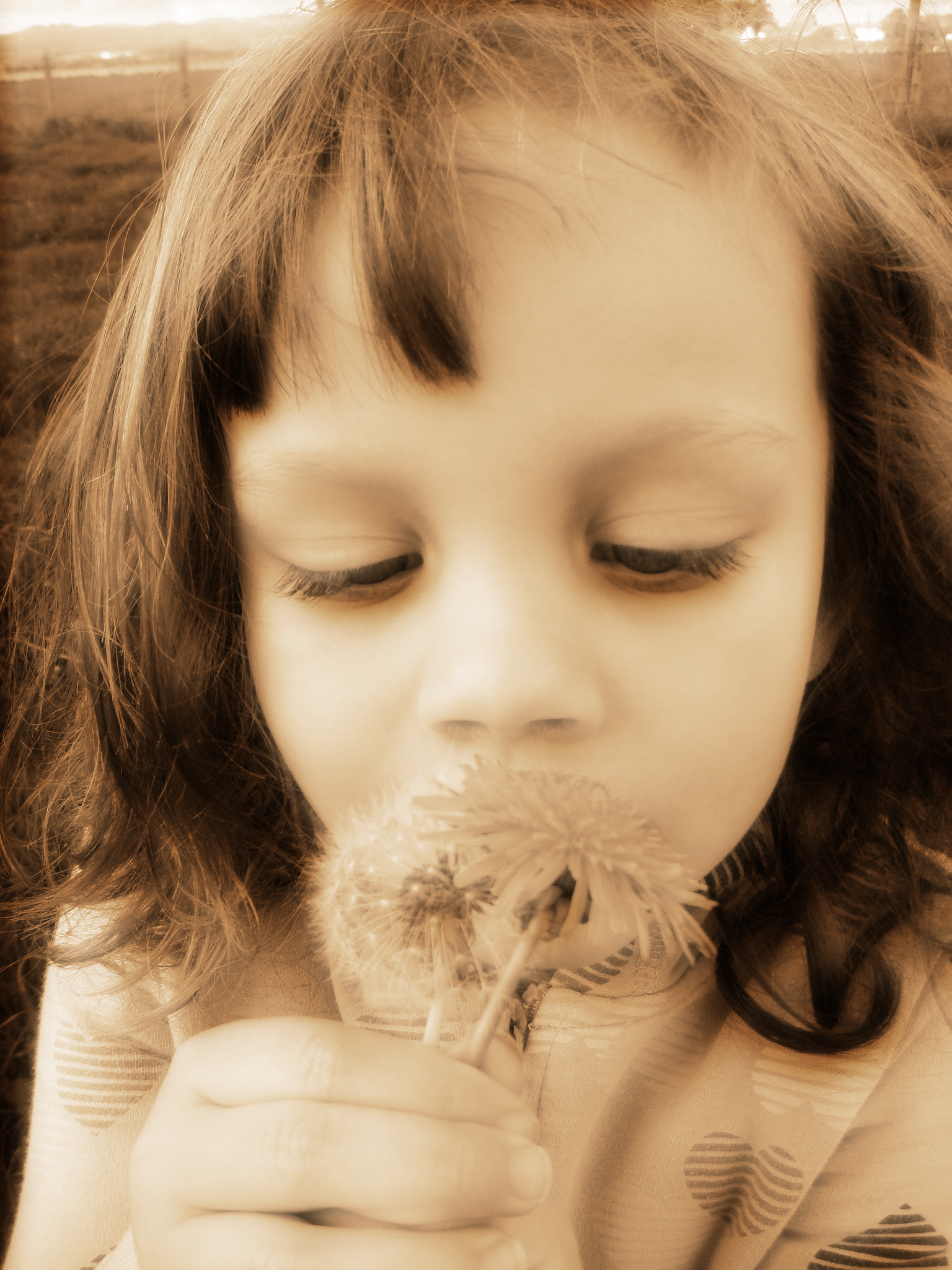
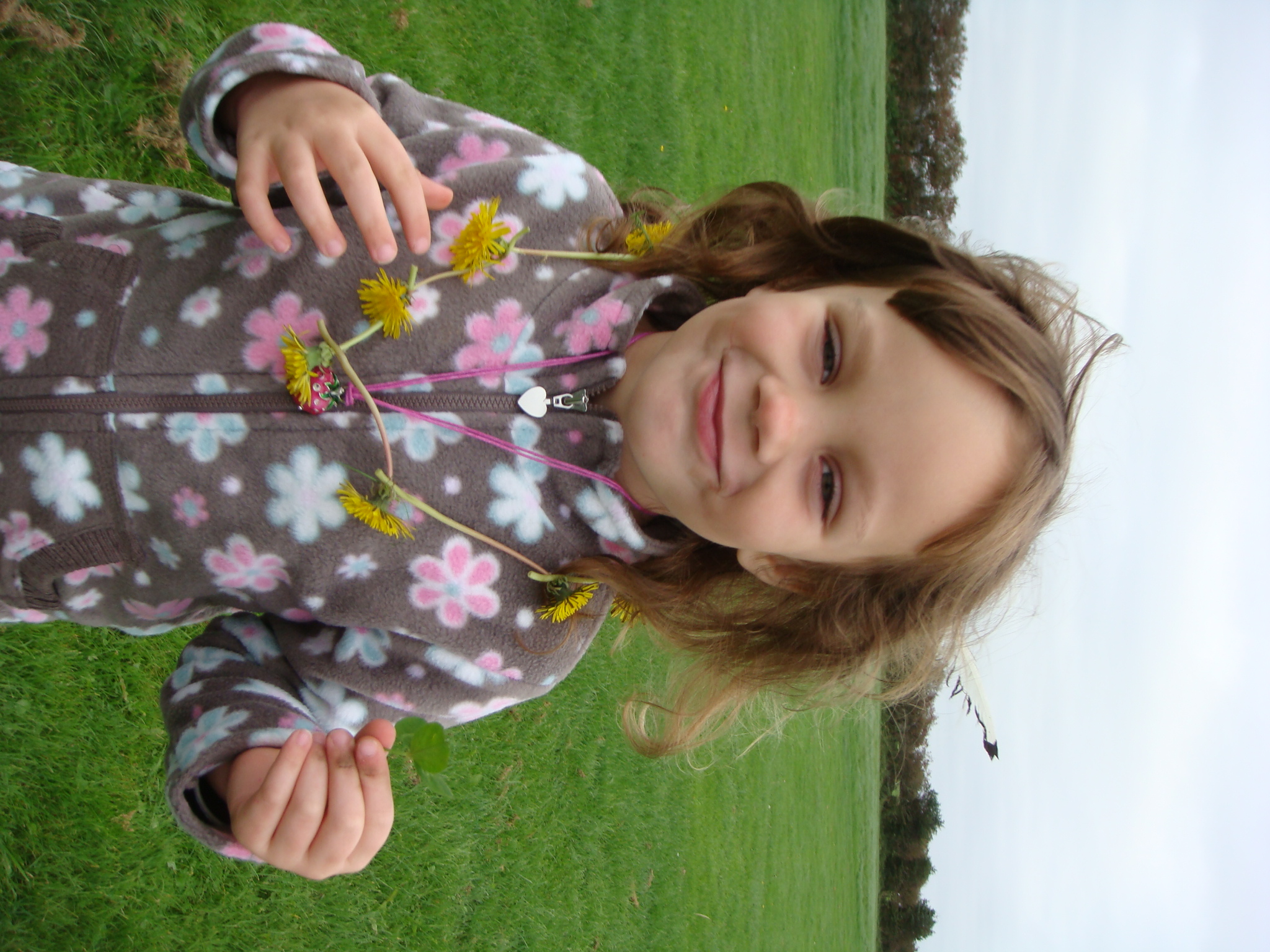
Although it never occurred to me to get a picture of the cars and merchandise, I did get a picture of the field that the event is held in every week…and oh, how soft the grass was. No stickers, no thorns, no poison ivy. A dandelion  picking frenzy naturally ensued.

The Dandelion clock

Followed by some…

Dandelion chain, Taraxacum

Dandelion Taraxcum officinale

chains.

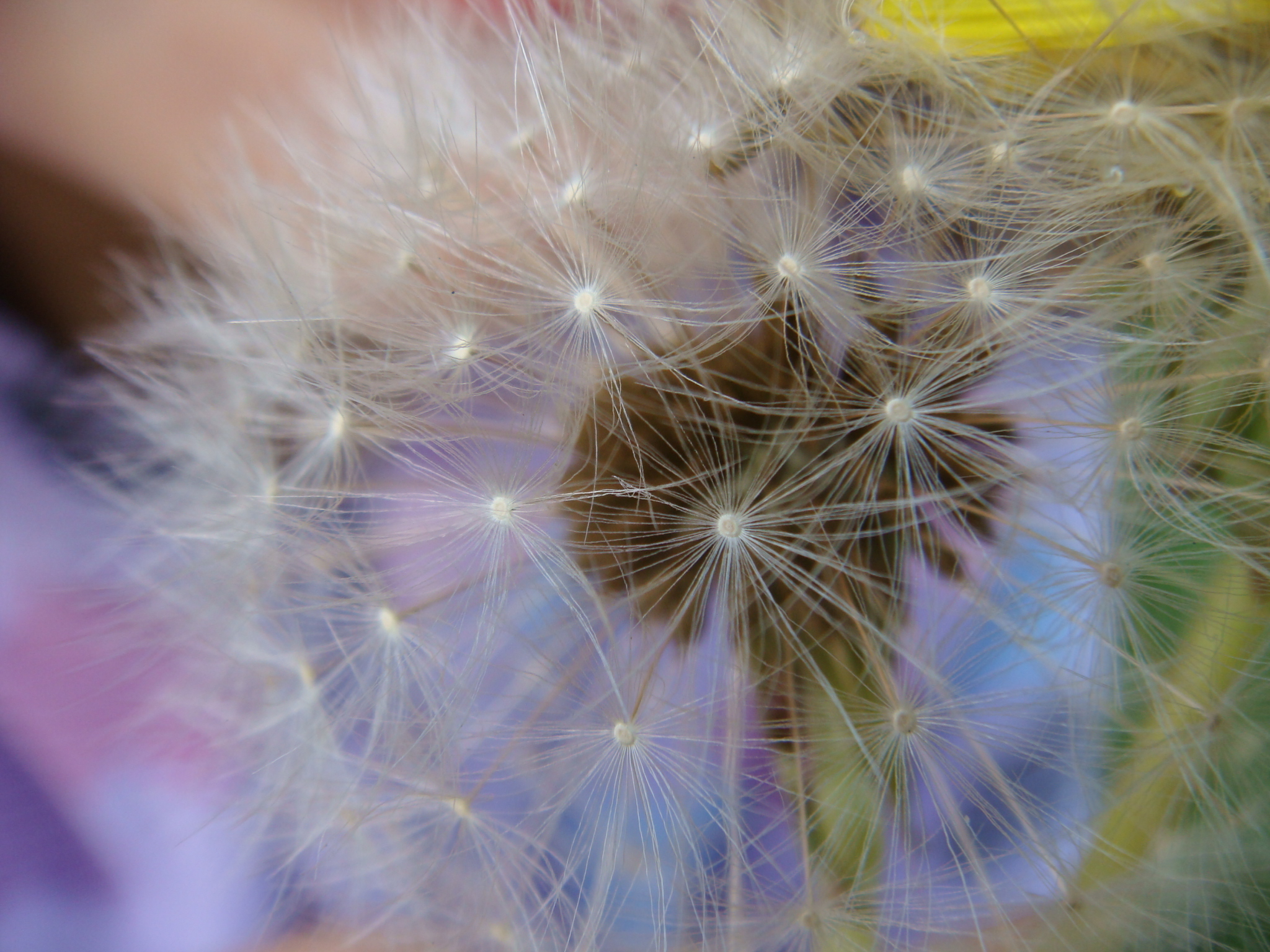
Dandelion seed pod

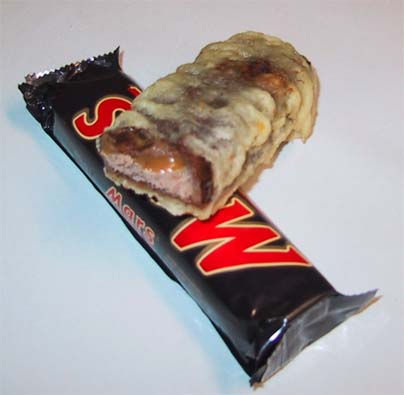
The Dandelion is a very common herb from the sunflower family. The designation “officinale” indicates that the herb was officially listed as a medicinal. Young leaves can be eaten as spring greens. Roots can be ground and used as a coffee substitute, mild laxative, or to treat heartburn.  Tea and wine can be made from the flowers, and the flowers can be fried in batter and eaten, a little healthier perhaps than the infamous Scottish deep-fried Mars Bar.

deep-fried marsbarThe Car-boot sale was a great success, fitting us out with warmer clothes that cost only a pound or two, clothes that would become invaluable on the colder days of our trip, crucial for…

The Local Pubcold and windy excursions to the local pub,

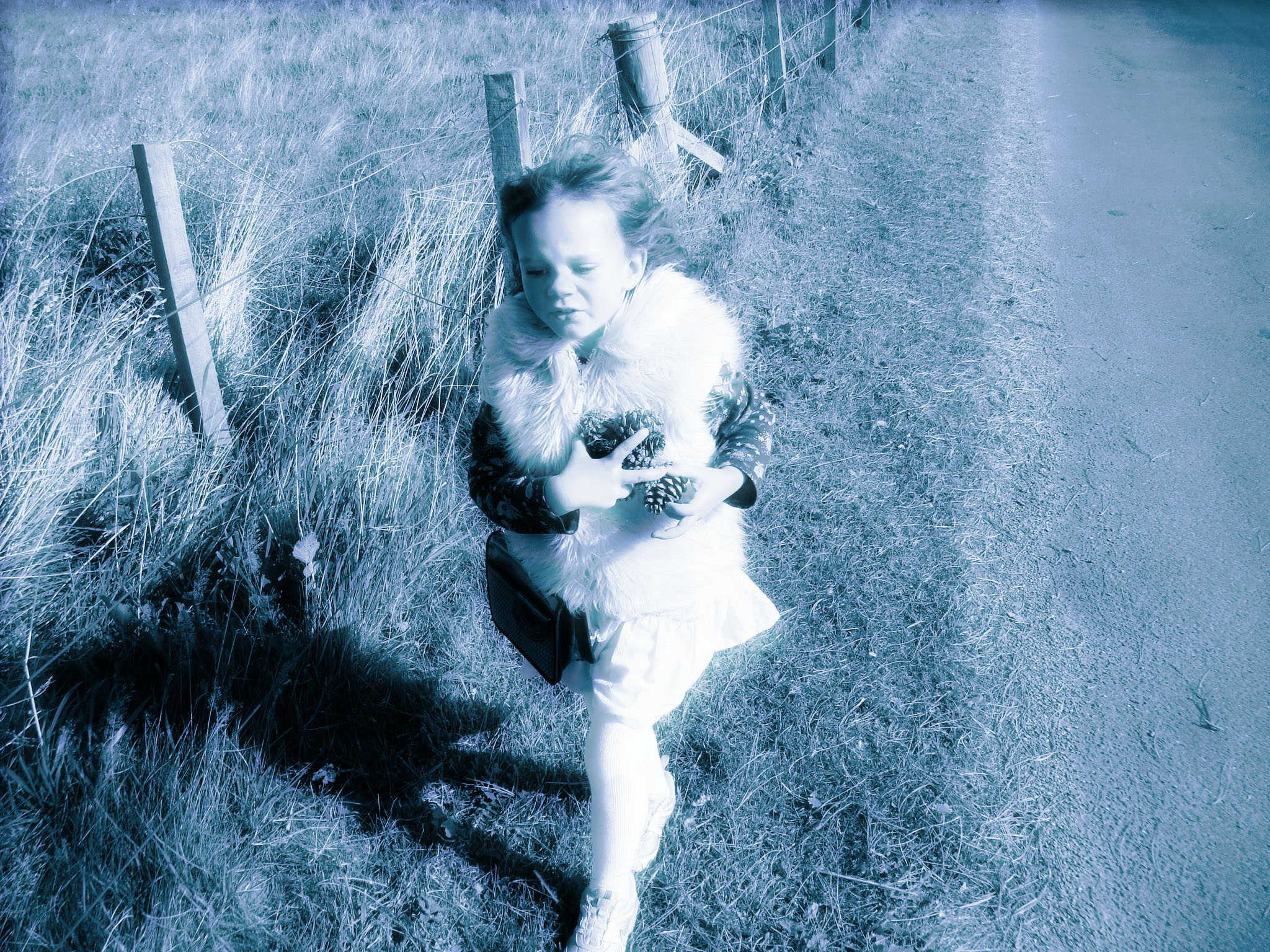
Pilfering pineconesimpromptu pine cone collecting along the coastal road and for

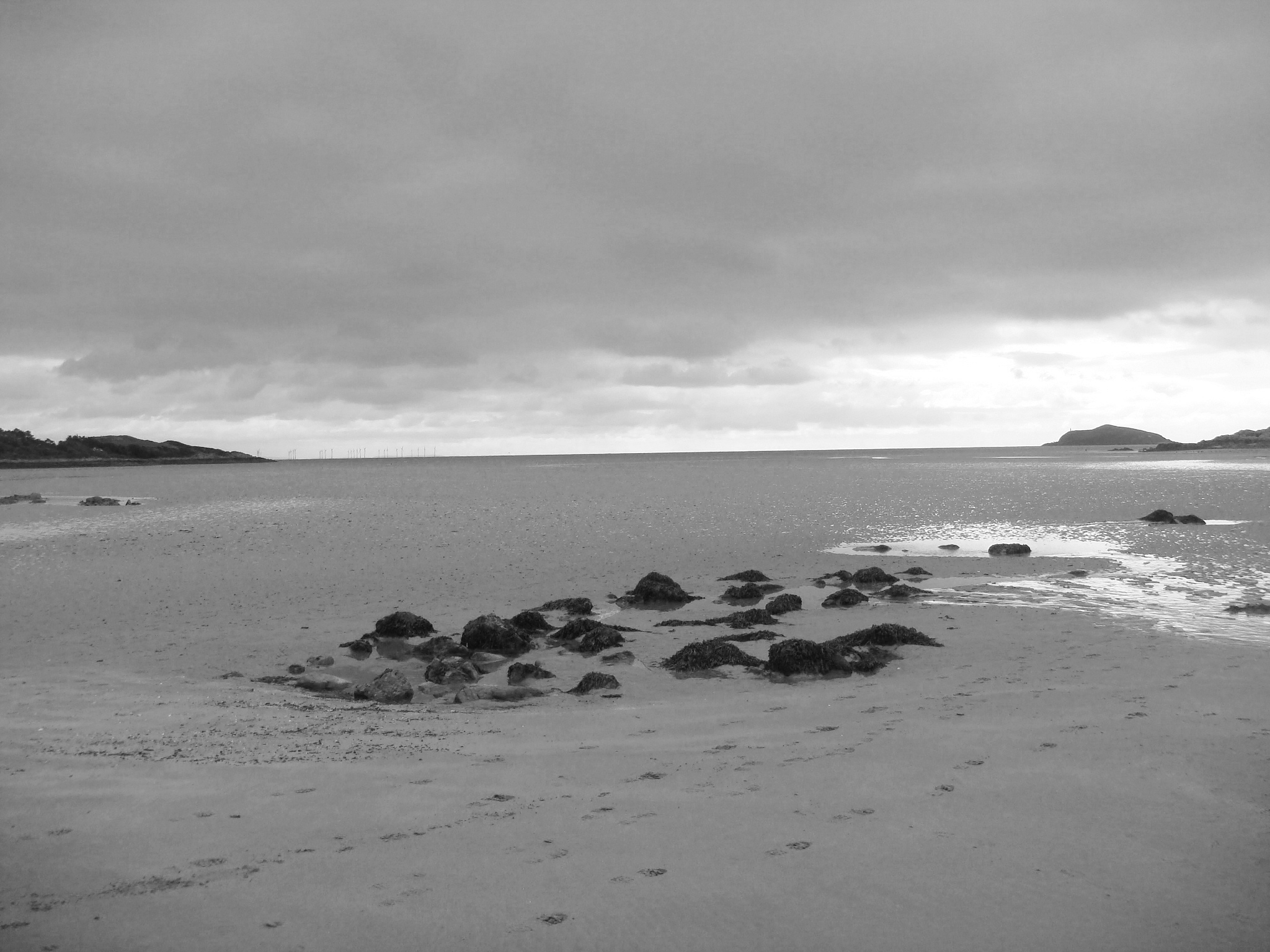
Rockcliffcool days flying kites on the beach,  (knotted handkerchiefs on our heads, naturally).  If you look closely on the horizon, you can see the large wind turbines that are popping up all over Scotland.

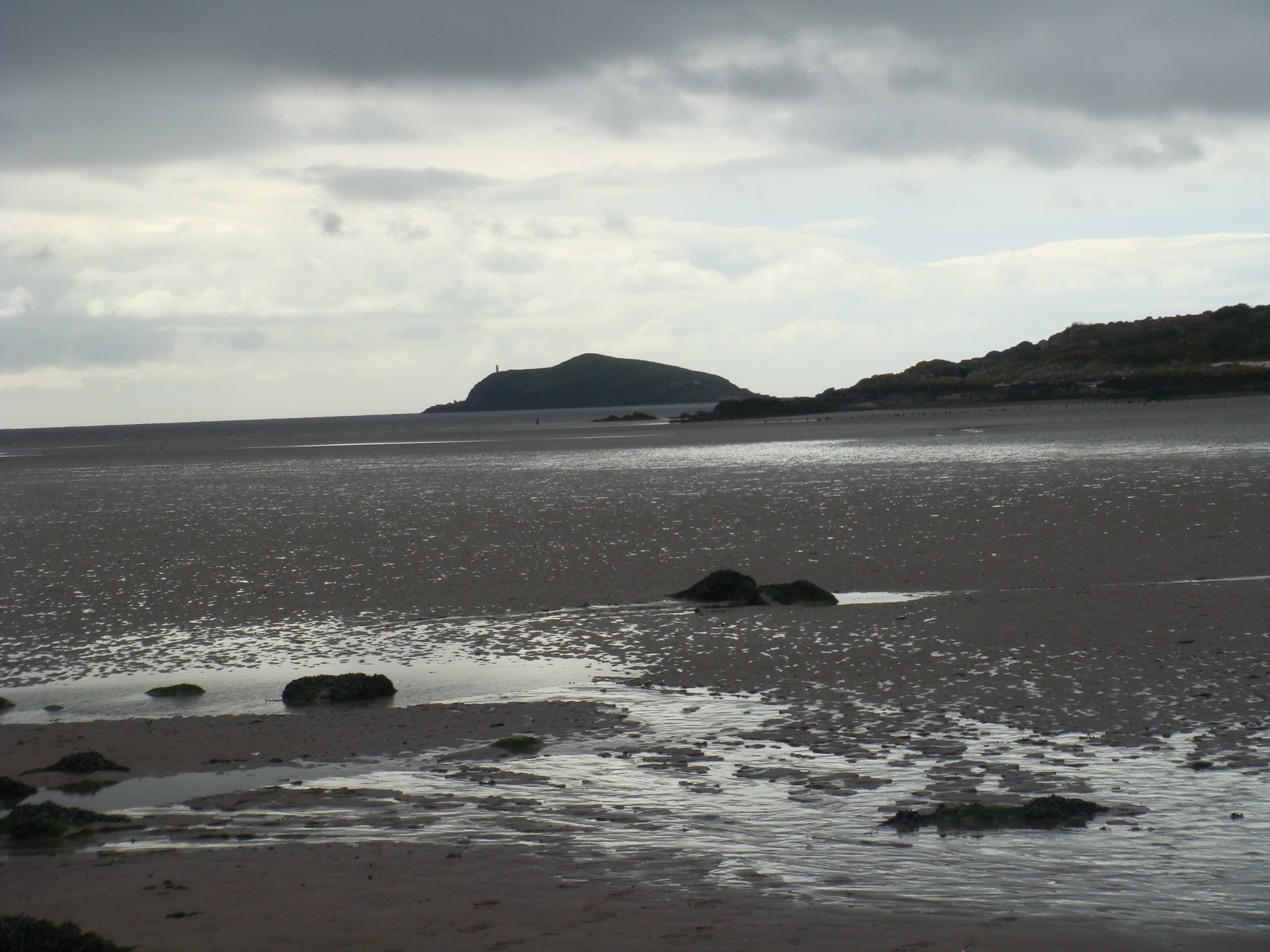
The Solway Firth estuary is the third largest estuary in the UK and it has a reputation for its incredibly fast tides, hidden channels and deadly quicksands. A perfect place for the kids!  It is said in local folklore that a galloping horse cannot out-run the water as it rushes into the estuary from the incoming tide.

solway_railway_viaduct_2Between 1869 and 1921, the estuary was crossed by the Solway Junction Railway viaduct, the line was built to transport iron ore, but the railway was not a financial success.

bridge to nowhere After the railway ceased operating, the bridge provided a popular footpath for local residents (Scotland was “dry” on a Sunday) to travel to England where a pint or ten frothing ales could be had before the long breezy, bridge-stagger home. It would have been a great place for a fish and chip van.  At the end of January 1881 a freak ice event in the Solway destroyed a couple of sections of the bridge

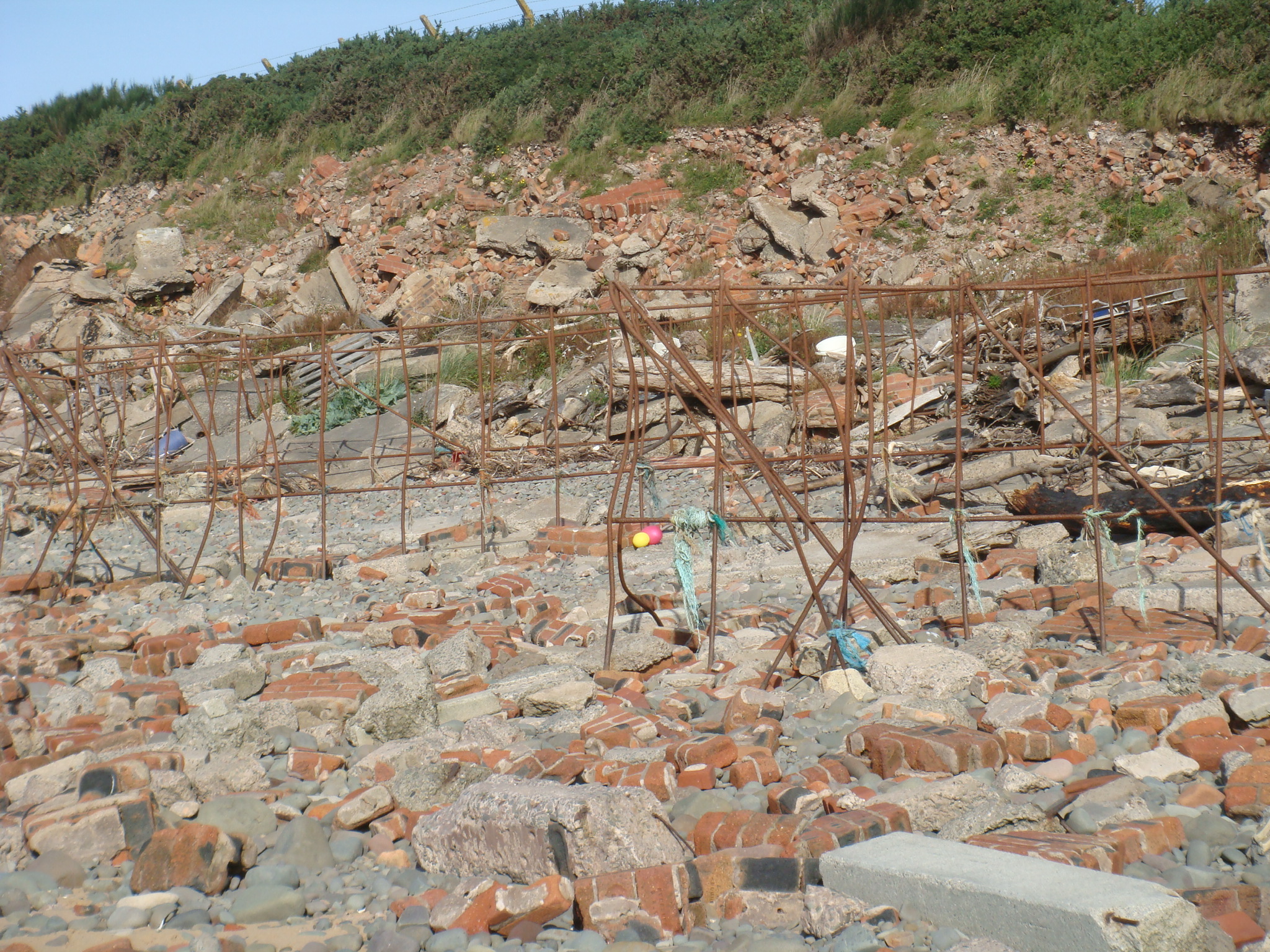
What was left of the viaduct was finally demolished between 1931 and 1933, I took a walk down the beach to see what was left of it…not pretty!

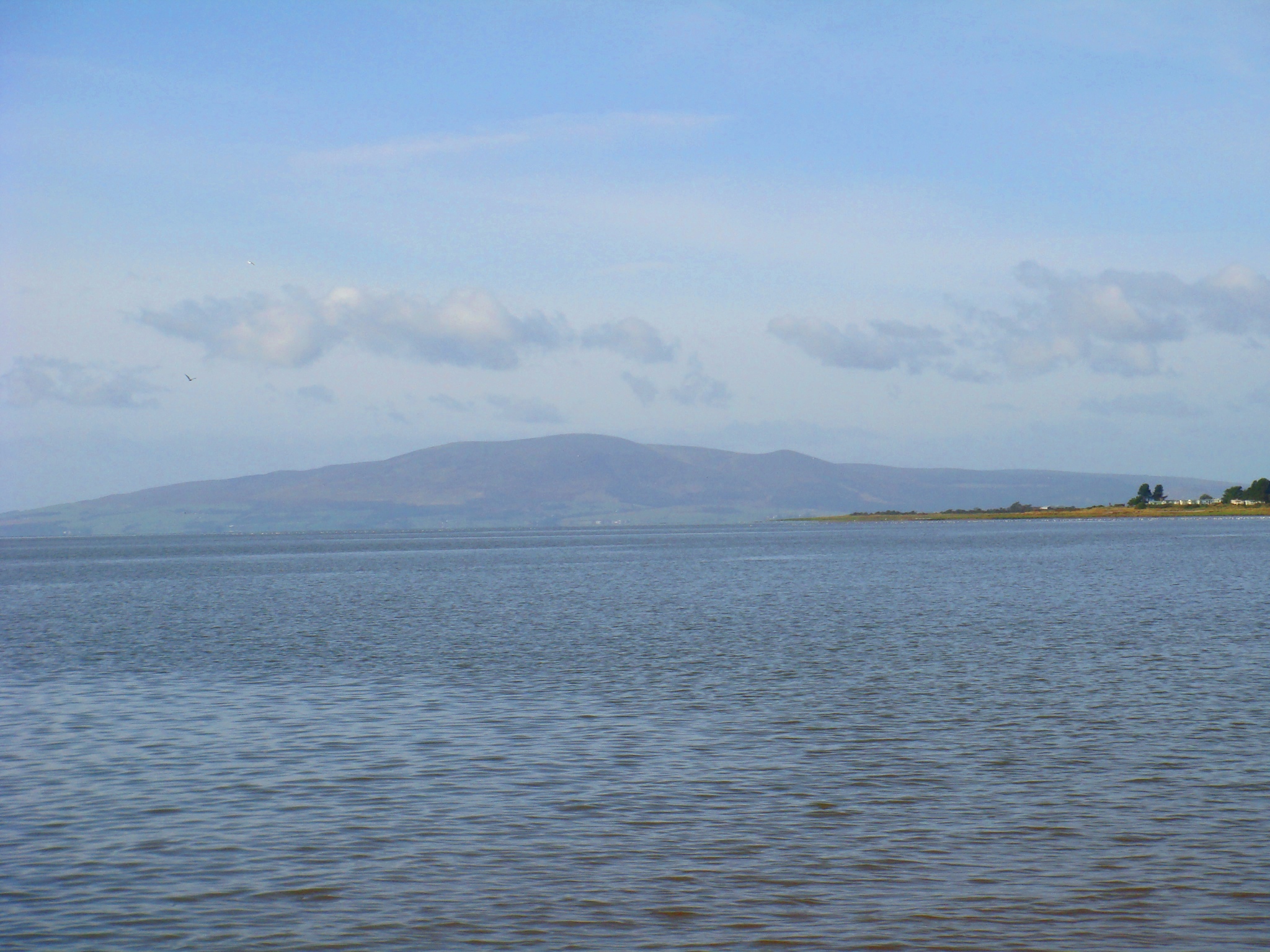
Criffel, southern GallowayThough the sight looking back across the Solway toward the mountain of Criffel made the walk worthwhile.

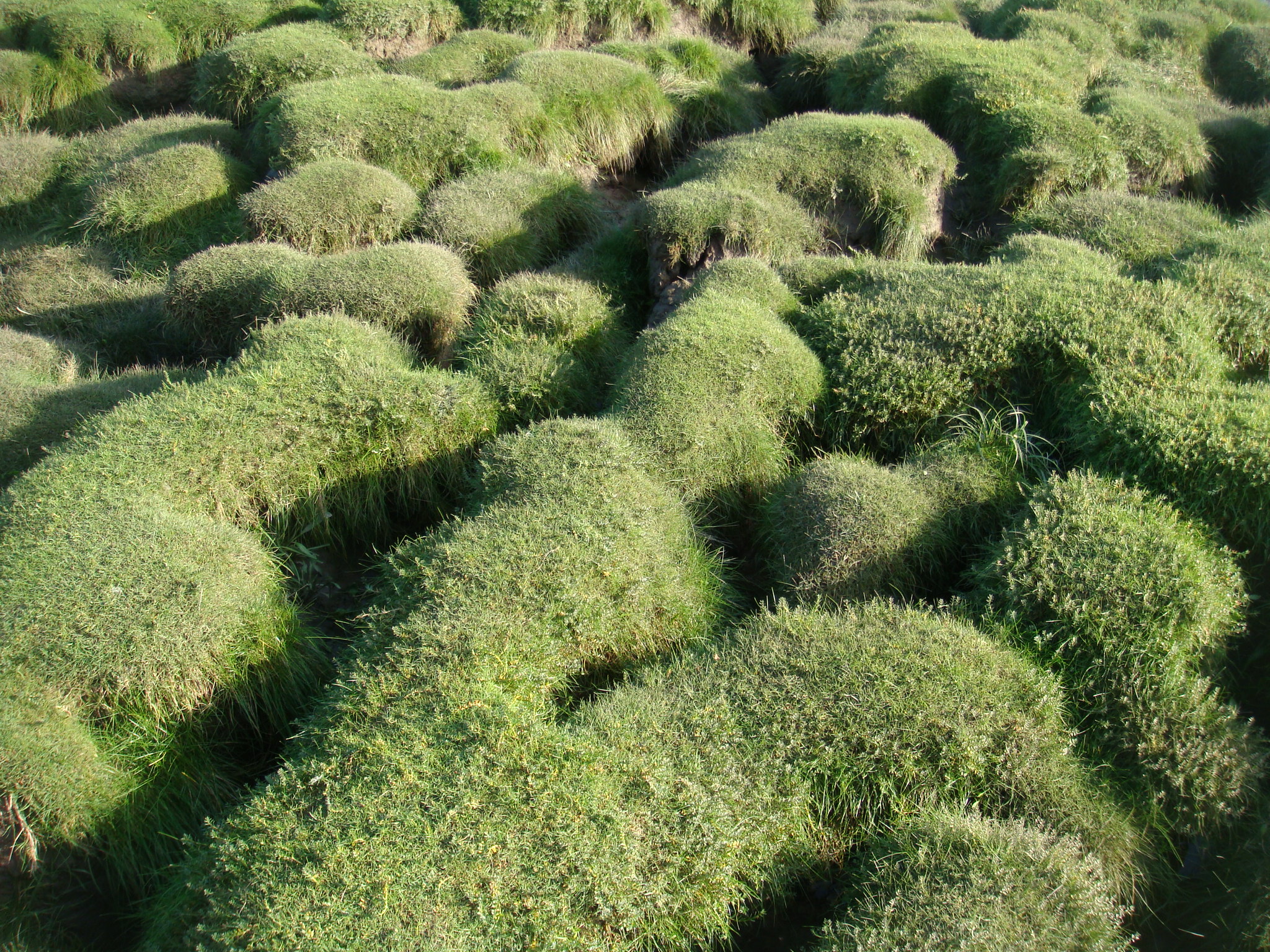
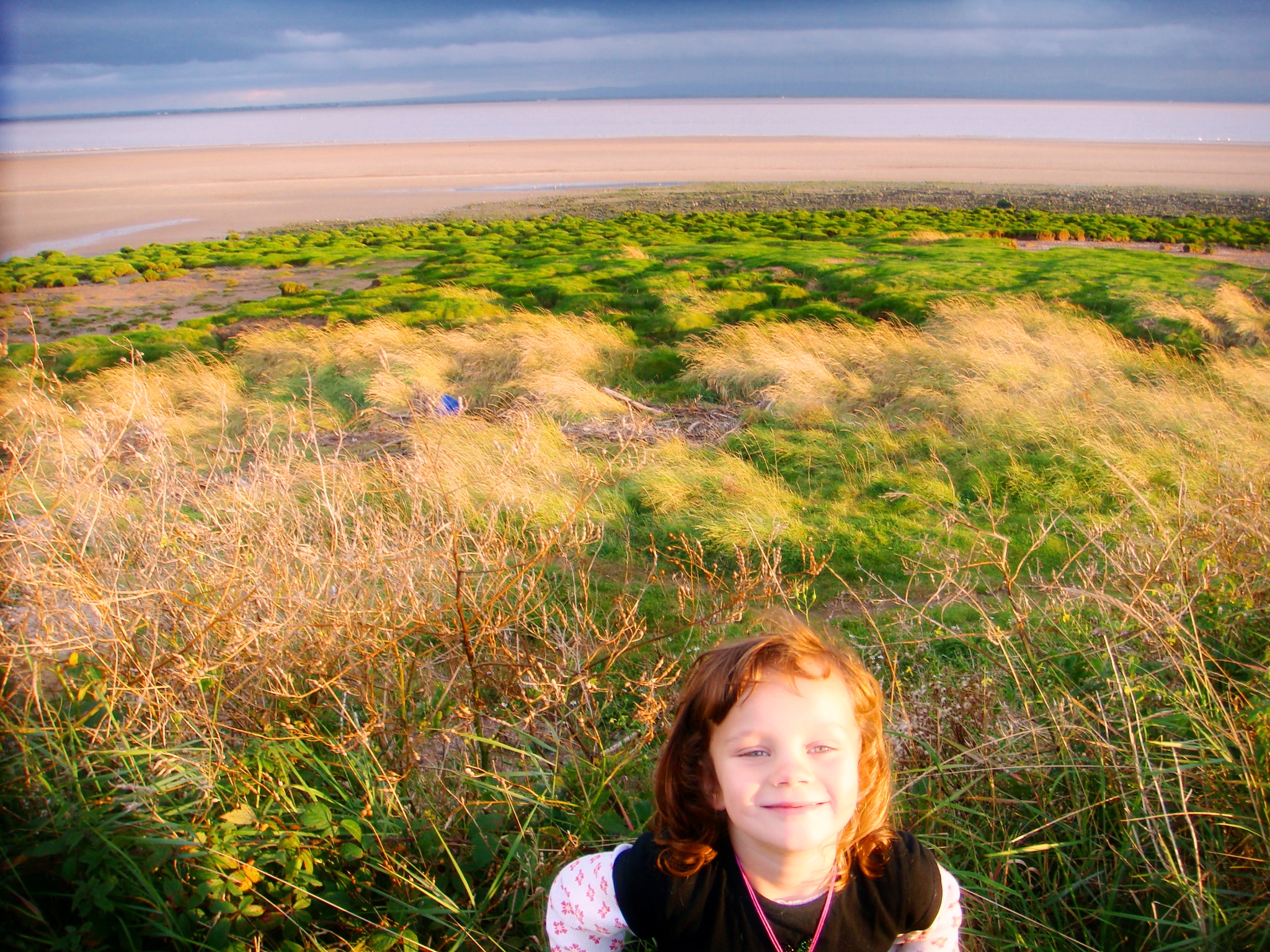
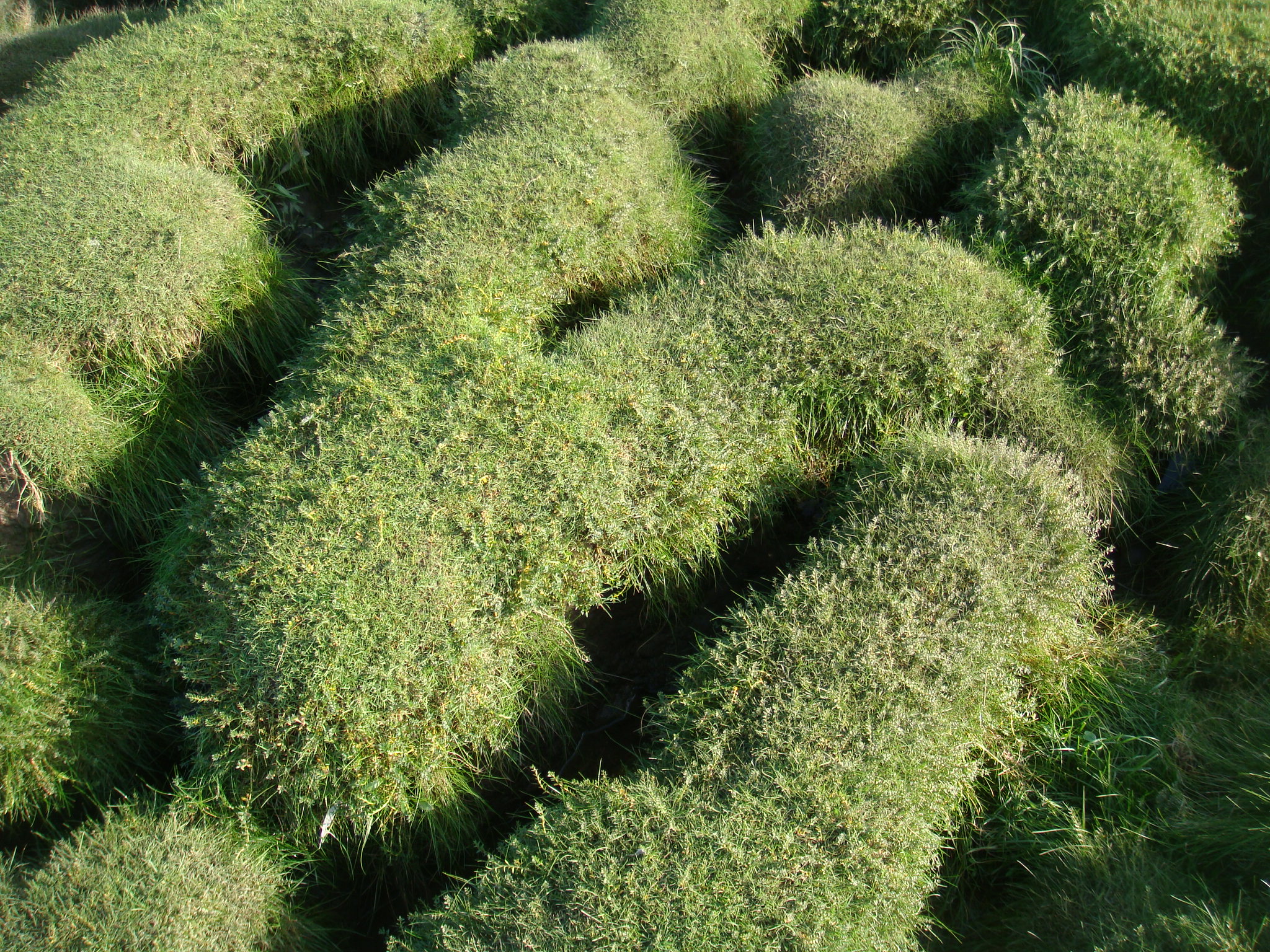
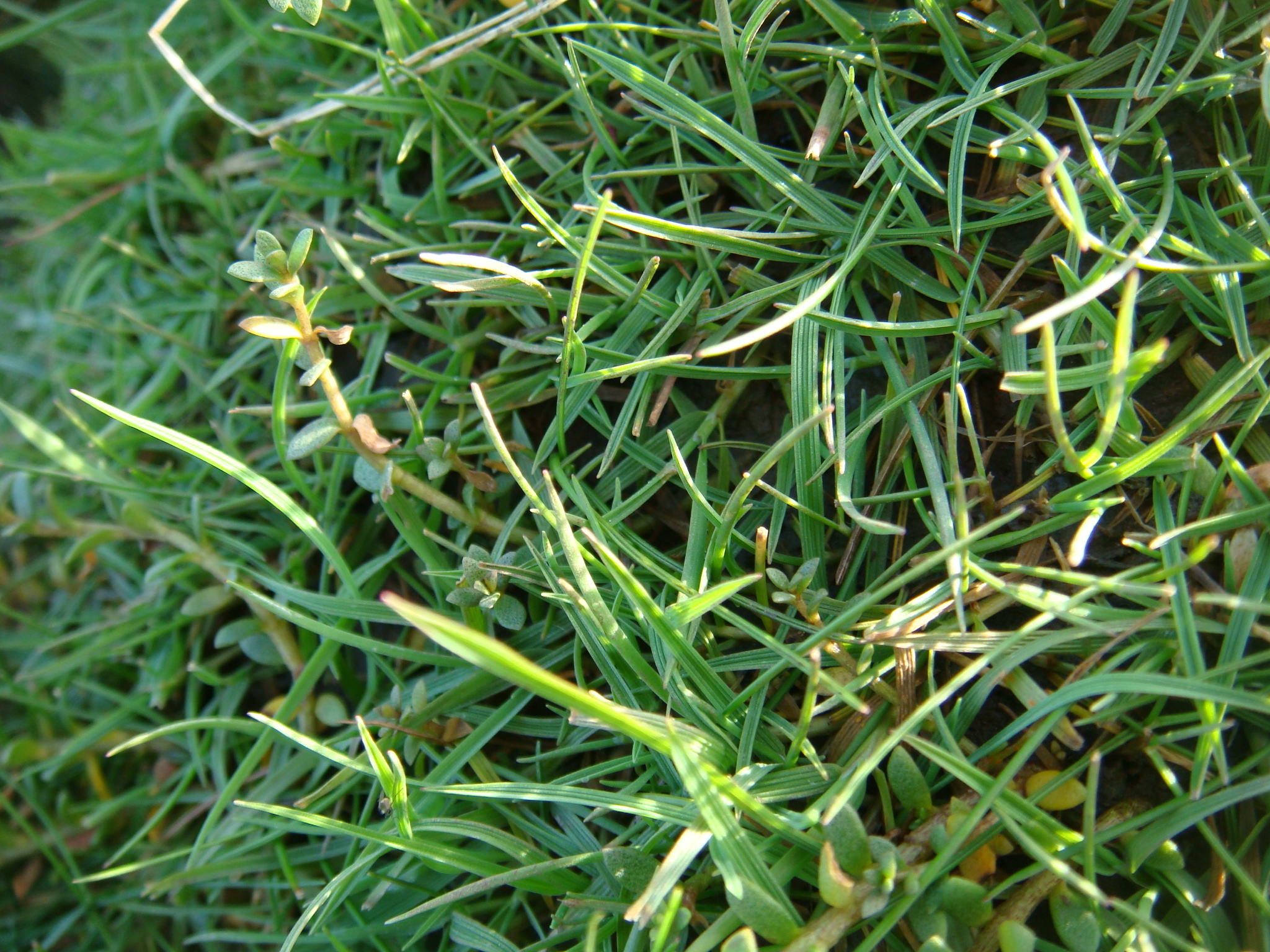
Water GrassIn areas all down the Northern coastline of the Solway you can find these amazing erosional terraces cut into the Puccinellia-dominated high-marsh surface. Puccinellia, or Common Salt-Marsh grass is a genus of grasses which are known as alkali grass. These grasses grow in wet environments, often in saline or alkaline conditions, forming an incredibly dense mat of vegetation.
Solway Firth flatlandsThese mounds provided me with a constant state of panic at the prospect of a twisted ankle of broken leg as my antelopes hopped from one lump to another.

Water GrassWater Grass


These grassy puzzle pieces react and adjust to sea level and to the shifting positions of the streams that stream through them, with every passing tide. These active marshes are terraced with as many as four levels, which reflect periodic shifts and meandering of channels in the marshland or periods of increased tidal scour when high tides co-inside with severe storms during periods of strong winds.

Sea-Weed

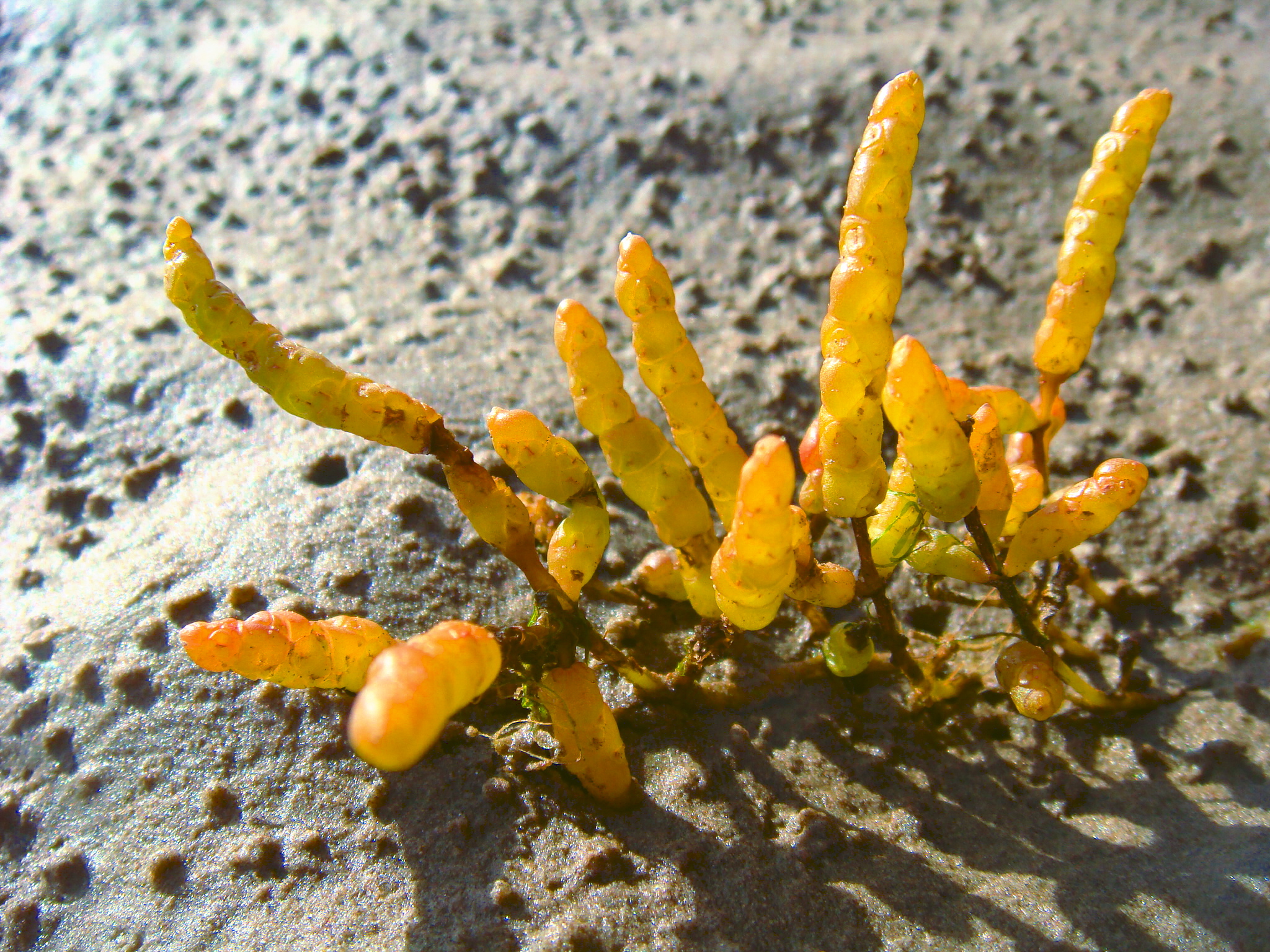
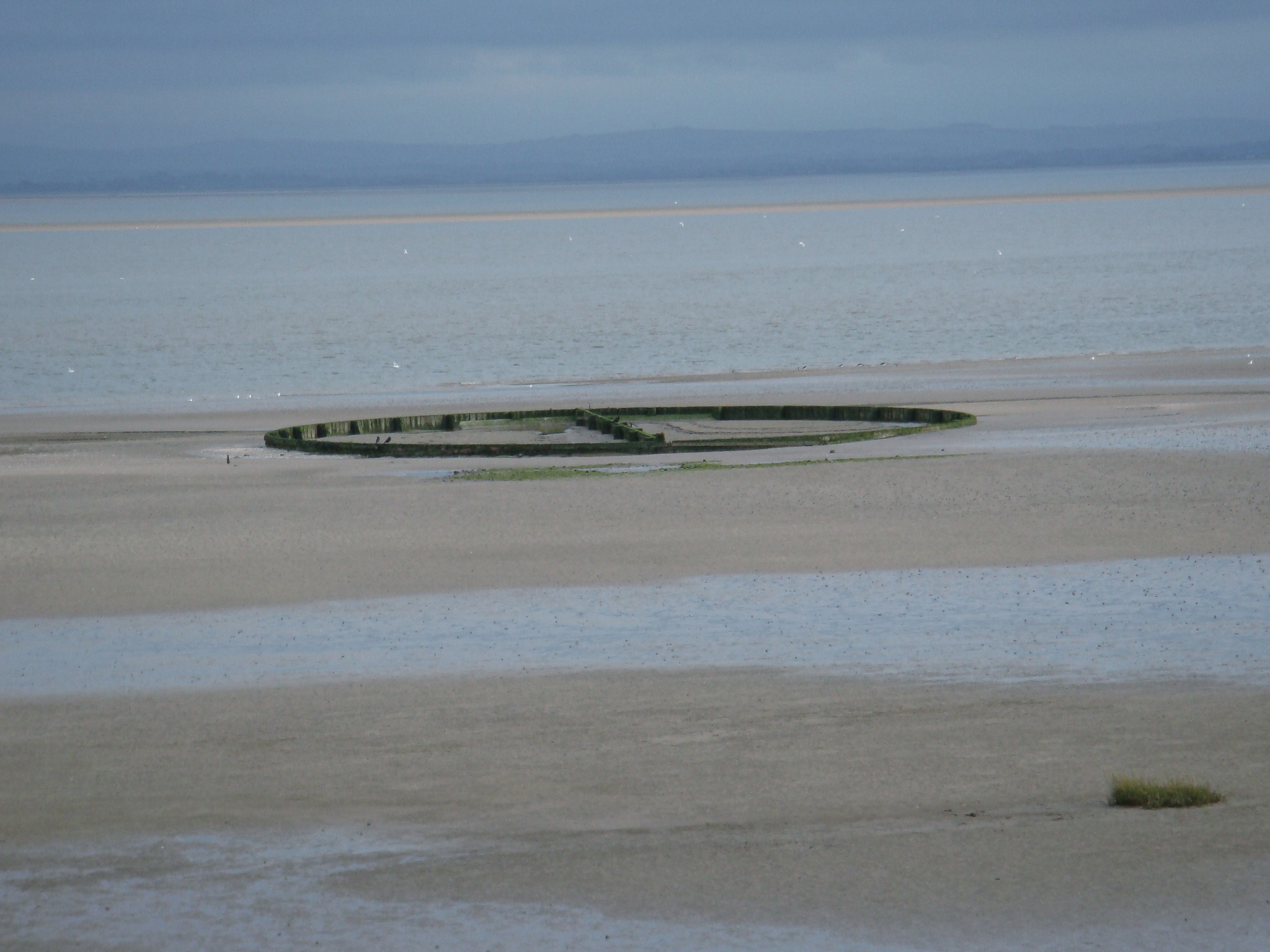
Further past the marshes there are expansive mud-flats with the occasional tiny sprig of this unidentified, brightly colored. sea-weed. Another coastal feature visible from out cottage was this circular feature…any guesses what this is?

Victorian Swimming Pool

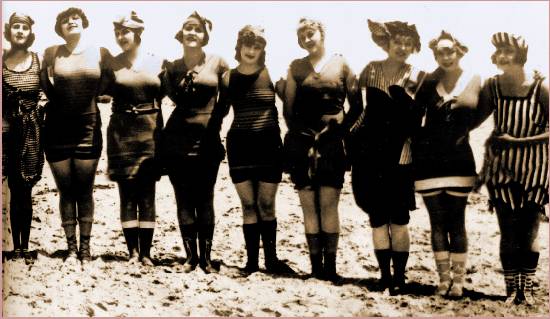
Here is a clue:

beauties

Yes, this used to be a Victorian swimming pool. I surmise that the tide would fill this up so that water was still available to swim or paddle in when the tide went out. I guess over the years the sand has built up around this bizarre structure. The land mass on the horizon is the English Cumbrian coastline.

Solway Sunset
“Walk like a Cumbrian”

And the sun went down once again on the cottage.

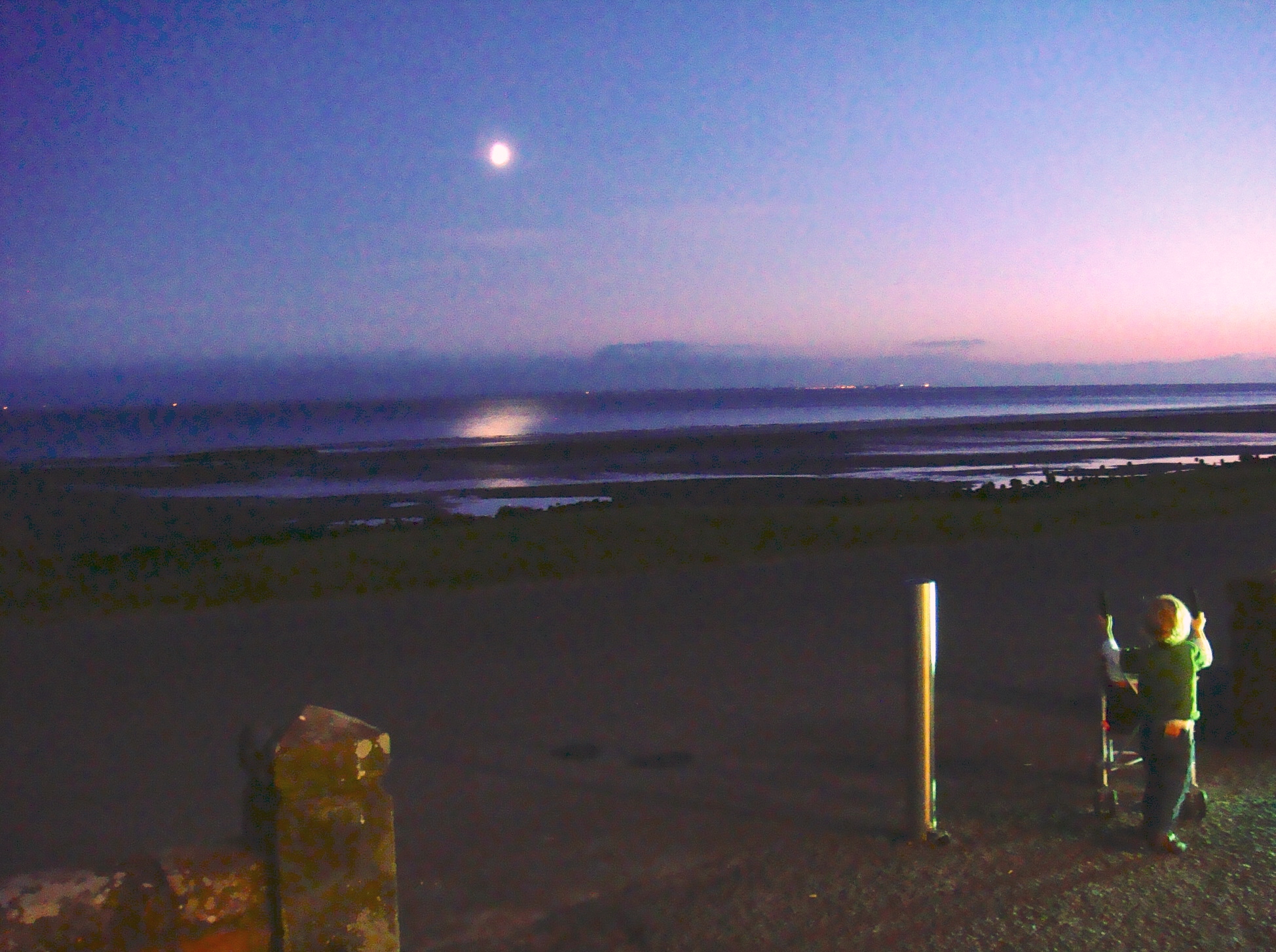
Moonrise over SolwayOne of the brightest stars in the sky as it turns out is actually the sun hitting the space station! But I could not get a good shot of it, so you will have to settle for the moon instead. And for a night-time story pertinent to the area…

The Solway Firth Photo, 1964 (Spaceman)

Solway Firth

On 24th May 1964, Jim Templeton, a fireman from Carlisle in the North of England, took his young daughter out to the marches overlooking the Solway Firth to take some photographs. Nothing untoward happened, although both he and his wife noticed an unusual aura in the atmosphere. There was a kind of electric charge in the air, though no storm came. Even nearby cows seemed upset by it.

Some days later Mr Templeton got his photographs processed by the chemist, who said that it was a pity that the man who had walked past had spoilt the best shot of Elizabeth holding a bunch of flowers. Jim was puzzled. There had been nobody else on the marshes nearby at the time.

But sure enough, on the picture in question there was a figure in a silvery white space suit projecting at an odd angle into the air behind the girl’s back, as if an unwanted snooper had wrecked the shot.

The case was reported to the police and taken up by Kodak, the film manufacturers, who offered free film for life to anyone who could solve the mystery when their experts failed.

It was not, as the police at first guessed, a simple double exposure with one negative accidentally printed on top of another during processing. It was, as Chief Superintendent Oldcorn quickly concluded, just “one of those things… a freak picture.” source: by Landon Howell


full_english_breakfast1

Moving on.. another full English breakfast, another mild heart twinge, and a day trip out to…

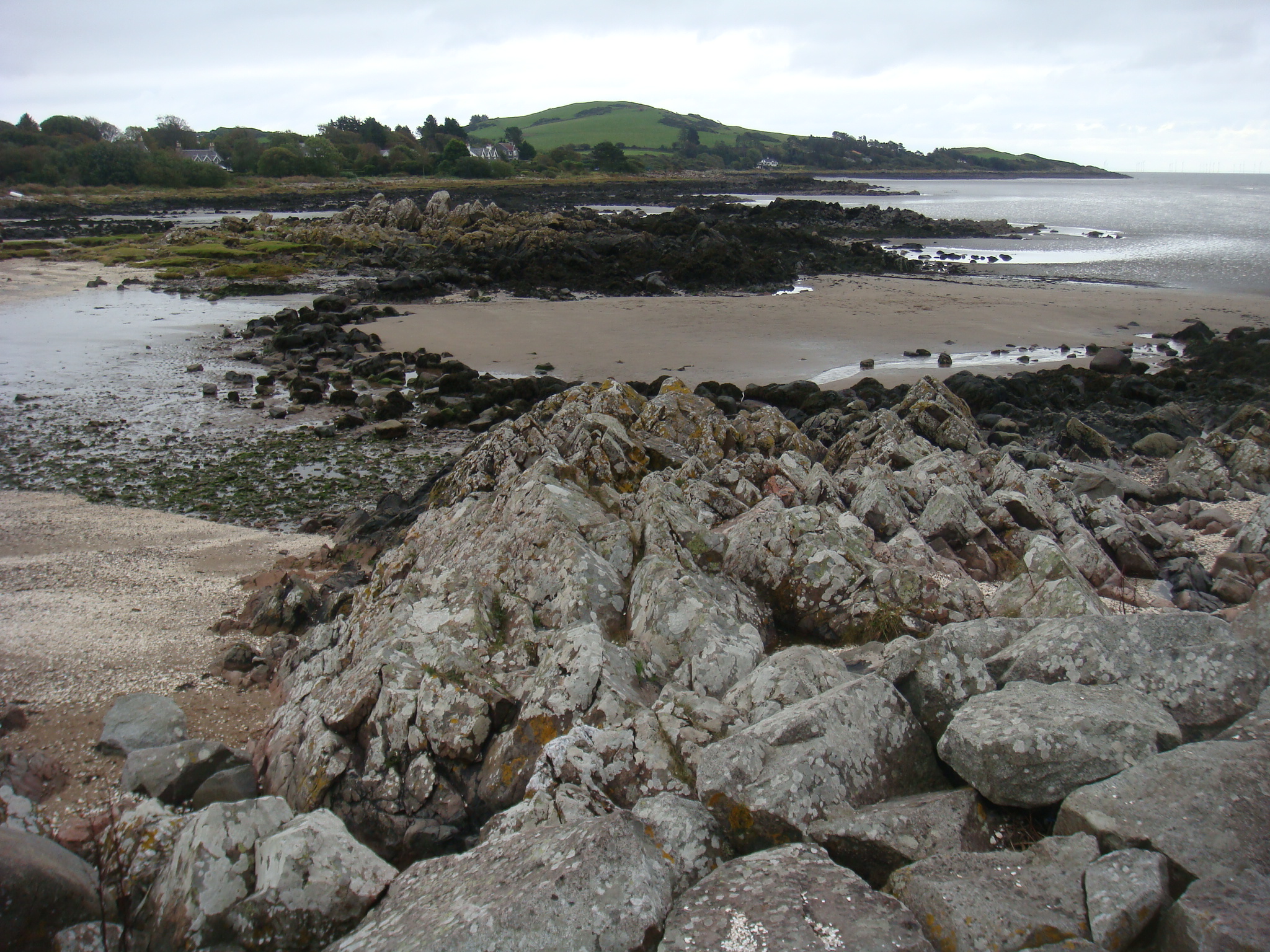
Rockcliff the aptly named village of Rockcliff, further down the Dumfries and Galloway coastline.

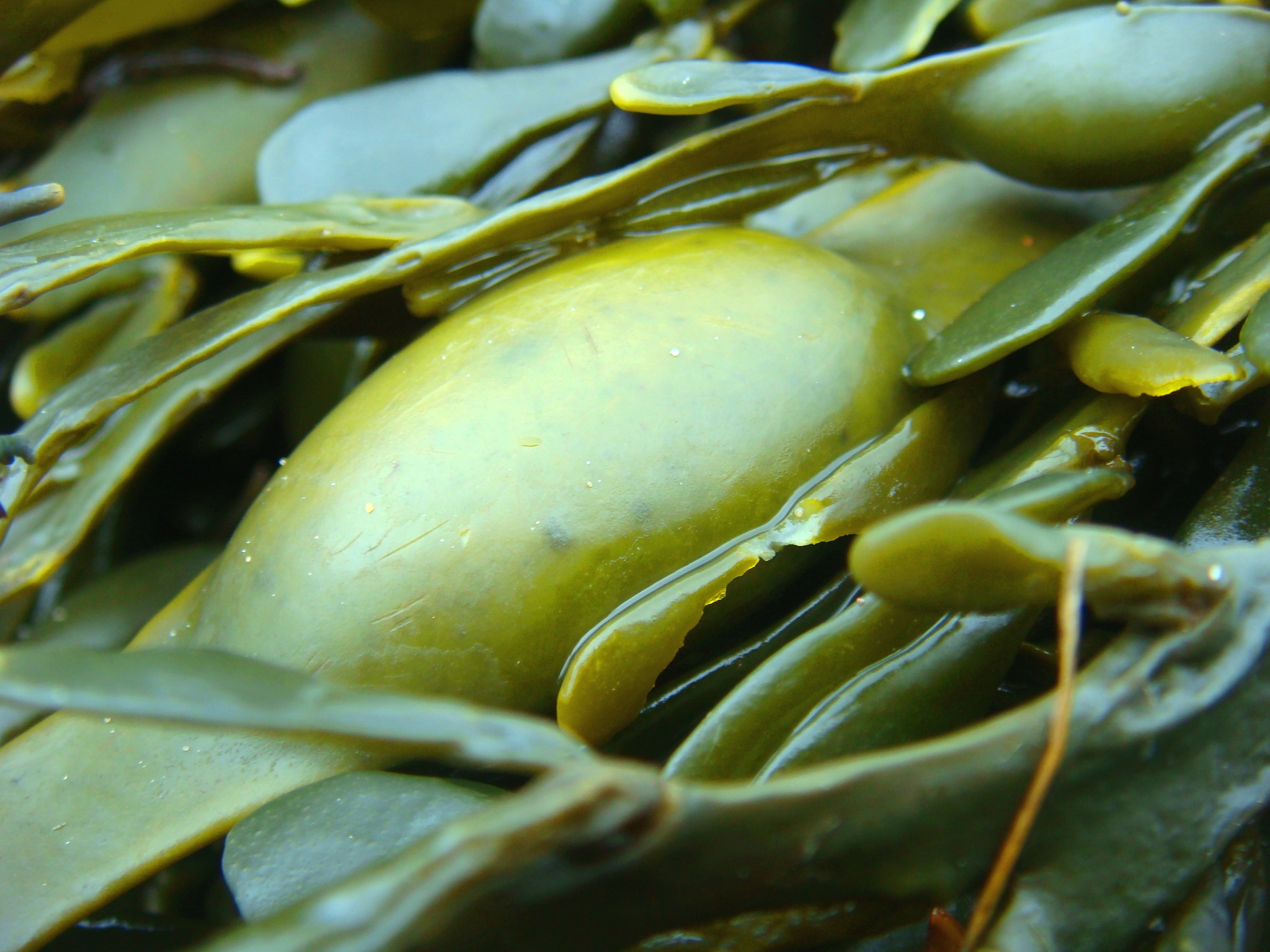
Seaweed Pod

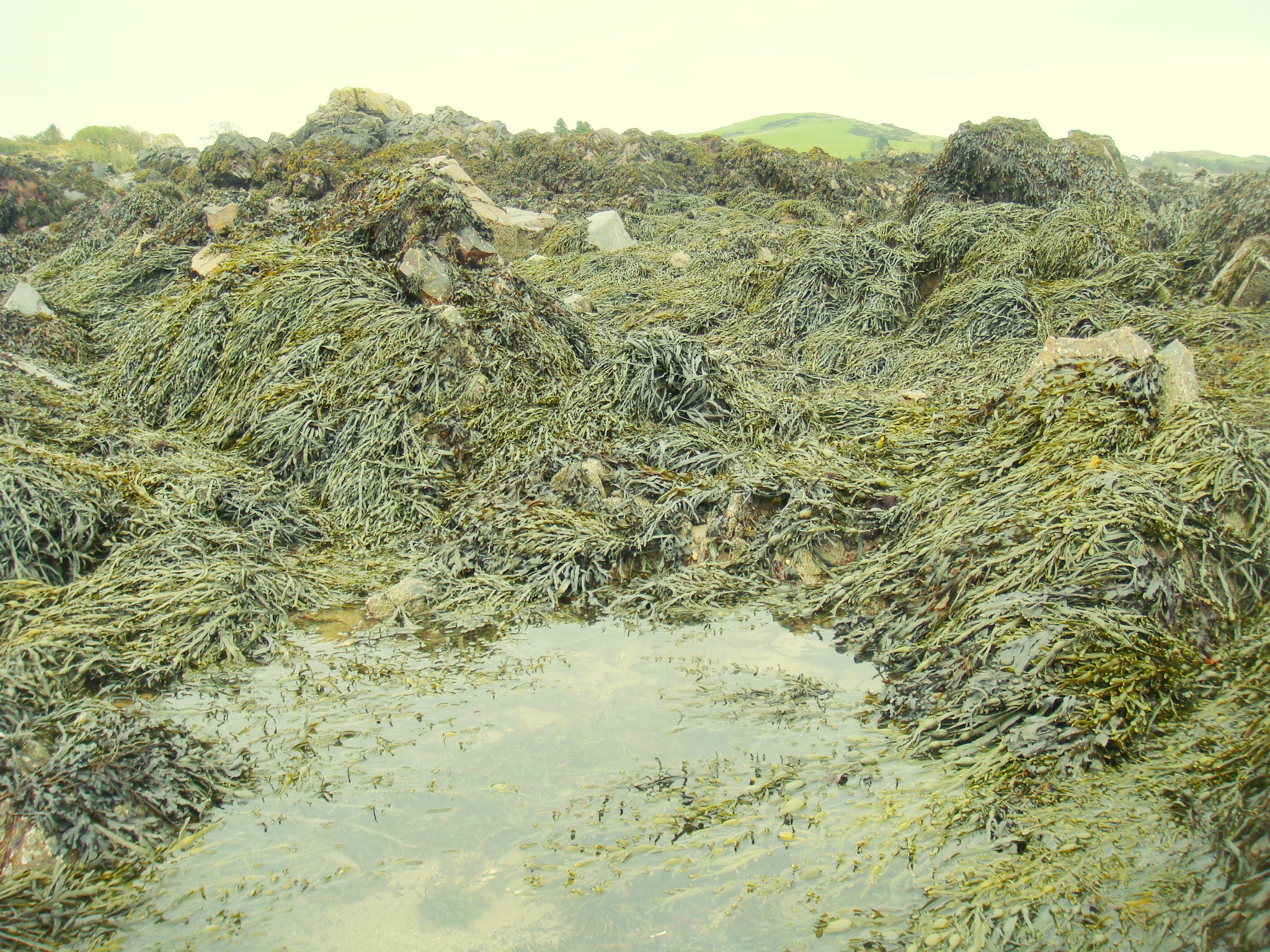
Rock PoolsSeaweed mass

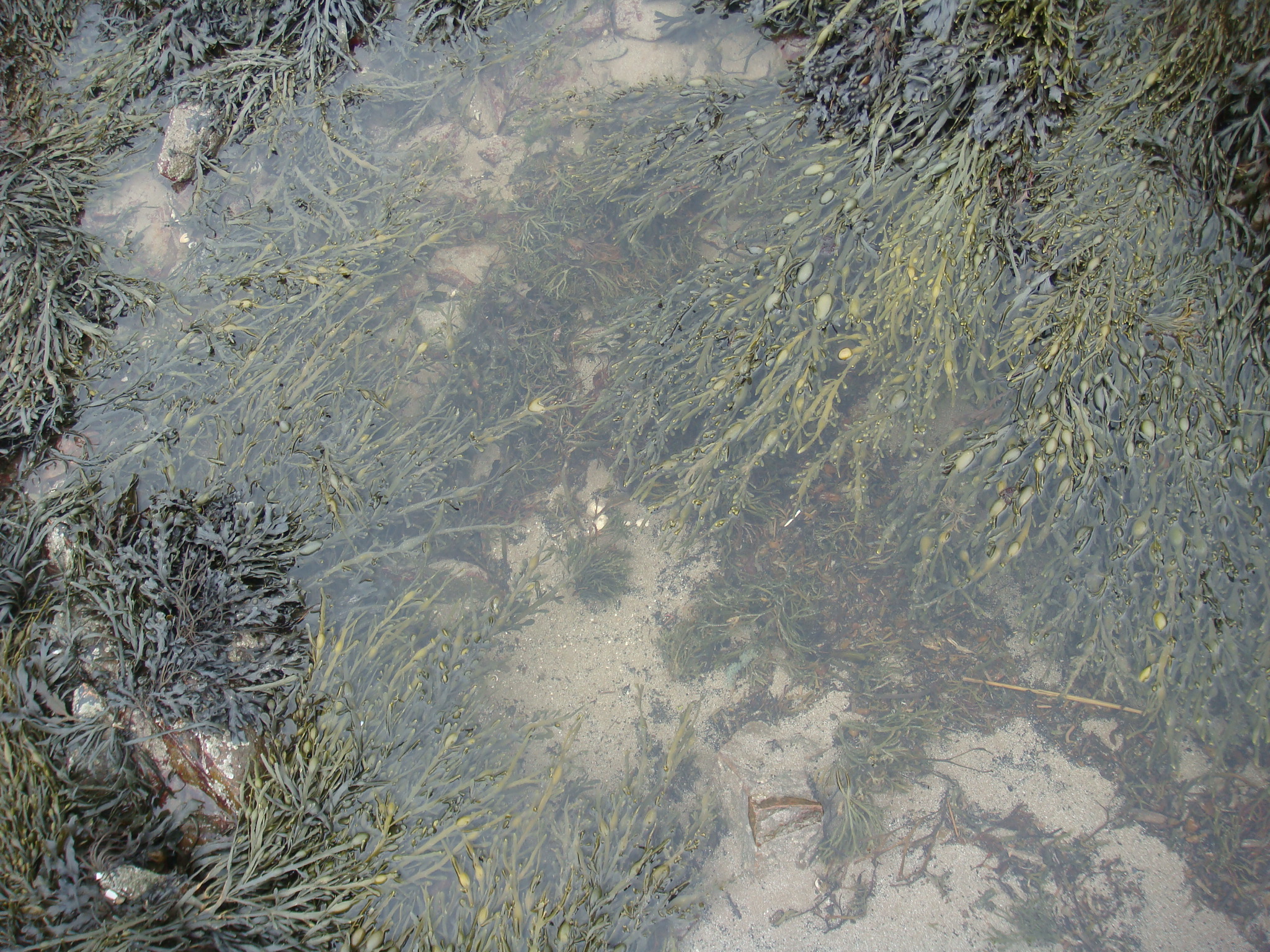
Lots of rock pools, lots of seaweed (it is not called sea-WEED, for nothing you know, and even more sea shells. I pushed aside some of this seaweed with my boot…


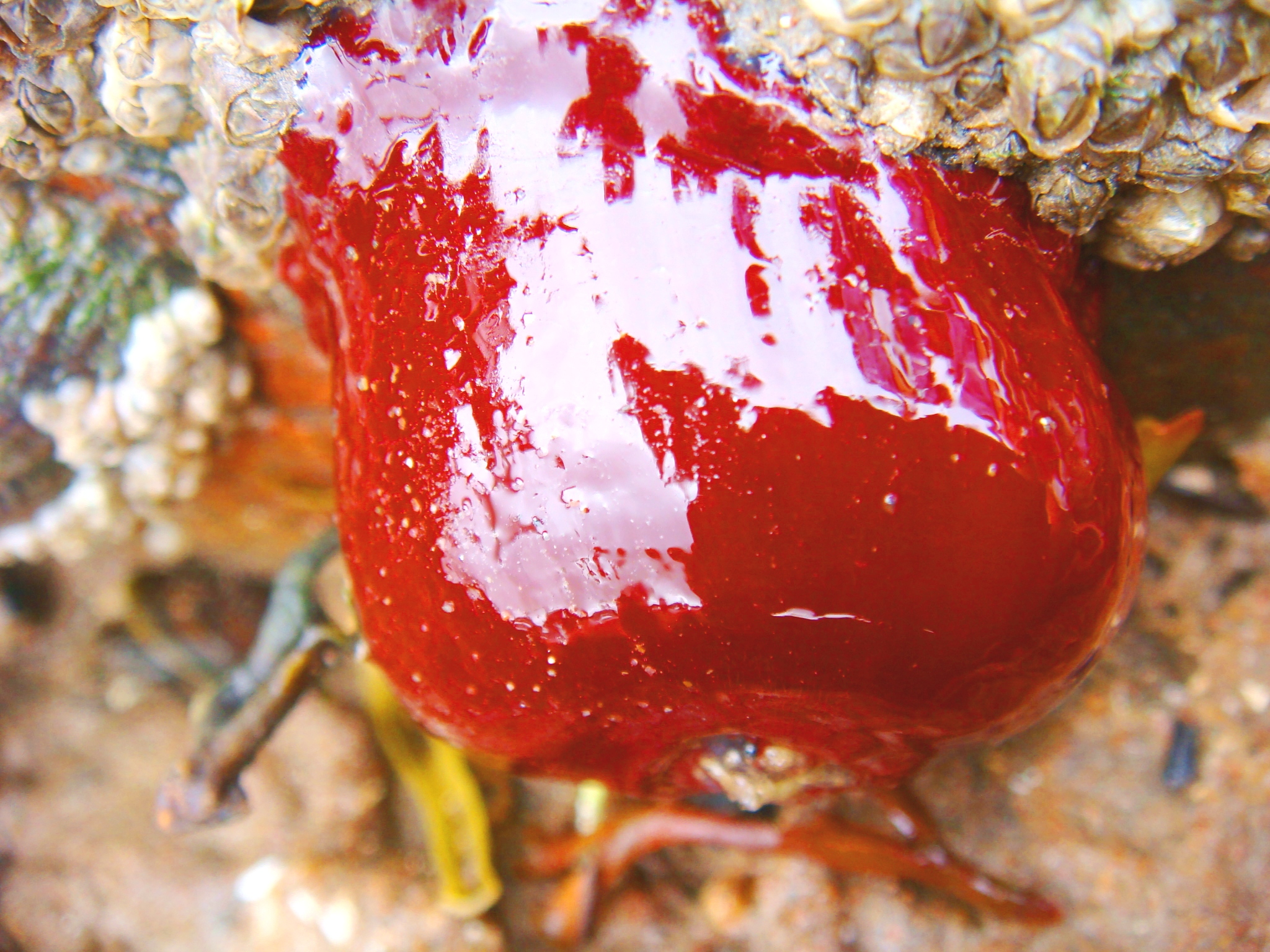
to reveal a bunch of these toffee-apple red sea-anemones.

AnemoneGuess who was obsessed with the rock pools?

Yup, he was in up to his shins in water before we had a chance to say “don’t go into the rock pool with your shoes and socks on”.

DSC09350aoh yes, he was in hog’s heaven.

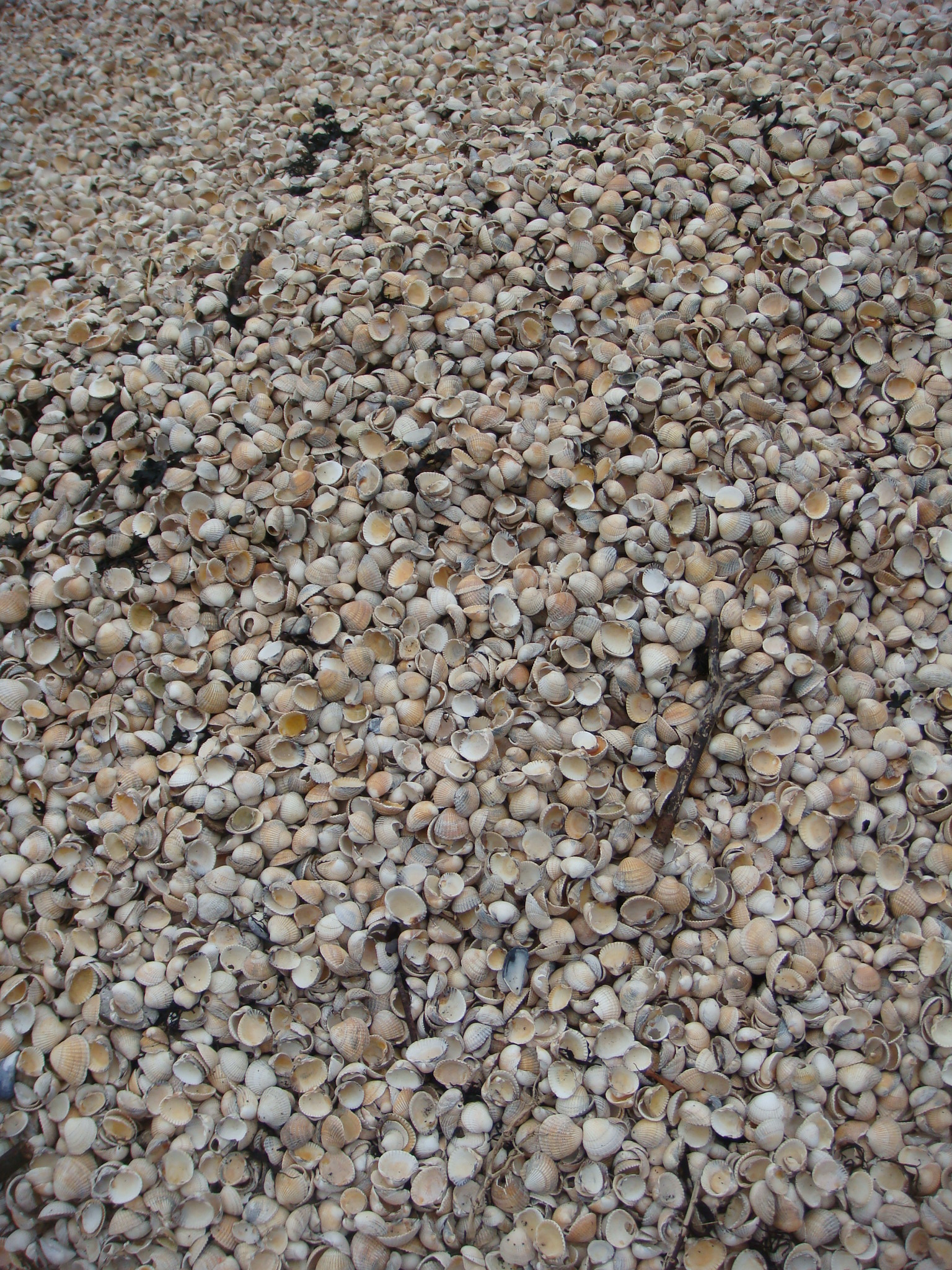
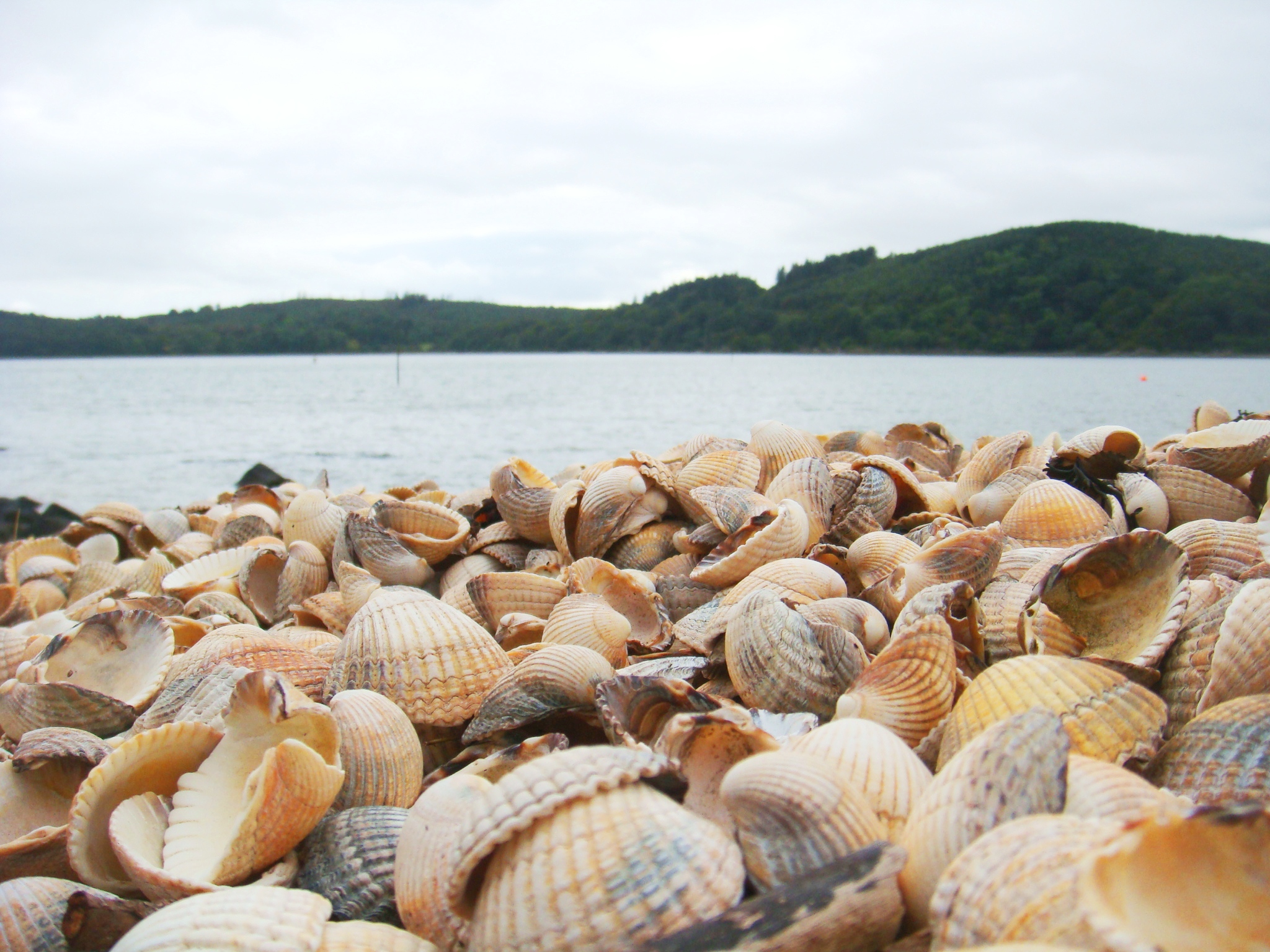
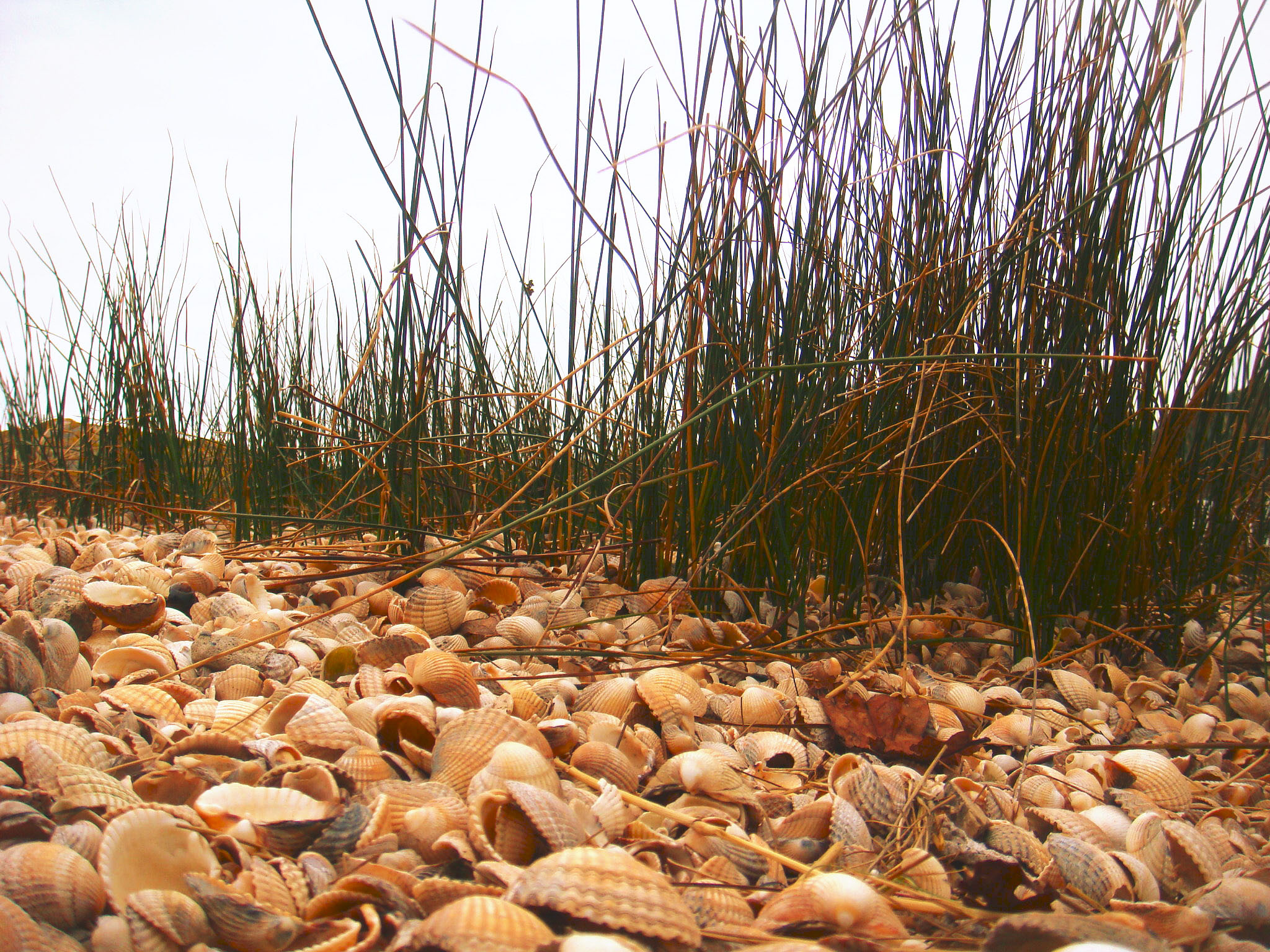
Shell BeachAnd guess who was obsessed with the sea-shells?  This part of the beach was so deep in shells it was hard to walk!

Sea Shells

Sea-shell beachIt also made a great sound when you walked on it, there is something really satisfying about crunching your way across a beach full of these sea shells, It made me wonder how crushed sea shells would function as a deep top layer mulch.

RockcliffAs the tide went out we headed back to the cottage armed with a rather large collection of sea shells’ in a plastic bag. Unbeknownst to us some of the clams in that bag were whole. Although the shells had been washed in soapy water that night and placed in a cupboard, a couple of days of festering later and that cupboard smelled like something you could go through your whole life without smelling.

full_english_breakfast1

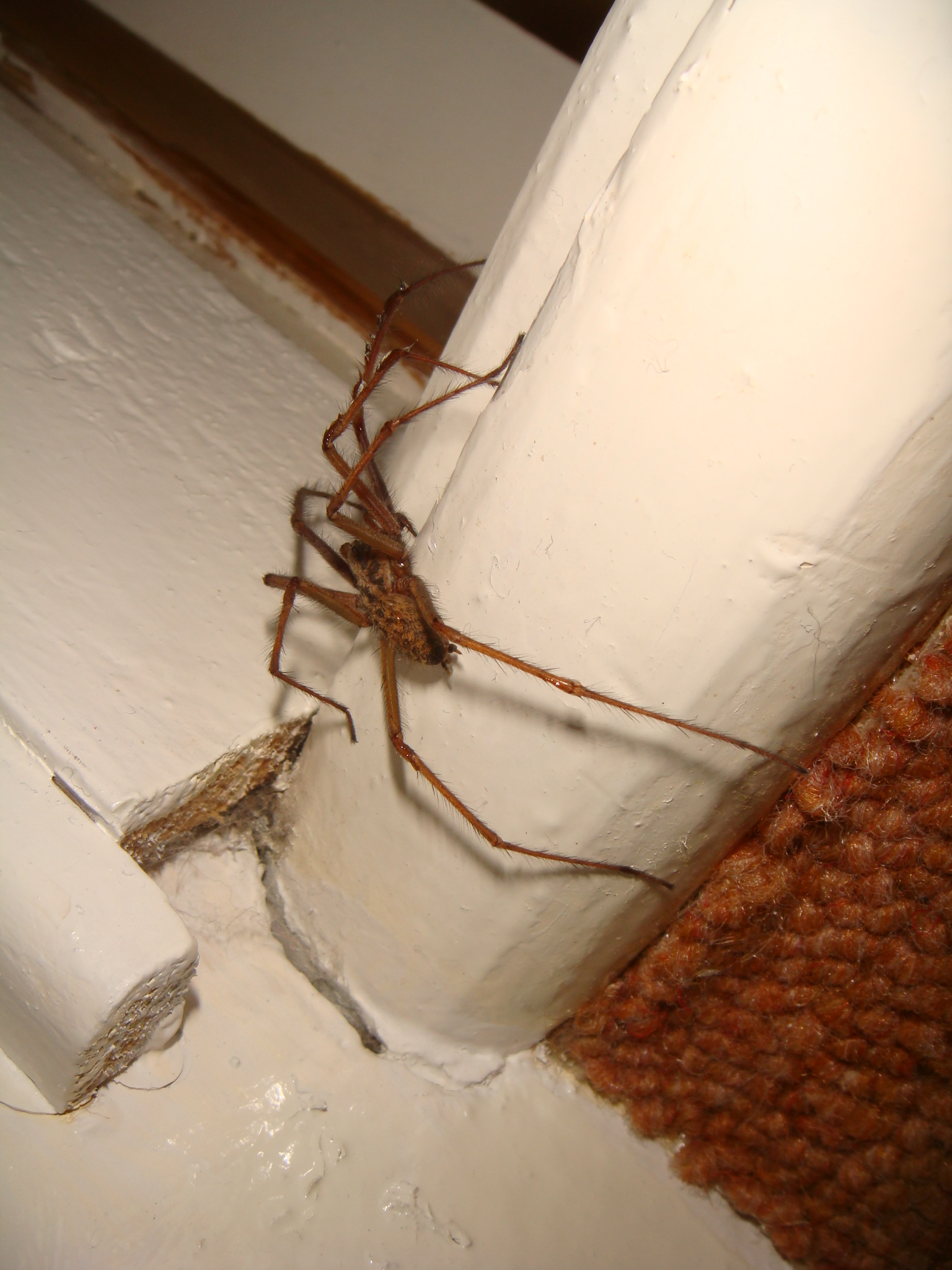
After this morning’s “arresting” breakfast, I hopped in the shower and started twirling a bewildering array of controls and dials in an attempt to a) obtain water and b) set the water to a non-scolding temperature (a seemingly impossible task). This took a lot longer than anticipated. Finally stepping under the stream all was going quite normally as showers generally do, until something caught my attention at the lip of the bathtub… and it was quite large.  At first I thought my eyes were playing tricks on me, I wish they were. First “over the top” of the bathtub lip came a long extended, searching leg, which subsequently hauled over the abundantly sized body of this…

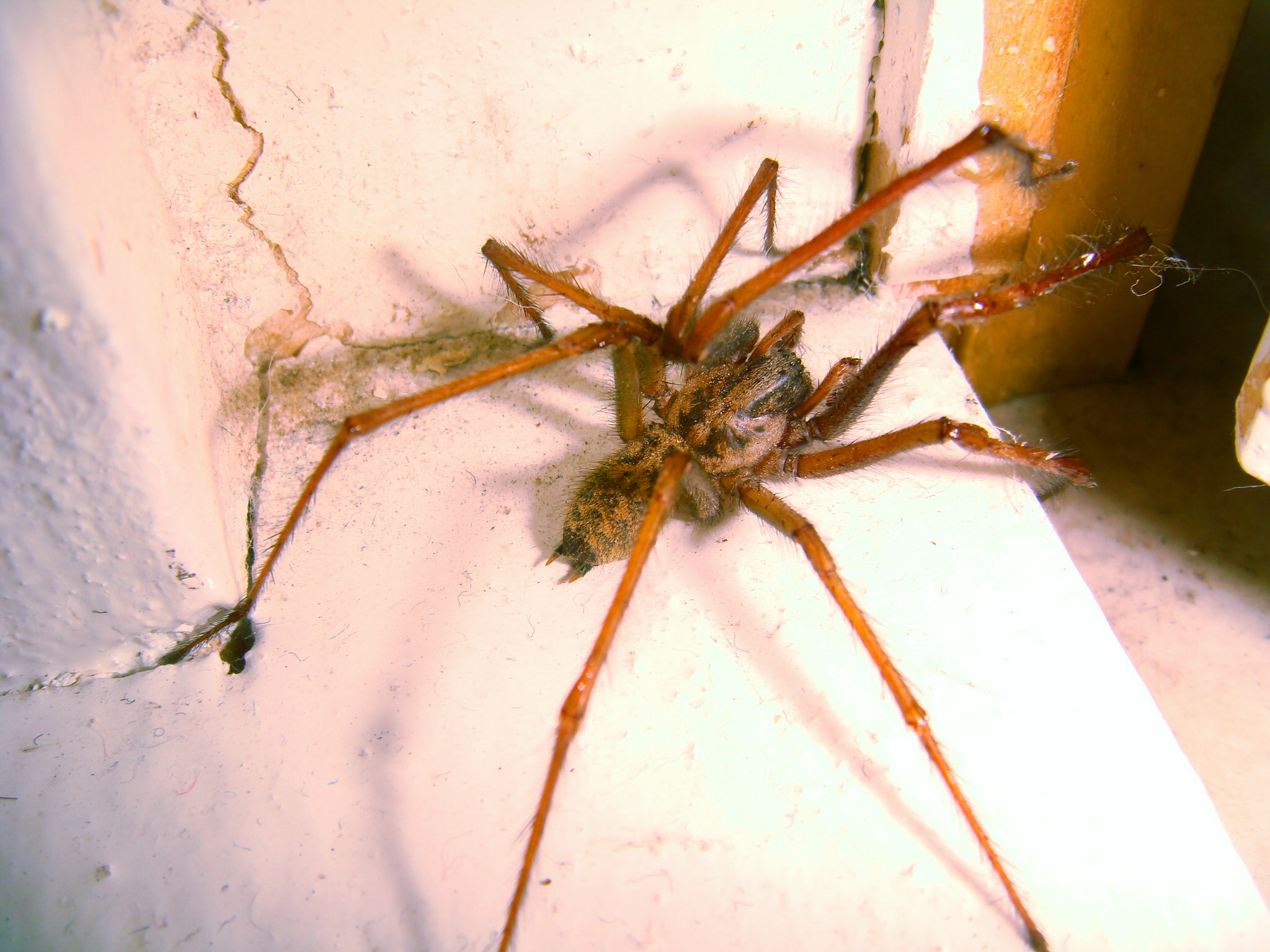
House SpiderInstinct told me to clamber over to the opposite side of the tub to perform an ungainly escape.  I grabbed a nearby towel and inched my way to the bathroom door, I believe I was actually muttering to myself at this point, something like “stay there, just stay there, that’s my boy, no-body’s going to hurt you”.  I beat a hasty retreat through the door, and immediately poked my head back around to where I had last seen it, but it had gone! Something about the draft coming in from the door must have attracted it because the next thing I saw was this thing galloping and bounding at full tilt across the bathroom floor (and it could run) directly toward me. I slid down the hallway stairs.

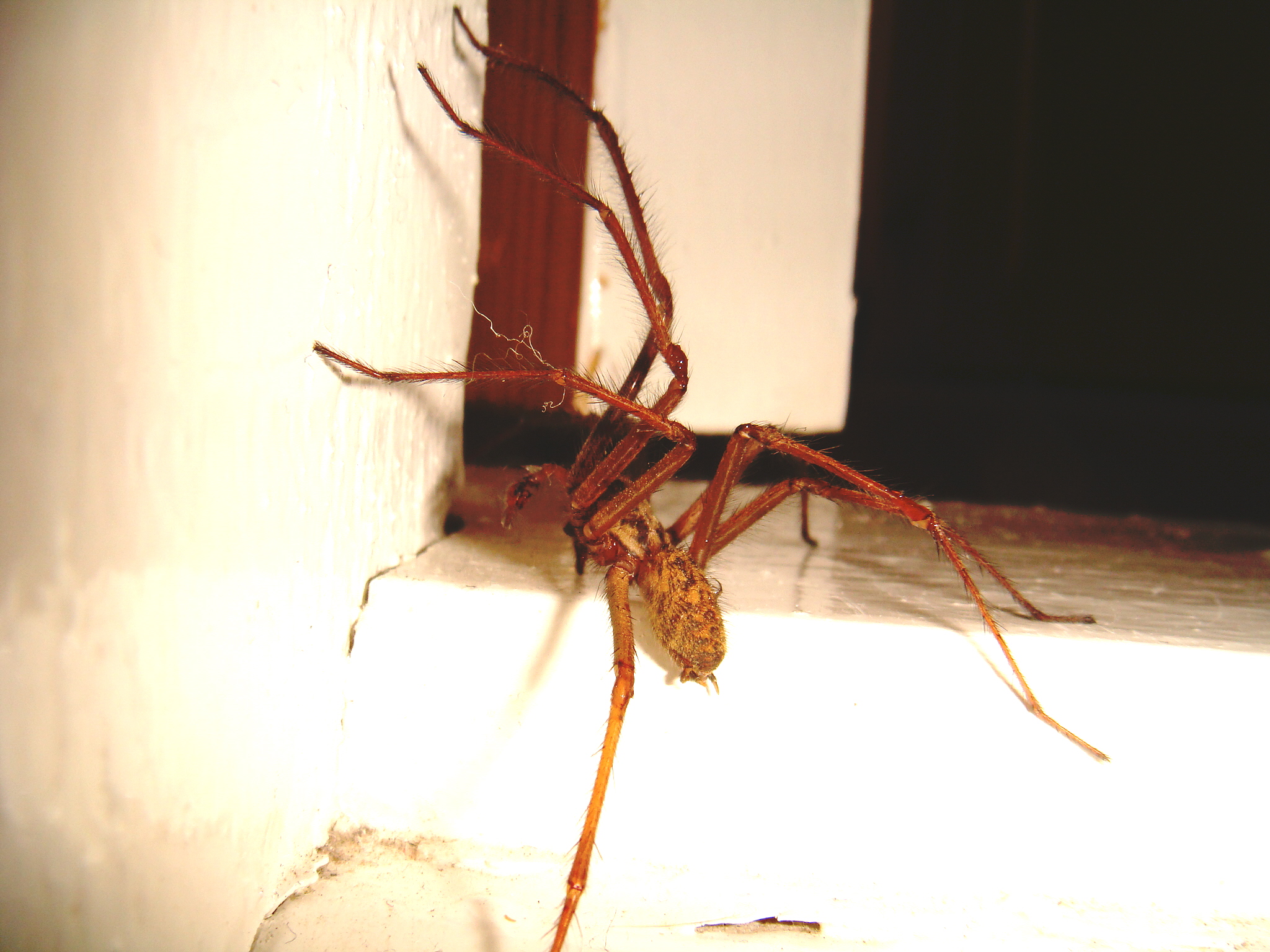
House SpiderThe spider finally came to rest in the corner of the bathroom door where I took these shots before shepherding  the creature into a vessel and taking it outdoors…

Spider Control

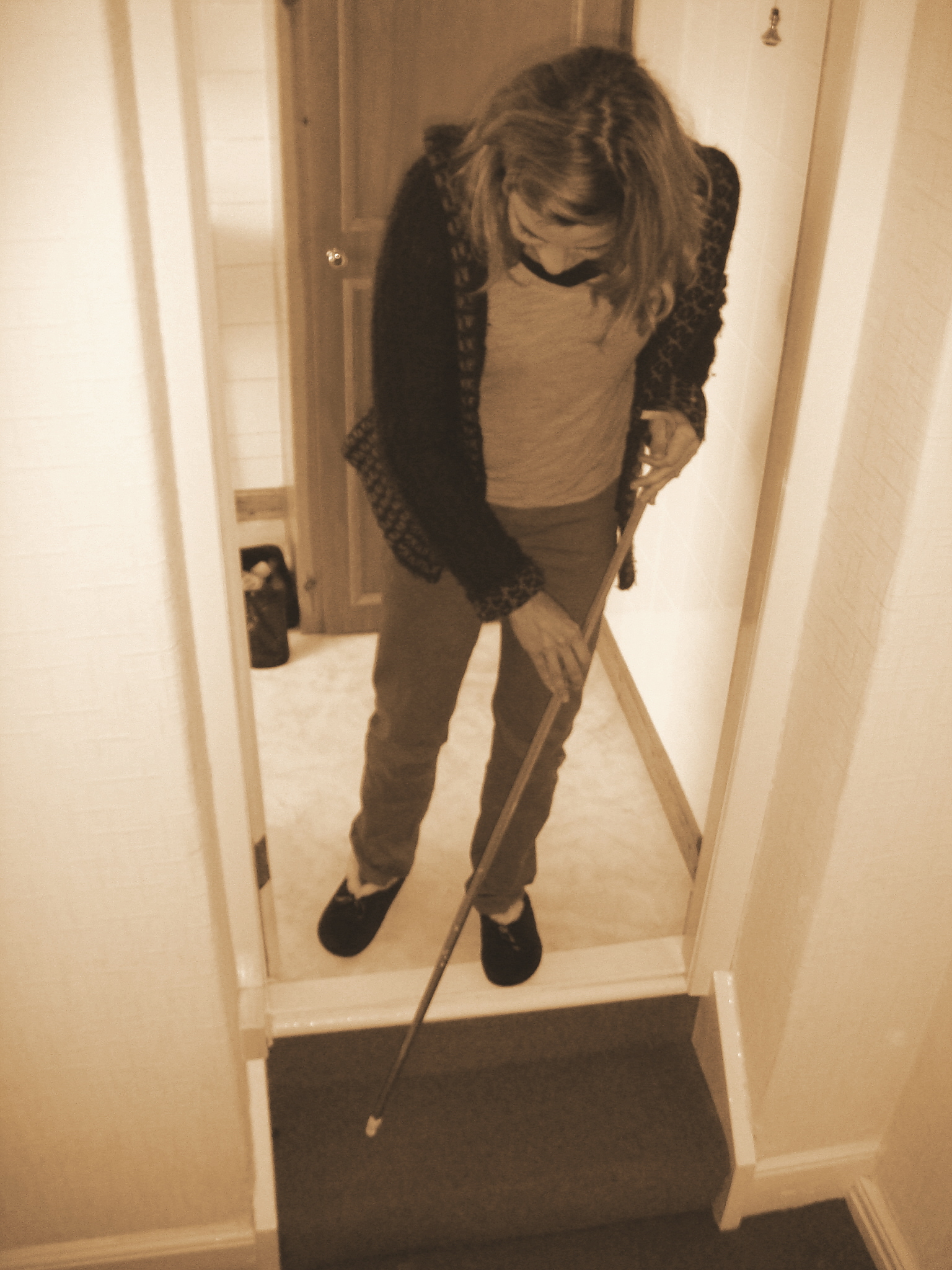
Okay so perhaps I was not the one doing the shepherding, but I did throw out explicit capturing directions from the relative safety of the top landing.  This was of course a house spider

Tegenaria duellica


and in the UK they can get large…who said everything was bigger in Texas. They become more noticeable in autumn, which is their mating season.  The males are often seen scuttling across a room or falling into bath tubs as they move around in search of a female.  This one was a male, having longer legs than the female of the species. House spiders can survive for several months without food or water.

After this mornings excitement, I decided I needed to do something calming, I took a walk around the village to see what I could see.

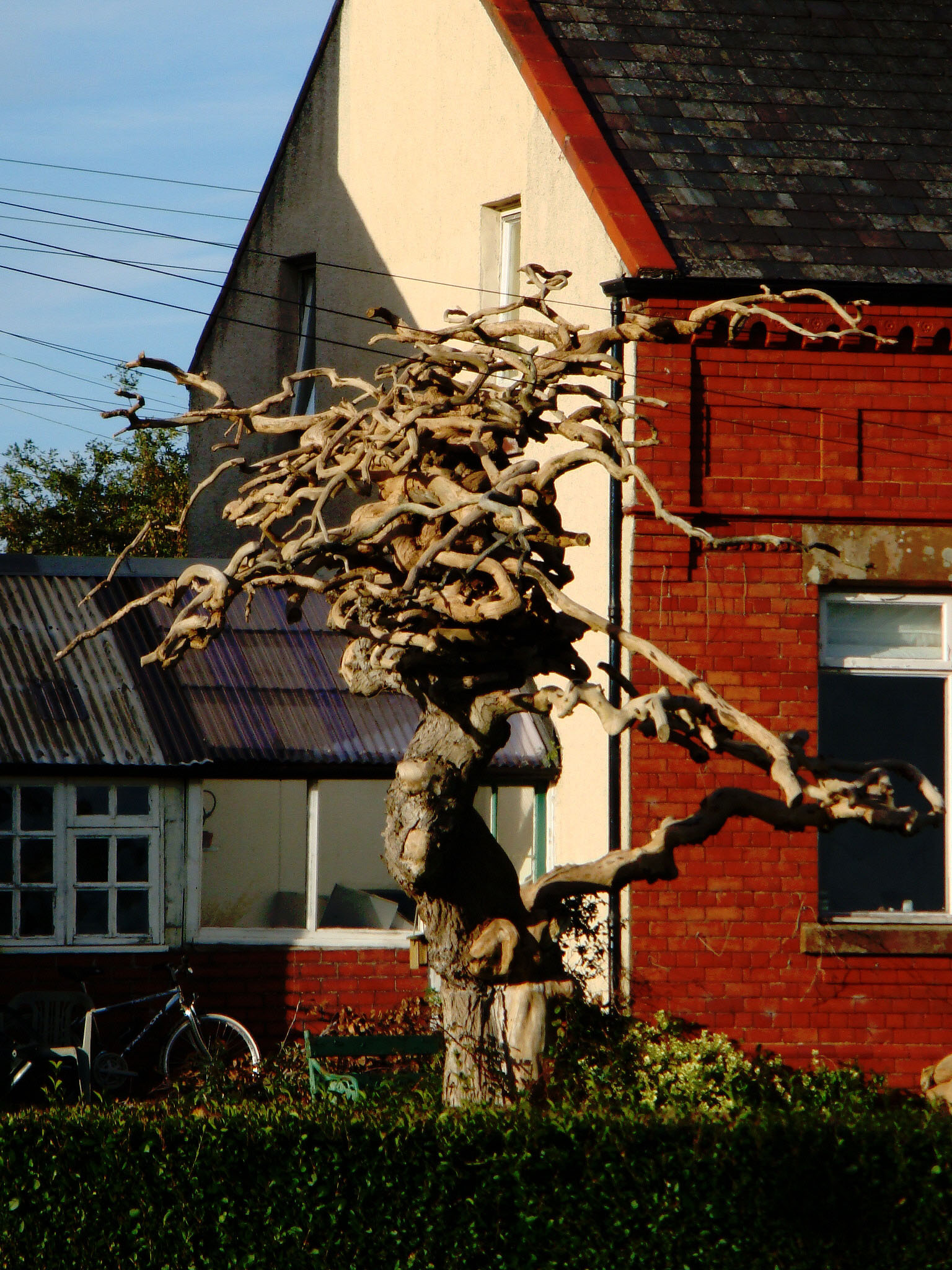
gnarly tree

This gnarly old tree caught my attention over the hedgerows.

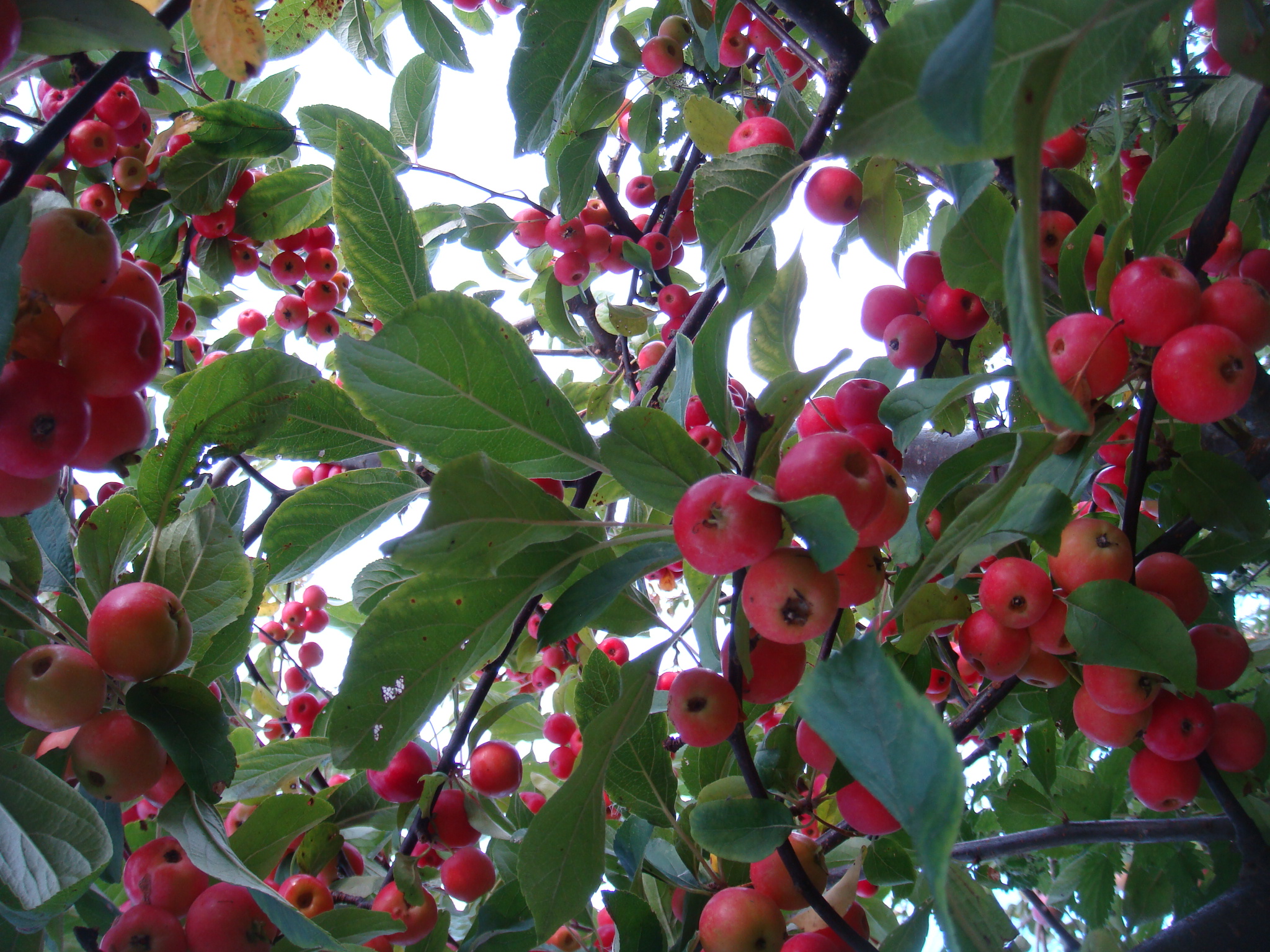
Crab Apples

Around the corner from our cottage there were a few cooking apple trees and a couple of red and green crab-apple trees packed with fruit, we sneaked a couple of the cooking apples,

gurningand ate them with grimacing faces.

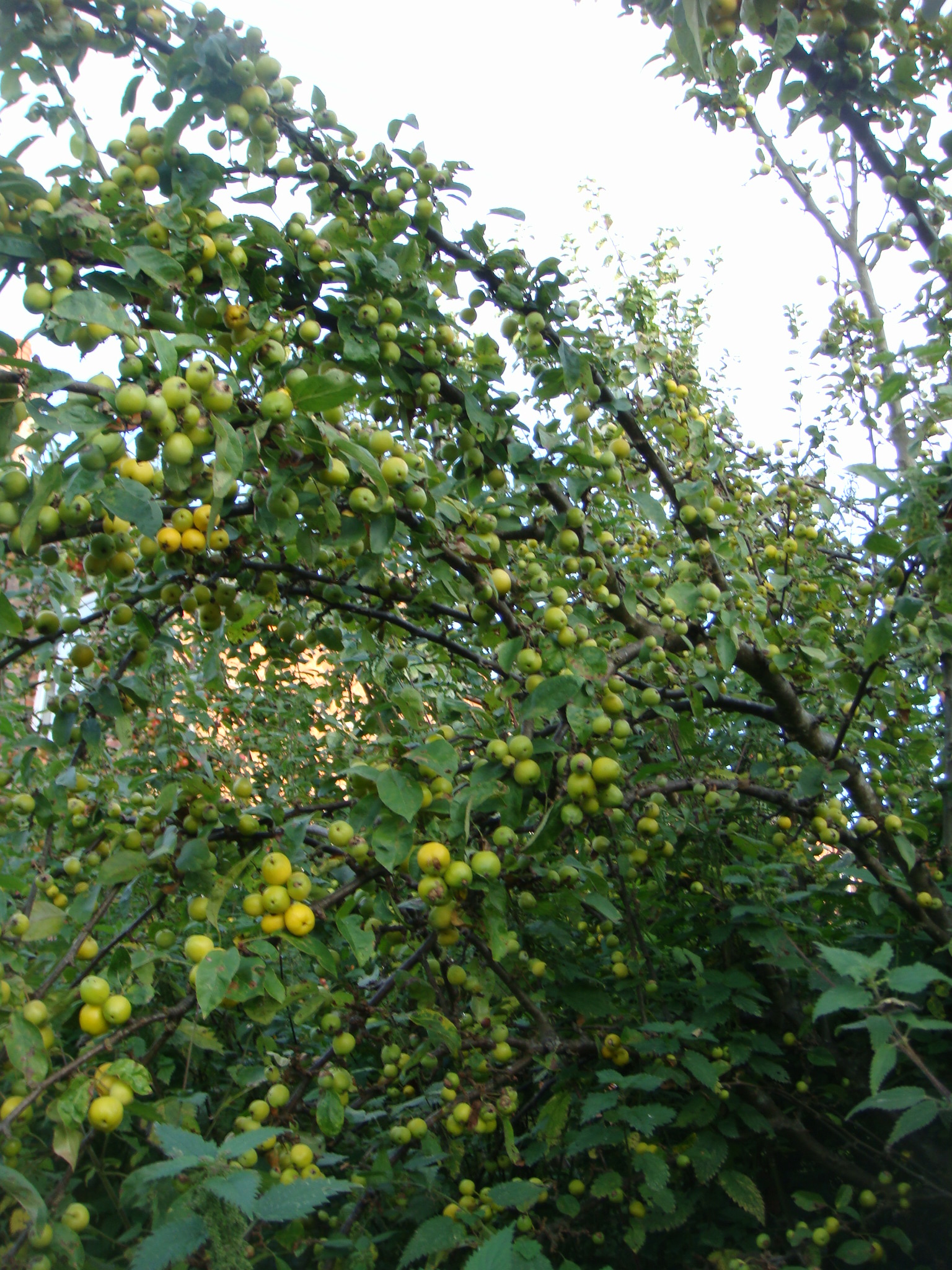
Crab Apples

Here is the green tree.

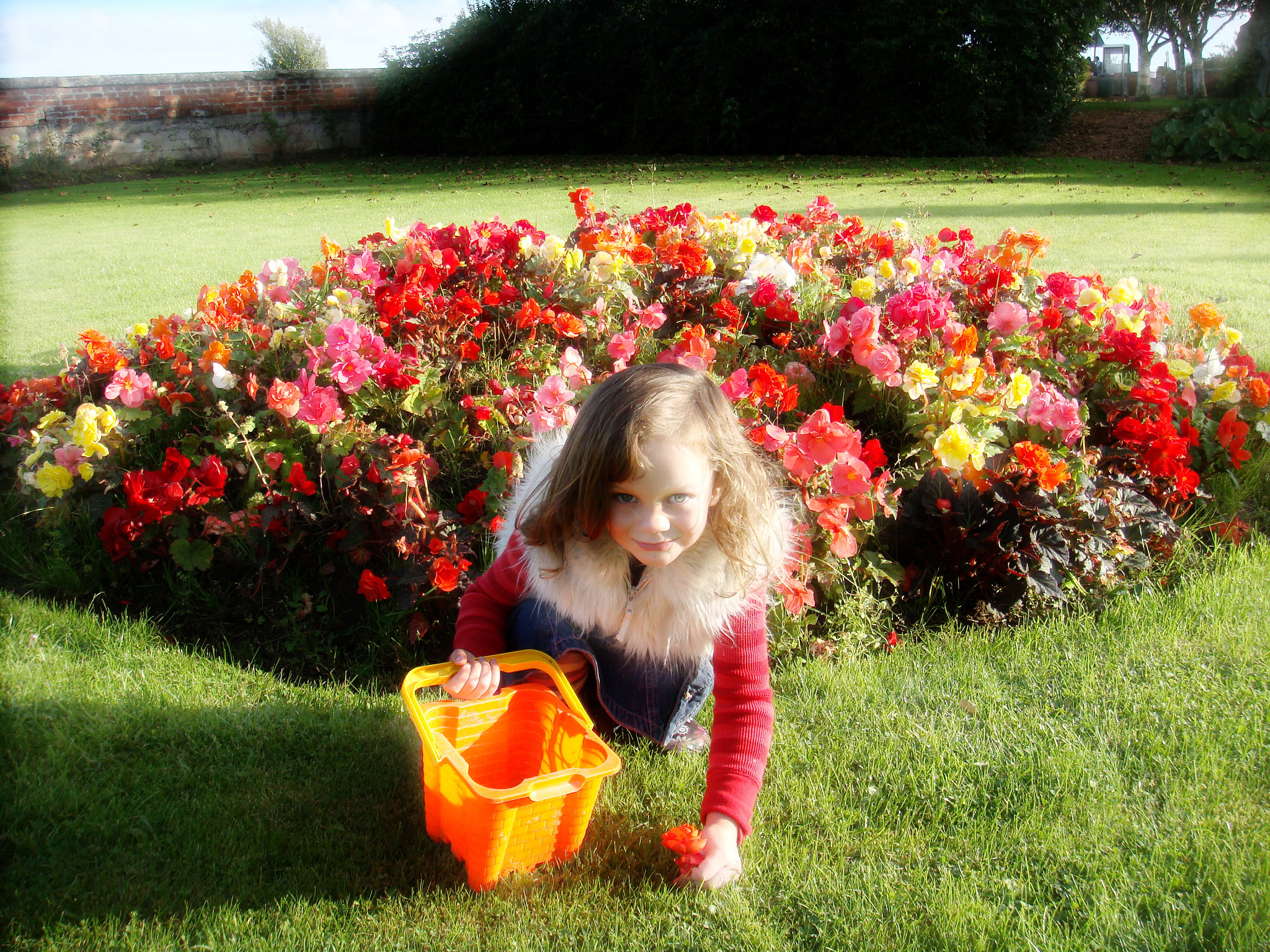
Flower Bed

A central flower bed in what used to be an old Victorian bowling green immediately caught someones attention, she always gets onto me for not planting colorful flowers, I just find it hard to get excited about such masses of gaudy colors. Pride of Barbados and Canna Lily are just about my limit for hot colors.

DSC09307

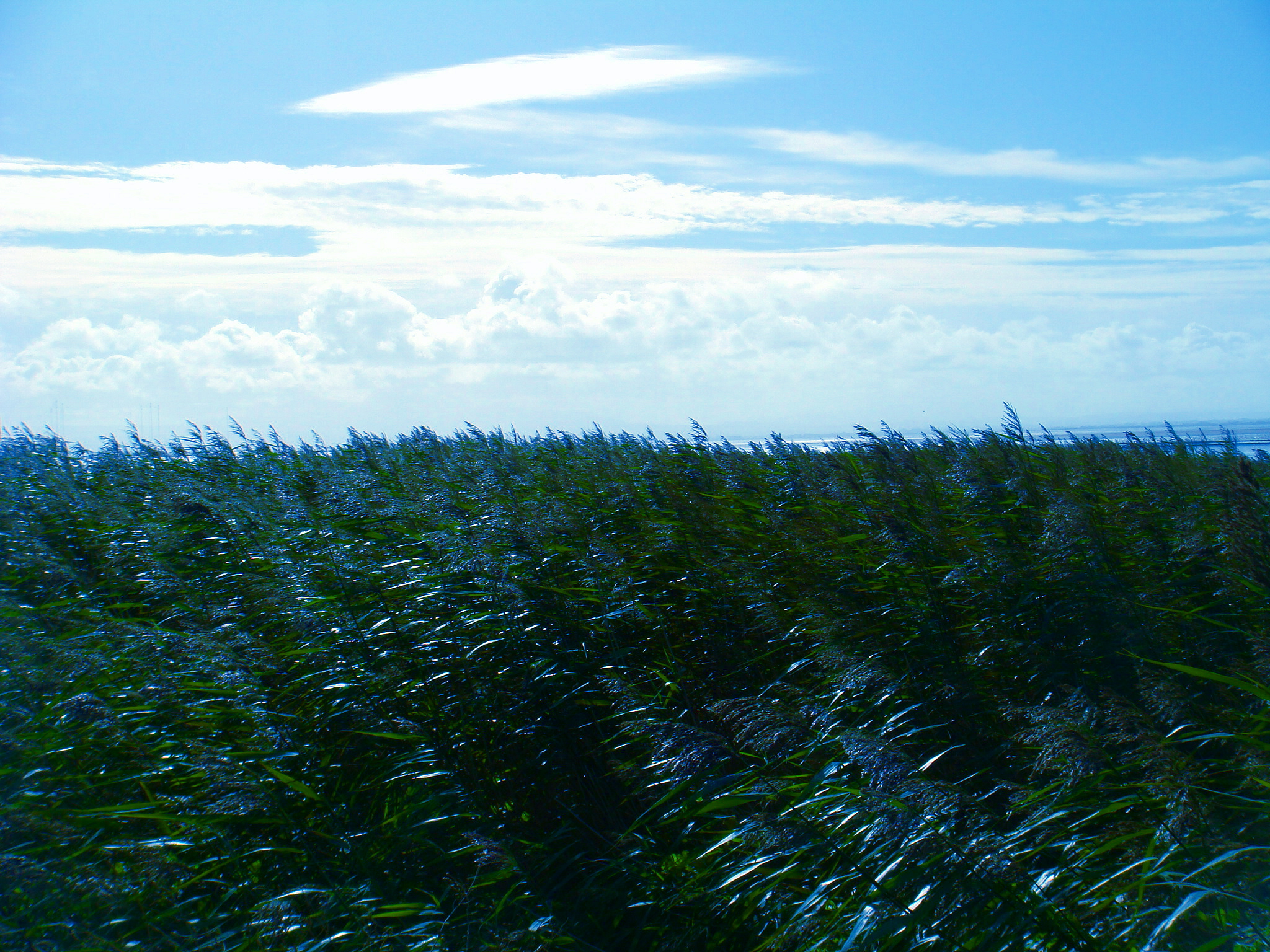
In front of the village are large expanses of grasses, no wonder the rare Natterjack Toad toads like this area.

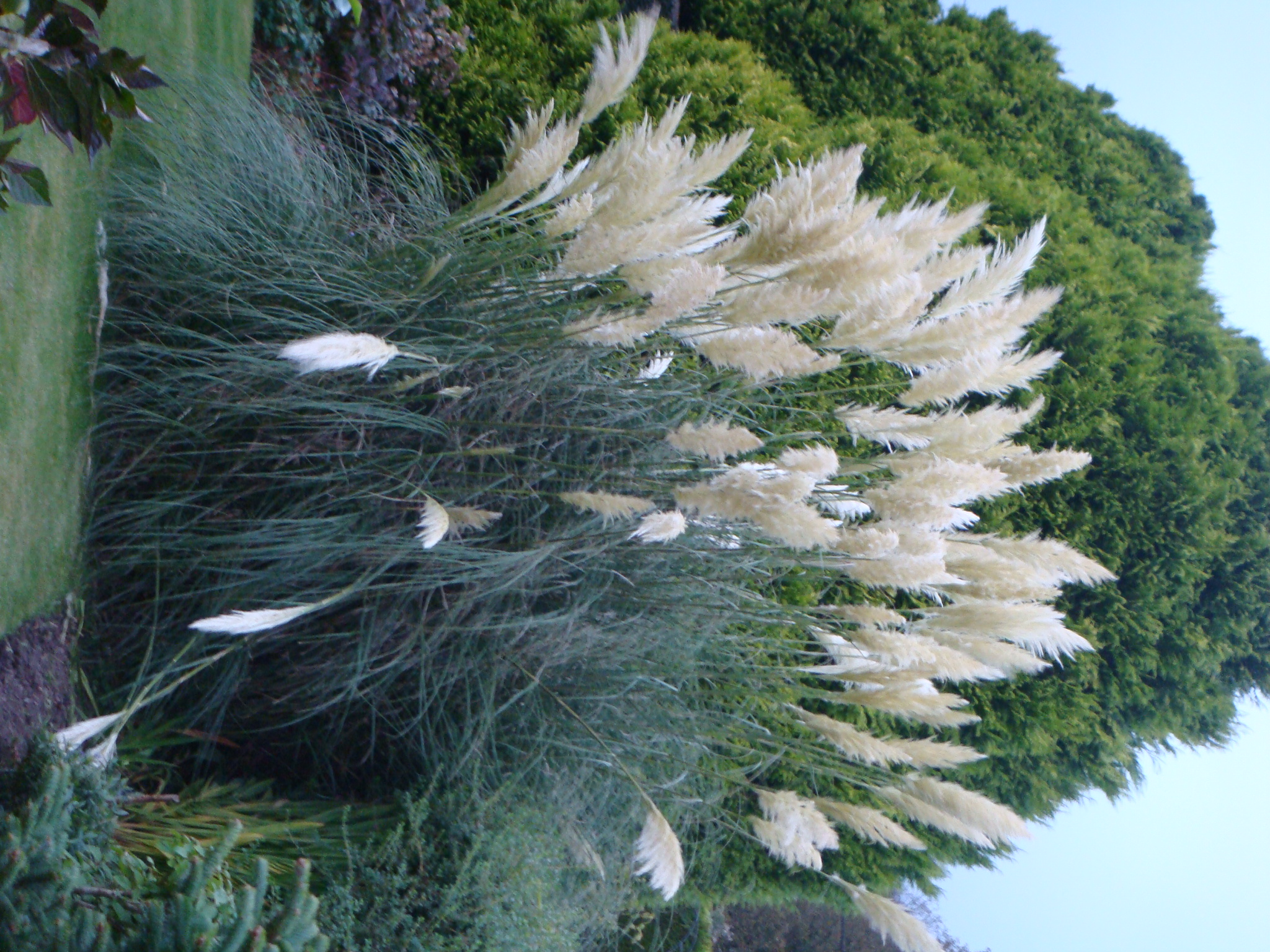
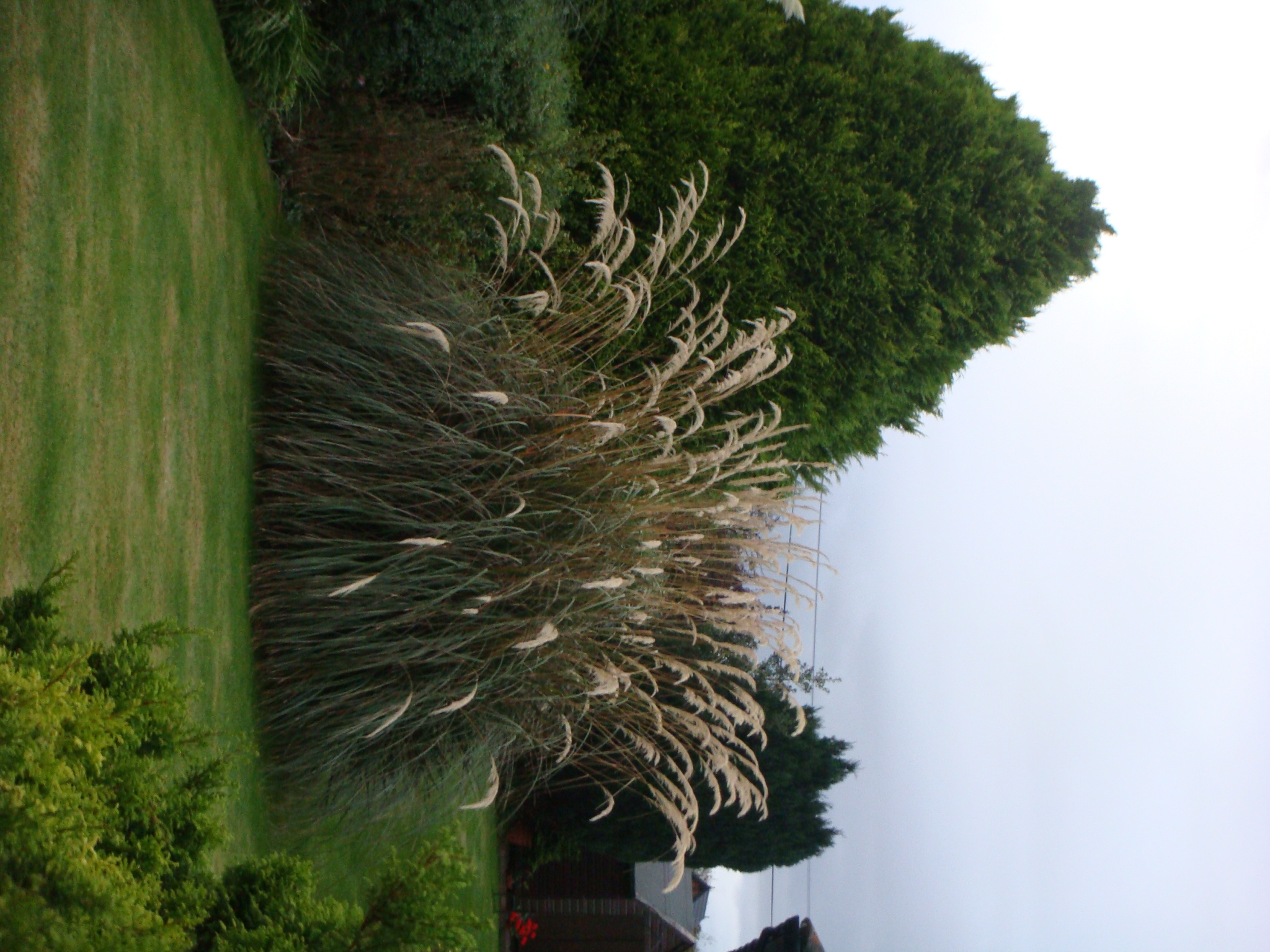
Pampas Grass


Miscanthus

Pampas and Miscanthus grasses get to ridiculous sizes here, in the relatively mild and wet climate. Look at these two monsters guarding the corners of these two neighborhood gardens.

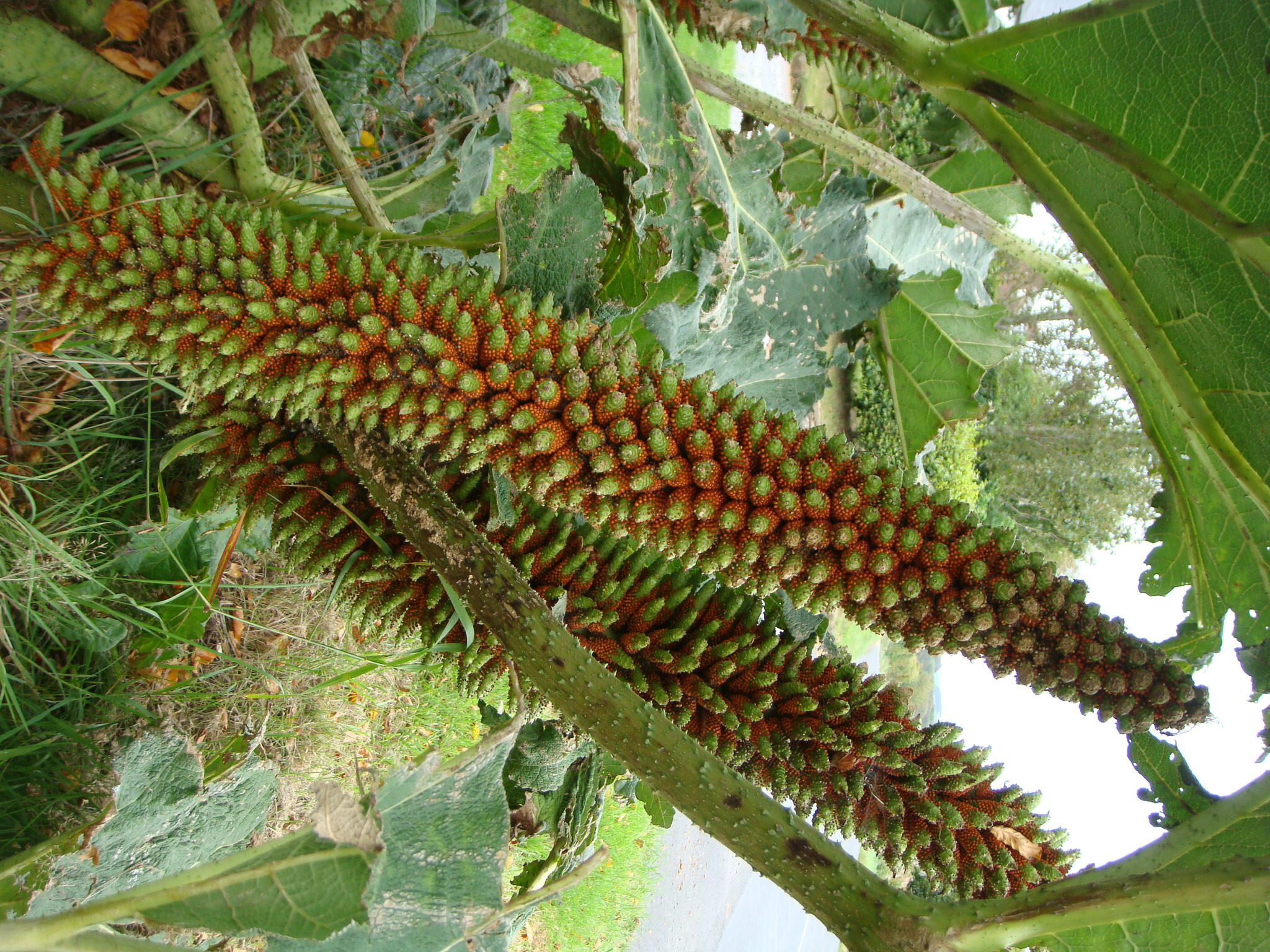
DSC09394The flower spikes on this

Gunnera manicata


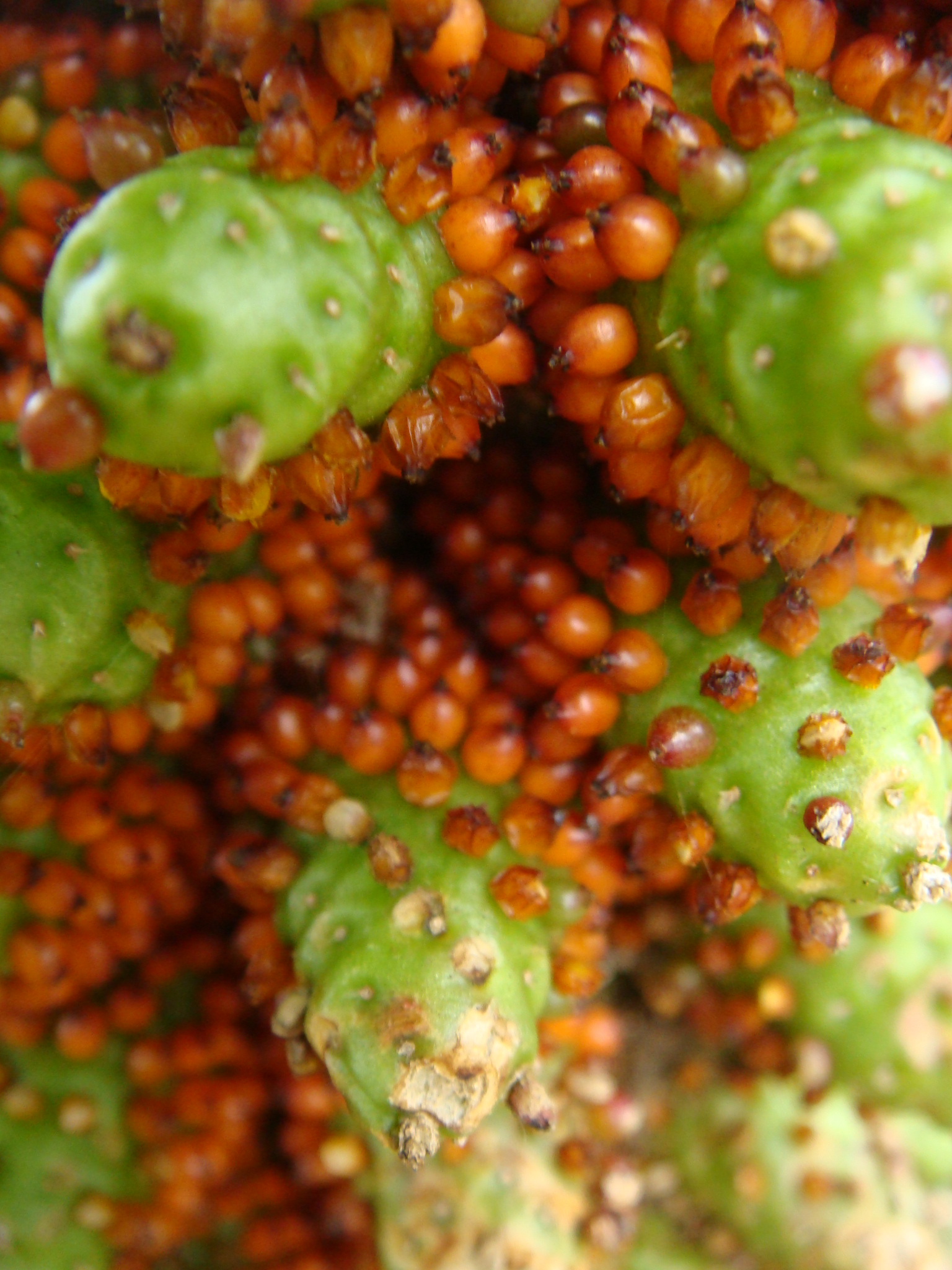
or giant rhubarb, and aptly named dinosaur food were striking.  Each spike was host to thousands of tiny little copper seeds. The leaves on this one had seen better days, it will die to the ground in Scotland in the Winter.

DSC09395 gunnera

Did I mention just how big these can get!


Down The Burn, Davie


As down the burn they took their way,
And thro’ the flowery dale;
His cheek to hers he aft did lay,
And love was aye the tale:

With “Mary, when shall we return,
Sic pleasure to renew?”
Quoth Mary-“Love, I like the burn,
And aye shall follow you.”

Robert Burns.

DSC09198

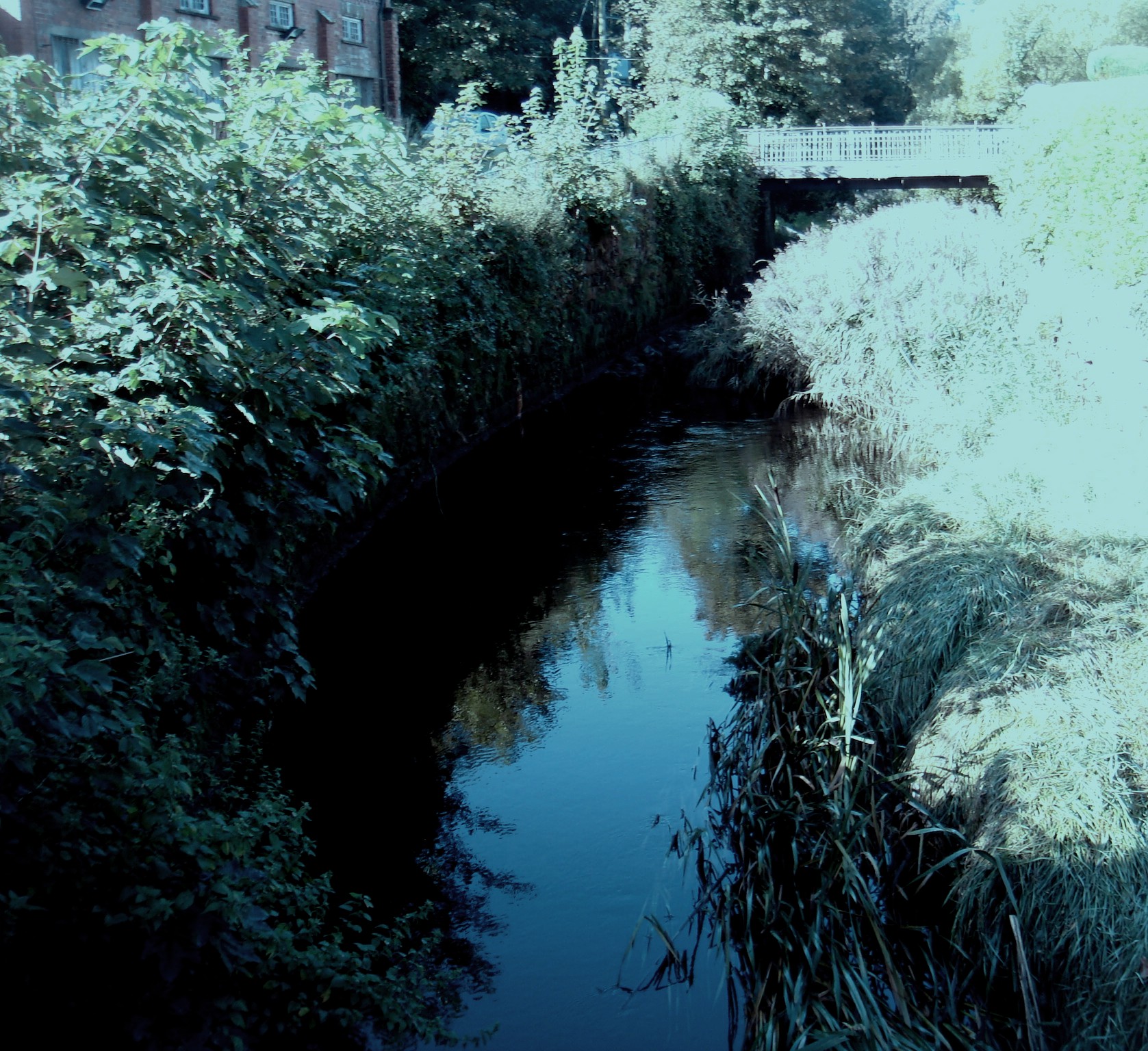
I finished my walk around the village, and paused on this bridge overlooking the burn, the thought of the spider still fresh in my head.  My mind wandered to another spider of legendary status, a spider that purportedly inspired King Robert the Bruce I in a cave only a few miles from here…

The BruceRobert was Knight and Overlord of Annandale. In 1306 he was crowned King of Scotland and henceforth tried to free Scotland from the English enemy.  After being defeated at a battle, Bruce escaped and found a hideout in a cave. Hiding in a cave for three months, Bruce was at the lowest point of his life. He thought about leaving the country and never coming back.  While waiting, he watched a spider building a web in the cave’s entrance. The spider fell down time after time, but finally he succeeded with his web. So Bruce decided also to retry his fight and told his men: “If at first you don’t succeed, try try and try again”.
Old legend.

Solway Firth

And the sun went down once again on the cottage, only this time it will come up in my final Powfoot post.

Stay Tuned for:

“On the Bonnie Banks, the sequel”


All material © 2009 for eastsidepatch. Unauthorized
intergalactic reproduction strictly prohibited, and
punishable by  late  (and extremely unpleasant)
14th century planet Earth techniques.

1 2 5 6 7 8