Happy New Year!
Yes, you guessed it…
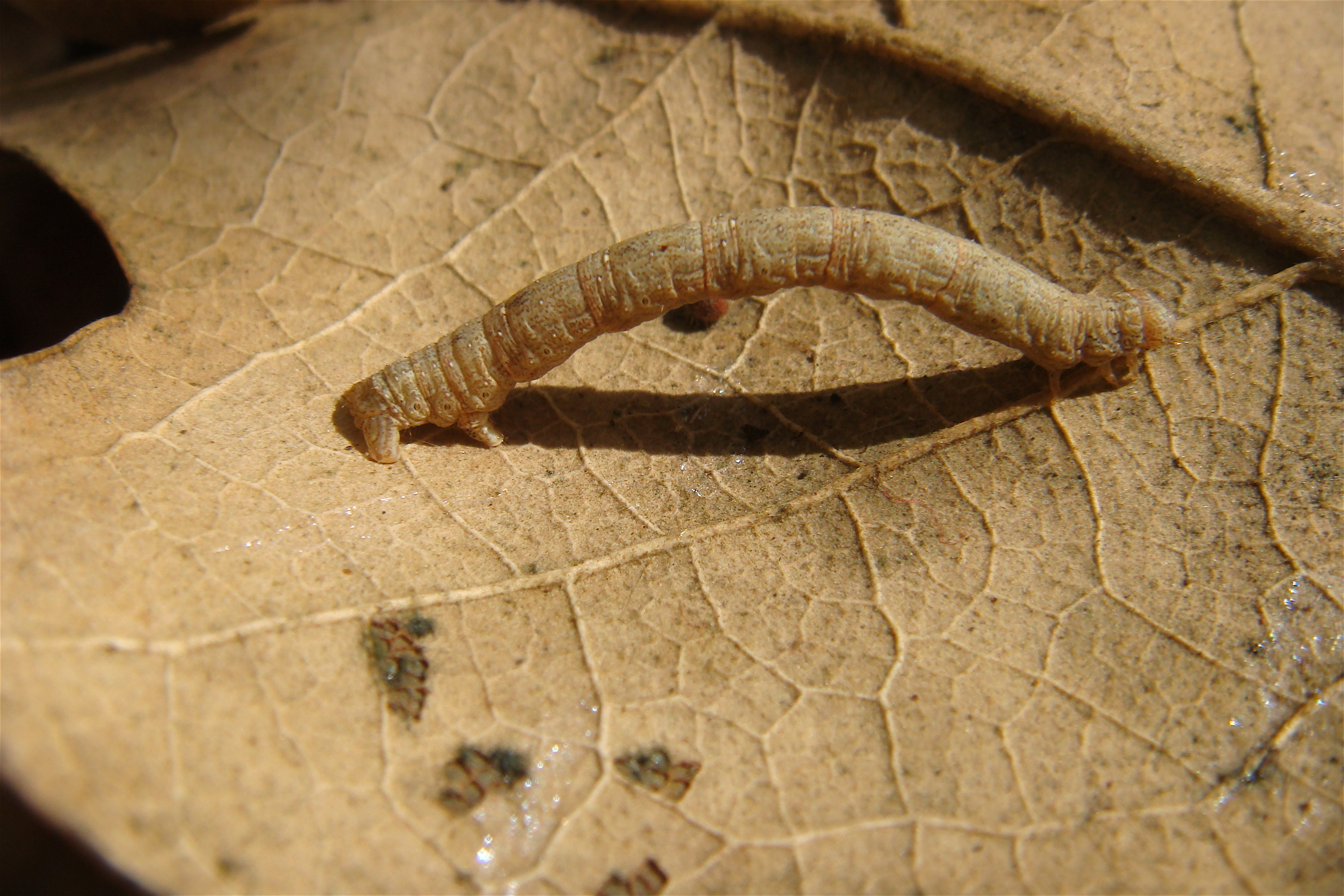
During my mammoth leaf clean up I uncovered this inch worm blending into the color and texture of the leaves. Yes the 2011 leaf clean up is officially under way, compost bins are full and the leaf surplus is going out to the street in trash cans every week. Have I told you how much I hate picking up leaves? This year, as I grabbed at endless piles of decaying leaves, I kept thinking irrationally about beaks and assassin bugs, and then more beaks. Now I know that Forrest Gump said he was not going to mention these insects again, but these predators hunt in such environments! (And my environment was perfect, a good two feet deep with leaves in places),surely it was only a matter of time before I was mortally wounded ?

“Ach ESP, what would ye ken aboot being mortally woun…”
“Ach, hauld yer whisht, William.”
It is funny how the mind wanders onto the strangest subjects when performing the most mundane of jobs. Where was I? Inchworms…Inchworms, the small caterpillars made famous in songs,
cartoons and 70’s advertisements. This product by Hasbro must surely have ergonomically imbued an entire generation with some later-in-life, lower-back issues?
 Most worms are quite odd but these chaps rank up there with land planarians on the freaky scale, inchworms, despite the name, are not worms at all, they are caterpillars, which are moth larvae. Much like spiders, some inch worms have the ability produce thin delicate lines of silk like this one.Inchworms are the larvae of moths of the family Geometridae, Geometrid means “earth-measurer” in Greek and as Danny Kaye points out, inchworms are called this because it looks like they are measuring the ground (and marigolds), an inch at a time.
Geometridae is a large, and very cosmopolitan group with over 1,200 species indigenous to North America.
 Oh yes, they are many.
Also called measuring worms, spanworms, and loopers, inchworms lack appendages in the middle portion of their body like most caterpillars, causing them to have their bizarre characteristic looping gait. If an inchworm is disturbed, it will stand motionless on it’s back legs and this makes it look like a small projection on the tree. The species Nemoria has mottled brown projections along their bodies to resemble bits of dead leaves and bark.
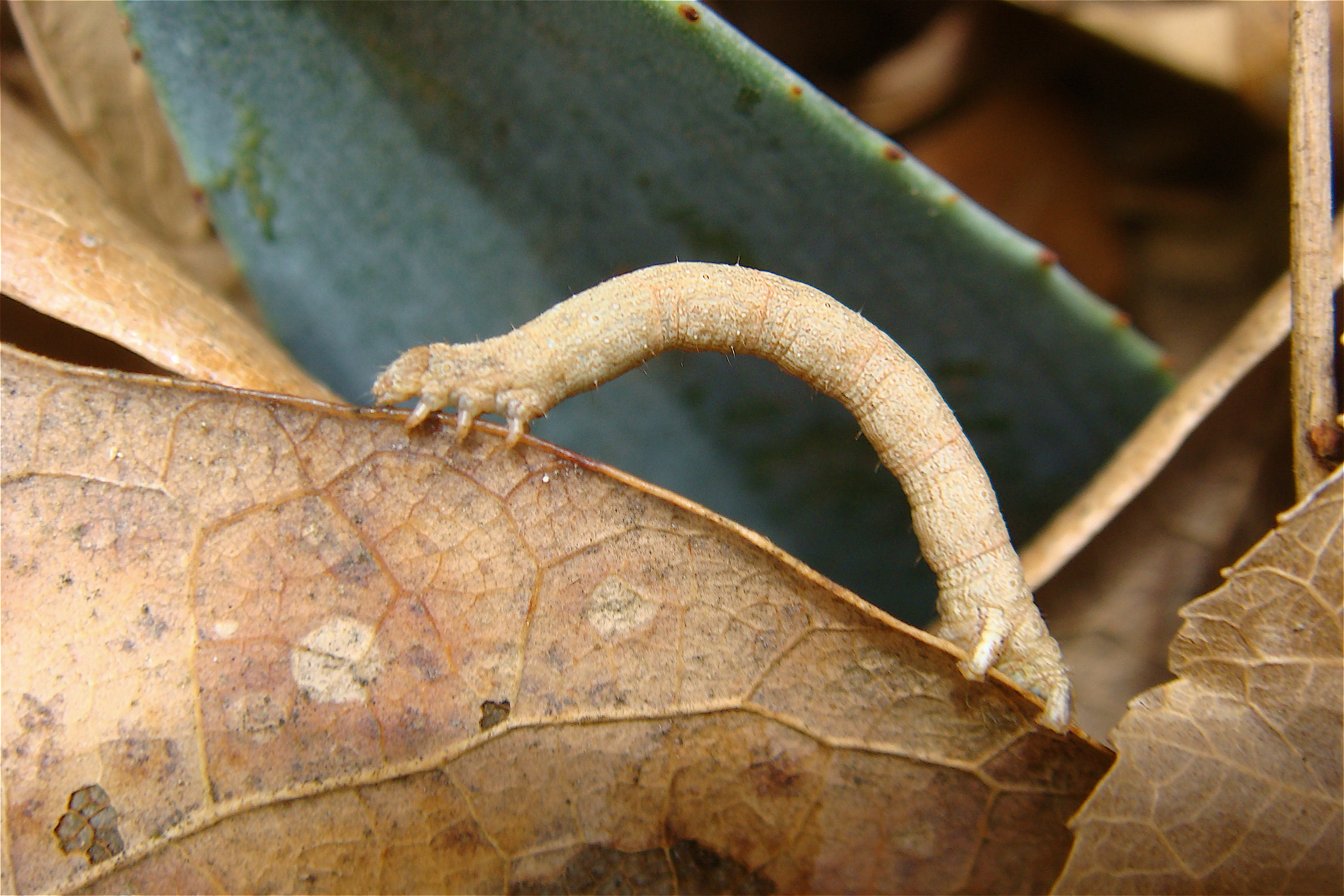 Due to their ferocious appetite inchworms are considered pests in the garden, especially if you are a fruit or vegetable gardener. Rumor has it that young Naboo children now ride on the backs of these worms after the tribe obtained a tiny and extremely rare hardback copy of Frank Herbert’s “Dune”.
Like most insects and caterpillars, I usually give them as wide a birth as an assassin bug, unless they start turning up in plague-like numbers.
Talking of plague-like numbers…
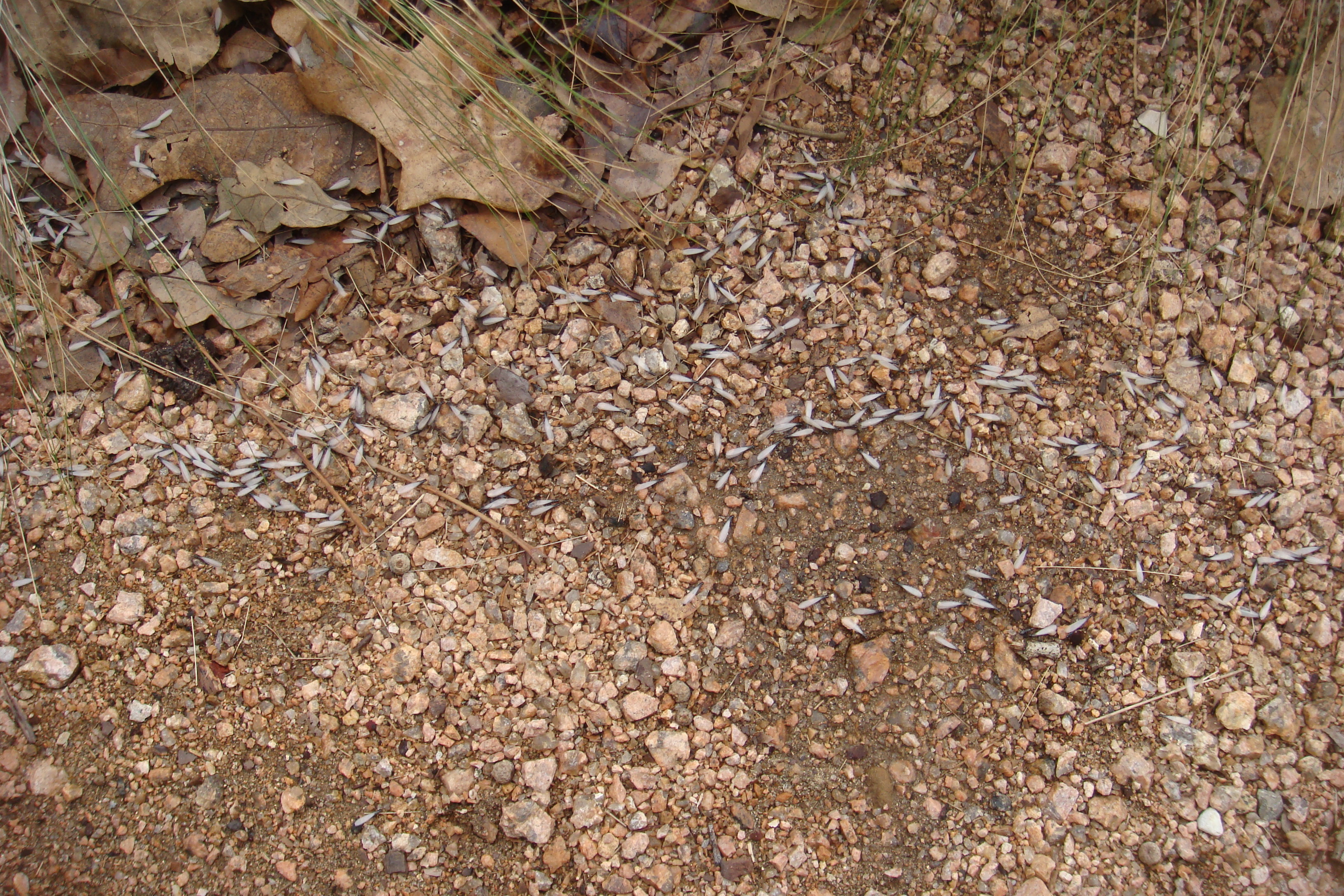 What manner of infestation is this?
 After traveling a short distance to start a new colony, (they are poor fliers) flying termites shed their wings (you can see this process has started above) by using their rear legs to detach them from its wing stumps, brrr.
This exodus is referred to as a dispersal nuptial flight, it is commonly referred to as swarming. These alates (winged) termites suddenly appeared on one of my decomposed granite pathways of all places, which is much preferred to when I last saw these critters, streaming out of the walls of my house! : http://www.eastsidepatch.com/2010/04/7888/
At that time I was concerned…were they eating my house?
There are lots of misconceptions about flying termites or termite alates. Some people think these flying termites can attack wood, The truth is, these flying termites are winged reproductives that comprise either males or females whose sole purpose is to start new colonies and become the future king and queen of their new colony.
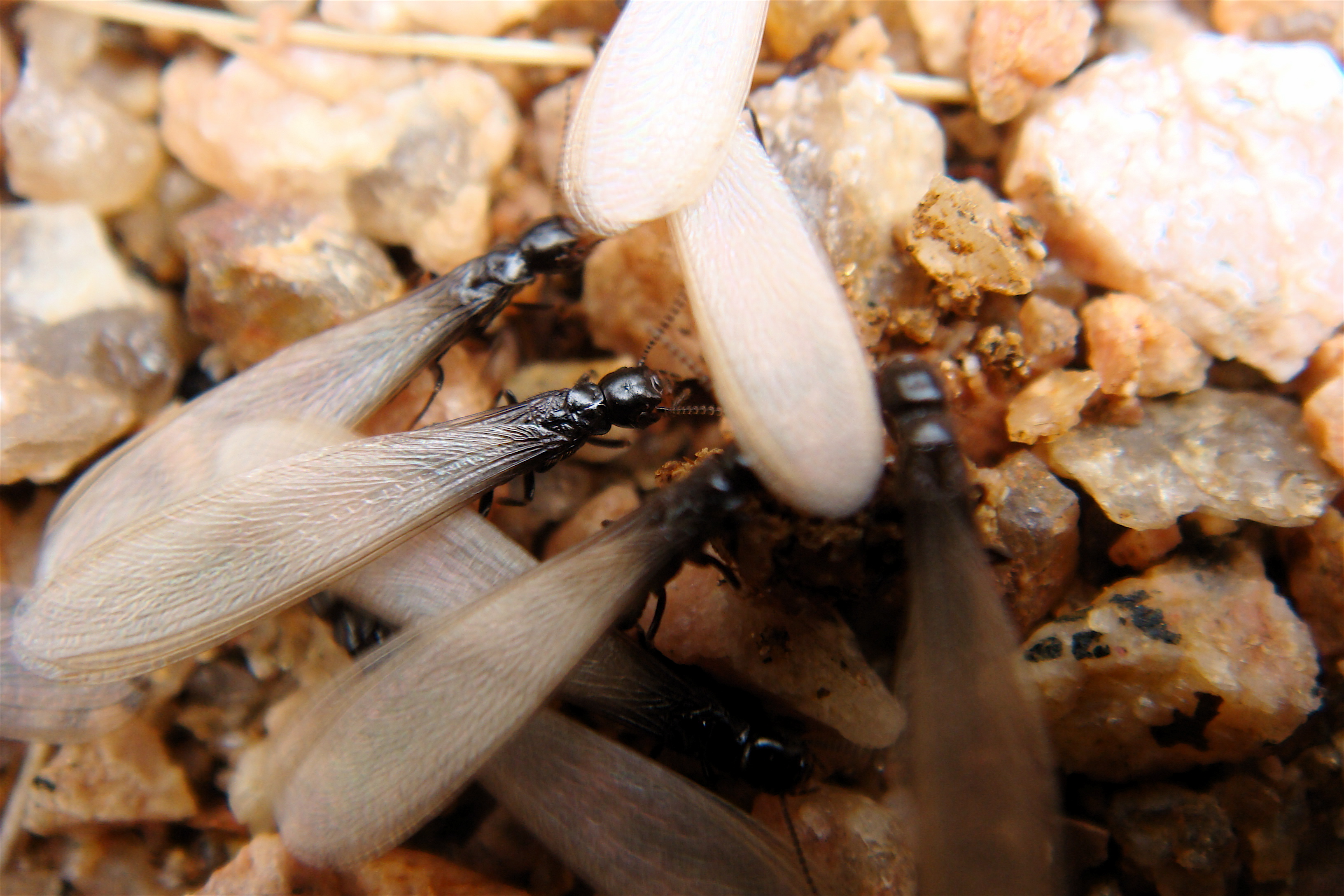 At certain times of the year, a termite colony will produce these future kings and queens to take part in a pre-nuptial flight in synchrony with other colonies of the same species. This happens for most of the matured colonies of the same species in a particular area usually after a rain after a long dry period; young colonies do not produce alates because of the resources required to nurture them to maturity and then release them.
 These flying termites are fed some of the best food the nest has to offer and well taken care of until the big day. As such, they are loaded with fat stores designed to last them for a few months, until the first batch of eggs hatch into workers who will then forage for food. These flying termite swarms do not threaten your home or are dangerous or aggressive in any way whatsoever, very few survive to start a new colony.
Moving on…
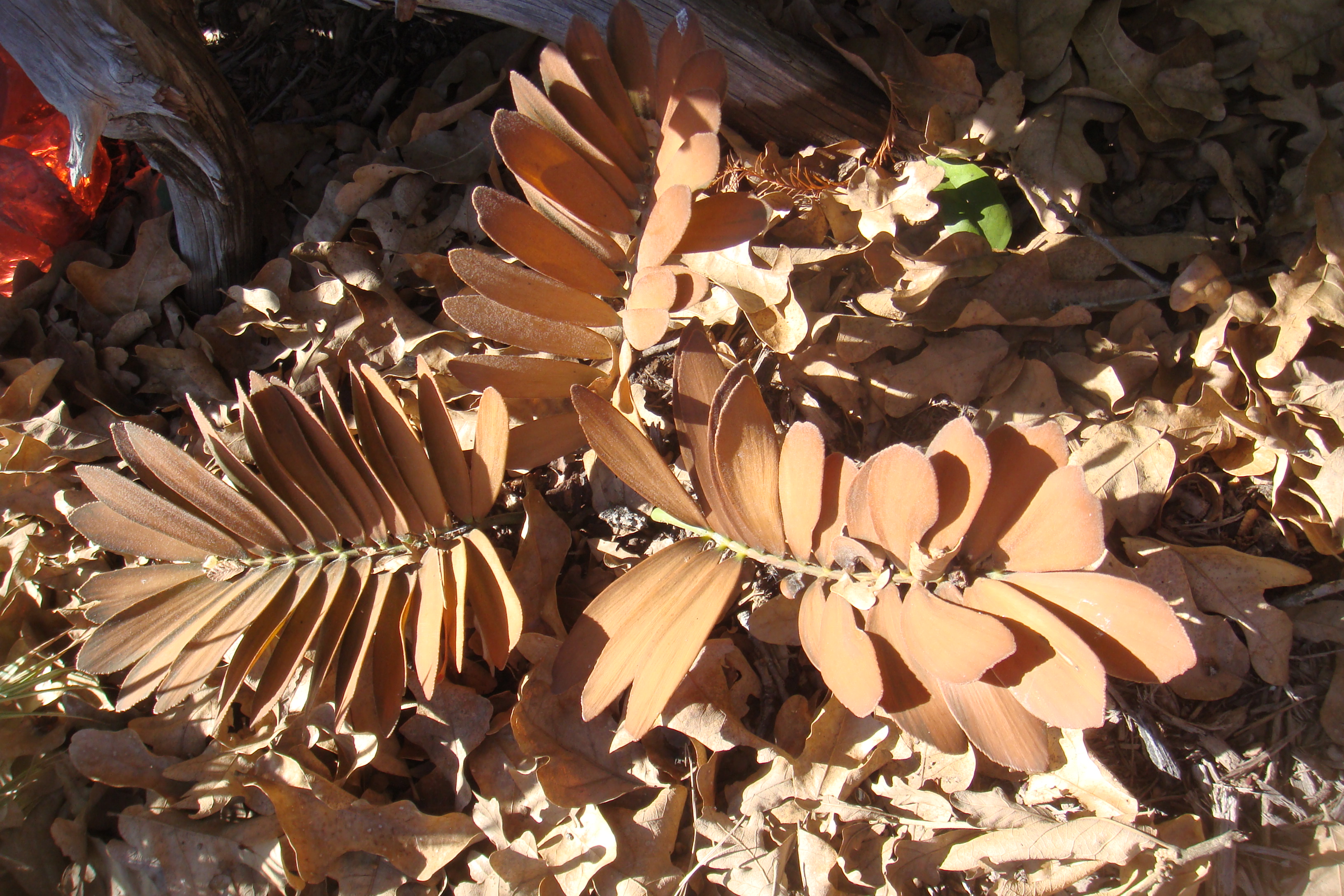
My cardboard palms
Zamia furfuracea
are now actually looking like a UPS delivery after the few freezes we have had. I should cut them back to the ground, but I like the furry cardboard look, at least for the time being. Cardboard palms belong to the Cycad family, it is native to the warm sandy coastal plains of Mexico and is a common landscape item in tropical and sub-tropical areas all over the world. Mine die to the ground every year but always return in the spring, this is one tough plant.
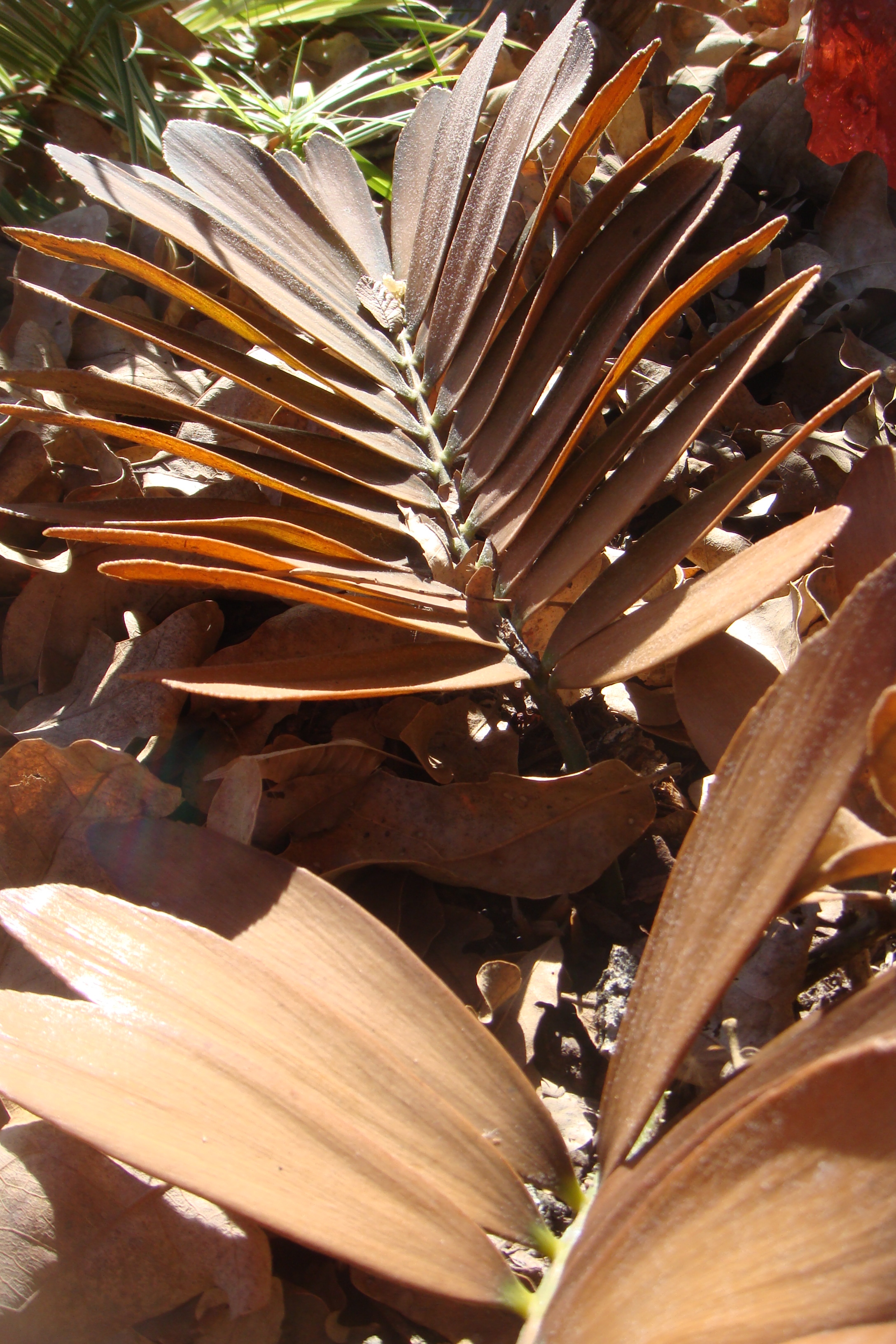
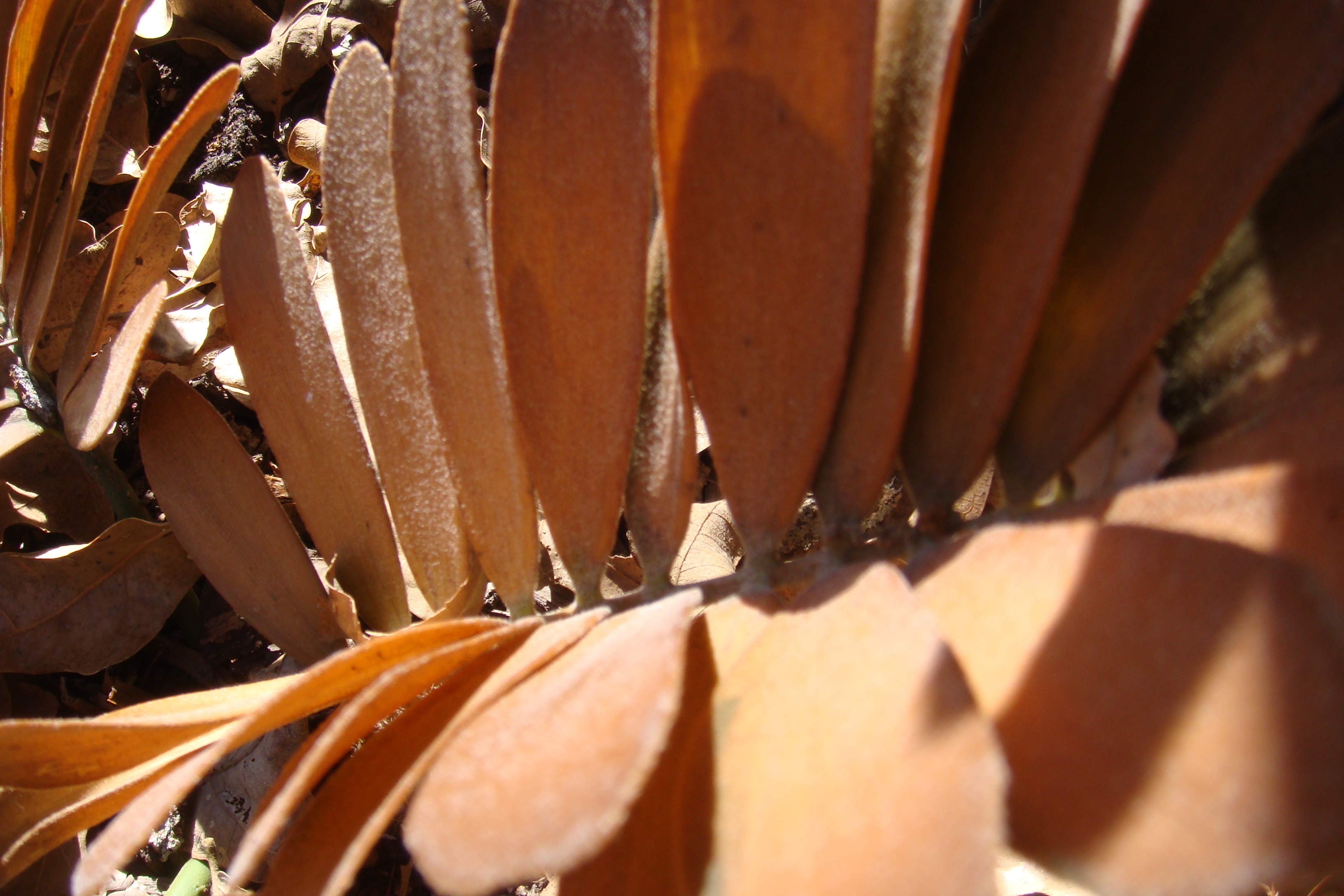
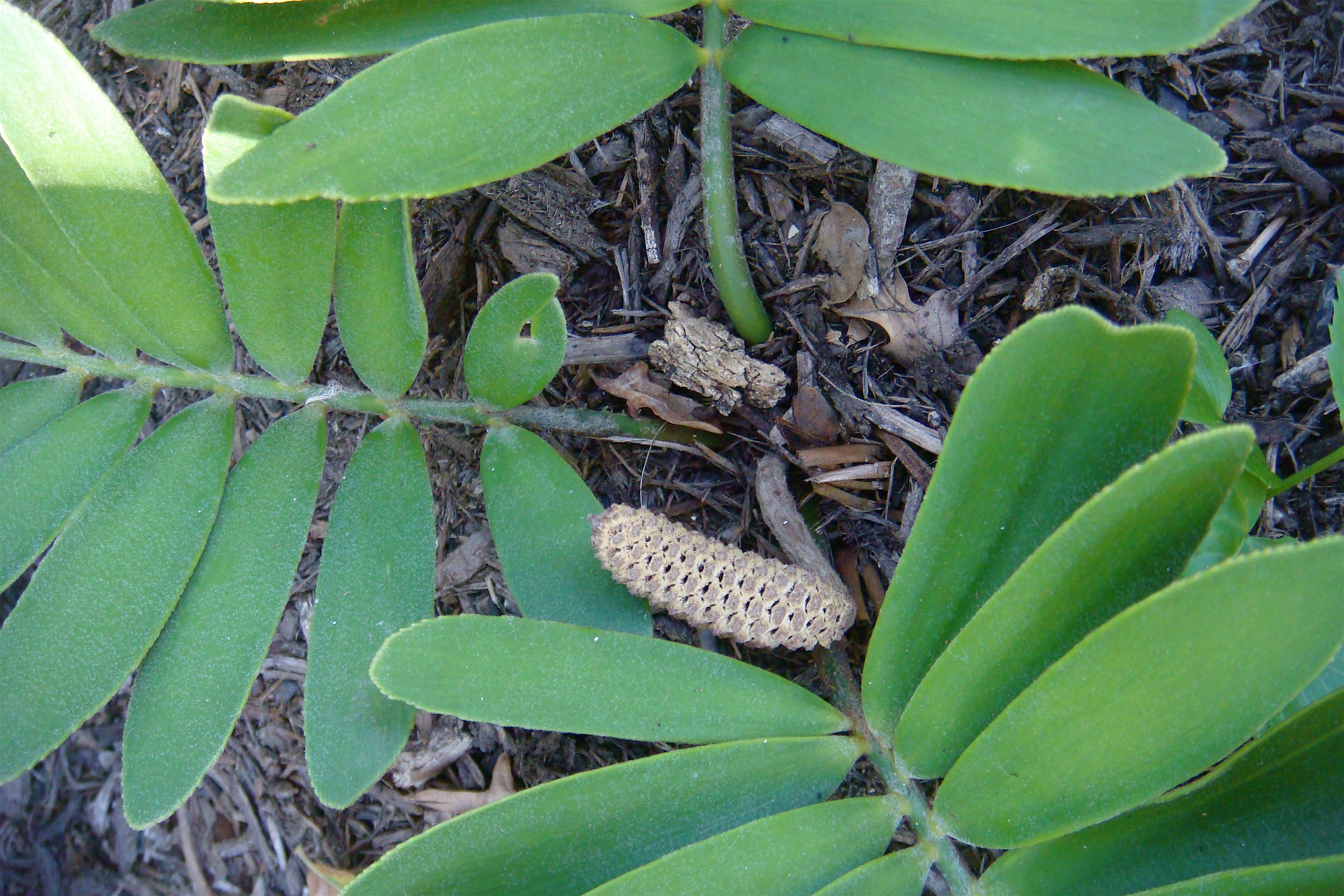
Watch out if you have pets, the cones / seeds that this plant develops are extremely sweet smelling and extremely toxic to dogs, in fact all parts of this plant are toxic, and is probably why they have survived and are called ‘living fossils’. Even though mine never get a chance to get huge like they do in more temperate zones, they still set small seed cones, here is a picture from last year:
Look how big this plant can get in Florida!

Staying with large specimen plants, I recently went to a wedding at the Fours Seasons Hotel in Austin and came face to face with this mature Fatsia Japonica…
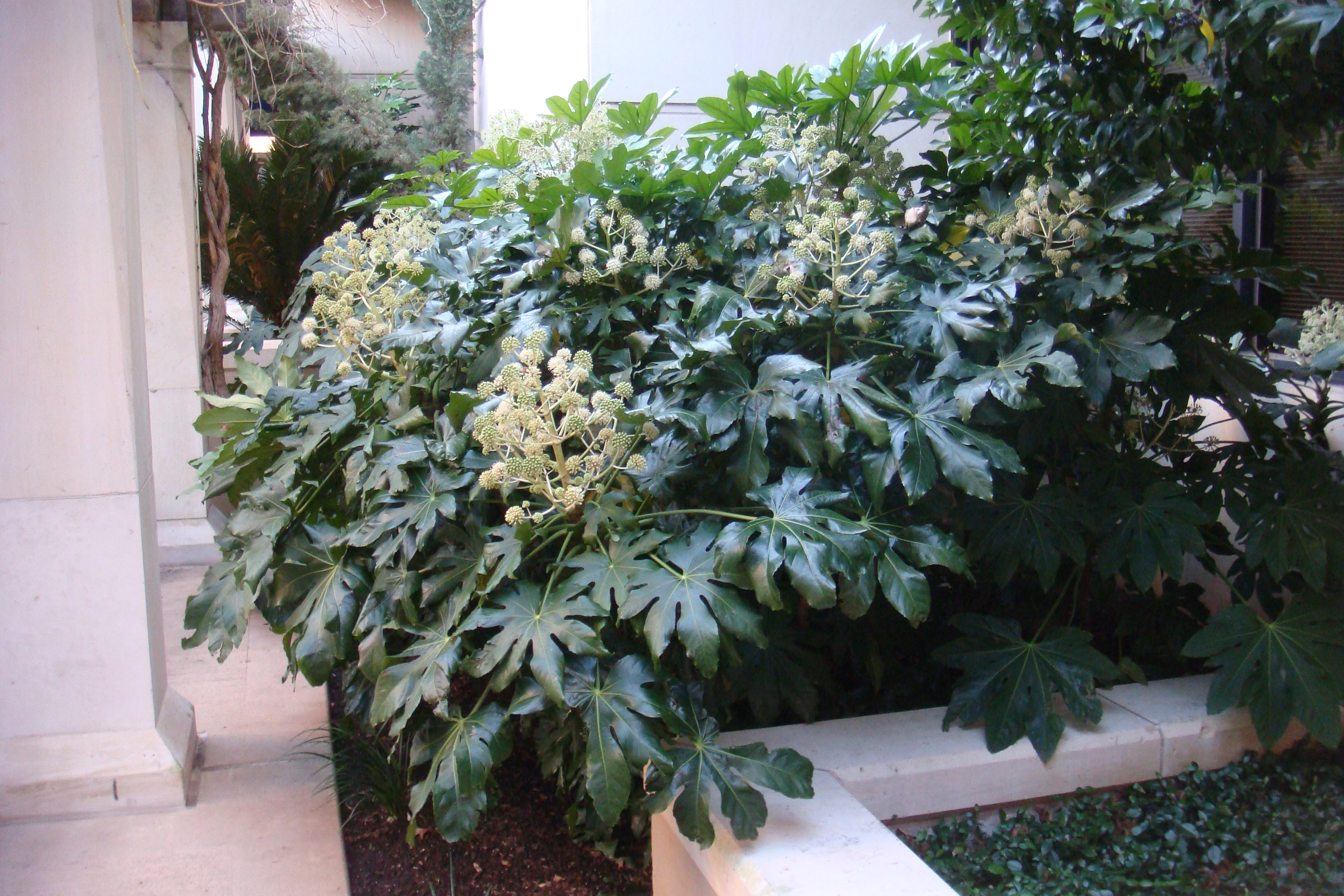
…and it was in full bloom, though surprisingly lacking in flies, I think it may have been too cold that day.
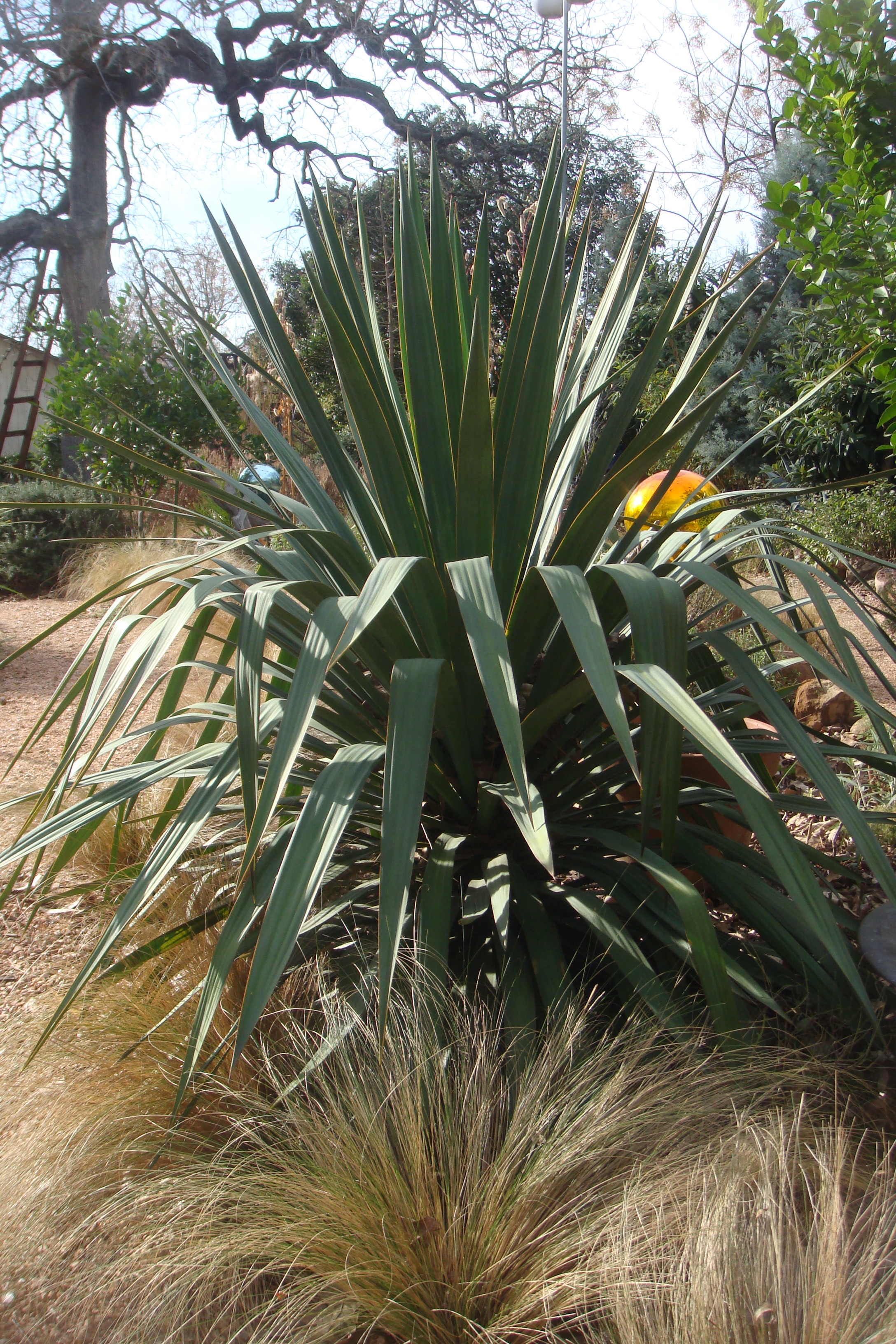
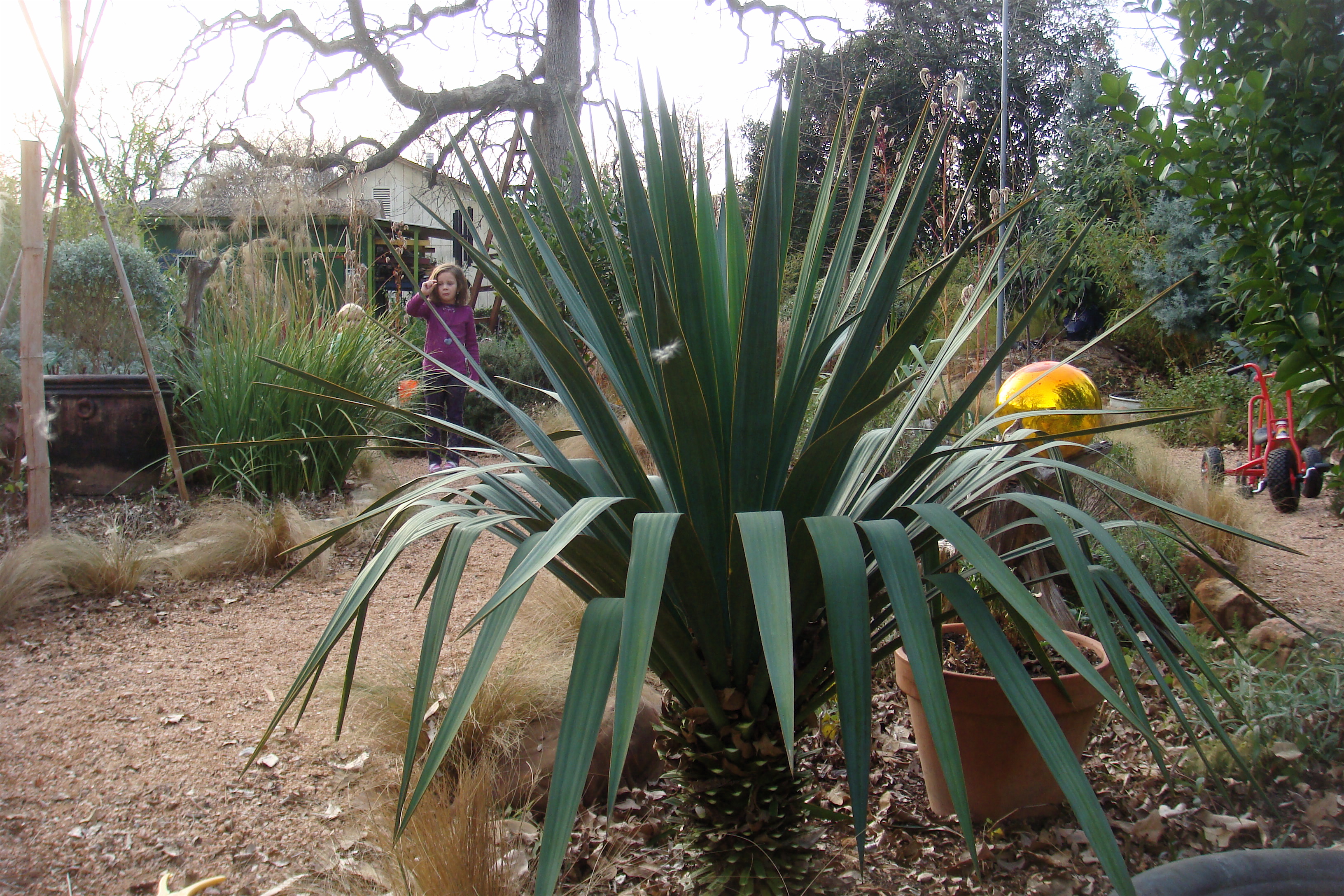 My soft leaf yucca has had a serious growth-spurt over the last year, her hair turning into ground-hugging dreadlocks.
Today was haircut day, I sharpened my utensils, and wearing long sleeves (naturally) set about trimming her spiny scalp…”soft leafed” indeed! Anybody who knows this plant is all too painfully aware that there is nothing “soft-leafed” about it at all. I have to say that I was taken aback when the Botox Lady started to scream out from the adjacent bed: “She vants a weave, ESP! She vants a weave…hey, vat are you doing with those pruners?”

“Just go for it ESP.”
The snow did fall this week in the Patch, well sort of:
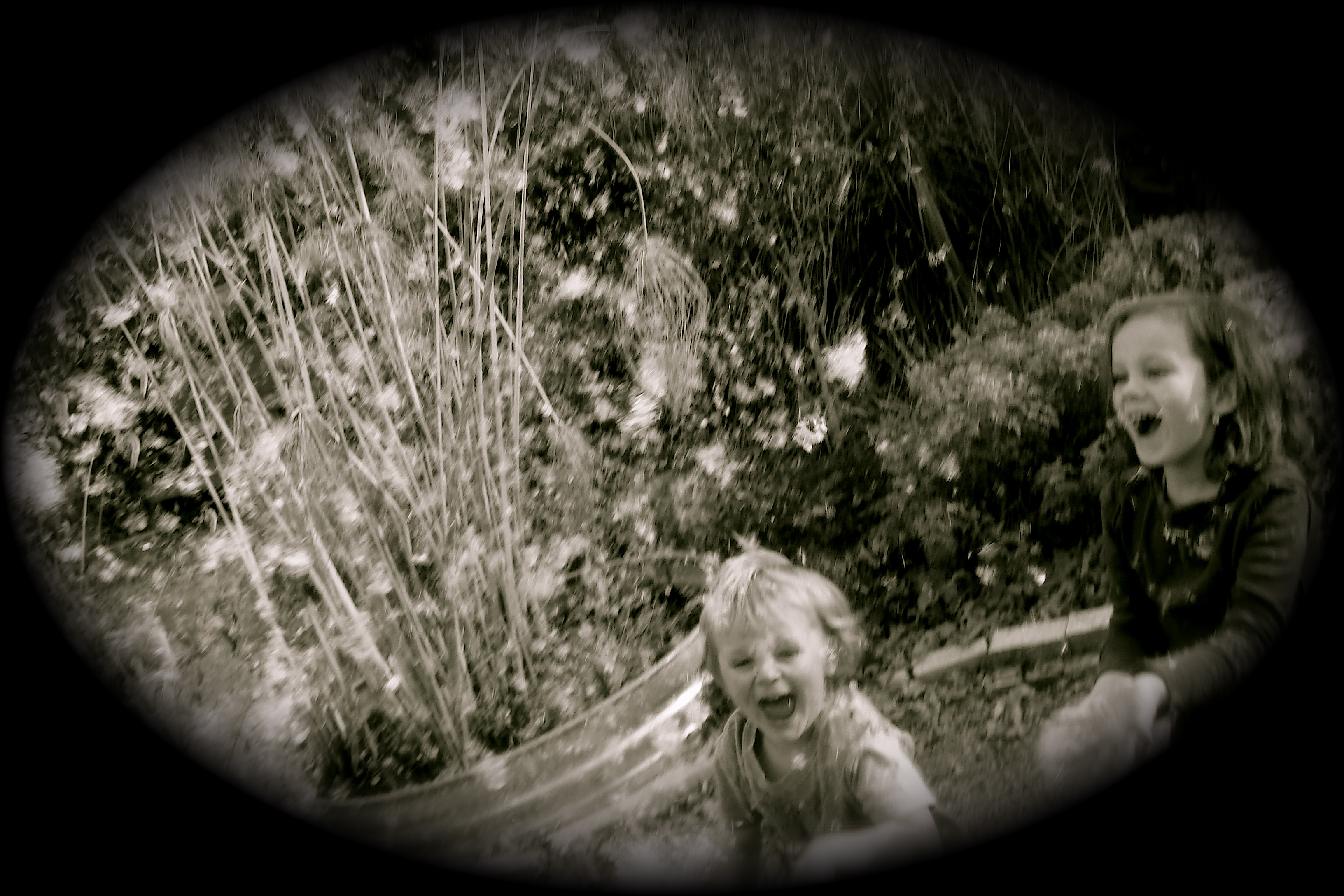
As you can probably deduce from this picture, the cattails have finally split this week in the Patch,
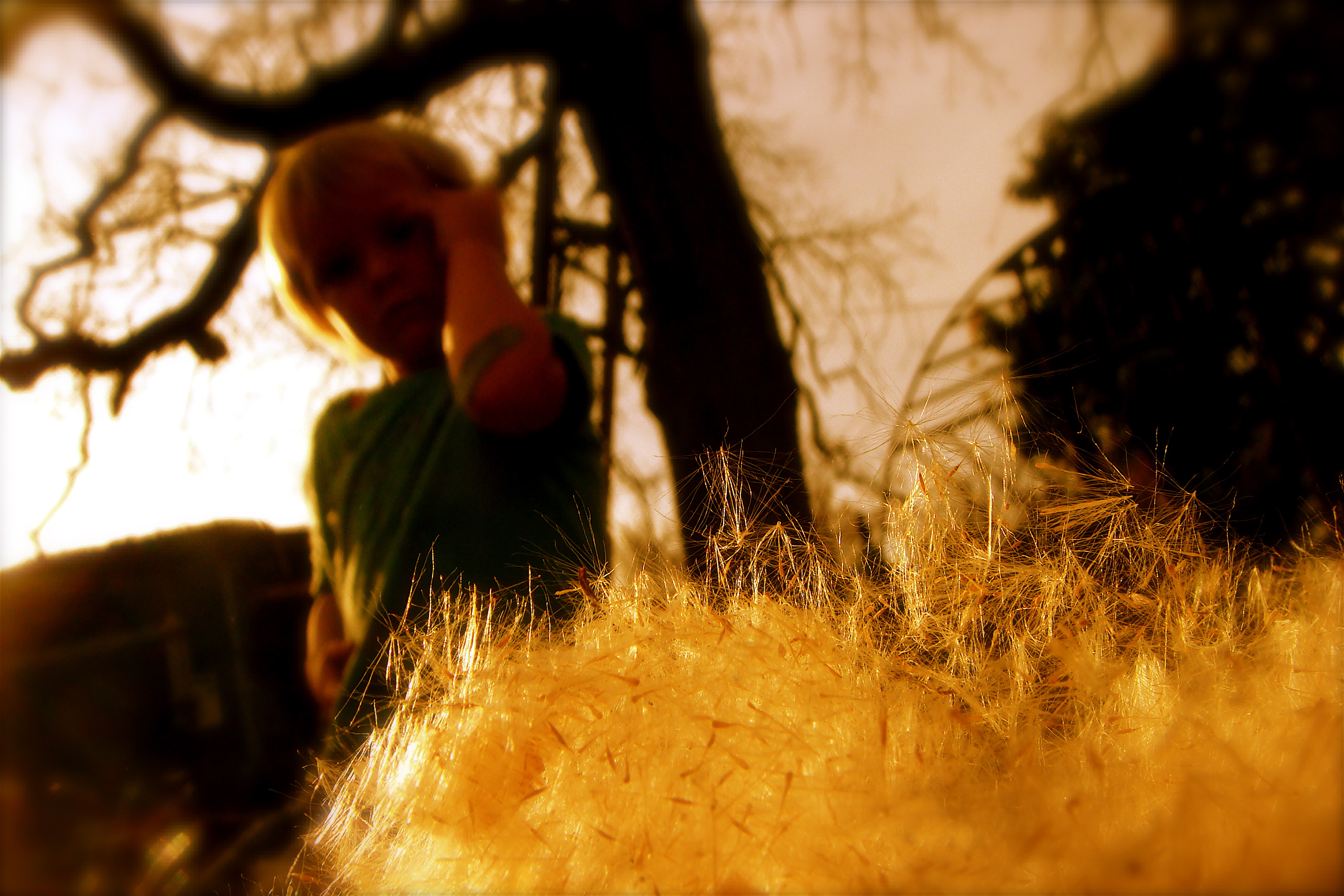
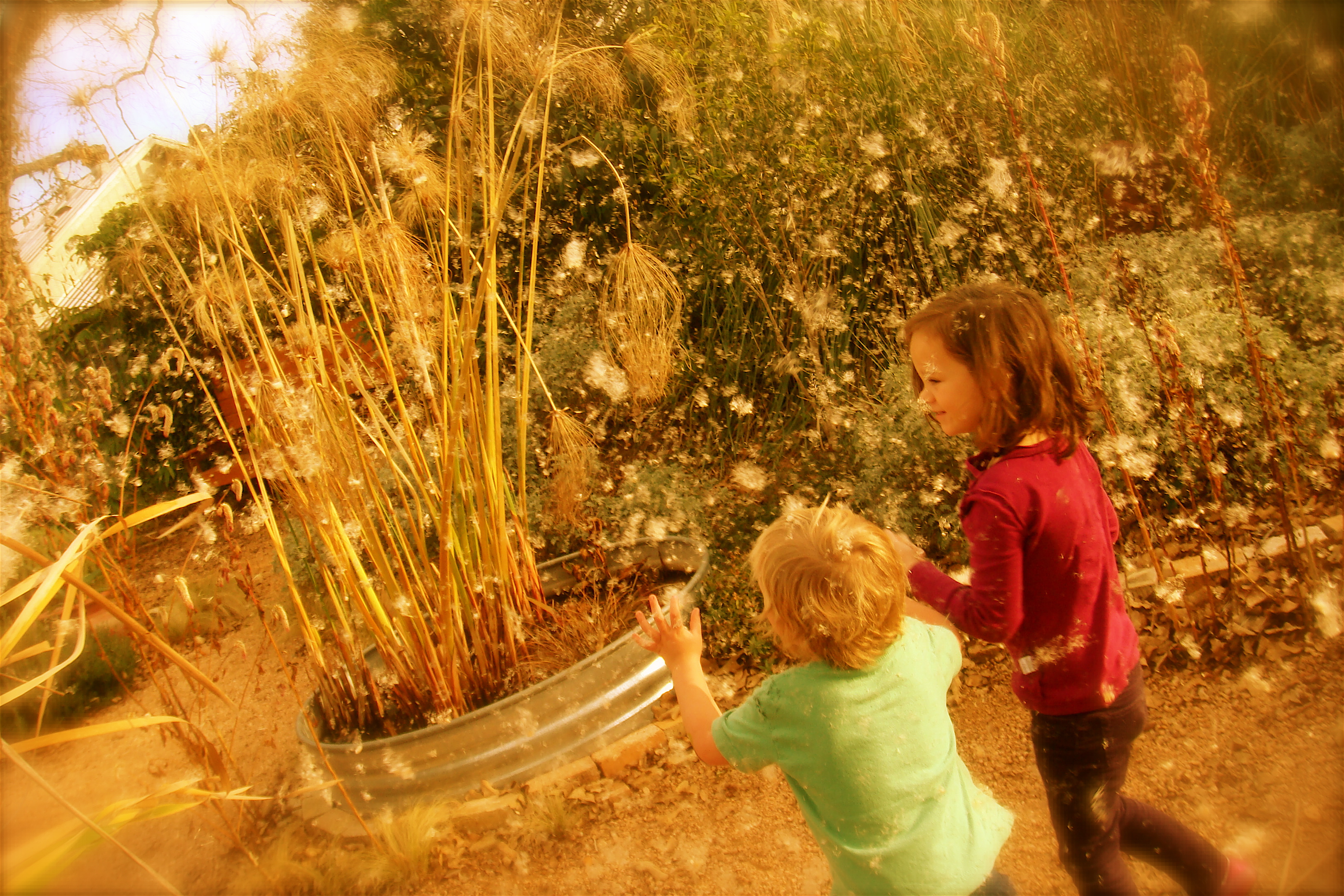
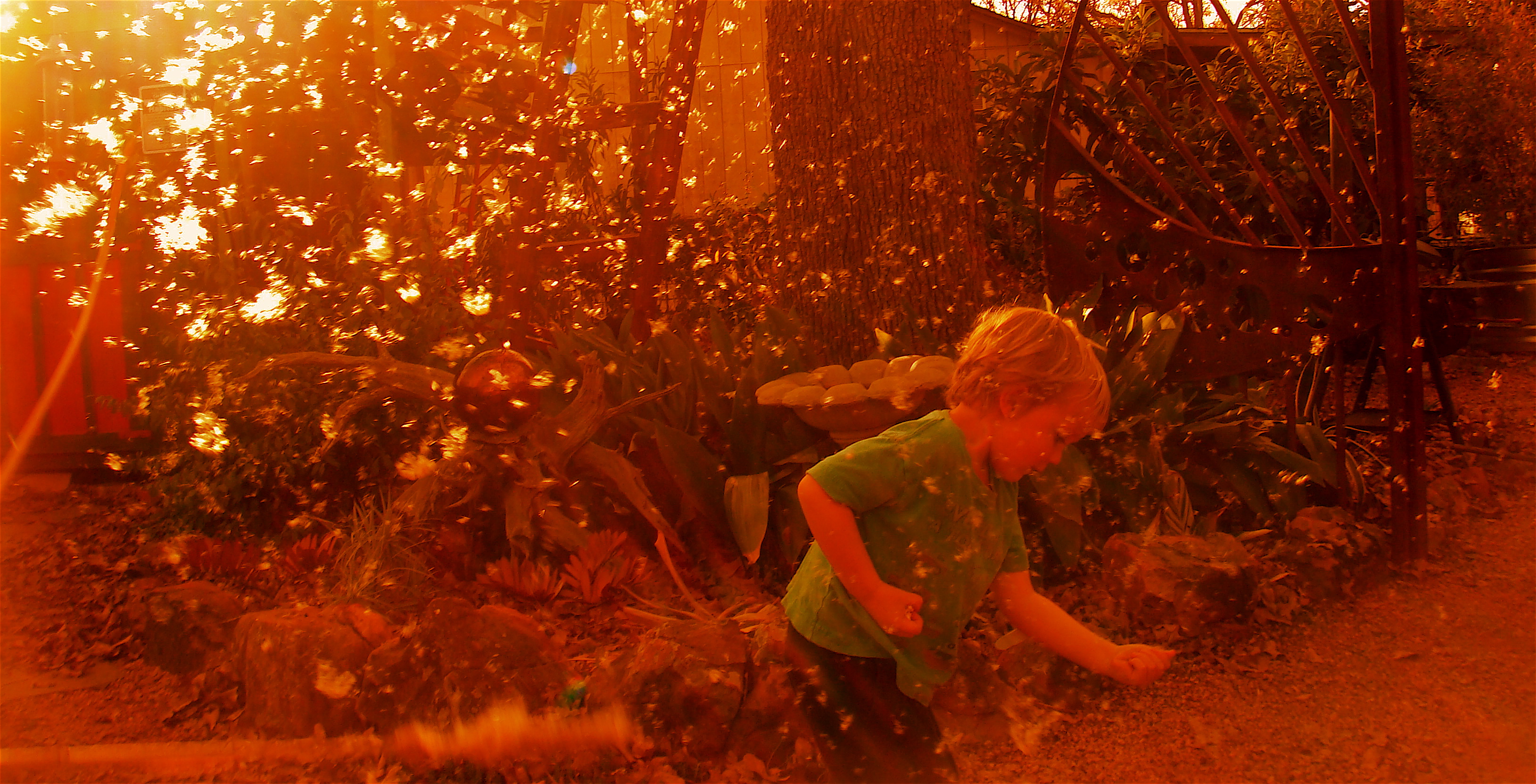
and to the delighted squeals of my halflings, they produced plenty of seed snow, which is as close as we usually get to the real McCoy here in central Texas.

“You know? I am actually okay with that ESP.”
Finally:
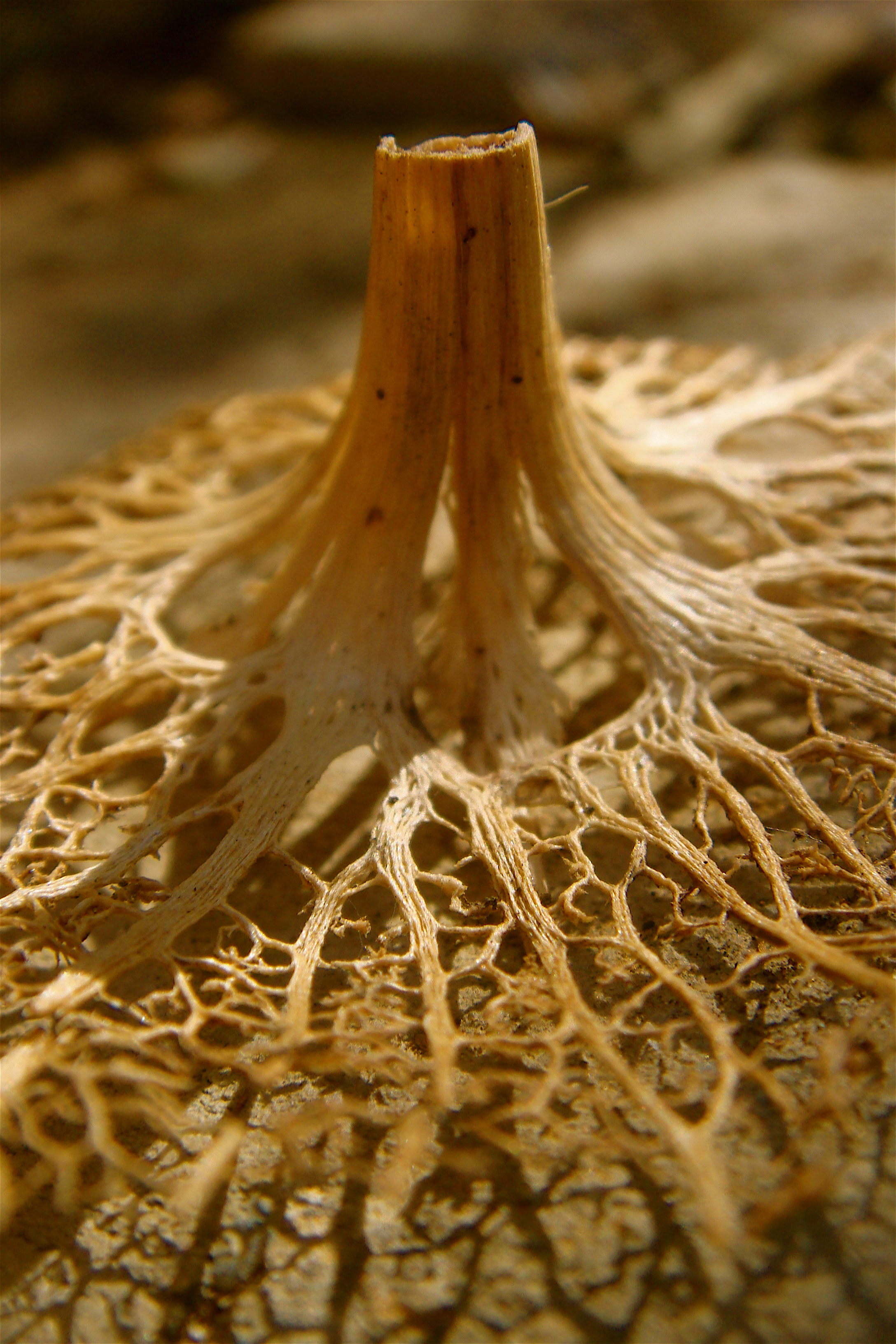
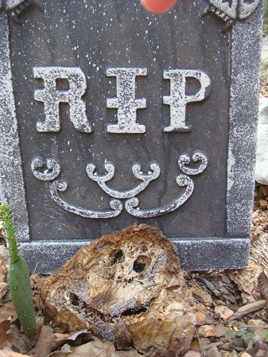
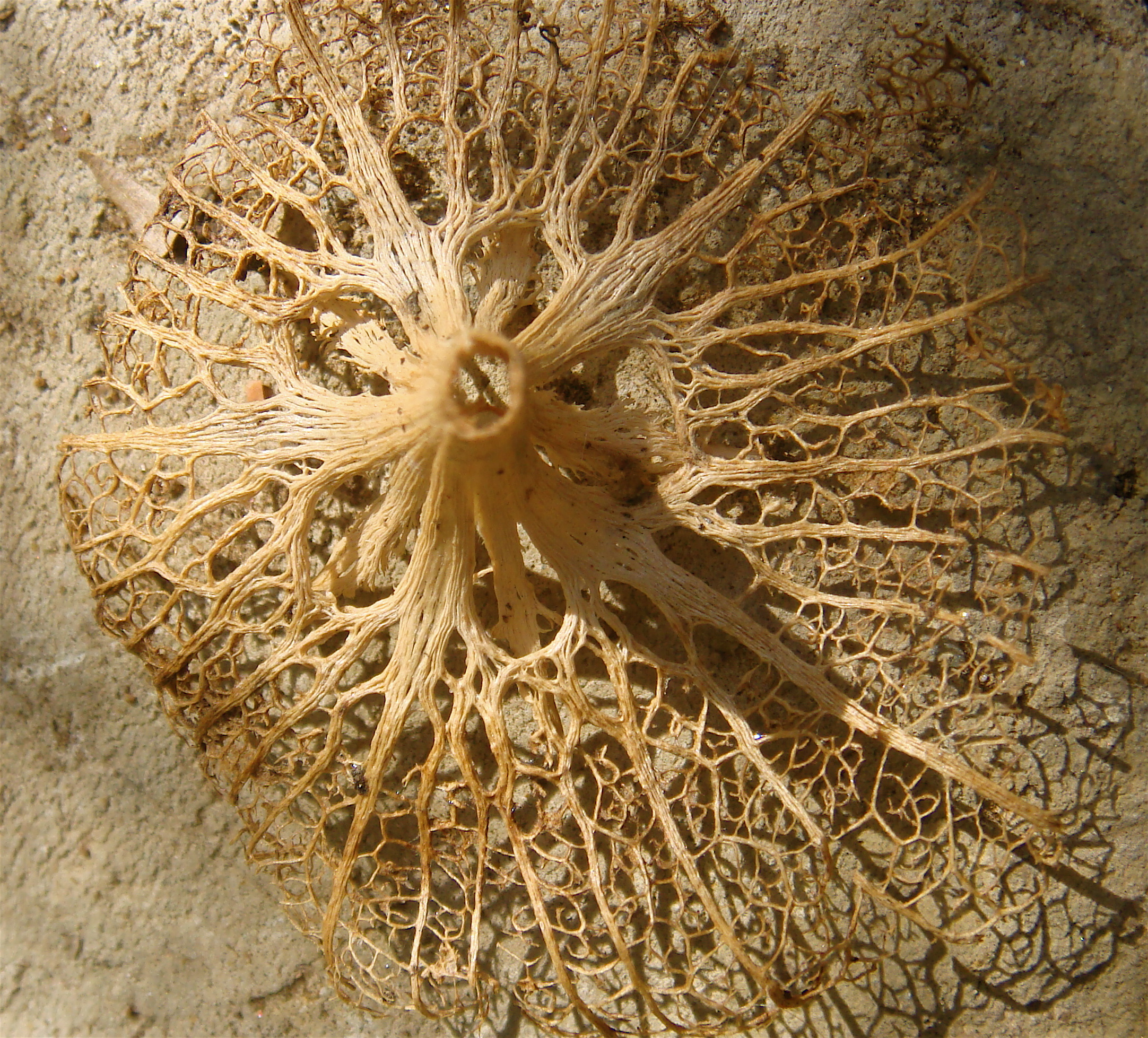
 I also had a “close encounter” (ahem) with this interesting old tomatillo husk as I was cleaning up the leaves, and I have to come to the conclusion that picking up leaves is not so bad! I have witnessed all manner of creatures after all, assassin bugs, inch worms, flying termites, creatures I would probably not have seen unless I had had my nose buried in the leaves, I even witnessed some bizarre husk architec…oh, who am I kidding?…
…of course –
I STILL HATE IT!
Stay Tuned for:
“Anchor’s aweigh”
All material © 2011 for eastsidepatch. Unauthorized
intergalactic reproduction strictly prohibited, and punishable by late (and extremely unpleasant) 14th century planet Earth techniques.