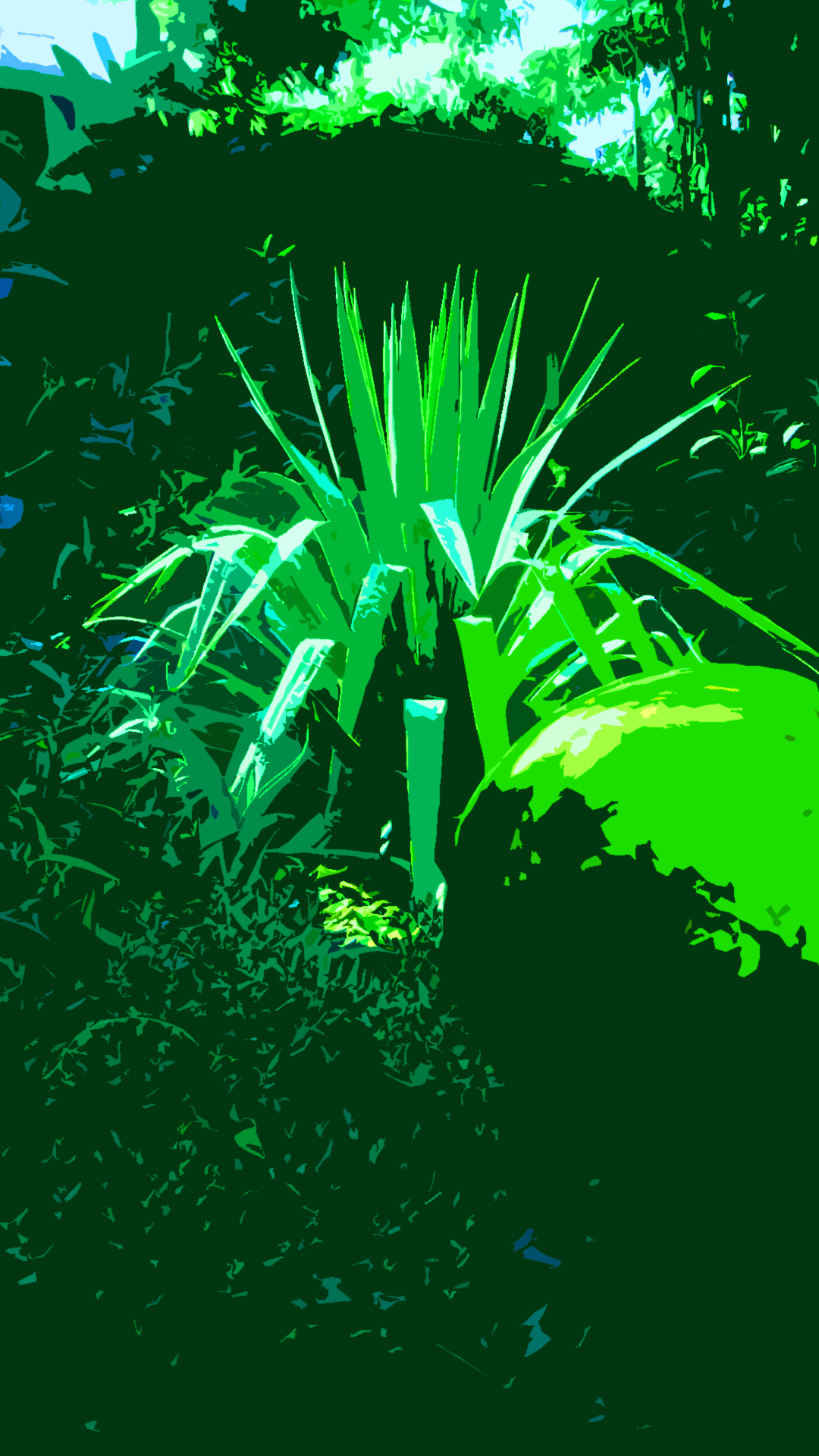
 Oh yucca indeed.
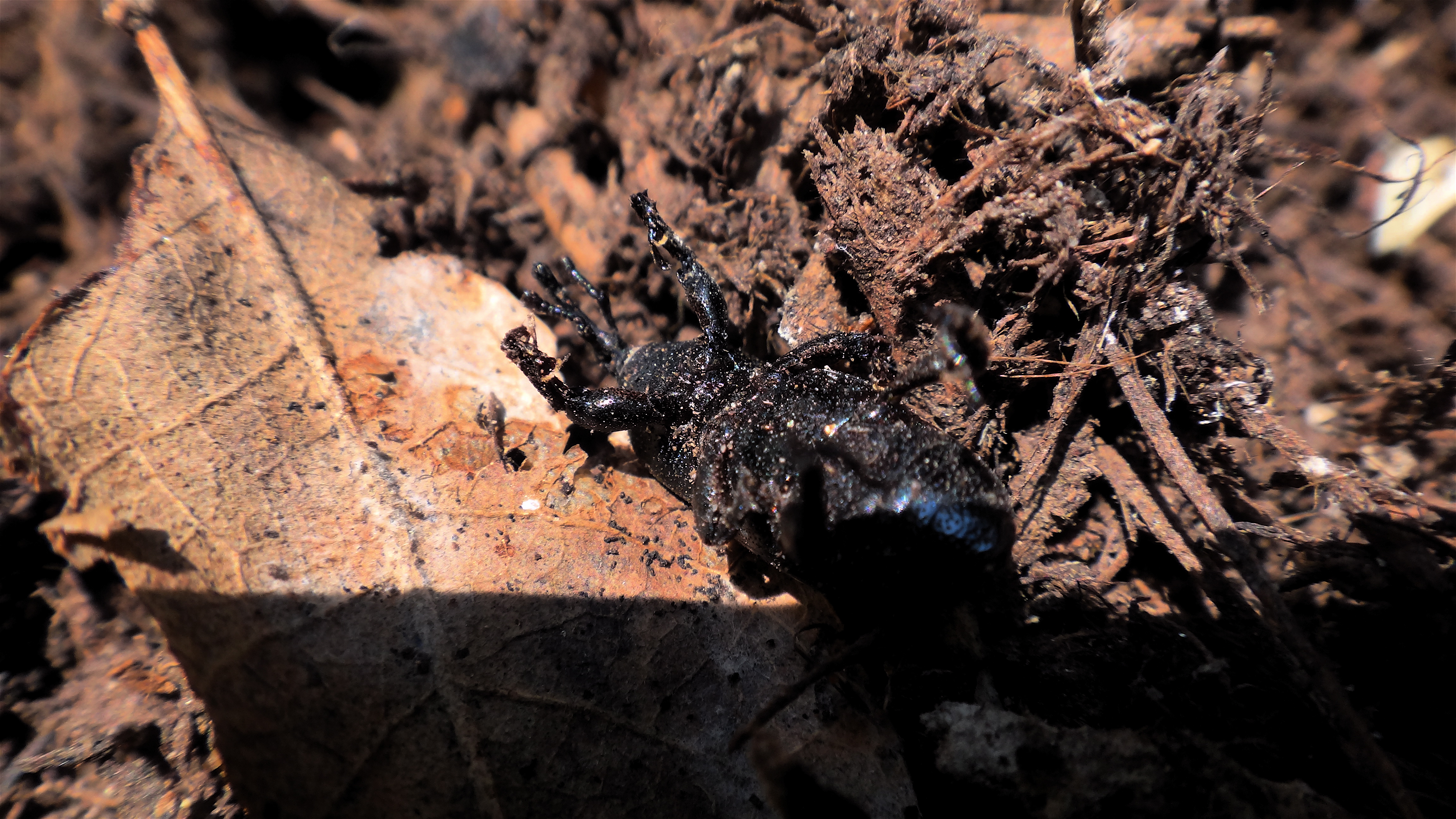 I have been watching one of my soft leaf yuccas turn paler and paler recently. At first I thought it was due to the drought (though I thought this very much out of character with this tough plant). I gave it a little more of the wet stuff but it continued to decline. I decided to dig it out and as I suspected (but was in complete denial about), found the Nazgul had struck once again in the Patch. In fact, not just one of them had been deep mining this time, but three of the retched dark creatures.
 “Blinded by their greed, they took them without question, one by one falling into shadow. They will never stop hunting your specimen plants.”
This takes the snout nose weevil’s death count up to three mature Agave americana and this yucca so far this year and has forced me to go into a diatomaceous earth regimen around all my remaining yuccas in an attempt to keep these pests away…time will tell. If this fails I will move onto much stronger methods of control.
I am concerned presently not only with the evil weevil but also this:
 Just how much contact does she have with the Naboo when I am away, or not looking? She has begun creating these tribal tortilla “masks” in a matter of seconds of sitting down in a restaurant, and I must say, she is getting rather adept at constructing them. Although she is enrolled in a dual language program, I am pretty sure that the rapid mouth clicks she now practices over dinner are not part of the regular AISD curriculum.
http://www.youtube.com/watch?v=c246fZ-7z1w&feature=player_embedded
 And even stranger is that Kumo seems to understand and interpret these clicks and clacks as commands. Here he is directing an impending aeronautic turn (his second job).
Talking of masks…

The wolf-like head markings on this young Black and Yellow Argiope
Argiope aurantia
spider, gives potential predators the illusion of a much larger creature.
Here is a close-up of the adult:
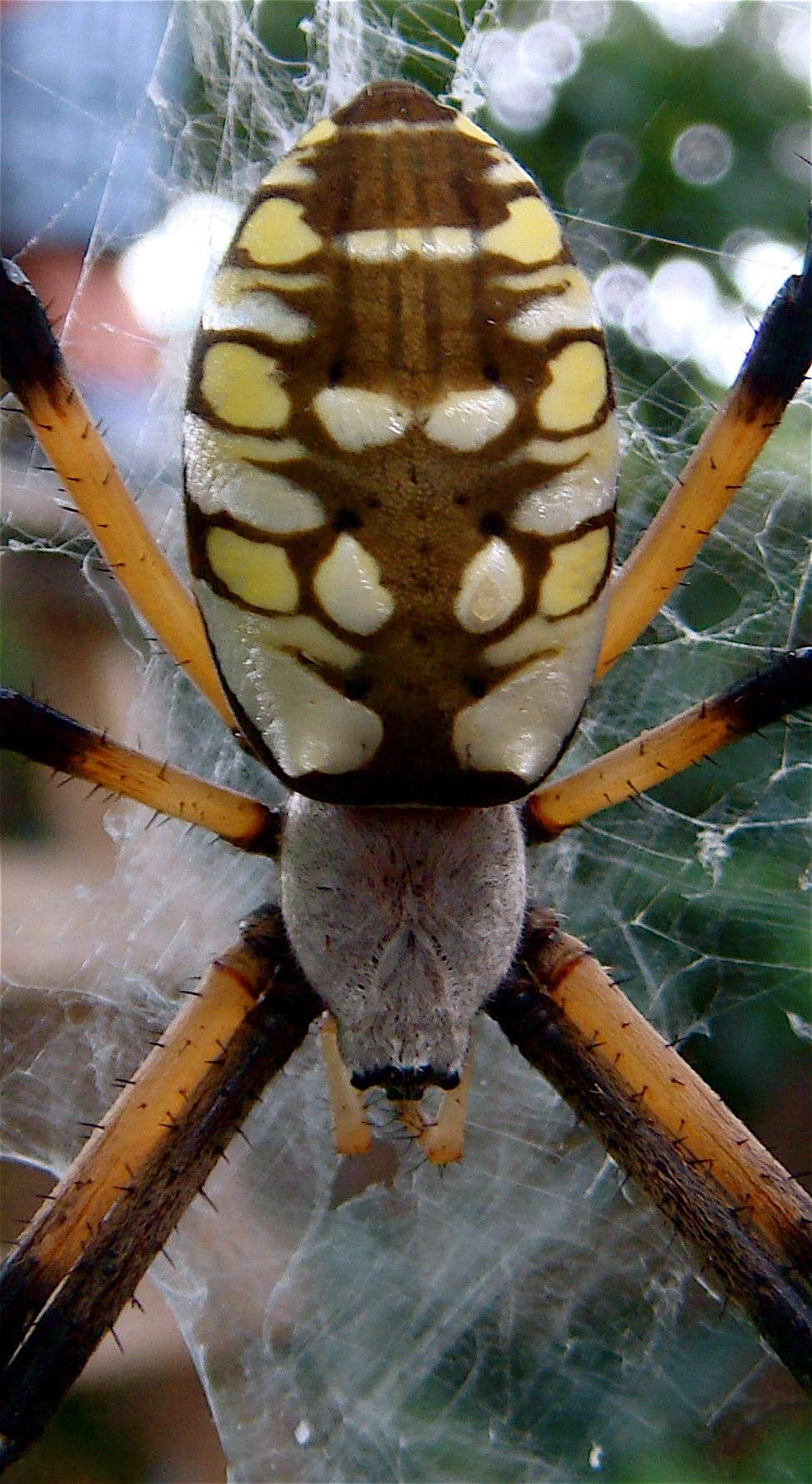 I am always happy to see these beneficial spiders around as they seem to be less and less prevalent around the Patch.
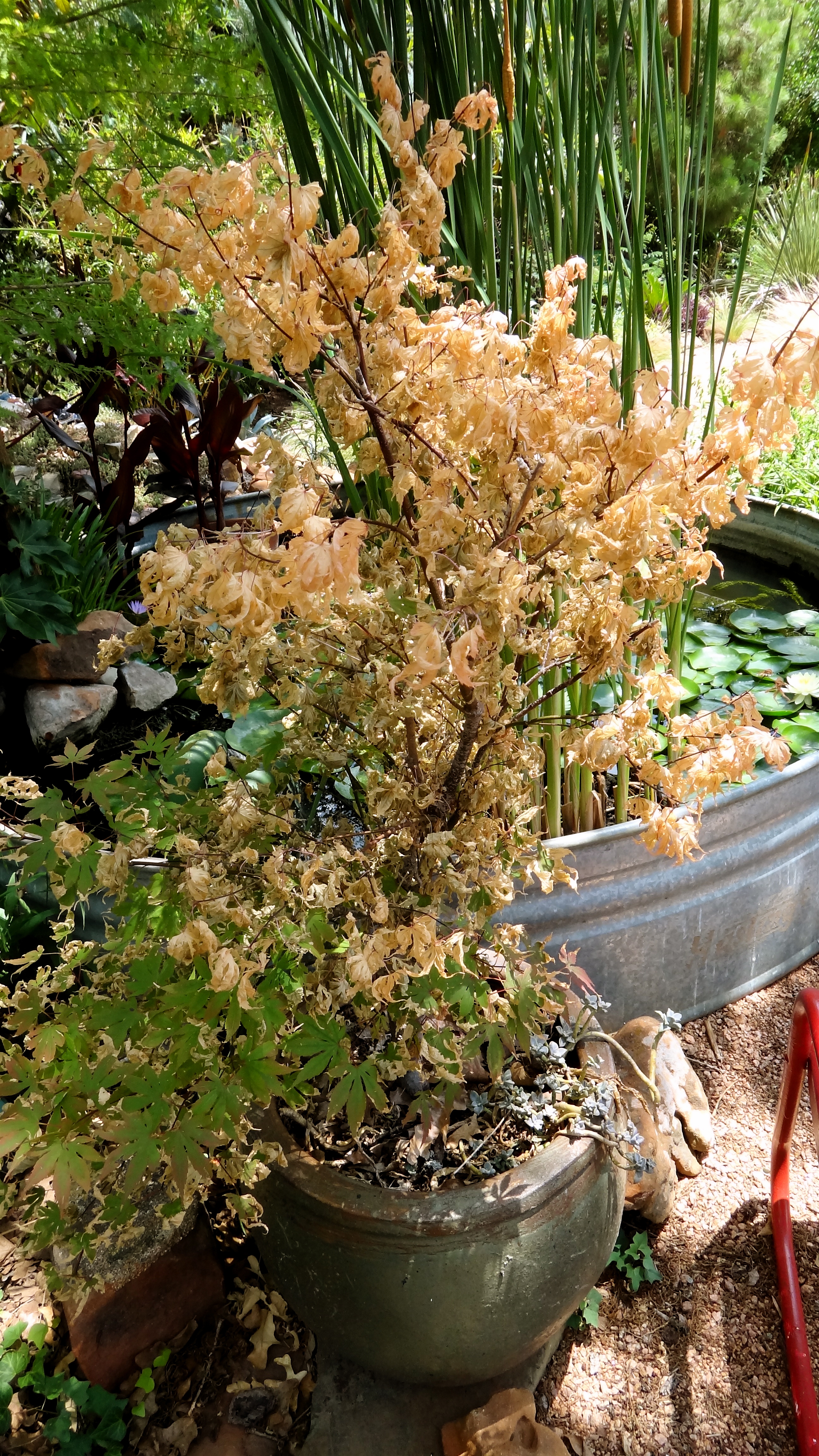
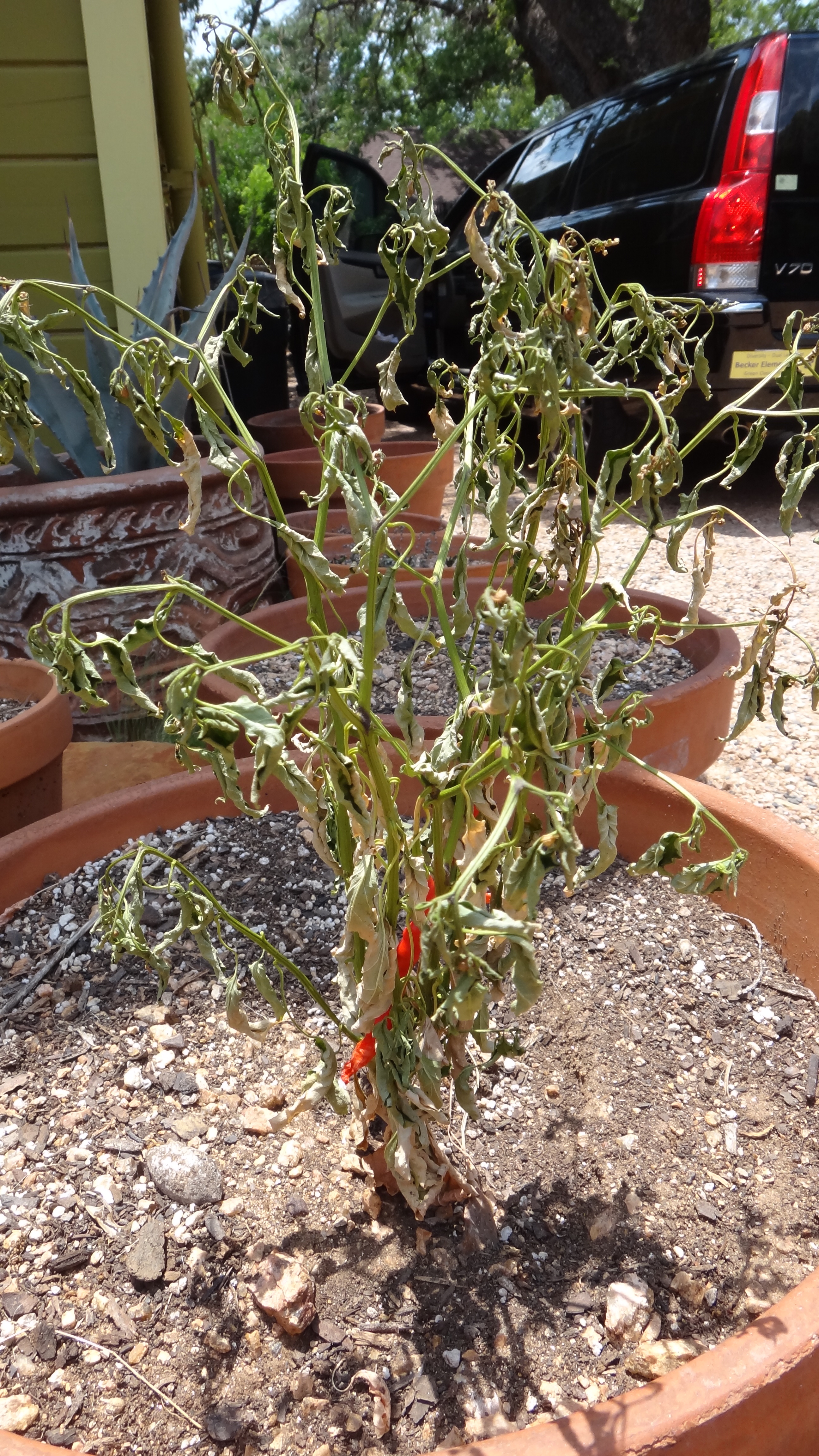 The furnace-like Texas winds continue to take their toll in the Patch, frying my Japanese maple and this pepper to a crackling crisp even before summer officially begins on Tuesday.
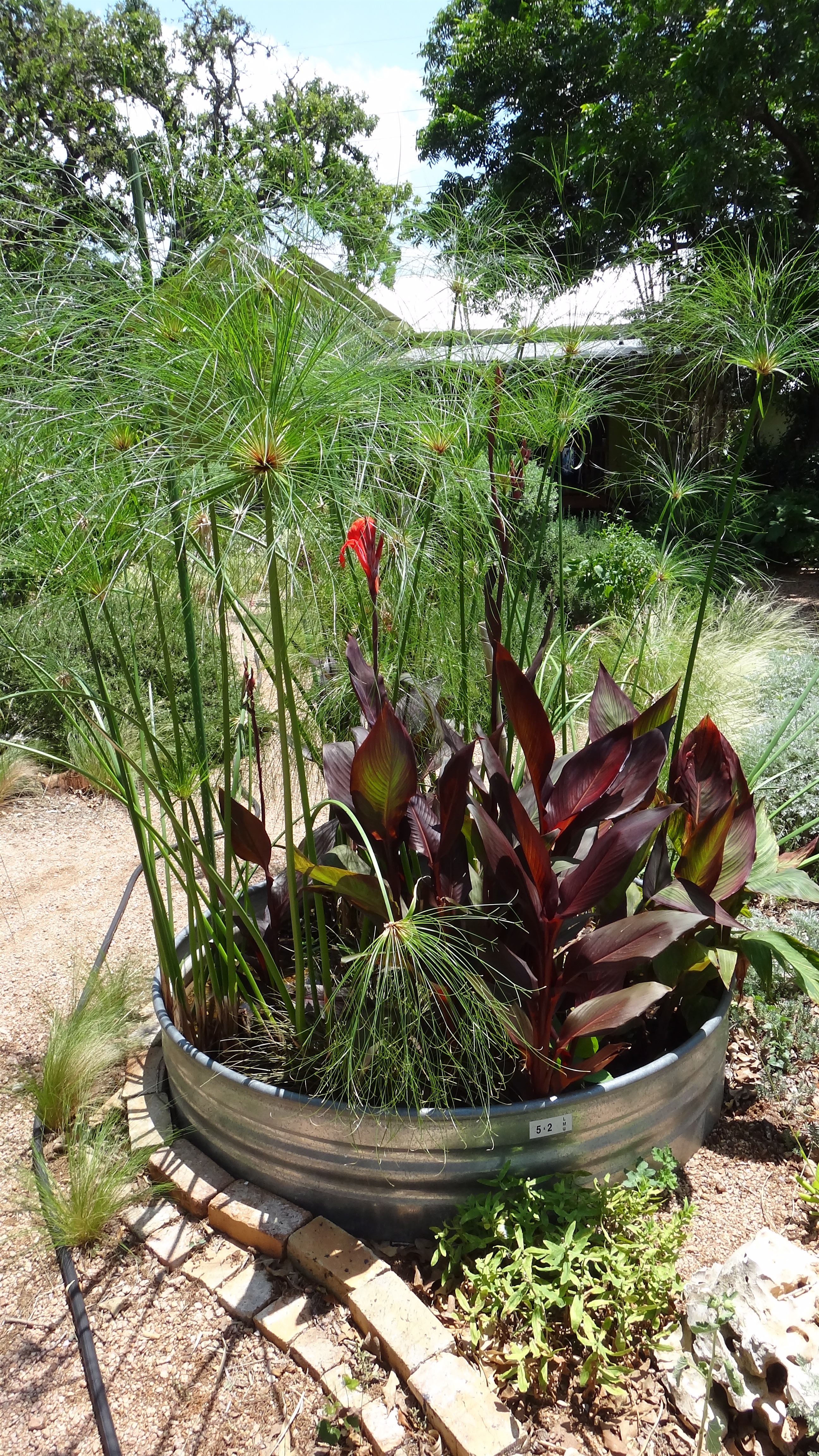
In stark contrast, this stock tank filled with King Tut Papyrus and various canna lilies relish the heat. A great combination so long as the planter is kept moist. I fill this tank up so that there is an inch of water above the soil level, this keeps it very happy for a couple of weeks, until the next top-up.
Moving on to a suburban front garden make-over:
This one felt a little like:

With the brunt of the work being implemented in a couple of days, followed by a lot of:
and…

Ahhing. “Its that tendon again isn’t it George? I told you not to over-do things.”
Here is where it started…St Augustine grass in decline due to insufficient light from a spectacular front garden tree.
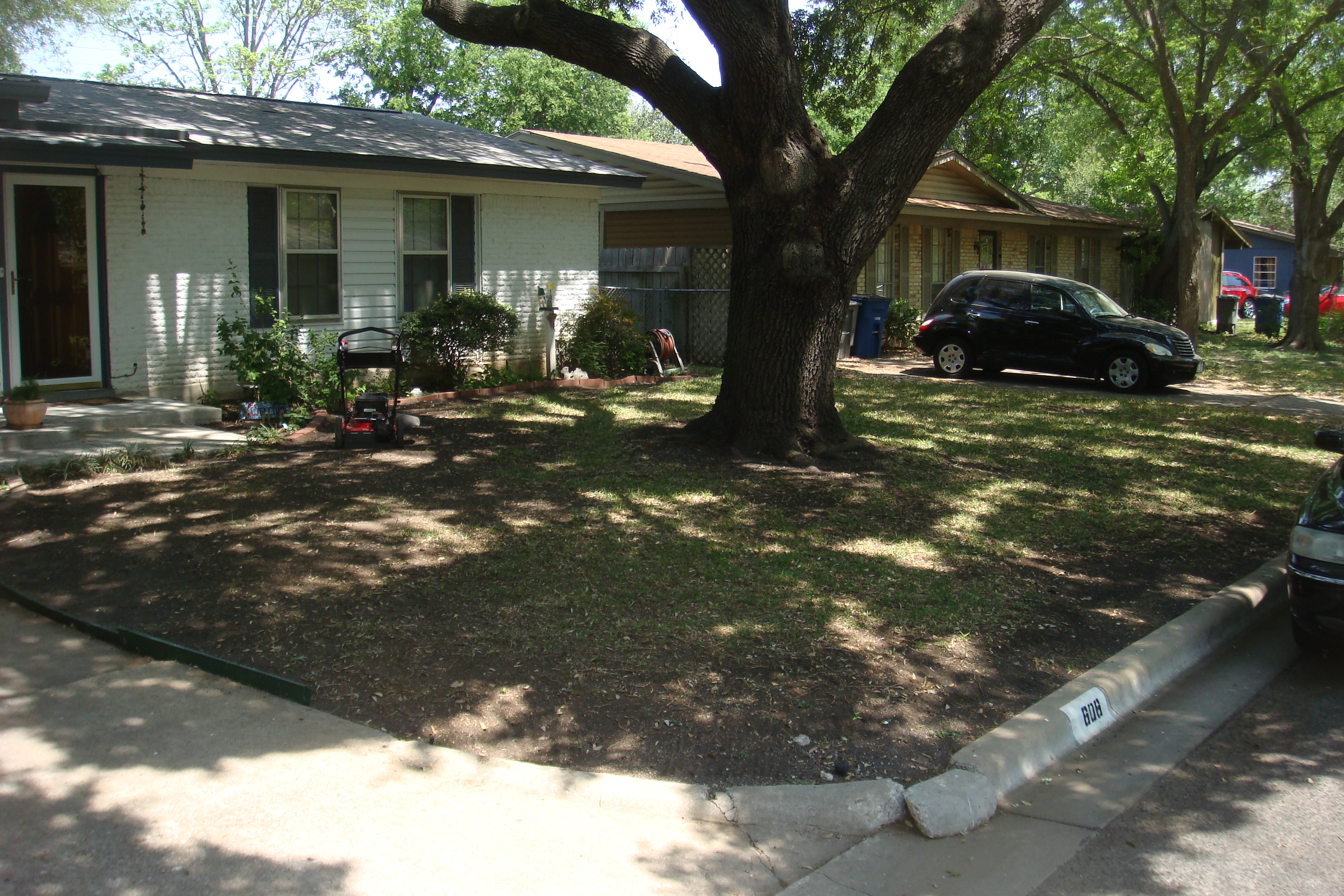
The planting and foundation bed was just too small to add any real presence to this area, everything needed a little help and punctuating definition. The first thing to go was that plastic edging, naturally.

Here is the initial design visualization that I presented to the client. The back-bone of the plan was very well received but the plant selection I proposed needed some tweaking with some client preferred plant selections. Also instead of referencing the dark gray of the trim and roof, it was decided that the grey flagstone should be replaced with a paler color to reference the house color. Moss boulders were substituted for limestone in the final scheme.
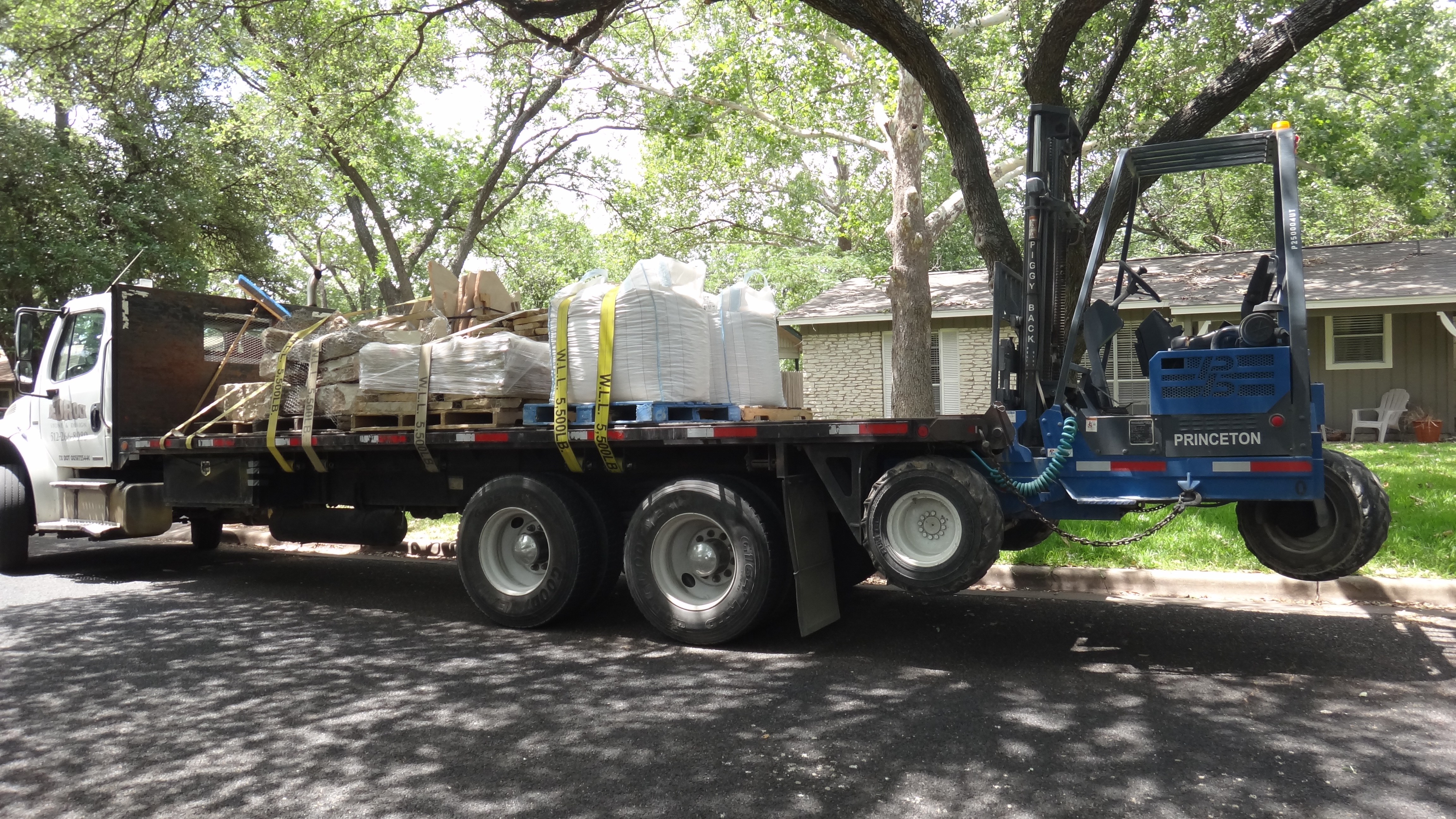
Raw materials arrived, in parallel to the
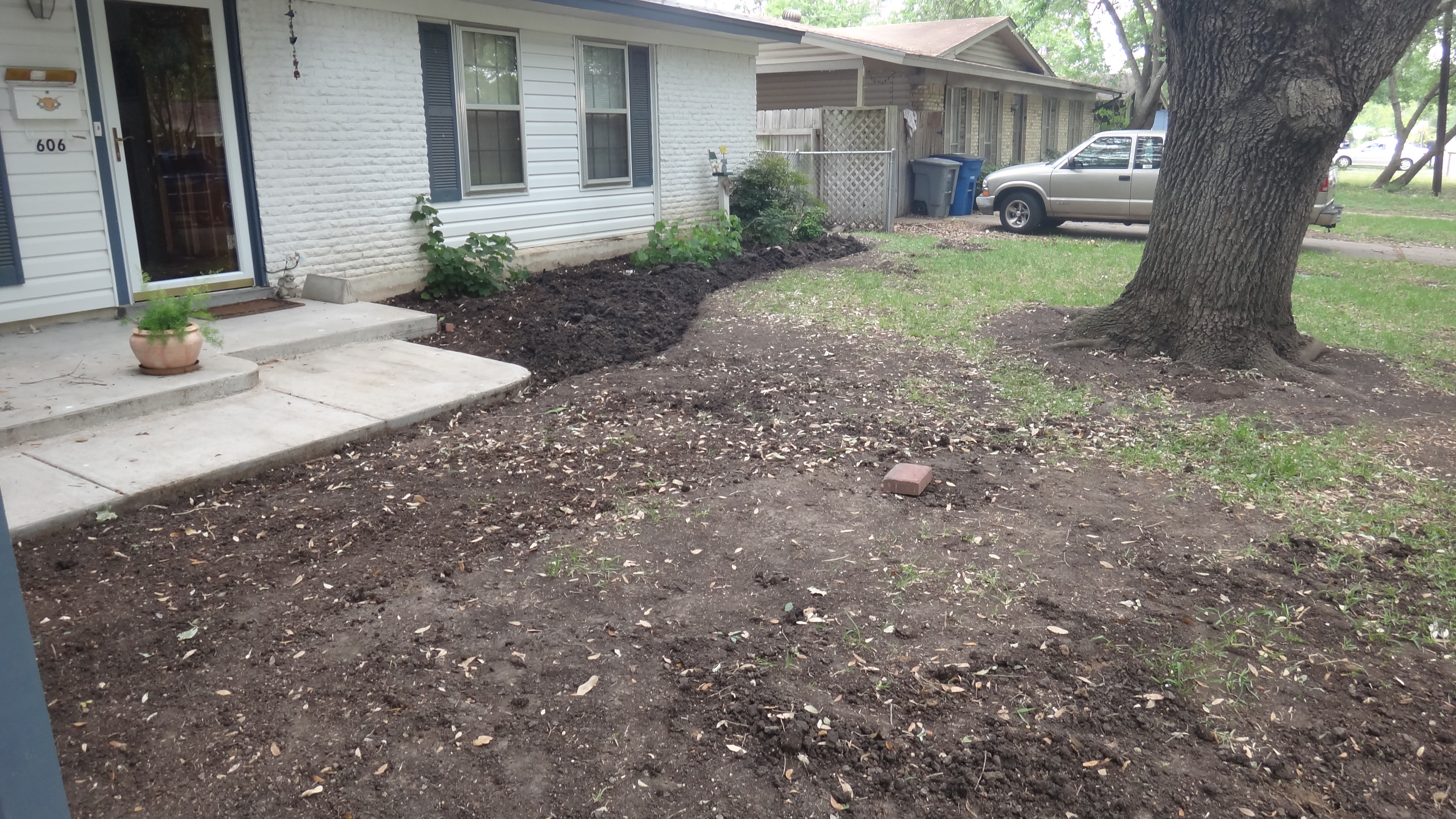
the foundation bed-enlargement, prep work, soil amendment and total grass eradication activities.
The final result:
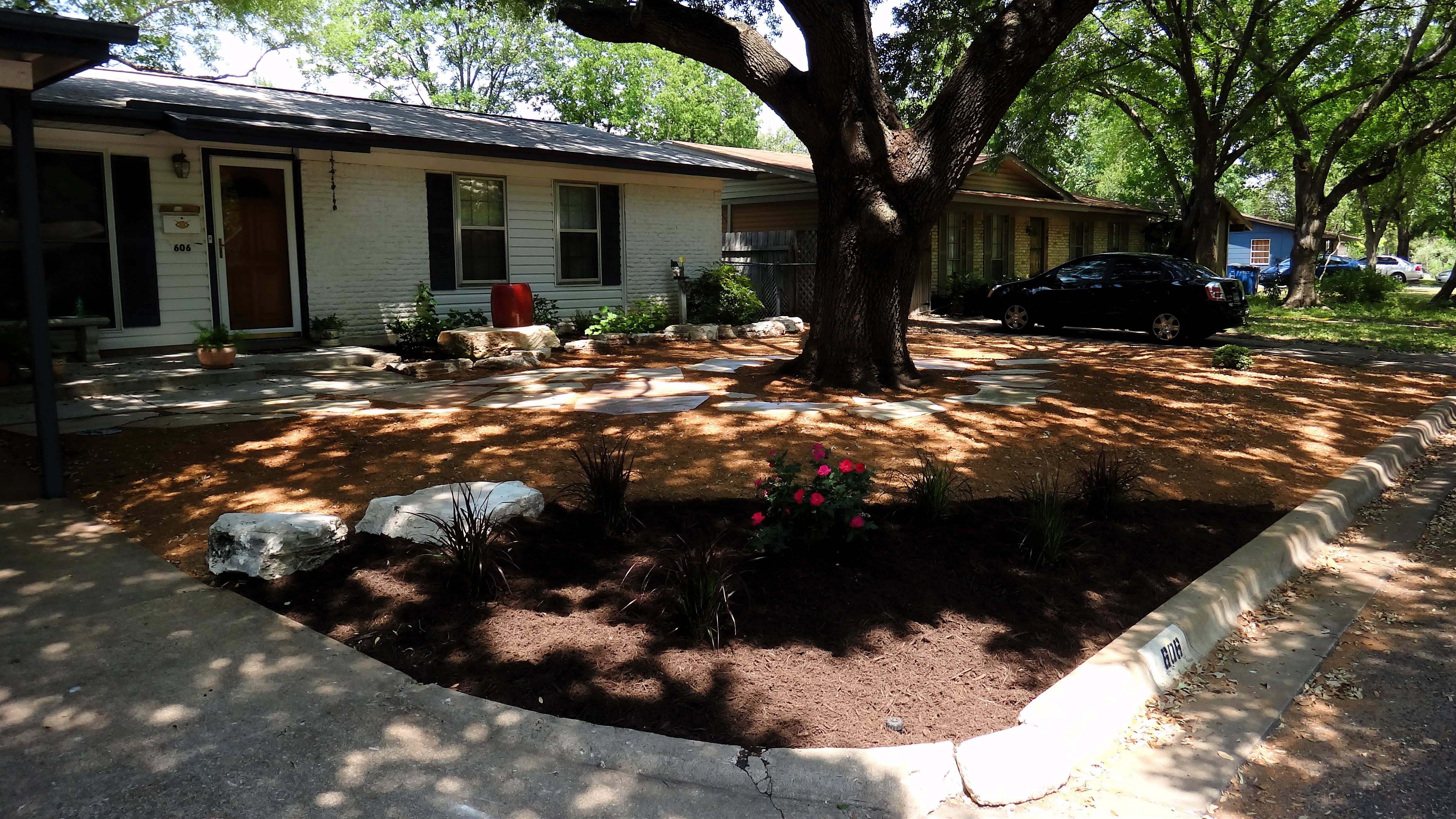
The front garden now blends out from the house – an aesthetic extension that anchors the home with the decorative flagstone that draws attention and the eye around the focal front tree. The corner front bed receives more sunlight and is planted up with purple fountain grasses and a knockout rose.
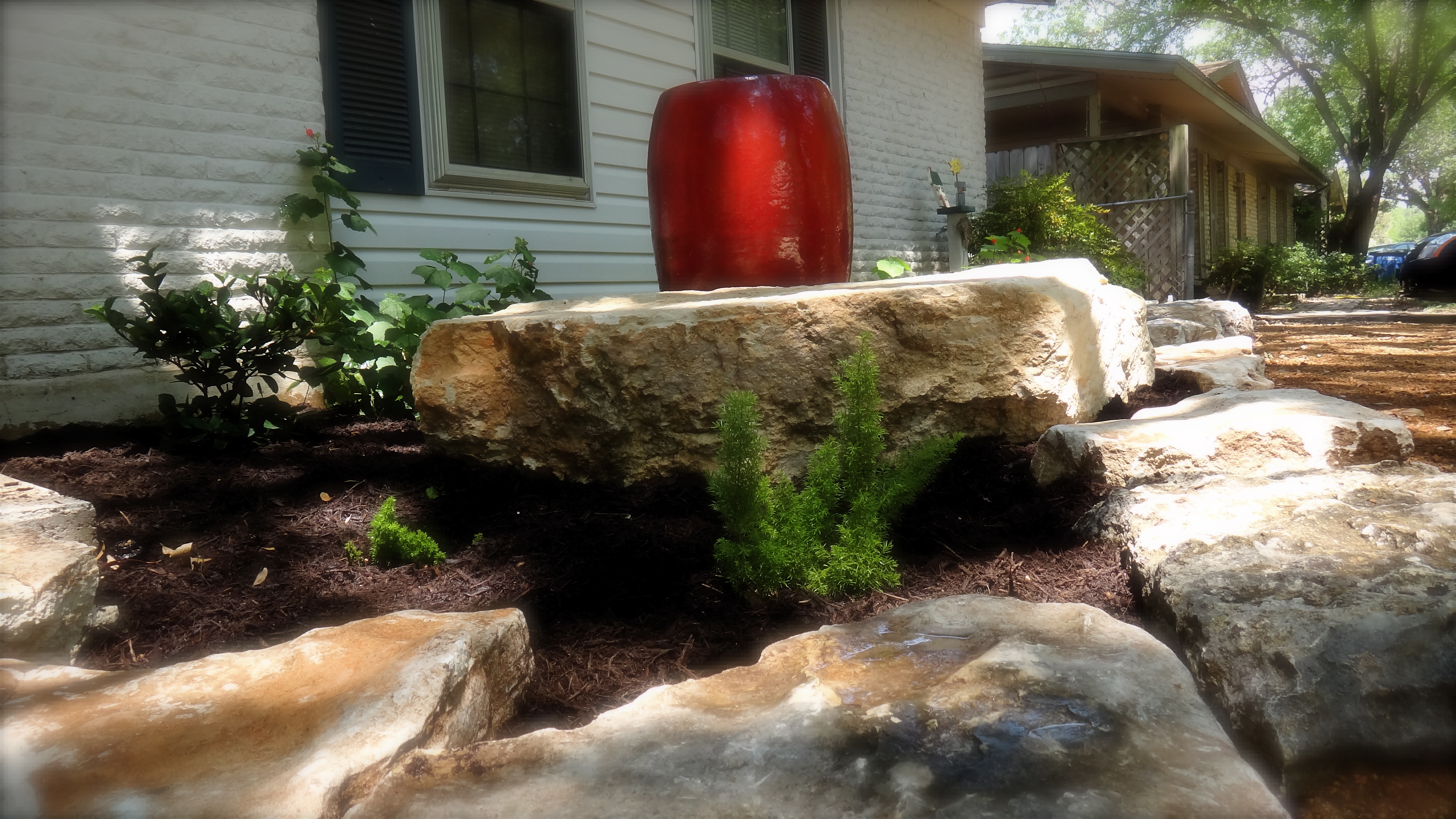
Limestone boulders of varying scale (one huge one, naturally) now line the larger house foundation bed and are partially buried to offer an embedded, naturalized look. The colors of the boulders work well against the white of the house and the tan of the granite. The ornamental red urn pops out some warmth and vertical stature to the scene. Pockets of fox-tail ferns will spread like miniature fir woodlands over time, filling in the designated areas.
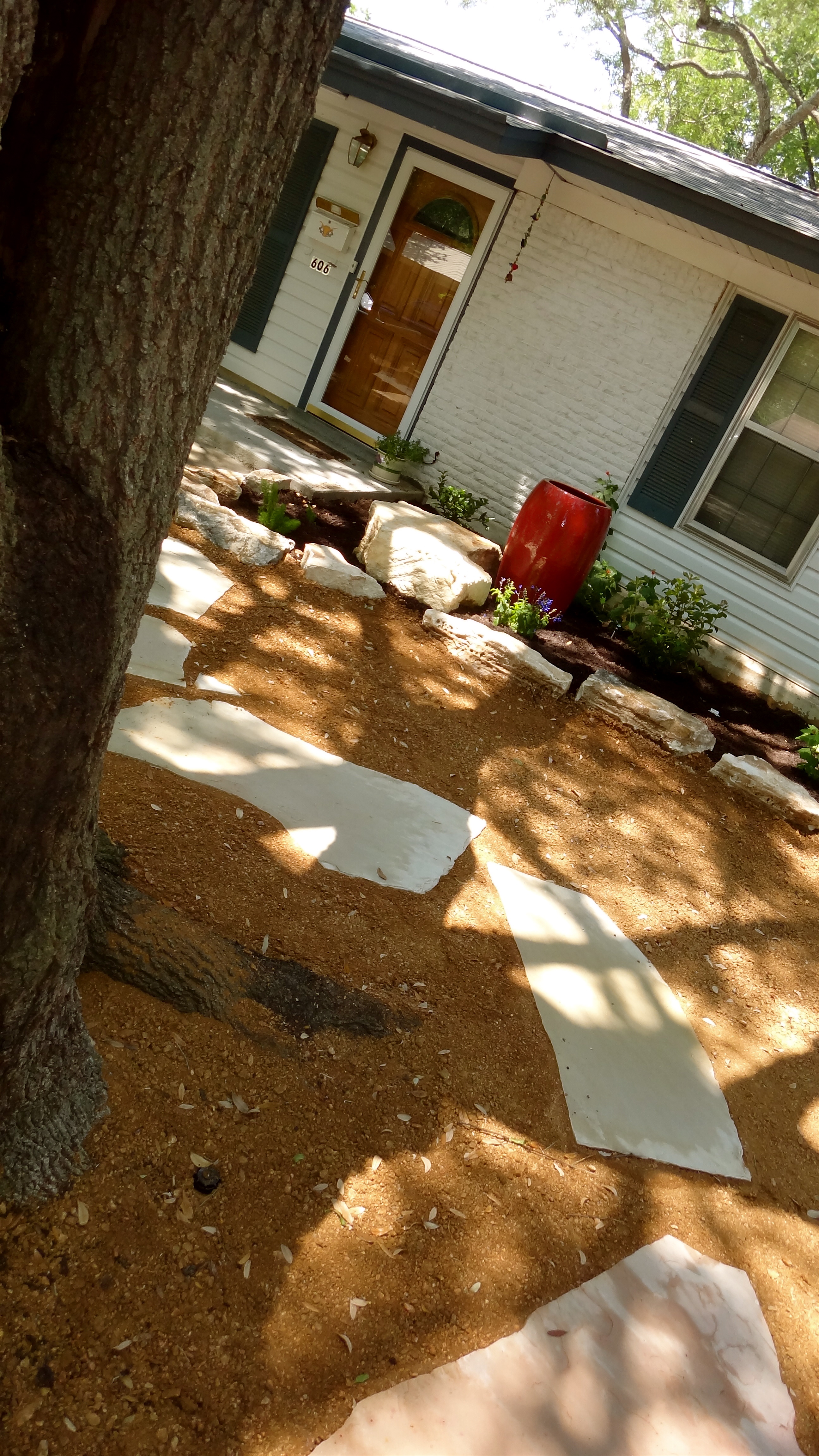
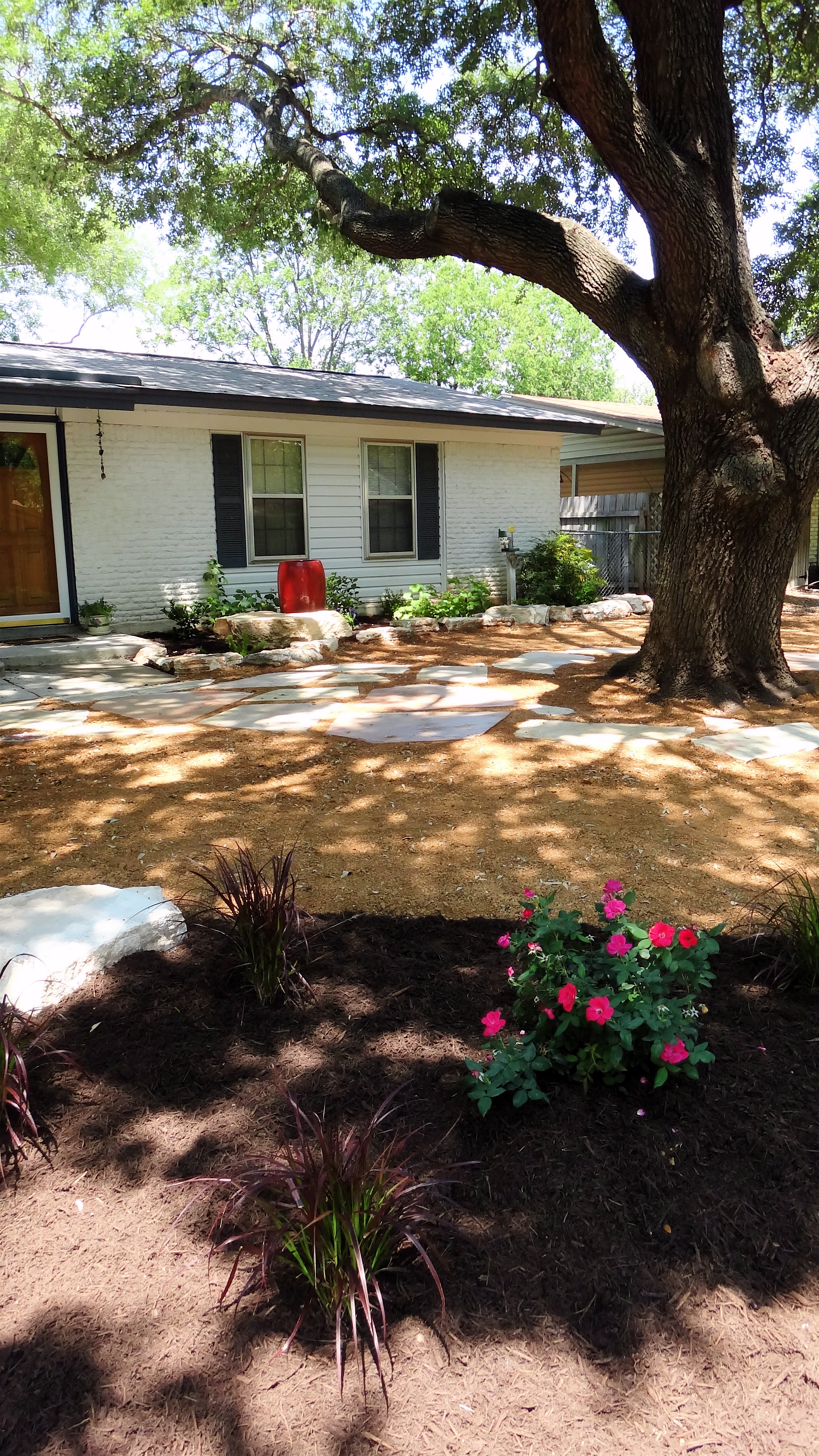
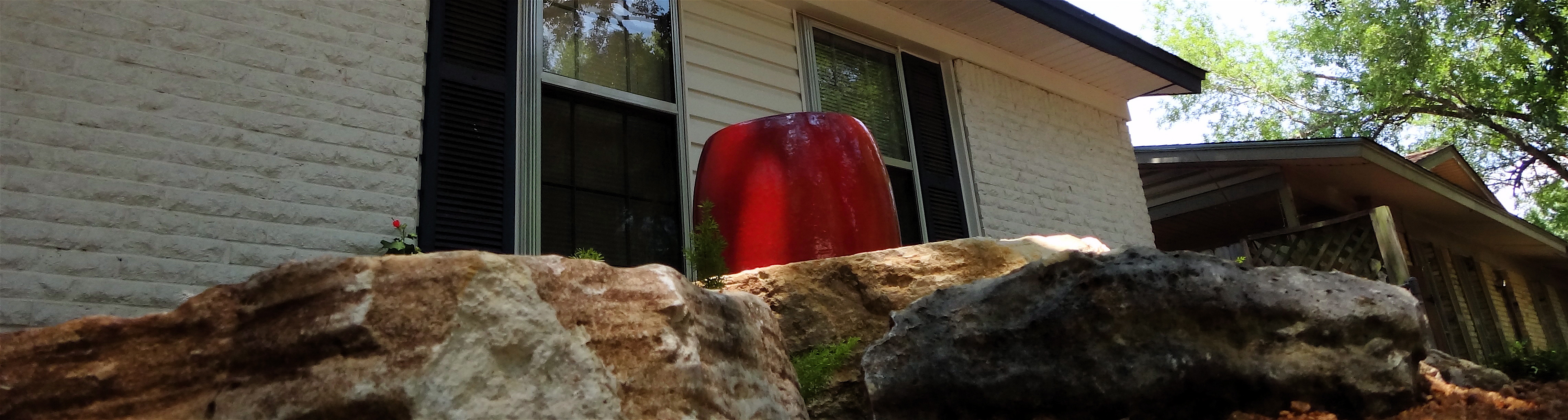
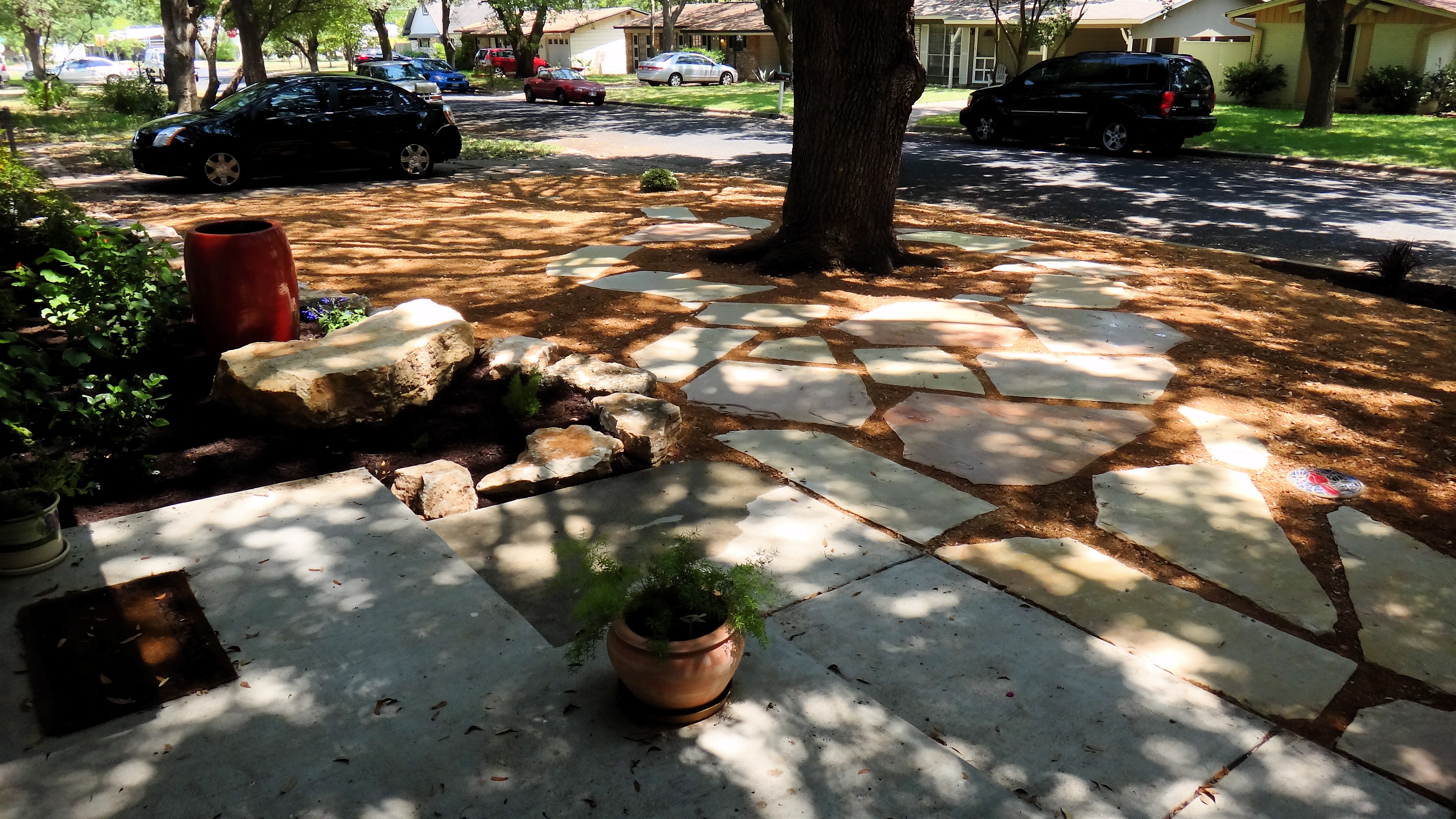
Once these plants get established most of the sprinklers in this front garden will be permanently turned off, reducing the homeowners water bills.
Inspirational images this week:
Now these trees are tough, just look at that terrain…and to think I moaned about what lurked under the ground at Mt Bonnell! This scene looks like a set from:

 The Dragon Tree is related to Agave and Yucca and it is most unusual with its mushroom-like form. It is a rare subtropical tree that is endemic to Canary Islands, Madeira & Cape Verde, where only a few specimens can be found growing naturally on the islands of Tenerife and La Palma in dry bush at the low elevations of the islands’ rocky mountain ranges. Many ancient examples are 20 to 30 feet tall and believed to be up to a thousand years old.
Also known, as the Dragon’s Blood Tree because when the trunk or branch is cut or scarred it produces red sap that resembles blood.
This tree is related to Ladon, an ancient dragon with a hundred heads, each of which spoke in a different voice.
The natives of the Canary Islands harvested the resin of these trees for mummification. They made shields of its bark and colored their hair red with its leaves. The odd branch formations resemble the hundred heads of the dragon. Fossils of this tree have been found in southern France. During the Spanish Conquest, dragon trees were over-harvested; nowadays they are very scarce in their native areas and are protected.

Because of its various medicinal and magical properties, it was sought by various cultures around the Mediterranean, Europe and Africa. Today the Dragon’s Blood is still in use to produce a hard, shiny furniture polish. There is something very otherworldly about these trees and it is hardly surprising to learn that the dragon’s blood resin has been held in high regard by sorcerers and alchemists of old.
Stay Tuned for:
“Across the Gulf”
All material © 2011 for eastsidepatch. Unauthorized
intergalactic reproduction strictly prohibited, and
punishable by late (and extremely unpleasant)
14th century planet Earth techniques.