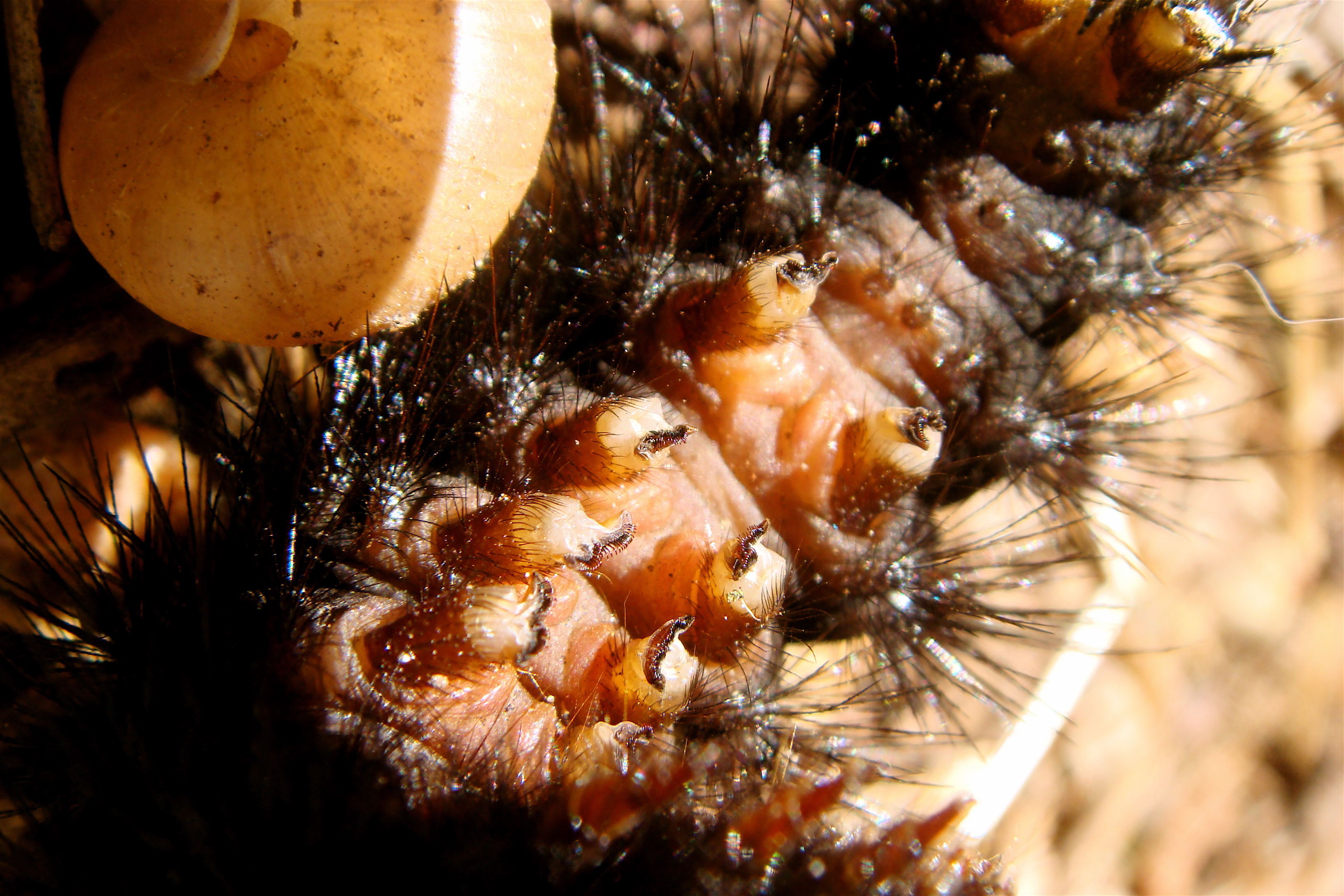
I tickled this giant leopard moth
Ecpantheria scribonia
caterpillar into submission today with a feather, it screamed a tiny scream and thrashed it’s multiple legs,
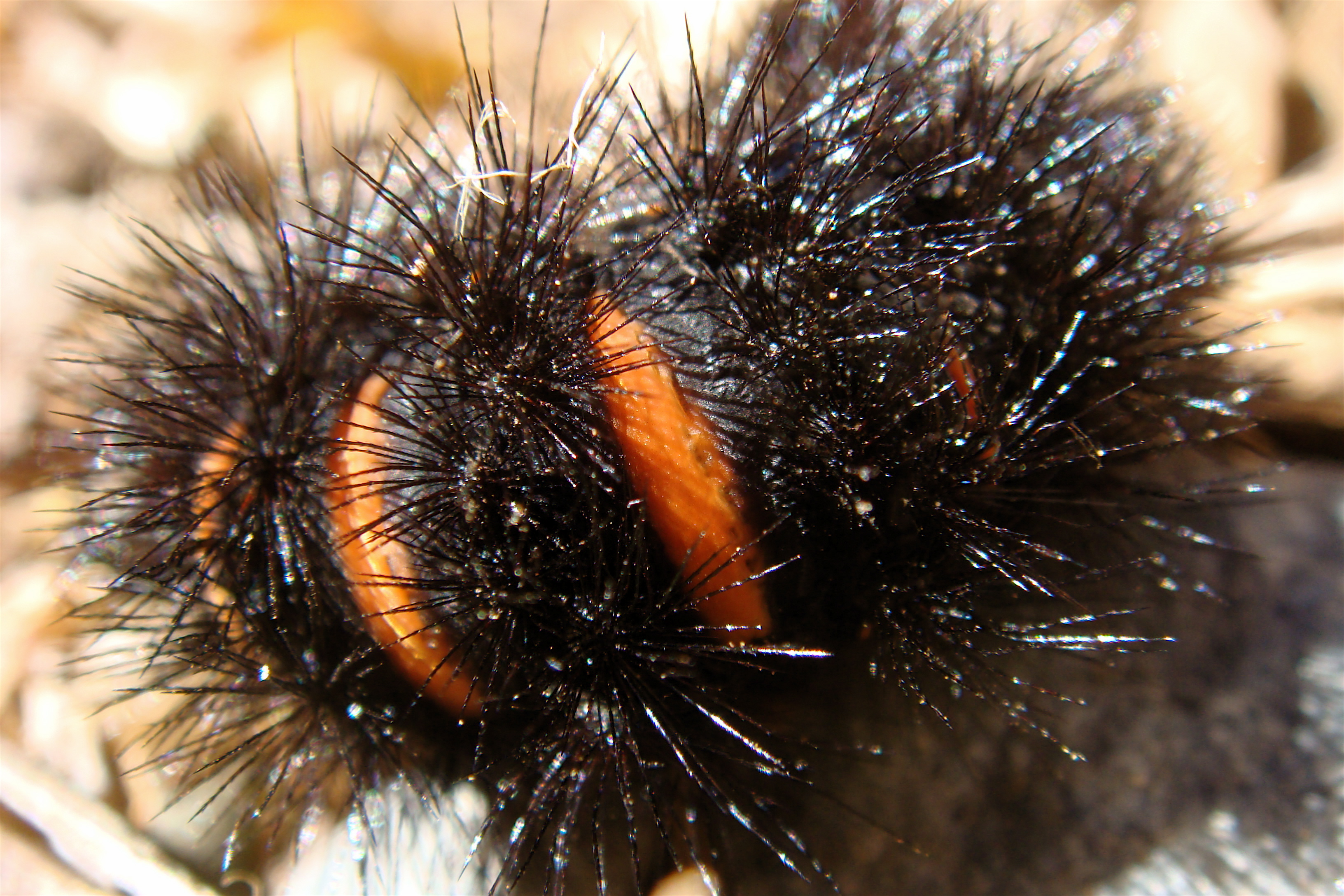
before it submissively rolled into it’s customary protective posture, predominately displaying it’s brightly colored bands. Woolly bear or fuzzy bear caterpillars are often found in the fall and winter in Texas after they have left their food-plants in search of a dark and sheltered spot where they can hibernate as larvae for the winter, usually under a deep layer of leaves. When spring kicks in, these caterpillars will become active, feeding then fashioning cocoons out of silk and body hairs…
 And what fine creatures these huge cocoons turn into…
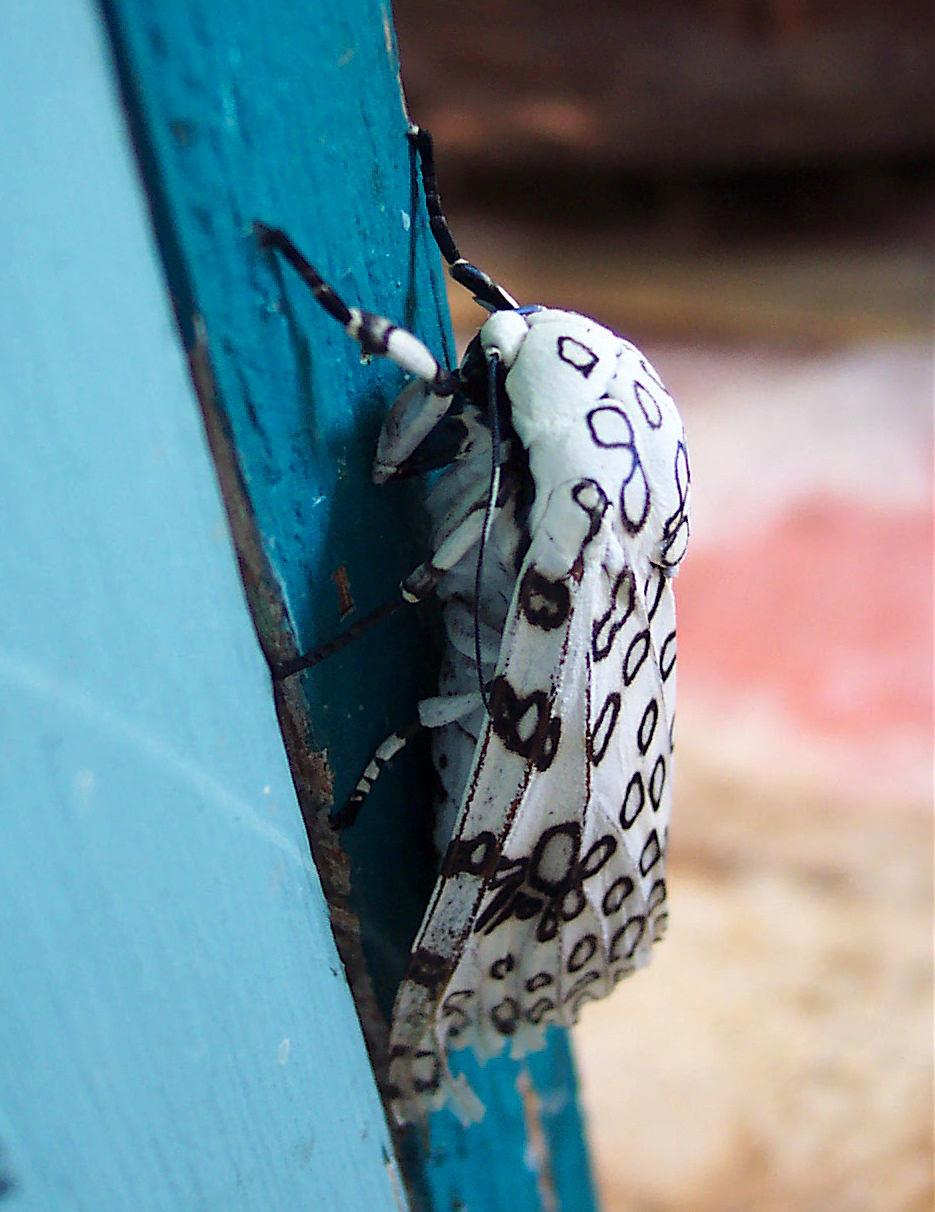 The Great Leopard Moth.
Hypercompe scribonia
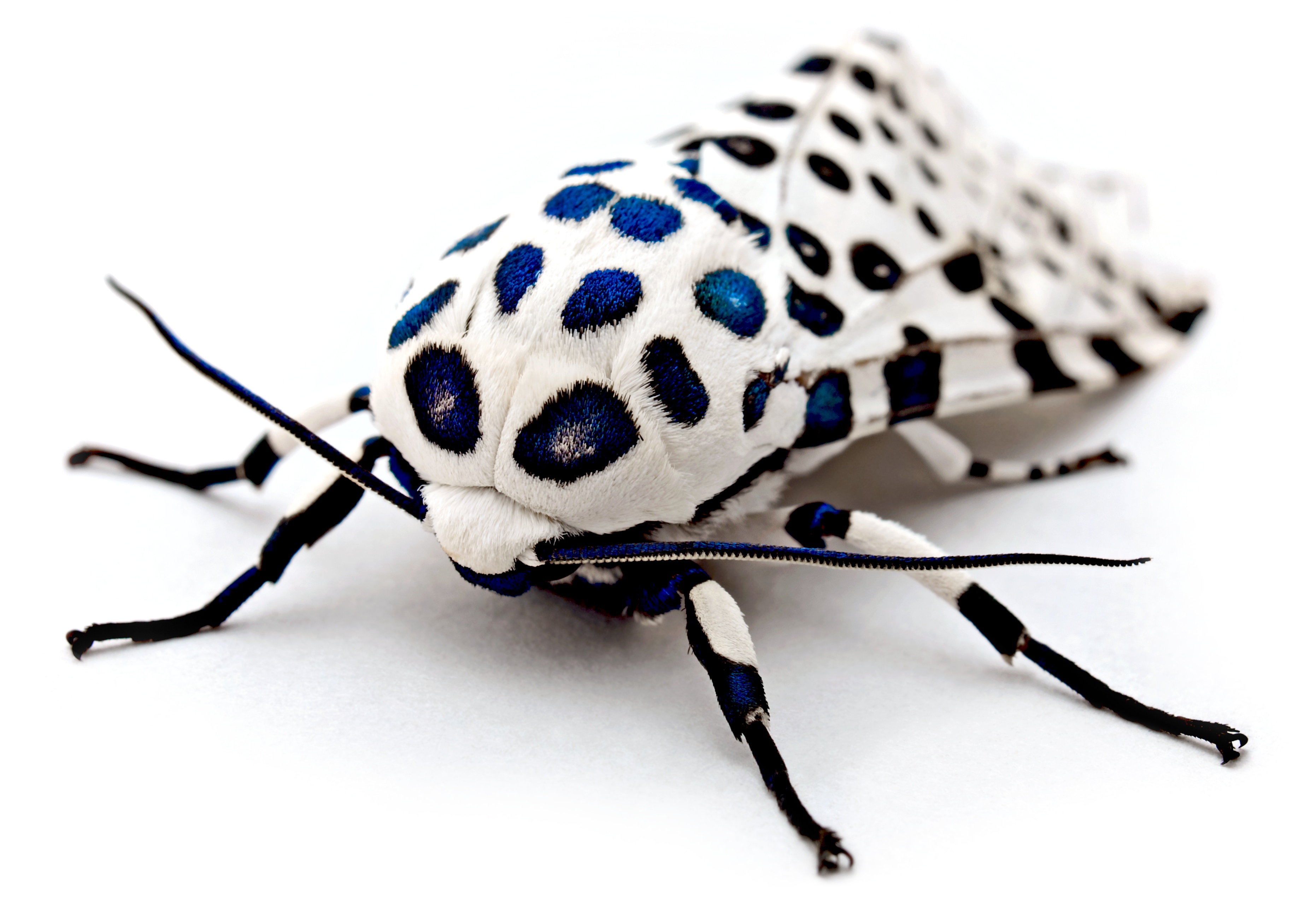
Image courtesy of Wikipedia.
The ESPatch has been very quiet of late, like it has had the wind knocked out of it with the recent harsh weather and is in a period of shock, denial and I hope complete recovery. Very few creatures are seen roaming the plains and I have witnessed distinct signs that the Naboo are once again heavily into their cannibalistic tendencies. Worst of all, the Botox lady has lost half her bottom lip to frost bite, she is totally devastated as you can imagine.
Remember this frozen scene?
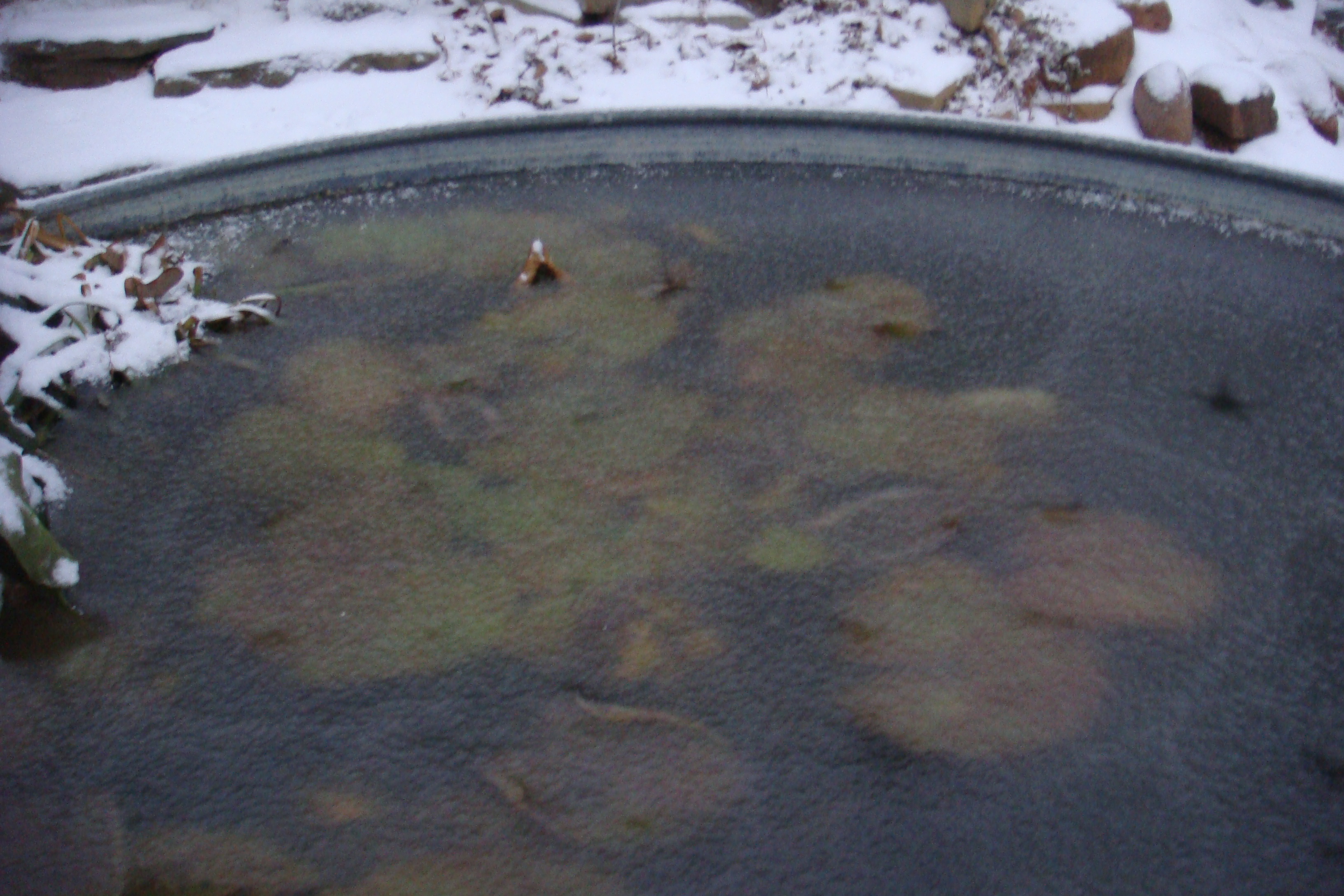
These are my tropical Madame Ganna Walska water lilies, submersed under a rather thick layer of ice, not their preferred habitat of choice.
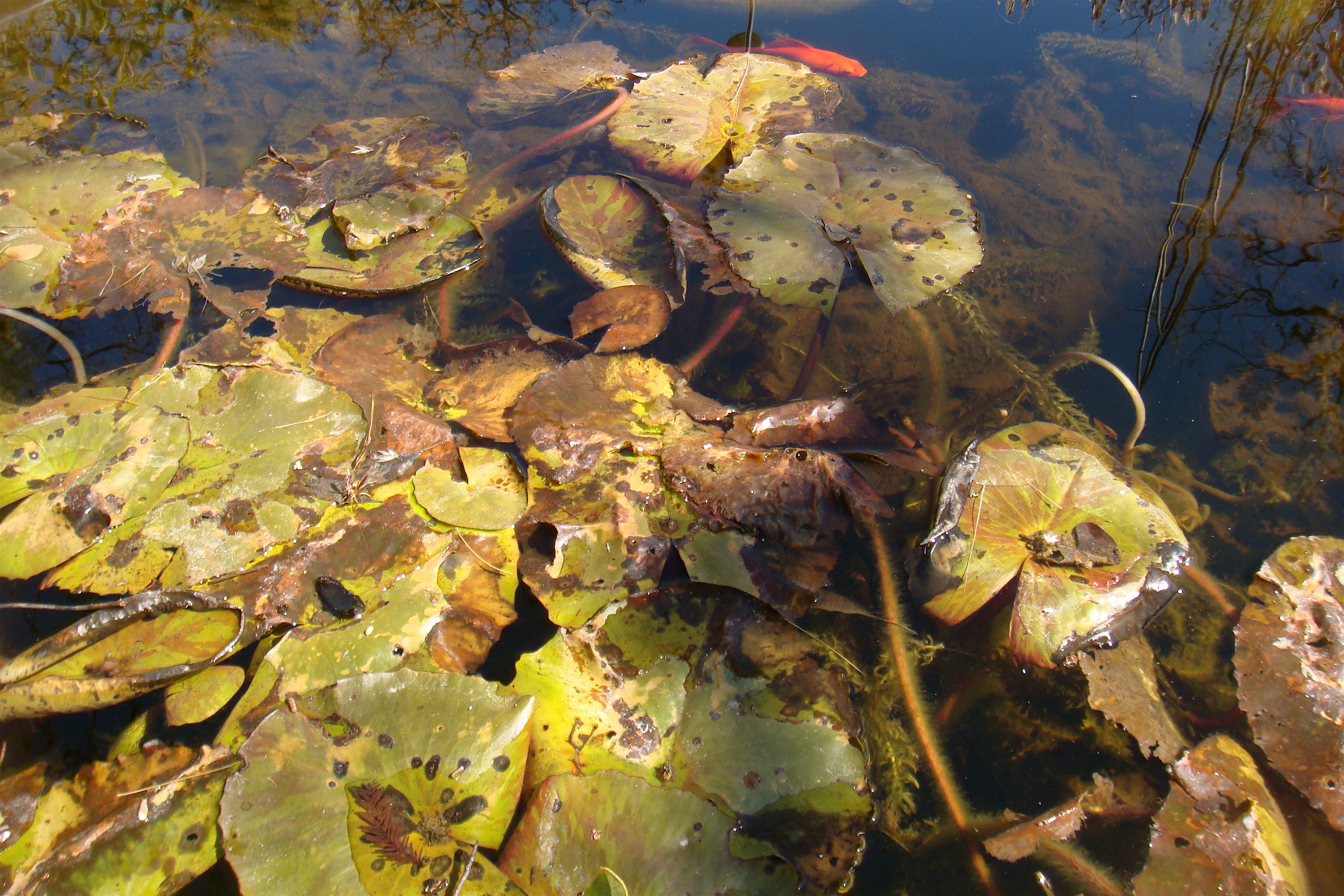
Oh yes, they came out the thaw looking a little shocked to say the least. While I pulled on the worst hit slushy pads, I happened to dislodge one of these sci-fi abominations…
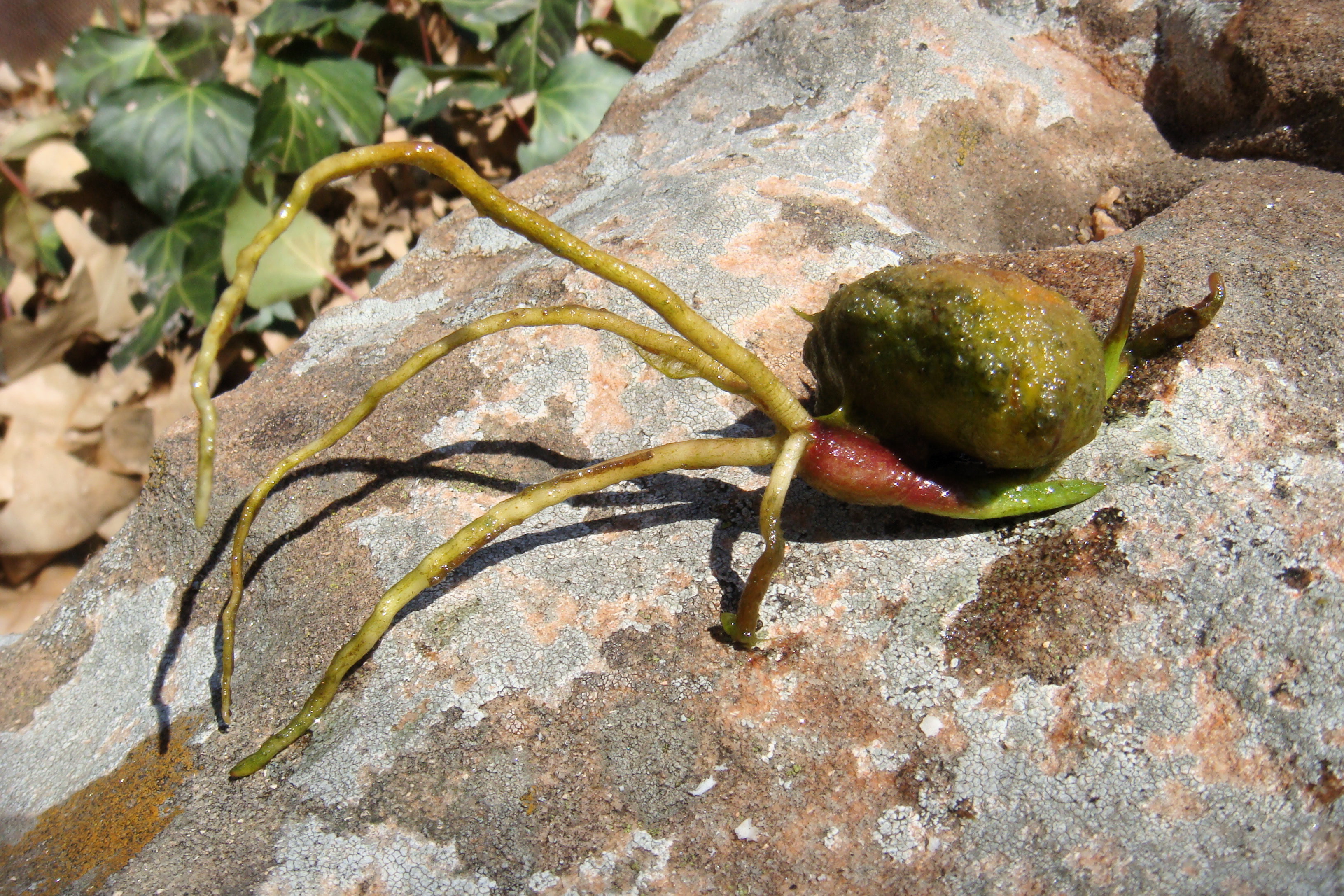

“Number one, we need to try and establish communications…see what it wants, determine what its needs are”!

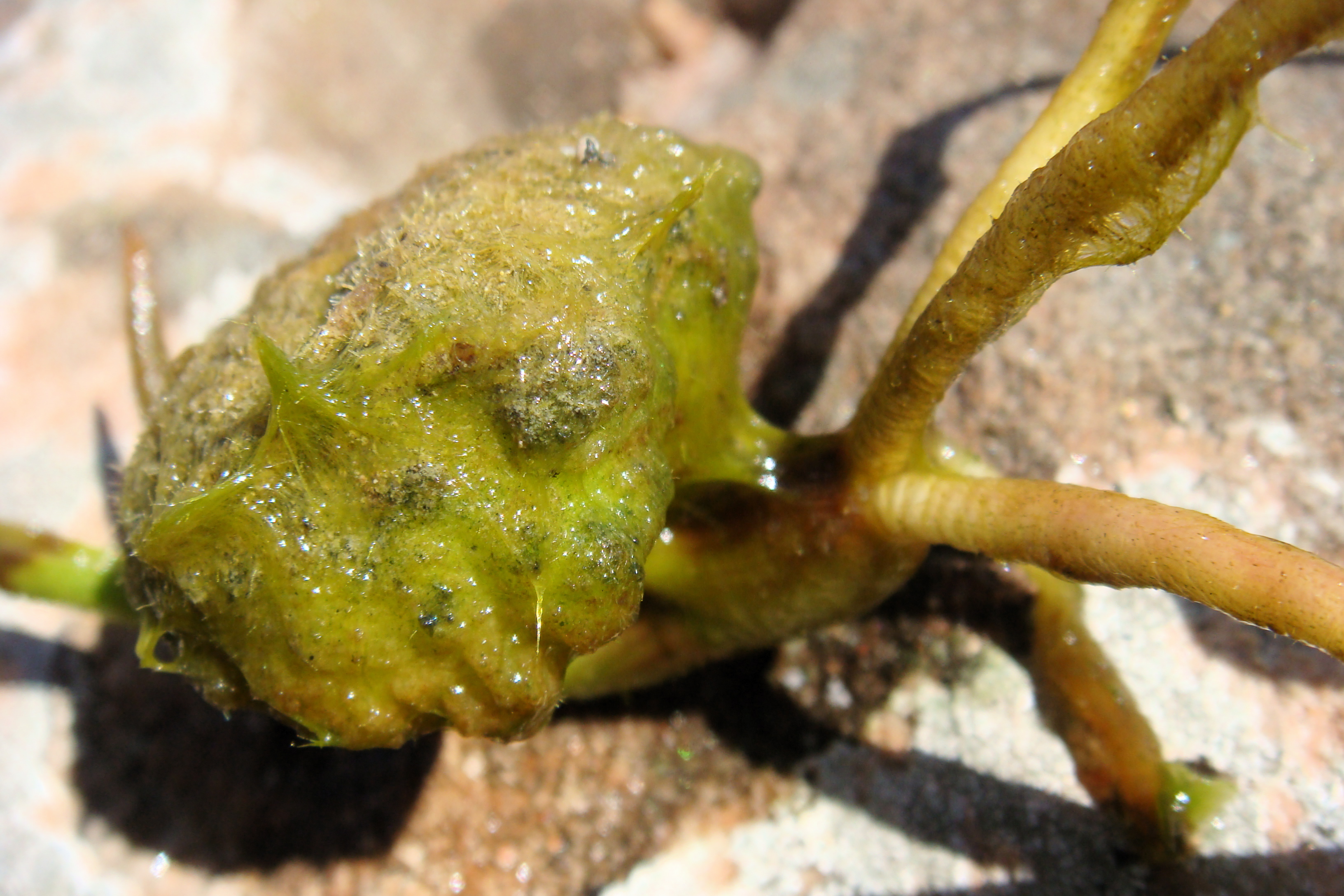 These very odd stems are affectionately known as, and casually referred to in the Patch nonchalantly as brains, as in…“Look dad, there is a brain!” “Oh yes, well spotted! 2 points for…” These reproductive lily pods rank up there as some of the strangest phenomena to grace the interior of the Patch pond, very primordial, and they never fail to induce a conniption when one unexpectedly decides to roll over the back of my hand. I cannot tell you how many times I have slapped and tore at my own hands when one accidentally alights on it.
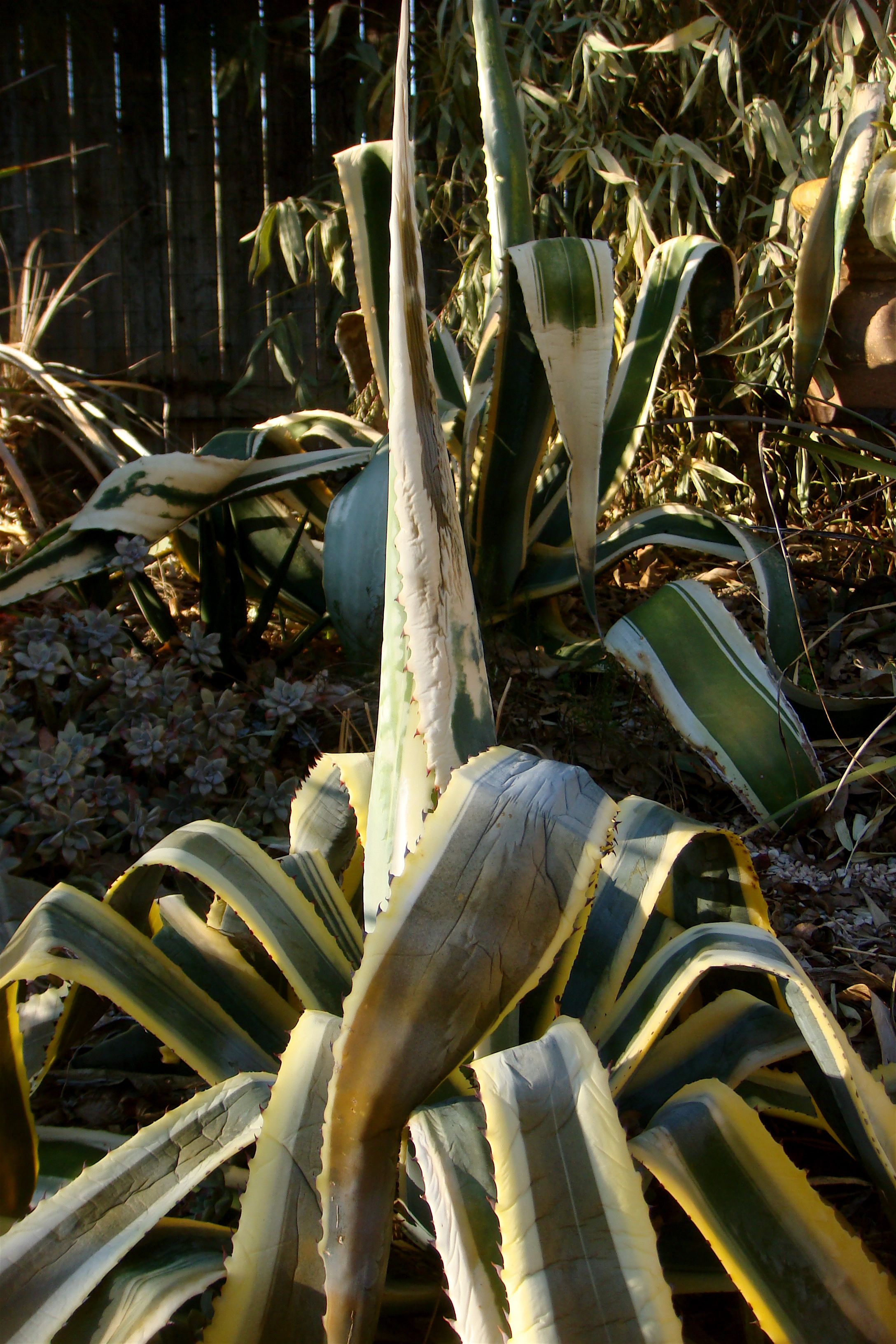
Unwell, agaves.
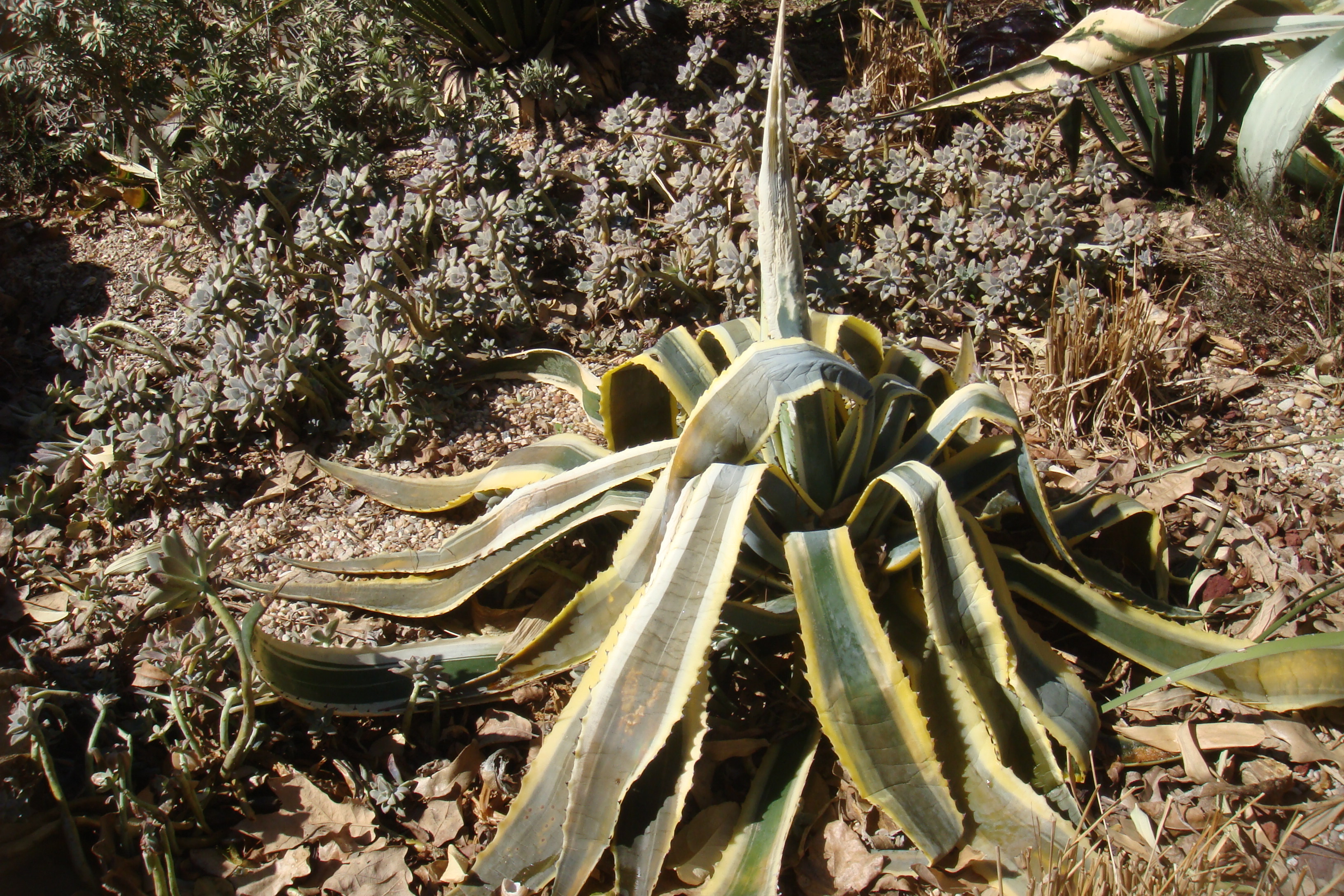
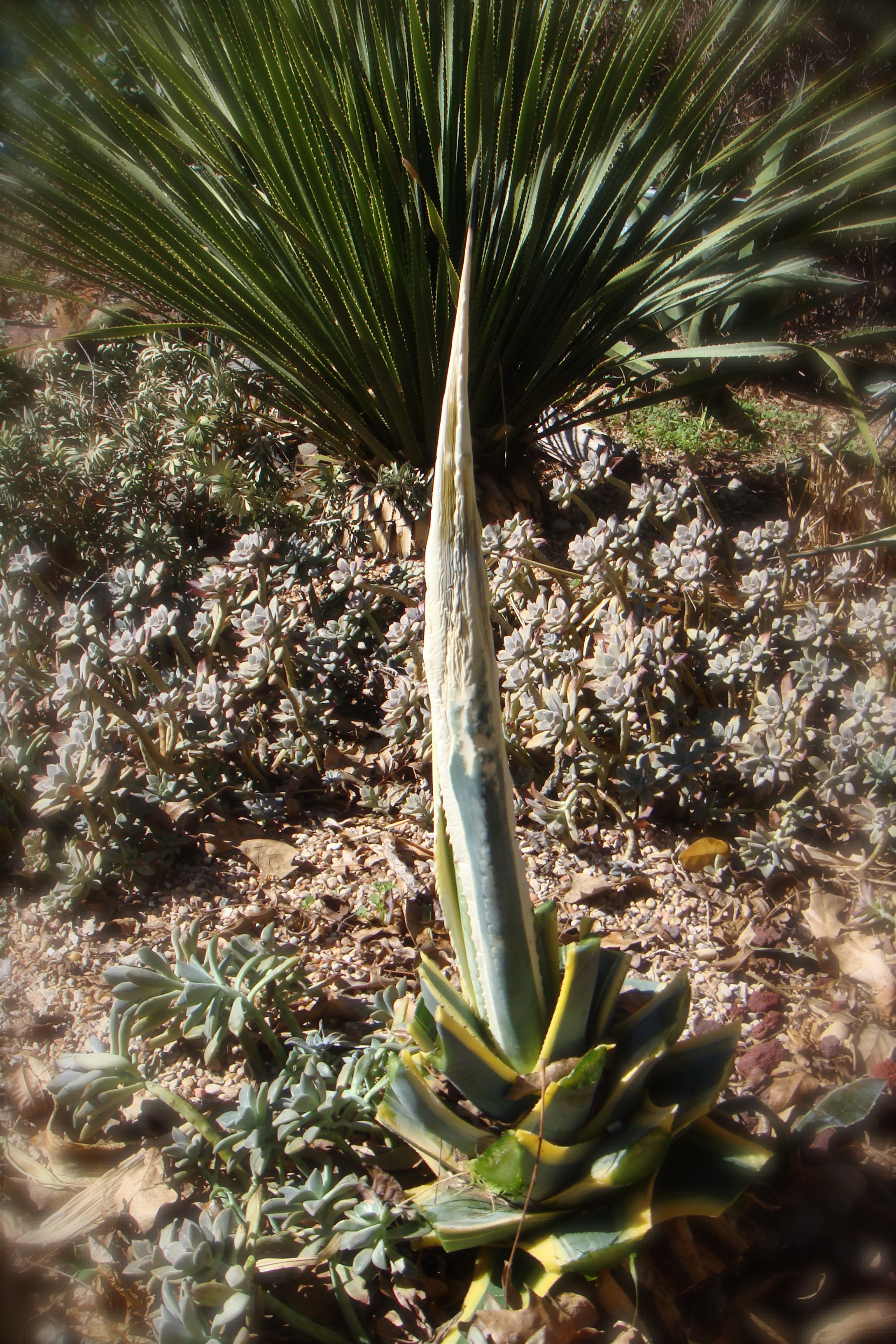

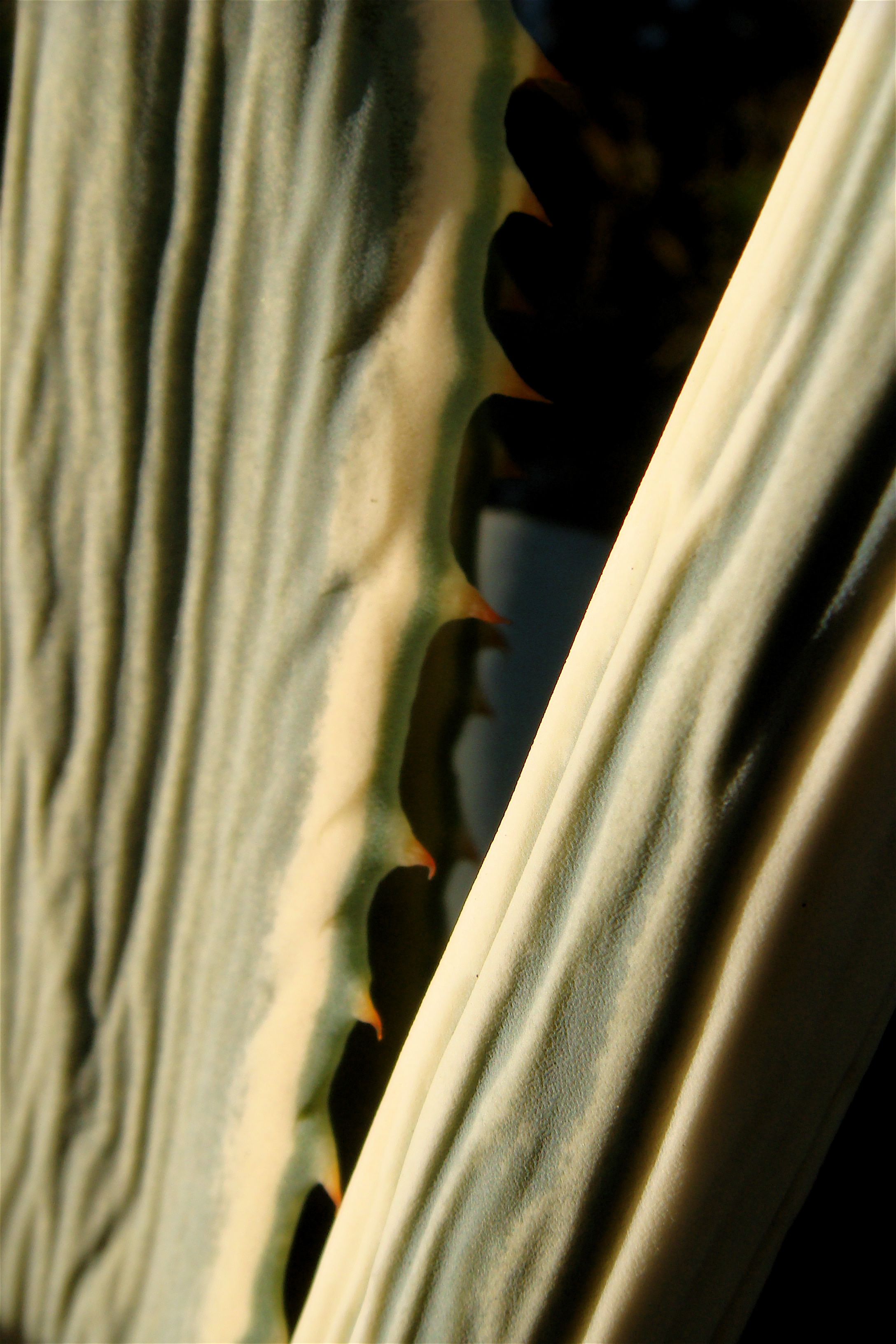
Also looking very primordial right now are the remains of my agave americana. The recent freezes really took a toll on these once magnificent plants. All of the foliage has been decimated but the singular vertical spike dictates that the plant’s core still is alive and kicking. I trimmed back all of the soggy foliage to allow the plants to focus their energy on new foliage replenishment…these singular tusks, dotted all around the Patch look very odd, to say the least.
This one prematurely aged in the freezes.
At least the americana are doing better than my octopuses.

“Shaken, and most certainly stirred”.
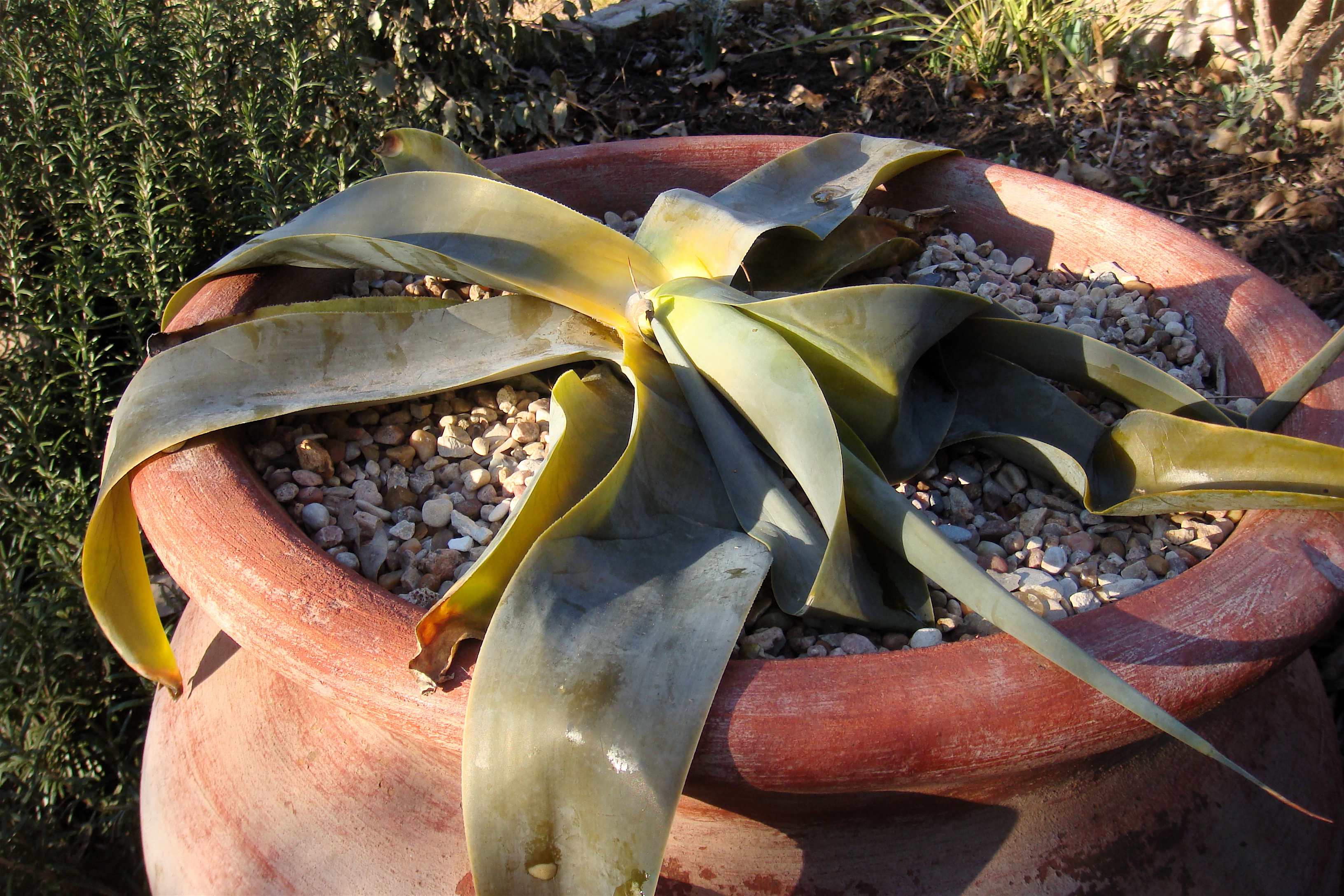
No need for the gun here Roger! Out of all of the pups that I painstakingly planted from: http://www.eastsidepatch.com/2008/07/backyard-ocd/, very few have made it due to the last two years of harsh winter freezes.
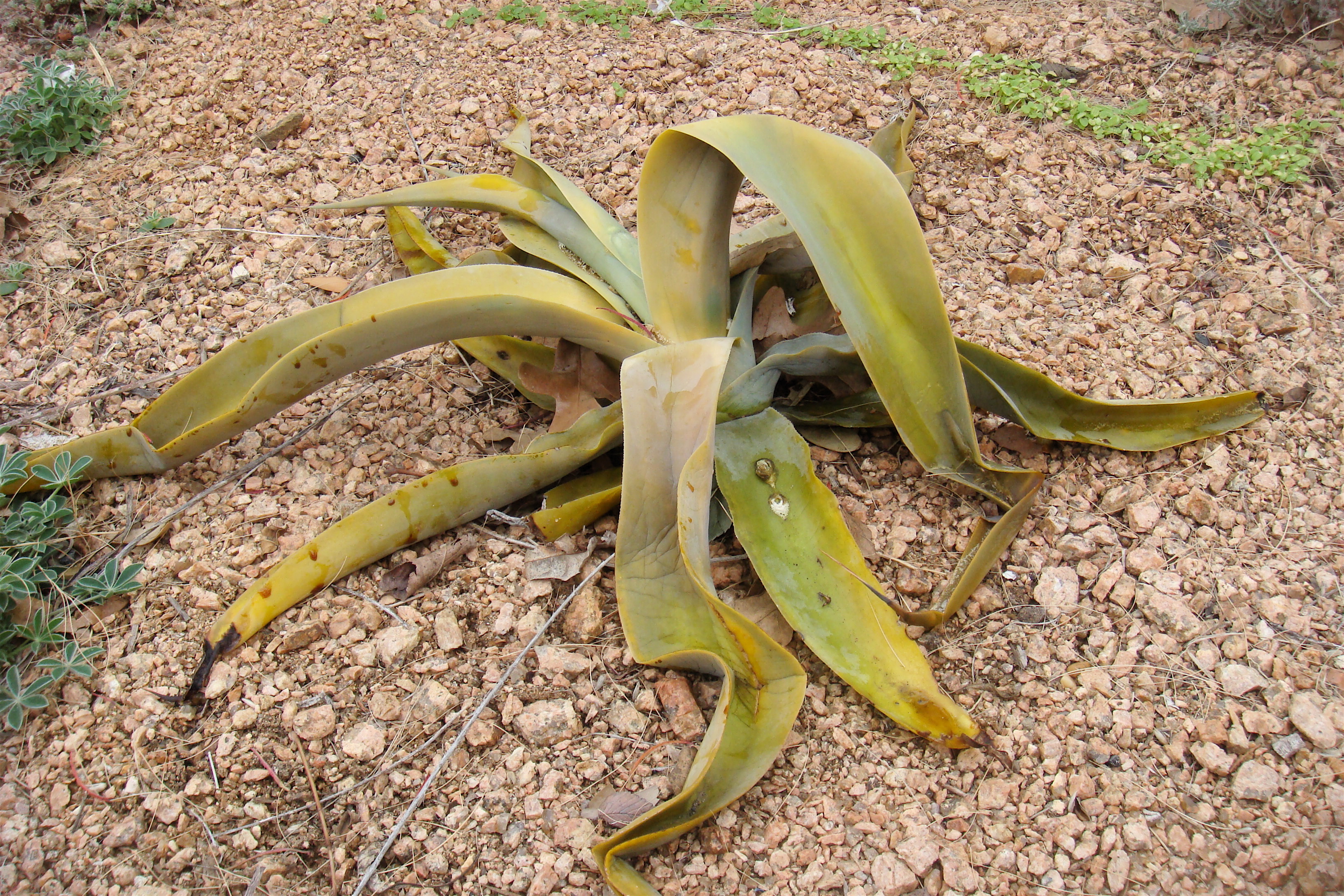 I come across them dotted here and there, oozing onto the granite like beached mythical creatures.
Just when I thought that my Mexican lime tree could not get any brighter:
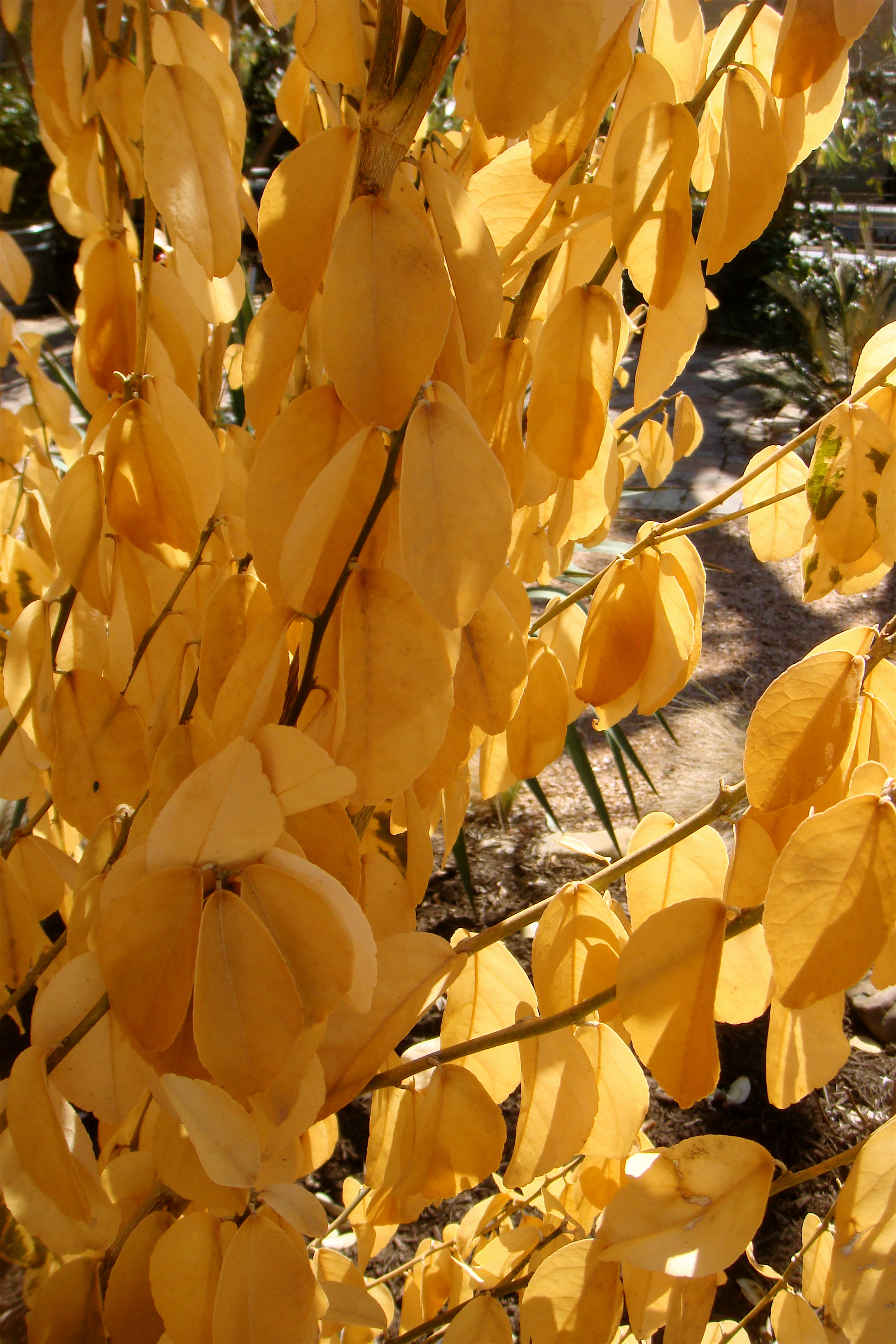
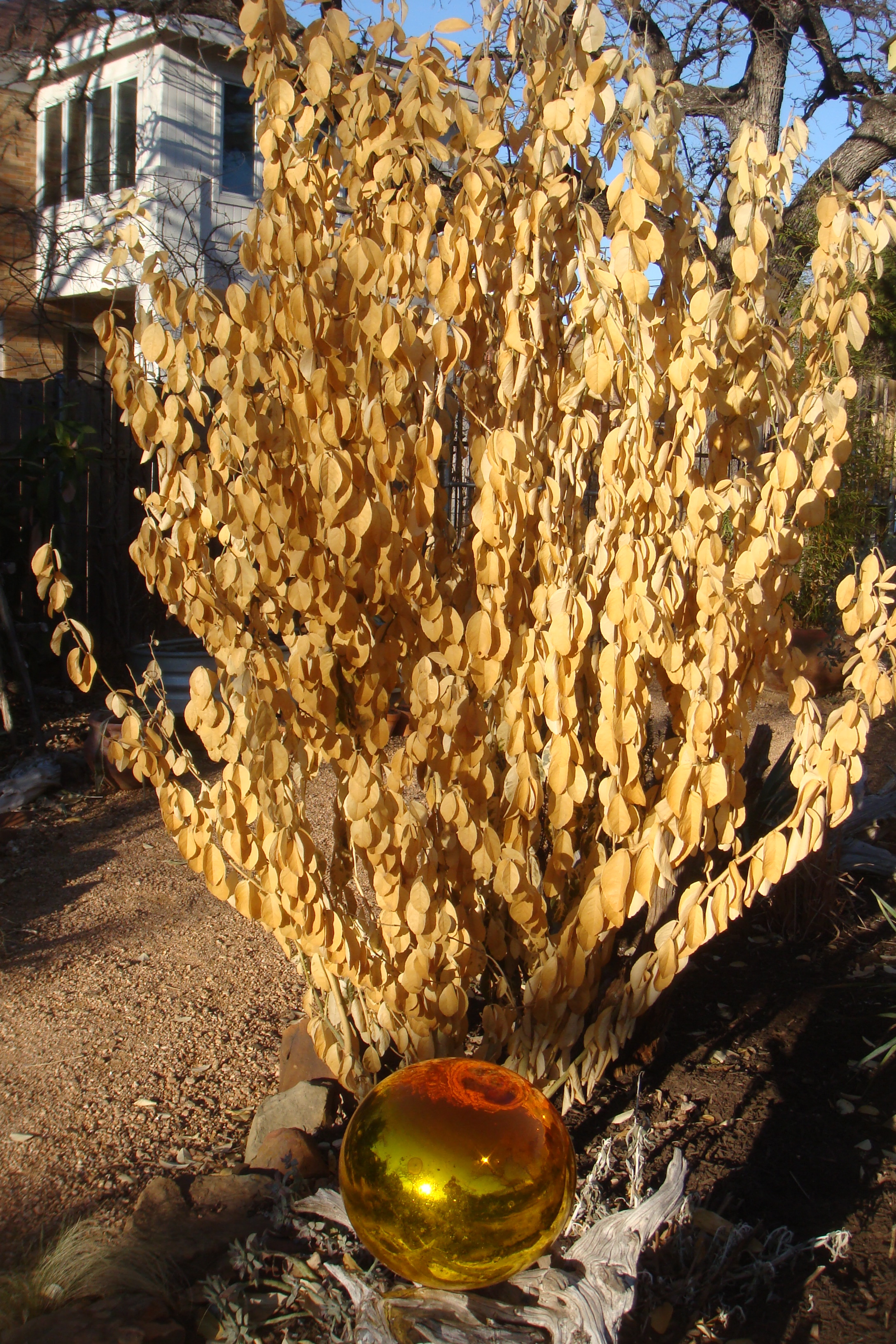
There is still some green in the branches so I am hoping I will not have to cut it back to the base like I did last year.
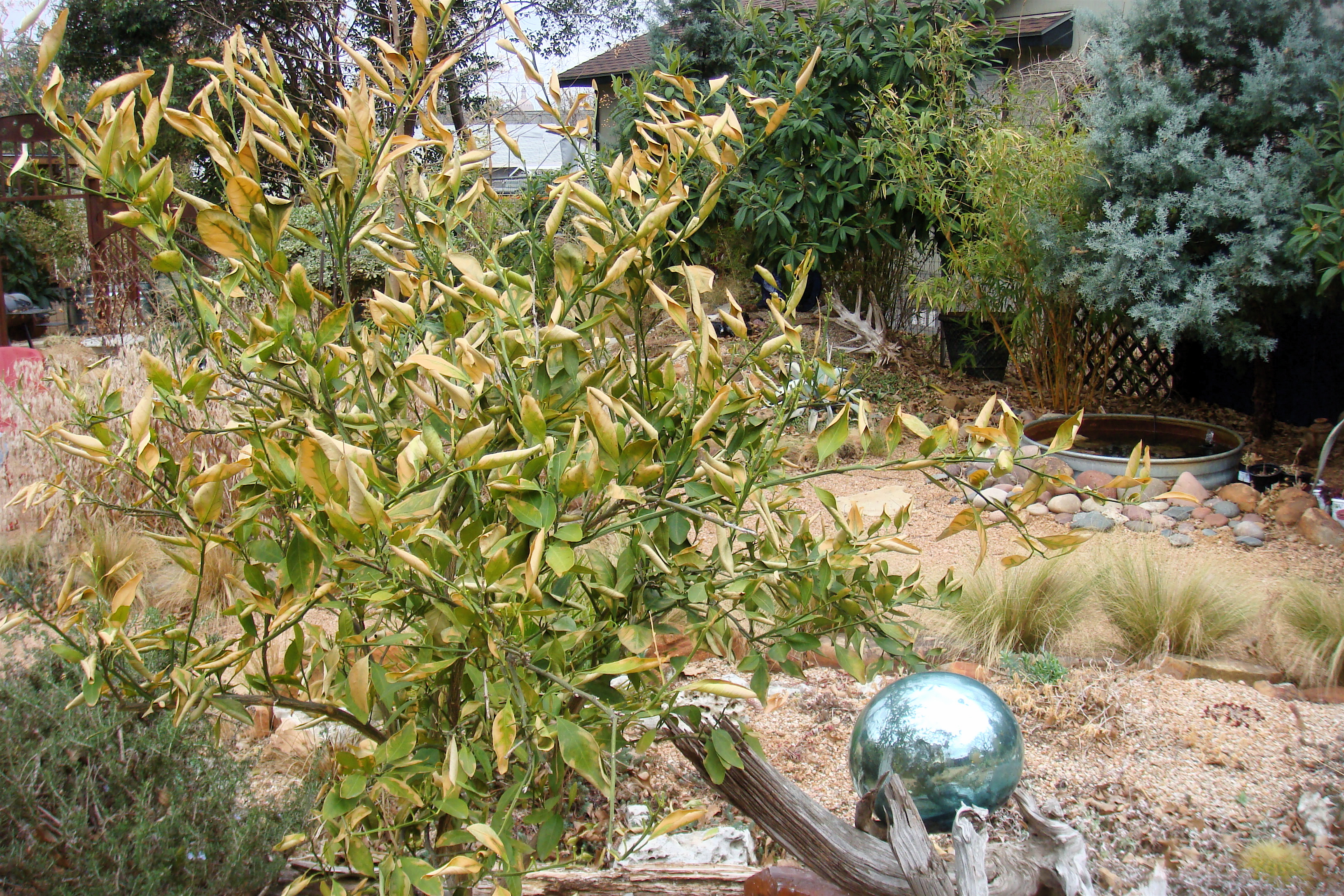 Even my satsuma is showing some strain this year, unheard of.
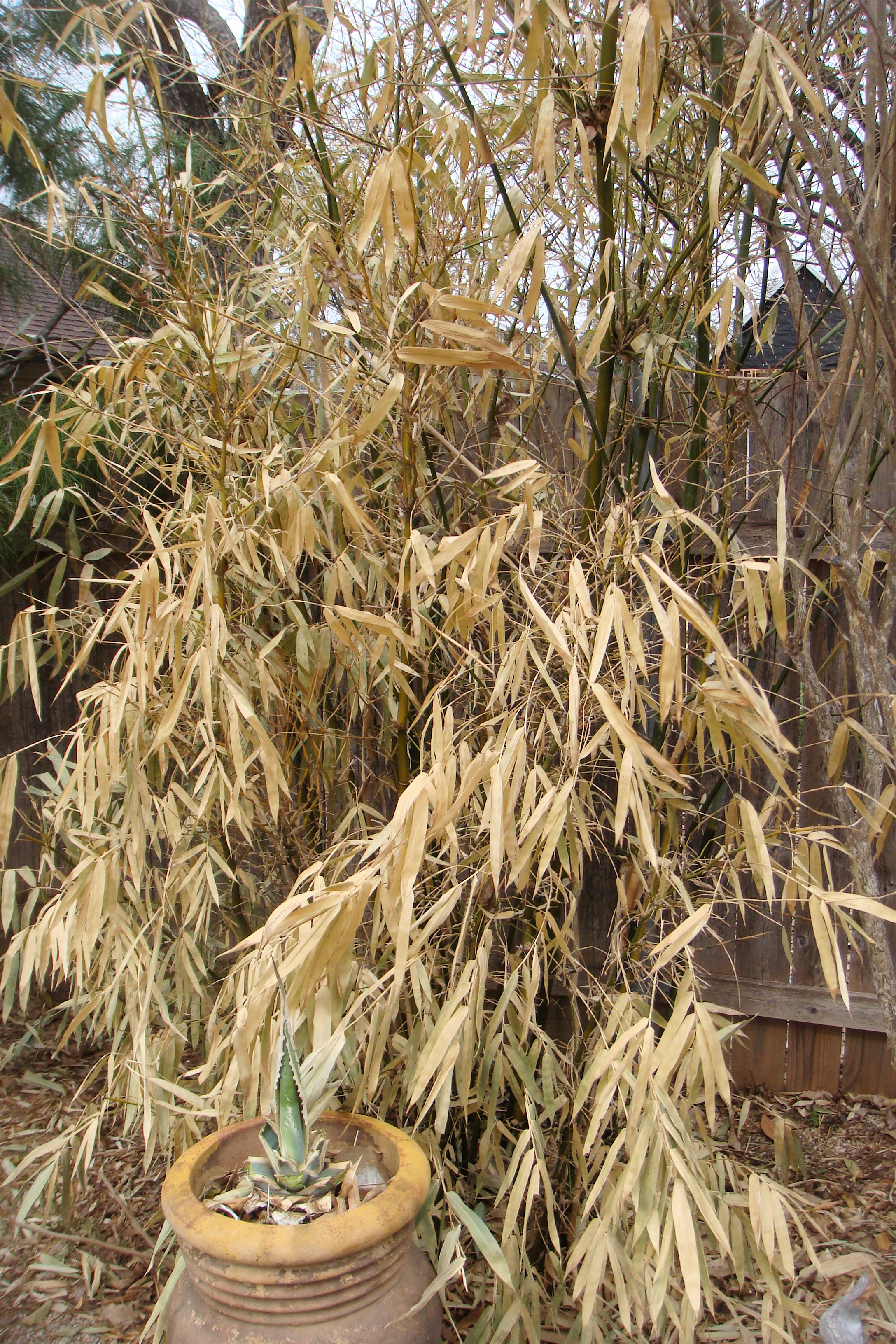
My Buddha’s Belly Bamboo also looks bad right now but it will quickly green-up come the spring’s warming temperatures.
On a brighter note…
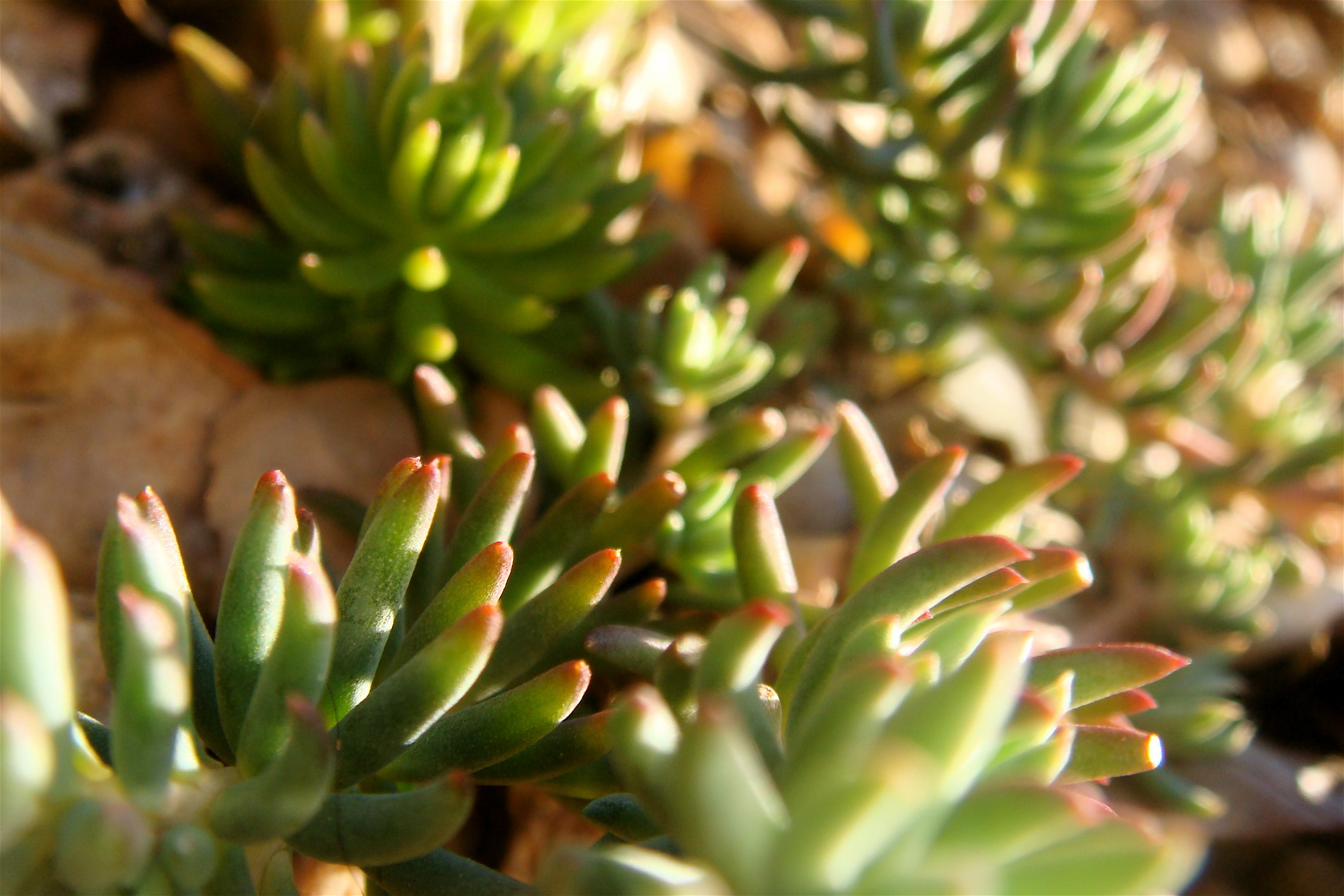
all my small sedums breezed through the freeze with ease,
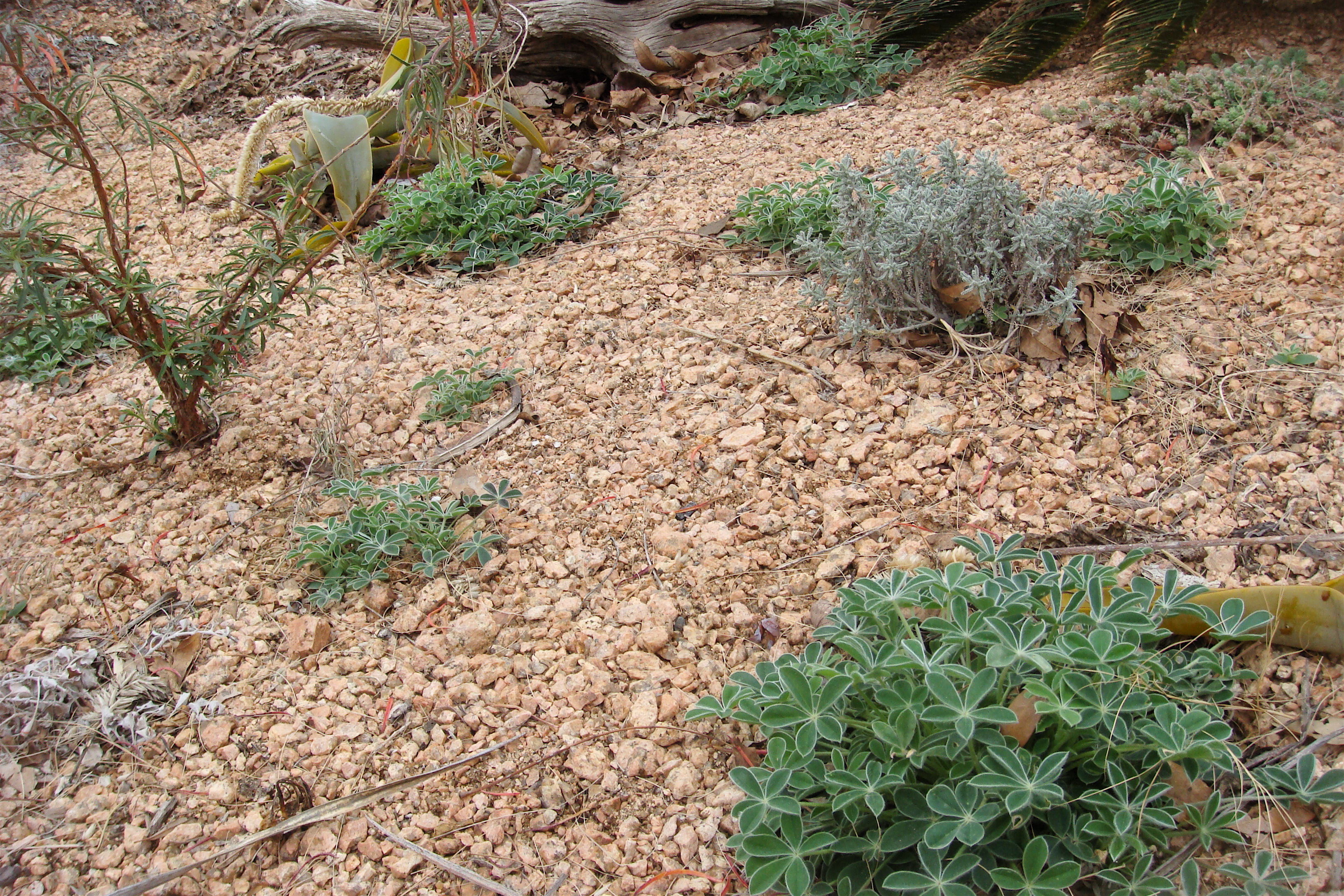
and the rising bluebonnets offer a visual reminder that color is once again around the corner. (Thanks Jenny).
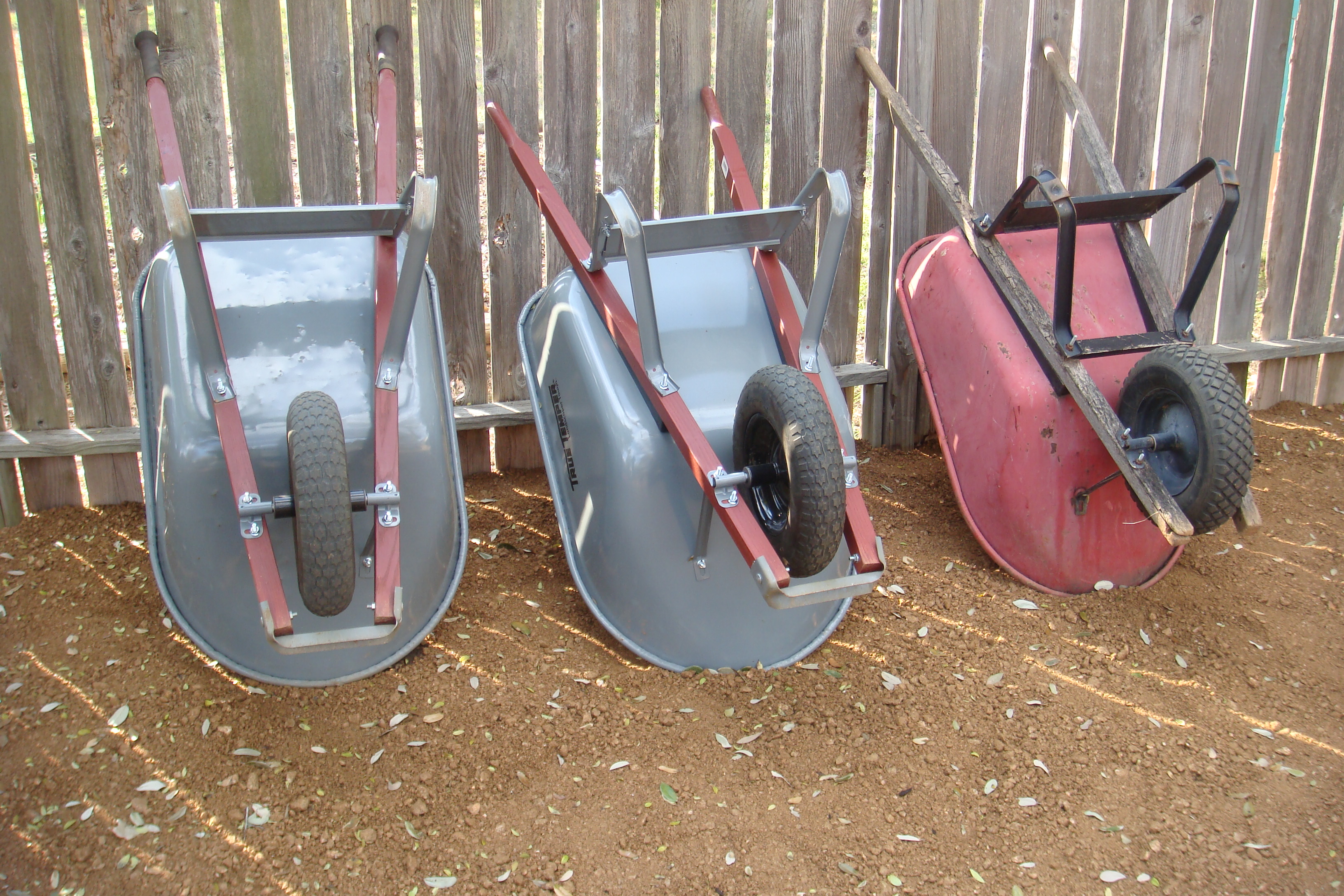
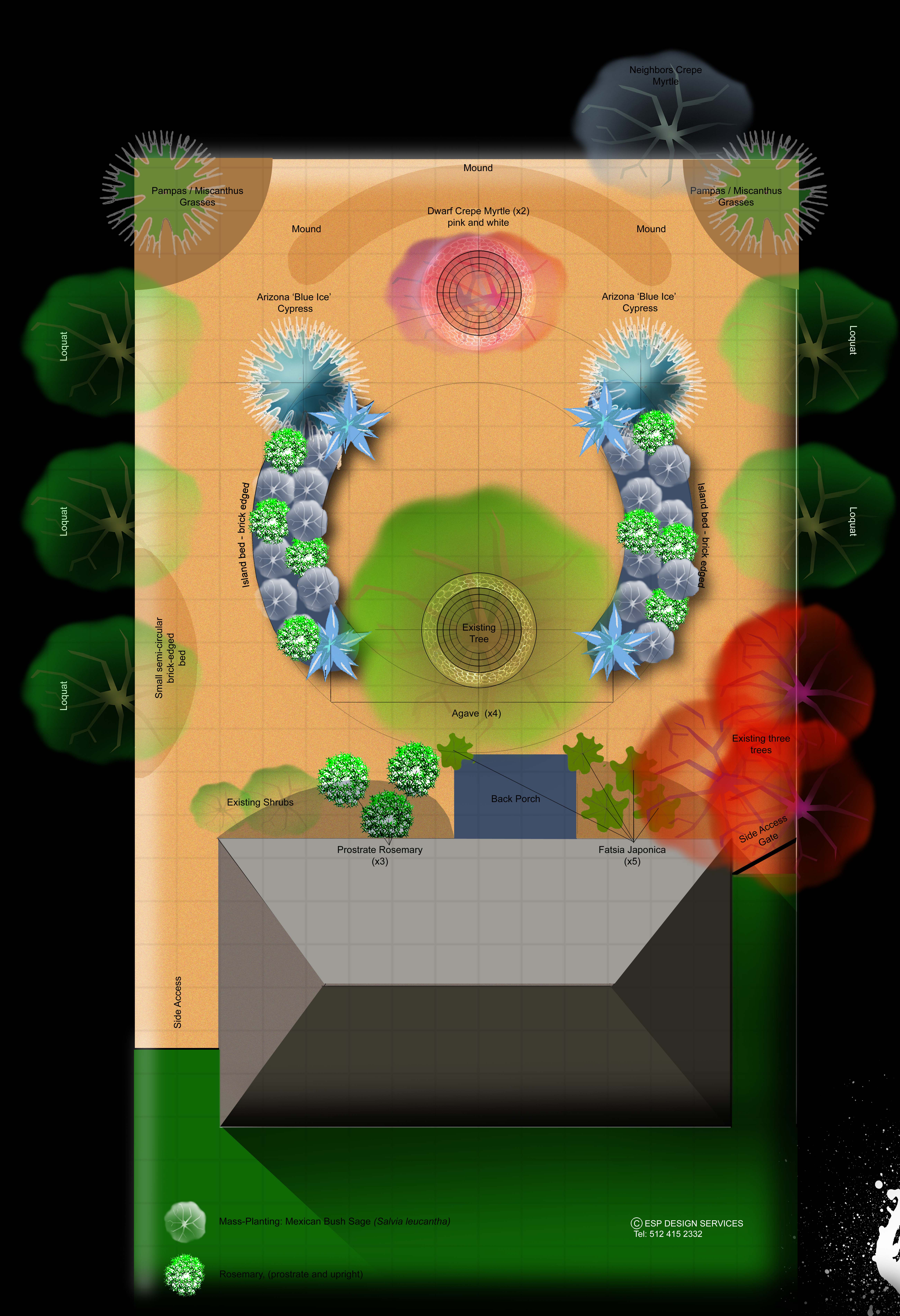
And I am ready for spring. My trusty steeds have been having quite the workout of late implementing this design scheme:

The front has been simply re-structured to match the new back aesthetic…
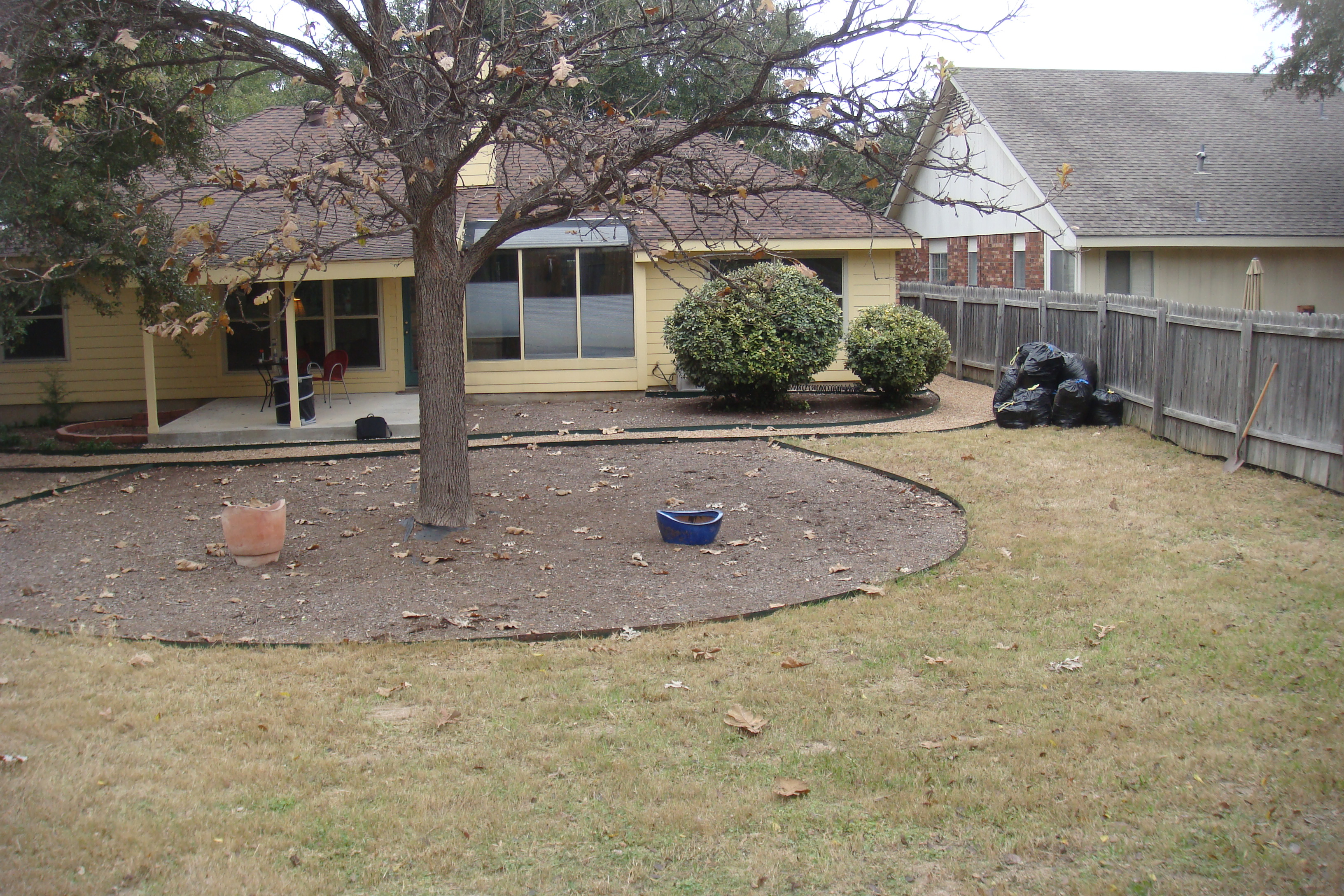
And the back has had a bit of a nip and a tuck…
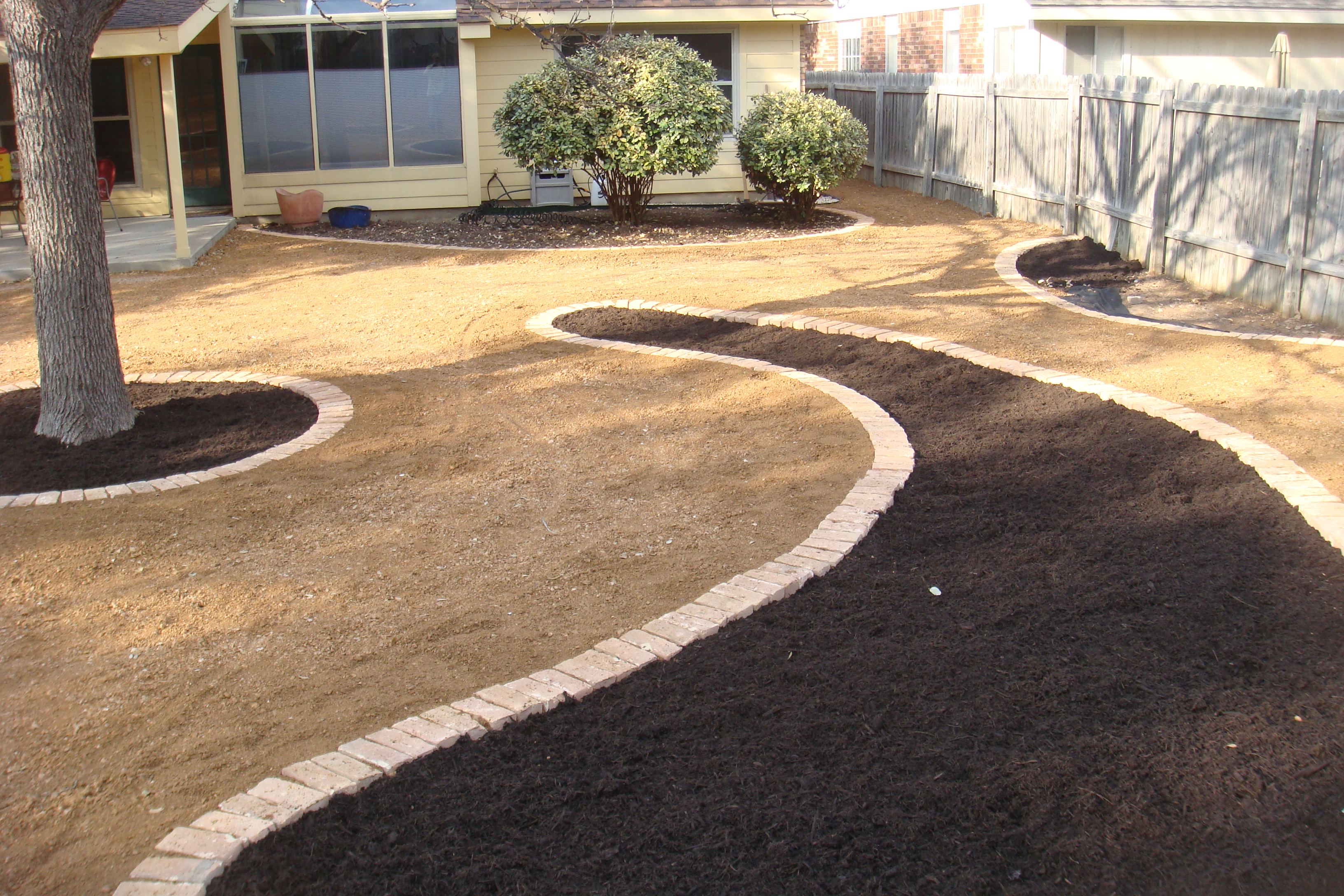
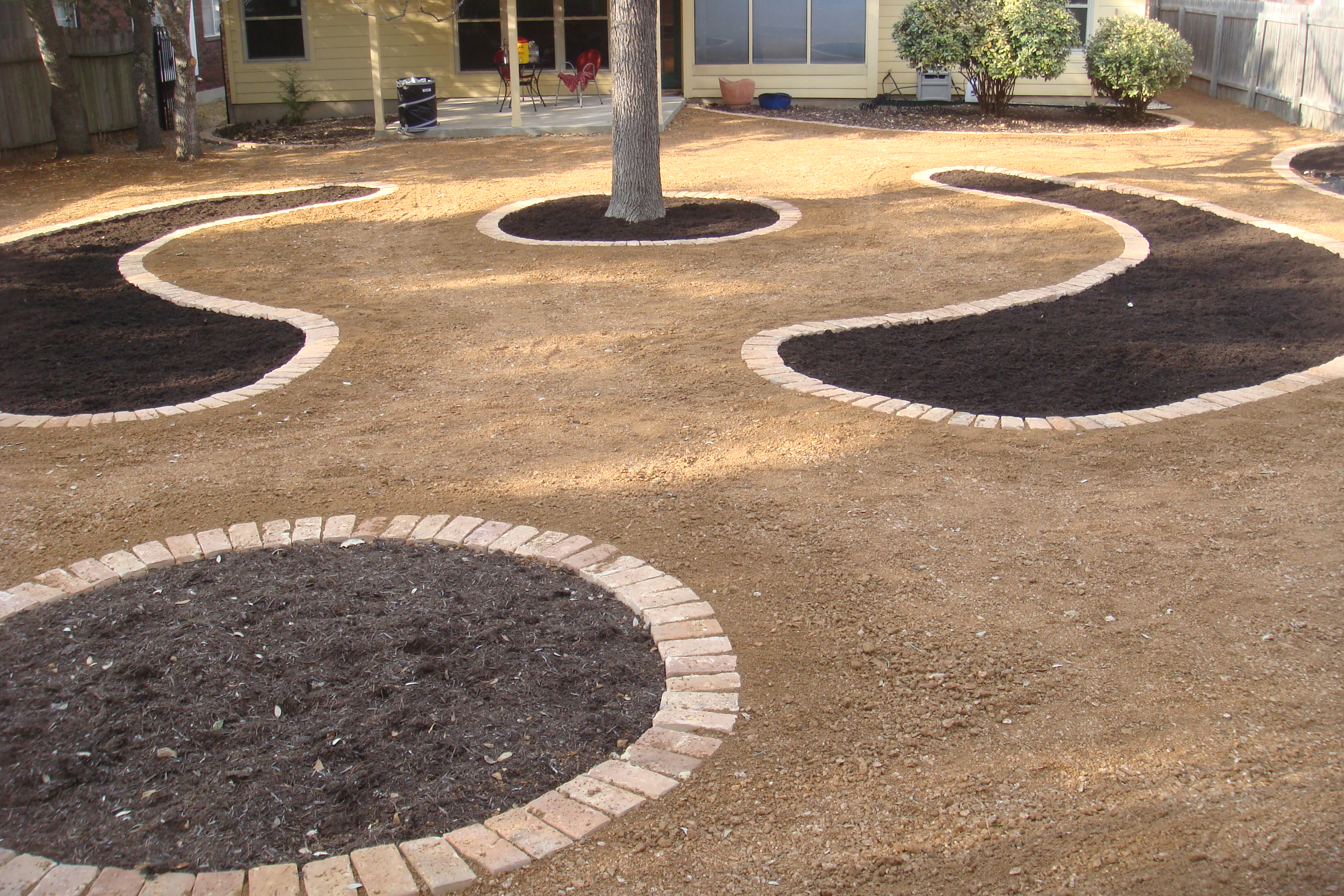
…the back beds are now fully prepped and ready for planting. The circular feature is the future home of an Arizona ‘blue ice’ cypress, what else! The two curved kidney beds will incorporate prostrate rosemary, a weaving line of bush sages and dotted dwarf miscanthus.
Last and most certainly not least:
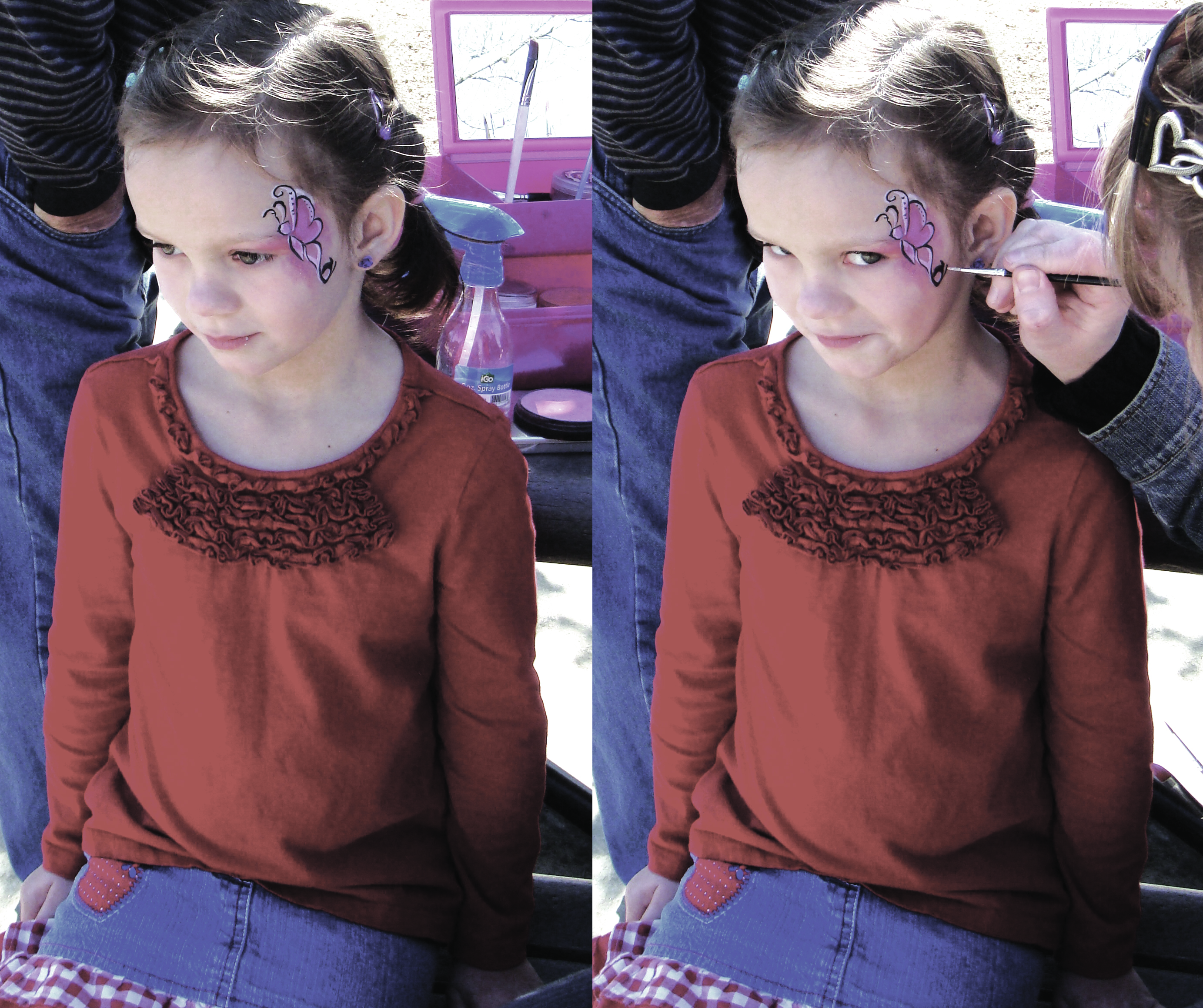
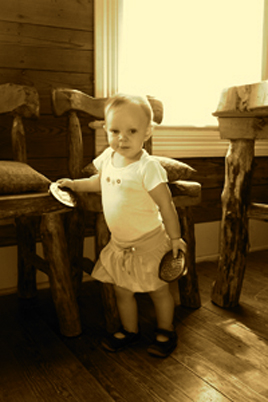
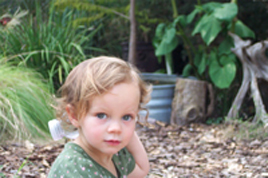
Happy 6th Miss P. xxx
Stay Tuned for:
“Mad Birds and Englishmen”
All material © 2011 for eastsidepatch. Unauthorized
intergalactic reproduction strictly prohibited, and
punishable by late (and extremely unpleasant)
14th century planet Earth techniques.