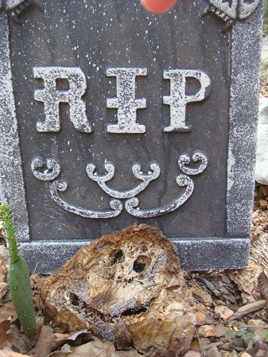
Ridiculous.
 My tomatillos appear to be exploding, imploding and generally disappearing inside their husks, Noooo!
What is going on here? This is the first time I have ever grown tomatillos and at this point I am dumbfounded.
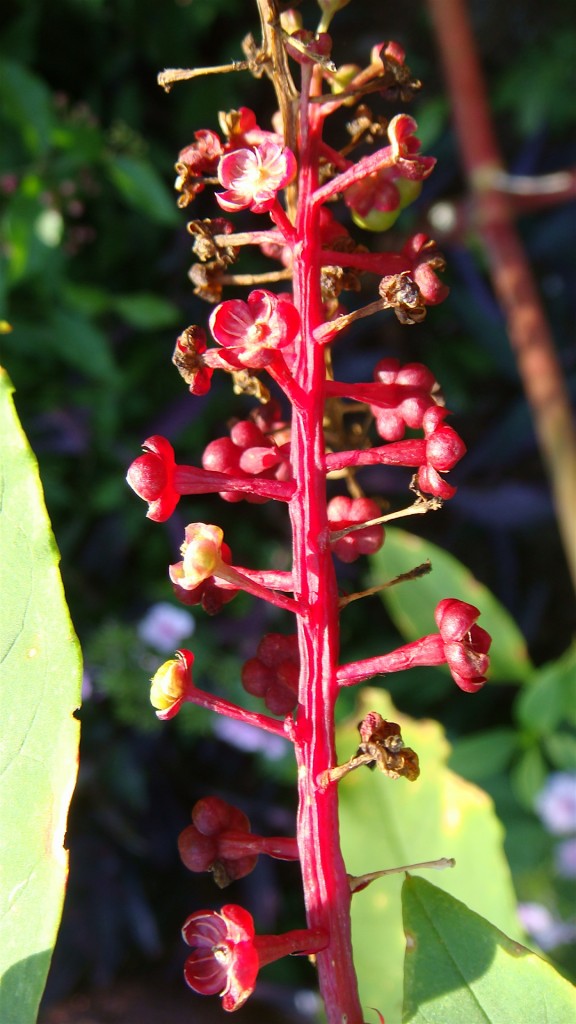
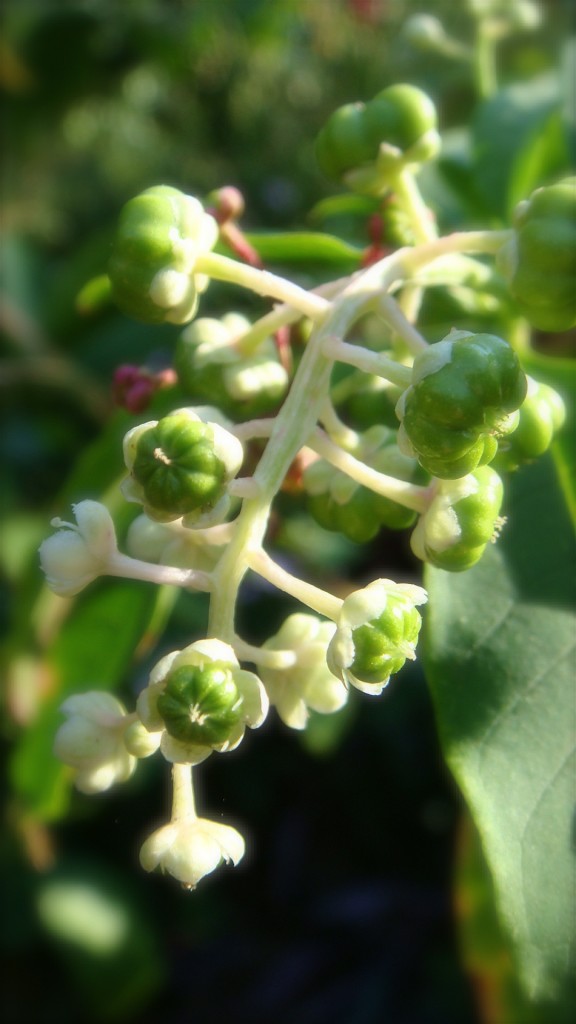
They started out great…
 and would get to this stage, but never turn green? I did read that in a ripe state their color can vary significantly with purple being one of the colors mentioned, but when cut open…
 the flesh is mealy and just bland? I cannot image what a salsa would taste like with these used in it.

 And now this happens! Shriveled tomatillos and barren husks!
 Oh don’t even schtart Goldmember.
 The Patch is turning shades of brown once again, cattails are about to rip open at the seams and this bog cypress is about to shed all of its foliage, something it likes to do very fast,
 I wish I could say the same about my pecan trees, it seems they just keep shedding for months! My strategy this year is to wait until it is quite finished before the mammoth clean-up. “Don’t look at the mess..don’t look at the mess..do…”

The leaves on my post oak are also falling at a steady rate. The post oak’s scientific name is quercus, which is the genus for all of the oaks, quercus stellata. It gets the name stellata because if you look on the under-surface of the leaf with a magnifying glass you will find tiny hairs.

Not now Jeff!
On a post oak these tiny hairs are not uniform across the whole thing, rather they are in little bunches that grow in star-like clusters. Stellata being Latin for stars…pushes glasses high up on ridge of nose, snorts quietly.
 The spherical object on the underside of this leaf is not a seed but a leaf gall. These leaf galls are formed by a variety of insects or small wasps that commonly infest oak trees. Most leaf galls on oak cause little or no harm to the health of a tree. Galls are abnormal plant growth or swellings comprised of plant tissue, they are usually found on foliage or twigs. These unusual deformities are caused by plant growth-regulating chemicals or stimuli produced by an insect or other arthropod pest species. The chemicals produced by these causal organisms interfere with normal plant cell growth…one loud involuntary finale snort.

I recently noticed some feather grass broomsticks propped up against the base of this oak tree…I can only assume the ESP witches are doing some fall cleaning, in preparation of decorating their rickety house for Christmas with strings of illuminated, inflated gulf-coast toads? I believe they got this nasty interior design idea from National Geographic, I have recently noticed that they are getting it delivered by raven.
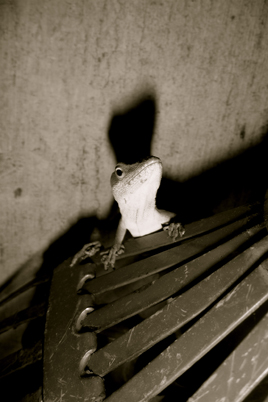
 James Snyder took this striking photo of a frog that ate a small light bulb. It was featured in National Geographic’s “Daily Dozen”
“This is a Cuban tree frog on a tree in my backyard in southern Florida. How and why he ate this light is a mystery. It should be noted that at the time I was taking this photo, I thought this frog was dead having cooked himself from the inside. I’m happy to say I was wrong. After a few shots he adjusted his position. So after I was finished shooting him, I pulled the light out of his mouth and he was fine. Actually, I might be crazy but I don’t think he was very happy when I took his light away”.
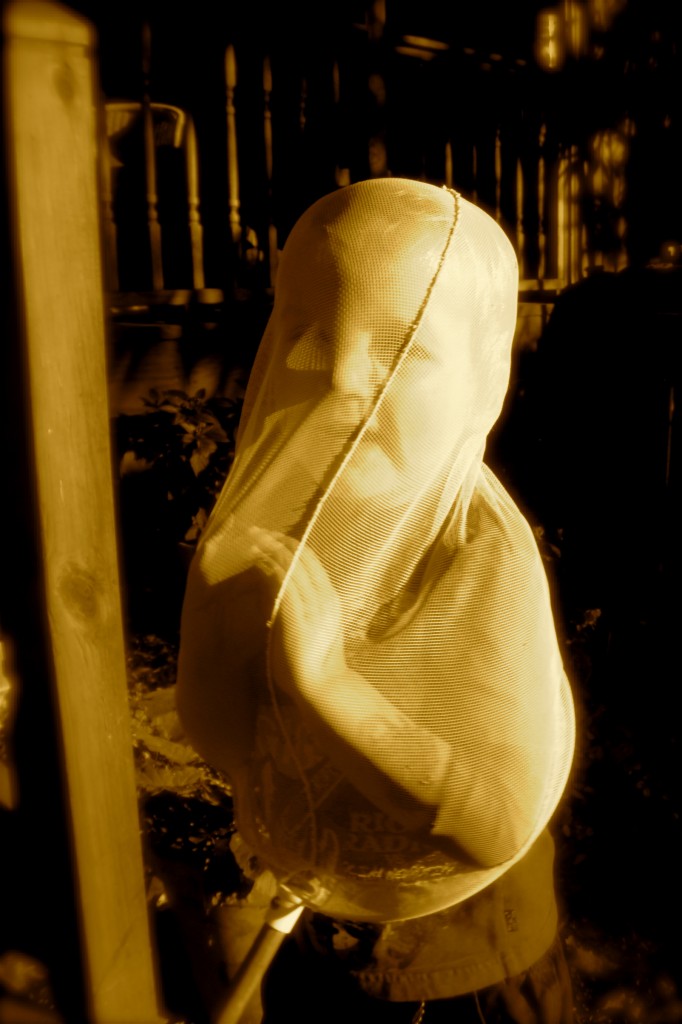
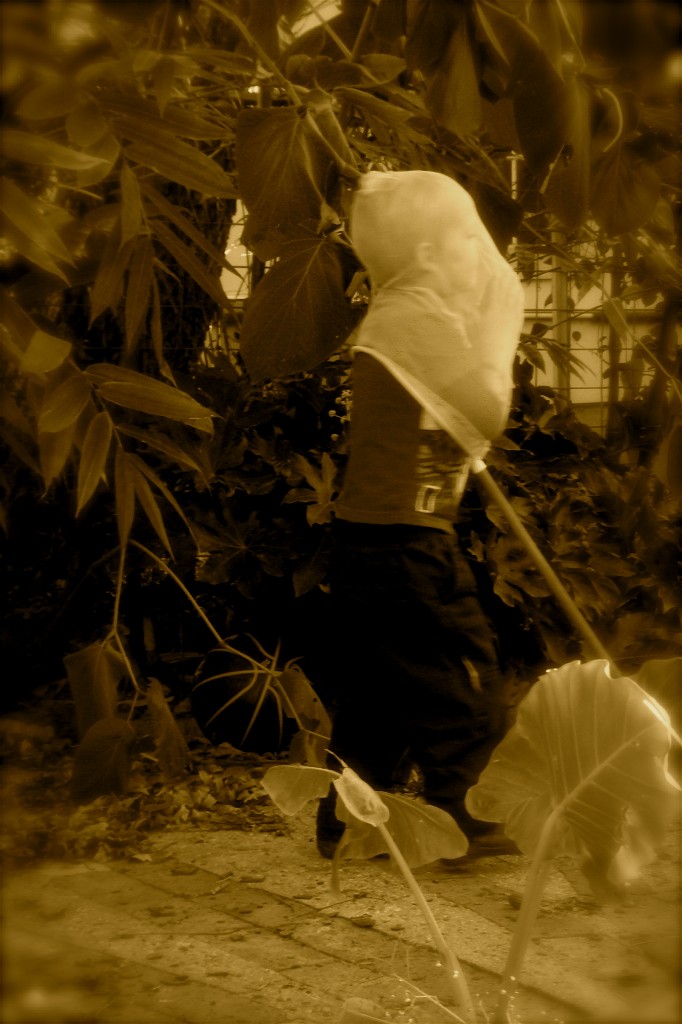
This unusually large chrysalis showed up in the Patch this week, I caught it hanging under my hoja santa plants, well you could hardly miss it!
I believe this is the rare
Argumenti selecthearingus
I will be studying this ones development very closely over the next 15 years or so.
Not all things are sepia though…

This mammoth giant elephant ear
Colocasia
is quite impressive with the light hitting it. This plant surprised my this year with a remarkable rebound. You may recall that after my “carnival” incident: http://www.eastsidepatch.com/2010/01/carnival/ that attempted, but failed, to protect my Mexican lime tree last winter? It was at this pivotal point that I made the decision to not cover anything ever again, ever…oh no, not me…the large bulb of this colocasia took quite the beating under this new traumatic Patch policy.
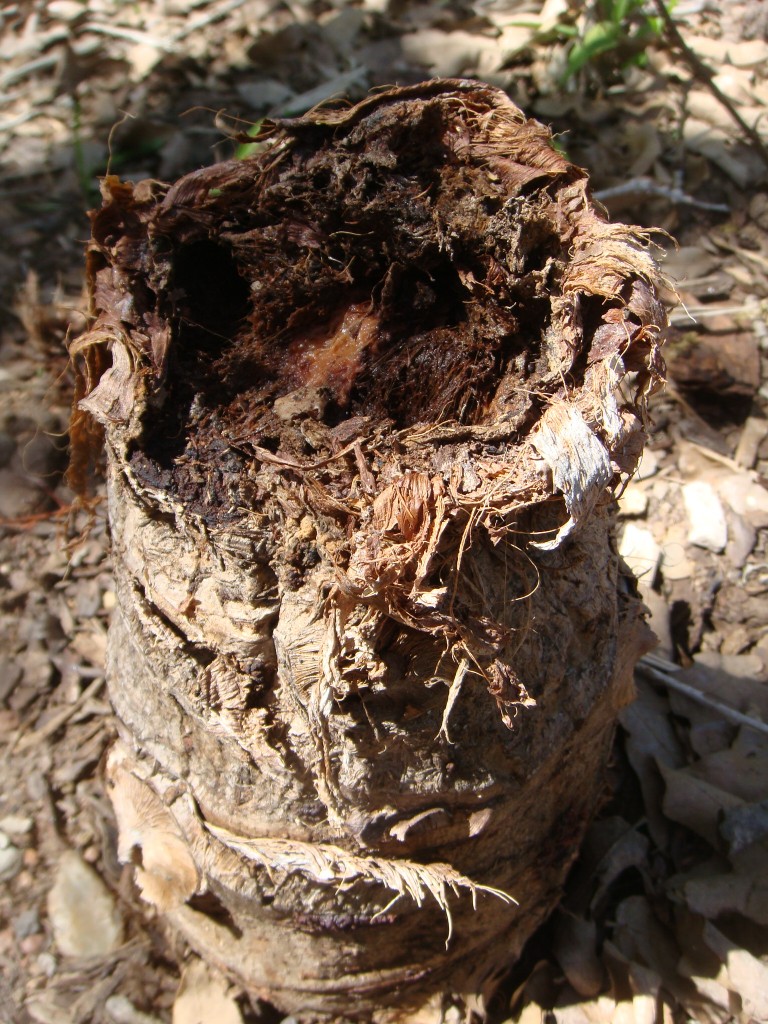
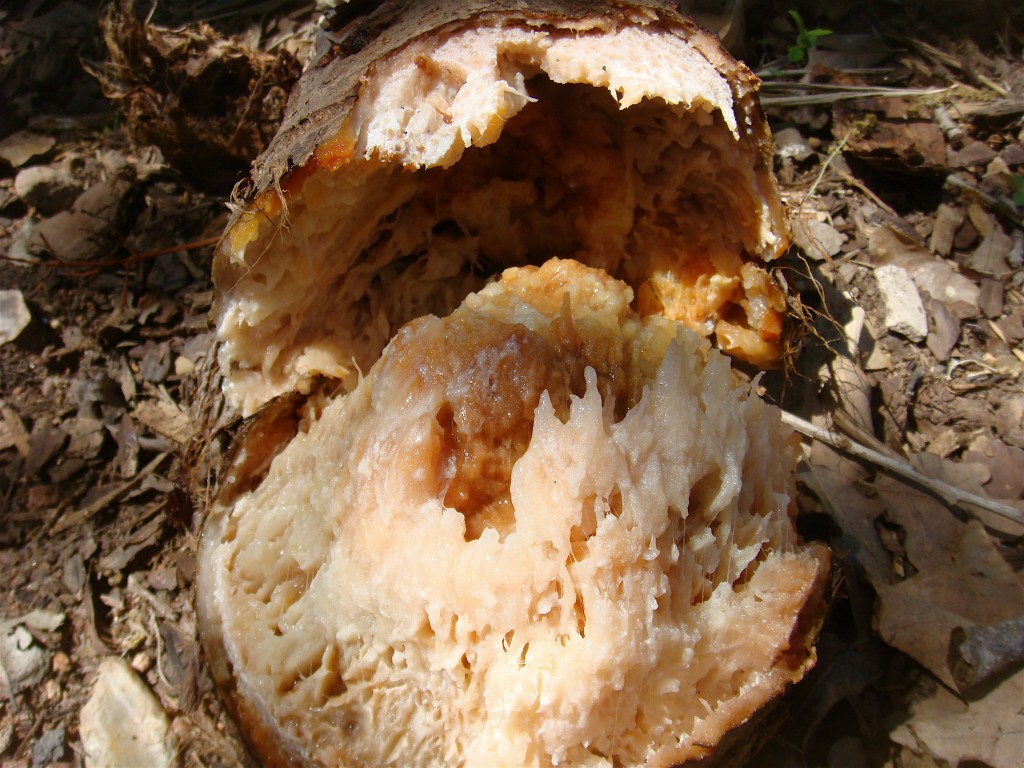
“Beeeeeeeltch”
Now I know you could have gone your entire lives without seeing these pictures again (just think about that green leaf) but if you recall, It went from a moist elephants foot to a smudged over, horrendous smelling garden treat of rotting flesh…I knew I shouldn’t have pushed on it, but well, I just had to.
The rotten ear, now flat to the ground, formed a hard crust which did nothing for a few months, although that part of the garden had a rather “unsubtle” aroma during this period. When anyone visited the Patch during this dark time, you could tell when they were anywhere close to it from their falling expressions and ashon pallor.

After a few more months of apparent fermentation, I was surprised to see it come back to life, green shoots sprouted forth from the fizzing kimchi. I was impressed. It sent out some tiny side shoots that I thought were not going to amount to much, but I was quite wrong as you can see. So if your colocasia freezes and you have the stomach to put up with its unearthly rotting aroma for a while, don’t dig it up, I just bet part of it will prevail.


A recent visit to Copper Rock wholesale nursery…not sure what type of agave this is but I sure do like it!

Wintery illumination in the Patch.

A cardinal in the silvers.

Another tiny Cypress ‘blue ice’ gets planted along the perimeter of the Patch this week.

Final crop of peppers.

I caught these armored centurions huddled together on my porch.
Largus californicus
Finally:
I recently found this…

and more great rain water collection solutions from a local company that also are addressing space sensitive solutions to harvesting rain water. Existing rain-water collection barrels are really not that practical, filling up in seconds in our Texas sized downpours. But this on the other hand…

They also look good placed in tandem down these tight spaces.
Stay Tuned for:
“Voodoo”
All material © 2010 for eastsidepatch. Unauthorized
intergalactic reproduction strictly prohibited, and
punishable by late (and extremely unpleasant)
14th century planet Earth techniques.