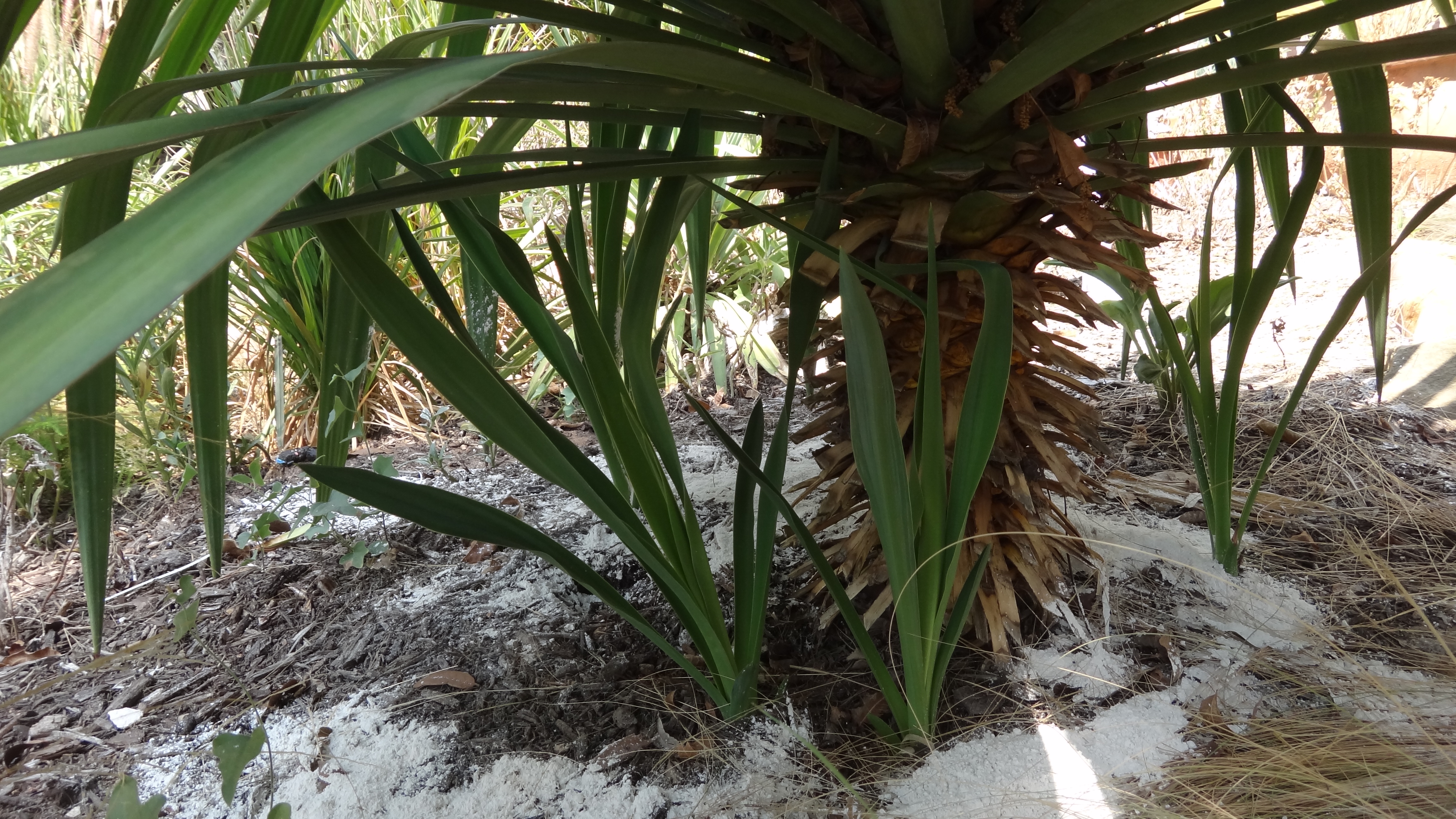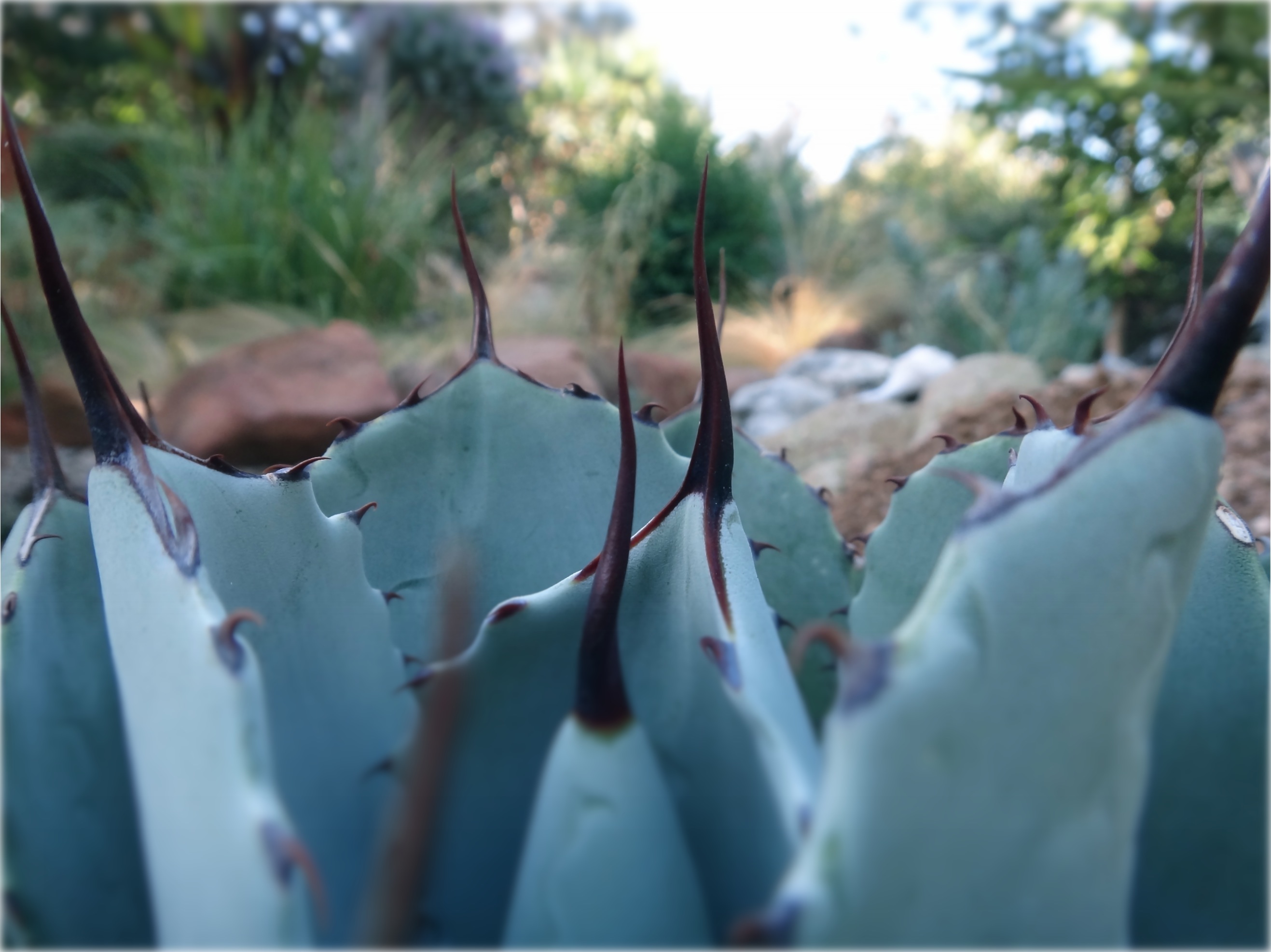
agave parryi truncata
Still no rain, lots of dust, and a summer cold for me…there, moaning all done for this week’s post.
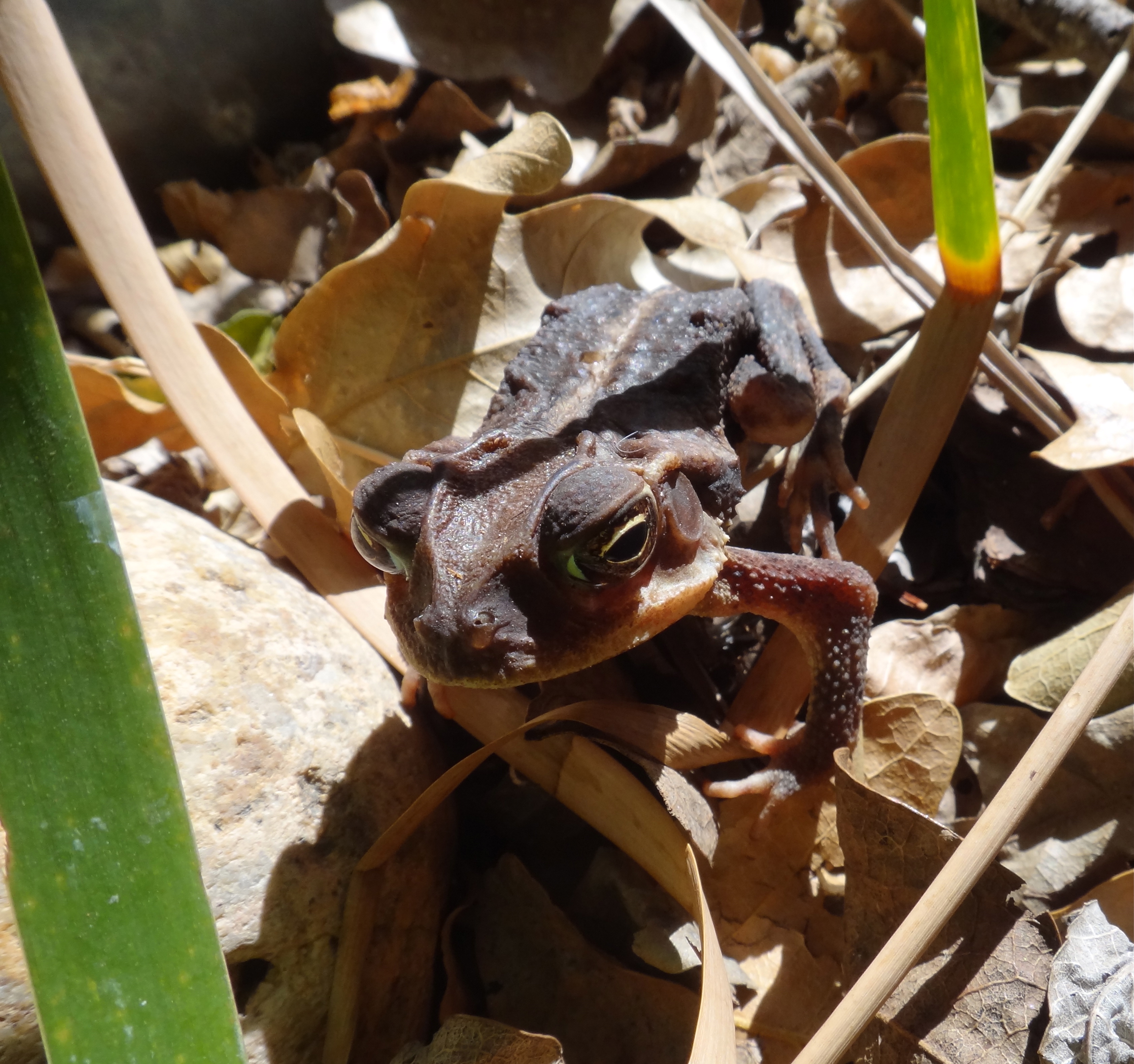
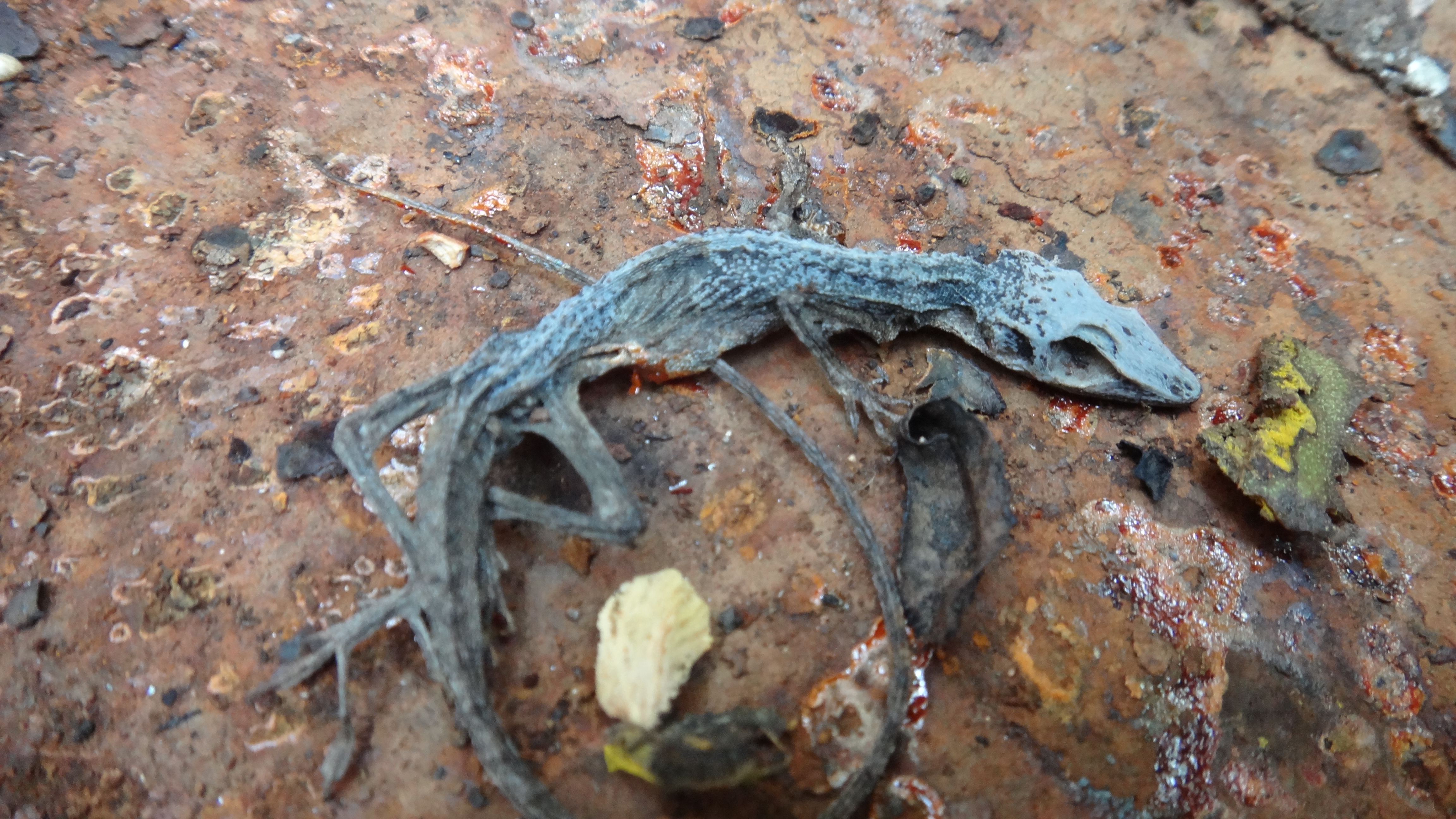
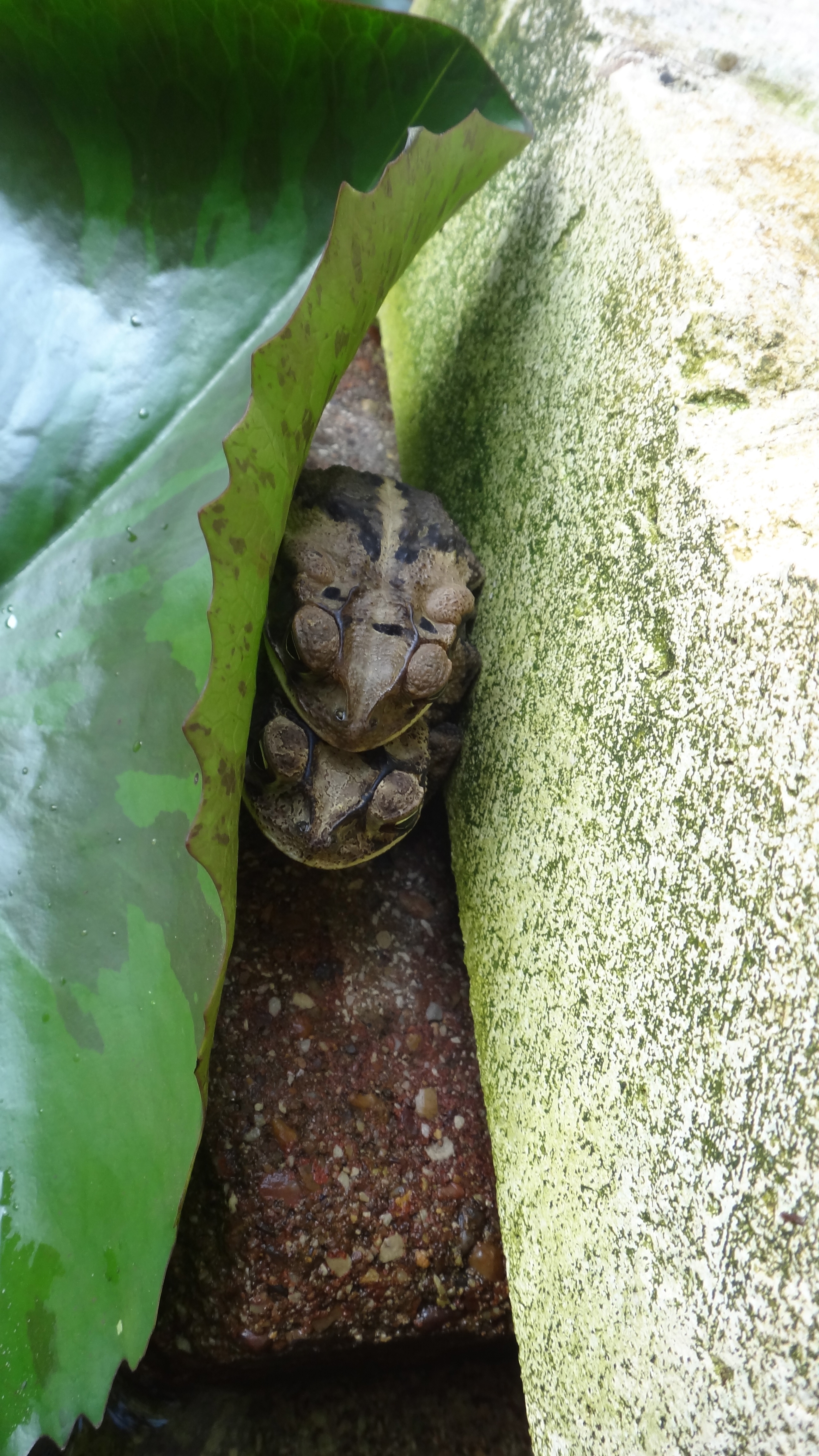
This sad little gulf coast toad looks exactly how I feel at this point in the drought, I gave him a good dowsing with the watering can and quickly got him into some shade. I have been noticing quite a few dead toads around lately. I think the damp shady places that they rely on during the day have, like everything else,
 turned to dust under the death rays.
WARNING…WARNING…
…never attempt to extract giant timber bamboo unless under the supervision of an adult.
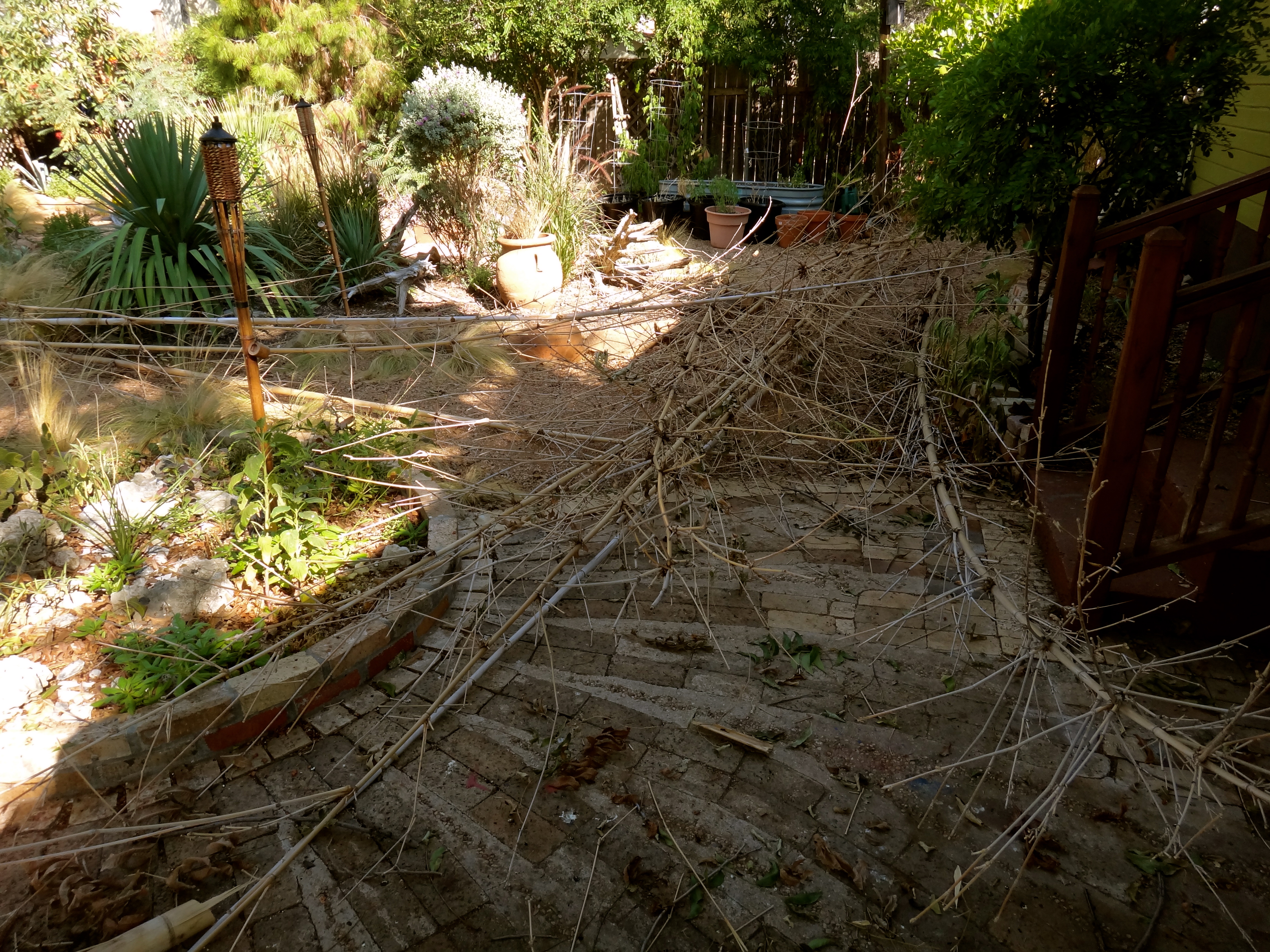
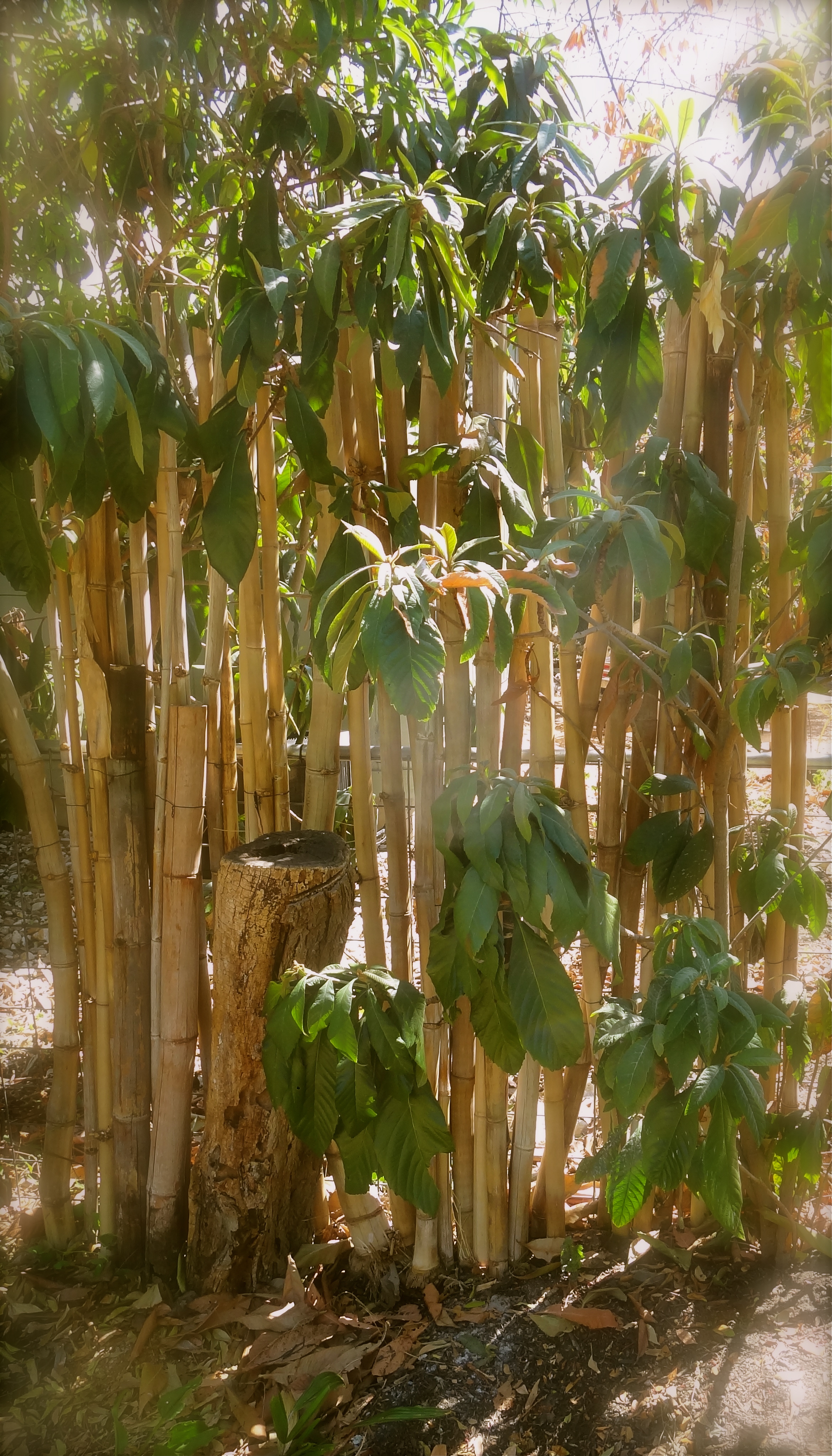
I have been putting this task off since last winter when this huge giant timber bamboo got hammered by our hard freezes. Although it was pushing up new culms I was not prepared to go through this mess again. No, there was only one thing for it.
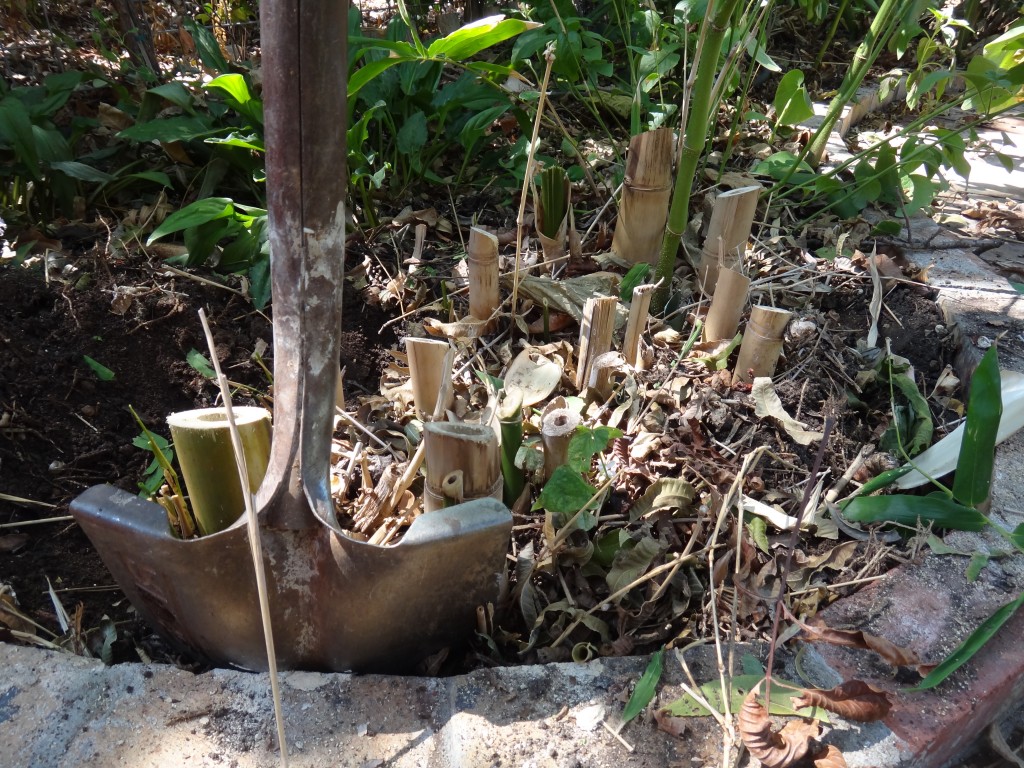
This monster almost got the better of me, and I am very determined when it comes to extracting plants that need to be extracted.
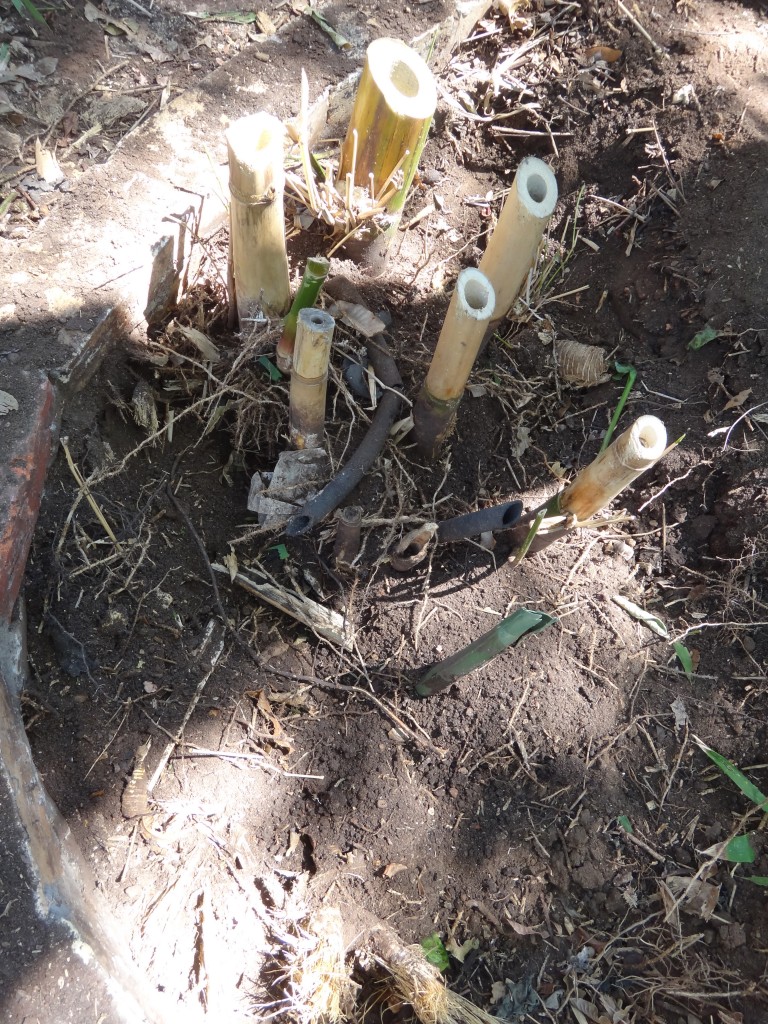
It was the most stubborn root-ball I have ever had the displeasure of meeting. I started to work around it with my heaviest pointed shovel but I could get no movement out of it at all, it was like concrete, it was horrible. As the pace and the sweat quickened, the cut culms began to look more and more like octopus suckers, clinging to the soil…pick axe, rockbar, pick axe, shovel and then naturally…
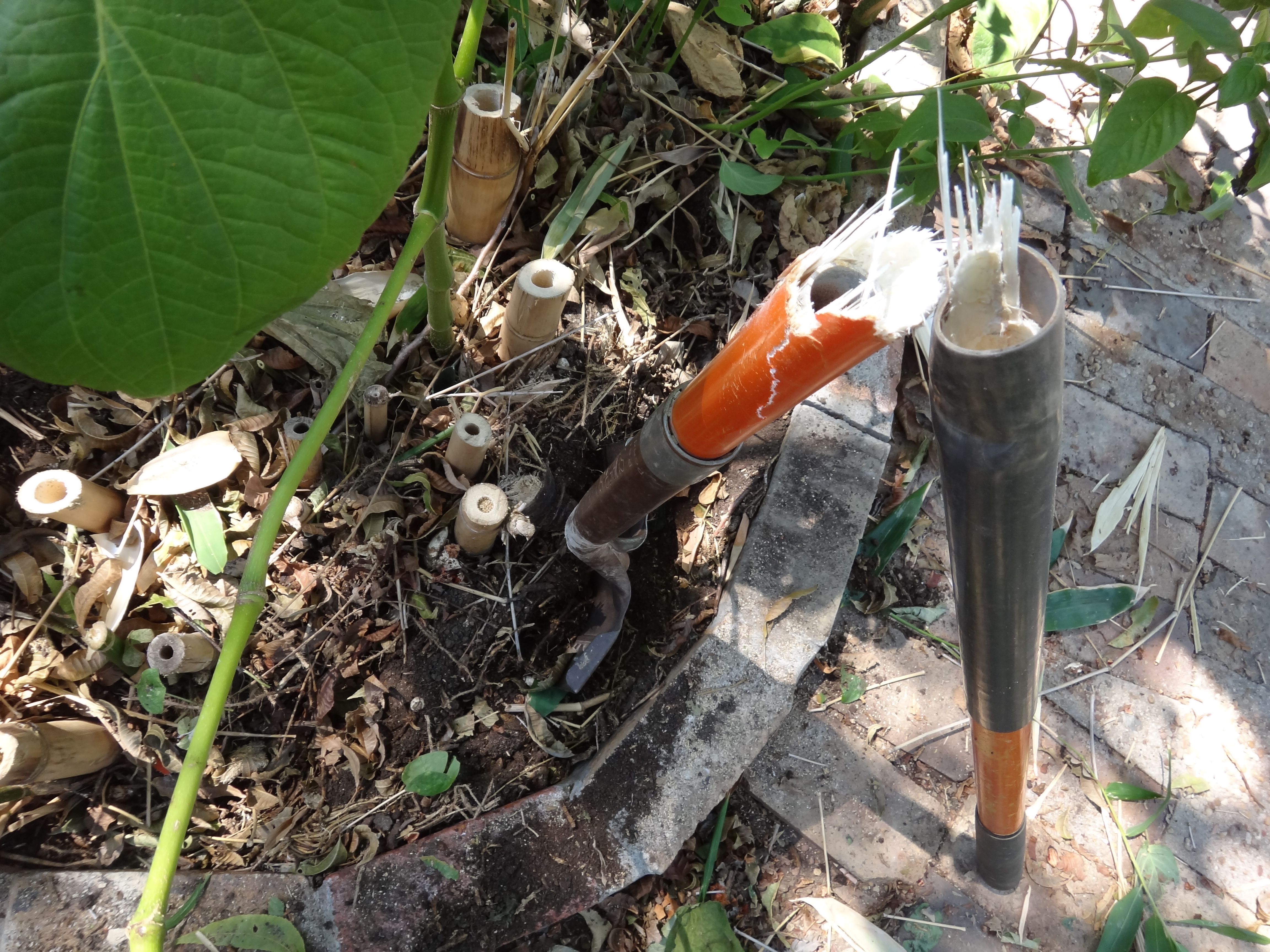
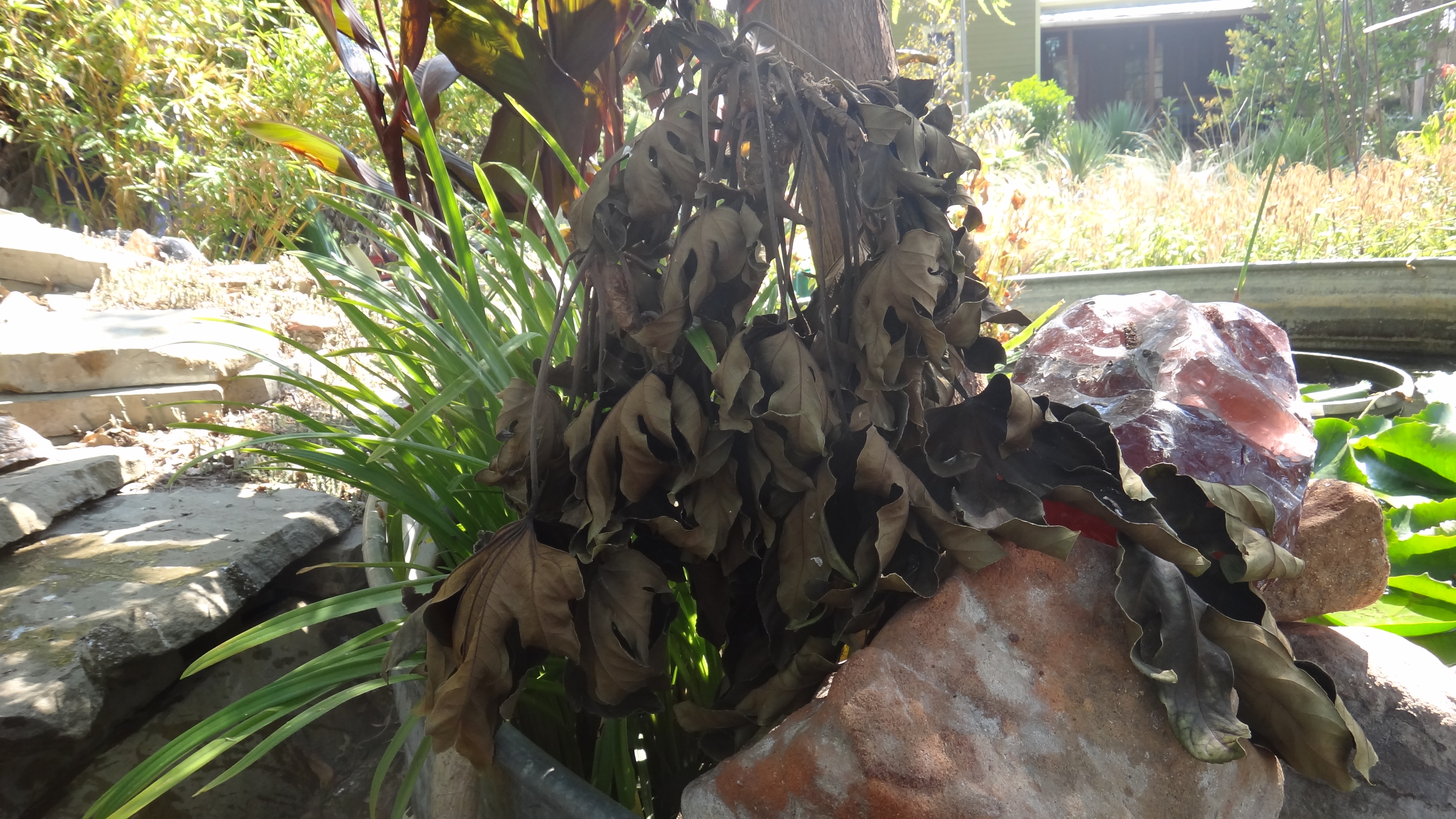
Snap! The force and speed of this breakage had me pirouetting out over the cut culms, which in-turn had me stumbling uncontrollably (zombie-like) into the adjacent hoja santa plants which were already quite unhappy.
Shovel #2.
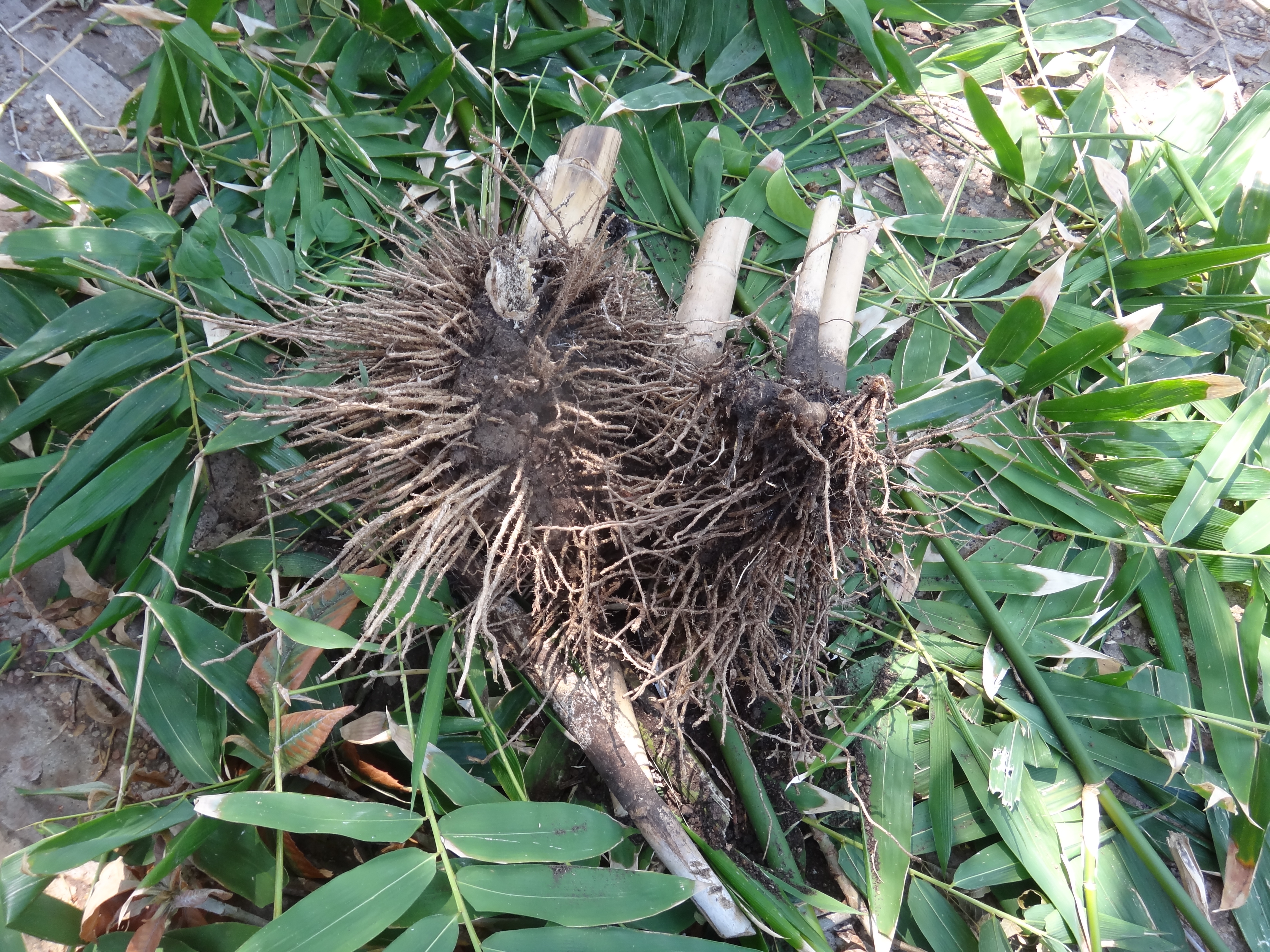
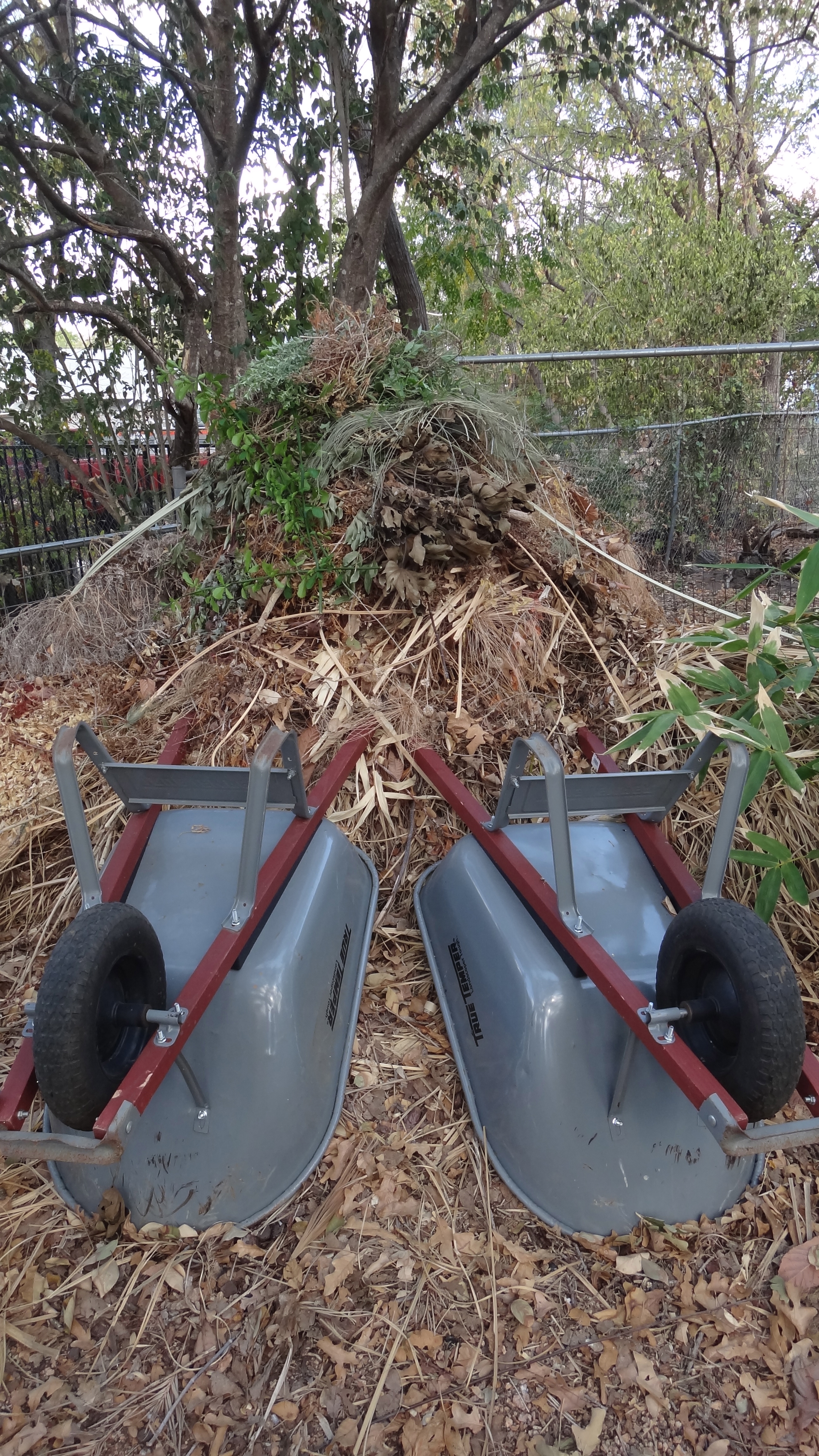
Half an our later and lots of other creaking from shovel #2 and I finally heard some popping, music to my ears…I had beached the whale.
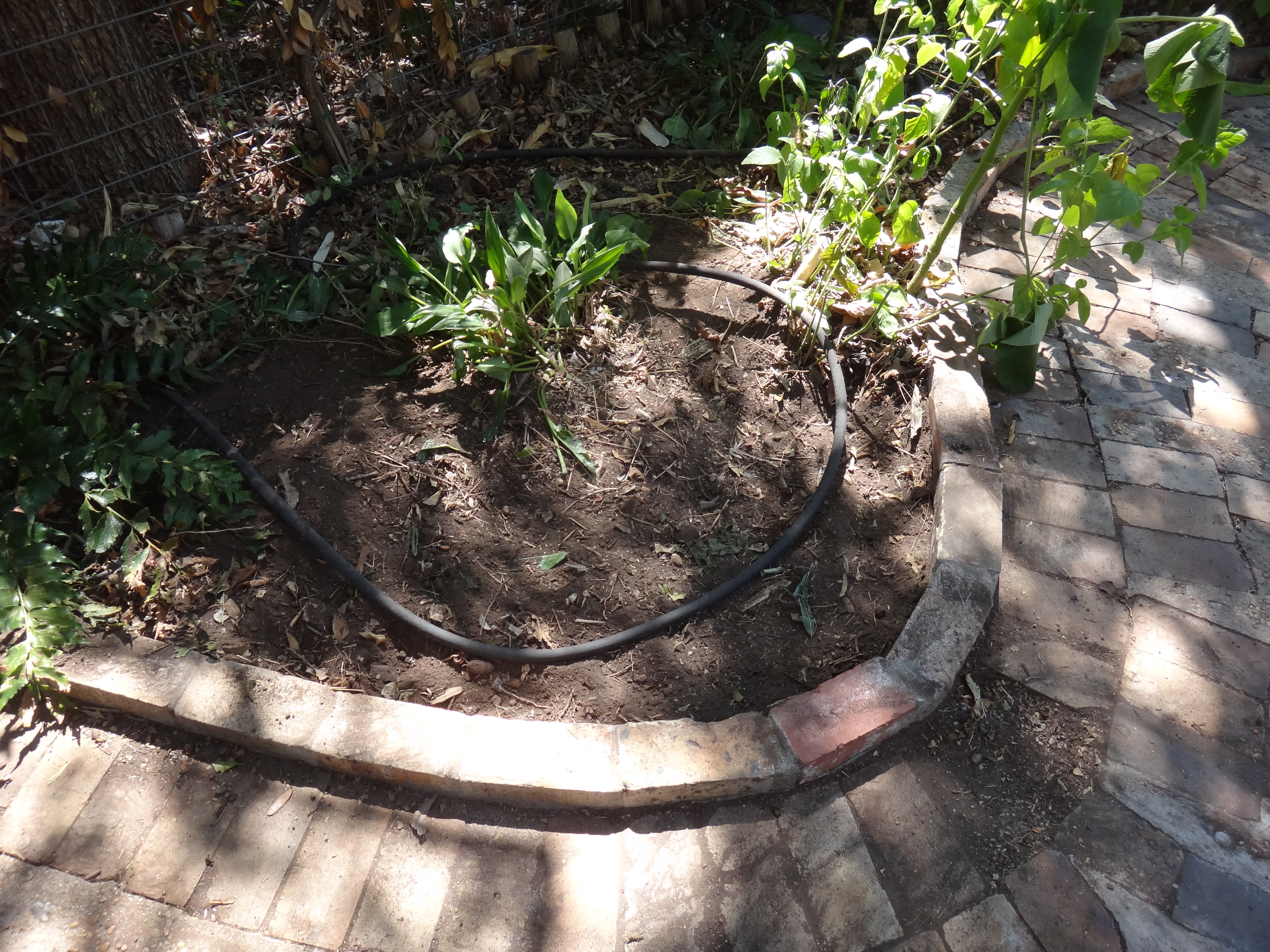
Just what I need, another bare patch in the patch.
Moving along:
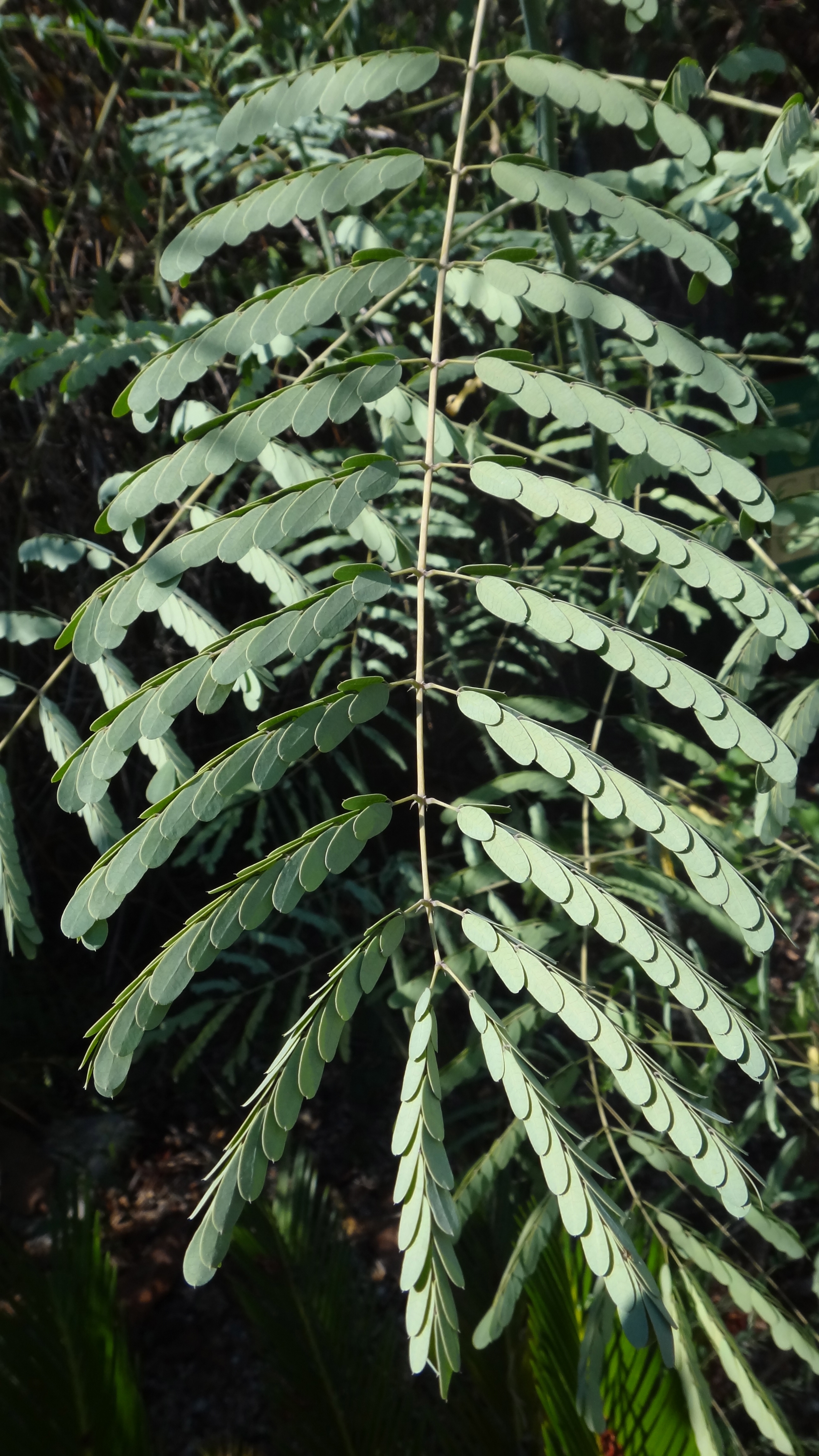
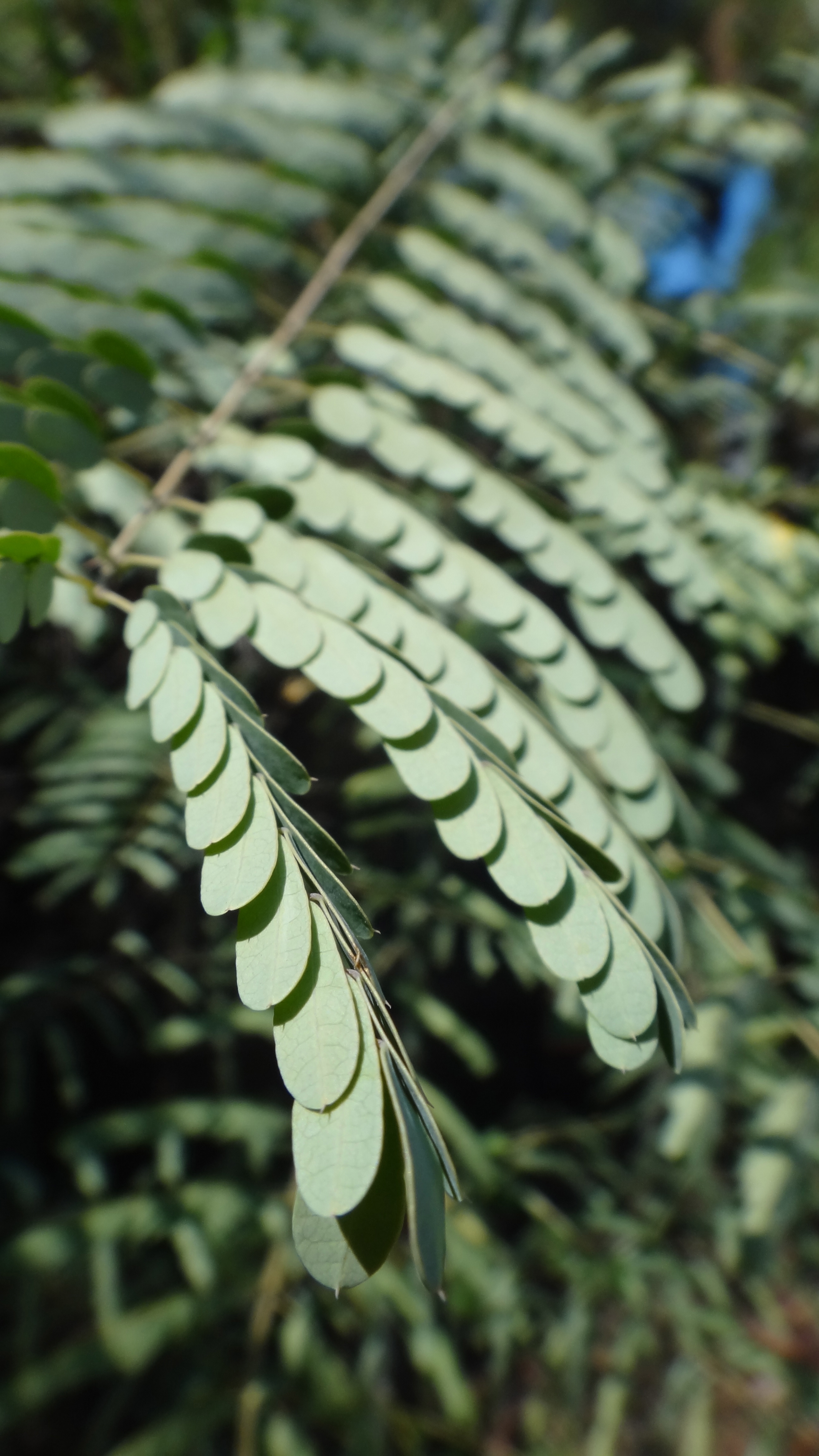
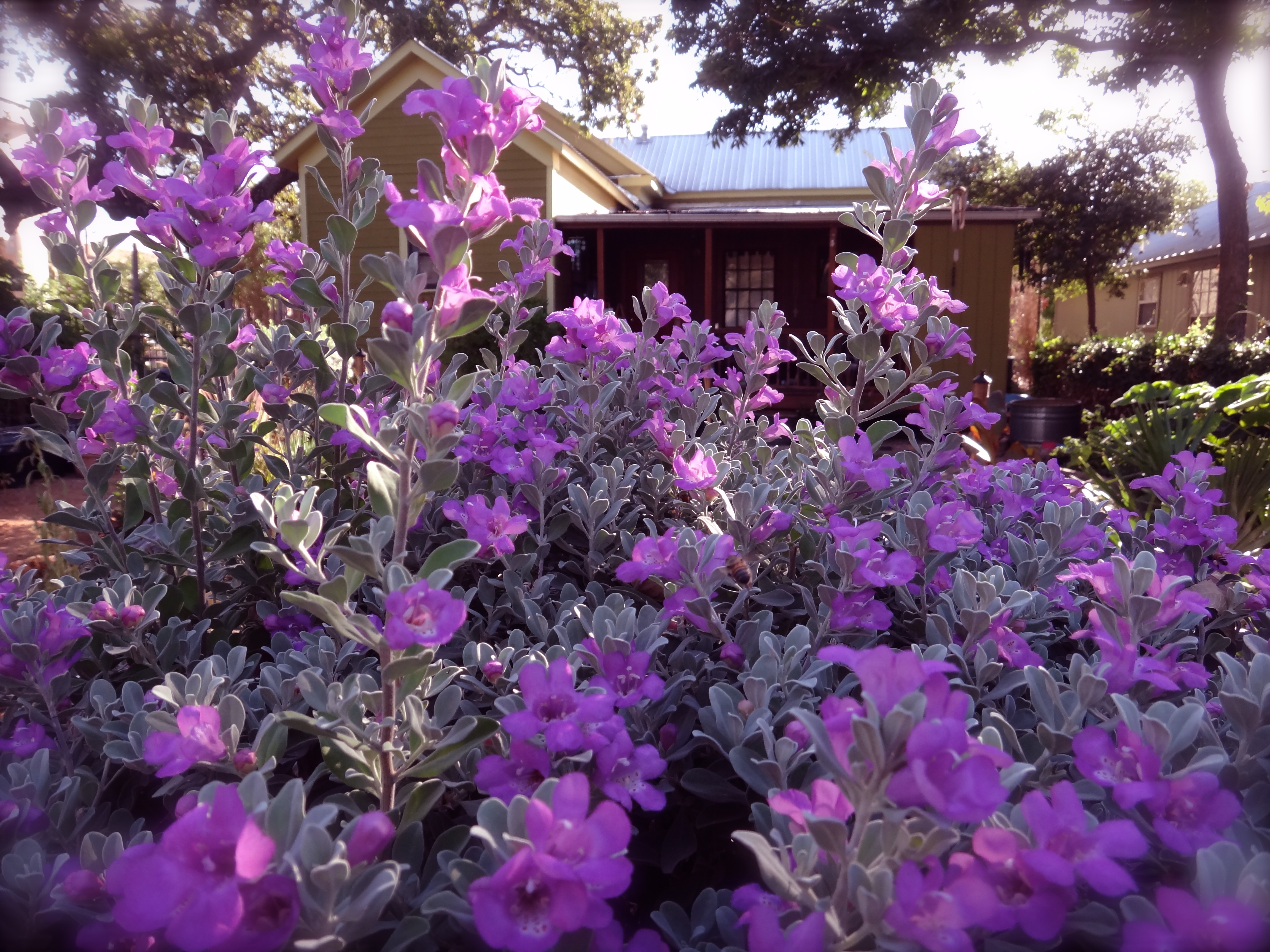 Texas sage is once again offering up more false promises or rain.
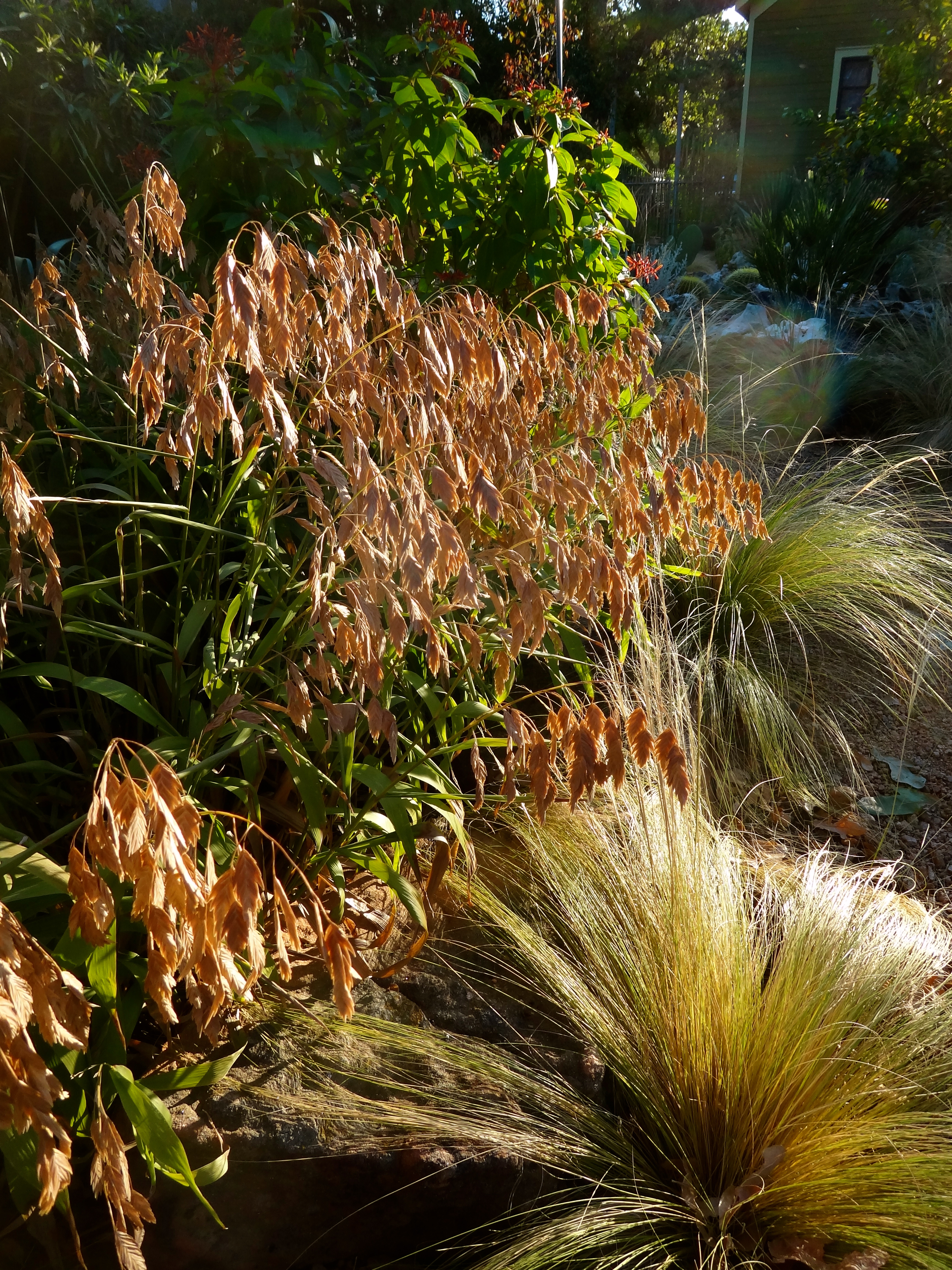
and the inland sea oats are now in full fall color.
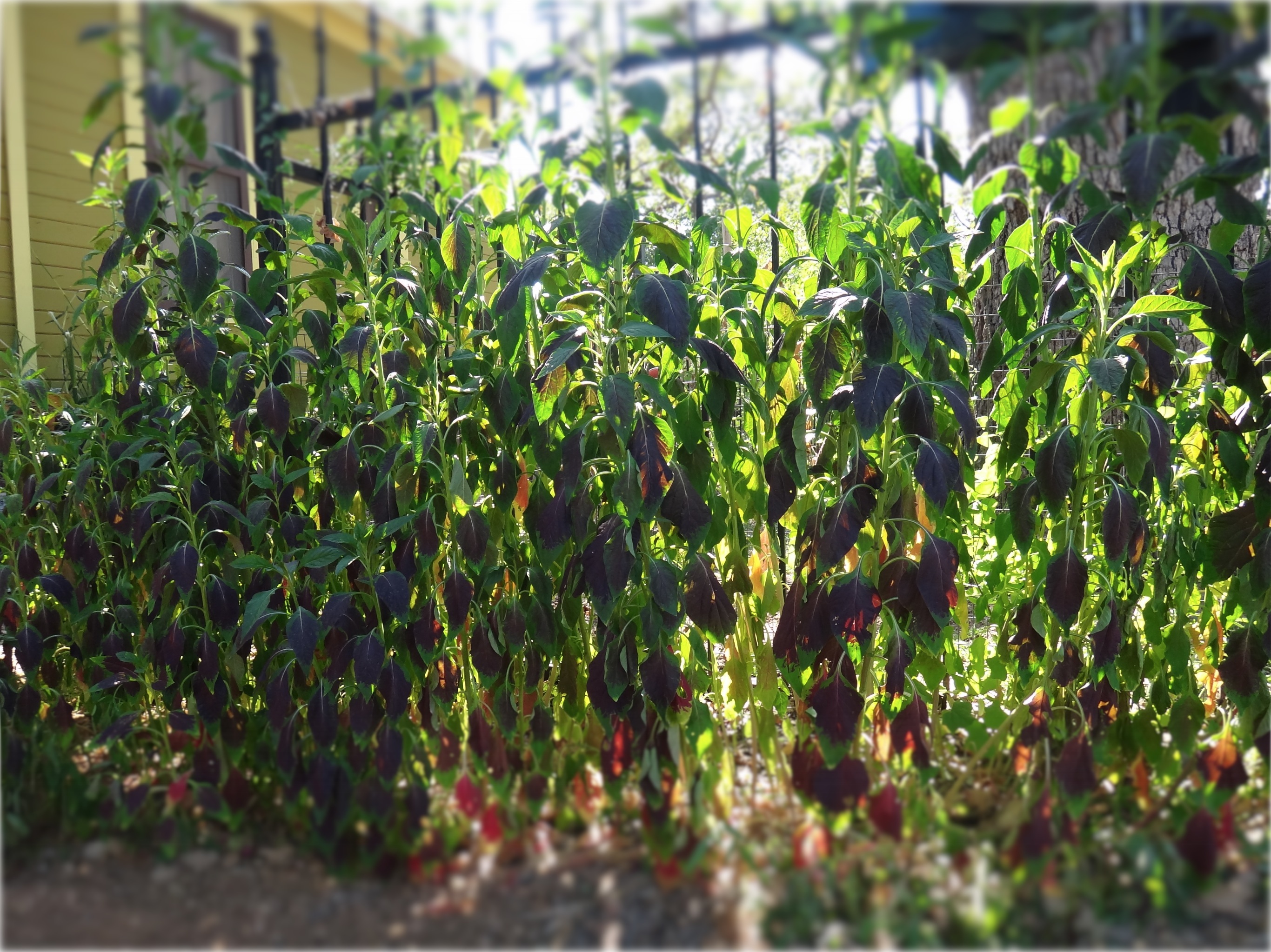 Celosia is pretty scarce in the Patch this year, most of it just wilted away like greens in a warm salad, this stand is my final hope for seeds this fall. These plants have been receiving supplemental water from my neighbor who is working to keep his struggling post oak alive.
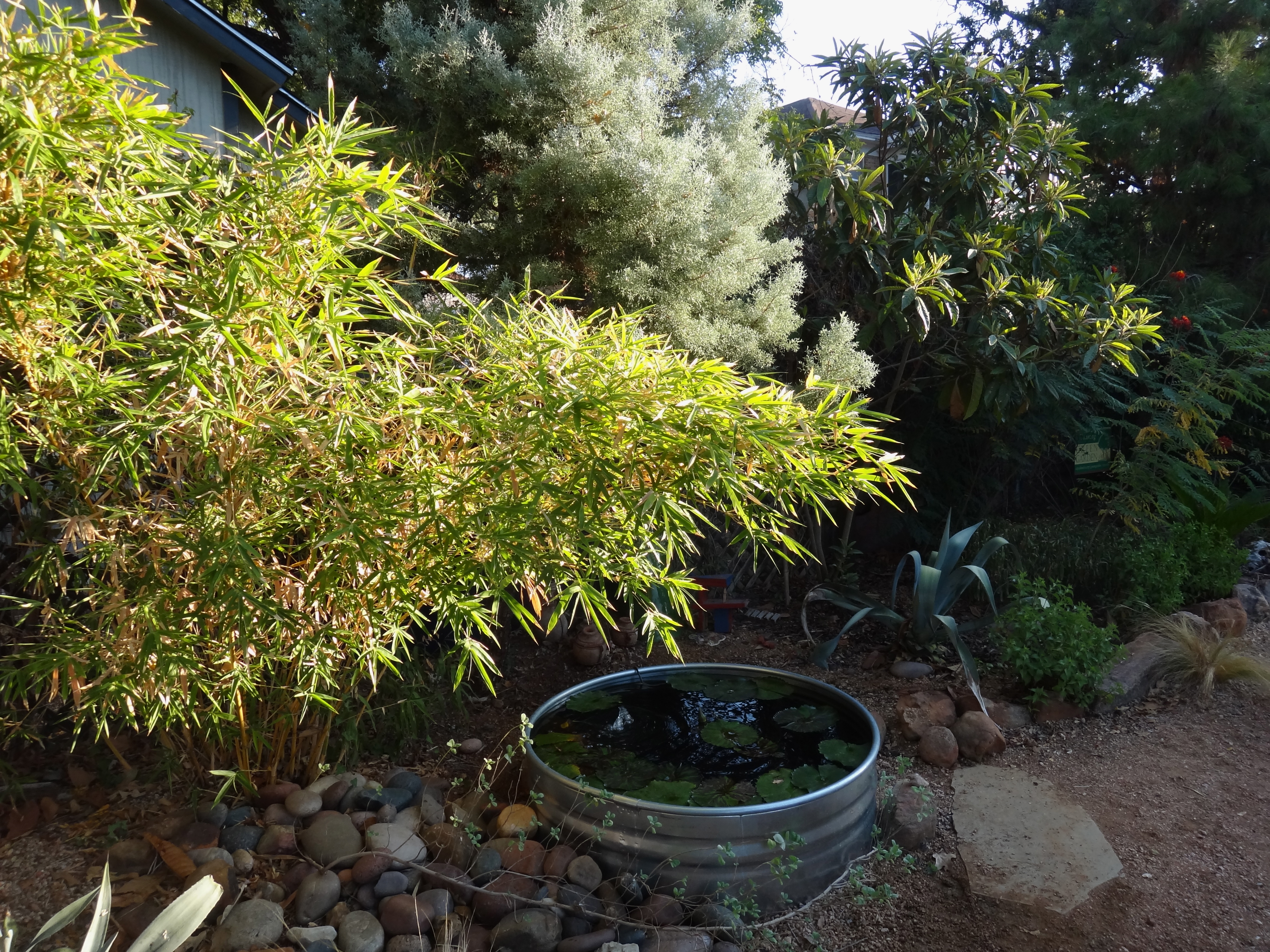
I did notice a big change in the light quality this week, I think the summer (if not the drought) is finally fading behind us…and good riddance.
Here are a couple of gross things to ponder…
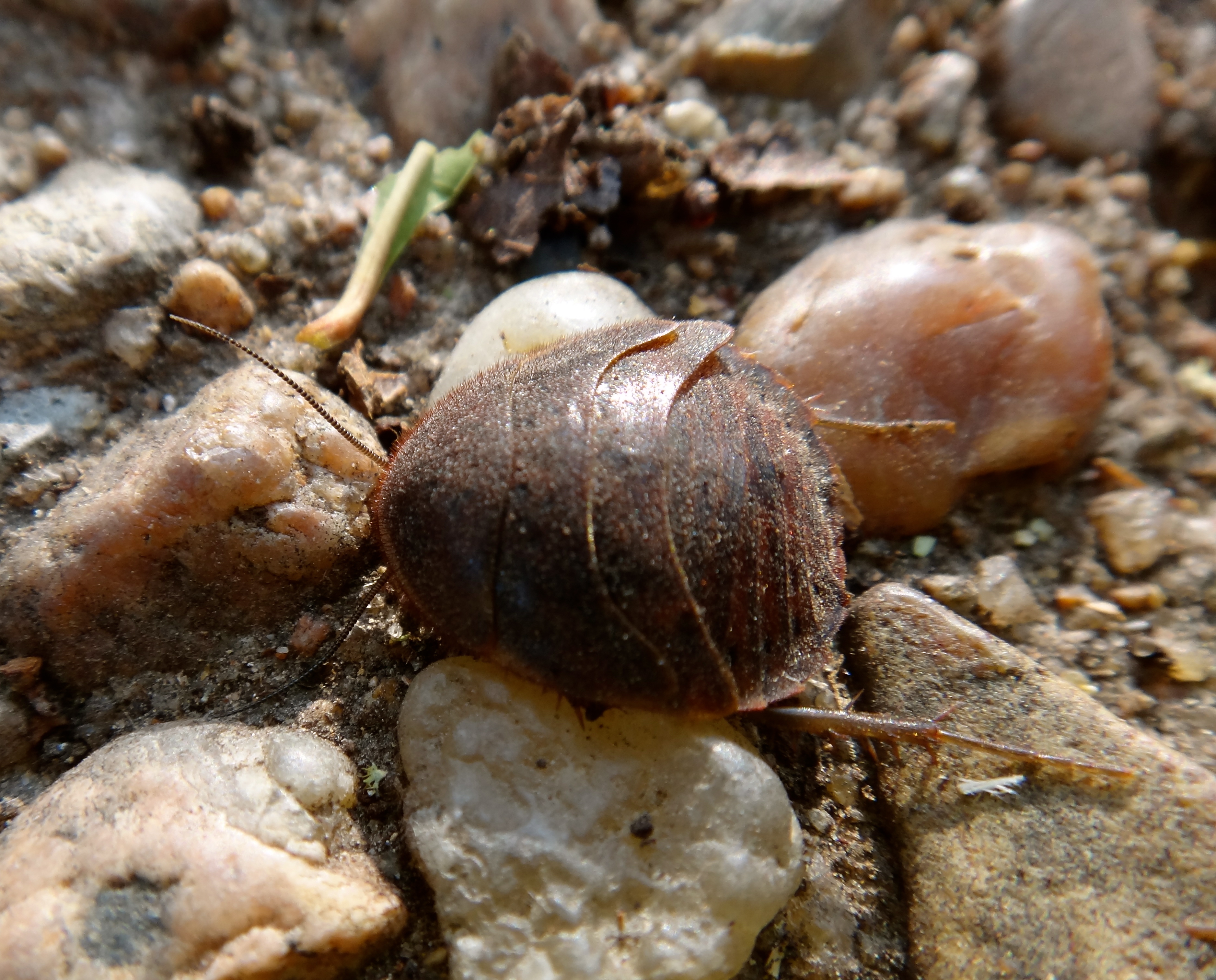
relax, this one does not seek shelter in houses. This is a female
Arenivaga
(arena meaning sand and vagus meaning wandering)
It is a genus of sand cockroaches, what a primordial looking creature…brrr.
And this next one was taken on an iPhone by my wife:
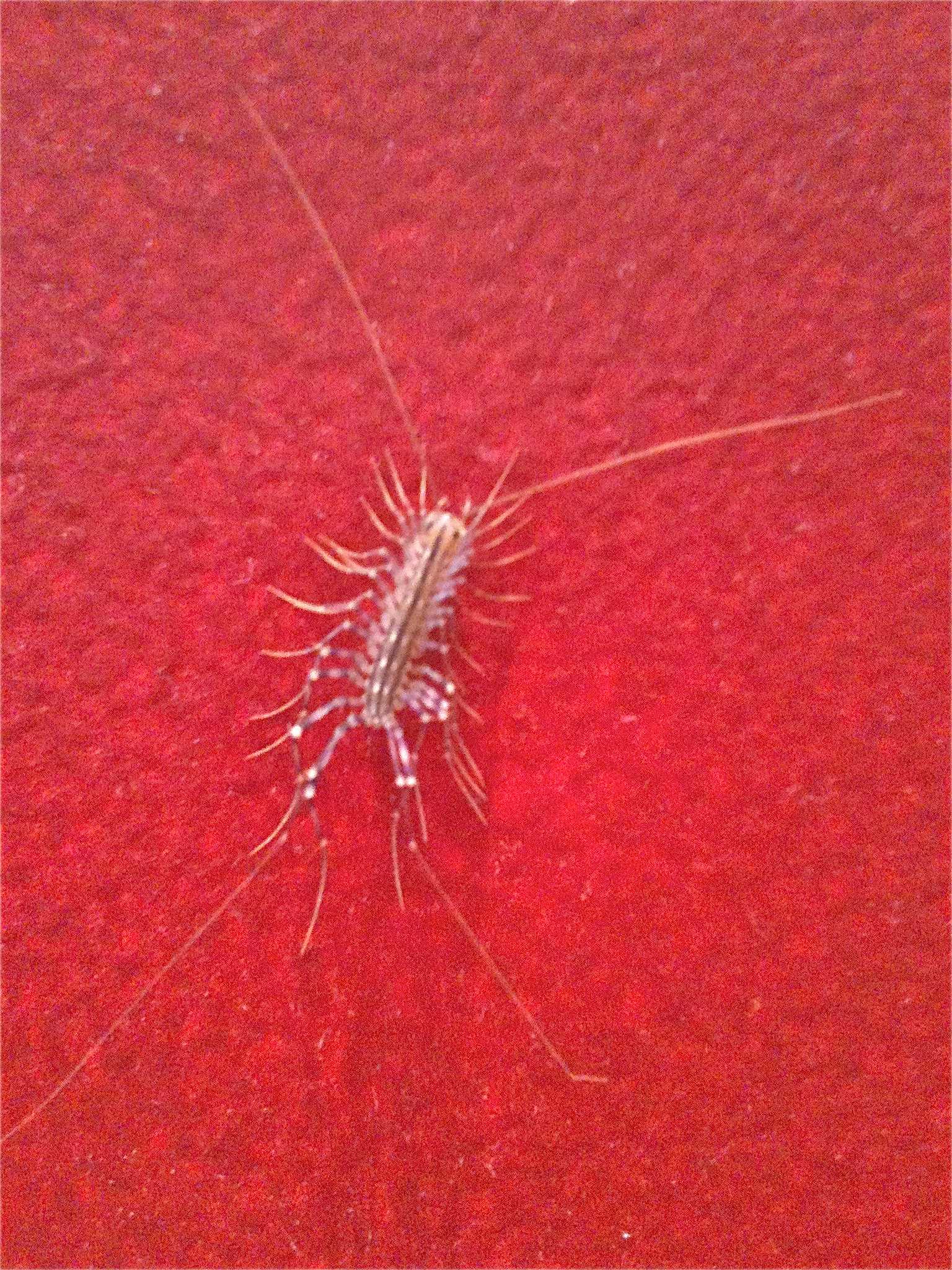
Scutigera coleoptrata
or a house centipede.
They are secretive,very odd looking and move with strange darting motions, and because of this homeowners typically fear the house centipede. Should you come across this very shy creature you might very well be inclined to immediately take your slipper to it, but these are actually beneficial in your home since they rid you of other pests like spiders,bedbugs,termites,cockroaches silverfish,firebrats,carpet beetle larvae ants and other household arthropods.
 I found this pest lurking under the bed,
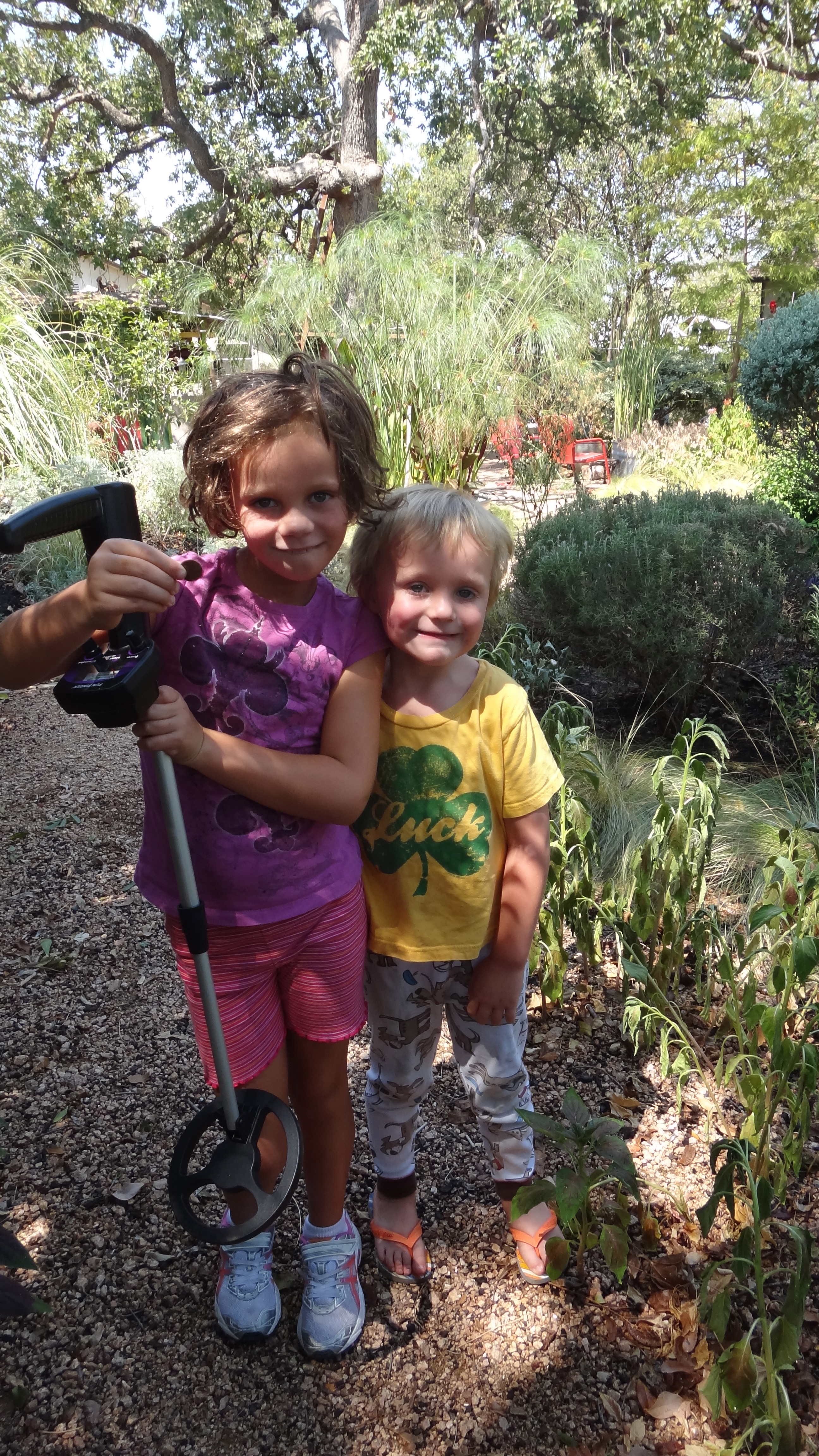
Kuminus Fangstratus
a vicious nocturnal creature.
Finally:
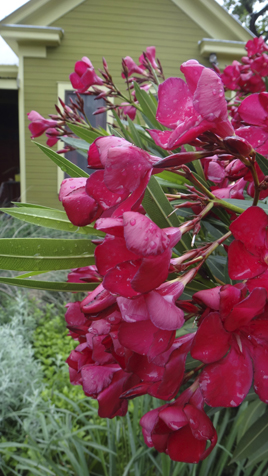
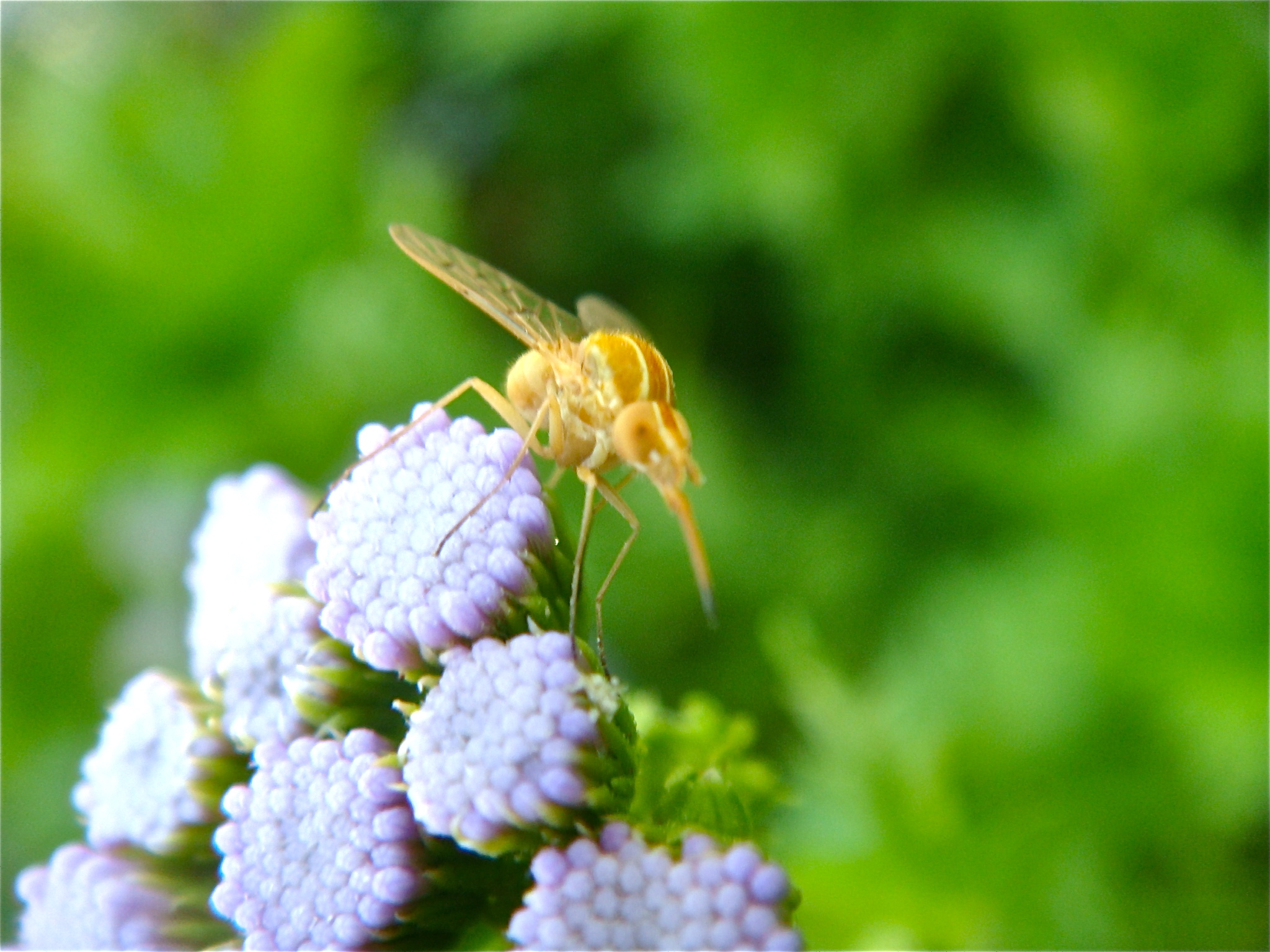
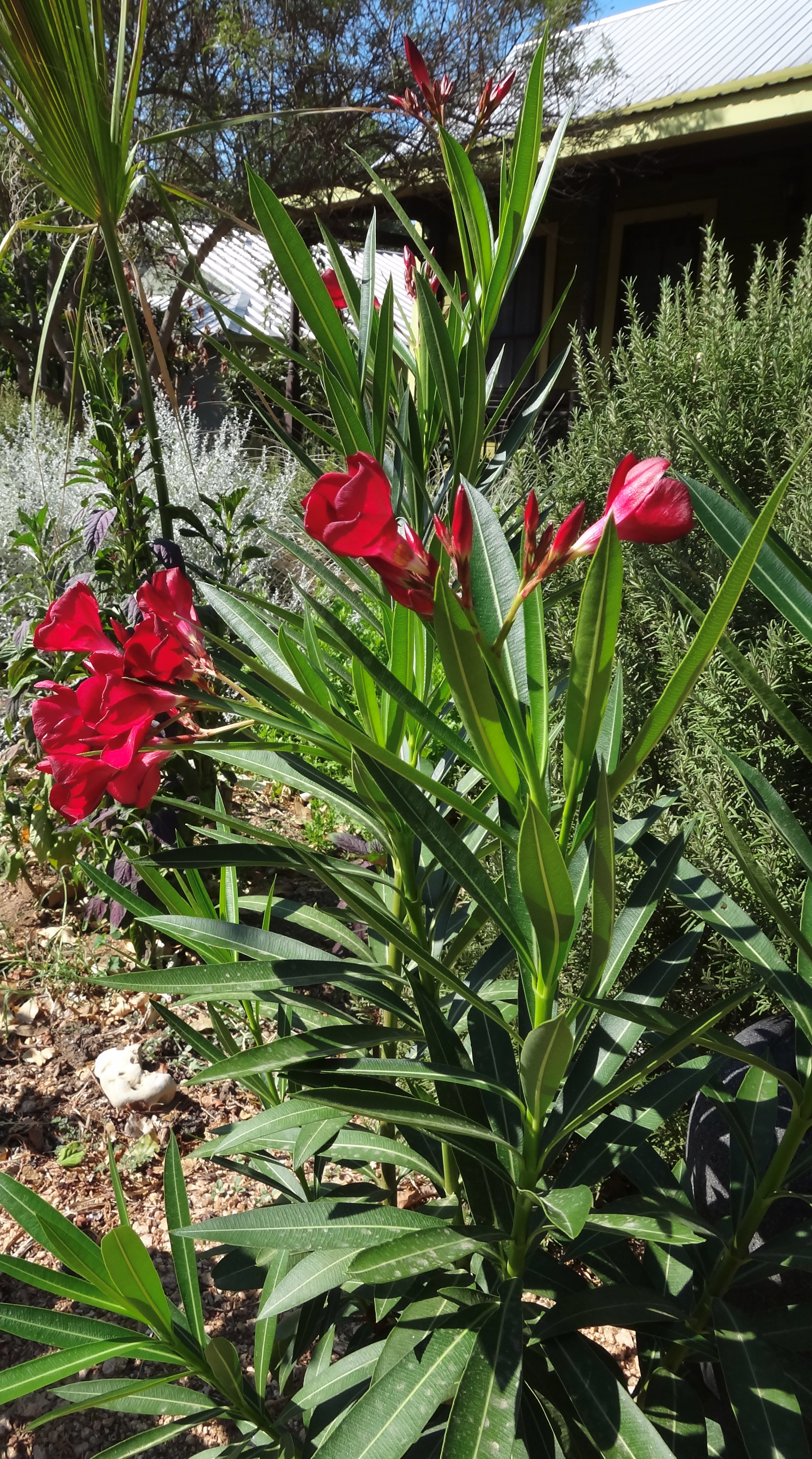 Apart from the Texas Sages, oleander and my mist flowers are about the only thing that are both blooming and still looking good, talk about plants that can weather the storm (or in this case the lack of it).

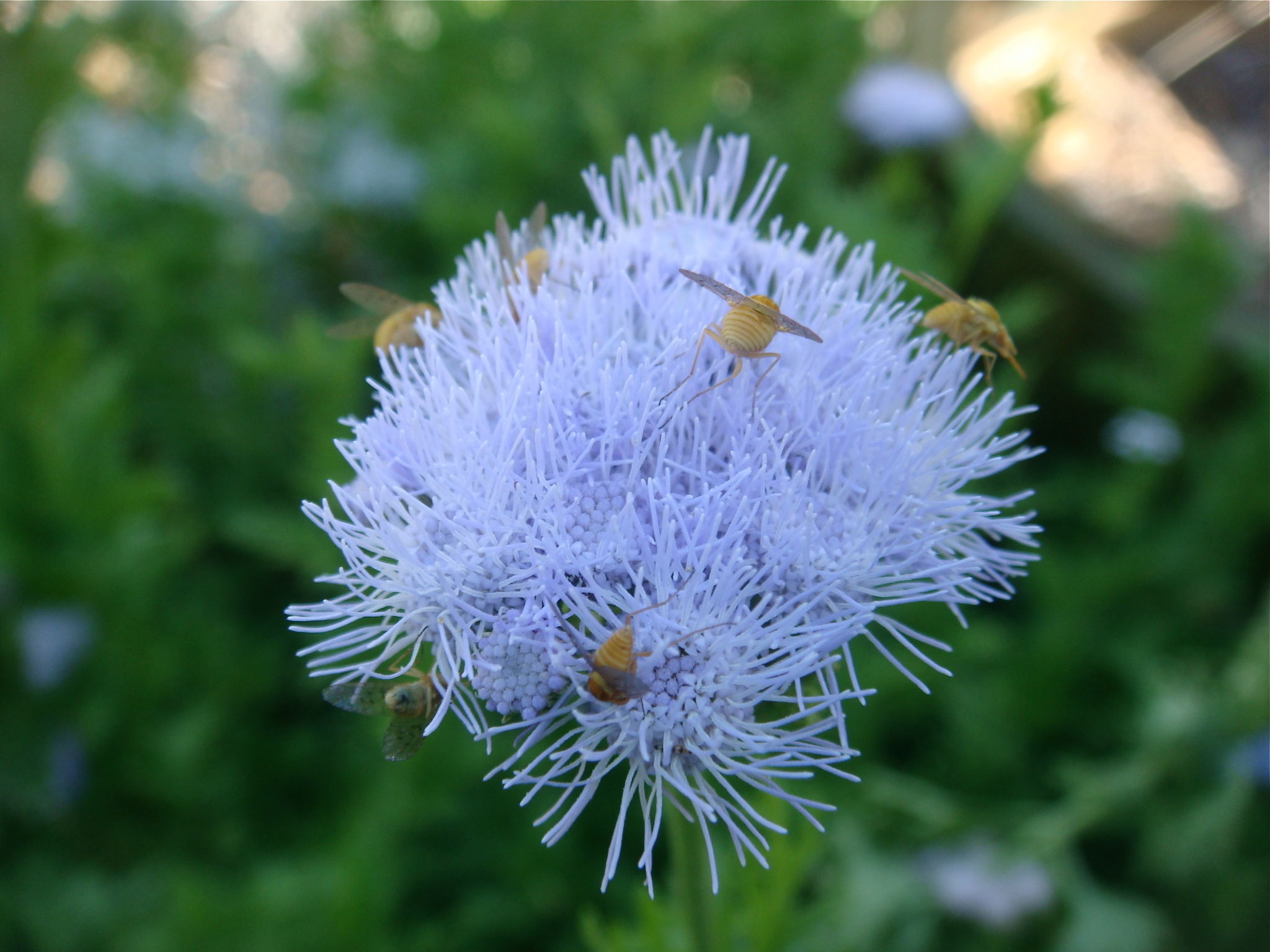 These Poecilognathus – a kind of bee fly (Diptera: Bombyliidae) covered the pale blue blooms. (Thanks for the ID meredee)
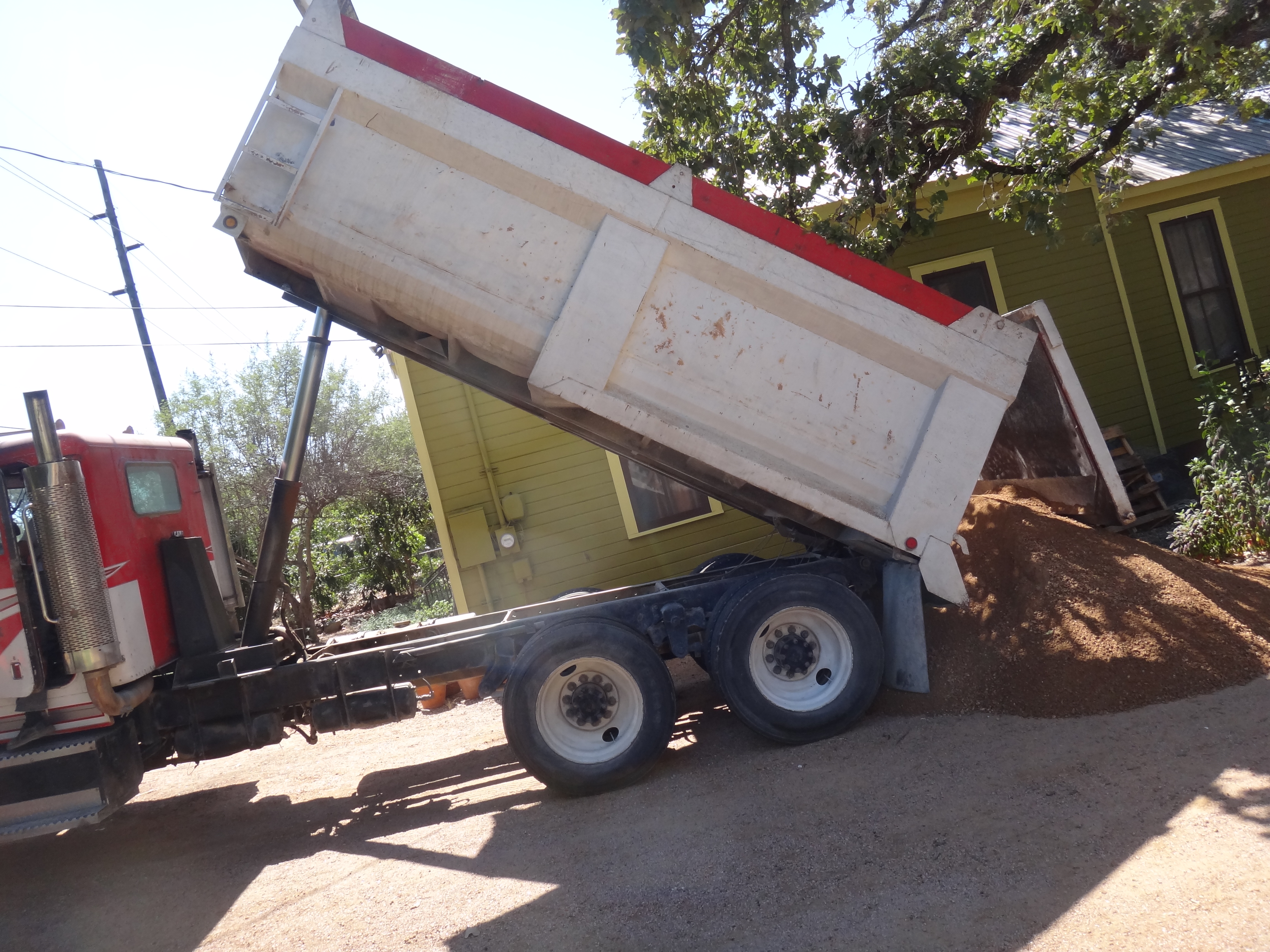 As there is not much to do in the garden but wait, (and cut down dead bamboo). I decided this week to give my own pathways a quick replenishment of the golden soil.
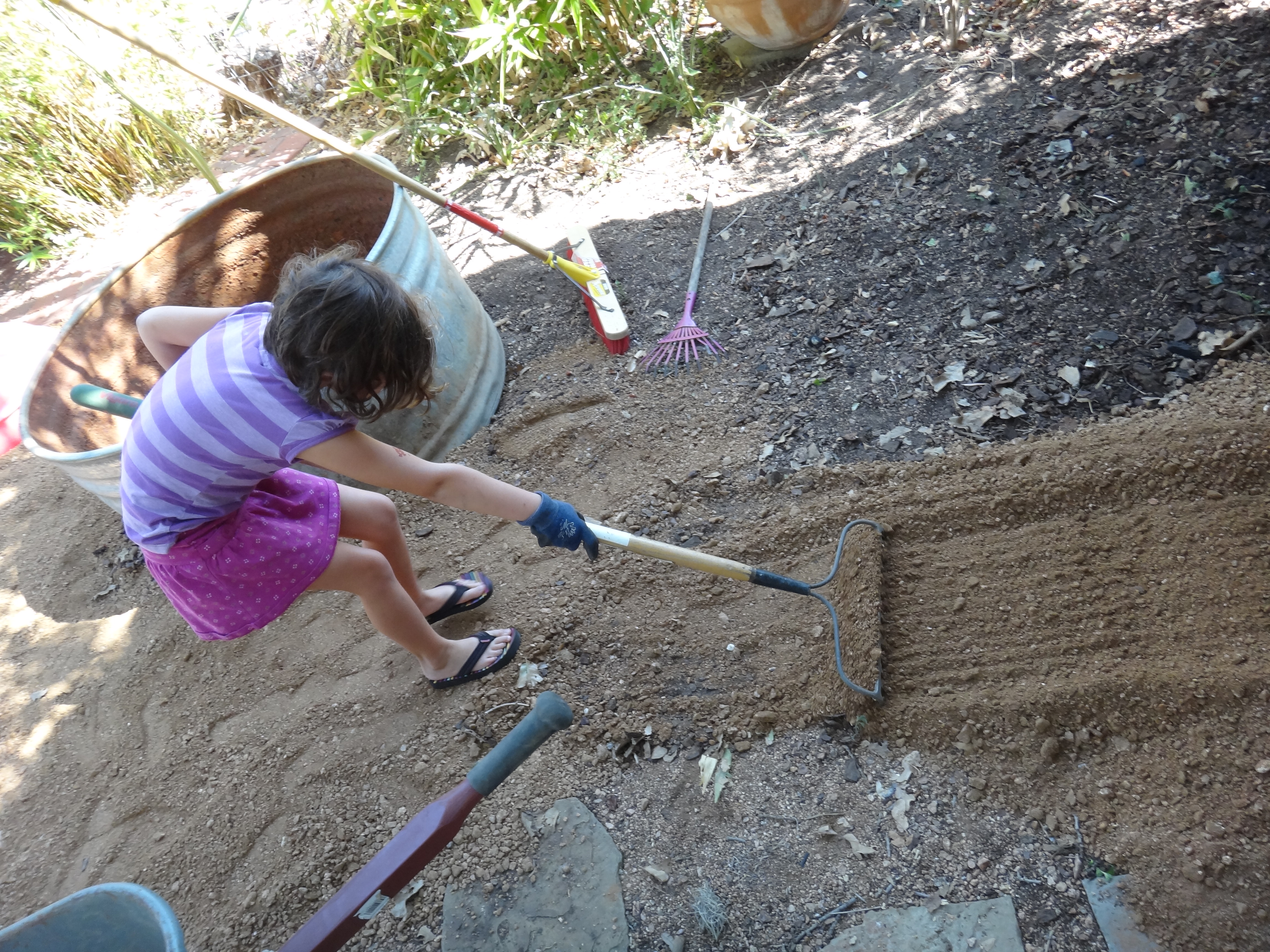
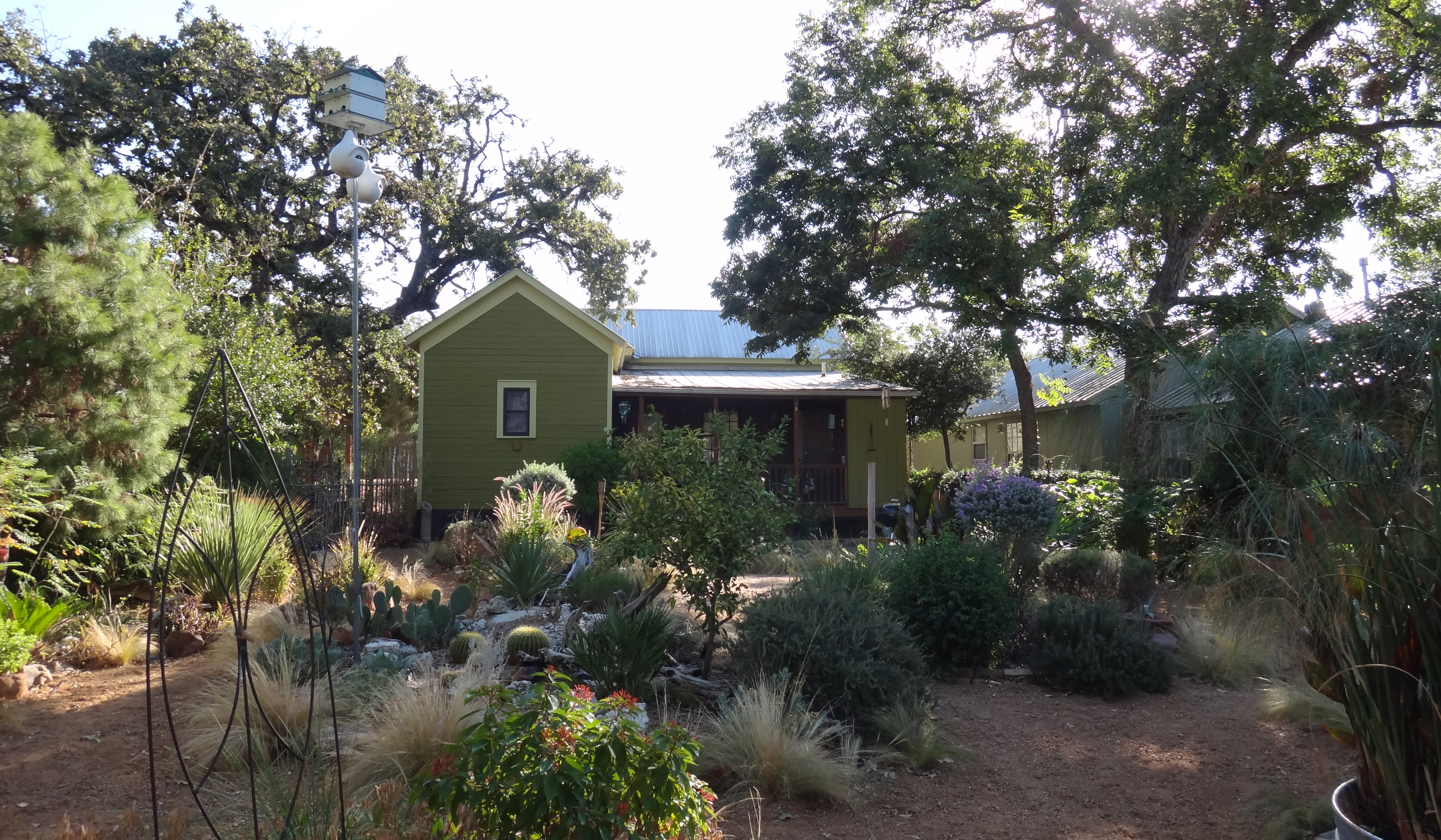 I do this every few years as the granite degrades and packs down.
 After a hard day’s work there is nothing better than playing the smurfs next to her now sleepy Kuminus Fangstratus.
Inspirational image of the week:
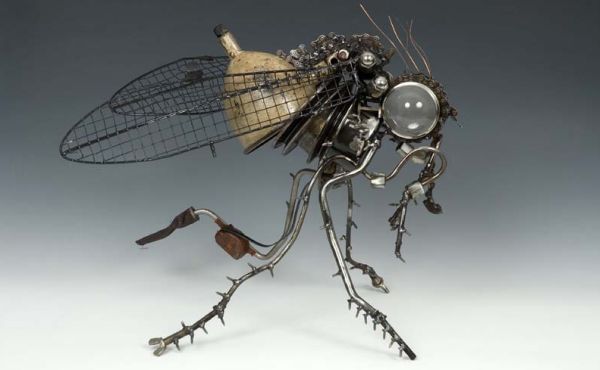 Car Part Sculptor by James Corbett.
James Corbett is a renowned eco friendly artist and is known to create awesome sculpture from waste auto parts.
http://www.jamescorbettart.com/default.html
Stay Tuned for:
“French Fork”
All material © 2011 for eastsidepatch. Unauthorized
intergalactic reproduction strictly prohibited, and
punishable by late (and extremely unpleasant)
14th century planet Earth techniques.