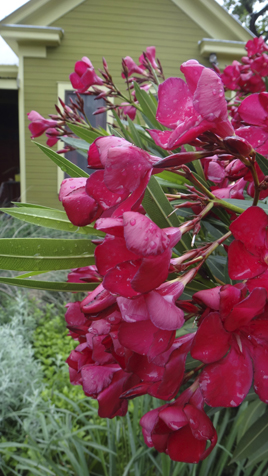
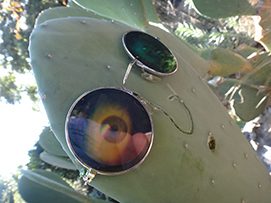
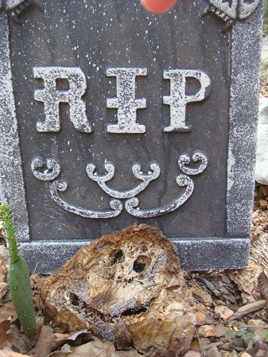
 With the painting in the Patch almost finished, it was time I created some more work for myself, today the Eye of Sauron cast a cold gaze on this garden scene…
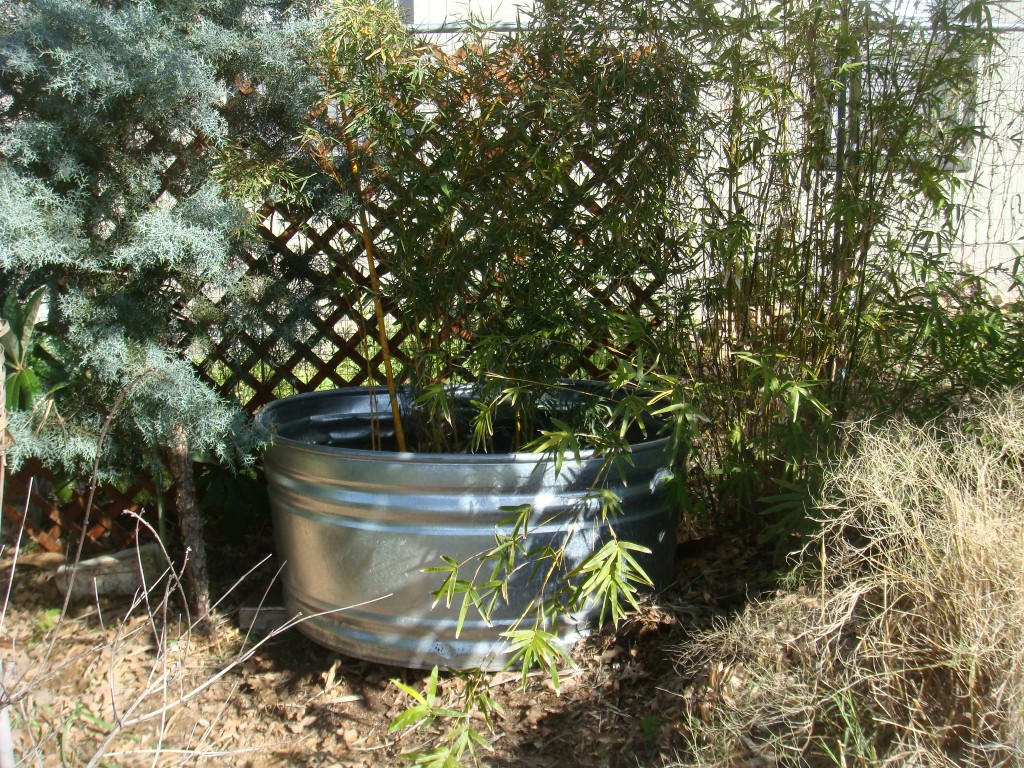
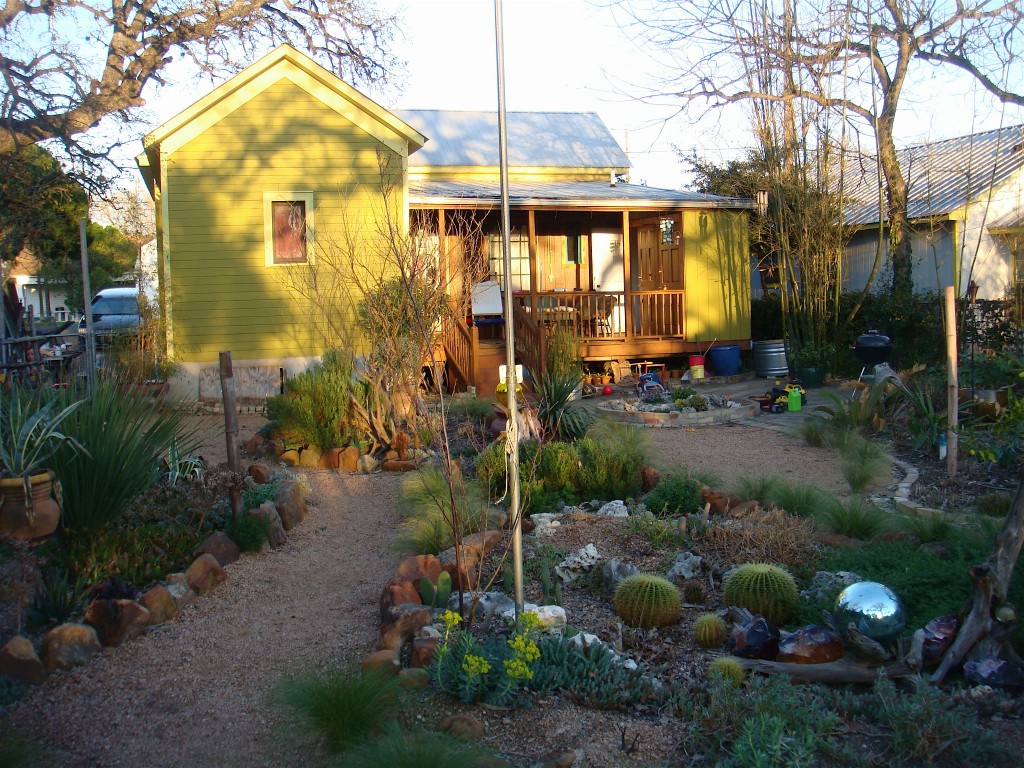
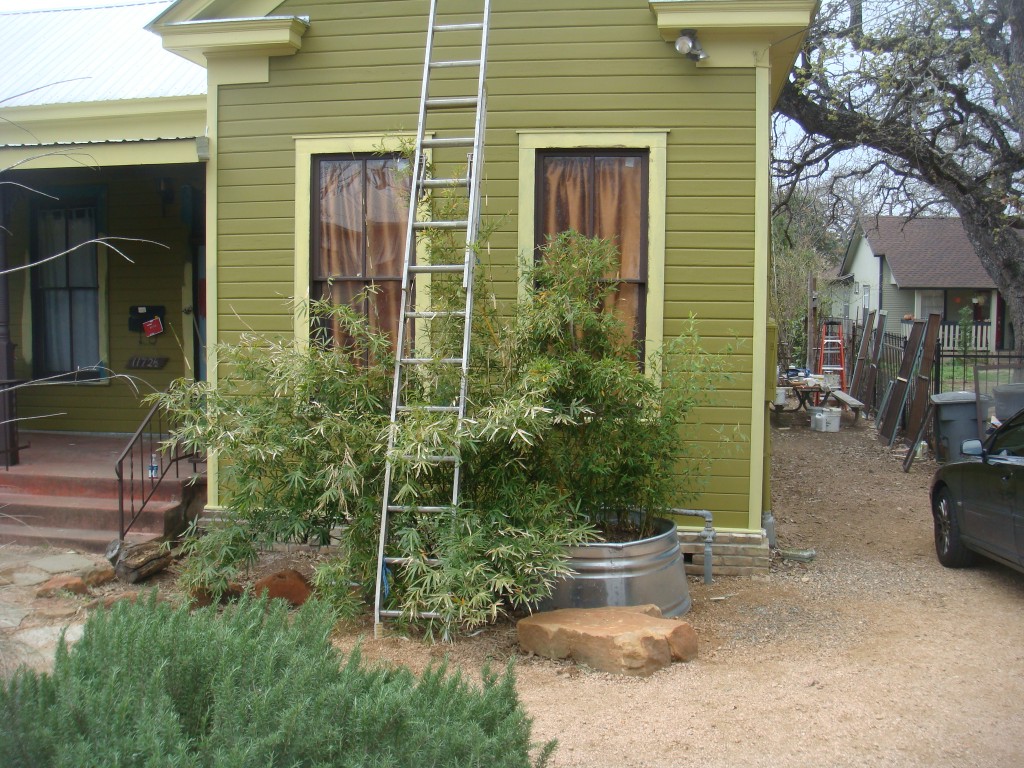 The scale of this Mexican weeping bamboo and the stock-tanked golden bamboo where the Tahoe hit has disturbed me for quite some time. The plants are just too tall in front of the house, what had been my thought process here? A momentary loss of sanity? Anyway, my primal Advil taking instinct told me this was going to be one tough dig! The one-ton rock you can see in front of the feeder tank has not moved since it fell off the back of the wagon that delivered my last six yards of decomposed granite, six months ago.
 “Fascinating ESP, your rock strangely resembles and parallels this similar unmovable rock on Vulcan.”
 It is a really cool rock though and it looks like the shape of Texas from the right angle, with one eye shut, standing on your head, etc, etc. Today I was overhauling this area. I knew that the Mexican weeping bamboo was not going to go down, or out of the ground for that matter, without a major shovel fight, it was quite established after all…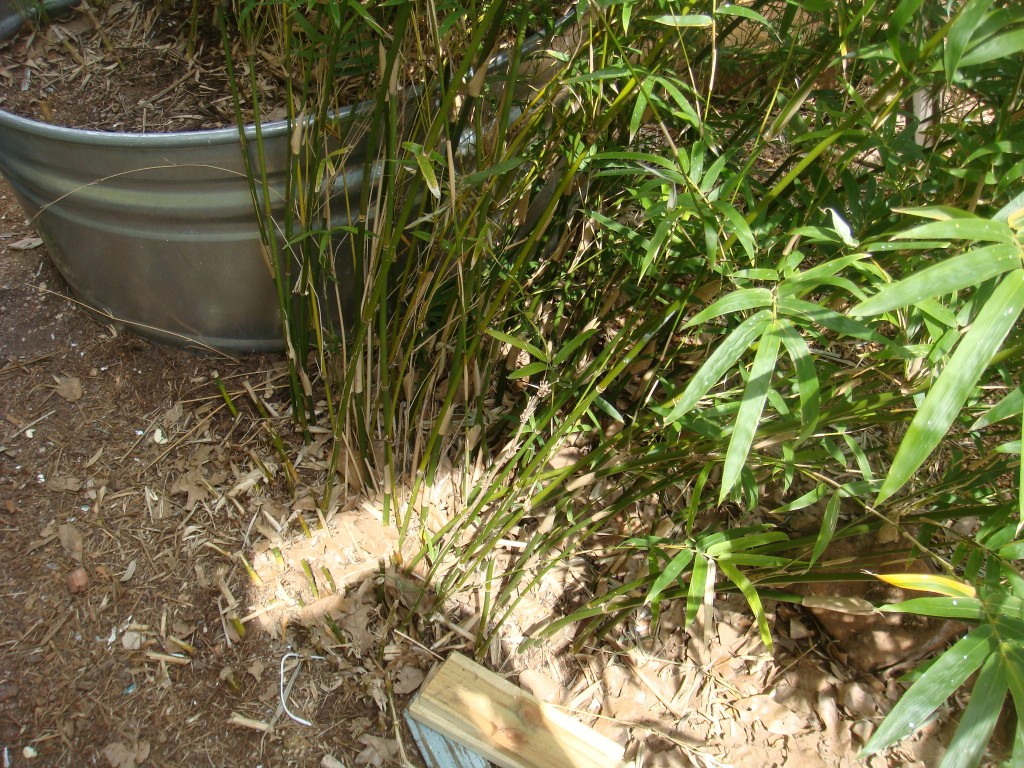
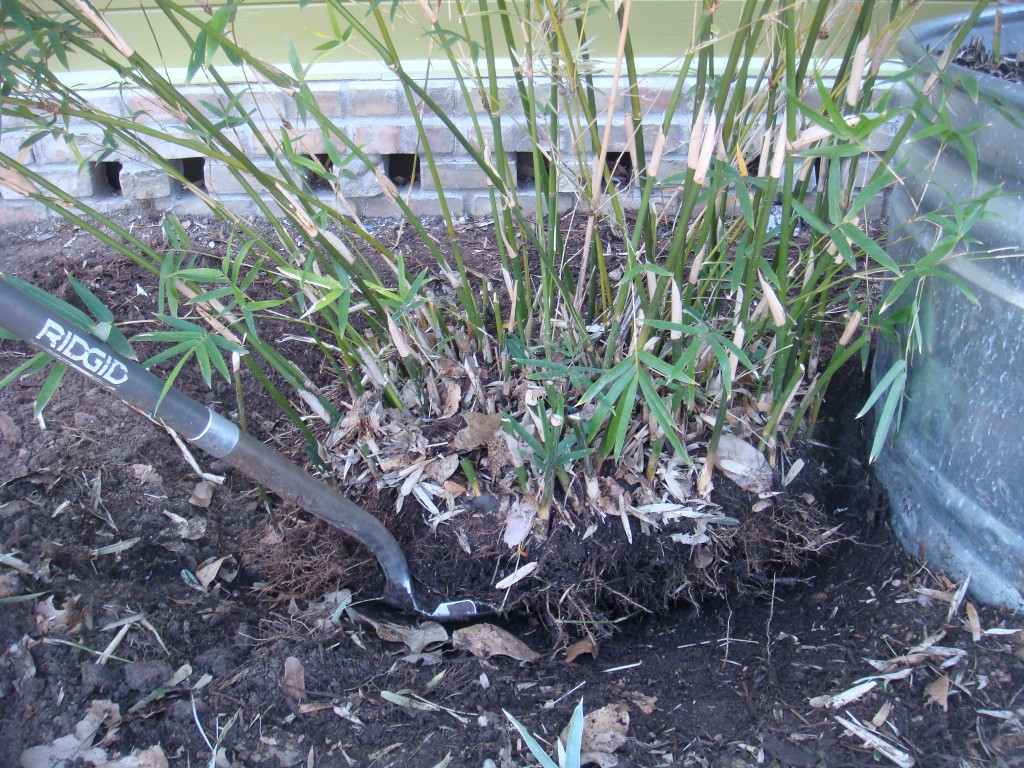
 Oh yes you had better stay rigid trusty old shovel, because a Darwin Award could be awarded to me if you snap right now! The plant moaned and groaned, and my shovel and I followed suit with an occasional “why you little…” thrown in on my part for good measure. Eventually I felt the final roots give and the beast was finally freed from the earth, it immediately started to scream and object like an unearthed mandrake root. I laid on my back looking up at the sky, seeing stars.
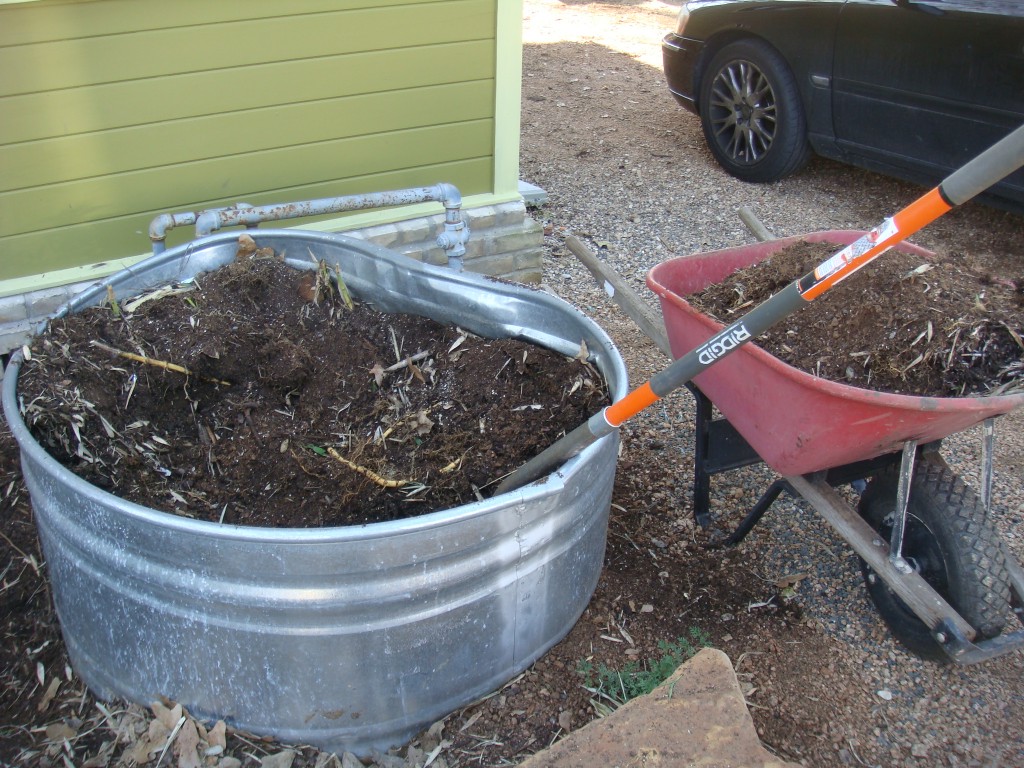 This extraction was easy in comparison.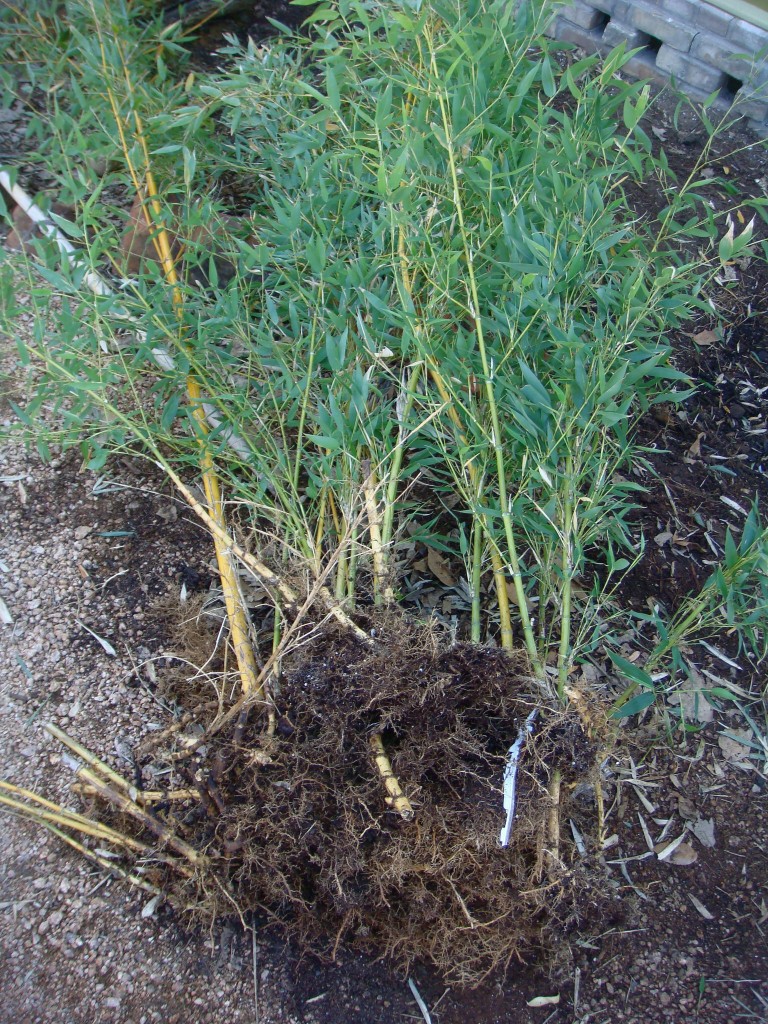
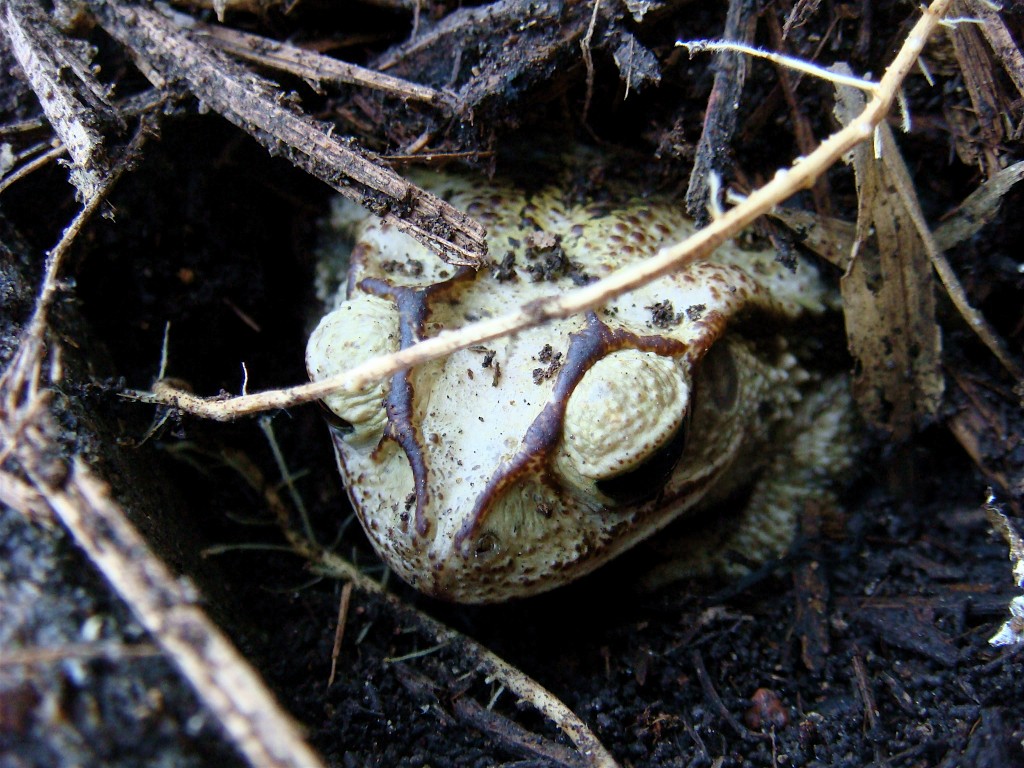
B. valliceps

Nepenthes Attenboroughii
Botanists have uncovered a carnivorous plant in the Philippines that is large enough to digest a whole rat. (The plant is about a meter across with these cups at the end of stalks to catch prey).

Nepenthes northiana
Here is the carnivorous pitcher plant preparing to tuck into a rat. Can you believe this? Look at the remarkable painted coloration on the lips of these cups.
 “Oh no! I told him he should have become a head-chef ” Brrr… (whiskers involuntary twitch and large teeth bite upper lip, tiny limb and small ear movements).
Stewart McPherson, one of the botanists who trekked deep into the Philippine forest to make the discovery, described the plant…
“Around the mouth of the pitcher are secretions of nectar which attracts insects and small animals. The rim has lots of waxy downward-pointing ridges which help prey fall directly into the pitcher. The pitchers are half full of a liquid consisting of acids and enzymes which help break down its prey. These plants grow in really harsh areas where soil quality is very poor — often pure gravel or sand. Catching insects allows the plant to augment nutrients that it otherwise wouldn’t have access to.” … Mmmm perhaps a mass planting in the hell-strip? That would be novel!
Inspirational image of the week:
 Talking about the top of a remote mountain! I have decided that this is where I want to spend my Autumn years when they arrive, a house nestled up in the trees, a Heli-drop of deli produce and beer once a month, fast internet connection, and “raised” (ahem) vegetable beds…you get the absurd picture.
Stay Tuned for:
“Life and Death”
All material © 2010 for eastsidepatch. Unauthorized
intergalactic reproduction strictly prohibited, and
punishable by late (and extremely unpleasant)
14th century planet Earth techniques.