I considered starting this post once again with a rather long drawn out moan about the current conditions in central Texas, but then decided I would not subject you to another barrage of images of scorched foliage…at least not immediately. No, this post will start on a very different tune,

a fancy glittery tune.
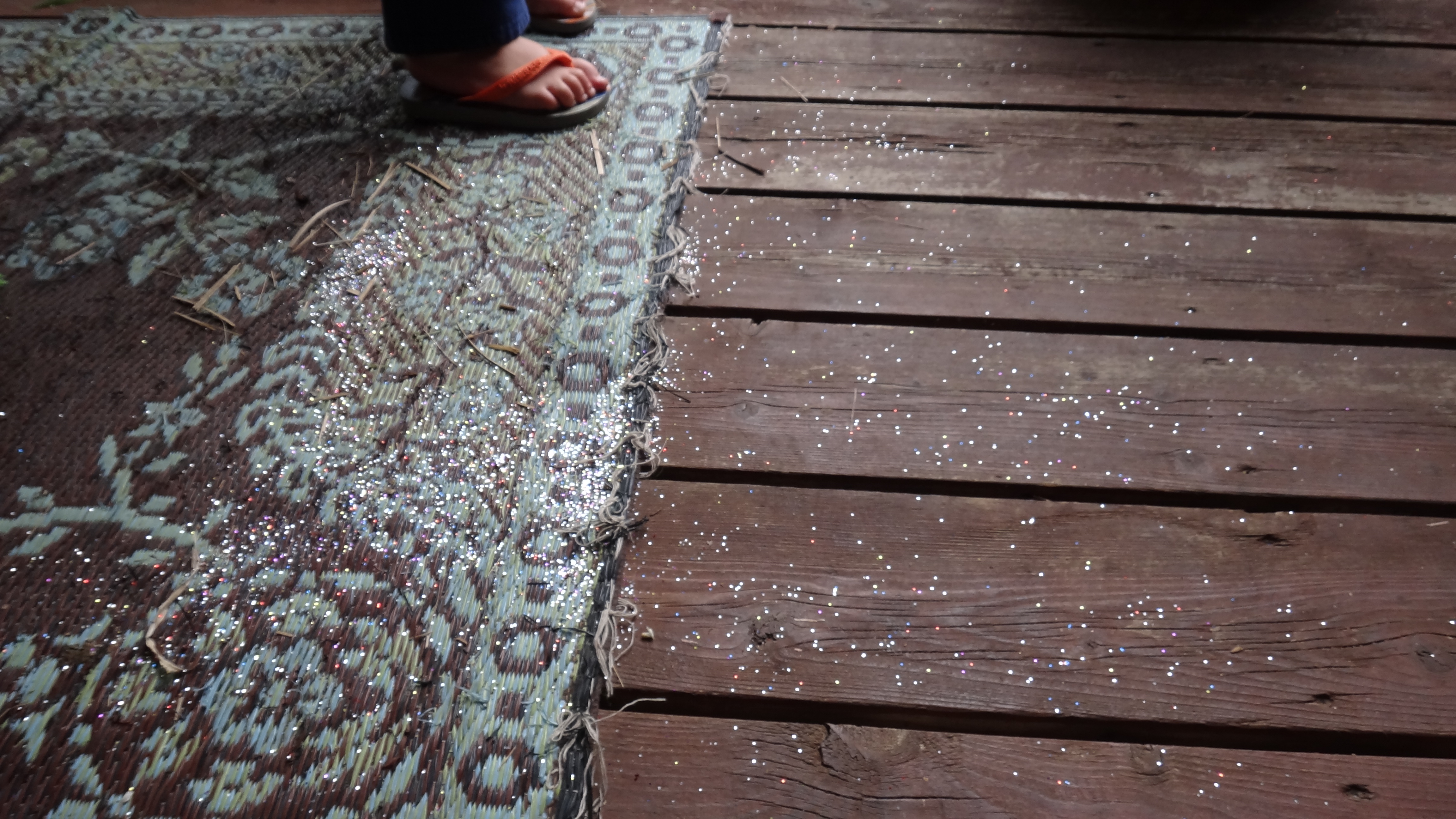
This glittery mess on my back deck could have been the result of an arts and crafts project, or perhaps some sort of face painting mishap, but this time it wasn’t, this time it was caused by something much less predictable.
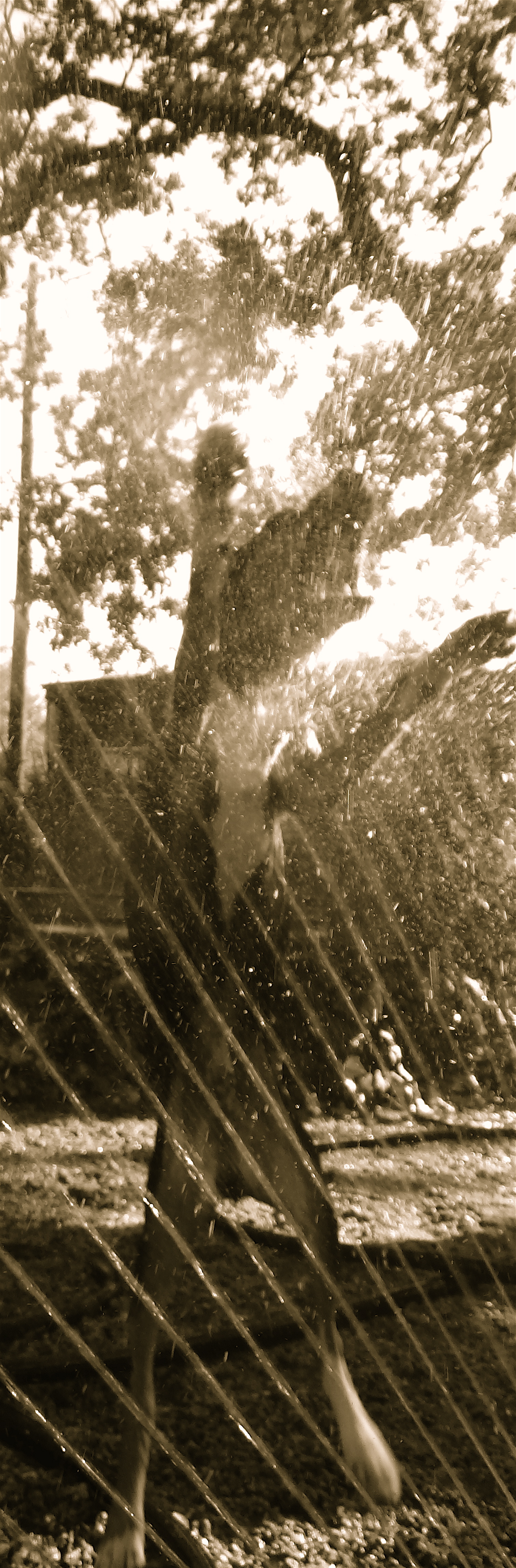
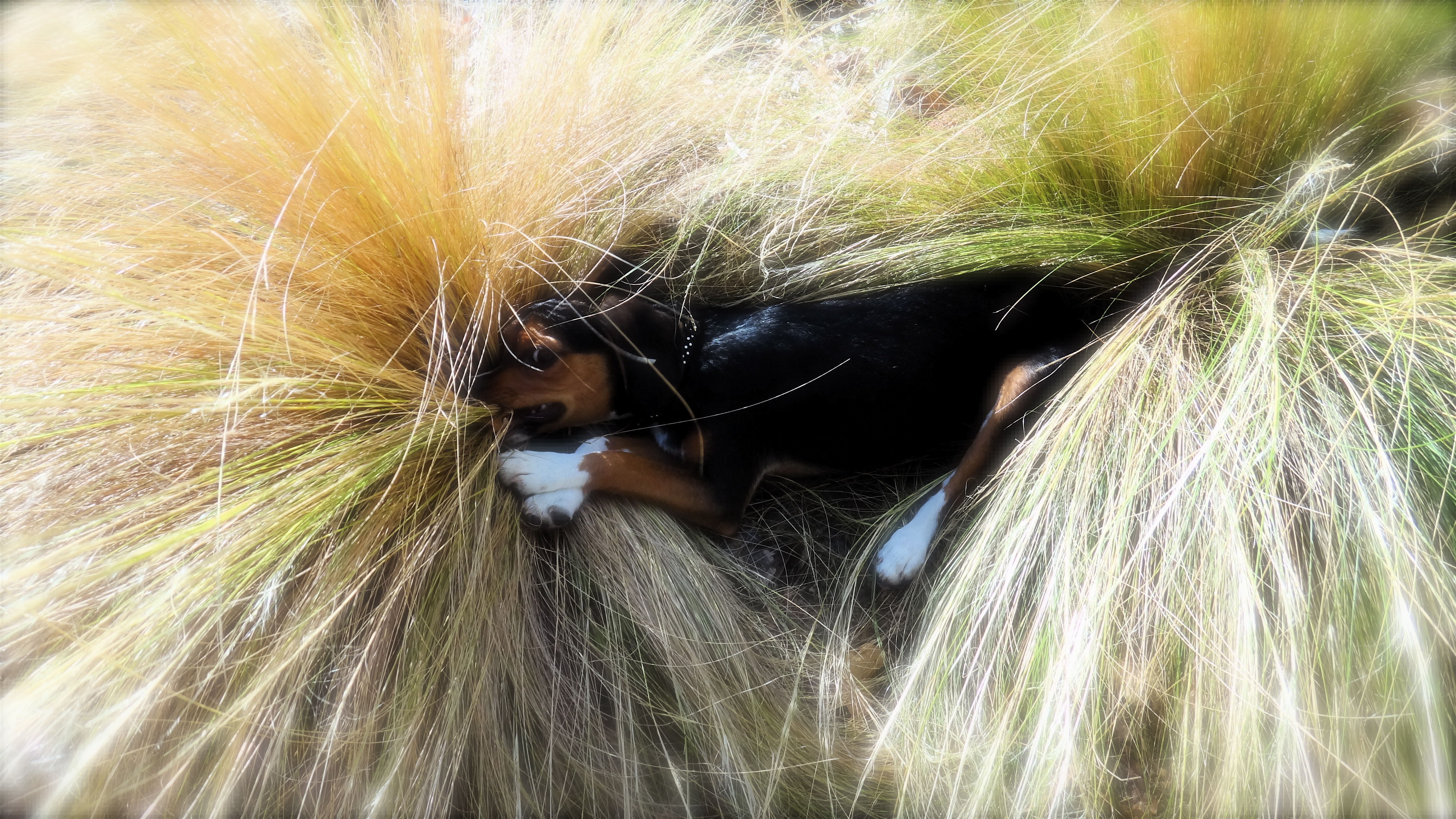
 Our young puppy Kumo has been devouring considerable amounts of rather odd artifacts (of which there is no shortage) he finds lying around our house. On this particular occasion he came nose to nose with a vessel filled with glitter which, feeling very proud of his discovery, he quickly ingested…(I think you know where I am going with this)…
 Now I will spare you the rather disgusting details of the party that exited him some time later, but I will say that all that glitters is most certainly not gold.
 And that’s all I have to say about that.
Now back to the burnt and crusty foliage and incessant moaning you have come to expect from me in this, our year of relentless triple digit heat.

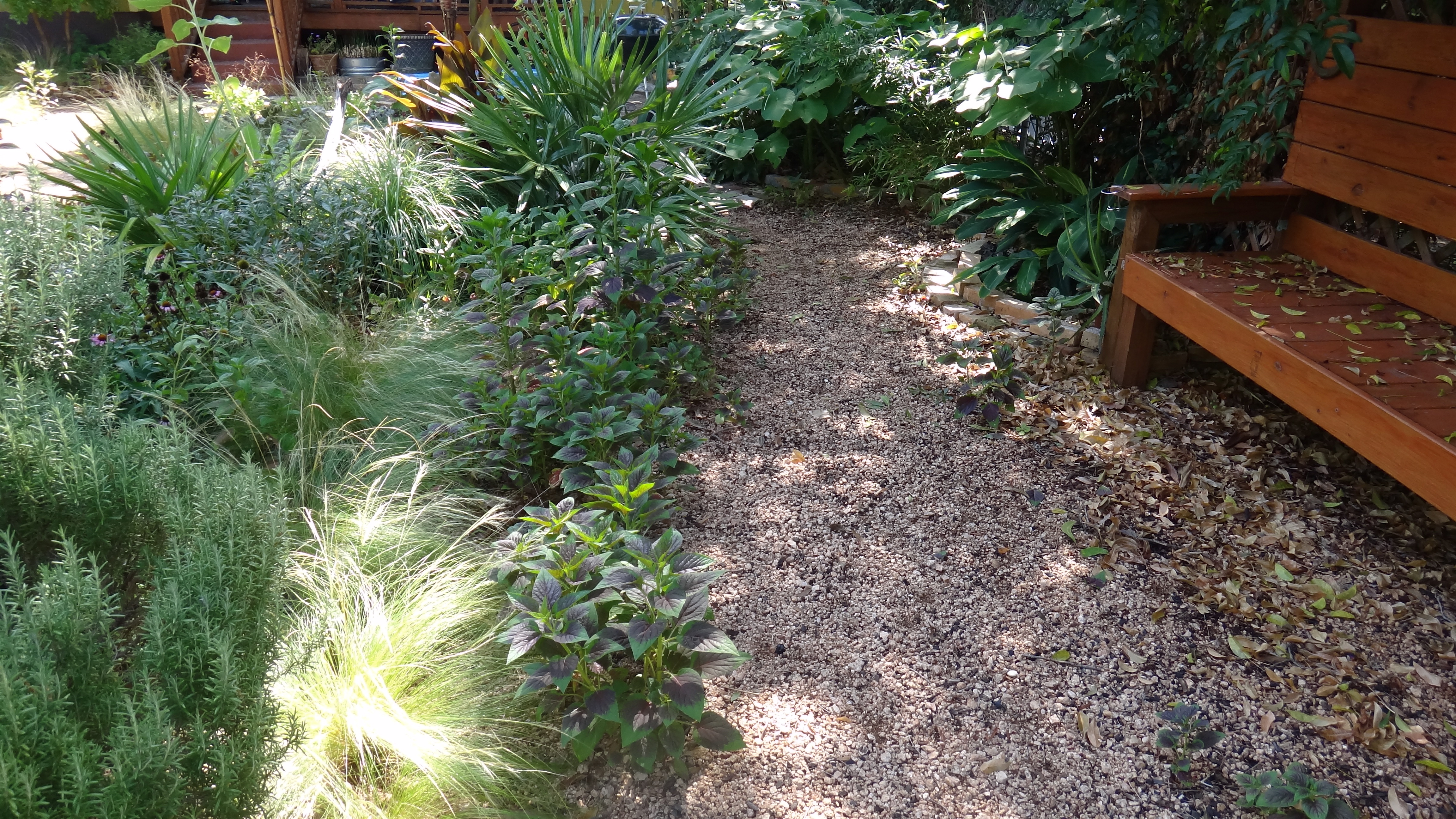
Nothing is crusty in this bed though.

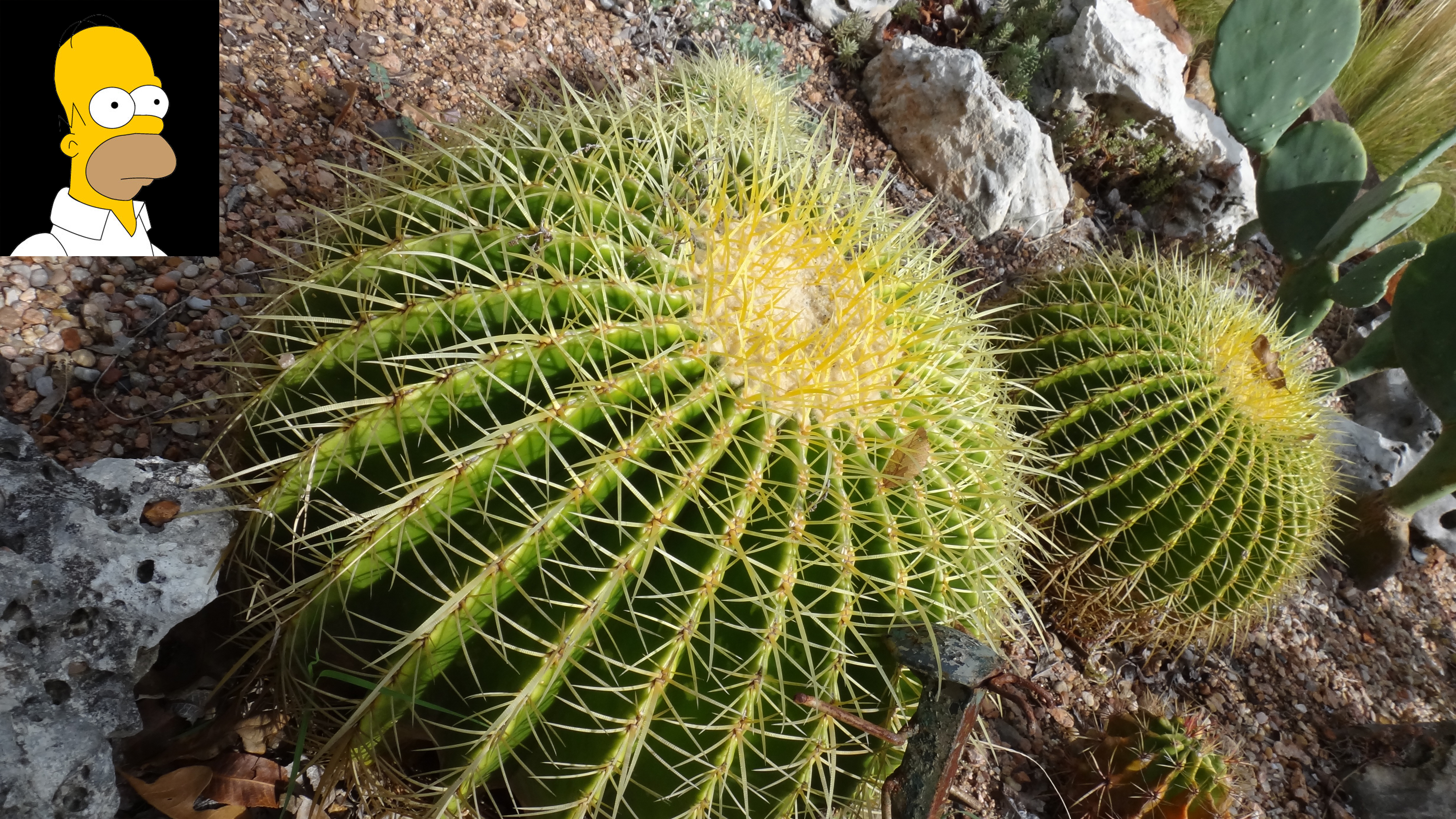
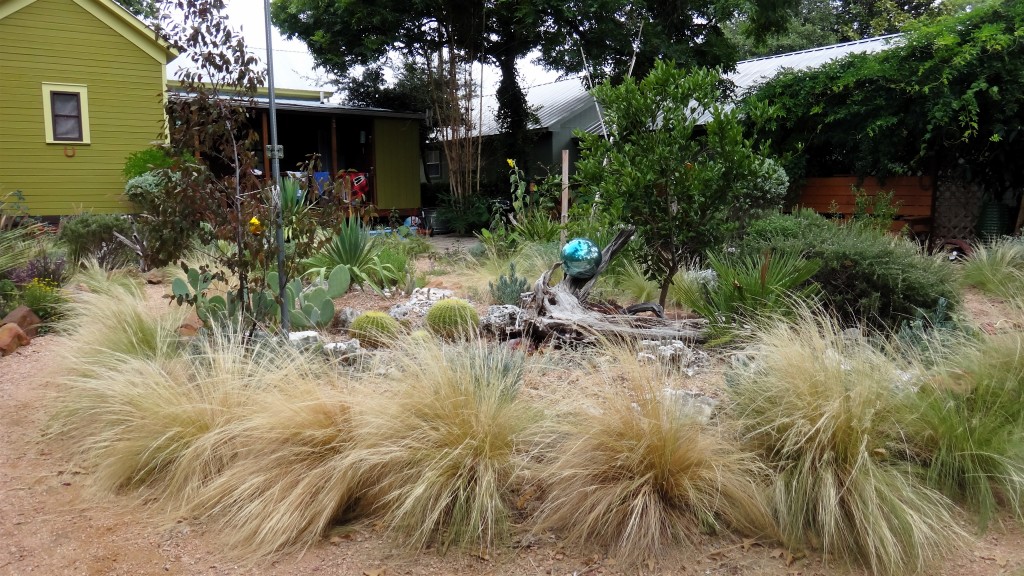
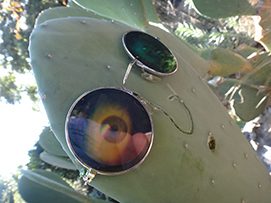
Lets take a peep through some barrel cactus eyes and see where the latest heat damage has occurred.
 First out of hell’s kitchen and looking more than slightly overdone,
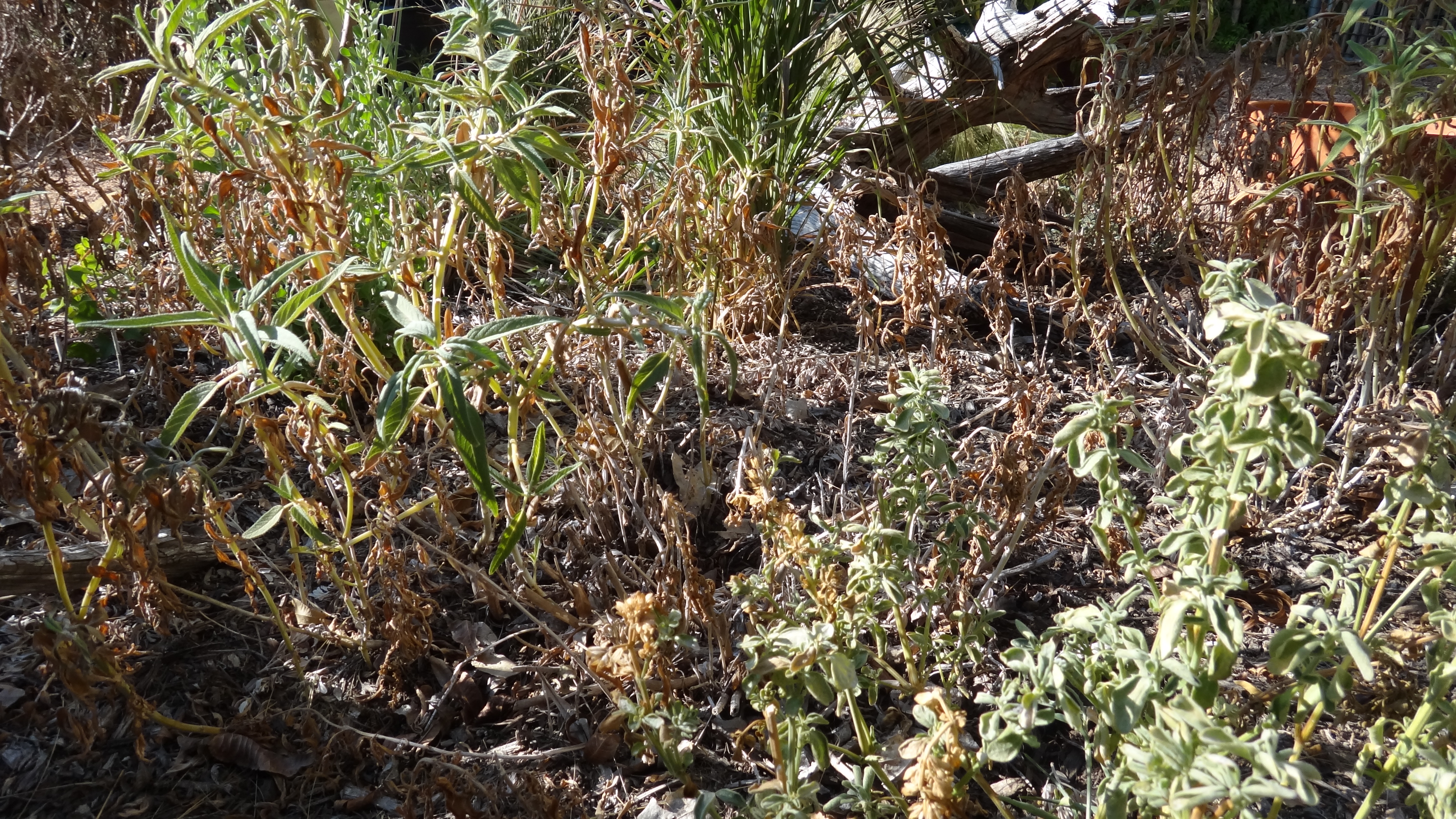
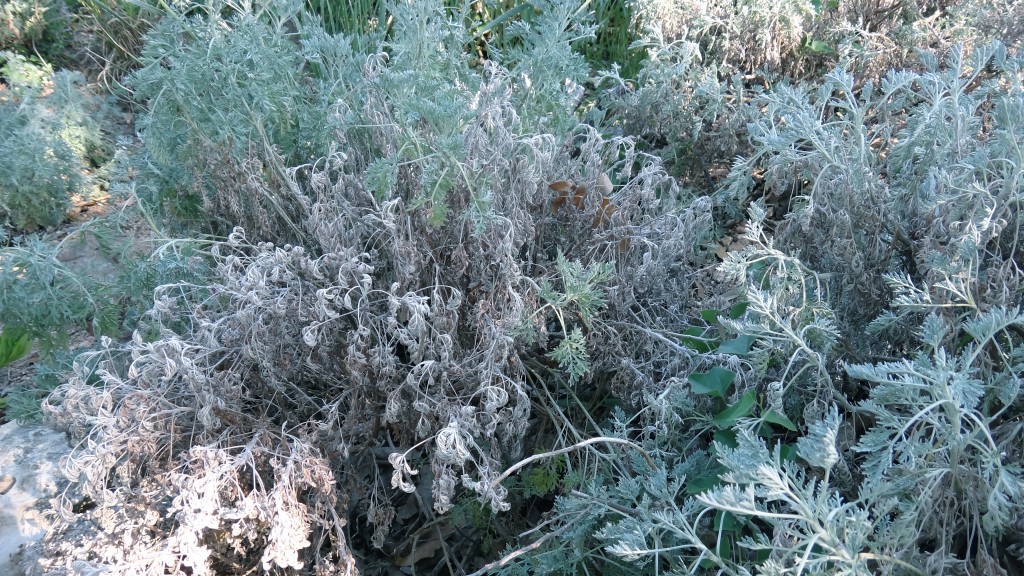
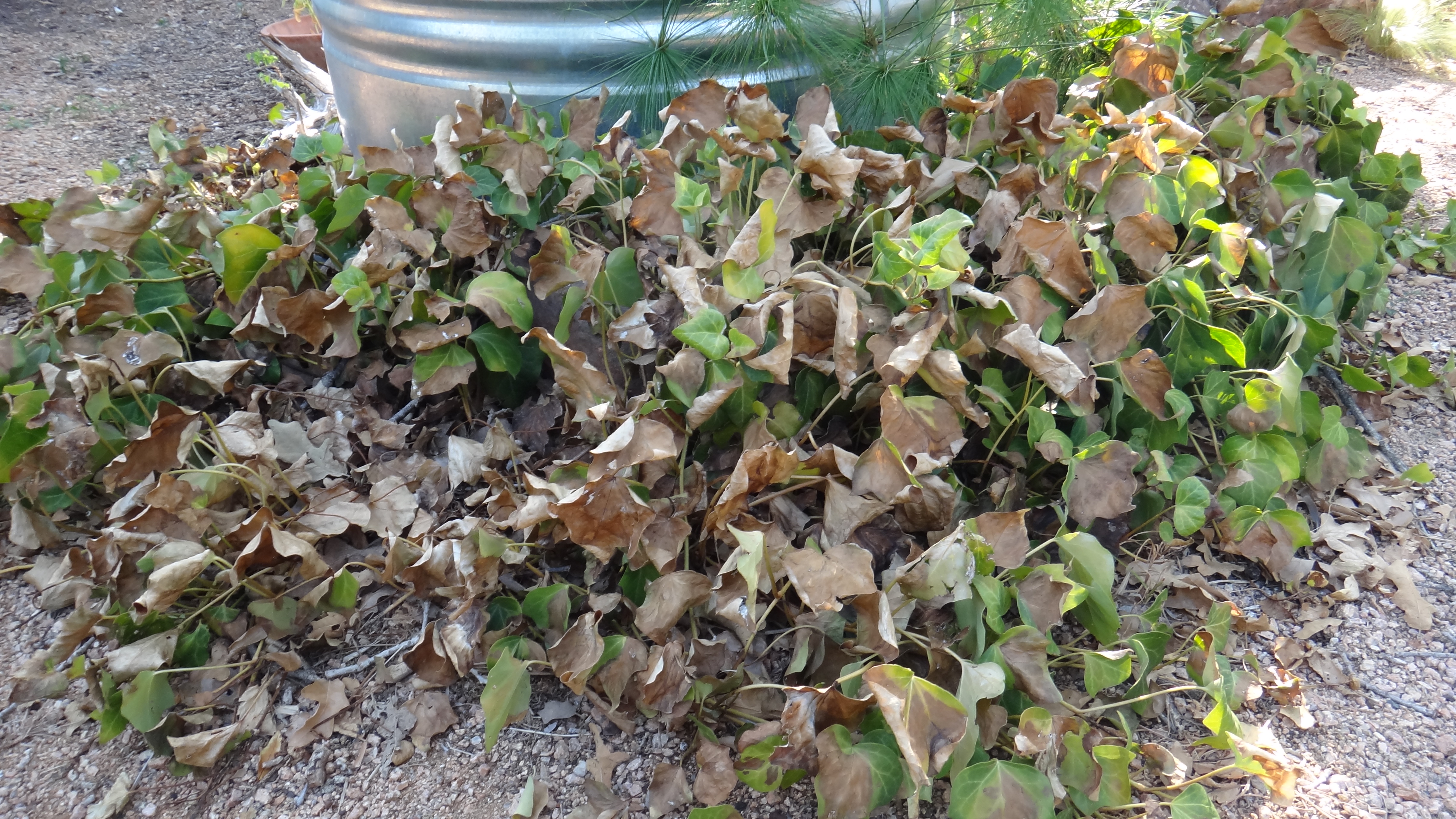 is this Persian ivy appetizer. Followed by a main course of Flambé Mexican bush sages and roasted artemesia on a bed of dry soil, drizzled with a dressing of absolutely nothing, naturally.
“Excuse me sir, would you like a side of
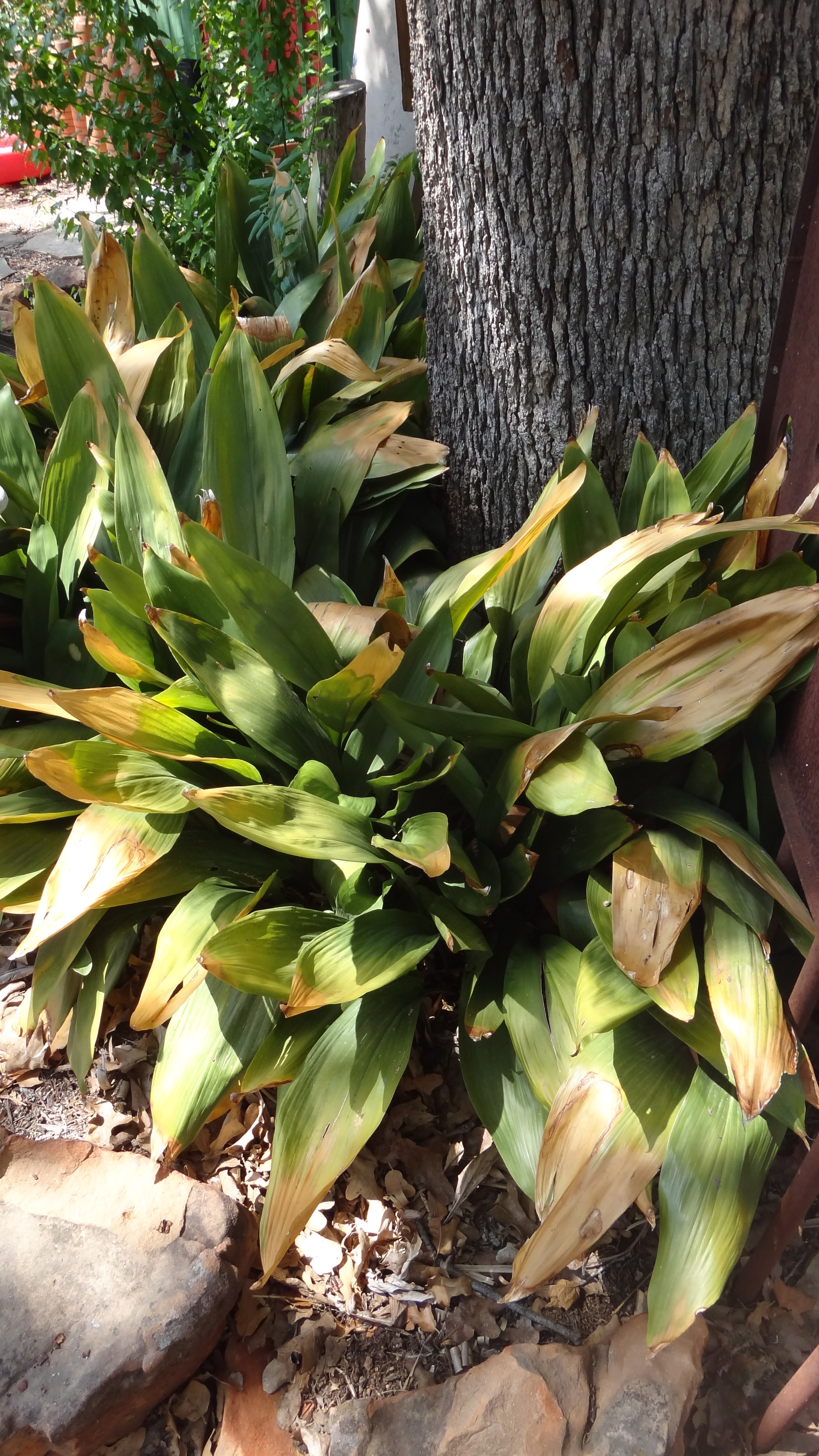
crispy cast iron with that”?
 For dessert witness this poor post oak quickly seared on its extremities over my neighbors fence. This old tree has been getting watered regularly since the damage was initially noticed in the late spring..
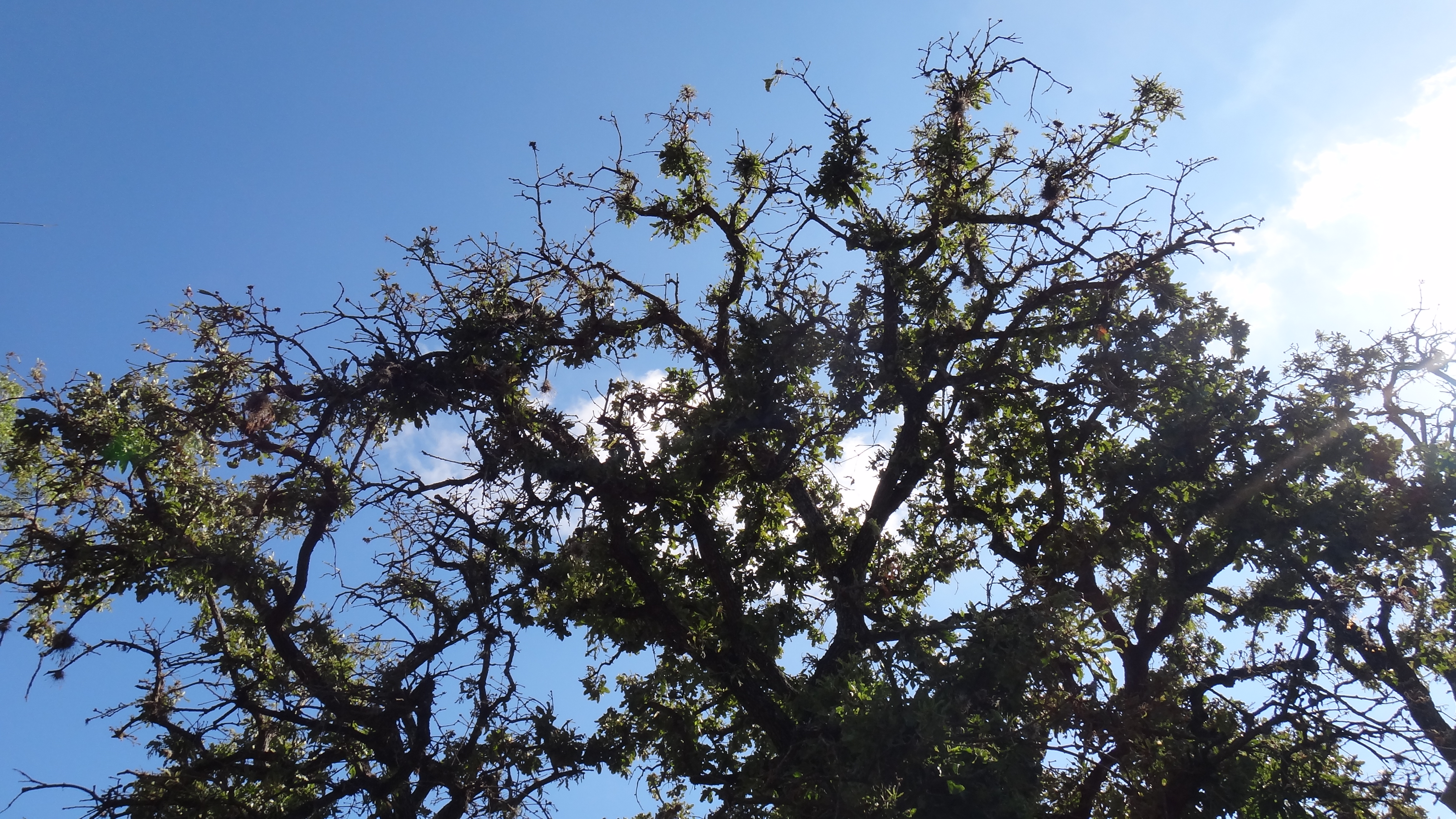
It is going to take quite some time to see the extent of the carnage of this prolonged drought, especially on our larger mature trees. Keep a close eye on your specimens extremities and should you see some defoliation, just remember, long slow soakings are the ticket. (Now that is something you don’t get to say every day without a few odd looks).
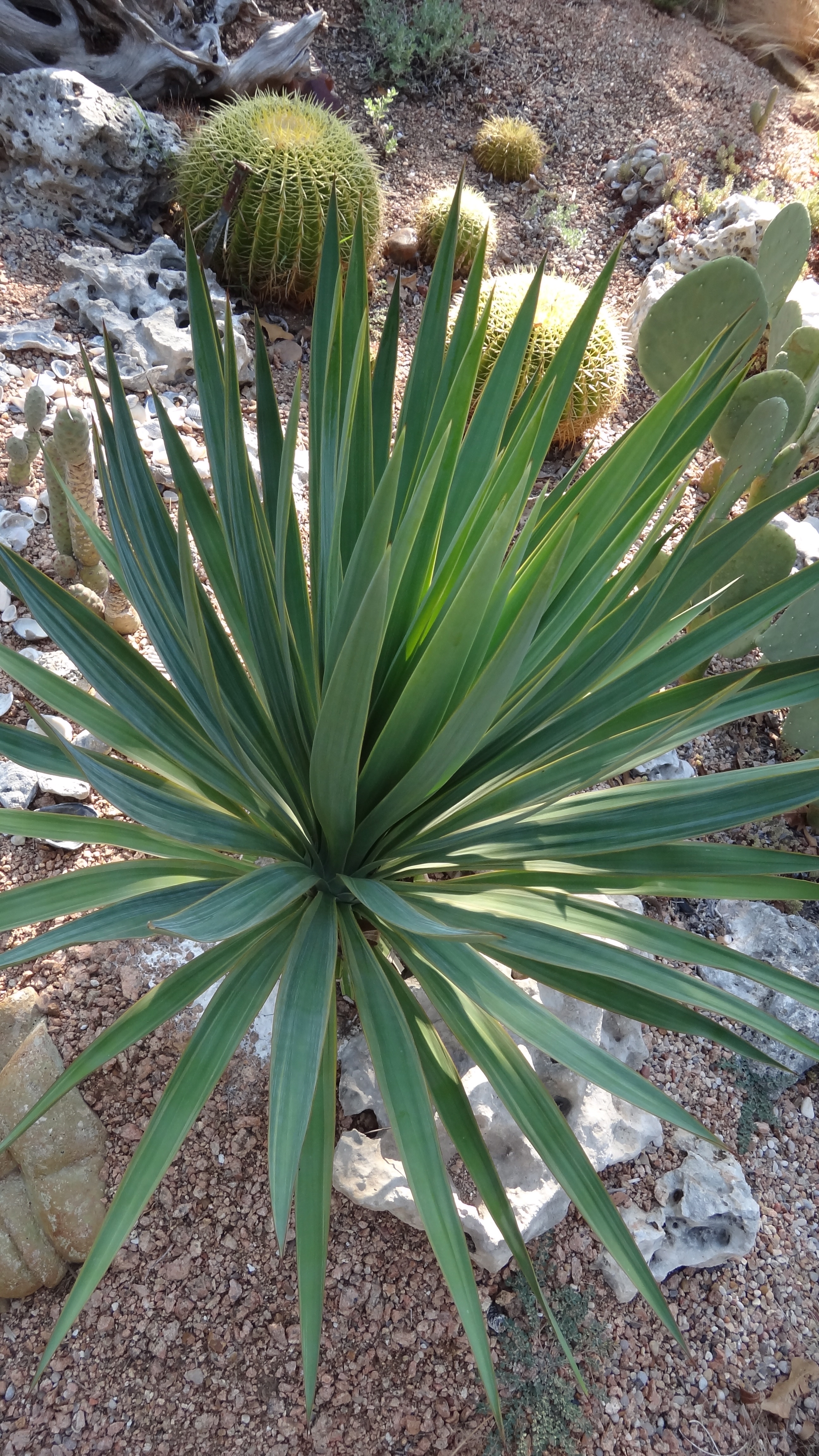
The yuccas continue to perform well in the heat.
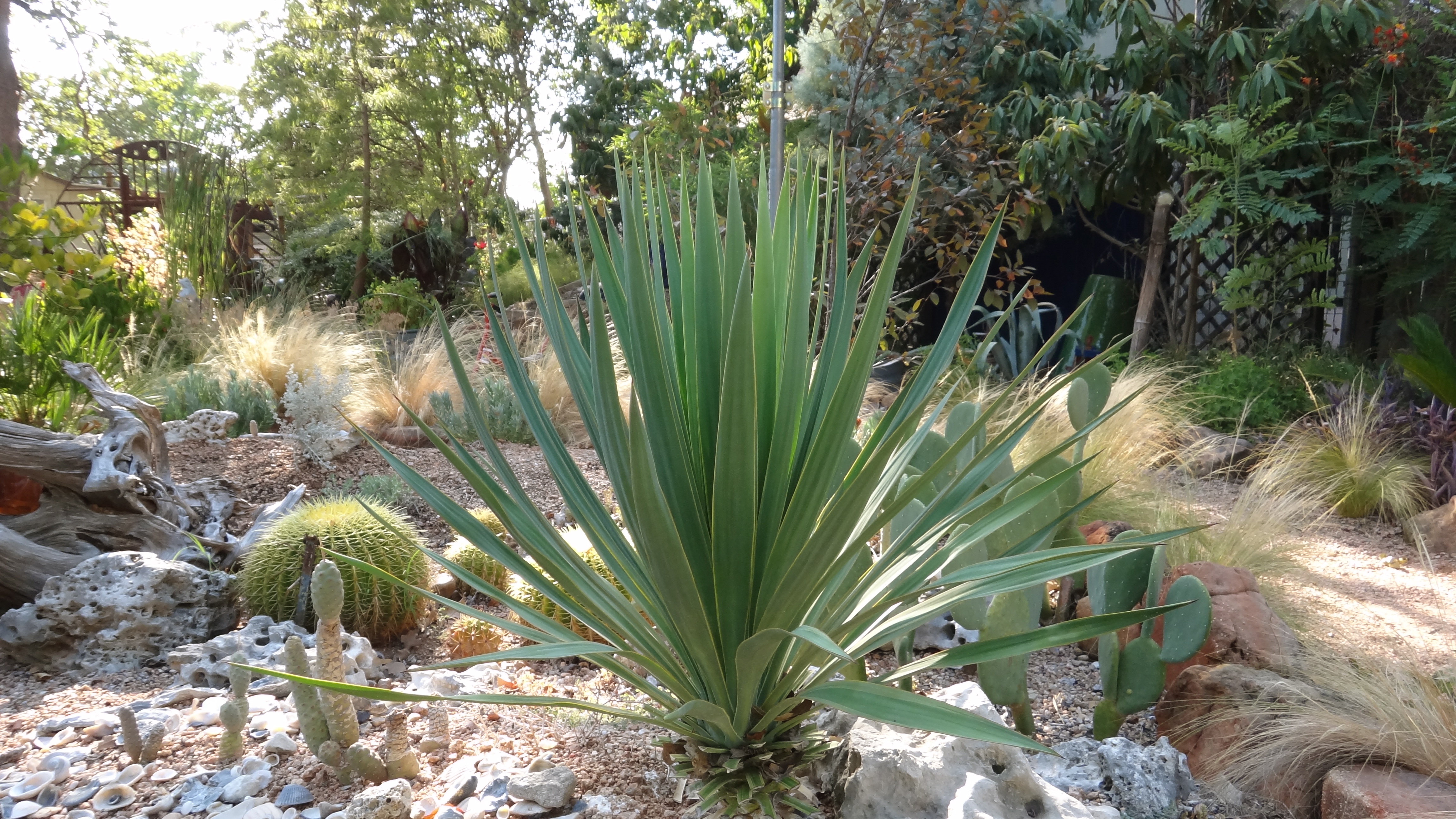 After my last attack from the snout noses (the evil weevils), I put down generous amounts of Diatomaceous earth around all the rest of my yuccas and so far it appears to be working, of course having no precipitation helps to not wash it away…a rare drought benefit. I think I will stick with this regimen for a while as I hope the Diatomaceous earth sticks to the noses of the weevils.
Check out Wizzie Brown http://www.urban-ipm.blogspot.com/ discussing the uprising of the snouts on a recent CTG episode, and thanks Linda http://www.klru.org/ctg/blog/ for the image credit on the show and your blog.
Moving on:
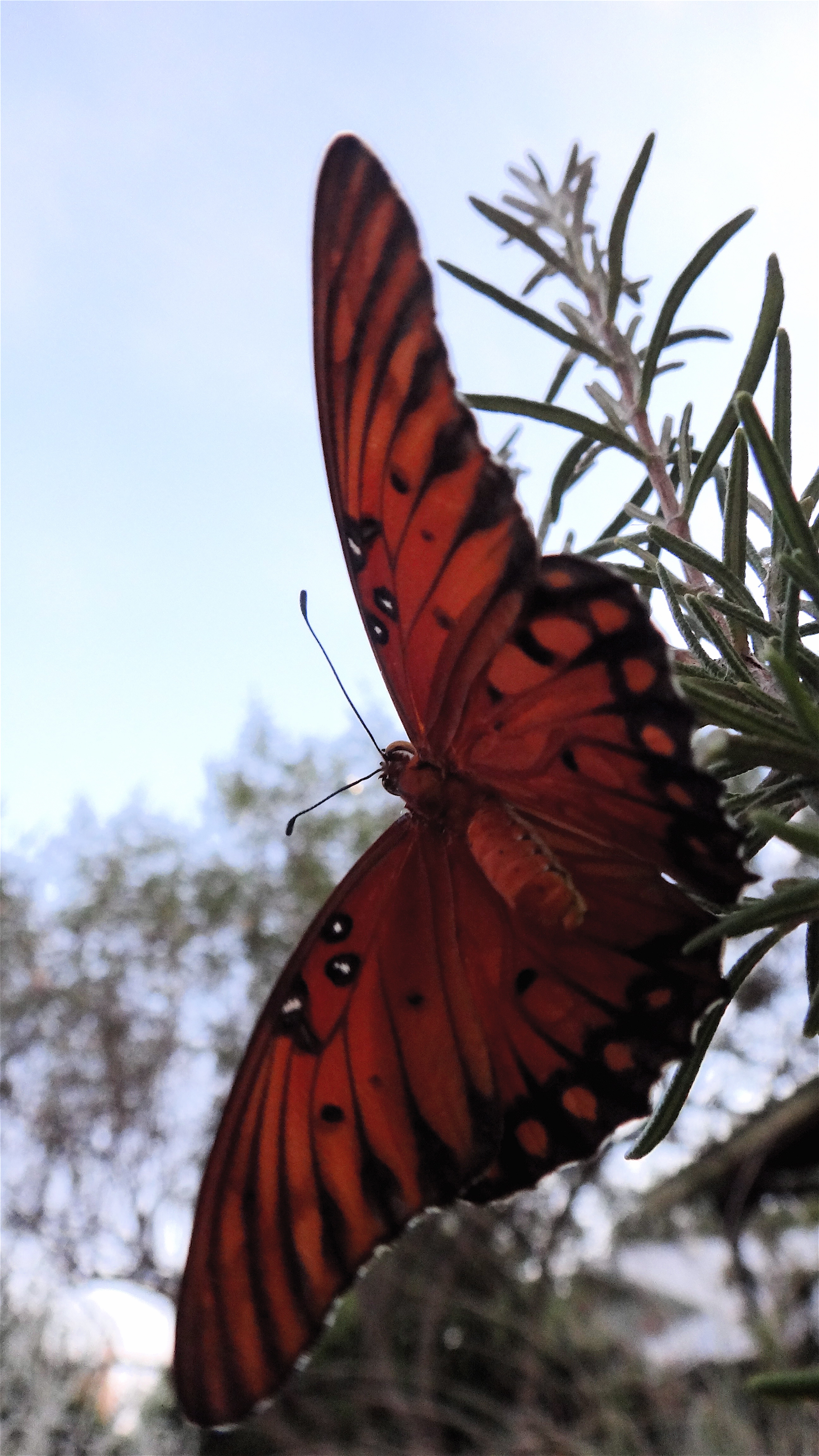
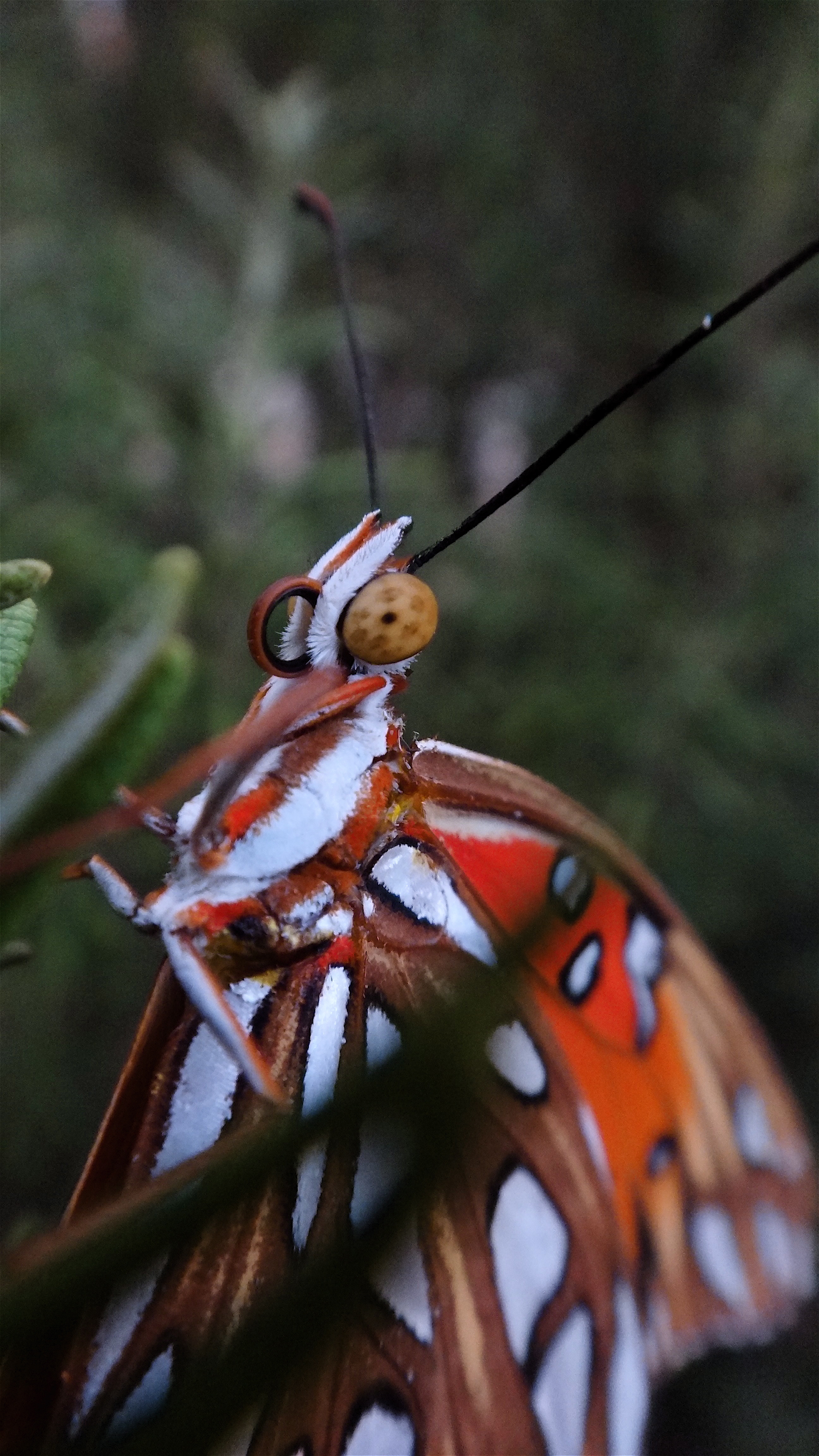
It has been a poor year for butterflies in the Patch, they have been few and far between. I did come across this Western Gulf Fritillary
Agraulis vanillae incarnata
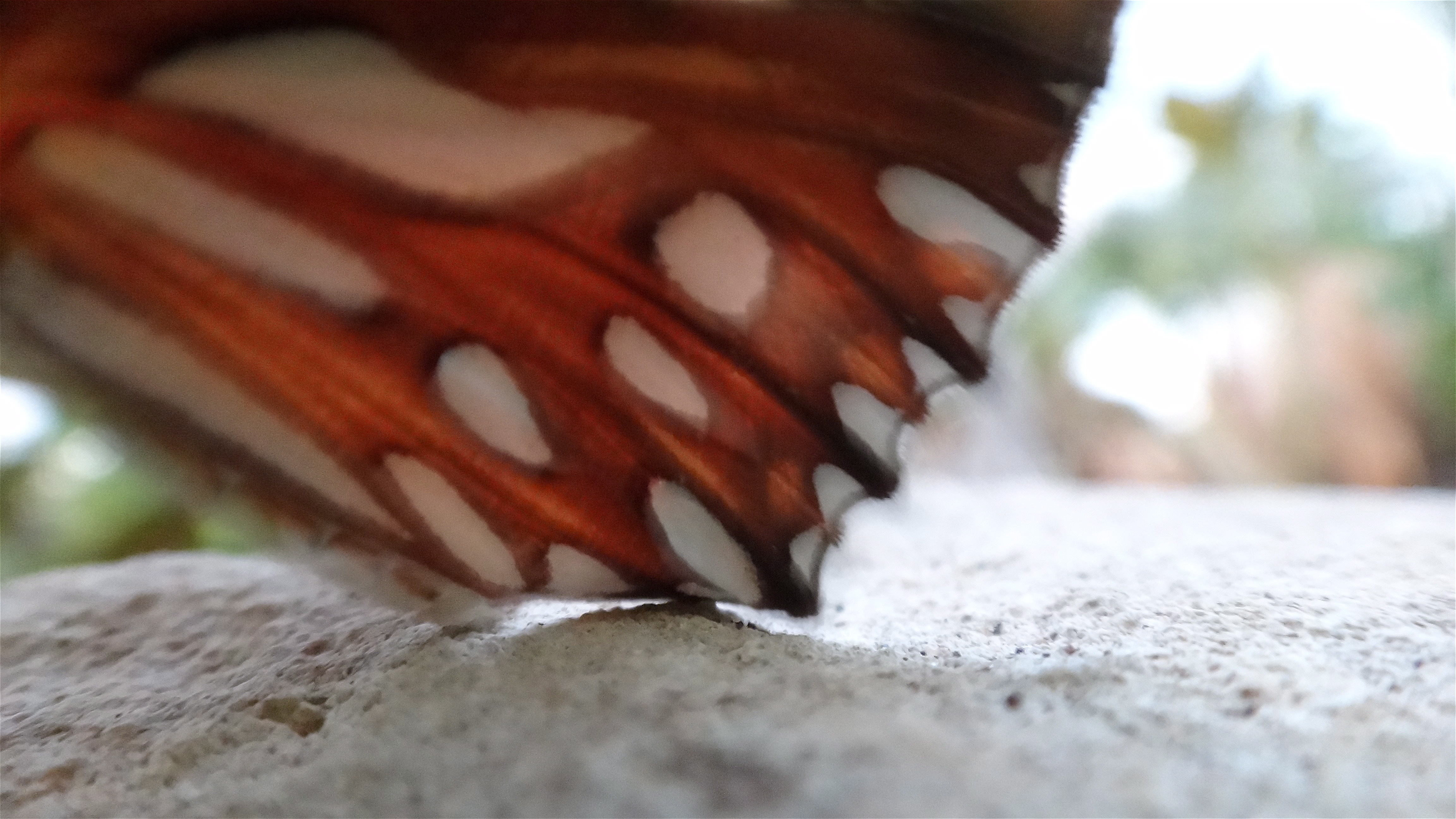 this week on one of my yellowing rosemary plants. I leaned in close, hoping to catch a subtle breeze as it slowly fanned the surrounding heated air with the most amazing of wings.
More dead giant timber bamboo culms were felled this week…
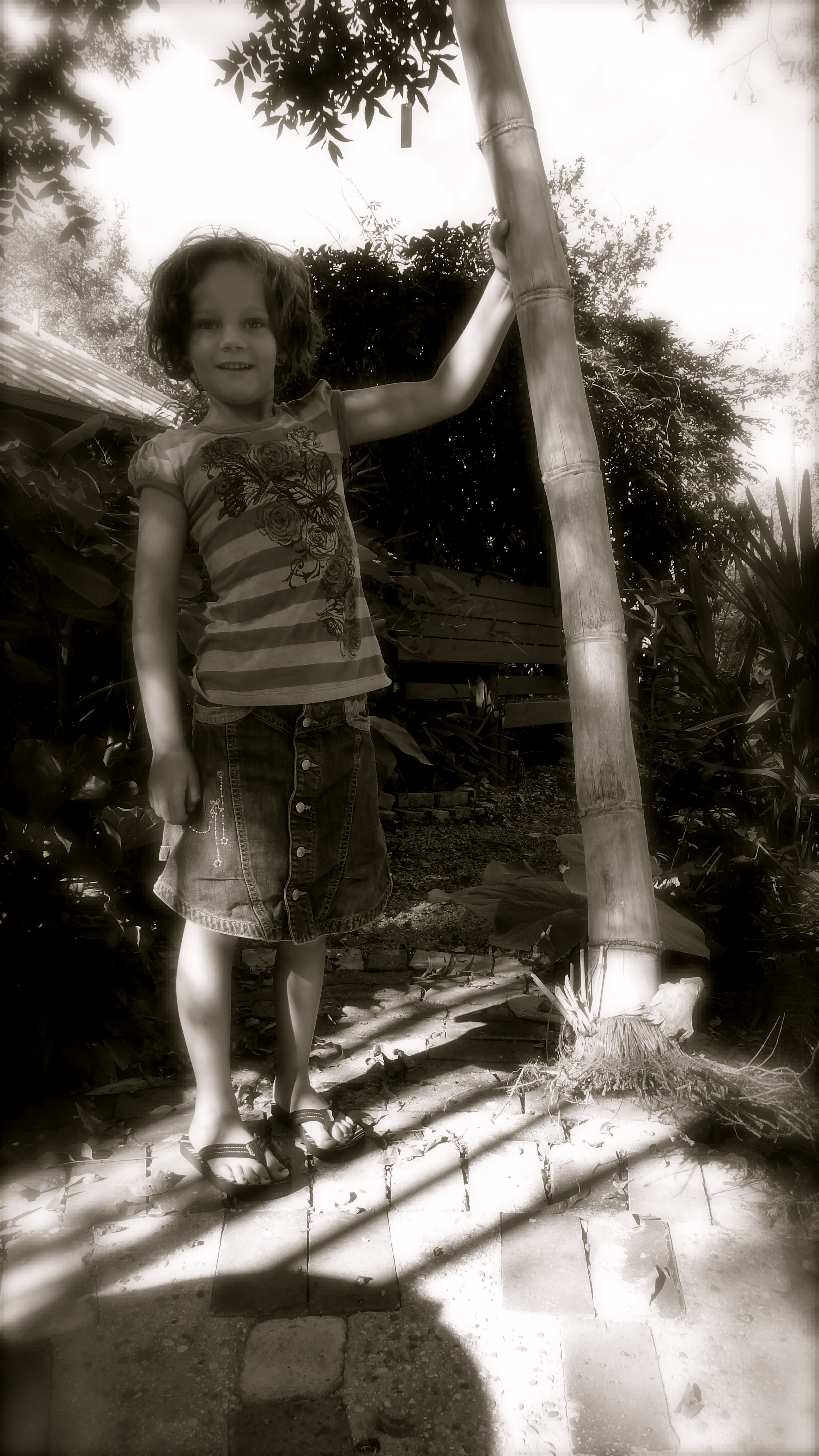
“Thou shalt not pass!”
Talking of Gandalf the Gray,
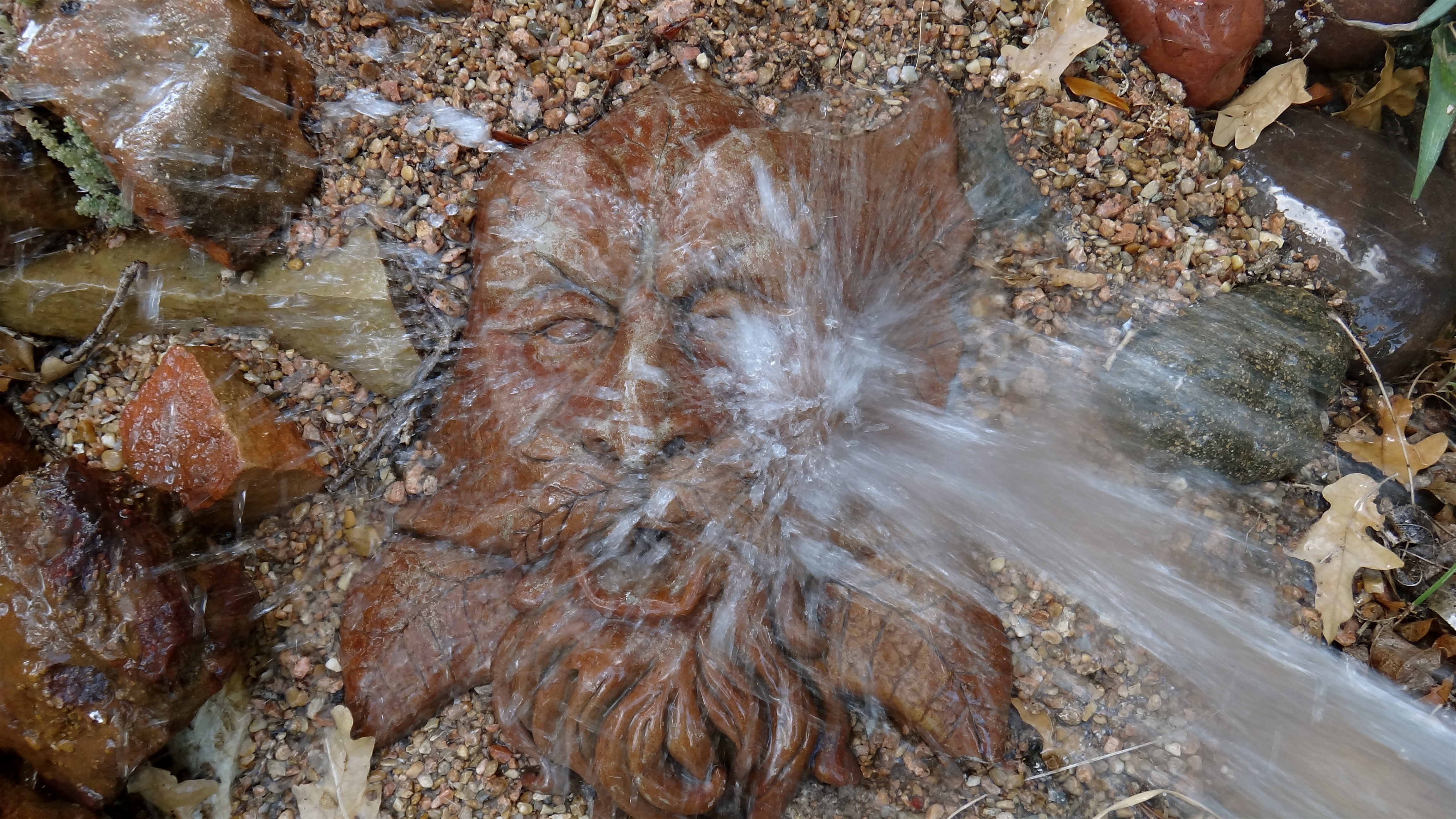
he was looking a little dustier than usual so I swept off the cobwebs with an impromptu hosing…that took his breath away.
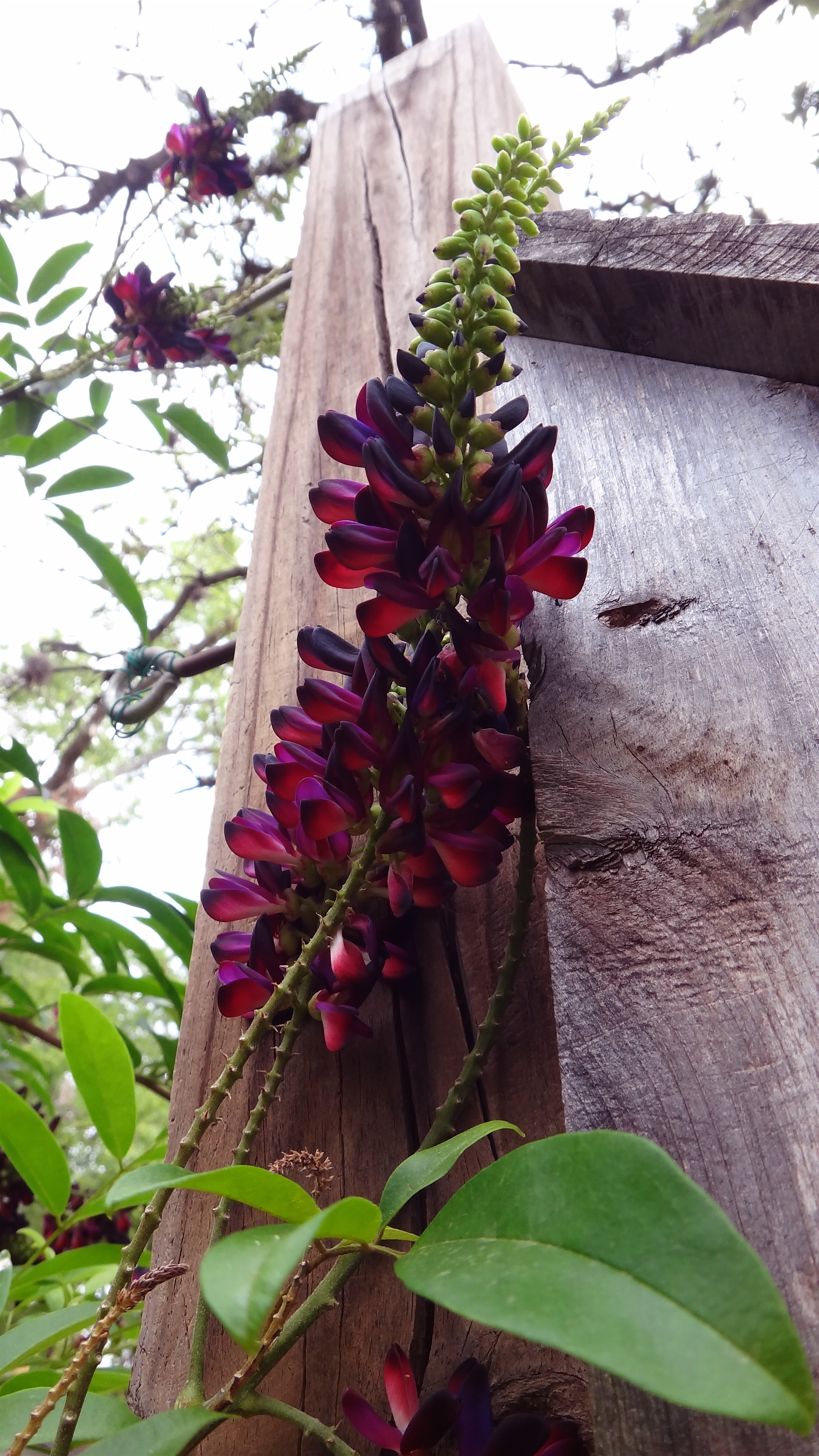
Evergreen wisteria continues to bloom as it has done sporadically since the spring,
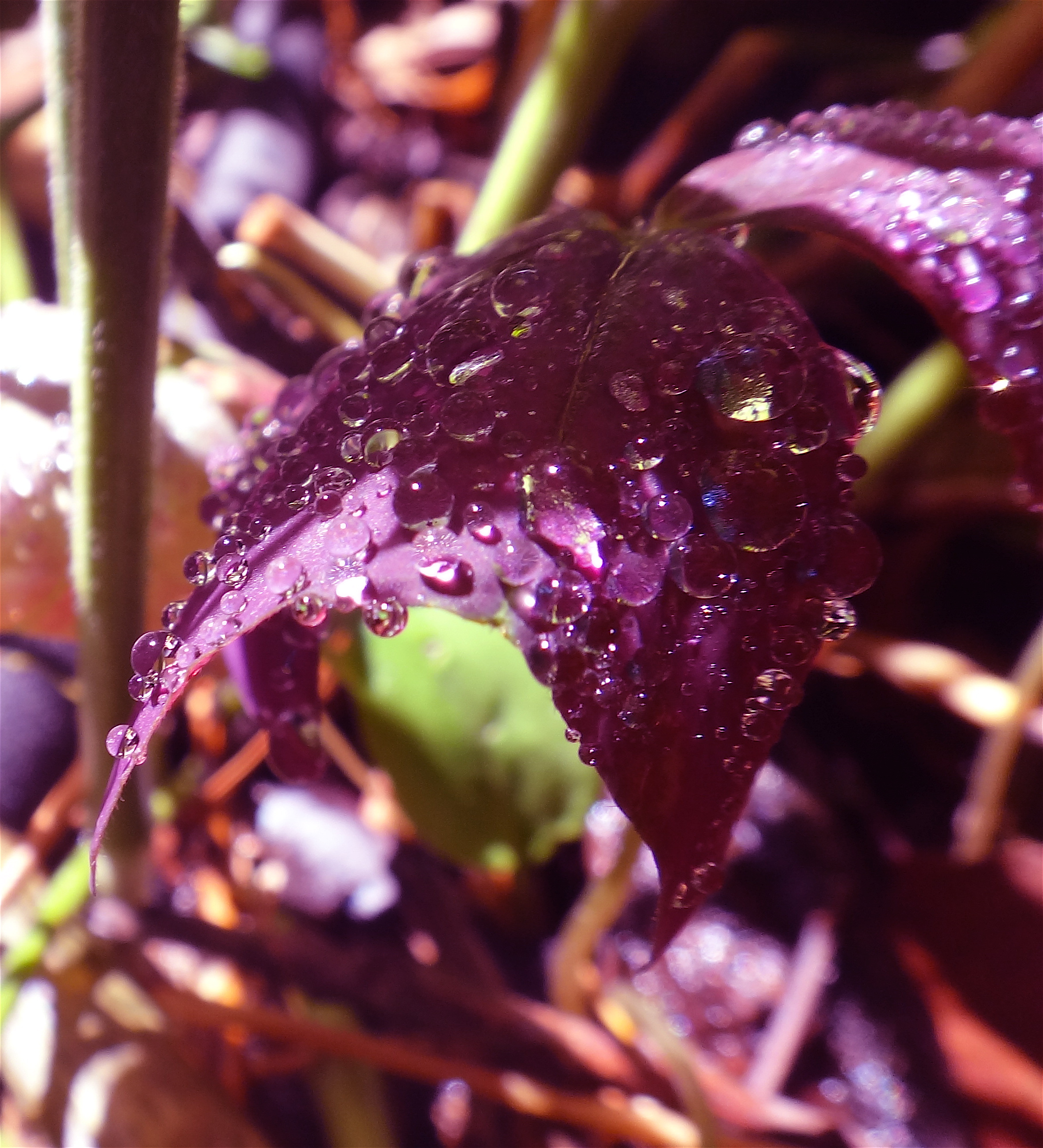
and this purple oxalis hovering above a soaker-hose offers a welcome illusion of wetter and cooler days.
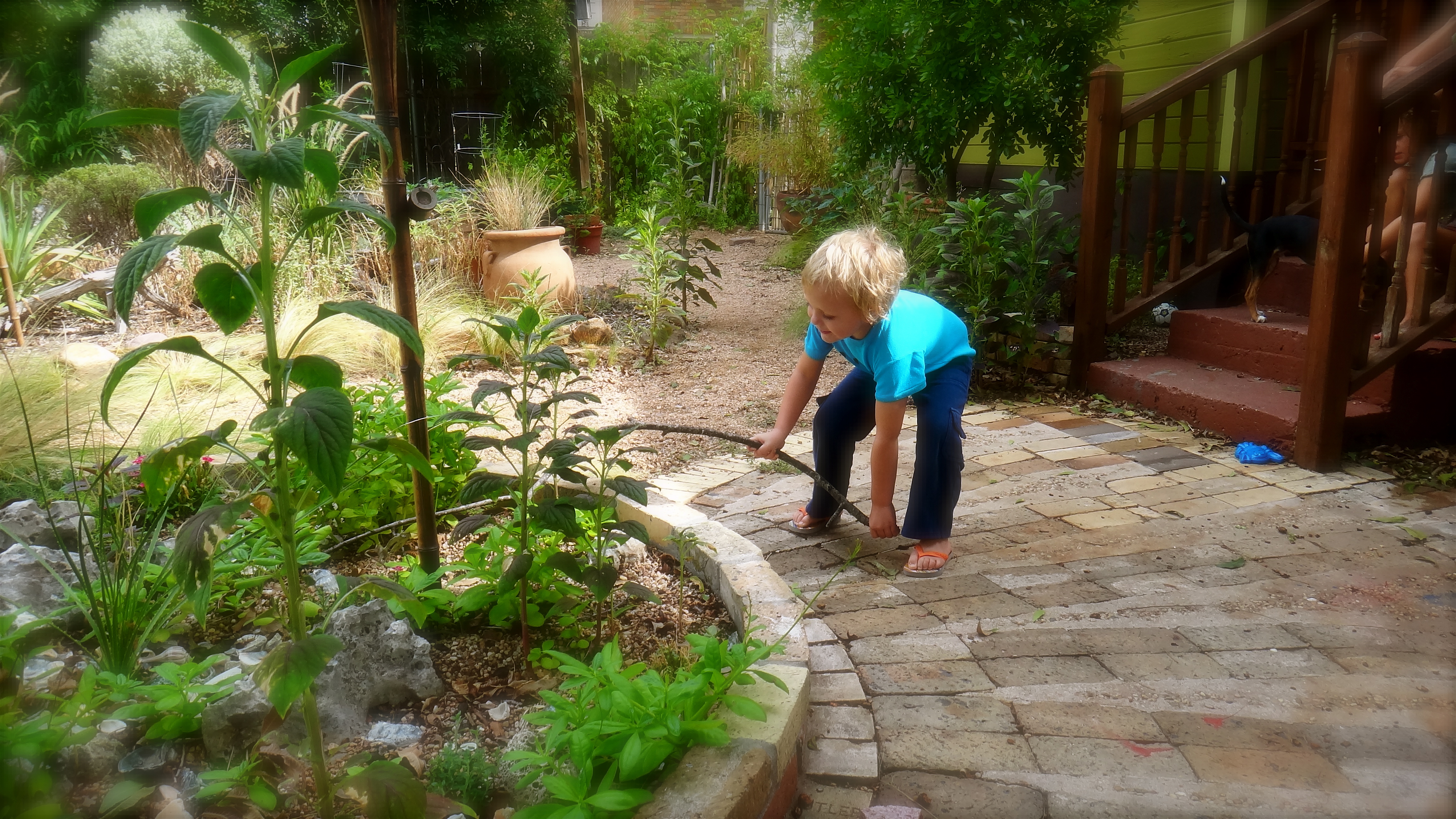
This brickwork is destined for removal in the fall,
 Stop being dramatic William.
mainly for drainage issues. I have decided to continue the decomposed granite around this circular bed for better continuity.
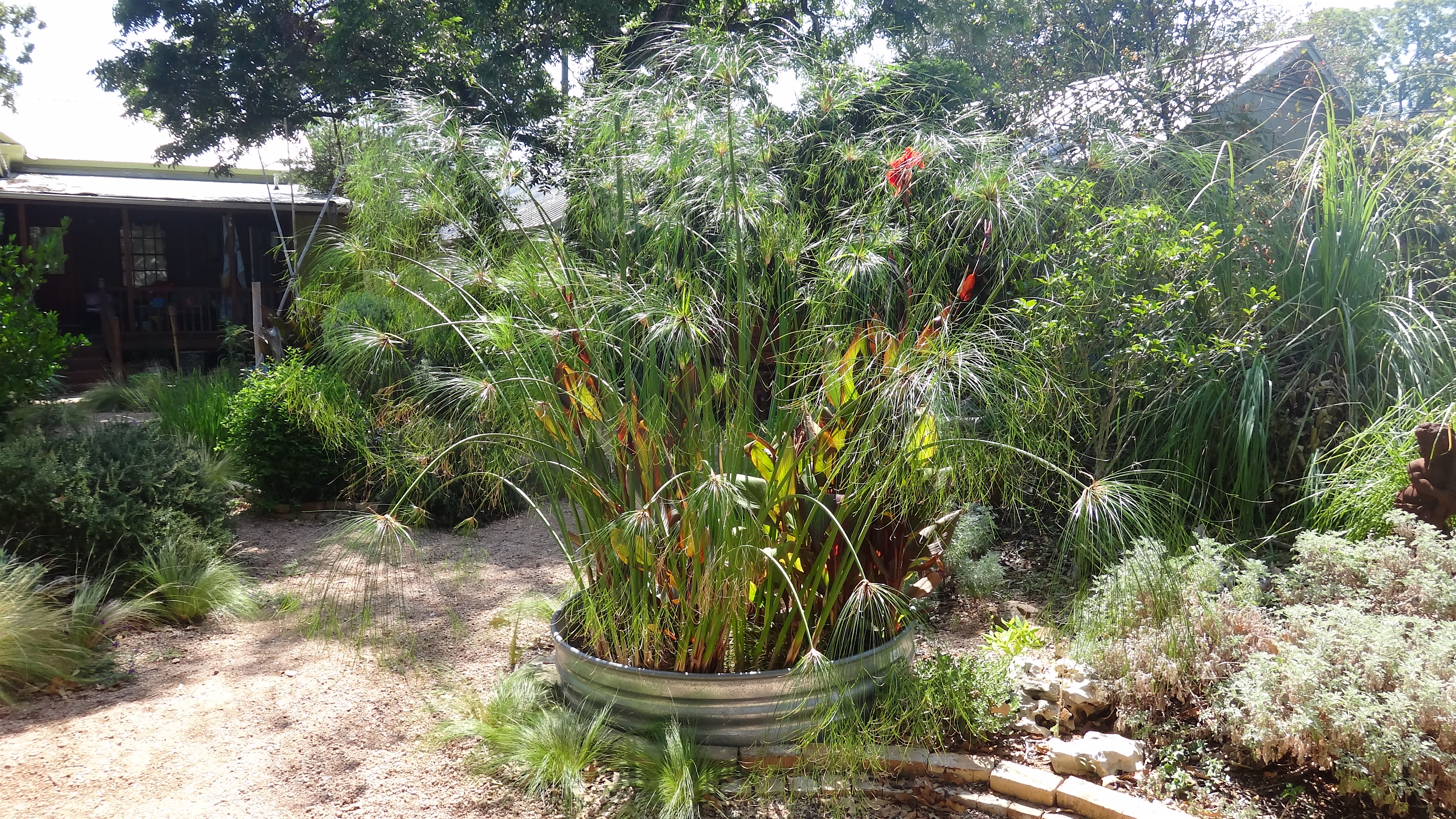
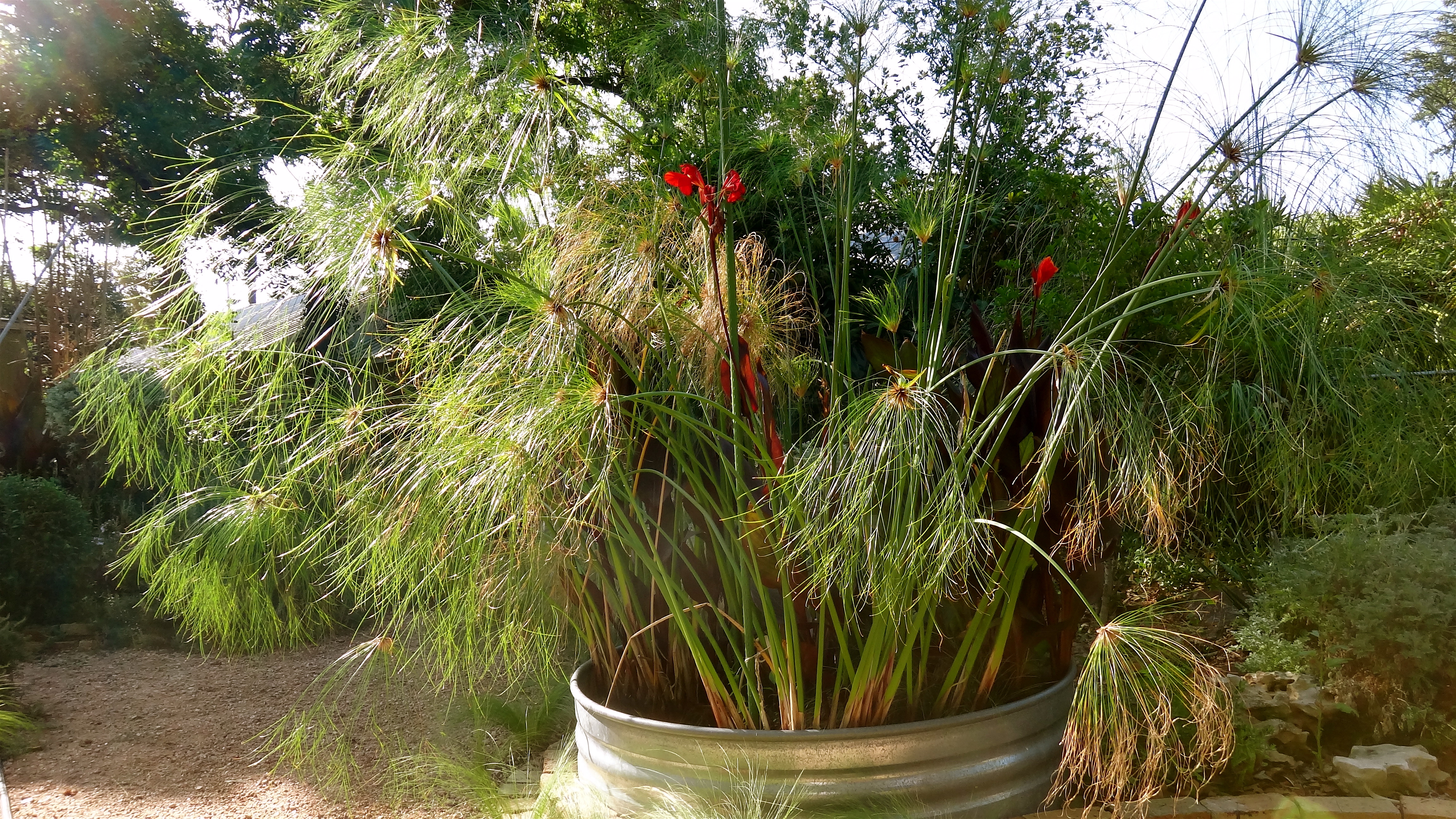
Stock tanks are still providing color and
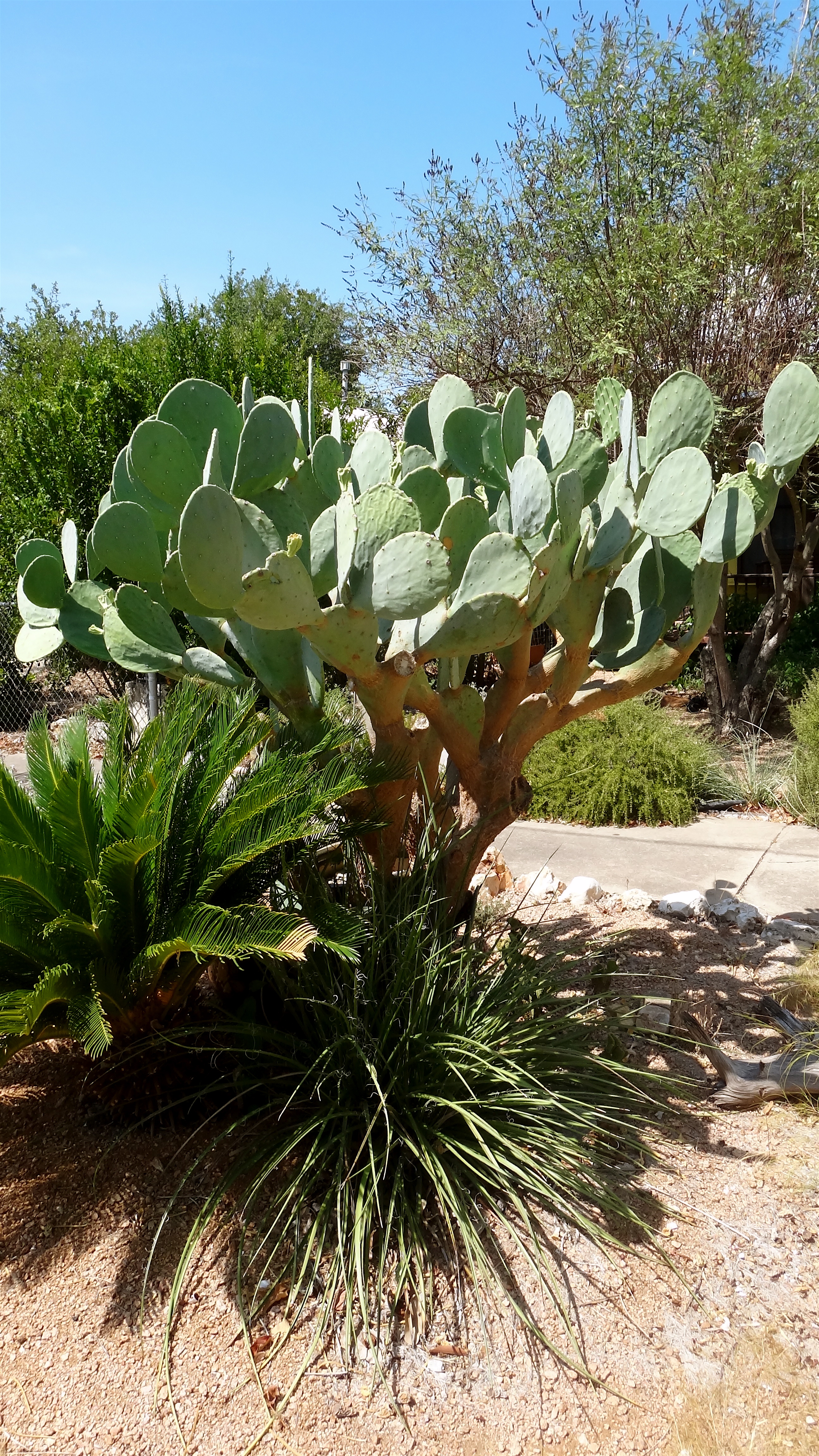
the opuntia tree in my Hell-strip seems to raise up its paddles to gather in even more of the sun’s rays. This is one tough trio.
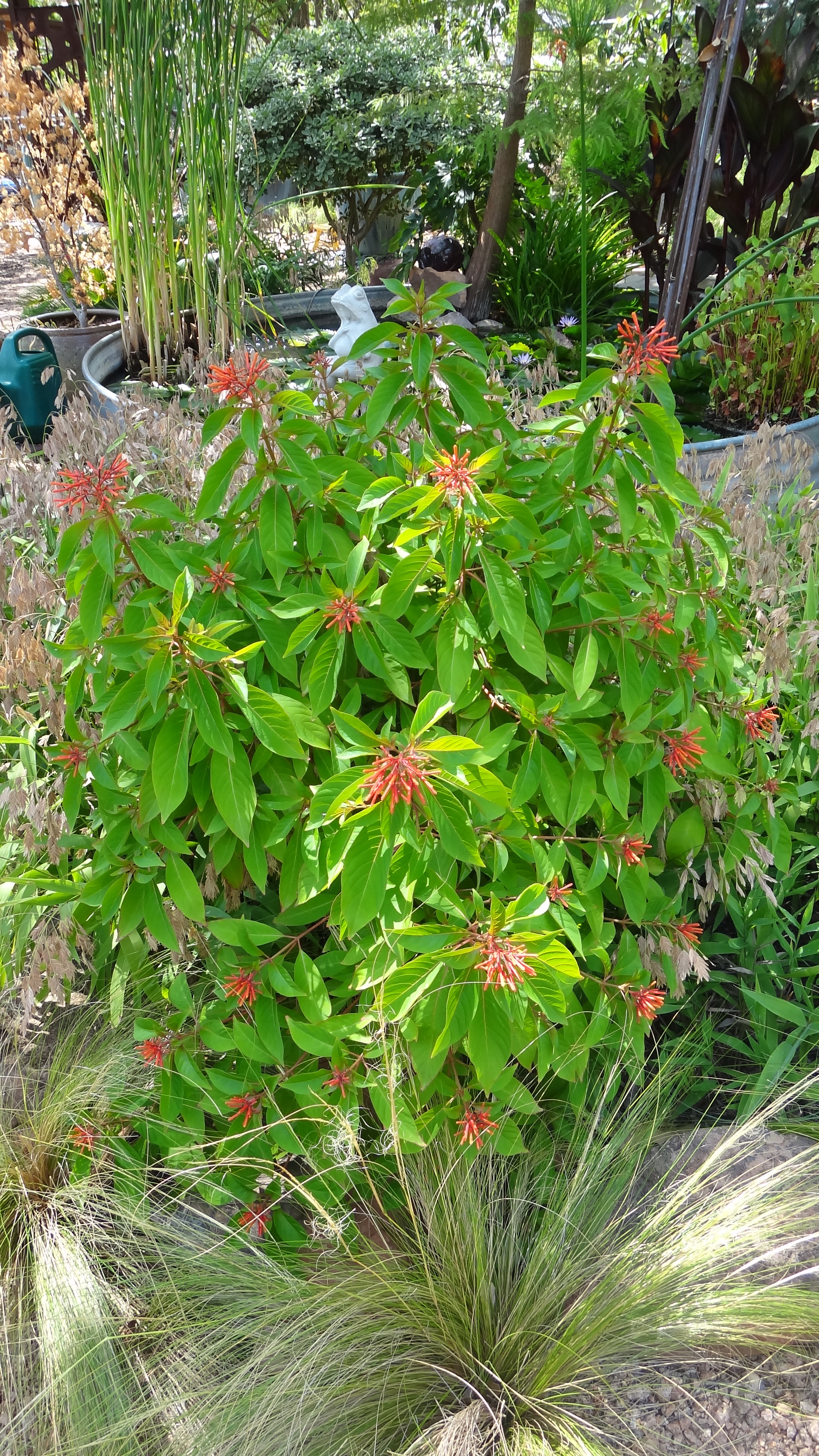
and fitting to finish on a Mexican fire bush.
Inspirational image of the week:
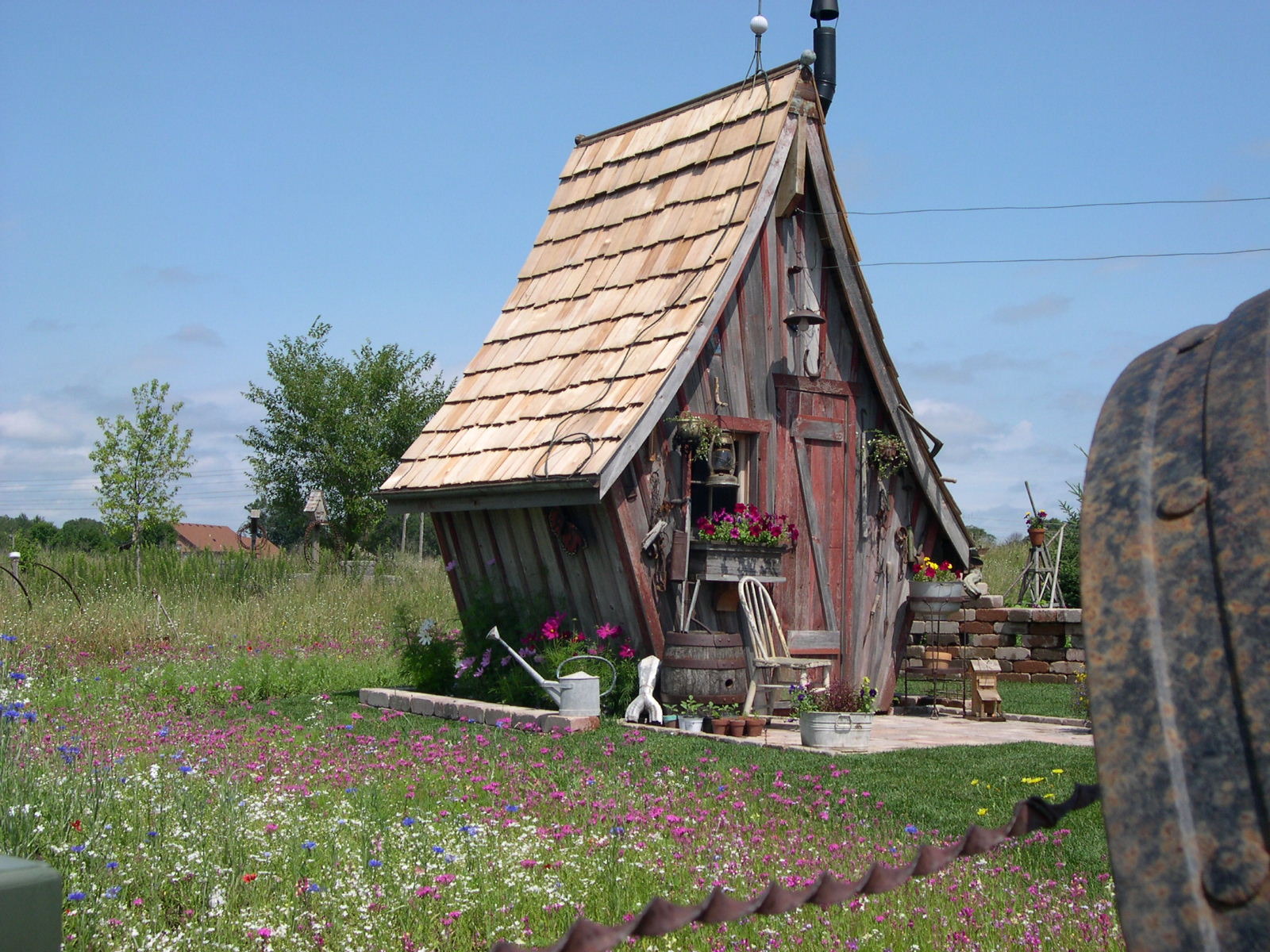
Here is another idea for a rather unique garden shed should you have the time and the wine.

Images credit : The Bottle Houses
Edouard Arsenault started collecting bottles in 1979.

In the spring of 1980, at the age of 66, he began his construction, a mere hobby yet. As his six-gabled structure was taking form, visitors started coming in. Impressed by his work, they encouraged him to continue and to advertise it as a tourist attraction. And so, in 1981, the first Bottle House was open to the public. From 1980 to the spring of 1984, he cleverly cemented over 25,000 bottles of various shapes, sizes and colors, into three fantasy-like buildings.

Stay Tuned for:
“Ashes to Ashes”
All material © 2011 for eastsidepatch. Unauthorized
intergalactic reproduction strictly prohibited, and
punishable by late (and extremely unpleasant)
14th century planet Earth techniques.