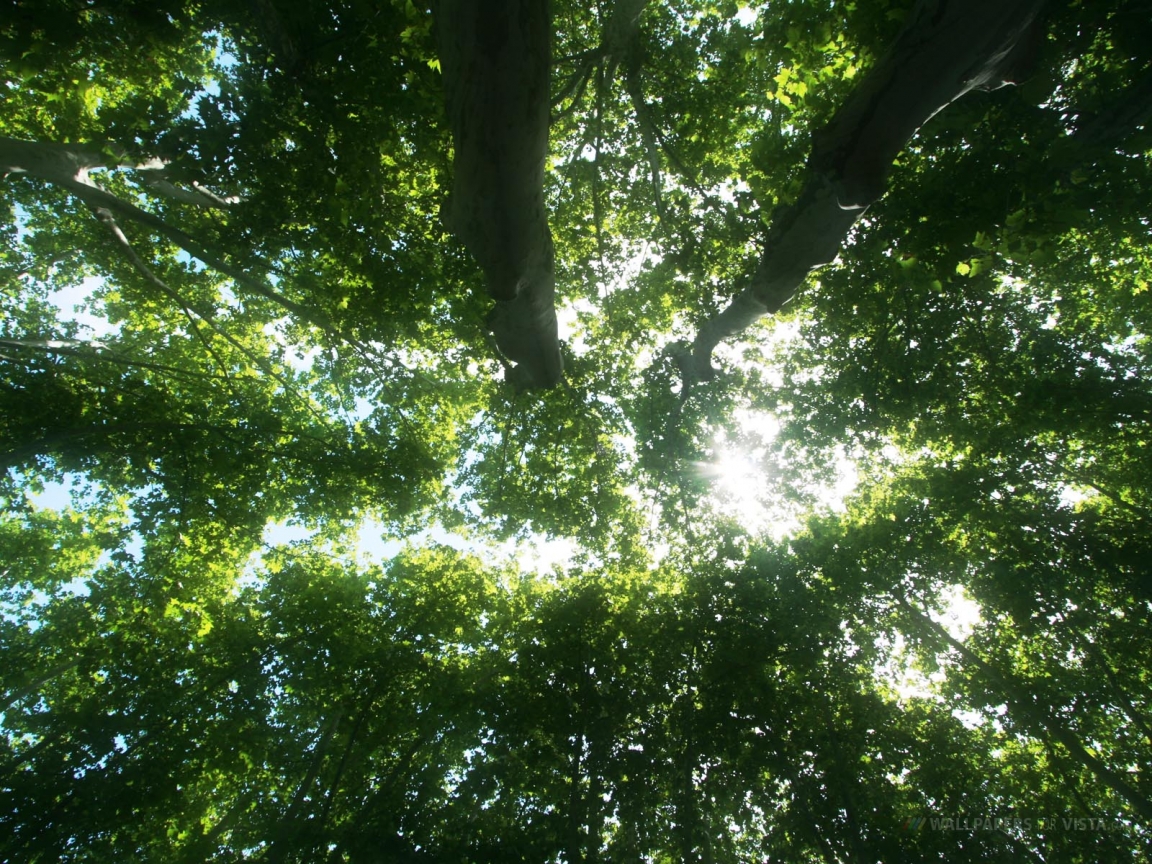
 I have a couple of vivid memories of being ridiculously high up in the top canopy of mature Scottish fir trees as a child…(referring to my vertical elevation naturally). One was as a “Danny, Champion of the World” pheasant pilferer, trying to hide from two black labs, a land owner and a cocked 12-bore shotgun, but I better not focus on this story, he may still be alive.
 These mature Douglas firs were quite enormous, and you go through a few phases when attempting to climb them. I was up there, usually with a couple of my friends, on a perilous mission with a purpose…to topple down the nests of crows.
 Crows are a farmer’s enemy, especially around this time of year…lambing season. I will spare you all the gory details but these birds will target new-born lambs, swoop down and peck out their favorite delicacies…

and
 …as soon as they are born.
For this reason their numbers were always being checked by the shotgun and farm-kids willing to risk life and limb to get to the very top of these mammoth trees to topple down their nests. These birds nearly always nested all the way to the final, skimpy top branches of these firs and as such, made this a character building activity to say the least.
 The main tool for getting through the branches of these dense trees, even on a nice warm day, was the ubiquitous fur-hooded anorak, a garment that became synonymous with the nerdy activity of train-spotting in the UK, something I incidentally and surprisingly, did not participate in…ever, I didn’t…no really I…
 After some “shinning” (basically using thighs and arms to grip the trunk to get up to the first branches of the lower canopy) the pushing up through the extremely dense foliage would commence. The slippery material and protective hood of the nerdy anorak allowed the tree-climber to push through the dense lower canopy of the fir with ease.
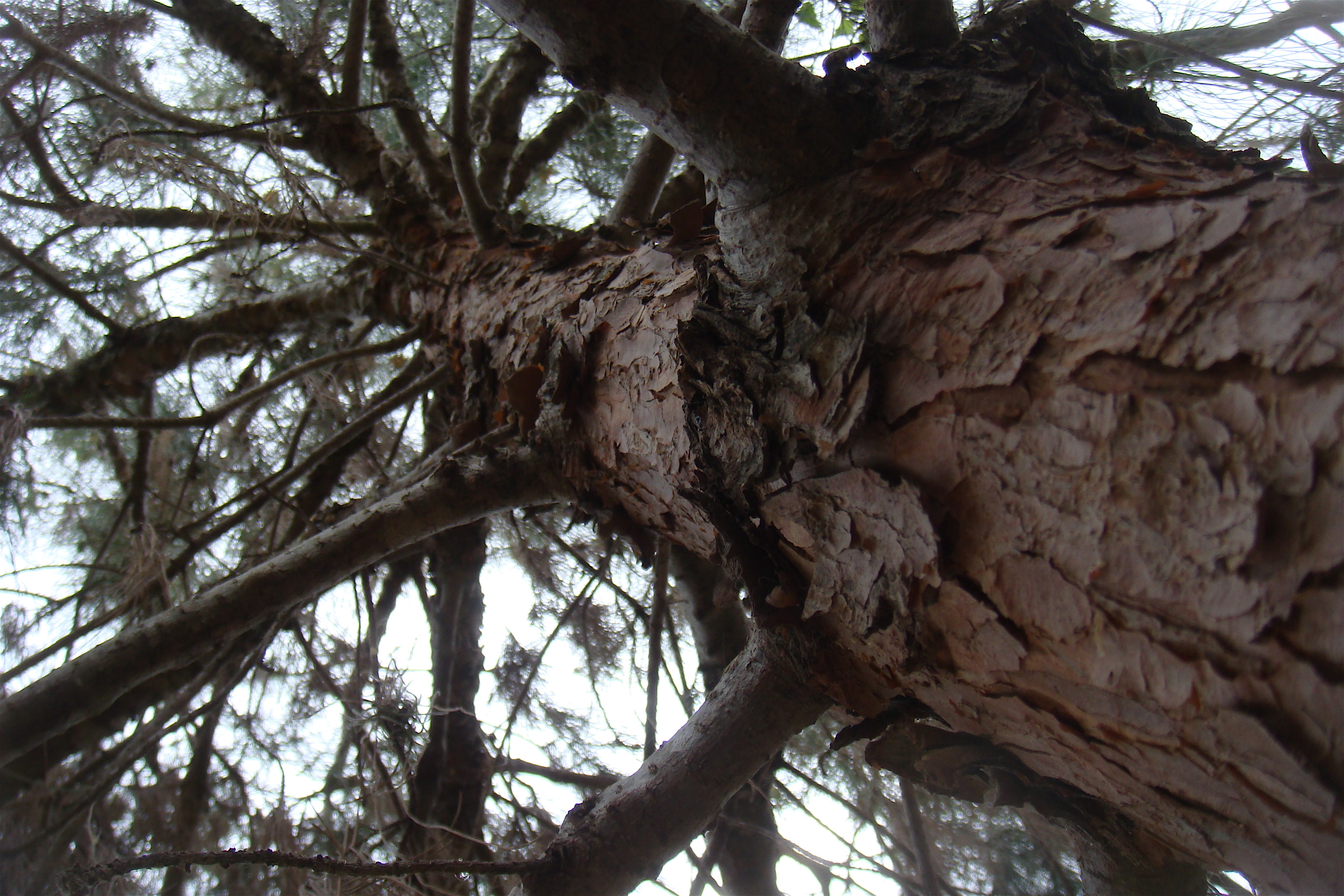 This phase and vertical push would last for quite some time and at this stage you would lose sight of all your friends scaling adjacent trees. About 30-40 minutes later, climbing due north, sweat streaming from inside hood, darkness would eventually give way to light as the upper canopy was traversed.
 It was an amazing feeling when the “breakthrough” would happen, the light would suddenly flood-in, hoods were pulled back and the environment and view would open up into something quite spectacular….the tops of trees – no more claustrophobia and ohh for that breeze. No longer capable of seeing the ground, the view across the tree-tops was amazing, it was the life of a forest that few get to witness. Holding on to the very top of one of these fir trees was really something, and the movement with the wind like a fairground ride. A good gust would make you feel that the now thin trunk would snap as you would sway 6-8 feet on a gust. I just wish the Flip camera had been around at this point in time to capture the experience, but alas, getting a video camera of that era up there would have inevitably resulted in a Darwin Award.
Nests were demolished, but that was not the real reason I kept venturing back up there into the tree-tops.
 Designer: Shawn Soh
Lots of things happening this week:
 St Patrick’s day has been and gone,
 though for some it was hard to understand what all the fuss was about.
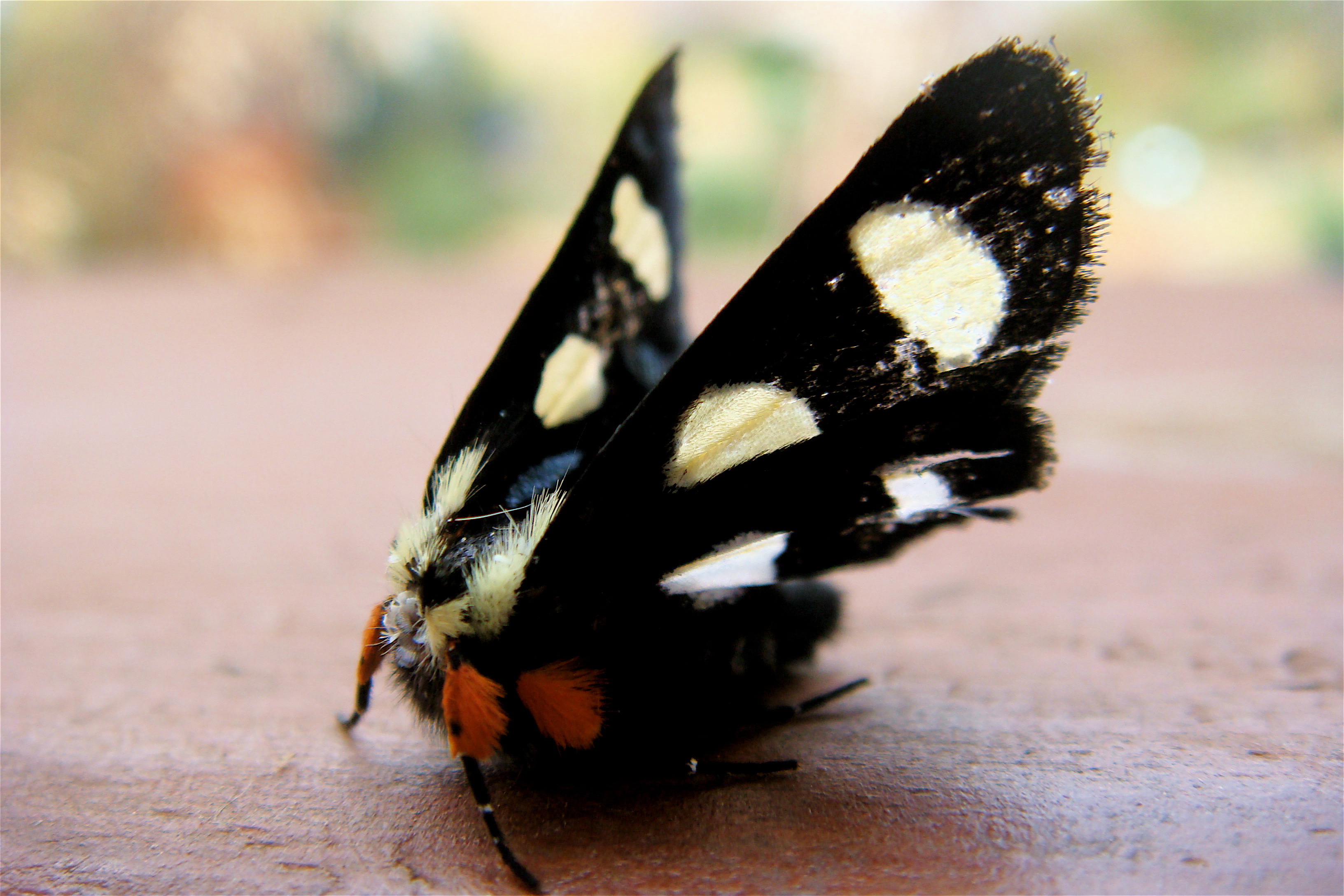
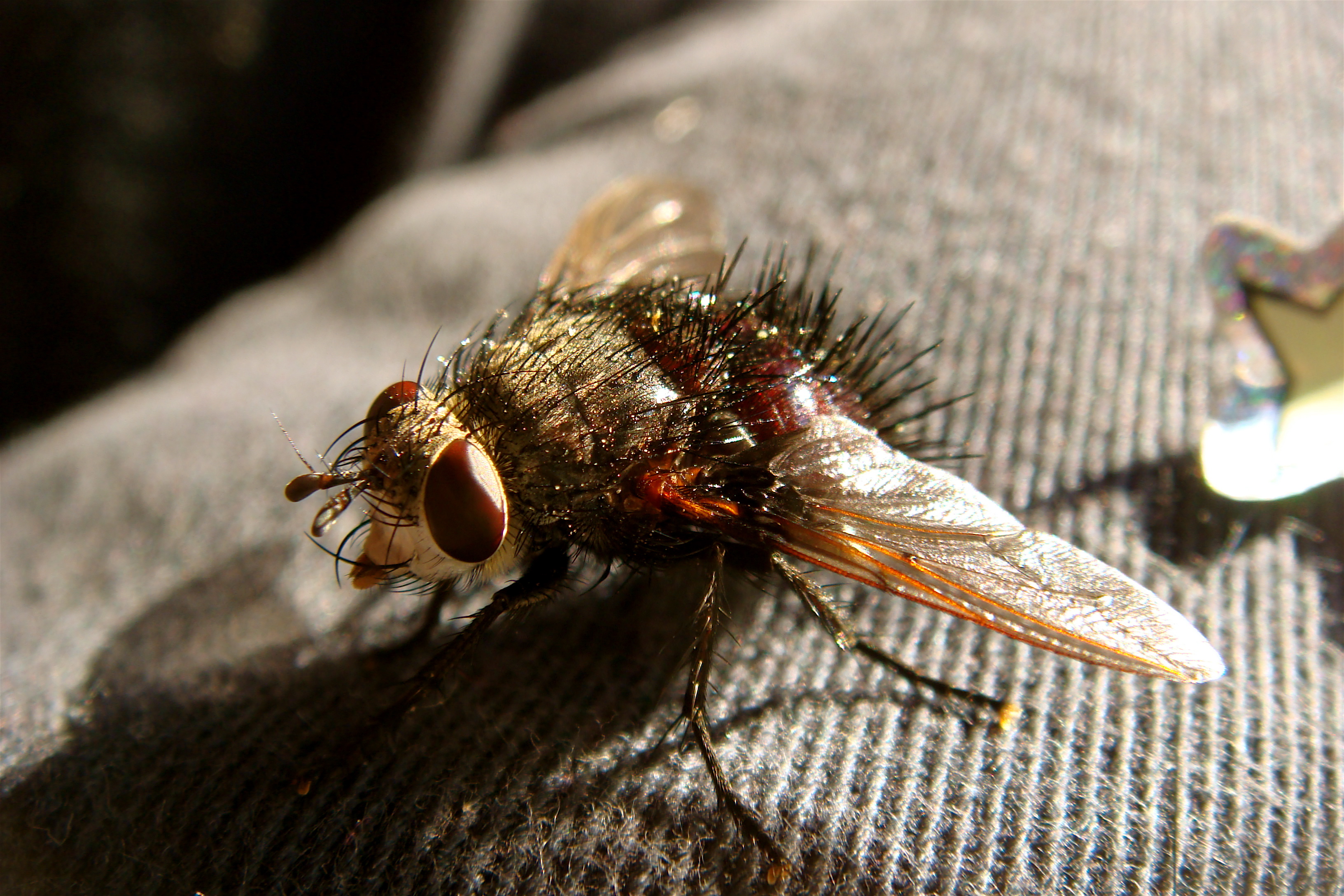
I first found a dead one,
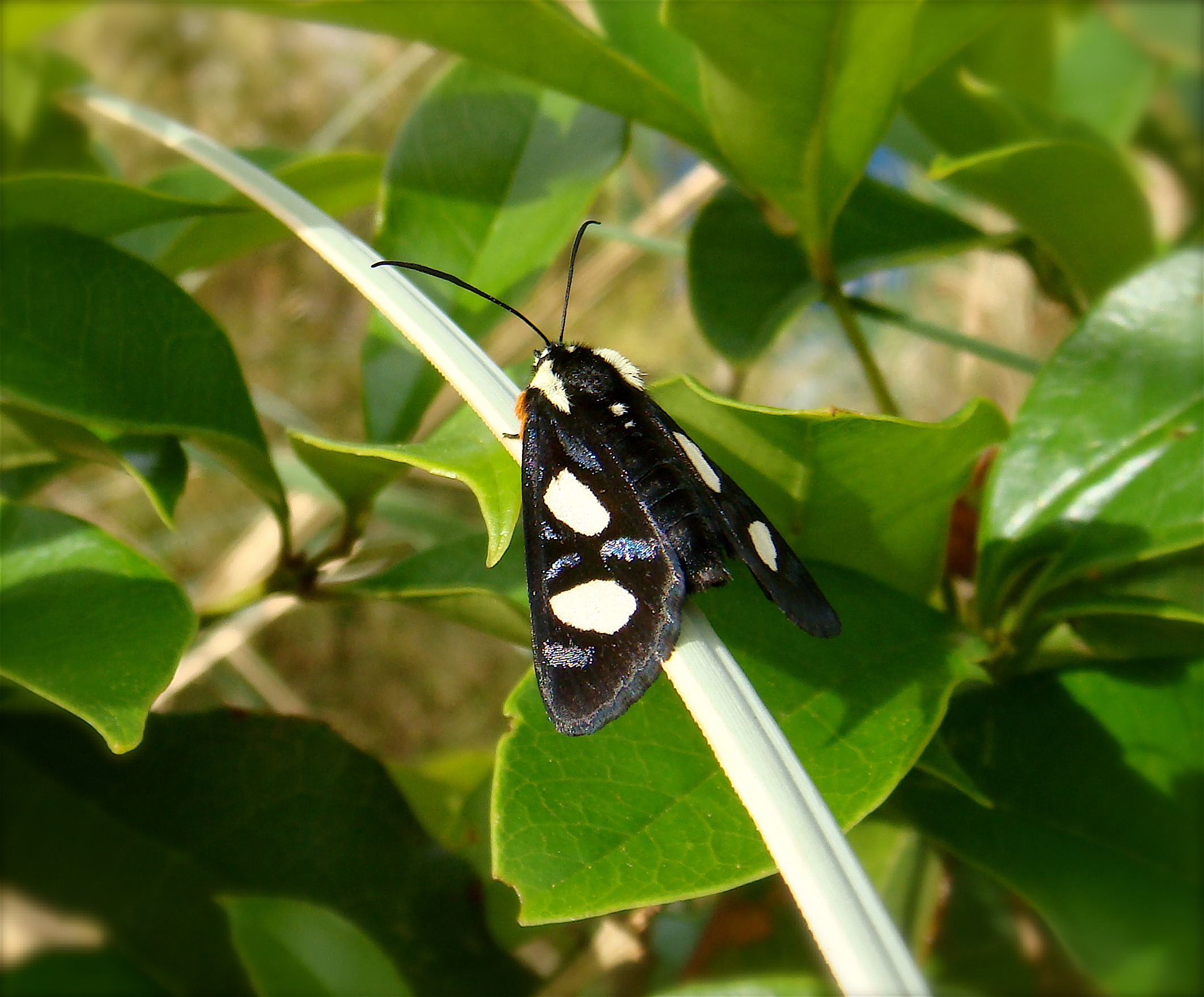
then a day later – a live eight-spotted forester:
Alypia octomaculata
‘Octomaculata’ means ‘eight spotted’ this moth is often mistaken as a butterfly as it is often seen during the daytime visiting nectar flowers. The larvae of the moth feed on Virginia Creeper, Peppervine and grapevines, they burrow in pulpy wood or other protective places to make their cocoons and look like this:
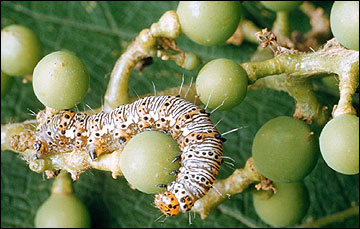 Eight-spotted forester caterpillars are present from spring to early fall. They produce one to two generations per year and are found in Newfoundland and Quebec to Florida, west to Texas, north to Saskatchewan…One cool looking moth and a first in the Patch. As is this…
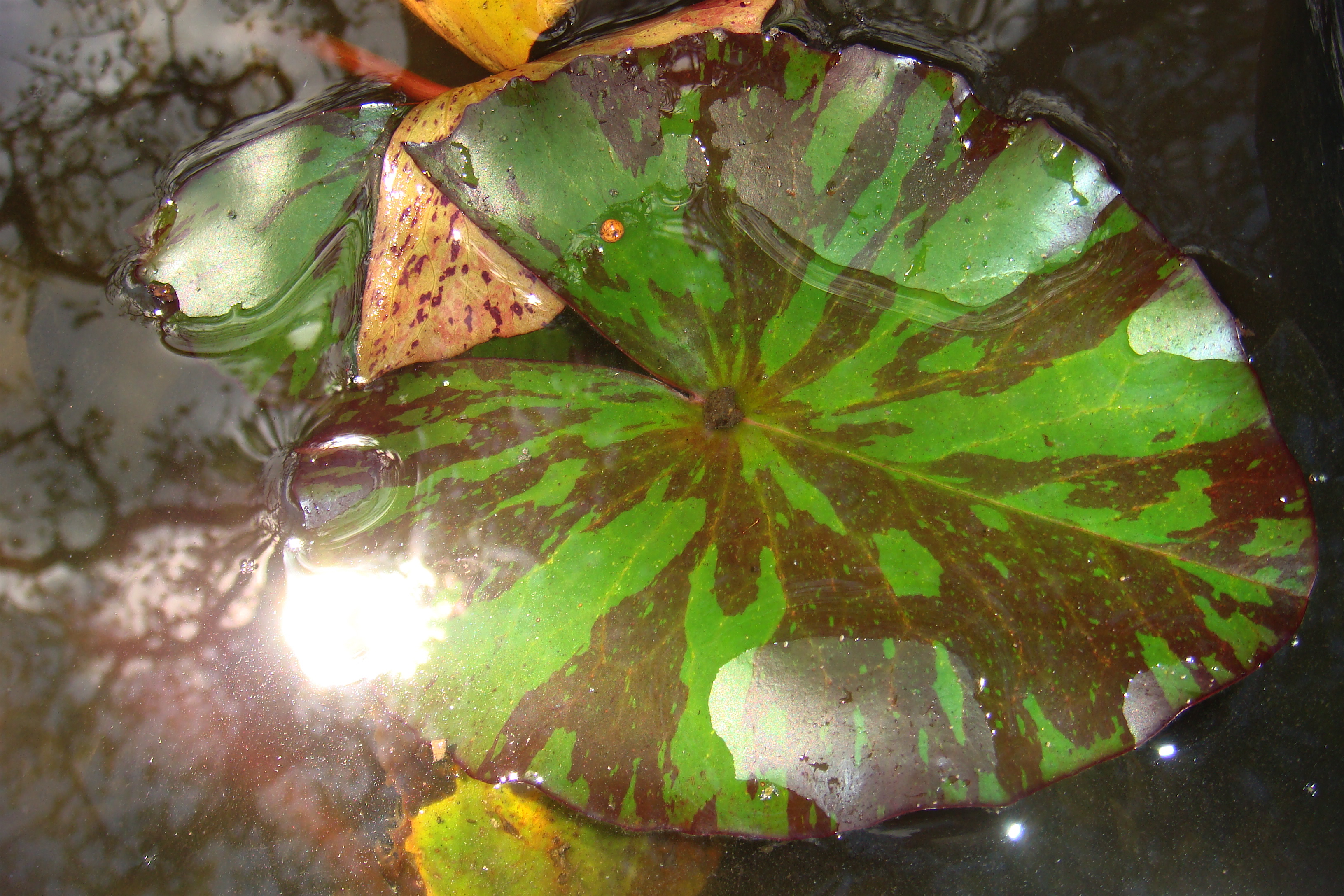
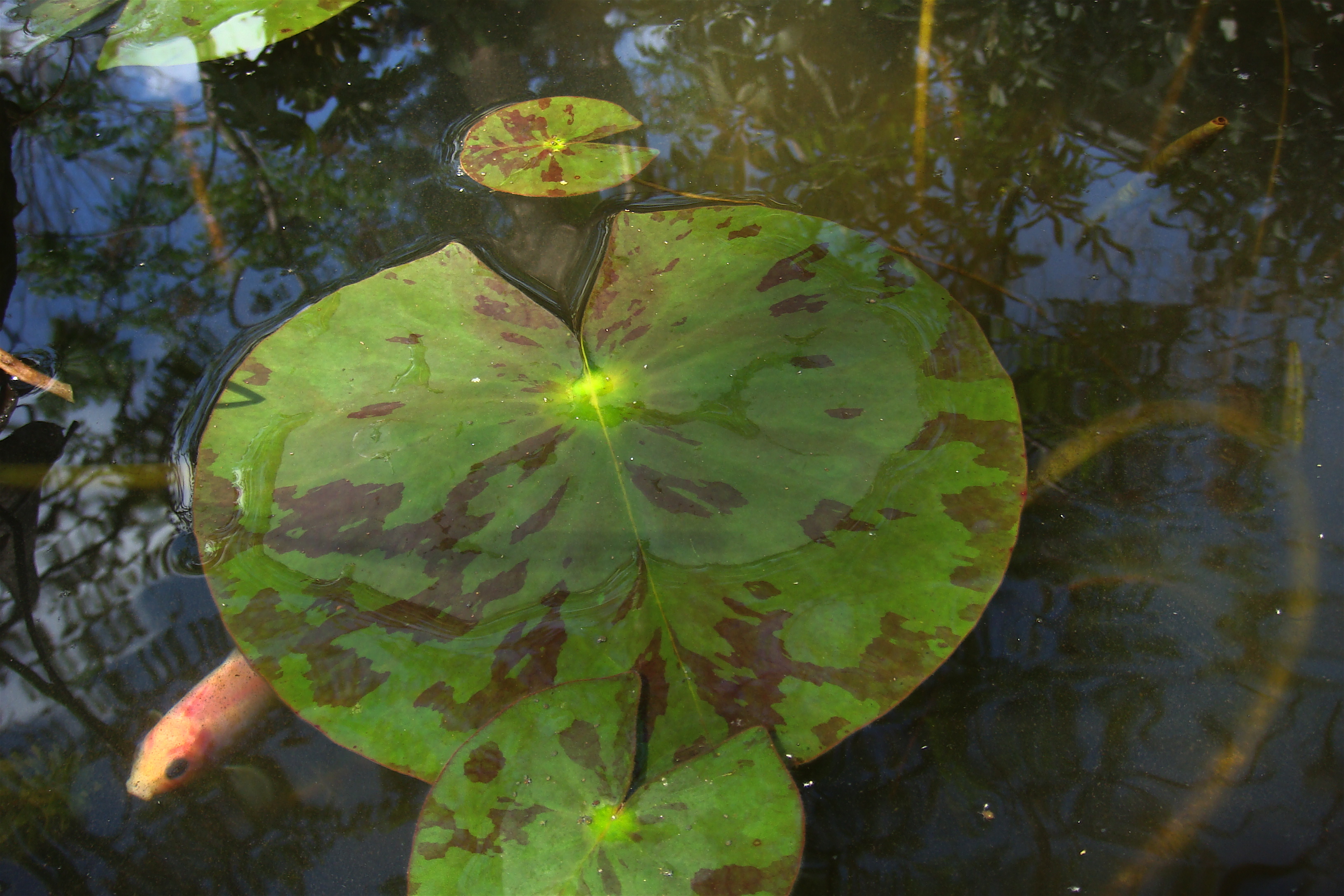 It appears that my tropical Madame Ganna Walska lily (left, serrated edges) has hybridized with my hardy water lily (right, no serrations).
Pam at Digging : http://www.penick.net/digging/
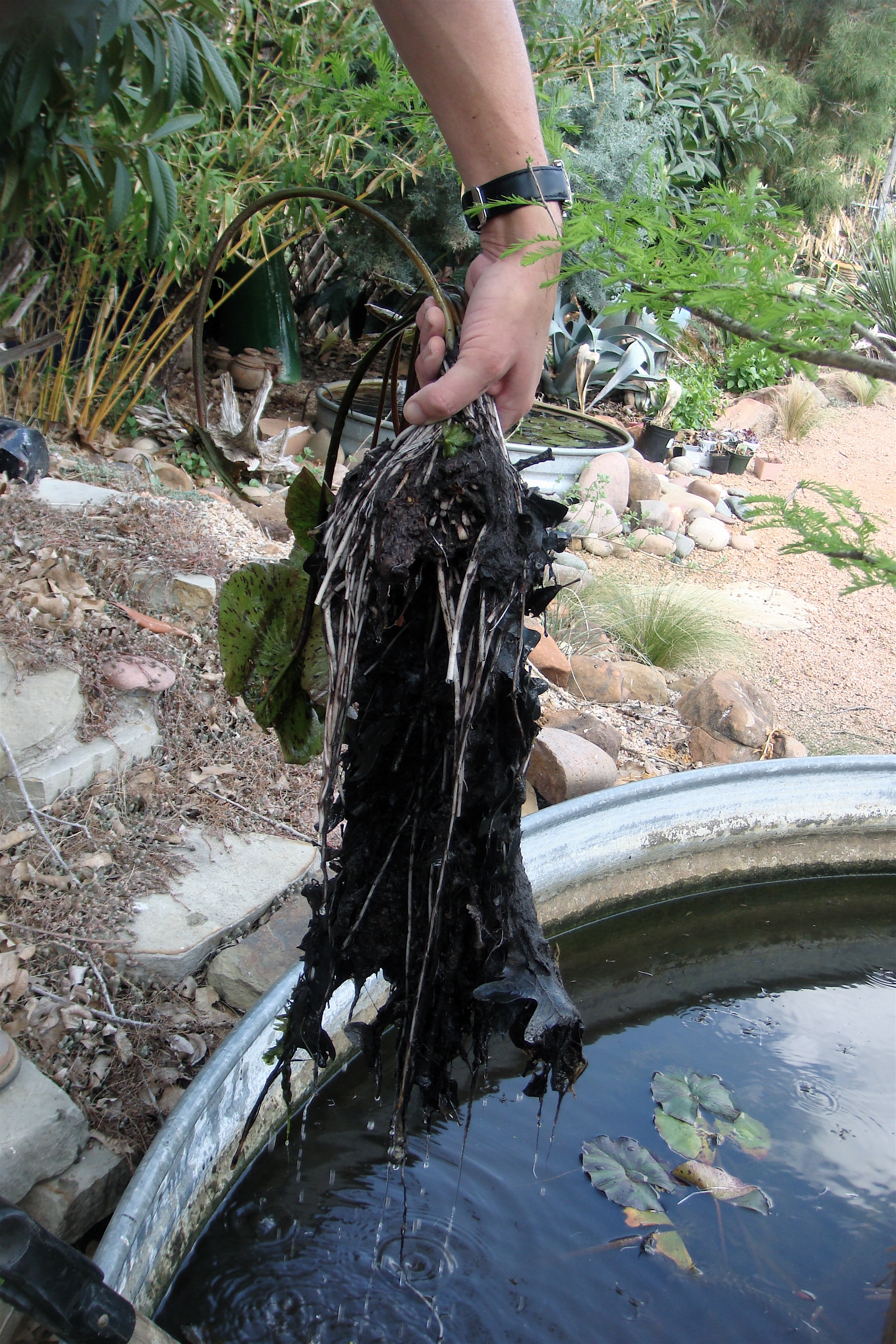
This fine specimen (with serrations) has your name on it for your up-coming blogging get together.
Nothing heralds in the spring better then the…
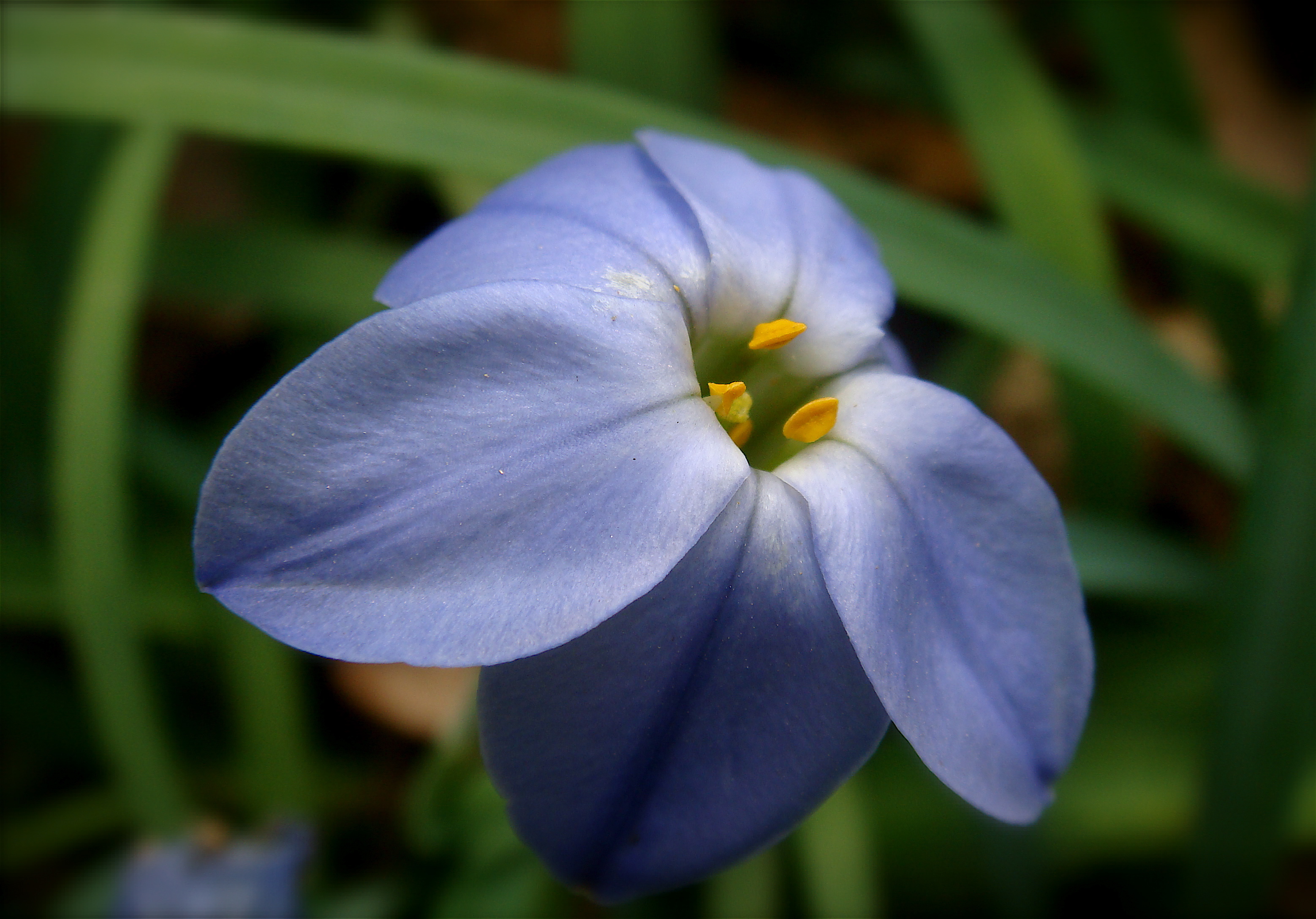
…Spring Starflower,
Ipheion uniflorum ‘Rolf Fiedler’
Ipheion is a small genus in the Alliaceae family that is mostly from Argentina and Uruguay. A member of the onion family this small plant delivers sporadic early spring blue blooms. It offers fragrant flowers with almost grass-like foliage that smells like garlic when crushed. Some folks feel Rolf Fiedler is really Tristagma peregrinans P.Ravenna but this plant has not been verified by anyone except for the person who named it, (I gather Rolf).
Who is this renegade Rolf Fieldler?
Finally…
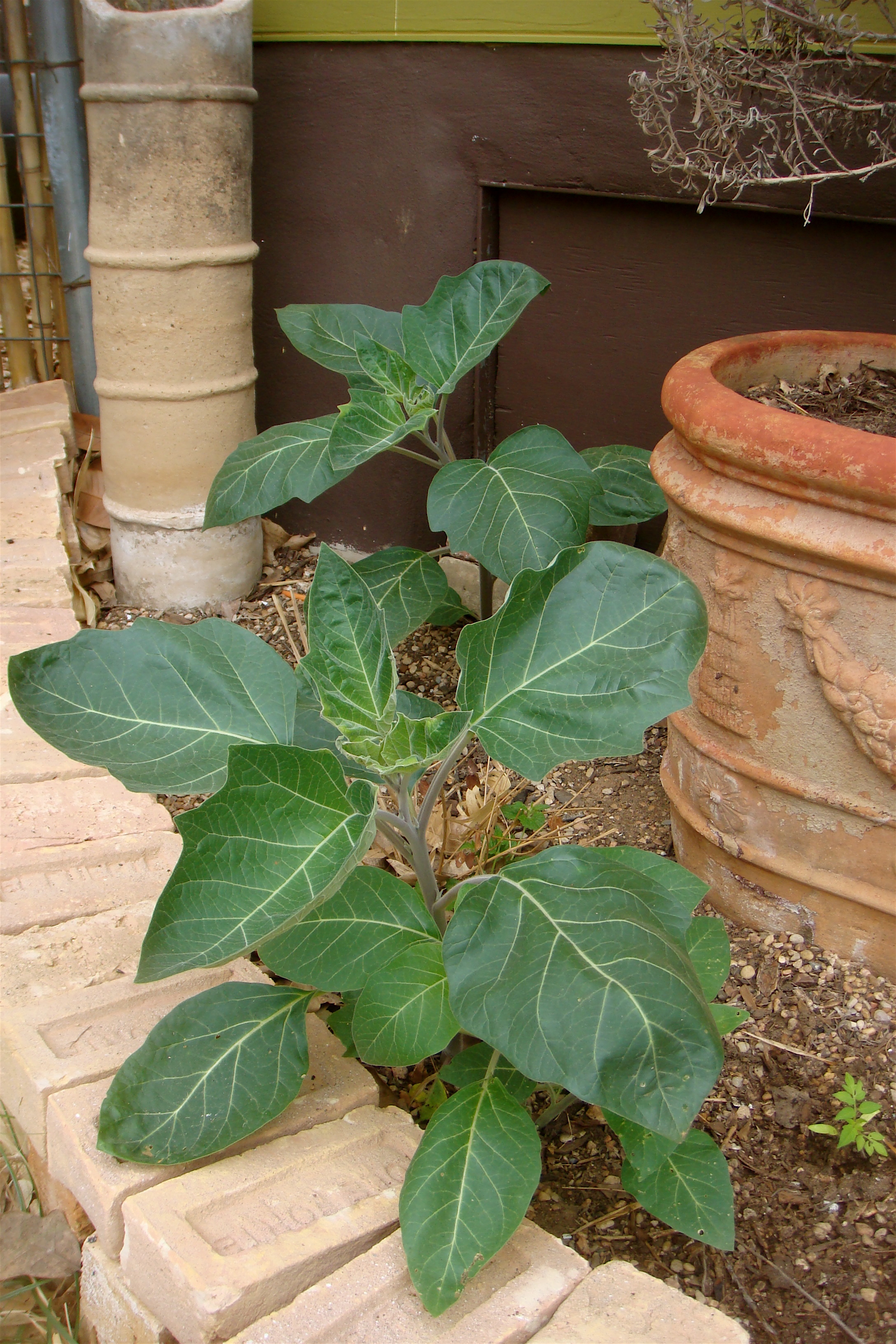
Datura is once again on the move,
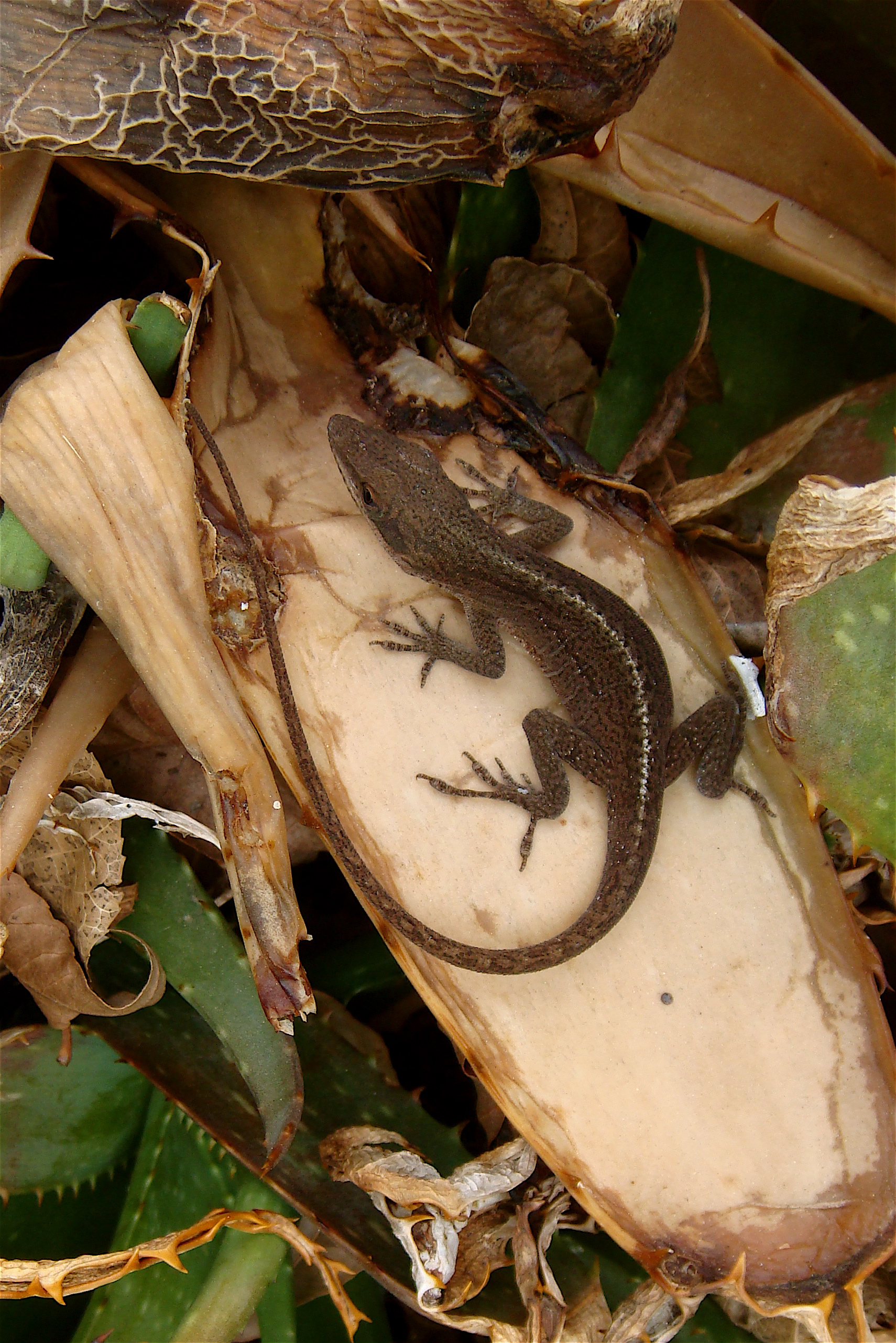
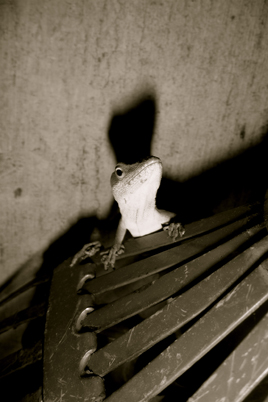
…as are the anoles,
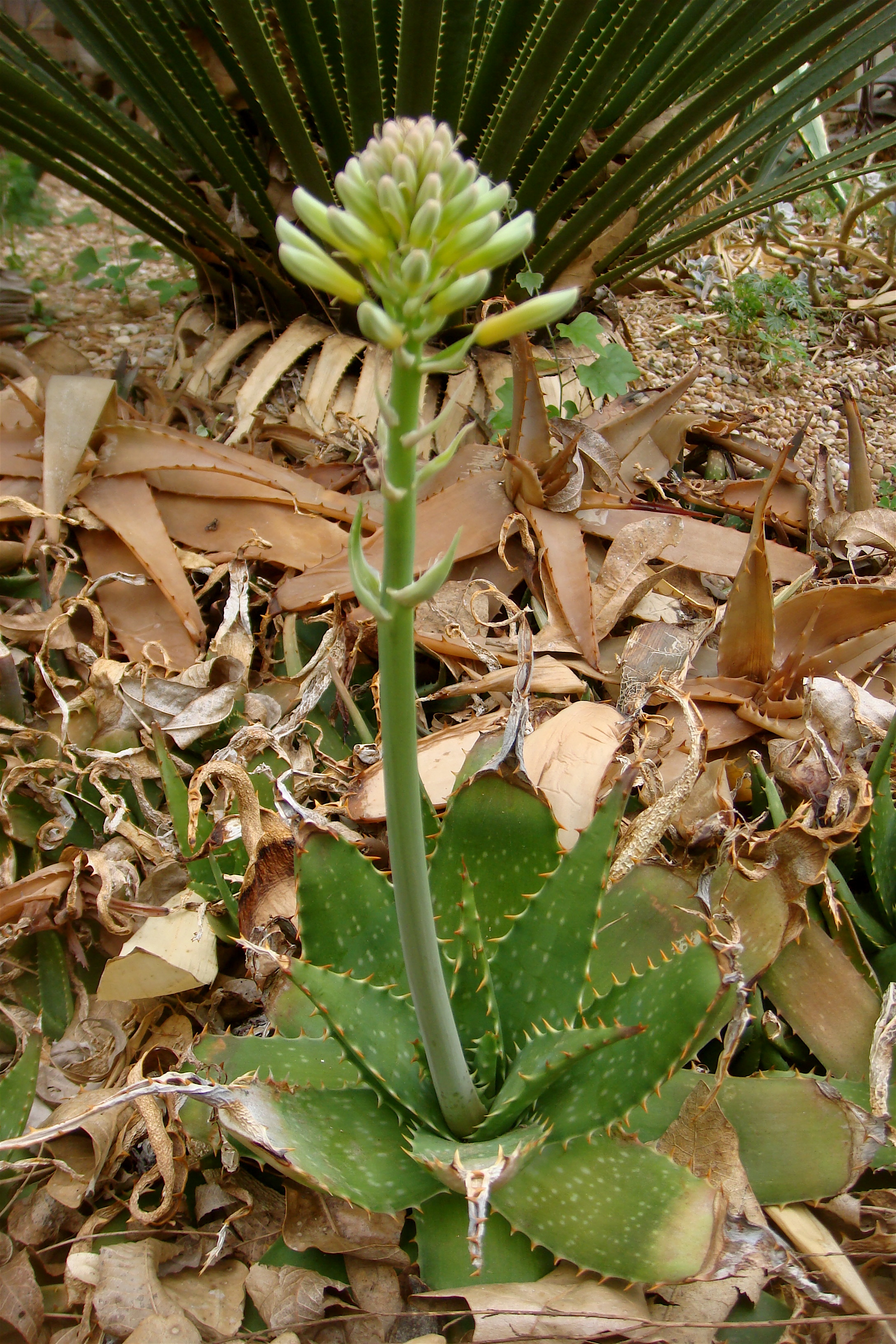
aloes are sending up shoots,
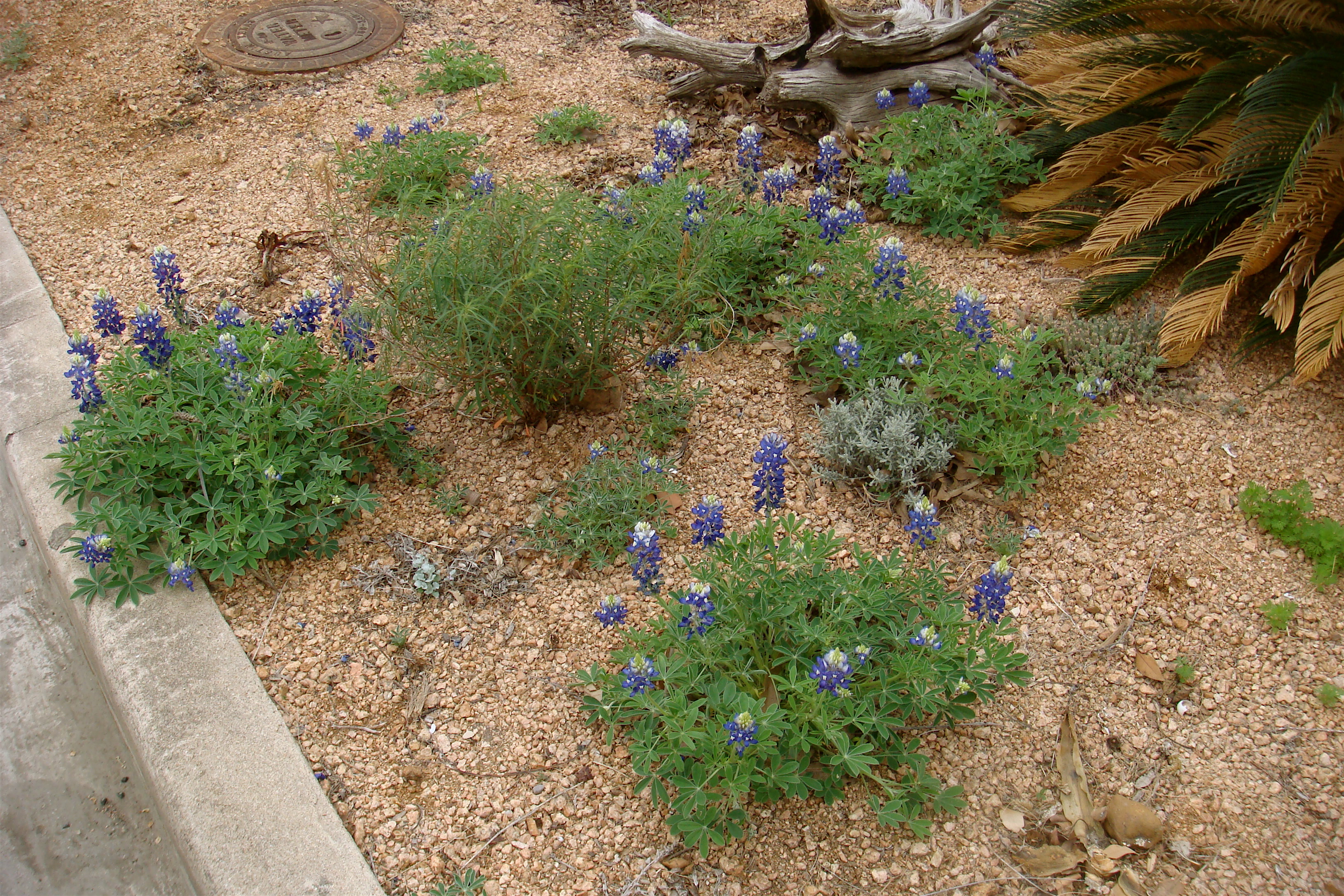
and hell-strip bluebonnets are brightening up the curb.
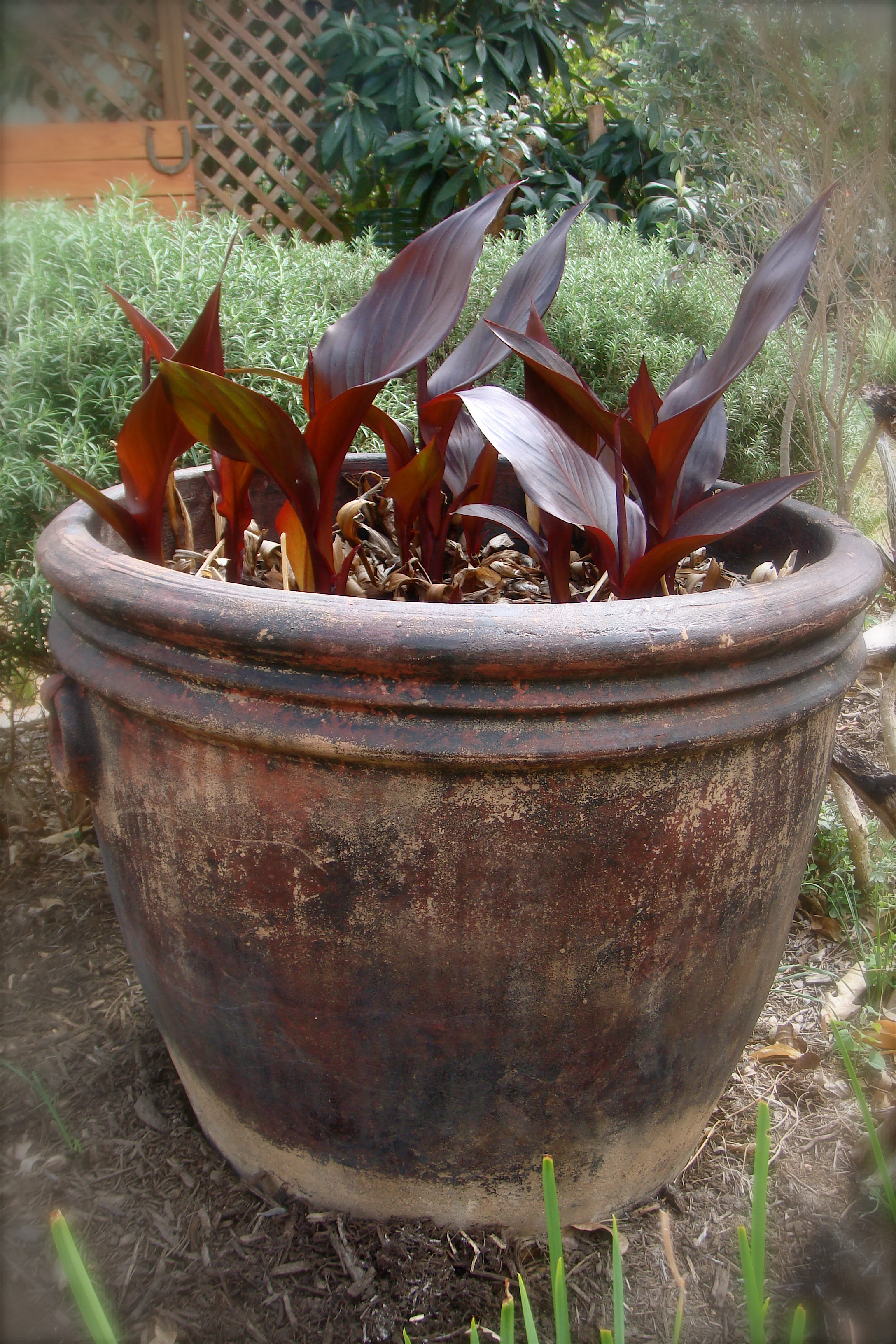
Fresh new burgundy cannas have broken through the soil,

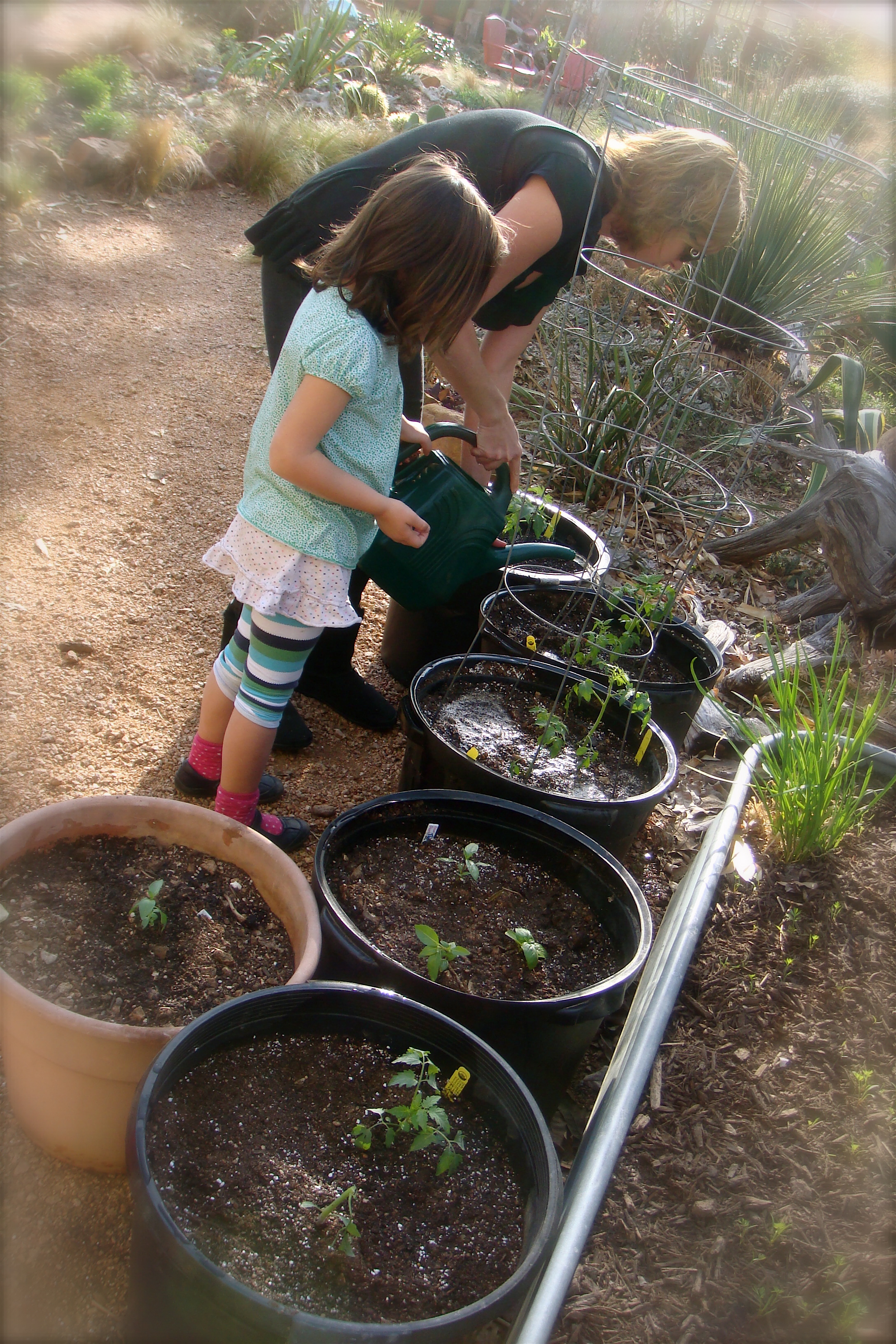
soiled noses and faces wiped,

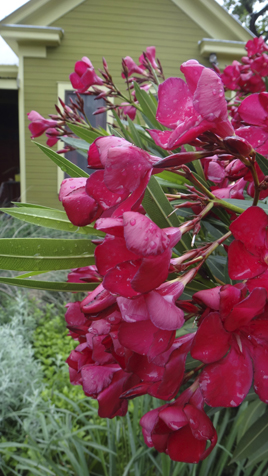
and a concession just for my daughter…you cannot ever say again that I do not have flowers in the Patch!
How gaudy are those!?
 Stay Tuned for:
“Another Grass Bites The Dust”
All material © 2011 for eastsidepatch. Unauthorized
intergalactic reproduction strictly prohibited, and
punishable by late (and extremely unpleasant)
14th century planet Earth techniques.
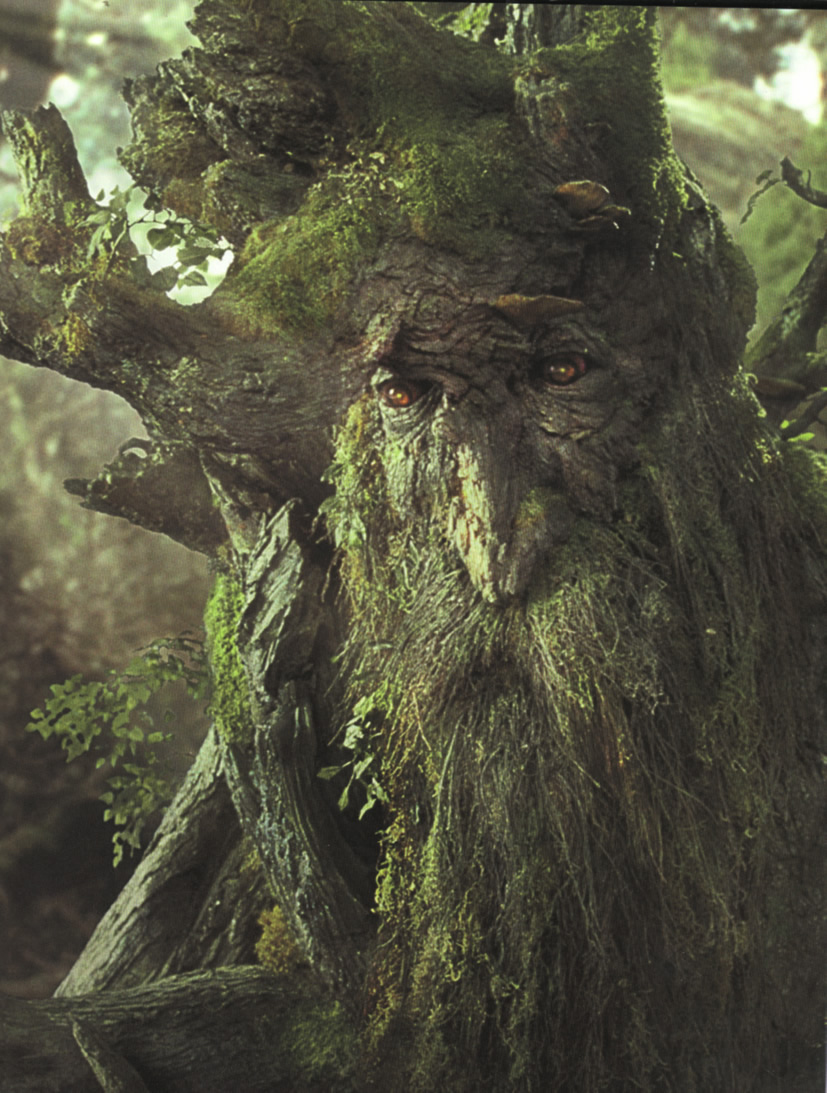
No post about forests or trees could ever be complete without this: