Lots to cover this past couple of weeks, so much so I have broken this extensive post up into two parts. I think it now challenges the Rime of the Ancient Mariner in scale and scope – so have a pillow close in case you should happen to nod-off mid-post.
 We have just returned from a great vacation in Gulf Shores where I was completely isolated from any form of wi-fi and technology hence the first half of this post is set the week before we went on vacation when we were still getting some rain in Central Texas. I intended to post it before I left, but the pressures of packing things I never needed and forgetting the things I really did…it fell by the postside.
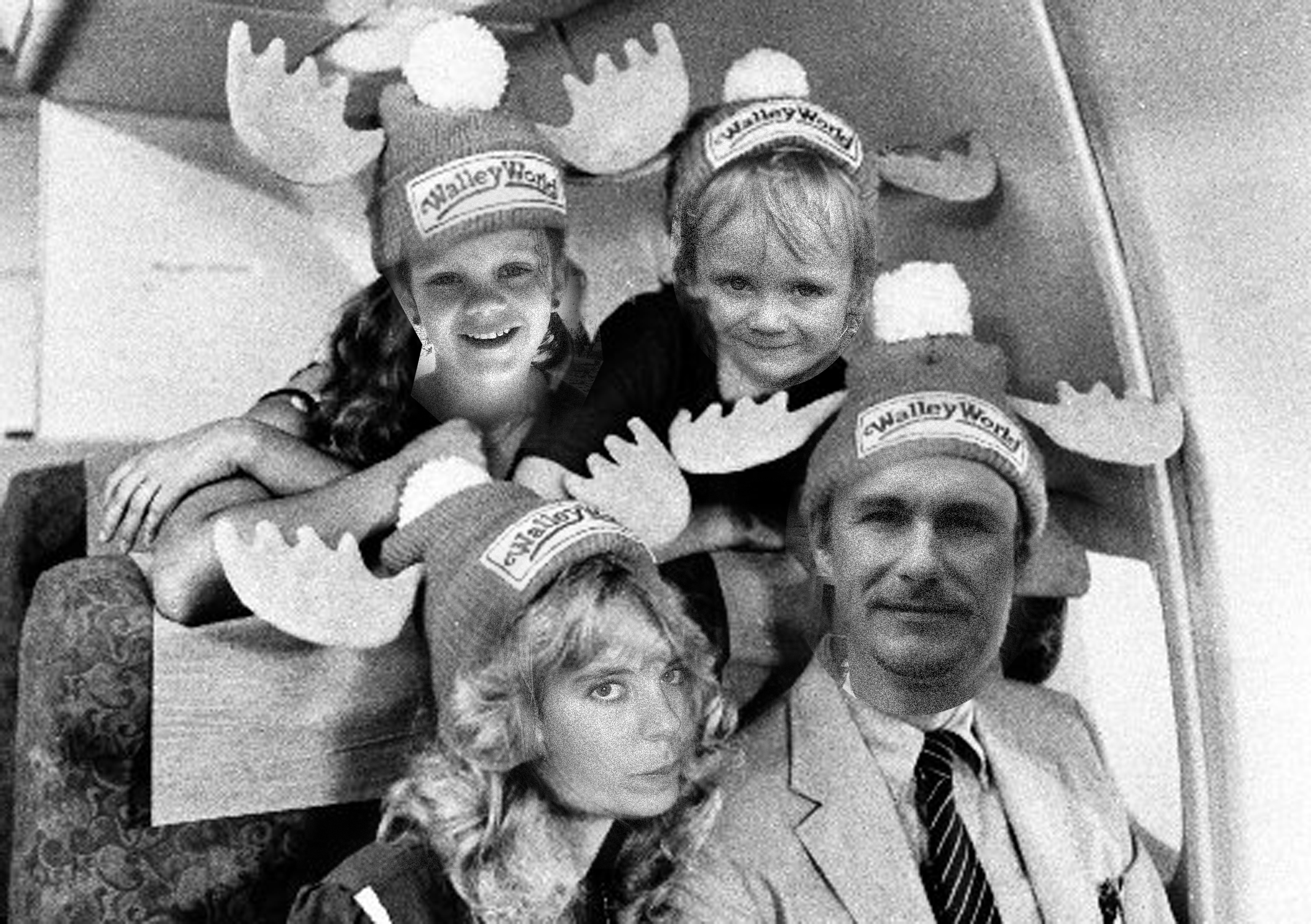
Part two brings everything up to date with our most recent “Levwold” excursion to the coast.
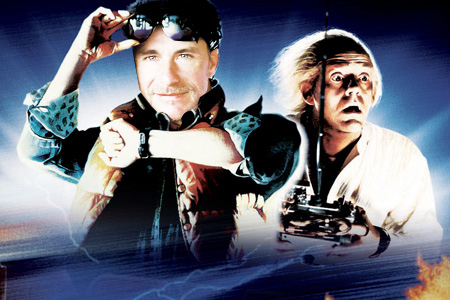
So lets go back to the future…
Part One:
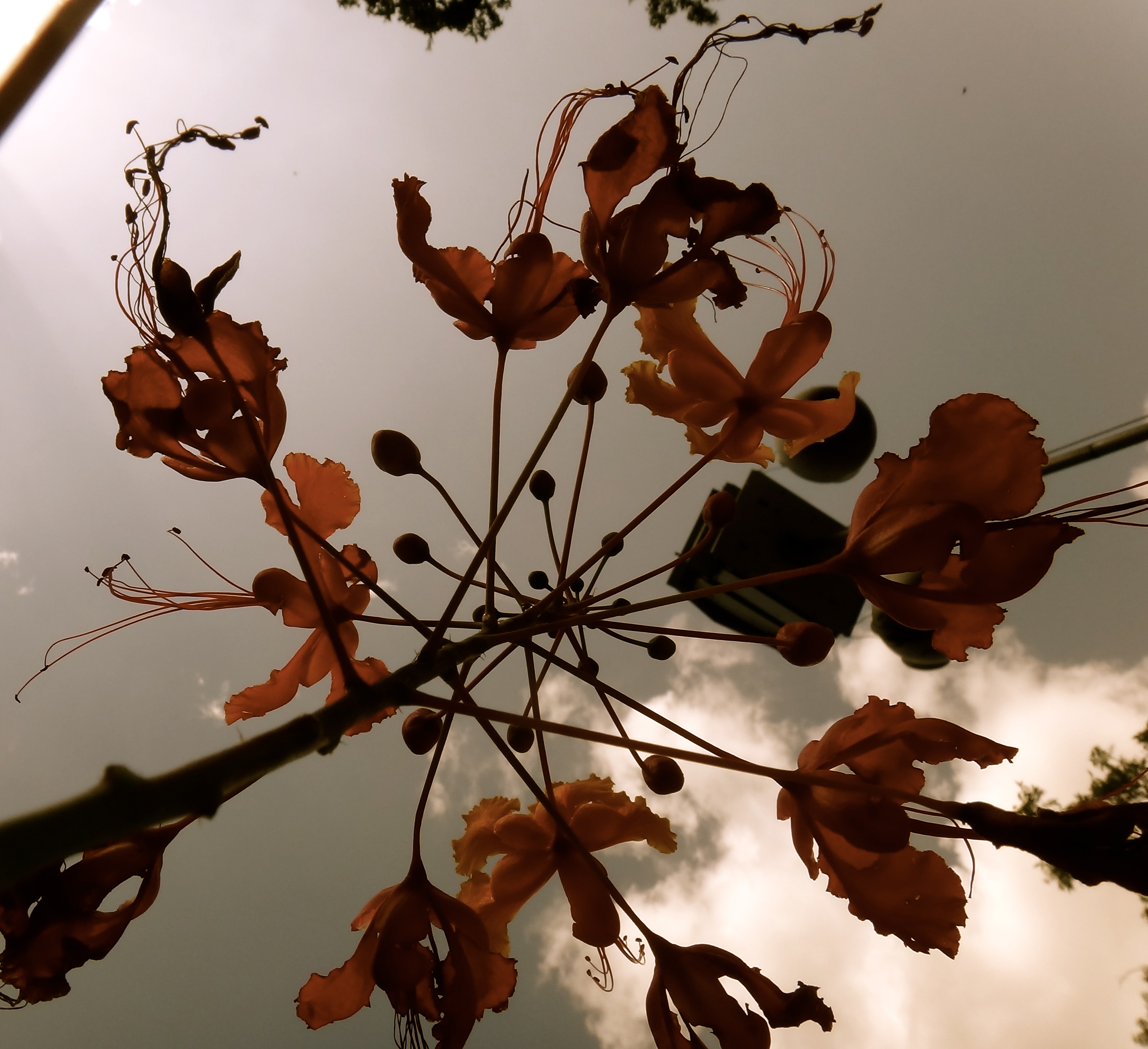
Dark skies, cloudy days and lots and lots of…
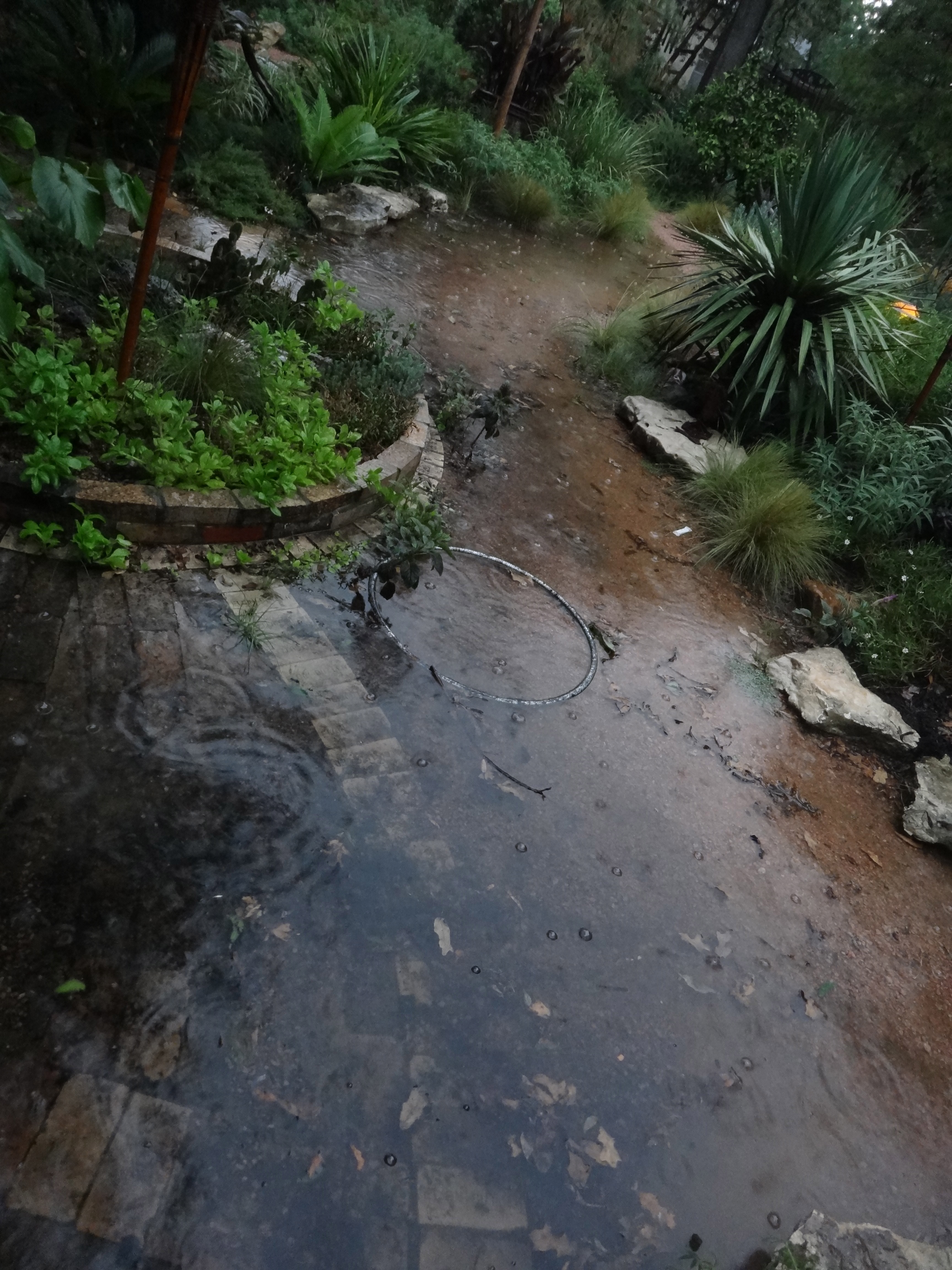
…oh yes it was time once again to get my ridiculous punt out of my garden shed and take it once more for a leisurely spin around the Patch pathways.

Torrential downpours filled up pots and pans,
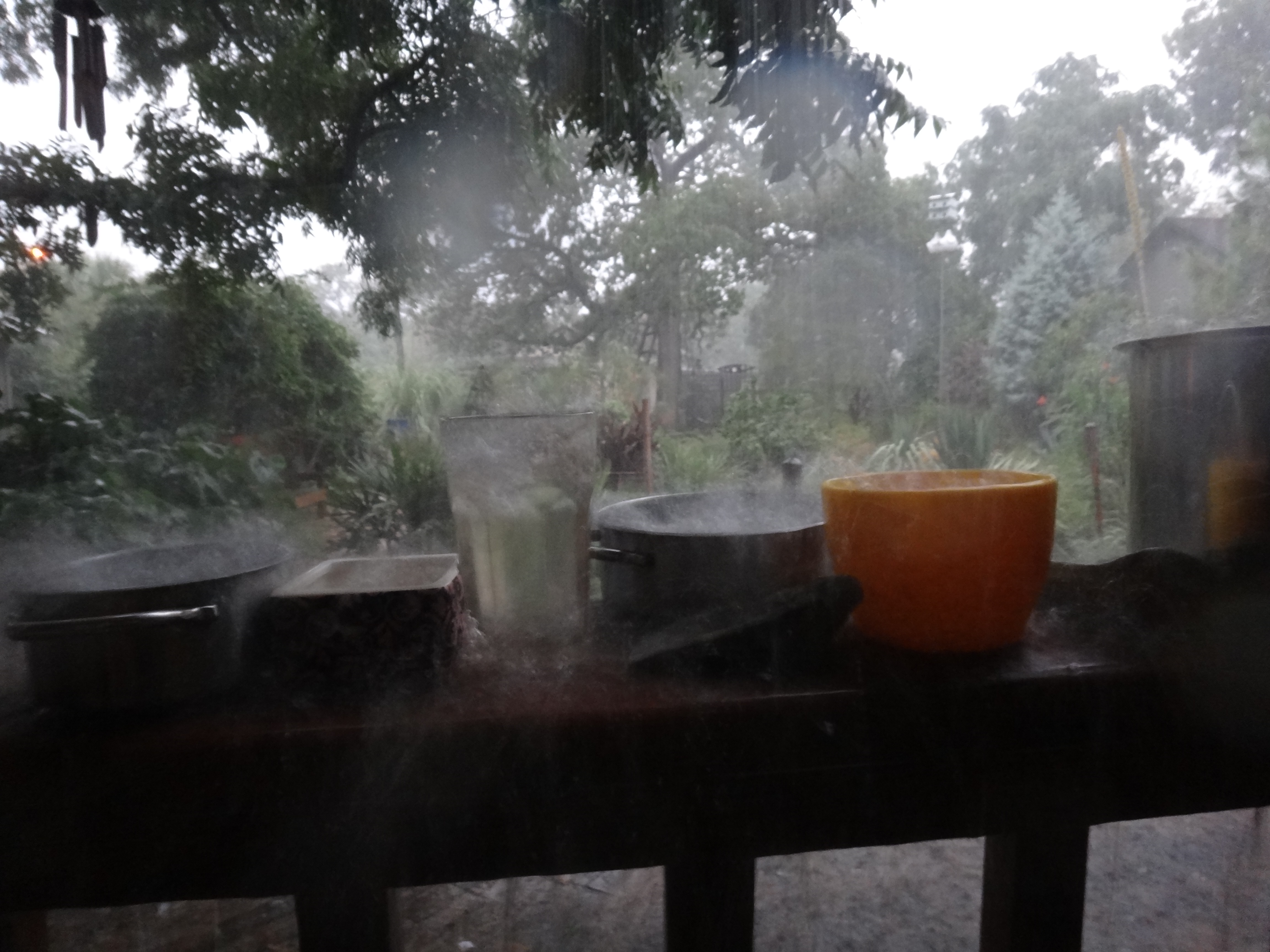
and my expanded (courtesy of my daughter) “everything but the kitchen sink” water collection “system(s)” – all of which overflowed in mere seconds.
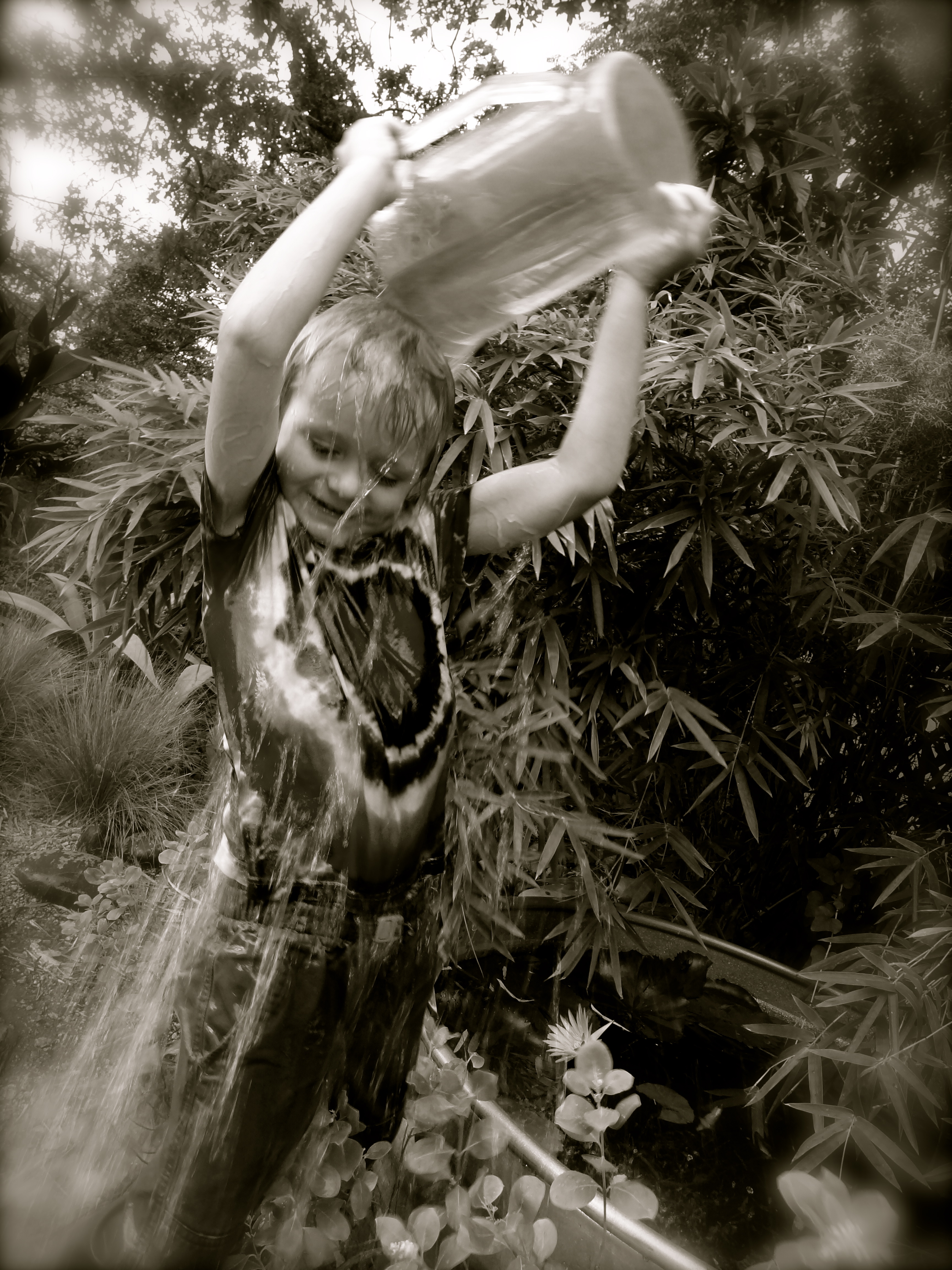
The rain was a welcome respite from the monotony of the sun.
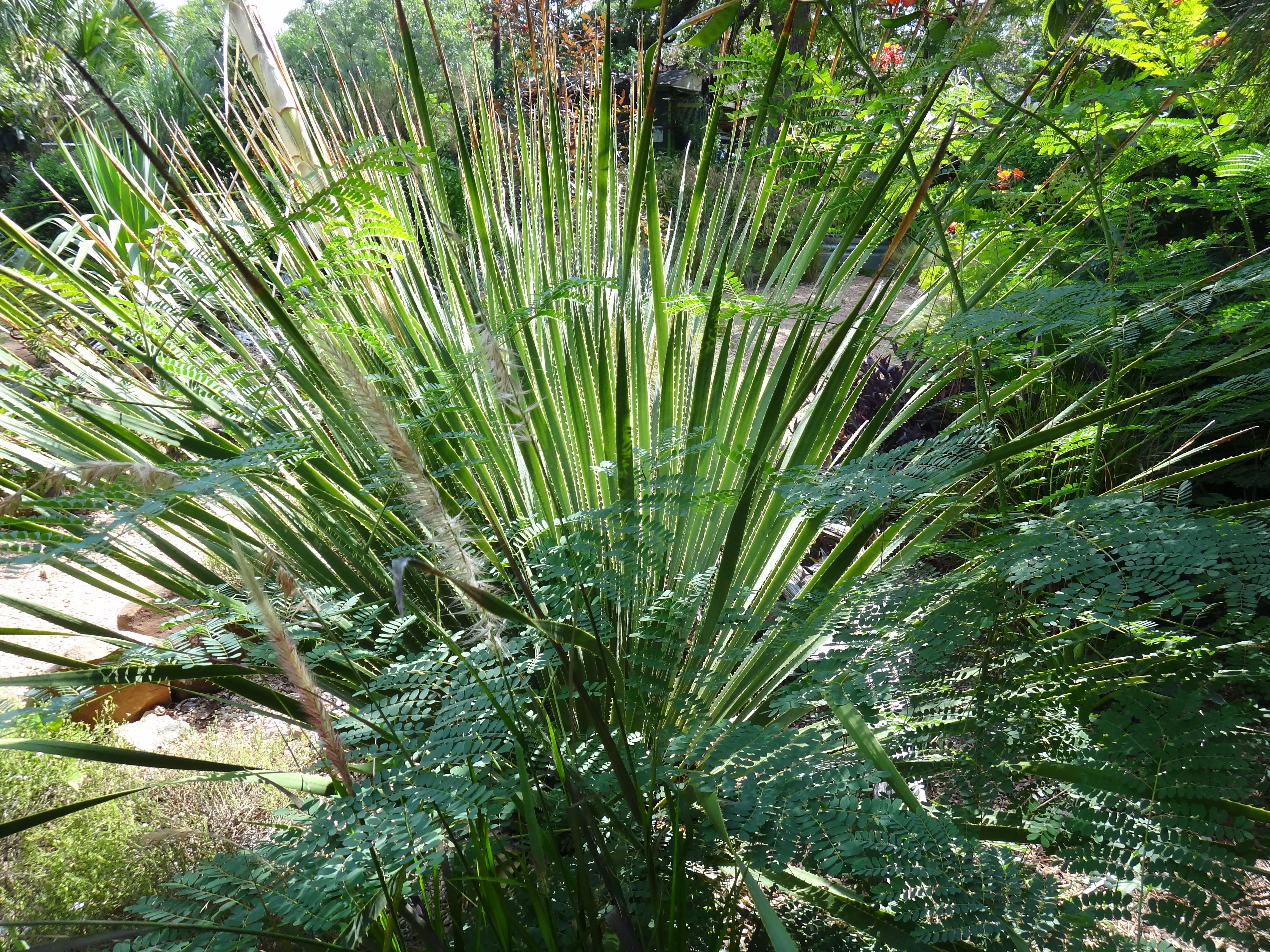
Plants exploded with an enthusiastic new lease of life as watery sun sporadically broke through the thunderstorms during the morning hours.
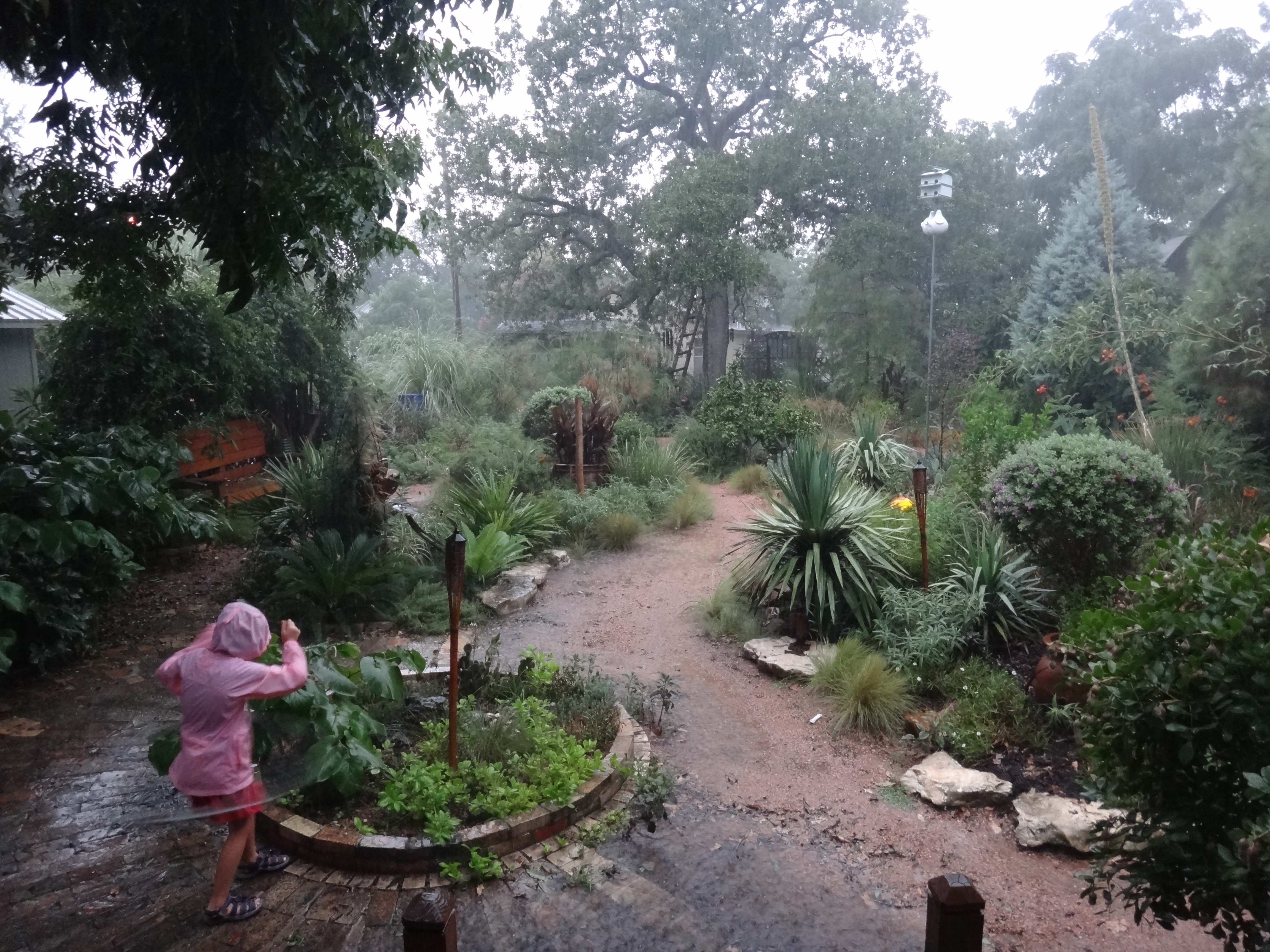
Skies continued to darken once again as days drew on,
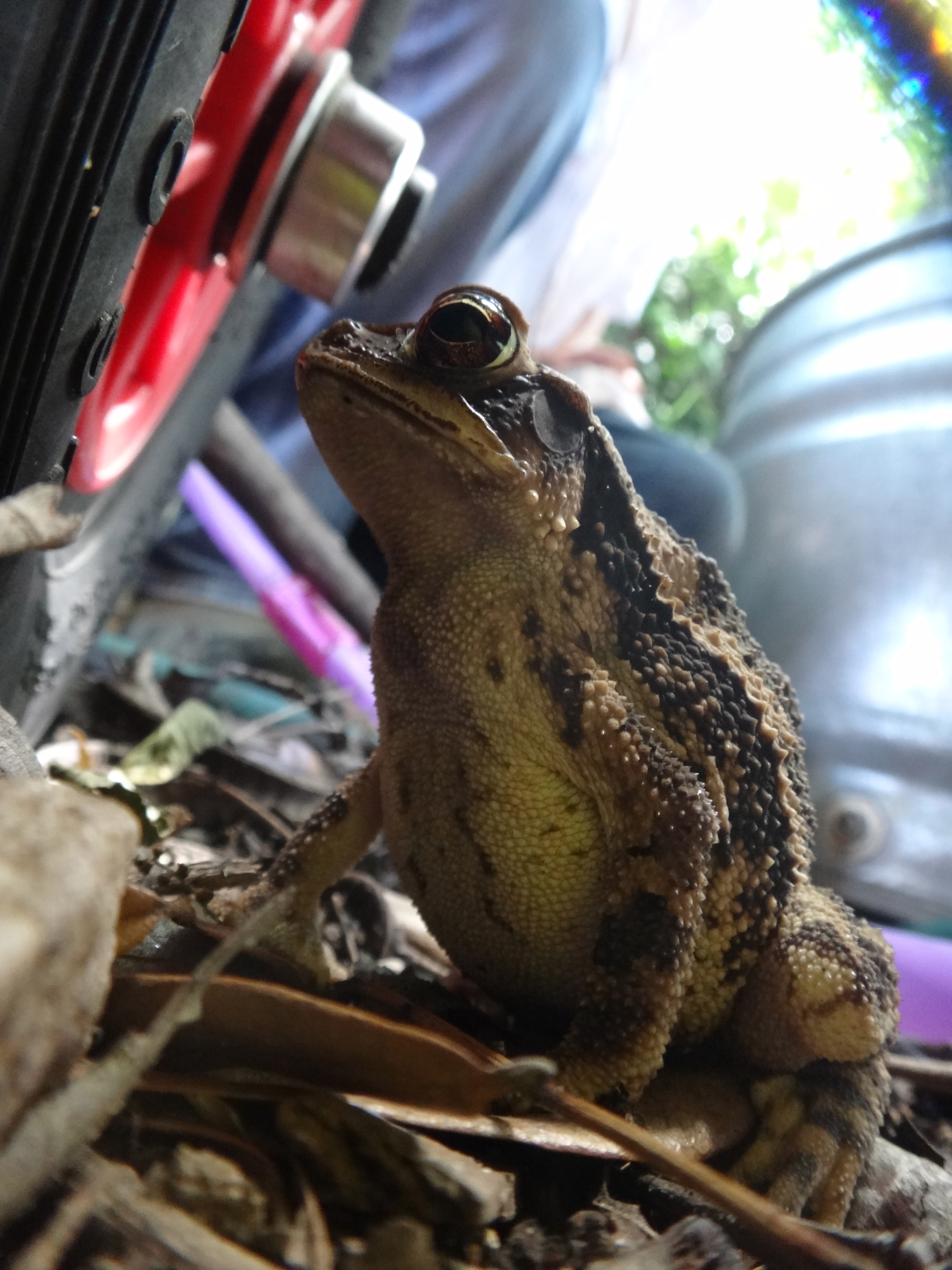
to the delight of our resident toads.
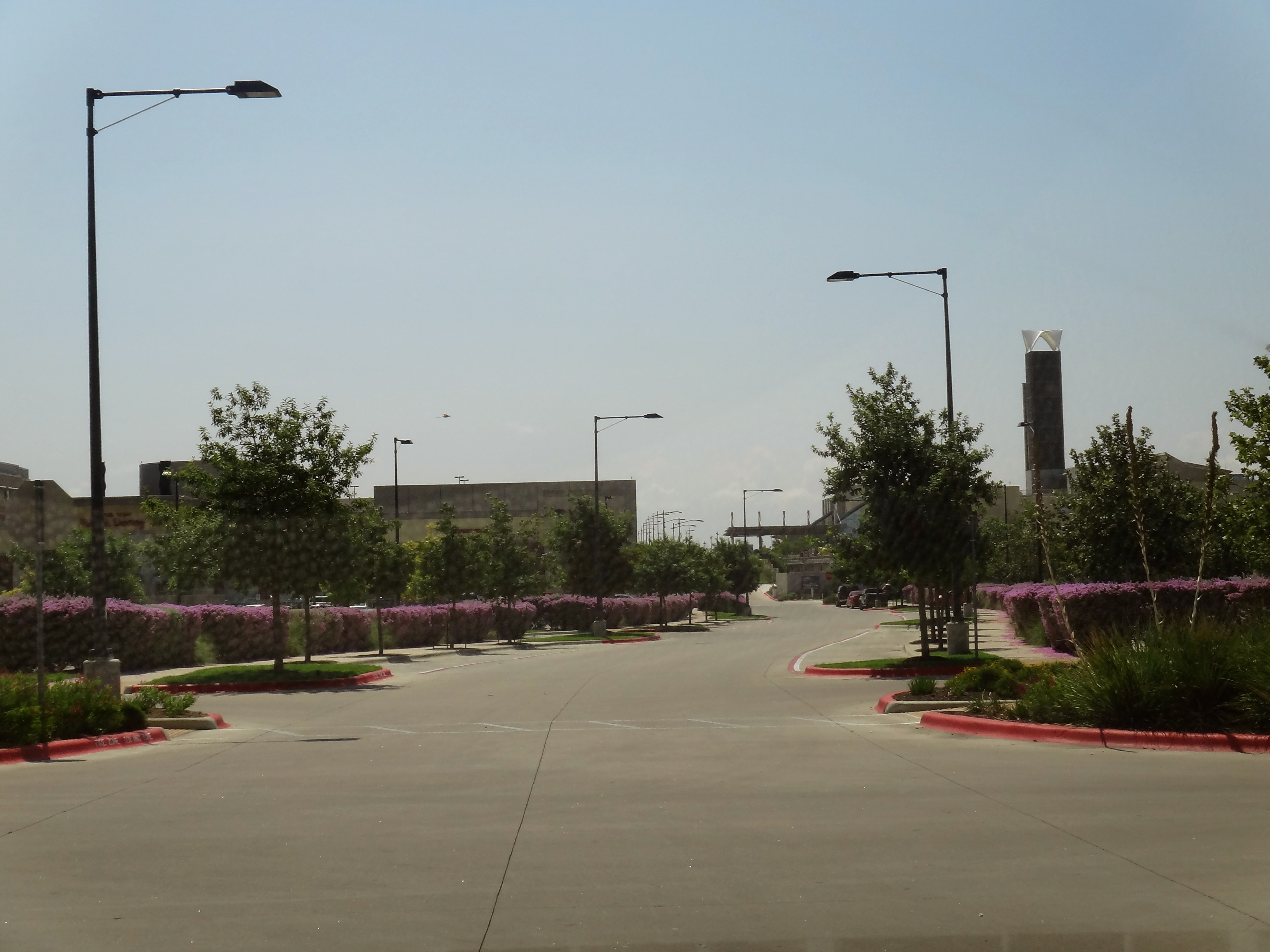
The Texas sage at Mueller responded immediately,
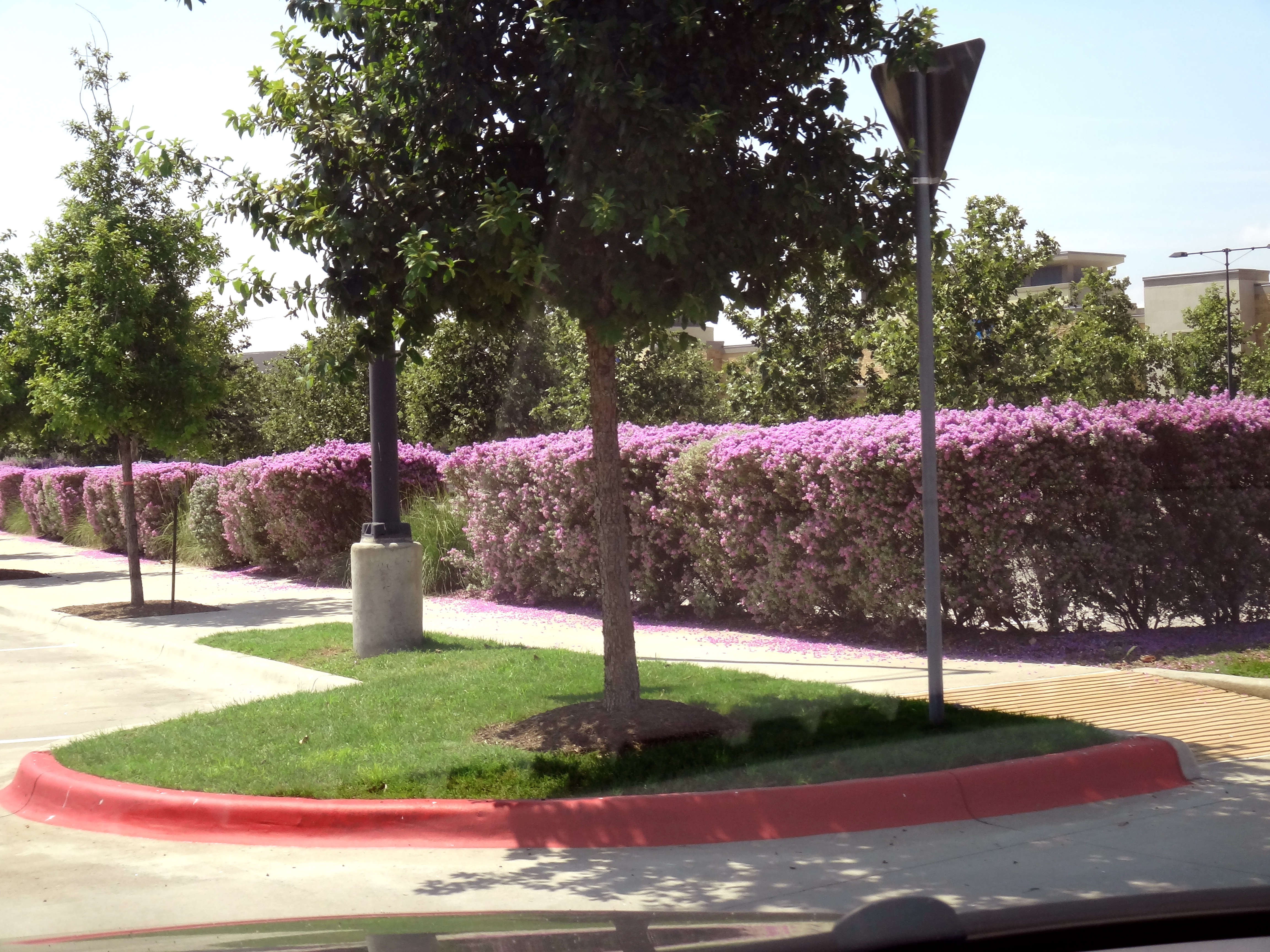
delivering an extensive display of purple on and off the shrub.
After the rain subsided and on seeing a twitter picture by Austin blogger: http://www.annieinaustin.blogspot.com/ we decided to make the 15 minute hop south on the east side to the state park of McKinney Falls. http://www.tpwd.state.tx.us/state-parks/mckinney-falls/
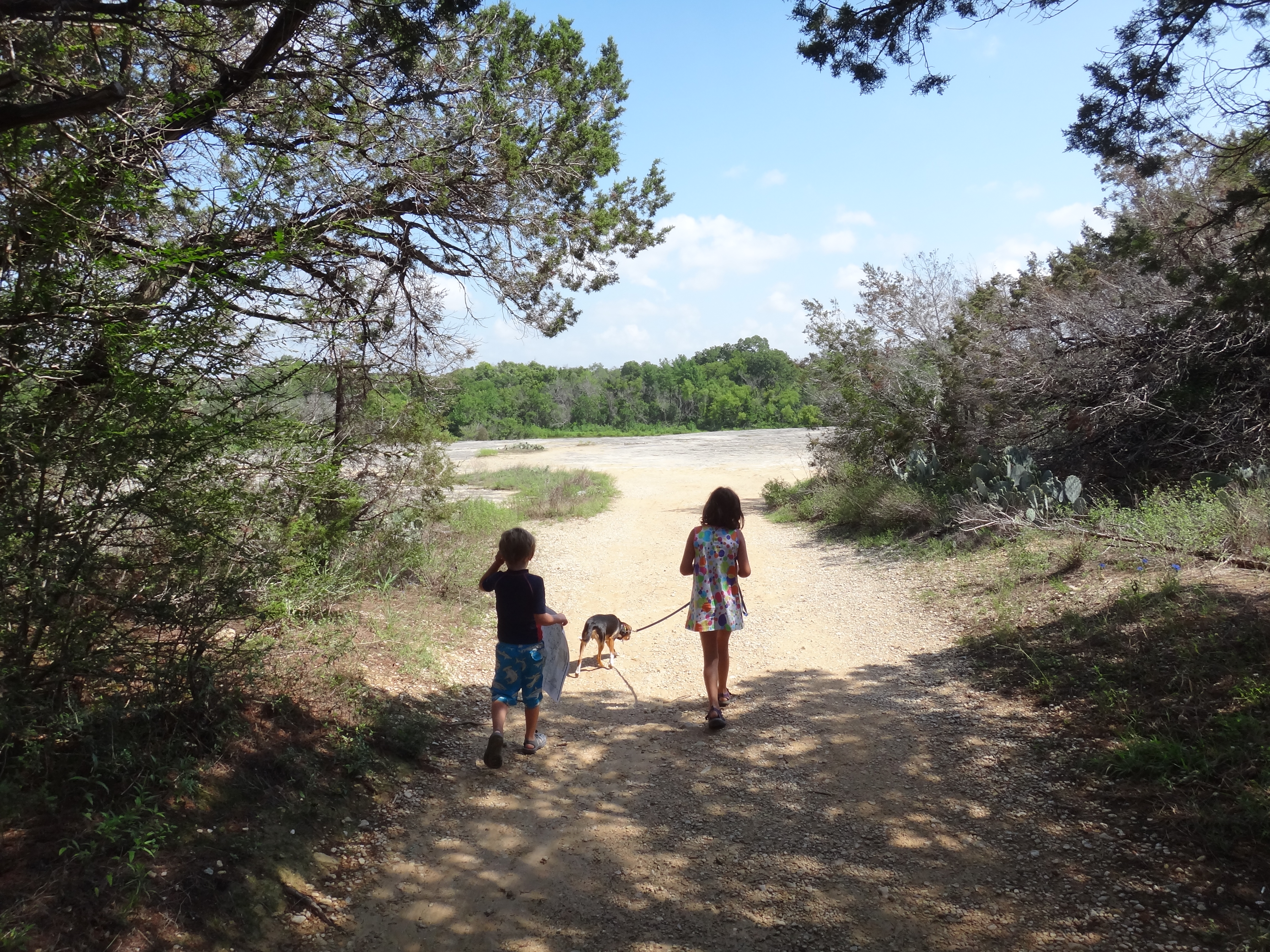
It has been many years since I was last here. This is the entrance to the lower falls,
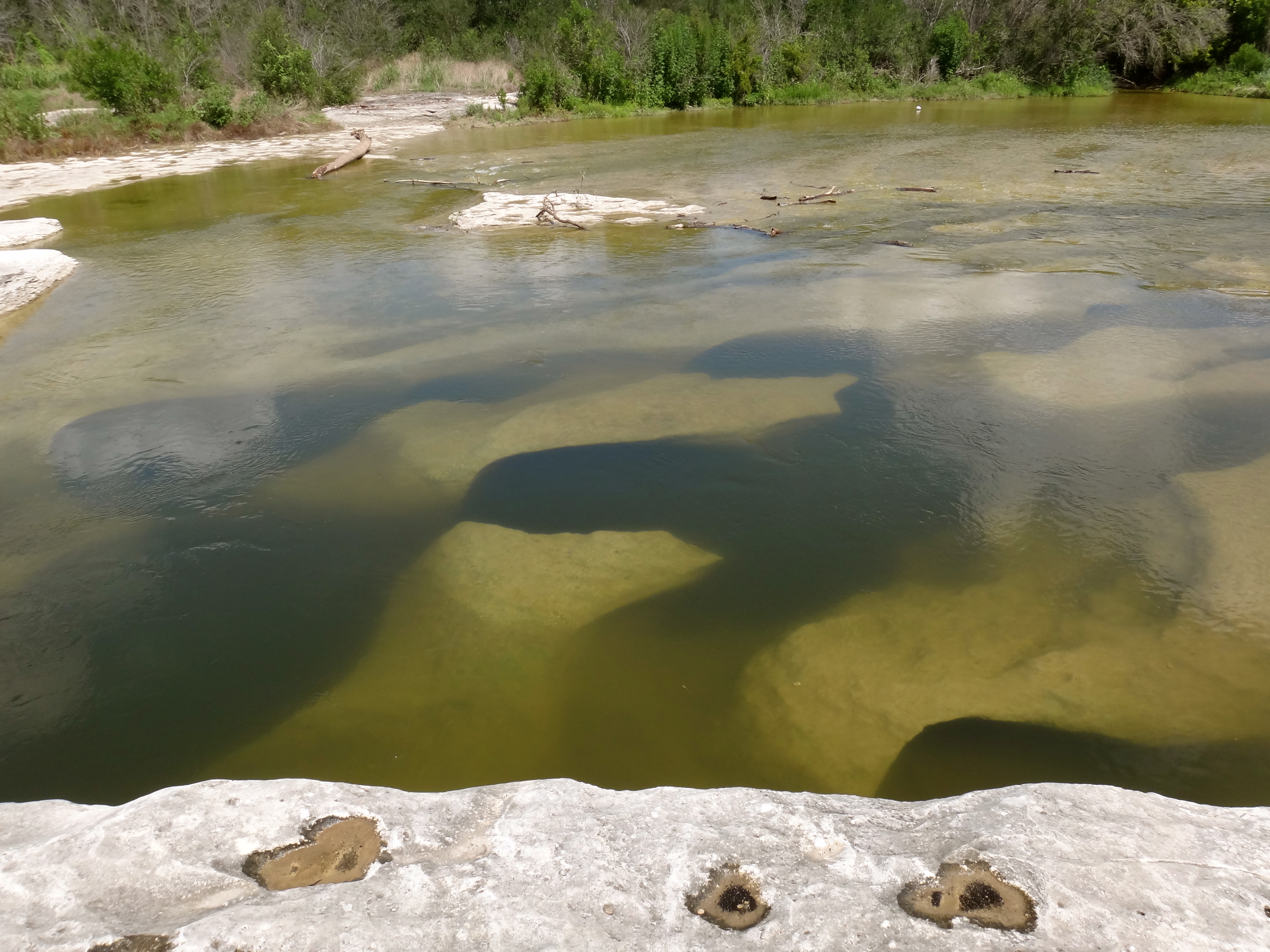
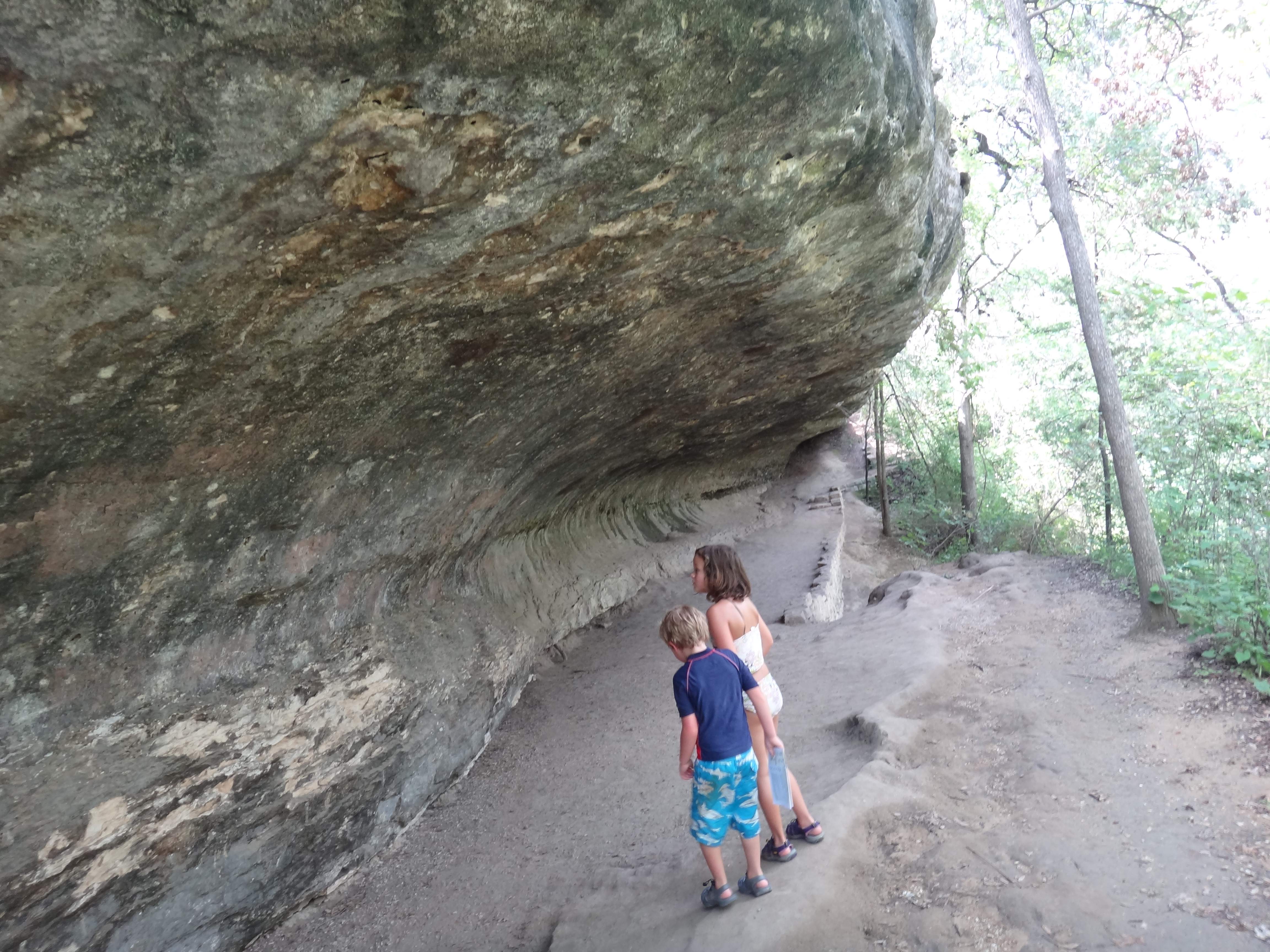
which has some incredible rock formations with very deep fissures.
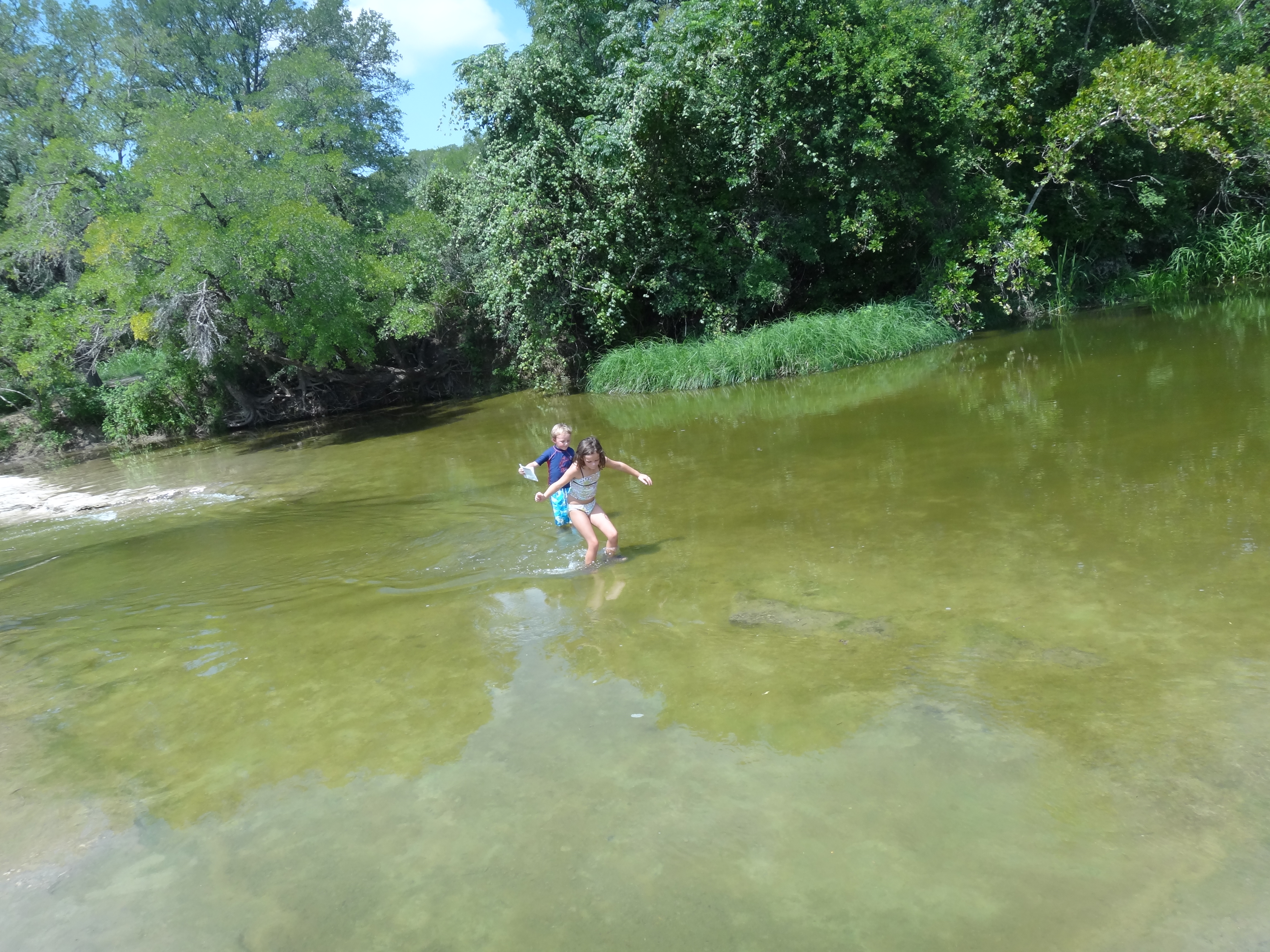
The upper falls requires some agility (and a lot of patience) over very slippery rocks, if you want to get over and around to the small beach.
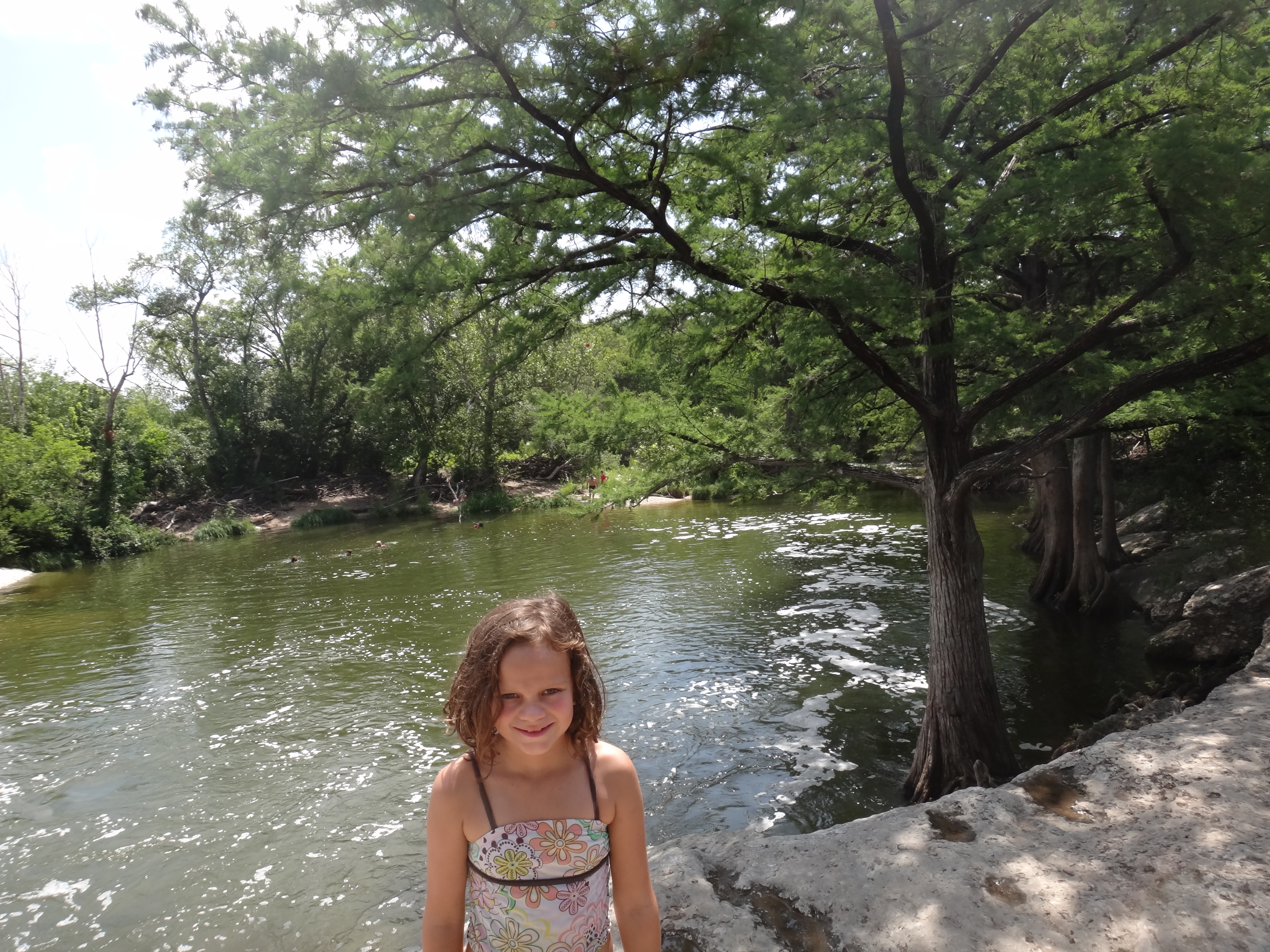
Or for the more adventurous (and water levels permitting) you can simply jump in from here.
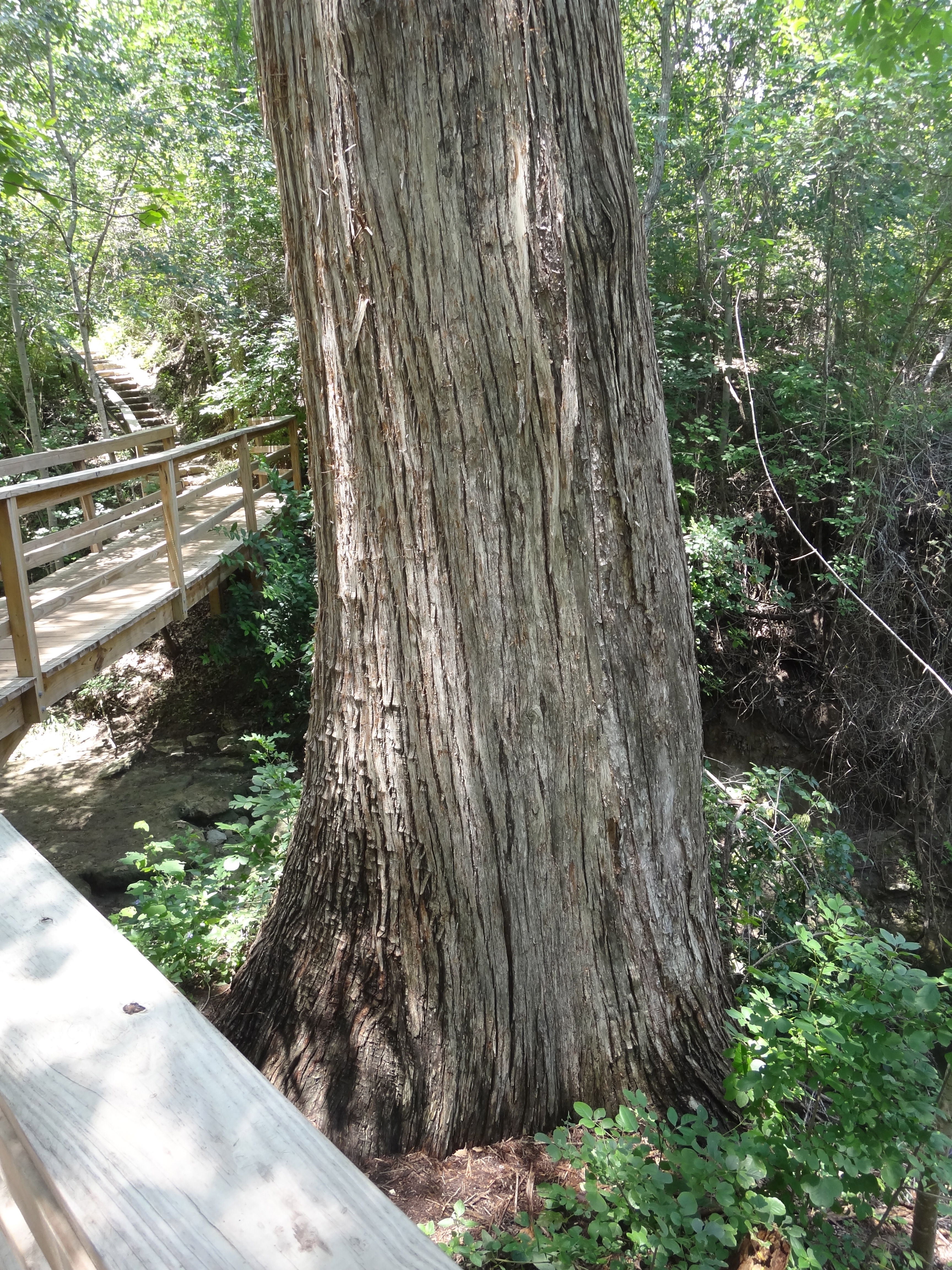
Enormous cypress trees are dotted all over the park, “Old Baldy”, a 103 foot tall cypress tree only recently had a birthday, it is estimated to be over 500 years old.
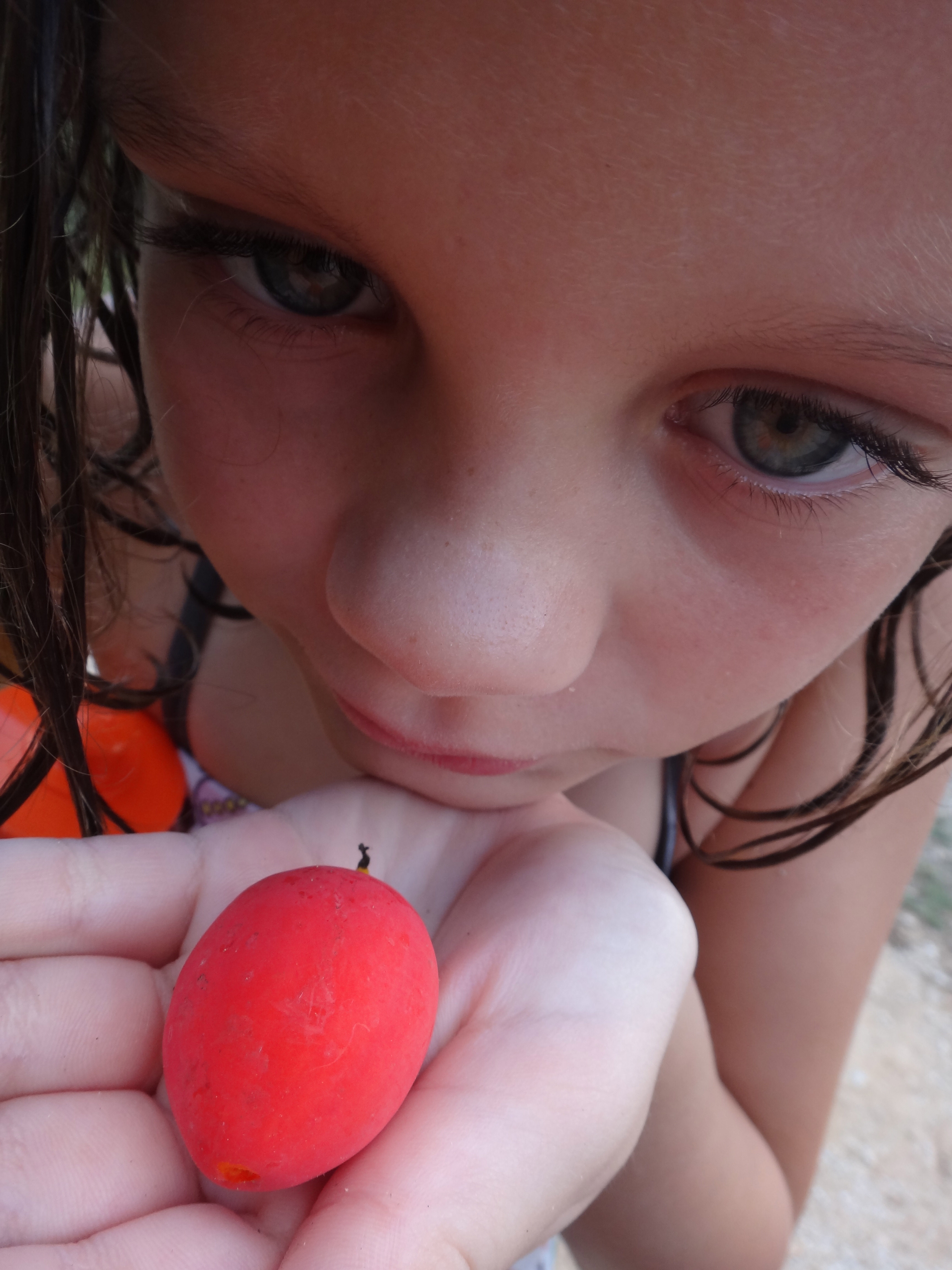
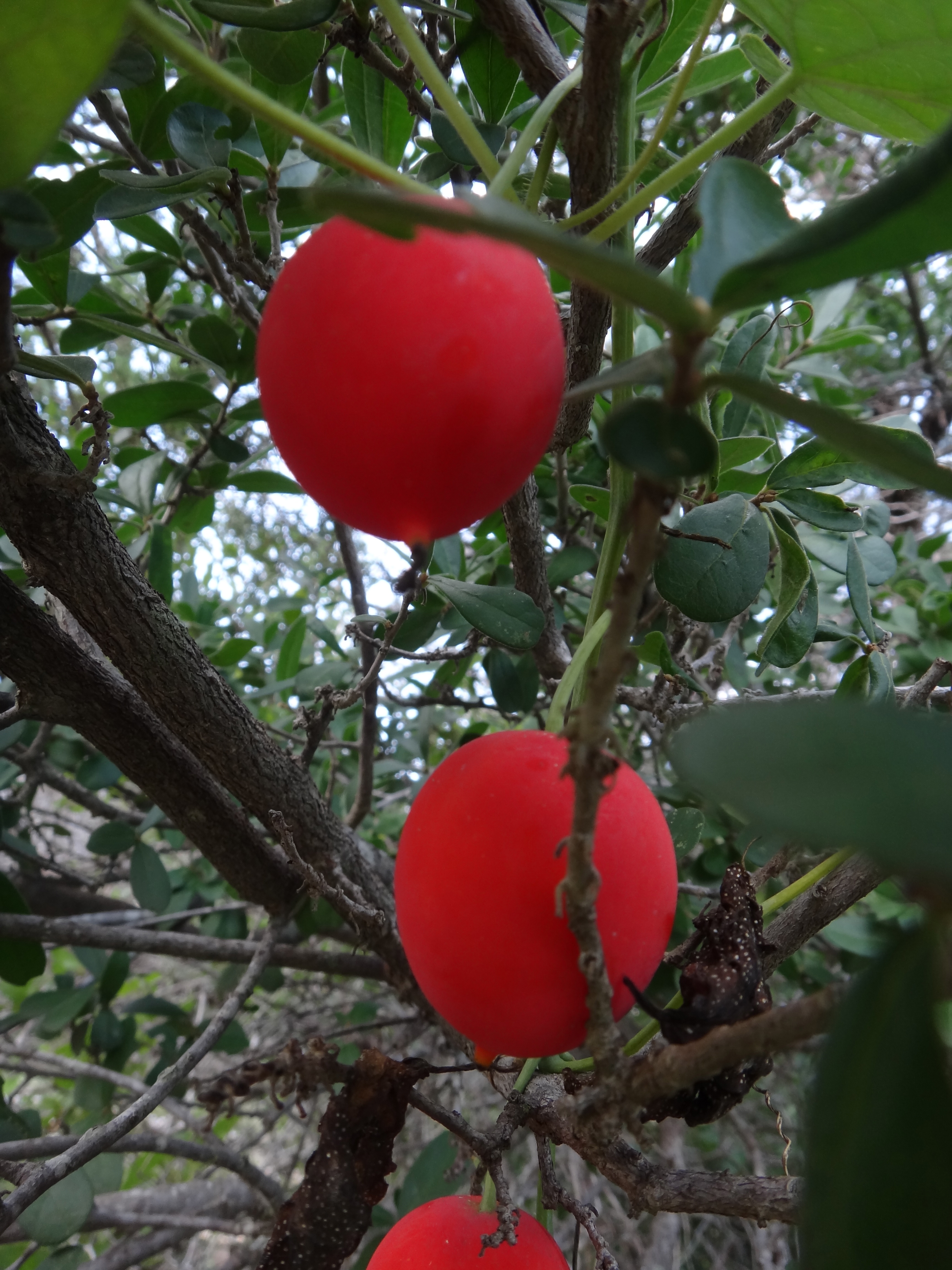
There were also lots and lots of these electric-red fruits on vines that clambered up into cedar trees.
Ibervillea lindheimeri
or Lindheimer’s globeberry, Balsam gourd, Globe berry or if you prefer Snake apple, it is unique to the Edwards Plateau.
 The seeds are a favorite of the scaled quail. (snort)
Part Two…On the road again:
Leaving the Patch well drenched I felt happy and confident that I did not have to worry about it as we once again rugby tackled suitcases and our halflings into the back of our VW, (accompanied by a distinct sense of Déjà vu).
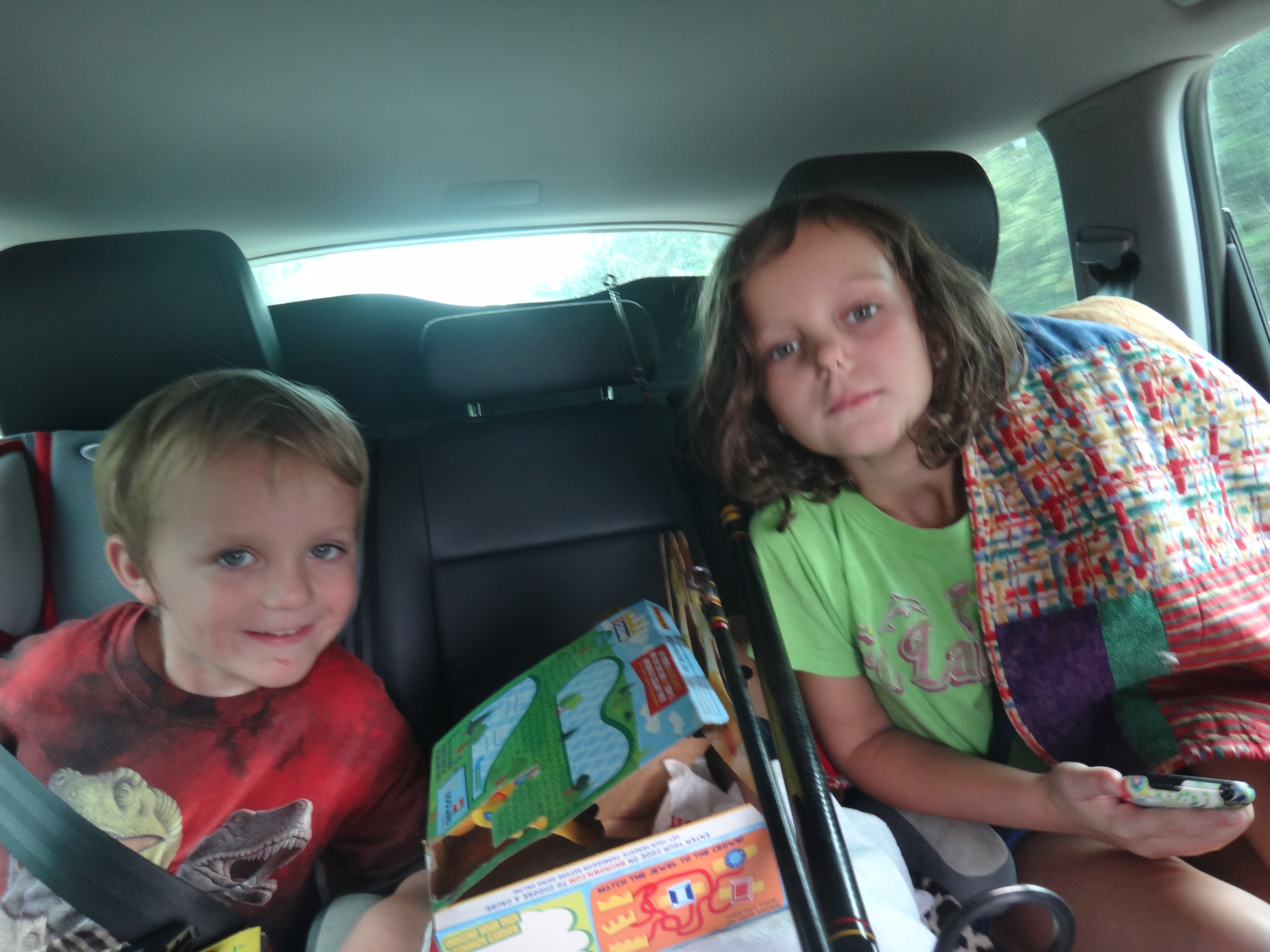
With cumbersome fishing rods and fully charged iPads and iPhones we were committed to a six Harry Potter journey, we were on vacation. They even got to indulge in one of their rarest of gastronomic treats…the ubiquitous “happy” meal.
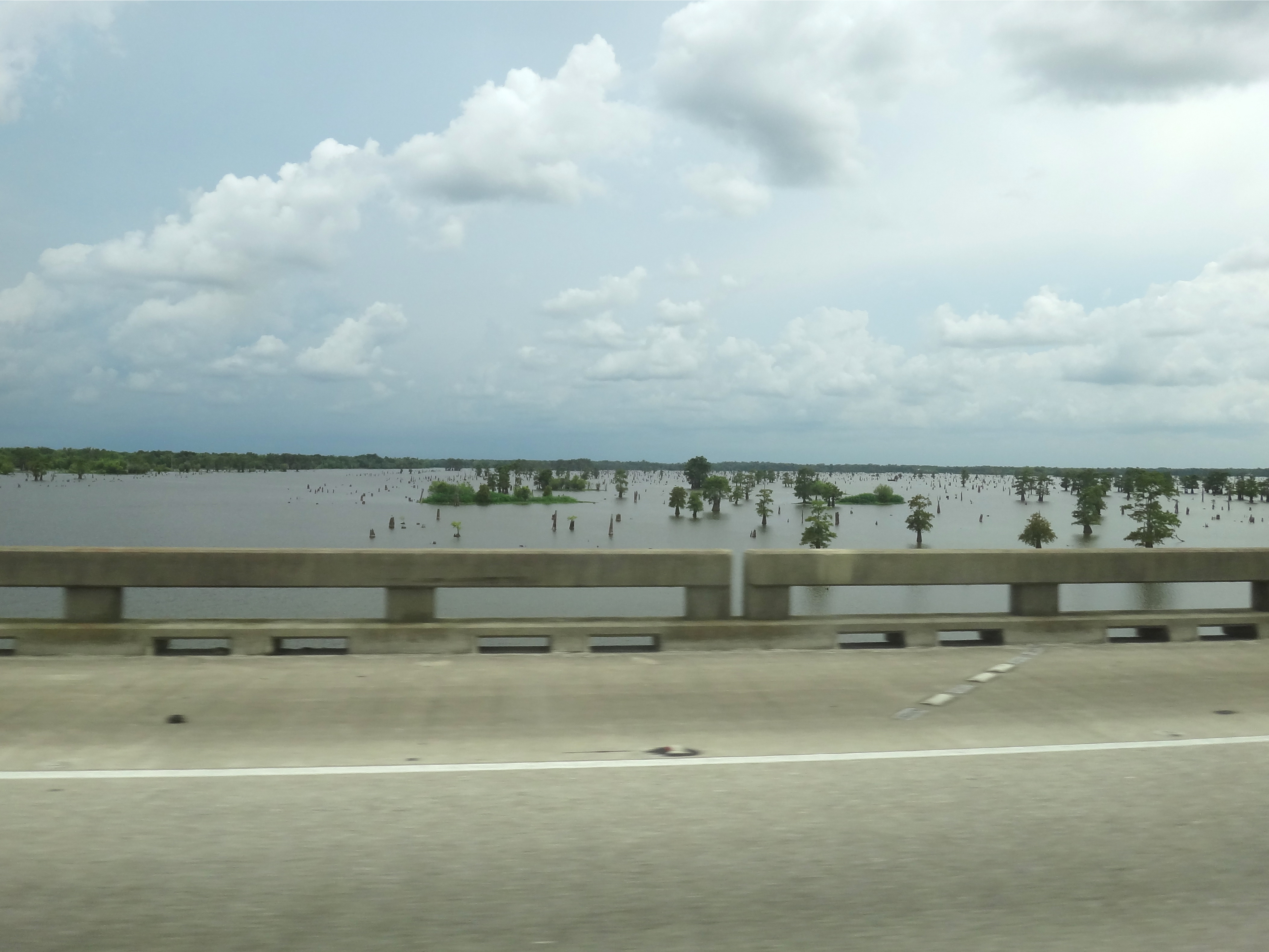
We barreled down Interstate 10 (the fourth-longest Interstate Highway in the United States) passing by strange submerged landscapes.
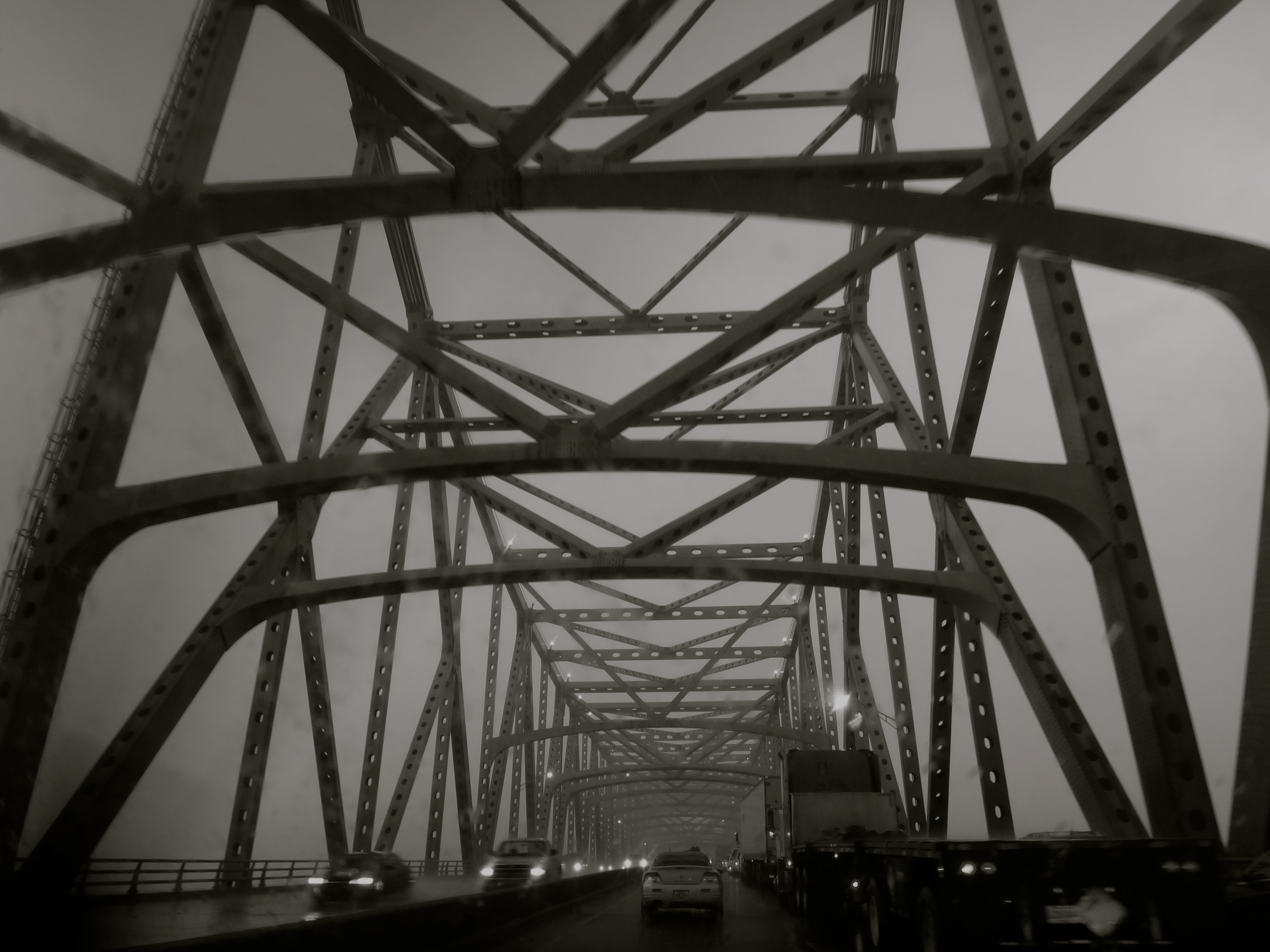
We crossed huge metal bridges with lightening flashing a little too close for comfort on both sides of us.
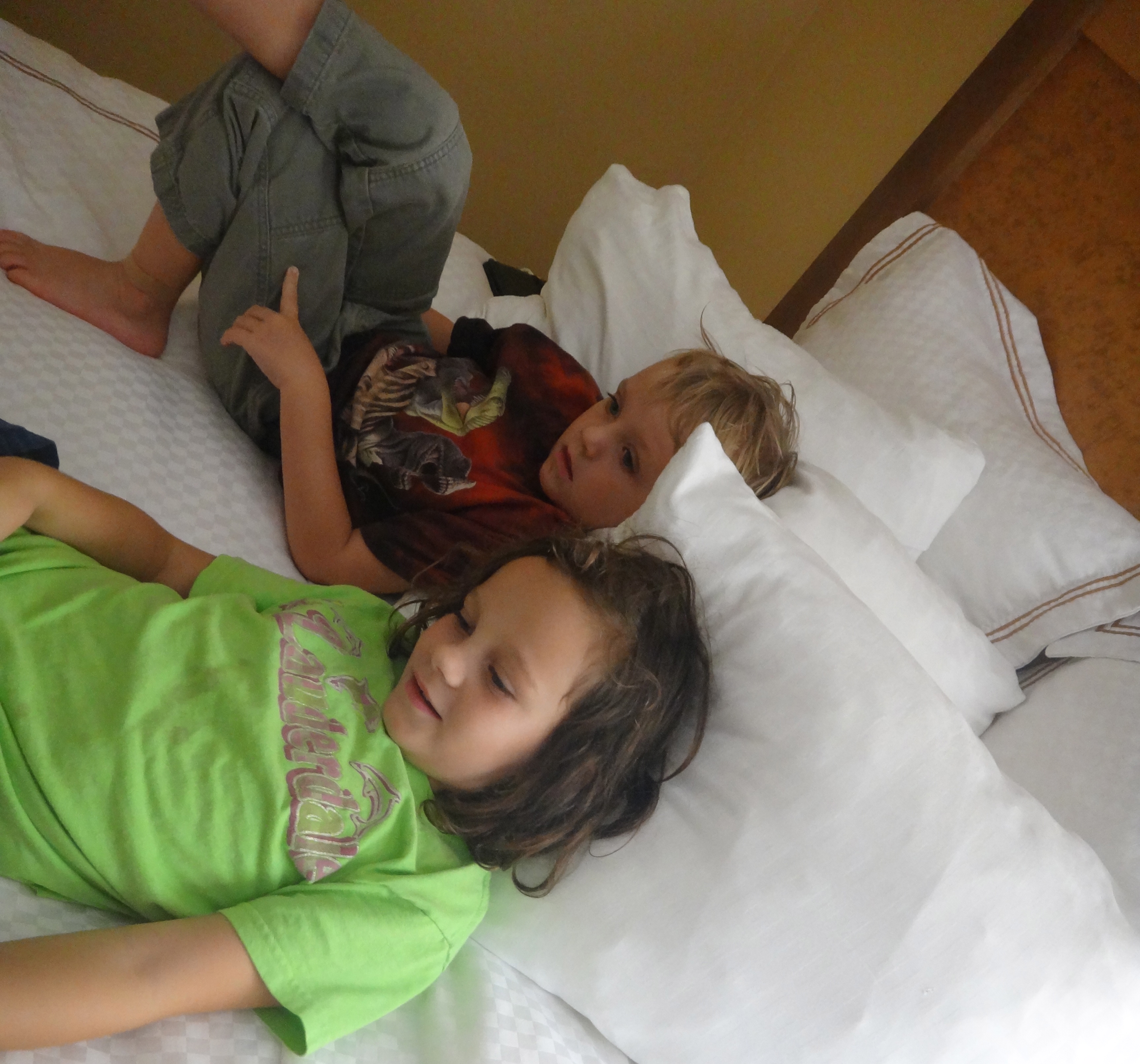
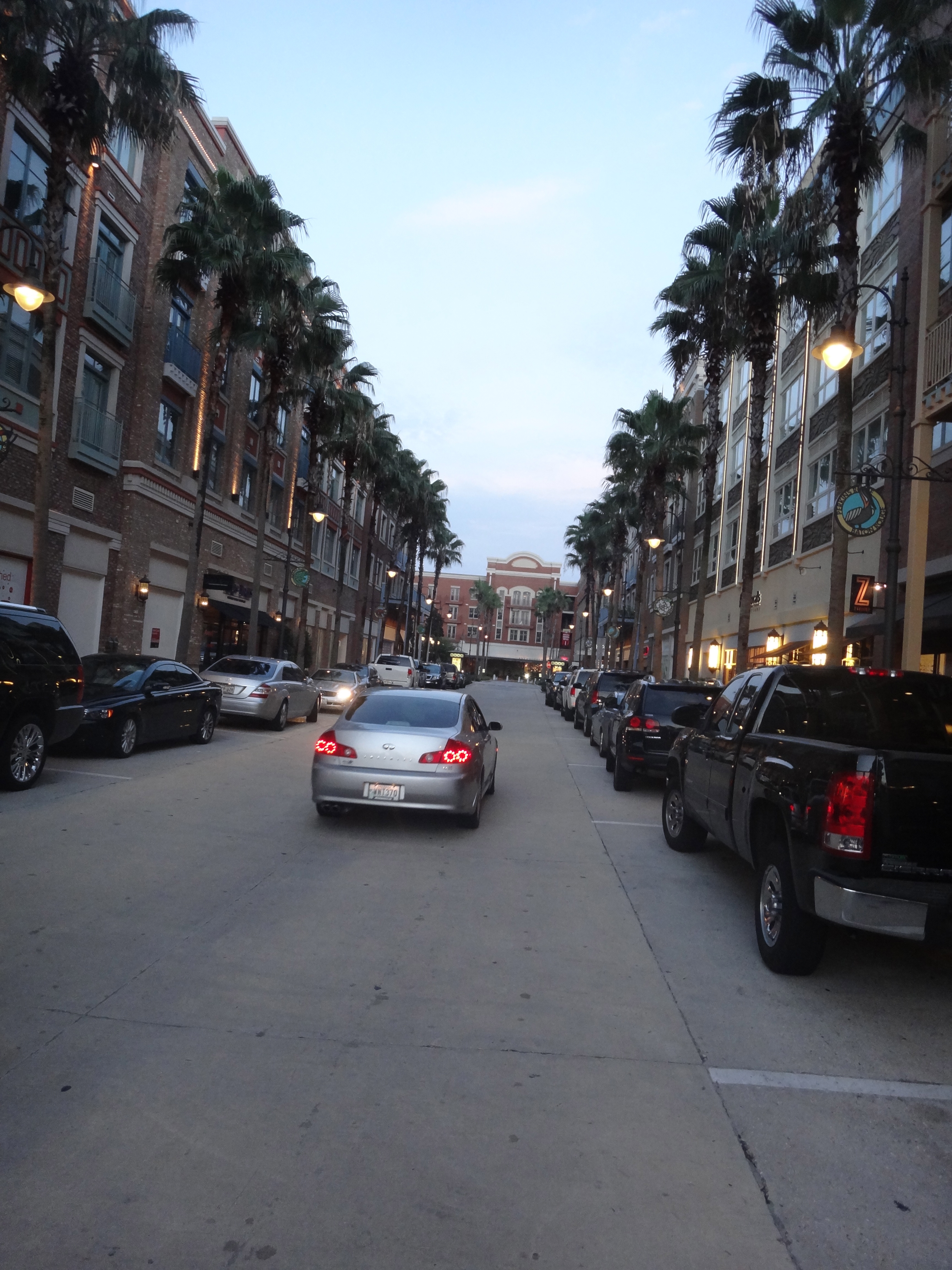
After a brief layover in Baton Rouge we arrived with a few frayed nerves but much nicer weather
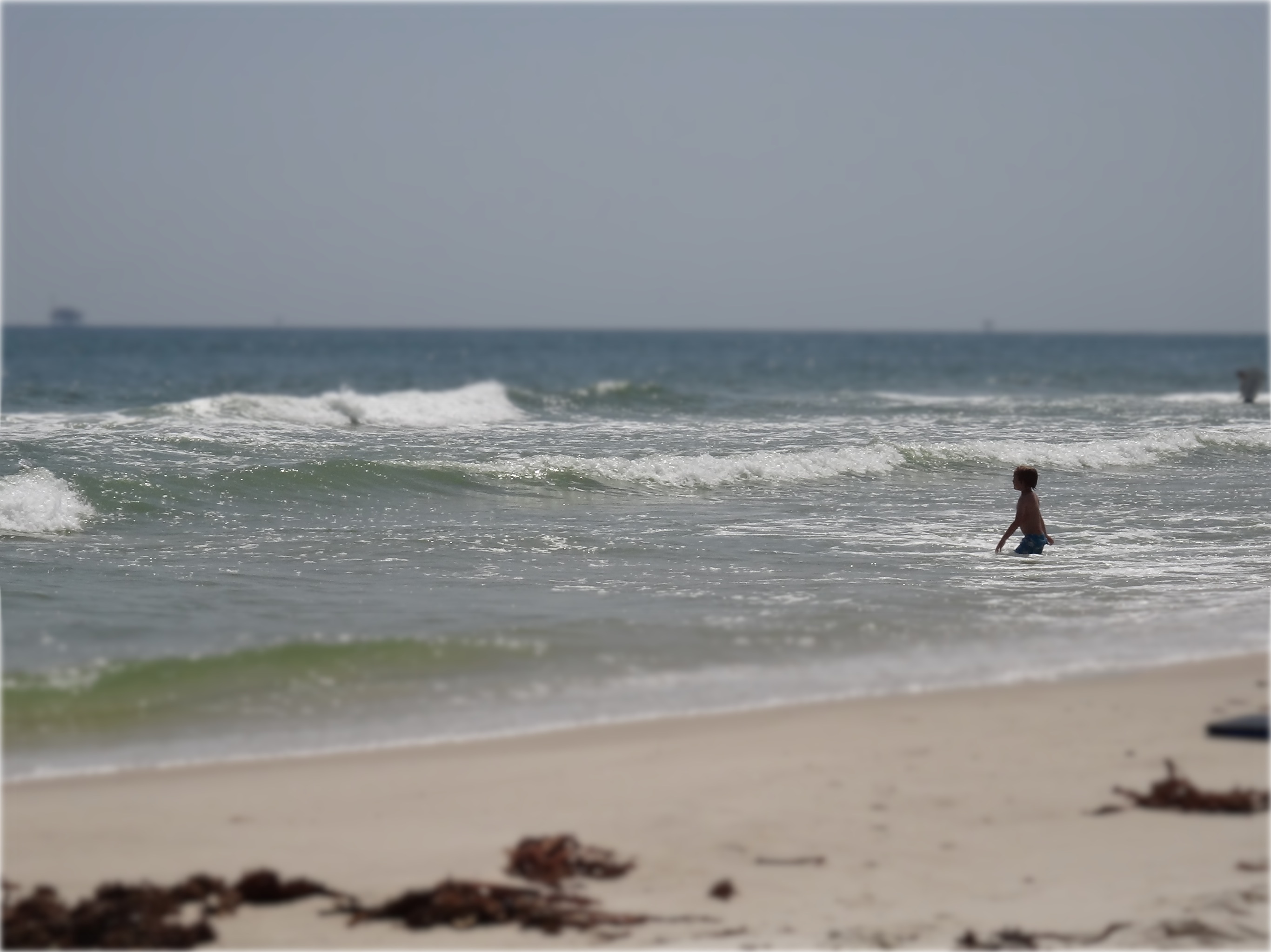
in the warm waters of Gulf Shores, Alabama.
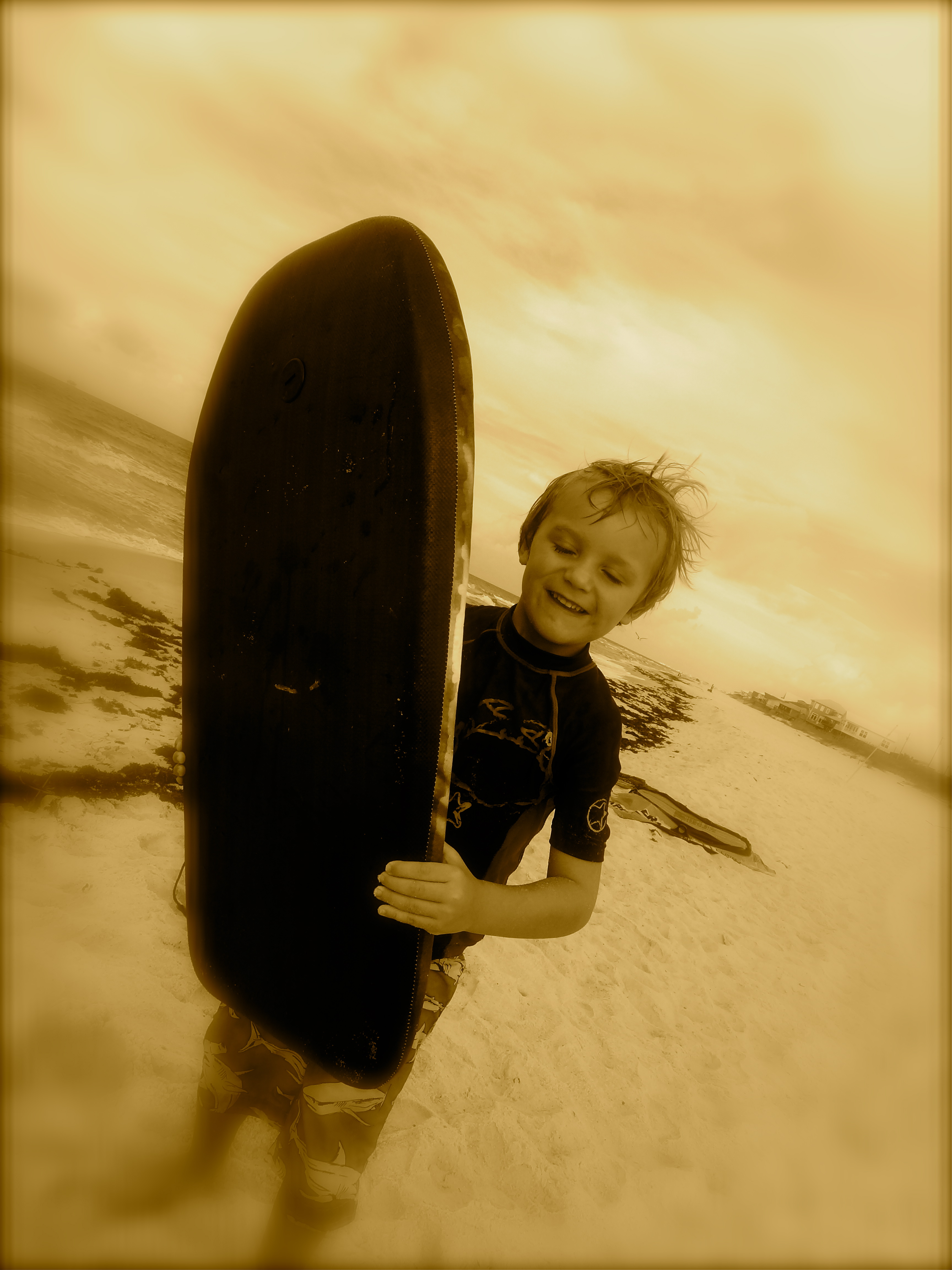
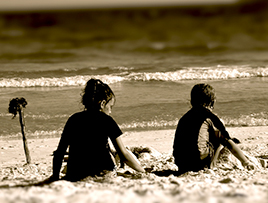
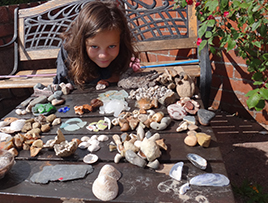
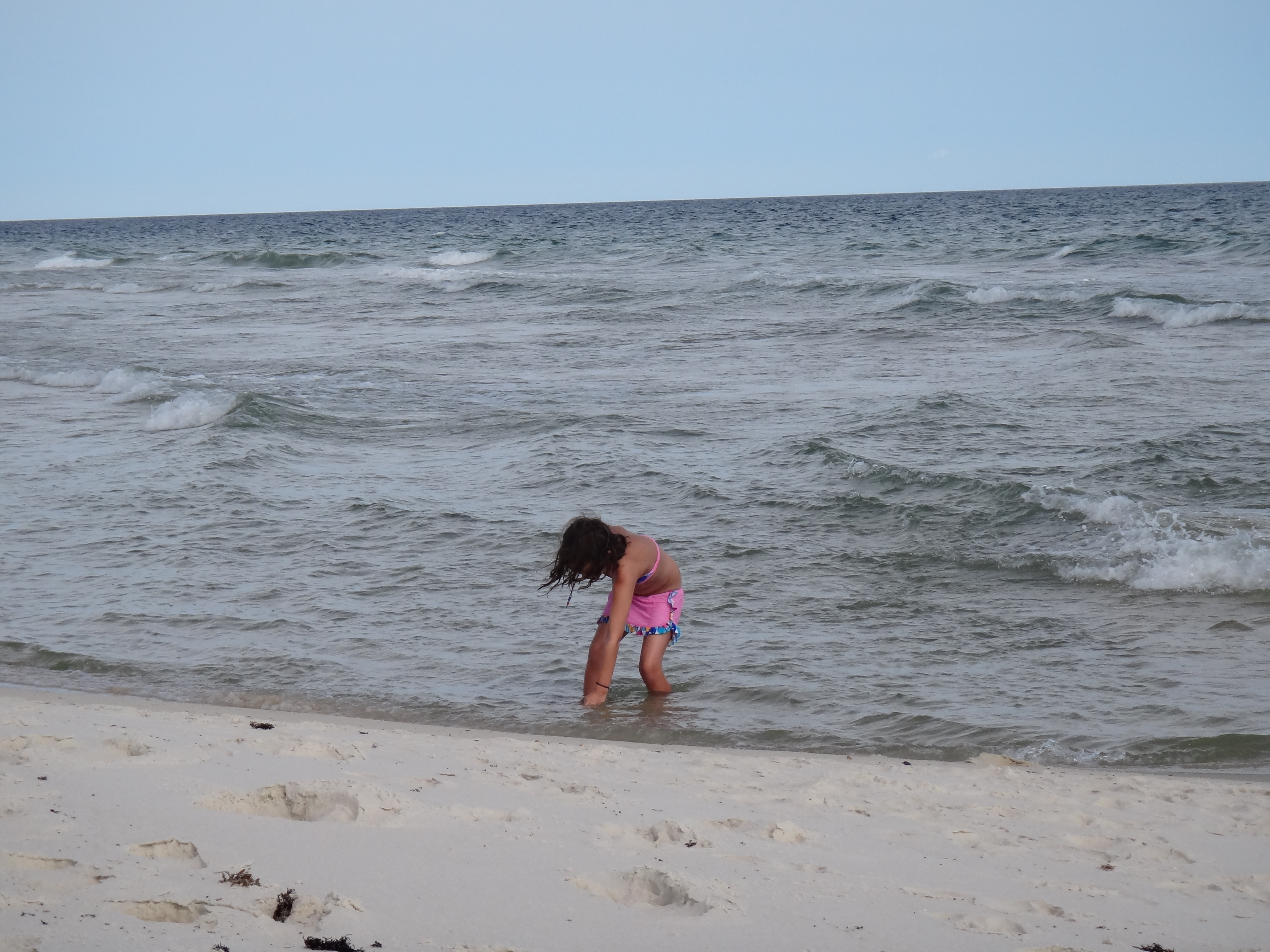 The halflings wasted no time in doing what comes naturally to them; boogie boarding and, well, the general picking at stuff on and around the beach.
These little translucent ghost crabs, Ocypode provided a lot of beach fun, especially when one wedged itself between my toe and big toe, nipping at flesh.

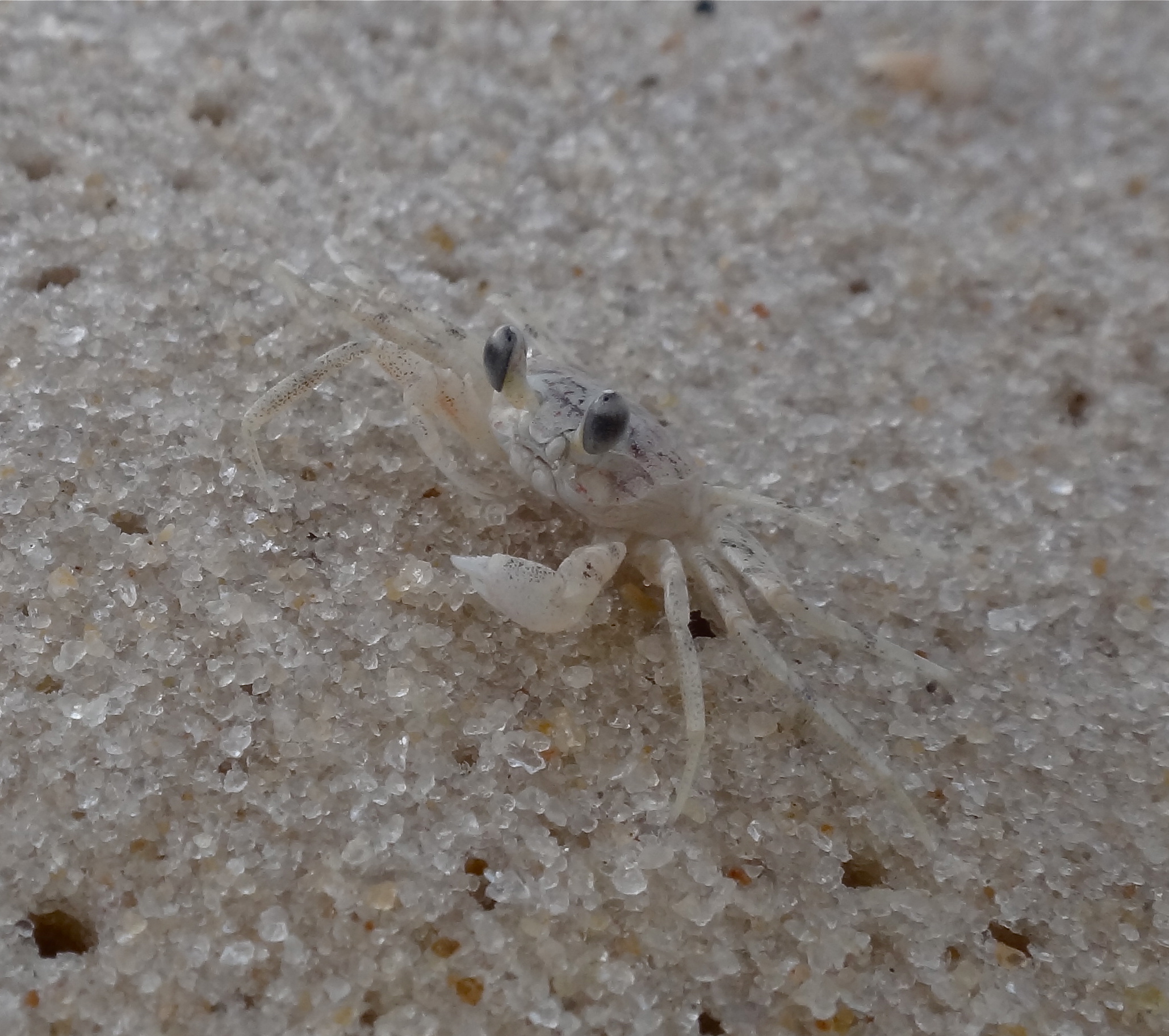
I could see some other beach-goers heads bobbing in the distance as I went onto my back, foot raised above the waves frantically slapping my foot.
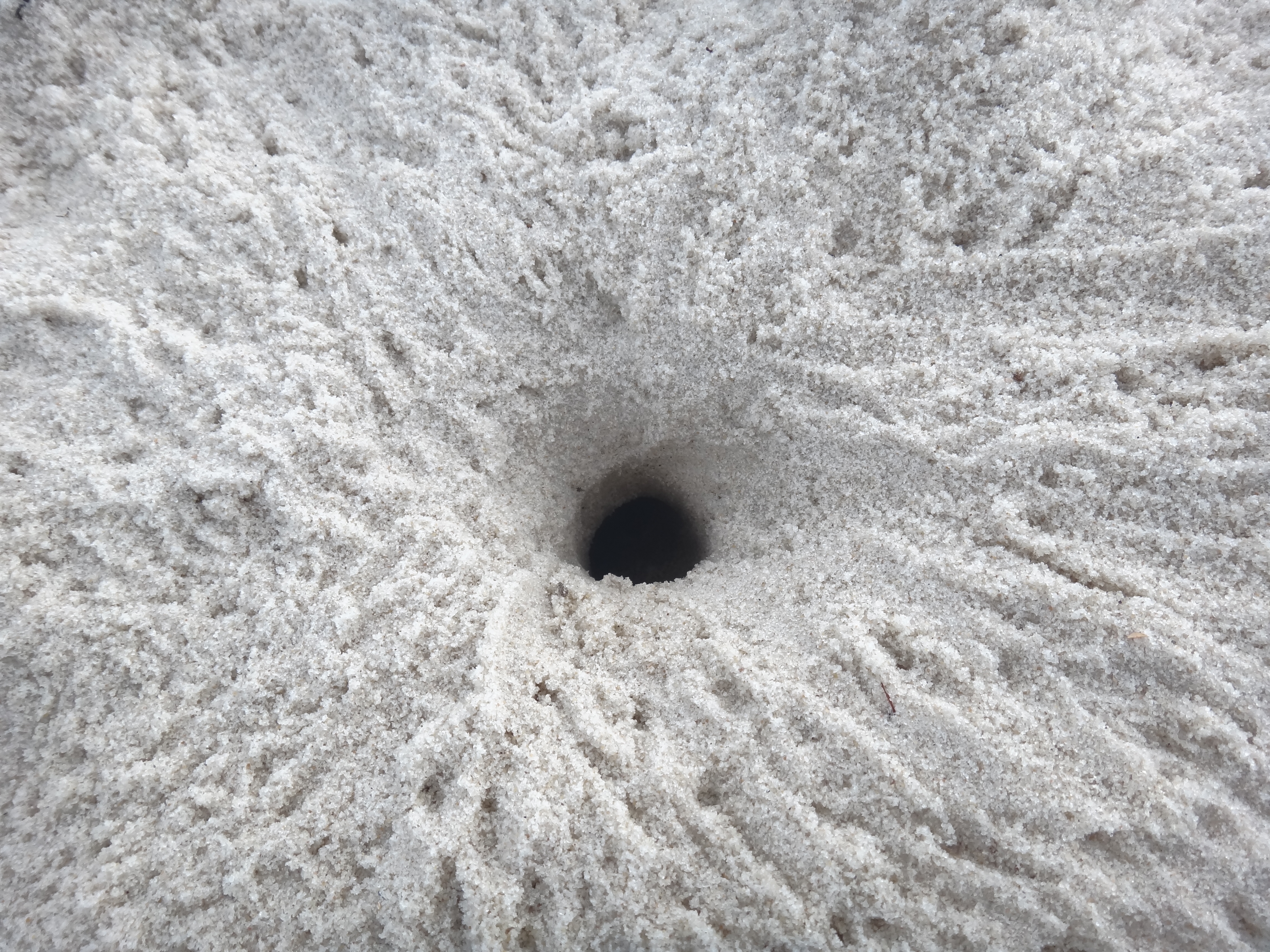
Ghost crabs are fast, in fact they are the fastest crustacean on the planet, getting up to whopping speeds of 10mph. Burrows like this one in the sand form an integral part of a ghost crab’s life giving the creature protection from the summer sun and providing shelter in the winter months in which to hibernate. The crabs favorite delicacy?
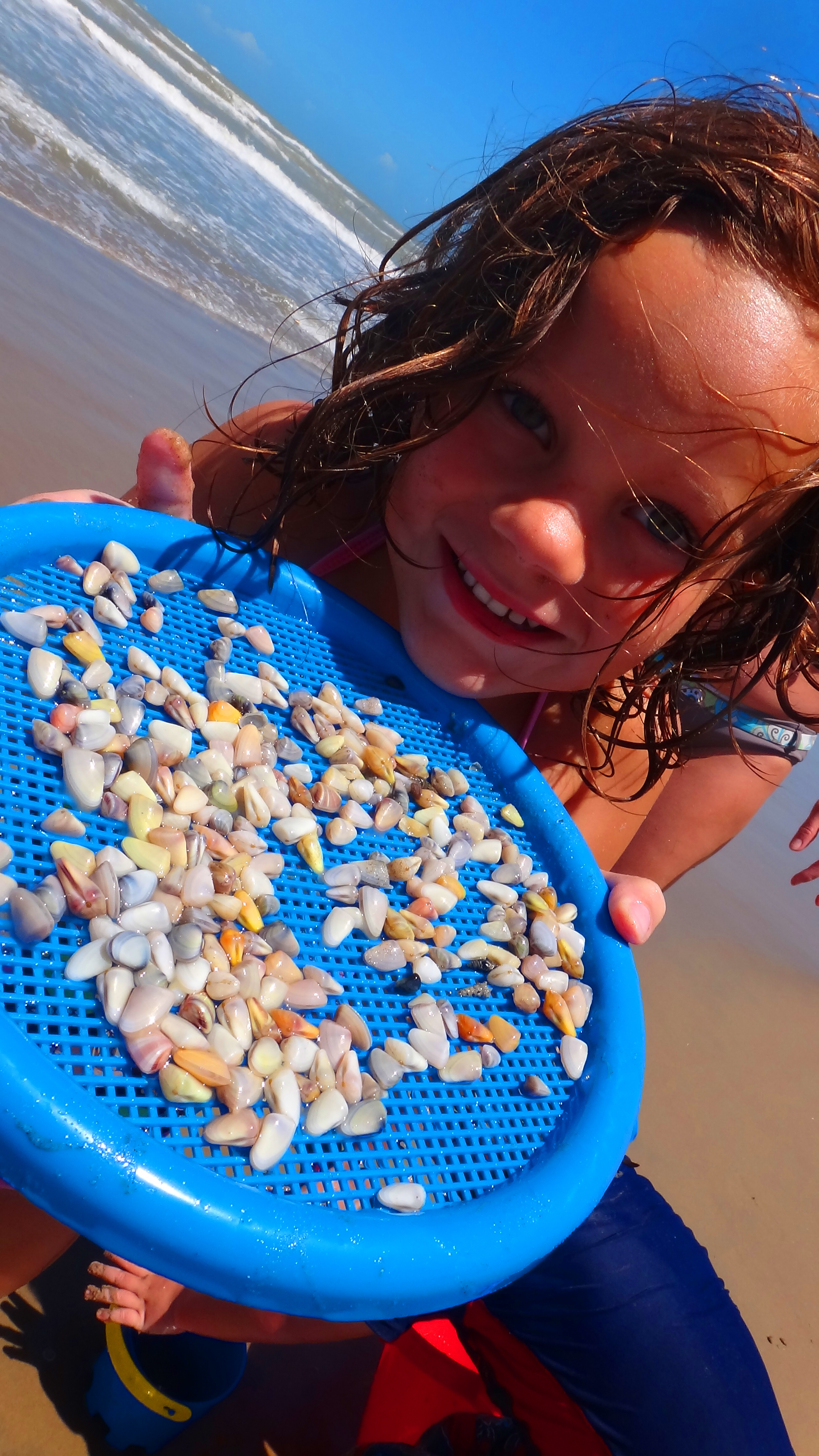
Jewel-like Coquinas, what else.
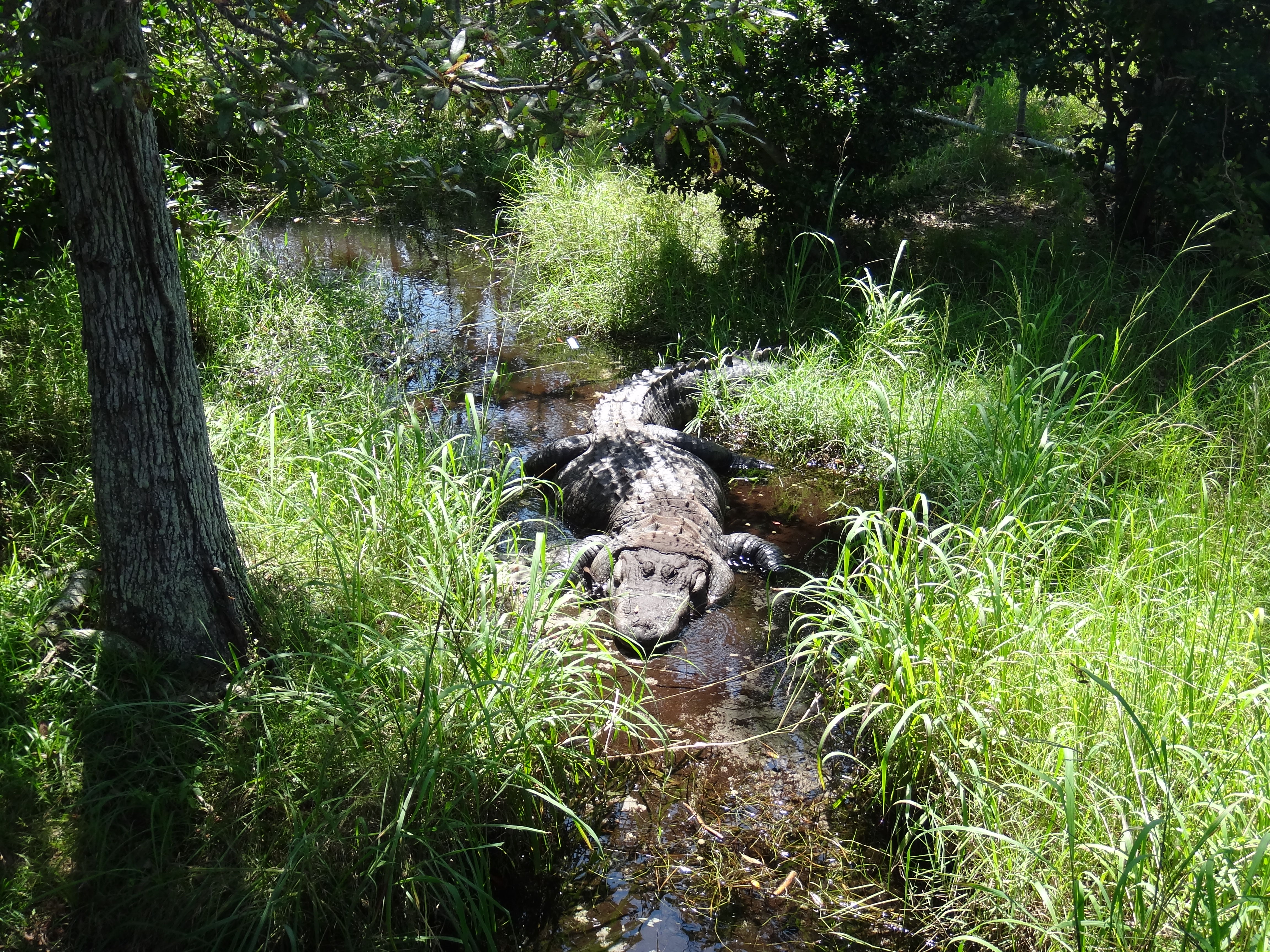
Now if this grinning chap had got a hold of my foot there would have been nothing to slap at.
Moving touristly along…
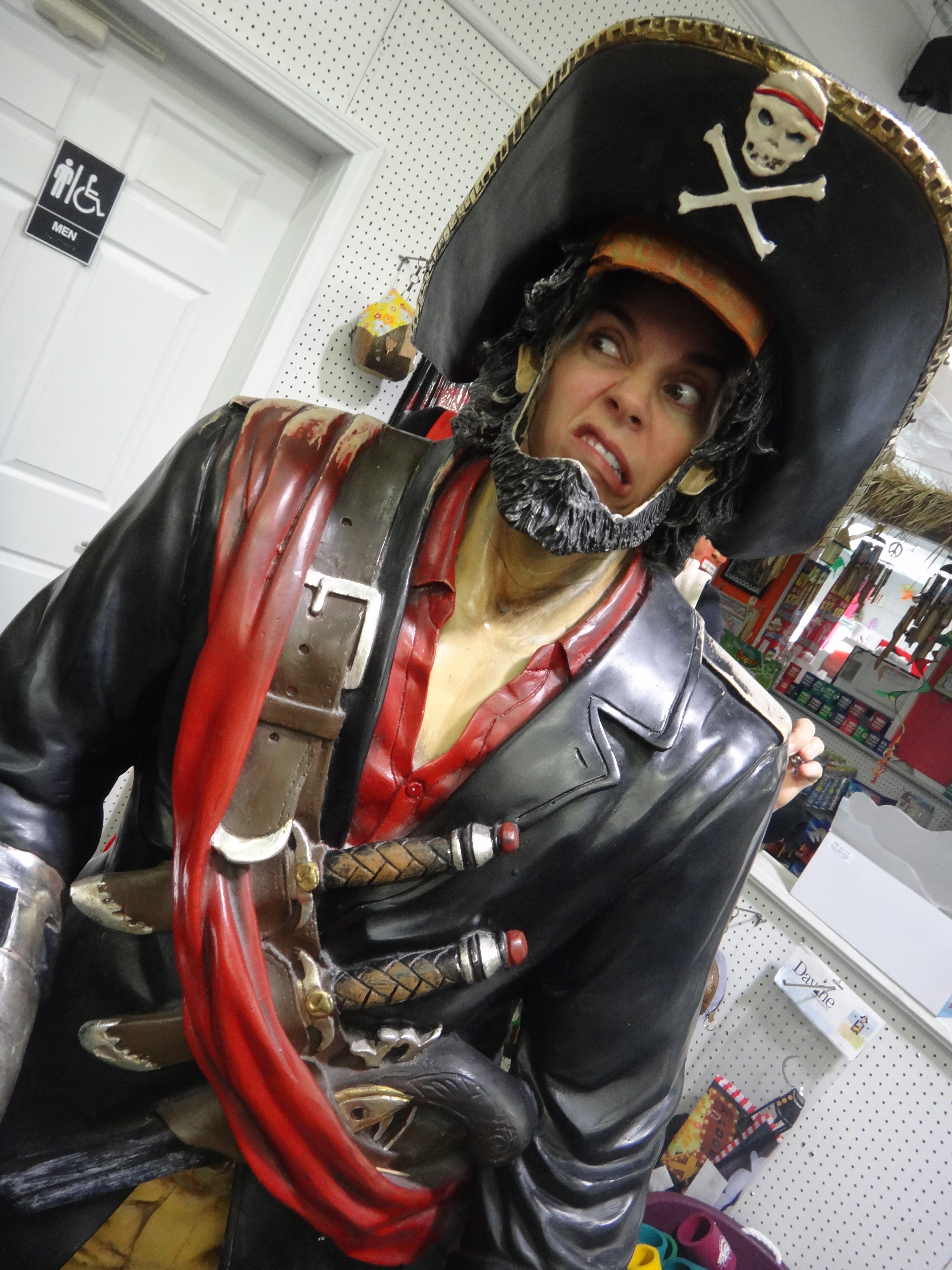
Well you have to don’t you.
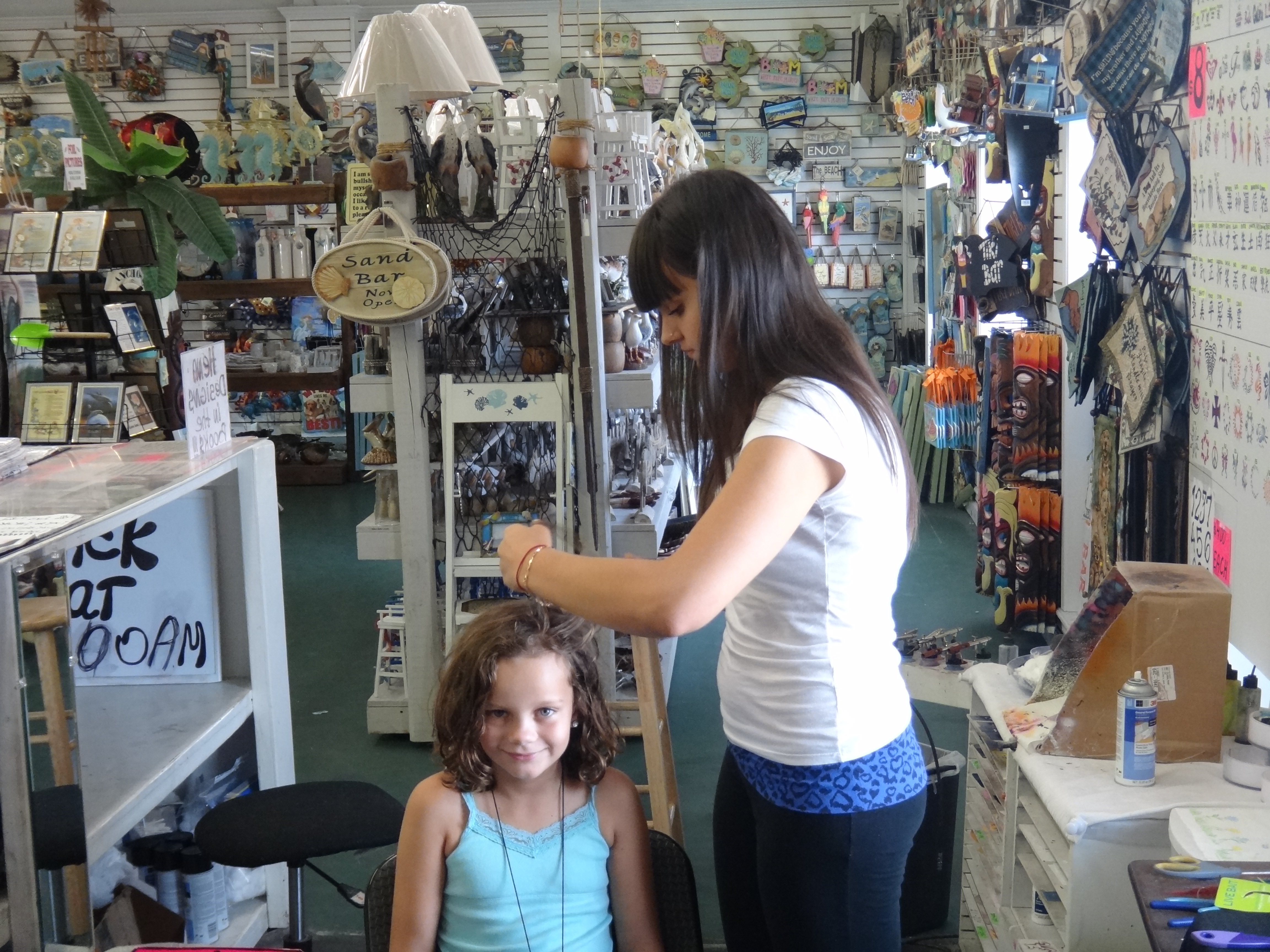
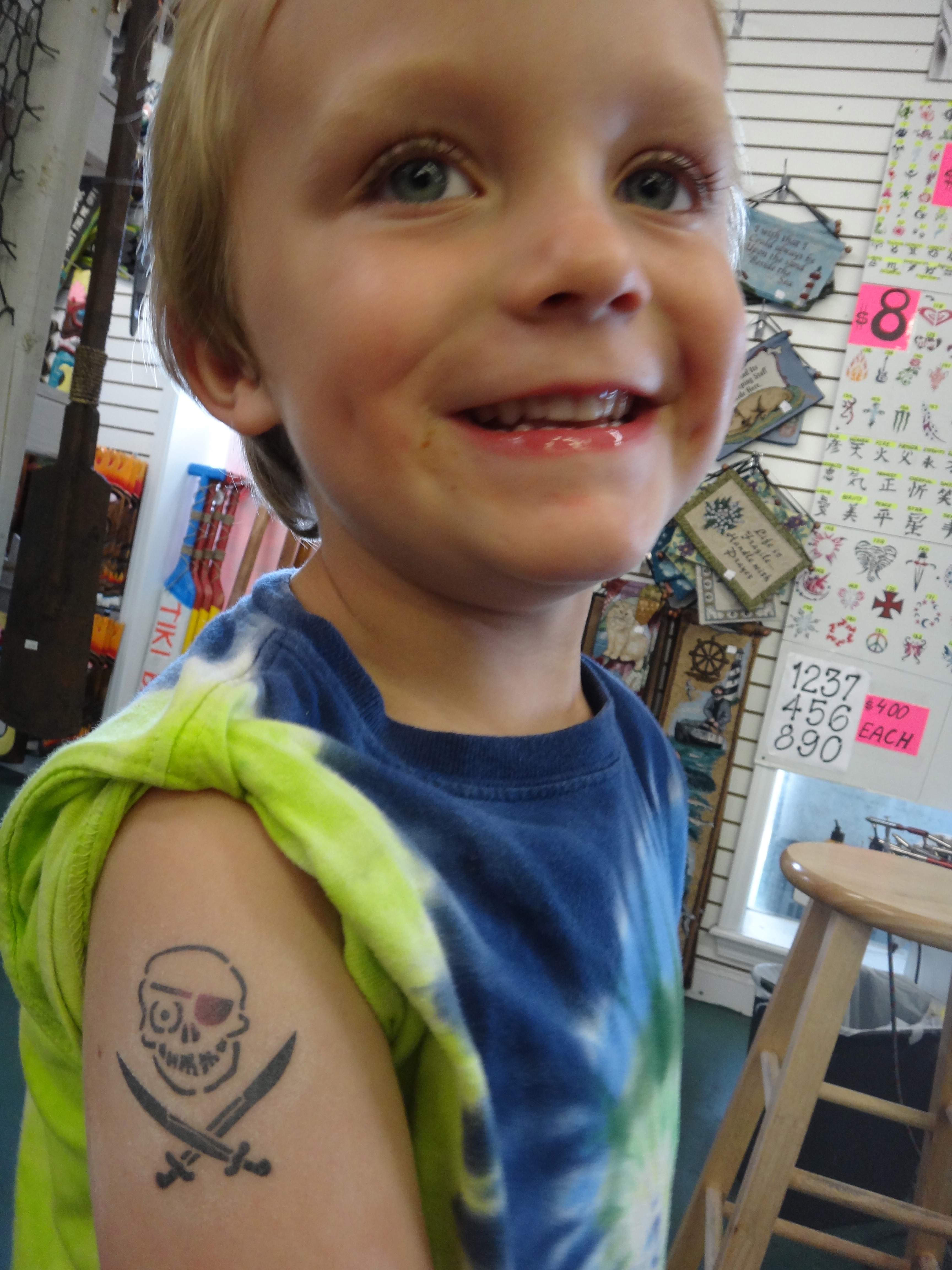 She got her hair braided and he got an airbrushed tattoo that he was very proud of.
As for myself?
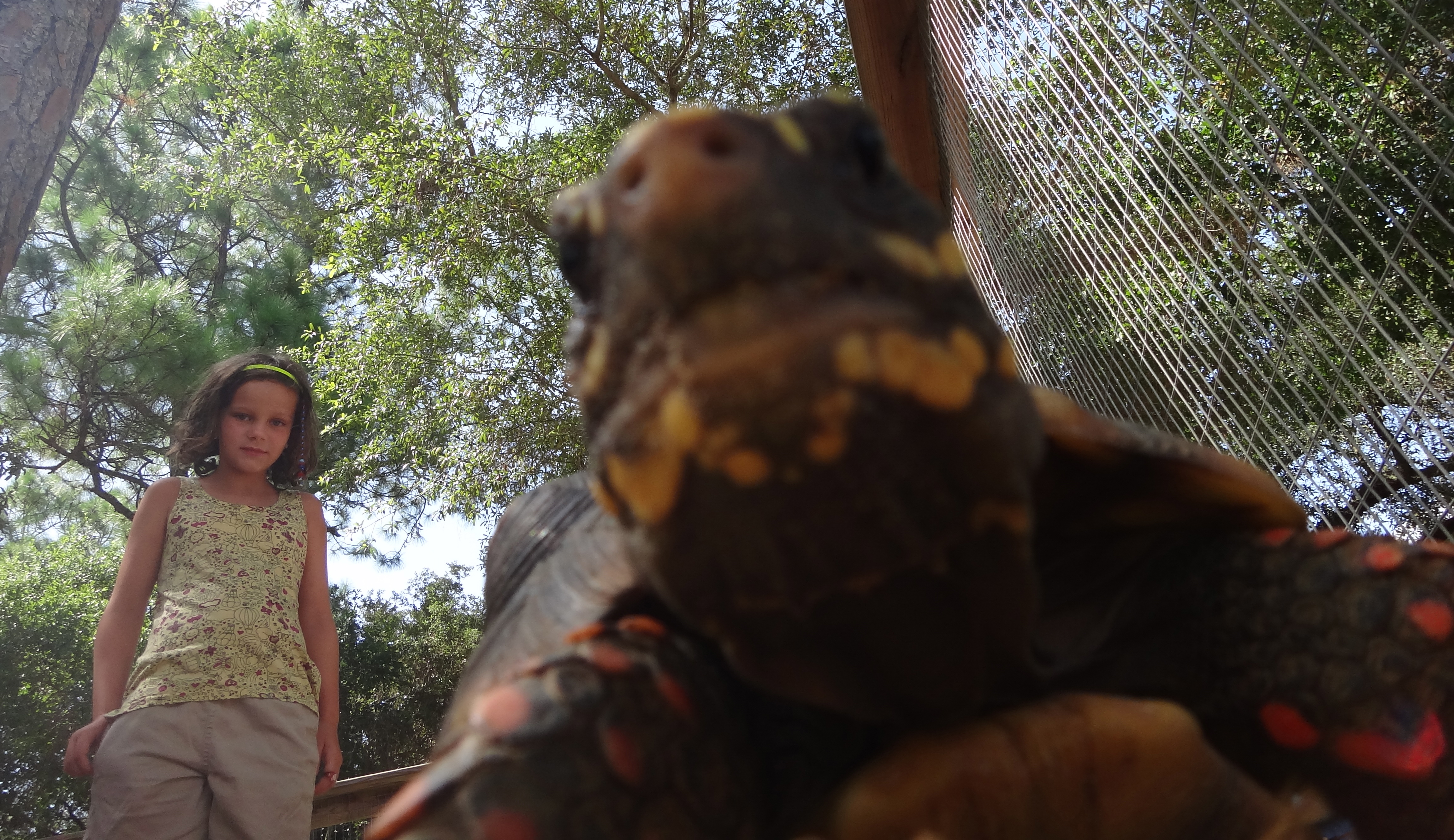
…I slowed my body clock down to beach time.
I fished,
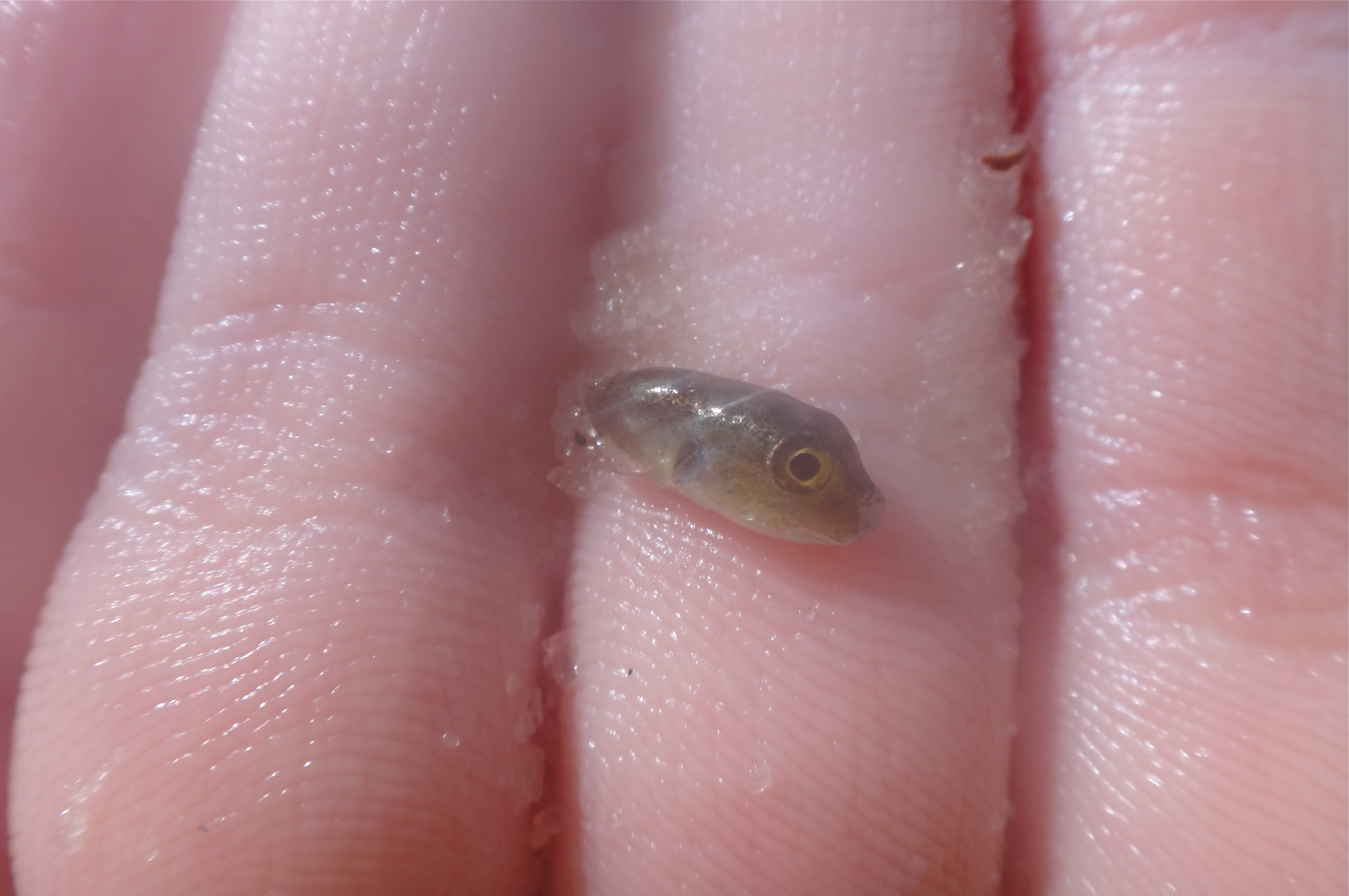
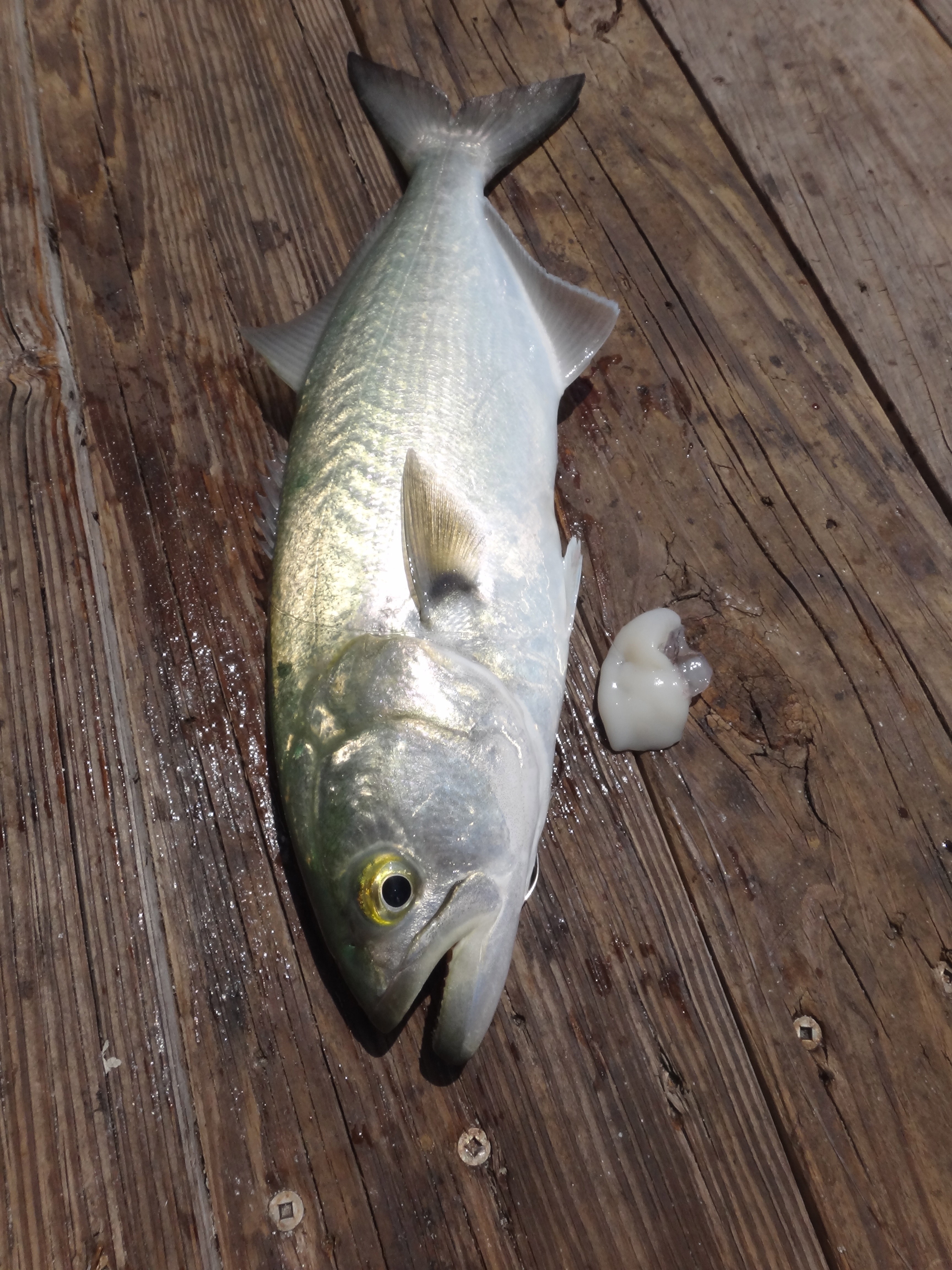
and caught some whoppers, this one came in at a record 3mm head to err, hmm.
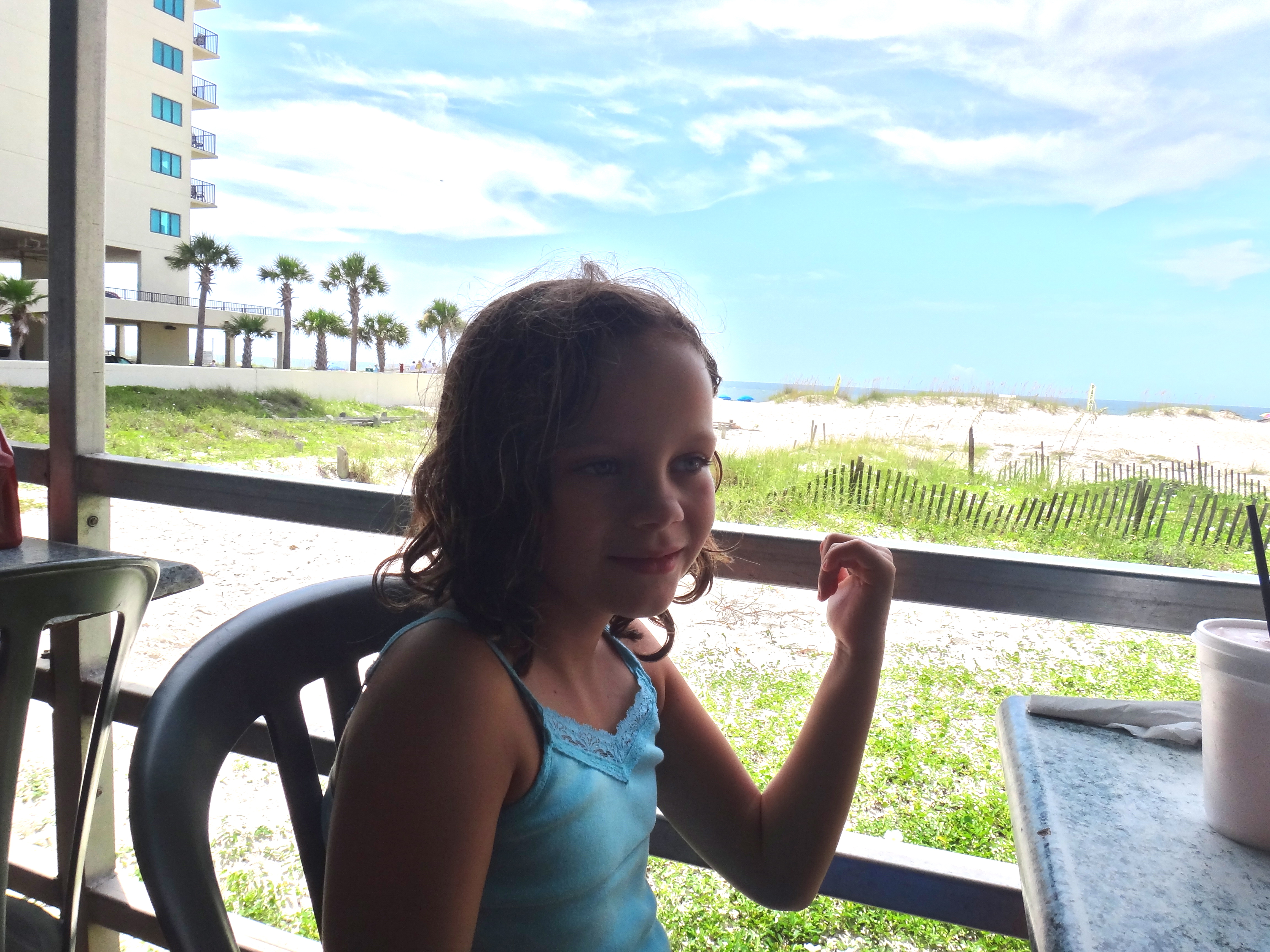
We ate some of the best seafood in beachfront restaurants,

“mmm…soft shell crab”
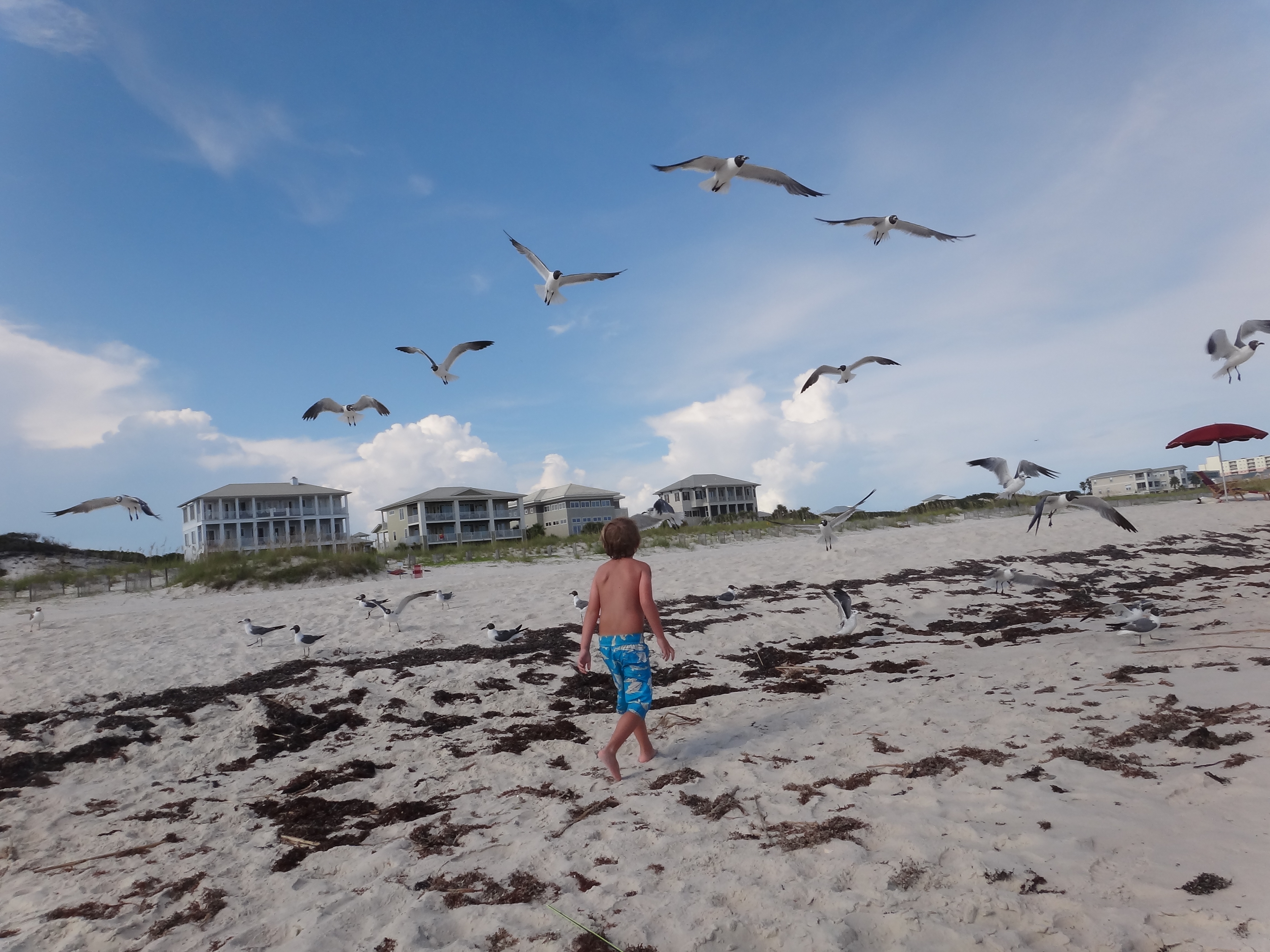
and performed our customary practice of tossing Doritos up to the screaming seagulls, I hope they survive.
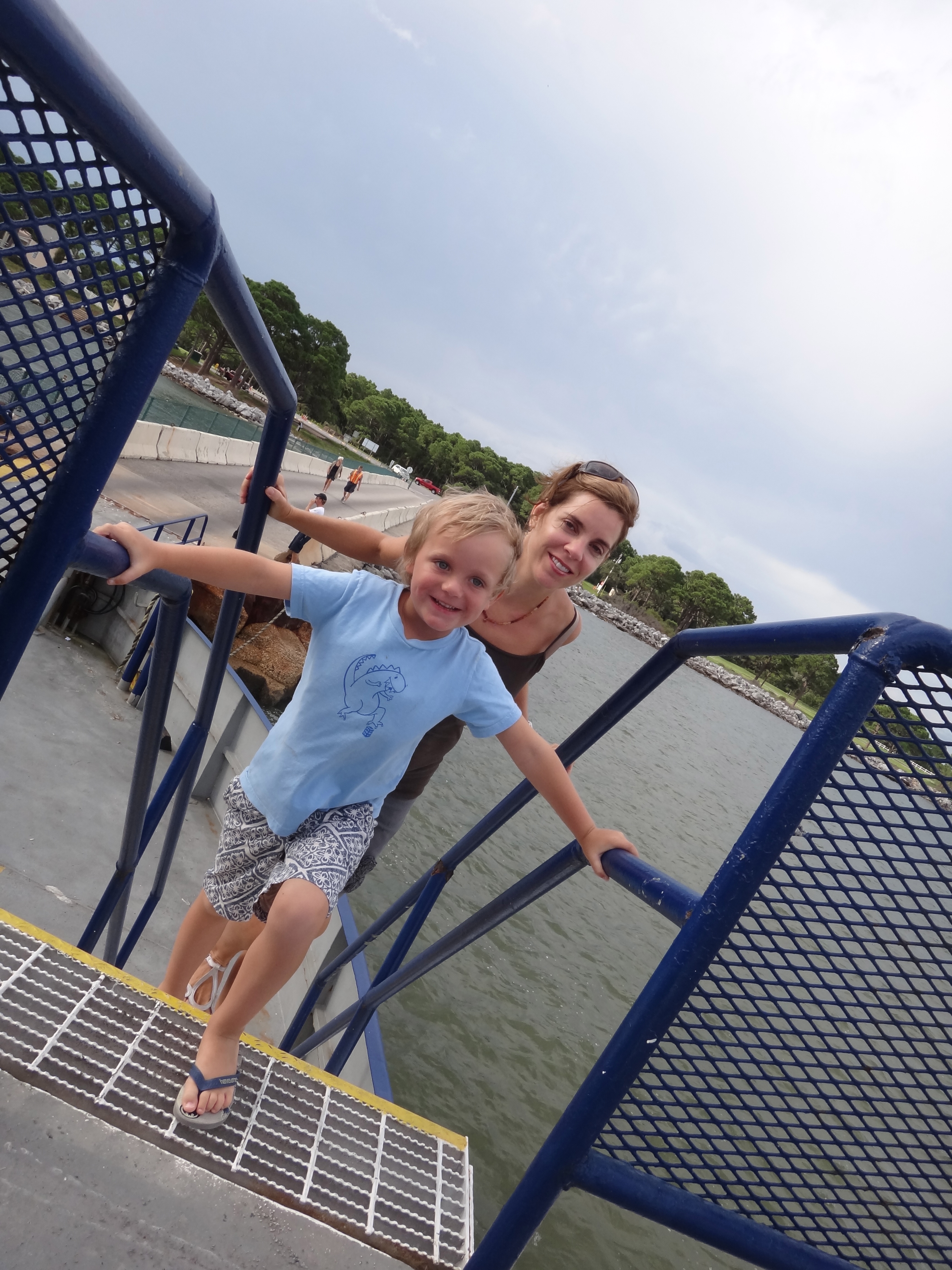
Sadly our trip seemed, as they usually do, to be over as soon as it started. We did a few more luggage rugby tackles and set off home with sand between our toes and Dorito stained digits.
We decided to go a different way back and boarded a car ferry from Fort Morgan to Dauphin Island.
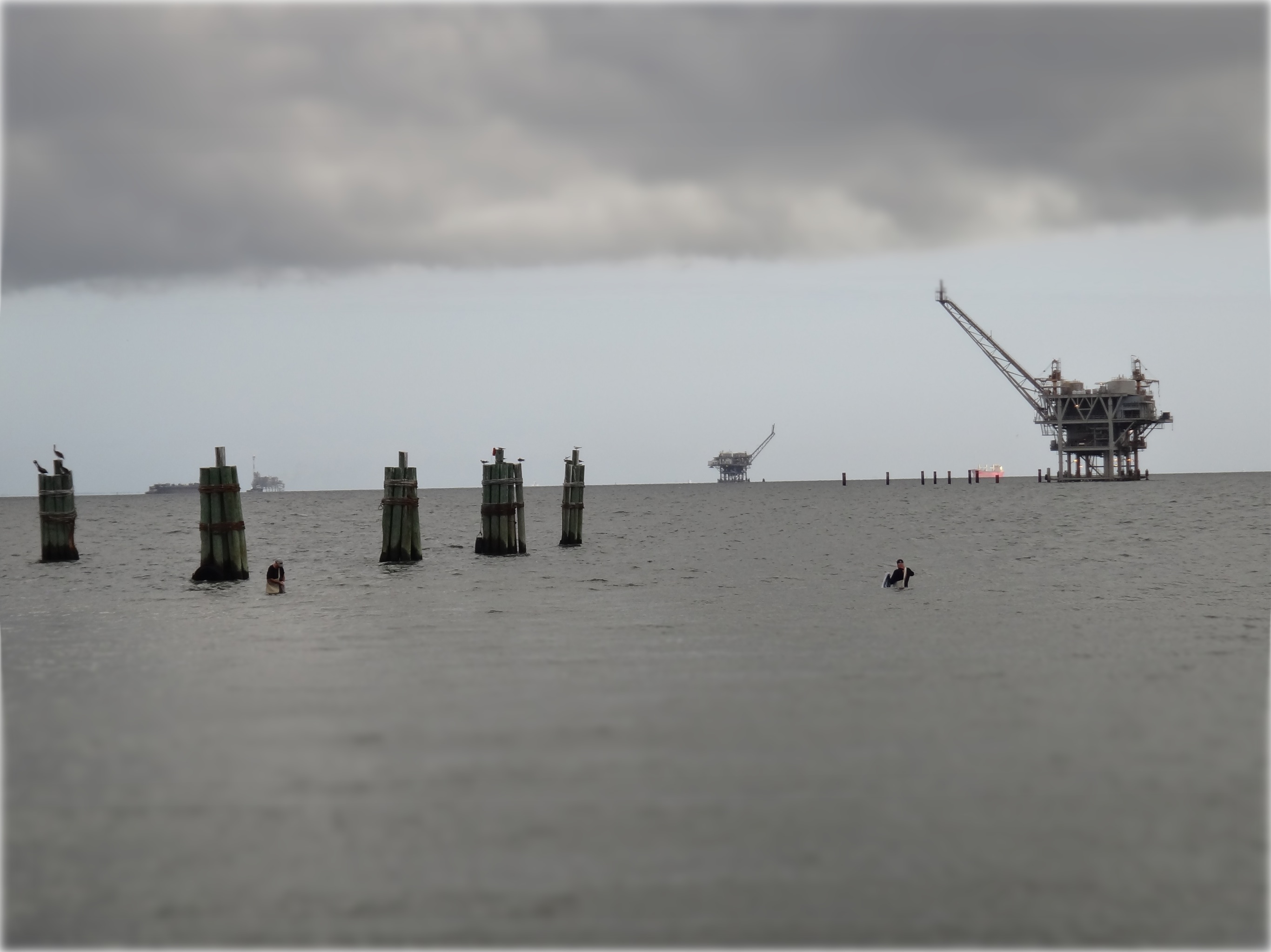
The ferry passed fisherman pulling nets and numerous oil rigs,
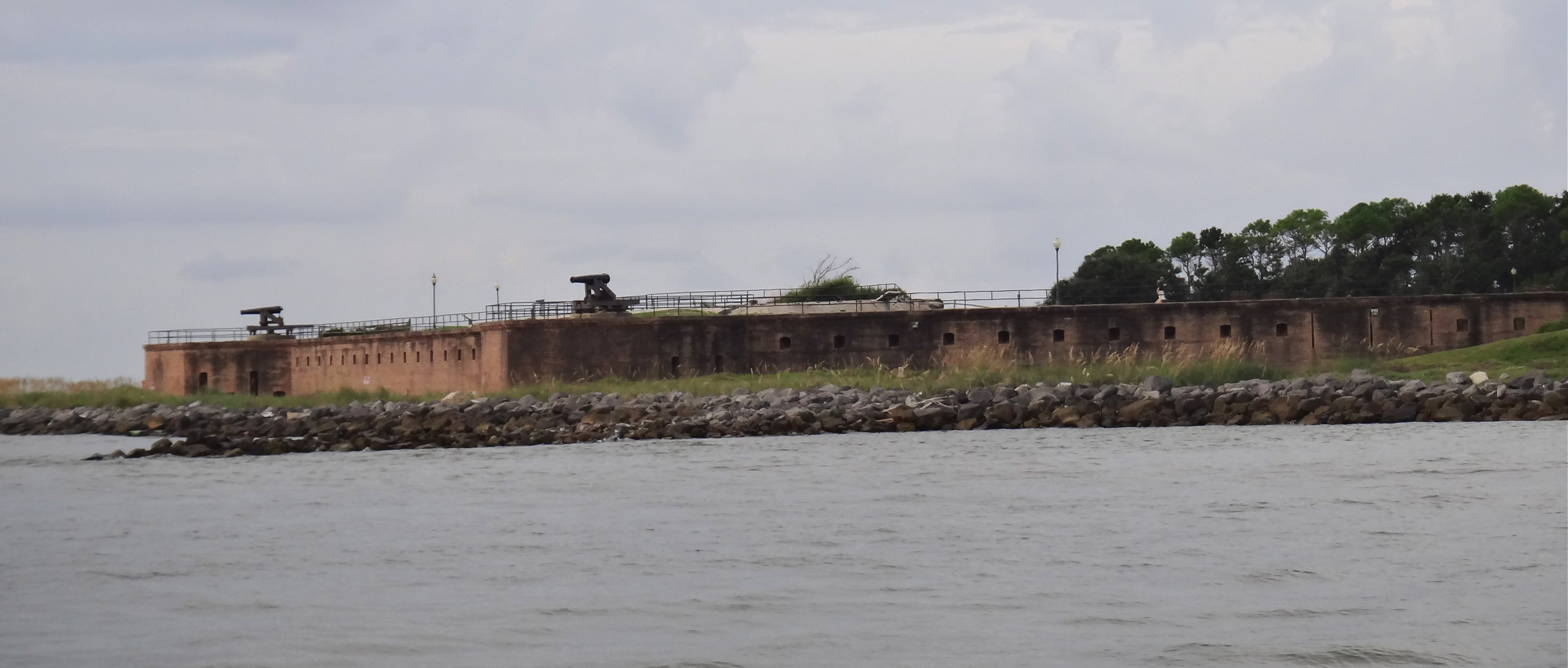
arriving at Fort Gaines, the site of the battle of Mobile Bay.

Battle of Mobile Bay, by Louis Prang.

It was in this battle that Admiral David Farragut gave his world famous command,”Damn The Torpedoes – Full speed Ahead!”
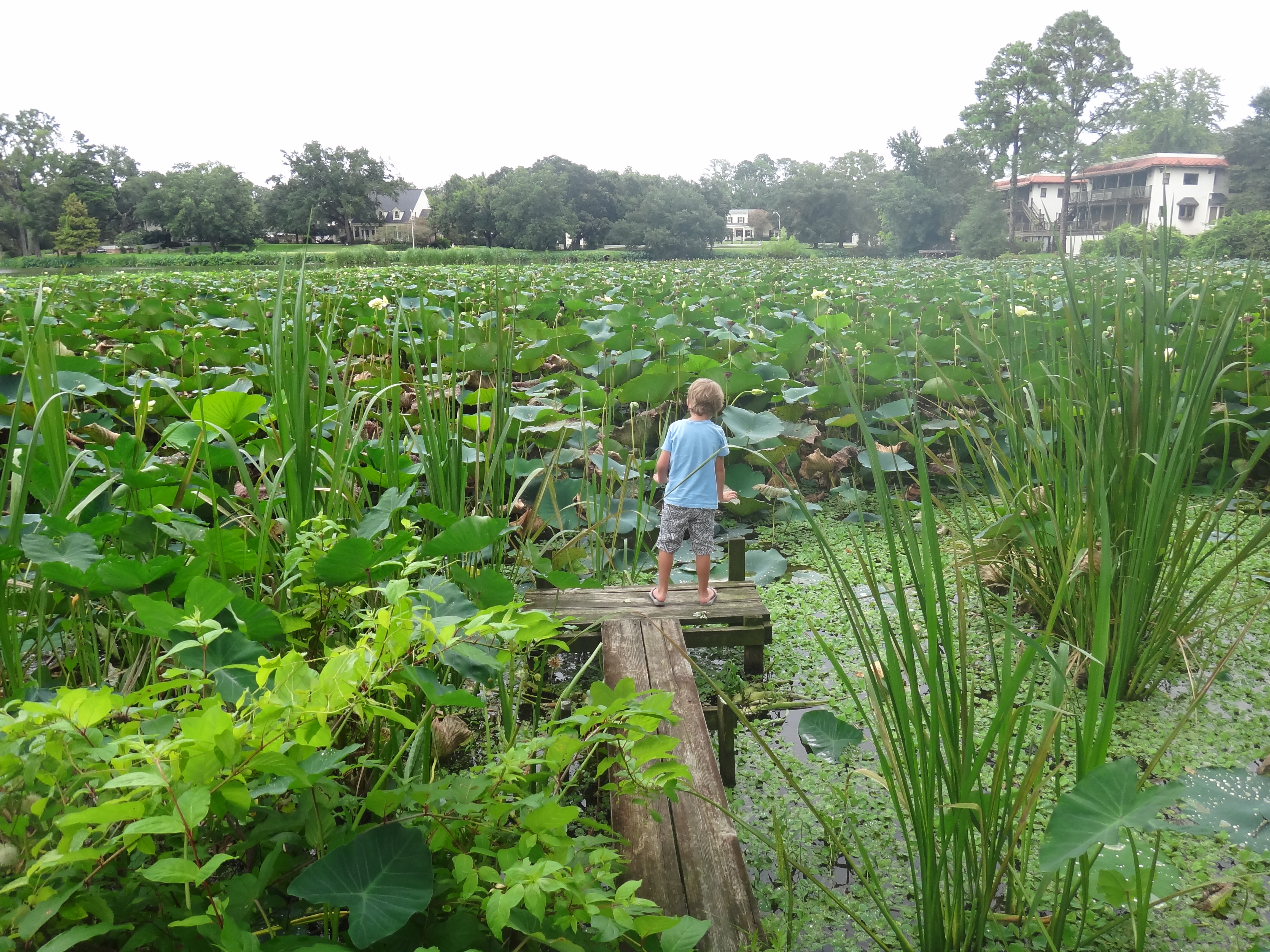
After a brief stop around the grounds of LSU where
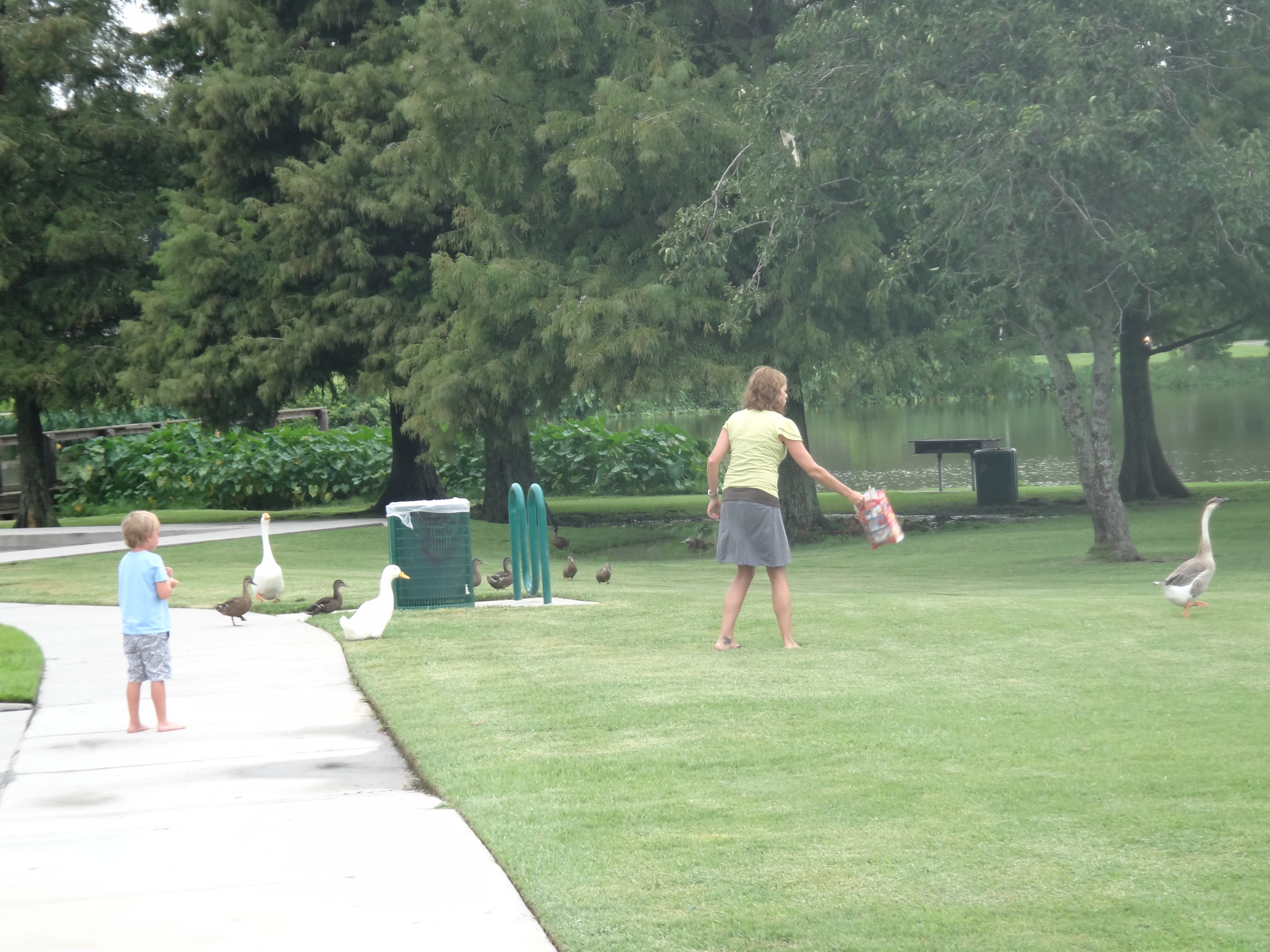
my daughter incurred a rather vicious attack from a particularly troubled goose…
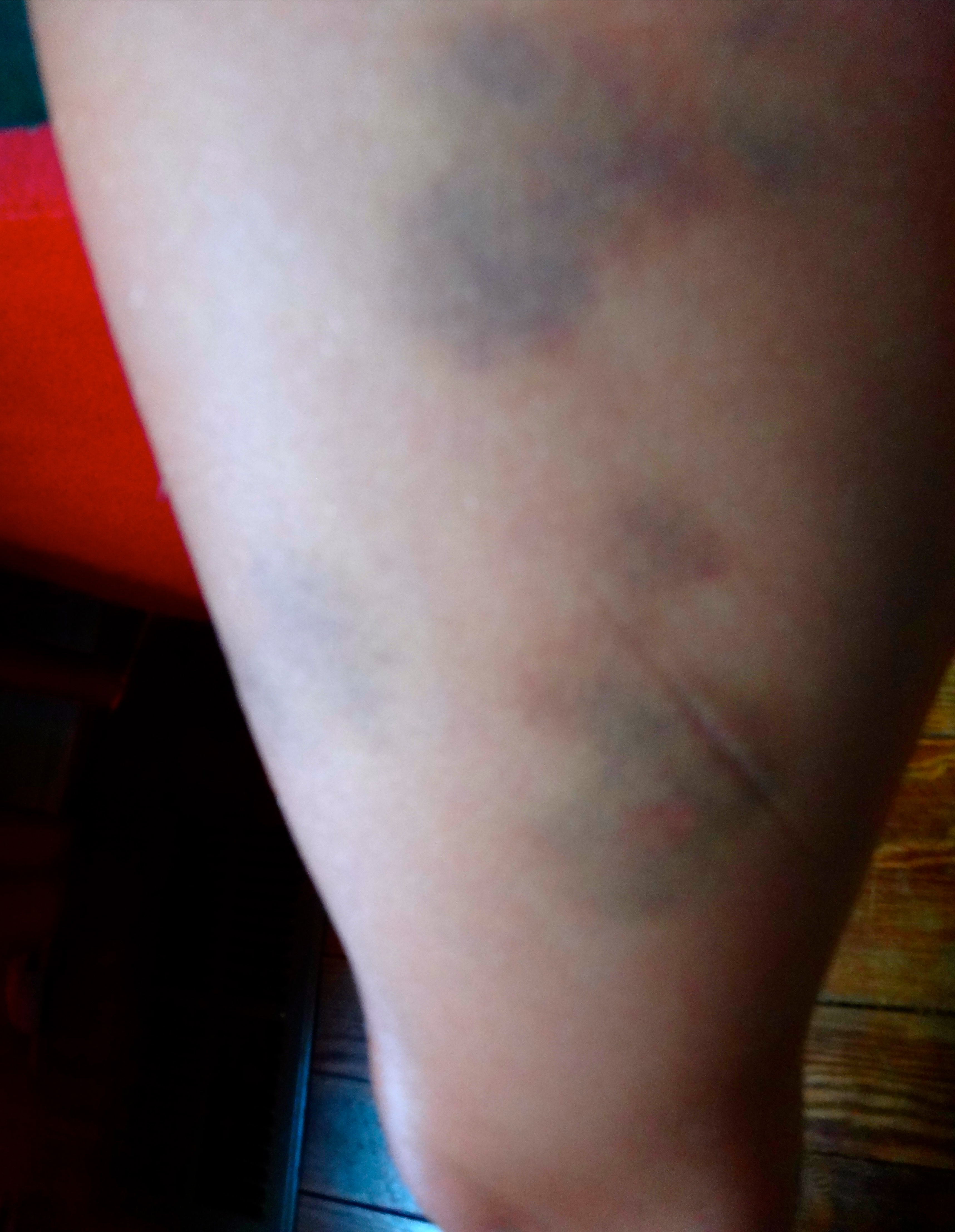
…no she really did!
We were back on the road, Austin bound.
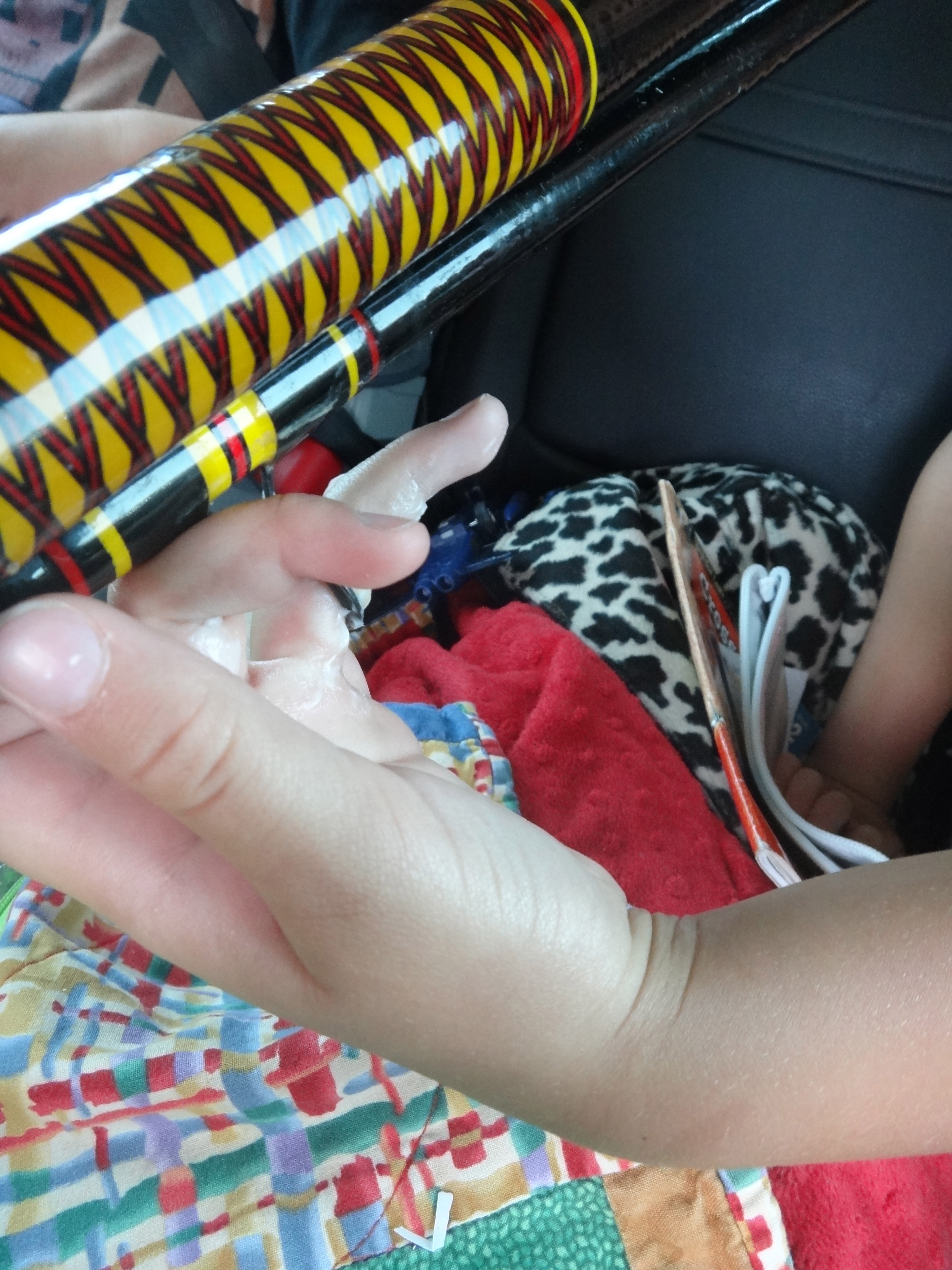
The final and most tedious leg from Houston resulted in my daughters 2nd predicament of the day. Her boredom was so elevated she decided to wedge one of her fingers into one of my fishing rod guides…not one of her better decisions,
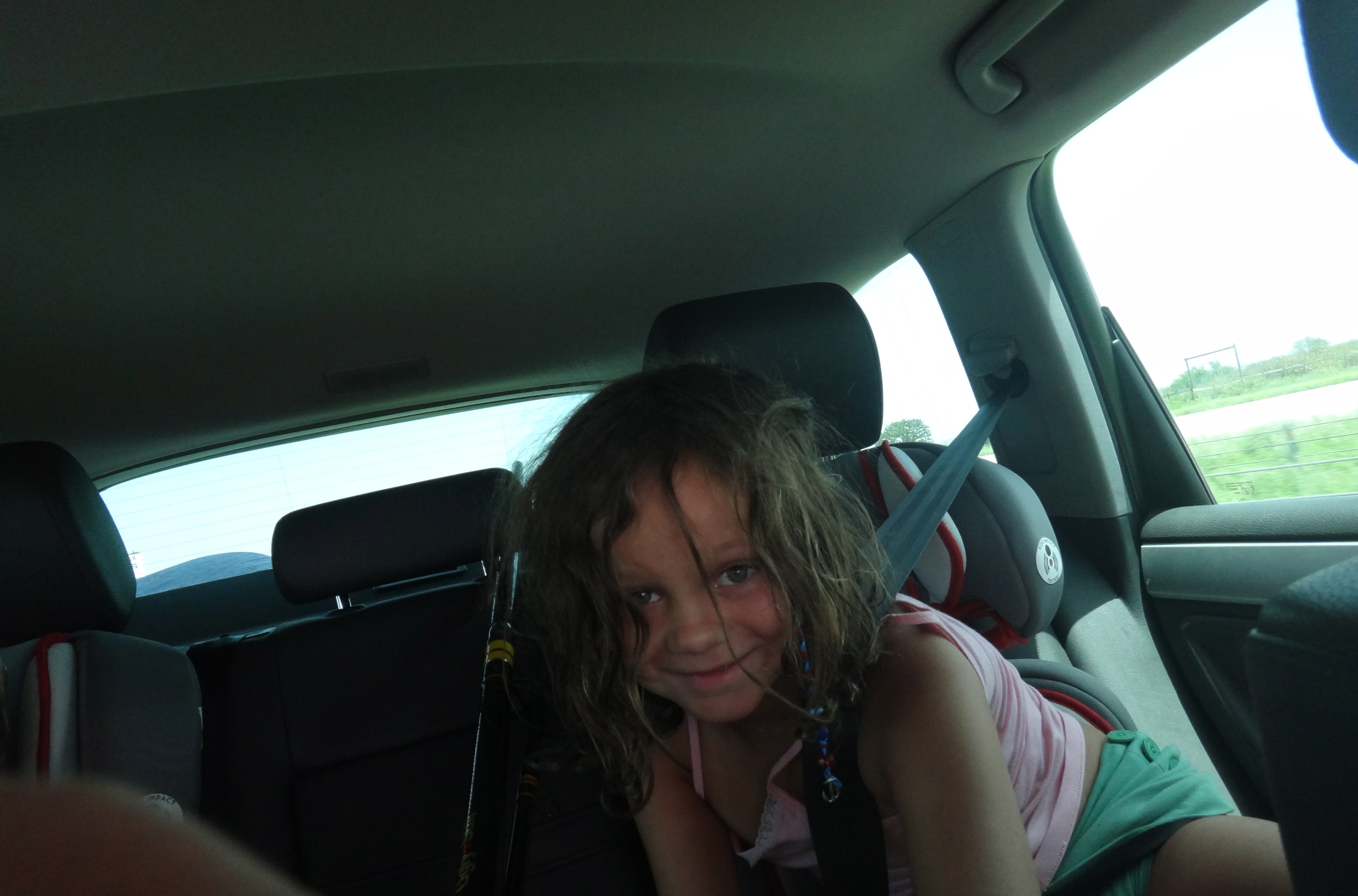
although I must say, I did envy her temporary reprieve from the monotony of the highway.
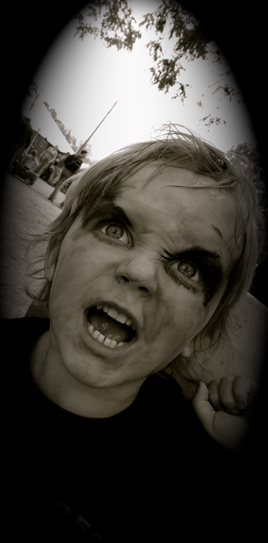
Raggamuffin.
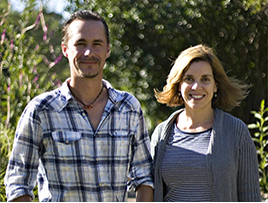
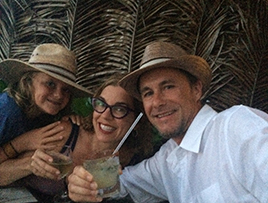
Thanks for a great time D & J…We all had a lot of fun.
Stay Tuned for:
“Eye-Popping”
All material © 2012 for eastsidepatch. Unauthorized
intergalactic reproduction strictly prohibited, and
punishable by late (and extremely unpleasant)
14th century planet Earth techniques.