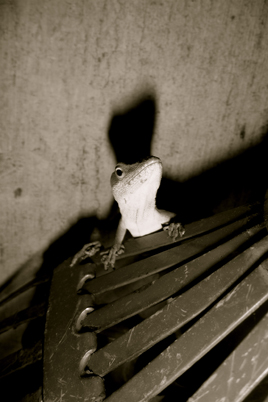
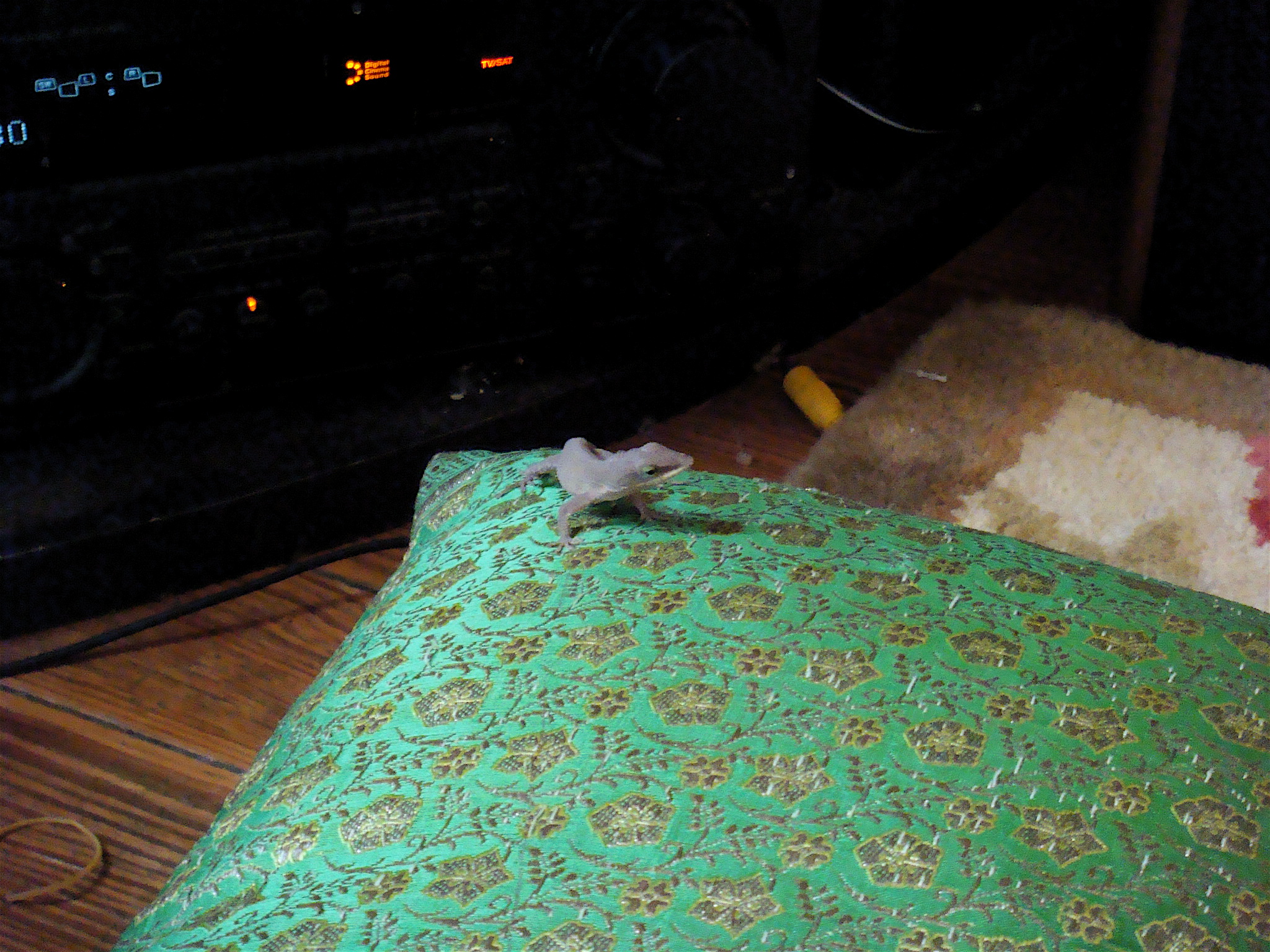
 This anole is currently living in our Christmas tree! I tried to get it outside but it just came right back in through one of our many gaps and holes in our walls. I suppose it was finding some “relative” warmth, or perhaps it is just getting into the Christmas spirit, hard to tell. I now spend as much time looking for the anole as I do admiring the tree ornaments. I could have sworn the other night I caught a glimpse of it, deep in the interior of the tree, adorning a small piece of cotton-wool on it’s pronounced chin, whipping a reindeer ornament with it’s tail with a look of Christmas glee on his lizard face…honestly I did!

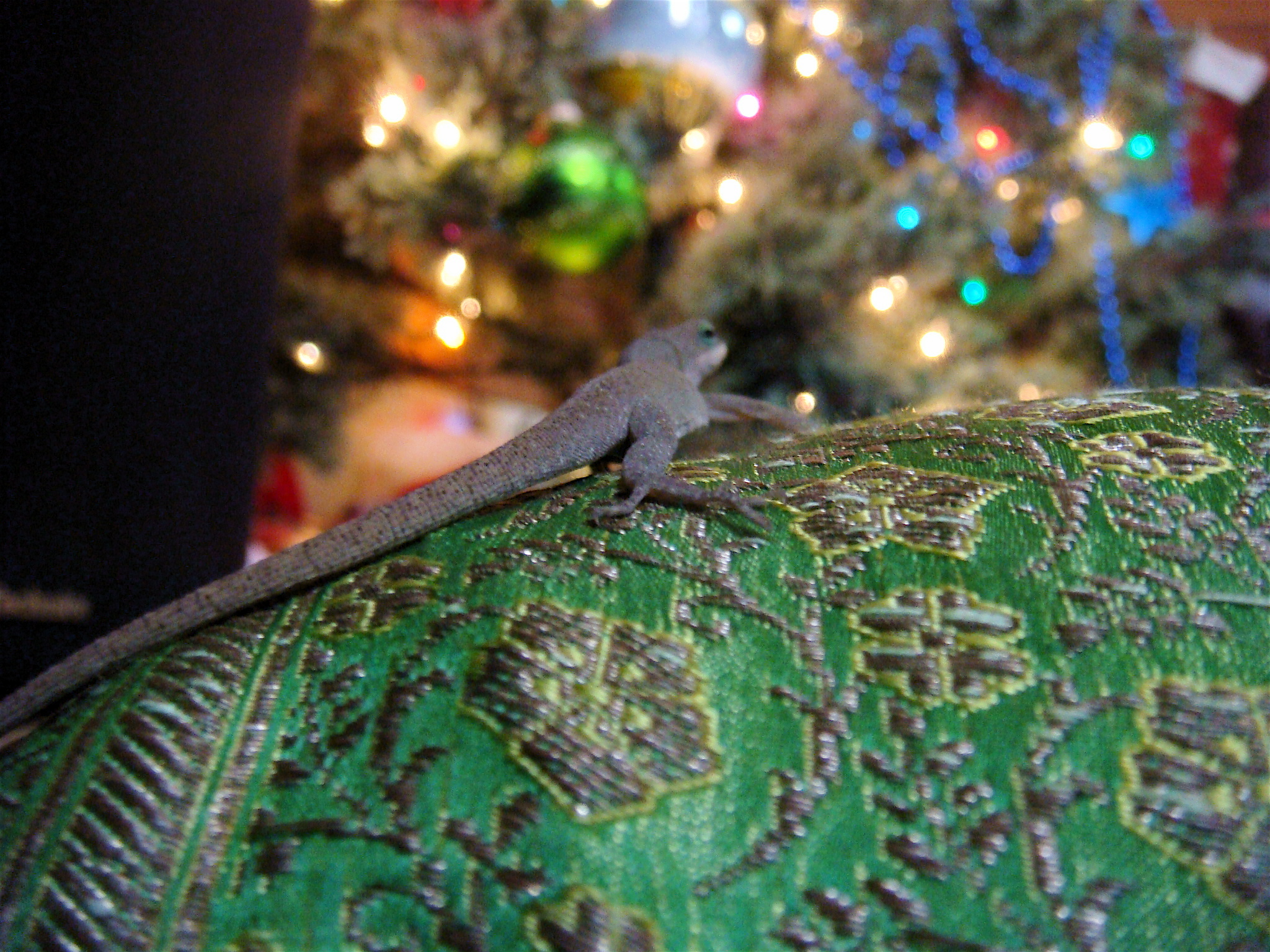
Here it is making it’s way over the enormous cushion hill to our tree.

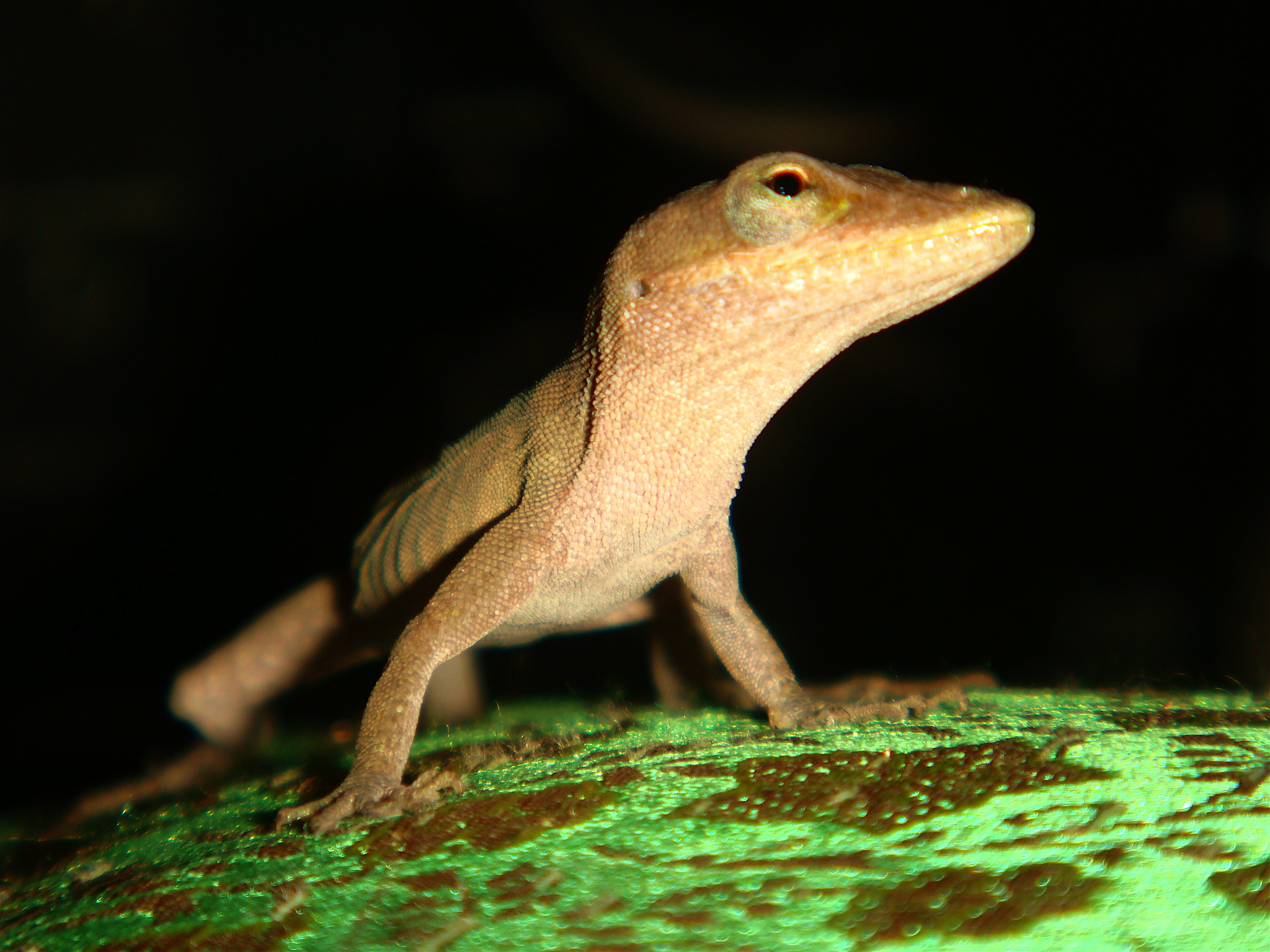 The poor anole looks like it might not make it to the holidays, lets just say he did not look well, he was also very skinny, I guess he is not finding too many bugs on our fake Christmas tree! I just hope that it doesn’t drop dead and fall into the presents under the tree. Now that would be unexpected Christmas present on Christmas morning for someone!
Moving On…
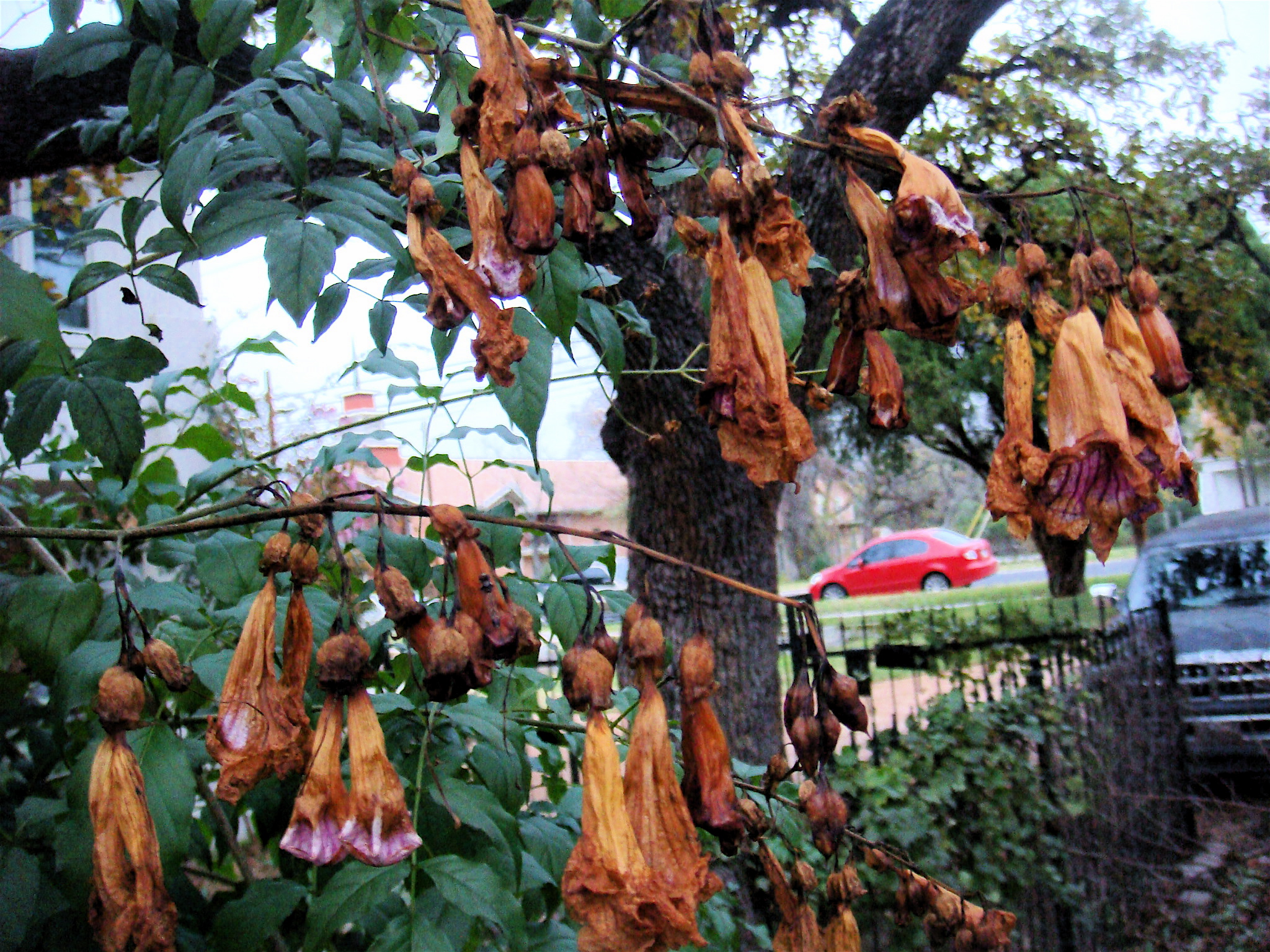
These old rusty Christmas bells are what is left of my desert trumpet vine flowers, this vine put on a stunning bloom show this year. In fact…
 there is still one bloom left.
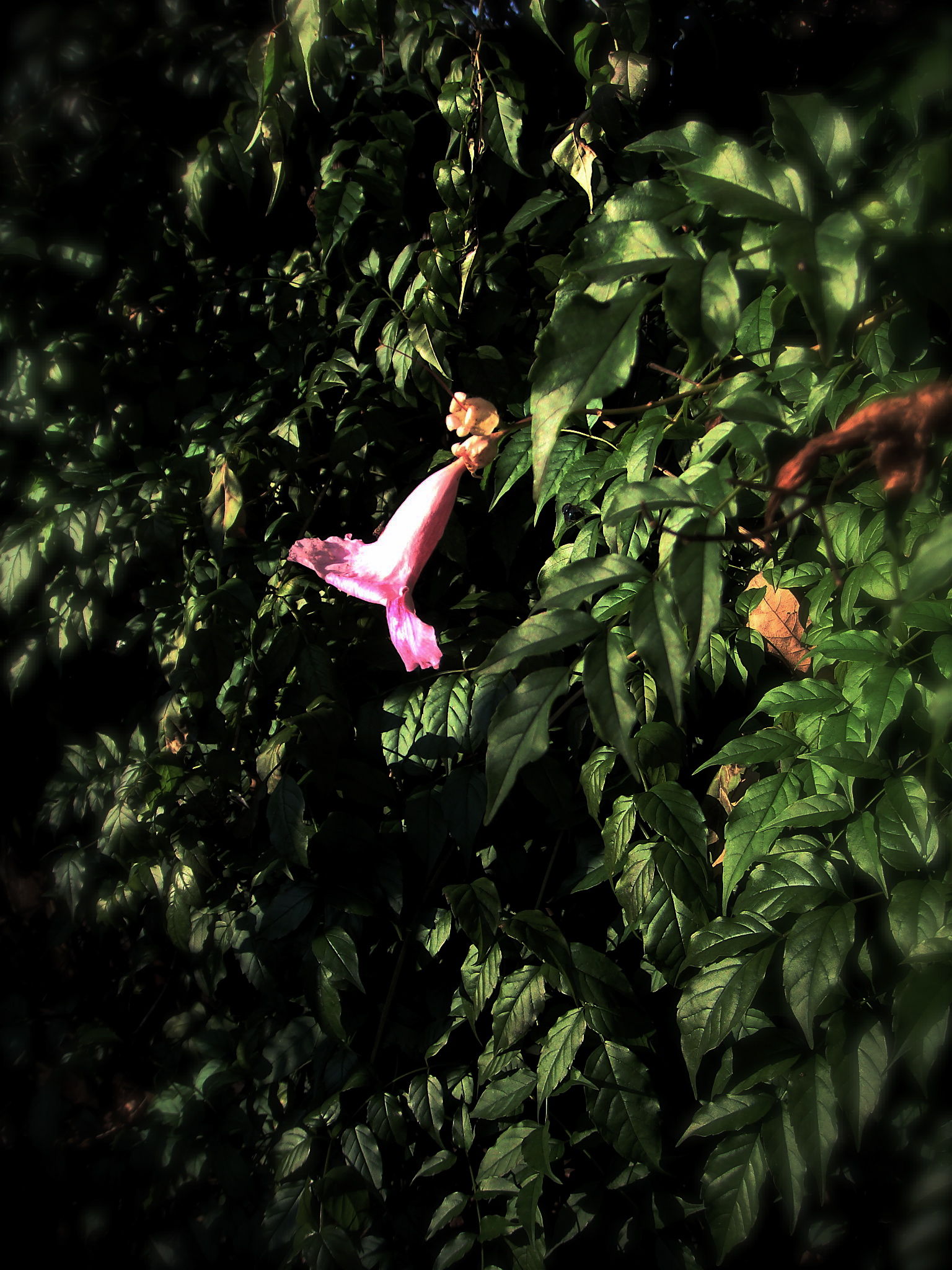 So strange that only one bloom still exists on the entire vine, and it is healthy and vibrant, even stranger that this singular bloom has its very own intellectual.
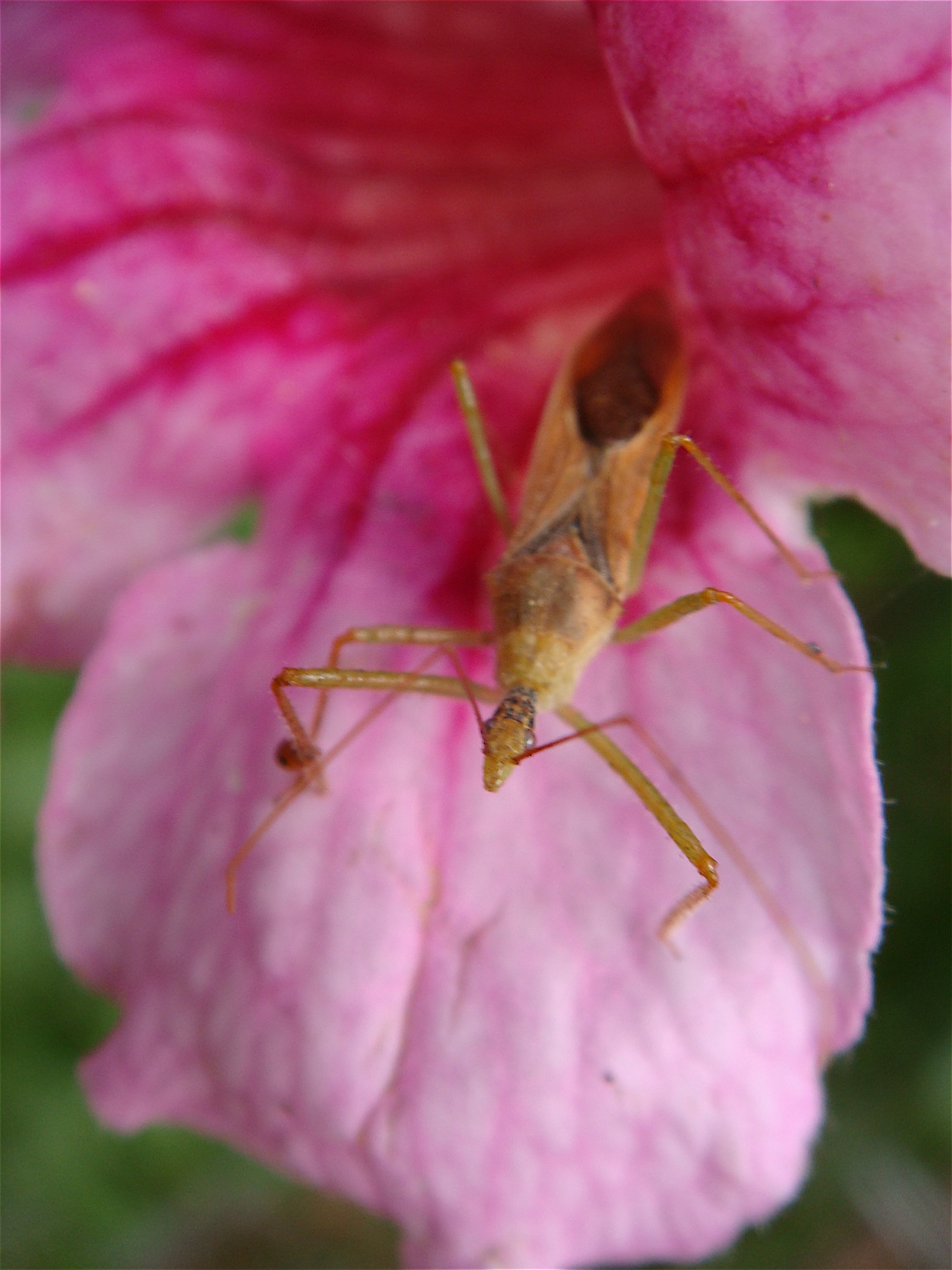
I have checked in on this inhabitant for the last four days. We discuss everything from philosophy to Tiger Woods. It seems this final bloom is this insect’s final vestige for the year, and it was not about to be up-rooted from it’s comfortable purple home.
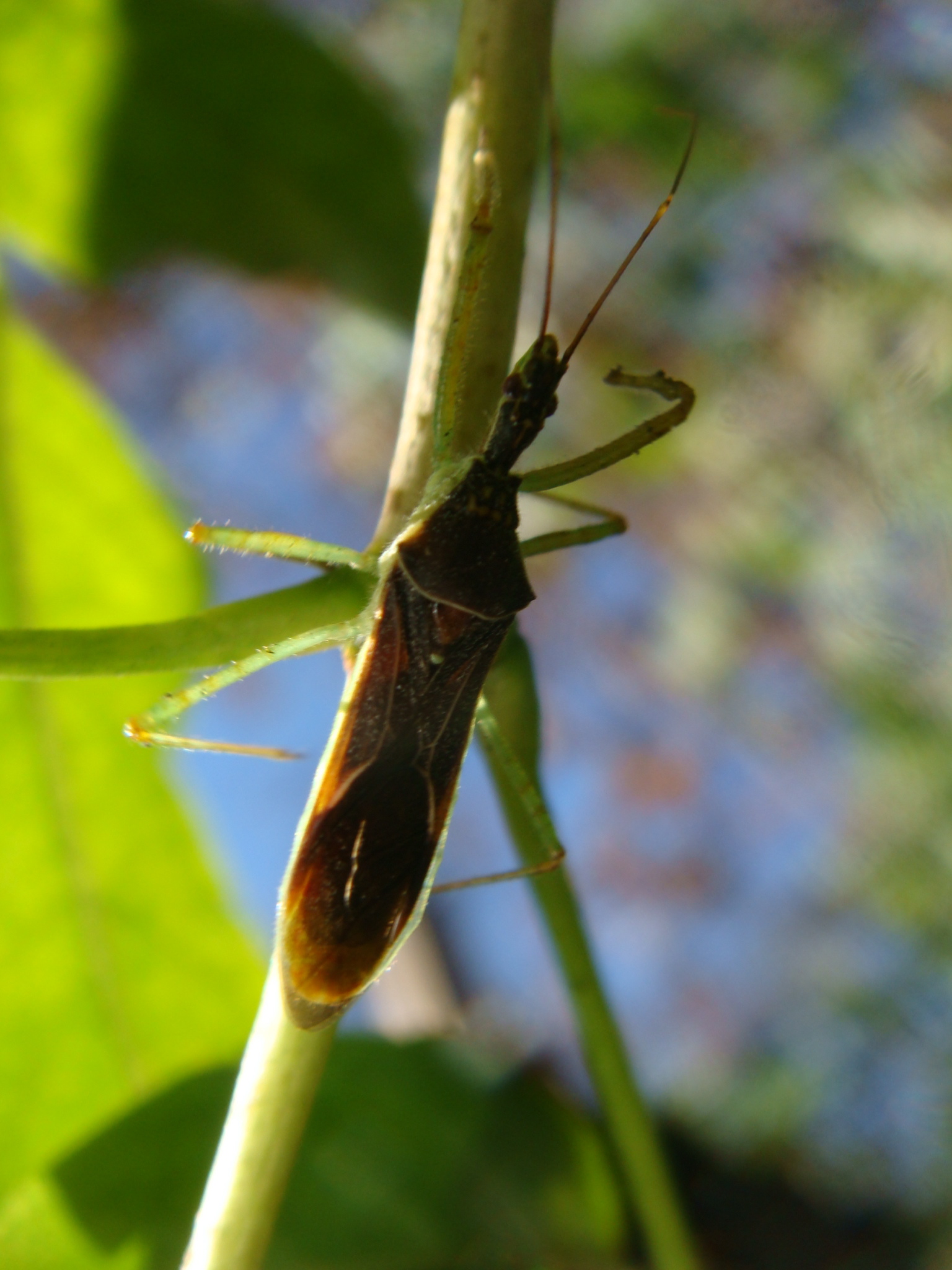
I am not sure what this turtle-like bug is, but I am pretty sure it can not be as good for the plant as it is a conversationalist.
Talking of something that is not good…
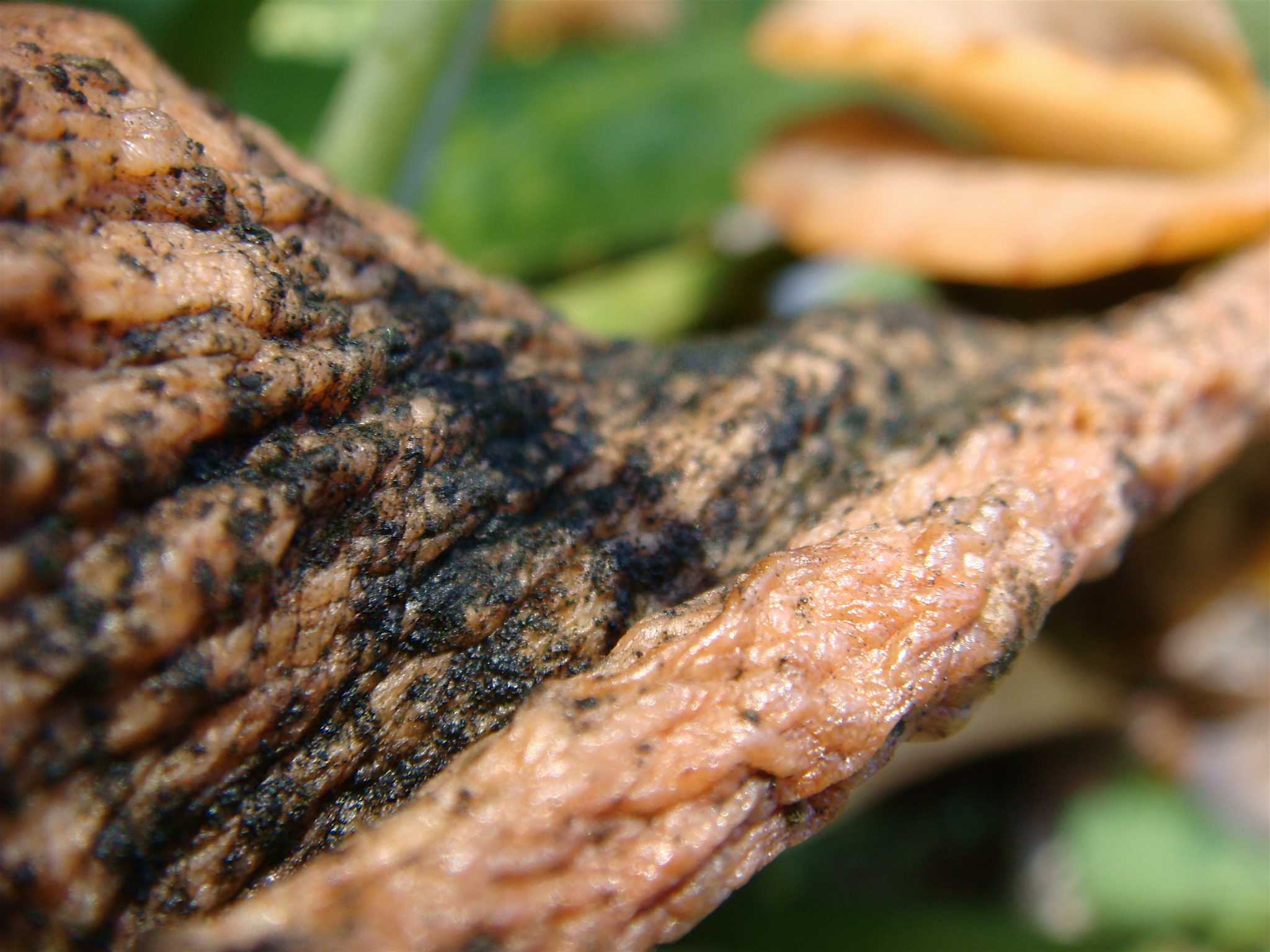 Remember the “giant tongue” from my last post , well there have been some shocking developments on the grosser front. The cow tongue, it appears, has developed a propensity for lapping up red wine from the feeding trough, and judging from the color of it, magnums of it.
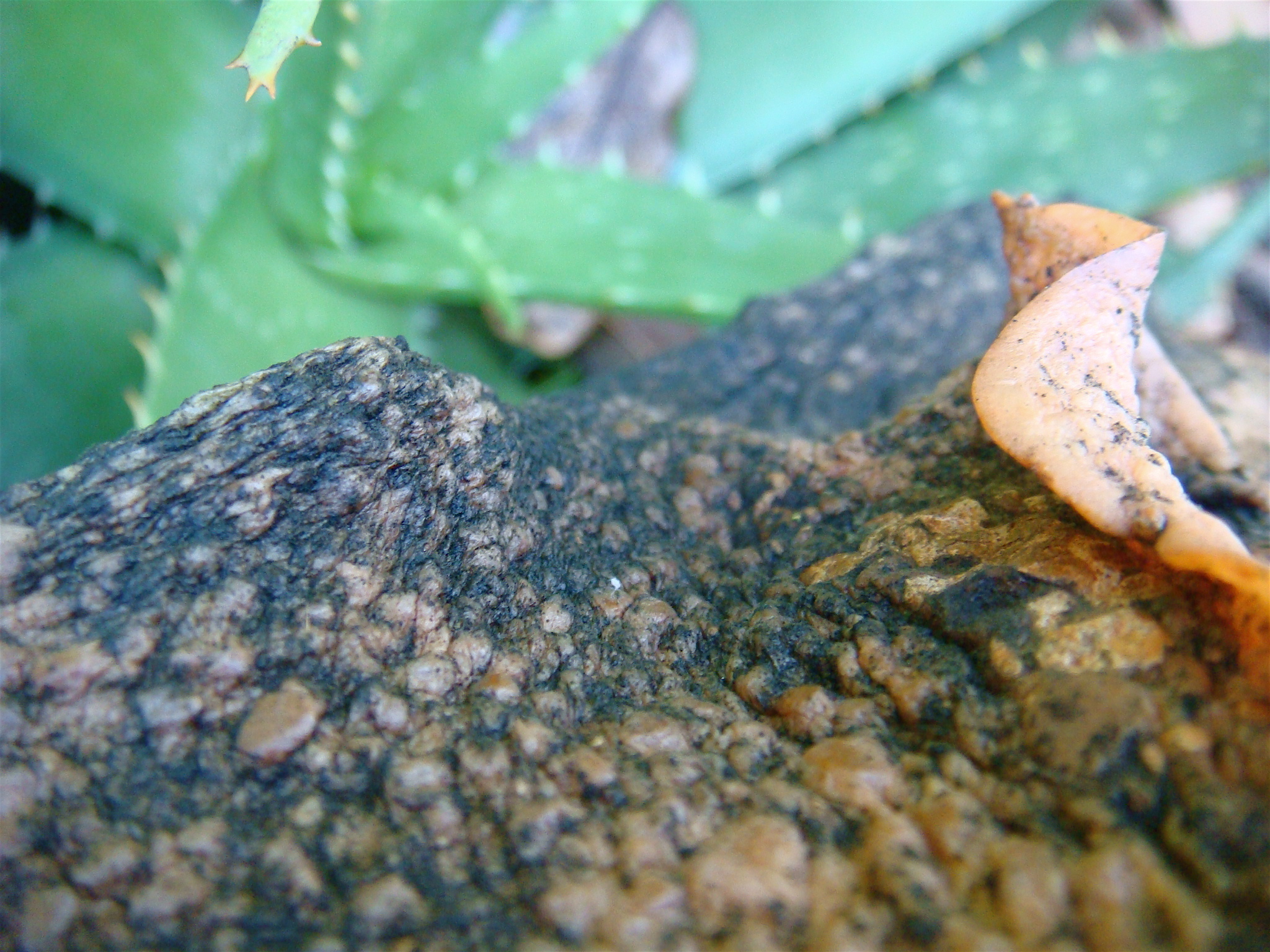 Ewww! Ewww! And a rather exaggerated lateral knee motion.
If you want to find out what plant this nasty, curled abomination originated from, you can find the answer hiding in here… http://www.eastsidepatch.com/visual-comparativies/ I think you will be quite surprised. I promise, no more images of this.
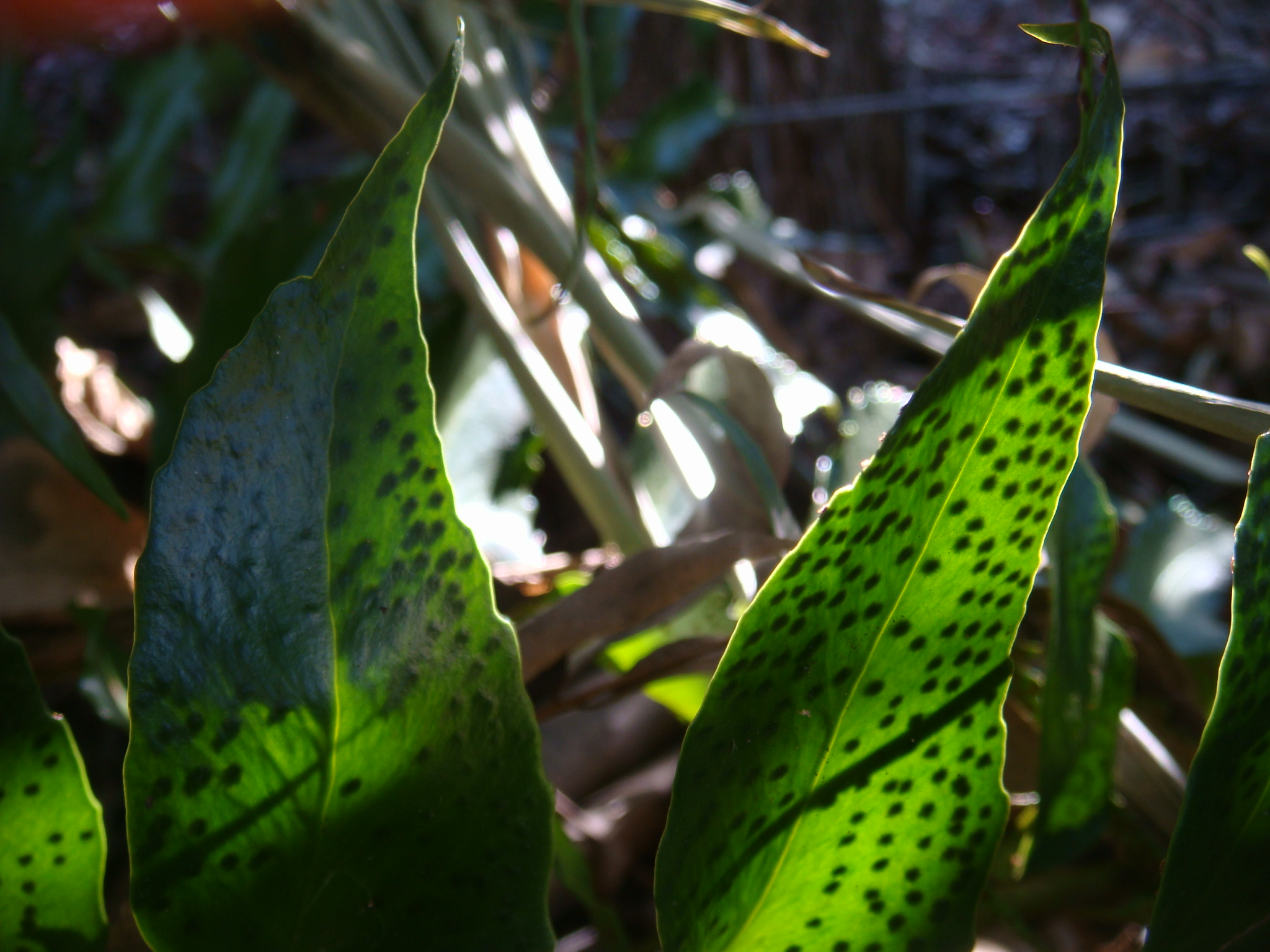
I was quite surprised at the details on this holly fern.

Cyrtomium falcatum
I think it may have contracted the plant equivalent of the measles. I turned over the leaf to inspect the pox further.
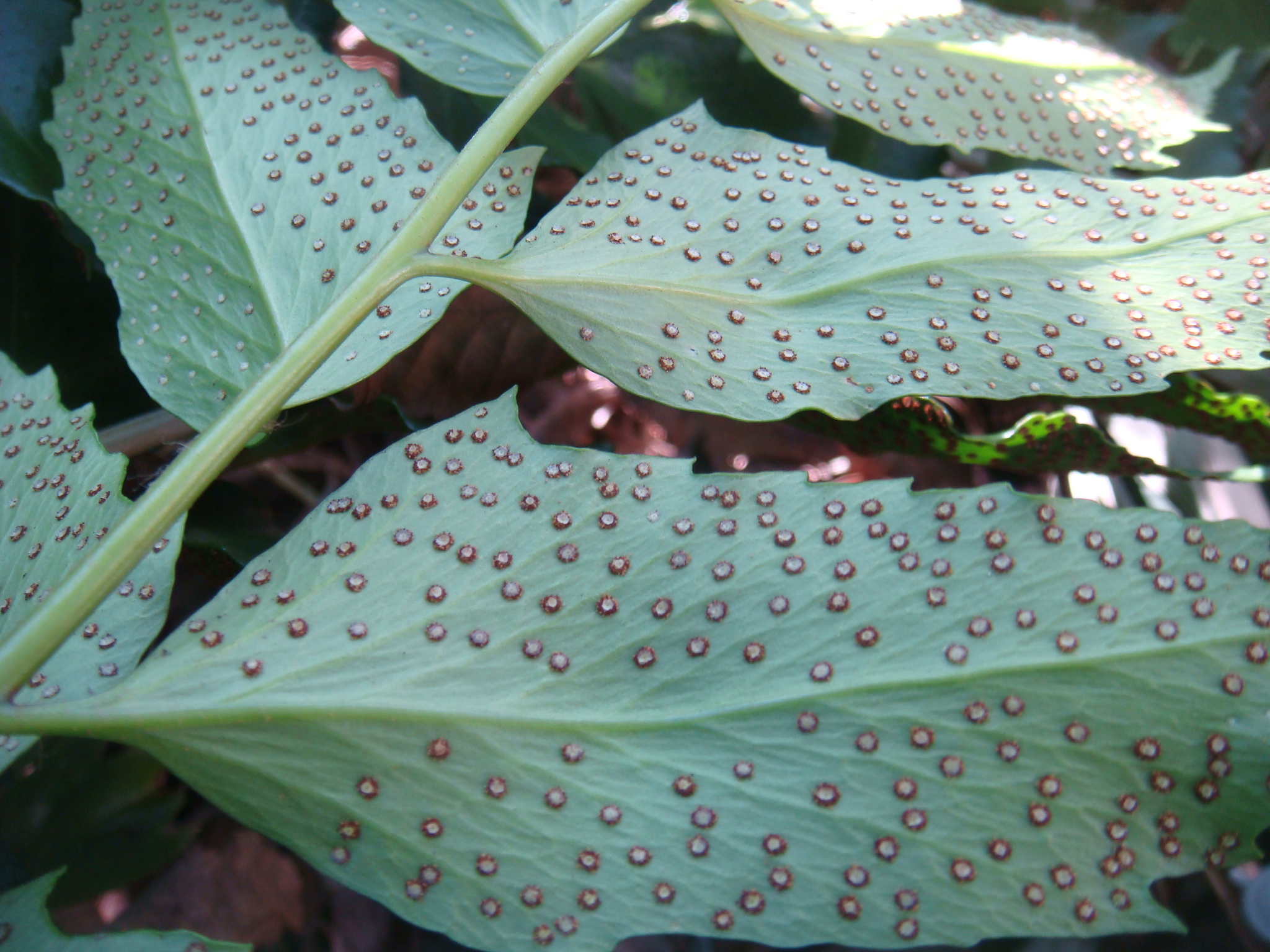
The leaves on the holly fern are very glossy with a leathery texture, waxy on the surface and lighter colored beneath. I was shocked to see the extent of the infestation.

NERD ALERT…NERD ALERT…
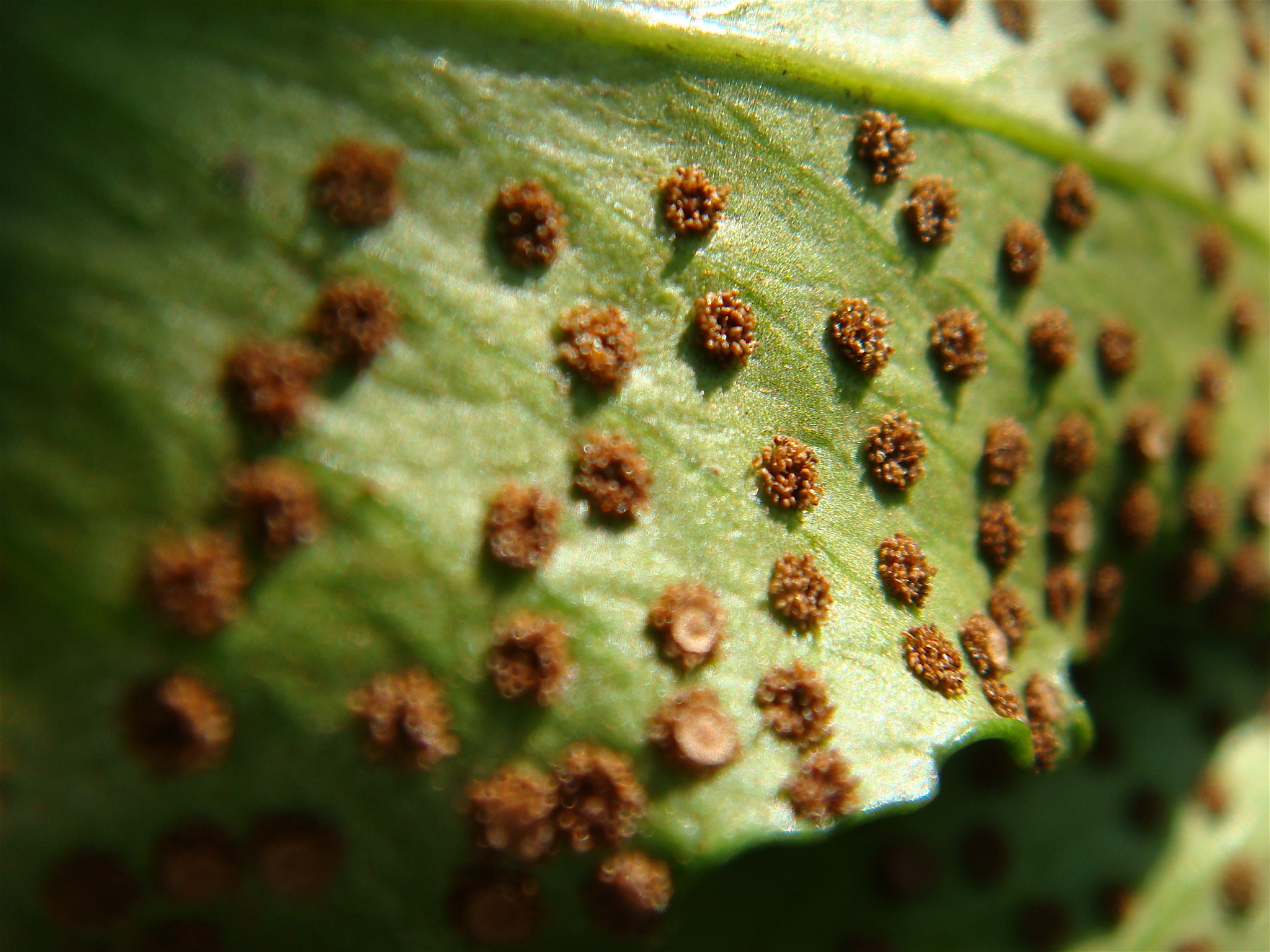
The closer macro inspection of the underside of the leaves revealed that the pox were actually the geometric reproductive spores of the plant. Remarkable. If you want to grow a few hundred holly ferns like I am about to attempt, this is what you do… collect the ripe spores on a piece of paper placed under spore bearing leaves. (Adjusts glasses). You can see a couple of spores on this leaf have already dropped off. Sow spores on damp peat moss in late winter. (they germinate best at a temperature of 68-70 degrees) this is going to be tough to achieve in my drafty “galleon ship” of a house (insert nerdy snort)!
The peat moss should be kept constantly moist and covered with glass or plastic. Once new plants are large enough to handle they can be transplanted into individual containers.
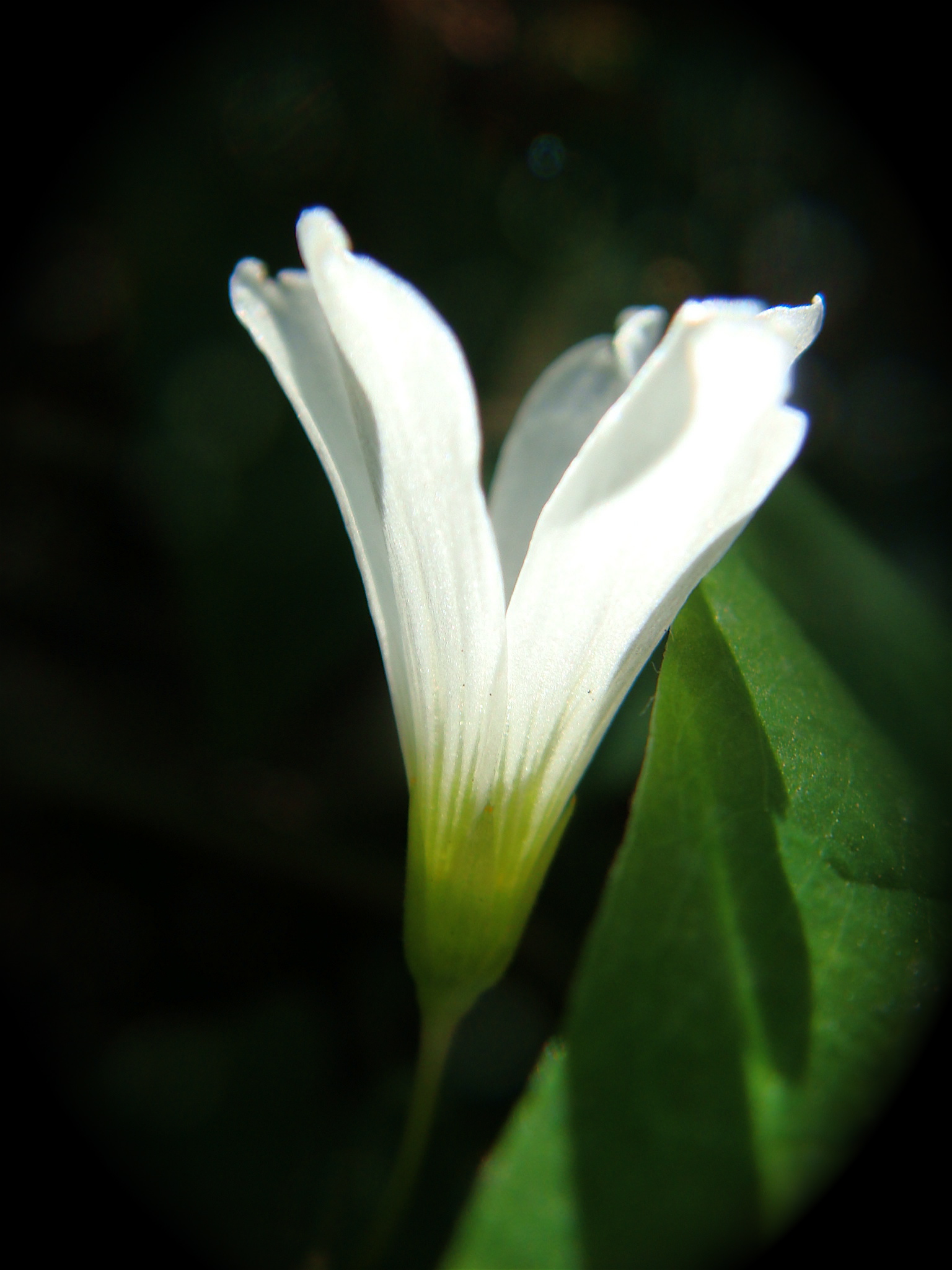
Staying in the same shady bed as the holly fern, my White Wood Sorrel is still putting out it’s ghostly blooms.
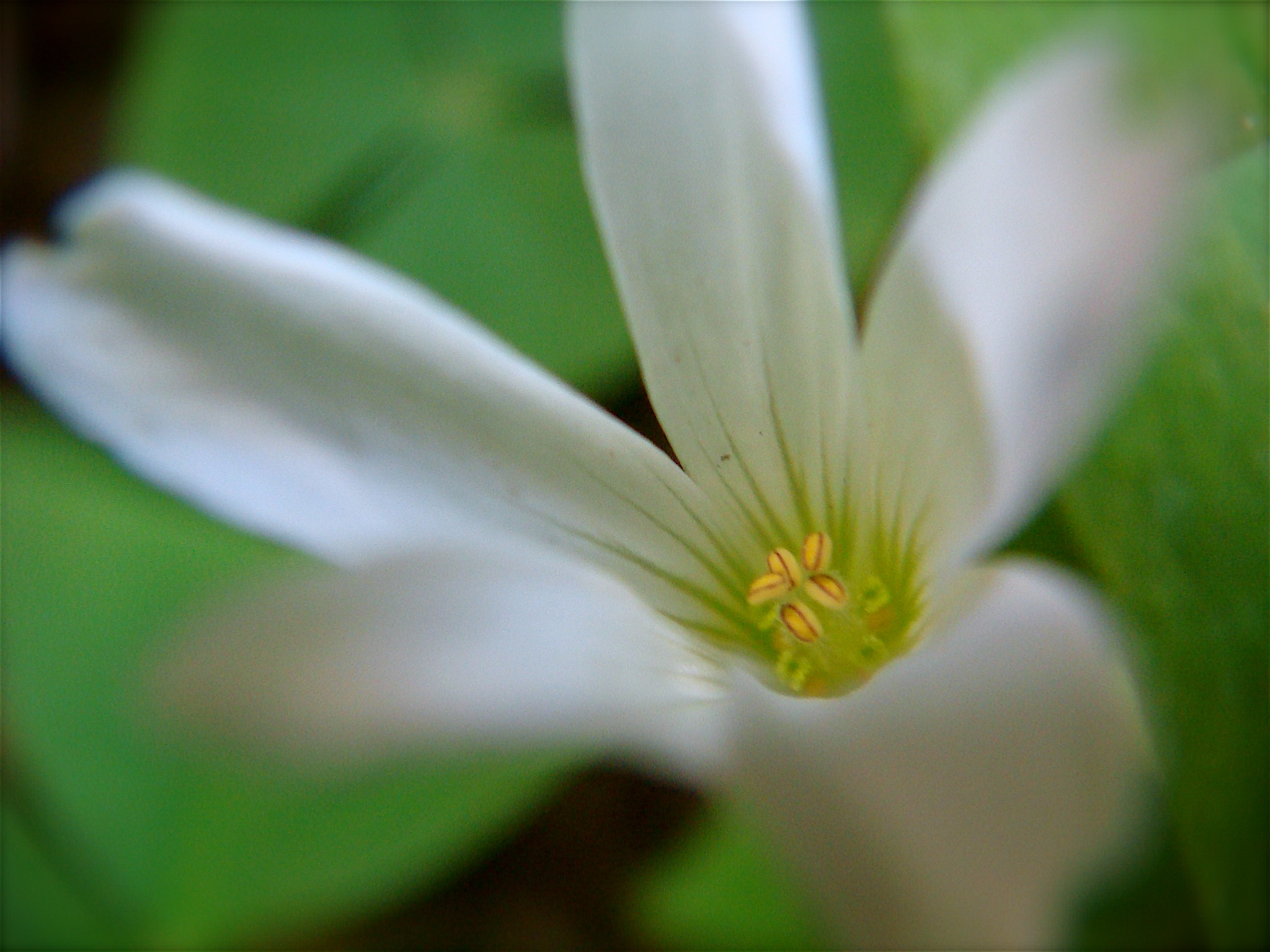
My Sorrels always have a growth spurt after I chop down all the Hoja Santa that usually cover them, they appreciate the little extra light.
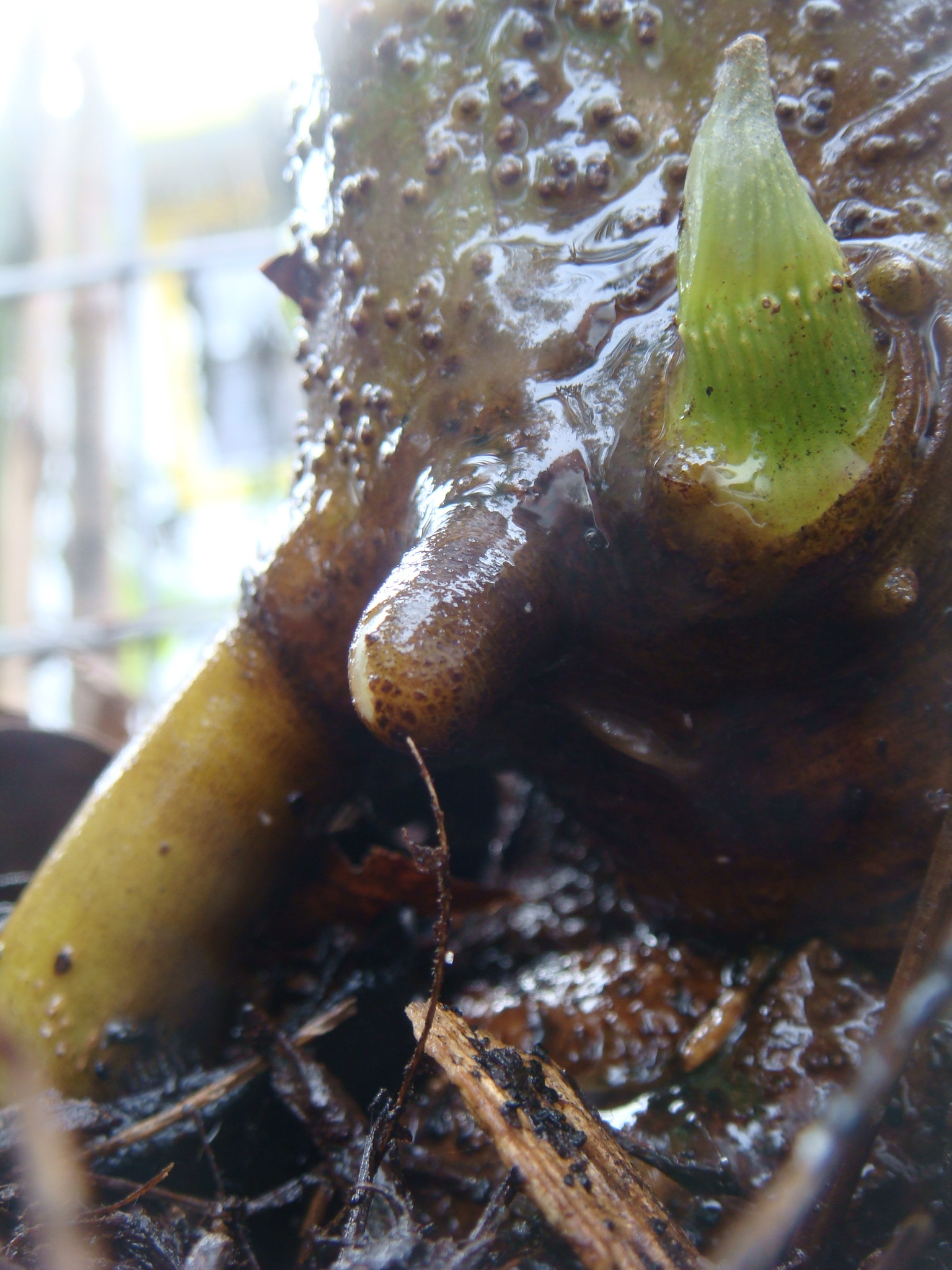
Here is one of my hacked-back Hoja Santa plants, it is already trying to throw up new shoots, very primordial.
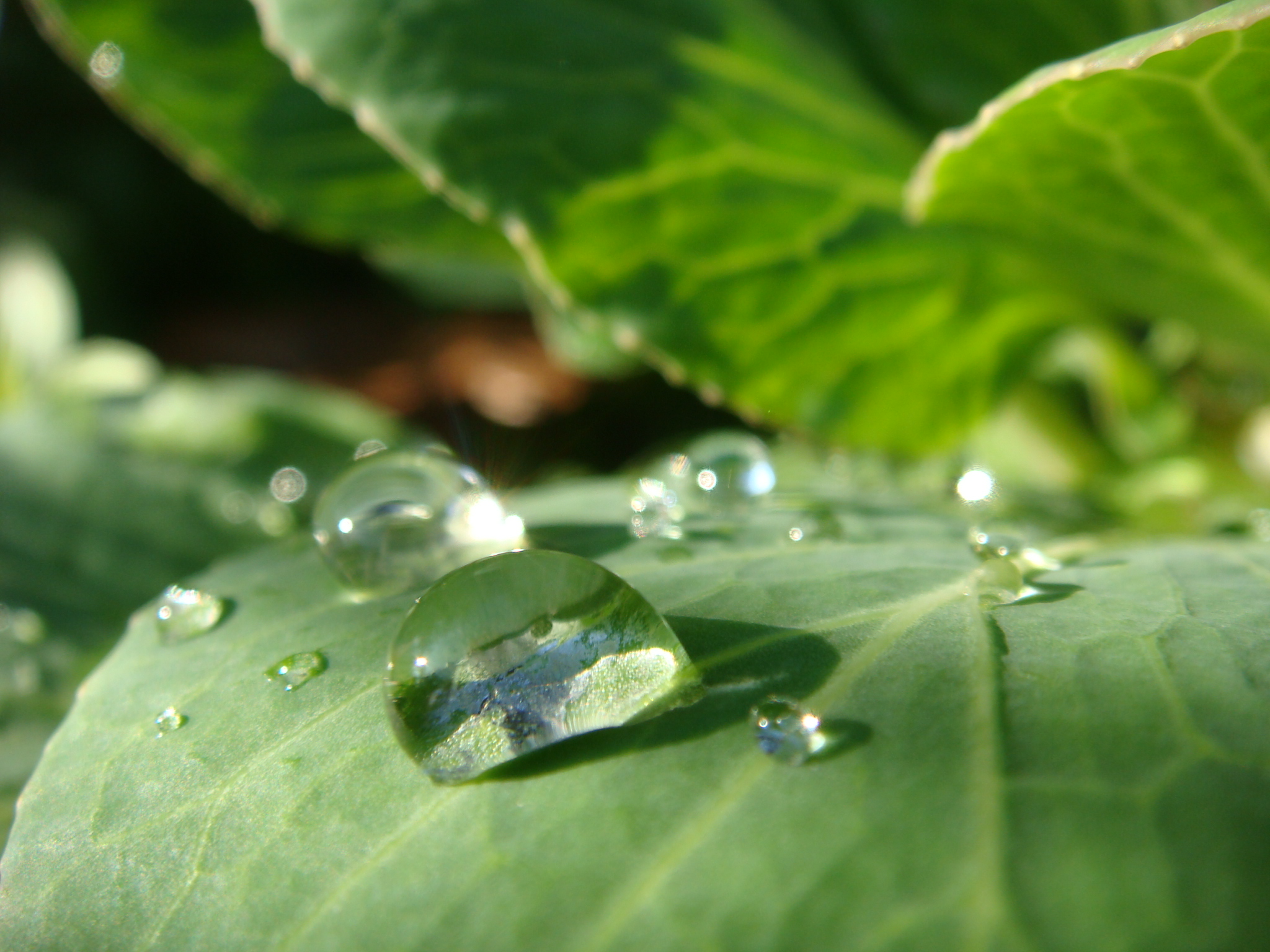 This kale was a freebie from the Natural Gardener. It was handed to my eldest hobbit who proceeded to take it home and plant it in my raised herb and pepper stock-tank with her tiny trowel. When our recent cold snap came she saw me shaking my head here, muttering obscenities over there, as I assessed the damage in the Patch, then she remembered her kale. Her face got serious then it had a look of deep concern as she made her way over to the stock-tank, eagerly peering over the edge.
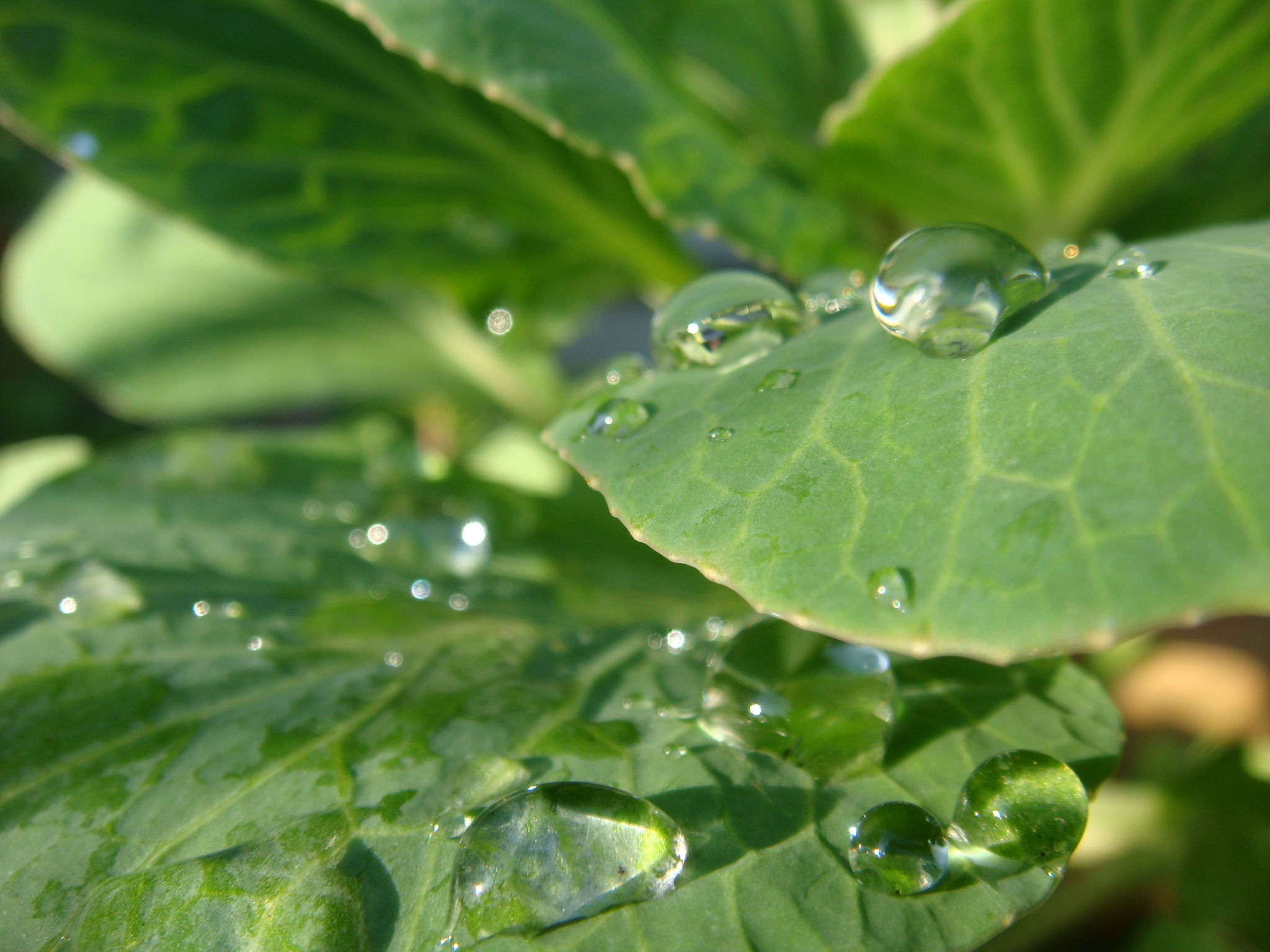
Naturally the kale was loving the cold weather, there was a squeal of delight as she saw the plant had jumped in size. I saw these rain drops sticking to it and rather predictably started to photograph them to the background rap of “can we eat it yet?…can we eat it yet, Daddy, Can we eat it yet? (repeat 7.5 times), I even started to do some really bad Ali G “mouth” percussion to accompany the monologue just to keep me sane as I took these pictures!
The poor Botox Lady was getting “consumed” by this ice plant. I heard her from inside the house (as, I am sure the whole neighborhood did,) her absurd Austrian accent screaming out into the night air…

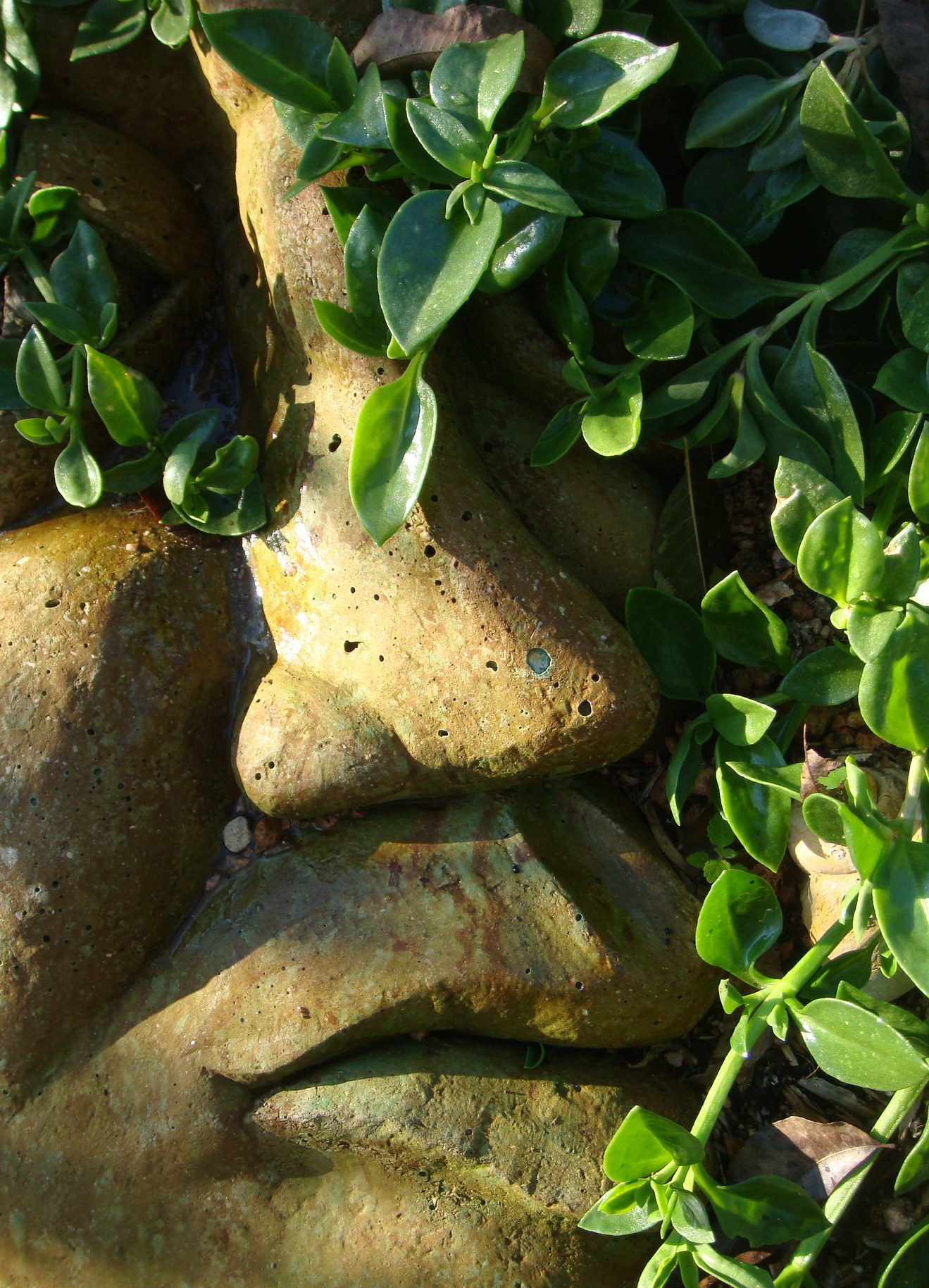
“Get it out of mine eyes! ESP, Get zit out, I can’t see”! mutter, mutter, mutter…ESP!
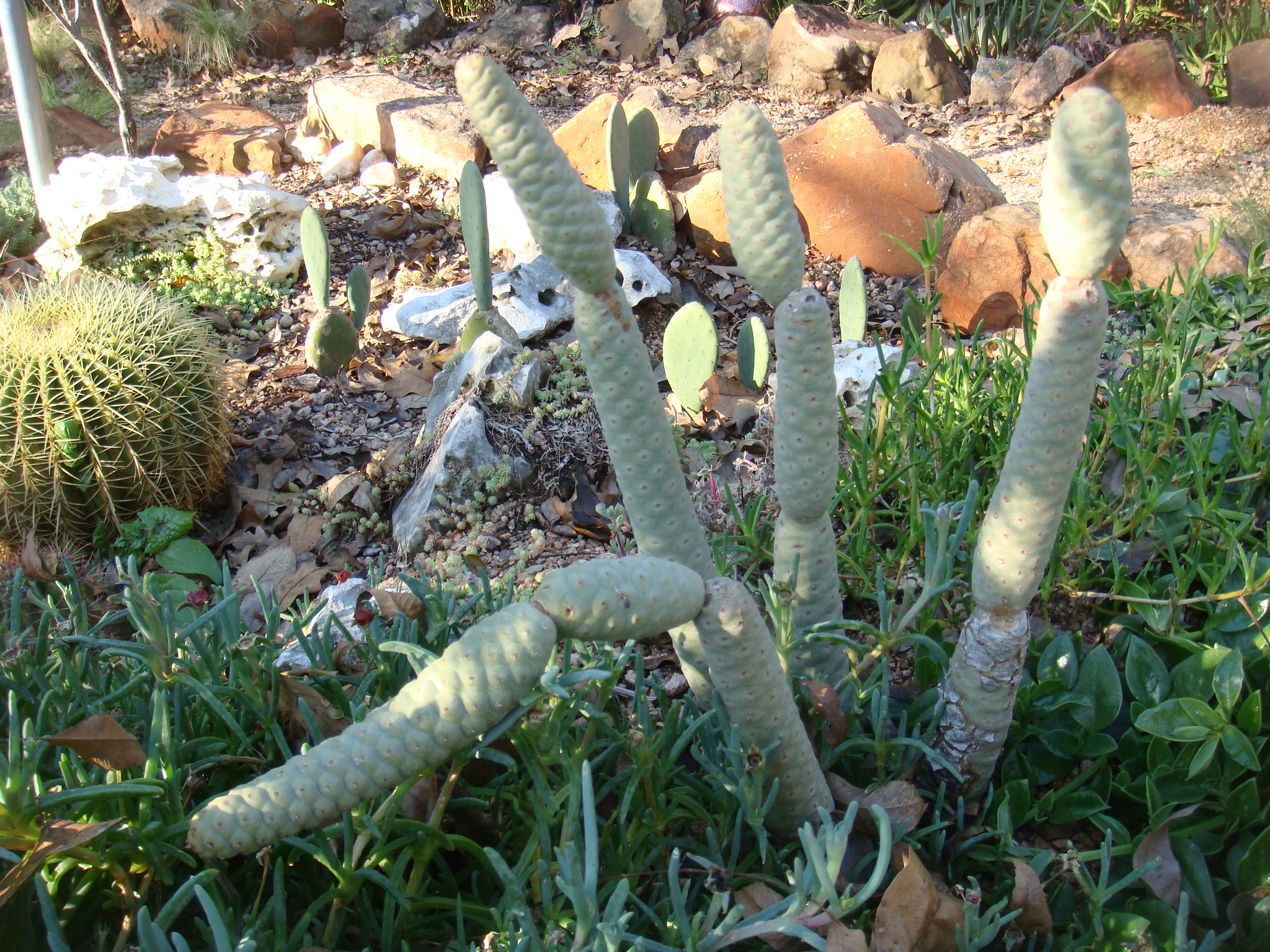 “Jimmy four fingers” … An arthritic rogue finger on my pine cone cactus demanded my attention this week, it tried to pinch my car-keys from my pocket as I tried to alleviate the eye suffering of the Botox Lady with my pruners. It was time to chop off some knuckles in an attempt to grow some more “fingers” in different parts of the Patch.

A nasty gangster affair, granted, but a necessity. I had no choice but to send a message to the rest of the finger-cones.
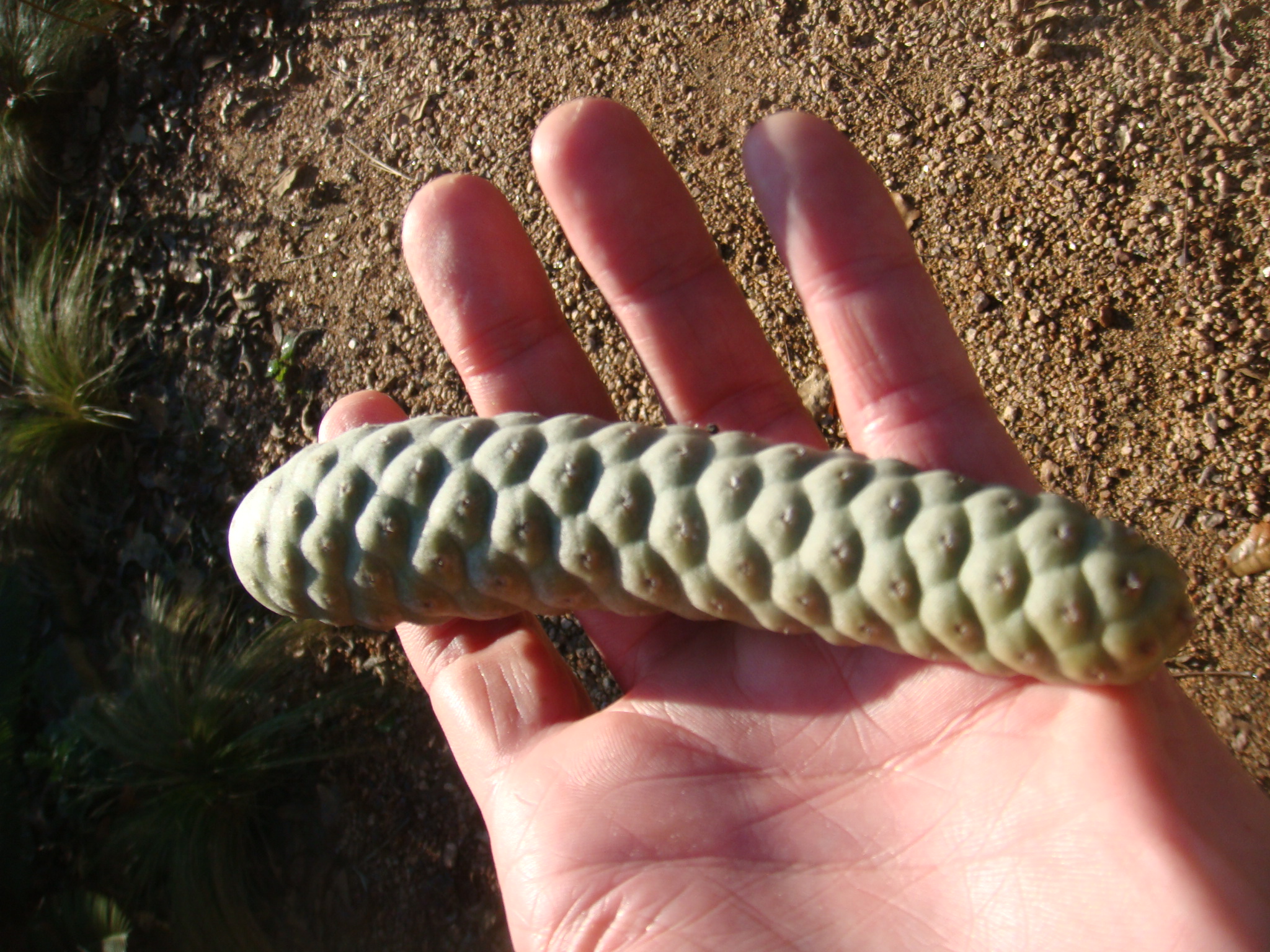 Here is the first knuckle that I snapped off…the cactus screamed at the loss of one of it’s core digits, like I remotely cared…wait! where is my thumb?
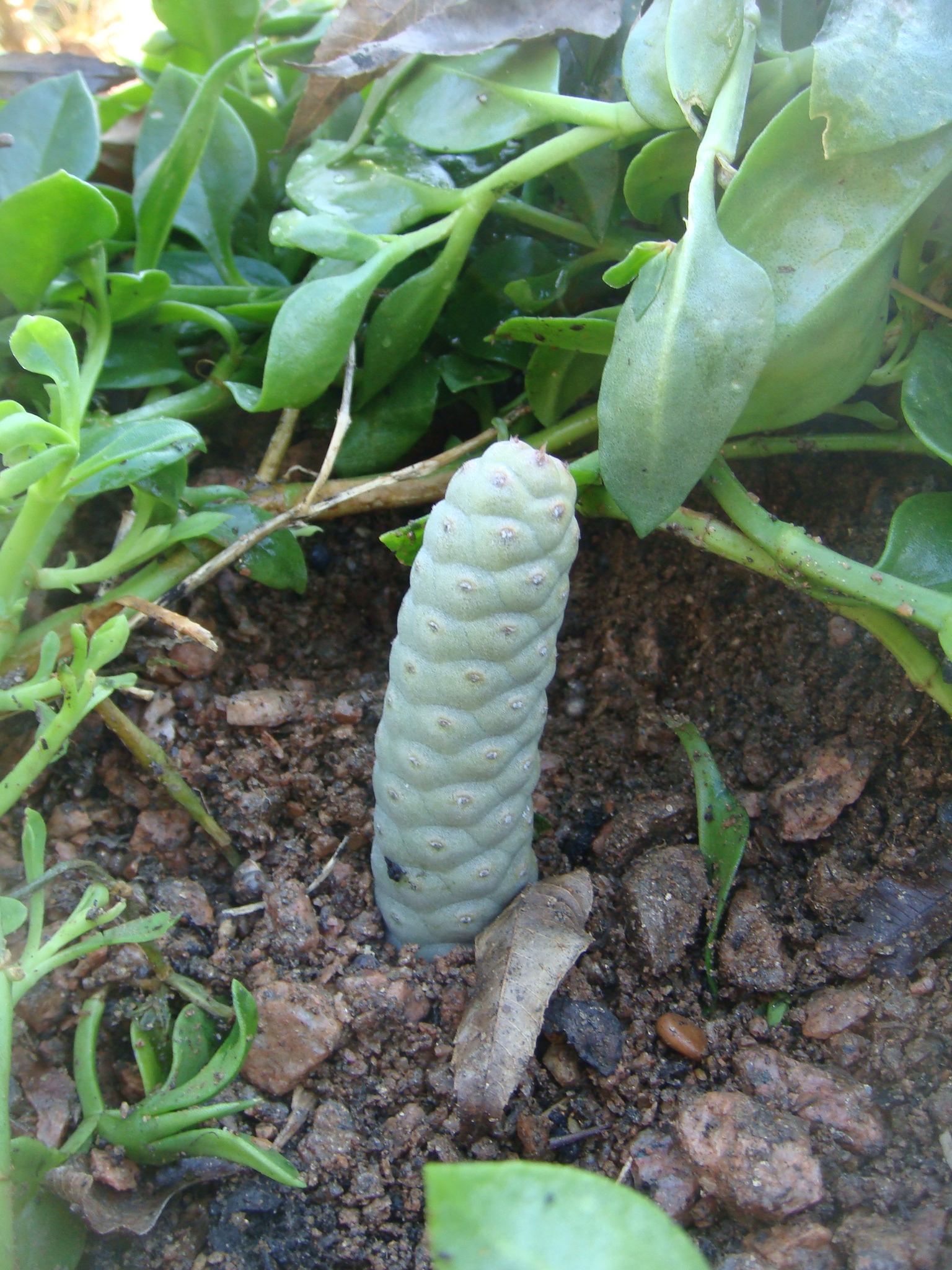
here it is re-planted in my middle succulent and cactus bed. “Fingers” (ahem) crossed, it will sprout roots and grow.
Noticed This Week…
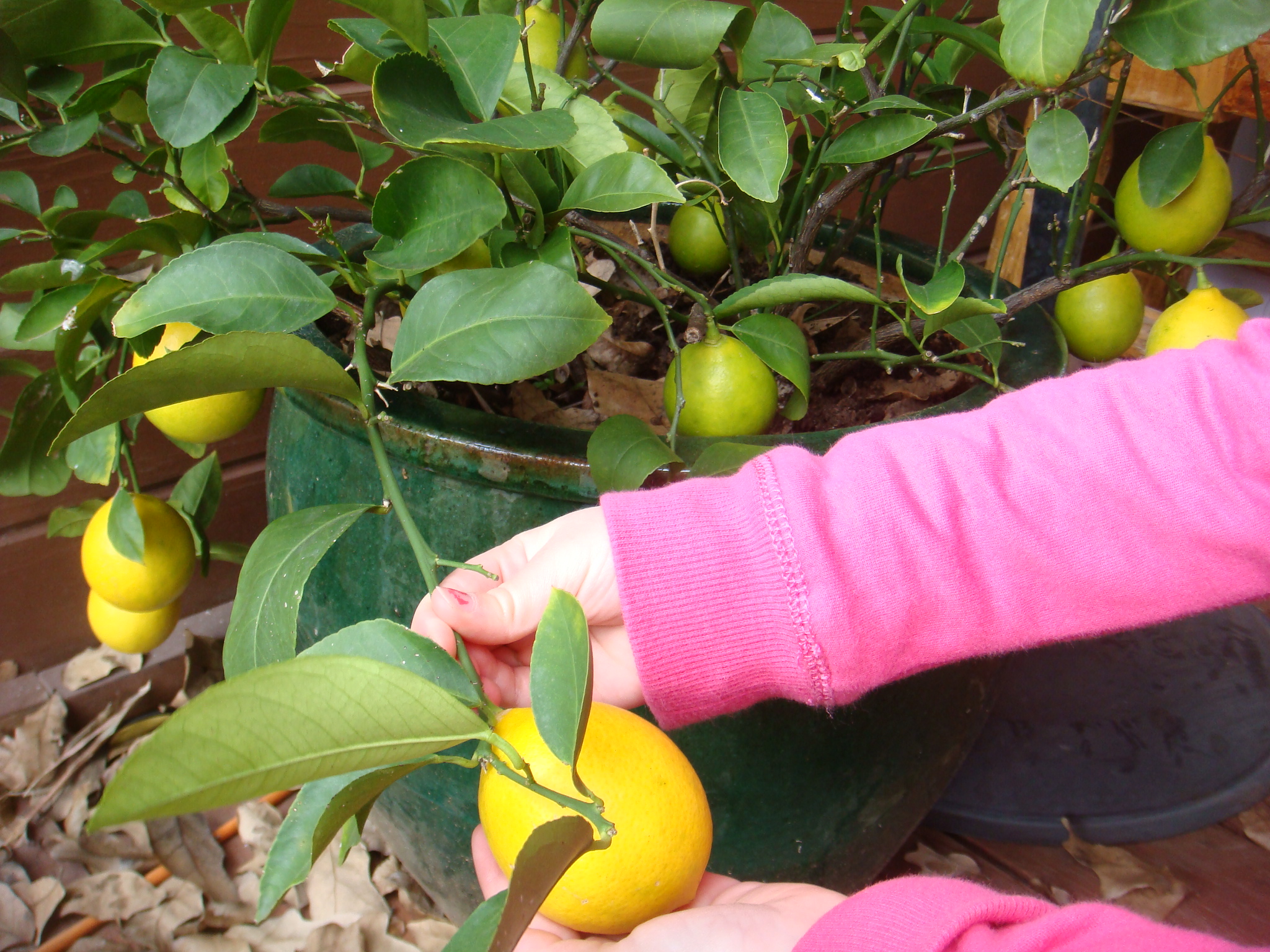
Meyer Lemons, almost ready for the picking.
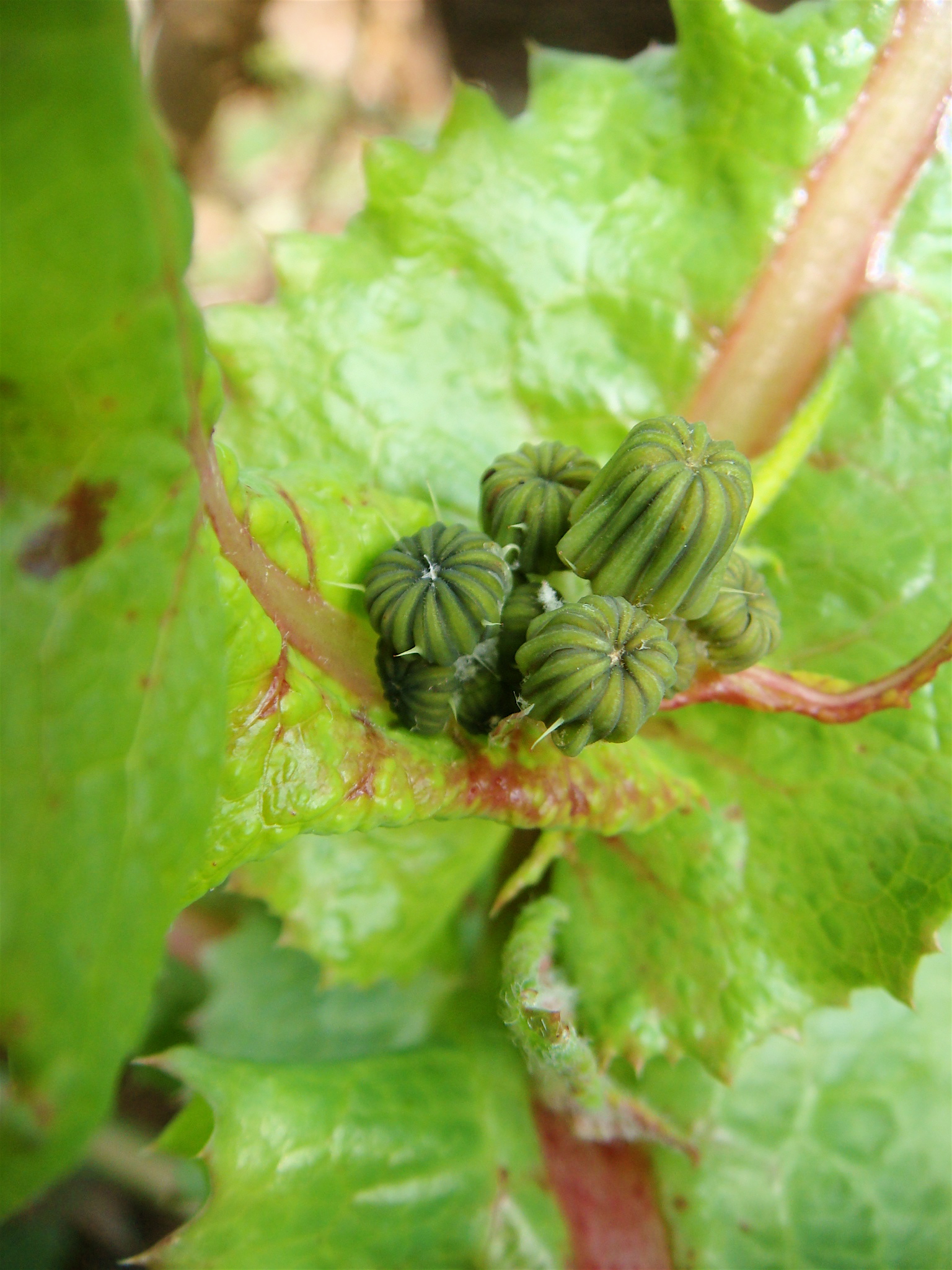
I have pulled so many dandelions this year, what odd plants they are, annoying, but quite odd.
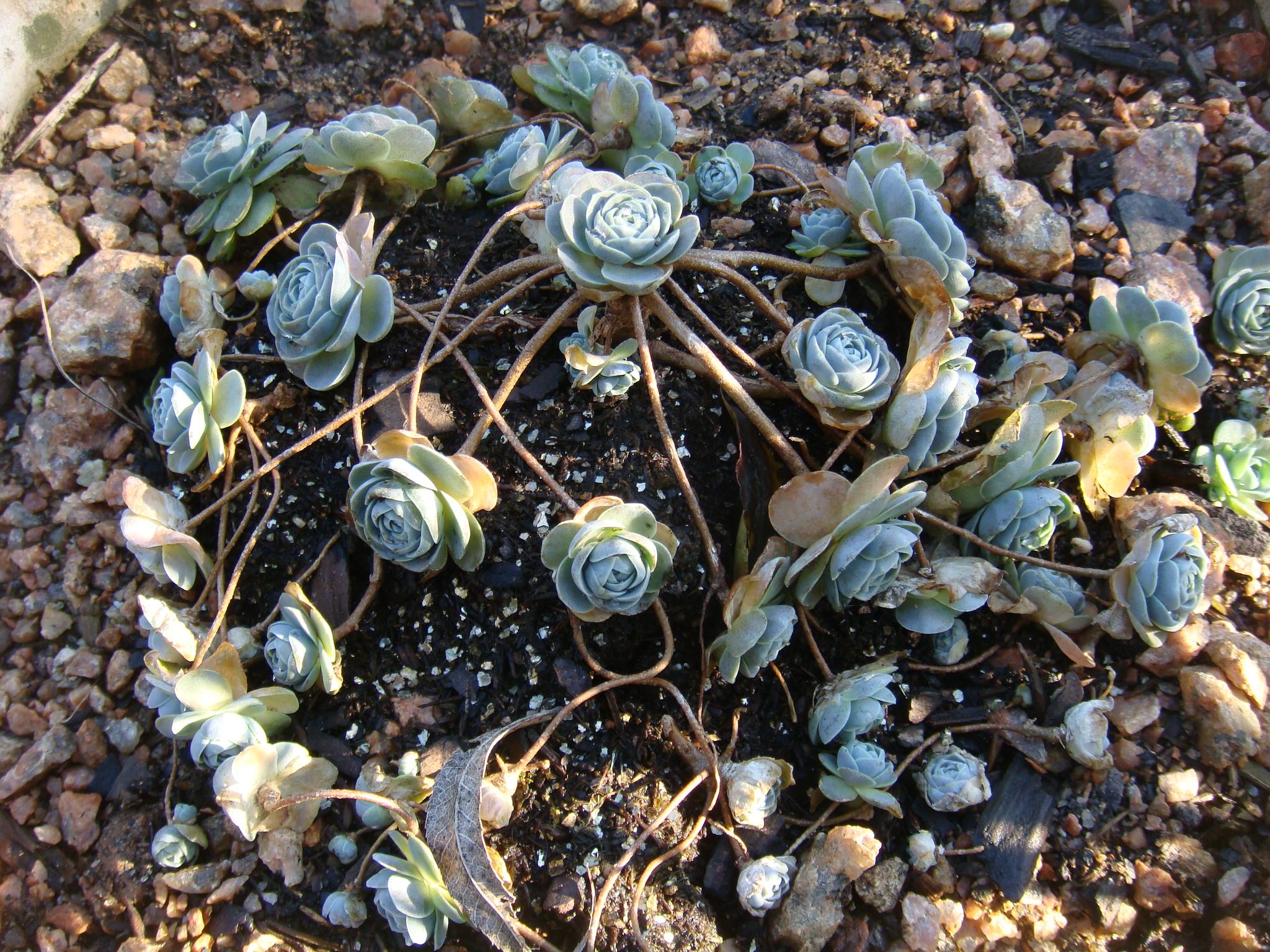
Another odd-ball is this tiny succulent, it looks like some Ice-Queen’s headdress.

“Call that a headdress”?
Or perhaps not!
Inspirational images of the week, another modern Hobbit hole…

Great Building in Switzerland by Dutch architectural studio in cooperation with SeARCH Studio Christian Muller Architects.

I can see why you would need the fence around the top of it, staggering home with a take-out Christmas curry or a doner kebab from a local alpine lodge could be a little… errr… lethal?

“Merry Christmas!”
From us all here in the East Side Patch!
Stay Tuned for:
“Milk, Cookies and Spells”
All material © 2009 for eastsidepatch. Unauthorized
intergalactic reproduction strictly prohibited, and
punishable by late (and extremely unpleasant)
14th century planet Earth techniques.