Vegetables


ornamental_grasses
Remember the earth that I excavated to create the cactus and succulent bed?

Well, I mounded and sculpted a small hill from it down the left side of the garden, and planted three pampas grasses on top, you can barely see this hill now (the Pampas almost totally cover it, they are good at this!). The elevation of these grasses make the plants look even more enormous than they already are and creates a really dramatic effect especially when they are back lit from a setting sun.

A lot of people cut this grass back like other ornamental grasses in the Winter – I used to, but now I just get in there with my bio-hazard suit on and just pull the old dead growth out – it does just fine and retains its’ stature and blooms for interest through our cold winter months.

I learned a lesson trying to trim one of these monsters back – never purchase battery operated “anythings” for use in the garden!  They just don’t “cut it”…even a local pawn shop refused to take my battery powered shears when I wanted to get rid of them!

ornamental_grasses

Hay bales make great foot tables, and when it turns sour and old it makes great compost.

Canna Bloom.

Other show-offs right now:

Ornamental Kale’s and Cabbages are finally finished – they seemed to last forever this year. The heart of this one looks like coral.


And this one was infested with Harlequin Beetles! – great looking but very destructive, this one went straight into the trash. Interestingly the little blighters left the purple cabbages well alone.


Mmm…peppers


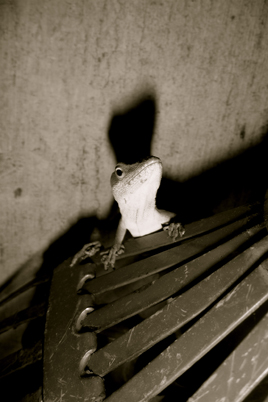
This was one lumpy green Anole! another Notre Dame contestant.

Found in Southeastern USA, Cuba, Jamaica, and other Caribbean islands, only the green anole is native to the U.S.


Stay Tuned for:

“The Microcosmic Garden”


All material © 2013 for eastsidepatch. Unauthorized
intergalactic reproduction strictly prohibited, and
punishable by late (and extremely unpleasant)
14th century planet Earth techniques.

I am convinced that I have the most depressed and unhealthy tomatoes in Austin, Texas right now , look at them, I can’t!


Potted and surrounded by straw to moderate container temperatures, I had high hopes this year! . . Whoops!

I hear them groaning as I inch past them on my way down the garden to feed my fish, and then they splutter and cough on my way back. I do not like to look at them, but their grotesque form somehow beckons me to sneak a sideways peek – arrgh – they should be in a side-show at the state fair….or, if they had tiny legs, climbing up the bell tower of Notredame. In all fairness it is me who “created” these edible monstrosities.  I now feel obliged to occasionally apply topical seaweed for medicinal purposes, to try to ease their insufferable pain.

It doesn’t seem to be helping.

What I really want to do is rip them from their pots and throw their own mealy fruit back at them, whilst laughing insanely – but that would be cruel. No, they will be out there moaning and sniffing until the very last fruit ripens and is picked by tiny hands, then it will be straight into the trash with them all.

I will try again next year, I always do.

This is how healthy they looked when they were growing only a few weeks earlier:


Everything was just fine for a while – good fruit set – healthy foliage, this was going to be my year.

I think the combination of early blight, poor selection, aliens and erratic moisture conditions formed the basis for this years hideous display. Next year I plan to spread the risk and purchase a whole variety of different cultivators to see which ones do best . . . suggestions welcome!

Growing well right now:


Palm Grass [Curculigo capitulata]

This Palm Grass is 3 to 4ft tall, leaves are six inches wide with parallel groves running the entire length of the leaf. The leaves of this grass are often used in flower arrangements. I cut off most of the seed heads when they form late Summer as this plant has an amazing propensity to self seed if this practice is not instigated.

Fantastic tropical form, mine get to 6ft in diameter by the end of the summer.

I would plant more if I had the space, this one is 3yrs old.


Swallowtail caterpillars on a line of fennel I always plant just for their own personal, annual banquet.

Swallowtail caterpillars eat plants in the Umbellifer family.  This includes parsley, dill, fennel, even carrots (the green tops).  Swallowtails have a ‘scent horn’ that sticks out of their head when disturbed, something I have always wanted myself after a good night out. The chrysalis will be either green or brown, depending on the conditions where it pupates. Big fat caterpillars, straight out of a story book, can you have too many?

Stay Tuned for:

“My Compost Pile Burped At Me”


All material © 2008 for eastsidepatch. Unauthorized
intergalactic reproduction strictly prohibited, and
punishable by late (and extremely unpleasant)
14th century planet Earth techniques.

1 2 9 10 11 12