The sun…the heat index…the humidity, the drought, the dryness, the incessant moaning. It is tough in Texas this time of the year and we are only now entering our hottest month.
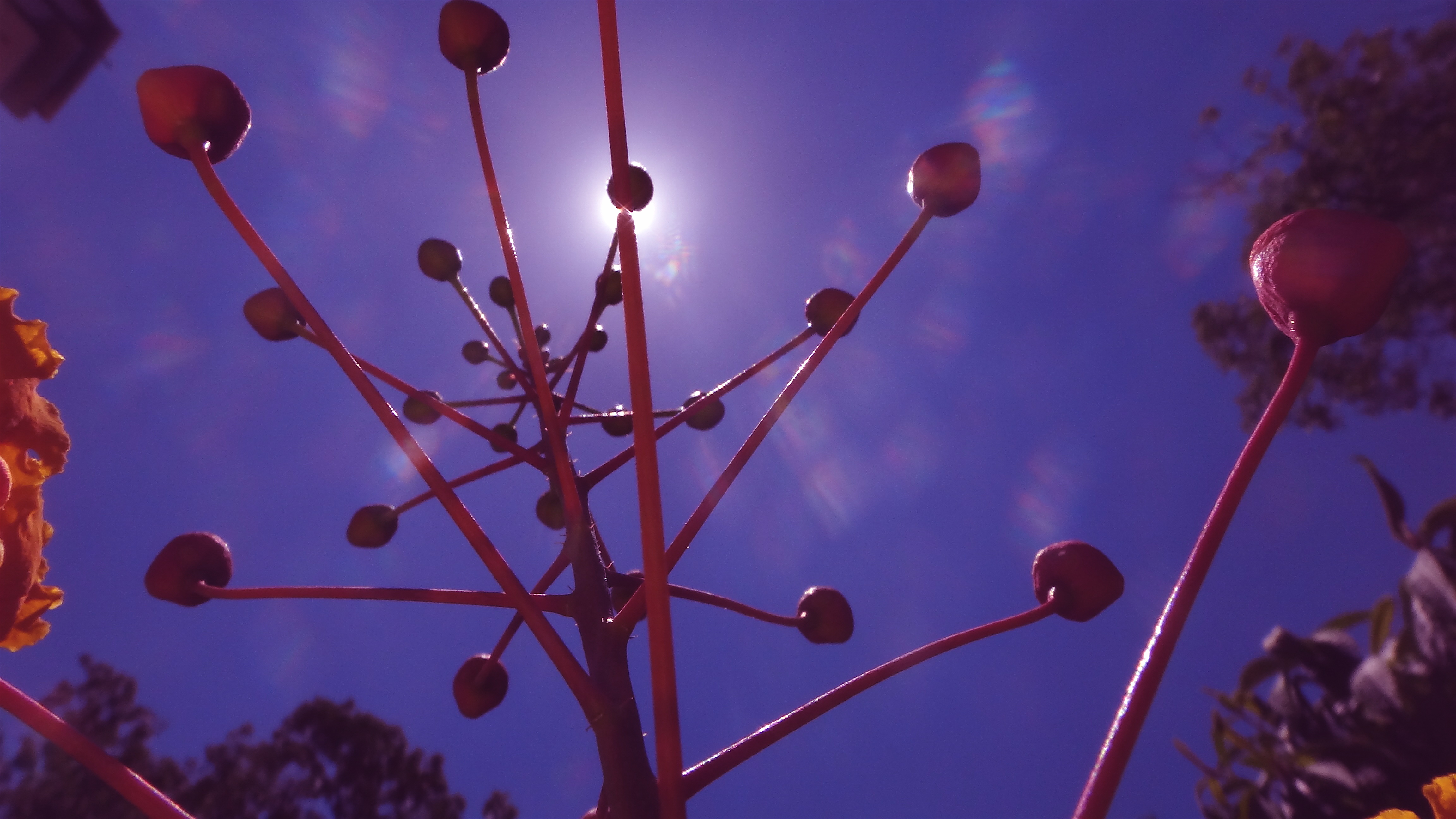
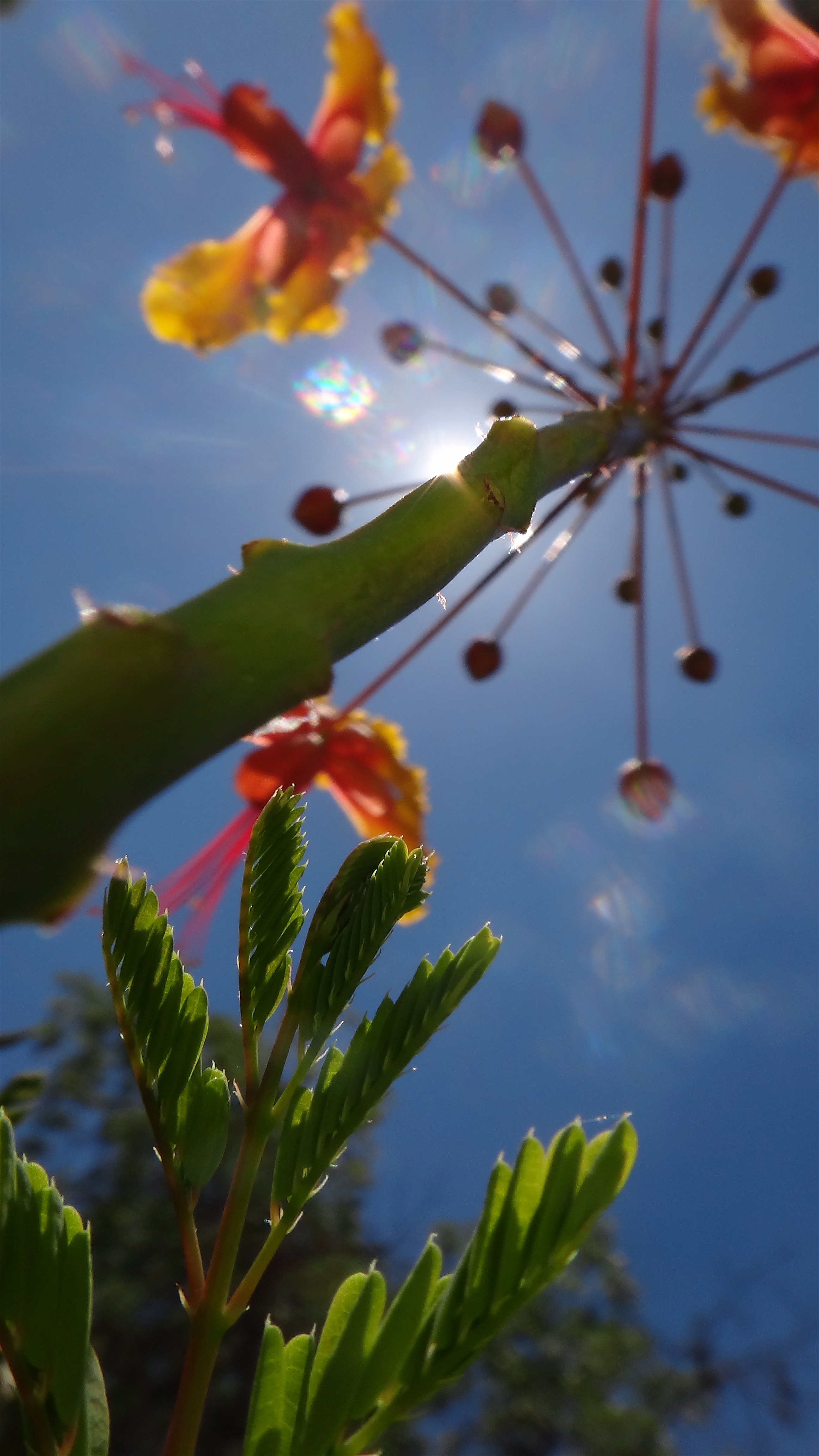
This Barbados beanstalk created a welcome brief eclipse.
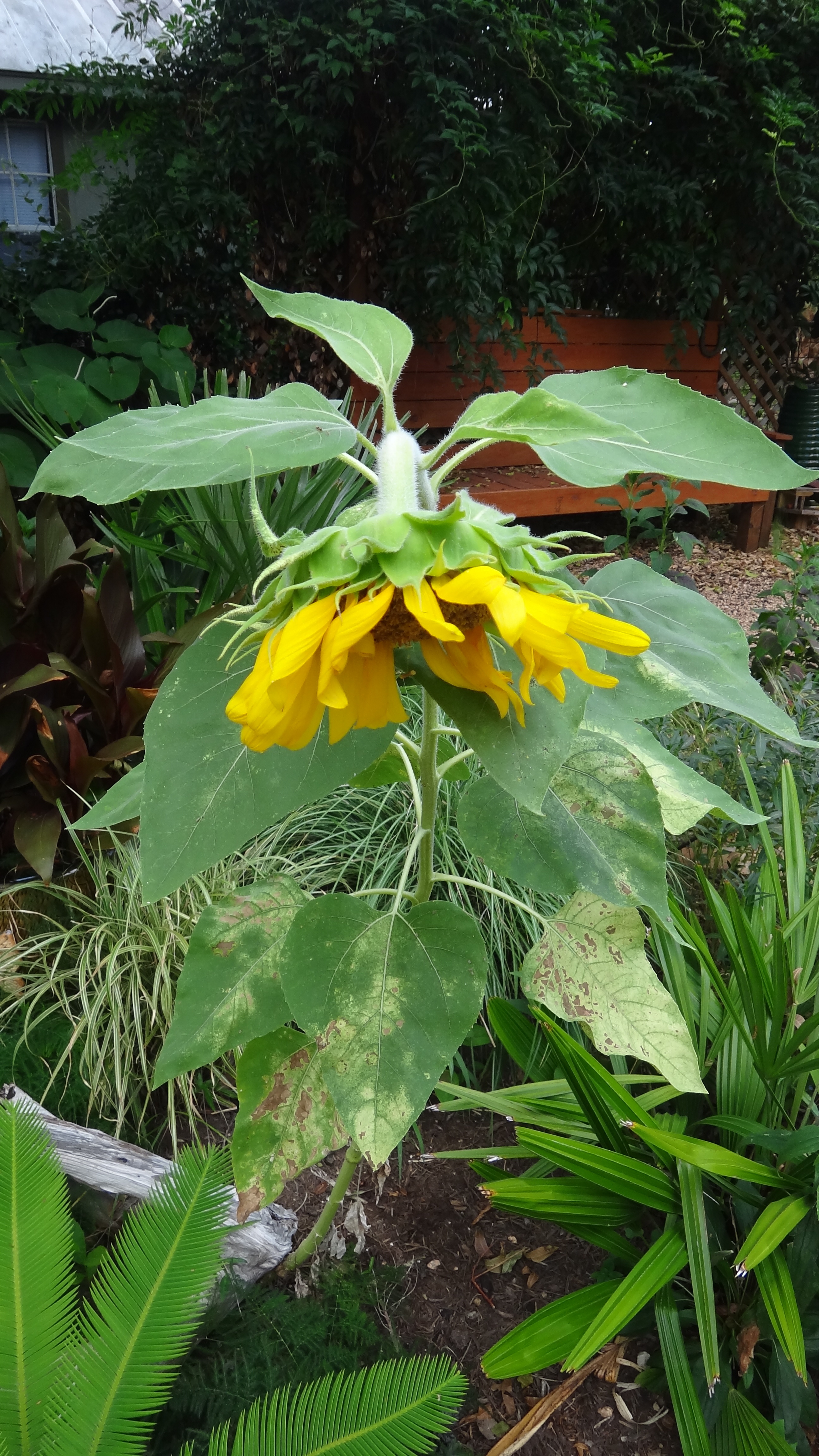
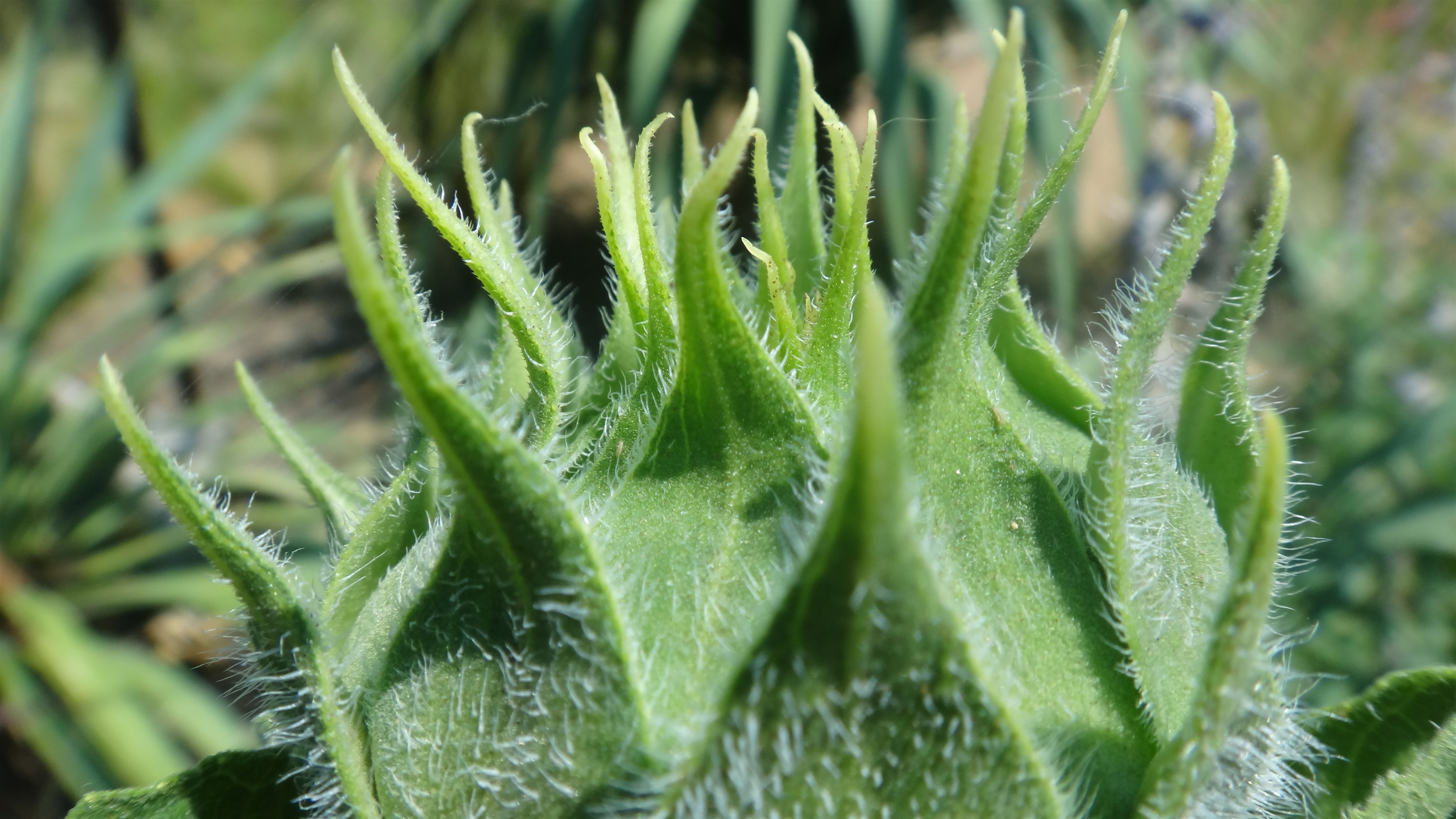
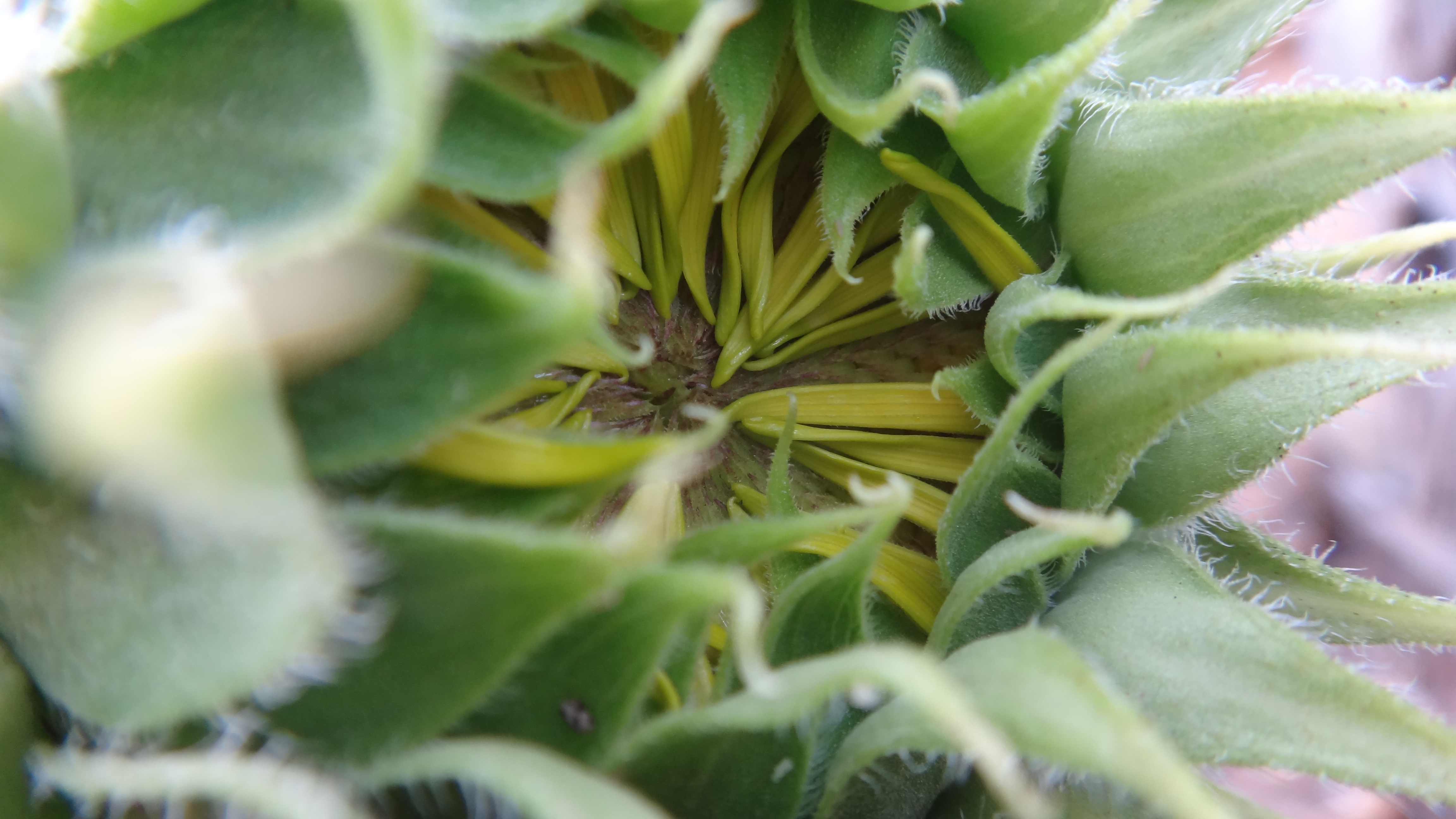
Even this sun flower seems to have given up, dropping its head in the wake of yet another three-digit day.
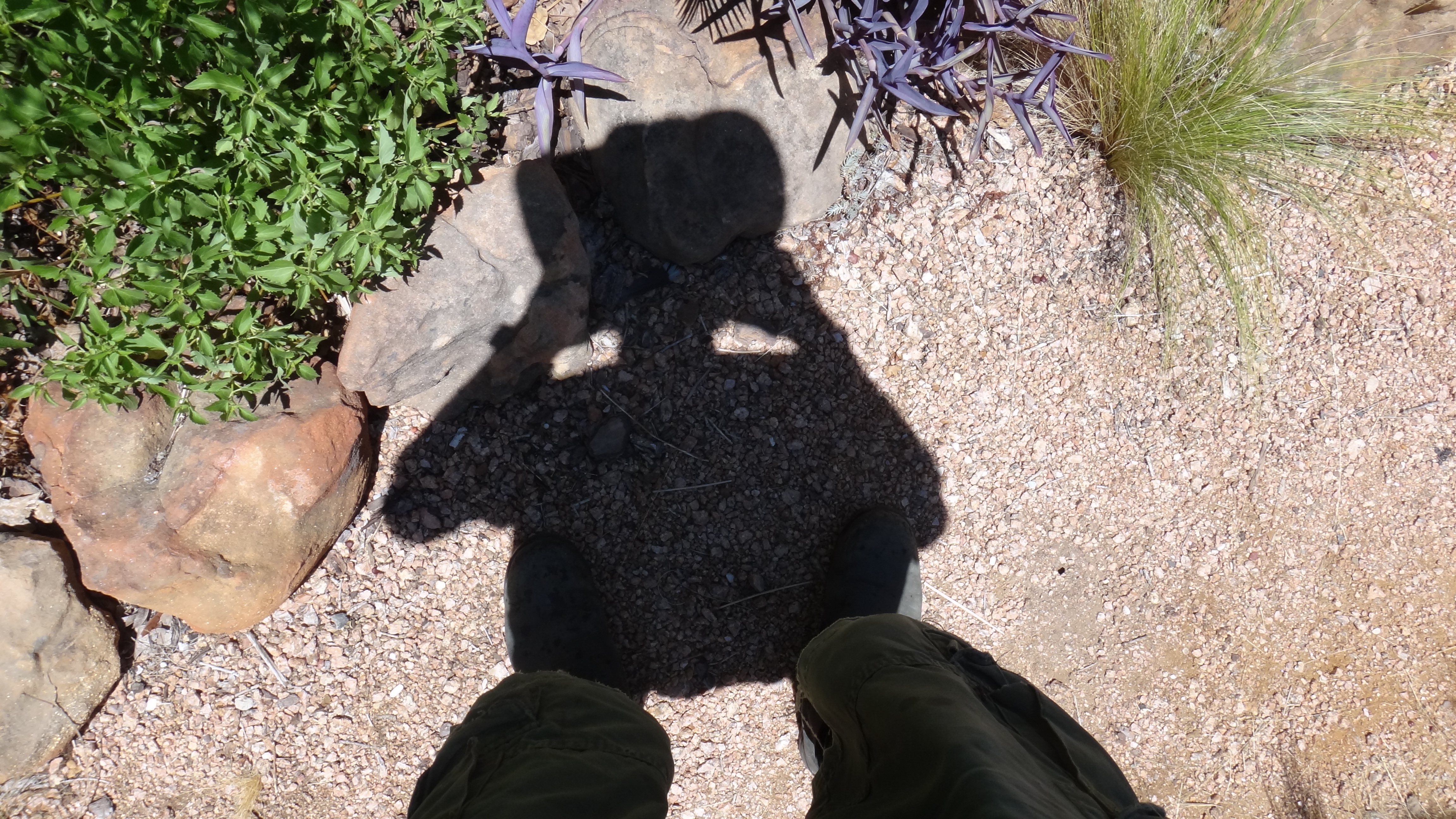
And what do I do when the air feels like a blow torch and the heat becomes intolerable?

Hmm, not quite.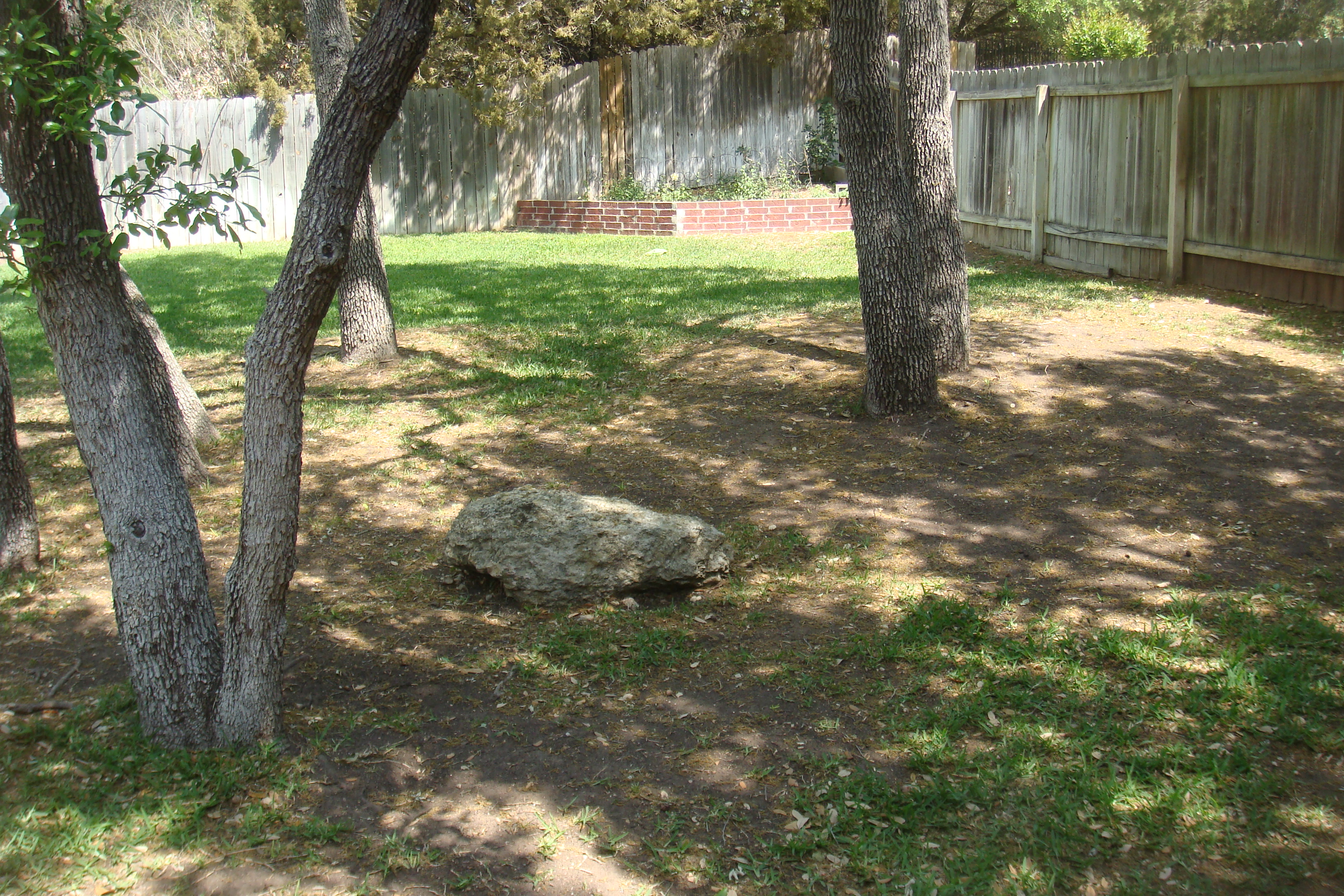
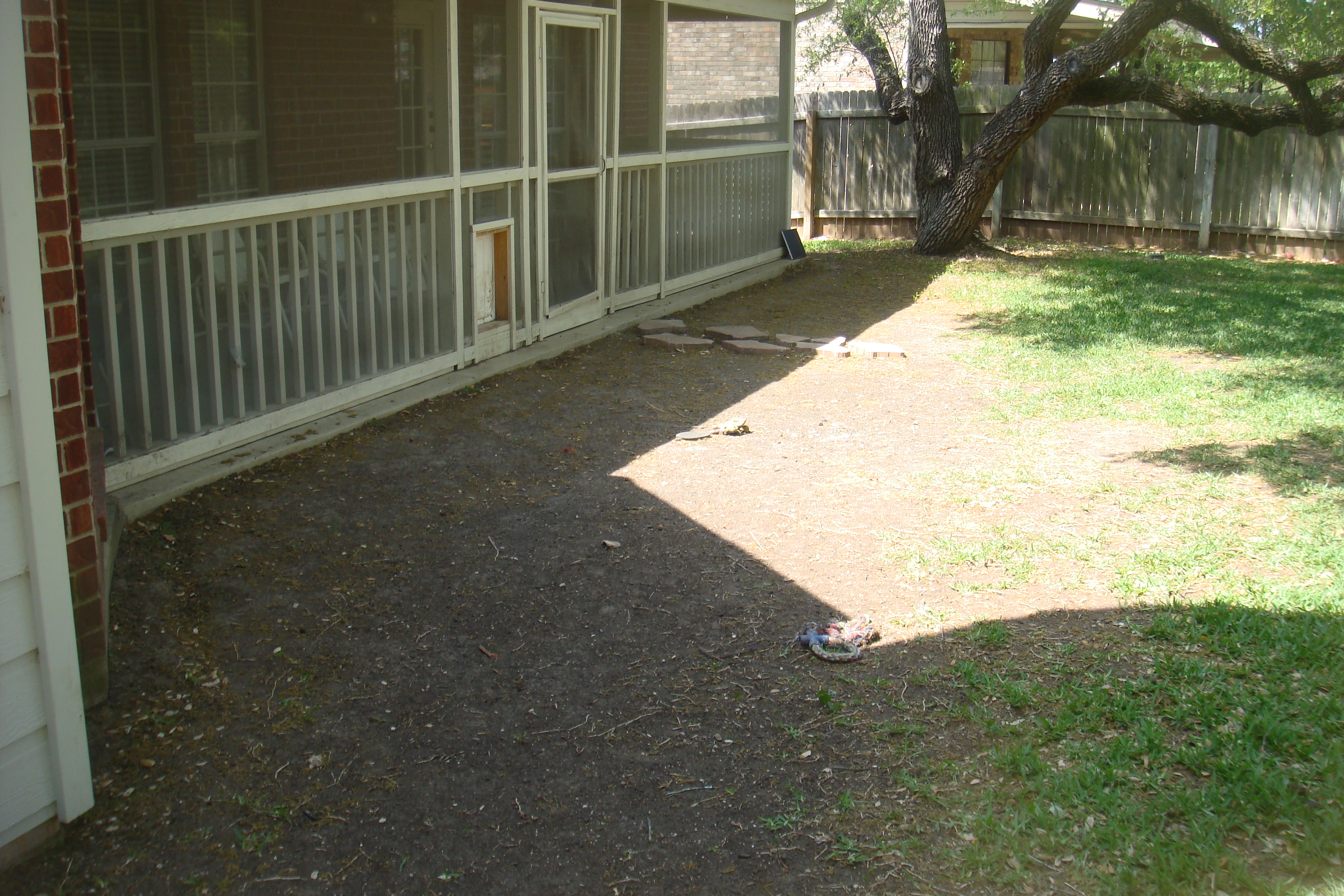 I start working up plans for this back garden.
The home owners were tired of the bare patches of turf that turned into mud whenever it rained but wanted to retain a good portion of grass for their dogs. They wanted to make the space more inviting and usable for entertaining and hanging out in.
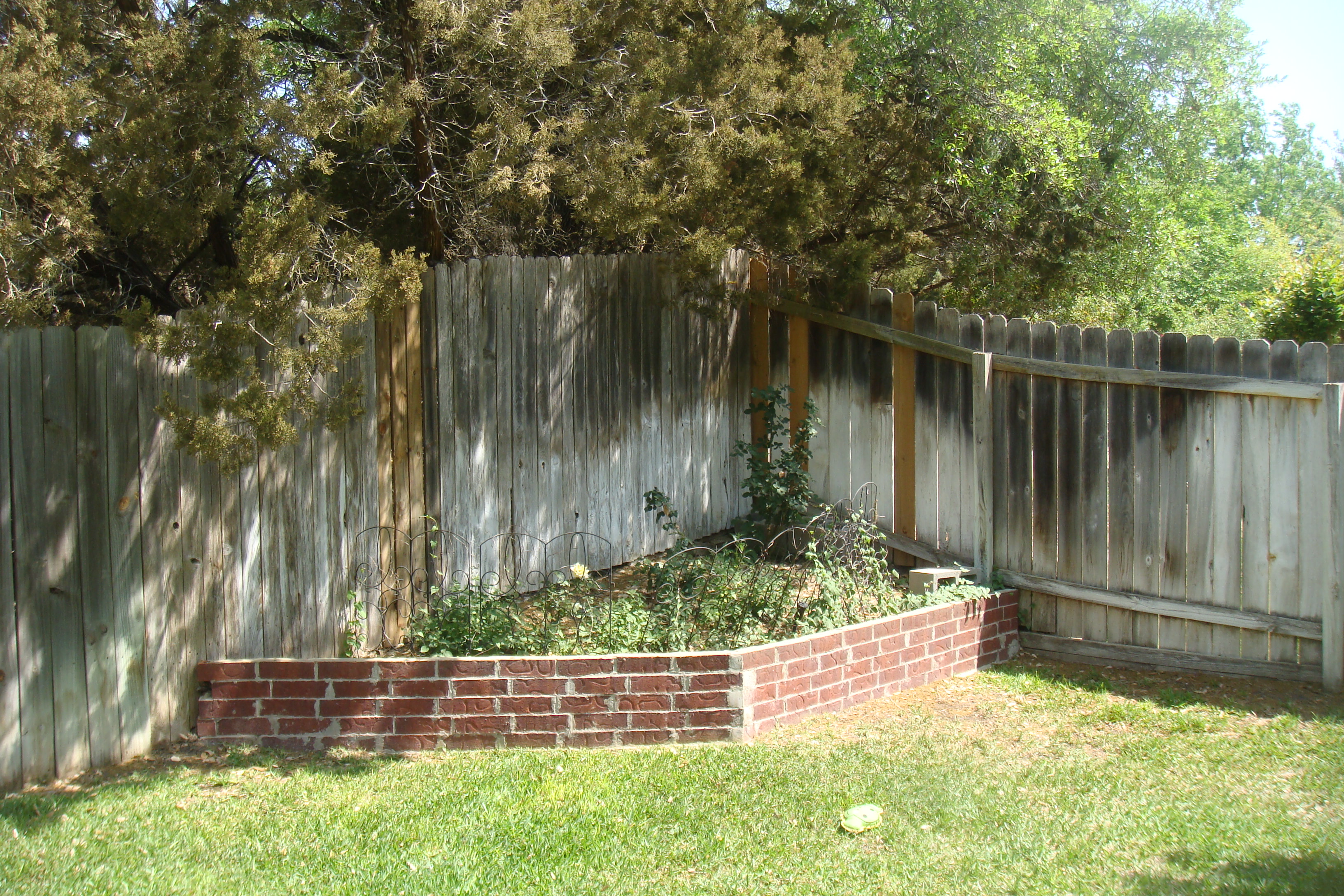 This most certainly had to go!
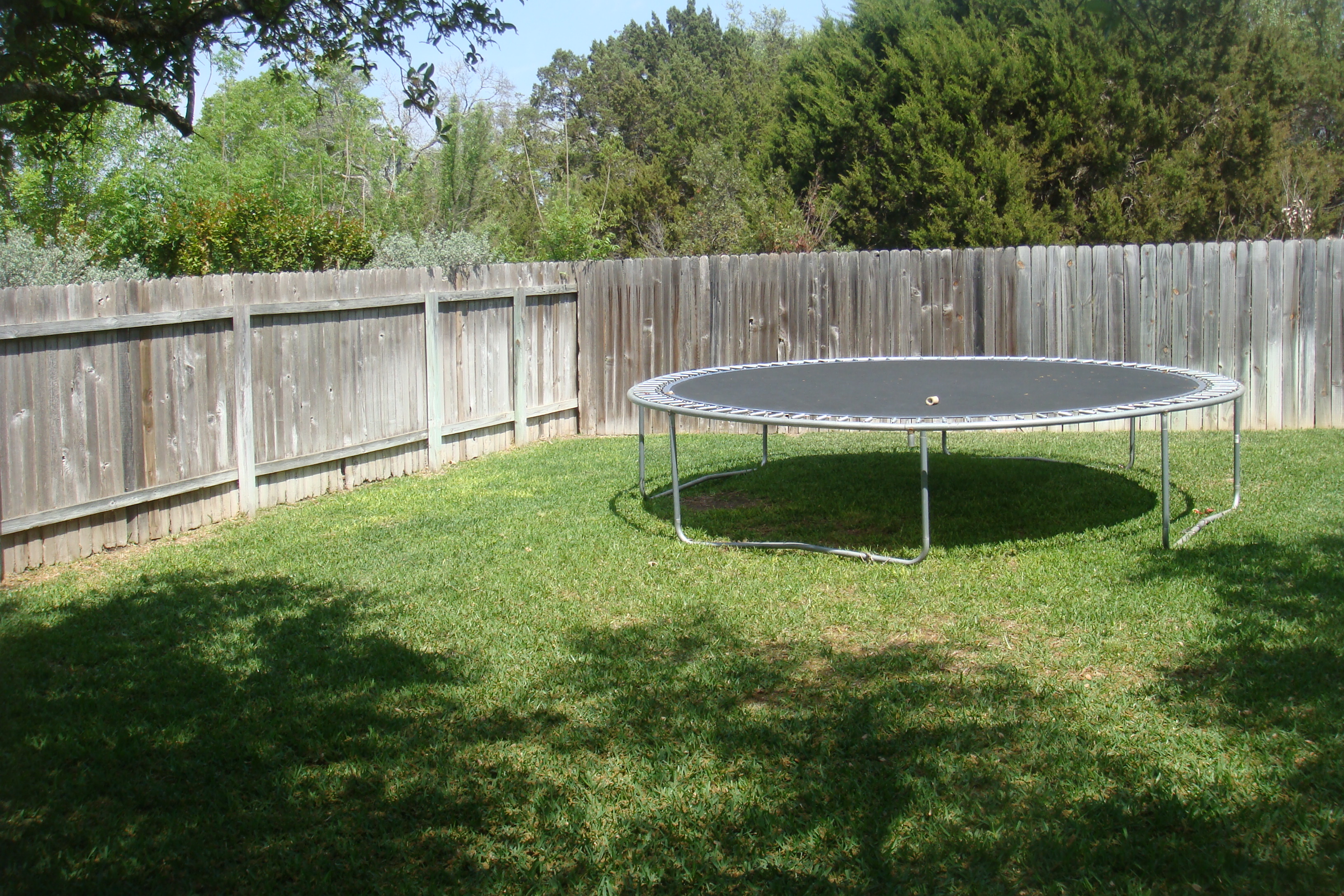
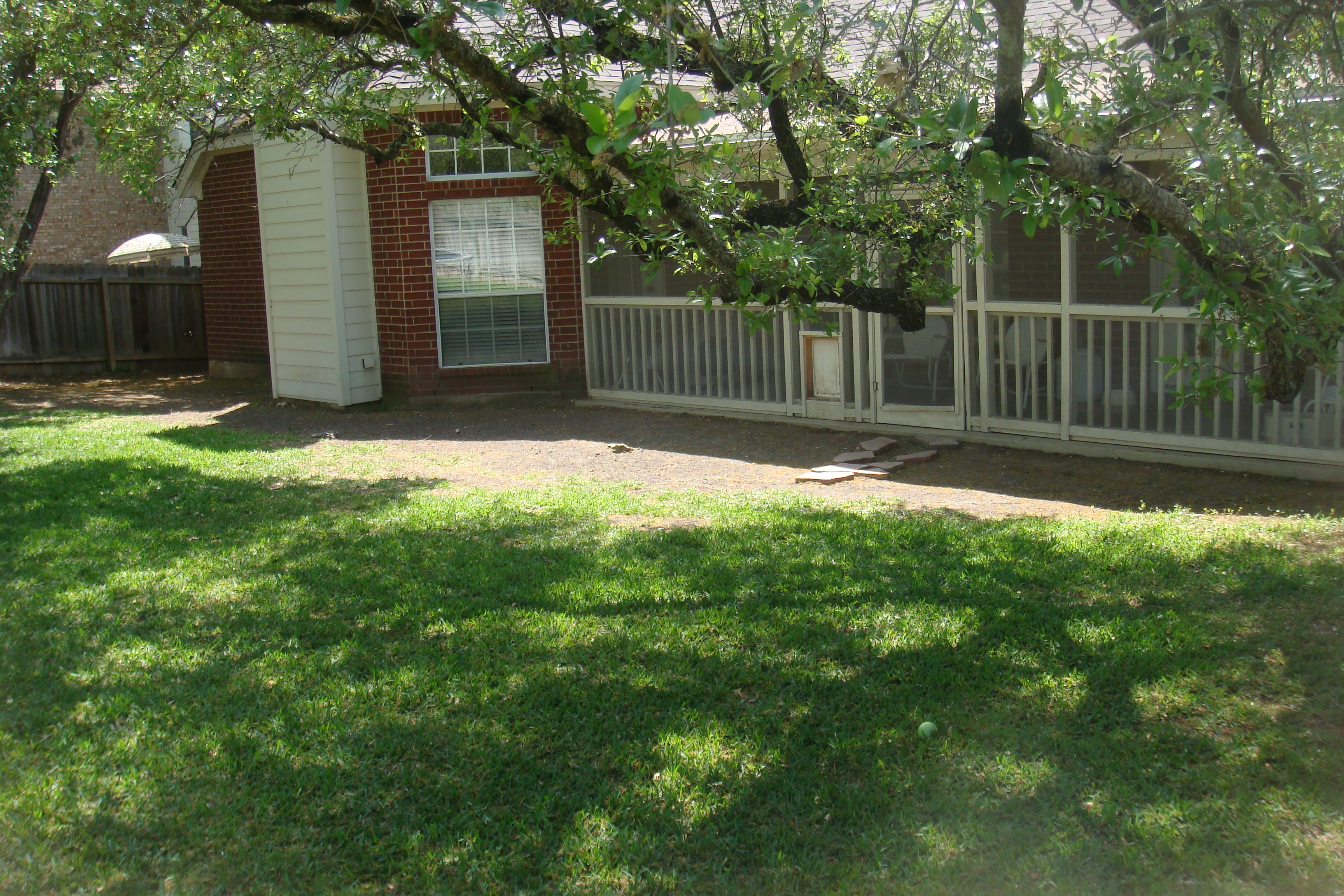 Being a standard rectilinear lot I immediately wanted to soften up the boundary fence and introduce a focal entertainment feature that would be large enough in scale to “eat in” to the overall proportions of the area, splitting up the space.
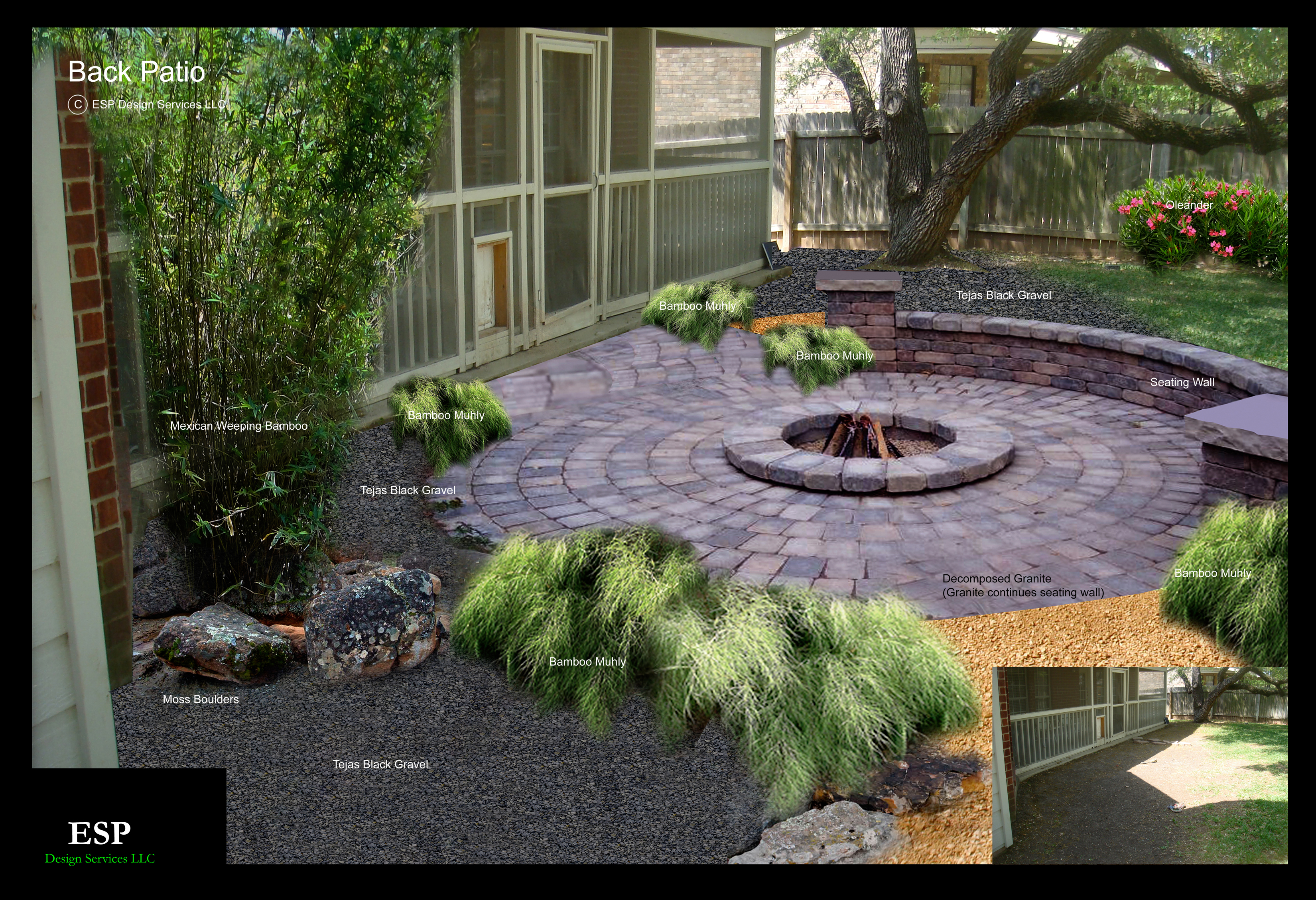
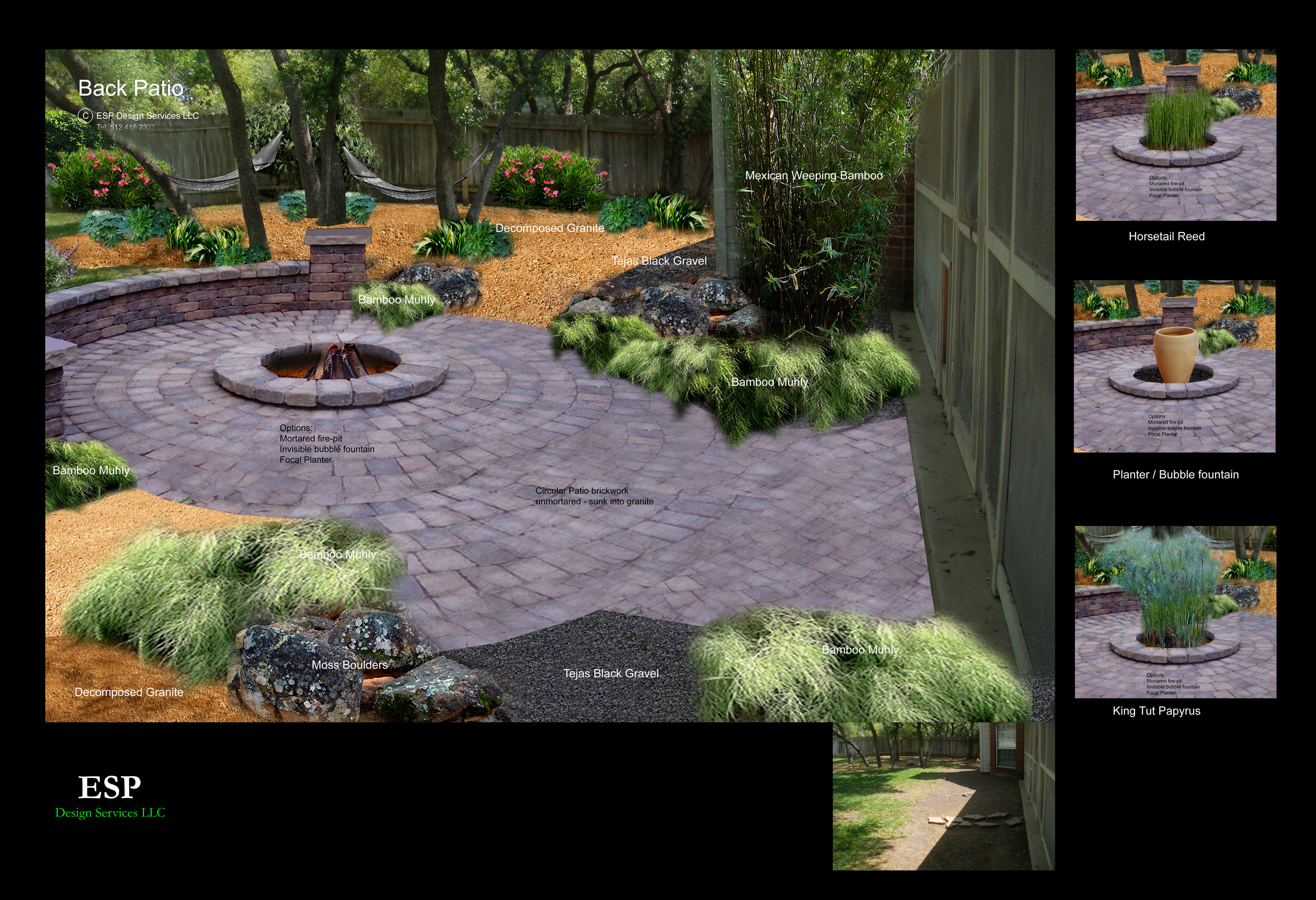 After agreeing on the design a plan of action was put forth, especially as it related to site access.
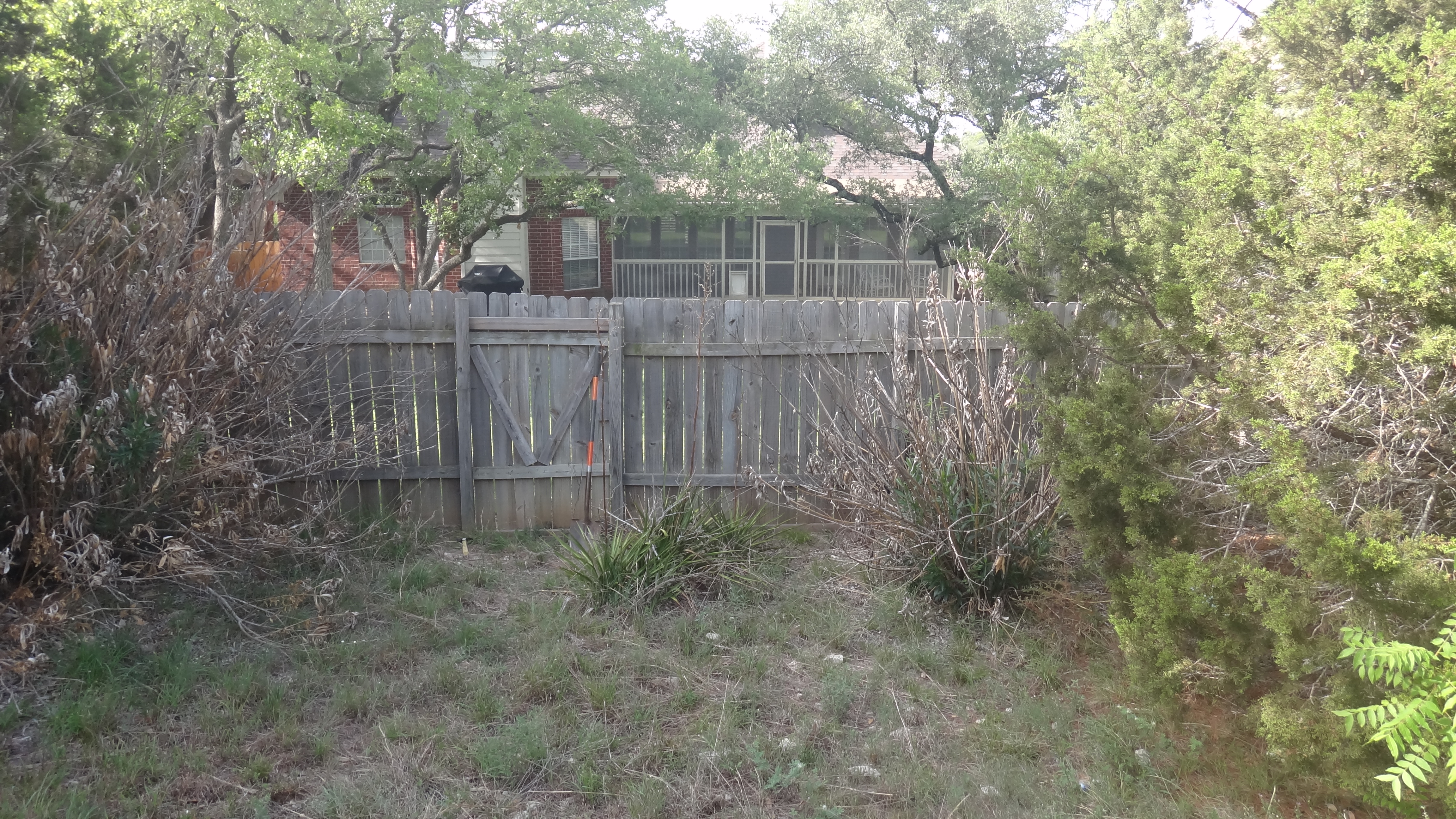
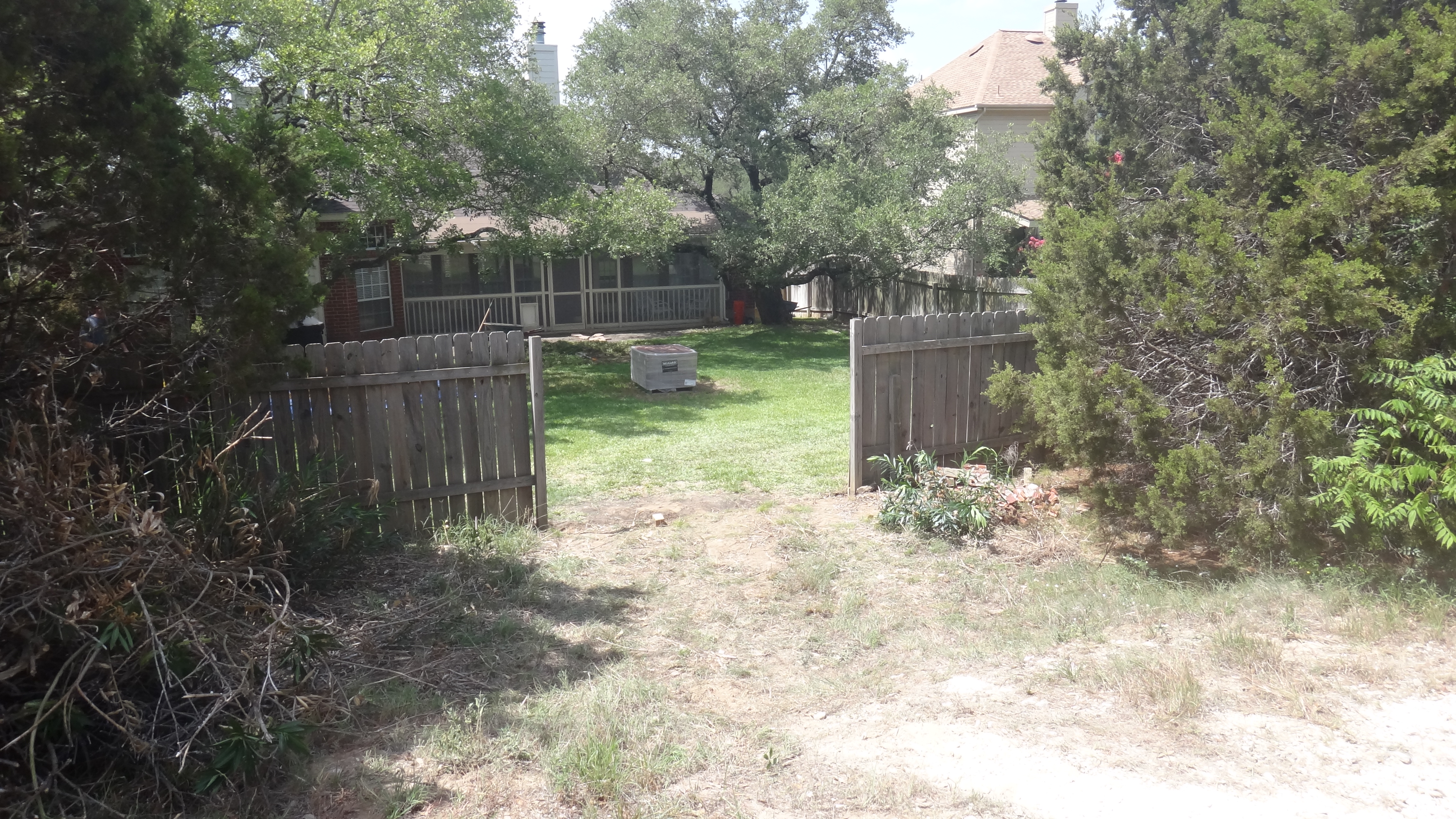 A chunk of the rear fence had to be removed for deliveries…
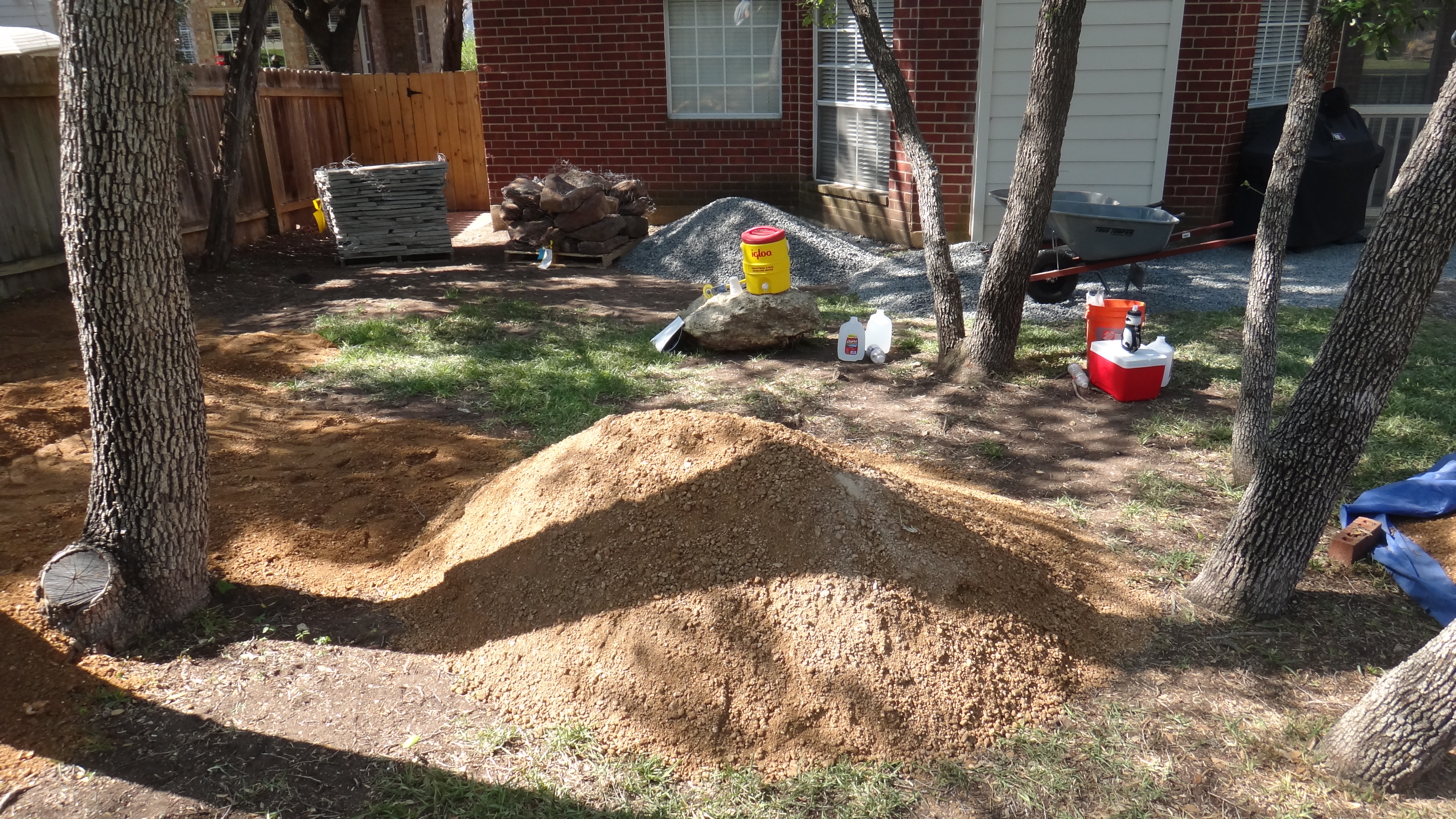
…of which there were many. I always tell clients that it has to look worse before it gets better, as it can be quite shocking.
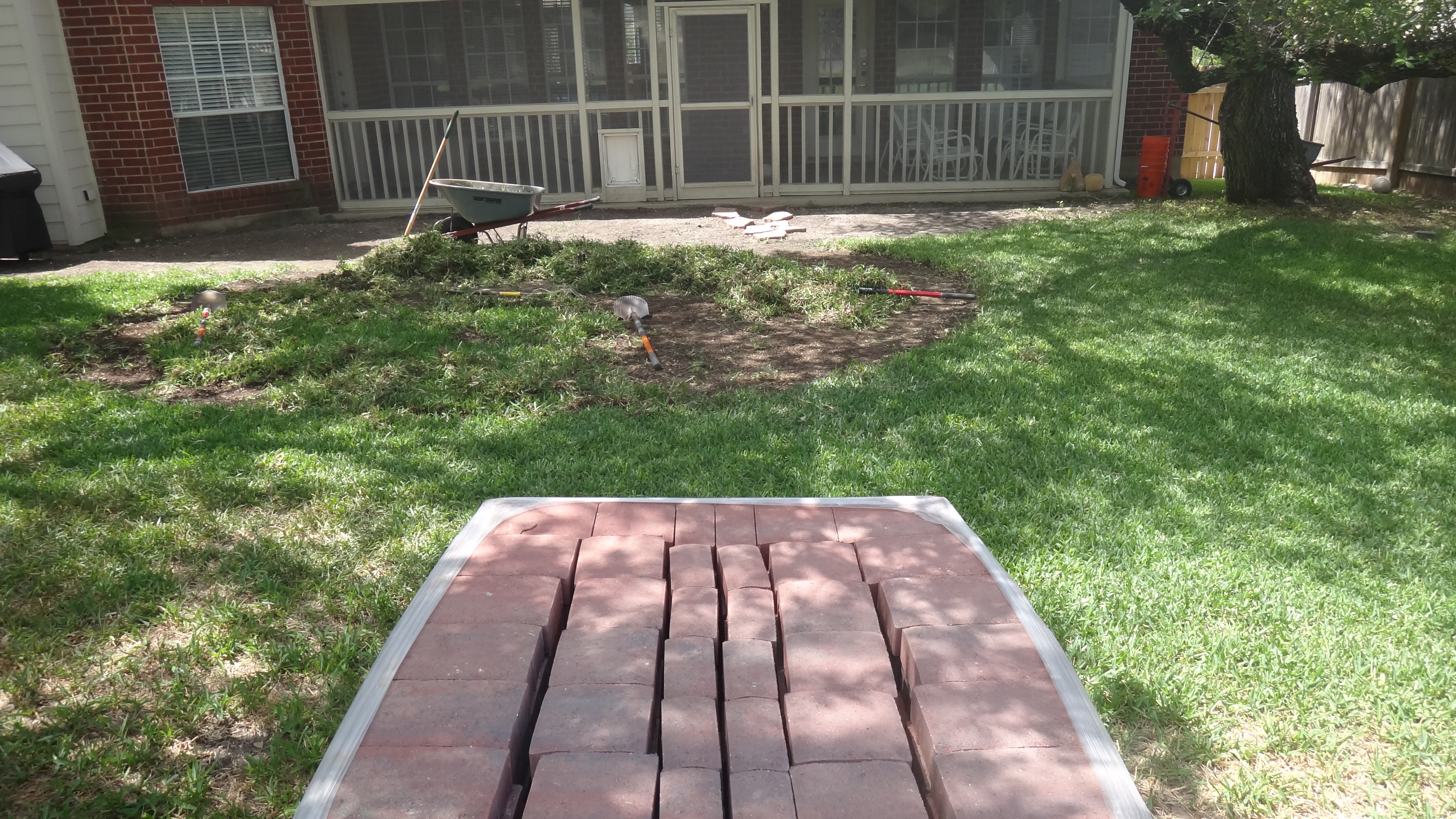
Roughing out the shapes and the first pallet of three paver bricks, (a slight miscalculation on my part). Note to self…apparently, like dirt, bricks also have their own individual laws of physics in that it always takes three times as many as what you initially calculate.
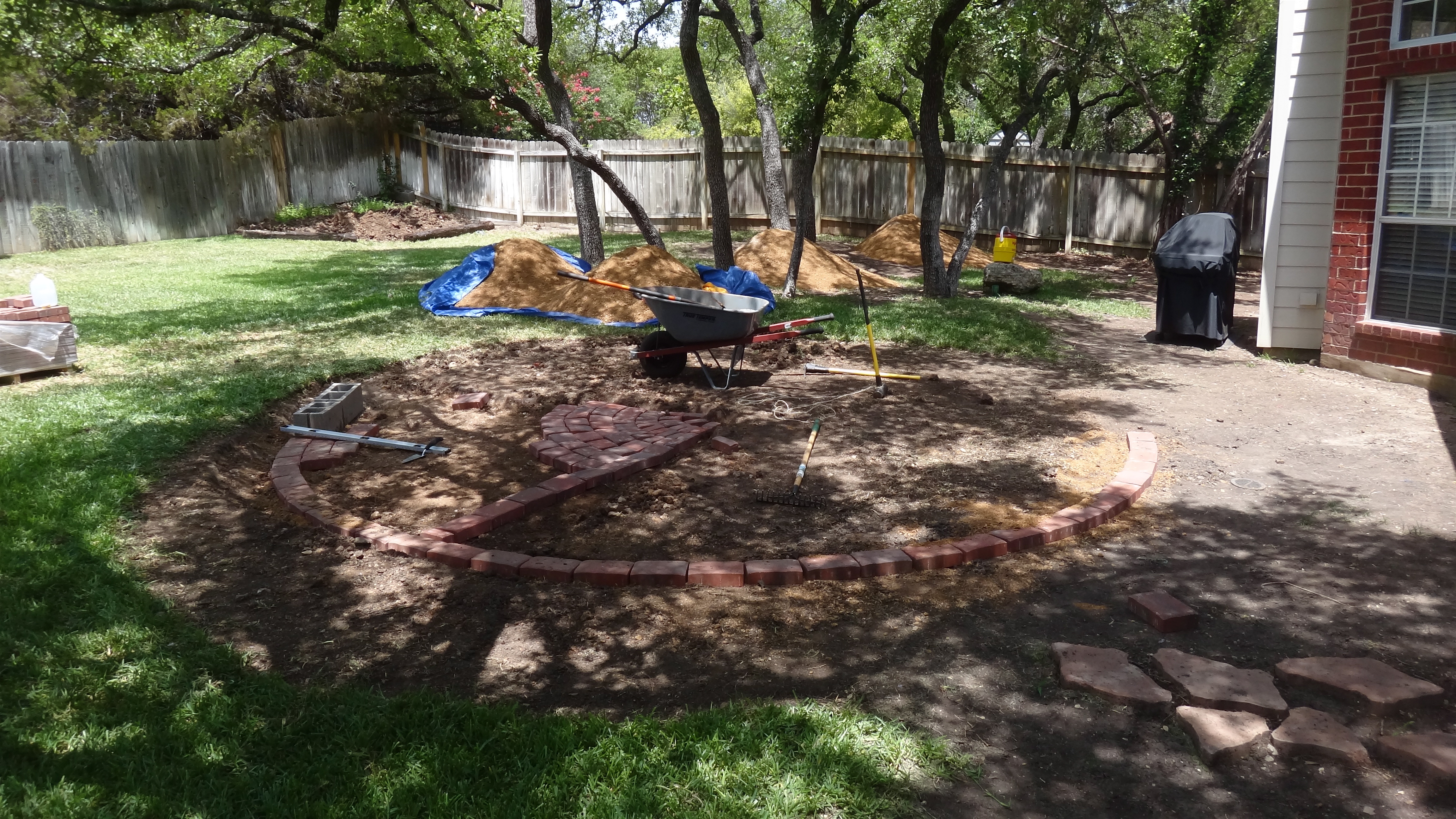
Bricks are laid,
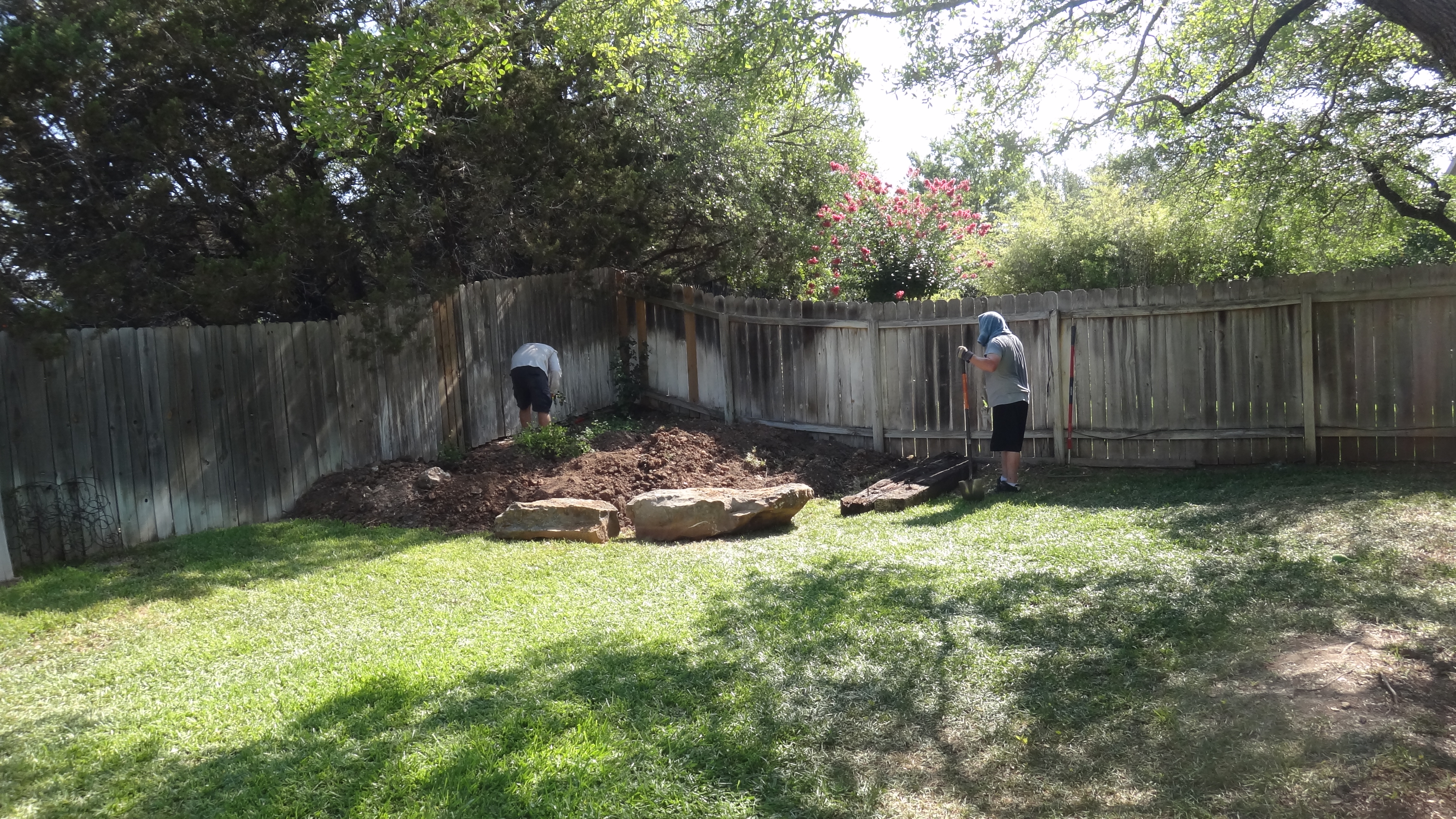
planting beds are deconstructed and reconstructed. Can you tell it is a little bit on the toasty side?
Oh yes, the difference from the shade to venturing into the midday Texas sun to work can be a life threatening adventure.
Two weeks, gallons of sweat and a few boxes of Epsom salts later,
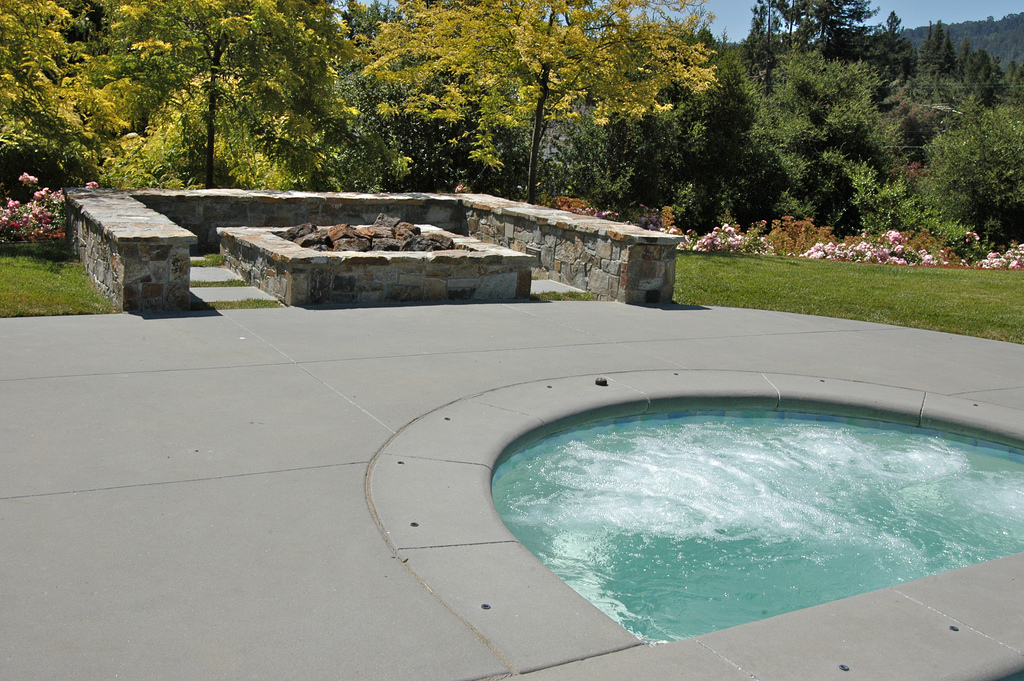
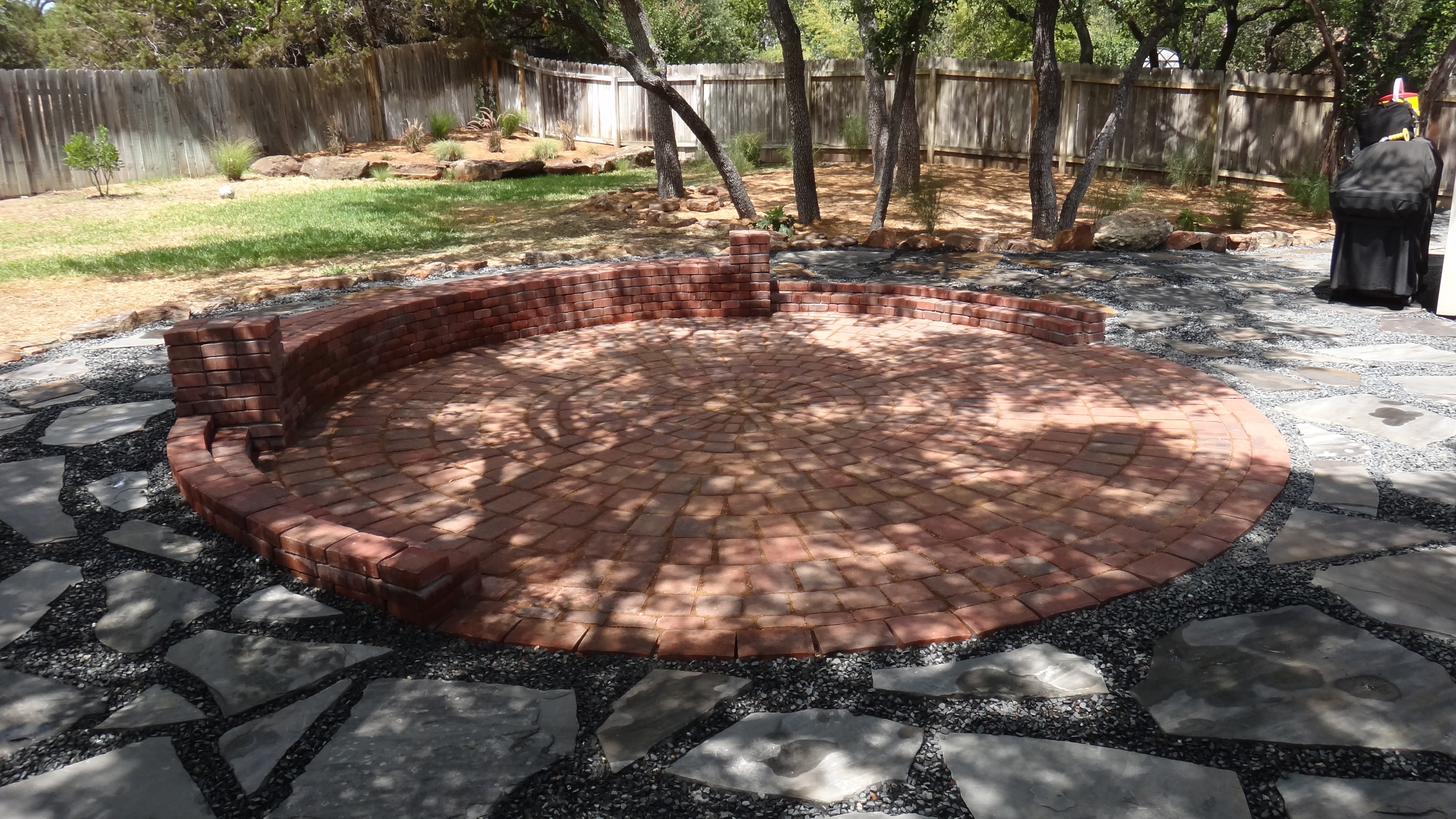
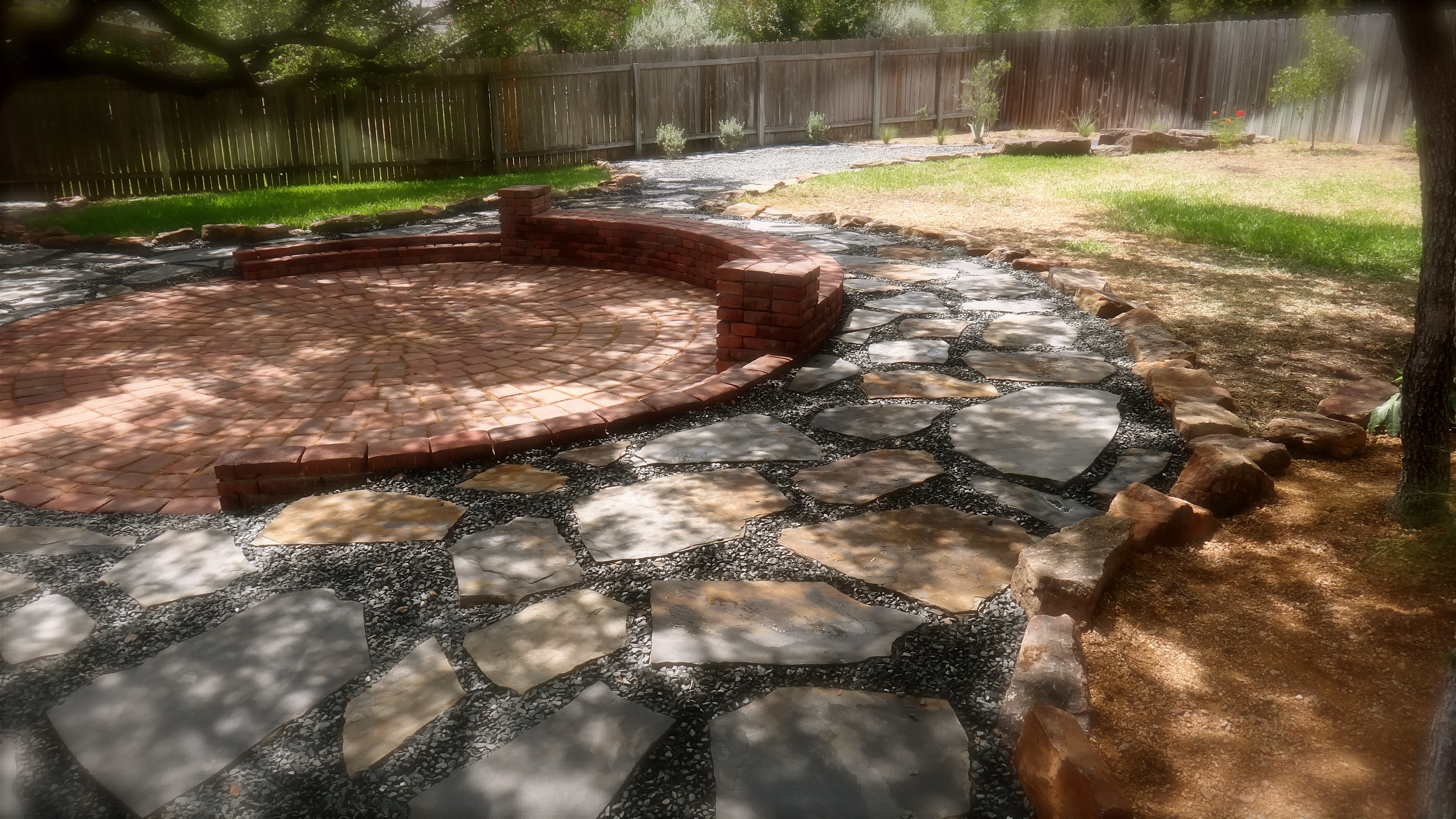 it was completed. It was amazing how much dirt had to be excavated to flatten the grade for the circular brick paved area. The curved retainer wall works great as an informal seating area.
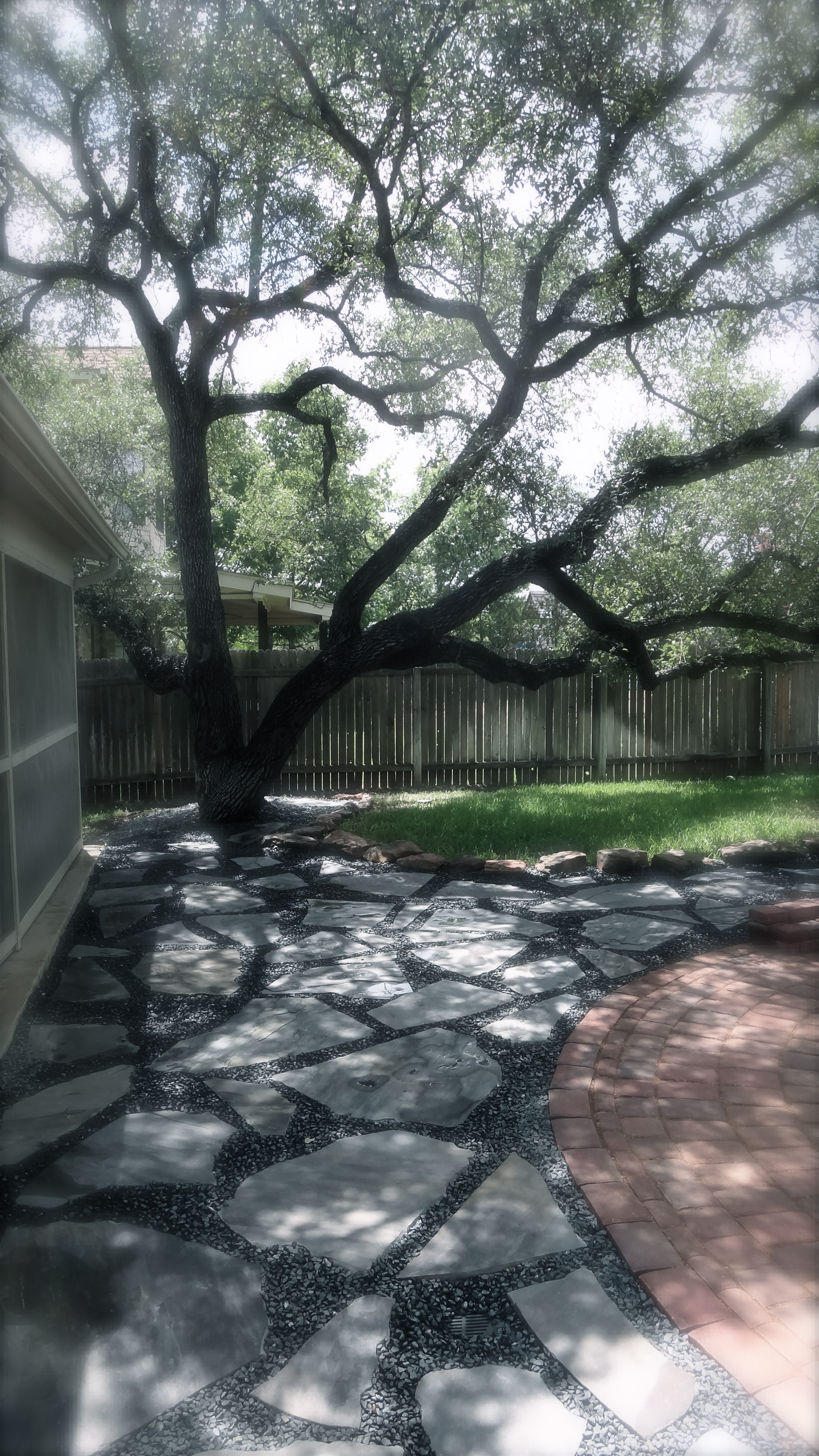
What was once bare dirt. The Tejas black gravel and silvermist flag are one of my favorite combinations and it works well to visually reflect the shadows and forms of tree limbs.
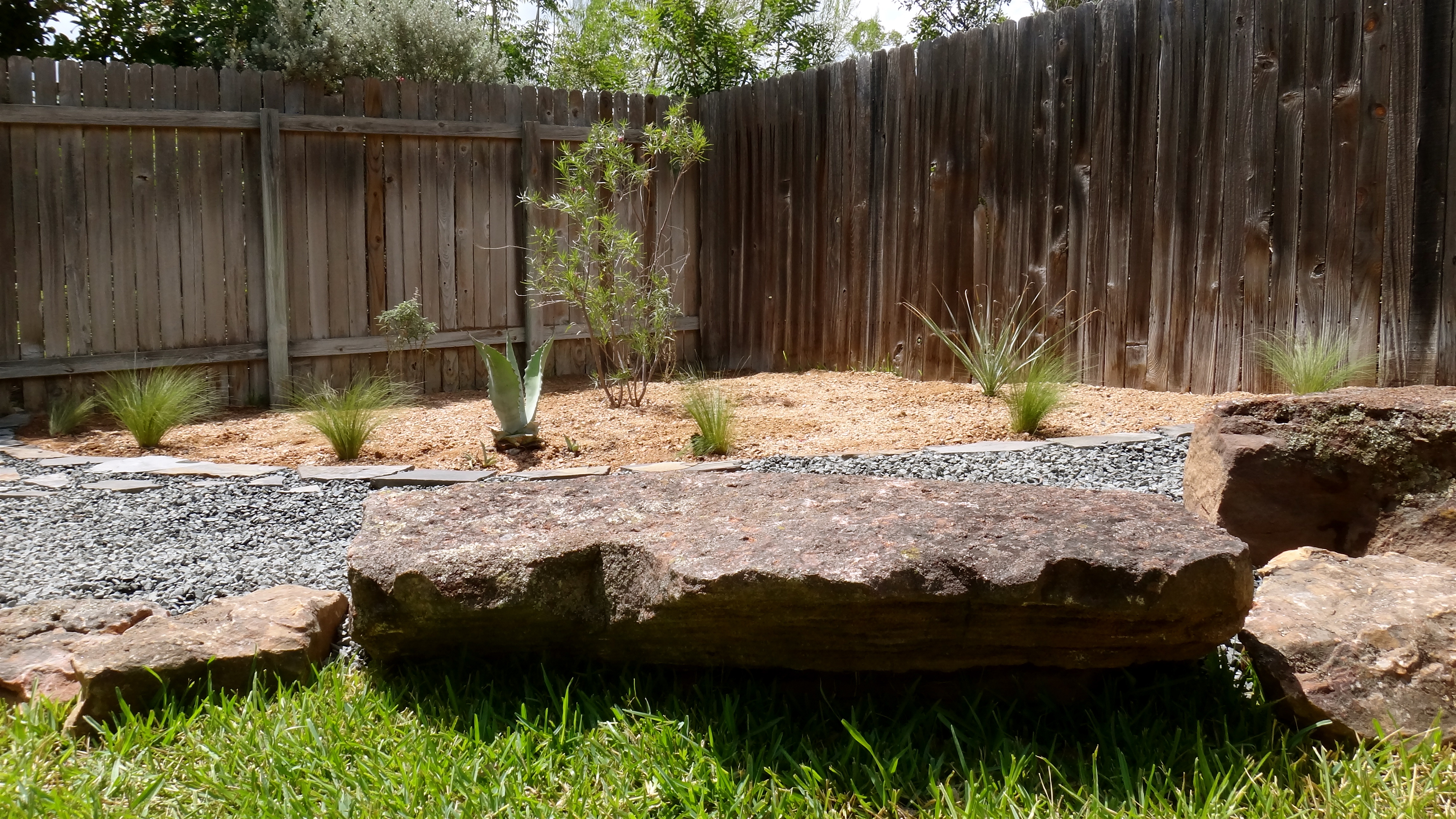
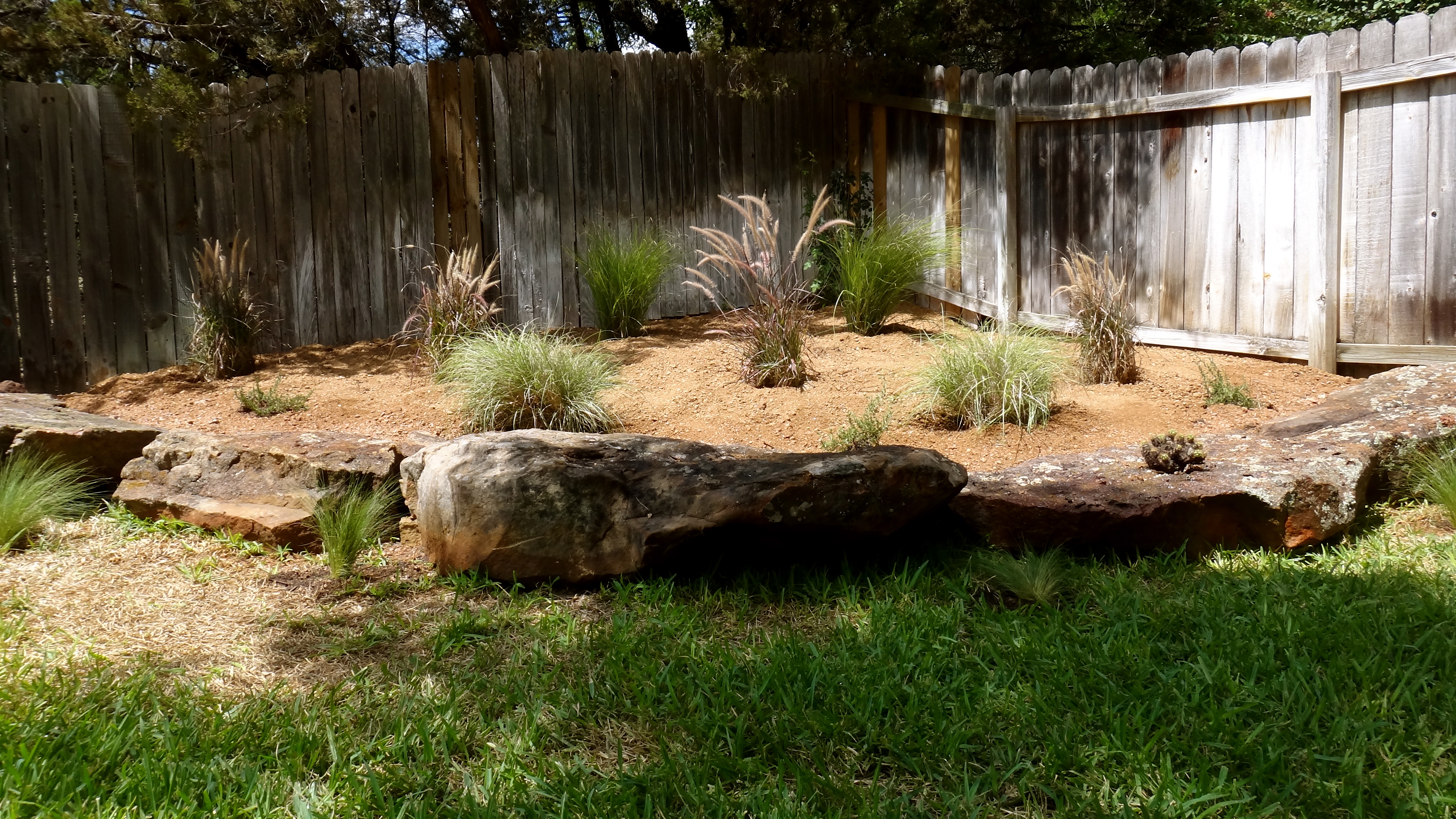 The corner beds are grounded with large moss boulders and planted with grasses and other drought tolerant plants. (As a rule I do not usually plant at this time of year, but this garden has an extensive sprinkler system and coverage).
Whenever possible I look for for boulders with overhangs like the one in the left picture for added dramatic affect. The sculptural desert willow will eventually soften up this whole left corner. The two large corner miscanthus will take care of the other.
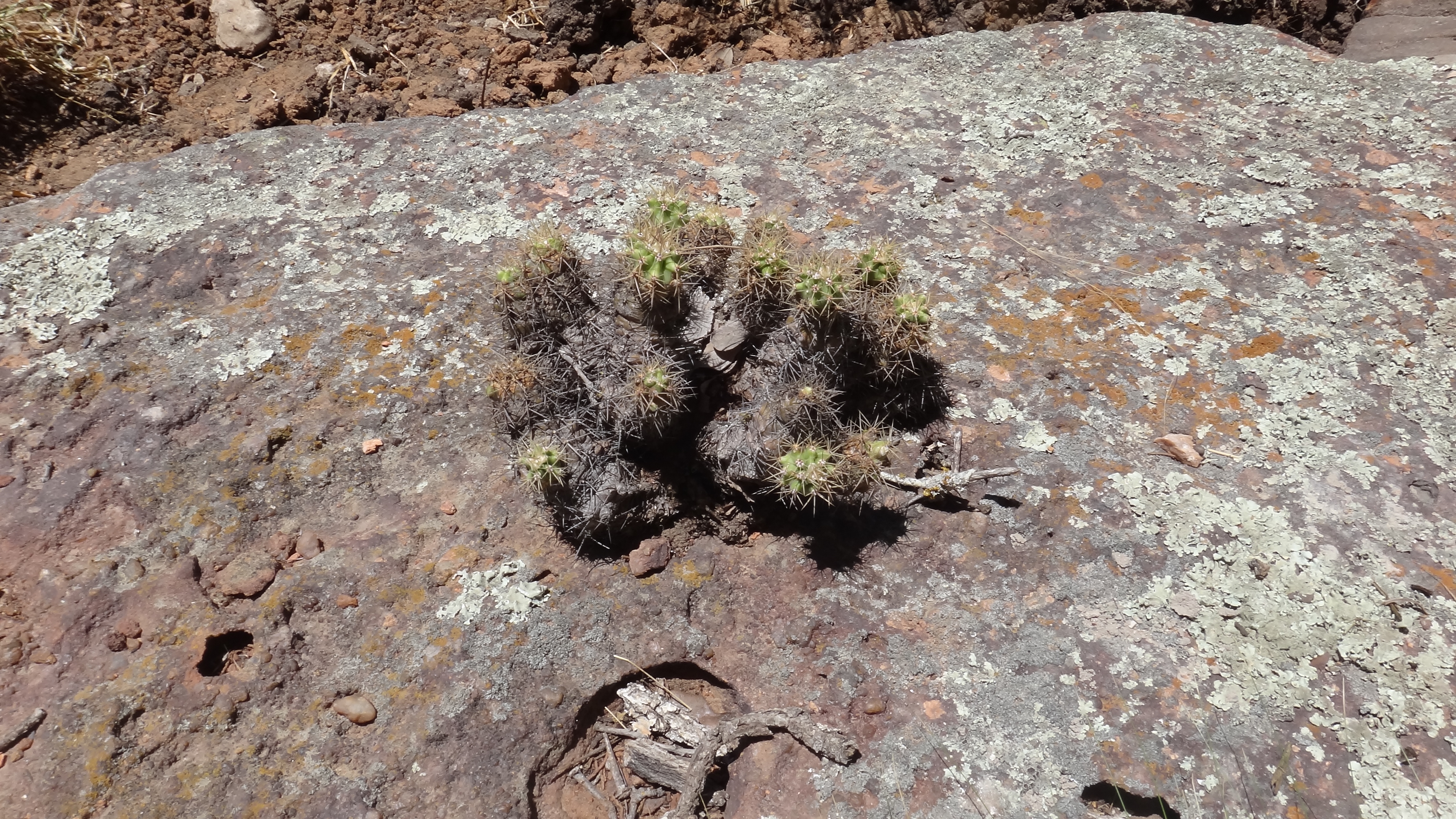 This moss boulder even came with its own cactus growing in a small pocket of dirt.
Back in the Patch:
and under some rare but very welcome cloud cover.
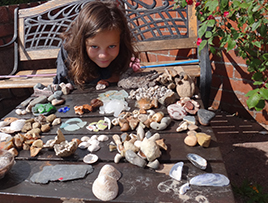
My eldest decided to clean off our bench today, and I didn’t even ask her!
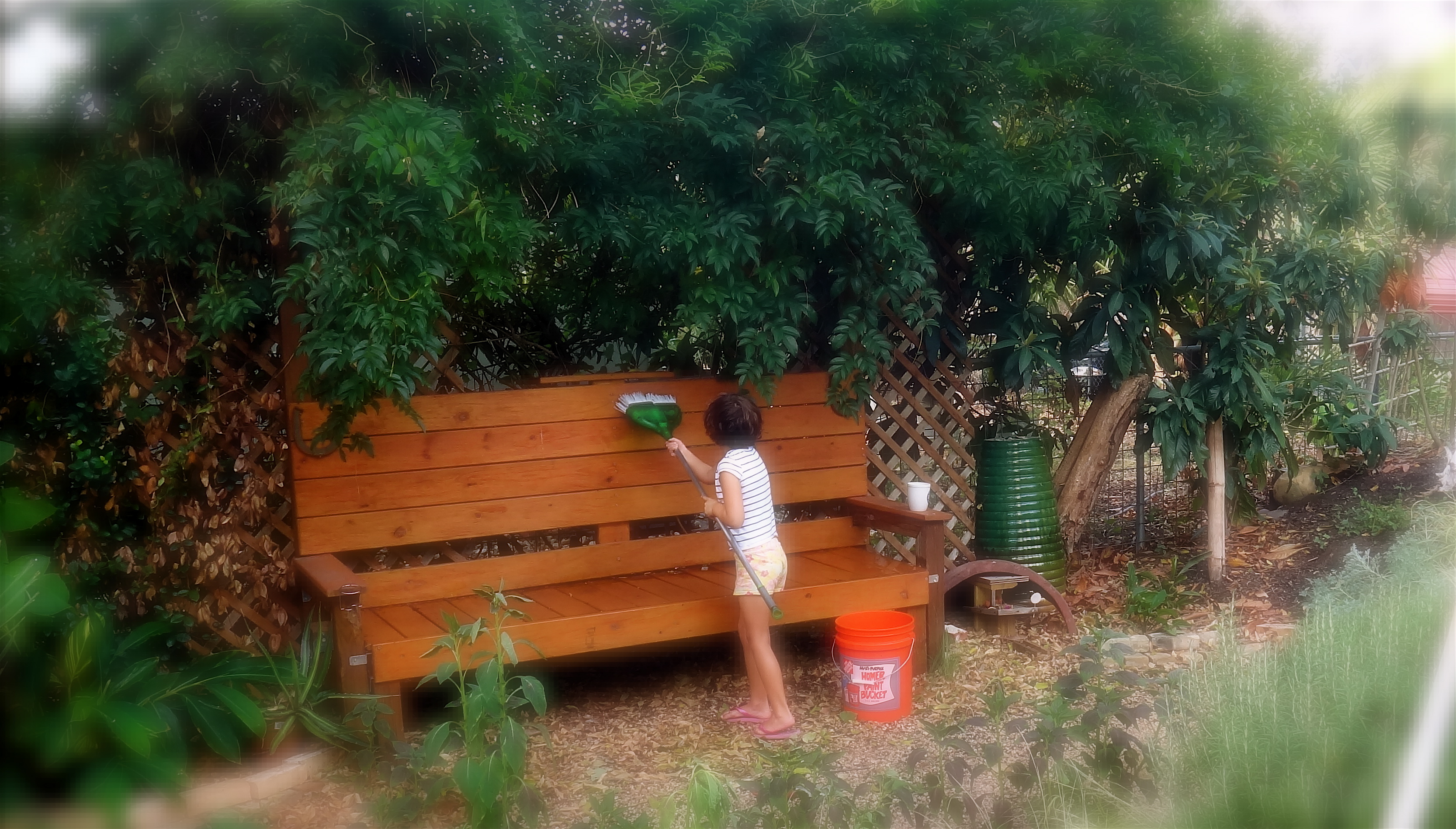 That is her fairy house on the right (under the arch) that over the course of the year has become more and more ramshackle to the point that the nice fairies moved out and the redneck ones adorning tattooed wings moved in. I started to notice tiny beer bottles and toy car-casses dotted around the front of the tiny property as well as some architectural improvisation of their own:
 Unlucky for them today was the day of their eviction, the house was also apparently on today’s cleaning list.
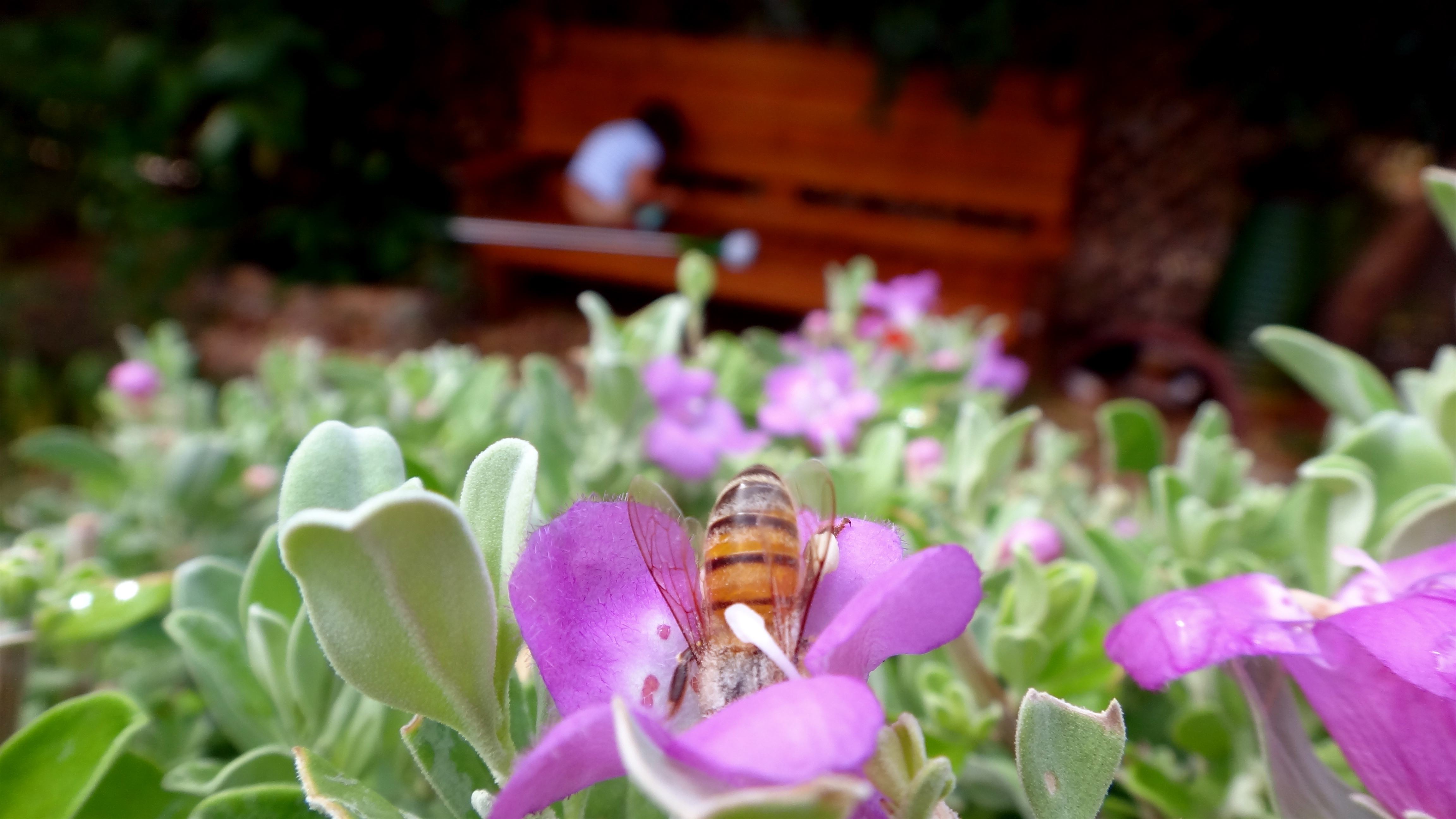
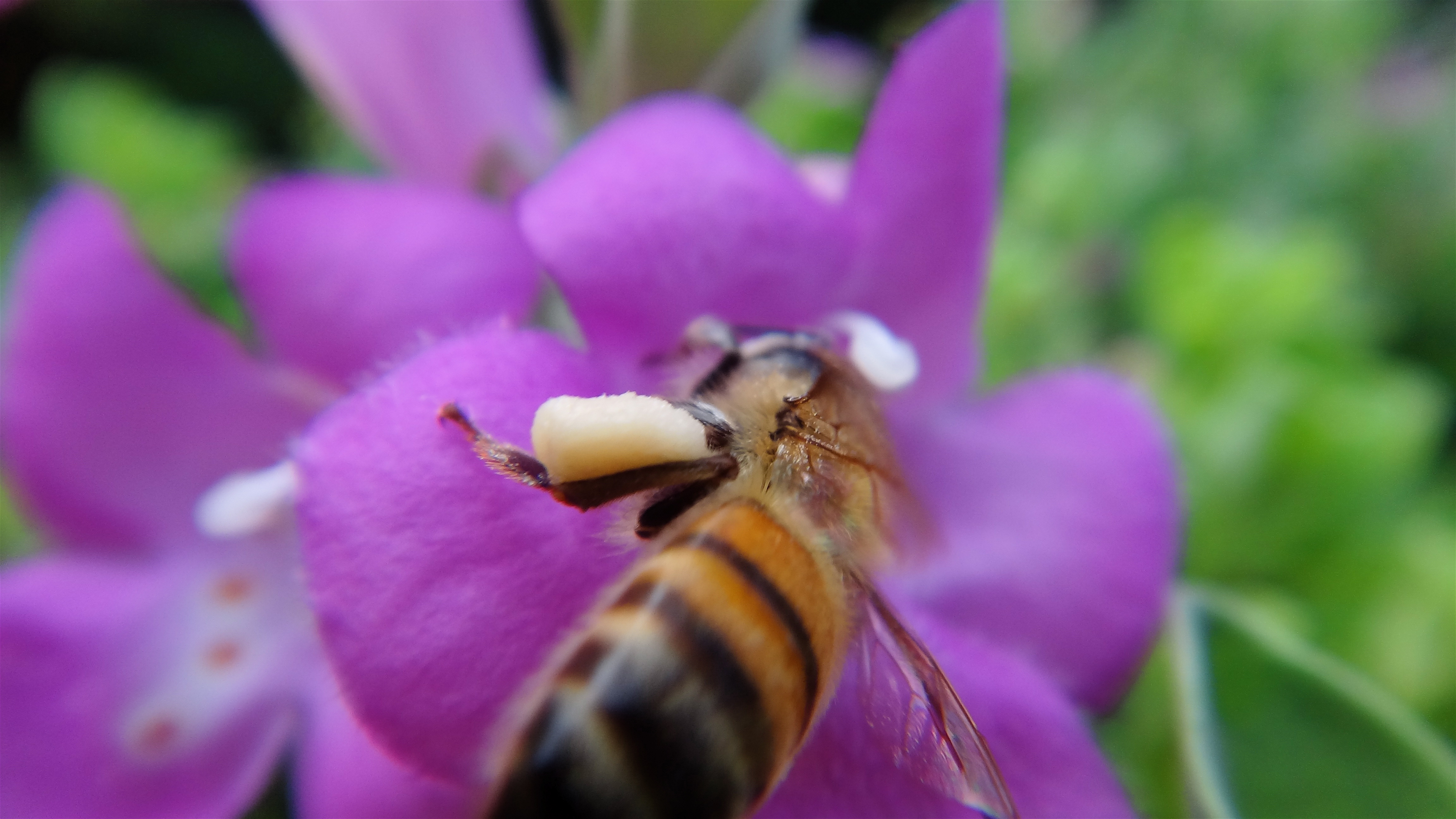
She was not the only one on a mission today.
As soon as I suggested a lick of paint for her fairy house her eyes sparkled, work began immediately.
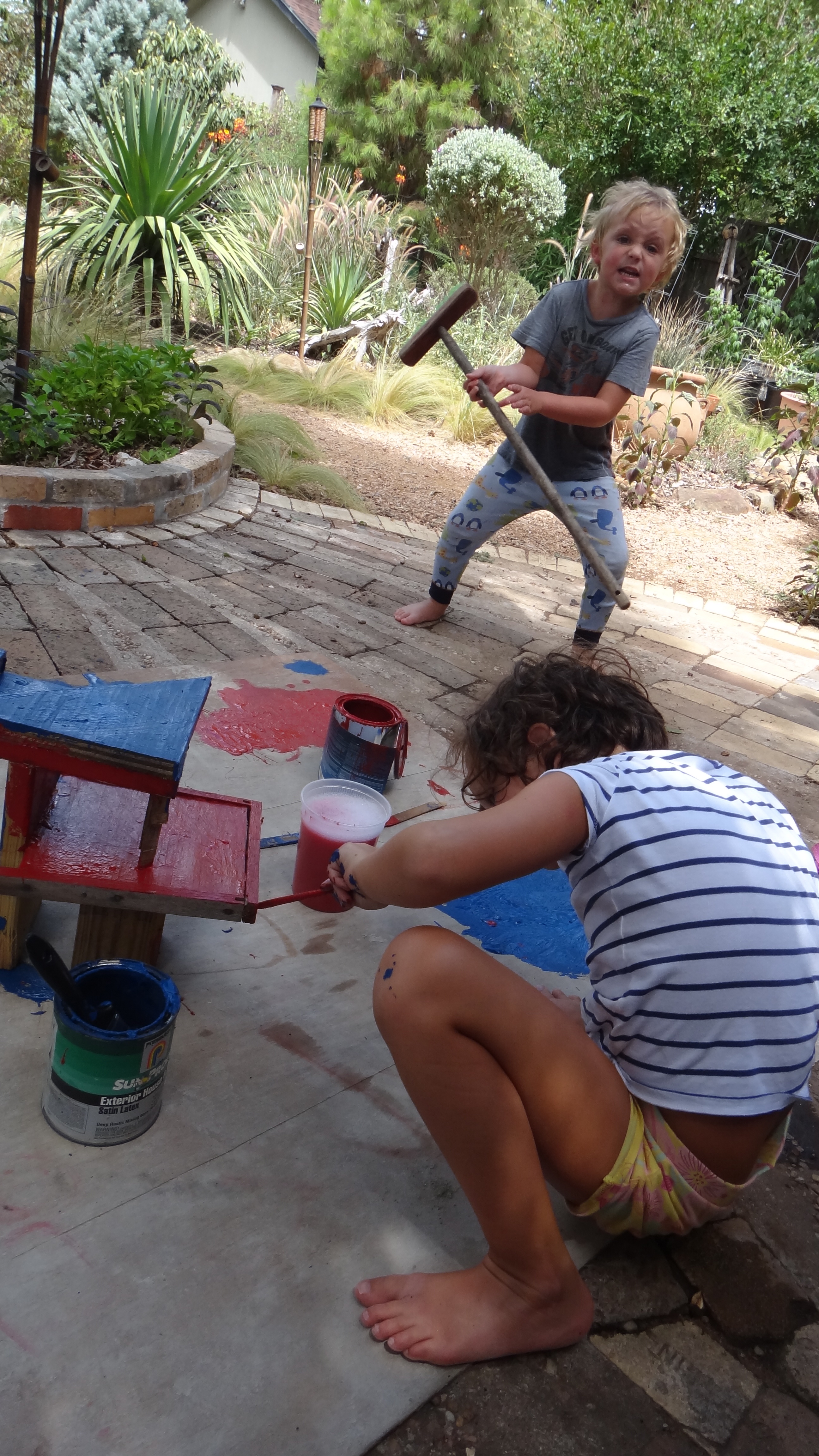
Accompanied by a traditional Naboo tribal dance (with obvious Maori influences).
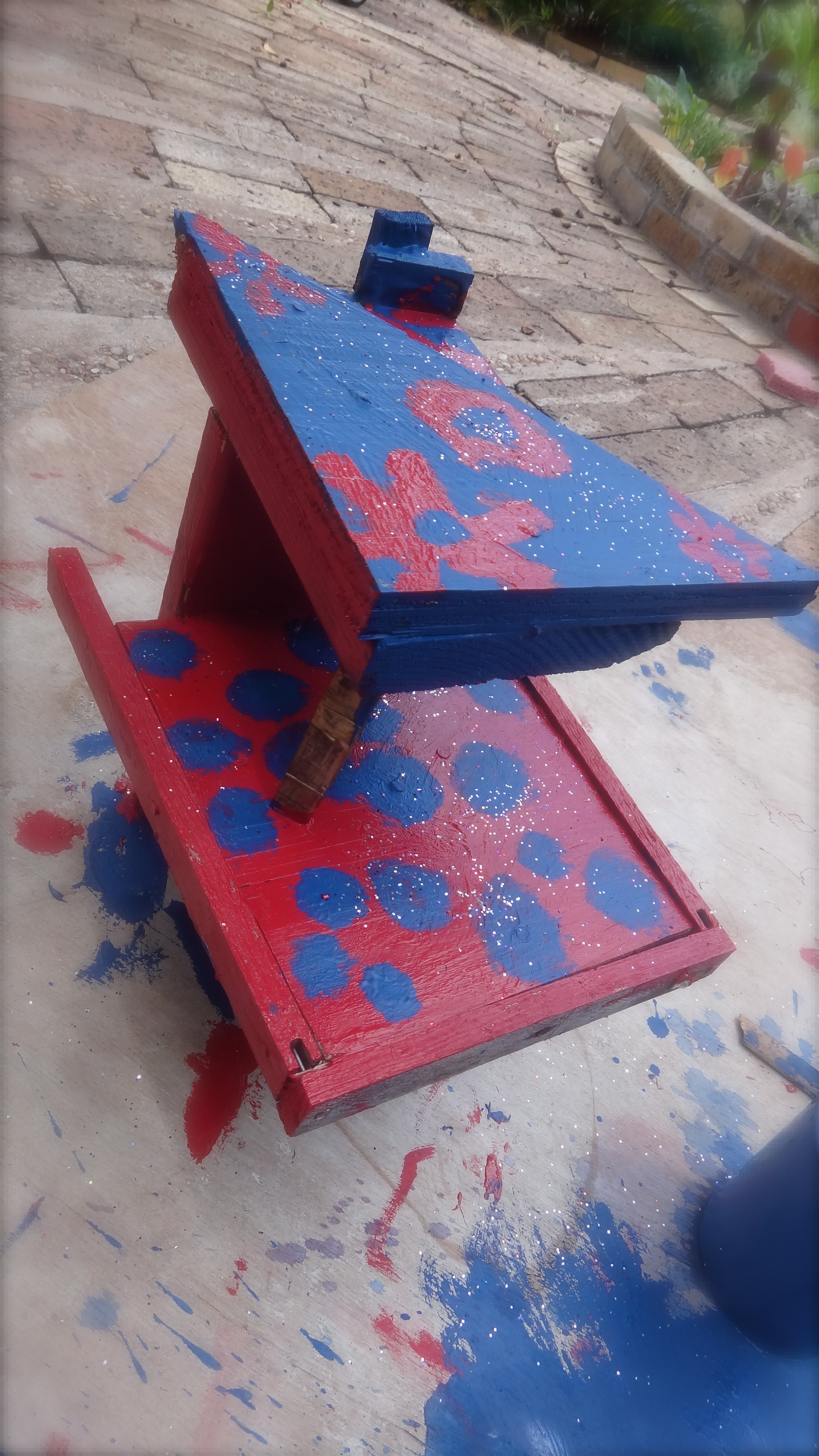
The modernistic house was reopened with some glittery pomp and circumstance (and a welcoming lily).
 Now to see who will move in.
Finally:
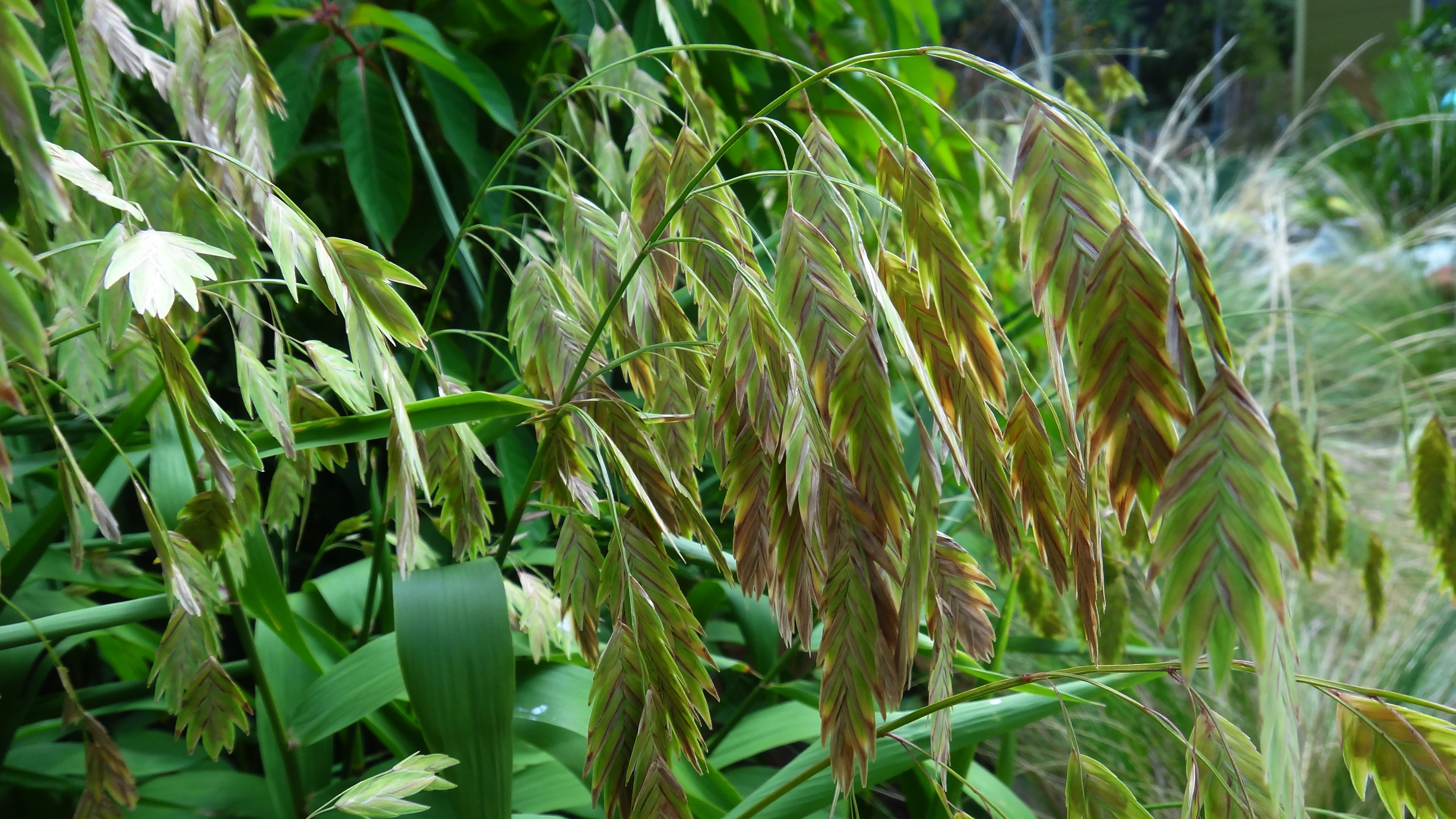
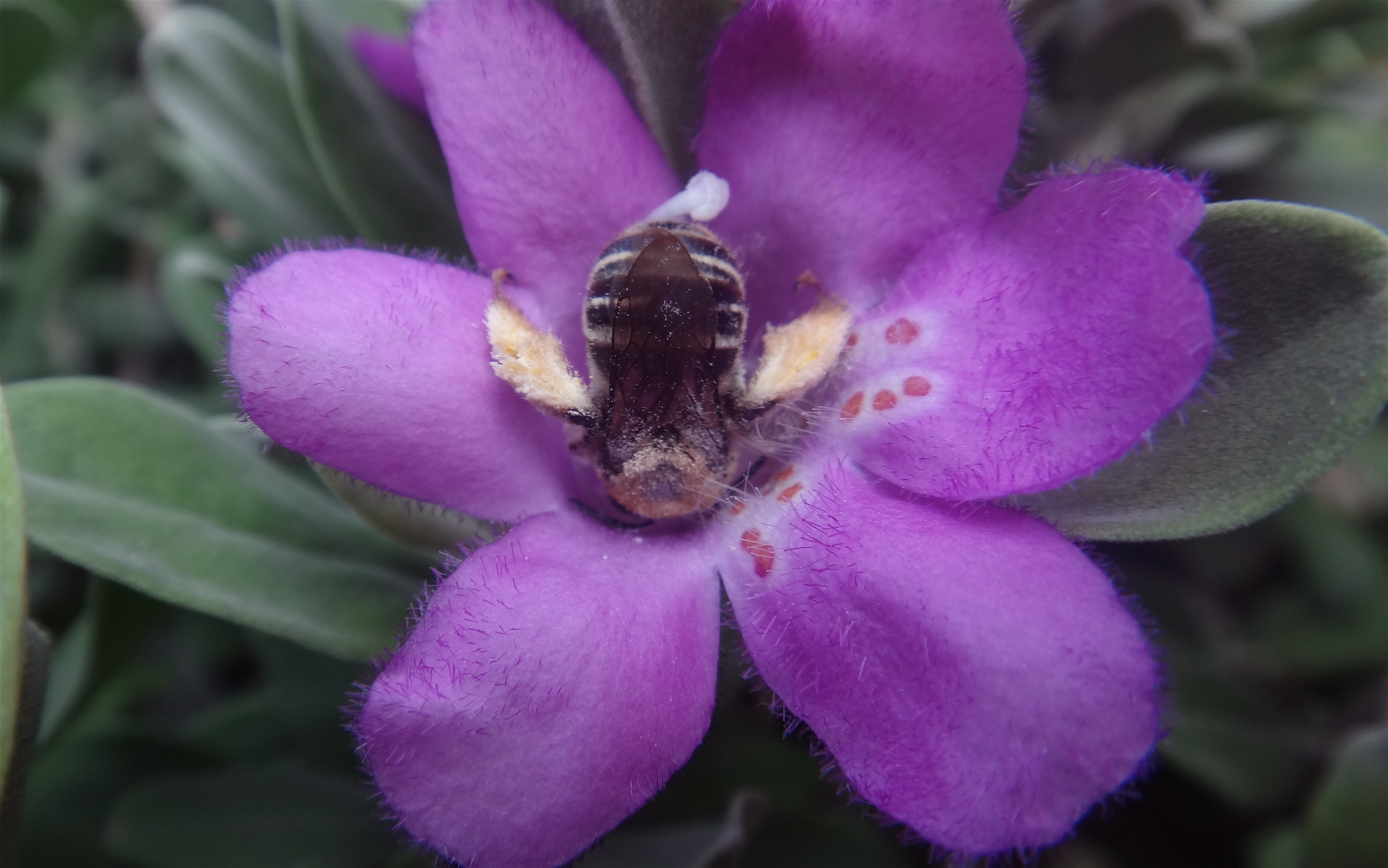
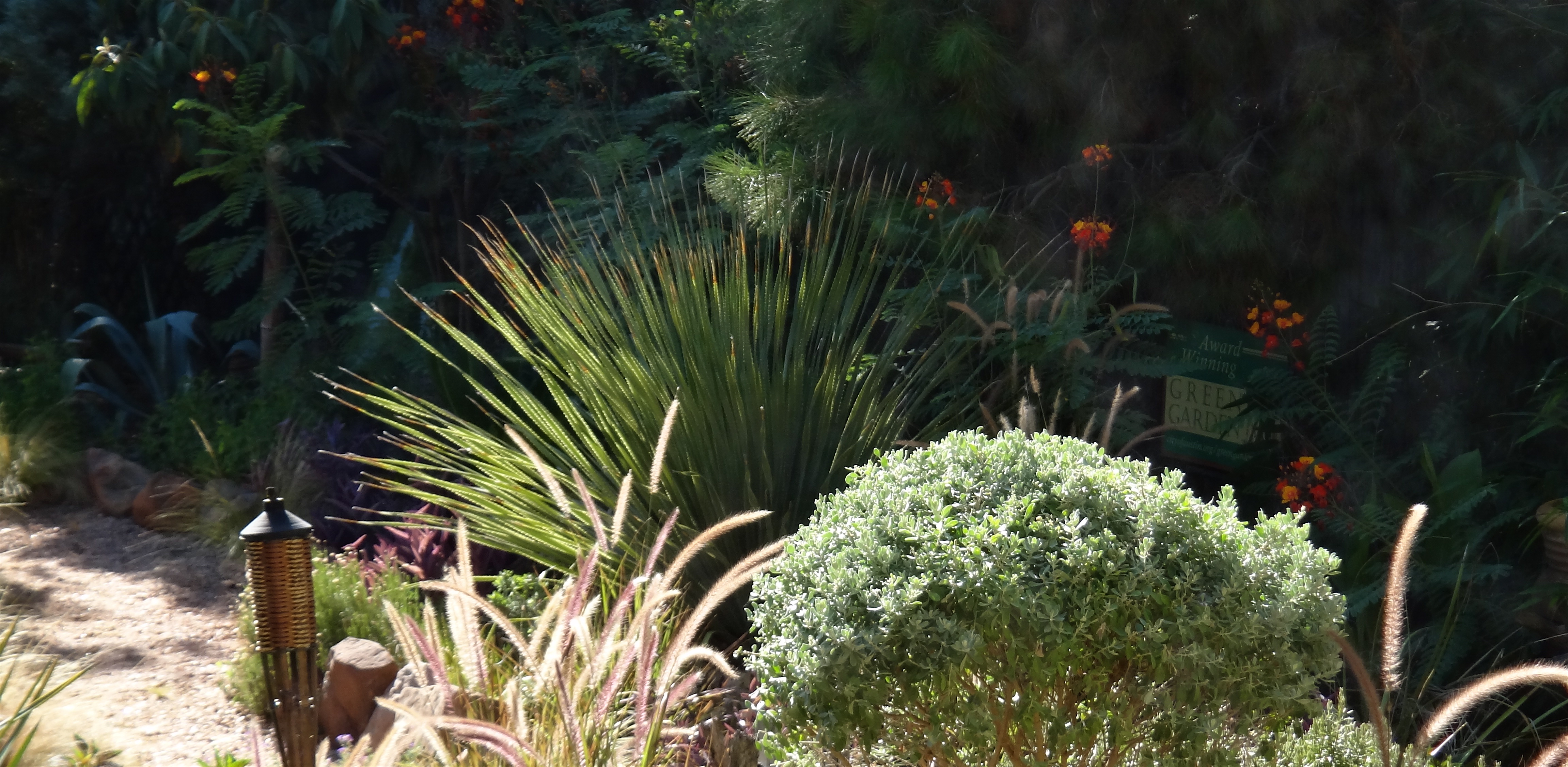
Inland sea oats are just starting to take on their brown fall coloration.
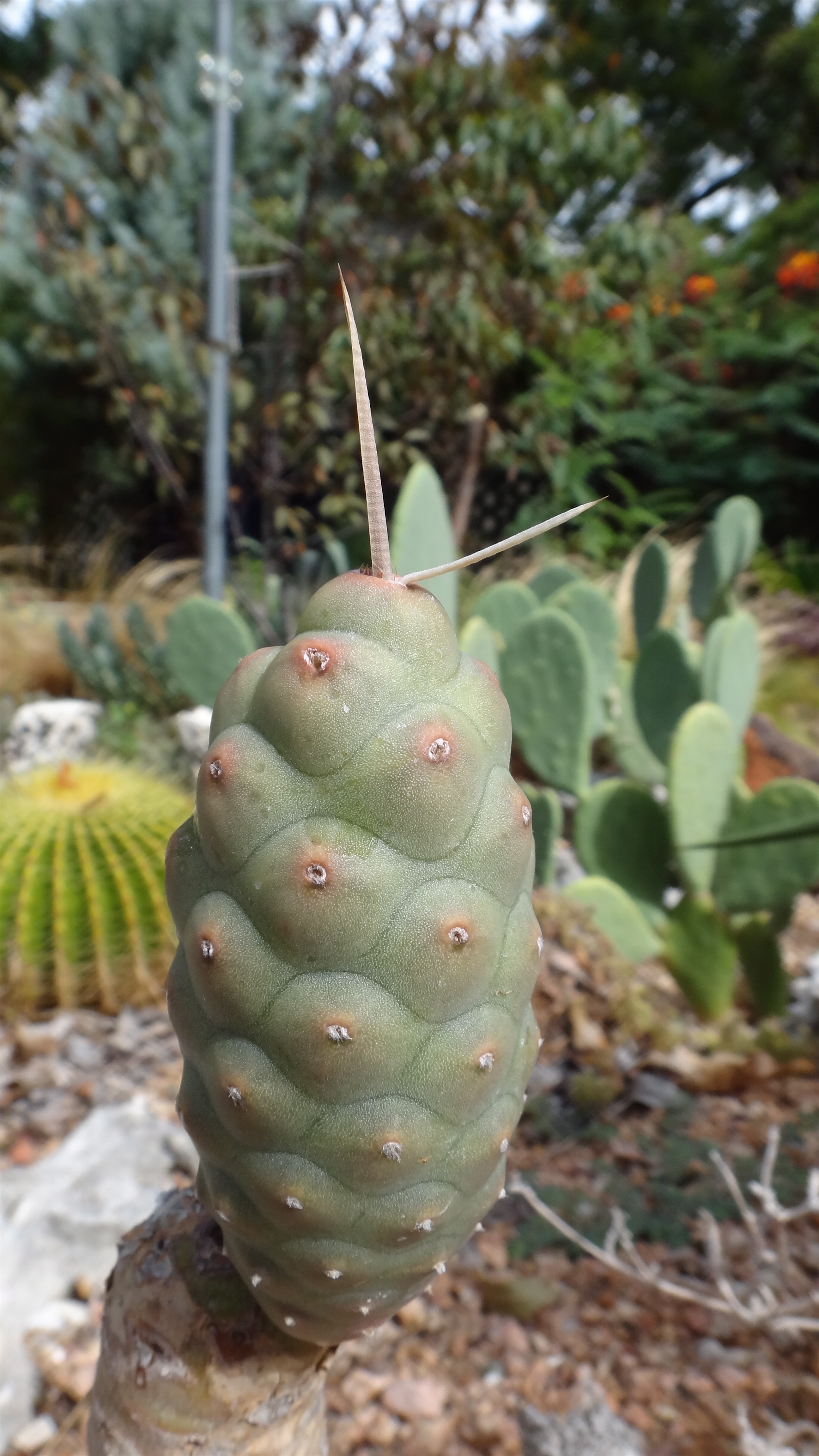
My pinecone cacti have started to grow hair, and my
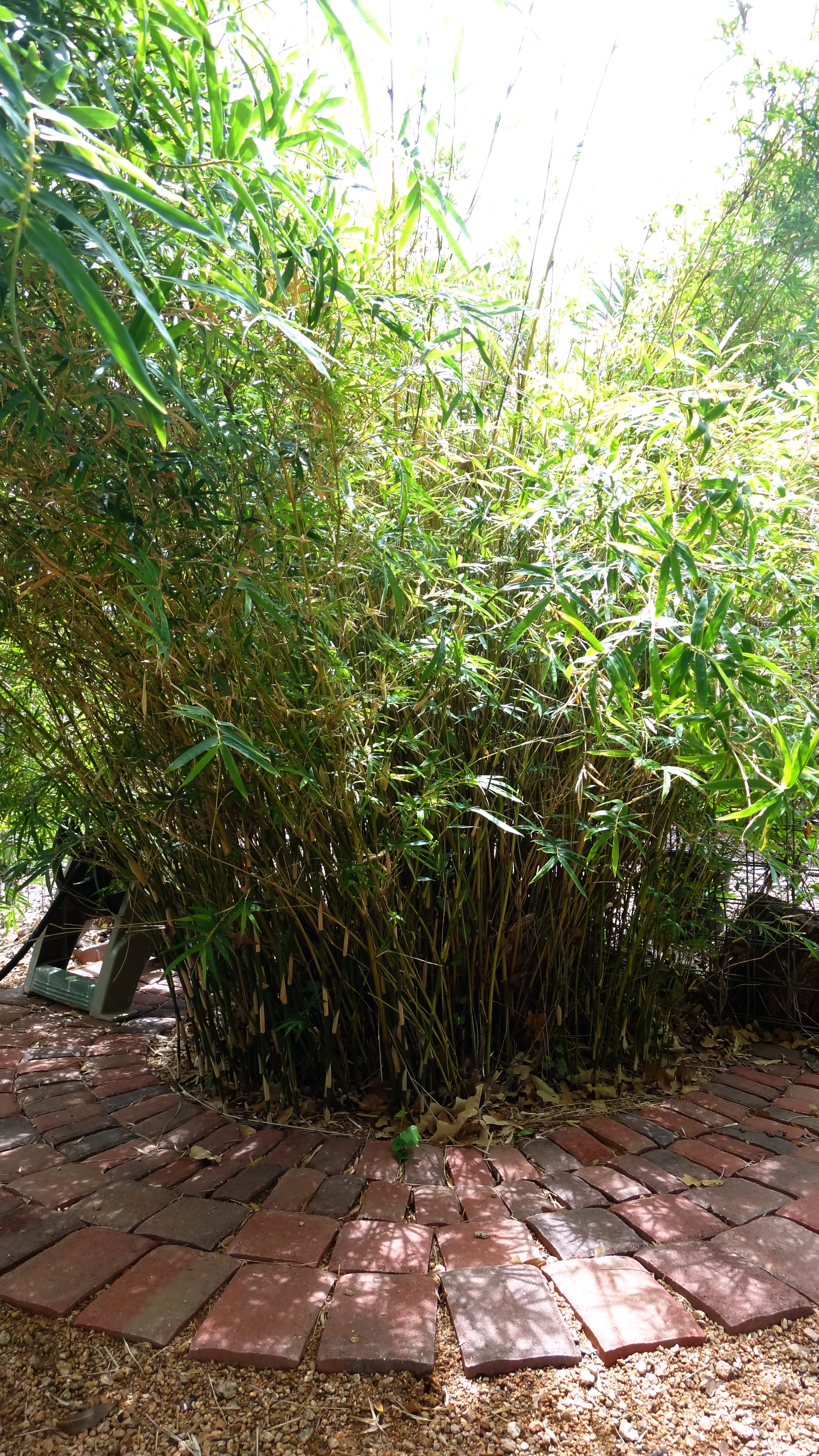 Mexican weeping bamboo seems to just keep getting larger. I may have to take out the inner bricks at this rate.
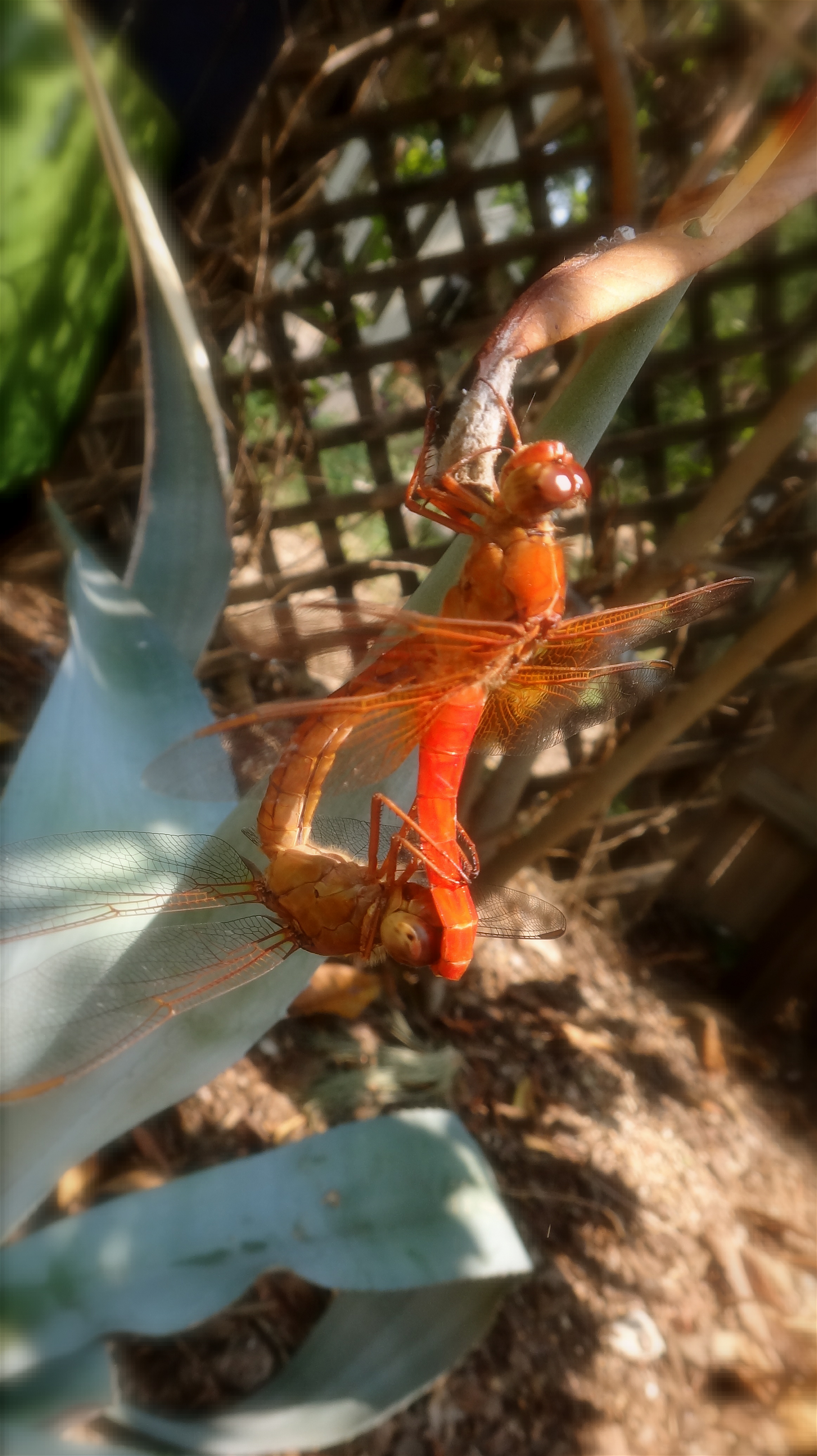
I will leave you with this moment of zen:
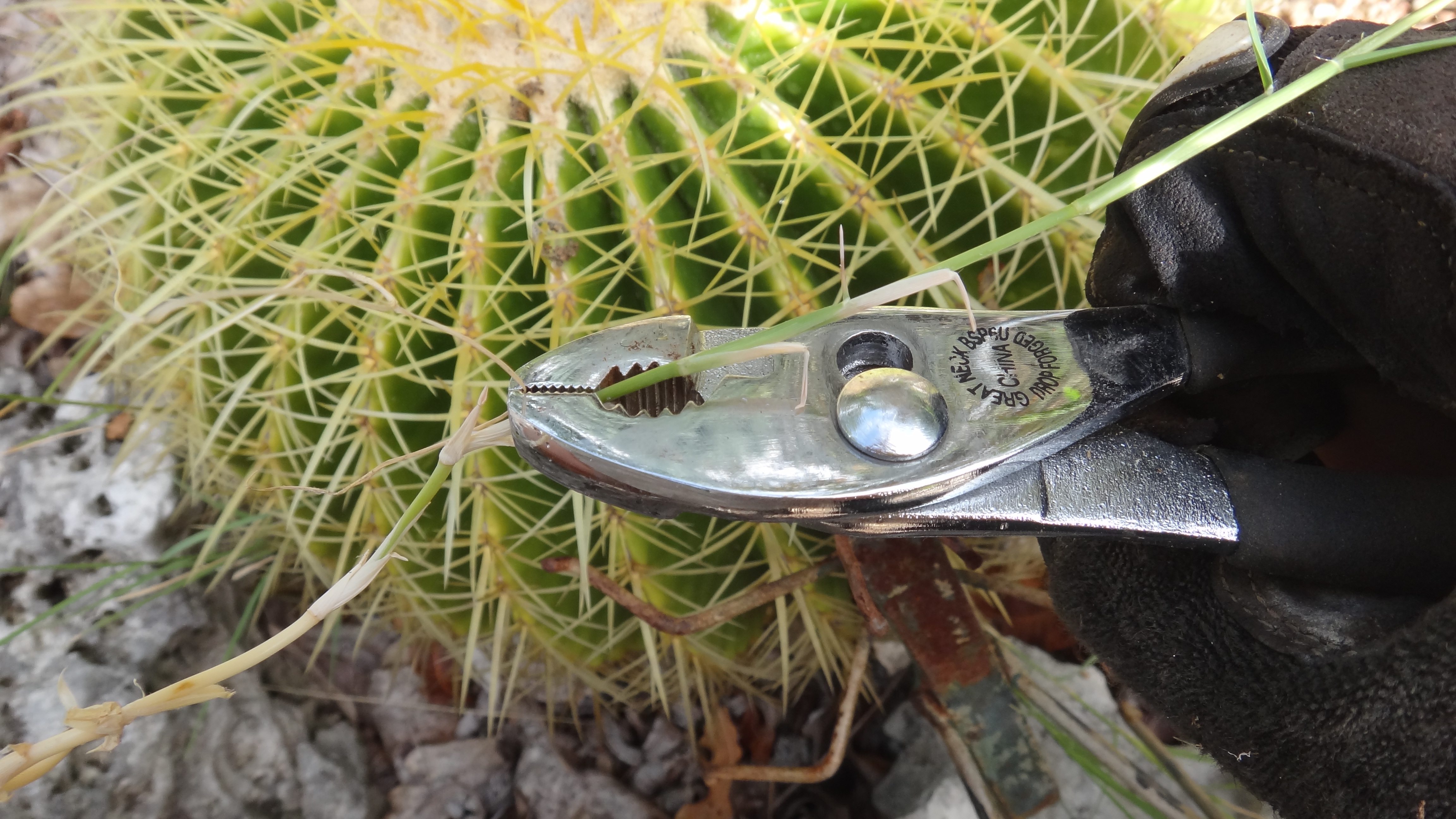
Not.
Stay Tuned for:
“All that Glitters is not Gold”
All material © 2011 for eastsidepatch. Unauthorized
intergalactic reproduction strictly prohibited, and
punishable by late (and extremely unpleasant)
14th century planet Earth techniques.